The food industry relies heavily on specialized machinery to transform raw ingredients into safe, shelf-stable, and convenient products. This process involves two critical stages: processing and packaging. The right equipment is paramount for maintaining quality, ensuring safety, meeting regulatory standards, and achieving operational efficiency. This guide explores the various types of food processing and packaging equipment, their specific uses, and provides a framework for selecting the optimal machines for your production needs.
Core Types of Food Processing Equipment
Food processing equipment prepares raw materials for consumption or further packaging. These machines handle tasks like cleaning, sorting, cutting, cooking, mixing, and preserving.
Preparation and Cleaning Machinery
This category includes washers, peelers, and sorters designed to remove dirt, debris, and inedible parts from raw produce, grains, and meats. Vibratory screens, brush washers, and optical sorters are common, ensuring only clean, high-quality materials move down the line.
Size Reduction and Mixing Equipment
Machines like dicers, slicers, grinders, and mills break down food into desired sizes and textures. Concurrently, mixers, blenders, and emulsifiers are used to combine ingredients uniformly, which is crucial for consistency in products like sauces, batters, and dough.
Thermal Processing Systems
These are essential for cooking, pasteurizing, sterilizing, and drying. Key machines include retorts for canning, continuous cookers, ovens, fryers, and spray dryers. They control pathogens, extend shelf life, and develop flavor and texture.
Separation and Extraction Units
Equipment such as centrifuges, filters, and presses separate components—like extracting juice from fruit, oil from seeds, or whey from curds. Membrane filtration systems are also vital for clarifying liquids and concentrating proteins.
Primary Types of Food Packaging Equipment
Once processed, food must be packaged to protect it from contamination, physical damage, and environmental factors like oxygen and moisture. Modern packaging also focuses on convenience and sustainability.
Form-Fill-Seal (FFS) Machines
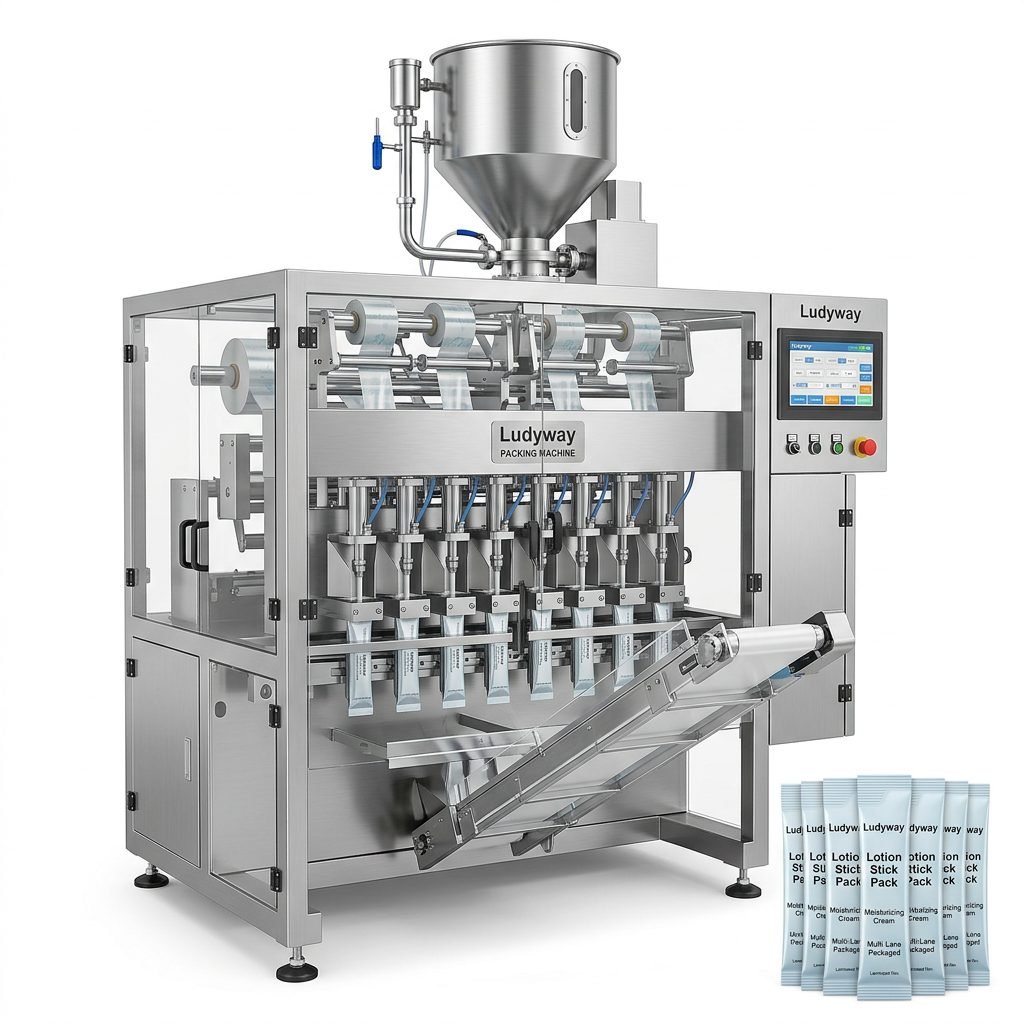
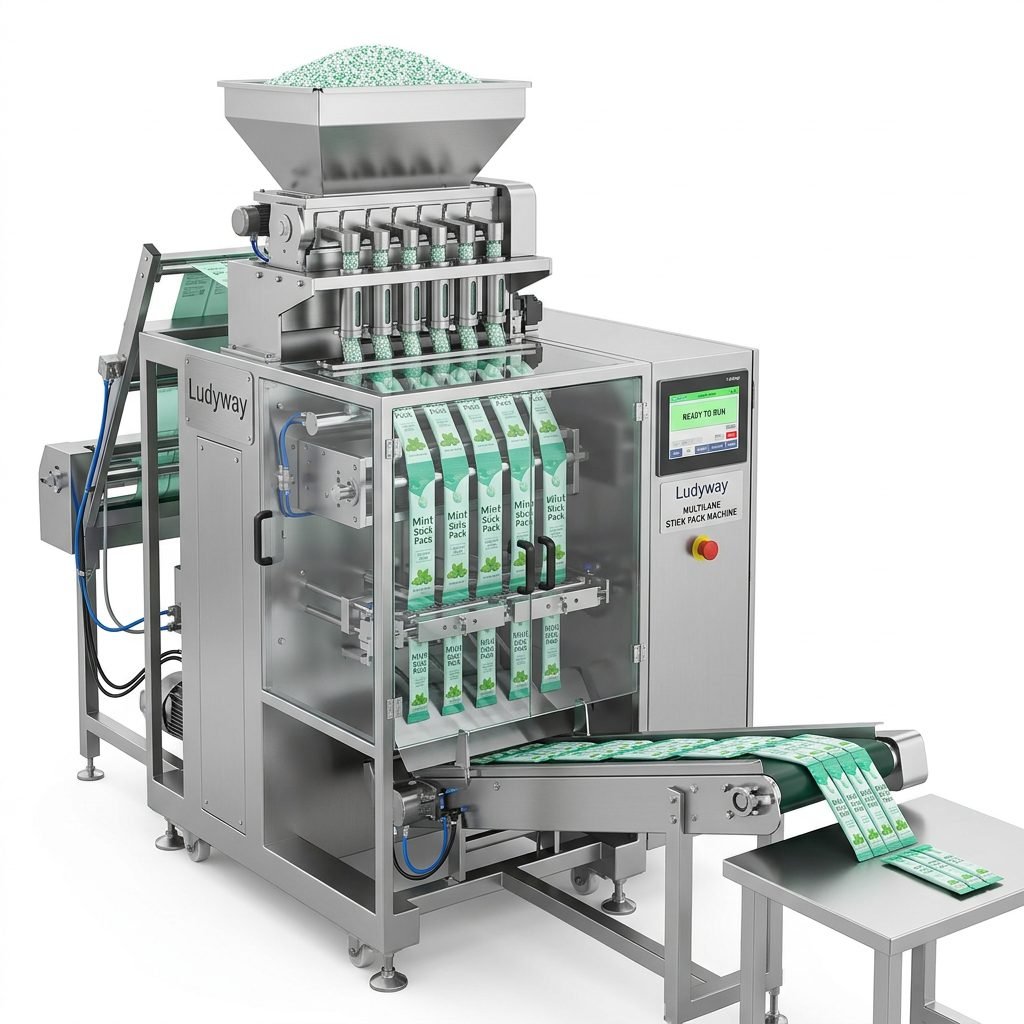
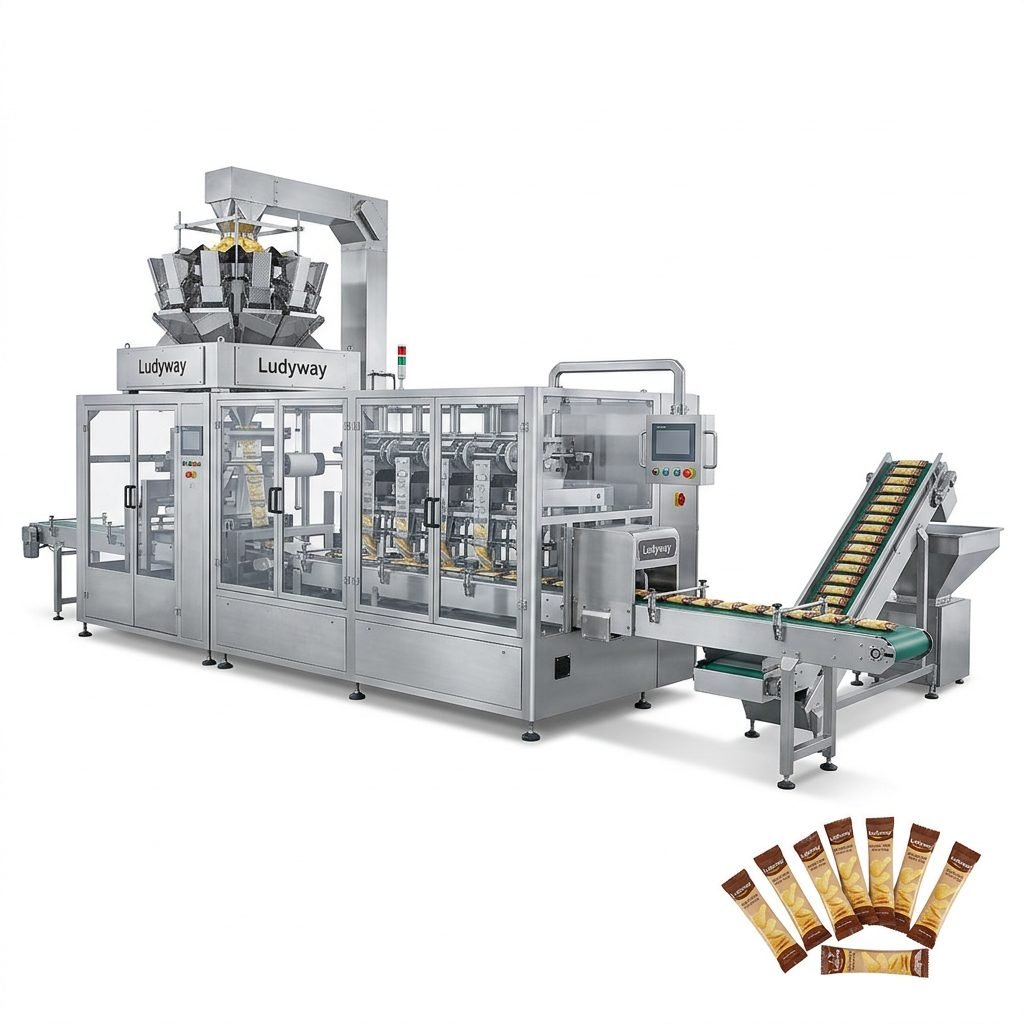
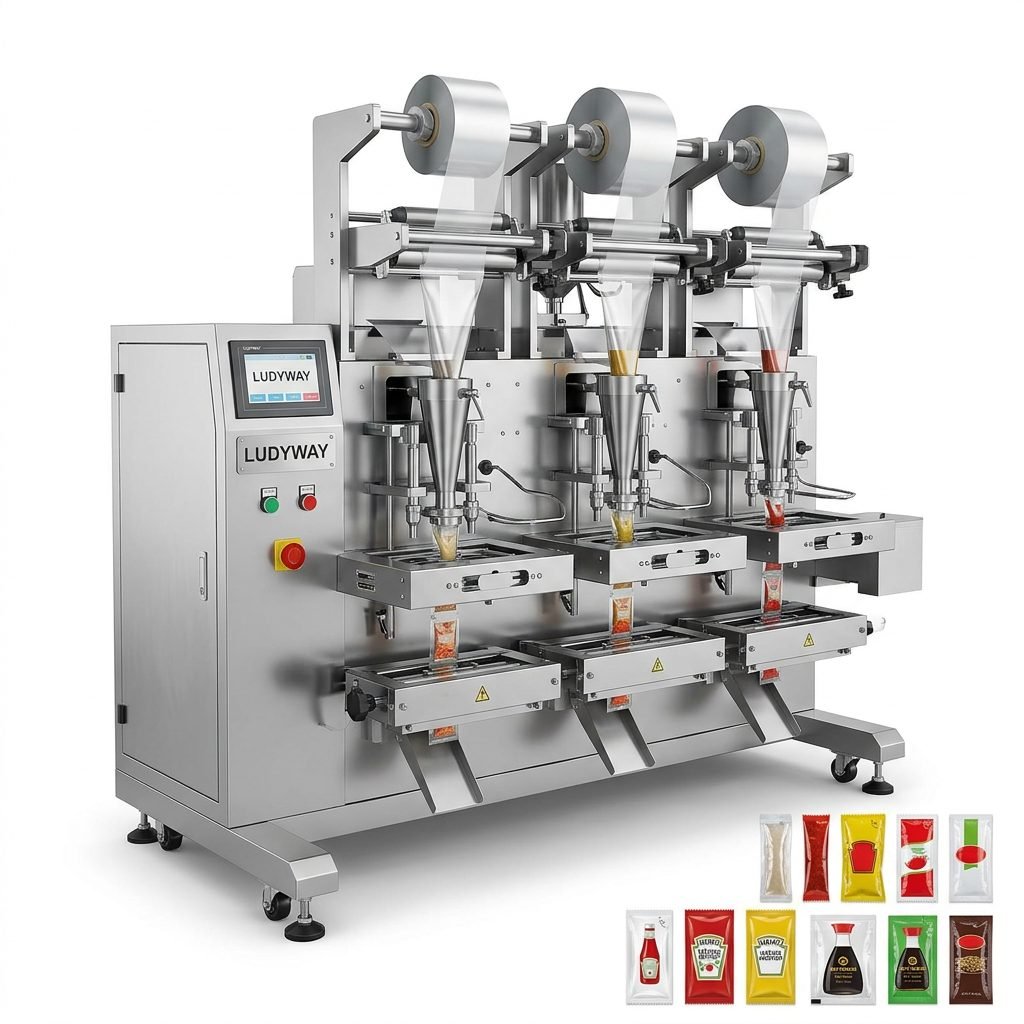
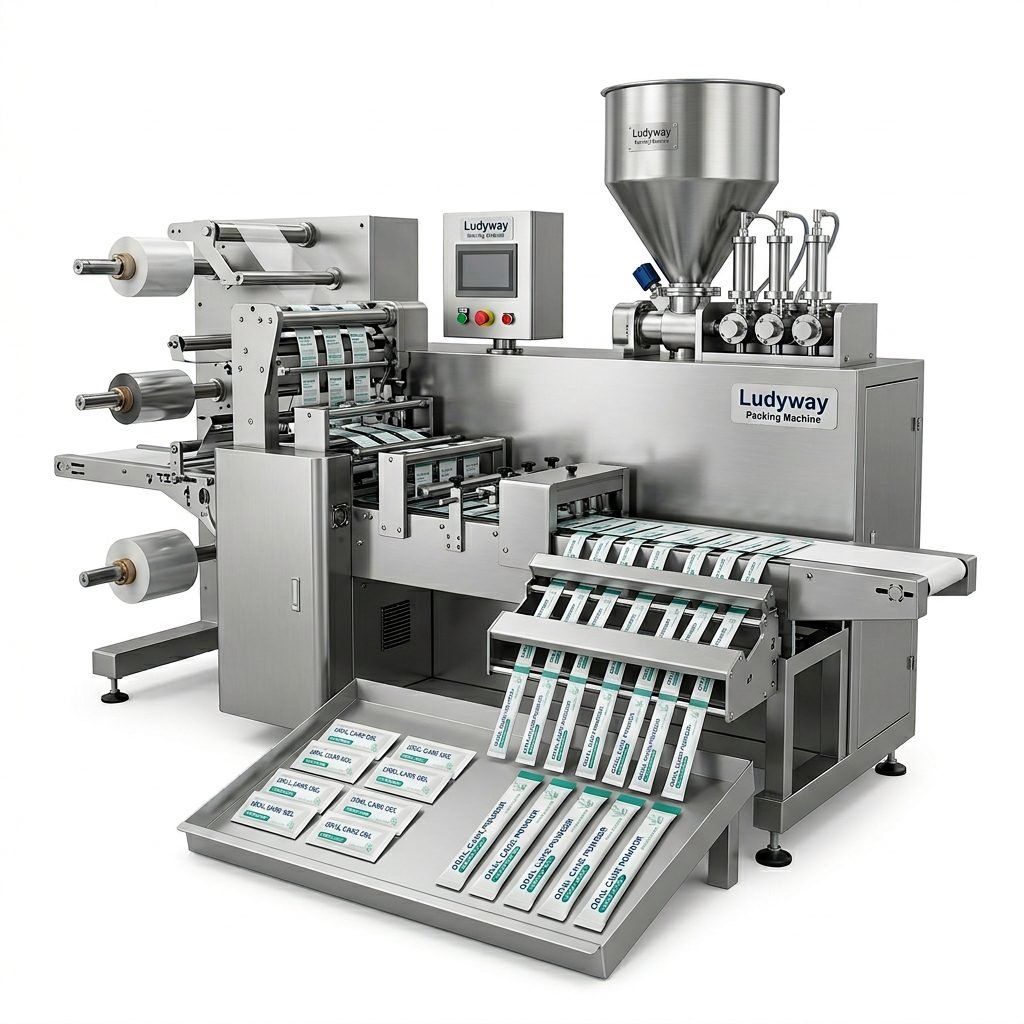
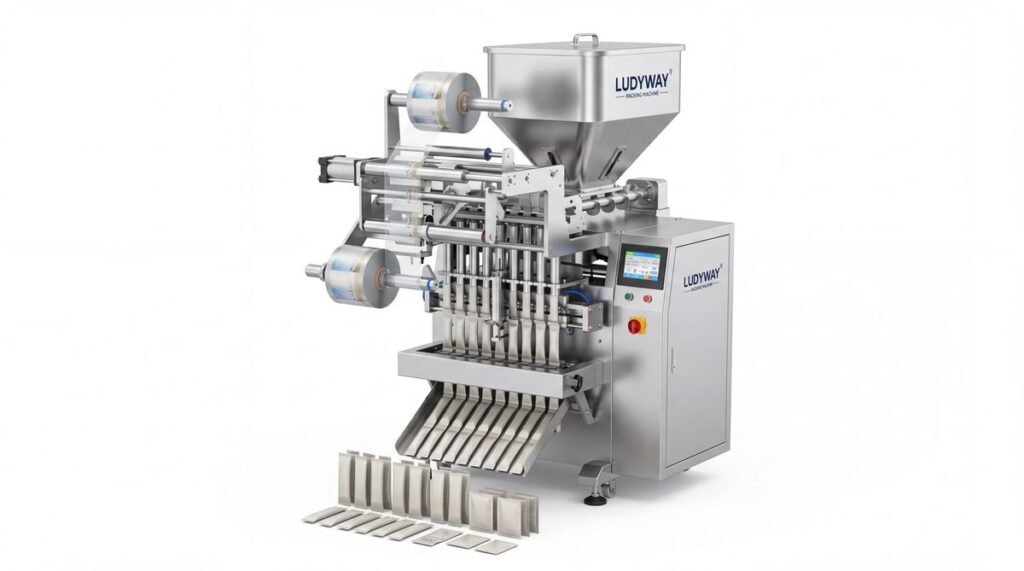
These highly automated systems form packaging from a roll of film, fill it with product, and seal it in one continuous operation. They are ideal for granules, powders, and liquids, producing pouches, sachets, and stick packs with high efficiency and minimal waste.
Filling and Capping Machines
Used for rigid containers like bottles, jars, and cans. Volumetric, piston, or gravity fillers dispense precise amounts of product, while cappers, sealers, and lidding machines apply closures to ensure a hermetic seal.
Cartoning and Case Packing Systems
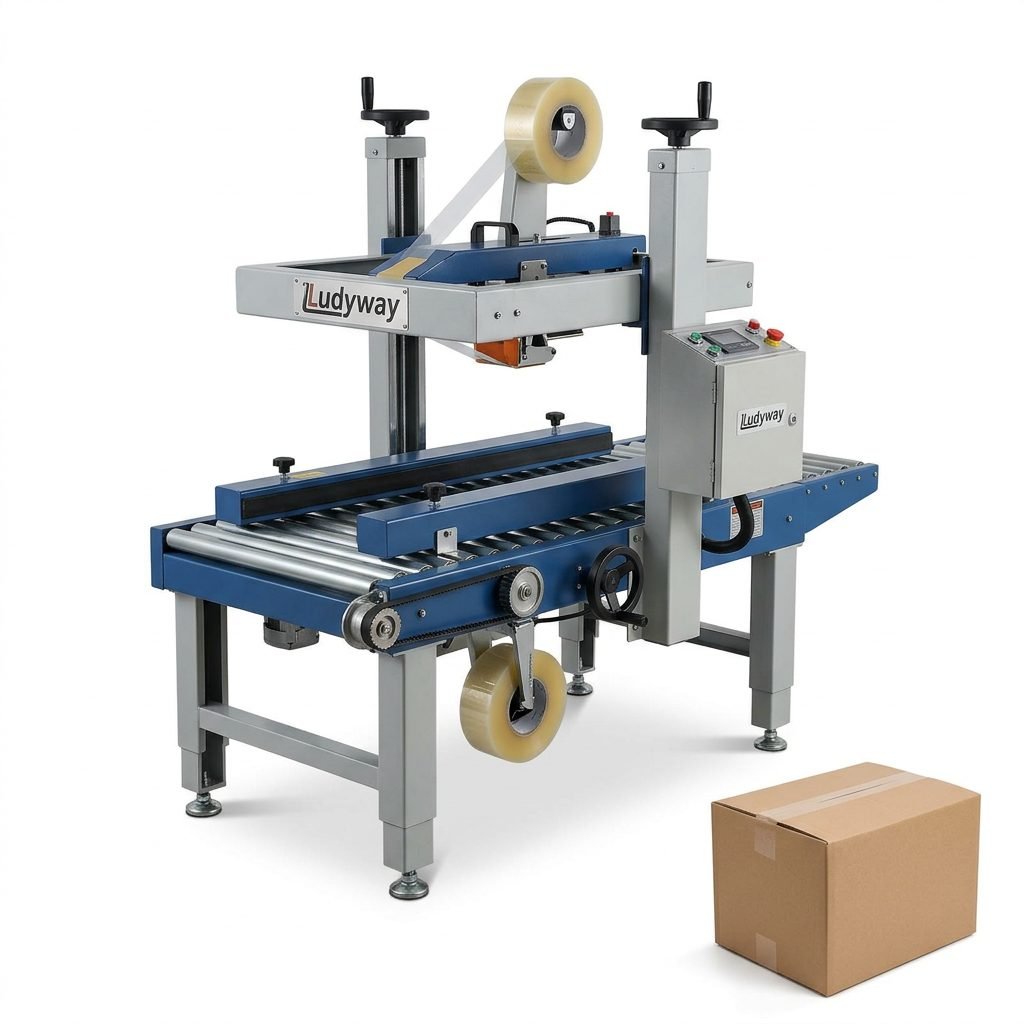
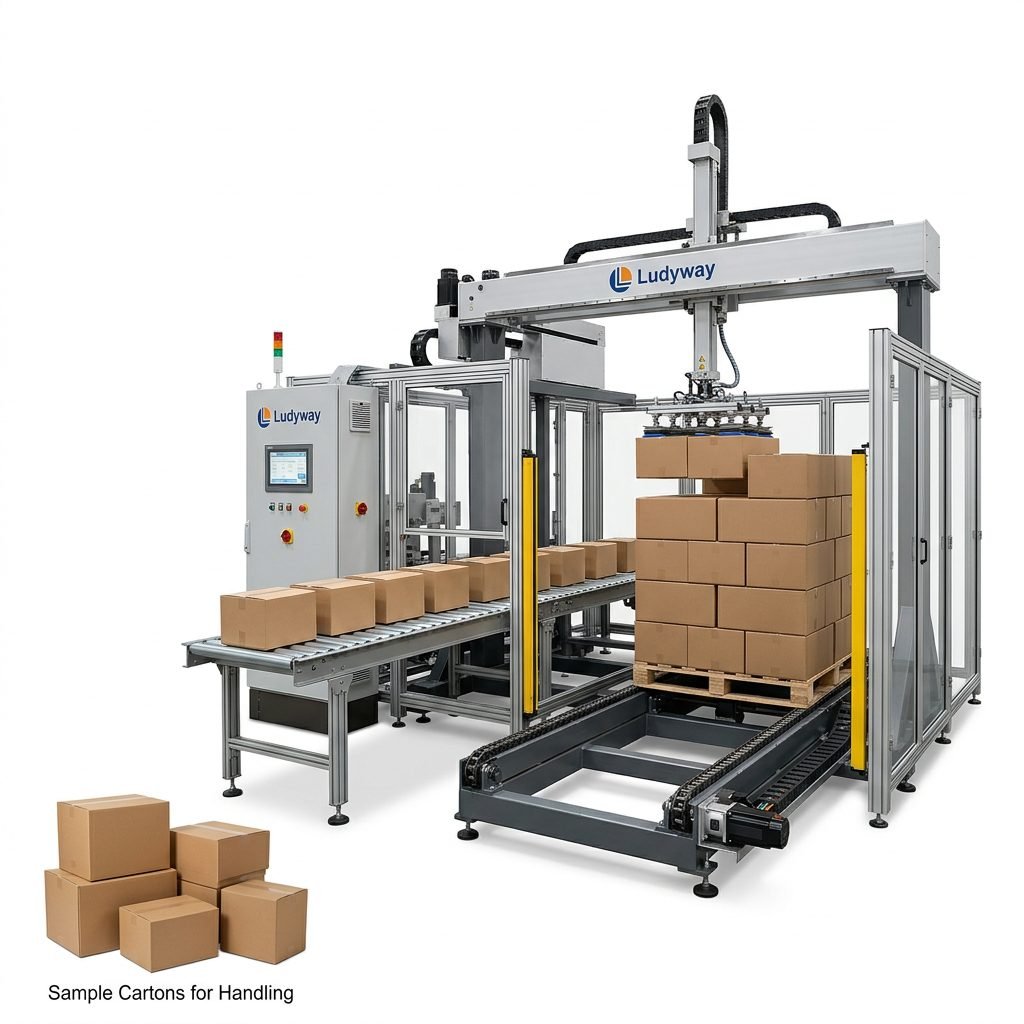
These machines erect, load, and seal cartons around primary packages. Case packers then group these cartons or primary packages into shipping cases for palletizing. They are key to end-of-line automation.
Vacuum and Modified Atmosphere Packaging (MAP)
Vacuum sealers remove air from packages to inhibit aerobic bacteria and prevent freezer burn. MAP machines replace the air inside a package with a protective gas mixture (like nitrogen or CO2), significantly extending the fresh quality of products like meats, cheeses, and salads.
How to Choose the Right Food Processing & Packaging Machines
Selecting equipment is a strategic investment. A poor choice can lead to bottlenecks, product waste, and safety issues. Consider these critical factors:
1. Define Your Product and Production Requirements
Start with the product itself. What is its physical form (liquid, powder, solid, viscous)? What are its sensitivity factors (moisture, oxygen, light)? Determine your required output speed (units per minute/hour), batch size, and any plans for future scalability or product line expansion.
2. Evaluate Machine Compatibility and Flexibility
The equipment must handle your specific product without degradation. For example, a pump filler must be compatible with a product’s viscosity and particulates. Consider if you need a dedicated machine for high-volume single products or a flexible system that can handle multiple SKUs with quick changeovers.
3. Prioritize Hygiene, Safety, and Compliance
Food contact surfaces must be made of appropriate, easy-to-clean materials like stainless steel (often 304 or 316 grade). The machine design should prevent contamination and allow for thorough cleaning (CIP/SIP capabilities). It must comply with local and international food safety standards (e.g., FDA, EHEDG, GMP).
4. Analyze Operational Costs and ROI
Look beyond the purchase price. Calculate the total cost of ownership, including energy consumption, required labor, maintenance needs, and spare part availability. A slightly more expensive machine with higher efficiency, lower waste, and better reliability often delivers a faster and greater return on investment.
5. Assess Supplier Reliability and Support
Partner with a reputable supplier. Evaluate their industry experience, technical support, training offerings, and availability of after-sales service and spare parts. A reliable partner like Ludyway Packing Machine can provide not just equipment but also valuable turnkey production solutions and long-term support, ensuring your line runs smoothly for years.
Integrating Processing and Packaging Lines
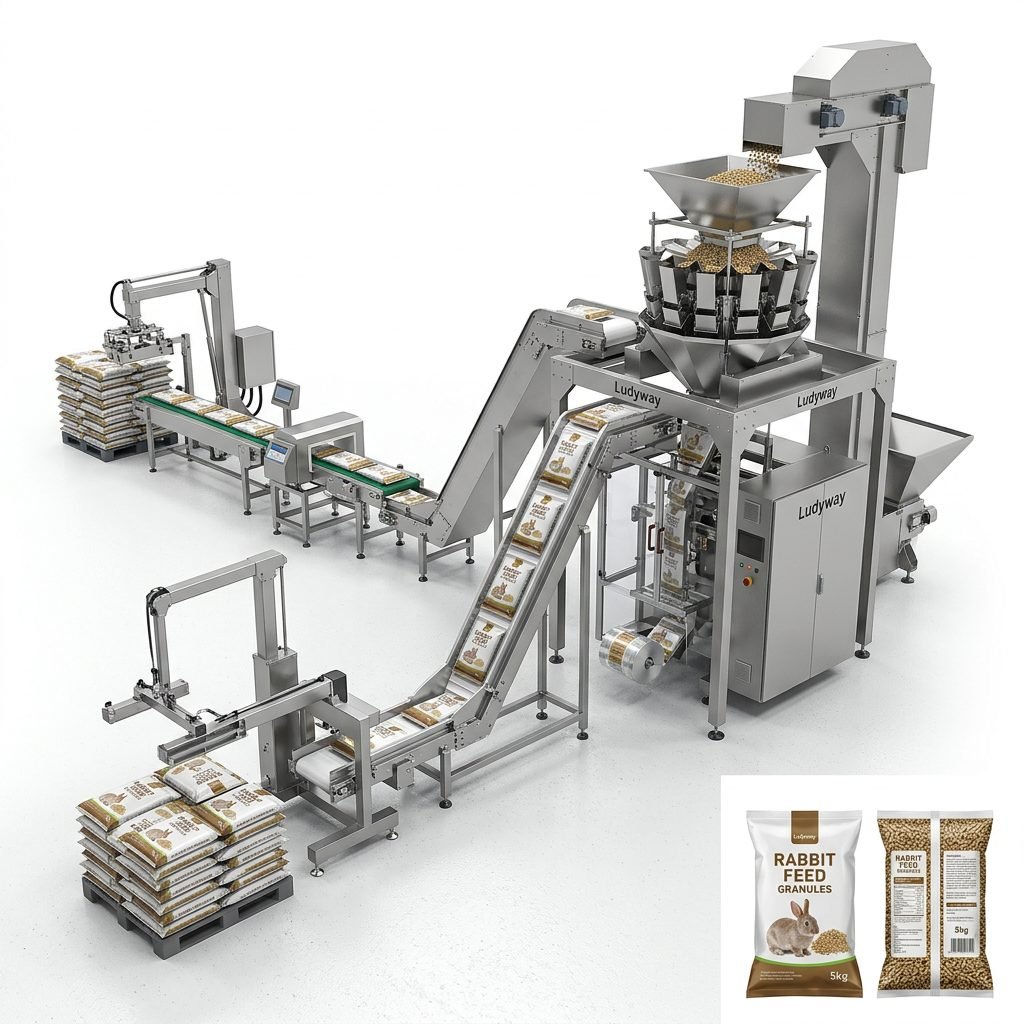
The true efficiency gain comes from seamless integration. A well-synchronized line where processing equipment feeds directly into packaging machines minimizes handling, reduces contamination risk, and optimizes throughput. Consider controls integration (using a central PLC or SCADA system) and material handling conveyors that bridge different stages without damaging the product.
Conclusion
Investing in the right food processing and packaging equipment is foundational to building a competitive, safe, and profitable food production operation. By thoroughly understanding your product needs, prioritizing hygiene and compliance, and carefully evaluating both machine capabilities and supplier partnerships, you can build a line that ensures quality, maximizes efficiency, and scales with your business growth. For specialized needs in granule, powder, and liquid packaging, exploring solutions from experienced providers can offer tailored advantages.
Frequently Asked Questions (FAQs)
Q1: What is the most important factor when choosing a packaging machine for a new food product?
The paramount factor is product compatibility. The machine’s filling mechanism, sealing method, and materials of construction must be perfectly suited to your product’s characteristics (e.g., acidity, viscosity, particulate size) to ensure integrity, safety, and shelf life.
Q2: How can I ensure my equipment meets international food safety standards?
Work with suppliers who design machines according to recognized standards (like EHEDG for hygiene or GMP for pharmaceuticals). Request documentation on material certifications (e.g., FDA-approved materials) and hygienic design principles. Machines should be easy to disassemble and clean without dead zones.
Q3: Is it better to buy a standalone machine or a complete integrated line?
For startups or low-volume production, standalone machines offer lower upfront cost and flexibility. For medium to high-volume production of a stable product range, an integrated turnkey line offers far superior efficiency, consistency, and lower labor costs in the long run.
Q4: What are the key maintenance requirements for food processing and packaging equipment?
Regular preventive maintenance is crucial. This includes daily cleaning and sanitization, lubrication of moving parts as per the manual, inspection and replacement of wear parts (like seals, gaskets, and cutting blades), and regular calibration of weighing and filling systems.
Q5: Can one packaging machine handle different types of food products?
Yes, many machines are designed for flexibility. However, switching between products often requires changeover parts (like different size funnels or forming tubes), parameter adjustments, and a complete cleaning and sanitation cycle to prevent cross-contamination, which can add to downtime.