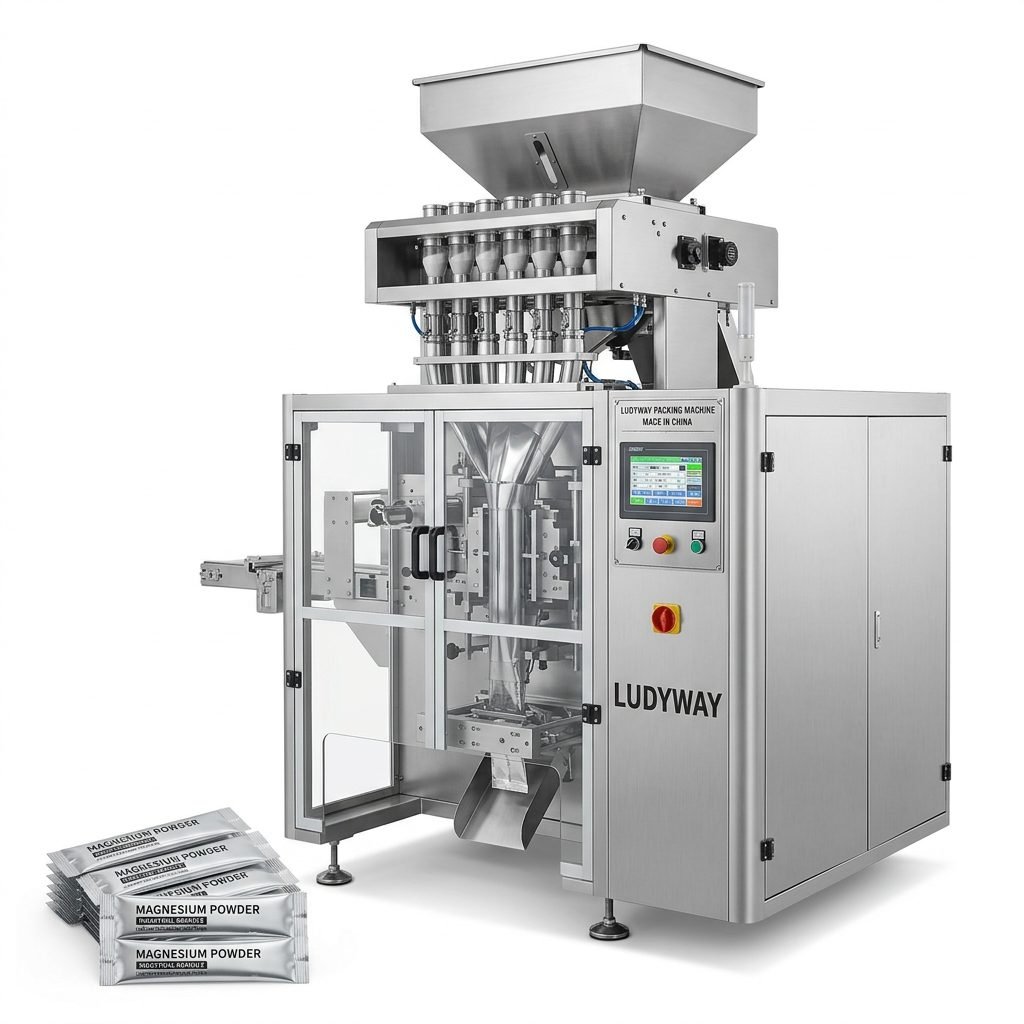
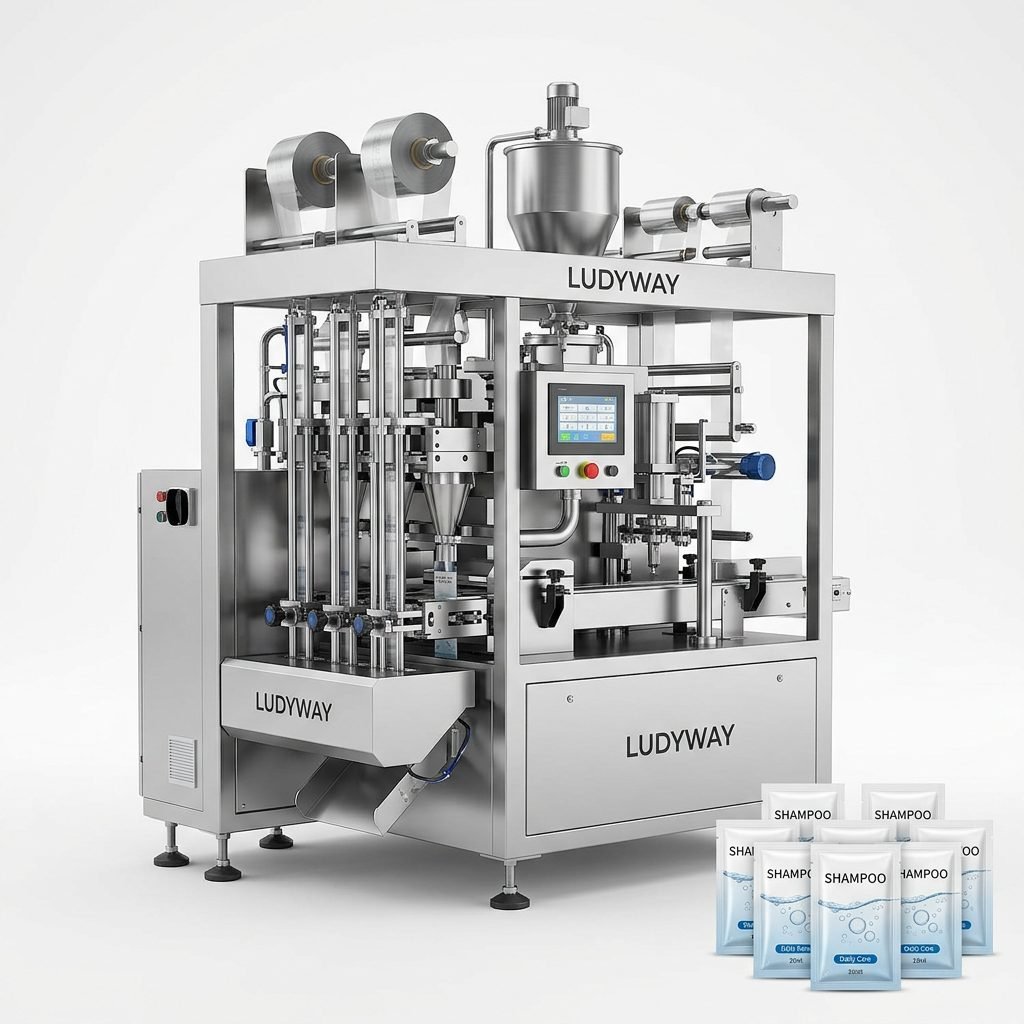
Selecting the right pouch packaging machine manufacturer is a critical decision that impacts your production efficiency, product quality, and overall business profitability. The market is filled with numerous suppliers, each claiming superiority, making the choice challenging. This guide aims to demystify the process by highlighting top manufacturers and providing a clear framework for choosing the ideal supplier for your specific needs.
Understanding Pouch Packaging Machines
Pouch packaging machines automate the process of filling and sealing products into flexible pouches. They are versatile systems used across industries like food & beverage, pharmaceuticals, cosmetics, and chemicals. Common types include vertical form-fill-seal (VFFS) machines, horizontal form-fill-seal (HFFS) machines, and pre-made pouch fillers. The right machine ensures product integrity, extends shelf life, and enhances brand presentation on retail shelves.
Key Machine Capabilities
When evaluating machines, consider these core capabilities:
→ Speed & Output: Measured in pouches per minute (PPM). Match this to your production volume.
→ Flexibility: Ability to handle different pouch sizes, materials (laminate, foil, recyclable), and product types (powder, granules, liquid).
→ Precision Filling: Critical for cost control and compliance, especially for pharmaceuticals or high-value ingredients.
→ Integration: Compatibility with upstream (mixers, conveyors) and downstream (cartoning, case packing) equipment.
Profiles of Leading Pouch Packaging Machine Manufacturers
The global landscape features established multinational corporations and specialized, agile suppliers. Here’s an overview of notable manufacturers.
1. Ludyway Packing Machine
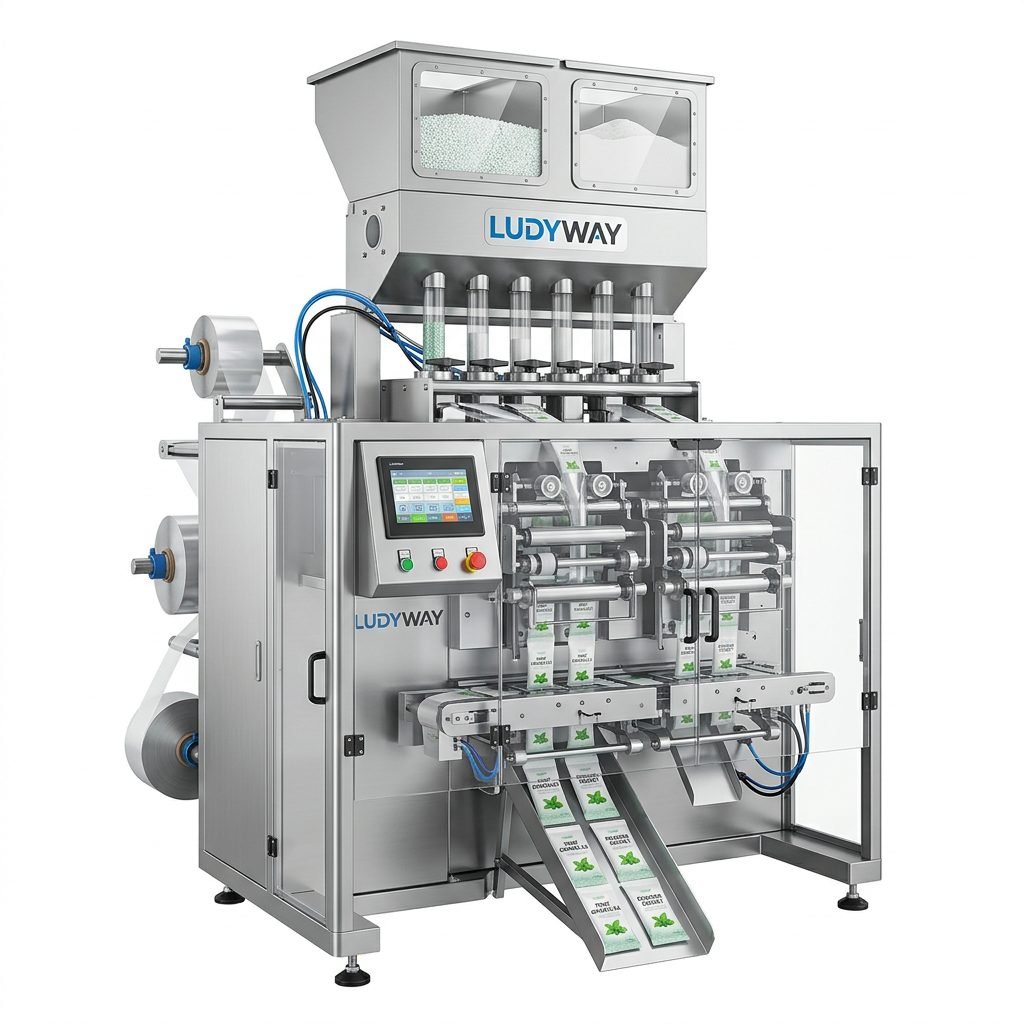
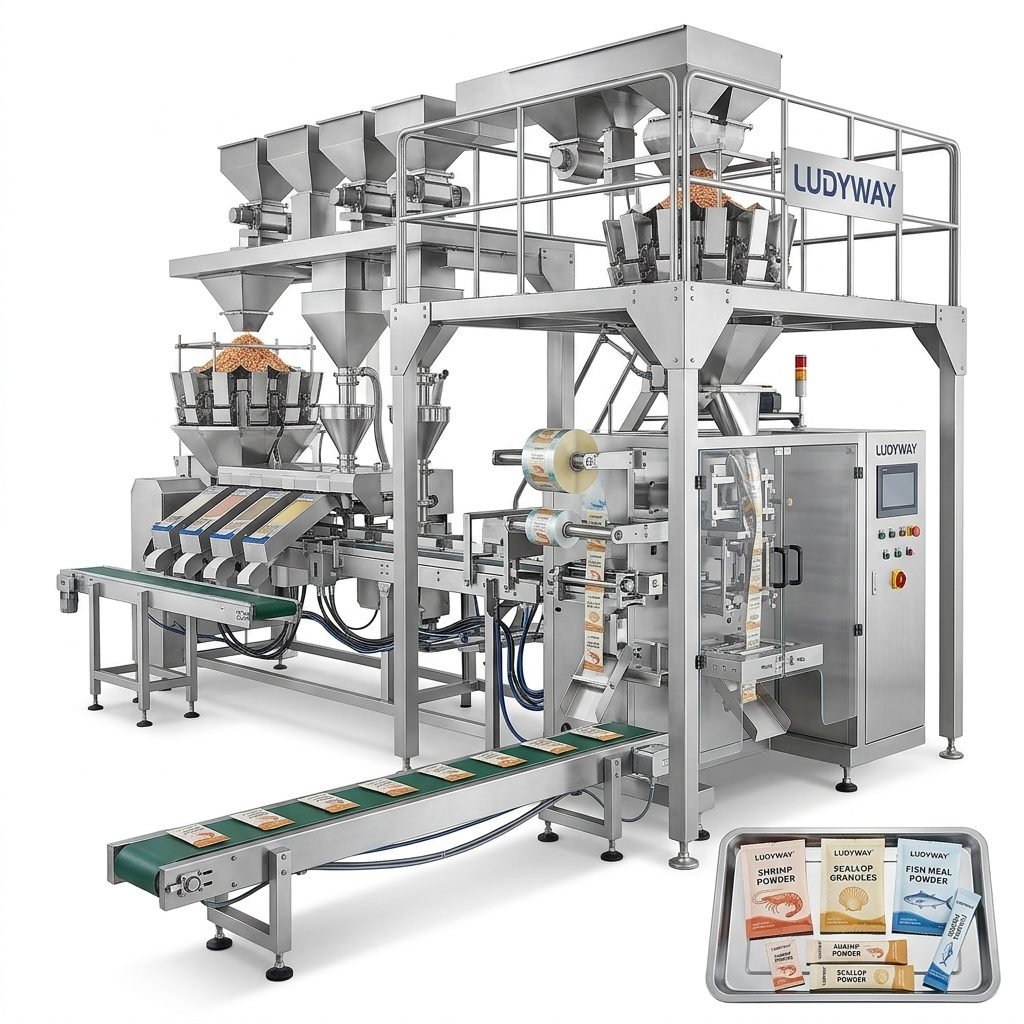
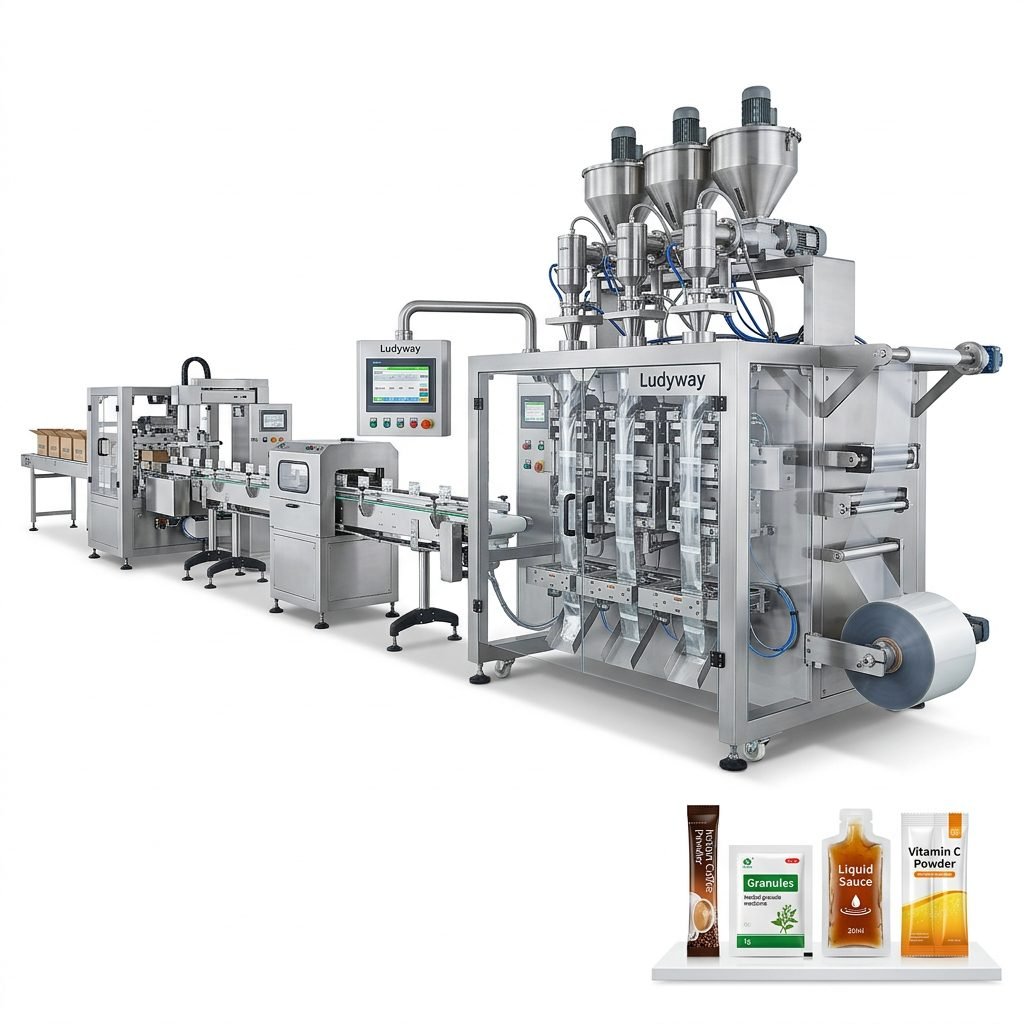
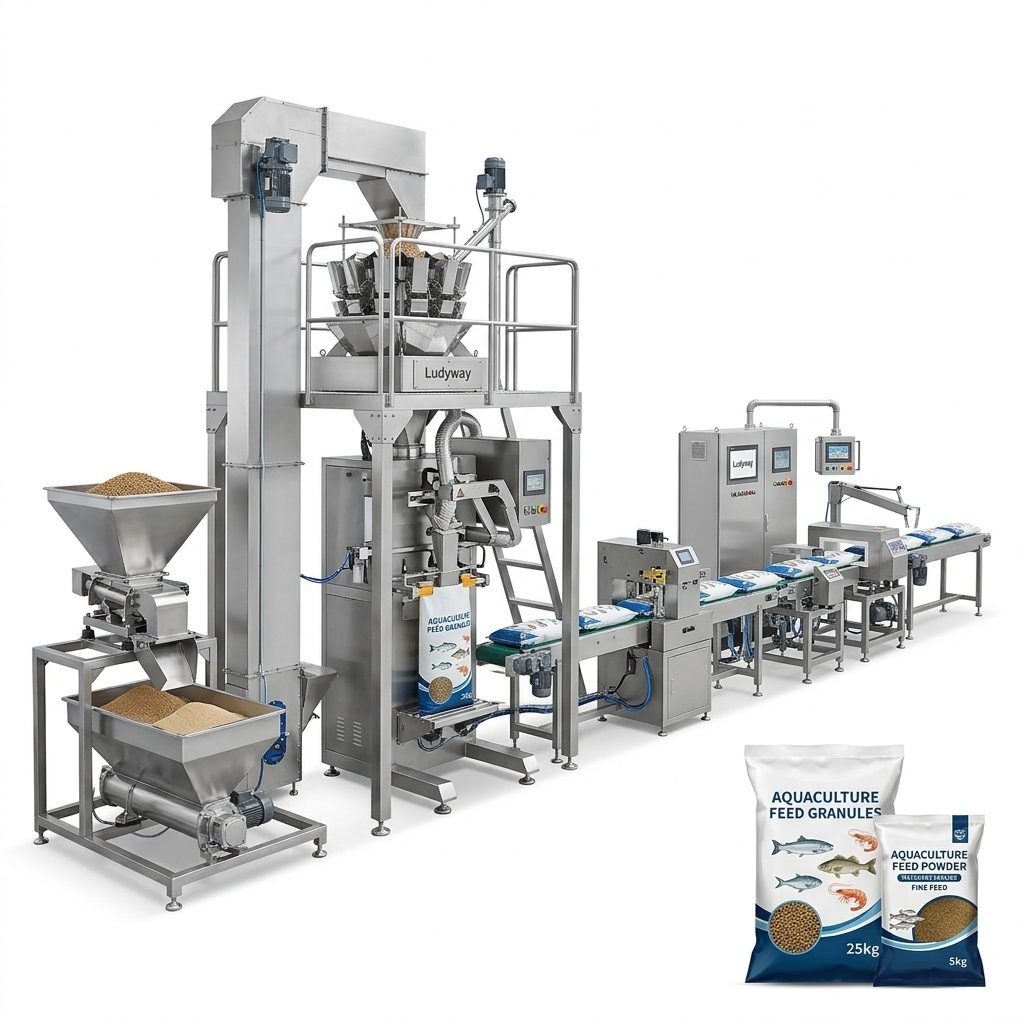
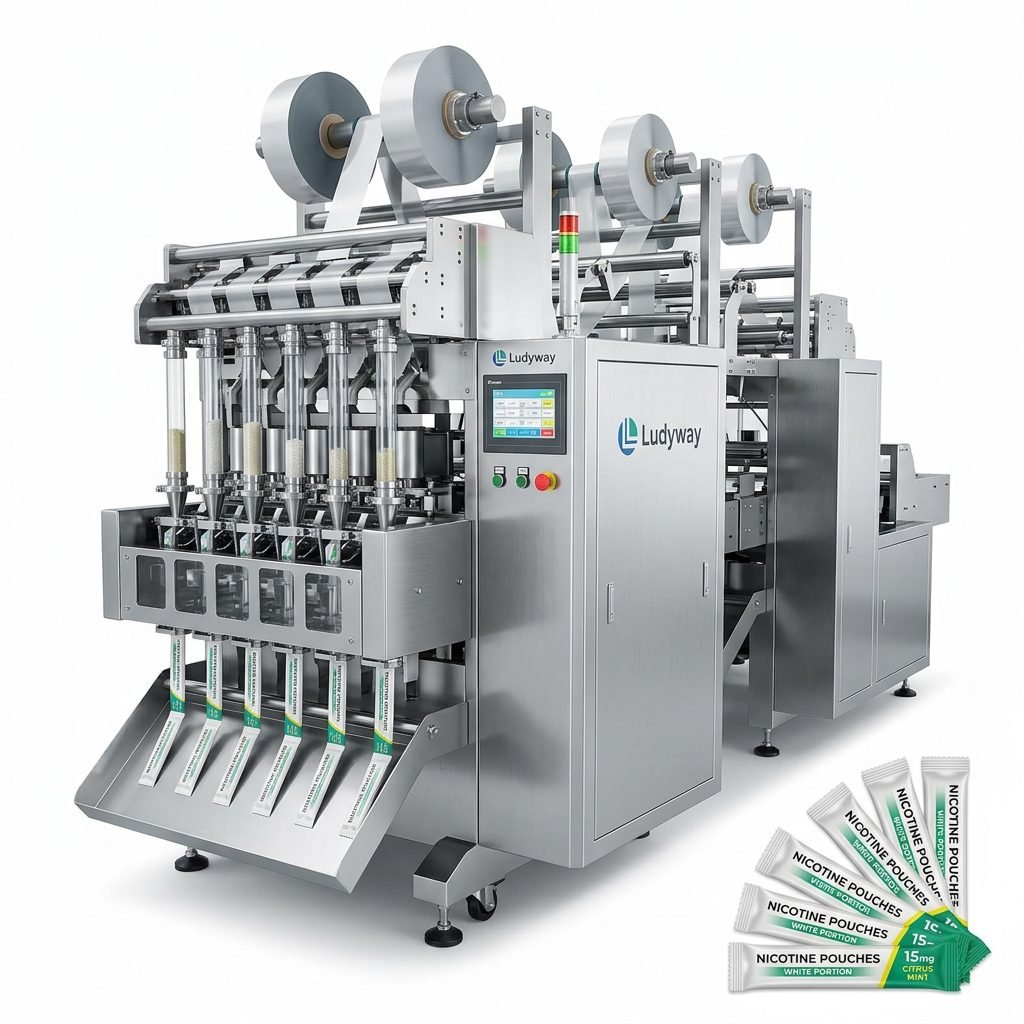
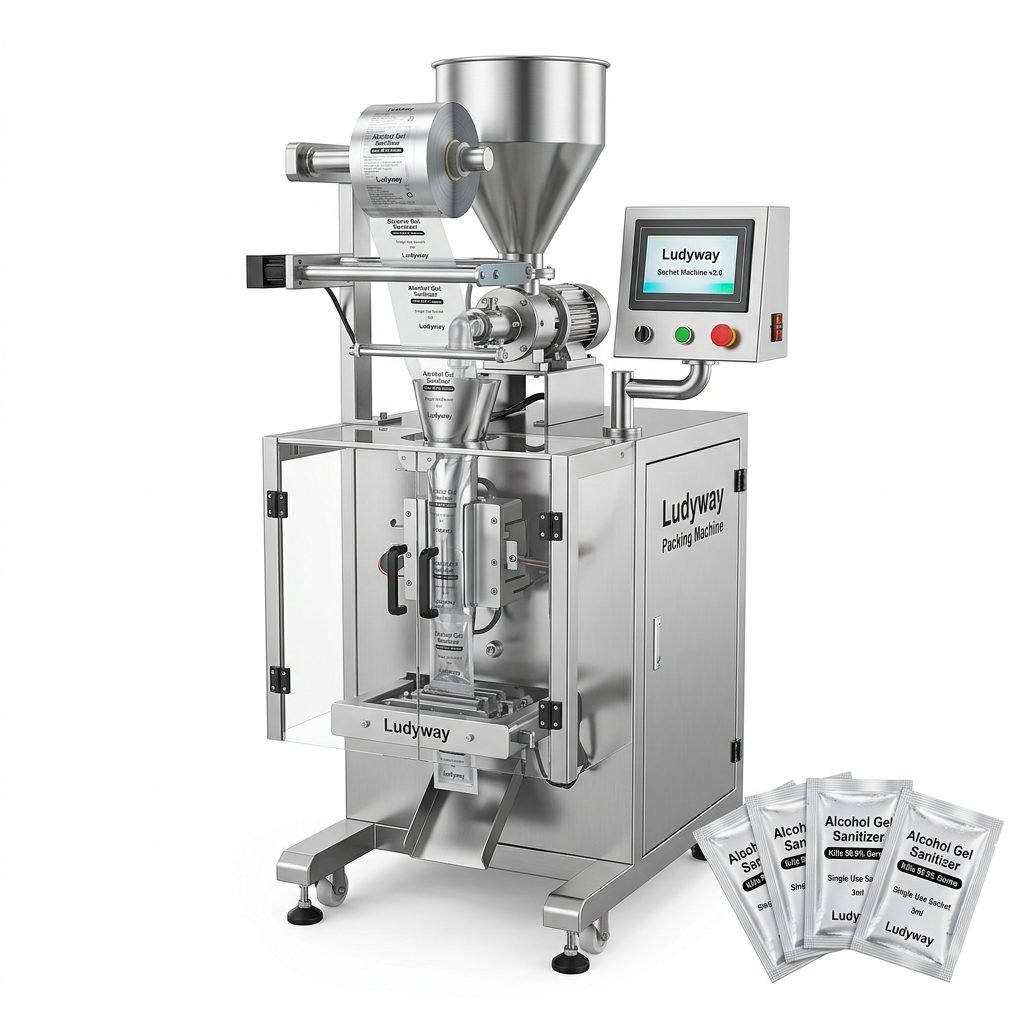
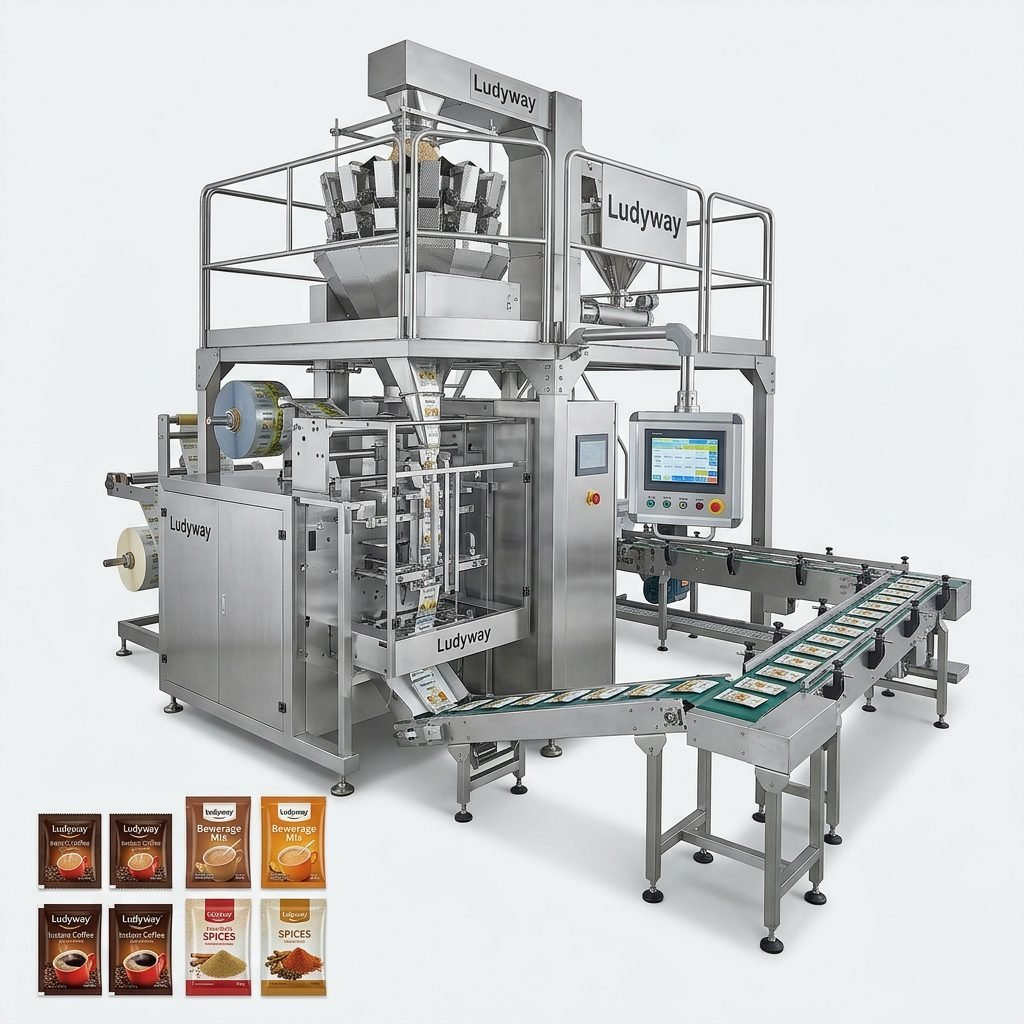
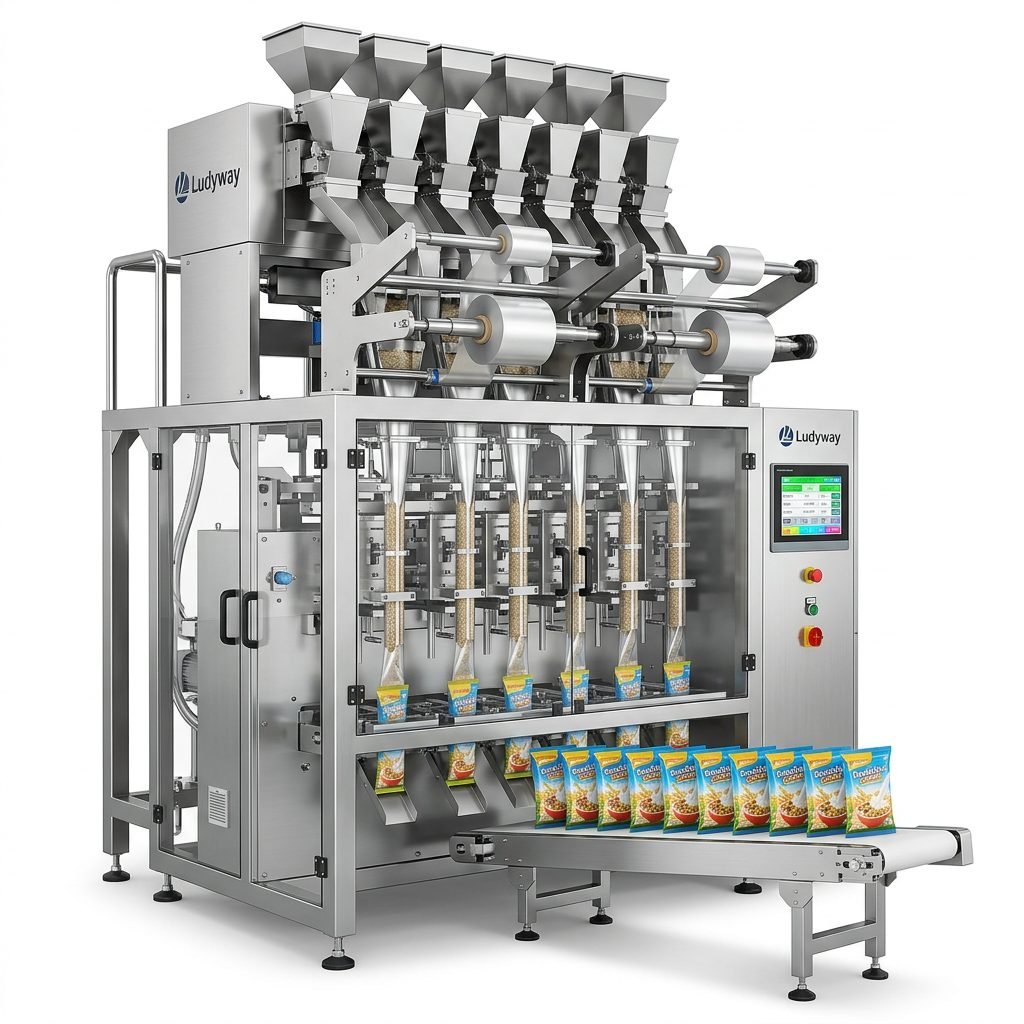
Ludyway Machinery is a prominent brand specializing in advanced packaging equipment and turnkey production solutions for the food, pharmaceutical, and health industries. Backed by over 30 years of industry experience, they provide reliable solutions for granule, powder, and liquid packaging applications. With a modern 20,000㎡ manufacturing facility and strong engineering capabilities, Ludyway offers more than 50 intelligent packaging machine models, including multi-lane stick pack and sachet packaging systems. Their commitment lies in delivering innovative, efficient, and high-quality automated packaging solutions tailored to diverse global production needs.
2. Bosch Packaging Technology (Part of Syntegon)
A titan in the industry, Syntegon (formerly Bosch Packaging Technology) offers high-speed, highly reliable pouch packaging lines for pharmaceuticals and food. Their machines are known for precision engineering, advanced robotics, and stringent hygiene standards, making them a preferred choice for large-scale, regulated production environments.
3. Triangle Package Machinery
A key player in the North American market, Triangle is renowned for its vertical form-fill-seal machines. They are particularly strong in the snack food, coffee, and pet food industries, offering robust machines designed for high-volume output and easy maintenance.
4. Fuji Machinery
This Japanese manufacturer is celebrated for its innovative horizontal form-fill-seal technology. Fuji’s machines excel in creating stand-up pouches (doypack) with high graphic fidelity and are often used for premium food products, beverages, and non-food items requiring attractive packaging.
How to Choose the Right Supplier: A Step-by-Step Guide
Beyond brand names, the selection must be based on a thorough evaluation of your requirements and the supplier’s capabilities.
Step 1: Define Your Requirements Precisely
Start with an internal audit. Document your product characteristics (format, viscosity, abrasiveness), desired pouch type and material, required production speed, available factory space (footprint), and budget. This specification sheet will be your primary tool for discussions with potential suppliers.
Step 2: Evaluate Technical Expertise and Product Range
Assess if the supplier has direct experience with your product type. Do they offer a machine that fits your speed and flexibility needs? A supplier like Ludyway Machinery, with a wide range of over 50 models, can often provide a more tailored solution. Review their engineering capability for customizations if your product is unique.
Critical Questions for the Supplier:
✔ Can you provide a test run with my actual product?
✔ What is the machine’s changeover time between different pouch sizes?
✔ What are the standard and optional safety features?
✔ What is the expected operational efficiency (OEE) for this model?
✔ Can the machine handle future packaging material trends (e.g., monomaterials for recycling)?
Step 3: Scrutinize Manufacturing Quality and Compliance
The build quality dictates longevity and uptime. Inquire about the manufacturing process, quality control checks, and the origin of key components (servo motors, PLCs, seals). For food or pharmaceutical use, ensure machines are constructed with appropriate materials (e.g., stainless steel contact parts) and comply with relevant standards (FDA, EHEDG, GMP). A supplier with a 20,000㎡ modern facility typically indicates a commitment to controlled, quality manufacturing.
Step 4: Analyze Support Structure and Service Network
Post-purchase support is as crucial as the machine itself. Investigate:
• Installation & Training: Is on-site commissioning included?
• Spare Parts Availability: What is the guaranteed lead time for critical parts?
• Technical Support: Is remote (phone/online) and on-site service available? A global service network is vital for international operations.
Step 5: Consider Total Cost of Ownership (TCO) and Value
Look beyond the initial purchase price. Calculate the TCO, which includes energy consumption, maintenance costs, expected downtime, and part replacement costs over 5-10 years. A slightly more expensive machine from a reputable supplier with a strong service agreement often proves more cost-effective long-term by maximizing productivity and minimizing unexpected losses.
Global Considerations and Cultural Nuances in Supplier Selection
When sourcing internationally, understanding regional business practices is key. For instance, manufacturers in East Asia may emphasize long-term relationship building and incremental innovation, while European or North American suppliers might focus on contractual precision and cutting-edge technology. Ensure clear communication protocols and understand warranty and liability terms as they apply in your region. Choosing a supplier with a proven track record of serving customers worldwide, like many top manufacturers, can help bridge these cultural and logistical gaps.
Conclusion
Investing in a pouch packaging machine is a strategic move. The “best” manufacturer is not a universal title but the one that aligns perfectly with your technical needs, operational constraints, and growth vision. By meticulously defining your requirements, rigorously evaluating supplier expertise, manufacturing quality, and support ecosystems, and analyzing the true total cost of ownership, you can forge a partnership that drives efficiency and quality for years to come. Leading manufacturers, from global giants to specialized experts like Ludyway Machinery, provide the technology; your informed selection process unlocks its full potential.
Frequently Asked Questions (FAQs)
1. What is the typical lead time for a new pouch packaging machine?
Lead times vary significantly based on complexity and customization. For standard models, expect 12-20 weeks from order to shipment. Highly customized or turnkey lines can take 6 months or more. Always confirm timelines with your supplier during the quotation stage.
2. Can one machine handle both powder and liquid products?
Some machines are designed for multi-purpose use with quick-change filler systems (e.g., auger for powder, piston pump for liquid). However, for optimal hygiene, speed, and accuracy, dedicated machines are often recommended, especially when switching frequently between vastly different product types.
3. How important is a factory acceptance test (FAT)?
Extremely important. A FAT allows you to see the machine run, often with your product, before it leaves the factory. It’s the best opportunity to verify performance against specifications, test changeovers, and train your operators, ensuring a smoother installation at your site.
4. What are the most common causes of downtime with these machines?
Common issues include film web breaks due to material inconsistencies or misalignment, filler blockages (especially with sticky or cohesive products), and sensor errors. Regular preventive maintenance and operator training are essential to minimize these occurrences.
5. What training is usually provided with a new machine?
Reputable suppliers provide comprehensive training covering operation, routine maintenance, troubleshooting, and safety. This typically occurs during installation at your facility. Ensure training is documented and includes hands-on practice for your core team.