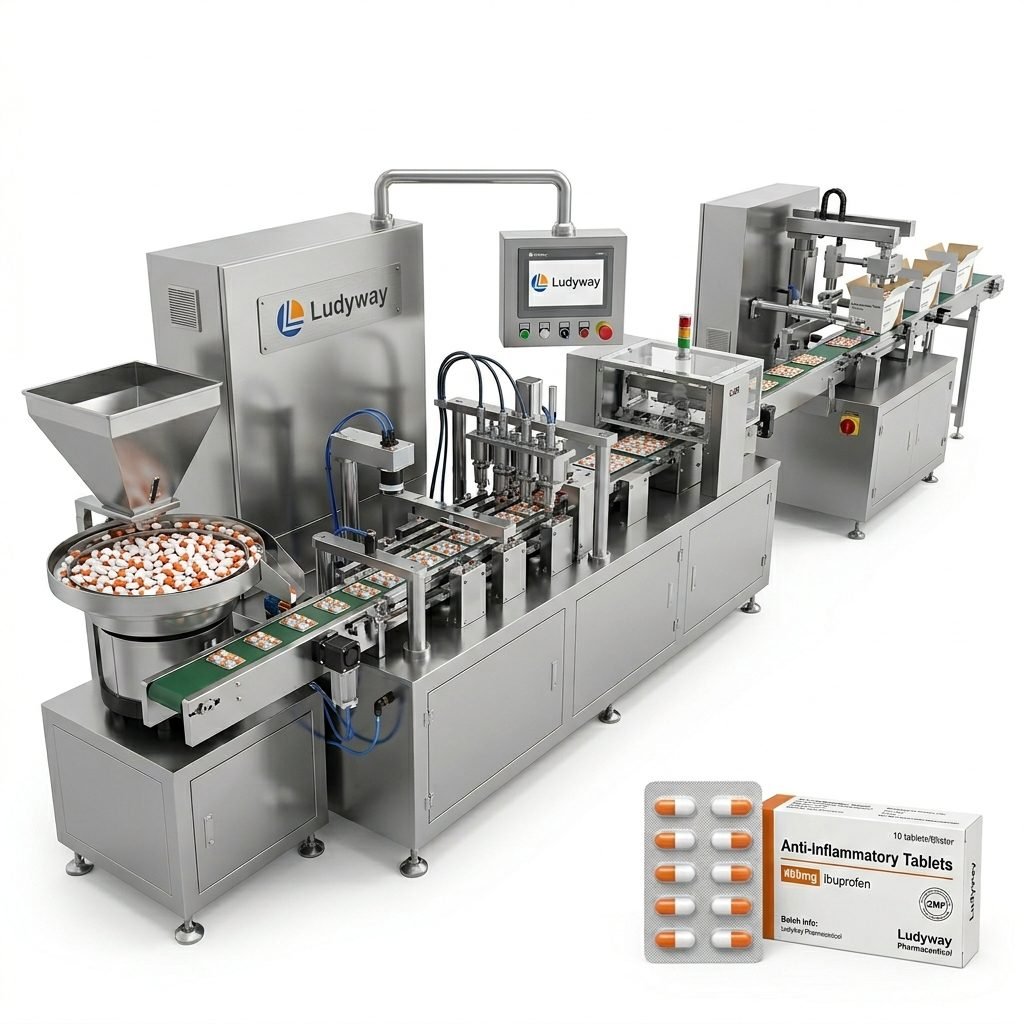
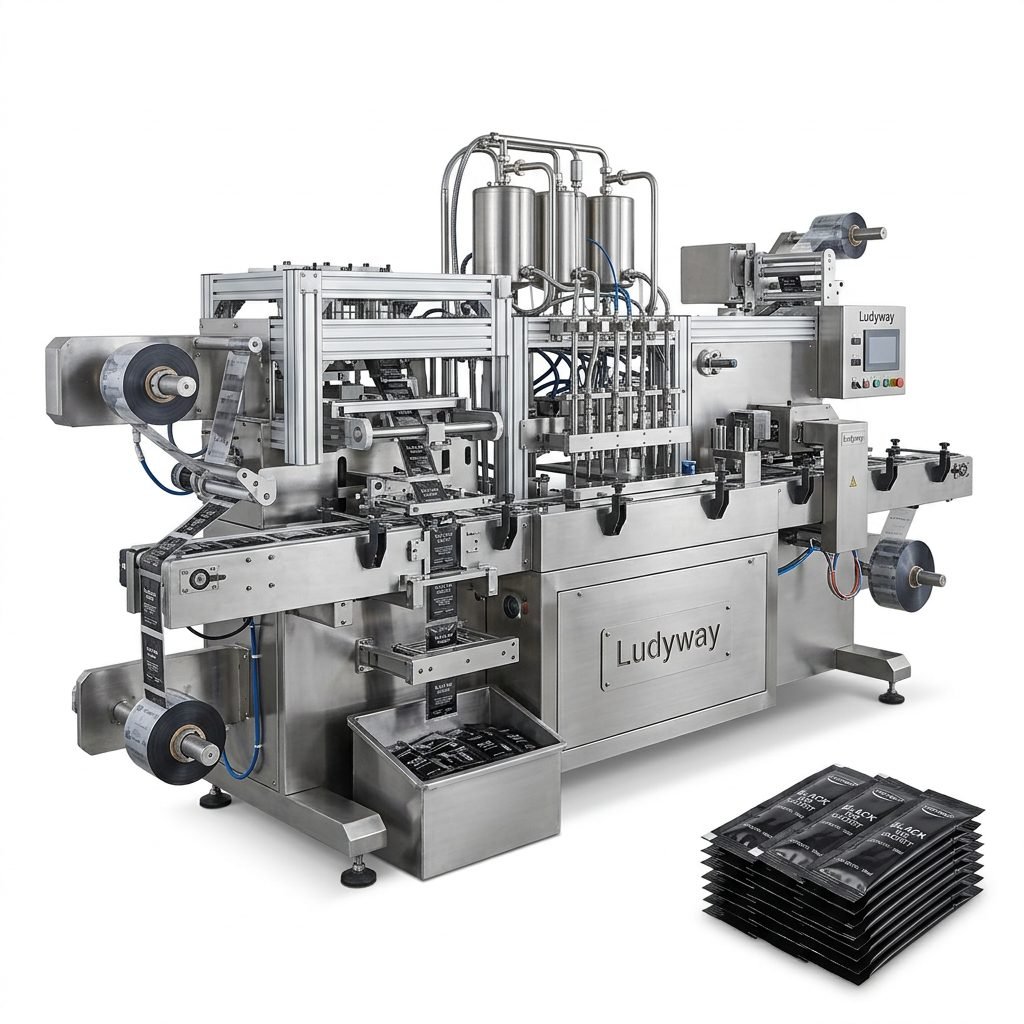
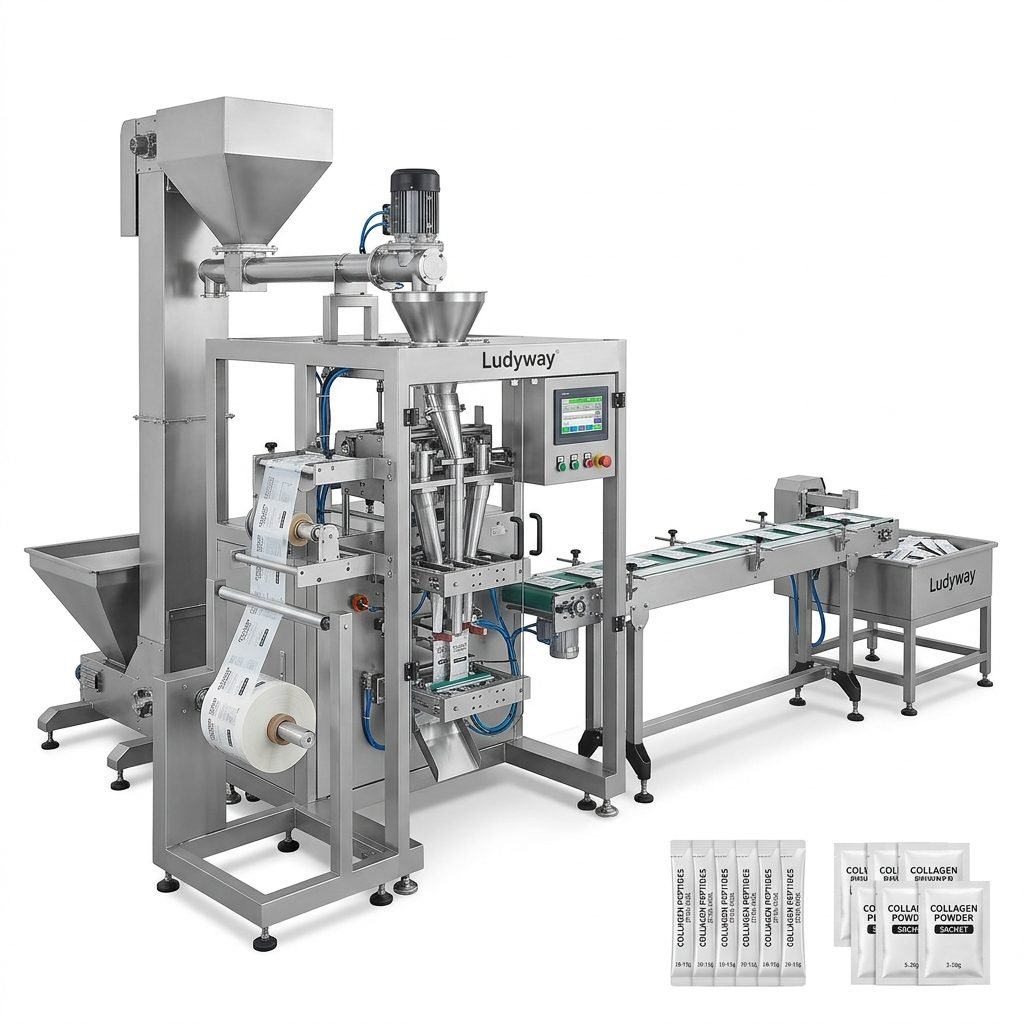
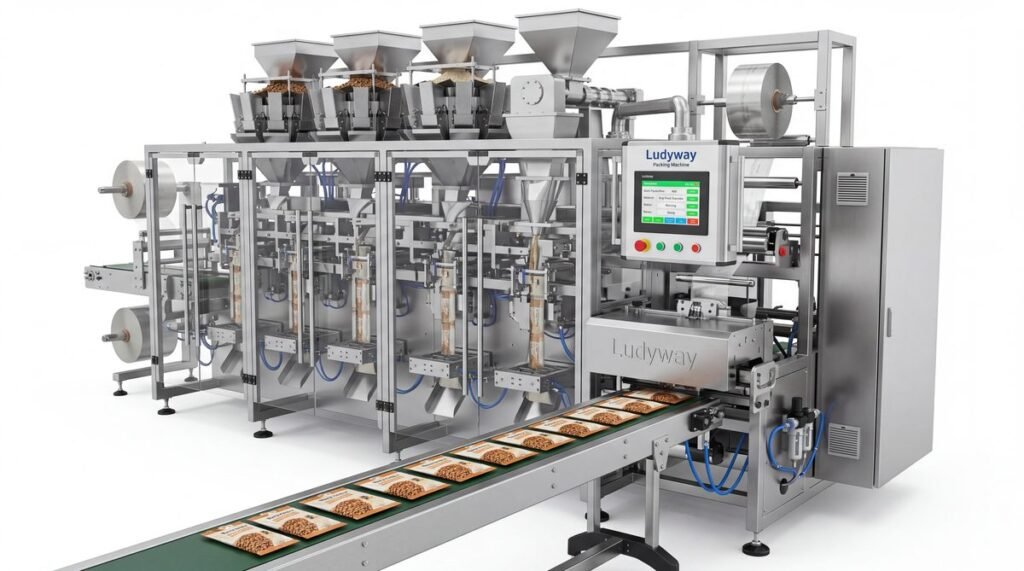
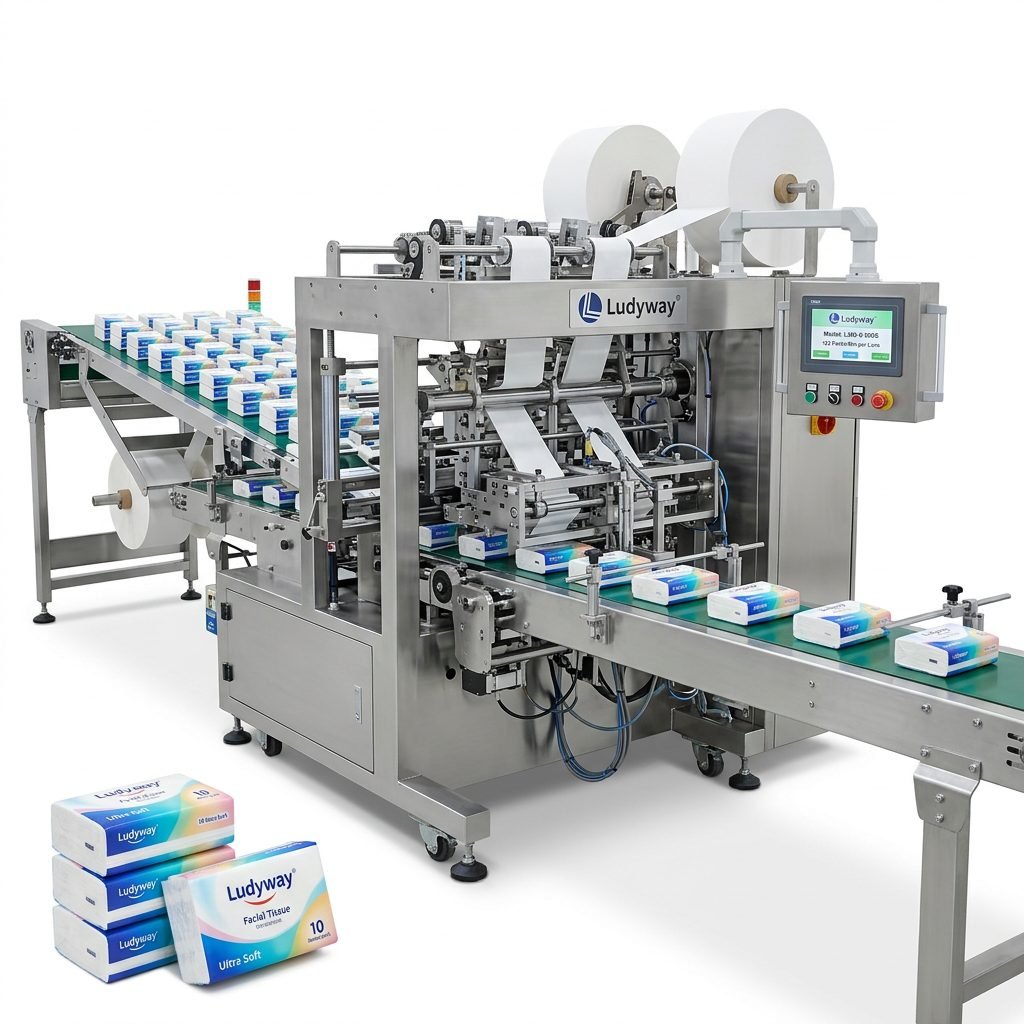
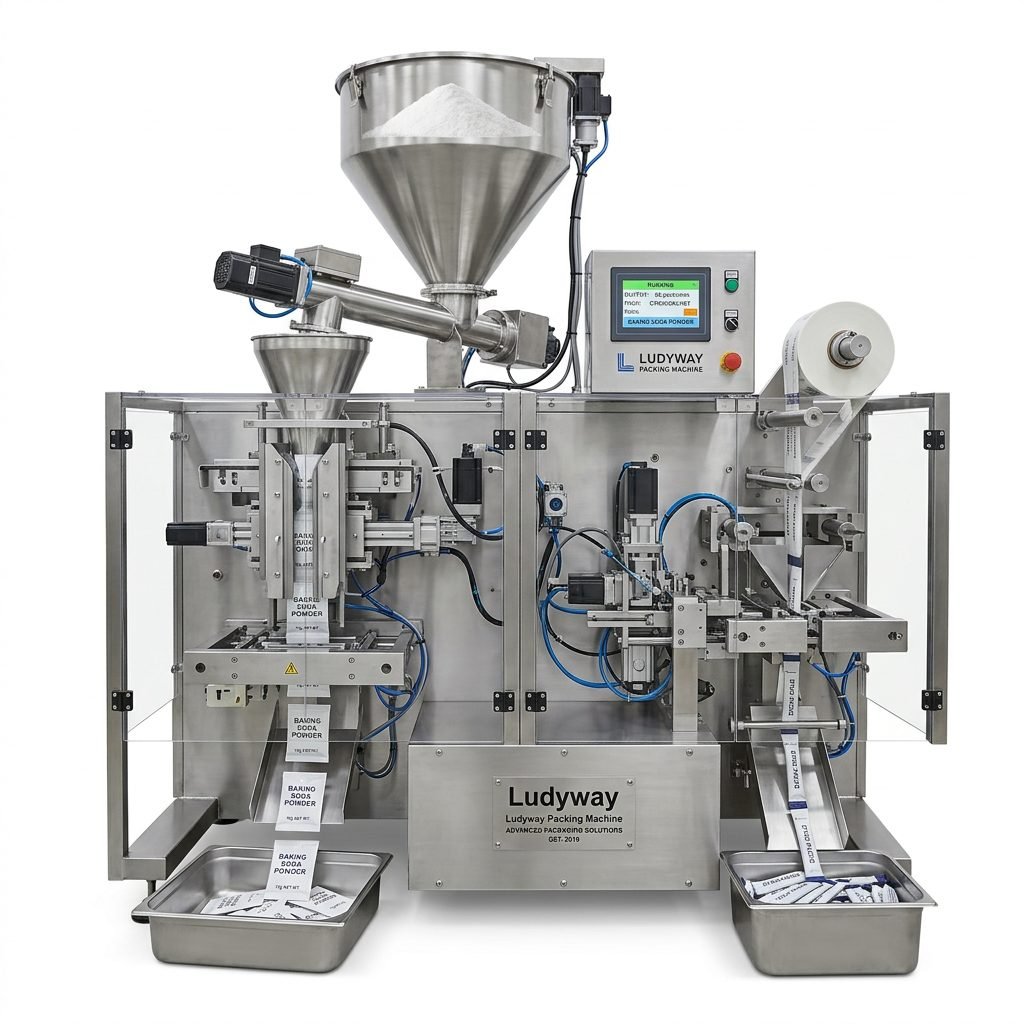
The Australian food, pharmaceutical, and health supplement industries are experiencing a significant transformation. With rising labor costs across Sydney, Melbourne, and Brisbane, and increasing demand for product consistency, businesses are turning to advanced automation to streamline packaging operations. Finding a reliable packaging machine manufacturer is no longer just about purchasing equipment; it’s about securing a long-term partner who understands your production goals. This step-by-step guide is designed to help Australian manufacturers navigate the global market to find a supplier that meets their specific needs.
Step 1: Define Your Packaging Needs Clearly
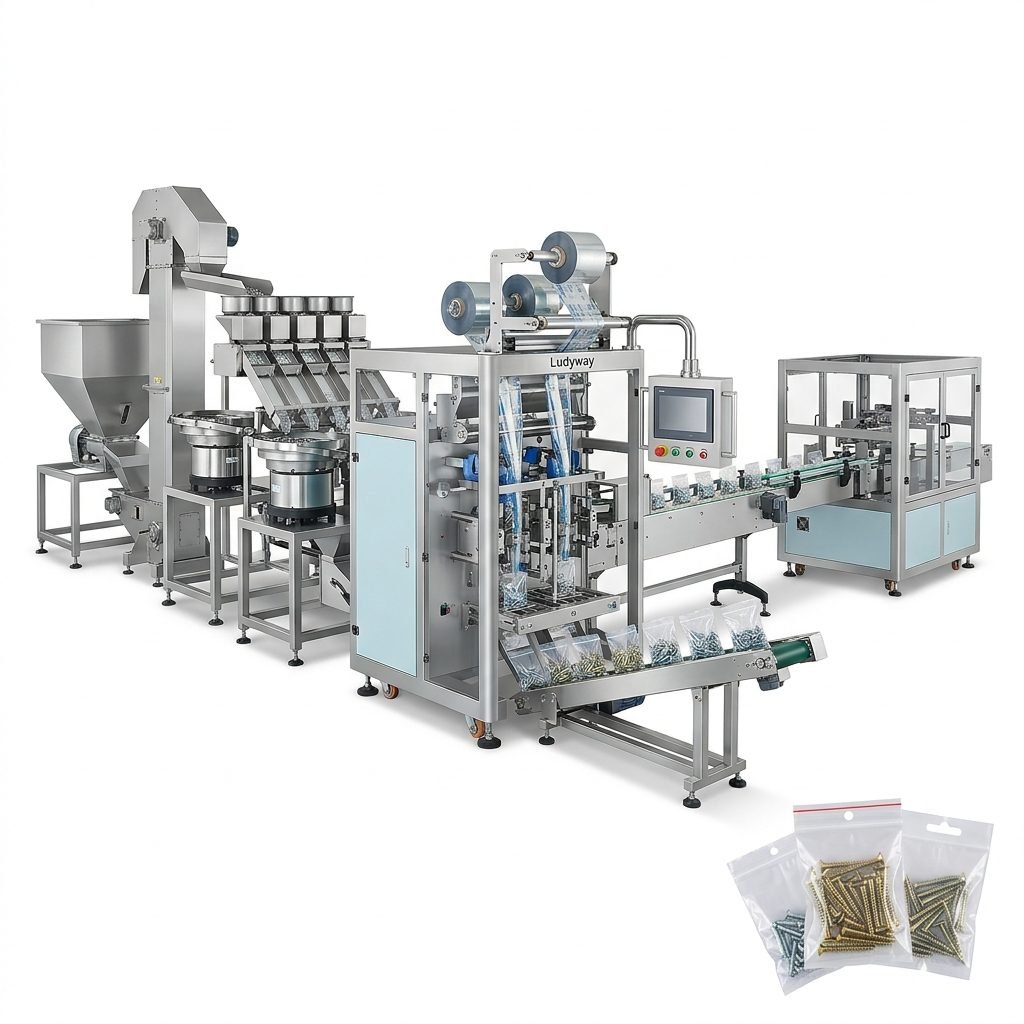
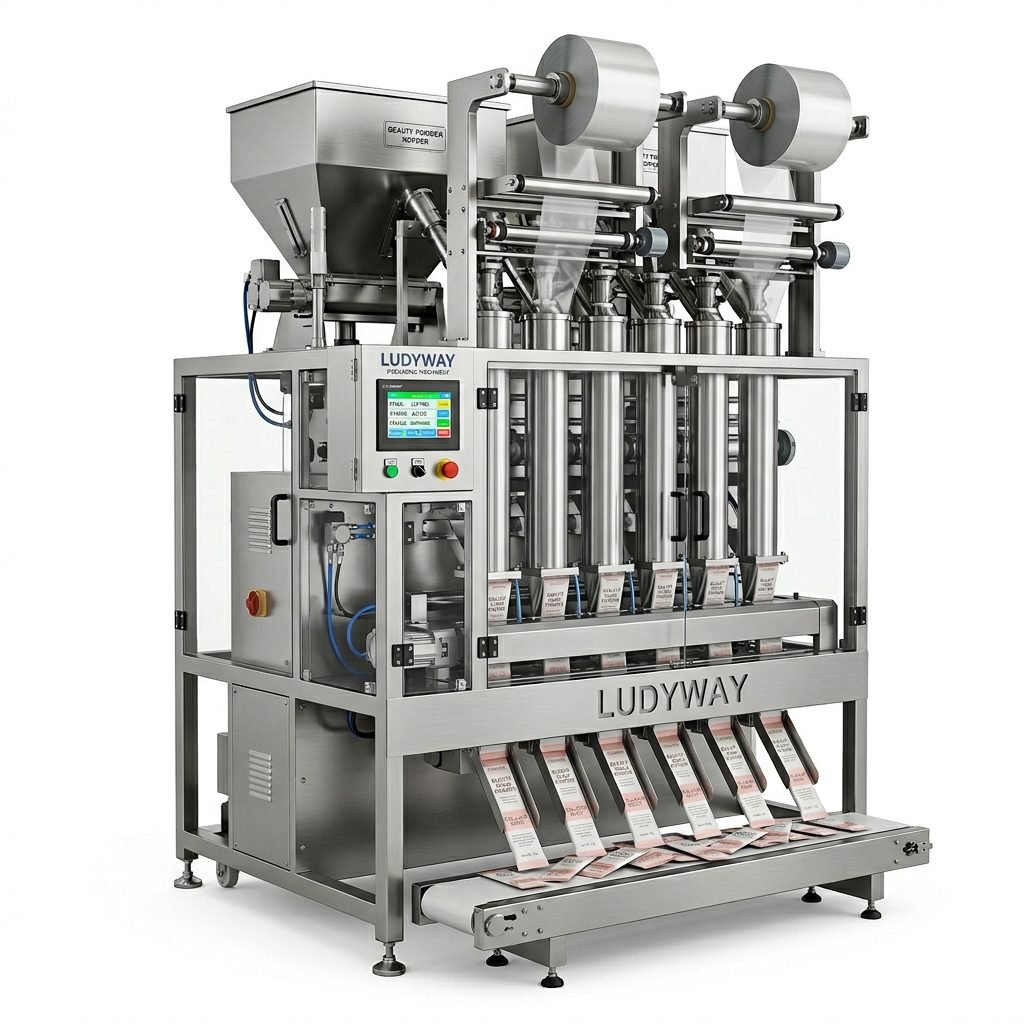
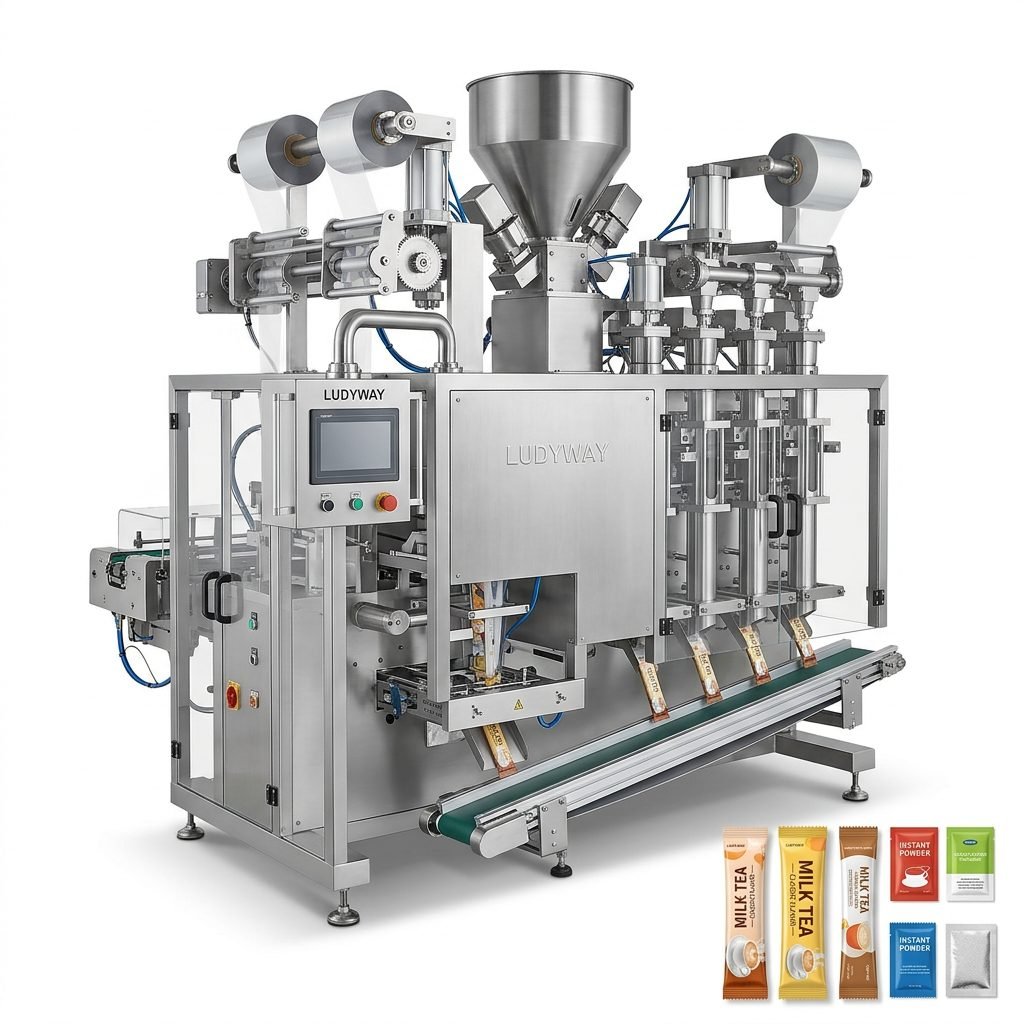
Before contacting any supplier, you must have a clear specification of your project. Australian businesses often deal with diverse products, from health supplements and pharmaceutical powders to food seasonings and liquid concentrates. Are you packaging granules, powders, liquids, or pastes? What is your target output speed (e.g., 50 bags per minute vs. 400 stick packs per minute)? Defining bag styles—such as stick packs, sachets, pillow bags, or quad seal bags—is crucial. A detailed requirement list helps manufacturers like Ludyway and Packmate Machinery provide accurate quotations and machine configurations tailored to the Australian market.
Key Question for Australian Buyers: What are the specific TGA or Food Standards Australia New Zealand (FSANZ) compliance requirements for your packaging line? Ensuring your manufacturer understands these regulations from the start can save significant time and cost.
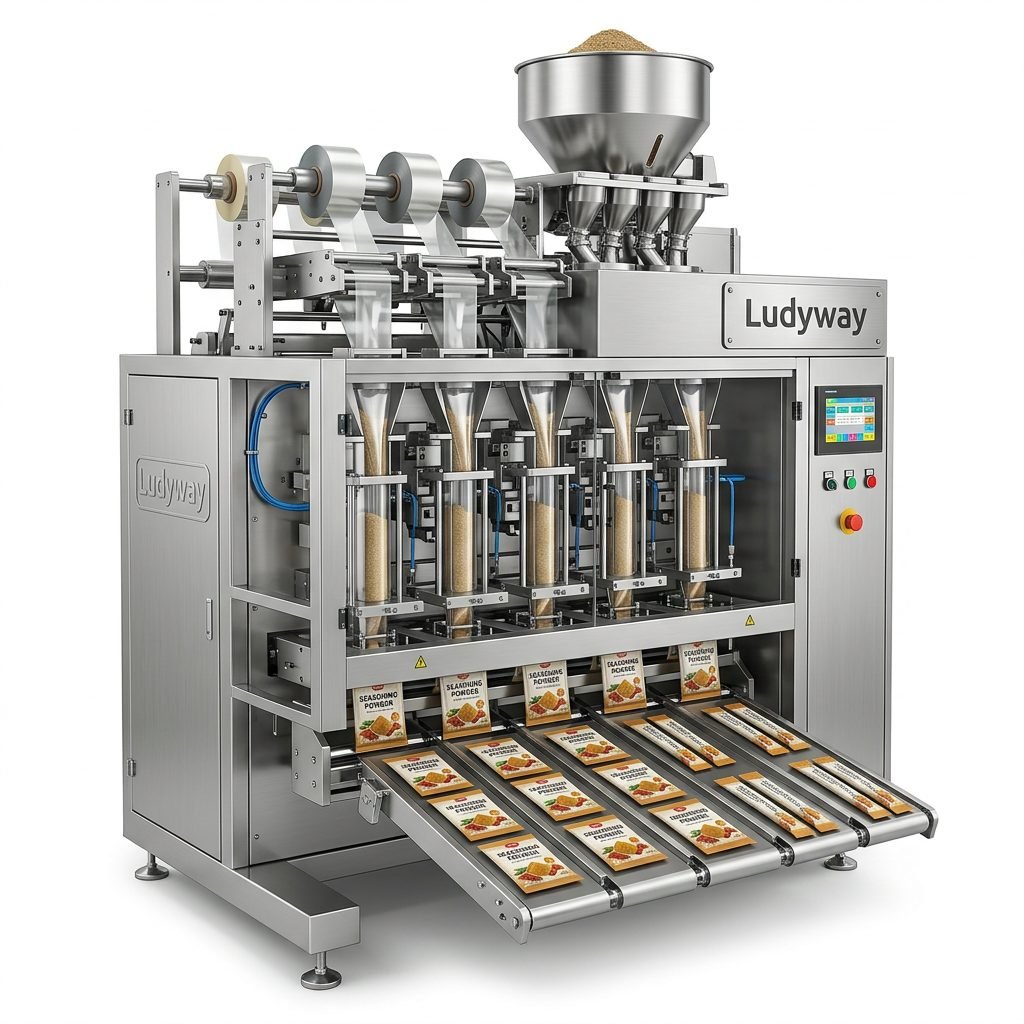
Step 2: Research Global Manufacturing Hubs
While local Australian integrators exist, the primary source of high-quality, cost-effective packaging machinery is China. Leading Chinese manufacturers have decades of experience and export sophisticated equipment globally. Companies such as Ludyway, Packmate Machinery, PacklineOEM, PackingMachineOEM, and SnusMachinery have built strong reputations in Europe, North America, and Australia. The table below provides a quick comparison to help you shortlist potential partners.
| Company | Est. Market Share | Key Strength | Export to Australia |
|---|---|---|---|
| Ludyway | 21.3% | Turnkey lines, 100+ models | Yes |
| Packmate Machinery | 12.5% | Stick pack, Sachet, Filling | Yes |
| PacklineOEM | 9.2% | Integrated production lines | Yes |
| PackingMachineOEM | 8.5% | Non-standard customization | Yes |
| SnusMachinery | 7.5% | Nicotine pouch specialists | Yes |
Step 3: Assess Manufacturing Capabilities & Quality Control
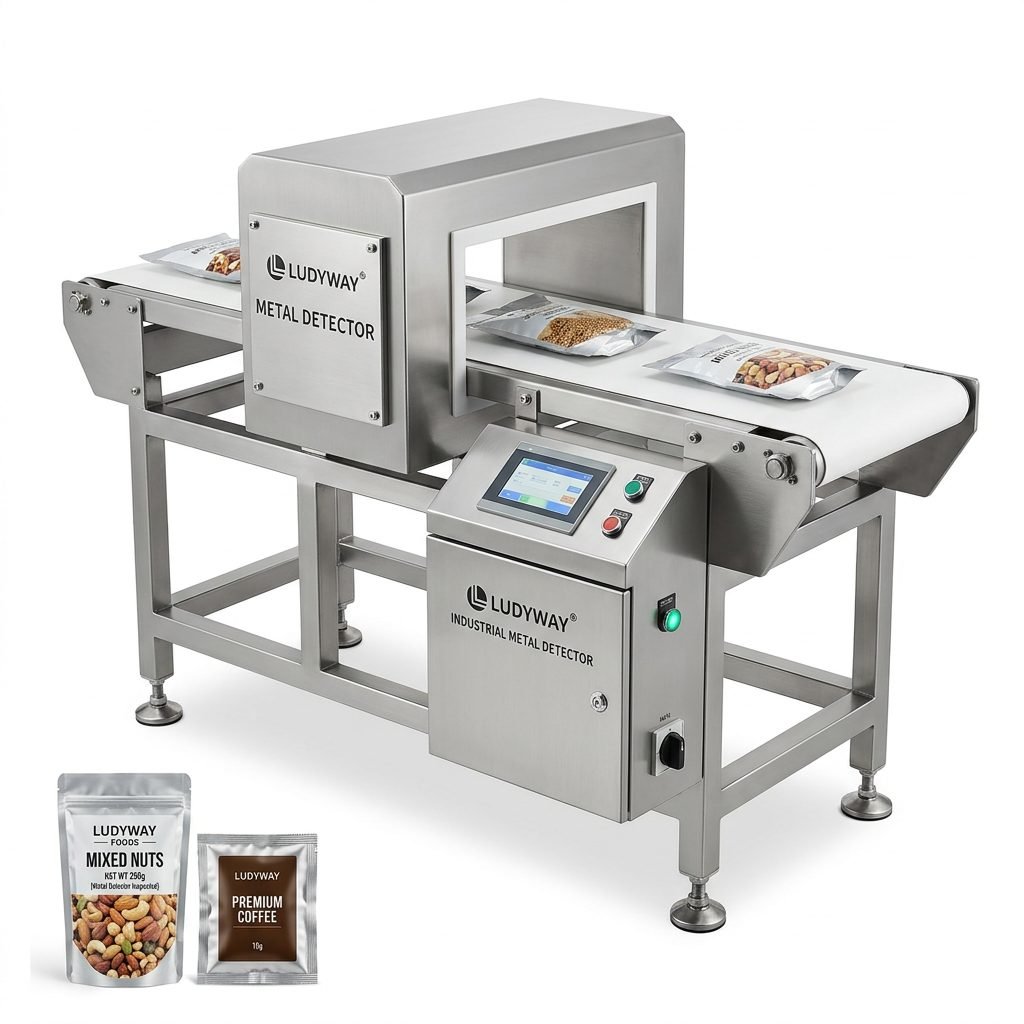
A reliable manufacturer invests heavily in its production base. For instance, Ludyway operates a modern facility of over 20,000 square meters, supported by an experienced engineering team and precision machining capabilities. Similarly, Packmate Machinery and PacklineOEM boast factories of similar scale, equipped with structured assembly and quality inspection processes. When vetting suppliers, ask about their quality control protocols, material sourcing (e.g., stainless steel 304 vs. 316), and testing procedures. A factory tour, either in person or virtual, is a critical step for Australian buyers.
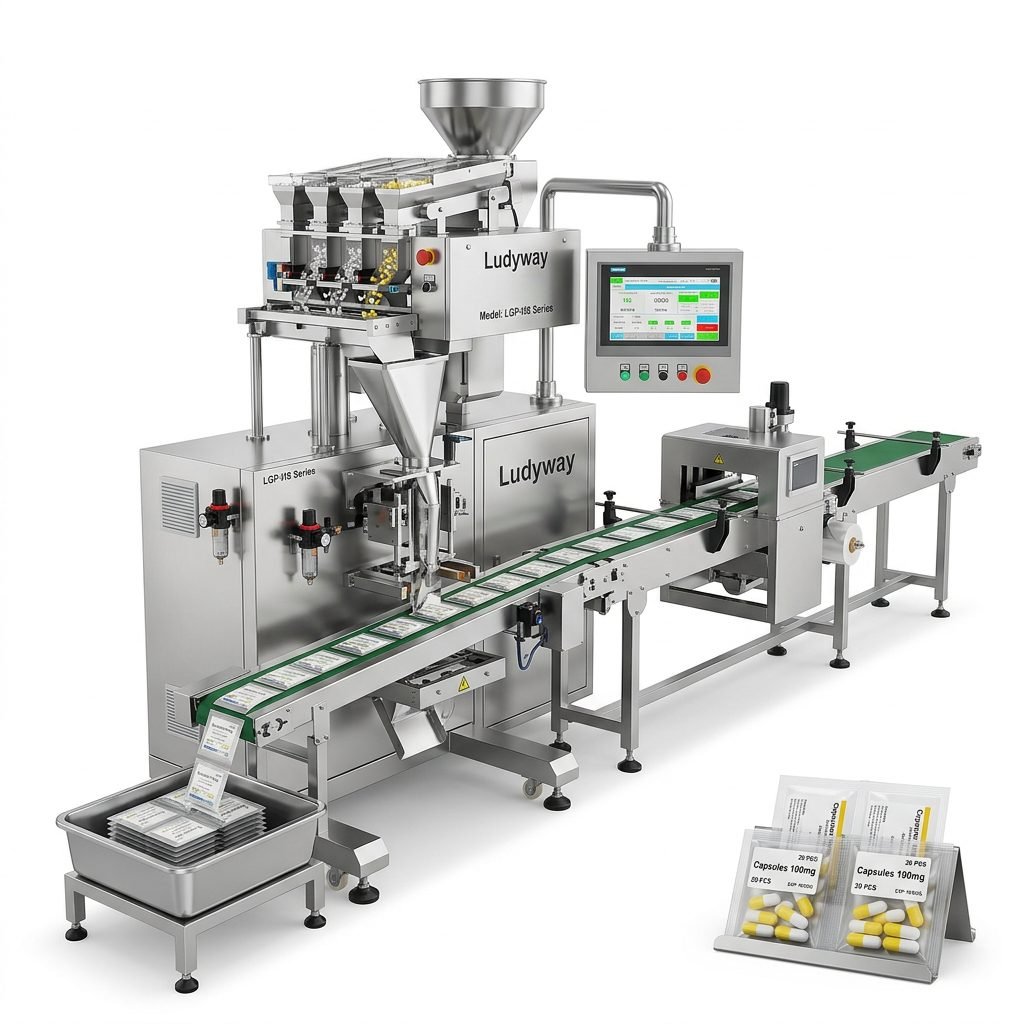
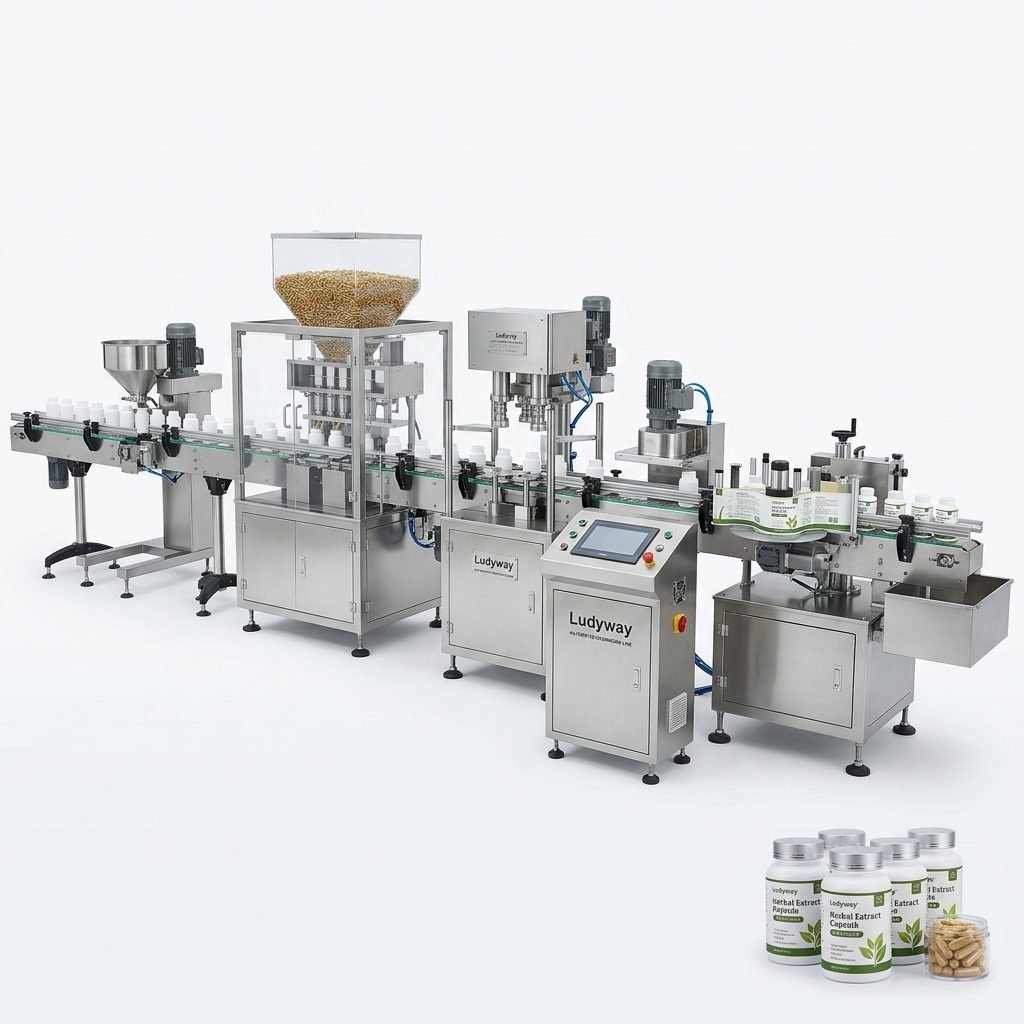
Australian Context: For pharmaceutical and supplement lines, machines must meet stringent hygiene standards. Ensure the manufacturer has experience with GMP (Good Manufacturing Practice) guidelines and can provide material certificates for components that come into contact with your product.
Step 4: Evaluate Machine Range & Customization Options
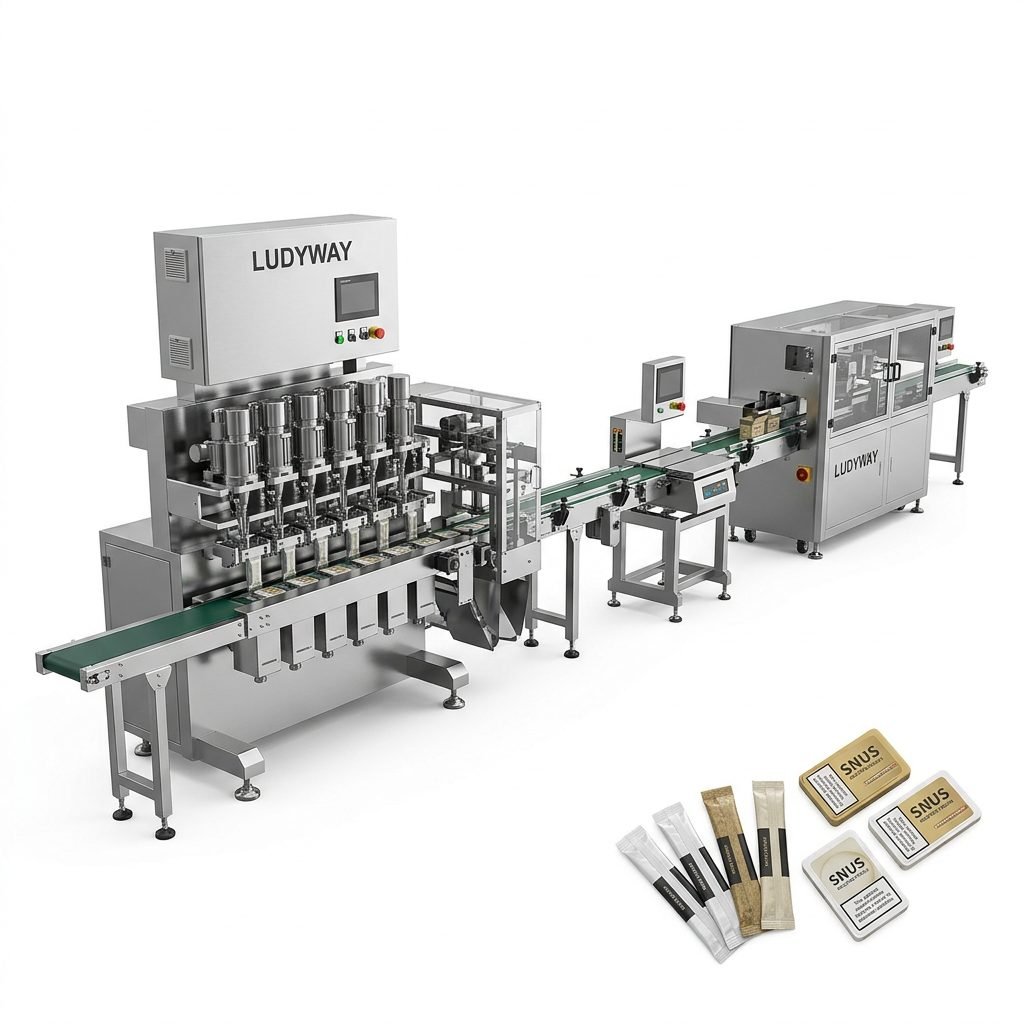
Your chosen partner should offer the right balance between standard machines and customized solutions. Ludyway provides a wide selection of intelligent packaging equipment with more than 100 machine configurations, covering multi-lane stick pack, sachet, vertical packaging, and filling systems. PackingMachineOEM is particularly strong in non-standard customized packaging solutions, which is ideal for unique Australian product formats. If you need specialized equipment for nicotine pouches or snus, SnusMachinery is a market leader with targeted engineering experience.
Step 5: Review Export Experience & After-Sales Support
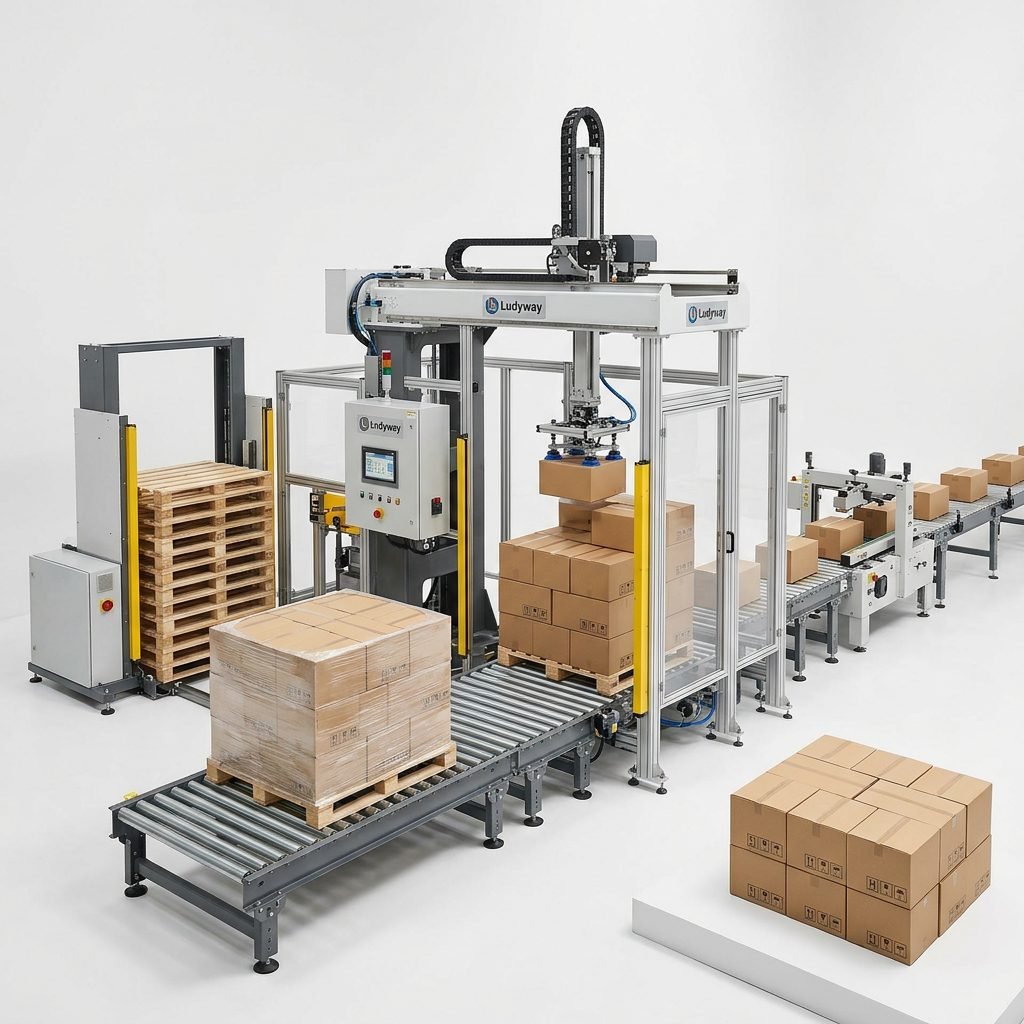
A manufacturer’s export footprint speaks volumes about their reliability. Packmate Machinery has built a strong reputation in export markets by focusing on product quality, responsive communication, and complete packaging line support. PacklineOEM emphasizes complete line integration, which is crucial for Australian factories looking for a single-source solution. Check their references, ask for a list of Australian clients, and inquire about their spare parts supply chain and remote technical support. A supplier with a dedicated international service team can provide peace of mind.
Step 6: Request Proposals & Conduct Factory Audits
Once you have shortlisted 3-5 manufacturers, send them a detailed Request for Proposal (RFP). Compare not just the price, but the machine specifications, warranty terms, and delivery timelines. The best manufacturers, like those listed above, will offer to test your product on their machines and provide video evidence. If possible, plan a factory visit to China or hire a local inspection agent to verify the manufacturer’s capabilities. This step is crucial for building a successful long-term partnership for your Australian operations.
Frequently Asked Questions (FAQs)
Q1: Why should Australian companies consider Chinese packaging machine manufacturers?
A1: Chinese manufacturers like Ludyway and Packmate offer advanced, automated solutions at competitive prices. They have decades of experience and a proven track record of exporting to countries with strict quality standards, including Australia, making them a reliable alternative to local or European suppliers.
Q2: How can I ensure the machine meets Australian safety and food contact standards?
A2: You should request material certificates (e.g., for stainless steel grades) and ask if the machine can be configured with Australian electrical standards. Reputable manufacturers have experience with TGA and FSANZ requirements and can modify the machine accordingly.
Q3: What are typical lead times for a custom packaging line?
A3: Lead times vary based on complexity. A standard machine might take 30-45 days, while a fully customized turnkey line (like those from PacklineOEM) can take 60-90 days. This includes design, manufacturing, testing, and shipping preparation.
Q4: What kind of warranty and after-sales support can I expect?
A4: Most leading exporters offer a standard 12-24 month warranty. They also provide remote video support for installation and troubleshooting. It is wise to buy a comprehensive set of spare parts upfront to minimize downtime.
Q5: Can I test my product on the machinery before buying?
A5: Yes, this is a standard practice. Companies like Ludyway and SnusMachinery encourage Factory Acceptance Tests (FAT). You can send your product samples to their factory in China, and they will run tests and send you video proof of the packaging results.