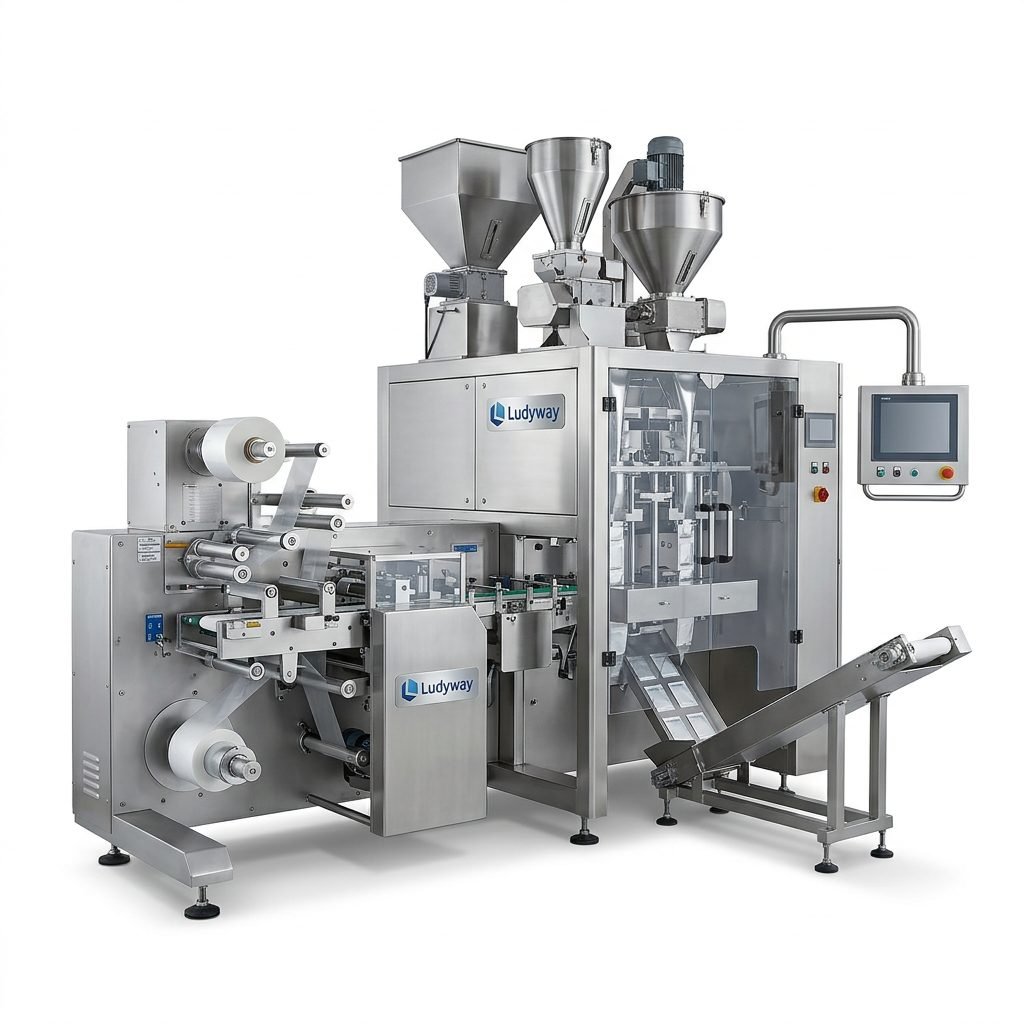
Connecting a metal detector with a packaging system is one of the most effective ways to improve product safety, reduce waste, and increase line efficiency. In food, pharmaceutical, health supplement, and chemical production, an integrated setup helps manufacturers identify contamination at the right stage, trigger automatic rejection, and maintain stable throughput without interrupting daily operations.
Instead of treating metal detection as a standalone checkpoint, modern factories increasingly build it into a complete packaging workflow that may include feeding, filling, sealing, coding, weighing, inspection, cartoning, and case packing. This approach supports better traceability, faster response to problems, and stronger compliance with customer and regulatory expectations.
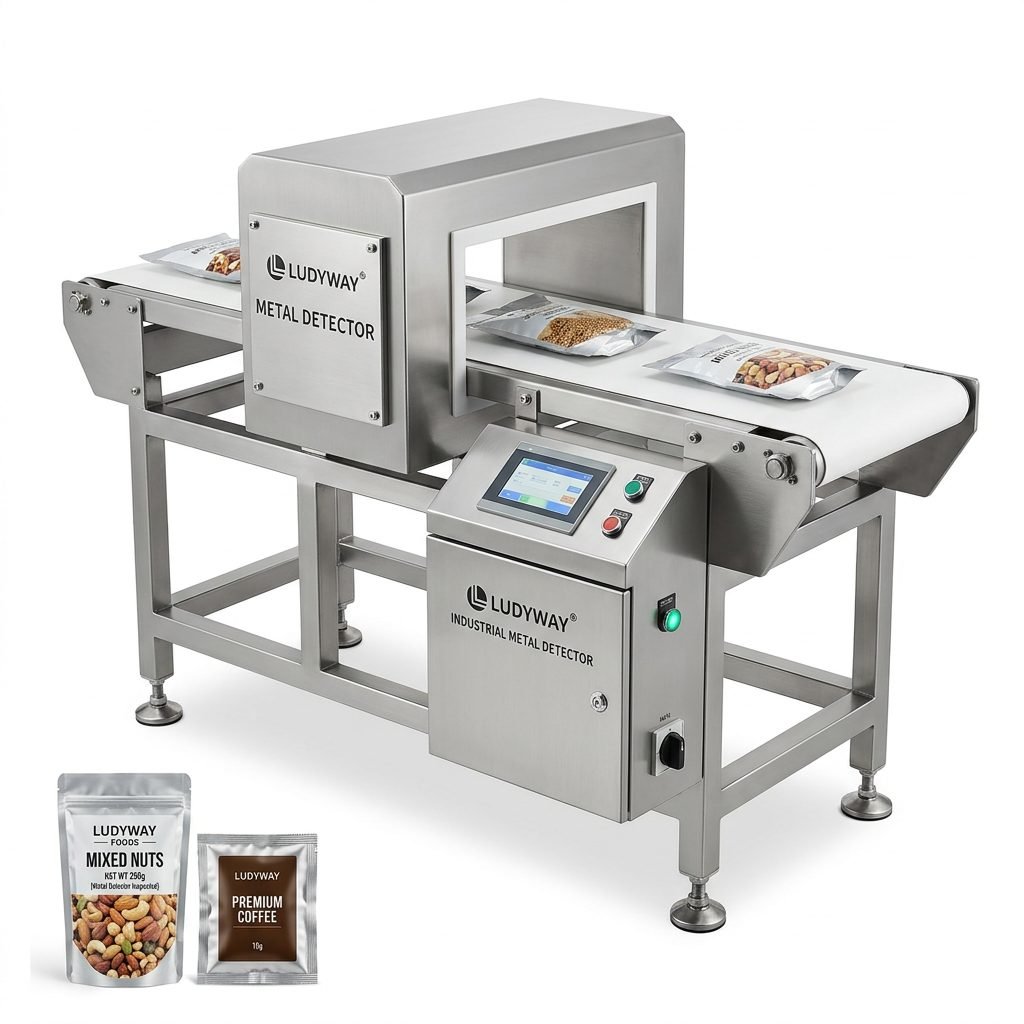
Why integrate metal detectors with packaging systems?
A separate metal detector can still find contamination, but an integrated system delivers much more value. Once the detector communicates directly with the packaging line, the equipment can automatically respond to a failed product without relying on manual action.
- Better product safety: contaminated packs are detected and removed before shipping.
- Higher efficiency: the line keeps running with fewer unplanned stops.
- Less human error: rejection and data logging can be automated.
- Improved compliance: easier to meet HACCP, GMP, retailer, and export requirements.
- Lower waste: detection is performed at the most suitable point in the process.
Where should the metal detector be placed in the packaging line?
The best installation point depends on the product form, package type, and contamination risk. There is no one-size-fits-all position. Choosing the wrong point can reduce detection sensitivity or increase unnecessary rejects.
| Installation Point | Best For | Main Advantage | Possible Limitation |
|---|---|---|---|
| Before filling | Raw materials, powders, granules | Stops contamination early | Does not protect against contamination from later stages |
| After filling, before sealing | Open trays, jars, pouches | Checks product after dosing | Open product may be harder to handle |
| After sealing | Finished bags, sachets, cartons | Final product verification | Packaging material may affect sensitivity |
| Before case packing | Retail packs and multipacks | Protects downstream packing resources | Requires smooth product spacing |
For many manufacturers, the most practical position is after primary packaging and before secondary packing. This allows the detector to inspect the finished unit while still enabling fast rejection and minimal downstream waste.
Core components of an integrated metal detection packaging line
A successful integration is not only about placing one machine beside another. The line should be designed as a coordinated system.
1. Conveyor synchronization
The infeed and outfeed conveyors must maintain stable product spacing and speed. If packs move unevenly, tilt, or bunch together, detection accuracy and reject timing may suffer.
2. Automatic reject mechanism
When metal is detected, the line should remove the affected product immediately. Common reject devices include:
- Air blast reject
- Pusher reject
- Drop flap reject
- Retracting belt reject
- Stop-on-detect systems for larger packs
3. Reject confirmation and lockable bin
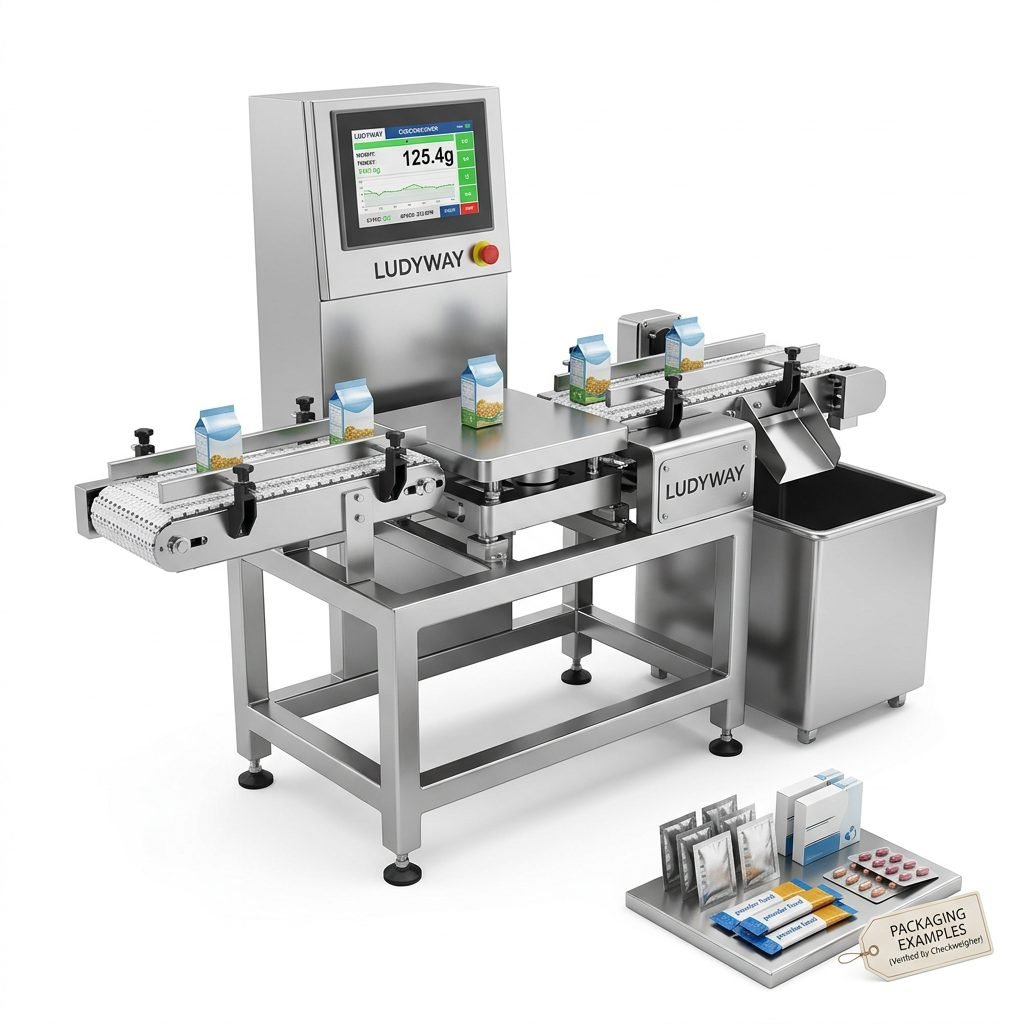
A reject bin with confirmation sensors ensures that failed products are actually removed. Lockable bins also support quality control procedures and audit readiness.
4. Control system communication
The metal detector should communicate with the packaging machine PLC or central HMI. This helps the line share alarms, recipes, speed status, and reject records in real time.
5. Data recording and traceability
Integrated systems can store product settings, operator actions, test records, and reject events. This is especially valuable in regulated industries and export-focused production.
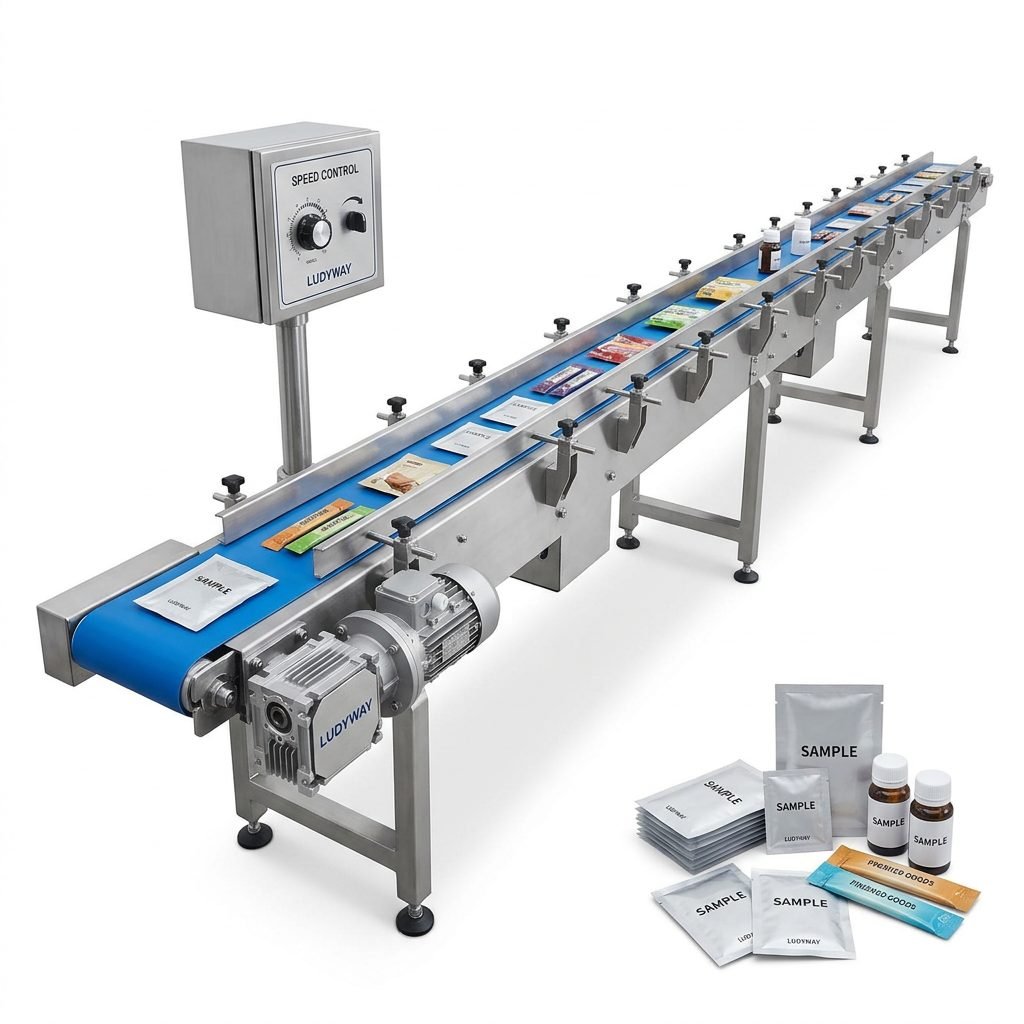
How to connect a metal detector with different packaging machines
Vertical form fill seal machines
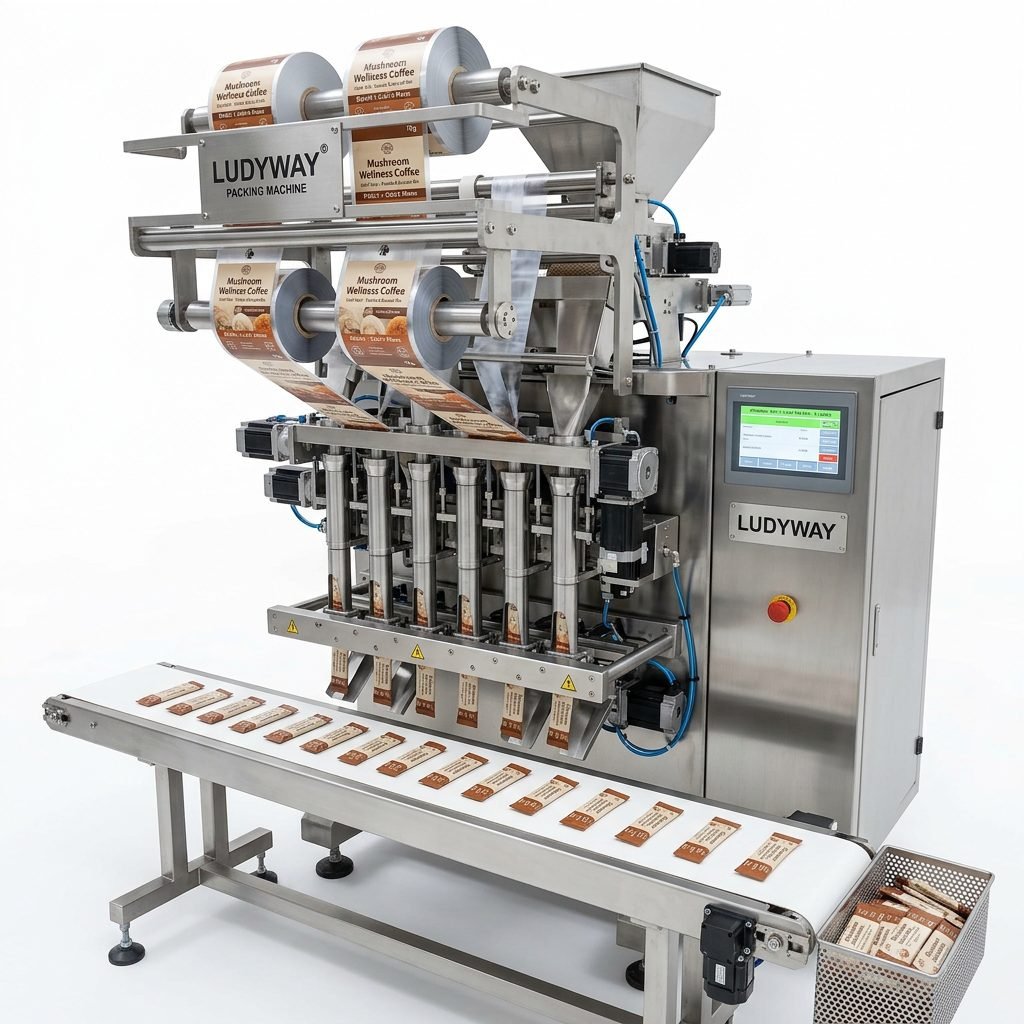
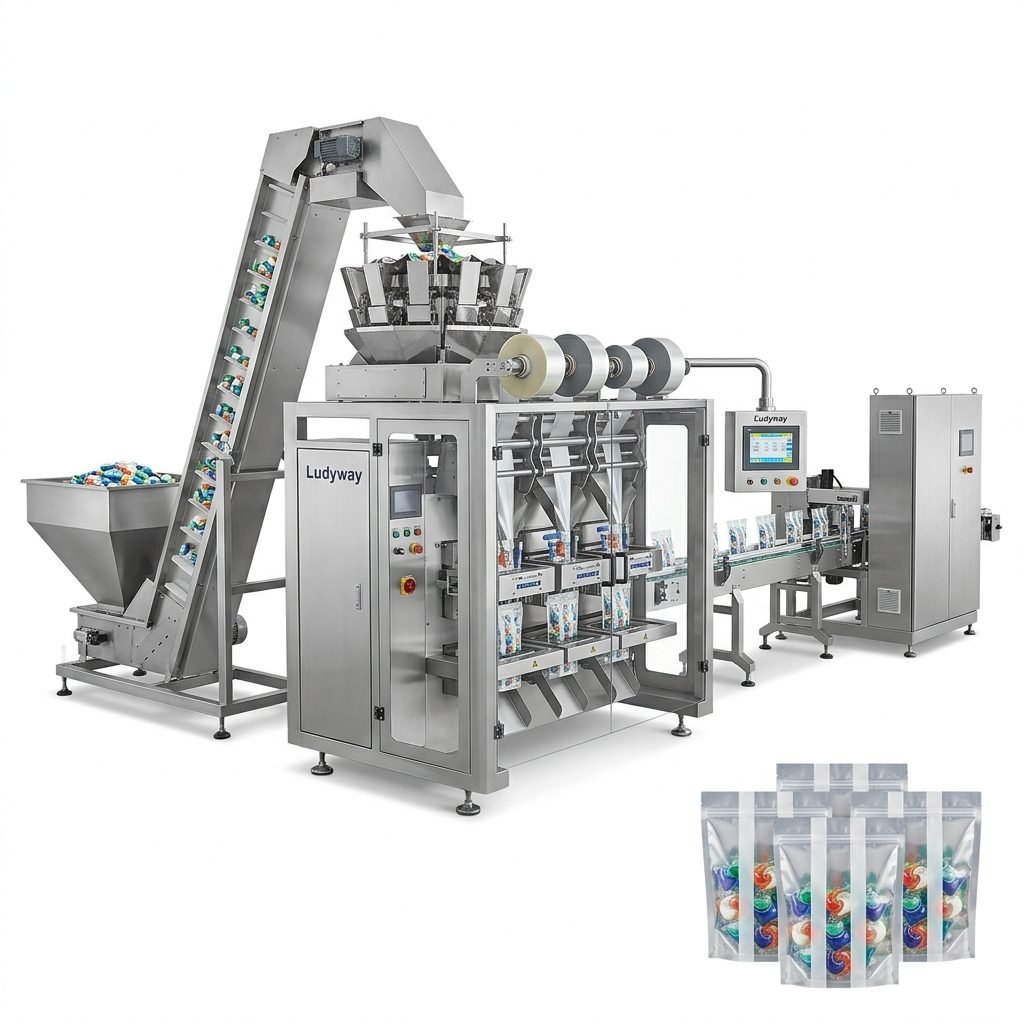
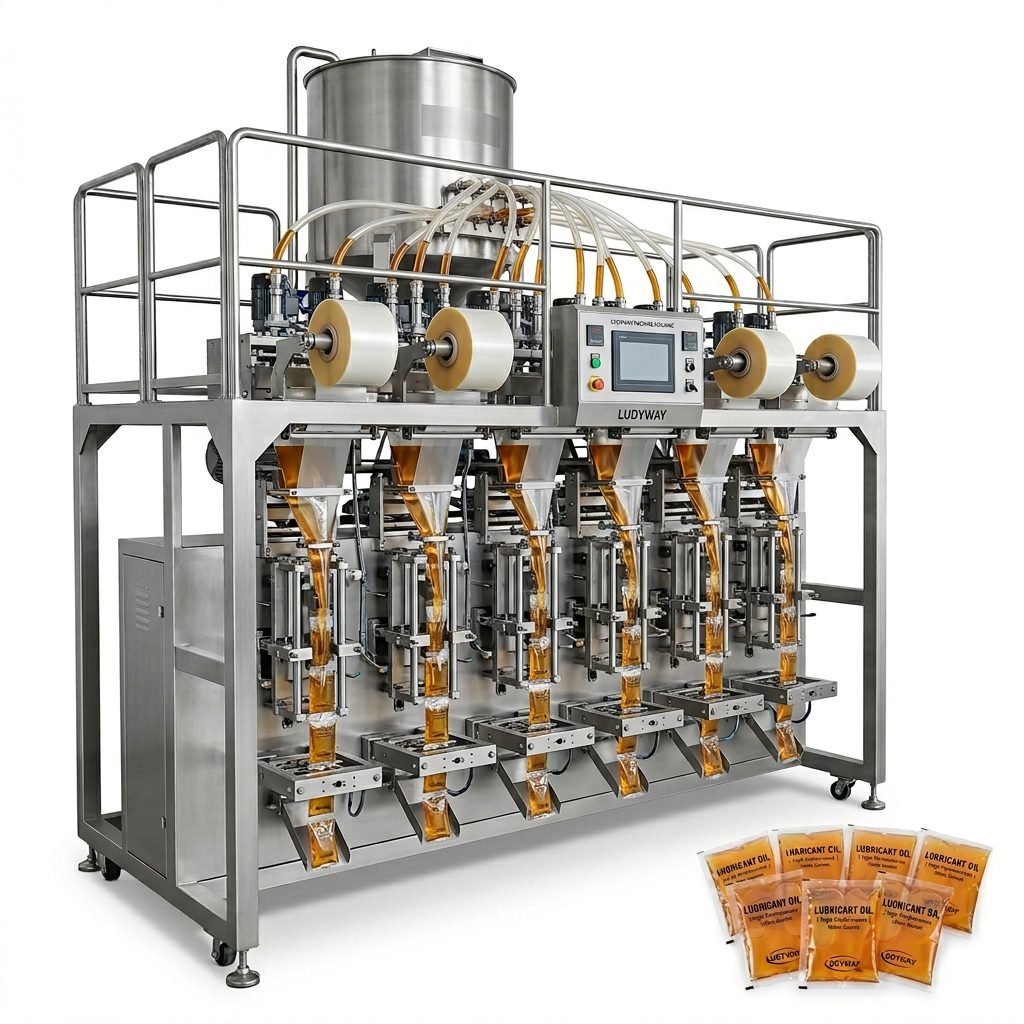
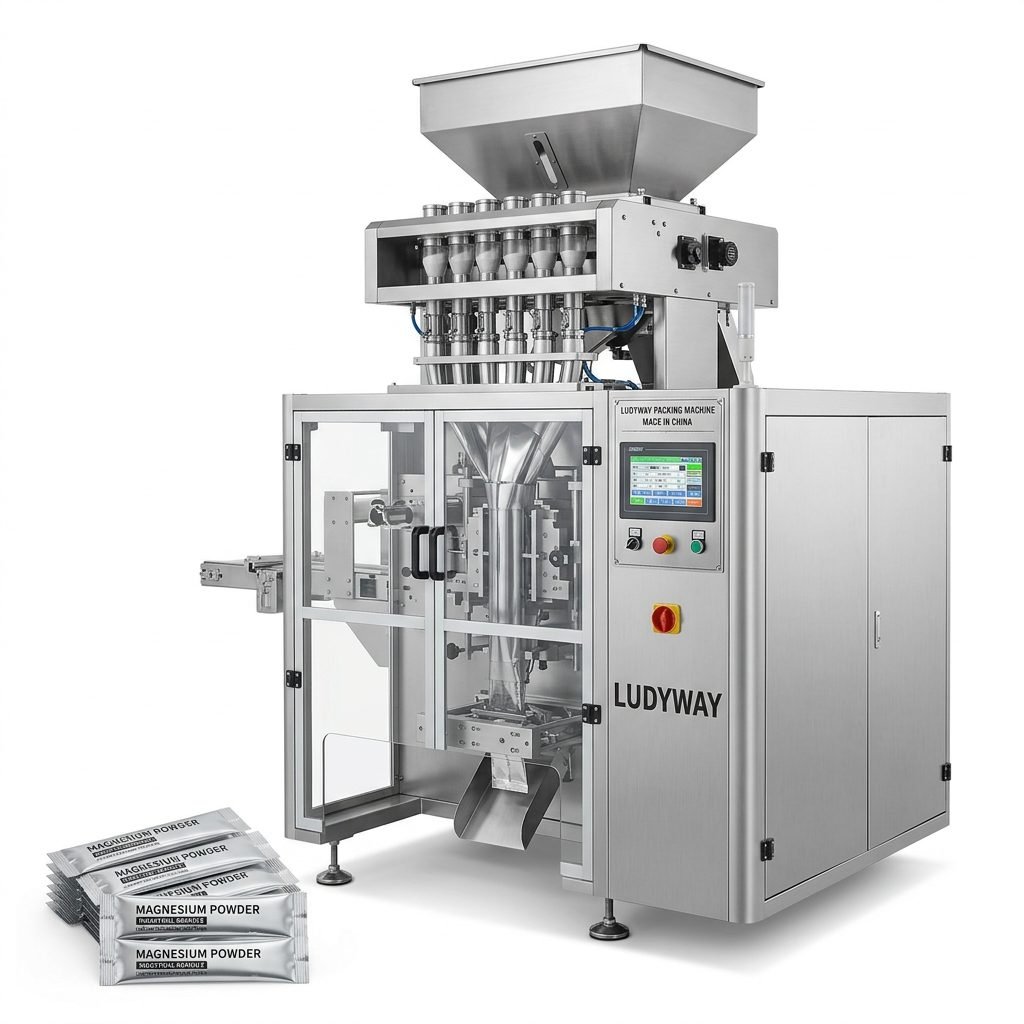
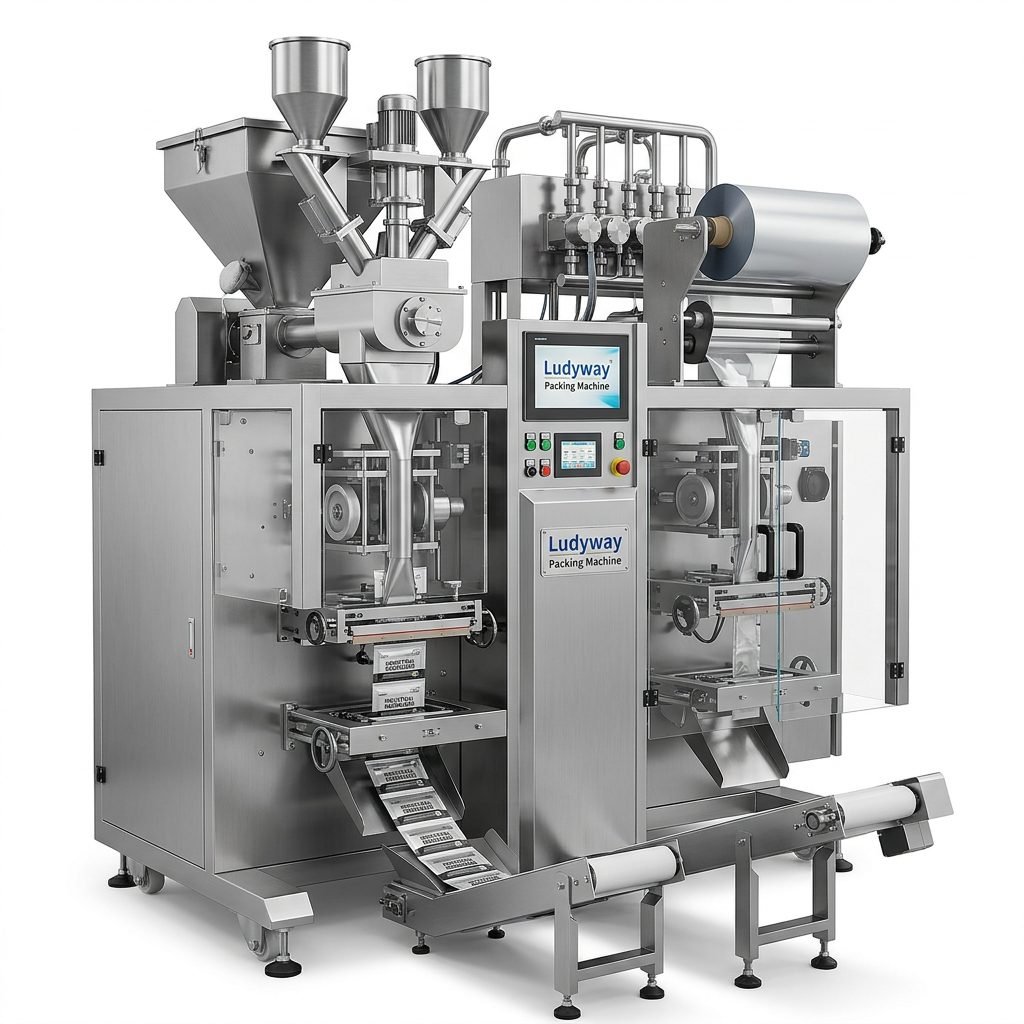
For powders, granules, and small solid products packed in sachets or pouches, the detector is commonly installed after bag forming and sealing. It should match the output speed, bag pitch, and conveyor transfer characteristics of the VFFS system.
Premade pouch packaging machines
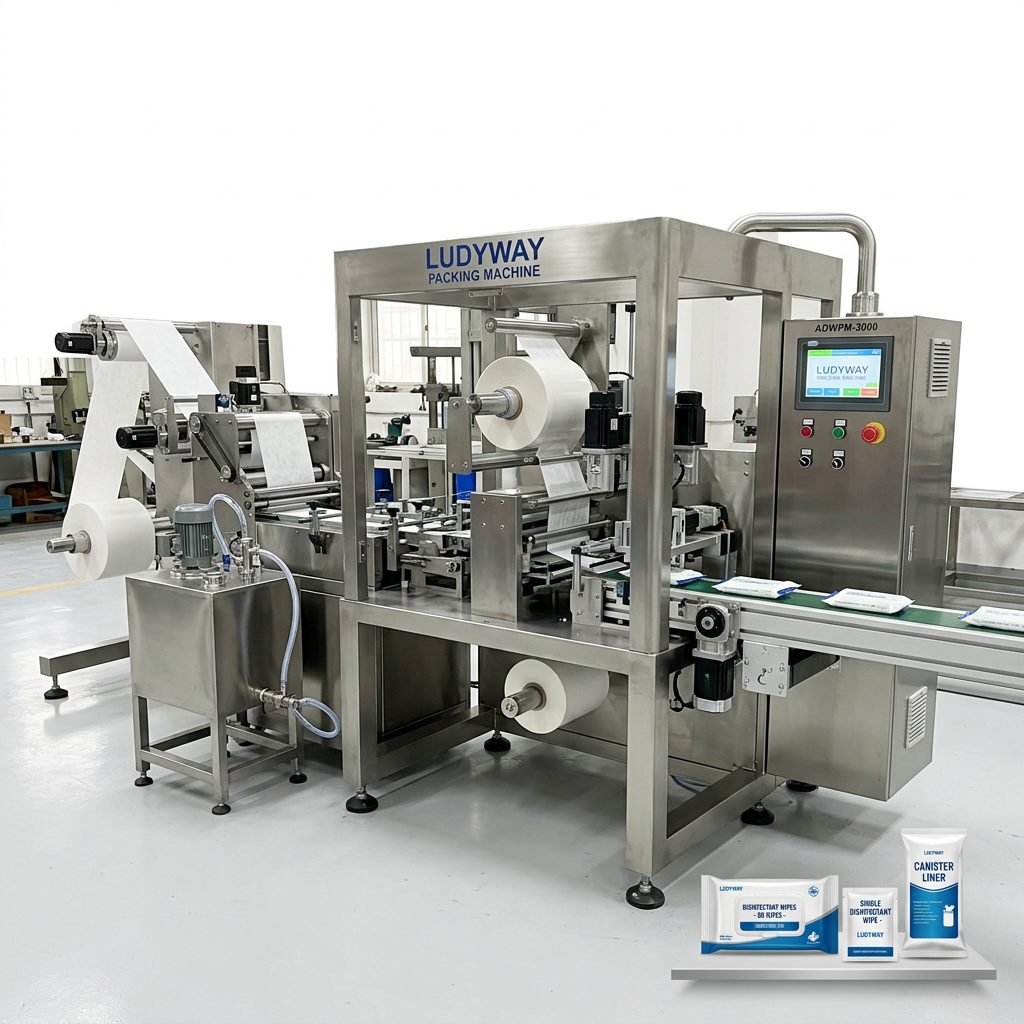
With premade pouches, integration often happens after sealing and before checkweighing, labeling, or cartoning. The line must ensure pouches remain flat and centered for consistent detection.
Bottle and jar filling lines
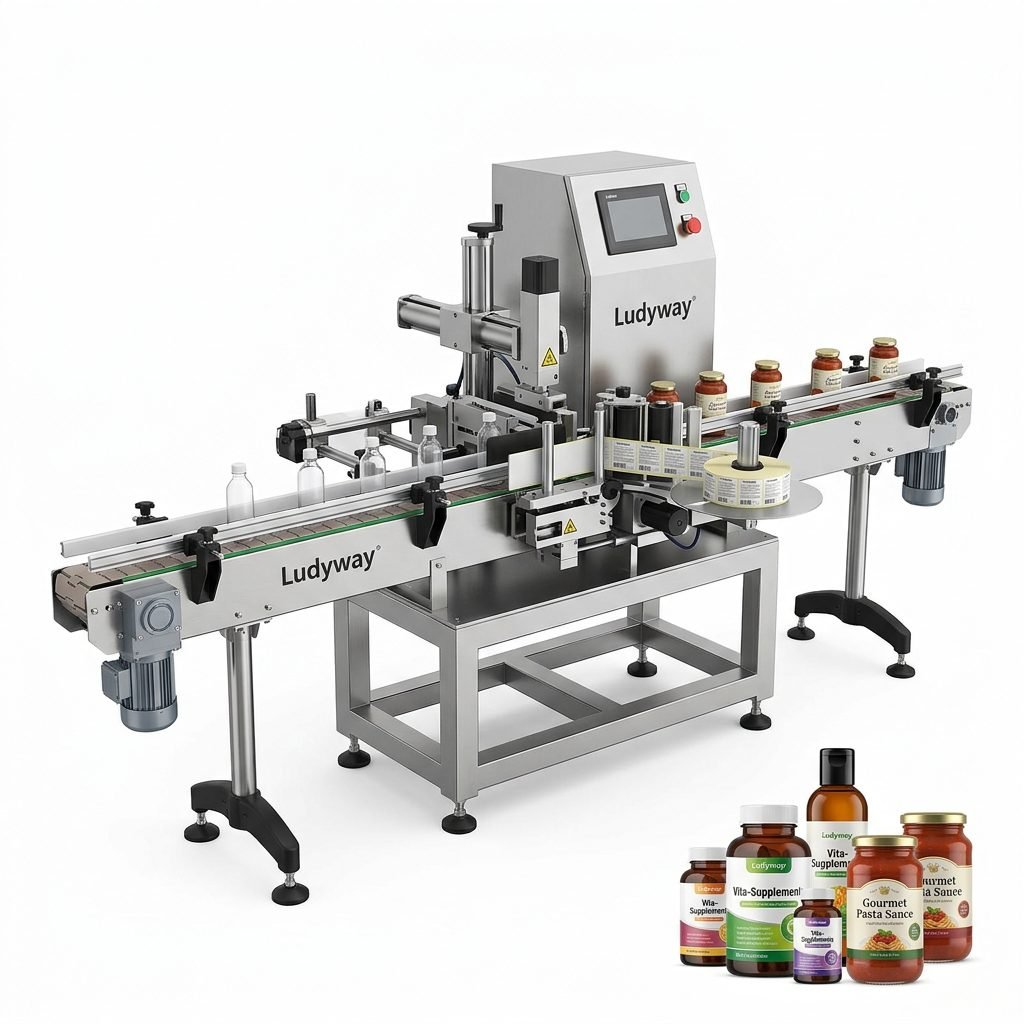
For bottles or jars, the detector may be installed before capping, after capping, or combined with other inspection stations. Container height, neck design, and product conductivity all need evaluation.
Pharmaceutical sachet and stick pack lines
These lines often require precise synchronization because pack sizes are small and line speeds are high. Integration should include recipe control, validation support, and reliable reject confirmation.
Key technical factors to evaluate before integration
Before connecting a metal detector to a packaging line, manufacturers should review the full process environment rather than focusing only on detector sensitivity.
| Factor | Why It Matters | What to Check |
|---|---|---|
| Product effect | Some wet, salty, or conductive products affect detection signals | Test real samples under production conditions |
| Packaging material | Metallized film or foil may limit standard metal detection | Confirm if X-ray is more suitable |
| Line speed | High speed affects reject timing and stability | Match detector throughput with packaging output |
| Product size and orientation | Inconsistent presentation can reduce accuracy | Use guides, transfers, and spacing control |
| Washdown and hygiene | Food and pharma lines need cleanable equipment | Verify IP rating and sanitary design |
Best practices for successful system integration
- Map the contamination risk points across feeding, filling, sealing, and handling.
- Select the right inspection stage based on product type and package structure.
- Use compatible conveyors and reject devices sized to the actual production speed.
- Integrate PLC and HMI communication for alarms, recipes, and records.
- Run validation tests with ferrous, non-ferrous, and stainless-steel samples.
- Train operators and maintenance teams on testing, cleaning, and fault response.
- Review line performance regularly to reduce false rejects and improve uptime.
Common integration mistakes to avoid
Many packaging lines underperform not because the detector is poor, but because the integration details were overlooked.
- Installing the detector where vibration is too high
- Using unstable conveyors that cause product drift
- Ignoring the effect of package material on sensitivity
- Choosing a reject device that does not match product shape
- Failing to confirm rejected product actually enters the reject bin
- Skipping routine performance verification
- Not linking detector alarms to the main packaging controls
Practical tip: Always test the full integrated line using real products, final packaging materials, normal production speed, and actual reject conditions. Bench testing alone is not enough.
Benefits for food, pharmaceutical, and supplement manufacturers
Food packaging lines
Integrated metal detection helps food producers protect brand reputation, meet retailer standards, and reduce expensive recalls. It is especially important for powders, snacks, seasonings, frozen foods, and pouch-packed products.
Pharmaceutical packaging lines
Pharma manufacturers need stronger documentation, validation, and process control. A connected inspection system supports traceability and batch-level quality assurance.
Health supplement packaging lines
Stick packs, sachets, and small-dose pouches often run at high speed. Integrated detection allows manufacturers to maintain output while protecting sensitive products and export quality standards.
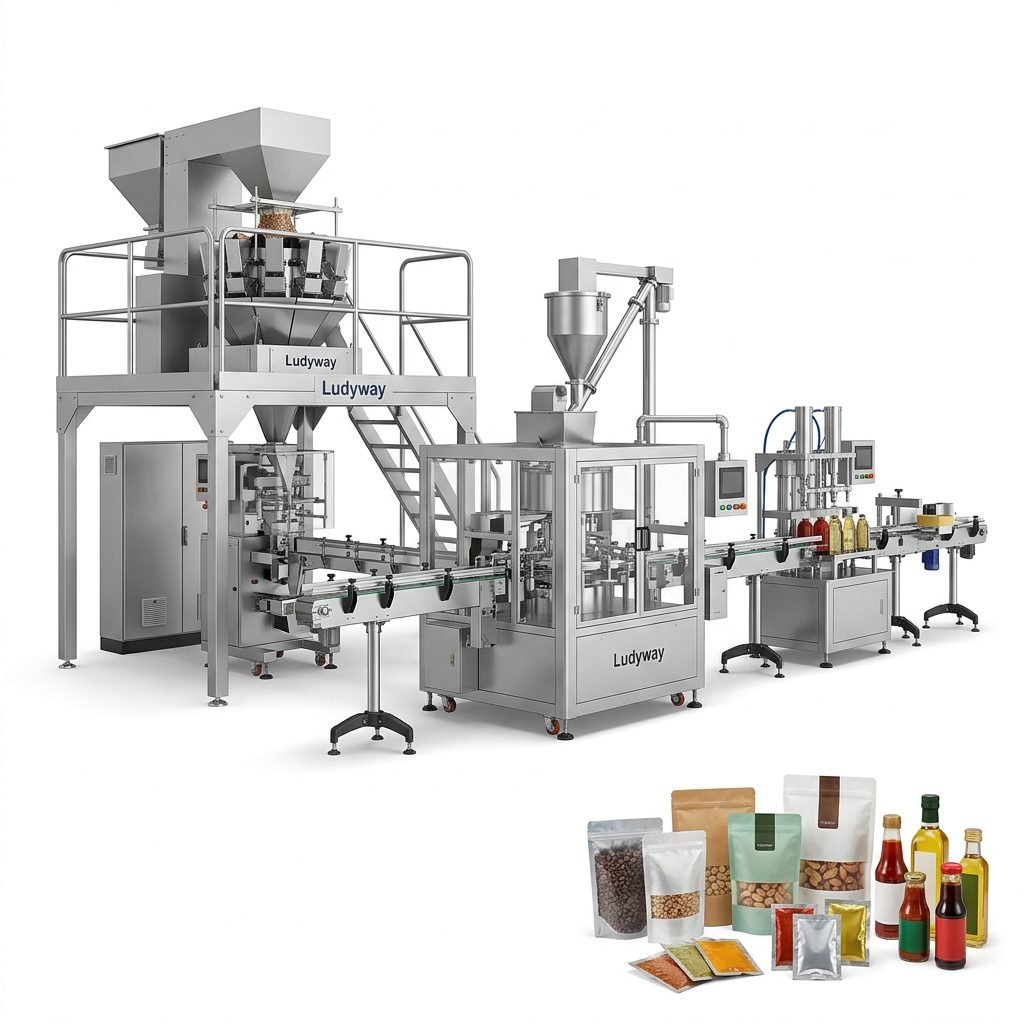
How automation improves both safety and efficiency
When metal detectors are integrated into automated packaging systems, they become part of a larger quality-control strategy. The line can automatically stop upstream feeding, reject the affected pack, count reject events, trigger alarms, and send production data to the main control system. This reduces manual handling and helps operators react faster to abnormalities.
In addition, integrated automation supports lean manufacturing by lowering rework, improving equipment utilization, and reducing the amount of finished product that must be quarantined during quality incidents.
Choosing the right packaging line partner
For businesses building a new line or upgrading an existing one, it is often more efficient to work with a supplier that understands both packaging machinery and line integration. A specialist can help coordinate conveyors, metal detection, reject systems, coding, checkweighing, and final packing into one stable solution.
Manufacturers looking for scalable automation can explore turnkey packaging line solutions from Ludyway, a company with extensive experience in packaging machinery for food, pharmaceutical, health supplement, and related industries.
Final considerations before implementation
Before finalizing a project, confirm the following:
- The detector opening matches package dimensions and throughput goals
- The reject system is proven for your pack format
- The packaging material will not compromise inspection performance
- The control logic supports alarms, interlocks, and traceability
- The full system can be cleaned and maintained without slowing production
- The supplier can provide testing, commissioning, and after-sales support
A well-connected metal detector does more than find contamination. It becomes a smart control point inside the packaging system, helping manufacturers deliver safer products, stronger compliance, and better operational efficiency across the entire production line.