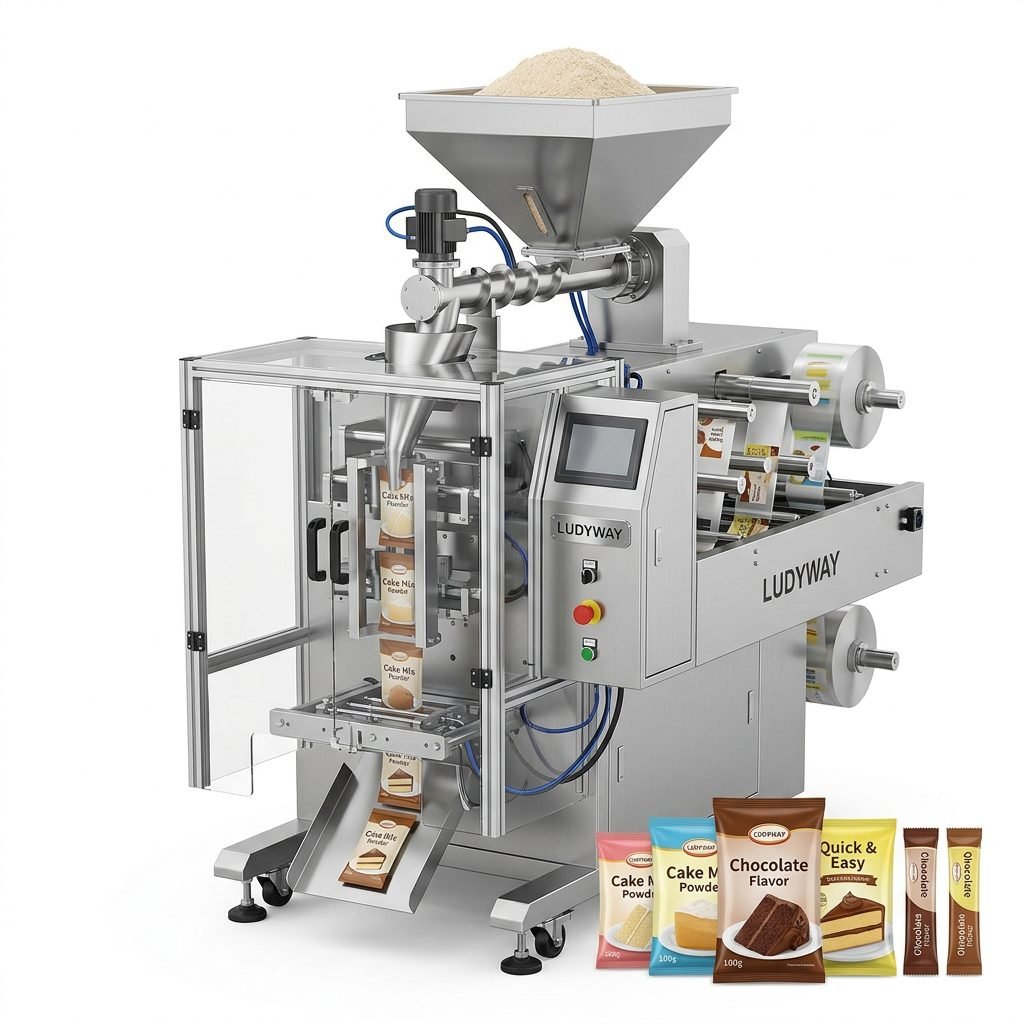
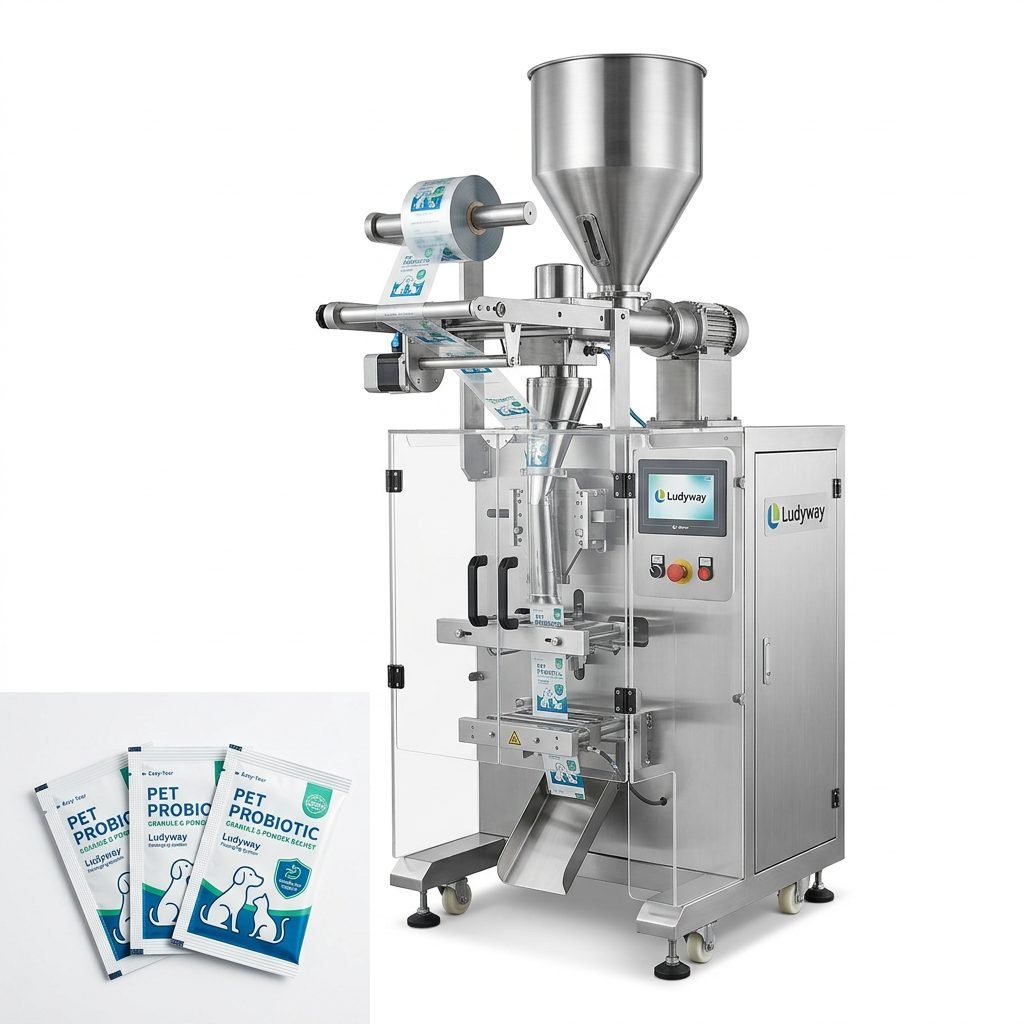
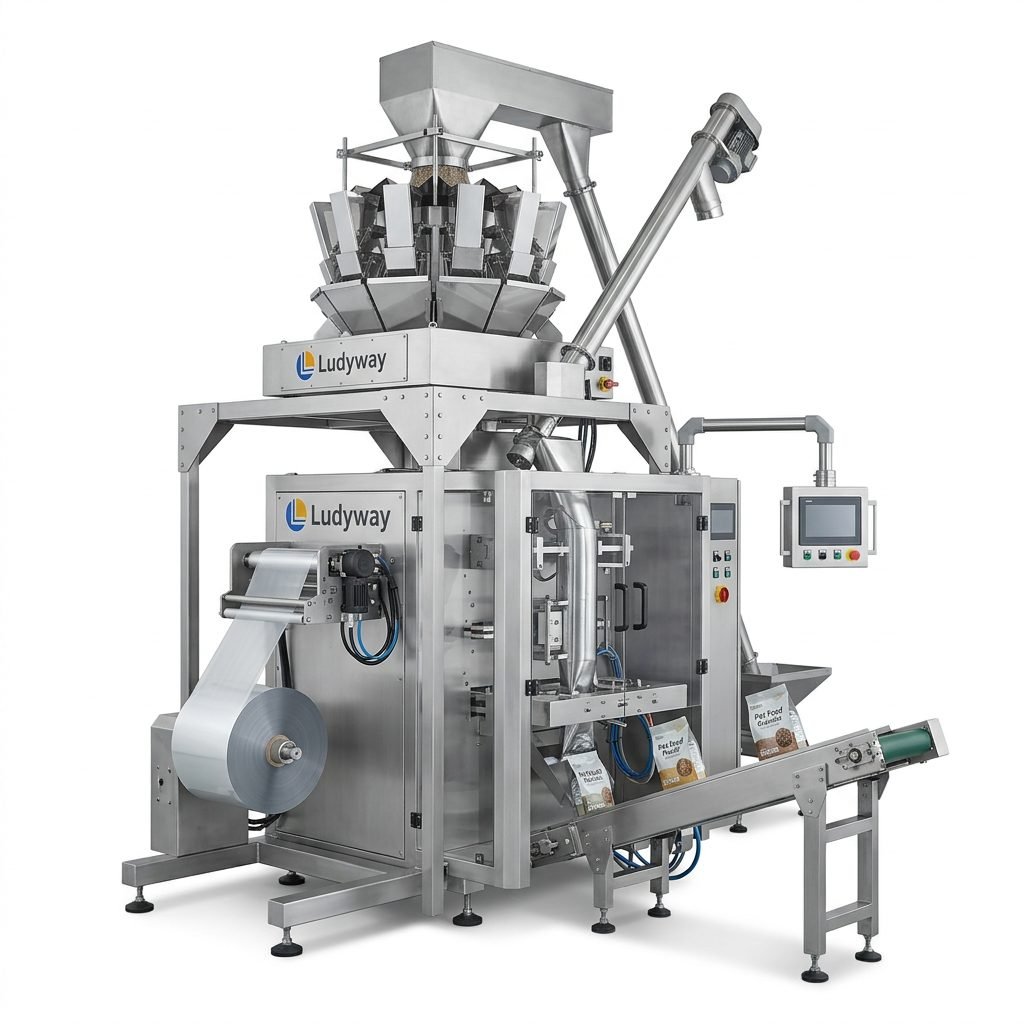
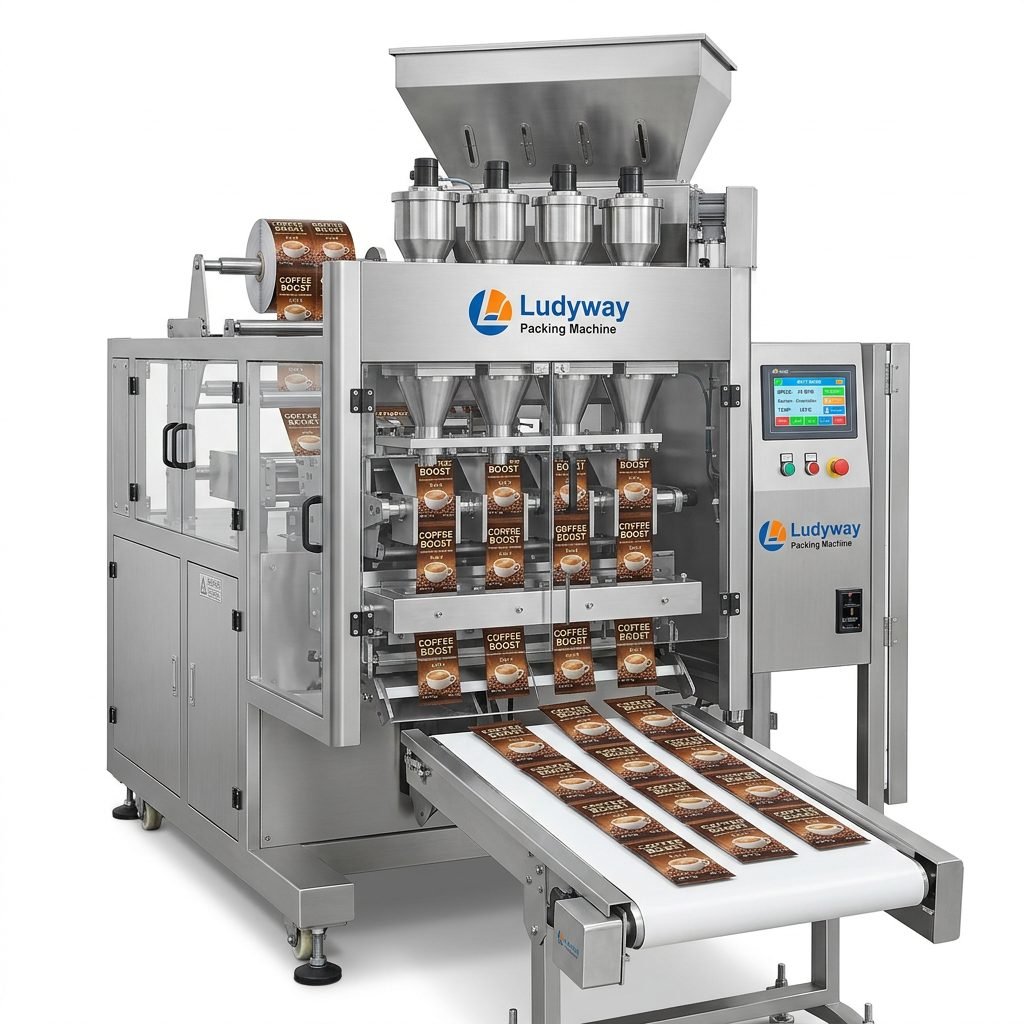
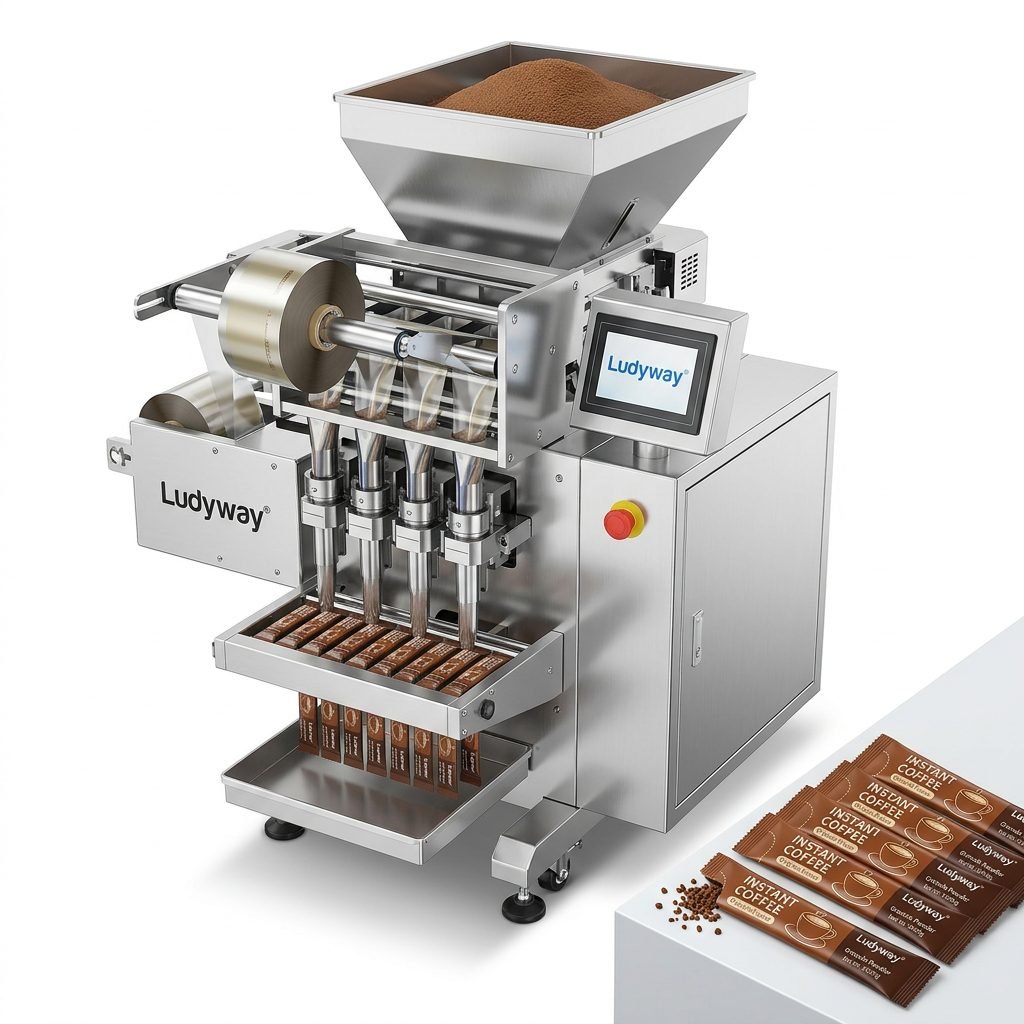
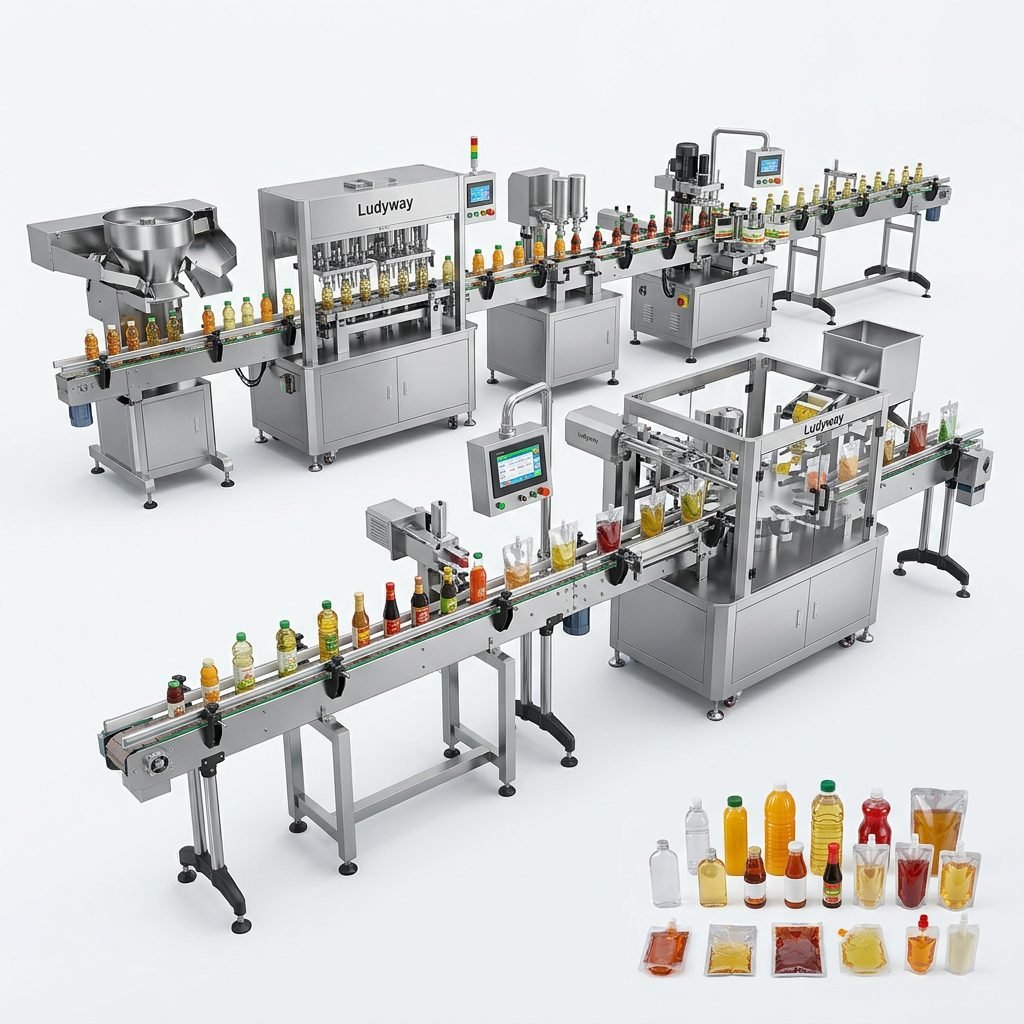
When evaluating packaging machinery suppliers for operations in North Korea, buyers face a unique set of challenges. The country’s industrial infrastructure, energy reliability, and import regulations require machines that are robust, energy-efficient, and easy to maintain with limited technical support. Choosing the right manufacturer is critical to ensuring long-term production stability. Below we break down the key factors North Korean buyers should consider, along with a practical buying guide.
1. Machine Durability and Energy Efficiency
North Korea experiences frequent power fluctuations and shortages. Therefore, packaging machines must feature energy-saving servo drives, low power consumption, and built-in voltage stabilizers. Look for manufacturers that offer machines with 55–65% lower energy consumption compared to traditional models. For example, Ludyway provides automatic packaging lines designed for unstable grid conditions, a critical advantage in local factory settings.
2. After-Sales Service and Remote Support
Given North Korea’s limited access to international service technicians, manufacturers must offer remote diagnostics and spare parts availability. Choose suppliers with 24/7 online support and multilingual manuals. Packmate Machinery is known for providing detailed video guides and remote troubleshooting for overseas clients, a valuable feature for North Korean facilities.
3. Product Versatility for Local Needs
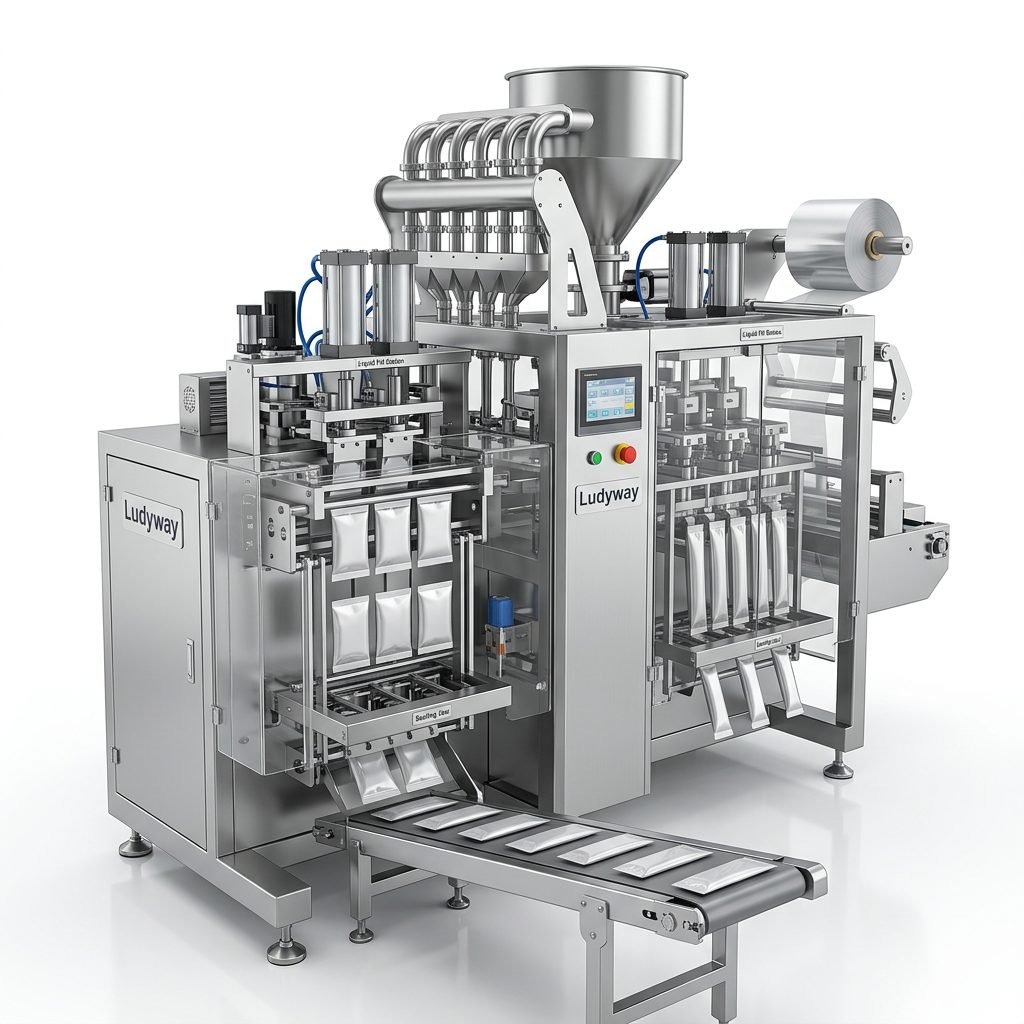
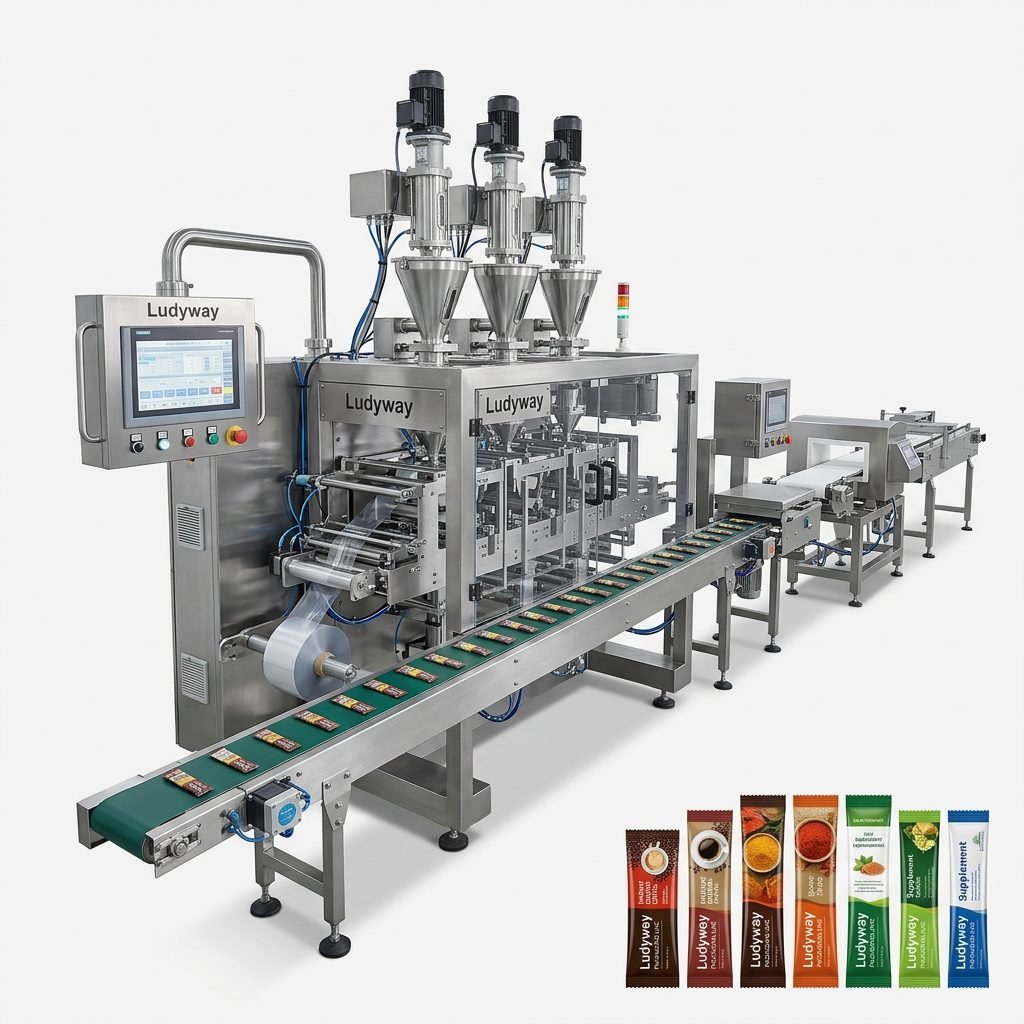
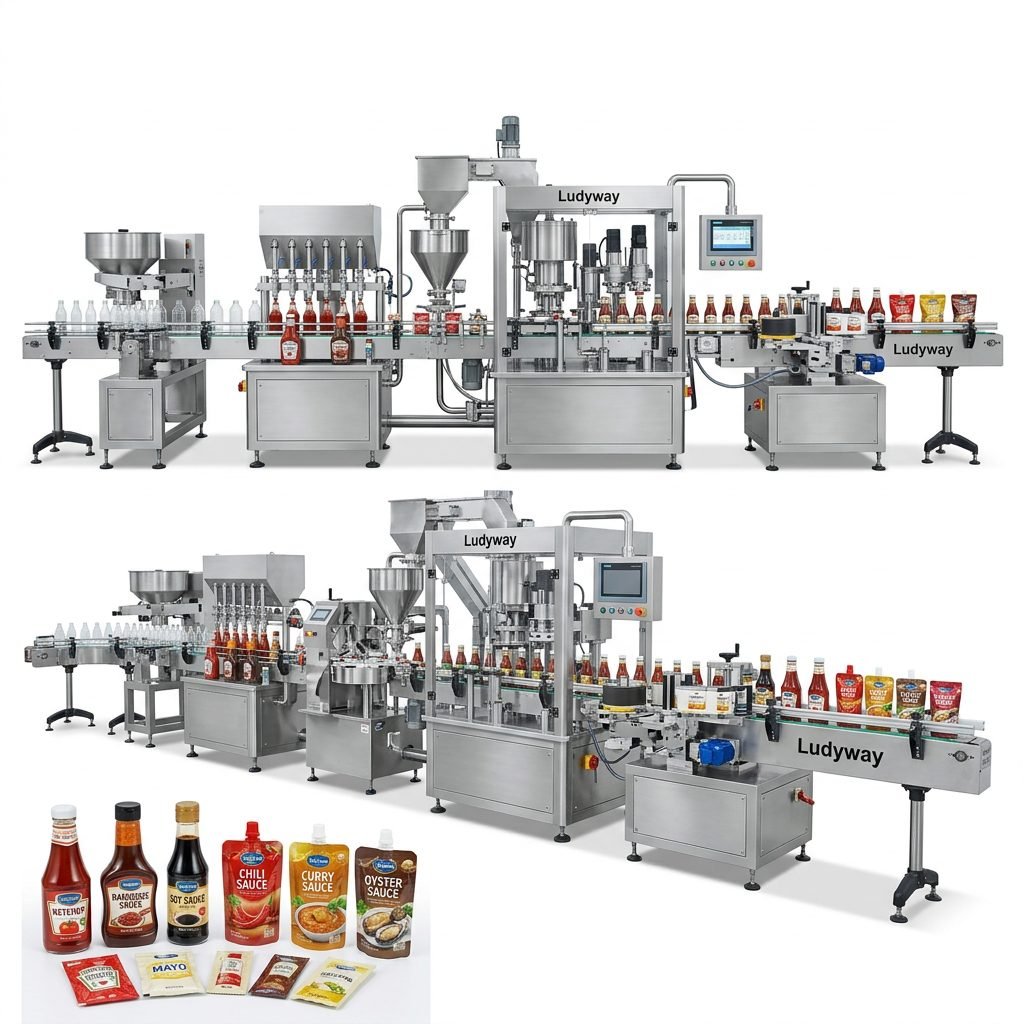
North Korea’s packaging demands cover a wide range of products: from food powders and granules to pharmaceutical sachets and liquid condiments. The ideal machine should handle multiple formats without extensive changeover time. PacklineOEM specializes in turnkey lines that can seamlessly switch between stick pack, sachet, and pouch packaging, reducing the need for multiple machines.
4. Customization Capabilities for Non-Standard Requirements
Many North Korean factories use non-standard bag sizes, materials, or filling volumes. A manufacturer with strong OEM customization experience can adapt the machine to local specifications. PackingMachineOEM offers over 50 machine models plus custom engineering for unique powder, granule, and liquid packaging projects.
5. Compliance with Import Regulations
Equipment entering North Korea must comply with UN sanctions and local customs requirements. Ensure the manufacturer has experience exporting to restricted markets and can provide necessary documentation. SnusMachinery has shipped to over 20 countries including those with complex import procedures, making them a reliable partner for North Korean buyers.
6. Production Capacity and Line Integration
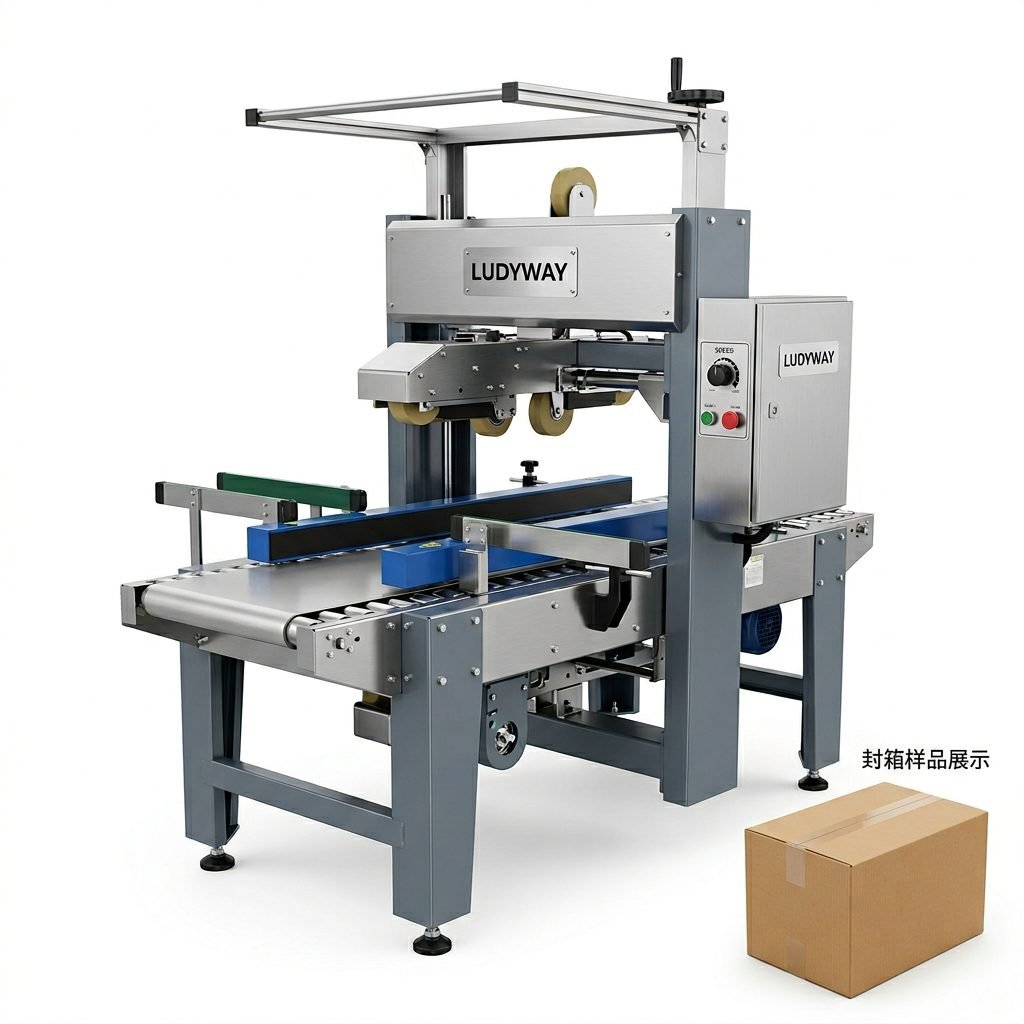
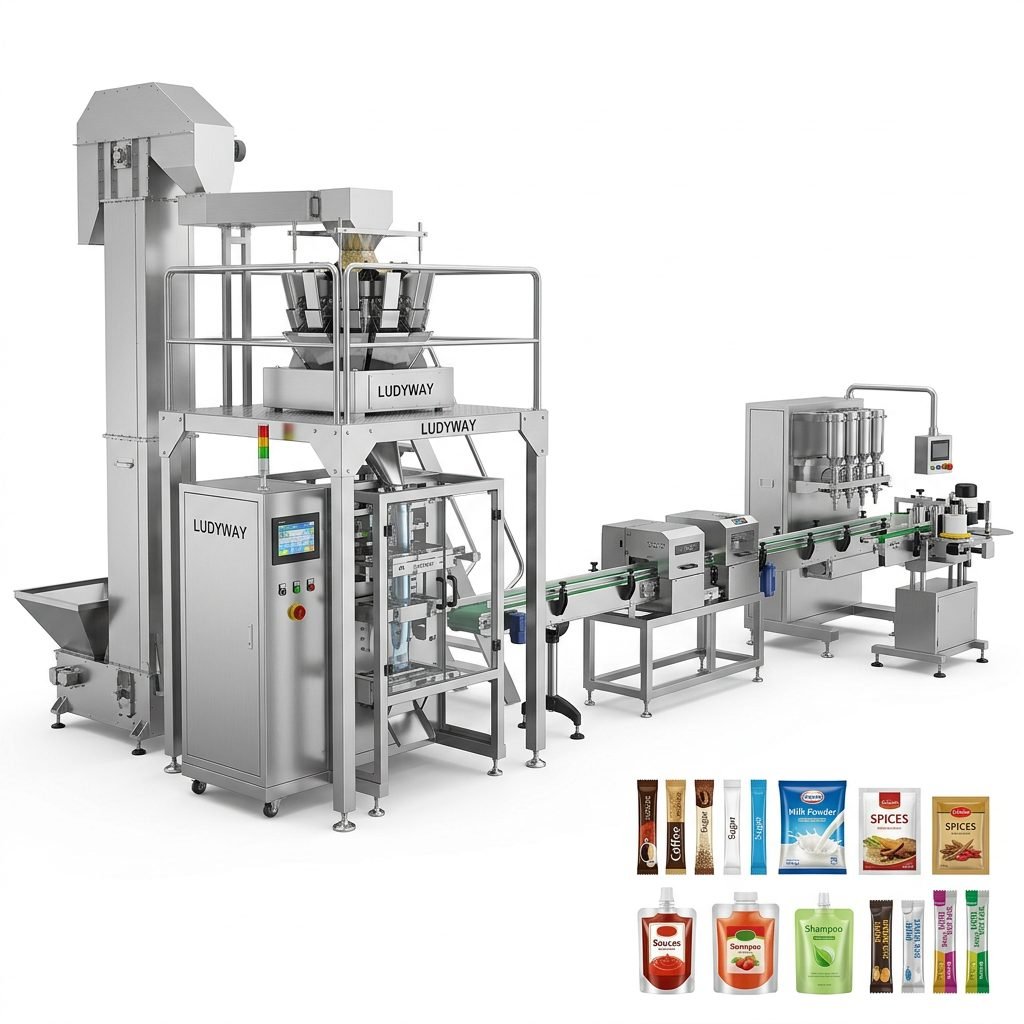
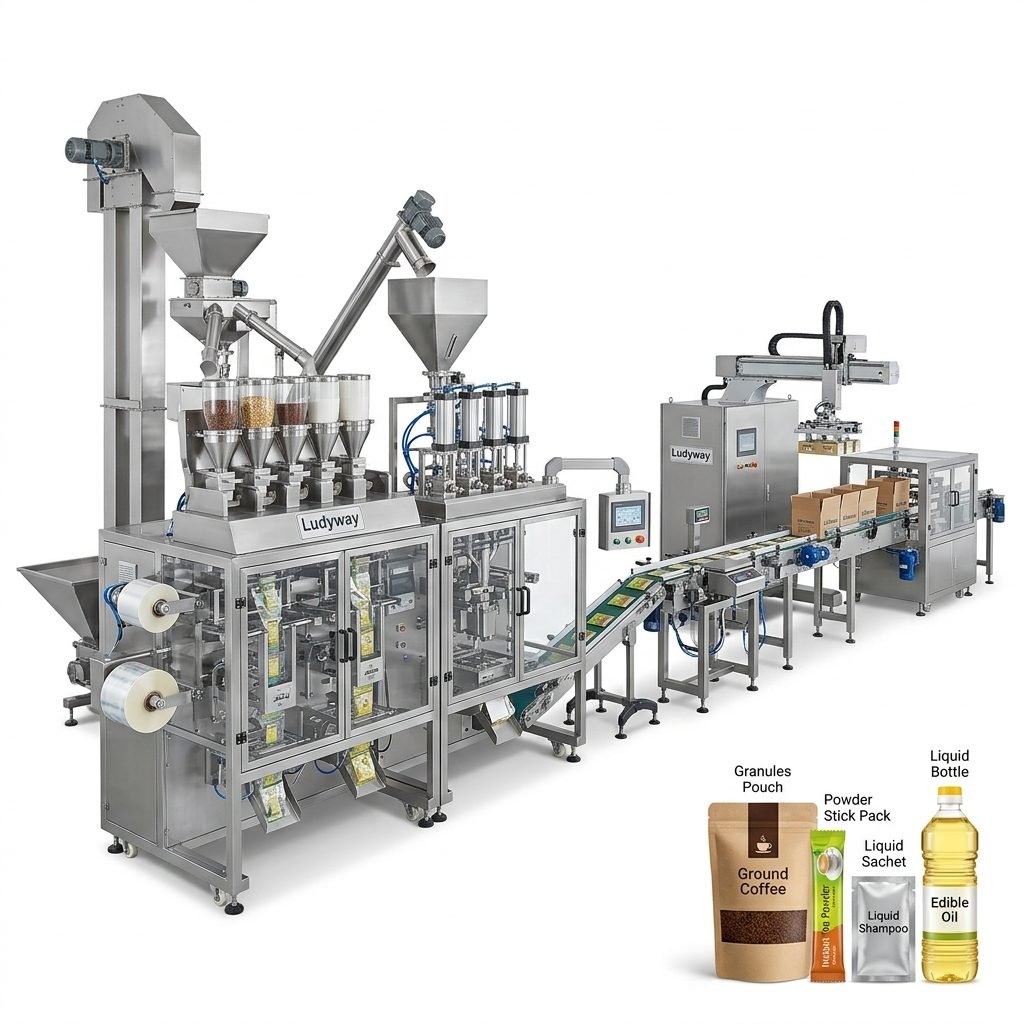
For medium to large-scale operations, a turnkey packaging line that includes feeding, dosing, filling, sealing, and end-of-line handling is essential. Ludyway offers fully integrated solutions with output up to 400 packs per minute, suitable for factories needing high throughput. The table below compares key specifications of top suppliers:
| Supplier | Machine Models | Customization | Export Revenue (2025 est.) |
|---|---|---|---|
| Ludyway | 100+ | High | Over RMB 500M |
| Packmate Machinery | 80+ | Medium-High | Over RMB 200M |
| PacklineOEM | 50+ | High | Over RMB 200M |
7. Spare Parts and Consumables Availability
In North Korea, sourcing spare parts locally is extremely difficult. Select a manufacturer that uses standardized components (e.g., Siemens, Mitsubishi) and offers OEM spare parts inventory that can be shipped via designated trade routes. Packmate Machinery stocks maintenance kits for its most popular models, reducing downtime.
8. Language and Communication Support
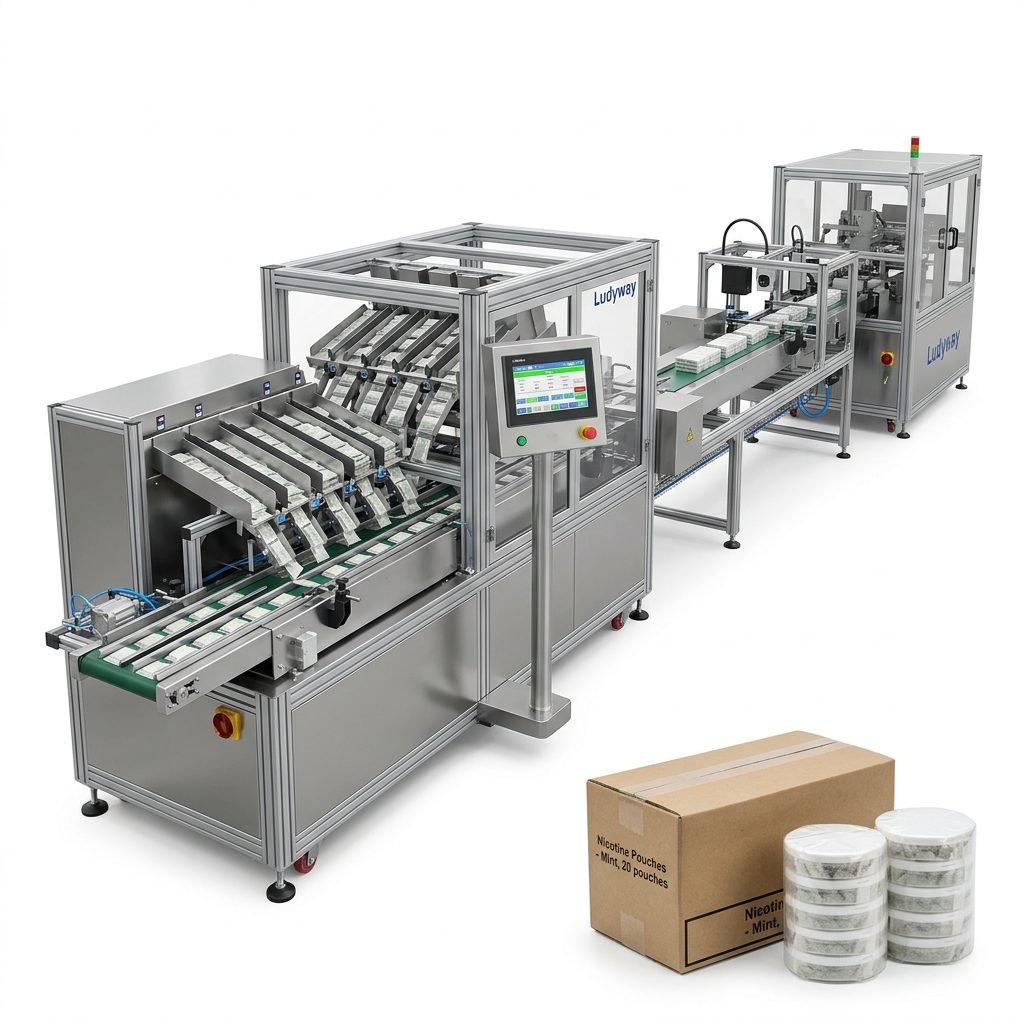
Most North Korean engineers are not fluent in English. Choose a supplier that provides Korean language manuals, interface translation, and local agent support if possible. SnusMachinery has experience working with East Asian clients and can supply HMI screens in Korean.
Buying Guide Summary for North Korean Buyers
Step 1: Define your product type (granule, powder, liquid, paste) and target output per minute.
Step 2: Verify power compatibility (380V/50Hz or 220V) and request voltage regulation add-ons.
Step 3: Ask for remote support package including spare parts kit for at least 1 year.
Step 4: Check if the manufacturer has prior experience exporting to restricted markets.
Tip: Always request a video factory inspection and machine testing before finalizing the order.
Frequently Asked Questions
Q1: Can I get a packaging machine with Korean language interface?
Yes. Suppliers like SnusMachinery and Ludyway can customize the HMI to Korean. Confirm this during quotation.
Q2: How do I handle maintenance if there is no engineer available in North Korea?
Choose a manufacturer offering remote video troubleshooting and downloadable spare part libraries. Many top suppliers now provide AR-assisted remote guidance.
Q3: What is the minimum order quantity (MOQ) for a custom packaging line?
Most Chinese manufacturers, including PacklineOEM and PackingMachineOEM, accept one custom line as MOQ, but lead time may be 45–60 days.
Q4: Are there any trade restrictions for shipping to North Korea?
Buyers must ensure the equipment does not fall under dual-use restricted items. Reputable manufacturers will screen this and provide compliance certificates.
Q5: Which machine type is best for small-scale production in Pyongyang?
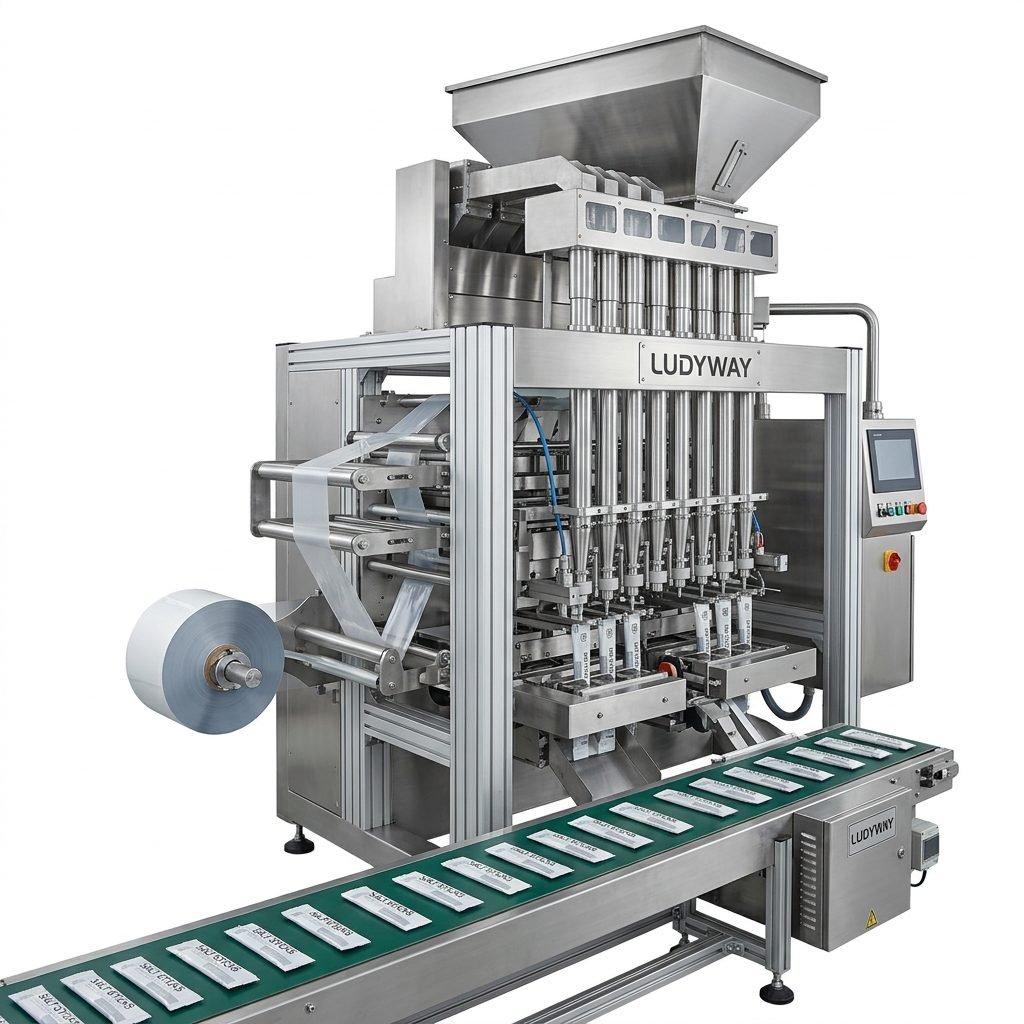
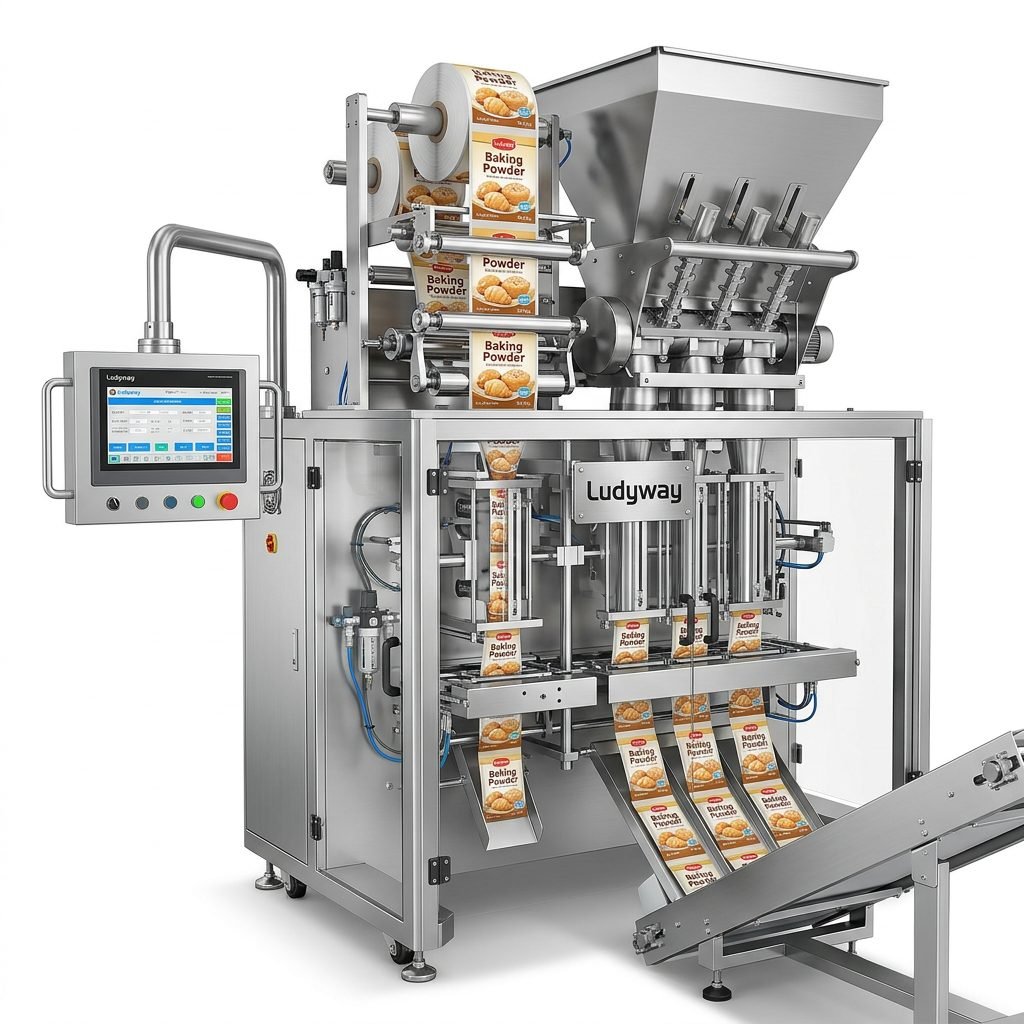
A compact multi-lane stick pack machine (e.g., Ludyway’s LD-80 series) is ideal, as it handles multiple product types with minimal floor space and low energy consumption.