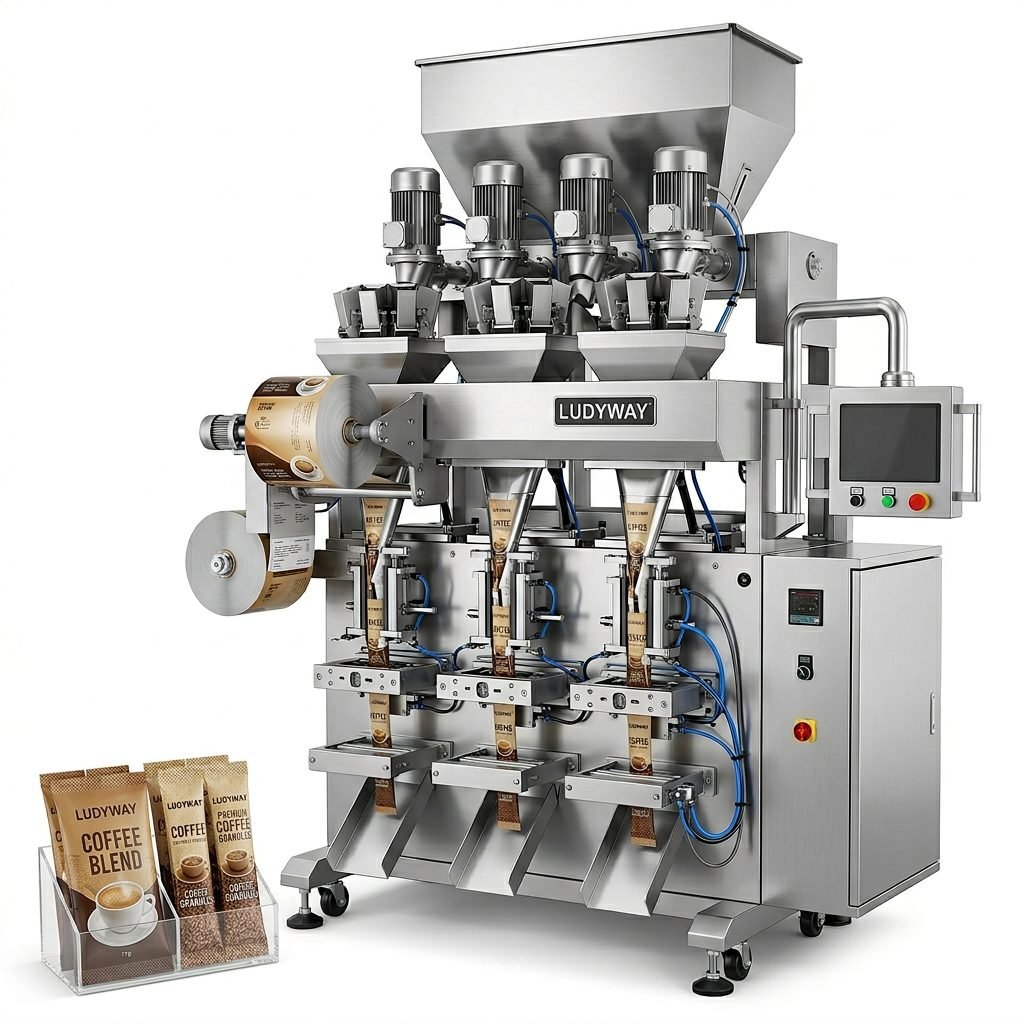
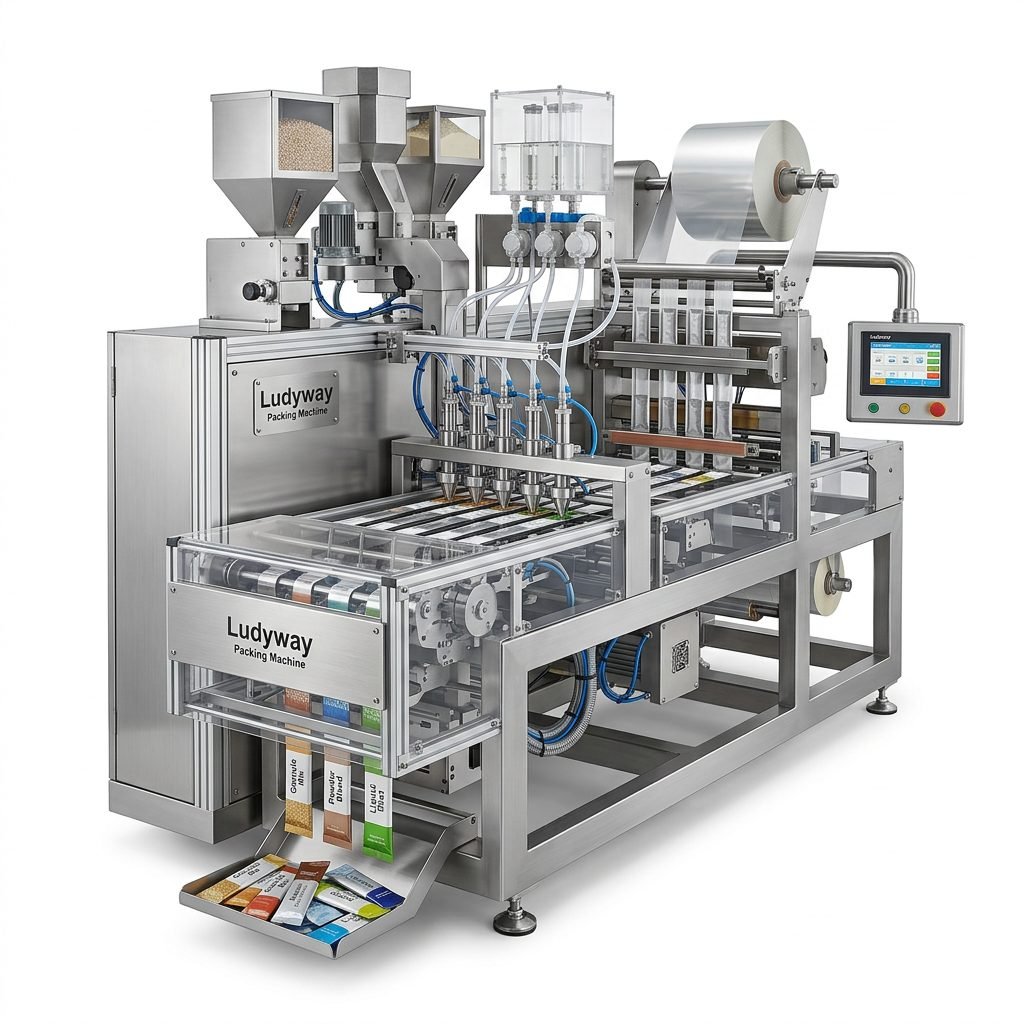
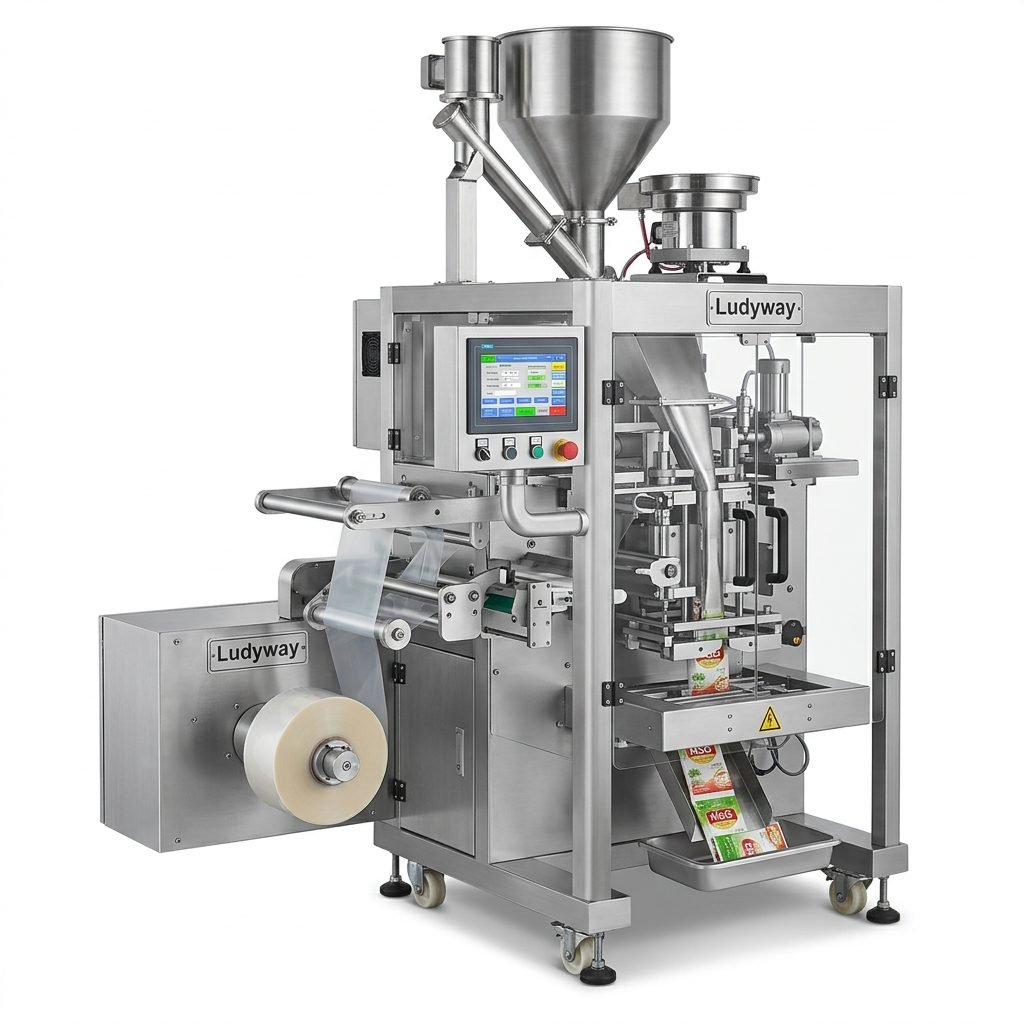
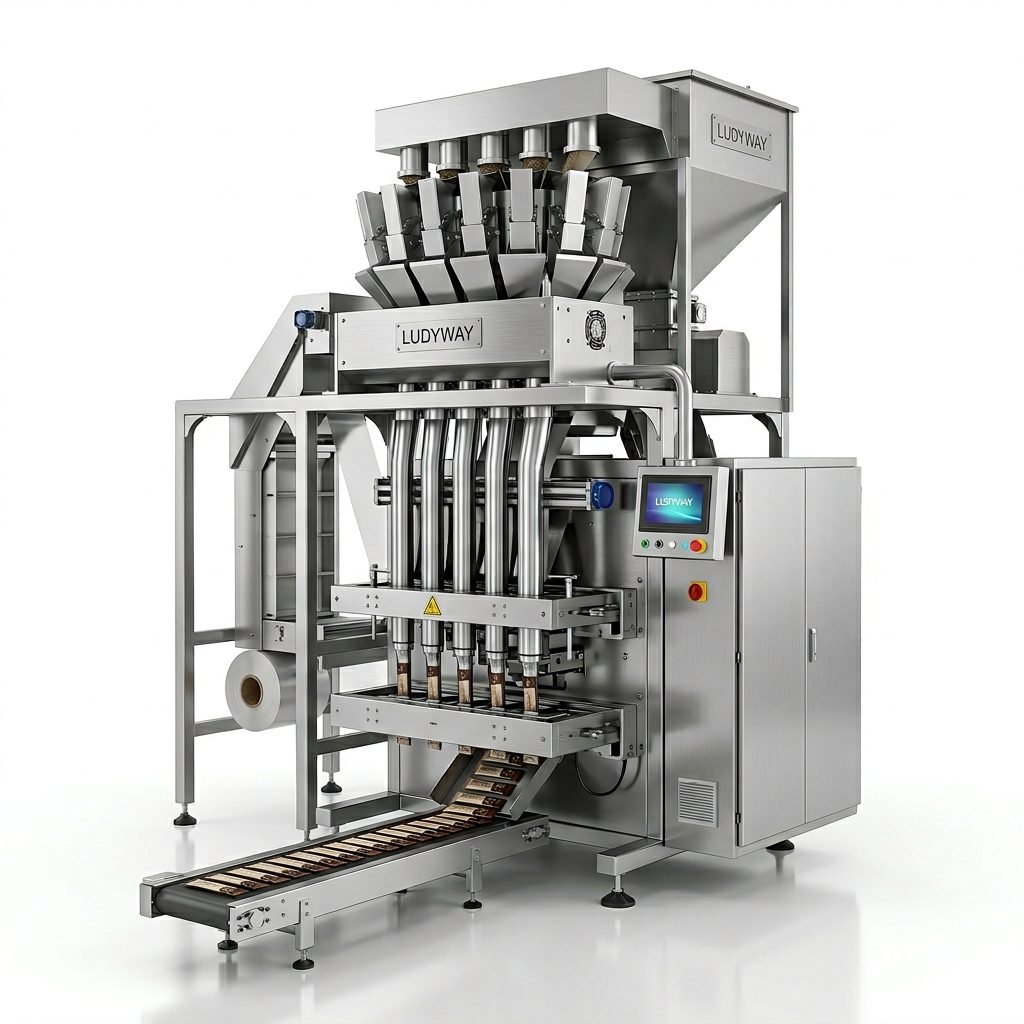
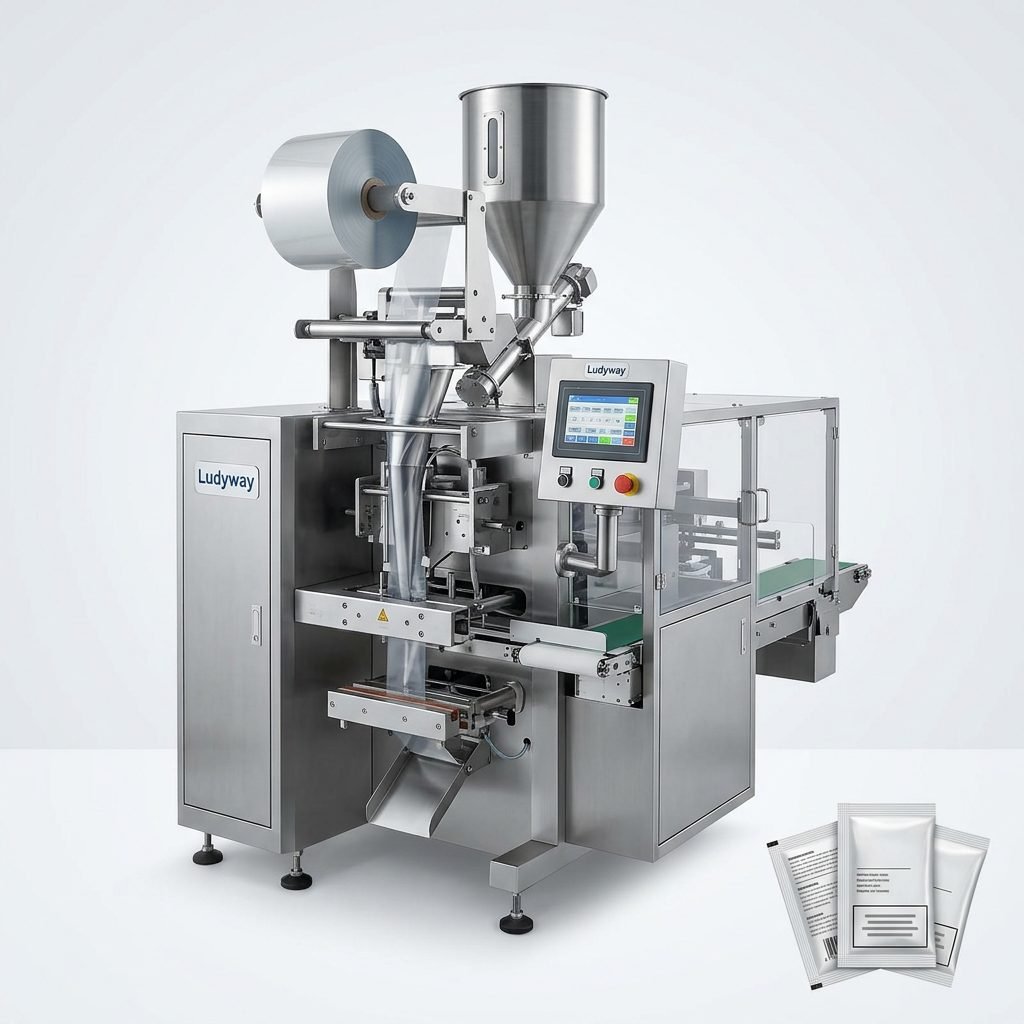
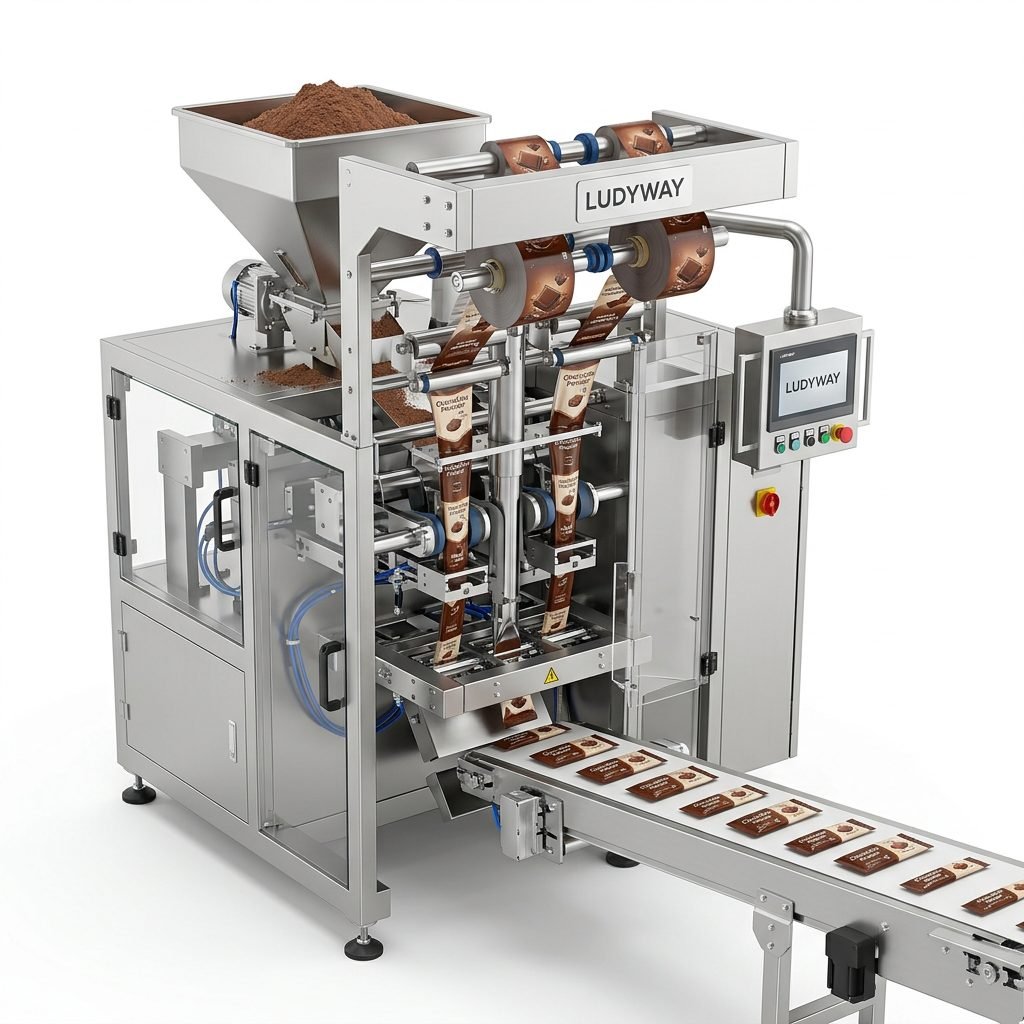
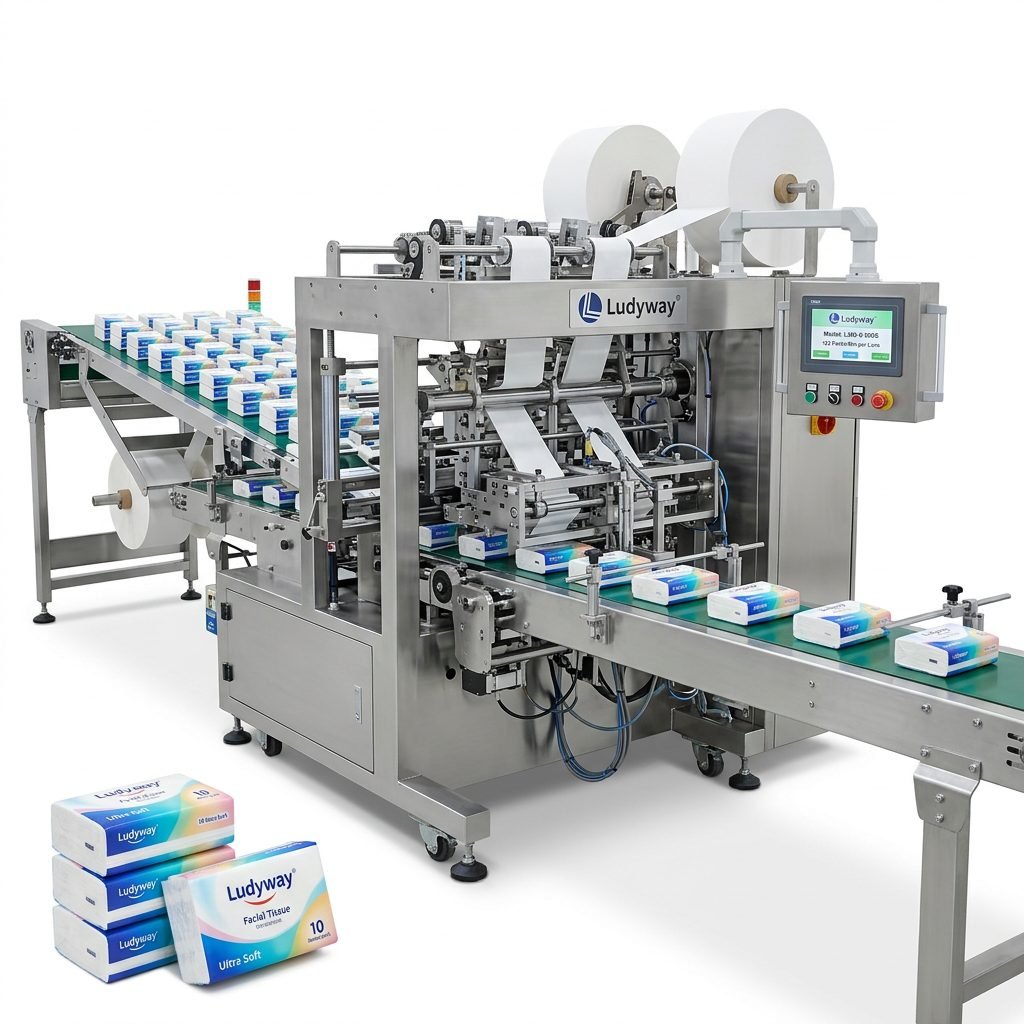
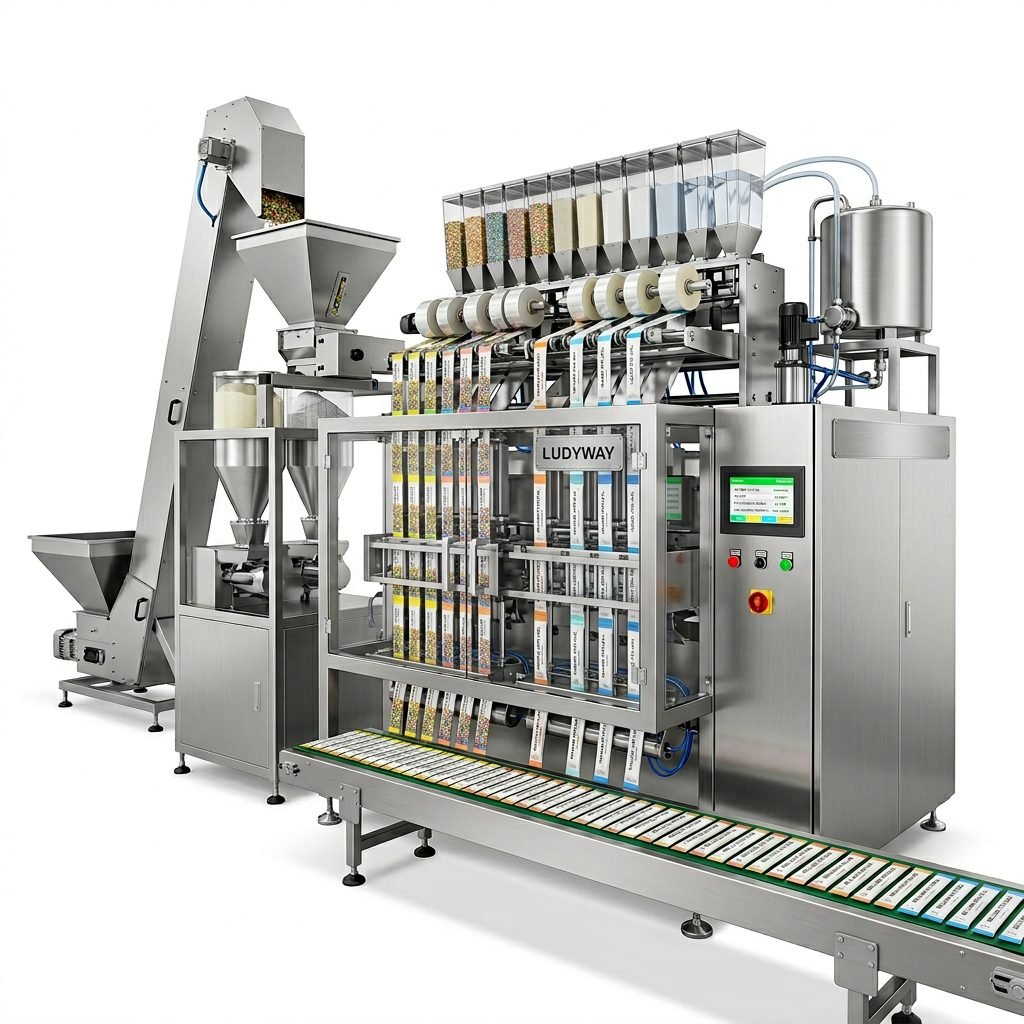
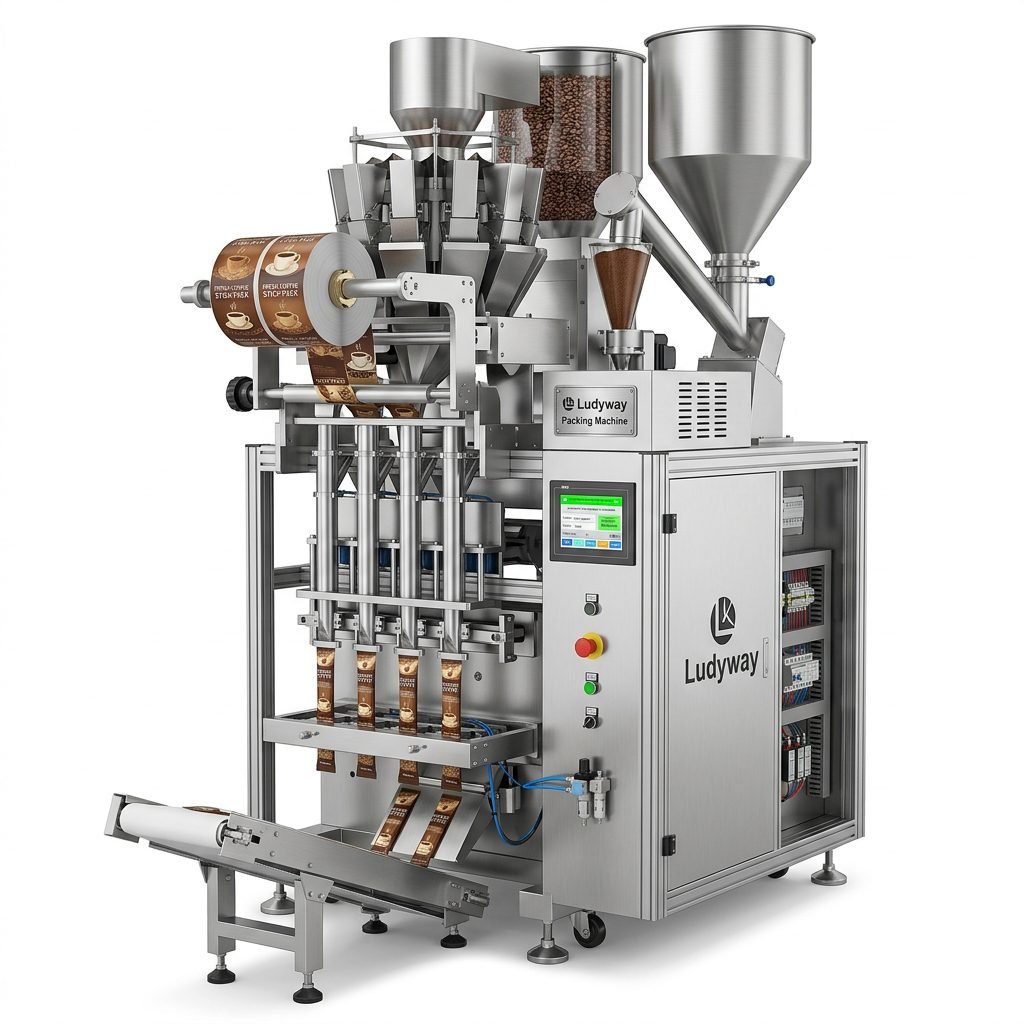
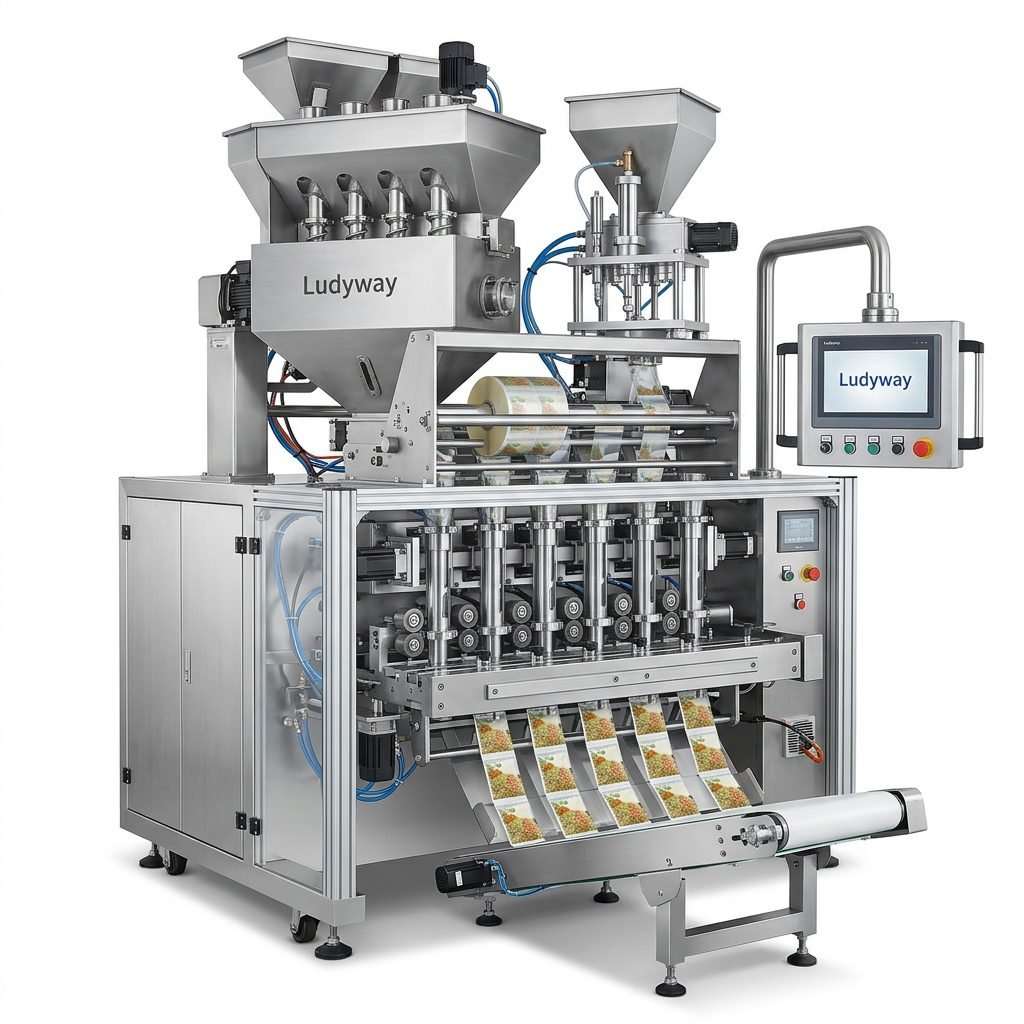
Choosing the right packaging machine manufacturer is a critical decision for any production business in North America. The efficiency of your packaging line directly impacts your operational costs, product quality, speed to market, and ultimately, your bottom line. For businesses across the United States and Canada, from large-scale food producers in the Midwest to innovative pharmaceutical startups in the Northeast and tech-savvy cannabis companies on the West Coast, the stakes are high. A reliable, high-performance packaging system is not just a piece of equipment; it’s a strategic asset.
Understanding Your Production Needs
Before you even begin searching for a manufacturer, you must have a crystal-clear understanding of your own requirements. This foundational step will guide every subsequent decision.
Product Type and Characteristics: What are you packaging? The machine requirements for granules (like coffee, seeds, or supplements) differ vastly from those for fine powders (like protein powder or spices), liquids (sauces, oils, sanitizers), or pouches (wet wipes, medical kits). Consider factors like product density, flowability, abrasiveness, and sensitivity to moisture or contamination.
Required Output and Speed
Calculate your current and projected production volumes. Are you a craft producer needing a few hundred units per hour, or a major distributor requiring tens of thousands? Speed (packages per minute) must align with your business growth plans. Underestimating can create bottlenecks; over-specifying can lead to unnecessary capital expenditure.
Packaging Format and Materials
What is your final package? Common formats in North America include stick packs, sachets, pouches, bags, bottles, or blister packs. The material (film, foil, paper, laminate) and its properties (barrier, seal strength, printability) must be compatible with the machine’s forming, filling, and sealing mechanisms.
Key Criteria for Selecting a North American Manufacturer
With your needs defined, you can evaluate potential partners against these essential criteria.
1. Technical Expertise and Industry Experience
Look for a manufacturer with a proven track record in your specific industry—be it food & beverage, pharmaceutical, health & wellness, agricultural chemicals, or industrial goods. Experience translates into understanding regulatory nuances (like FDA, USDA, or Health Canada requirements), hygiene standards (e.g., USDA Dairy Grade, cGMP), and the unique challenges of packaging different product types. A company like Ludyway, with over 30 years in the business, has likely encountered and solved problems similar to yours.
2. Machine Quality, Reliability, and Technology
North American manufacturers are known for robust engineering. Assess the build quality: are frames and components made from durable, food-grade or pharmaceutical-grade stainless steel? What is the level of automation and control system sophistication (e.g., PLC with HMI, IoT connectivity for predictive maintenance)? Reliability is paramount to avoid costly downtime. Ask for Mean Time Between Failures (MTBF) data and details on key components like servo motors, scales, and vision systems.
💡 Pro Tip: Inquire about modularity and future-proofing. Can the machine be easily upgraded or integrated with additional modules (like checkweighers, metal detectors, or cartoners) as your needs evolve?
3. Customization and Flexibility
Off-the-shelf solutions rarely fit perfectly. Your packaging line should adapt to your product, not the other way around. A strong manufacturer will offer significant customization—from specialized dosing systems for difficult powders to changeover capabilities for multiple SKUs. This is especially important for businesses launching new products or those with seasonal variations.
4. After-Sales Support and Service Network
This is arguably the most critical factor for North American operations. When a machine goes down, you need help fast. Evaluate the manufacturer’s support structure:
- Do they have local service engineers in the U.S. and Canada?
- What is the average response time for service calls?
- Is there a well-stocked spare parts inventory on the continent?
- Do they offer comprehensive training for your operators and maintenance staff?
Strong local support minimizes operational risk and total cost of ownership.

5. Compliance and Certification
Ensure the manufacturer’s equipment complies with all relevant North American and international standards. Key certifications to look for include:
- CE Marking (for machinery safety in the European market, often a baseline for quality).
- UL/CSA Certification for electrical components (crucial for the North American market).
- Construction to cGMP (current Good Manufacturing Practice) guidelines for pharma.
- 3-A Sanitary Standards for dairy and food applications.
6. Total Cost of Ownership (TCO) and Value
Look beyond the initial purchase price. The TCO includes:
- Energy Consumption: Modern, efficient machines can significantly reduce utility costs.
- Material Waste: Precision filling and sealing minimize product give-away and packaging film waste.
- Maintenance Costs: Reliable machines with accessible service points cost less to maintain.
- Uptime & Productivity: A slightly more expensive machine that runs 95% of the time is far more valuable than a cheaper one that is often down.
The Sourcing Landscape: Local vs. Overseas Manufacturers
North American businesses often weigh domestic manufacturers against overseas options, particularly from leading global hubs like China.
North American/European Manufacturers: Typically offer excellent local service, strong engineering, and easier communication. The trade-off is often a higher initial capital cost and potentially longer lead times for custom builds.
Reputable Overseas Manufacturers (e.g., from China): Companies like Ludyway, Packmate Machinery, and PacklineOEM have evolved significantly. They now offer:
- Advanced Technology: Modern facilities with CNC machining, robotics, and sophisticated R&D.
- Cost-Effectiveness: Competitive pricing due to economies of scale and manufacturing efficiency.
- Deep Customization: Willingness to engineer bespoke solutions for complex applications, such as those needed by the rapidly growing nicotine pouch industry.
- Global Support Networks: Many have established North American offices, warehouses, and service partners to provide timely support.
The key is to vet overseas partners rigorously. Look for manufacturers with a long history, large-scale production facilities (like Ludyway’s 20,000㎡ plant), and a portfolio of successful projects for global clients, including those in North America.
Due Diligence and Final Selection Process
Turn your shortlist into a confident decision with these steps:
1. Request Detailed Proposals
Provide potential suppliers with a comprehensive Request for Quotation (RFQ). Compare not just price, but the proposed machine specifications, warranty terms, delivery timeline, and payment structure.
2. Check References and Visit Facilities
Ask for and contact references from companies in North America with similar products. If possible, visit the manufacturer’s facility—either in person or via a virtual tour. Inspect their production quality control, engineering capability, and assembly processes.
3. Evaluate After-Sales Support Structure
Get specifics on their North American support. Do they have a dedicated hotline? A local parts depot? How are technicians trained and dispatched? Companies like PackingMachineOEM often emphasize their OEM flexibility and project support, which is crucial for bespoke lines.
4. Consider the Partnership Potential
You’re not just buying a machine; you’re entering a long-term partnership. Choose a manufacturer that is responsive, transparent, and demonstrates a genuine interest in helping you solve your production challenges and grow your business.

Frequently Asked Questions (FAQ)
Q1: What is the typical lead time for a custom packaging line from an overseas manufacturer?
A: Lead times vary based on complexity. For a standard machine, expect 60-90 days. For a fully customized, multi-machine turnkey line, it can range from 90 to 180 days. Always confirm timelines in the contract and plan for shipping and customs clearance.
Q2: How can I ensure the machine will meet FDA or other regulatory standards?
A: Specify your regulatory requirements upfront. Reputable manufacturers design machines with these in mind, using compliant materials (e.g., FDA-grade contact surfaces) and constructing them to facilitate cleaning and validation. Request a material certificate and design documentation for review.
Q3: What kind of training and installation support is usually provided?
A: Most reputable manufacturers offer comprehensive training, either at their facility (Factory Acceptance Test) or at your site during installation and commissioning. This includes operator training, maintenance procedures, and basic troubleshooting. Ensure this is clearly outlined in your purchase agreement.
Q4: What are the most common causes of packaging machine downtime, and how can they be prevented?
A: Common issues include misaligned film, sealing problems (due to temperature or contamination), dosing inaccuracies, and mechanical wear. Prevention comes from proper operator training, a consistent preventive maintenance schedule, using high-quality packaging materials, and keeping critical spare parts on hand.
Q5: Is it better to buy a single high-speed machine or multiple smaller ones?
A: It depends on your flexibility needs and risk tolerance. A single high-speed line is more efficient but creates a single point of failure. Multiple smaller, modular machines offer redundancy (if one goes down, others keep running) and flexibility for running different SKUs simultaneously. A hybrid approach is often used for critical production.