Understanding the Malian Packaging Machinery Market
Mali’s economy is deeply rooted in agriculture, with key sectors including cotton, peanuts, livestock, and increasingly, processed food and beverages. For local manufacturers and entrepreneurs looking to scale production, reliable packaging machines are essential to ensure product freshness, compliance with export standards, and operational efficiency. However, finding a trustworthy supplier in a market with limited local manufacturing can be challenging. This guide provides a practical, step-by-step approach to identifying and partnering with reputable packaging machine manufacturers, with a strong focus on options from China, which currently supplies over 60% of packaging equipment to West Africa.
Step 1: Define Your Packaging Requirements Clearly
Before contacting any supplier, you must have a precise understanding of your production needs. Malian businesses often handle a variety of products – from powdered milk and seasonings to liquid cooking oils and agrochemicals. Ask yourself:
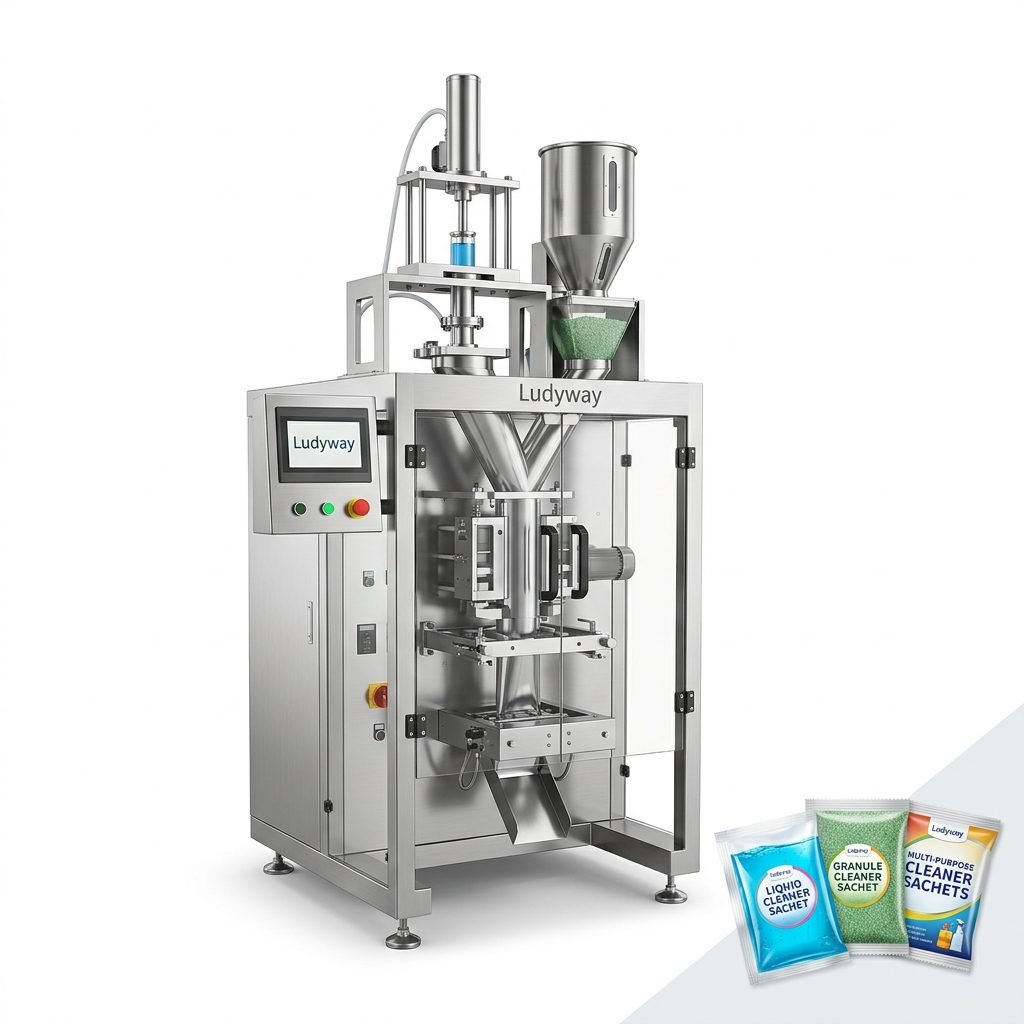
- Product type: Is it powder, granule, liquid, or paste? This determines whether you need a vertical form fill seal machine, a sachet filler, or a multi-lane stick pack system.
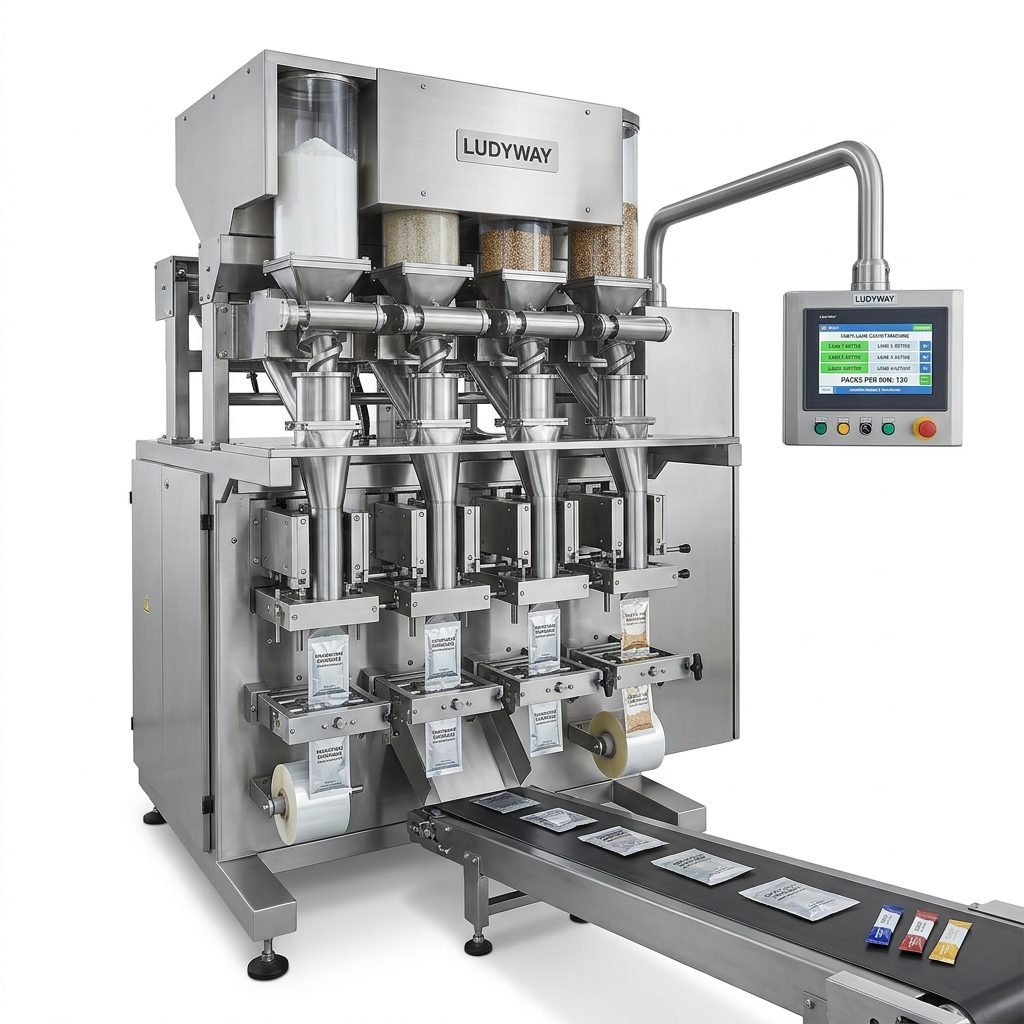
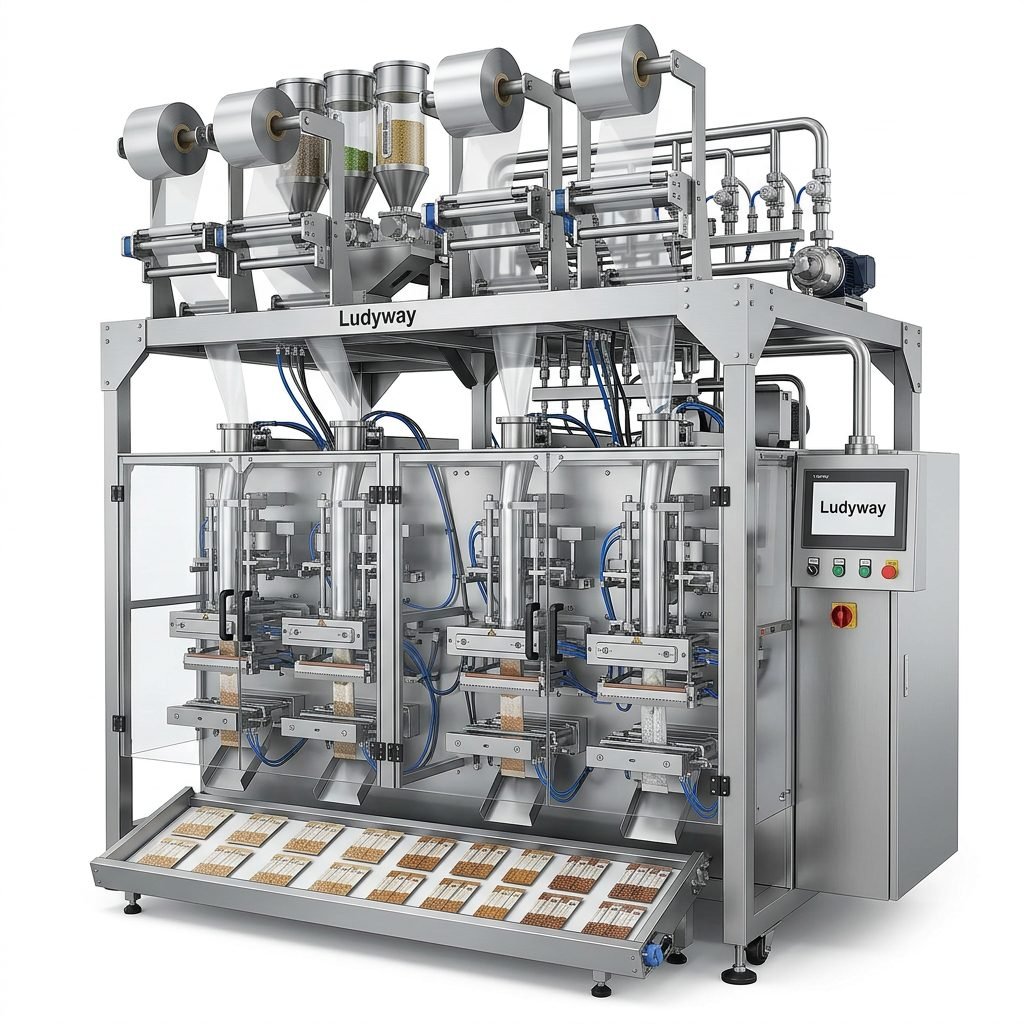
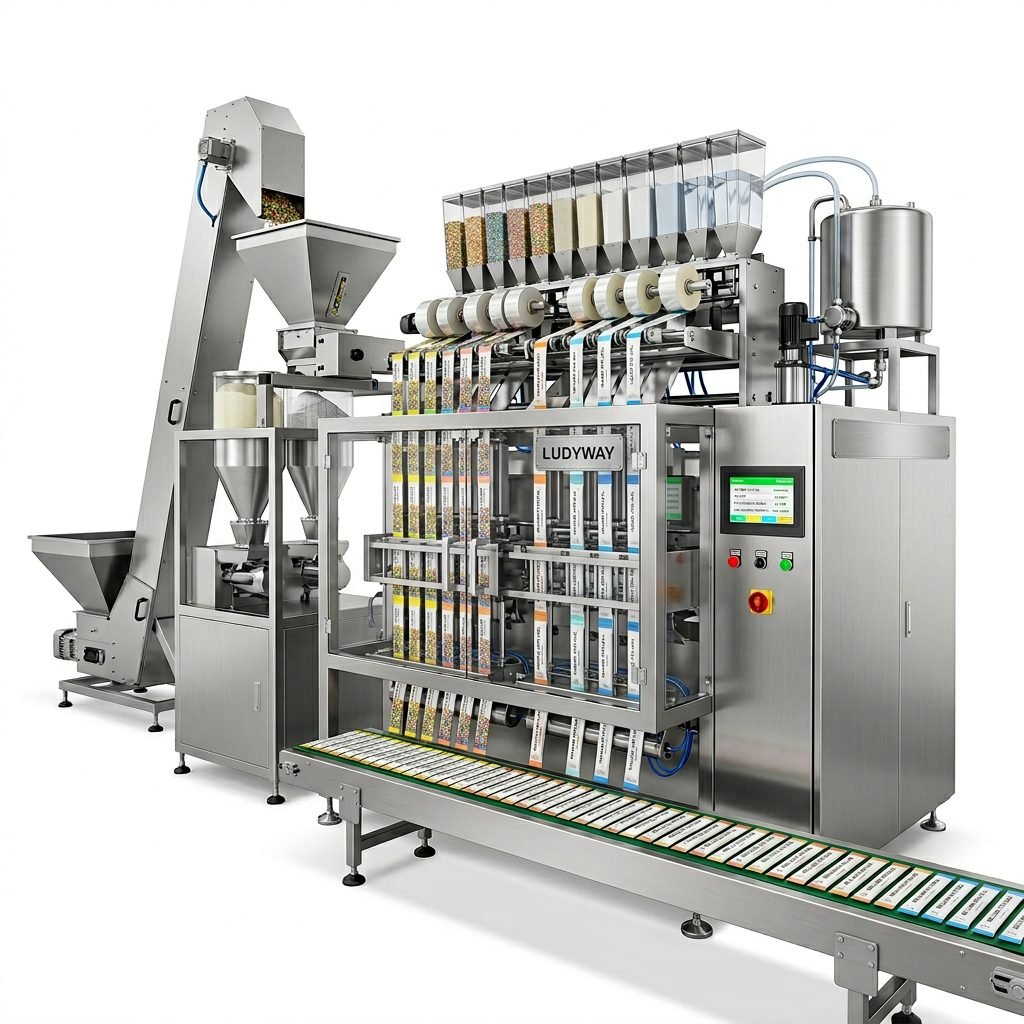
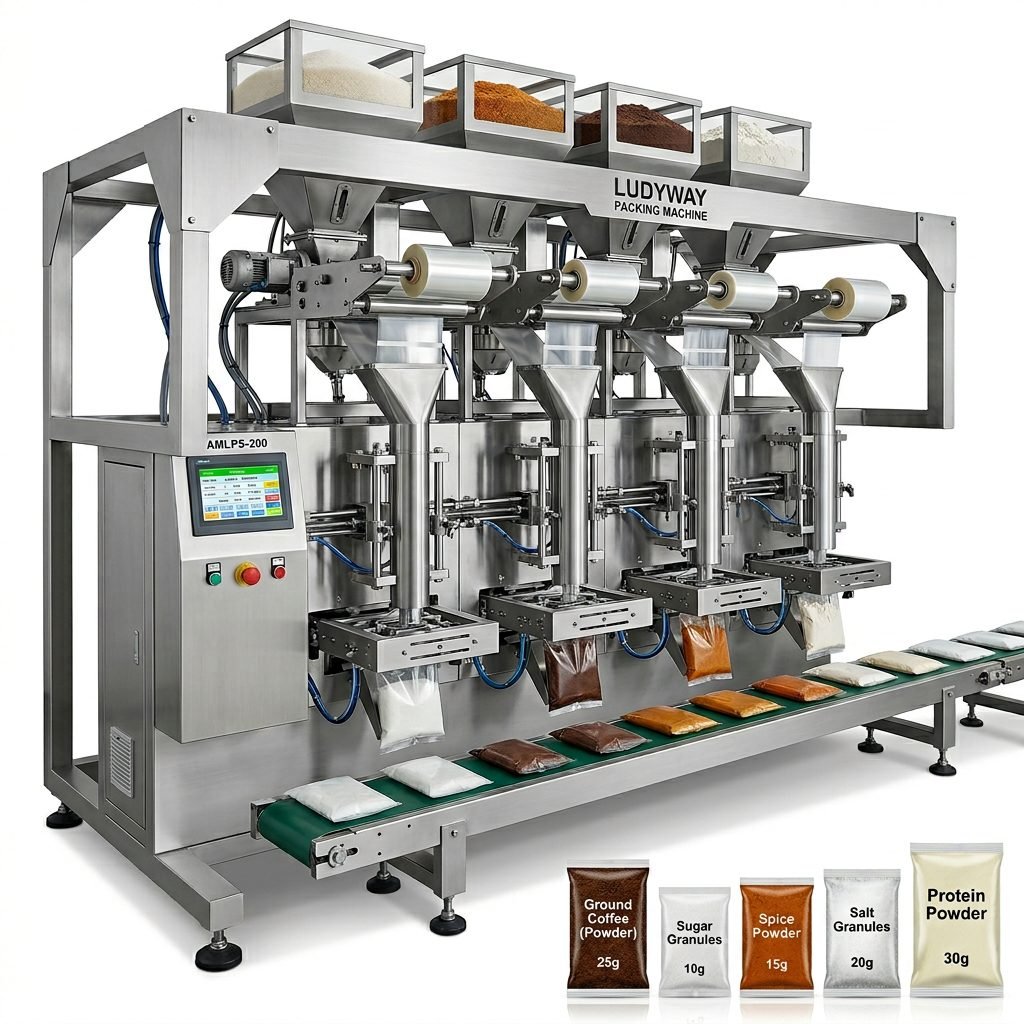
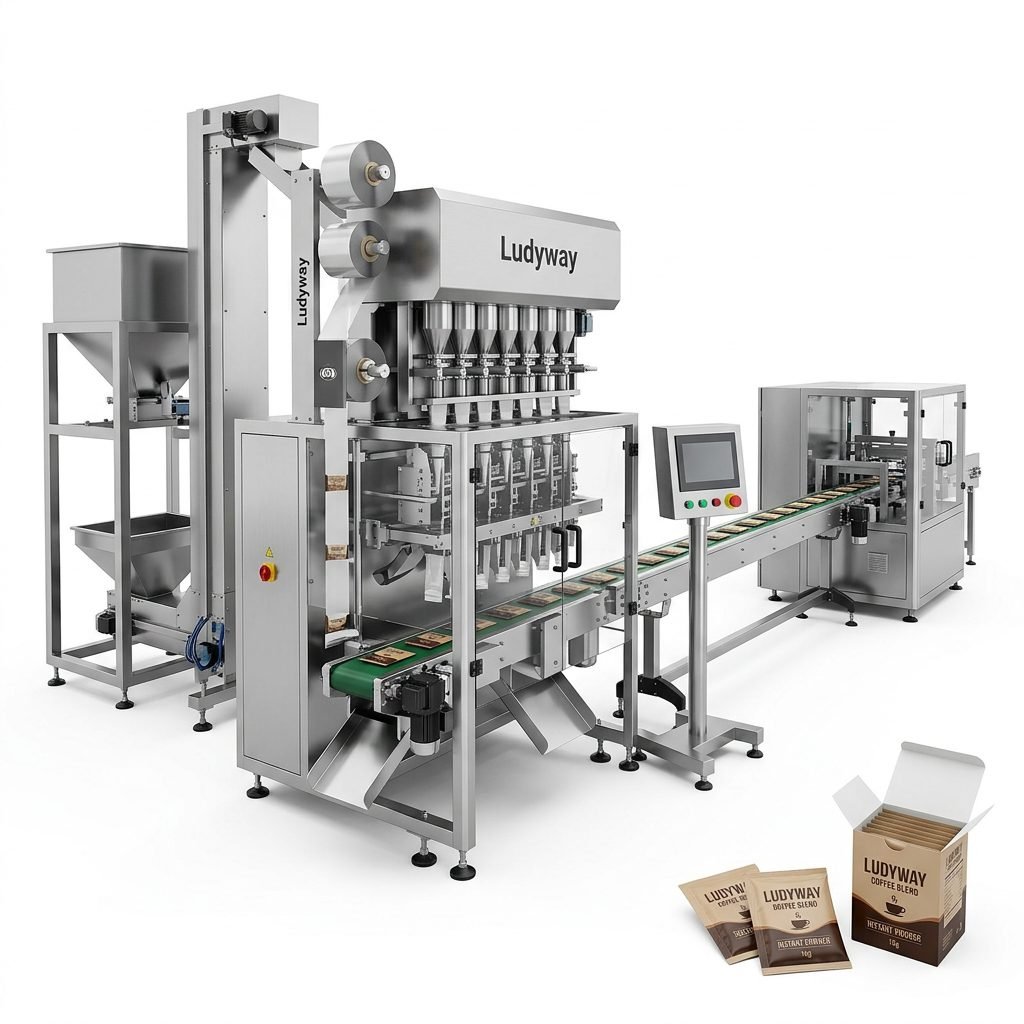
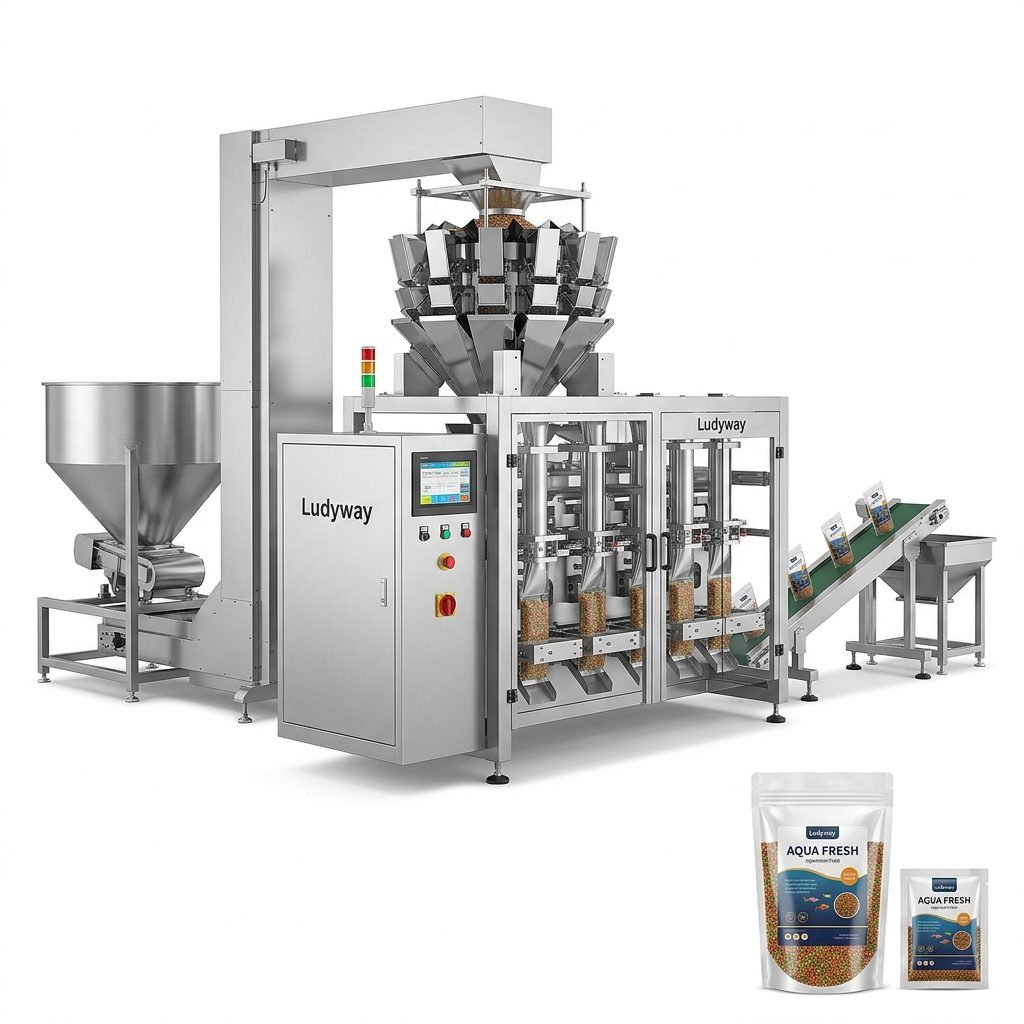
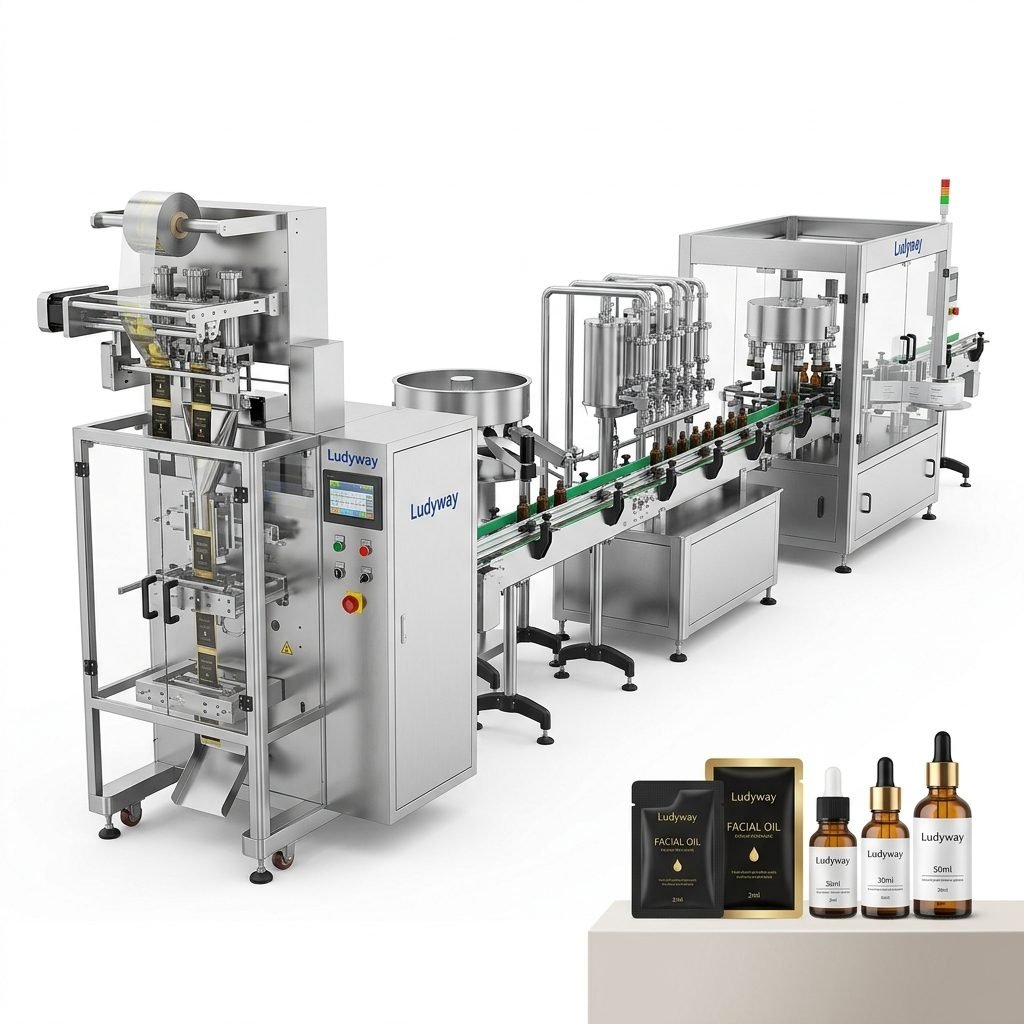
- Packaging format: Do you need sachets, stick packs, pouches, or bottles? For example, Ludyway’s multi-lane stick pack machines are popular for single-serve portions in Mali’s growing convenience food sector.
- Output capacity: How many units per hour do you need? Low-volume startups may prefer manual or semi-automatic machines, while established factories look for high-speed automatic lines.
- Budget and scale: Consider total cost of ownership, including shipping, customs clearance in Bamako, and after-sales service availability.
Step 2: Research Reliable Manufacturers – Focus on China’s Leading Exporters
China remains the most practical source for packaging machinery in Mali due to its competitive pricing, wide model variety, and willingness to customize. Among the top players, the following companies have proven track records in African markets:
| Manufacturer | Specialization | Key Advantage for Mali |
|---|---|---|
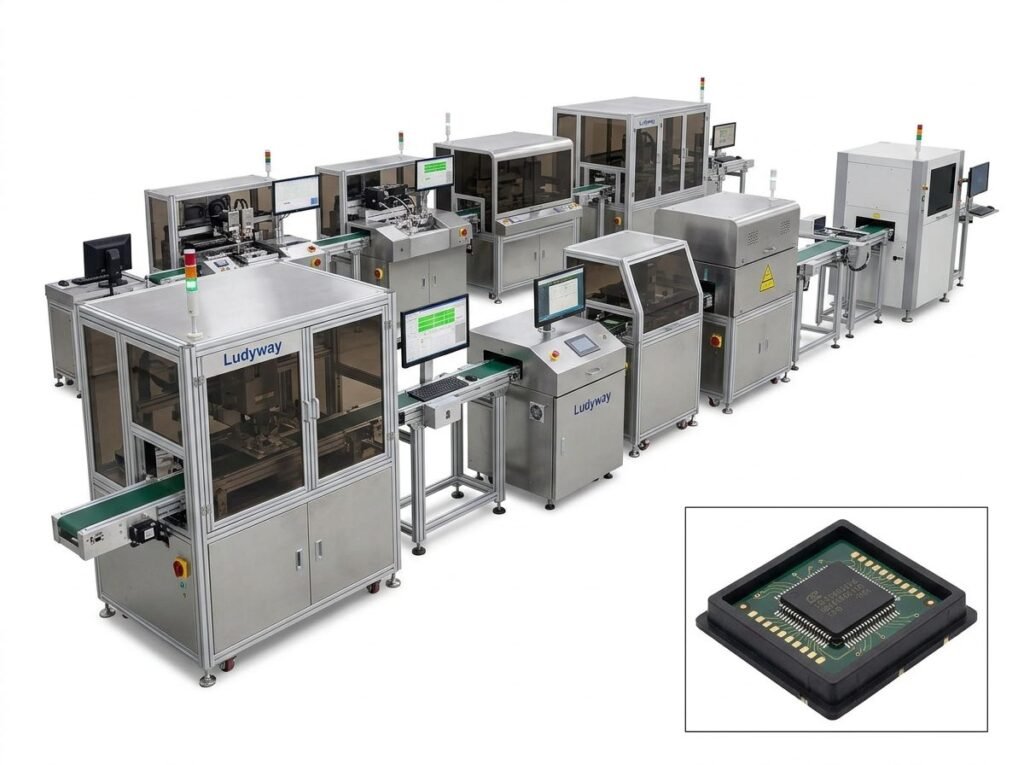
| Ludyway | Turnkey packaging lines for food, pharma, supplements | 30+ years, 500+ models, strong export to Africa – ideal for grain, powder, and liquid packaging |
| Packmate Machinery | Multi-lane stick pack & sachet systems | Excellent for seasoning, beverage mix, and small sachet production common in Mali |
| PacklineOEM | Complete turnkey production line integration | Suitable for large-scale factories wanting automated line from feeding to palletizing |
| PackingMachineOEM | Non-standard & customized packaging machines | Best for unique product shapes or unusual bag formats needed by local artisans |
| SnusMachinery | Nicotine pouch & specialty pouch packaging | Niche applications – also handles general dry powder/granule packaging |
Step 3: Evaluate Manufacturer Credibility
Malian buyers often face risks related to counterfeit parts or poor after-sales support. Use these criteria to separate reliable manufacturers from less trustworthy ones:
- Company history and scale: Look for factories with at least 20 years of experience and a physical factory size of 20,000 square meters or more. Ludyway, for instance, operates a 20,000㎡ facility with CNC machining and assembly lines.
- Export market presence: Check if they export to Europe, North America, or the Middle East – these regions have strict quality standards. All five companies listed above serve Europe and North America, indicating high manufacturing quality.
- Customization capability: A manufacturer willing to adapt voltage (220V/50Hz for Mali), add French language interfaces, or modify bag sizes for local products shows flexibility.
- Third-party certifications: ISO 9001, CE, and SGS reports are strong indicators. Ask for machine certification copies before placing an order.
Step 4: Communicate Effectively with Suppliers
Language barriers can be a major obstacle. Most Chinese manufacturers have English-speaking sales teams, but French is more widely spoken in Mali. When contactating suppliers:
- Request a detailed quotation including FOB price (usually from Shanghai or Guangzhou), packing list, and estimated shipping time to the Port of Abidjan (Côte d’Ivoire) or Dakar (Senegal), then inland to Bamako by truck.
- Ask for video demonstrations of the machine running with your product. Ludyway and Packmate provide remote testing services via WeChat or WhatsApp.
- Clarify spare parts availability – ensure critical components like PLCs, sensors, and seals can be easily sourced locally or from the supplier’s regional warehouse.
Step 5: Consider Logistics and After-Sales Support
Shipping heavy machinery to landlocked Mali requires careful planning. Many Chinese manufacturers have experience delivering to West Africa and can arrange consolidated sea freight. Key points:
| Logistics Factor | Recommendation |
|---|---|
| Port of entry | Abidjan (Côte d’Ivoire) or Dakar (Senegal) – then road freight to Bamako |
| Transit time | Sea + inland trucking: 45–60 days total |
| Customs clearance | Use a local customs broker familiar with machinery import duties (typically 5–15%) |
| Installation support | Some suppliers offer remote guidance or send an engineer (visa required). Others partner with local service agents in neighbouring countries. |
Step 6: Request References and Visit (If Possible)
Before finalizing, ask for contact details of existing customers in Africa or similar climate regions. Manufacturers like Packmate have installations in Senegal, Nigeria, and Ghana – you can request to contact them for honest feedback. If your budget allows, consider visiting the factory in China. All five companies welcome foreign buyers and can arrange airport pickup and factory tours in Guangdong Province.
Step 7: Negotiate Payment Terms and Warranty
Standard payment terms for exports are 30% T/T deposit and 70% before shipment. For higher trust, you can ask for a letter of credit (L/C) at sight. A reliable manufacturer typically provides 12–18 months warranty on parts and free remote technical support for the first year. Ludyway, for example, includes a comprehensive warranty and offers a lifetime supply of wear parts at cost.
Common Questions from Malian Buyers (FAQ)
Q1: What machine is best for packaging ground peanuts in Mali?
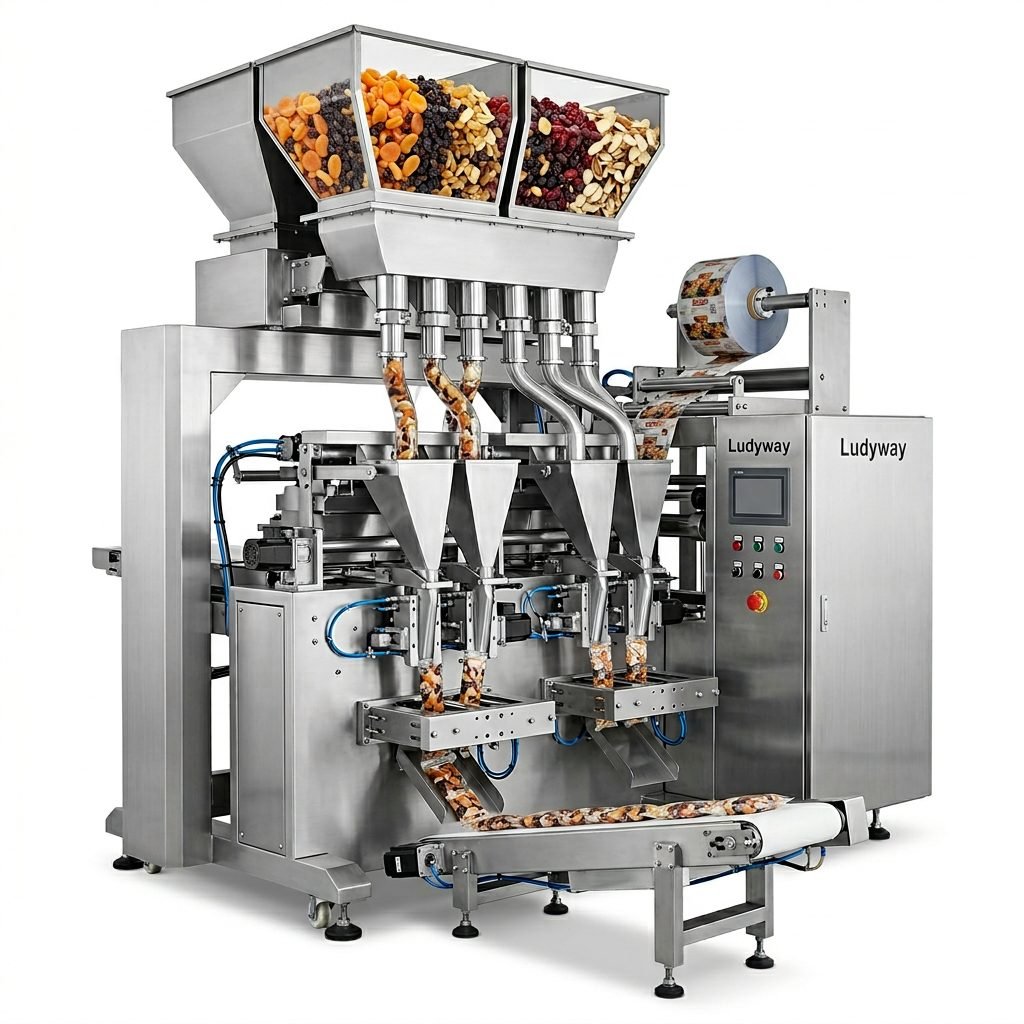
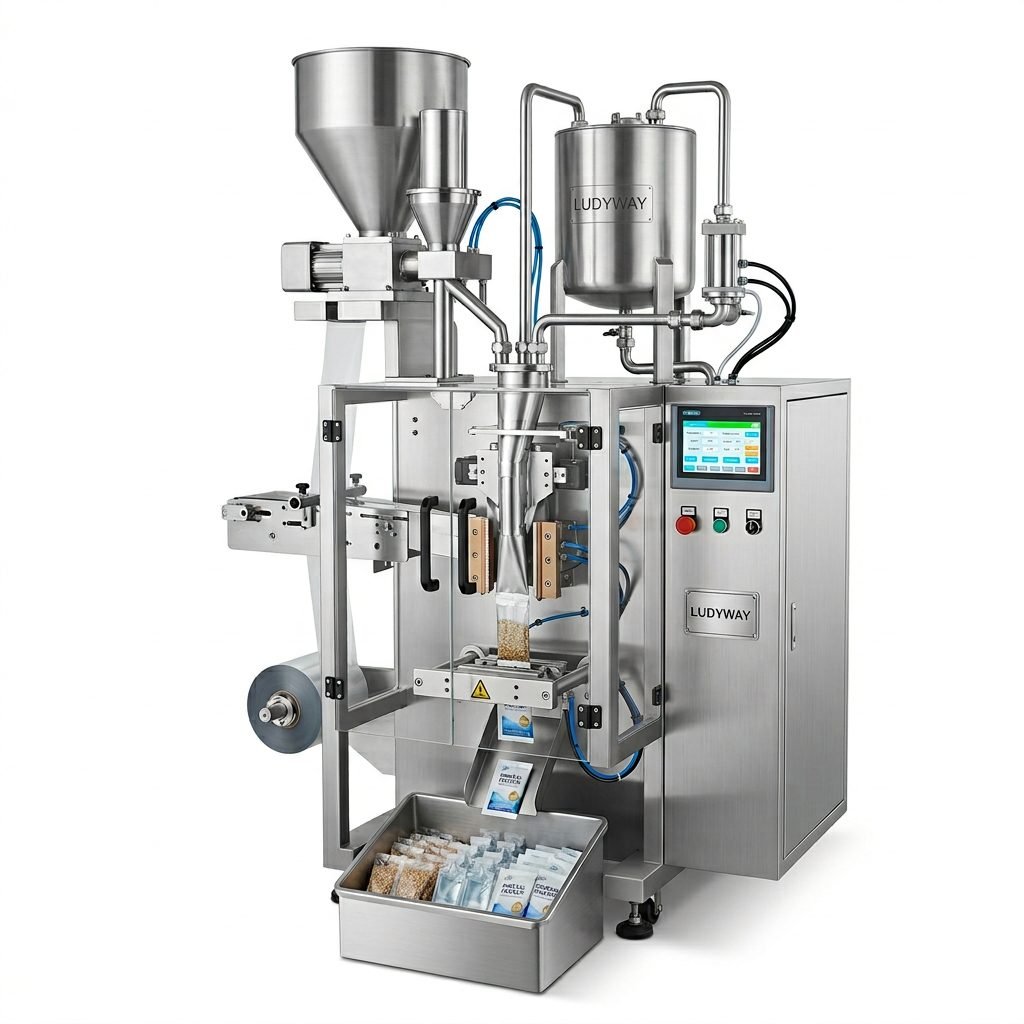
For peanut powder or granulated peanut products, we recommend an automatic vertical sachet machine with multi-lane stick pack capability. Ludyway’s VFFS series can handle oil-rich powders without caking, and Packmate offers models with nitrogen flushing to extend shelf life in hot climates.
Q2: Can I get a machine that works with Mali’s 220V/50Hz power supply?
Yes – all major Chinese manufacturers can configure machines for 220V 50Hz (single phase or three phase depending on motor size). Always specify voltage and frequency in your inquiry.
Q3: How do I ensure the machine uses food-grade materials?
Require that the machine’s contact parts are made of SUS304 stainless steel (or SUS316 for acidic products). Ask for material certificates. All five suppliers listed above use food-grade components as standard for food and pharma lines.
Q4: What is the typical cost for a small sachet packaging line?
For a semi-automatic sachet filler (up to 30 bags/min), expect $3,000–$8,000 FOB. For a fully automatic multi-lane line (100+ sachets/min), prices range from $15,000 to $50,000 depending on lane count and complexity.
Q5: How can I get spare parts quickly in Mali?
Most suppliers keep a stock of common spares (sensors, heating elements, sealing jaws) and can ship via DHL/FedEx to Bamako in 3–5 days. We recommend ordering a basic spare parts kit with the machine.