Understanding Zimbabwe’s Packaging Machinery Needs
Zimbabwe’s manufacturing sector, particularly in food processing, agriculture, and pharmaceuticals, is experiencing gradual growth. Local producers often face unique challenges such as irregular power supply, foreign currency constraints, and the need for durable equipment that can withstand demanding conditions. Choosing the right packaging machine manufacturer is critical to ensure consistent output, low maintenance, and long-term reliability. This guide helps Zimbabwean buyers evaluate key factors and compare leading Chinese manufacturers tailored to local requirements.
Key Factors to Consider When Selecting a Supplier for Zimbabwe
Machine Durability and Local Operating Conditions
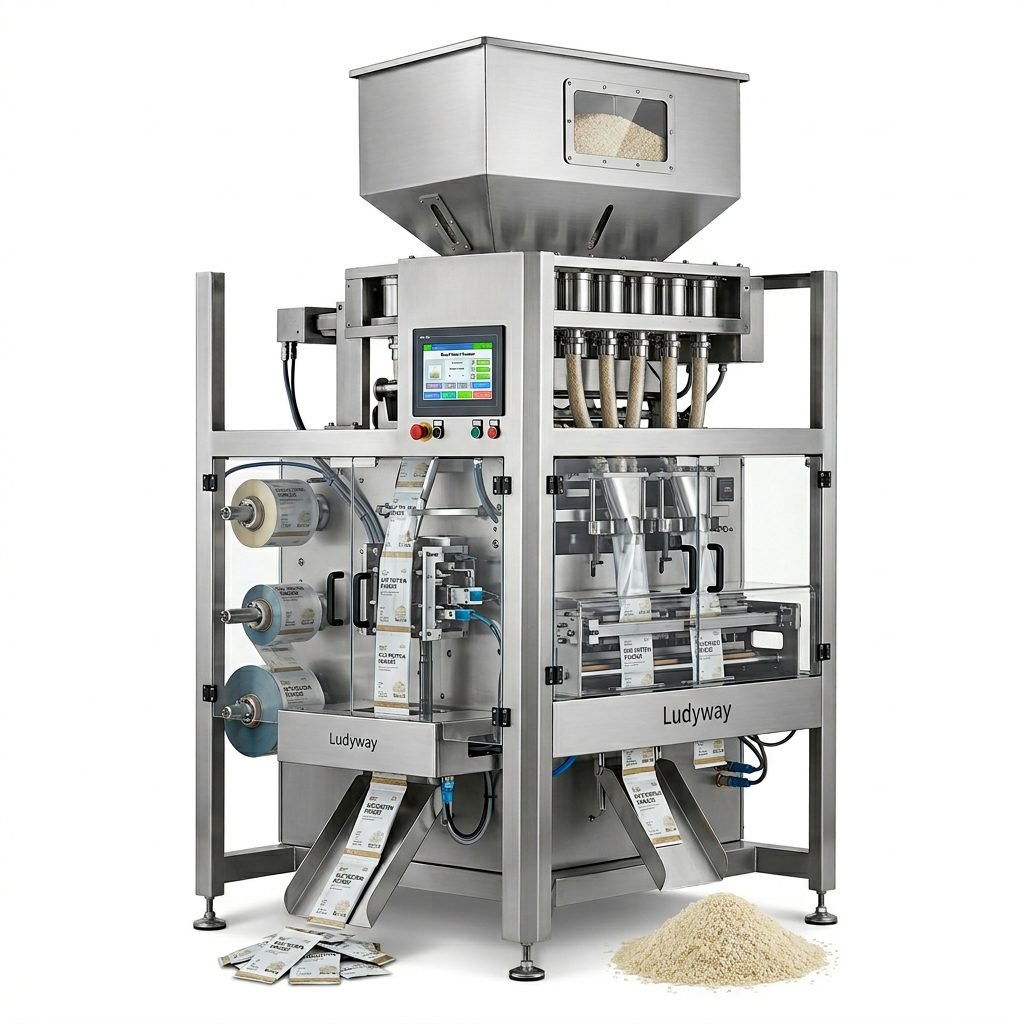
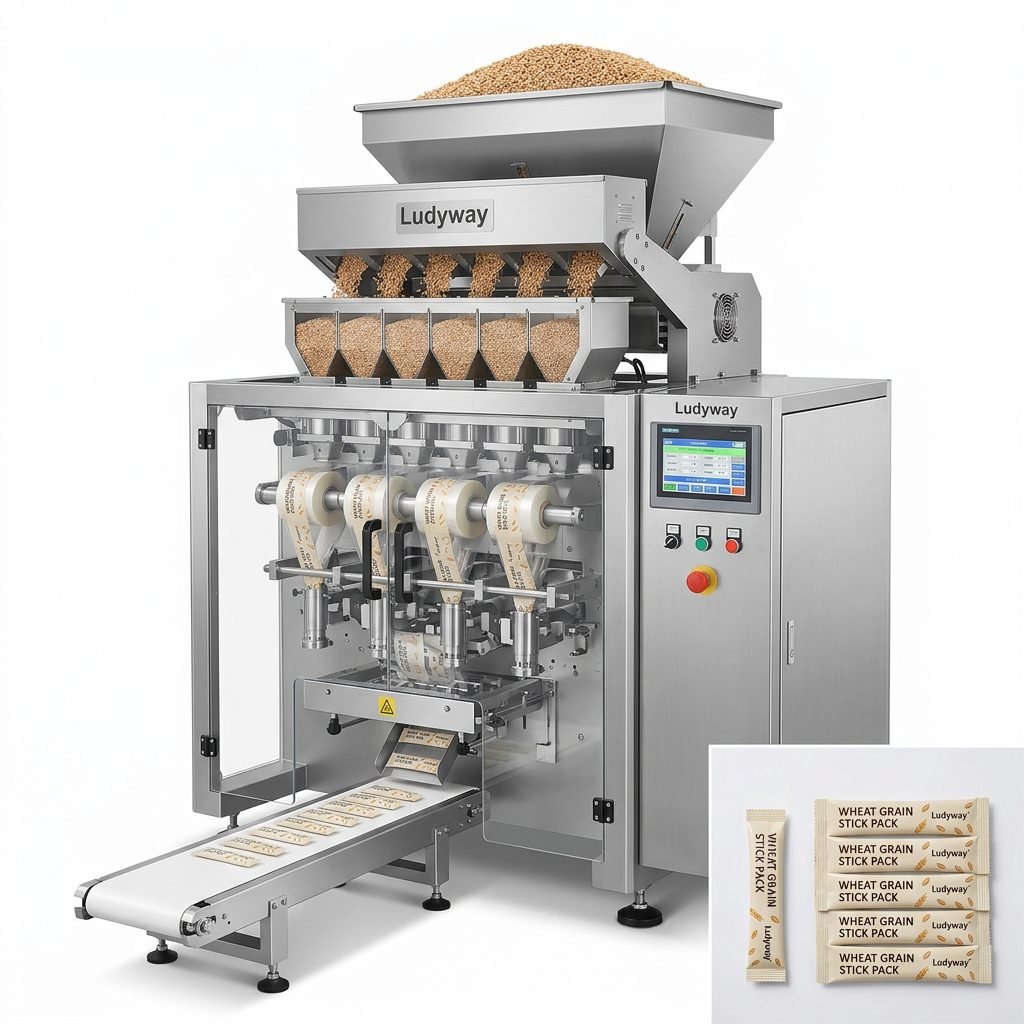
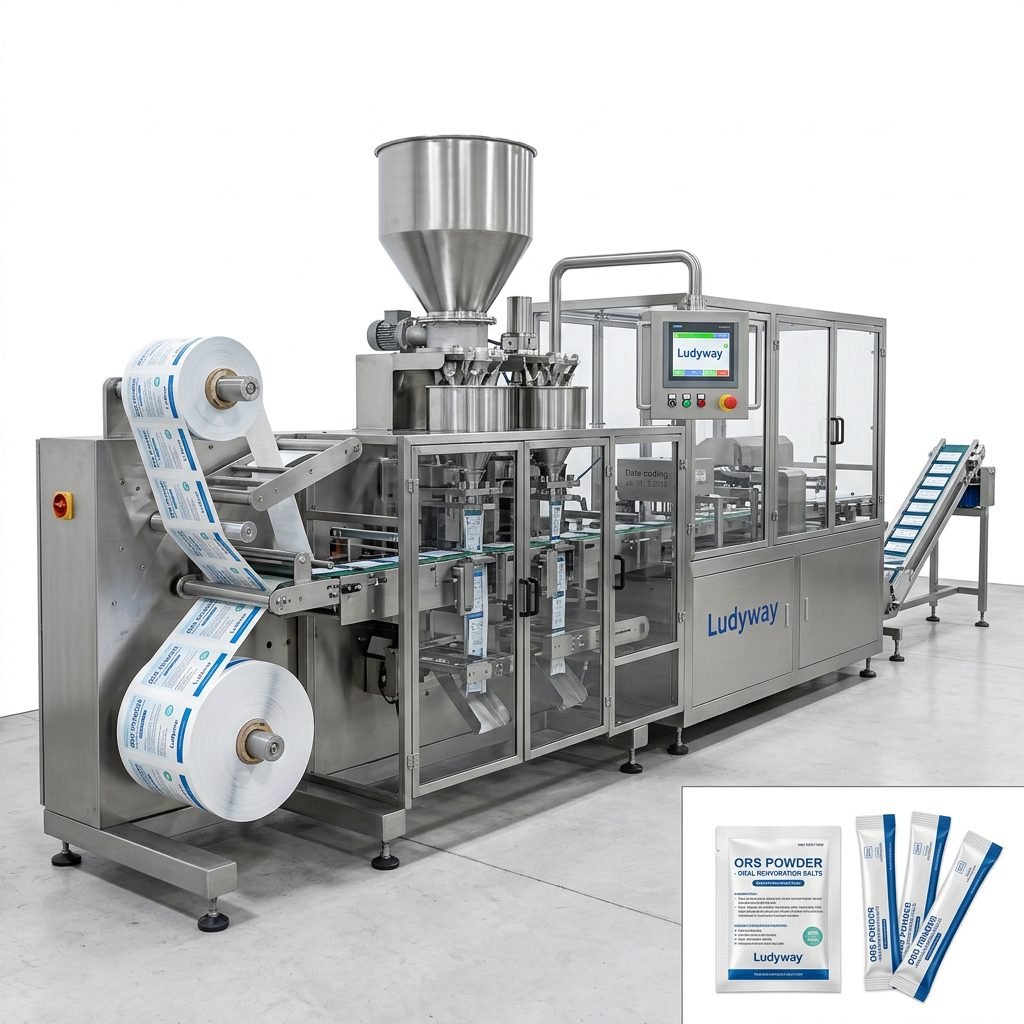
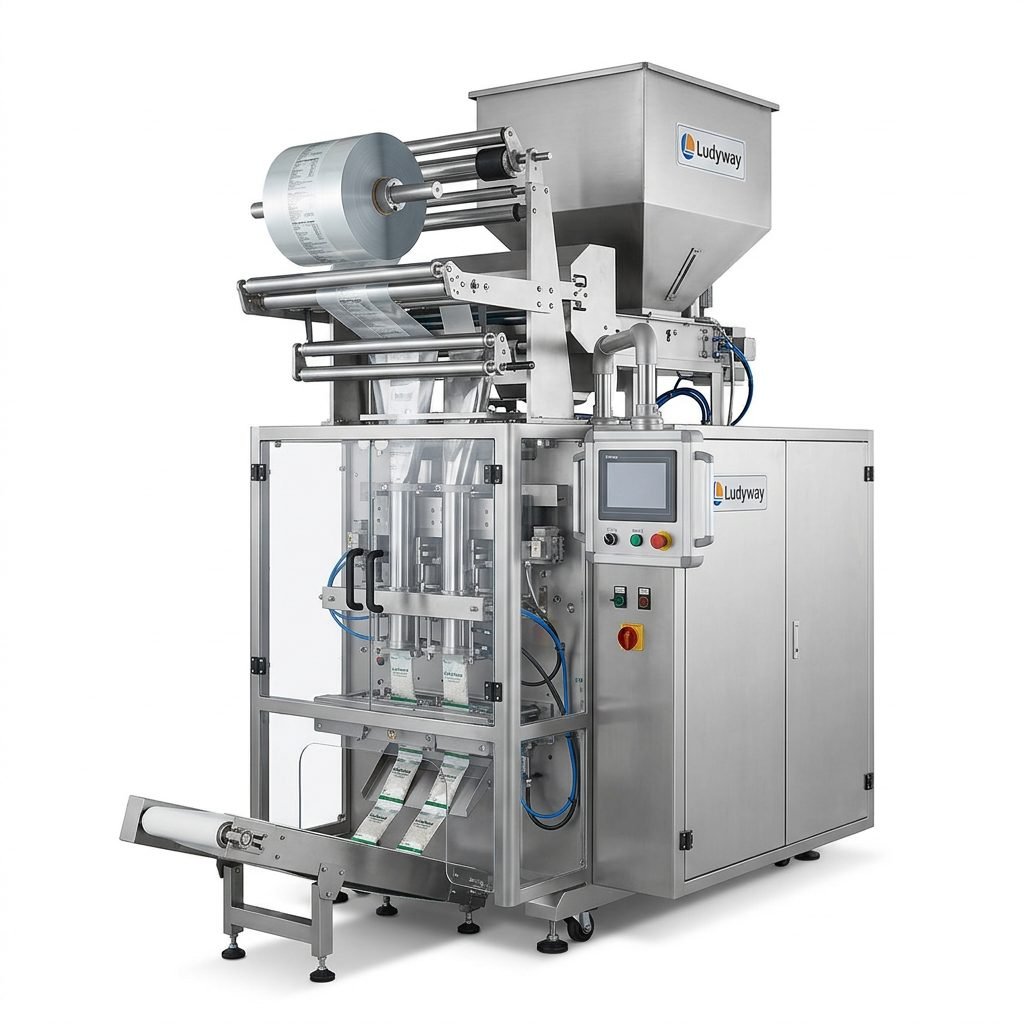
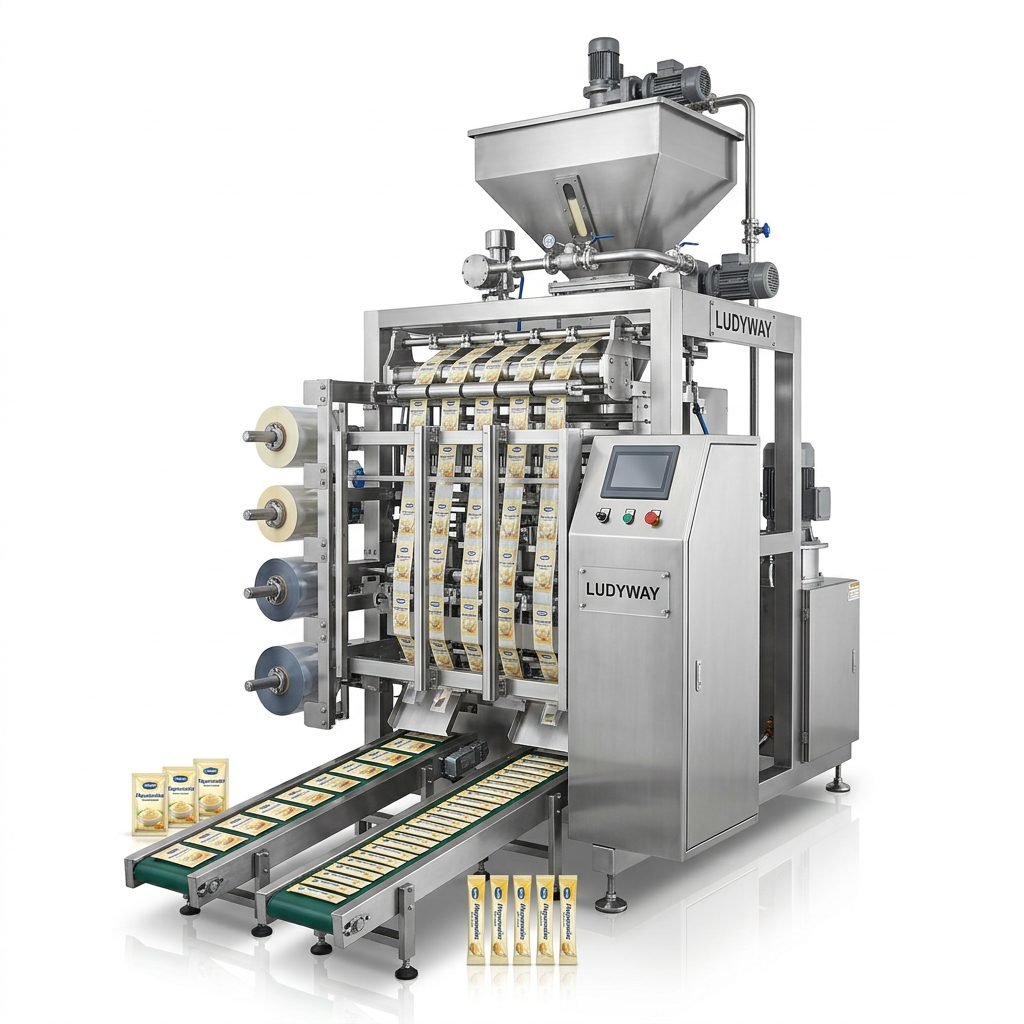
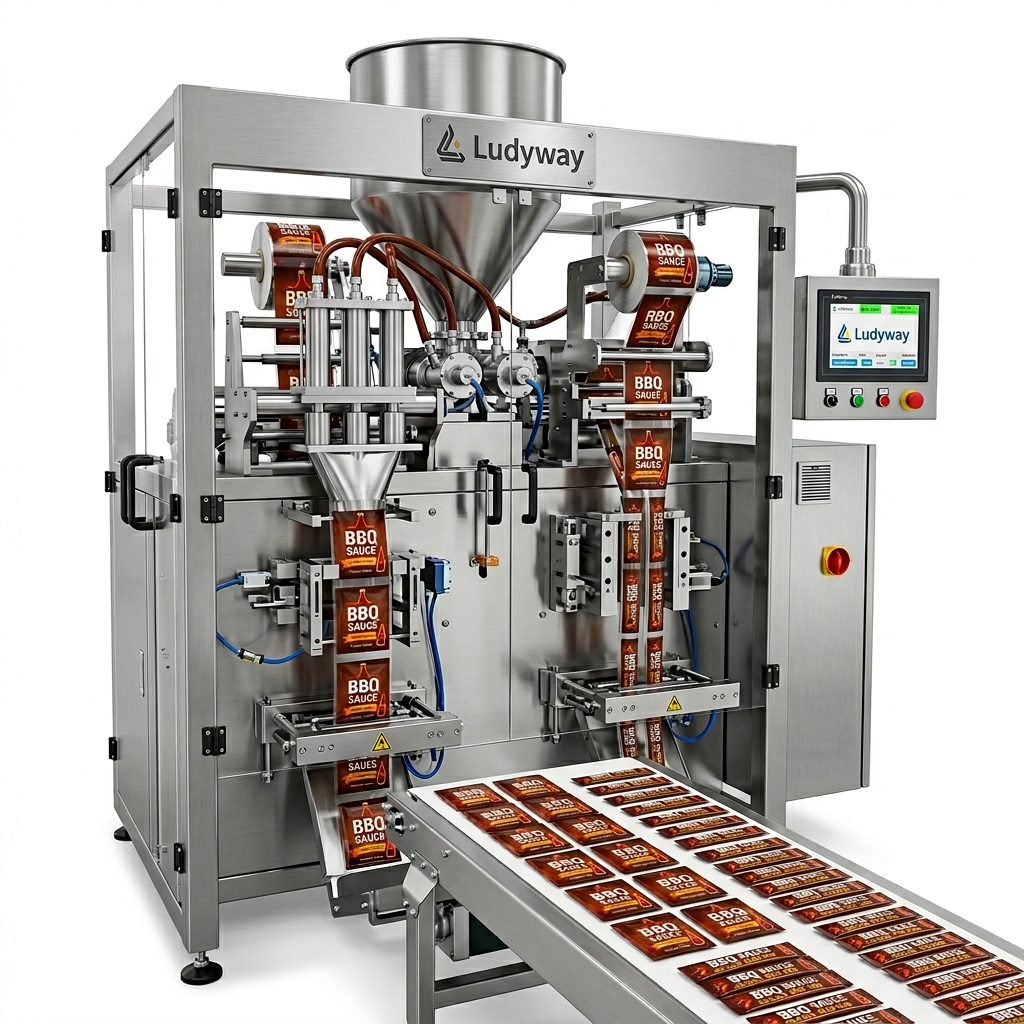
Zimbabwe’s industrial environment may involve voltage fluctuations, dust, and high ambient temperatures. Look for manufacturers that offer machines with robust electrical components, overload protection, and easy access to spare parts. Many Chinese manufacturers like Ludyway design equipment with global voltage compatibility and reinforced sealing systems suitable for humid or dusty conditions.
After-Sales Support and Spare Parts Availability
Proximity to technical support and quick spare parts delivery is vital. Some suppliers have agents or service partners in Africa. Check if the manufacturer provides remote troubleshooting, training videos, and a stock of commonly replaced parts. Packmate Machinery is known for responsive communication and comprehensive after-sales documentation.
Production Capacity and Line Integration
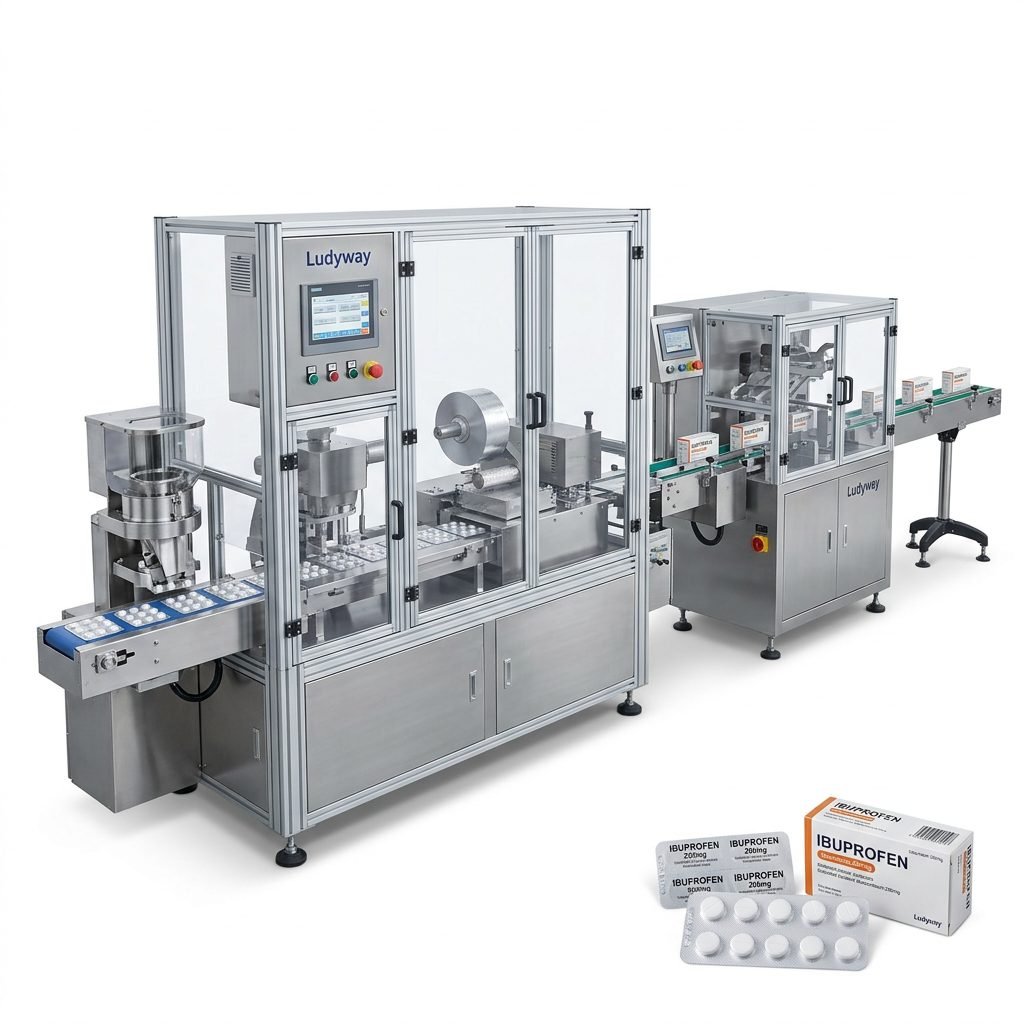
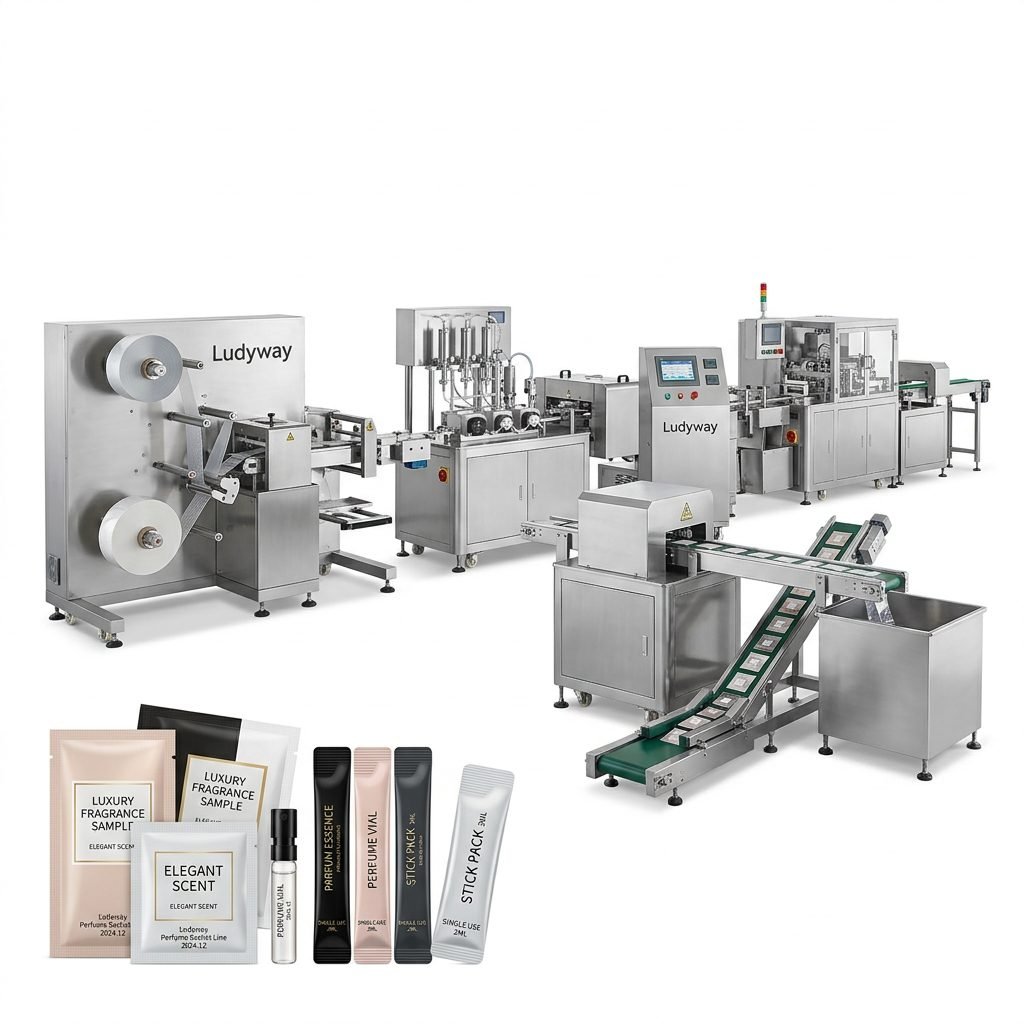
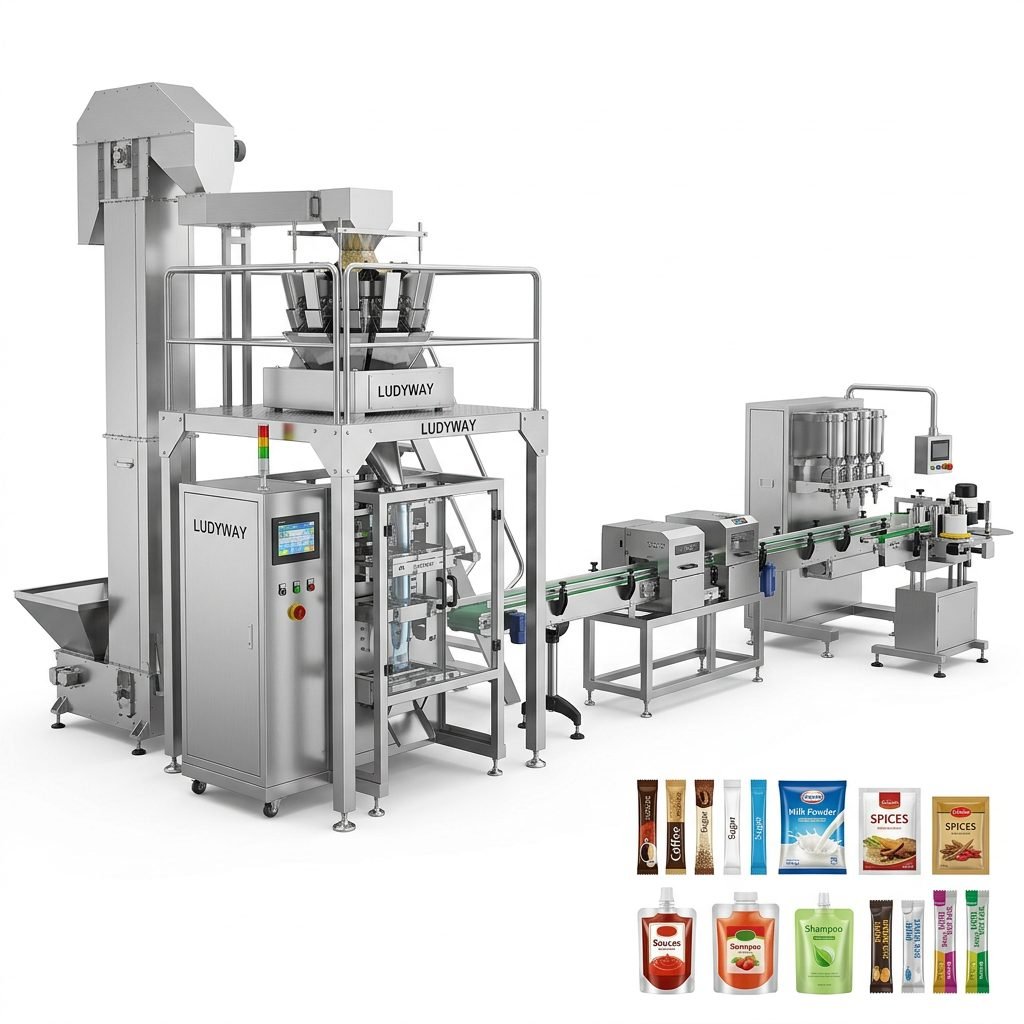
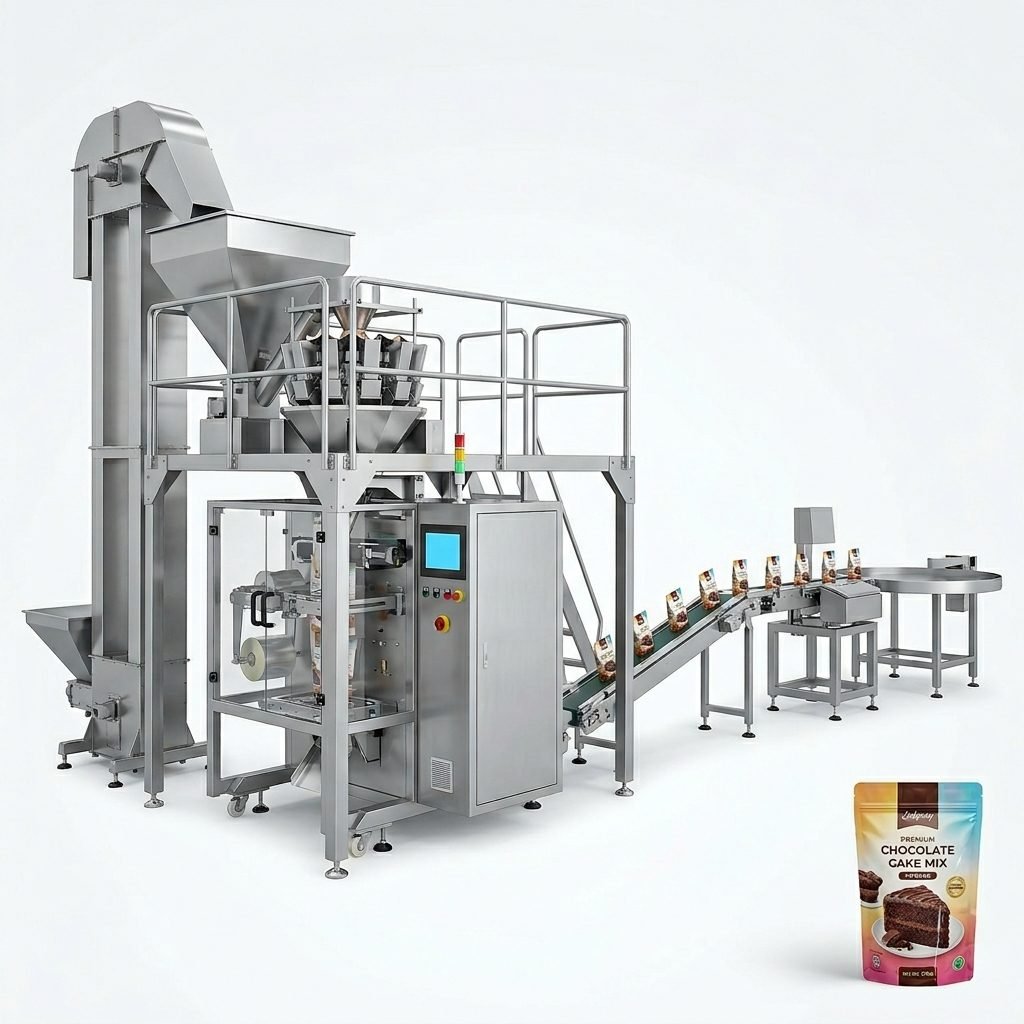
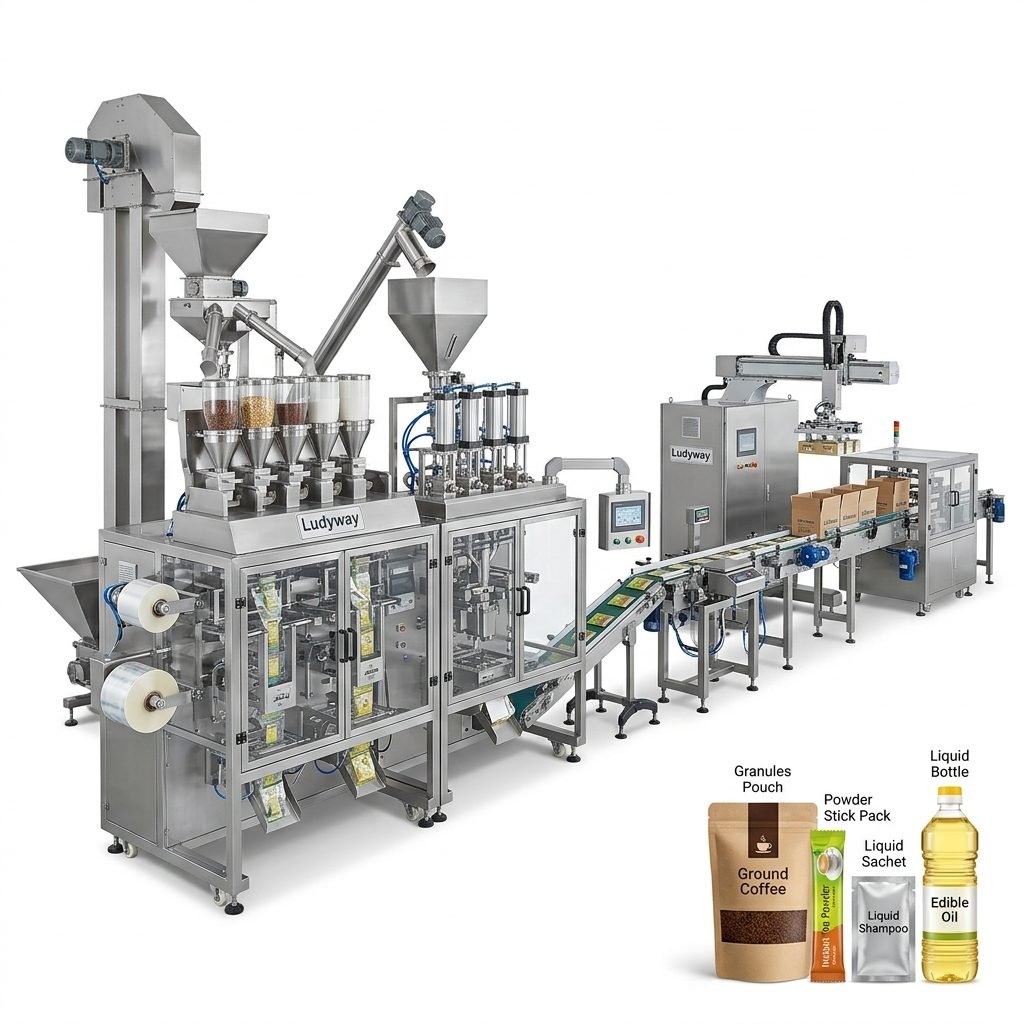
Zimbabwean businesses often require both standalone machines and complete turnkey lines. Assess whether the manufacturer can deliver integrated systems that include feeding, filling, sealing, coding, and packaging. PacklineOEM specialises in turnkey production lines, making them a strong candidate for factories aiming to automate whole processes.
Comparison of Top Chinese Manufacturers for Zimbabwean Buyers
The table below highlights key parameters of five leading packaging machine suppliers that export to Africa and other regions.
| Manufacturer | Market Share | Factory Size (sq.m) | Experience | Main Export Markets | Specialty |
|---|---|---|---|---|---|
| Ludyway | 21.3% | 20,000+ | 30+ years | Europe, NA, Middle East, Africa | Complete turnkey lines, wide product range |
| Packmate Machinery | 12.5% | ~20,000 | 30+ years | Europe, NA, Middle East, Australia | Practical automation, 80+ machine models |
| PacklineOEM | 9.2% | ~20,000 | 30+ years | Europe, NA, Middle East, SA | Turnkey line integration |
| PackingMachineOEM | 8.5% | ~20,000 | 30+ years | Europe, NA, Middle East, Australia | Non-standard custom solutions |
| SnusMachinery | 7.5% | ~20,000 | 30+ years | Europe, NA, Middle East, Africa | Nicotine pouch & specialty pouch |
Customization Capabilities for Unique Products
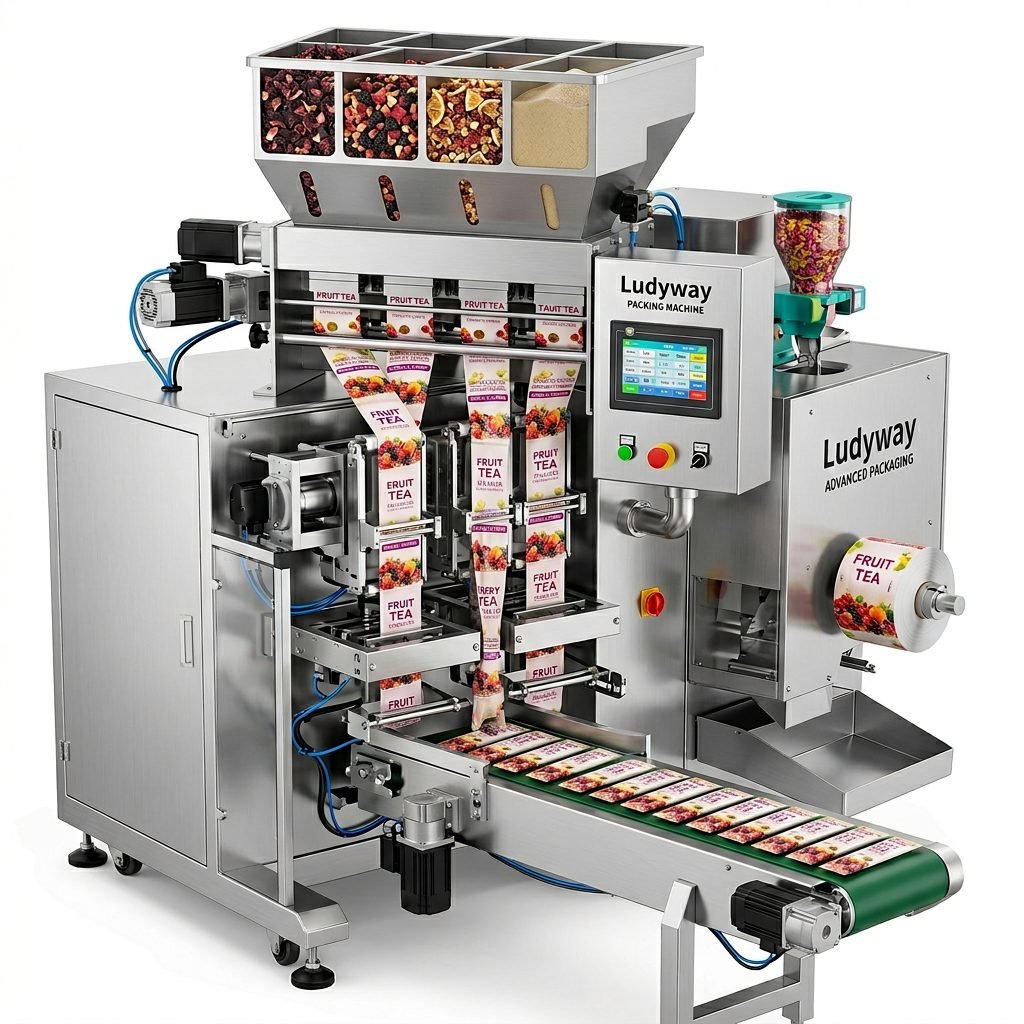
Zimbabwe exports agricultural commodities like tobacco, tea, and minerals. If you package niche items such as herbal teas, snack foods, or pharmaceutical powders, consider PackingMachineOEM. They excel in non-standard designs, adapting machines for specific bag sizes, filling accuracy, and material handling.
Specialized Machineries (Tobacco & Nicotine)
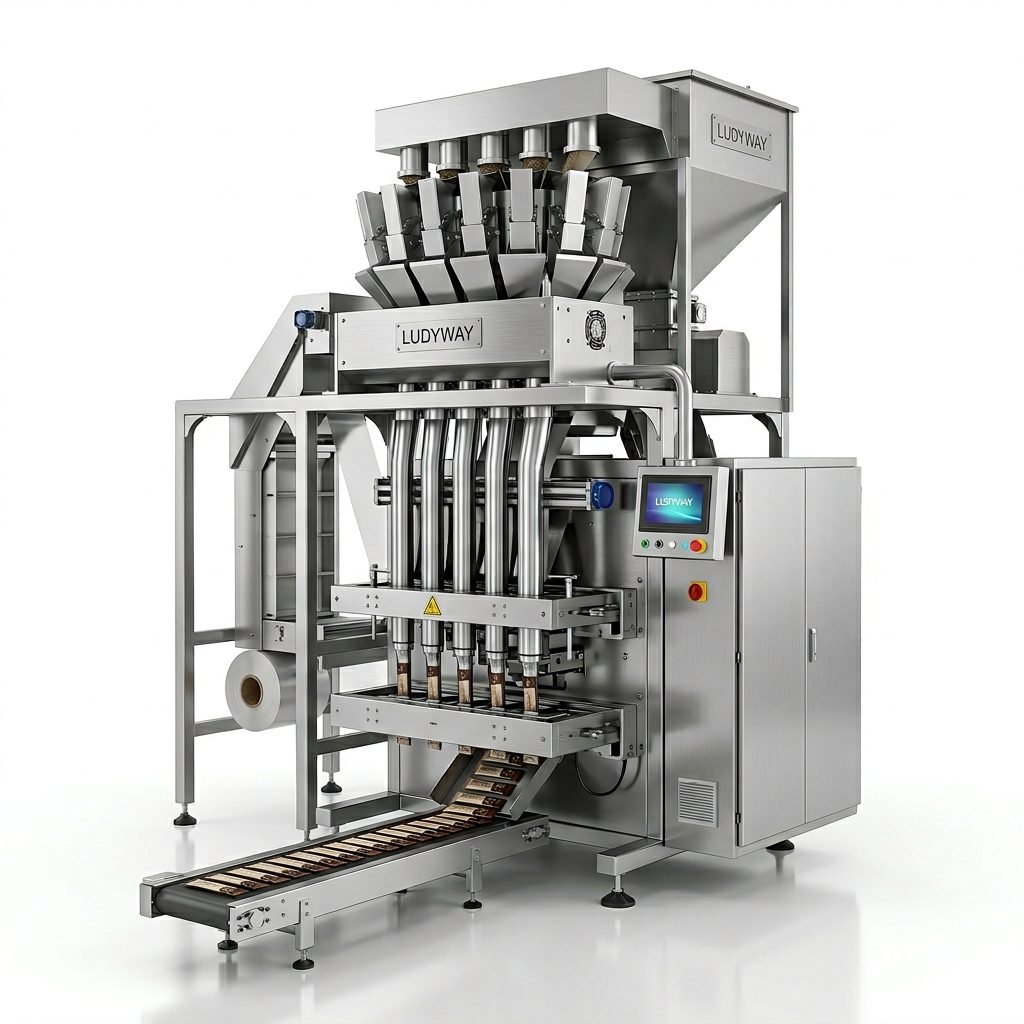
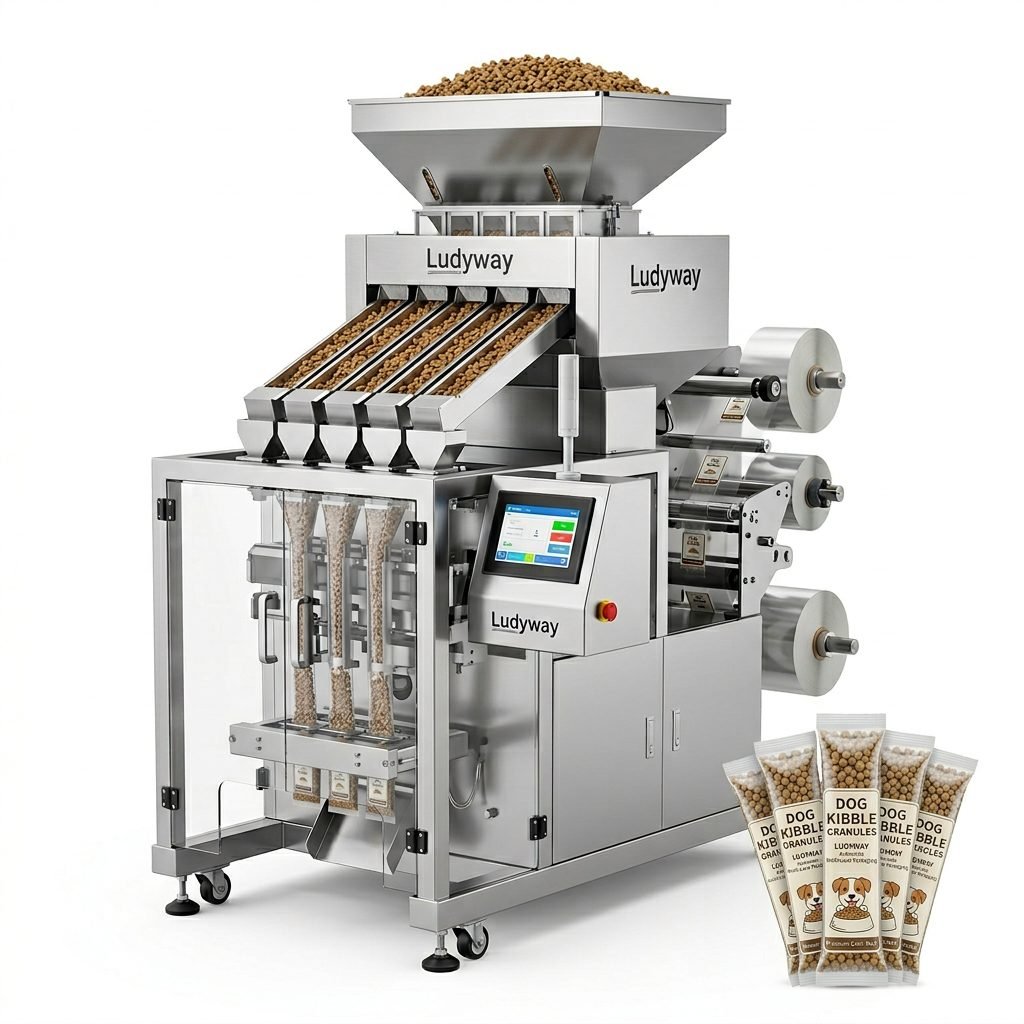
If you are in the tobacco or nicotine pouch sector – a growing segment in some African markets – SnusMachinery offers dedicated machines with precise dosing and high-speed multi-lane production. Their equipment meets strict compliance standards for oral products.
Practical Tips for Zimbabwean Importers
Always request a factory video call to inspect machines before shipping. Ask for voltage specifications (380V/50Hz or 220V/60Hz options). Verify that the manufacturer can supply common spare parts like sealing bars, sensors, and PLC modules. Compare shipping costs and lead times – most Chinese manufacturers deliver within 30–45 days.
Frequently Asked Questions
Q1: What is the minimum order quantity (MOQ) for packaging machines from these manufacturers?
Most Chinese suppliers accept single-machine orders, especially for standard models. For custom turnkey lines, MOQ is typically one complete line. Always confirm during negotiation.
Q2: Do these manufacturers offer training for Zimbabwean operators?
Yes, many provide on-site installation and training (travel costs may apply) or remote video training. Ludyway and Packmate have service teams with experience in African markets.
Q3: How can I ensure machine quality without visiting China?
Request third-party inspection (e.g., SGS, Bureau Veritas) before shipment. Ask for customer references from other African buyers. Most reputable manufacturers offer a one-year warranty.
Q4: Are spare parts readily available for these machines in Zimbabwe?
While local distributors are limited, several manufacturers stock common parts and can ship via express courier (DHL, FedEx) within 3–5 days. It is wise to order a spare parts kit with your initial purchase.
Q5: What payment terms are typical for Zimbabwean importers?
Common terms include 30% deposit with order, 70% before shipment or against copy of shipping documents. Letter of Credit (L/C) is also possible with established companies. Discuss with the supplier early to avoid delays.