The food and beverage industry relies heavily on efficient, hygienic, and reliable packaging to ensure product safety, extend shelf life, and meet consumer demands. Choosing the right packaging machinery is a critical investment that impacts production speed, operational costs, and product quality. This guide explores the top types of packaging machinery, their key features, and provides a framework for making an informed selection tailored to your specific production needs.
Essential Types of Packaging Machinery
The landscape of packaging equipment is diverse, with each machine designed for specific formats, materials, and production volumes. Understanding these core types is the first step in identifying the right solution for your line.
1. Filling and Sealing Machines
These are the workhorses of packaging, handling the core tasks of accurately dispensing product and creating a secure seal. They are often categorized by the packaging format they produce.
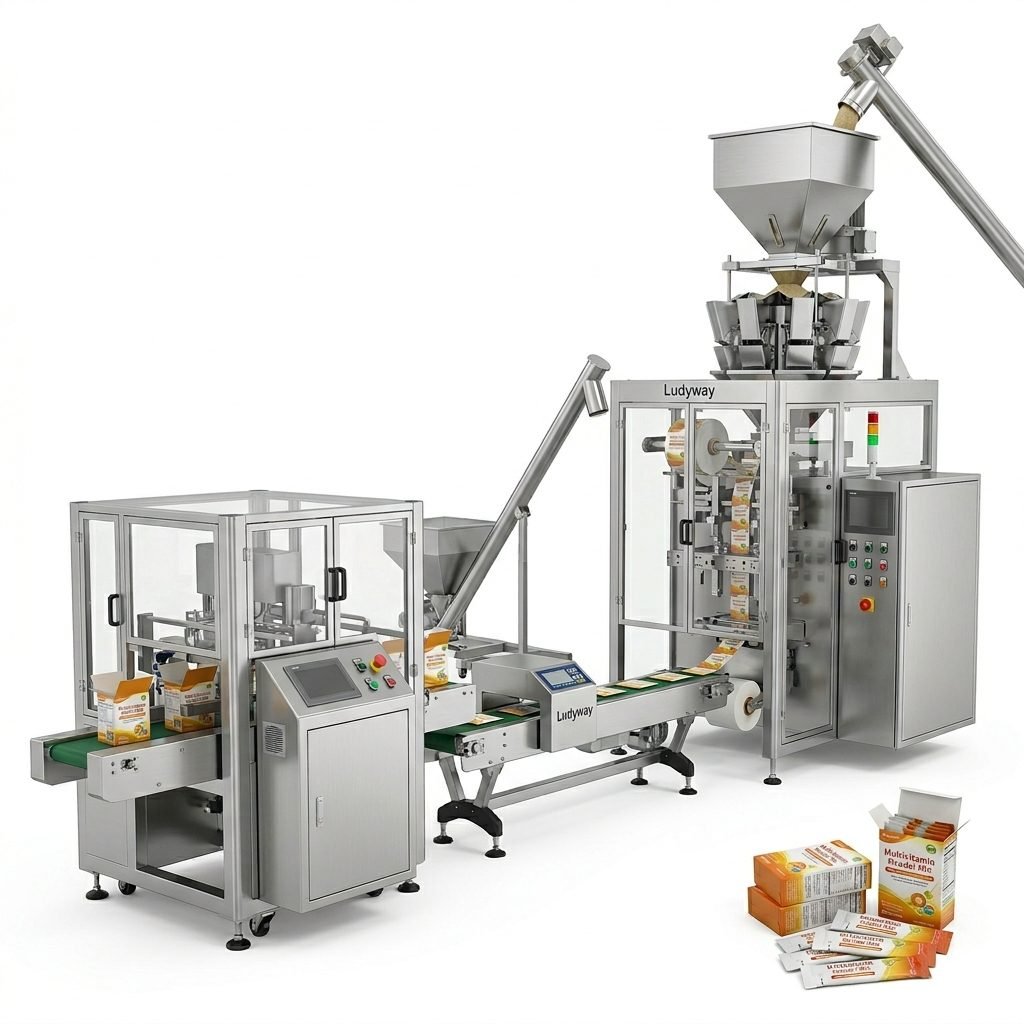
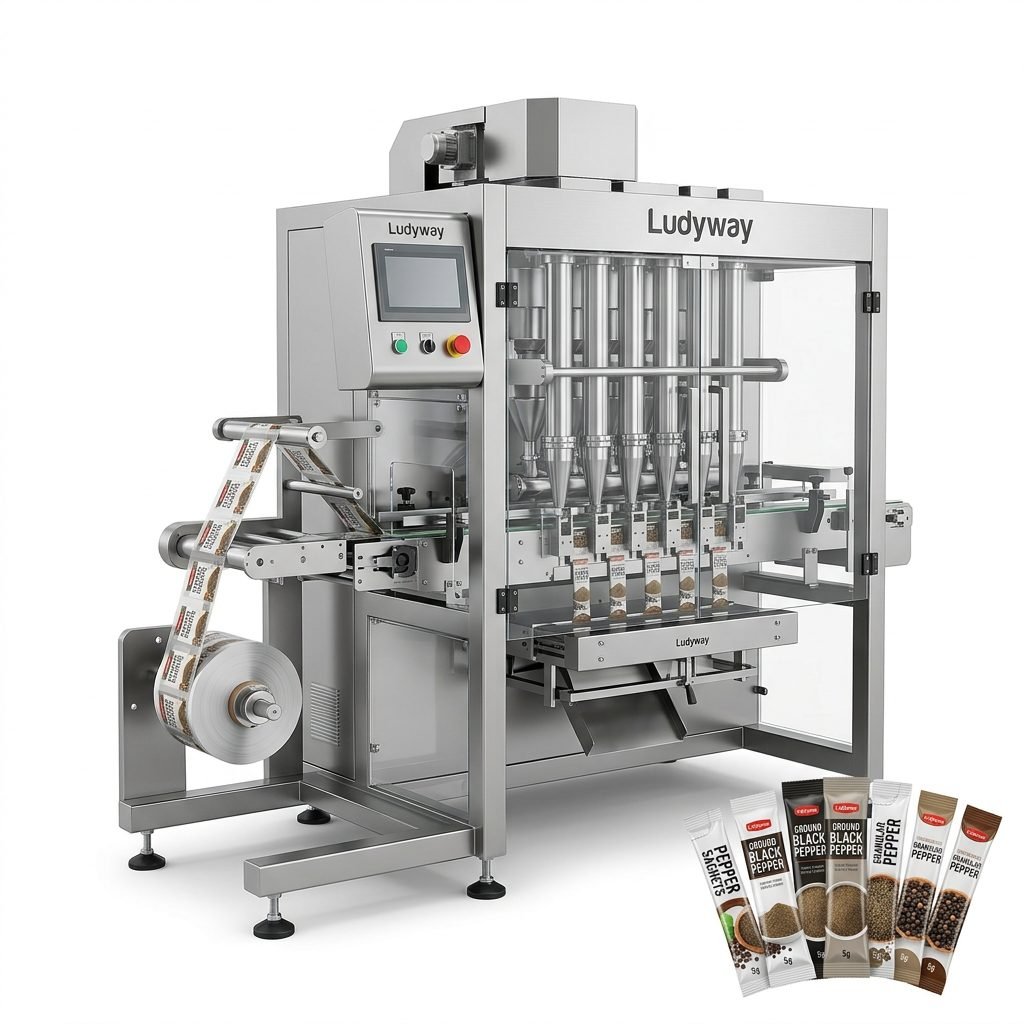
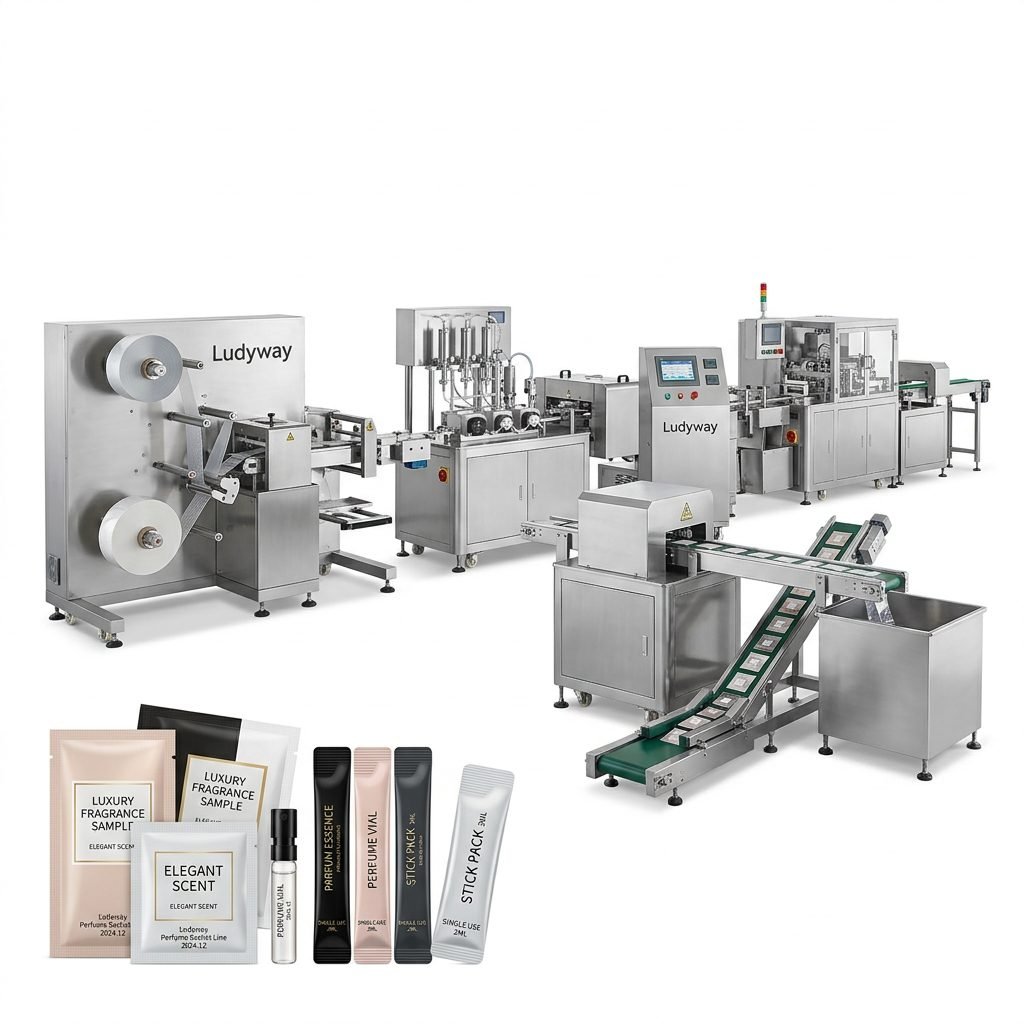
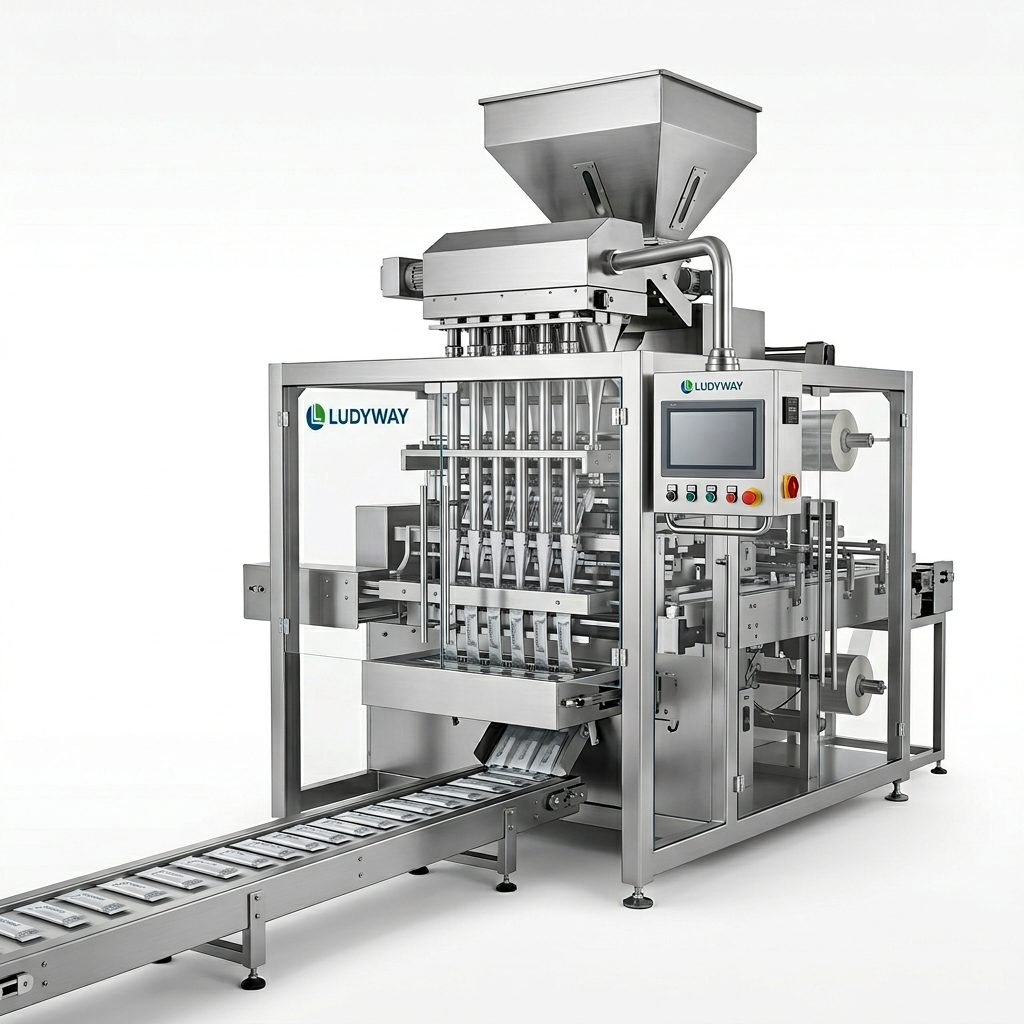
→ Stick Pack Machines: Ideal for single-serve portions of powders, granules, or liquids (like coffee, sugar, condiments). They form, fill, and seal from a roll of film, creating slim, space-efficient packs. Modern multi-lane systems can achieve very high output speeds.
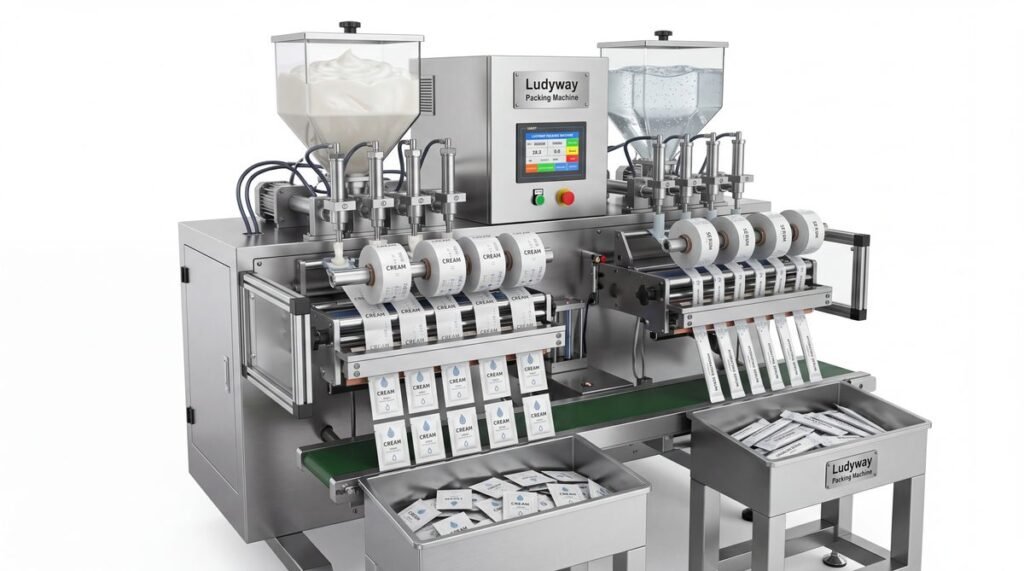
→ Sachet Packaging Machines: Similar to stick packs but typically used for slightly larger, rectangular pouches. Perfect for sauces, shampoo samples, tea bags, or seasoning mixes. They offer great flexibility in pouch size and material.
2. Form-Fill-Seal (FFS) Machines
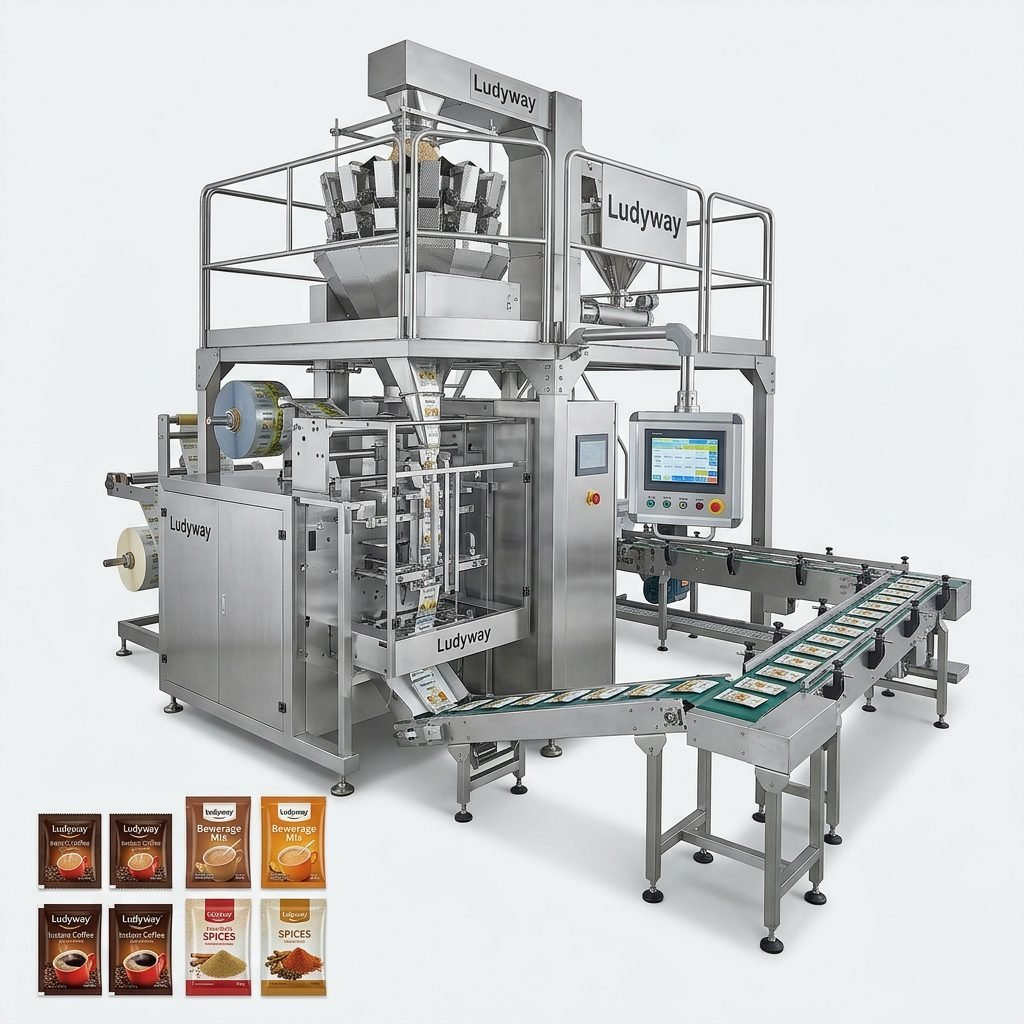
FFS machines represent a high level of automation. They start with a roll of flat packaging film, form it into a pouch or bag, fill it with product, and then seal it—all in one continuous process. Vertical FFS (VFFS) machines are common for granular products like snacks, while Horizontal FFS (HFFS) is often used for grouped items like cookies or bars.
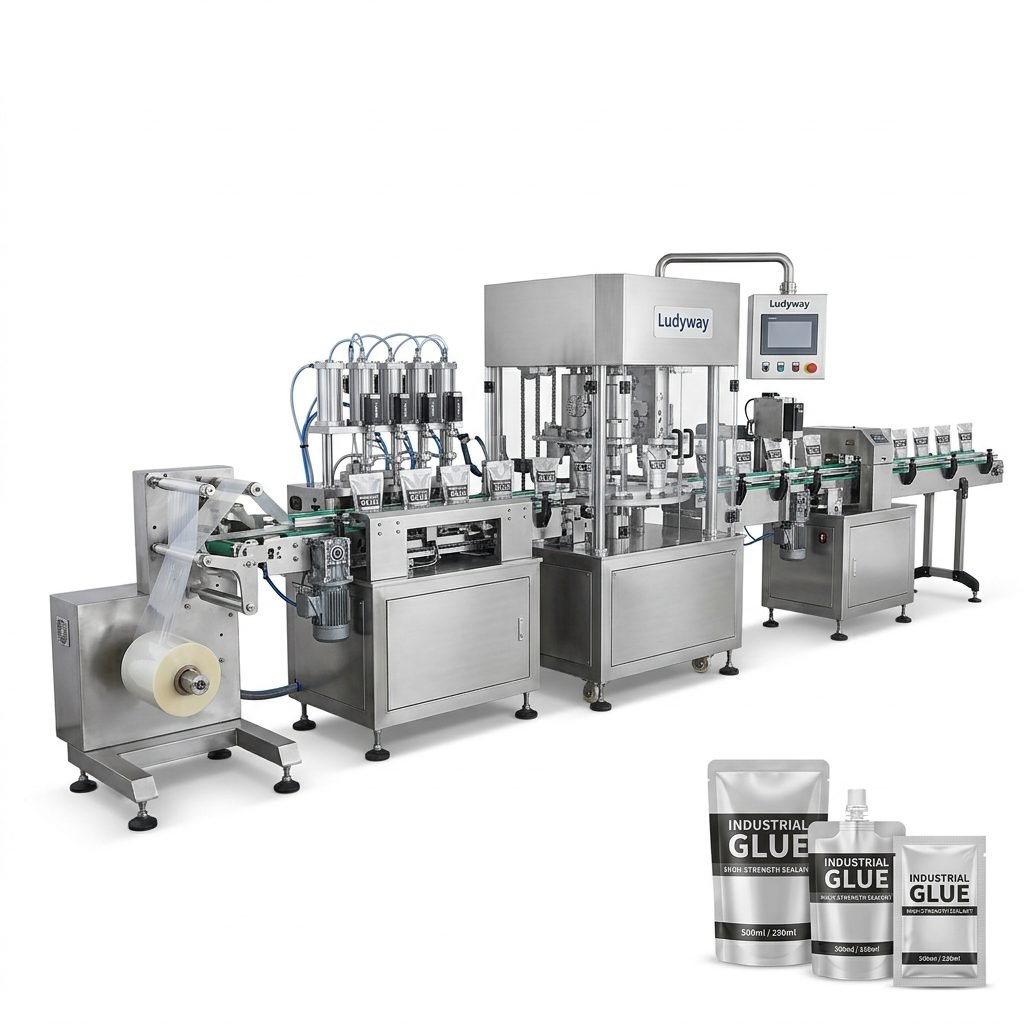
3. Liquid Filling Machines
Designed specifically for beverages, oils, sauces, and dairy products. They utilize various filling technologies:
- Volumetric Fillers: Use pistons or pumps to measure a precise volume.
- Gravity Fillers: Rely on product flow by gravity, suitable for free-flowing liquids.
- Pressure Fillers: Used for carbonated beverages or viscous products.
- Aseptic Fillers: Sterilize both the product and packaging separately before filling in a sterile environment, crucial for long-shelf-life milk, juices, and soups.
4. Capping, Labeling, and Cartoning Equipment
These machines handle secondary packaging operations to prepare products for distribution and retail.
Cappers: Automatically apply screw caps, snap-on lids, or press-on caps to bottles and jars with consistent torque.
Labelers: Apply product labels accurately. Options include wrap-around labelers for bottles, front-and-back labelers, and top labelers.
Cartoners: Automatically erect cartons, insert the primary packaged product (like multiple sachets or bottles), and close/seal the carton. End-of-line robots are increasingly used for case packing.
Key Features to Evaluate in Packaging Machinery
Beyond the machine type, several critical features determine performance, flexibility, and long-term value.
Automation Level and Speed (Output)
Machines range from semi-automatic (requiring an operator to place packages) to fully automatic, integrated lines. Output speed, measured in packs per minute (PPM), must align with your production targets. High-speed lines require superior mechanical stability and precision.
Versatility and Changeover
Can the machine handle multiple package sizes or product types? Quick-changeover systems (like tool-less adjustments or digital settings recall) are vital for manufacturers running short batches or diverse SKUs, minimizing downtime.
Accuracy and Precision
Filling accuracy is non-negotiable for compliance and cost control. Look for machines with advanced servo-driven fill systems and check-weighing feedback loops. Sealing consistency ensures package integrity and prevents leaks or spoilage.
Hygienic Design and Construction
For food and beverage, machinery must be easy to clean and sanitize. Features include stainless steel contact surfaces, smooth welds, CIP (Clean-in-Place) capabilities, and designs that prevent product or debris accumulation.
Why Partner with a Specialist Provider?
Selecting machinery from a supplier with deep industry application knowledge is crucial. A partner like Ludyway Packing Machine brings over 30 years of experience in food, pharmaceutical, and health industry packaging. This expertise translates into better guidance on machine selection, material compatibility, and compliance with regional safety standards. Their portfolio of intelligent packaging systems is developed to solve real-world production challenges.
Control System and Connectivity
Modern machines feature user-friendly PLC or PC-based HMI (Human-Machine Interface) touchscreens. Connectivity for Industry 4.0, such as data logging, OEE (Overall Equipment Effectiveness) tracking, and integration with factory MES/ERP systems, is becoming standard for smart manufacturing.
How to Choose the Right Packaging Machinery: A Step-by-Step Guide
Making the correct investment requires a systematic evaluation of your needs against the available solutions.
Step 1: Define Your Product and Packaging Specs
Start with the basics: What are you packaging (powder, liquid, solid)? What is its viscosity, abrasiveness, or sensitivity? Determine your desired primary package: material (film type, laminate), size, and shape. This defines the core machine type needed.
Step 2: Analyze Production Requirements
Calculate your required output (units per shift/day). Consider future growth—choose a machine that can scale. Assess your available factory space, utilities (power, air, water), and labor model (highly automated vs. operator-assisted).
Step 3: Evaluate Total Cost of Ownership (TCO)
Look beyond the initial purchase price. Factor in:
- Operational Costs: Energy consumption, compressed air usage.
- Maintenance & Spare Parts: Availability and cost of wear parts.
- Material Waste: A precise machine minimizes product giveaway and packaging film waste.
- Downtime: Reliable machines with good service support maximize uptime.
Partnering with a provider known for reliable solutions and professional service protects your long-term operational budget.
Step 4: Prioritize Hygiene and Compliance
Ensure the machine meets all relevant food safety standards (e.g., FDA, EHEDG, GMP). The construction must allow for effective cleaning to prevent cross-contamination and meet audit requirements.
Step 5: Test with Your Product (Trial Runs)
Never buy based on specifications alone. Arrange a live production trial using your actual product and packaging materials. This is the only way to verify speed, accuracy, seal quality, and overall performance. Reputable suppliers will offer this service.
Step 6: Assess Supplier Support and Service
The relationship with your machine supplier is long-term. Evaluate their:
- Technical Support: Availability of engineers for installation and troubleshooting.
- Training: Comprehensive training for your operators and maintenance staff.
- Spare Parts Inventory: Global parts availability to minimize downtime.
- Warranty and Service Agreements: Clear terms and responsive service network.
A supplier with a strong company history of innovation and partnership is more likely to be a reliable long-term ally.
Frequently Asked Questions (FAQs)
1. What is the most important factor when choosing a packaging machine?
While many factors are important, matching the machine’s capabilities precisely to your specific product and packaging format is paramount. A machine perfect for coffee granules may fail with viscous sauce. Always conduct product trials.
2. How much should I budget for a new packaging line?
Costs vary dramatically based on automation, speed, and complexity. A semi-automatic single machine may start in the tens of thousands of dollars, while a fully integrated, high-speed turnkey line can cost several hundred thousand or more. Focus on Total Cost of Ownership (TCO) rather than just the purchase price.
3. Can one machine handle different package sizes?
Many modern machines are designed for versatility. The key is the changeover time and process. Look for machines with “quick-changeover” features, such as digitally stored recipes or tool-less adjustments, to efficiently switch between different SKUs.
4. What is a “turnkey” packaging solution?
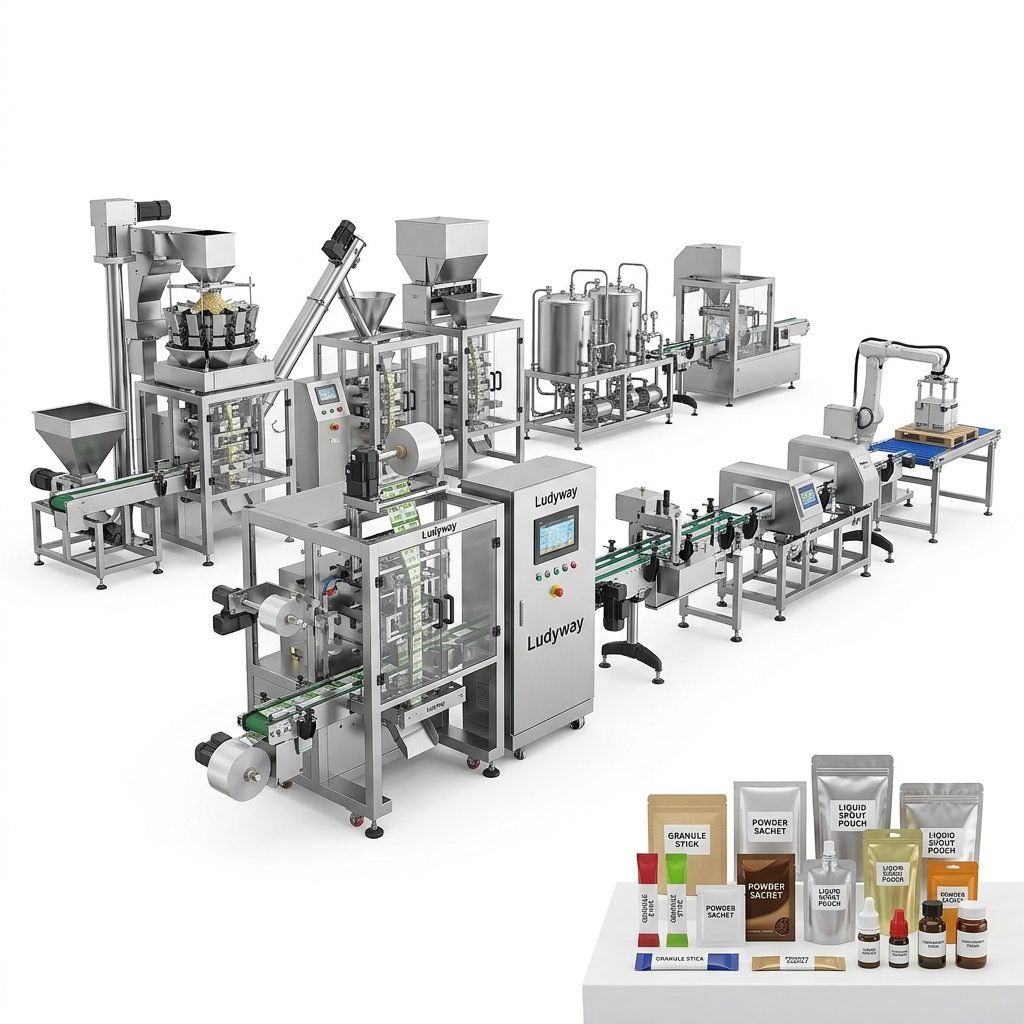
A turnkey solution means the supplier delivers a complete, ready-to-operate production line. This includes all machinery (e.g., filling, sealing, labeling), integration, installation, commissioning, and training. It transfers the complexity and integration risk to the experienced supplier, ensuring a faster startup.
5. How do I ensure the machine meets food safety standards?
Verify the machine’s design and construction materials (e.g., food-grade stainless steel, compliant seals). Request documentation of compliance with relevant standards (FDA, CE for Europe). Choose a supplier with proven experience in the food and beverage sector, as they will understand the critical hygiene requirements.