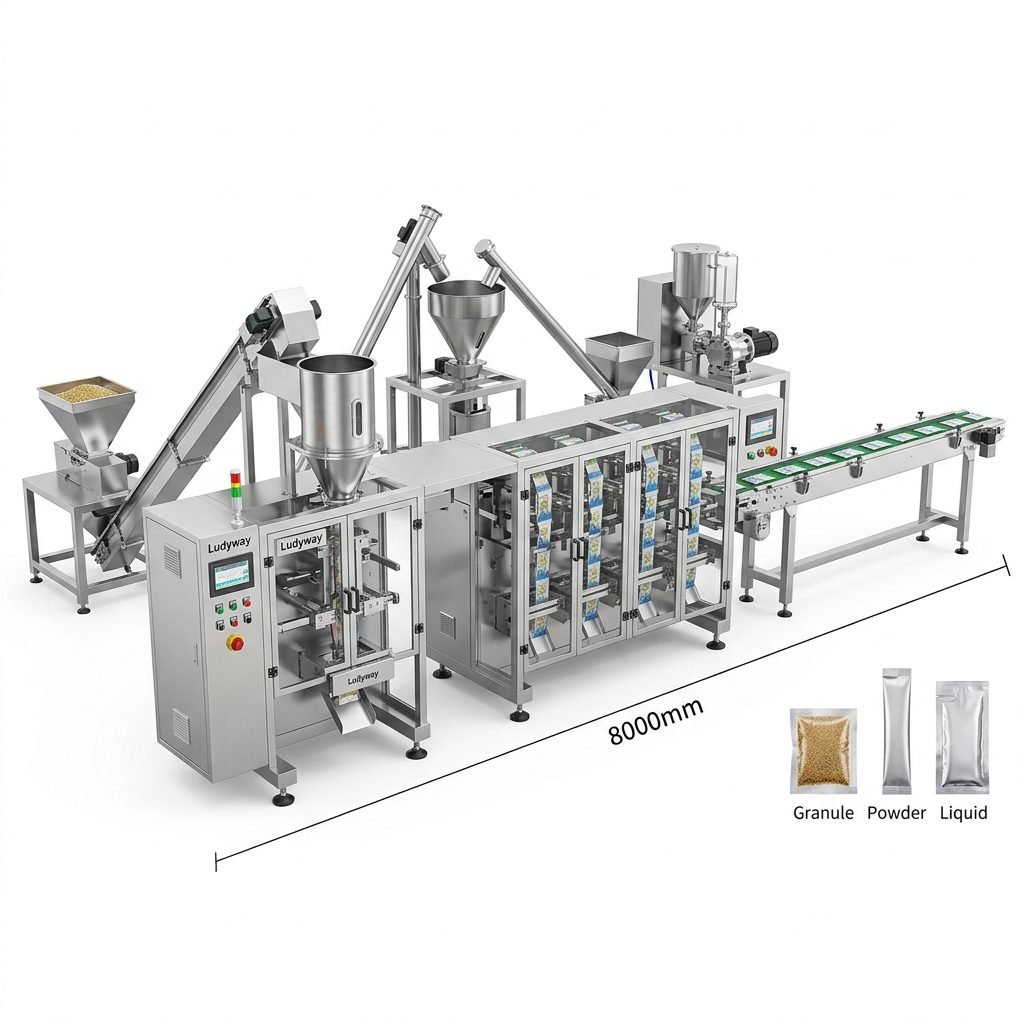
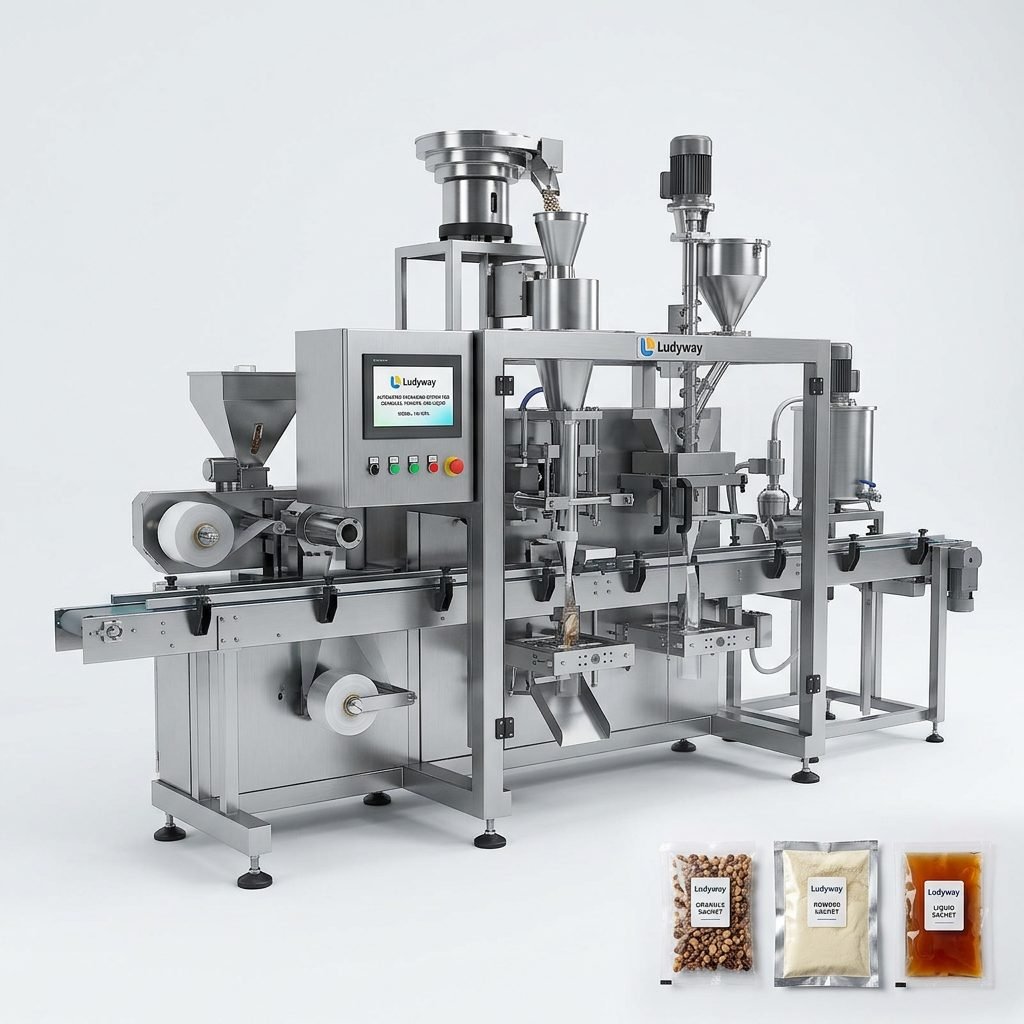
Yes, a packaging machine can handle multiple filling volumes, but not every machine is designed to do it with the same accuracy, speed, or changeover convenience. The right solution depends on your product form, packaging format, target output, dosing precision, and how often you need to switch between volumes.
For manufacturers packing powders, granules, liquids, or pastes, volume flexibility can be a major advantage. It helps reduce equipment investment, supports different SKUs, and improves response to changing market demand. However, buying a machine simply because it claims “adjustable volume” can lead to production problems if the dosing system is not matched to the product.
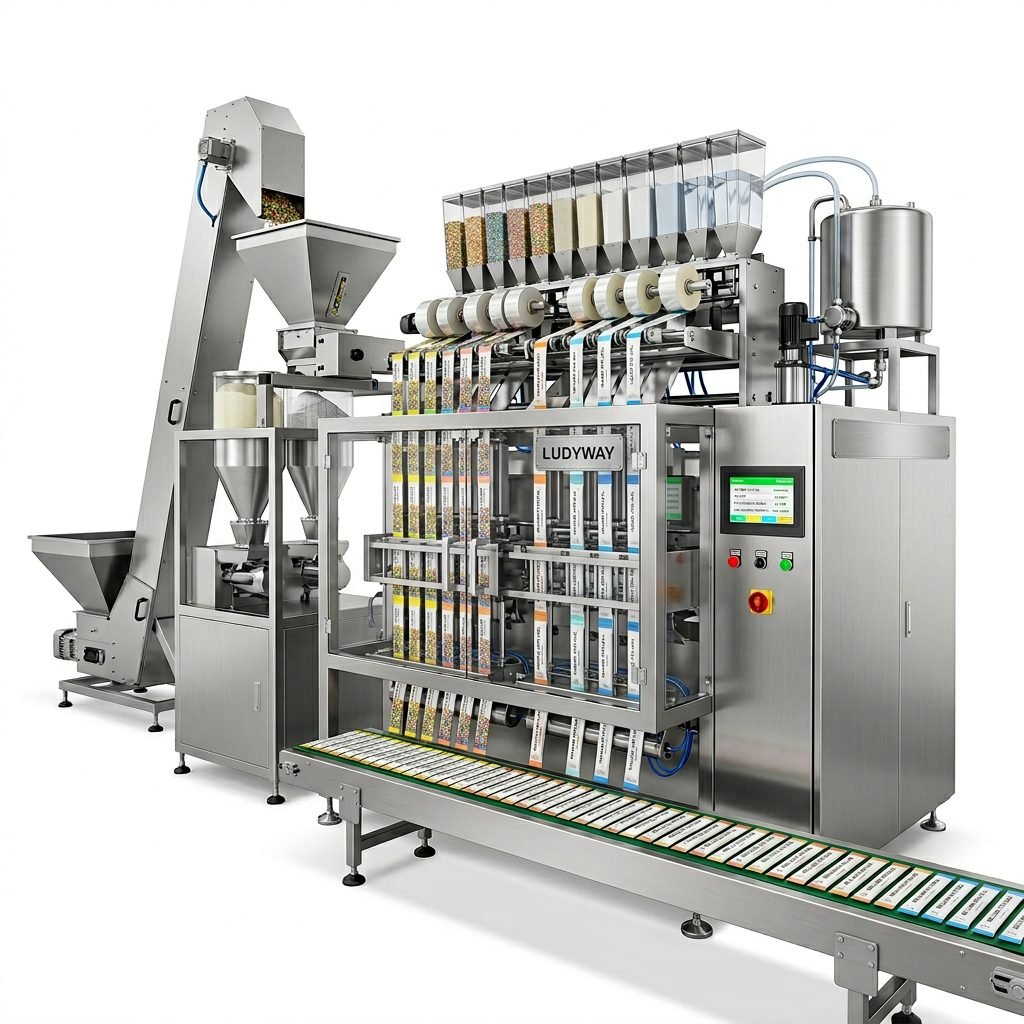
What Does “Multiple Filling Volumes” Mean?
A multi-volume packaging machine is able to fill different quantities of the same product on one platform. For example:
- 5g, 10g, and 20g powder sachets
- 50ml, 100ml, and 250ml liquid pouches
- 250g, 500g, and 1kg granule bags
- Single-dose and family-size packaging on one line
This flexibility can be achieved through adjustable filling parameters, interchangeable dosing parts, servo-driven controls, multi-head weighing systems, or recipe storage in the HMI. The more advanced the machine, the easier and faster these transitions become.
Can One Machine Really Handle Different Volumes Well?
In many cases, yes. But the answer depends on the filling technology. A machine can handle multiple filling volumes well if:
- The dosing system is suitable for the product’s flow behavior
- The volume range is within the machine’s practical operating window
- Format changes do not require excessive manual adjustment
- Accuracy remains stable across small and large fills
- Production speed still meets your output targets after changeover
For example, an auger filler may work very well for 5g and 20g powder sachets, but not be ideal for 500g bulk bags. Likewise, a piston filler can handle different liquid volumes, but product viscosity and nozzle design still matter.
Best Filling Systems for Different Volume Ranges
| Filling System | Best For | Volume Flexibility | Notes |
|---|---|---|---|
| Auger Filler | Powders | High | Good for fine powders and small-to-medium pack sizes |
| Volumetric Cup Filler | Free-flowing granules | Medium | Simple and cost-effective, but less precise than weighing |
| Multihead Weigher | Snacks, grains, irregular granules | High | Excellent for speed and accuracy across varied weights |
| Piston Filler | Liquids, creams, pastes | High | Ideal for controlled liquid volume changes |
| Pump Filler | Thin to medium liquids | High | Often used for flexible sachet or bottle filling |
| Net Weight Filler | Large bags, industrial products | High | Better for heavier fills and strict weight control |
How to Choose the Right Machine for Multiple Filling Volumes
1. Define Your Actual Volume Range
Start with the minimum and maximum fill size you plan to run. A machine that can technically handle 5g to 500g may not perform equally well across the entire span. Ask the supplier for the recommended operating range, not only the theoretical range.
2. Match the Machine to Product Characteristics
The same volume flexibility does not apply equally to all products. Consider:
- Powder density variation
- Granule size and flowability
- Liquid viscosity and foaming tendency
- Paste stickiness and cleanability
A difficult product usually needs a more specialized dosing system, even if the fill volumes seem simple.
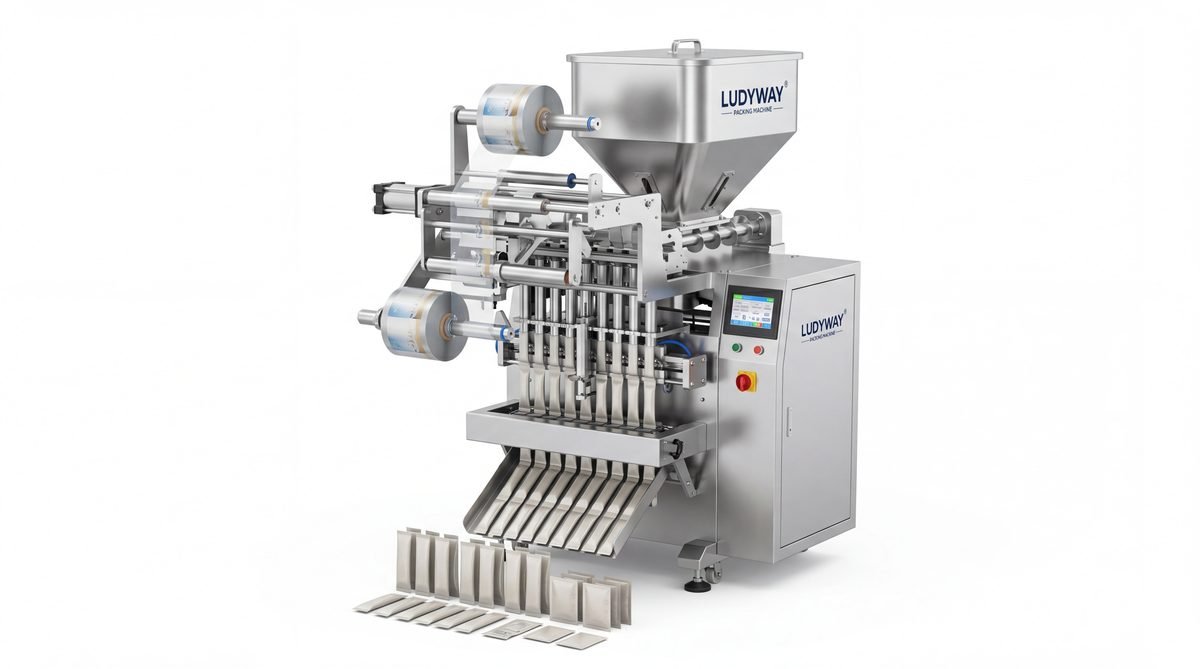
3. Check Changeover Time
If you change between 10g and 20g packs once a week, manual adjustment may be acceptable. If you switch several times a day, choose a machine with:
- Servo-controlled parameter setting
- Recipe memory
- Tool-free parts change
- Automatic film tracking or pouch indexing
4. Evaluate Filling Accuracy at Every Volume
Some machines perform accurately at larger fills but become inconsistent at very small doses. This is especially important in pharmaceutical, nutraceutical, and high-value food applications. Always request test data for each target volume, not just one sample size.
5. Consider Packaging Format Compatibility
Volume flexibility is only one part of the decision. You also need to confirm whether the machine can support your required packaging styles, such as:
- Sachets
- Stick packs
- Pouches
- Bottles
- Large open-mouth bags
Different pack shapes may require different sealing structures, film widths, forming tubes, or pouch handling modules.
6. Think About Future SKU Expansion
A machine should fit not only your current products but also your next stage of growth. If you plan to launch additional pack sizes or formulations, choose equipment with scalable configuration options rather than a machine limited to one narrow range.
When a Single Machine Is a Good Choice
- You run several SKUs with similar materials
- Your volume range is moderate, not extreme
- You want to reduce capital investment
- You need faster product launches
- You have limited factory space
When Separate Machines May Be Better
- Your smallest and largest packs are far apart in size
- You process very different product types on the same line
- Cleaning and contamination control are critical
- You need maximum speed for each pack size
- Downtime from frequent changeovers would be too costly
Questions to Ask Before Buying
- What is the machine’s optimal volume range for my product?
- How long does it take to switch from one fill size to another?
- What filling accuracy can be guaranteed at each target volume?
- Are spare parts needed for different sizes or only parameter adjustments?
- Can the machine store recipes for repeat production?
- What is the speed difference between small and large fills?
- Is the system easy to clean and maintain?
- Can the machine integrate with feeders, printers, cartoners, or inspection devices?
Example: Choosing by Product Type
| Product Type | Recommended Machine Type | Typical Flexible Volumes |
|---|---|---|
| Protein powder | Auger sachet or stick pack machine | 10g–50g |
| Coffee granules | Volumetric cup or multi-lane granule machine | 2g–20g |
| Sauce or gel | Piston or pump filler | 5ml–100ml |
| Rice, seeds, snack granules | Multihead weighing system | 20g–1kg+ |
| Chemical powder | Auger or net-weight filling system | Based on dust control and bag format |
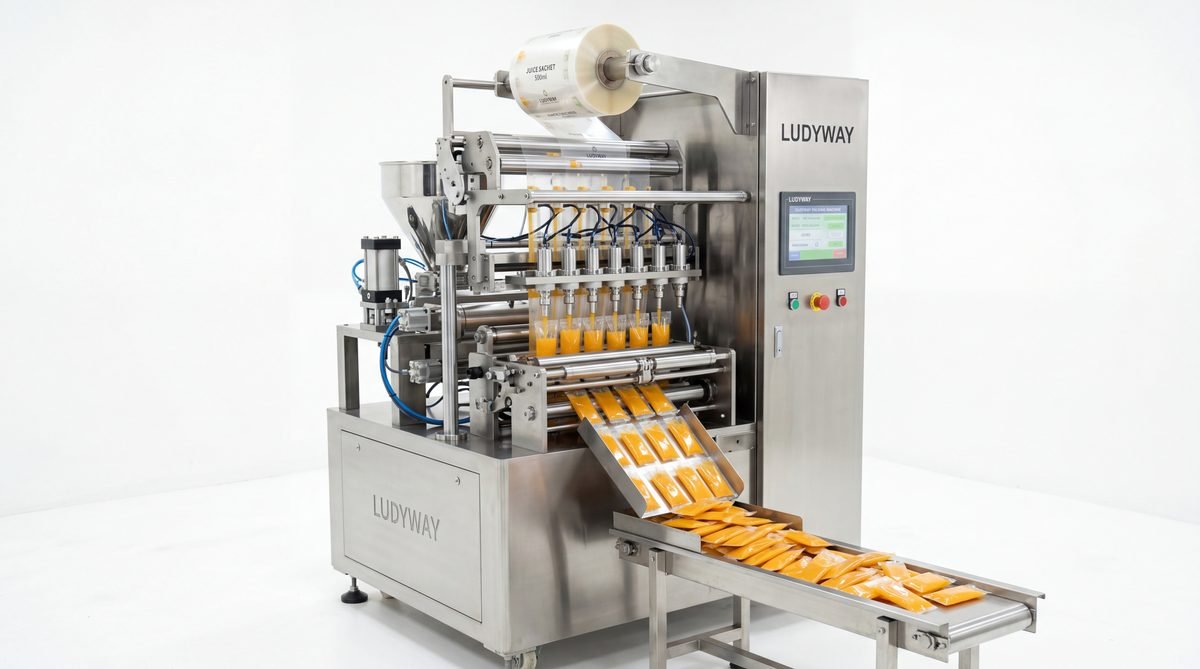
Key Features That Improve Multi-Volume Performance
- Servo-driven dosing control for precise adjustment
- Touchscreen HMI with recipe storage
- Quick-release filling components
- Automatic calibration or feedback control
- Stable frame and high-quality sealing system
- Integrated feeding system matched to the product
- Optional checkweigher, coding, and reject systems
Common Mistakes Buyers Make
- Choosing by price instead of product compatibility
- Ignoring real changeover labor and downtime
- Assuming all “adjustable” machines provide equal precision
- Not testing the smallest and largest target volumes
- Overlooking future packaging format expansion
What to Look for in a Packaging Machine Supplier
A reliable supplier should do more than offer a catalog. They should understand dosage behavior, line integration, and packaging application details. If you are comparing suppliers, look for:
- Real project experience in your industry
- Customization capability
- Factory manufacturing strength
- Export and after-sales service experience
- Ability to provide standalone machines and complete lines
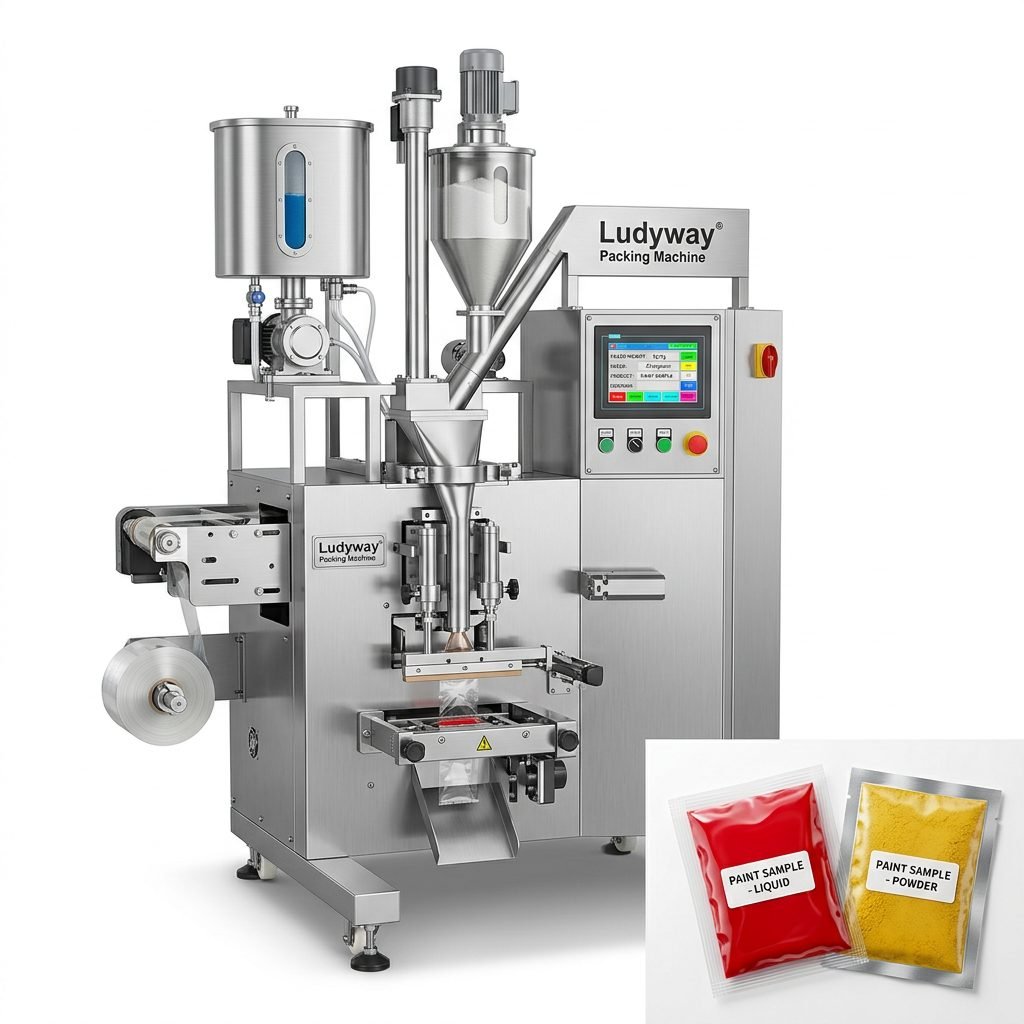
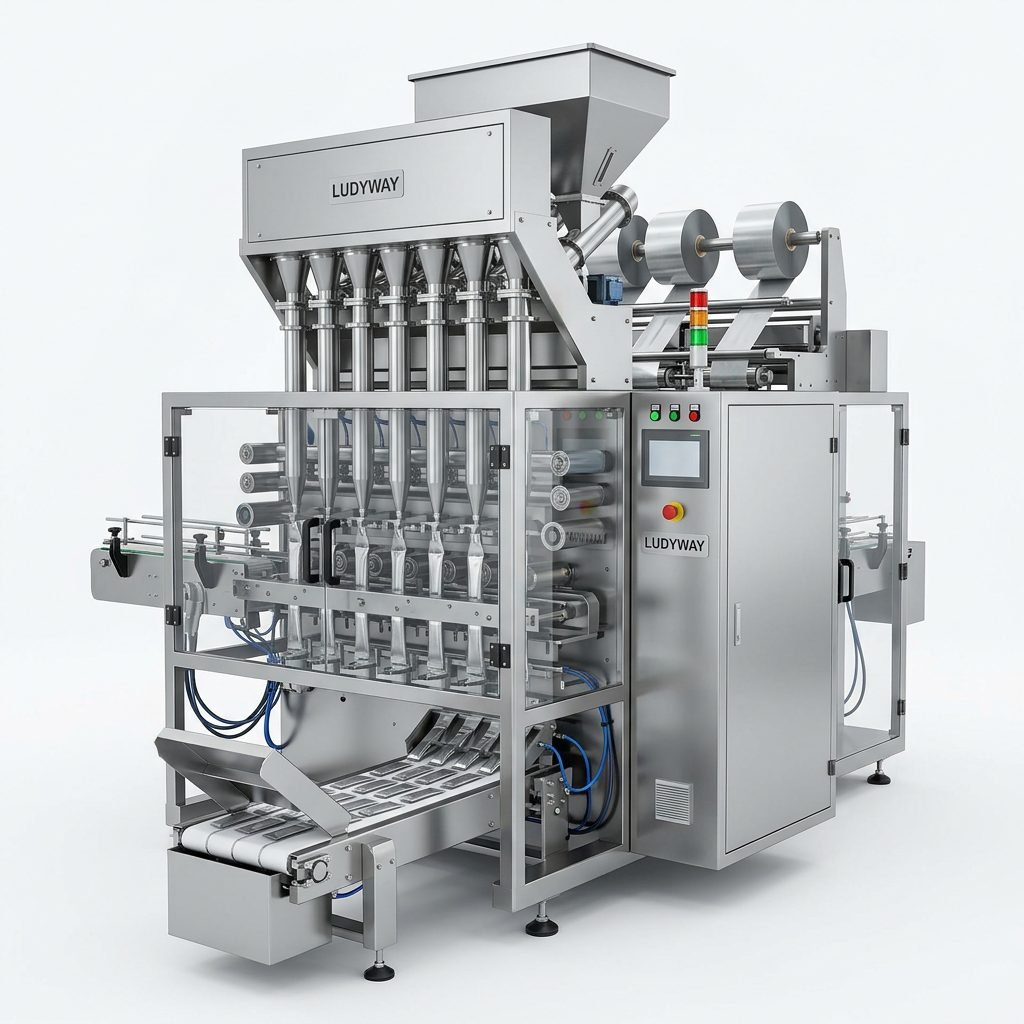
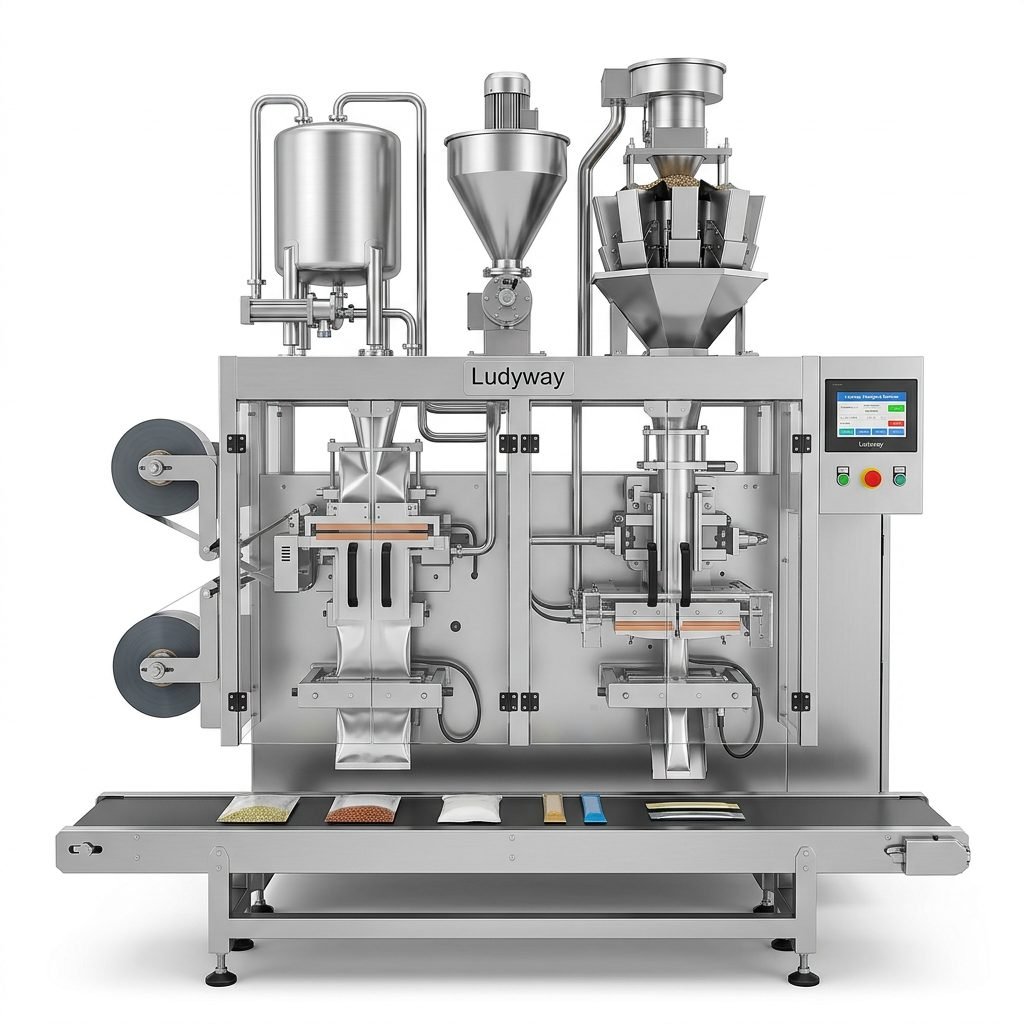
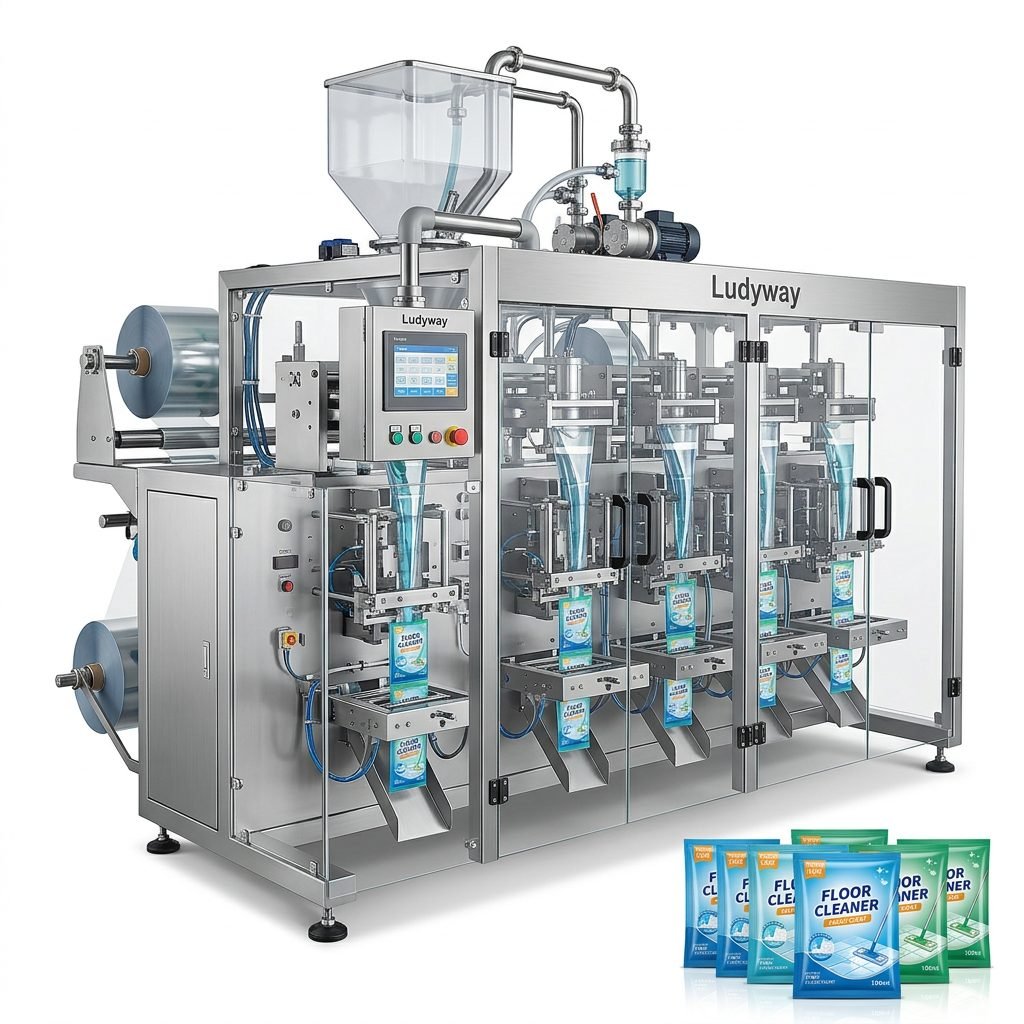
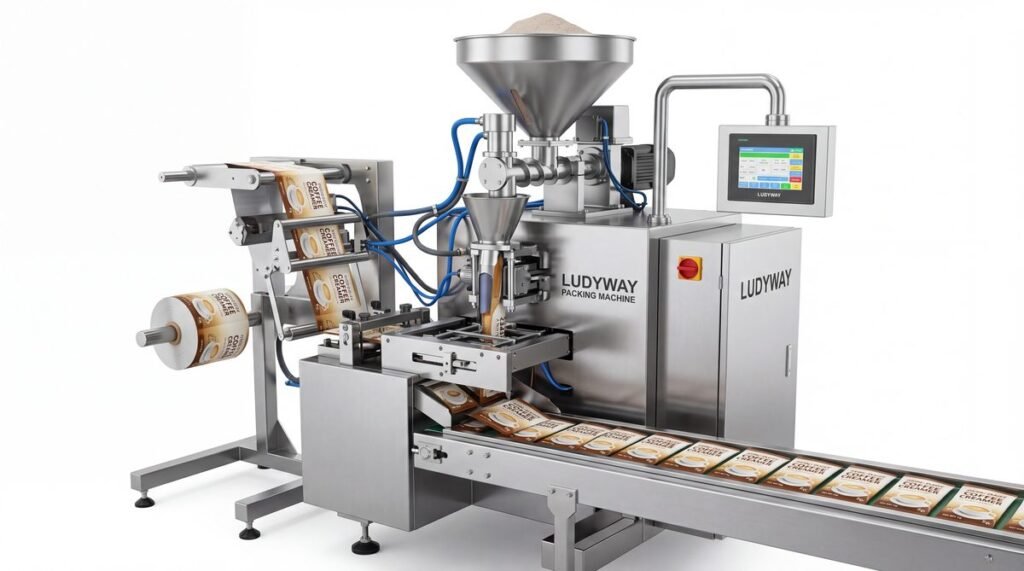
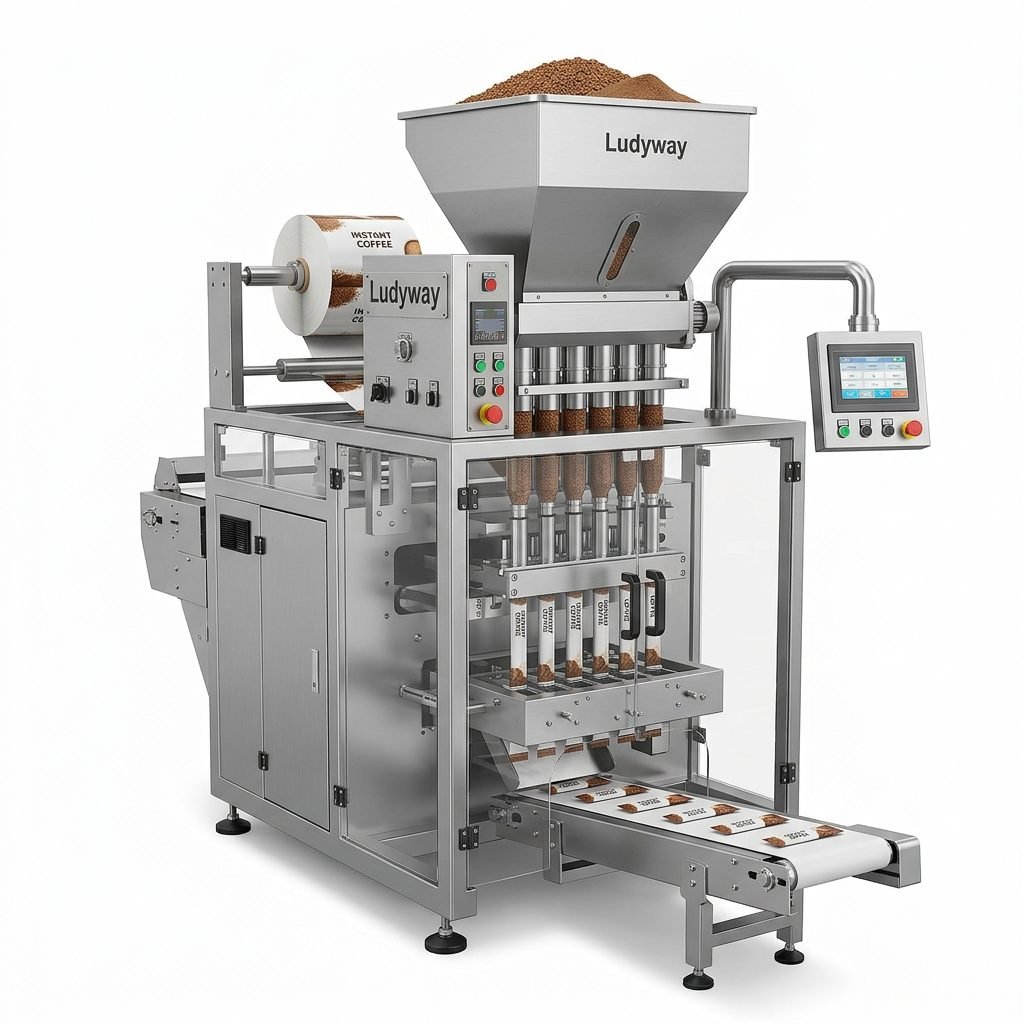
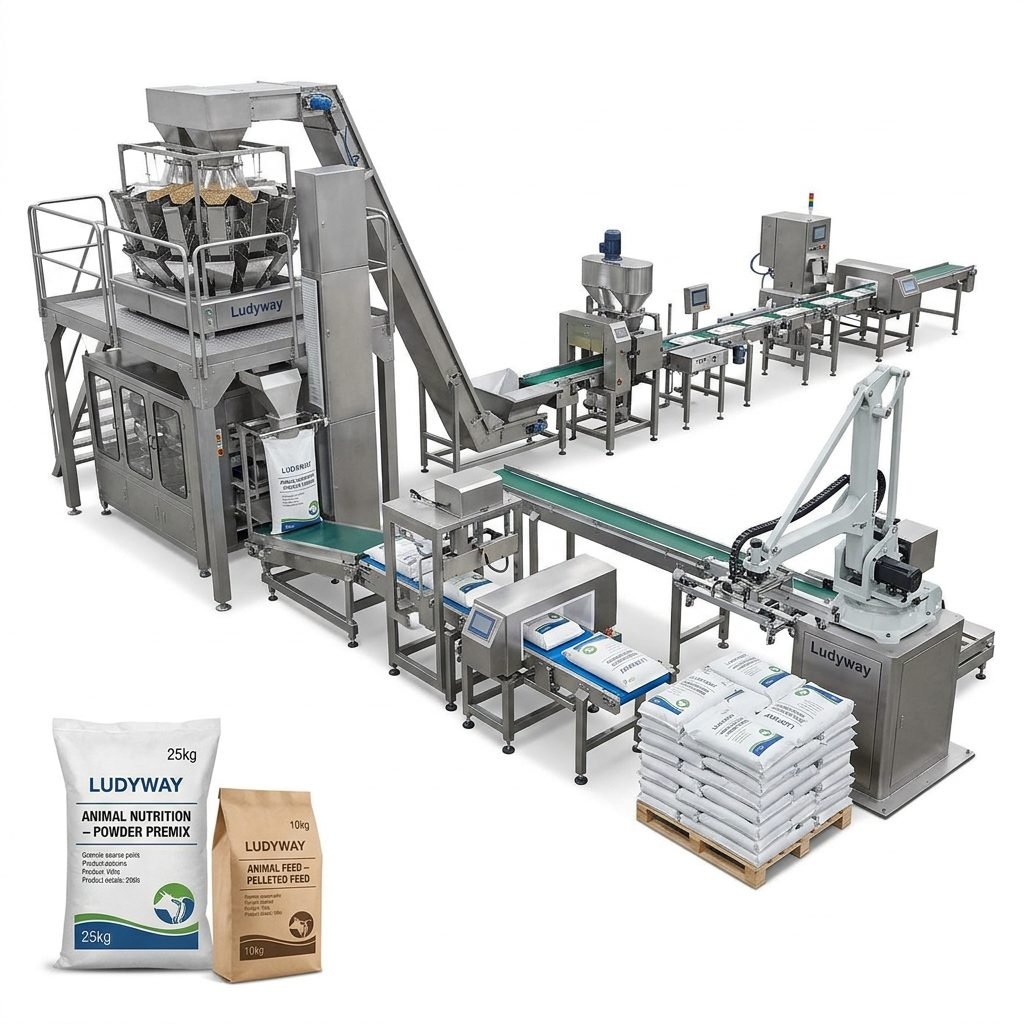
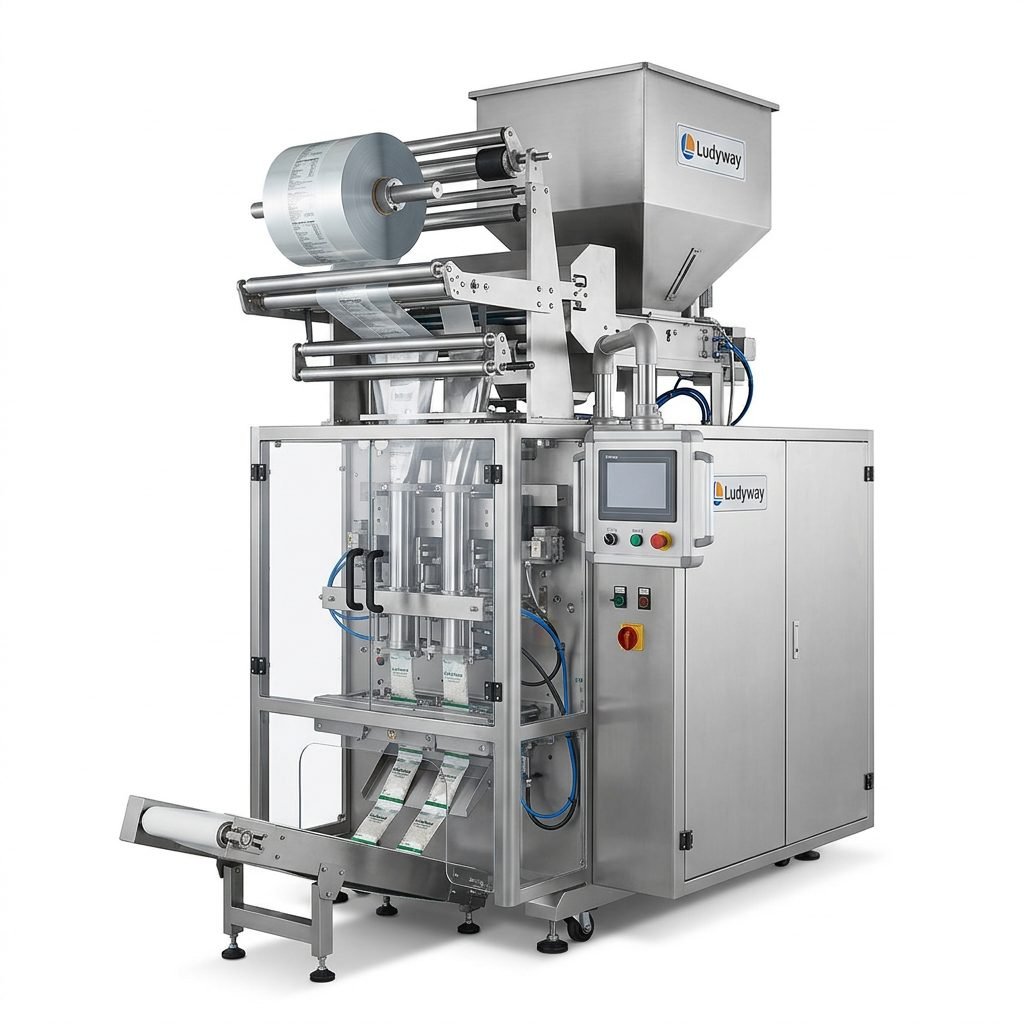
For businesses looking for scalable packaging automation, Ludyway packaging machines are widely used for powders, granules, liquids, pastes, sachets, stick packs, and turnkey production lines across food, pharmaceutical, health supplement, and related industries.
Final Buying Insight
A packaging machine can absolutely handle multiple filling volumes, but the best result comes from choosing a system built for your specific product, fill range, and production rhythm. Focus on practical operating range, accuracy at every target size, changeover efficiency, and long-term expansion potential. When these factors are aligned, one machine can support multiple SKUs efficiently and give your production line much greater flexibility.