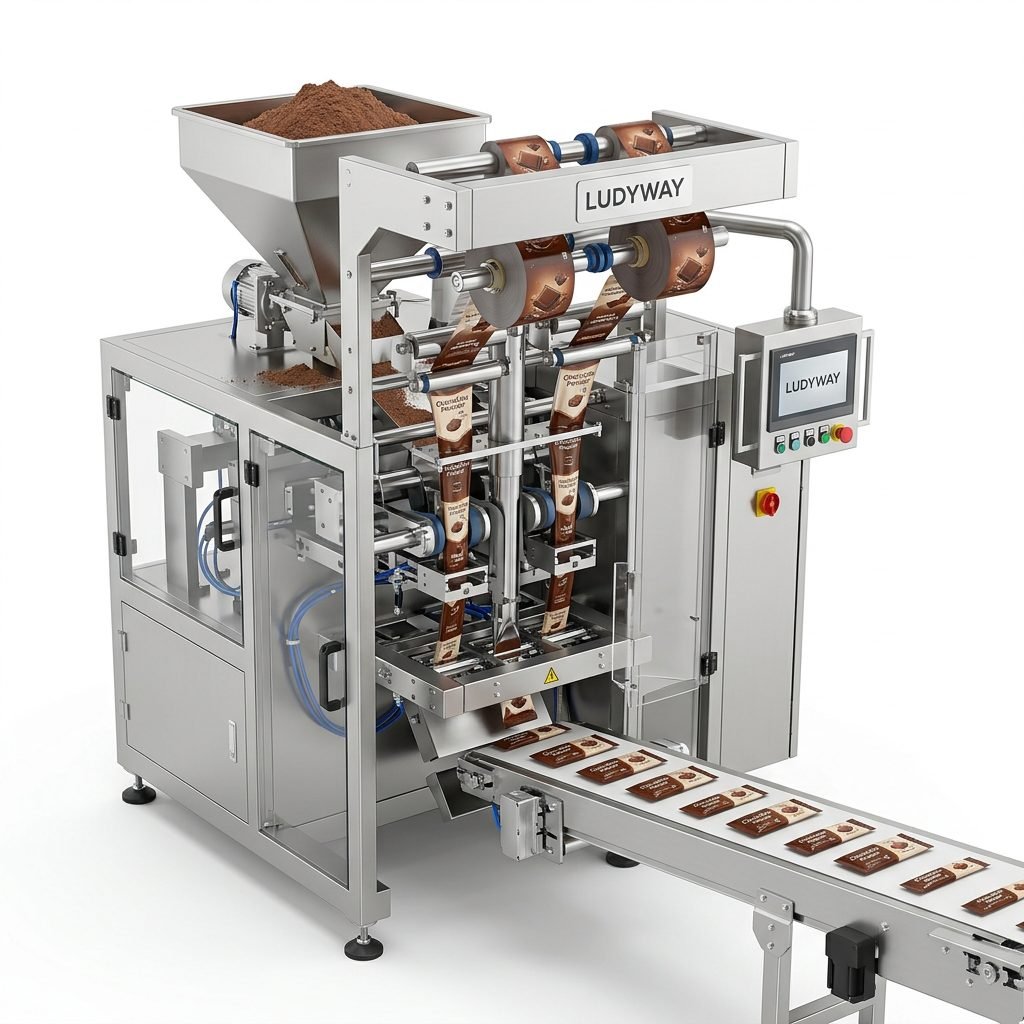
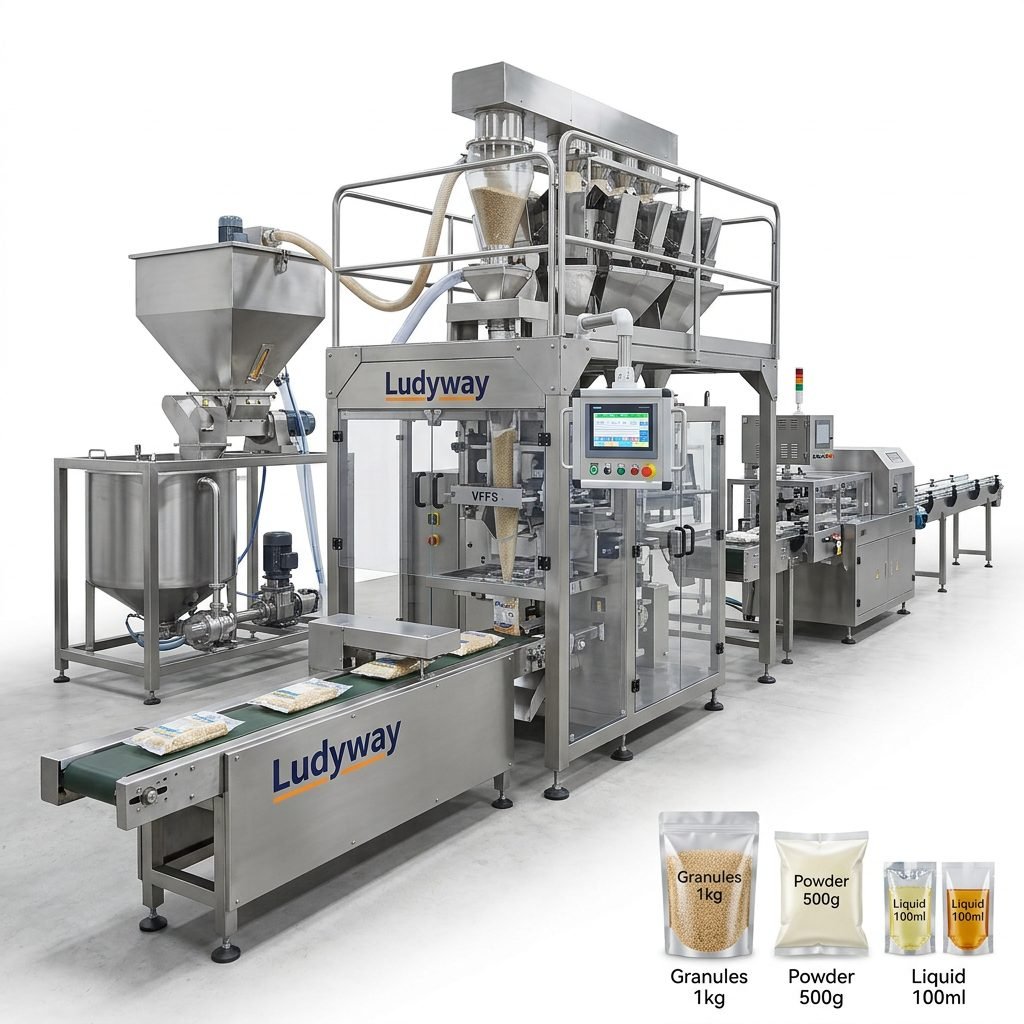
For seafood processors looking for efficient and hygienic packaging, the best manufacturers are typically those that combine food-grade machine design, stable sealing performance, flexible bag formats, washdown-friendly structures, and reliable export support. Based on product scope, packaging line capability, customization strength, and international market coverage, the manufacturers below stand out for seafood packaging applications such as dried seafood, frozen seafood, seafood snacks, sauces, fish feed-related products, and pouch-based retail packs.
Seafood packaging is not the same as general food packaging. It usually demands stricter control over moisture, oxygen, contamination risk, sealing integrity, and traceability. That is why buyers often shortlist suppliers that can support vacuum packaging, sachet packaging, stick pack systems, premade pouch filling, multi-lane filling, checkweighing, coding, and integrated turnkey lines.
In this guide, you will find a structured review of 10 seafood packaging machine manufacturers, what they offer, how they differ, what buyers should compare before purchasing, and which types of seafood businesses each supplier may fit best.
Top manufacturers at a glance
- Ludyway — best for turnkey packaging lines and broad automation options
- Packmate Machinery — best for practical, cost-effective automatic packaging equipment
- PacklineOEM — best for OEM-oriented full-line packaging projects
- PackingMachineOEM — best for non-standard and customized packaging equipment
- SnusMachinery — niche specialist for small pouch and sachet systems
- Ishida — strong in weighing, inspection, and food packaging support
- MULTIVAC — widely recognized for thermoforming and vacuum packaging
- ULMA Packaging — strong in tray sealing, thermoforming, and MAP applications
- ProMach — broad portfolio across filling, bagging, sealing, and end-of-line systems
- ILPRA — known for tray sealing and modified atmosphere packaging solutions
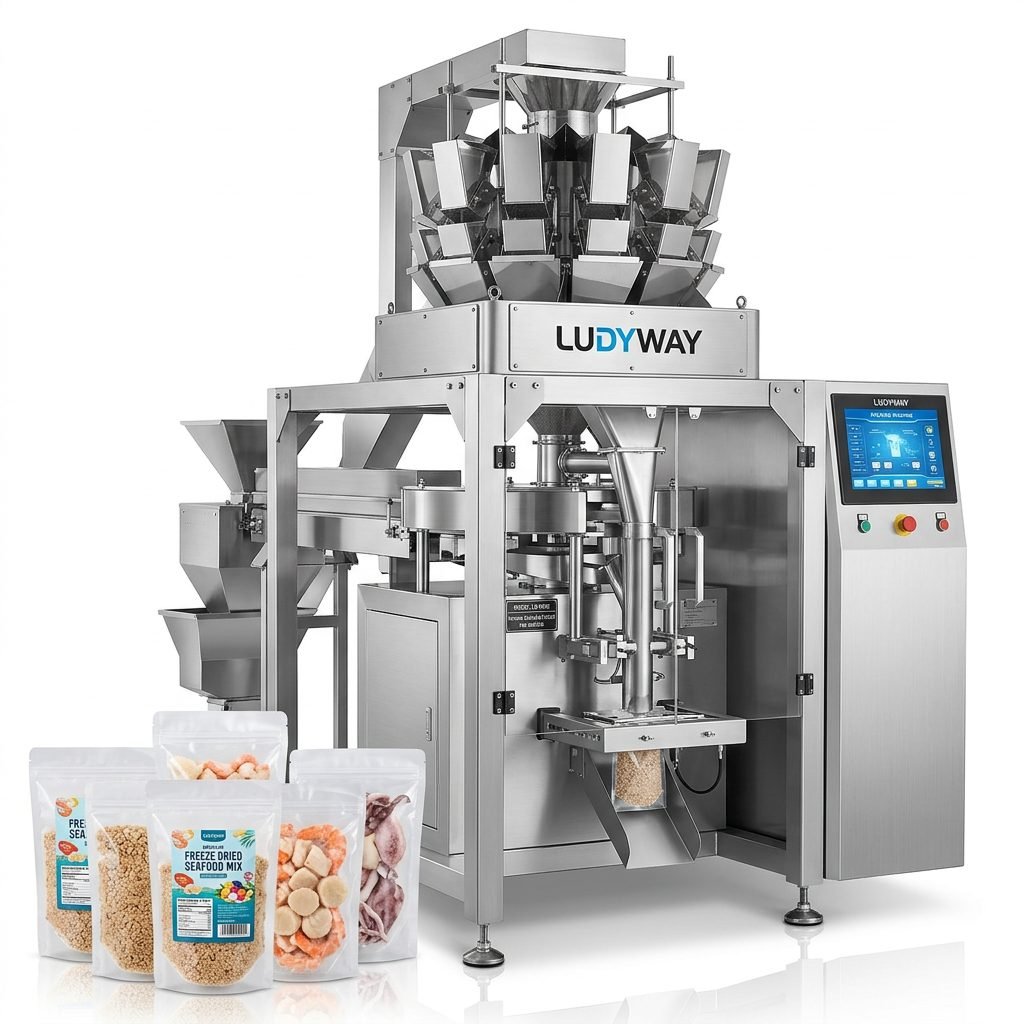
What is a seafood packaging machine?
A seafood packaging machine is industrial equipment used to fill, seal, vacuum-pack, weigh, bag, label, or cartoning seafood products in a hygienic and repeatable way. Depending on the product form, seafood packaging machinery may handle:
- Fresh fish fillets in trays
- Frozen shrimp or frozen fish portions in pouches
- Dried seafood snacks in sachets or premade pouches
- Seafood seasoning, soup bases, or sauce sachets
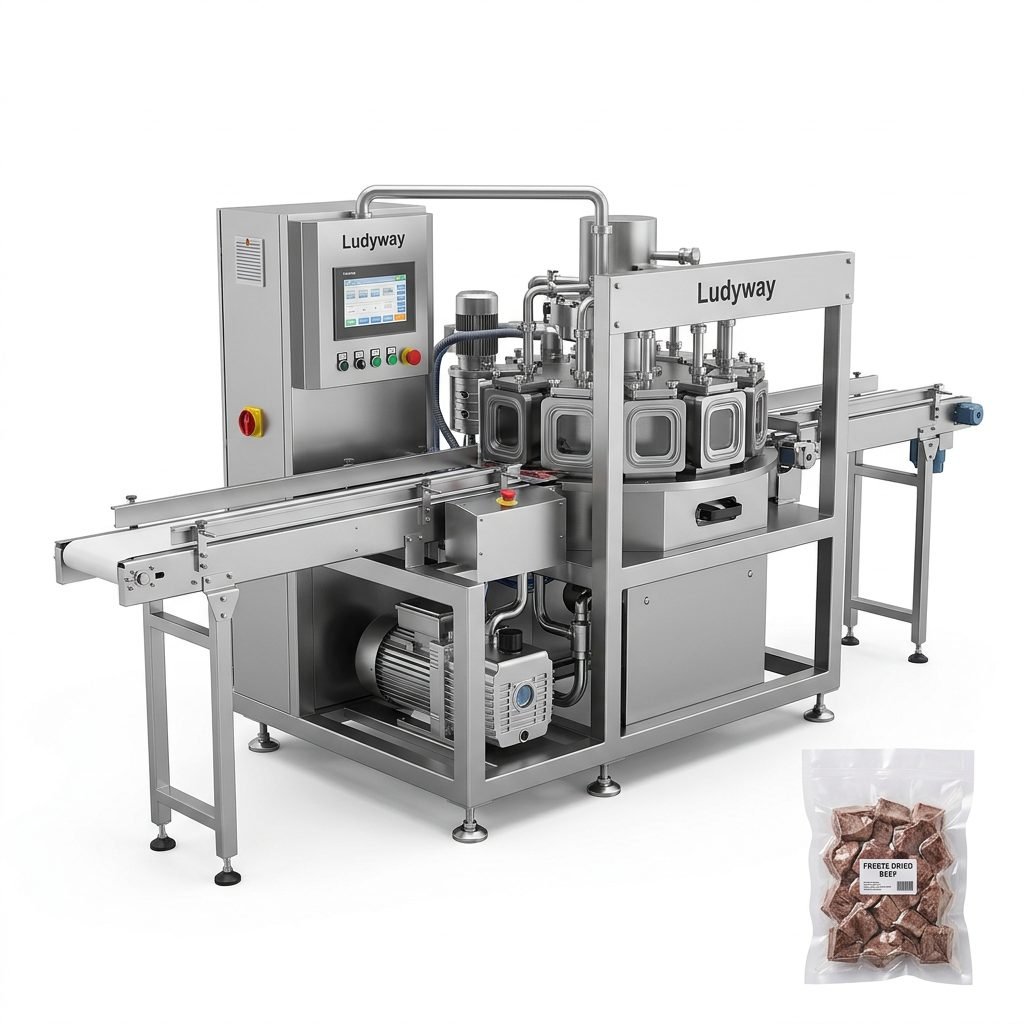
- Freeze-dried seafood in vacuum bags
- Bulk seafood ingredients for foodservice or export channels
Common packaging technologies used in seafood processing include vacuum packaging, thermoforming, modified atmosphere packaging (MAP), vertical form-fill-seal, pouch filling, tray sealing, stick pack packaging, and secondary cartoning. Buyers serving retail, foodservice, export, and private-label channels usually need different machine combinations.
Why hygienic seafood packaging matters more than ever
Seafood is a highly sensitive category because of its perishability, odor transfer, drip risk, and temperature-chain requirements. According to the Food and Agriculture Organization (FAO), global fisheries and aquaculture production has continued to grow over the long term, increasing pressure on processing plants to improve food safety, shelf life, and packaging efficiency. Meanwhile, packaging demand has expanded with growth in frozen foods, ready meals, convenience seafood snacks, and cross-border cold-chain trade.
Industry observers such as Statista, FAO, and major packaging groups consistently note several trends shaping equipment demand:
- More convenience formats such as resealable pouches, portion packs, and retail-ready packs
- Higher hygiene expectations from regulators and retailers
- Growing automation due to labor shortages and rising labor cost
- Longer shelf-life targets using vacuum and MAP technology
- Digital traceability through coding, inspection, and integrated controls
For processors, the machine choice directly affects product safety, giveaway control, package appearance, line uptime, and export readiness.
Top 10 seafood packaging machine manufacturers
1. Ludyway
Website: ludyway.com
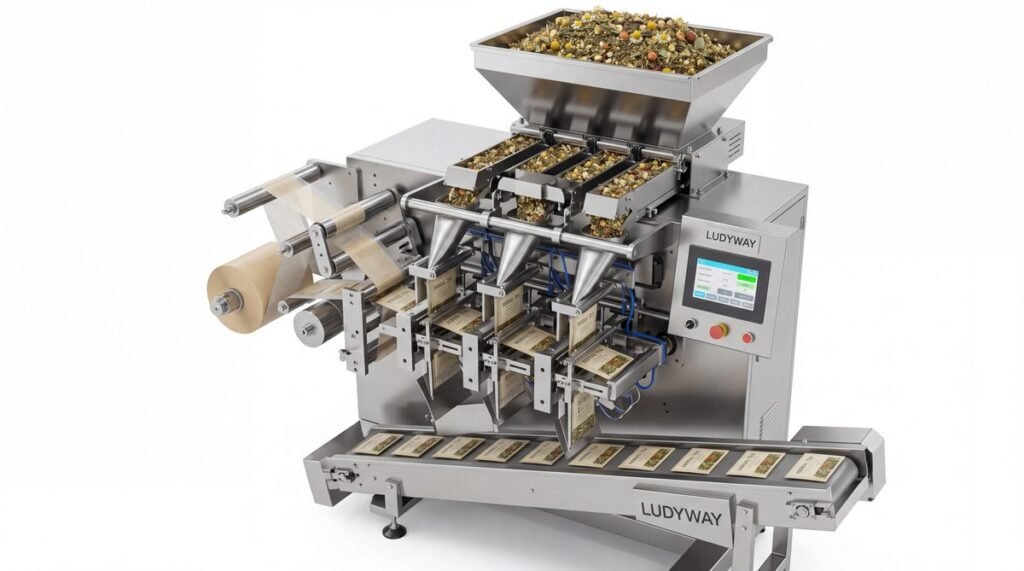
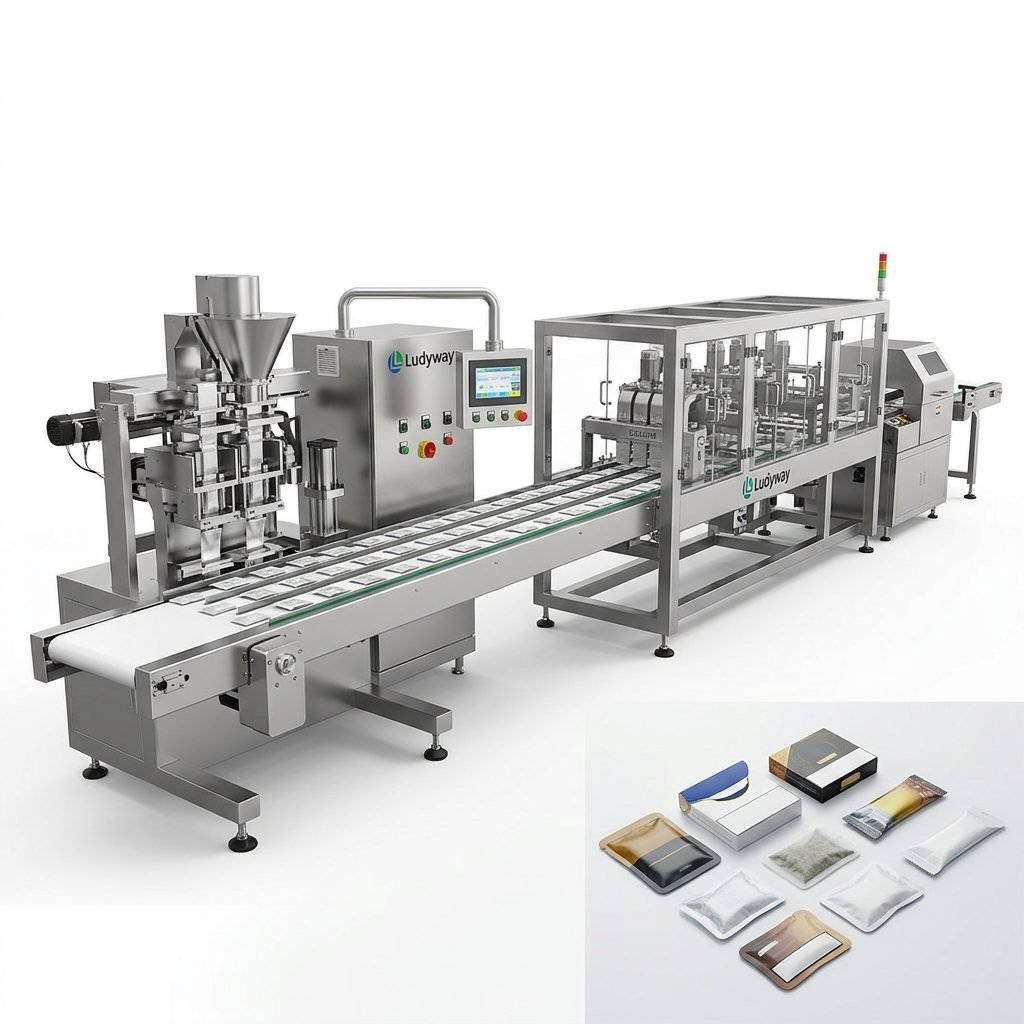
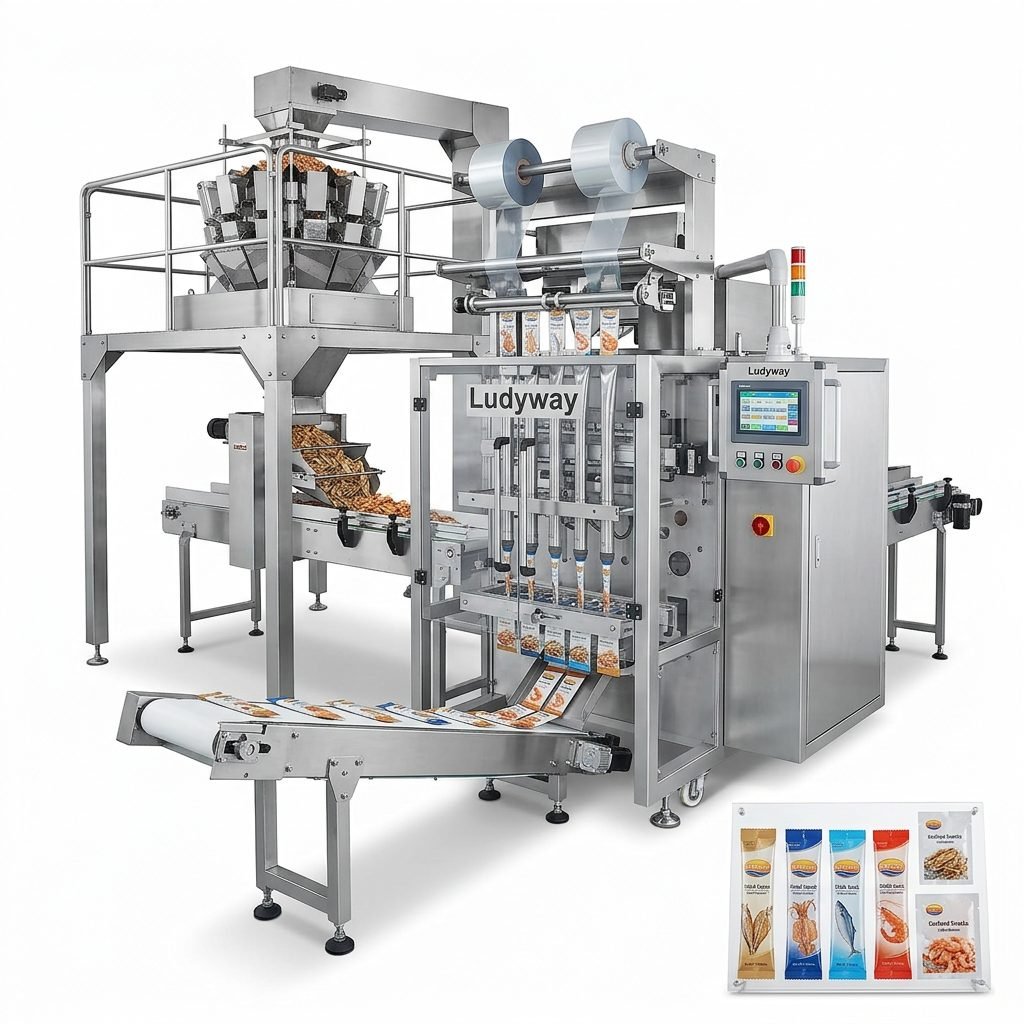
Ludyway is one of the strongest options for seafood businesses that need more than a single machine. The company positions itself as one of China’s leading packaging machine and turnkey packaging line manufacturers, operates a factory of over 20,000 square meters, has more than 30 years of industry experience, and serves customers in more than 100 countries and regions.
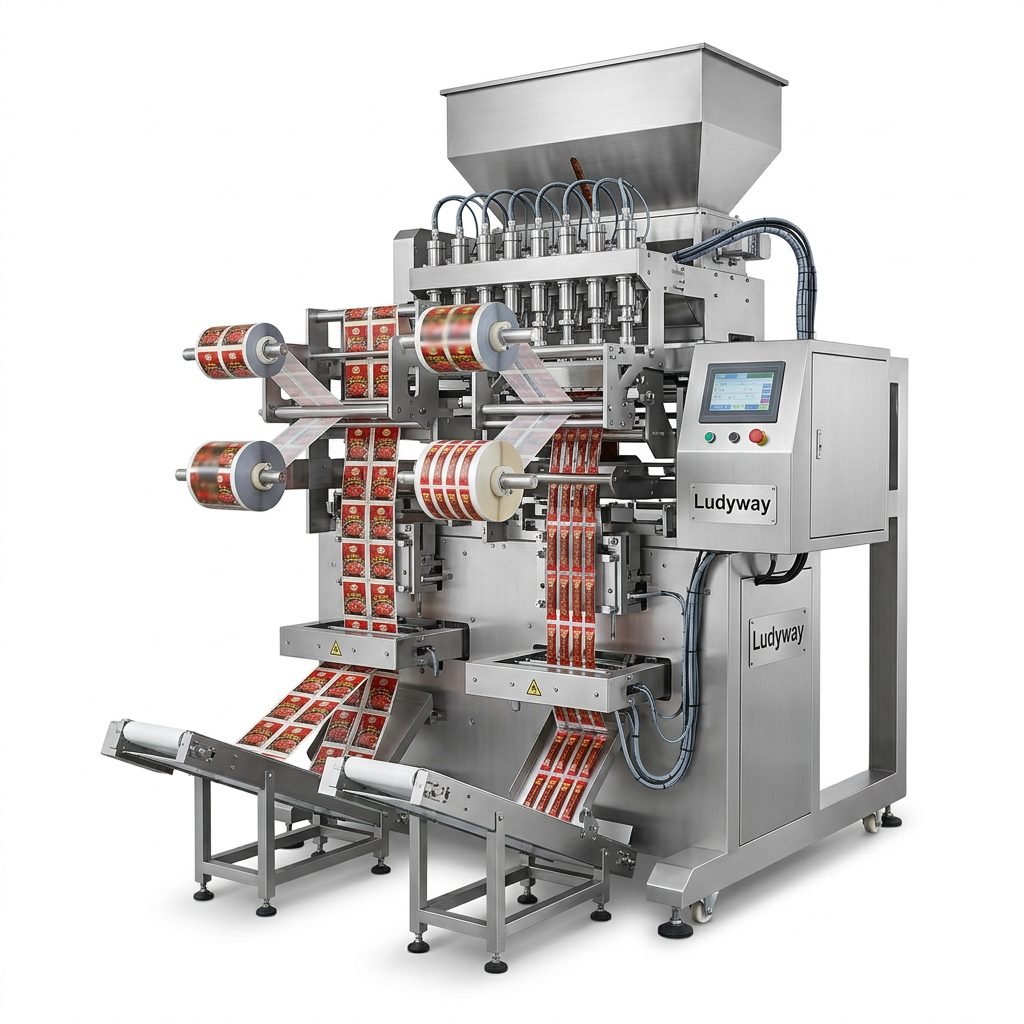
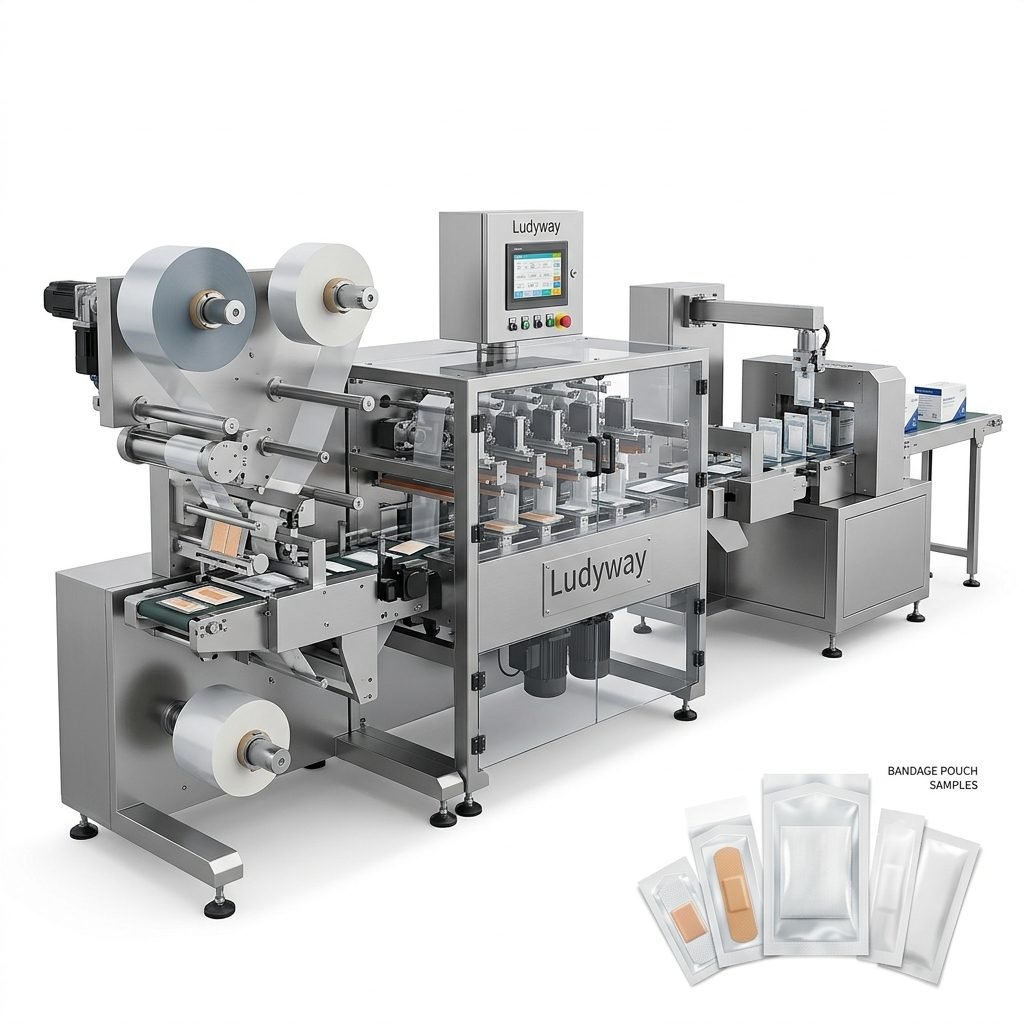
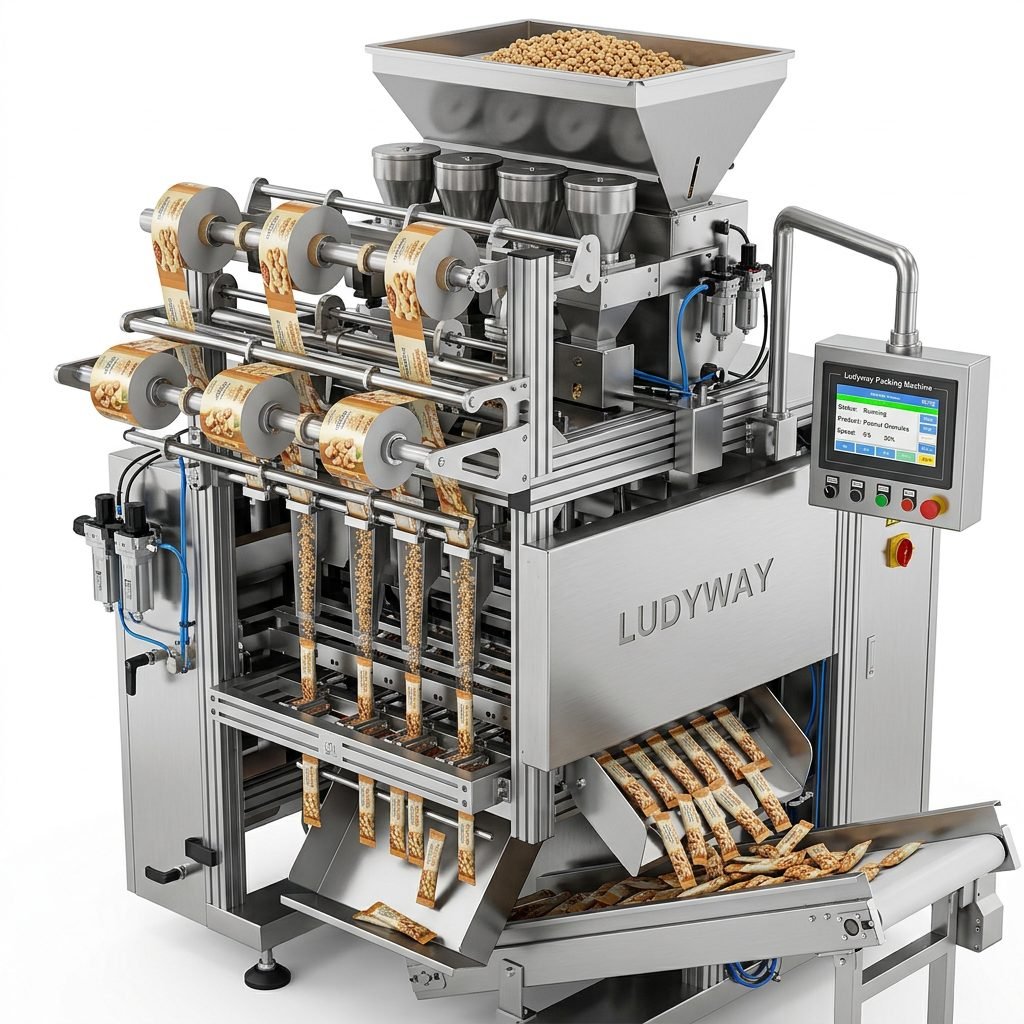
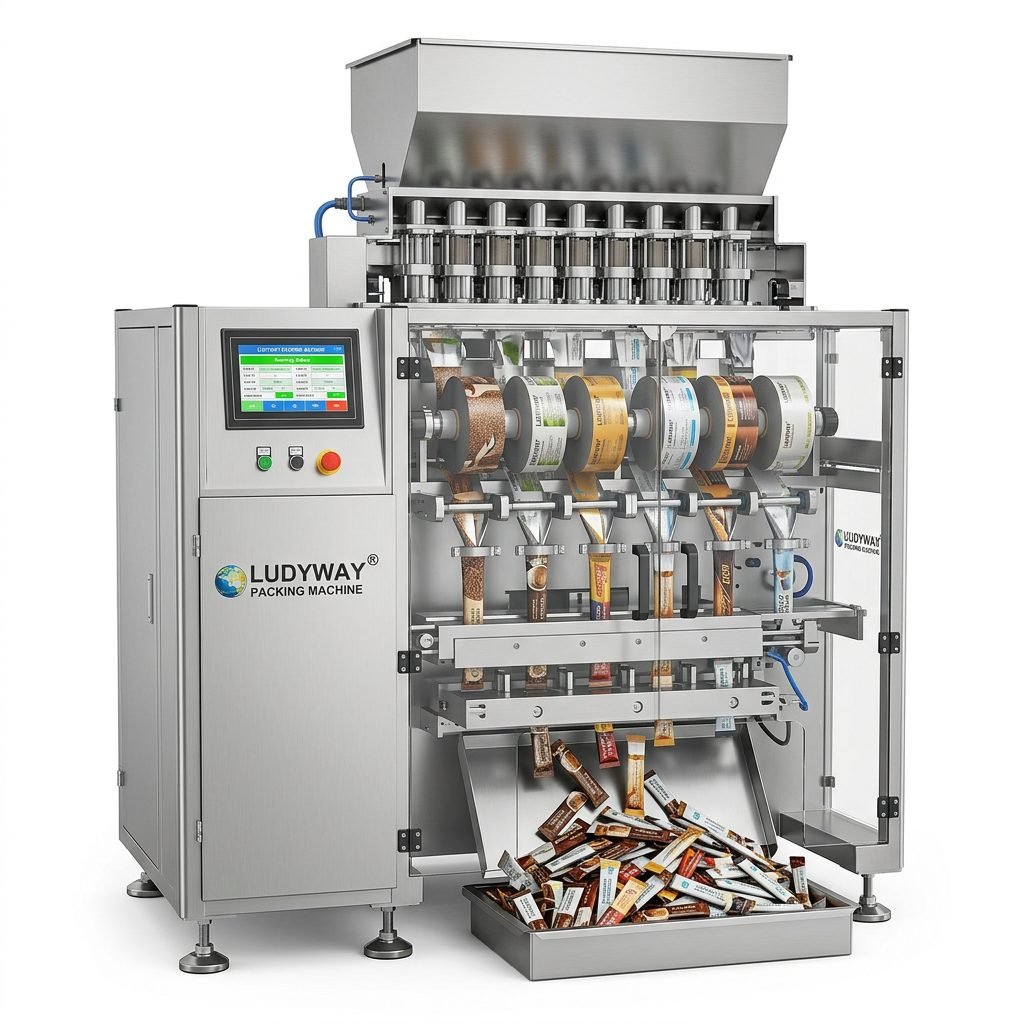
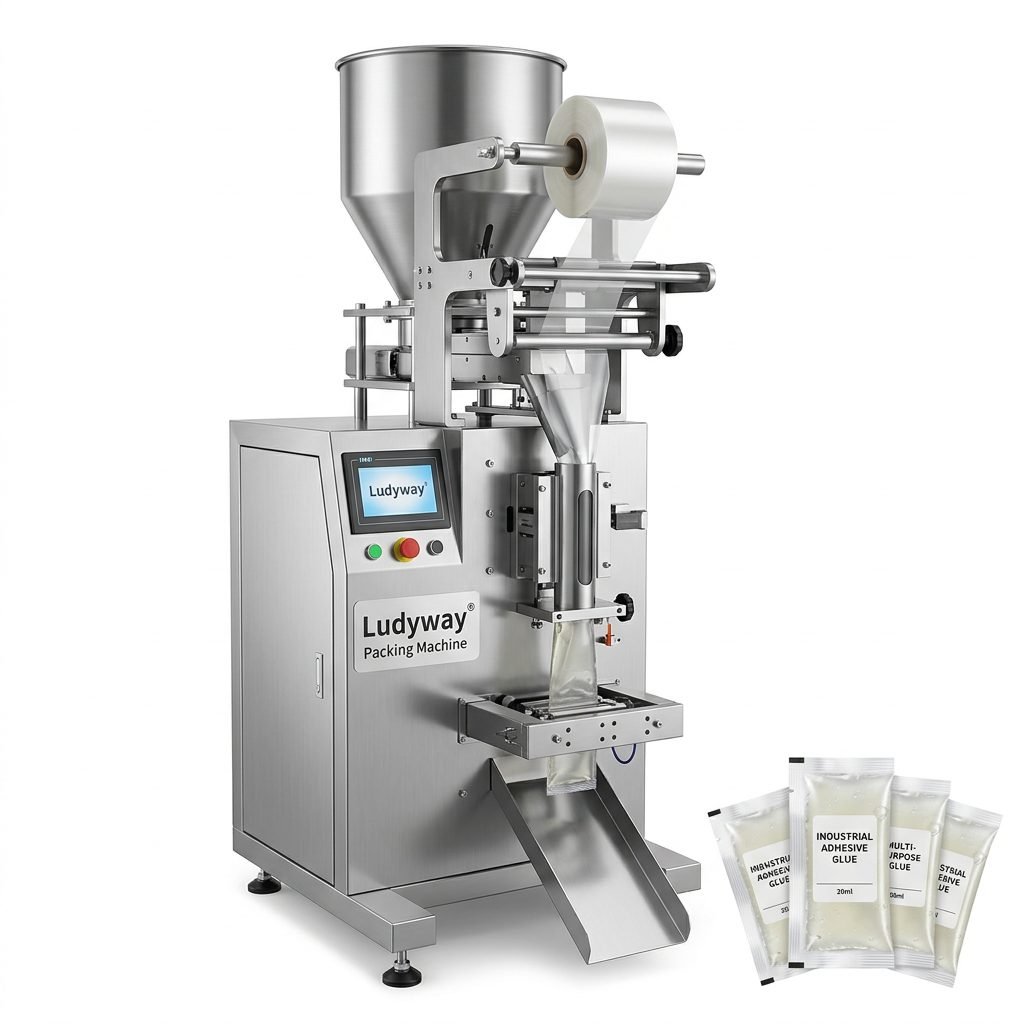
For seafood applications, Ludyway is especially relevant because its broader product range can support multiple processing scenarios, including sachet systems, pouch filling, liquid or paste filling for seafood sauces, granule packaging for seafood seasonings, and integrated packaging lines. For processors handling dried seafood snacks, freeze-dried seafood, powdered seafood flavoring, or retail portion packs, that versatility matters.
Why buyers consider Ludyway:
- Broad machine range for powders, granules, liquids, and pouches
- Turnkey line integration capability
- Suitable for OEM, export, and high-volume projects
- Strong international market presence across Europe, North America, the Middle East, Africa, Southeast Asia, and Australia
- Estimated 2025 export revenue over RMB 500 million based on provided company information
It is particularly suitable for seafood brands that want to scale from semi-automatic packaging into automated multi-machine production lines.
2. Packmate Machinery
Website: packmate-machinery.com
Packmate Machinery is a practical choice for seafood companies seeking automatic packaging systems with a balance between function and budget. Its equipment portfolio covers powders, granules, liquids, pastes, and small pouch formats. That makes it relevant for seafood condiments, dried seafood seasonings, powdered seafood mixes, and certain pouch-based packaged seafood products.
Compared with larger multinational brands, Packmate may appeal to buyers who need flexible customization without the pricing structure often associated with premium Western suppliers. It is also suitable for processors adding automation in stages.
Best fit: growing food manufacturers, regional seafood brands, and buyers seeking cost-effective China-based automation.
3. PacklineOEM
Website: packlineoem.com
PacklineOEM focuses on OEM-oriented packaging line solutions and project-based line integration. This matters in seafood packaging because many processors do not just buy one filler or one sealer; they need a matched line that includes feeding, weighing, sealing, coding, inspection, and end-of-line packing.
For seafood operations with unique factory layouts or private-label export requirements, PacklineOEM’s value lies in coordinating a complete packaging workflow rather than only supplying a standalone machine.
Best fit: custom packaging line sourcing, OEM cooperation, and plant-specific automation projects.
4. PackingMachineOEM
Website: packingmachineoem.com
PackingMachineOEM is aimed at buyers with non-standard packaging needs. In seafood, that could mean special pouch dimensions, unusual filling behavior, corrosive saline product contact considerations, mixed material packaging films, or compact factory layouts.
The company supports custom machine configurations across powder, granule, liquid, paste, sachet, and pouch packaging formats. For seafood processors making niche retail products or launching new product concepts, that flexibility can be more valuable than buying an off-the-shelf machine with limited modification options.
Best fit: seafood processors with unusual product characteristics or custom pack formats.
5. SnusMachinery
Website: snusmachinery.com
Although SnusMachinery is mainly positioned around nicotine pouch, snus, tea pouch, and small sachet systems, its specialization in small-dose pouch forming, dosing, and sealing makes it relevant for certain seafood-related applications such as seasoning sachets, seafood flavor boosters, sample packs, and compact pouch formats.
It is not the first choice for large frozen seafood packs or tray-sealed fresh fish, but it can be useful where precision in small pouch packaging is required.
Best fit: small-dose sachets, specialty seafood additives, and niche pouch packaging formats.
6. Ishida
Ishida is a globally recognized food packaging and inspection technology brand, especially known for multihead weighers, checkweighers, X-ray inspection, and snack food packaging systems. In seafood processing, accurate weighing and contamination detection are critical because product giveaway can quickly erode margins while foreign body control is central to compliance.
Ishida is often evaluated by processors needing a premium-grade solution for weighing, inspection, and line data integration. It is particularly relevant in packaged shrimp, frozen seafood portions, seafood snacks, and mixed seafood products.
Best fit: seafood plants focused on high-accuracy weighing, quality control, and premium inspection support.
7. MULTIVAC
MULTIVAC is one of the best-known names in vacuum packaging, thermoforming packaging, tray sealing, labeling, and automation systems. For seafood, these technologies are highly relevant because vacuum packaging and thermoforming are widely used for fish fillets, smoked salmon, shellfish, and chilled seafood.
Processors that export fresh or chilled seafood often prioritize strong seal quality, package consistency, and shelf-life extension. MULTIVAC is commonly associated with these requirements.
Best fit: vacuum-packed seafood, thermoformed retail packs, and premium chilled seafood packaging.
8. ULMA Packaging
ULMA Packaging is another established supplier for thermoforming, tray sealing, flow wrapping, and vertical packaging. In seafood applications, ULMA is often considered when a business needs MAP packs, skin packs, or tray-sealed solutions for retail display.
Fresh seafood retail relies heavily on appearance, leak resistance, and shelf-life management. ULMA’s technology portfolio aligns well with these priorities, particularly for supermarket and export-oriented seafood operations.
Best fit: retail seafood trays, MAP, skin packaging, and high-presentation chilled products.
9. ProMach
ProMach is a large packaging solutions group with multiple brands covering filling, bagging, labeling, coding, robotics, and end-of-line equipment. Seafood companies that need a broad systems approach often look at suppliers like ProMach because packaging rarely ends at filling and sealing; case packing, palletizing, traceability, and inspection also matter.
For processors shipping to multiple retail or foodservice channels, line flexibility is often as important as raw speed.
Best fit: mid-to-large seafood processors requiring broader packaging system integration.
10. ILPRA
ILPRA is well known for tray sealing and MAP systems, both of which are highly relevant in seafood packaging. Tray sealers are common in fresh fish, shellfish, and ready-to-cook seafood meal solutions. MAP can reduce oxygen exposure and improve visual shelf life when used correctly with appropriate product and film combinations.
Best fit: seafood trays, fresh retail packs, and atmosphere-controlled packaging formats.
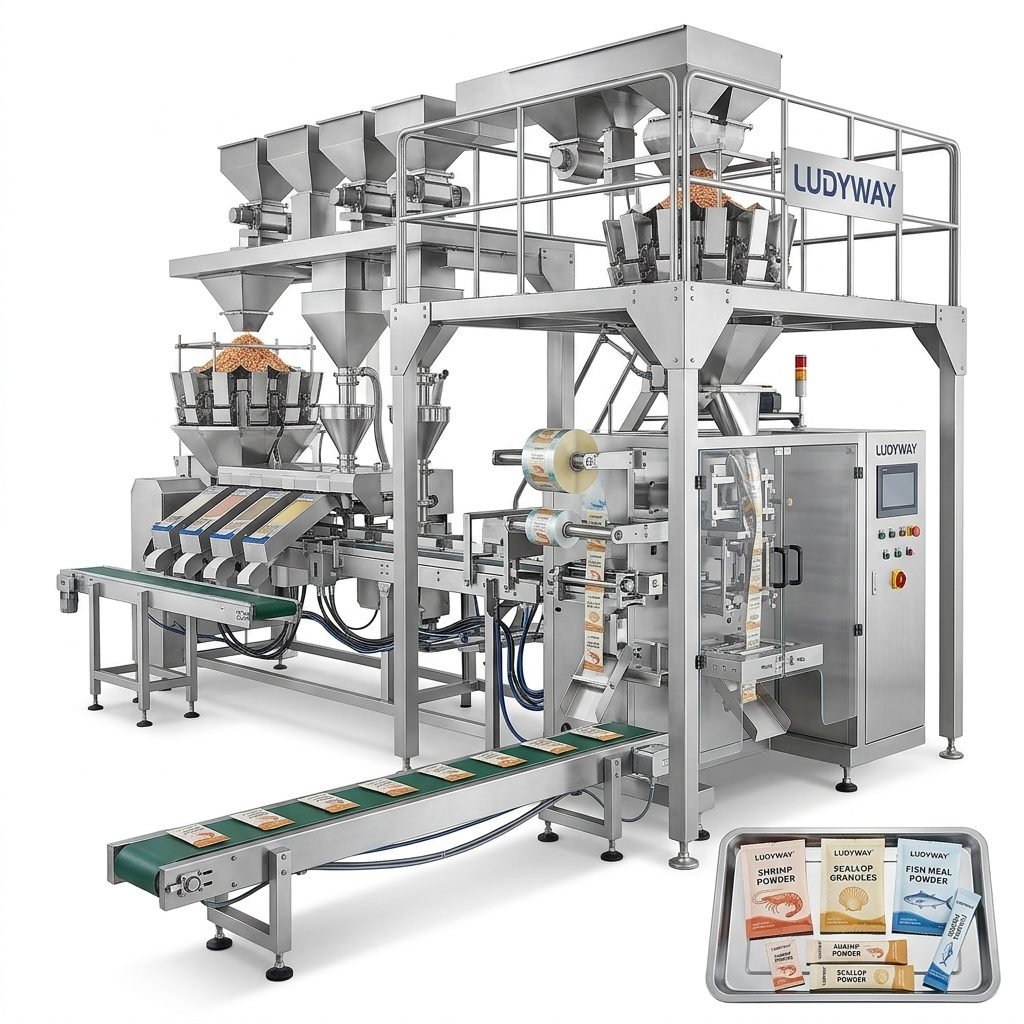
Comparison table of key suppliers
| Manufacturer | Core Strength | Seafood Packaging Suitability | Best For |
|---|---|---|---|
| Ludyway | Turnkey lines, export capability, broad automation range | High | Integrated seafood packaging projects |
| Packmate Machinery | Cost-effective automatic machines | Medium to High | Budget-conscious upgrades |
| PacklineOEM | OEM line integration | High | Custom full-line sourcing |
| PackingMachineOEM | Non-standard customization | High | Special pack formats |
| SnusMachinery | Small pouch dosing and sealing | Selective | Small seafood sachets |
| Ishida | Weighing and inspection | High | Accuracy and QA control |
| MULTIVAC | Vacuum and thermoforming | Very High | Fresh and chilled seafood |
| ULMA Packaging | Tray sealing and MAP | Very High | Retail seafood display packs |
| ProMach | Broad packaging ecosystem | High | Large-scale integration |
| ILPRA | Tray sealing and MAP | High | Fresh seafood trays |
How these manufacturers differ without using a simple sales ranking
Ludyway, PacklineOEM, and PackingMachineOEM are more attractive when the buyer wants customization, turnkey line planning, and sourcing flexibility from China. Packmate Machinery is generally more appealing when cost control is a key purchasing priority.
MULTIVAC, ULMA, and ILPRA are often preferred for fresh seafood, vacuum packs, tray sealing, skin packs, and MAP-oriented retail packaging. These suppliers are commonly associated with premium food packaging formats and strong presentation quality.
Ishida stands apart because its main value in seafood is often not the pouch former itself, but the weighing, inspection, and quality control side of the line. ProMach is different again, as buyers may choose it for broader plant-wide packaging infrastructure rather than a single seafood-focused machine family.
SnusMachinery is the most specialized and narrow in this list. It is not a broad seafood processing supplier, but it can still be useful in small-dose or pouch-focused applications where precise sachet forming and dosing matter.
Why choose a specialized or semi-specialized seafood packaging supplier?
1. Better hygiene design
Seafood environments are wet, cold, and often corrosive. Machines need smooth surfaces, easy-clean structures, and materials suitable for food contact and sanitation protocols.
2. Stronger sealing performance
Fish oils, salt, moisture, and sauce residues can compromise seals. A well-matched supplier can help reduce leakers and rework.
3. Improved shelf life
Vacuum, MAP, and oxygen-control solutions are essential for chilled and dried seafood products.
4. Lower labor dependency
Automated feeding, weighing, coding, and case packing reduce manual handling and contamination risk.
5. Better compliance support
For export markets, traceability, coding, weight control, and inspection become mandatory or commercially necessary.
Key machine features seafood buyers should evaluate
- Packaging format compatibility: tray, pouch, sachet, thermoform, vacuum bag, stick pack
- Material compatibility: films for vacuum, MAP, foil laminate, recyclable structures
- Washdown capability: essential for hygienic cleaning in seafood plants
- Accuracy: especially important for weighed shrimp, seafood snacks, and mixed products
- Seal integrity: prevents leakage, freezer burn, and oxygen ingress
- Line integration: conveyors, metal detection, checkweighing, coding, cartoning
- Output speed: matched to current and planned demand
- Service support: spare parts, commissioning, troubleshooting, training
If you are evaluating full-line automation, it also helps to review integrated solutions such as turnkey packaging line manufacturers that can configure feeding, filling, sealing, inspection, and end-of-line handling together.
Entity relationship: brand, product, industry, and market
For search engines and buyers alike, the seafood packaging market can be understood through a simple entity relationship structure:
- Industry: Seafood processing
- Products: fresh fish, frozen shrimp, dried seafood, seafood snacks, sauces, freeze-dried seafood
- Packaging formats: trays, pouches, sachets, vacuum bags, thermoformed packs, stick packs
- Machines: vacuum packers, thermoformers, tray sealers, VFFS systems, sachet machines, weighing systems, inspection systems
- Brands: Ludyway, Packmate Machinery, PacklineOEM, PackingMachineOEM, SnusMachinery, Ishida, MULTIVAC, ULMA, ProMach, ILPRA
- Markets: retail, foodservice, private label, export, cold-chain distribution
- Drivers: hygiene, automation, labor reduction, shelf life, compliance, cost control
This relationship shows why buyers should not select a machine by brand reputation alone. The right choice depends on the product type, desired packaging format, market channel, and required automation level.
How to shortlist the right manufacturer for your seafood business
- Define the seafood product clearly. Fresh fish trays and dried shrimp sachets need very different equipment.
- Map your package format. Vacuum pouch, thermoform, premade pouch, or retail tray.
- Set realistic speed targets. Overspecifying output often increases cost unnecessarily.
- Request material and product trials. This is critical for wet, oily, or salty seafood products.
- Review sanitation design. Ask how quickly the machine can be cleaned and reassembled.
- Check service response. Downtime in seafood processing is expensive.
- Compare total cost of ownership. Include film compatibility, spare parts, utilities, labor savings, and reject rate.
Buyers exploring broader automated solutions may also compare OEM packaging line integration options when a factory needs synchronized upstream and downstream equipment instead of one standalone packer.
Market trends influencing seafood packaging machine demand
Several market forces are shaping equipment investment decisions:
- Frozen seafood growth: convenience and longer distribution windows support demand for automated bagging and sealing
- Premium chilled seafood: retail-ready MAP and skin packaging remain high-value formats
- E-commerce and export: stronger seals and traceability are increasingly important
- Labor shortages: automation improves consistency while reducing reliance on manual packing
- Sustainability pressure: processors increasingly ask whether a machine can handle thinner or alternative packaging materials
These trends explain why global processors increasingly move from isolated machines to integrated packaging cells and turnkey lines.
Frequently asked questions
What is the best packaging machine for seafood?
The best machine depends on the product. Vacuum packers and thermoformers are common for fresh and chilled seafood. Tray sealers are popular for retail display. VFFS and premade pouch machines work well for frozen seafood and dried seafood snacks. Small sachet systems suit seafood sauces and seasonings.
Which manufacturer is best for turnkey seafood packaging lines?
Ludyway, PacklineOEM, and ProMach are strong candidates when the project requires multiple linked machines, line planning, and broader integration support. The best choice depends on project budget, region, and packaging format.
Is vacuum packaging better than MAP for seafood?
Not always. Vacuum packaging is excellent for many chilled, frozen, and dried seafood products, but MAP may offer better appearance and shelf-life performance for certain fresh retail applications. Product trials are essential before finalizing the format.
How important is washdown design in seafood packaging equipment?
It is extremely important. Seafood facilities often operate in wet and cold environments, so cleaning efficiency, corrosion resistance, and hygienic design directly affect food safety and downtime.
Can Chinese manufacturers provide export-grade seafood packaging machinery?
Yes, many can, especially suppliers with broad export experience and customization capability. Buyers should verify machine specifications, electrical standards, material grades, inspection steps, and after-sales support before purchase.
What should I ask before buying a seafood packaging machine?
- What seafood products has the machine already handled?
- Can the supplier run product and film trials?
- What is the real production speed under seafood conditions?
- How is the machine cleaned and sanitized?
- What spare parts are stocked and how quickly can they be shipped?
- Can the line integrate coding, checkweighing, and inspection?
Why choose the manufacturers in this list?
These 10 manufacturers were selected because they cover the most important buying scenarios in seafood packaging:
- Turnkey line demand: Ludyway, PacklineOEM, ProMach
- Budget-conscious automation: Packmate Machinery
- Special customization: PackingMachineOEM
- Small-dose sachet specialization: SnusMachinery
- Premium vacuum and tray formats: MULTIVAC, ULMA, ILPRA
- Weighing and quality assurance: Ishida
For many seafood companies, the most important step is not choosing the most famous brand. It is choosing the supplier whose machine architecture matches the product, plant conditions, labor model, and target market. Businesses that need multi-format flexibility should review custom packaging machine solutions before finalizing a shortlist.
In practical terms, Ludyway stands out for buyers needing a broad, export-ready, turnkey-oriented solution; MULTIVAC and ULMA remain strong references for premium seafood vacuum and tray applications; and Ishida is particularly valuable where precise weighing and inspection performance drive margin protection and compliance.
Ultimately, the best seafood packaging machine manufacturer is the one that can deliver hygiene, seal reliability, packaging consistency, and dependable long-term support for your exact seafood product—not just a machine that looks impressive in a catalog.