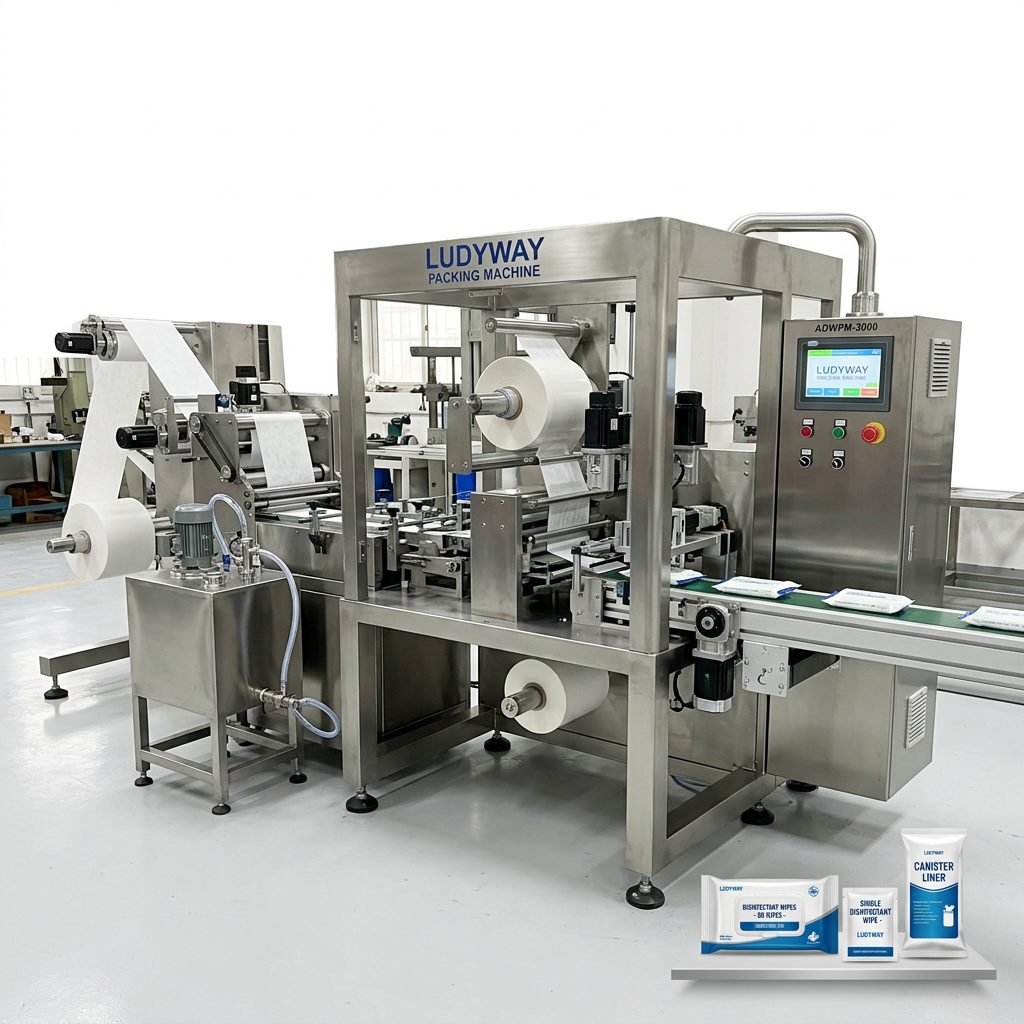
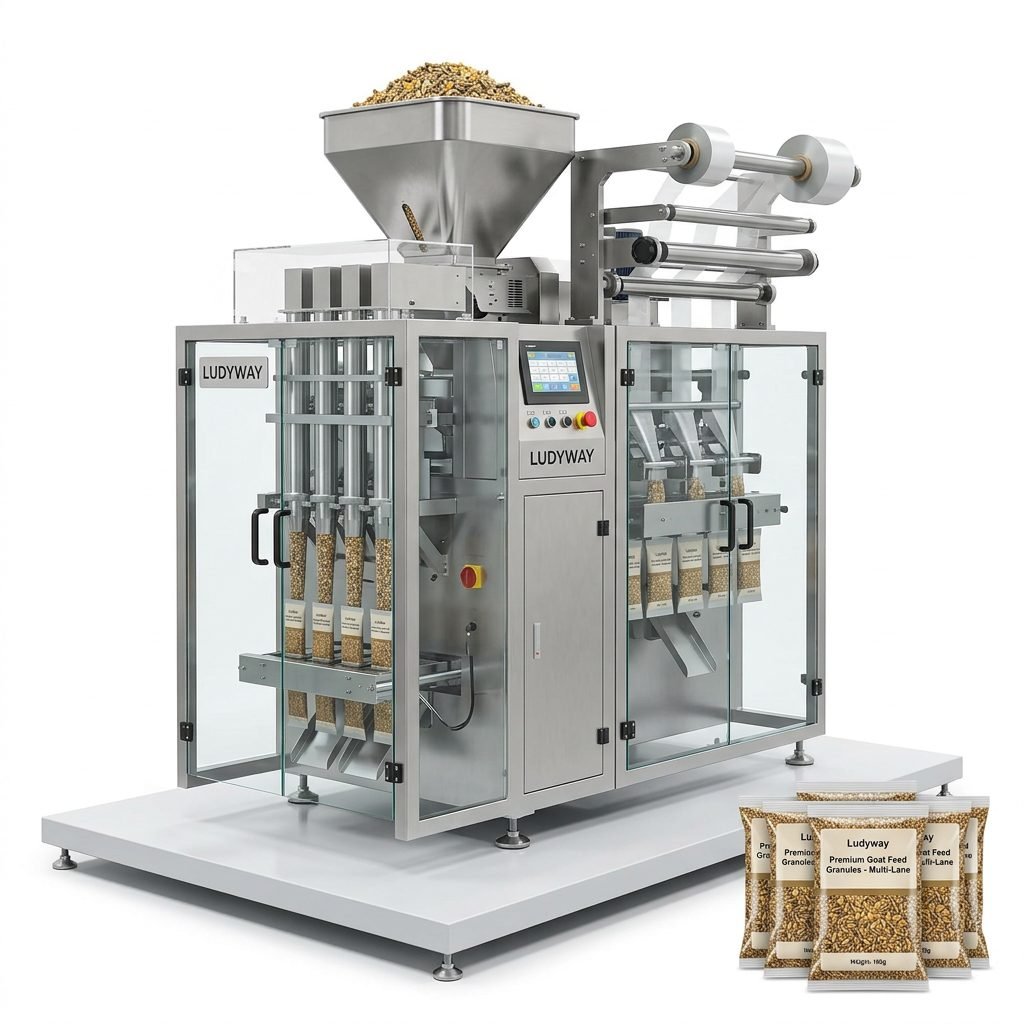
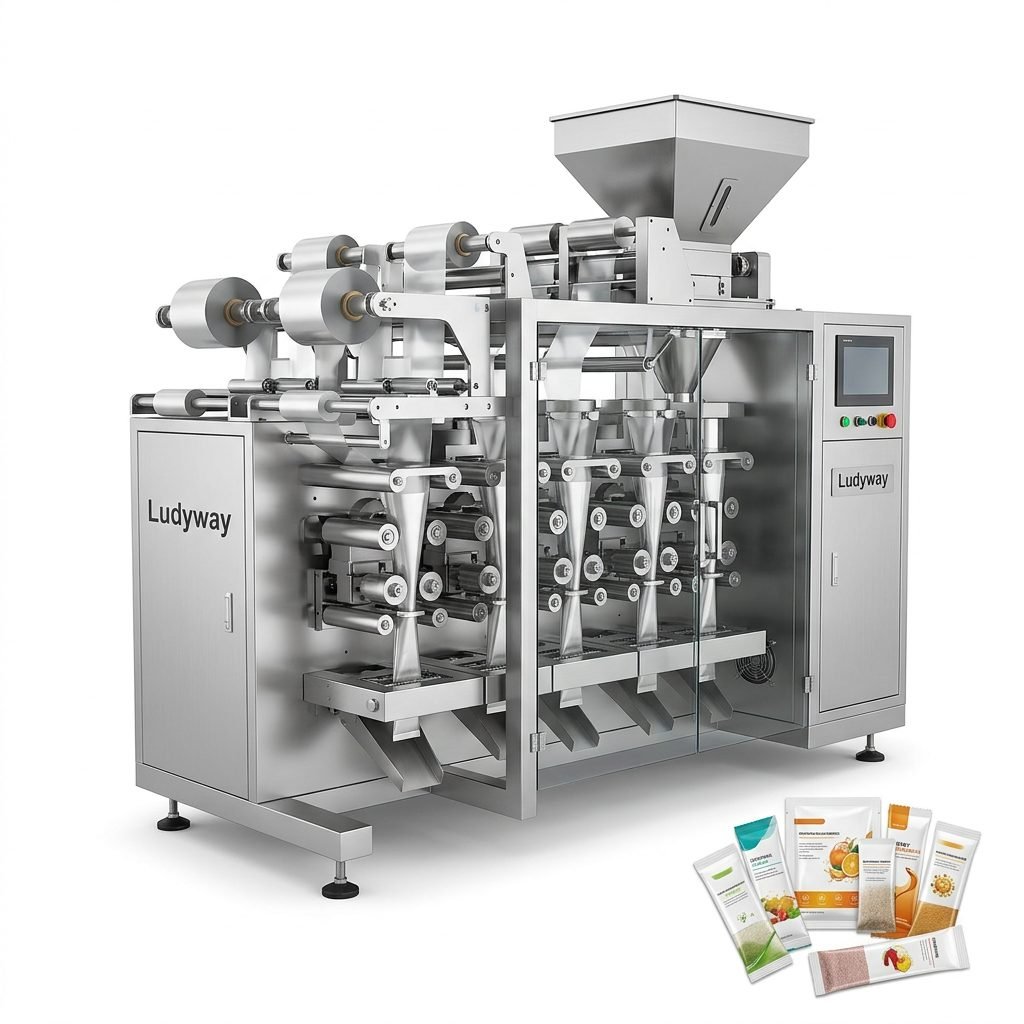
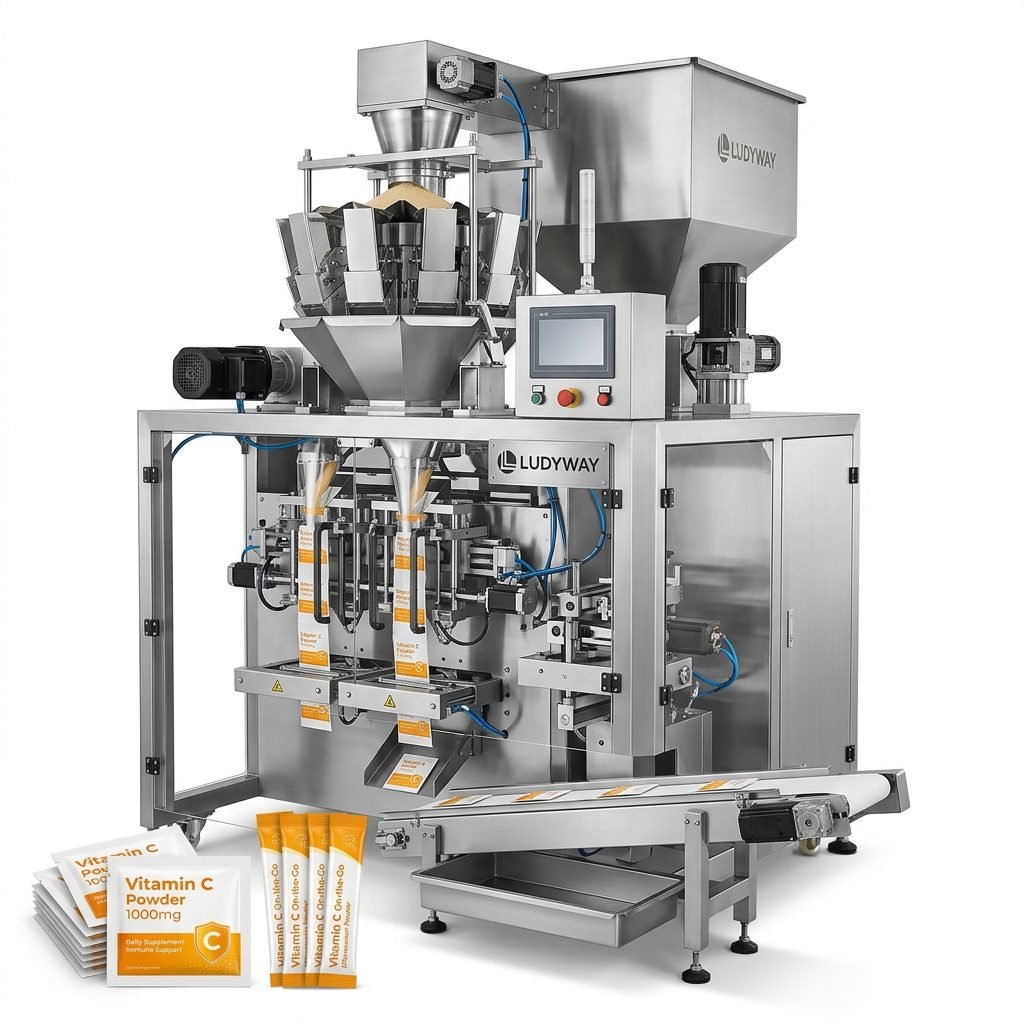
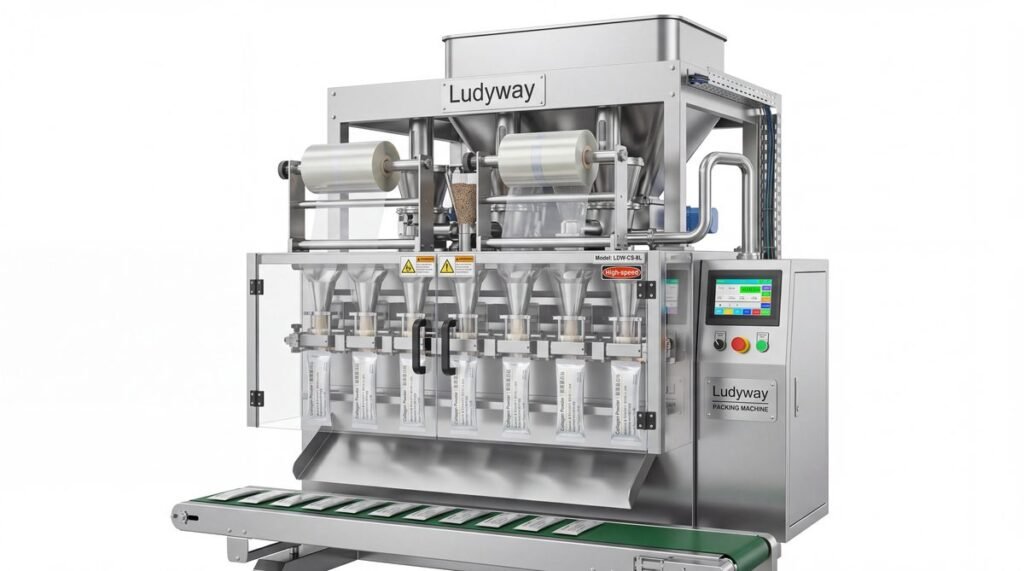
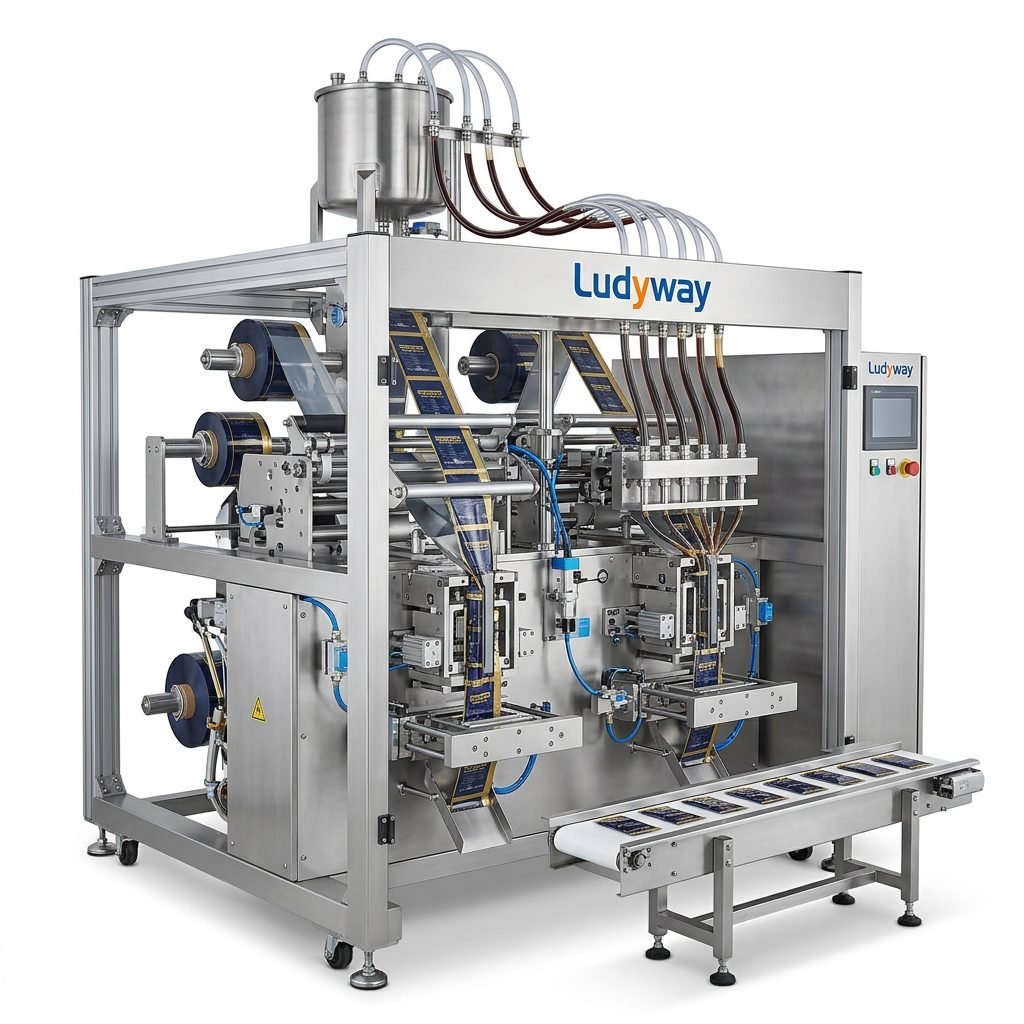
Improving filling accuracy is one of the fastest ways to reduce product giveaway, lower rejection rates, and build more consistent packaging quality. Whether you pack powders, granules, liquids, creams, or pouch-based products, precise filling depends on more than the filler alone. It is the result of correct machine setup, stable product flow, routine calibration, and smart line control.
If your line is showing weight variation, dripping, foaming, bridging, or inconsistent pouch volume, the good news is that many of these issues can be corrected with practical adjustments rather than a full equipment replacement.
Why Filling Accuracy Matters So Much
Poor filling precision can create a chain reaction across the entire packaging process. Even a small deviation repeated thousands of times per shift can lead to major losses.
- Overfilling increases raw material cost and reduces profit margin.
- Underfilling can cause compliance issues, customer complaints, and returned products.
- Inconsistent fills affect sealing quality, carton packing, and product appearance.
- Unstable output forces operators to slow down the line.
For food, pharmaceutical, nutraceutical, cosmetic, and chemical packaging, high accuracy is not just a quality goal—it is a critical operating standard.
Start with the Real Root Cause
Before adjusting settings, identify what is actually causing the inaccuracy. Many factories immediately blame the filling head, but the issue may come from the product itself, the feeding system, environmental conditions, or poor synchronization between machines.
Common causes include:
- Incorrect dosing method for the product type
- Inconsistent bulk density in powders or granules
- Product bridging inside hoppers
- Air bubbles or foaming in liquids
- Nozzle dripping or delayed cutoff
- Worn augers, pumps, seals, or valves
- Improper calibration of load cells or weighing systems
- Machine vibration from nearby equipment
- Temperature or humidity changes affecting material behavior
| Product Type | Typical Accuracy Challenge | Practical Fix |
|---|---|---|
| Powder | Density variation, dusting, auger inconsistency | Use stable feeding, agitator control, frequent calibration |
| Granules | Irregular flow, bounce, uneven weighing | Optimize vibration, gate timing, and feed speed |
| Liquids | Foaming, dripping, viscosity change | Match nozzle design and control fill speed in stages |
| Paste/Cream | Tail stringing, inconsistent discharge | Use anti-drip nozzle and maintain temperature stability |
Choose the Right Filling Principle
Accuracy improves significantly when the filling method matches the material. A mismatch between product and machine design often creates permanent instability.
Best-fit options by product:
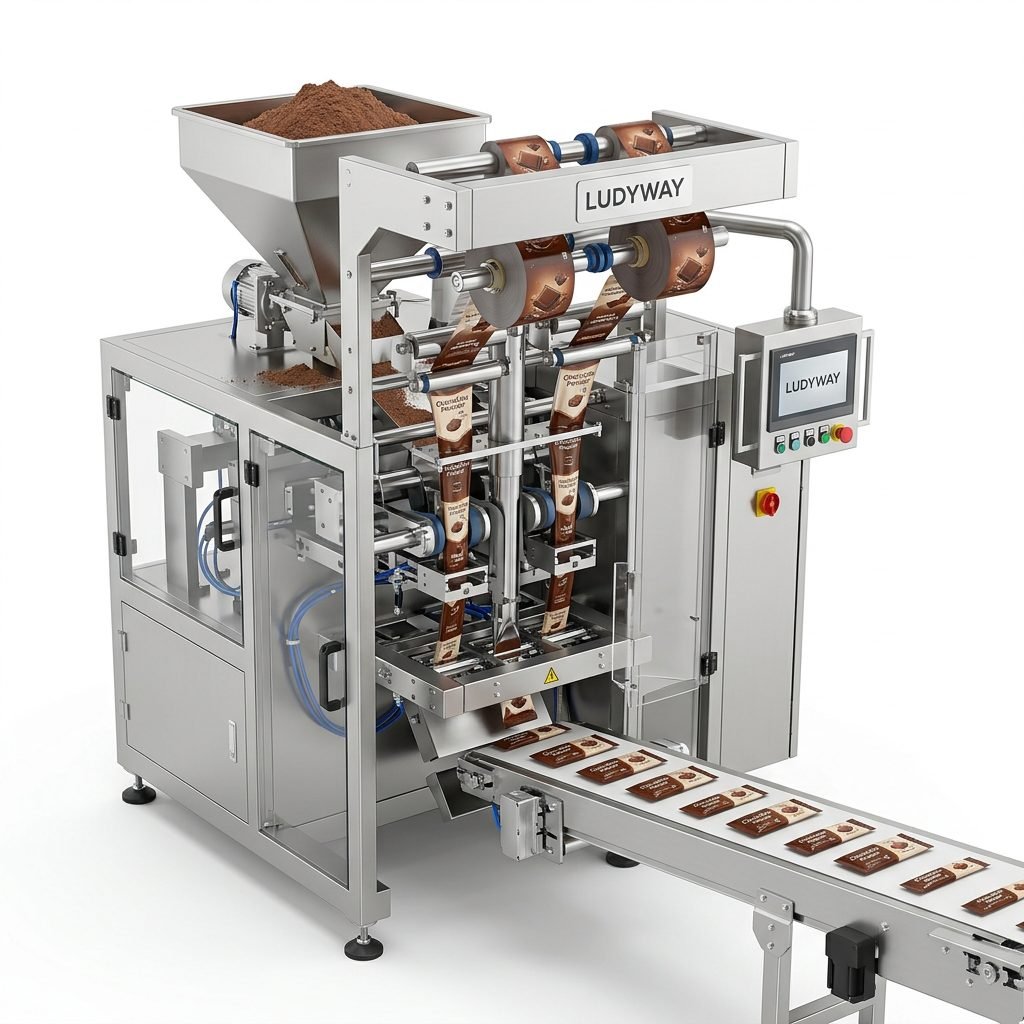
- Auger filling for fine powders such as milk powder, protein powder, and seasoning powder.
- Volumetric cup filling for free-flowing granules when speed is more important than ultra-tight tolerance.
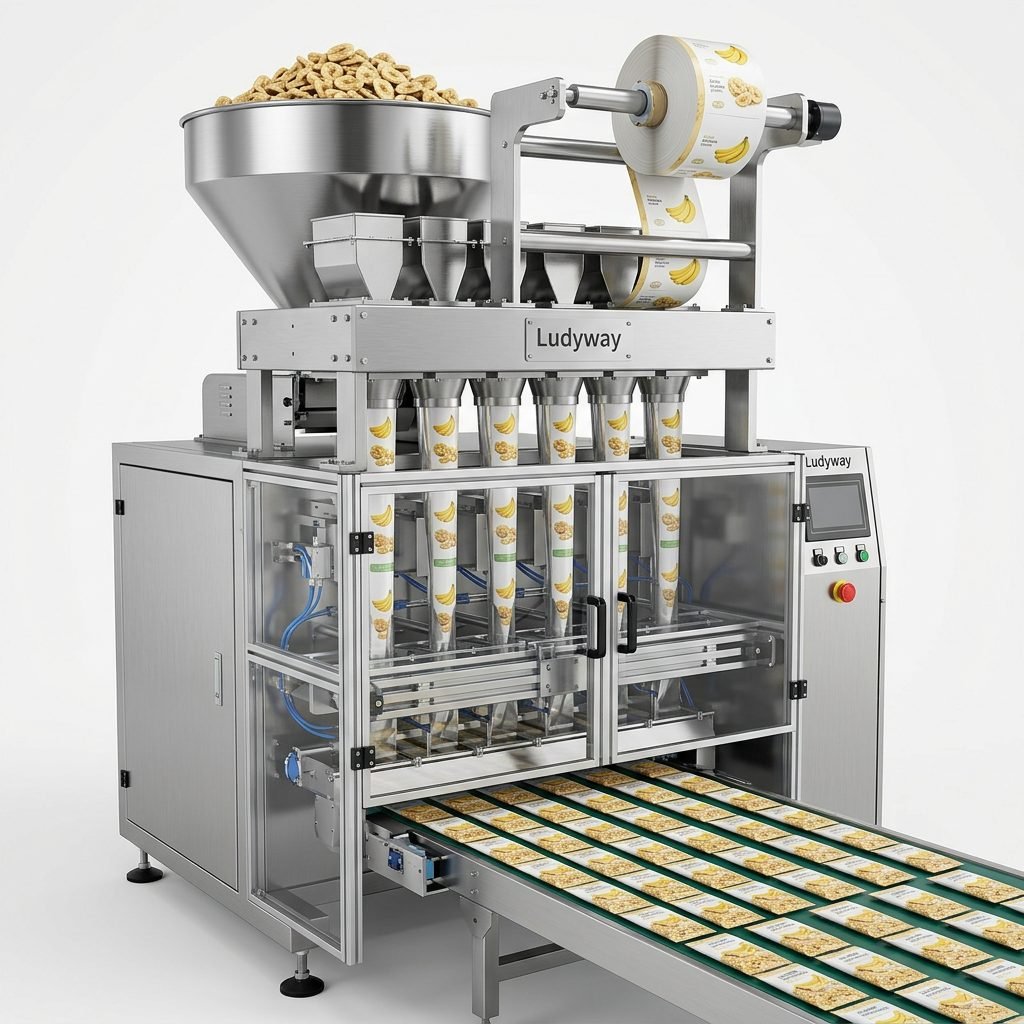
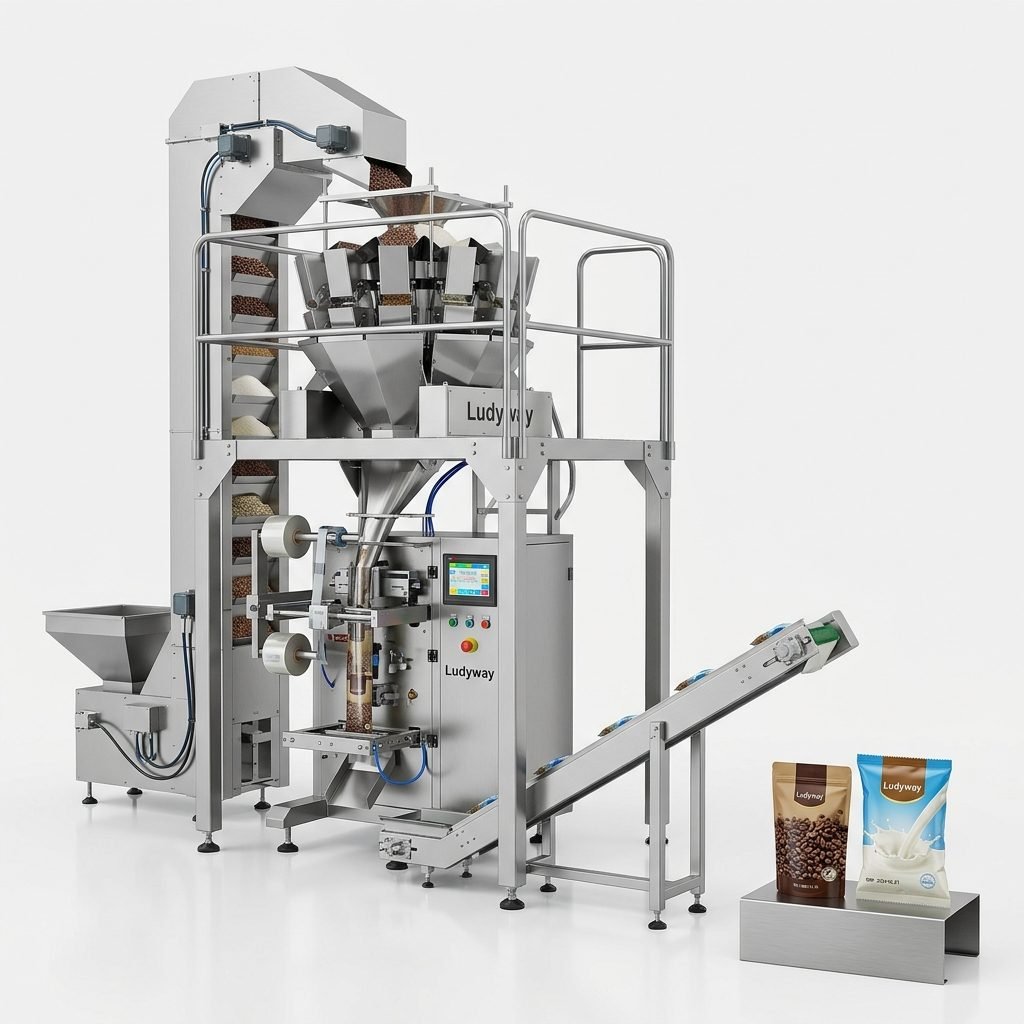
- Multihead or linear weighing for snacks, seeds, pet treats, and irregular granules.
- Piston filling for sauces, creams, gels, and viscous products.
- Pump or flowmeter filling for liquids that require controlled volume.
If the product has changed over time, such as new particle size, moisture level, or viscosity, your existing filler settings may no longer be appropriate.
Calibrate More Often, Not Just Once
One of the simplest ways to improve packaging precision is to calibrate at the right frequency. Calibration should not be treated as a one-time installation task. It should be part of normal production management.
A practical calibration routine includes:
- Calibration at the start of each shift
- Rechecking after product changeover
- Verification after maintenance or cleaning
- Spot checks during long production runs
- Recording actual fill data for trend analysis
Small drift is easy to miss in the first hour but expensive over a full day. Regular sampling and feedback corrections keep variation under control before it becomes a large-scale waste problem.
Stabilize Product Feeding into the Filler
Many filling problems begin before the product even reaches the dosing system. If feeding is uneven, the final package weight will also be uneven.
What to watch for:
- Hopper level fluctuating too much
- Powder rat-holing or bridging
- Granules separating by size during feeding
- Liquid surge due to poor tank level control
- Air entering the product line
A stable supply system may include agitators, level sensors, vibration assistance, screw feeders, buffer tanks, or pressure-controlled liquid transfer. The goal is to deliver a consistent material condition to the filler at all times.
Control Speed Without Sacrificing Precision
Running faster is not always more productive. If speed causes repeated fill errors, rejects, resealing, and rework, the actual output can drop.
A better strategy is to identify the highest stable speed instead of the theoretical maximum speed. Many manufacturers improve final efficiency by reducing line speed slightly while achieving tighter fill consistency and fewer stoppages.
| Adjustment Area | If Too Fast | Recommended Action |
|---|---|---|
| Powder auger speed | Over-rotation and inconsistent dosing | Tune coarse/fine fill steps |
| Liquid fill rate | Splashing, foam, nozzle drip | Use two-stage filling speed |
| Weigher feed vibration | Product bounce and unstable target weight | Reduce amplitude and improve timing |
| Indexing speed | Misalignment between fill and seal steps | Synchronize servo motion more precisely |
Use Checkweighers and Closed-Loop Feedback
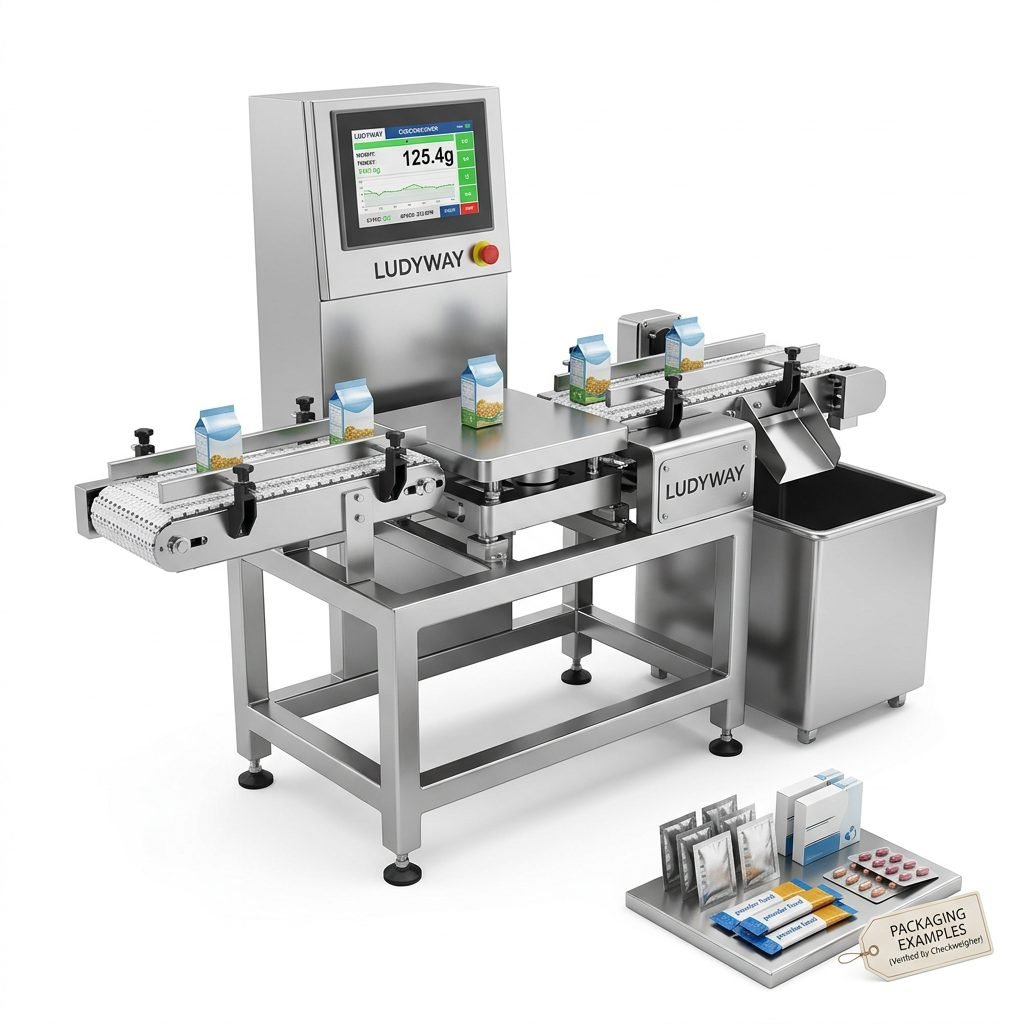
A modern way to maintain filling accuracy is to combine the filling machine with a checkweigher or inspection system. This creates a feedback loop that continuously monitors actual package weight and triggers corrections.
Benefits include:
- Early detection of drift
- Less manual sampling
- Improved batch consistency
- Better compliance records
- Lower giveaway over time
This is especially valuable in pharmaceutical, nutraceutical, and high-value food applications where tolerance control is stricter.
Pay Attention to Product Properties
The same machine can behave very differently with different materials. A powder that packs well in winter may become harder to control in humid summer conditions. A liquid with good flow at one temperature may become thicker at another.
Key product variables that affect accuracy:
- Moisture content
- Particle size distribution
- Bulk density
- Viscosity
- Foaming tendency
- Oil or fat content
- Static electricity behavior
If fill accuracy changes by season, the material condition may be the real reason. In that case, consider dehumidification, temperature control, hopper insulation, or product pre-conditioning.
Maintain Wear Parts Before Accuracy Drops
Fill variation often rises gradually as components wear out. Operators may compensate through settings, but the real solution is preventive maintenance.
Parts to inspect regularly:
- Augers and screws
- Piston seals
- Valves and nozzles
- Load cells
- Bearings and bushings
- Servo couplings
- Cutoff mechanisms
- Feed gates and vibratory trays
Keeping a maintenance log helps you link fill deviation to specific part life cycles. This makes troubleshooting faster and avoids unnecessary downtime.
Train Operators to Recognize Early Warning Signs
Even the best machine will underperform if operators only respond after defects become obvious. Operator training should focus on pattern recognition, not just button operation.
Signs that accuracy is starting to drift:
- Frequent minor weight adjustment requests
- More product dust around the filler
- Visible nozzle drips or tails
- Seal contamination near the fill zone
- Product buildup in hoppers or funnels
- Checkweigher rejection rate trending upward
A trained operator can often correct a developing issue in minutes. Without training, the same issue may continue through an entire batch.
Reduce Vibration and Environmental Interference
Filling and weighing systems are sensitive to mechanical and environmental disturbance. If the machine is installed near stamping equipment, heavy conveyors, unstable floors, or air drafts, measurement precision may be affected.
Helpful actions include:
- Installing anti-vibration supports
- Separating weighing modules from high-impact machinery
- Improving floor stability
- Limiting strong airflow around lightweight products
- Protecting electronic measurement systems from dust and moisture
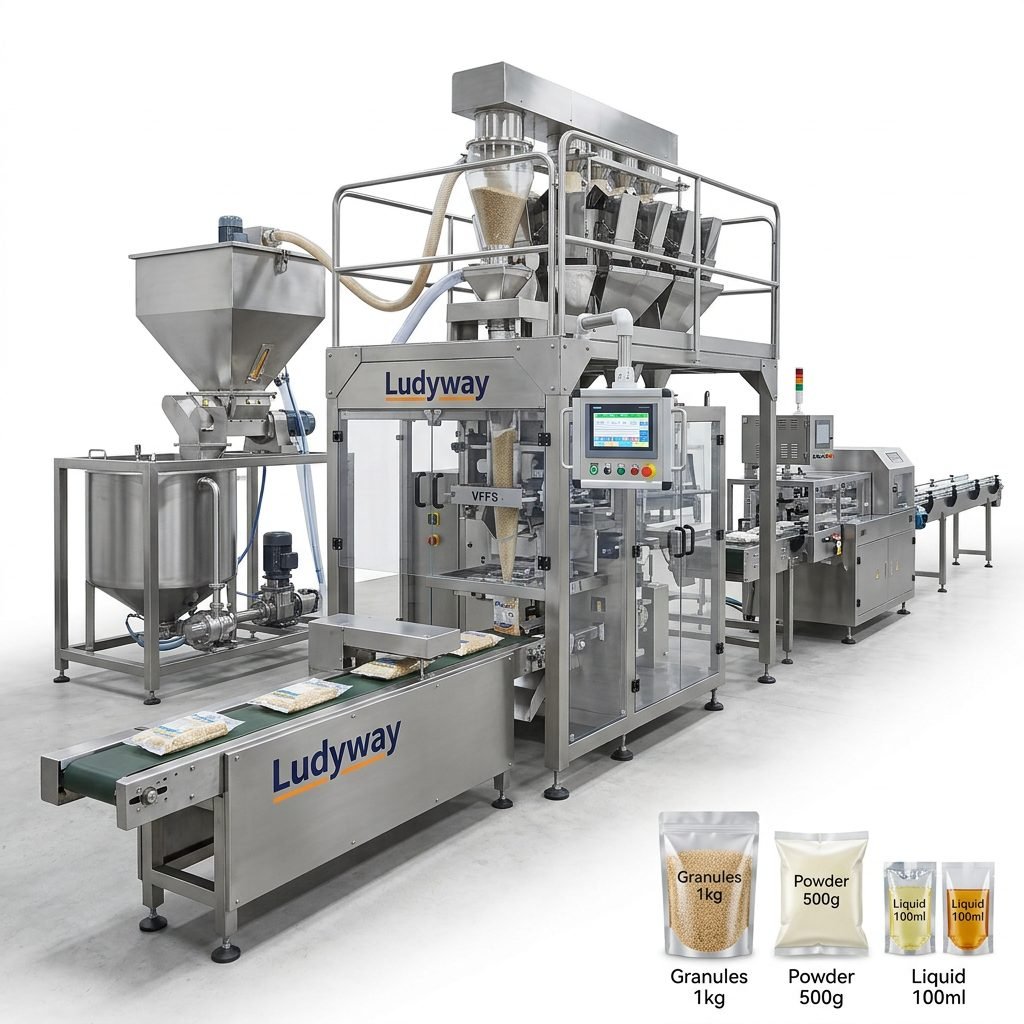
Optimize the Entire Packaging Line, Not Just One Machine
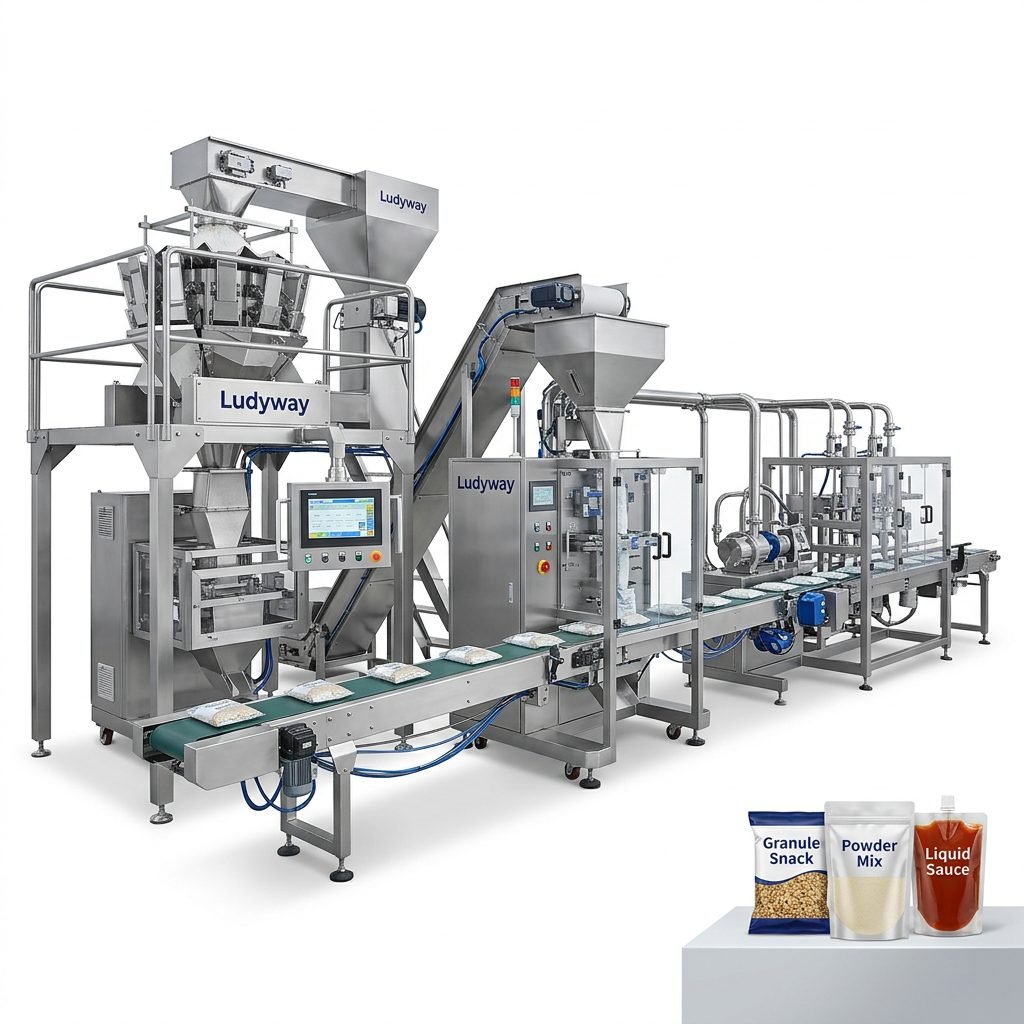
A filler may be accurate on its own but still produce inconsistency within a line if upstream and downstream equipment are poorly synchronized. Feeding, pouch opening, indexing, sealing, printing, checkweighing, and discharge all affect the final result.
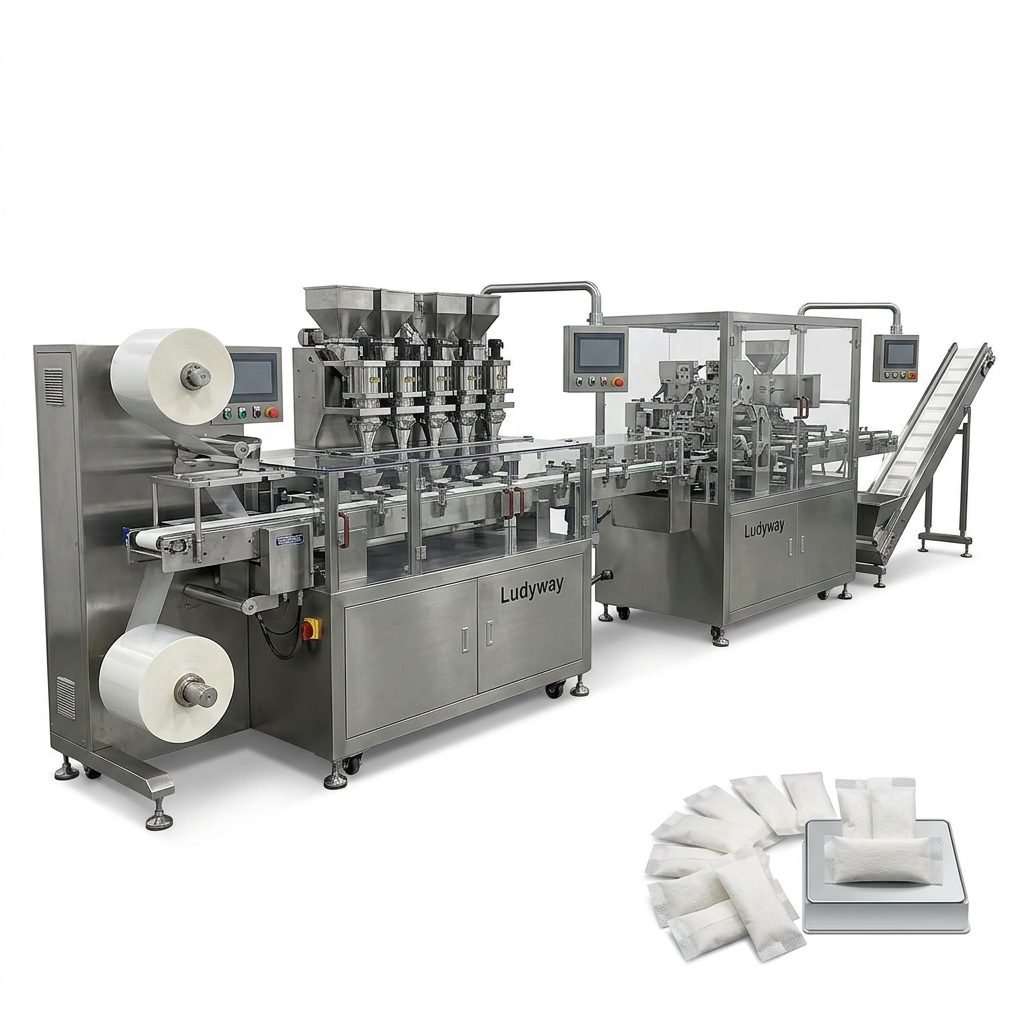
For companies scaling output or managing multiple SKUs, integrated line design can significantly improve repeatability. Manufacturers looking for complete systems often evaluate solutions from Ludyway packaging machine manufacturer when they need filling, sealing, weighing, and turnkey packaging line coordination in one project.
Quick Troubleshooting Checklist
| Problem | Likely Cause | First Action |
|---|---|---|
| Packages are overweight | Calibration drift or overly aggressive fill setting | Recalibrate and reduce fine-fill output |
| Packages are underweight | Insufficient feed, product bridging, timing issue | Check hopper flow and feed timing |
| Fill result is unstable | Variable product density or vibration interference | Stabilize environment and product feed |
| Liquid dripping after fill | Poor cutoff or nozzle wear | Inspect nozzle, valve, and suck-back setting |
| Powder seal contamination | Dusting, turbulence, or poor drop path | Improve dust control and nozzle alignment |
Best Practices for Long-Term Packaging Precision
- Match the filler type to the exact product behavior.
- Standardize setup parameters for each SKU.
- Use real production data instead of guessing adjustments.
- Perform preventive maintenance on wear parts.
- Train operators to react before rejects rise.
- Add feedback control through checkweighers or smart monitoring.
- Review the full line when recurring variation persists.
When to Upgrade Your Filling System
If you have already improved calibration, maintenance, product feeding, and operator control but still cannot achieve required tolerance, your current machine may simply be the wrong fit for the application.
An upgrade is worth considering when:
- Your rejection rate remains consistently high
- Product giveaway is affecting margin
- You frequently change products with different flow behavior
- Manual adjustment is needed too often
- Compliance requirements have become stricter
- Your production speed has outgrown the original machine design
In many cases, better filling accuracy comes from combining the right dosing technology with a more integrated automation approach. That creates a more repeatable process, not just a faster one.