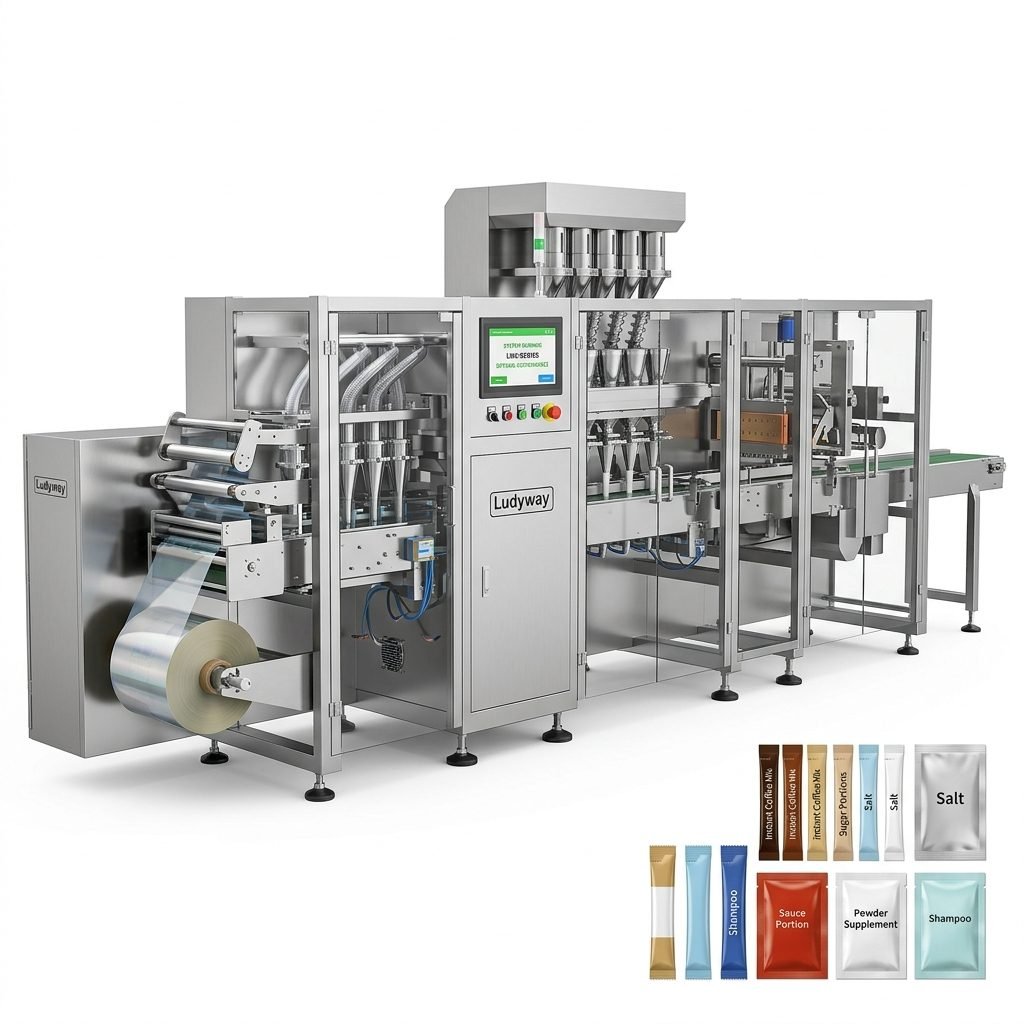
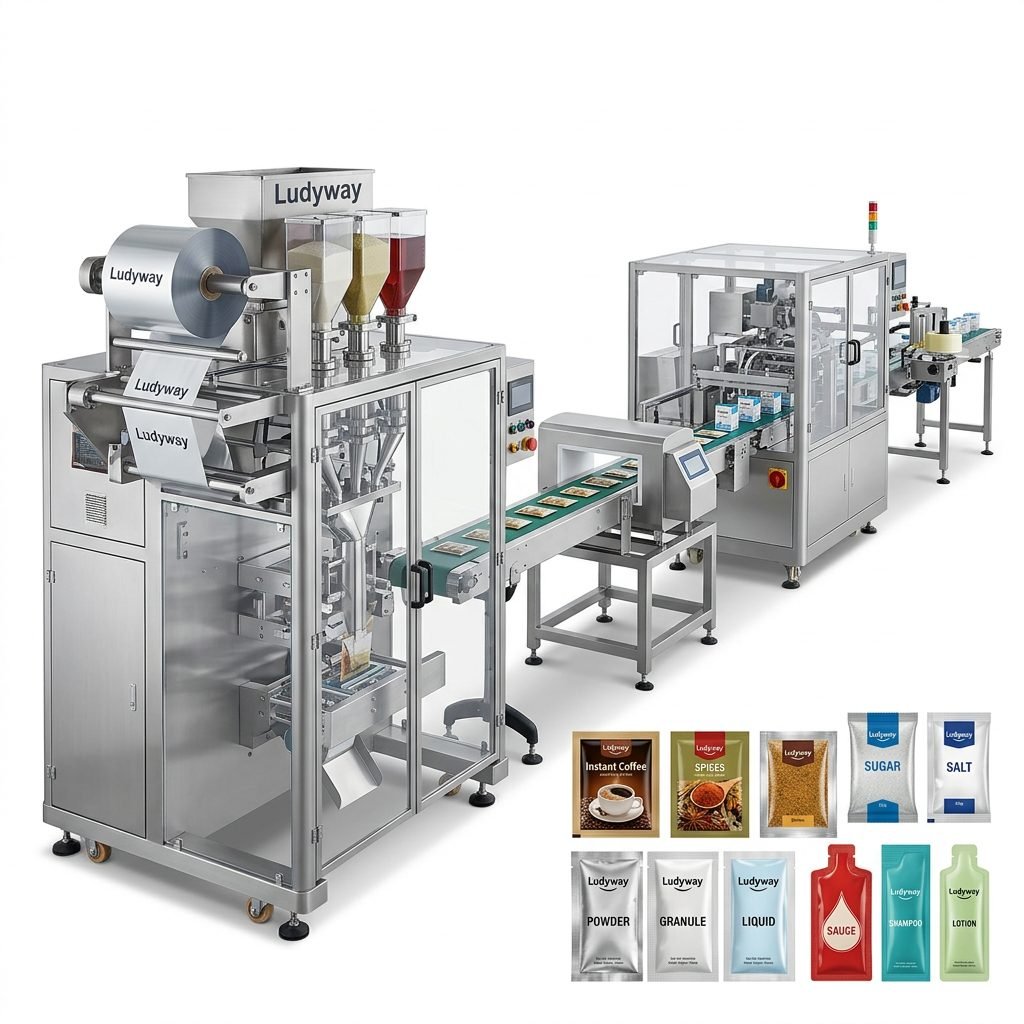
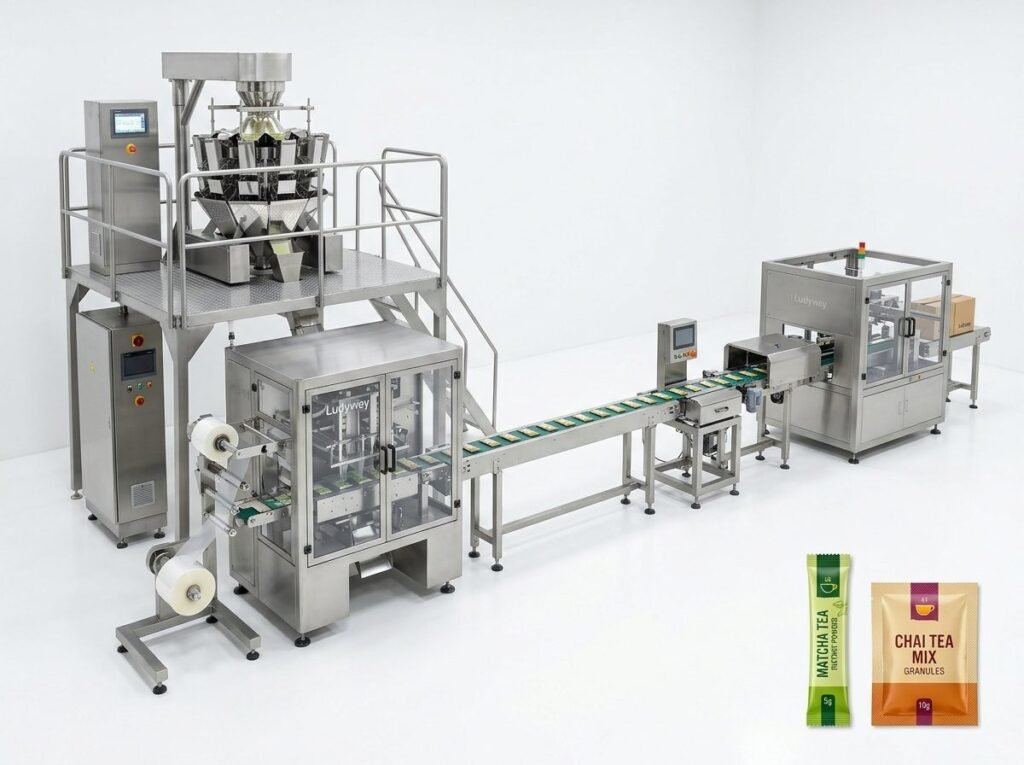
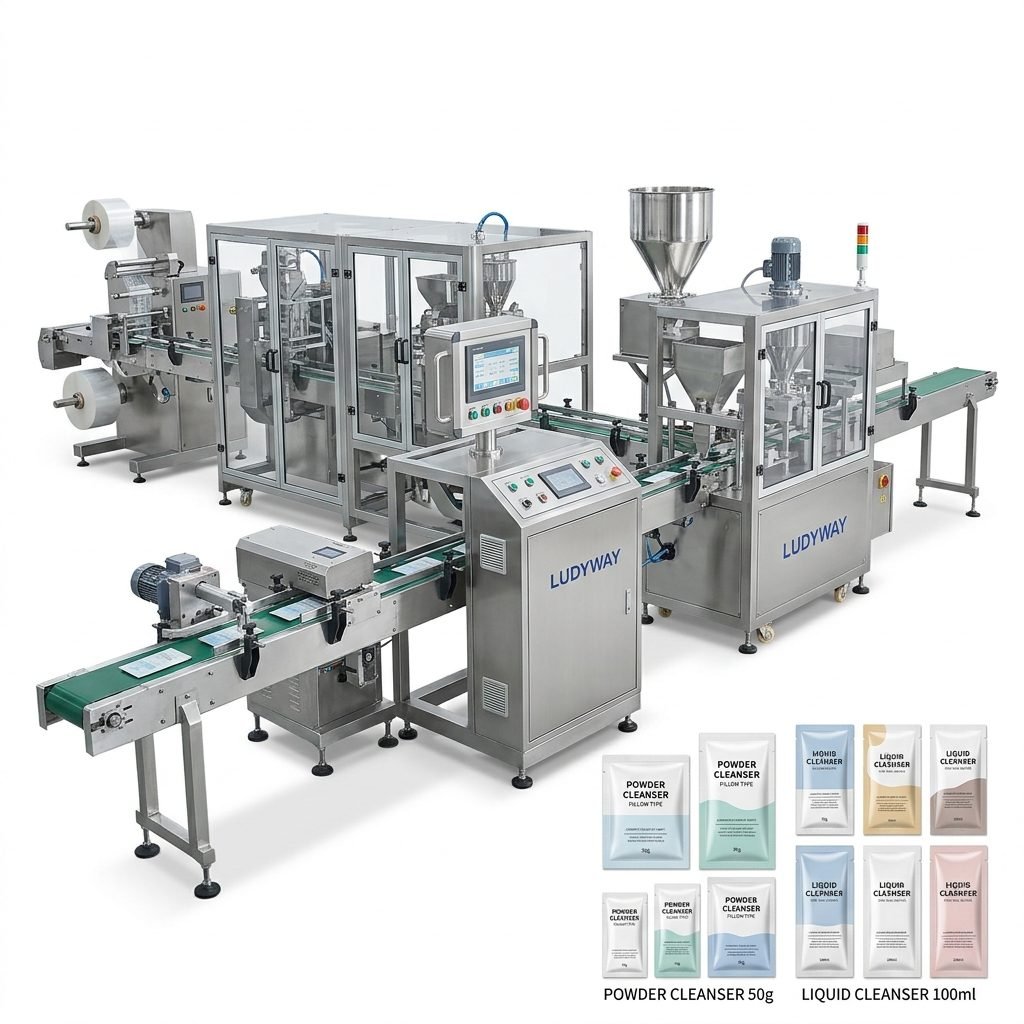
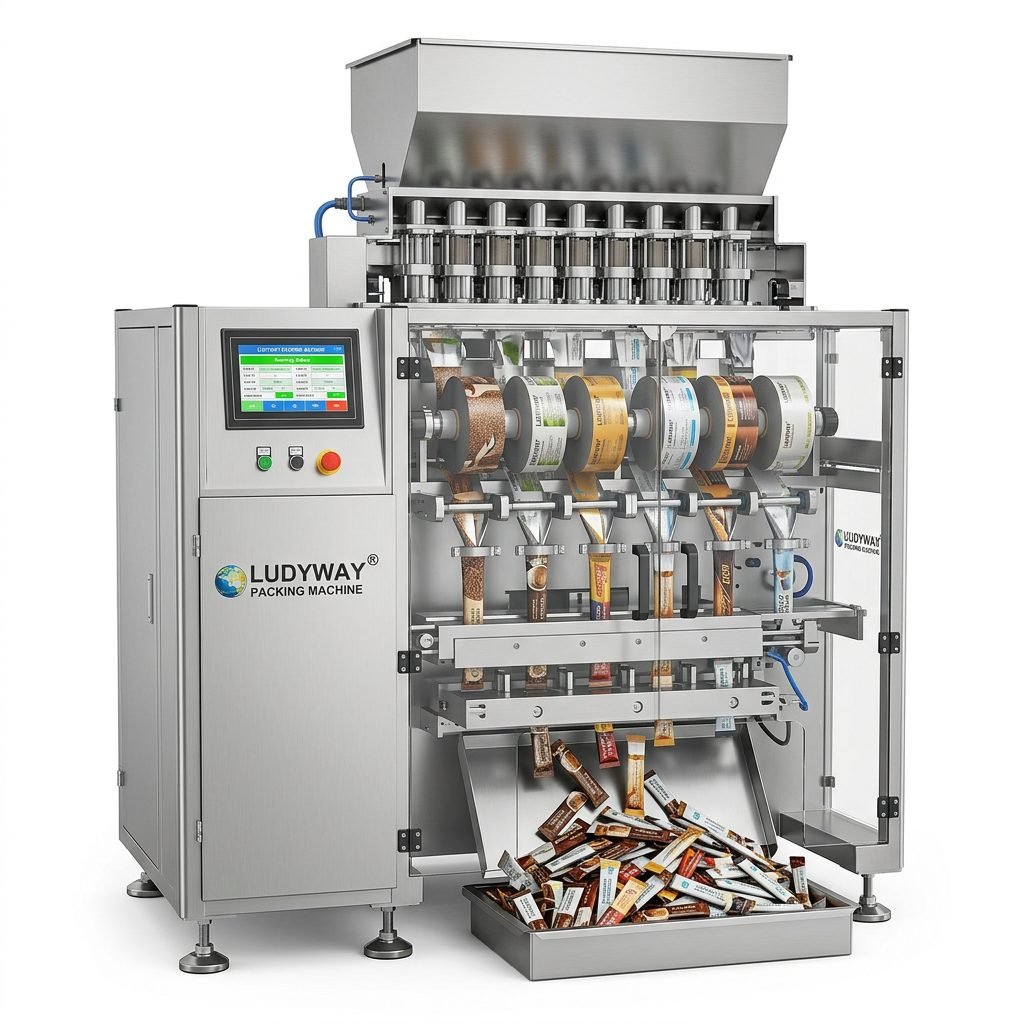
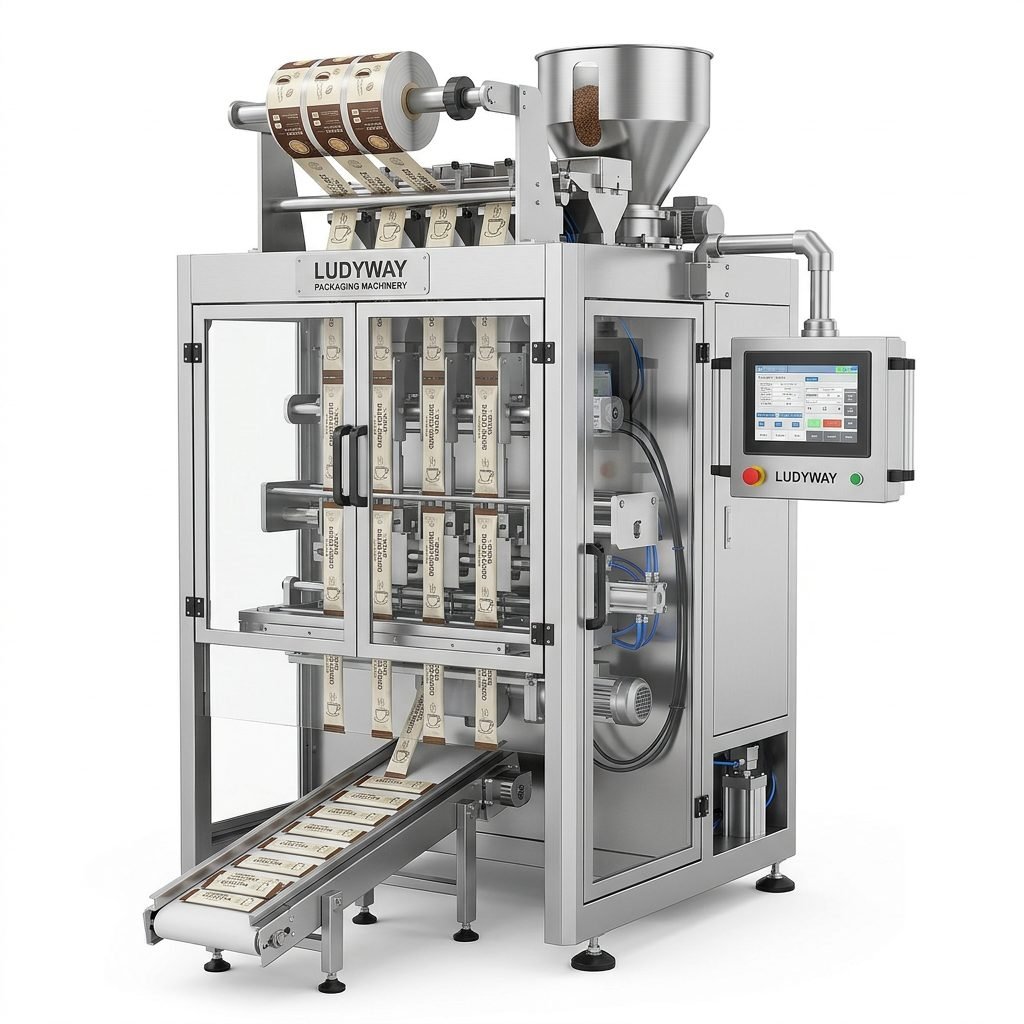
Pouch packaging machine speed is one of the first questions buyers ask when planning a new line or upgrading an existing one. The short answer is simple: a pouch packaging machine can run anywhere from around 20 pouches per minute to well over 300 pouches per minute, depending on machine type, pouch format, product characteristics, filling system, sealing requirements, and the overall packaging line setup.
However, the fastest machine on paper is not always the most productive machine in real production. True output depends on how consistently the machine runs, how often it stops, and whether upstream feeding and downstream cartoning or case packing can keep pace.
Typical pouch packaging machine speed ranges
Below is a practical speed guide for common pouch packaging applications. Actual results vary by product and pouch size, but these ranges help set realistic expectations.
| Machine / Application Type | Typical Speed | Notes |
|---|---|---|
| Single-lane sachet or pouch machine | 20–80 ppm | Suitable for moderate output and flexible changeovers |
| Premade pouch fill-seal machine | 30–120 ppm | Common for stand-up pouches, zipper pouches, and specialty shapes |
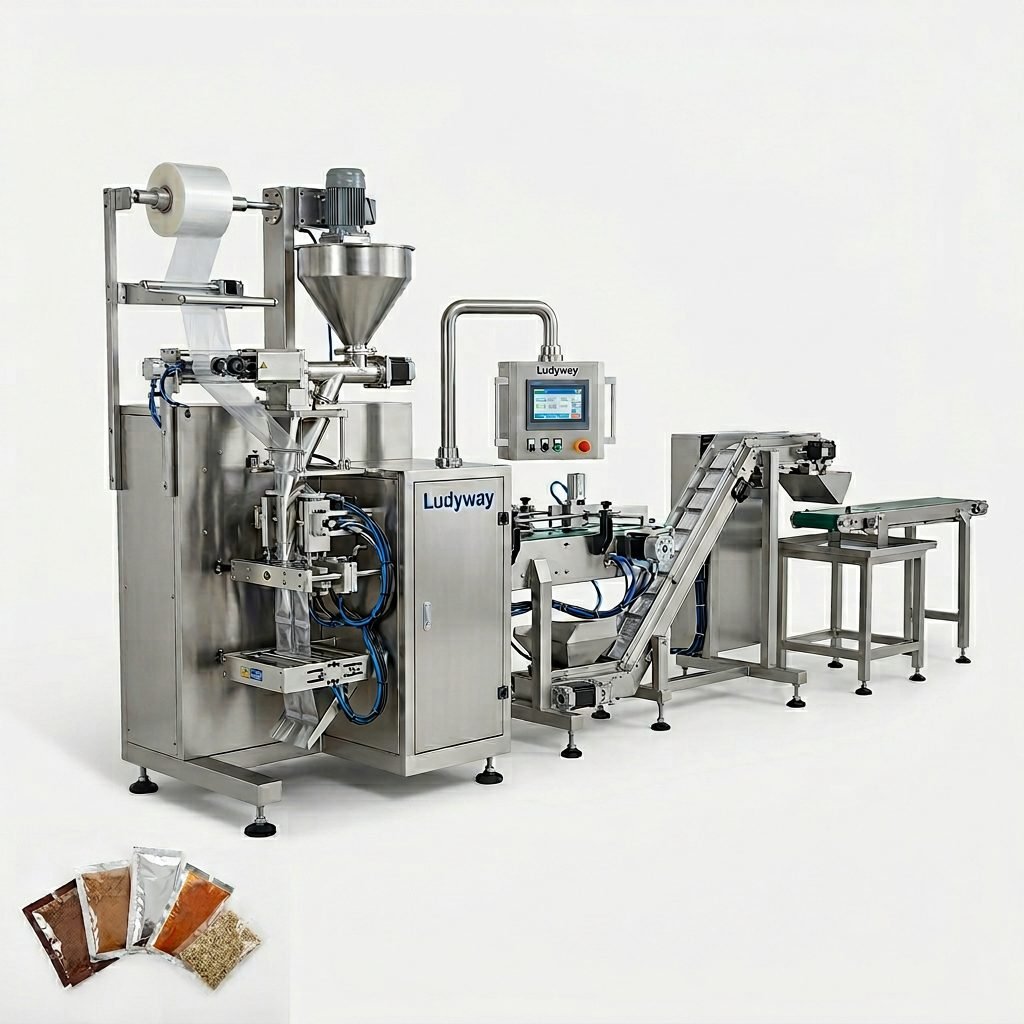
| Form-fill-seal pouch machine | 40–150 ppm | Creates pouch from roll film and fills in one process |
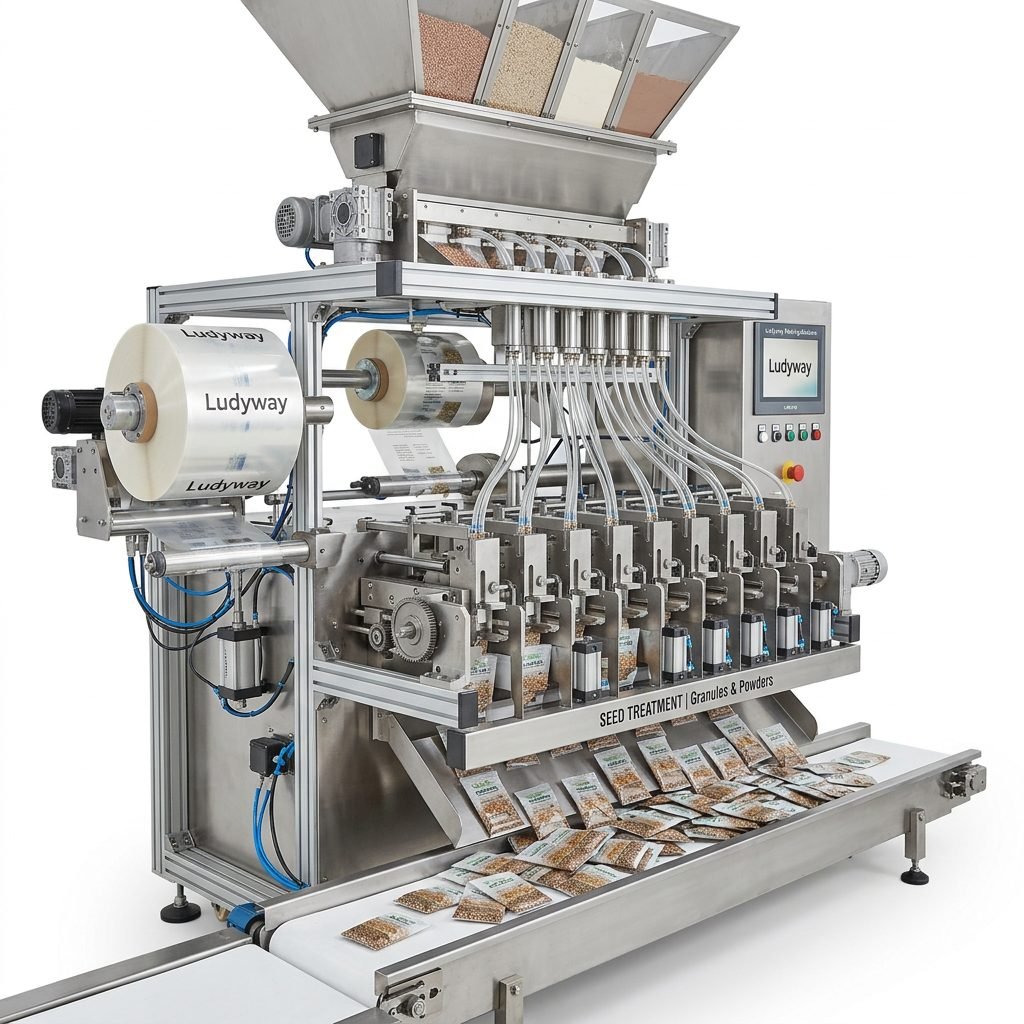
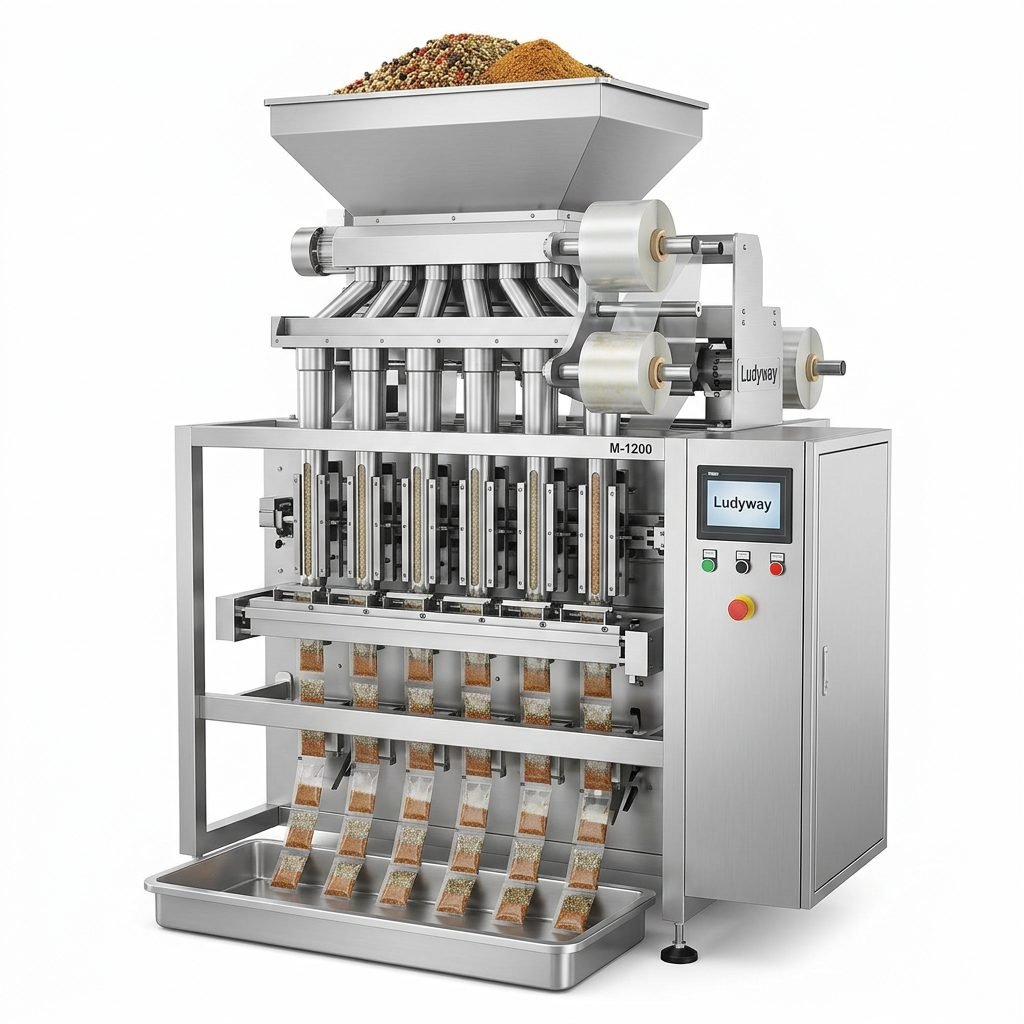
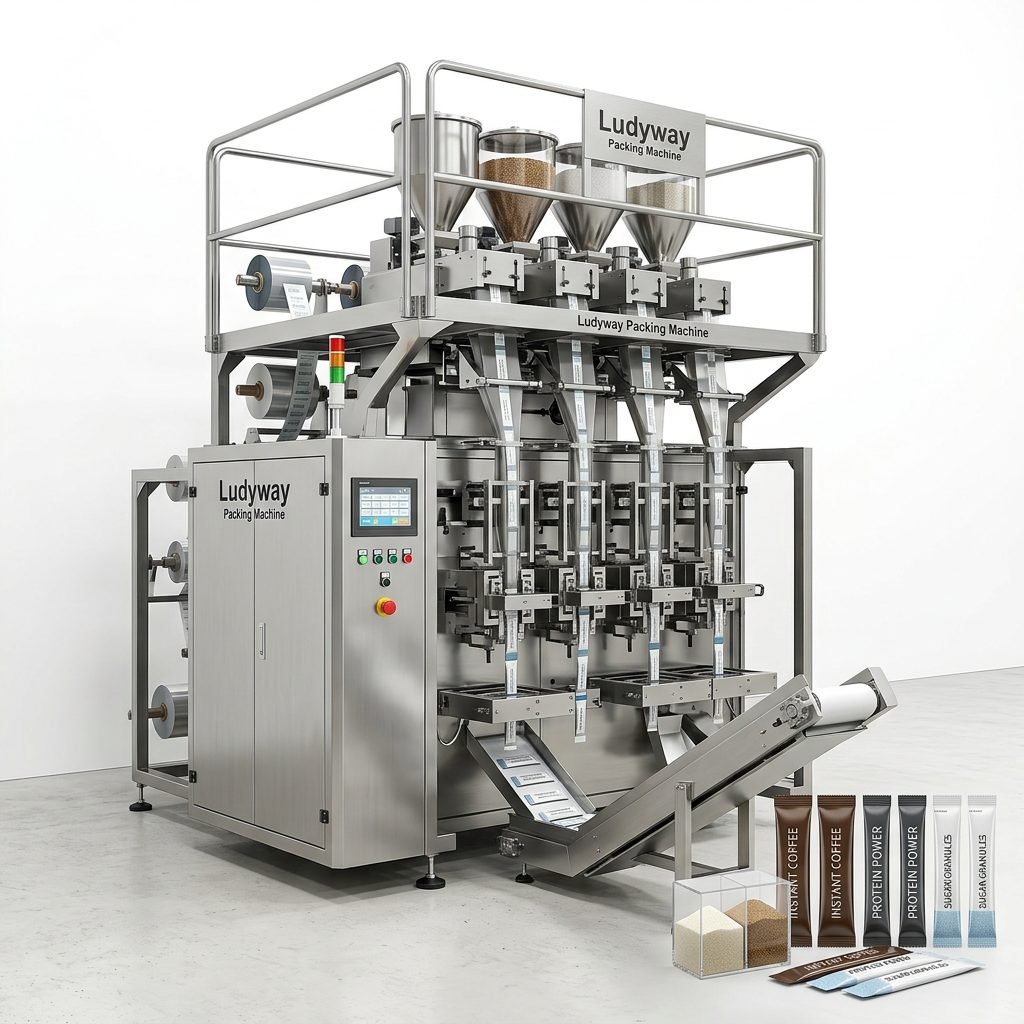
| Multi-lane stick pack or small pouch machine | 150–400+ ppm | High output for powders, granules, liquids, and small-dose products |
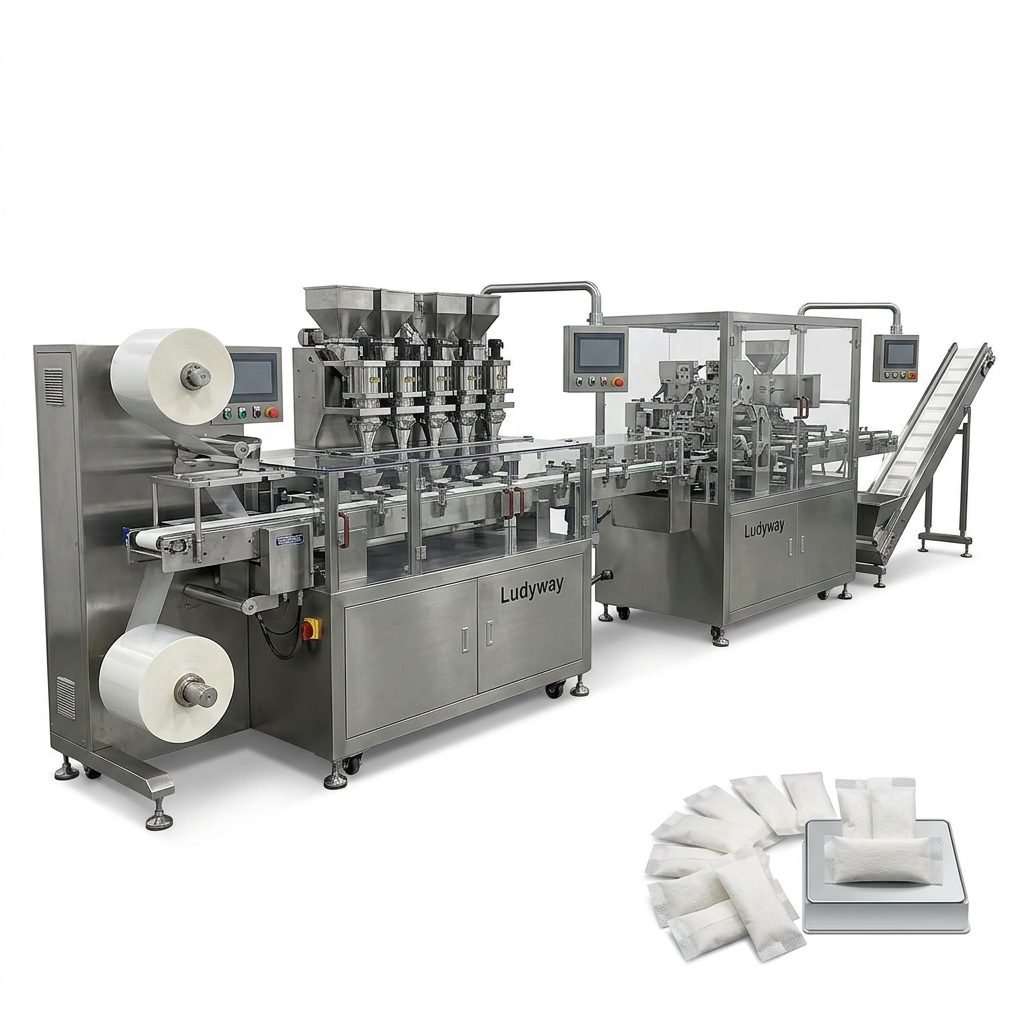
| Nicotine pouch packaging line | Varies widely by lane count and automation level | Includes filling, sealing, counting, cartoning, and case packing |
If your product uses a small-format pouch or stick pack, multi-lane systems can deliver the highest throughput. If you use larger premade pouches with zippers, spouts, or shaped profiles, machine speed is usually lower but packaging appearance and functionality improve.
What “fast” really means in pouch packaging
When comparing machines, it is important to separate three different numbers:
- Mechanical speed: the maximum rate under ideal conditions
- Operating speed: the speed normally achieved during stable production
- Net productivity: the finished, accepted output after stops, rejects, changeovers, and maintenance
For example, a machine rated at 120 pouches per minute may only average 90–100 ppm across a full shift if the product is dusty, sealing temperatures need adjustment, or the operator frequently pauses for film alignment or feeding corrections.
A better metric: pouches per shift
Instead of focusing only on peak speed, buyers should calculate total pouches per hour and per shift. A machine with slightly lower speed but better stability can often produce more usable output by the end of the day.
Main factors that affect pouch packaging speed
1. Pouch size and shape
Small pouches are generally easier to run at high speed, especially in multi-lane systems. Larger pouches take more film, longer sealing time, and often slower material handling. Specialty pouch formats such as zipper pouches, spouted pouches, or irregular shapes also reduce speed because they require more precise positioning and sealing.
2. Product type
The product inside the pouch has a major impact on speed:
- Powders may create dust and affect sealing quality
- Granules can bridge or feed unevenly
- Liquids and pastes need controlled filling and anti-drip performance
- Sticky or foaming products often require slower filling cycles
This is why two machines with the same model can perform very differently when running coffee powder, protein powder, detergent, cream, or nicotine pouch materials.
3. Filling accuracy requirements
Higher speed must never come at the expense of dosage accuracy. In pharmaceutical, nutraceutical, and premium consumer goods packaging, strict filling tolerance is critical. If your application requires high precision, the machine may need a slower but more controlled filling cycle.
In many industries, the best machine is not the one with the highest speed, but the one with the best balance of speed, accuracy, and sealing quality.
4. Sealing time and seal integrity
Seal strength is essential for pouch quality, shelf life, and product safety. Faster speeds reduce the available dwell time for sealing jaws. If the film structure is thick, laminated, or heat-sensitive, the machine may need additional sealing time, which lowers output.
5. Packaging film quality
Film consistency plays a surprisingly large role in line performance. Poor film tracking, variable thickness, or low-quality heat-seal layers can lead to wrinkles, misalignment, seal failures, or increased rejects. Good film often allows faster and more stable running.
6. Automation level of the full line
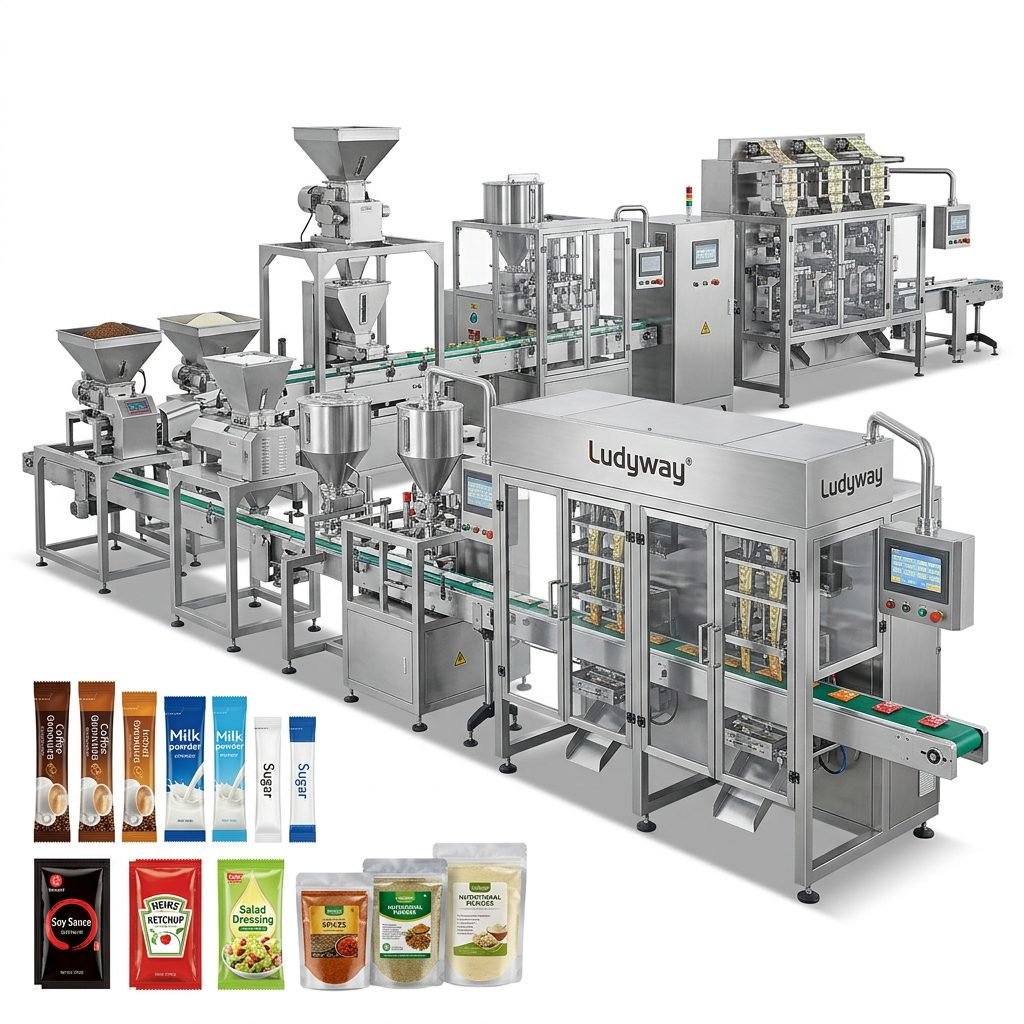
A pouch machine does not work alone. Feeding, counting, coding, inspection, cartoning, checkweighing, case packing, and palletizing all influence actual line speed. If downstream equipment is slower than the pouch machine, total productivity will be limited by that bottleneck.
7. Changeover frequency
Factories that switch between pouch sizes, SKUs, or formulations several times per day often lose more output to changeover than to machine running speed. Tool-free adjustment, recipe memory, and servo control can significantly improve daily productivity.
8. Operator skill and maintenance quality
Even advanced equipment depends on proper setup and preventive maintenance. Well-trained operators can maintain film tension, monitor sealing, and solve small issues before they create downtime. Regular maintenance keeps moving parts stable and preserves consistent high-speed performance.
Speed by pouch packaging application
Different industries often have different expectations for speed because their packaging priorities are not the same.
| Industry | Common Priority | Speed Impact |
|---|---|---|
| Food | Output, freshness, seal quality | Often supports medium to high speed |
| Pharmaceutical | Accuracy, traceability, compliance | May run slower for validation and precision |
| Cosmetics | Appearance, clean filling, leak prevention | Moderate to high depending on viscosity |
| Chemical | Material compatibility, dust or corrosion control | Speed depends heavily on product behavior |
| Nicotine pouch | Consistency, counting, automation integration | Usually benefits from multi-lane high-speed design |
How to improve pouch packaging productivity
If your goal is higher throughput, focus on the whole system rather than only machine headline speed.
- Match the machine to the product. The right filling and sealing design matters more than just a bigger motor or faster servo.
- Use stable packaging materials. High-quality film reduces tracking and sealing issues.
- Reduce unplanned downtime. Inspection, preventive maintenance, and operator training directly increase net output.
- Optimize changeovers. Recipe-based settings and modular tooling shorten transition time.
- Balance the full line. Conveyors, coding, cartoning, and case packing must keep up with the main pouch machine.
- Track OEE and reject rates. Measuring real productivity reveals where the hidden losses are.
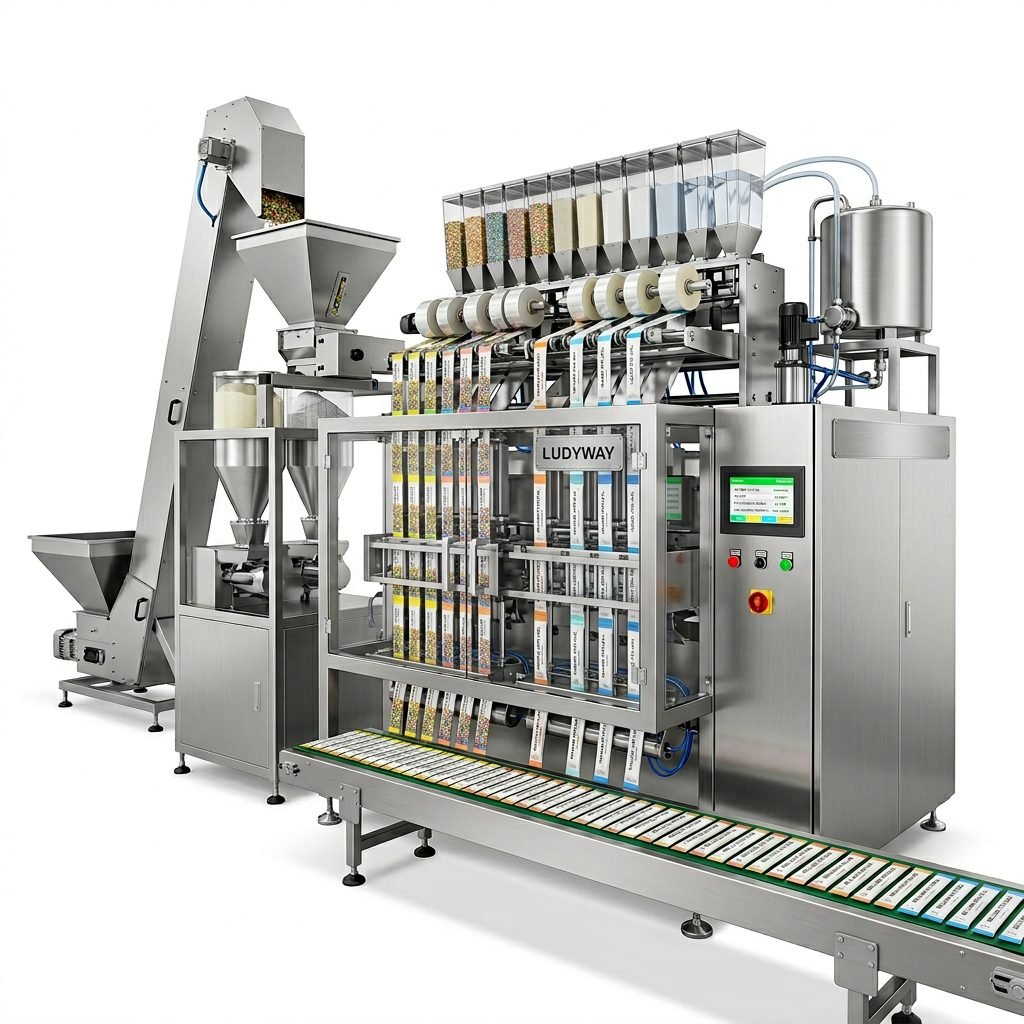
Single-lane vs multi-lane: which is faster?
In terms of total output, multi-lane pouch packaging machines are generally much faster because they produce several pouches at the same time. They are ideal for small-dose products such as powders, supplements, seasonings, drink mixes, and nicotine-related pouch applications.
Single-lane machines, meanwhile, may be more suitable when:
- You run larger pouch sizes
- You need frequent product changes
- Your SKUs require more flexibility
- You want a lower initial investment
So while multi-lane systems win on maximum throughput, single-lane solutions can still deliver better operational value in certain factories.
How to choose the right speed for your factory
The ideal speed depends on your production target, labor cost, SKU count, floor space, and budget. Ask these questions before buying:
- How many finished pouches do you need per shift?
- How many product variations do you run each week?
- What filling accuracy is required?
- Is your product free-flowing, sticky, dusty, or fragile?
- Will the line include coding, inspection, cartoning, and palletizing?
- Do you need room for future capacity expansion?
Buyers that answer these questions clearly are far more likely to choose a machine that performs well in real operation, not just in a showroom demonstration.
A practical example
Suppose a factory needs 150,000 small pouches per 8-hour shift. A machine rated at 350 ppm may seem ideal, but if actual running efficiency is 65%, the net result is very different. A better integrated machine line running at 250 ppm with higher uptime and fewer rejects might deliver equal or better daily output with lower maintenance pressure.
Why integrated line design matters
High pouch packaging speed is most effective when the equipment is part of a coordinated system. This is why many buyers prefer suppliers that can support not only standalone pouch machines, but also feeding, conveying, coding, inspection, end-of-line packing, and turnkey integration.
For businesses evaluating complete solutions, Ludyway pouch packaging machine solutions are often considered for food, pharmaceutical, health supplement, and pouch-based automation projects requiring scalable output and system integration.
Frequently asked questions
Is a faster pouch machine always better?
No. If high speed causes more rejects, inconsistent filling, seal failures, or frequent downtime, total productivity may drop. Reliable output matters more than peak speed alone.
What is the fastest type of pouch packaging machine?
For small-format sachets and stick packs, multi-lane machines are usually the fastest option, especially in powder, granule, and certain liquid applications.
How can I estimate real production output?
Use this basic formula: rated speed × operating efficiency × available running time. Then subtract rejects and planned stoppages for a more realistic number.
What causes pouch machine speed loss most often?
Common causes include poor product feeding, unstable film, weak sealing, inaccurate dosing, changeovers, maintenance issues, and mismatched downstream equipment.
Final takeaway
A pouch packaging machine can run from tens of pouches per minute to several hundred per minute, but the right speed depends on much more than the machine specification sheet. Product type, pouch design, filling accuracy, film quality, seal requirements, and full-line coordination all affect actual output.
If you want higher productivity, focus on stable real-world performance, not only maximum advertised speed. The best pouch packaging solution is the one that consistently delivers quality pouches, low downtime, and strong shift-level output for your specific application.