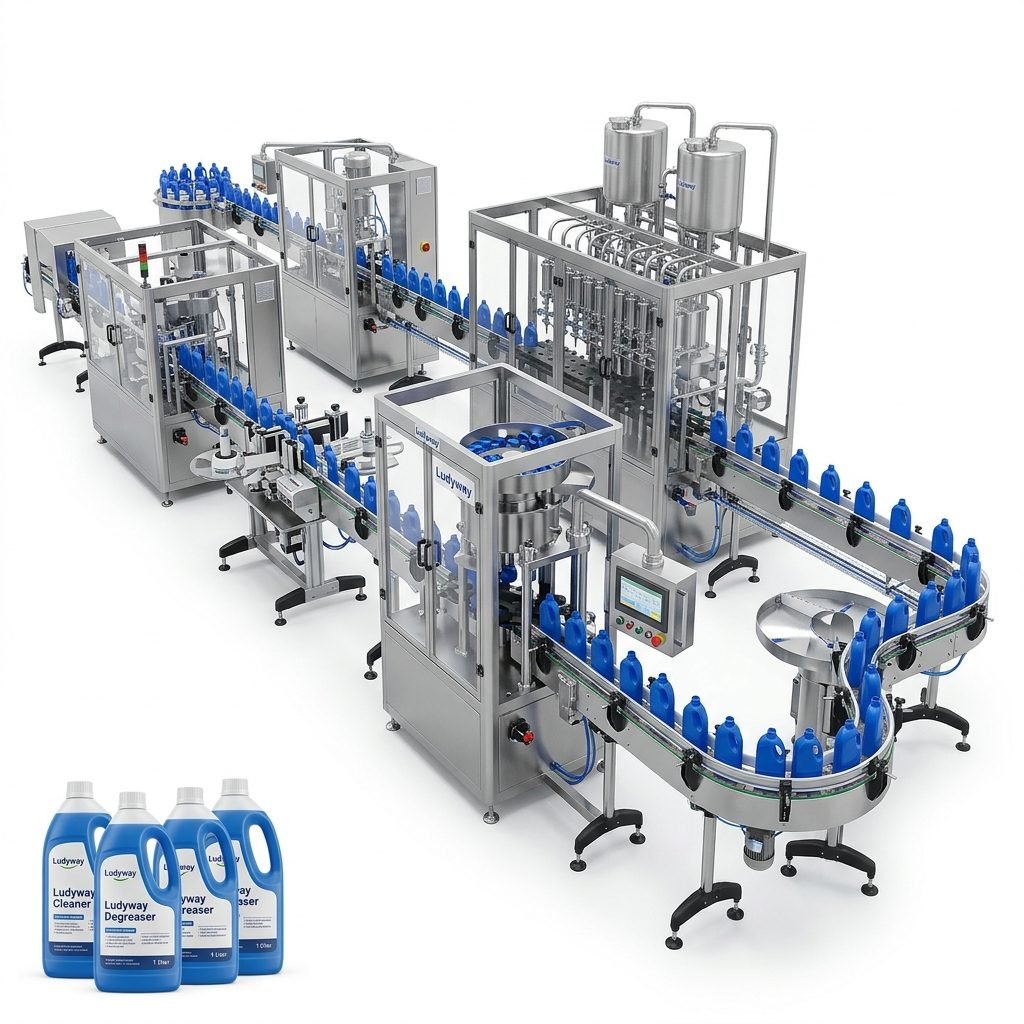
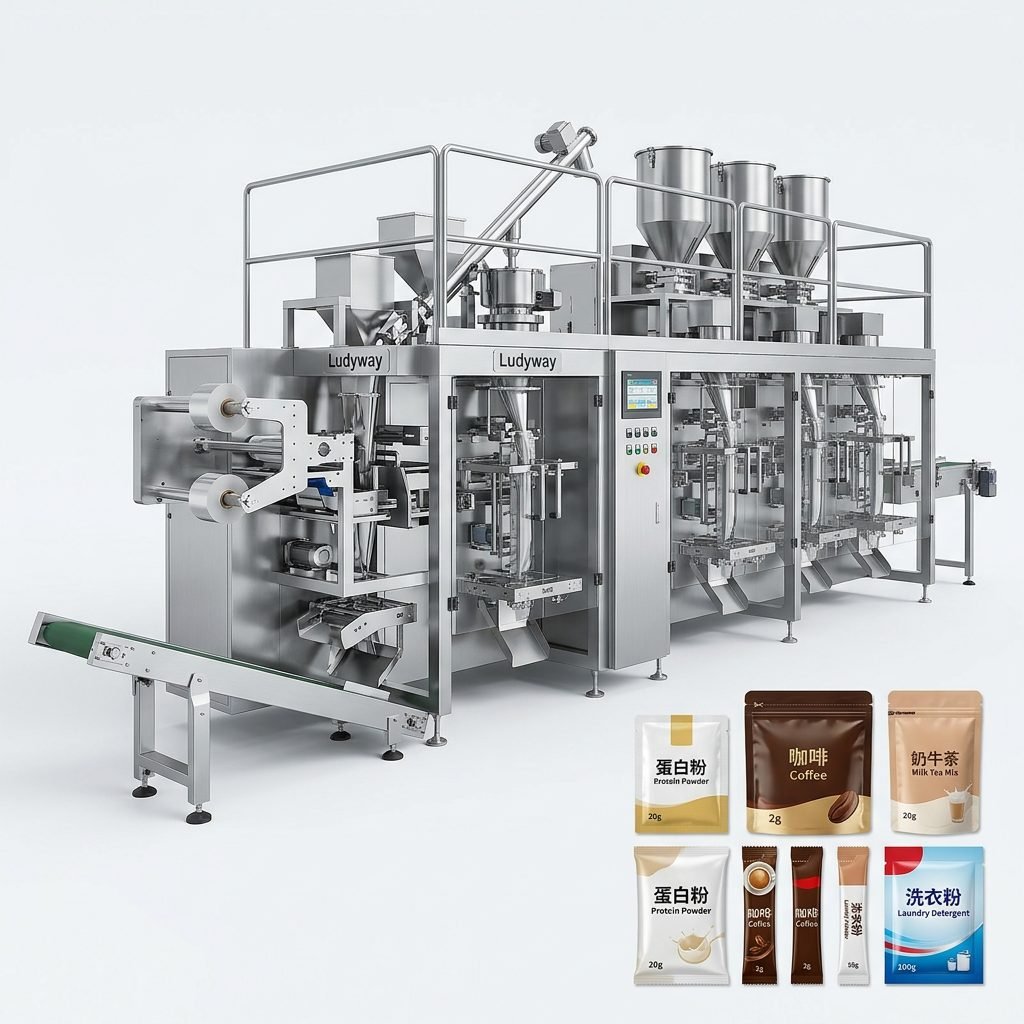
Investing in a coffee packaging machine is a significant step for any roaster or producer. The price of such equipment can vary dramatically, from a few thousand dollars for a basic unit to over a hundred thousand for a fully automated, high-speed line. Understanding the factors that influence cost, the different types available, and the criteria for selecting the right model is crucial for making an informed purchase that aligns with your business goals and budget.
Key Factors Influencing Coffee Packaging Machine Prices
The final price tag on a coffee packaging machine is not arbitrary. It is determined by a combination of technical specifications, performance capabilities, and additional features. Let’s break down the primary cost drivers.
1. Automation Level and Speed
This is the most significant price determinant. Manual or semi-automatic machines, where operators handle bag placement or sealing, are the most affordable. Fully automatic machines integrate bag forming, filling, sealing, and sometimes labeling into one continuous process, dramatically increasing output but also cost. Speed, measured in bags per minute (BPM), directly correlates with price. A machine running at 30 BPM will cost substantially less than one capable of 120 BPM.
2. Packaging Format and Flexibility
Machines designed for a single, specific format—like standard flat-bottom bags—are generally less complex and cheaper. Machines that offer multi-format flexibility, capable of producing stick packs, sachets, pillow bags, and gusseted bags from the same roll of film, require more advanced engineering and controls, leading to a higher price. This flexibility is invaluable for businesses with diverse product lines.
3. Filling Technology and Accuracy
The method used to measure and deposit coffee into the bag impacts both price and product quality. Basic volumatic fillers (using a cup volume) are cost-effective for granules but less precise. Auger fillers, using a rotating screw, offer excellent accuracy for ground coffee and are a mid-range option. The most advanced and expensive systems are weighing scales (net weigh or gross weigh), which provide near-perfect weight control for premium whole bean or specialty coffee, minimizing giveaway.
4. Material Compatibility and Special Features
Can the machine handle standard polyethylene or more sustainable, challenging materials like compostable films? Compatibility with specialized materials often requires adjustments and adds cost. Additional integrated features like gas flushing for nitrogen packaging (to preserve freshness), date coding, or automatic bag feeding also incrementally increase the investment.
Overview of Coffee Packaging Machine Types and Their Price Range
Knowing the category of machine you need is the first step toward estimating cost. Here’s a guide to common types.
Vertical Form-Fill-Seal (VFFS) Machines
Price Range: $15,000 – $80,000+
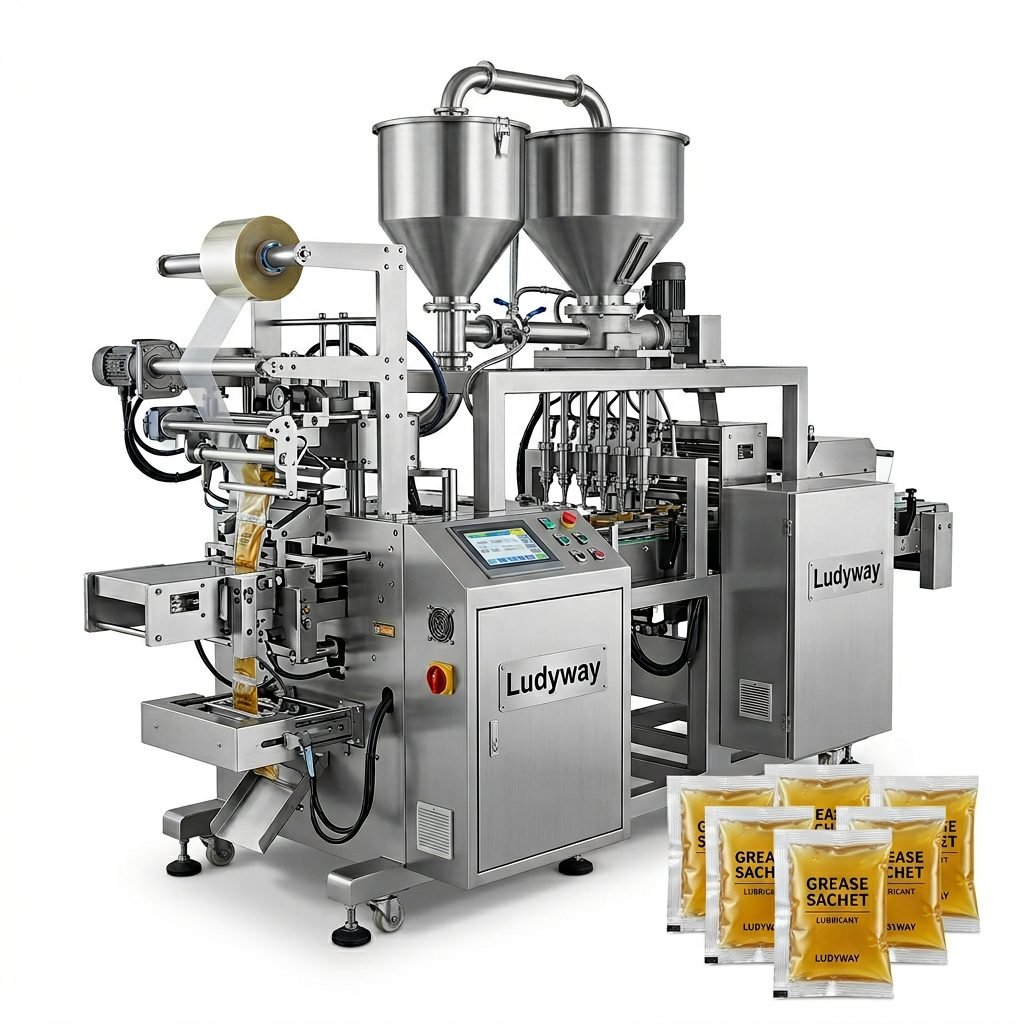
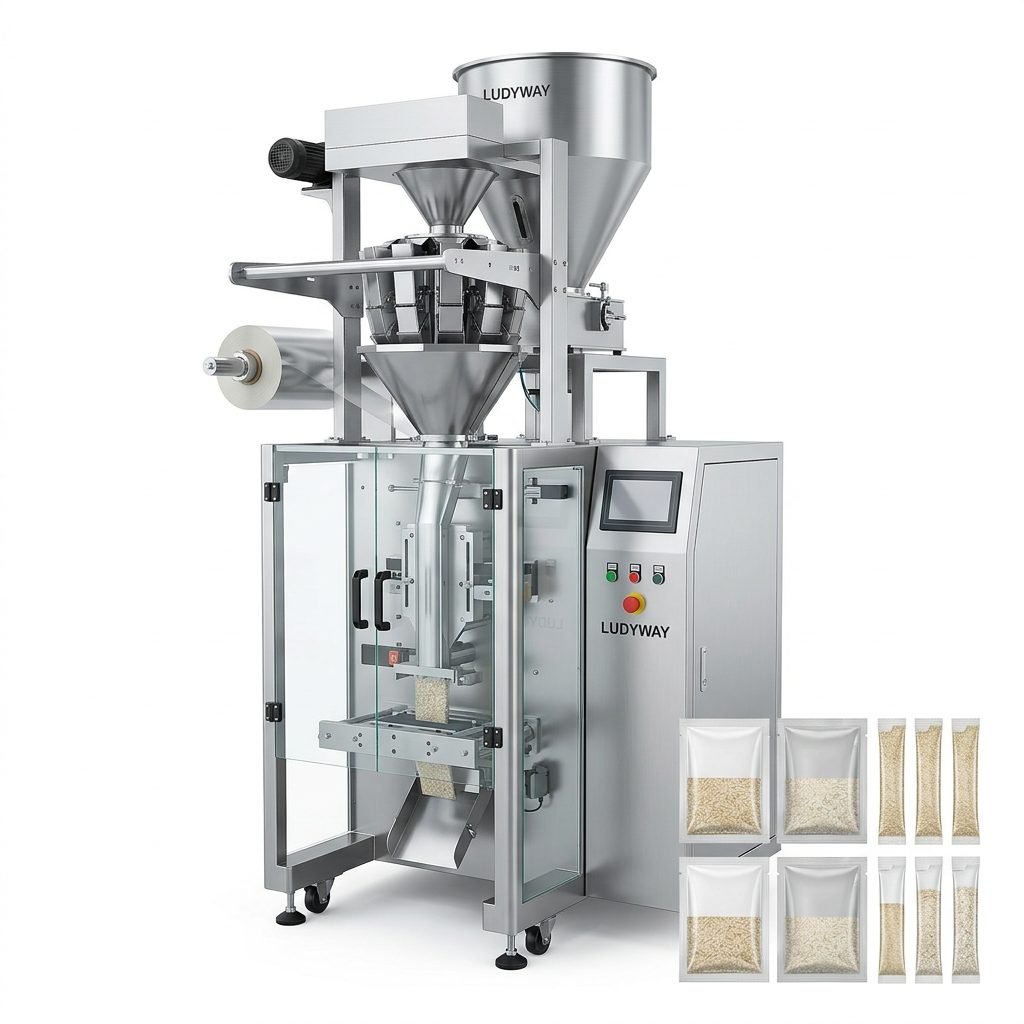
The most common type for bagged coffee. They form a bag from a roll of film, fill it, and seal it vertically. Prices start low for basic, single-lane models and escalate for high-speed, multi-lane machines with advanced fillers and gas flushing. They are ideal for a wide range of bag styles and sizes.
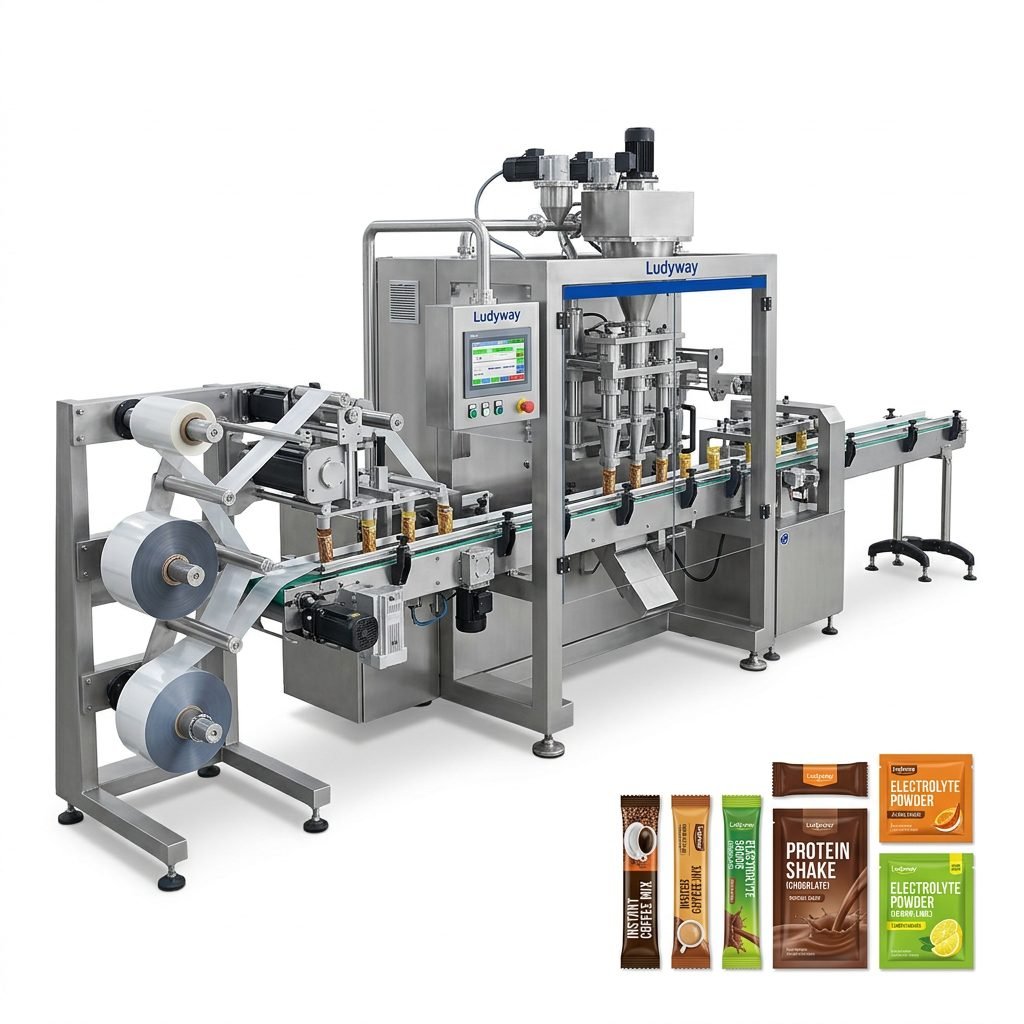
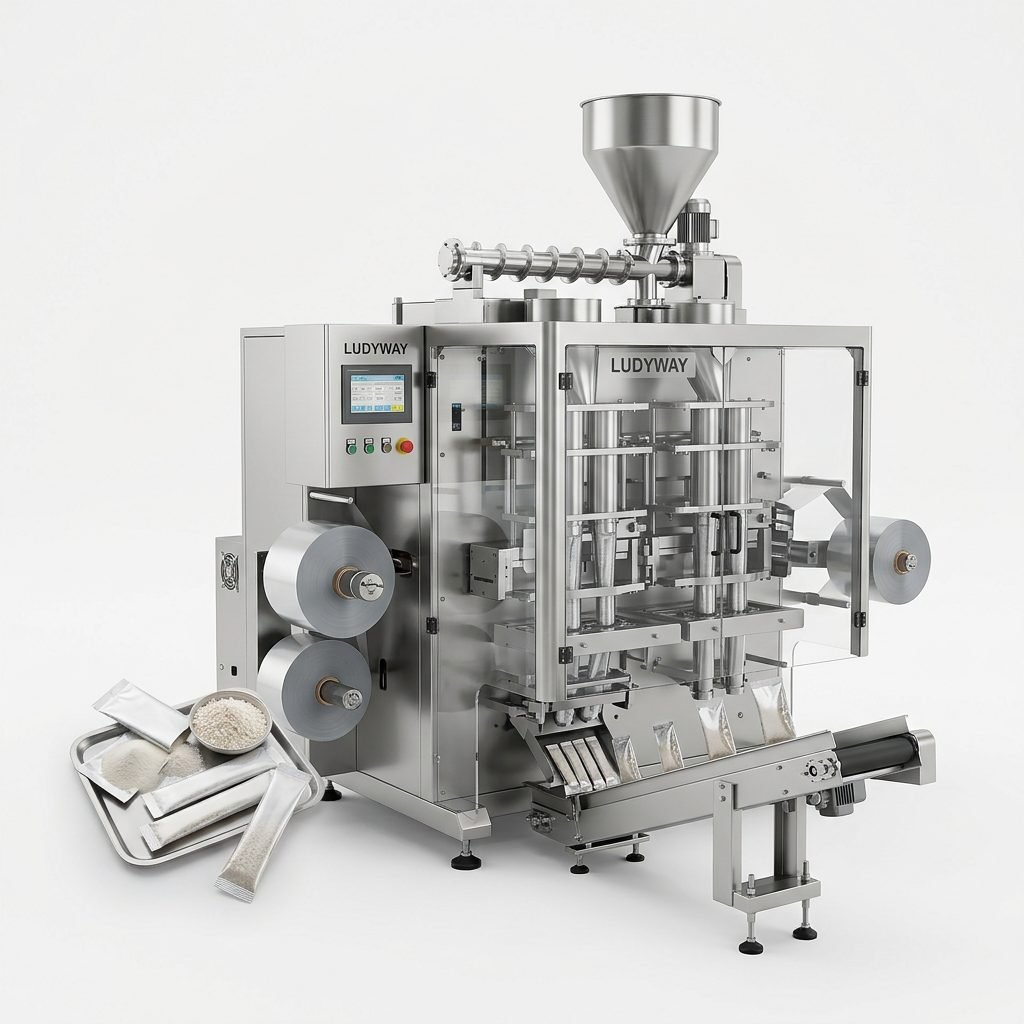
Stick Pack & Sachet Packaging Machines
Price Range: $20,000 – $60,000+
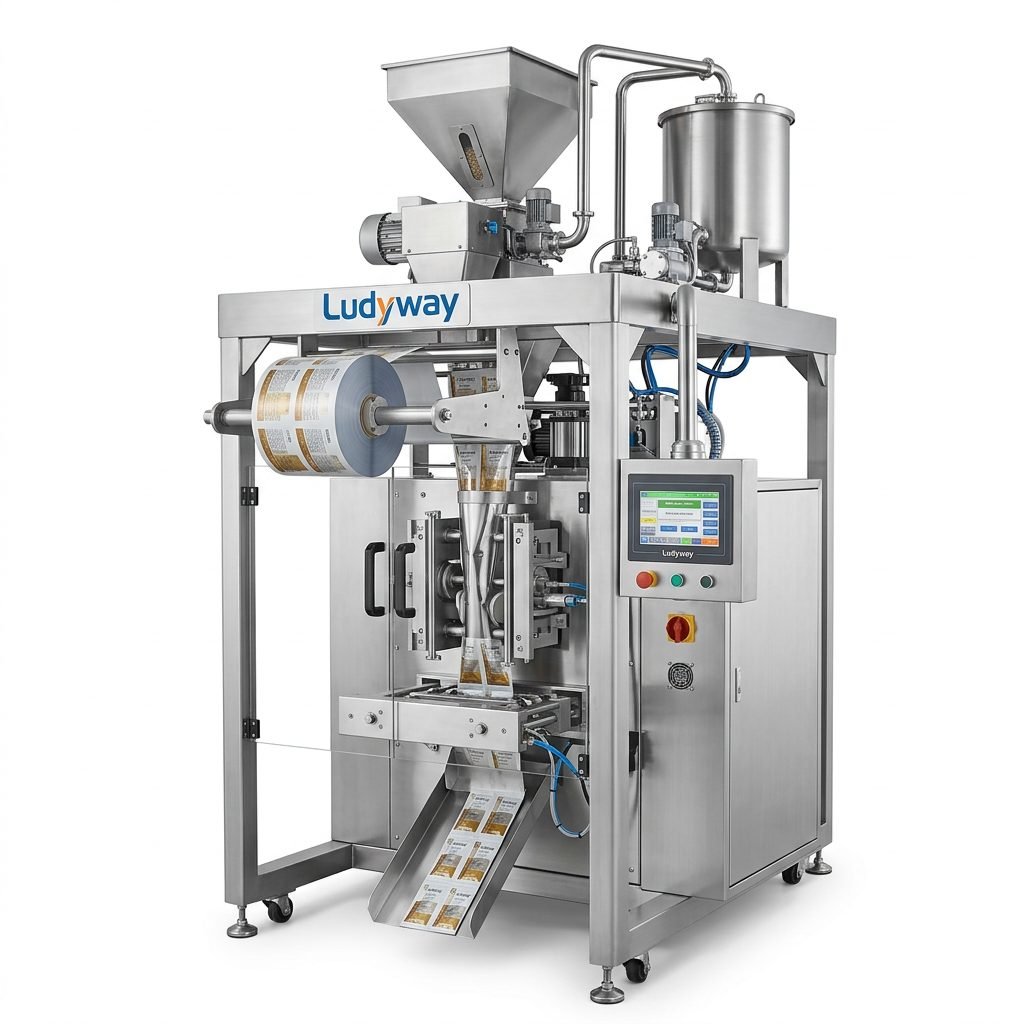
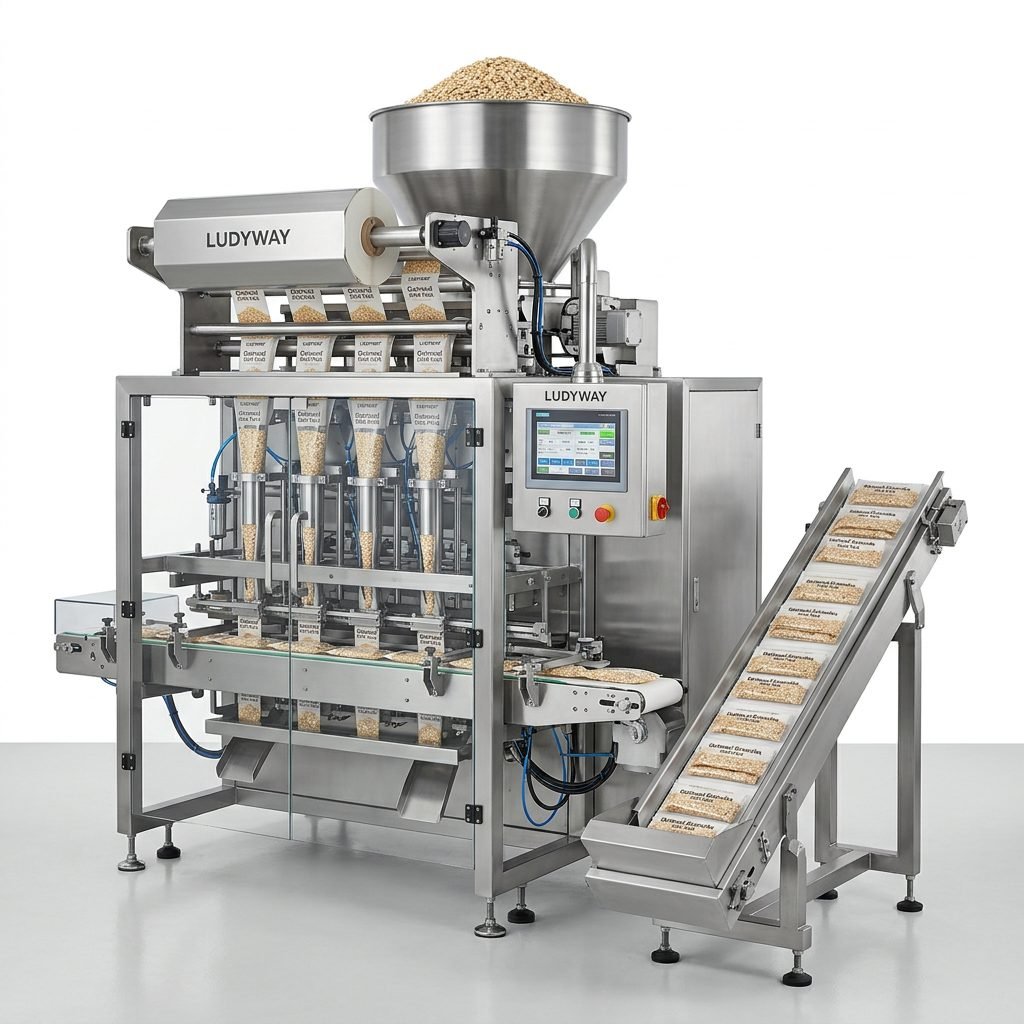
Designed for single-serve portions, instant coffee, or ground coffee samples. These machines are often multi-lane, producing several sticks or sachets simultaneously for high output. Complexity increases with features like precision powder filling or liquid dosing for coffee concentrates, affecting the price.
Pre-Made Bag Fillers
Price Range: $5,000 – $30,000
These machines fill and seal bags that are already formed (pre-made). They are typically simpler and less expensive than VFFS machines. Suitable for businesses that purchase custom-printed bags and prioritize simplicity over the flexibility of forming bags on-site. Speed and automation level (from manual to automatic bag feeding) define the price spread.
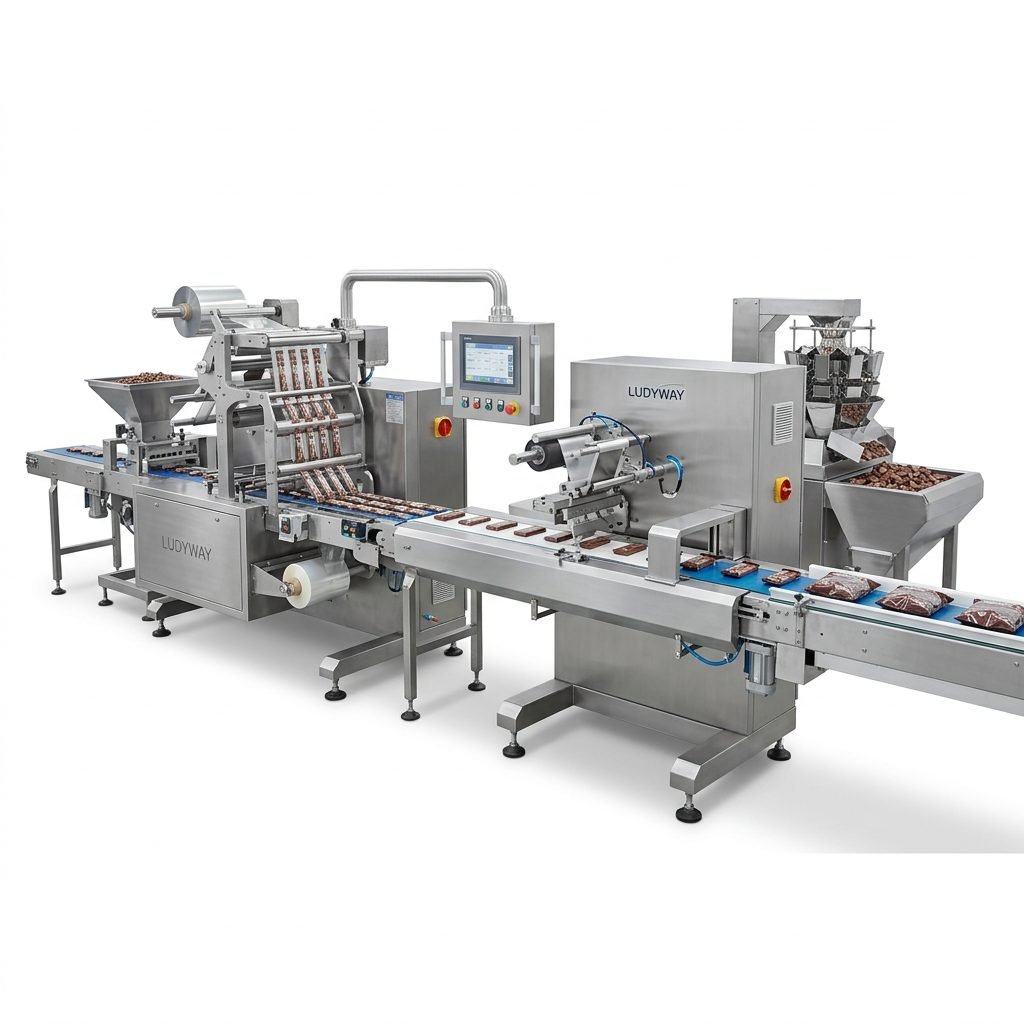
Complete Turnkey Packaging Lines
Price Range: $50,000 – $200,000+
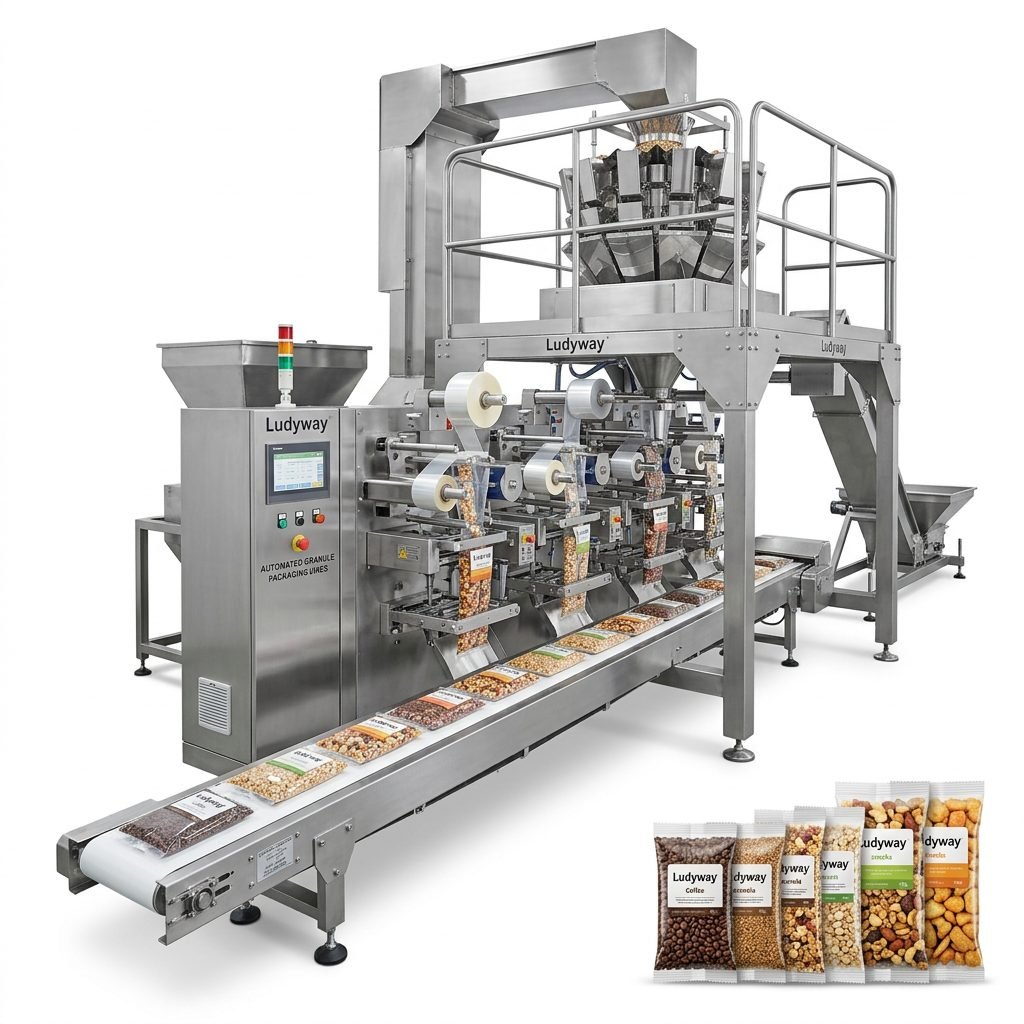
This is not just a single machine but an integrated system. It may include a VFFS machine, a weigh scale filler, a bag top sealer, a labeler, and a case packer, all synchronized. The price reflects the comprehensive automation, high throughput, and reduced manual labor required for large-scale production.
How to Choose the Right Model: A Strategic Guide
Selecting the correct machine involves matching its capabilities to your specific operational and financial parameters. Follow this decision framework.
Step 1: Assess Your Current and Future Production Needs
Calculate your required output (bags/day or week) not just for today, but for the next 3-5 years. Buying a machine that barely meets current demand will bottleneck growth. Consider your product range: Do you only package one type of coffee in one bag size, or do you need flexibility for different weights, formats (beans, ground), and future products?
Step 2: Define Your Must-Have Technical Specifications
Based on your needs, list non-negotiable specs:
- Minimum Speed (BPM): To meet your output target.
- Filling Accuracy: Tolerance level (e.g., ±0.5 grams) to control cost and quality.
- Bag Size Range: Minimum and maximum dimensions your machine must handle.
- Special Features: Is nitrogen flushing, date coding, or a specific film material essential?
This list will immediately filter out unsuitable models.
Step 3: Evaluate Operational and Space Constraints
Do you have skilled operators, or do you need an easy-to-use, low-maintenance machine? Consider footprint and utility requirements (power, compressed air). Also, factor in the cost and availability of technical support and spare parts. A slightly more expensive machine from a supplier with excellent local support can save immense cost and downtime in the long run.
Step 4: Conduct a Total Cost of Ownership (TCO) Analysis
Don’t just look at the purchase price. The TCO includes:
- Initial Investment
- Installation & Training
- Estimated Maintenance & Spare Parts
- Film/Bag Material Efficiency (Does it reduce waste?)
- Potential Labor Savings
A machine with a higher upfront cost might offer a lower TCO through greater efficiency, reliability, and material savings.
Step 5: Request Demos and Compare Quotes
Always request a live demonstration, preferably with your own coffee and packaging material. Observe the machine’s ease of operation, speed, and final package quality. Then, compare detailed quotes from at least two or three reputable suppliers like Ludyway Packaging Machinery. Ensure quotes include the same specifications, warranty, delivery, and support terms for a fair comparison.
Conclusion
Navigating the coffee packaging machine market requires a balance between technical requirements, production goals, and financial planning. By thoroughly understanding the cost factors—from automation to filling technology—and clearly defining your needs, you can effectively compare the different types of machines, from versatile VFFS systems to efficient stick pack machines. The right choice is not the cheapest or the most advanced, but the one that delivers the optimal Total Cost of Ownership and reliably supports your brand’s growth and quality standards for years to come.
Frequently Asked Questions (FAQs)
What is the typical price range for a starter coffee packaging machine?
For a small roastery or startup, a basic semi-automatic pre-made bag filler or a single-lane vertical form-fill-seal (VFFS) machine can range from $5,000 to $25,000. This provides essential automation without a massive initial investment.
How much more expensive is a machine with nitrogen flushing capability?
Integrating a nitrogen gas flushing system to extend coffee freshness typically adds $10,000 to $25,000 to the base price of a VFFS machine, depending on the complexity and gas consumption efficiency of the system.
Can one machine handle both whole bean and ground coffee?
Yes, but it depends on the filling system. A machine equipped with a versatile weigh scale can accurately handle both. A machine with only a volumetric filler may struggle with the different densities. Flexibility in filling technology is key and will influence cost.
Is it worth investing in a multi-format machine?
If your business plans to package coffee in different styles (e.g., stand-up bags, stick packs, sachets), a multi-format machine offers great long-term value and avoids the need for multiple dedicated machines. While the upfront cost is higher (often 30-50% more than a single-format model), it provides strategic flexibility.
What are the main ongoing costs after purchasing the machine?
Beyond the purchase price, consider ongoing costs for packaging materials (film, labels), regular maintenance and potential spare parts, utilities (electricity, compressed air if needed), and any labor associated with operation and quality checks. Choosing a reliable and efficient machine from a supplier like Ludyway with good support can minimize unexpected downtime costs.