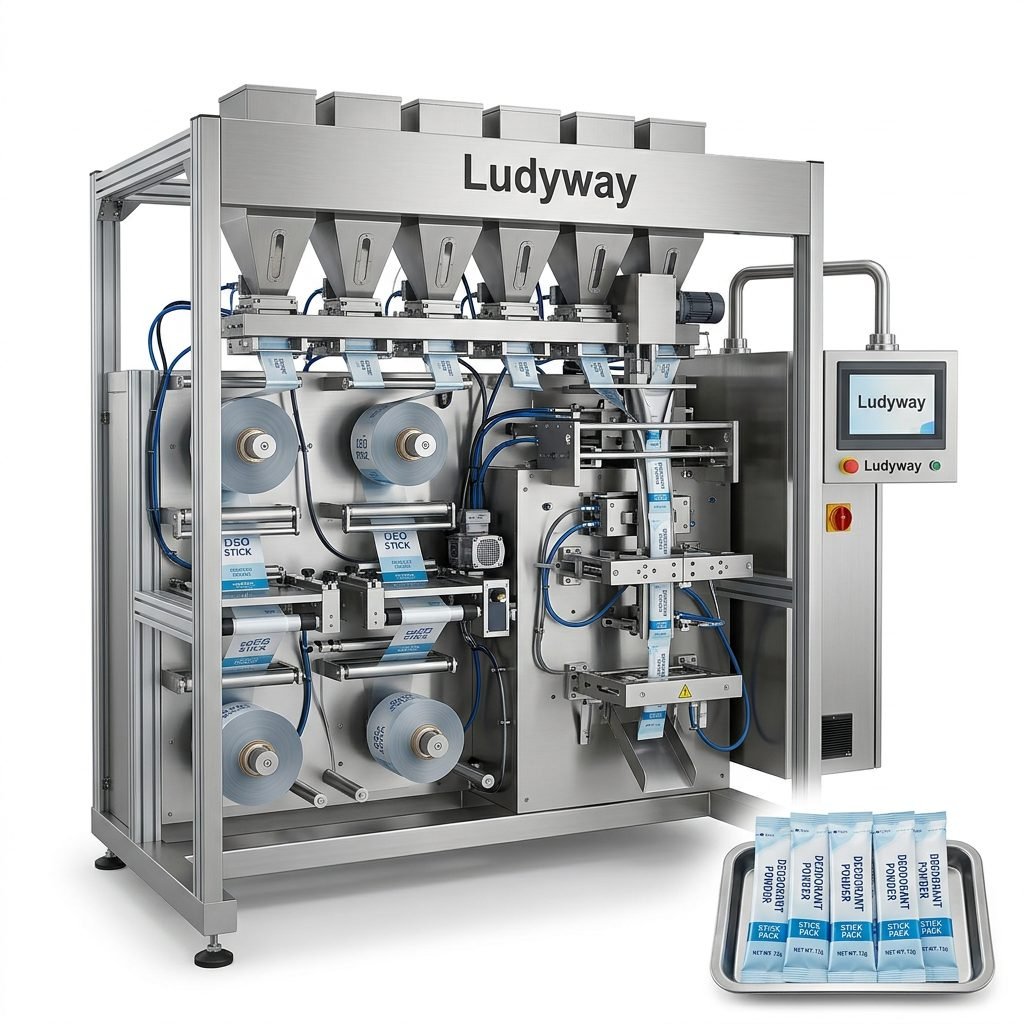
Packaging speed affects more than output. It directly shapes labor cost, order lead time, product consistency, customer satisfaction, and your ability to scale during peak demand. If your line feels busy but still misses targets, the problem is usually not just machine speed—it is the hidden friction between people, materials, equipment, and process control.
The good news is that packaging efficiency can be improved systematically. By identifying bottlenecks, reducing changeover time, improving line balance, and using the right automation strategy, manufacturers can increase throughput without sacrificing quality.
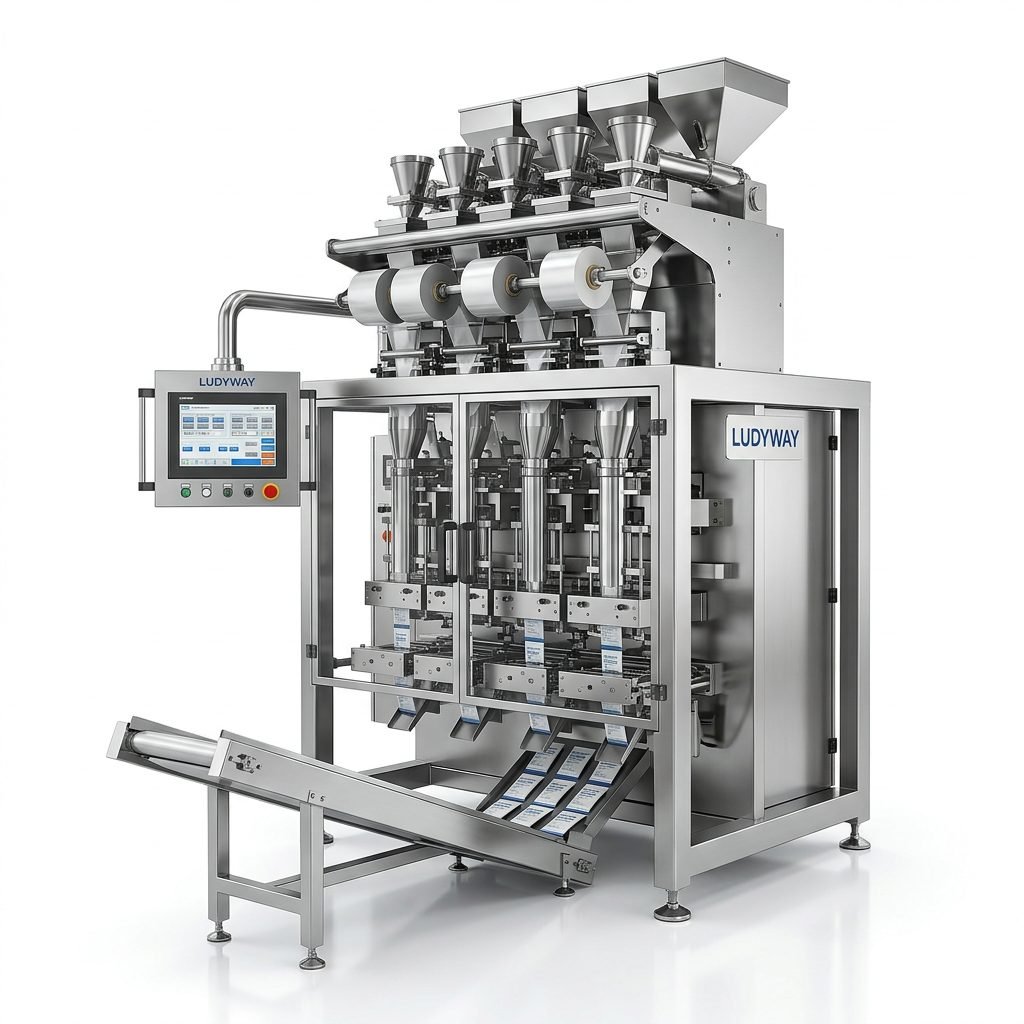
Why Packaging Speed Matters More Than Ever
In modern manufacturing, faster packaging is not simply about running machines at maximum speed. It is about maintaining stable, repeatable, and profitable output. A packaging line that stops often, requires too many manual corrections, or struggles with material flow will never deliver true efficiency—even if the machine’s rated speed looks impressive on paper.
- Lower cost per packaged unit
- Improved on-time delivery performance
- Better use of labor and floor space
- Reduced scrap, rework, and downtime
- Higher production flexibility during seasonal demand peaks
Start by Finding the Real Bottleneck
The first step to improving packaging speed is to stop guessing. Most bottlenecks are not where managers initially think they are. A filler may appear slow, but the actual issue may come from inconsistent feeding, poor pouch quality, delayed coding, slow cartoning, or unplanned operator intervention.
What to check first
- Cycle time at each station — measure real production speed, not theoretical capacity.
- Downtime frequency — identify micro-stops, jams, waiting time, and reset time.
- Material flow consistency — check feeding systems, infeed conveyors, and product buffering.
- Operator handling — note where manual actions slow output.
- Changeover time — evaluate how long it takes to switch SKUs, pack sizes, or formats.
A simple line study over several shifts often reveals that one recurring interruption creates a disproportionate share of lost output.
Proven Tips to Improve Packaging Speed
1. Balance the Entire Line, Not Just One Machine
A common mistake is upgrading one piece of equipment without matching upstream and downstream capacity. If a sachet machine runs faster than the cartoner or checkweigher can handle, products accumulate, stoppages increase, and the line loses efficiency.
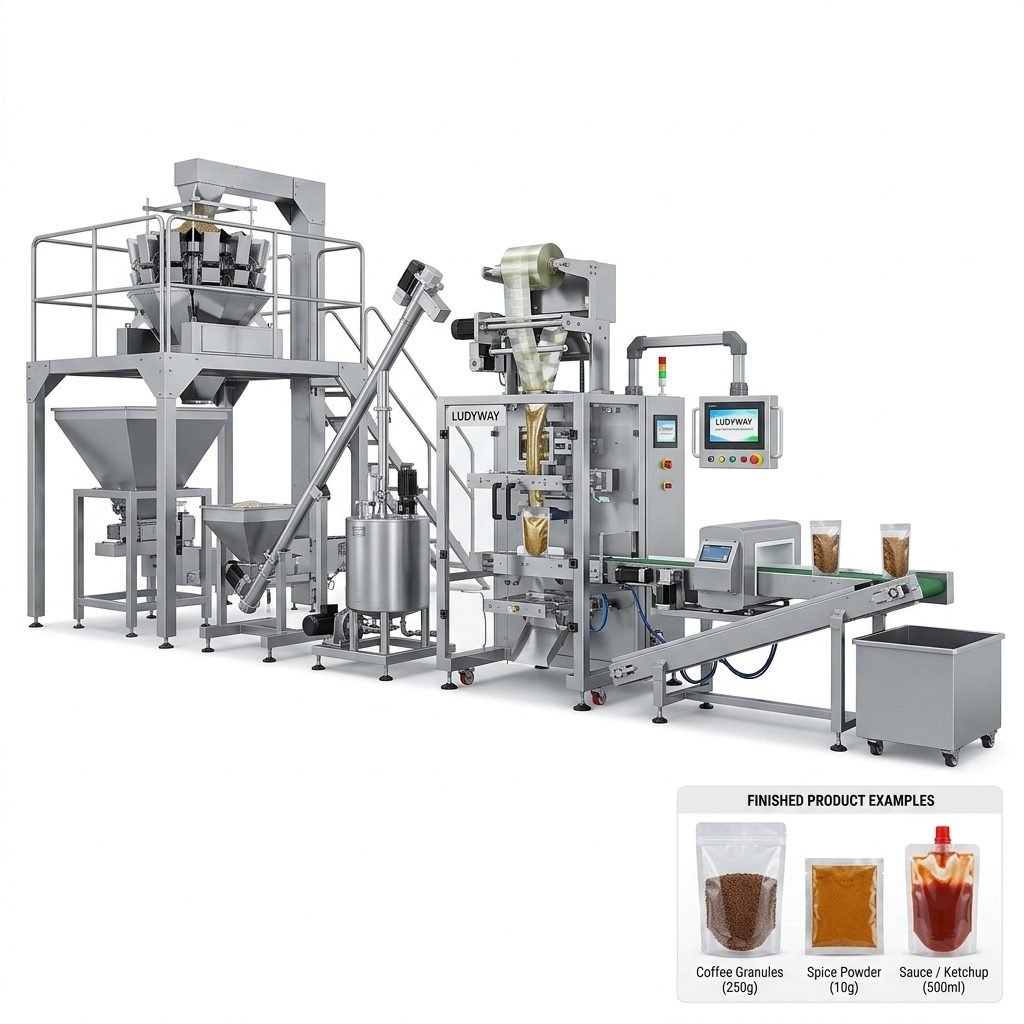
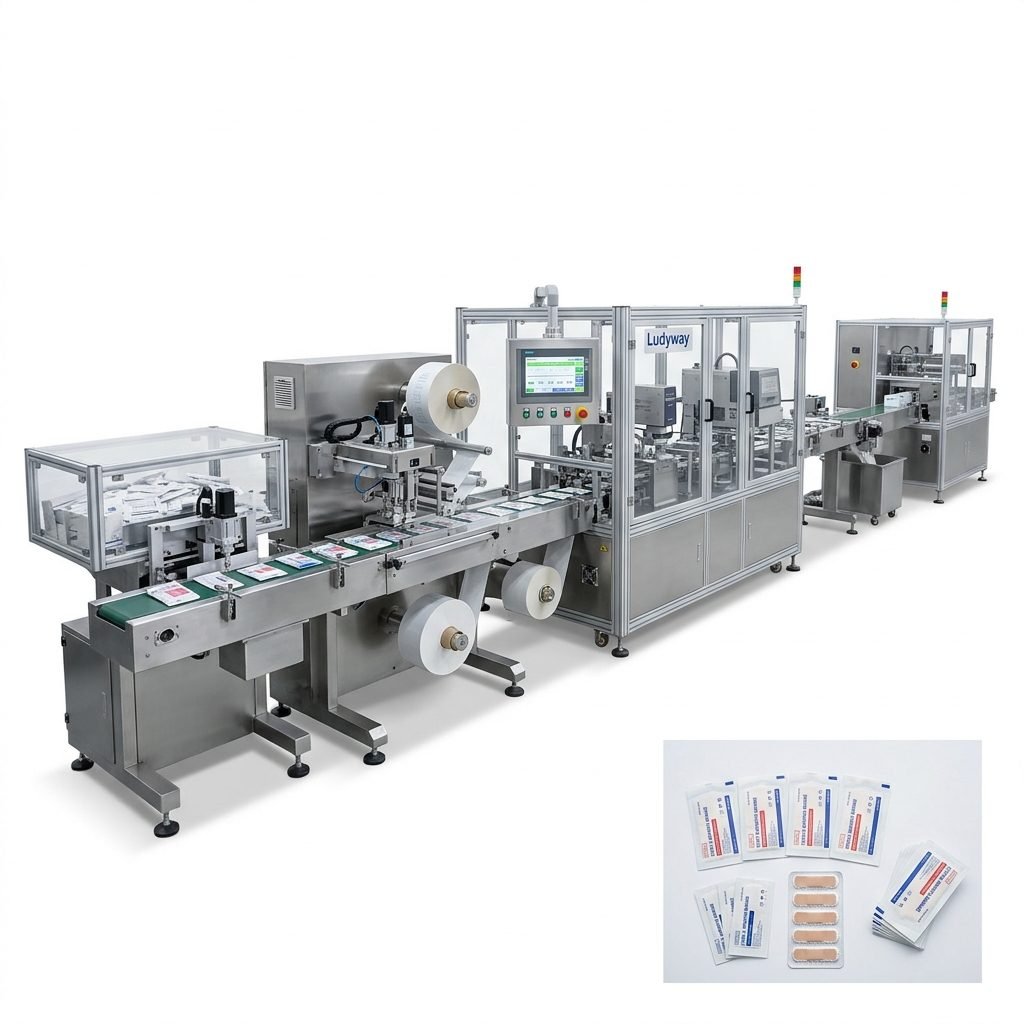
Focus on line balancing so each section can support the target throughput. That includes feeding, filling, sealing, coding, inspection, cartoning, case packing, and palletizing.
2. Reduce Micro-Stoppages
Micro-stoppages are short interruptions that may seem minor but create major losses over a full shift. These often come from poor film tracking, irregular product feeding, sensor misalignment, sealing instability, or operator adjustments.
- Calibrate sensors regularly
- Improve film and pouch material consistency
- Use automatic feeding systems where possible
- Standardize machine setup parameters
- Train operators to respond quickly and consistently
3. Optimize Changeovers
Frequent product changes can destroy packaging efficiency. If your business handles multiple SKUs, flavors, pouch formats, or fill weights, changeover discipline becomes critical.
Effective ways to reduce changeover time include:
- Using quick-release tooling and modular parts
- Color-coding change parts for faster identification
- Creating step-by-step setup checklists
- Pre-staging materials before the line stops
- Saving recipe parameters in the control system
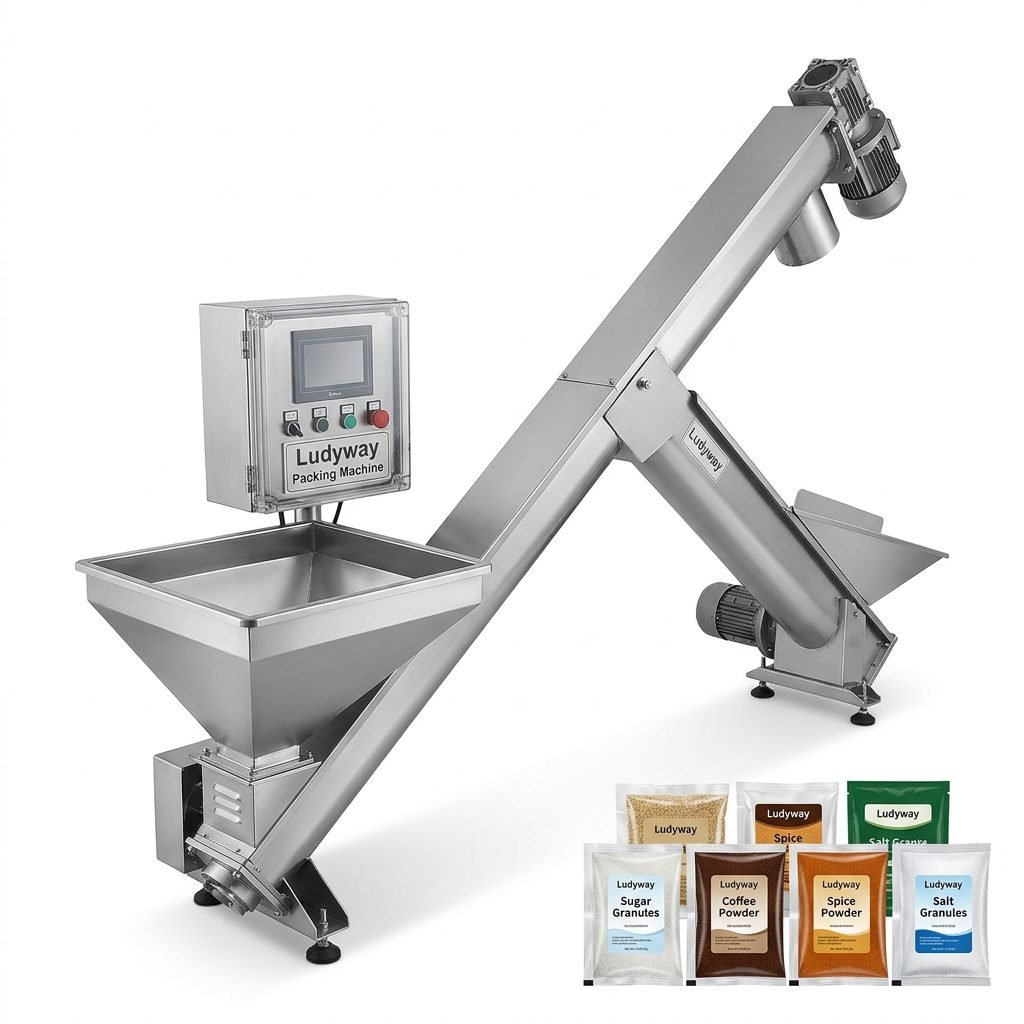
4. Improve Feeding Accuracy and Stability
Even high-speed packaging machines cannot perform well if product supply is inconsistent. Powders may bridge, granules may feed unevenly, and liquids or pastes may vary in viscosity. These issues cause underfilling, overfilling, stoppages, and seal defects.
The right feeding and dosing system should match the product’s actual characteristics, including:
- Flowability
- Bulk density variation
- Particle size
- Moisture sensitivity
- Foaming or viscosity behavior
5. Use Preventive Maintenance Instead of Reactive Repairs
Waiting for a breakdown is one of the fastest ways to slow a packaging line. Worn sealing components, belts, cutters, bearings, sensors, and feeders can gradually reduce performance before they cause a complete stop.
A preventive maintenance plan should include:
- Daily cleaning and inspection routines
- Lubrication schedules
- Replacement intervals for wear parts
- Seal quality checks
- Performance trend monitoring
6. Standardize Operator Training
A fast machine still depends on operator skill. Inconsistent setup methods, slow fault handling, and poor material loading practices can reduce output dramatically.
Build standardized training around:
- Correct startup and shutdown procedures
- Changeover best practices
- Common alarm response steps
- Basic inspection and cleaning points
- Quality checkpoints during operation
7. Improve Packaging Material Quality
Sometimes the real speed limit is not the machine—it is the packaging material. Poor film flatness, inconsistent thickness, weak seal layers, and inaccurate pouch dimensions create jams, tracking issues, and sealing defects.
If you want to run faster, work closely with packaging material suppliers and test materials under actual production conditions before scaling up.
8. Add Smart Automation Where It Creates the Most Impact
Automation should solve a bottleneck, not just add complexity. The highest-return upgrades often include automatic feeders, conveyors, checkweighers, labeling systems, case packers, and palletizers that eliminate repetitive manual handling.
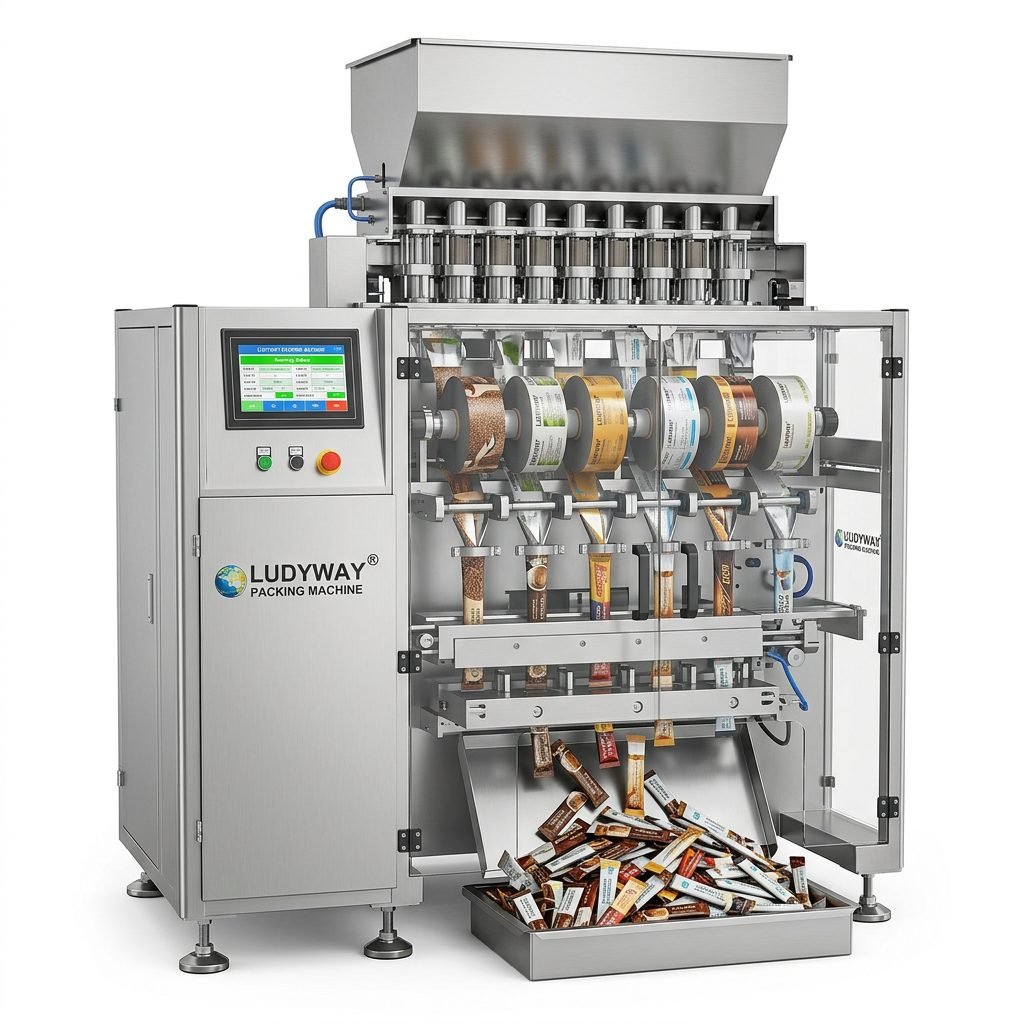
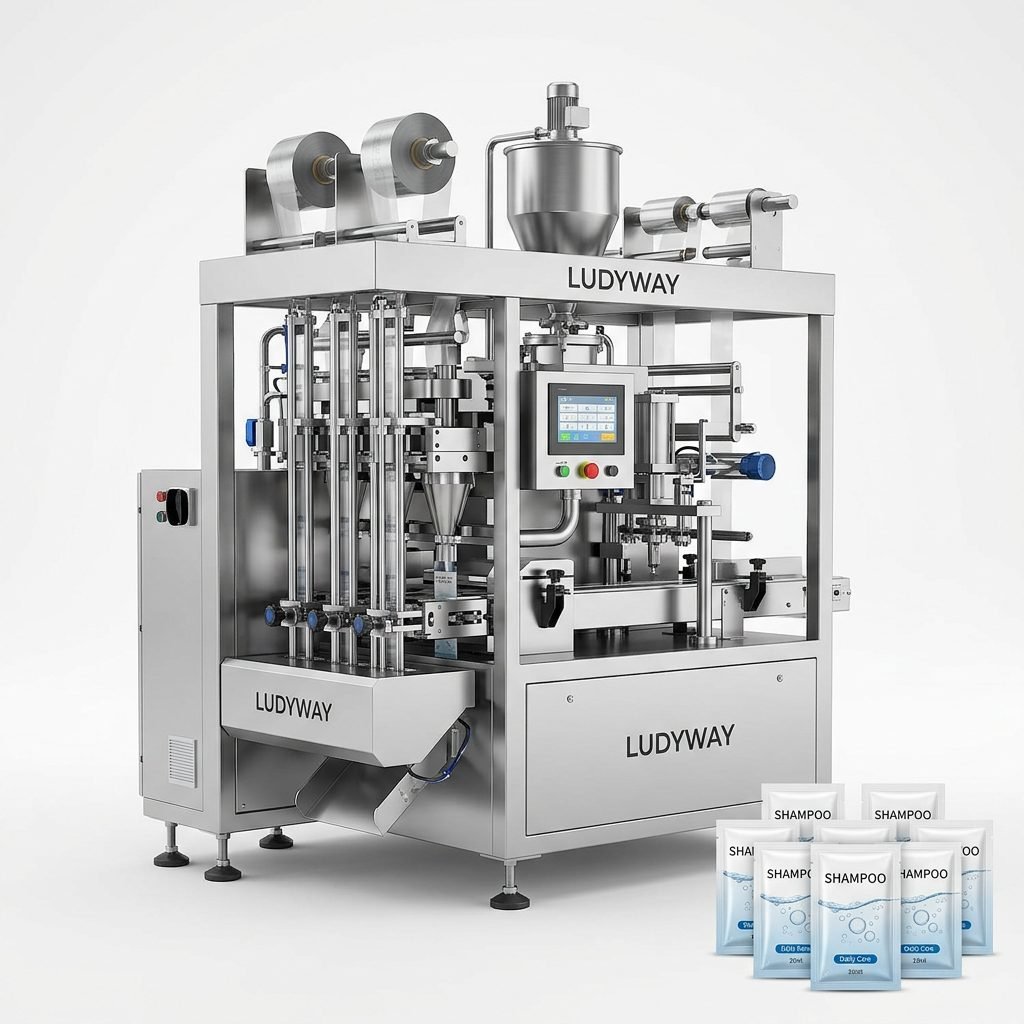
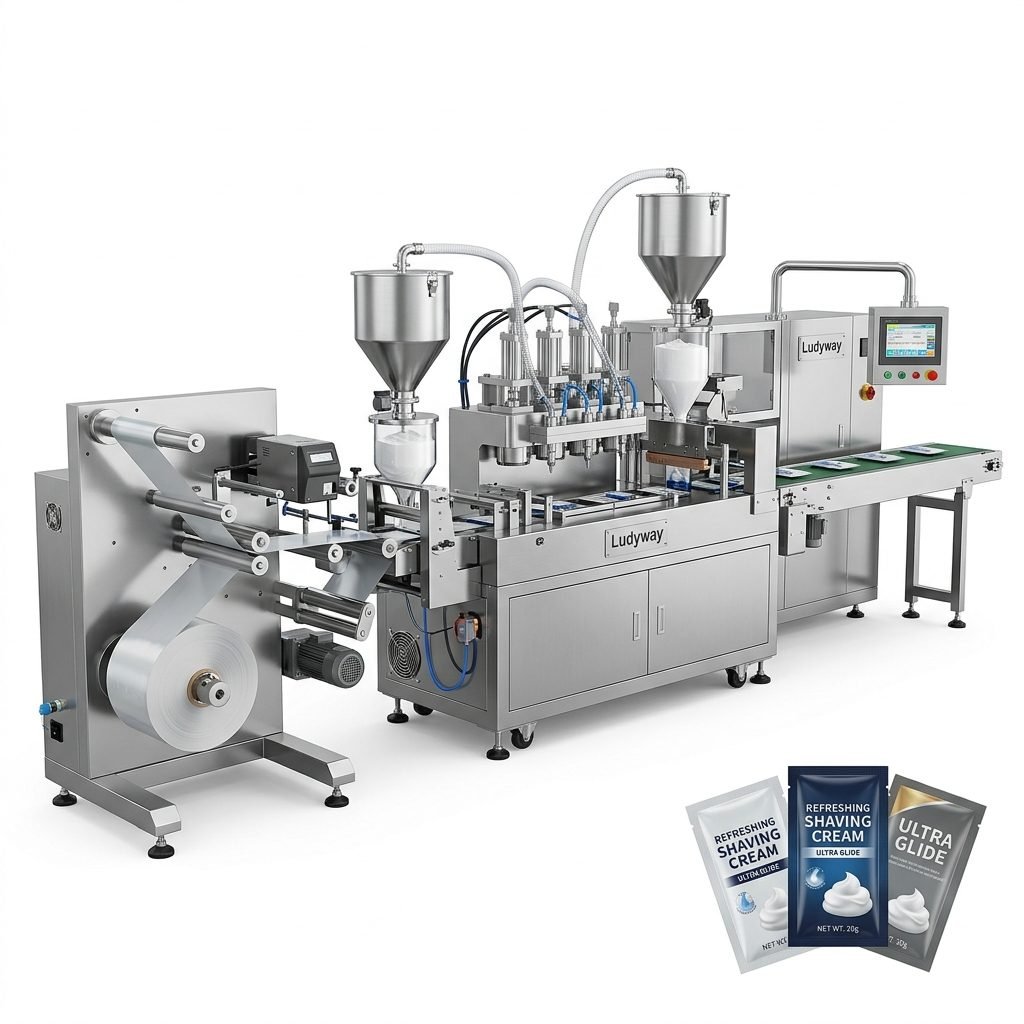
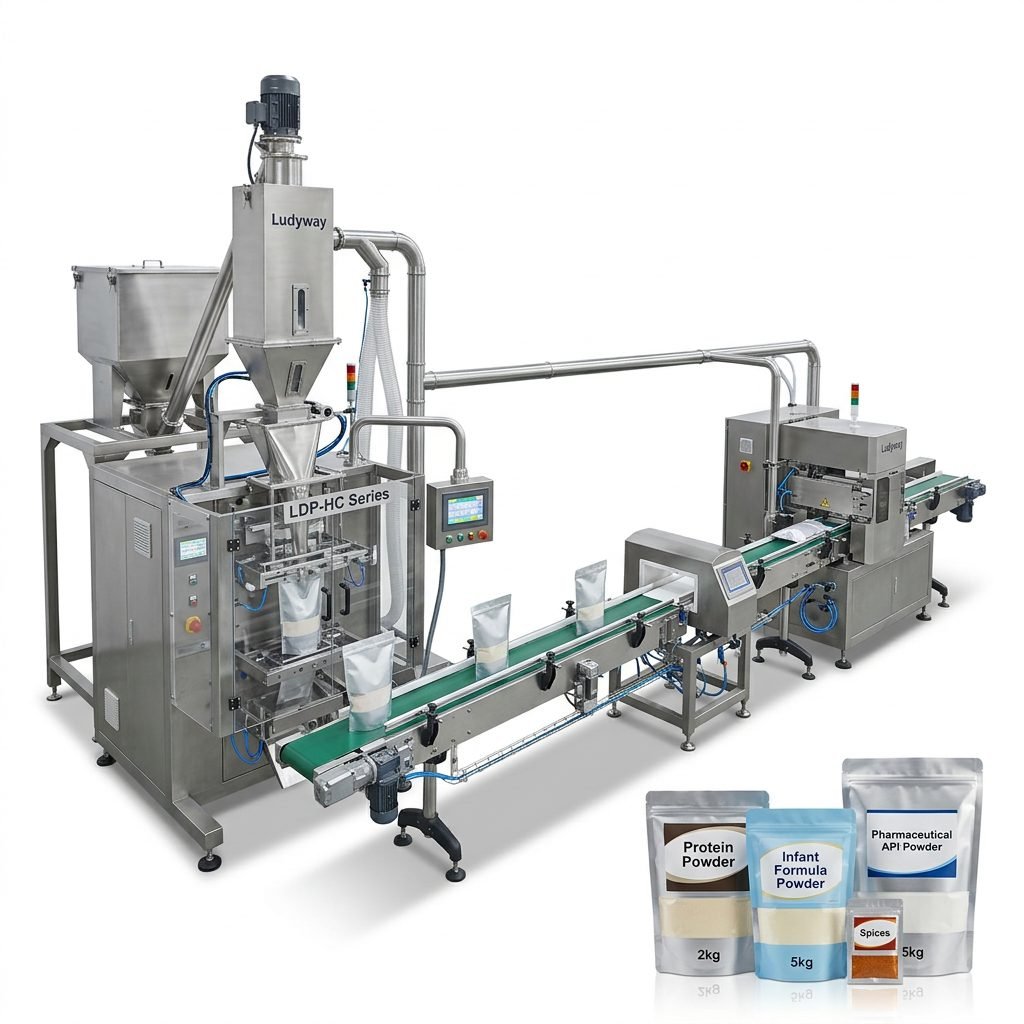
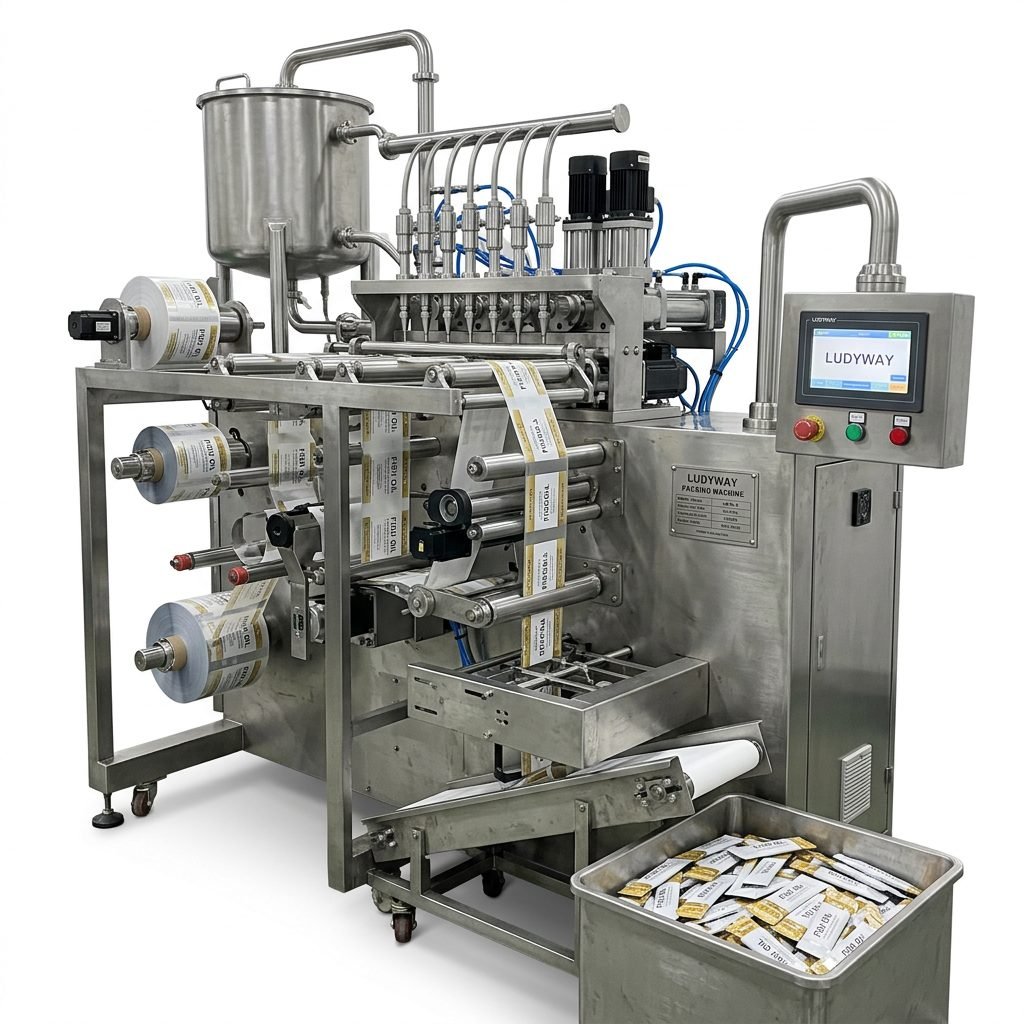
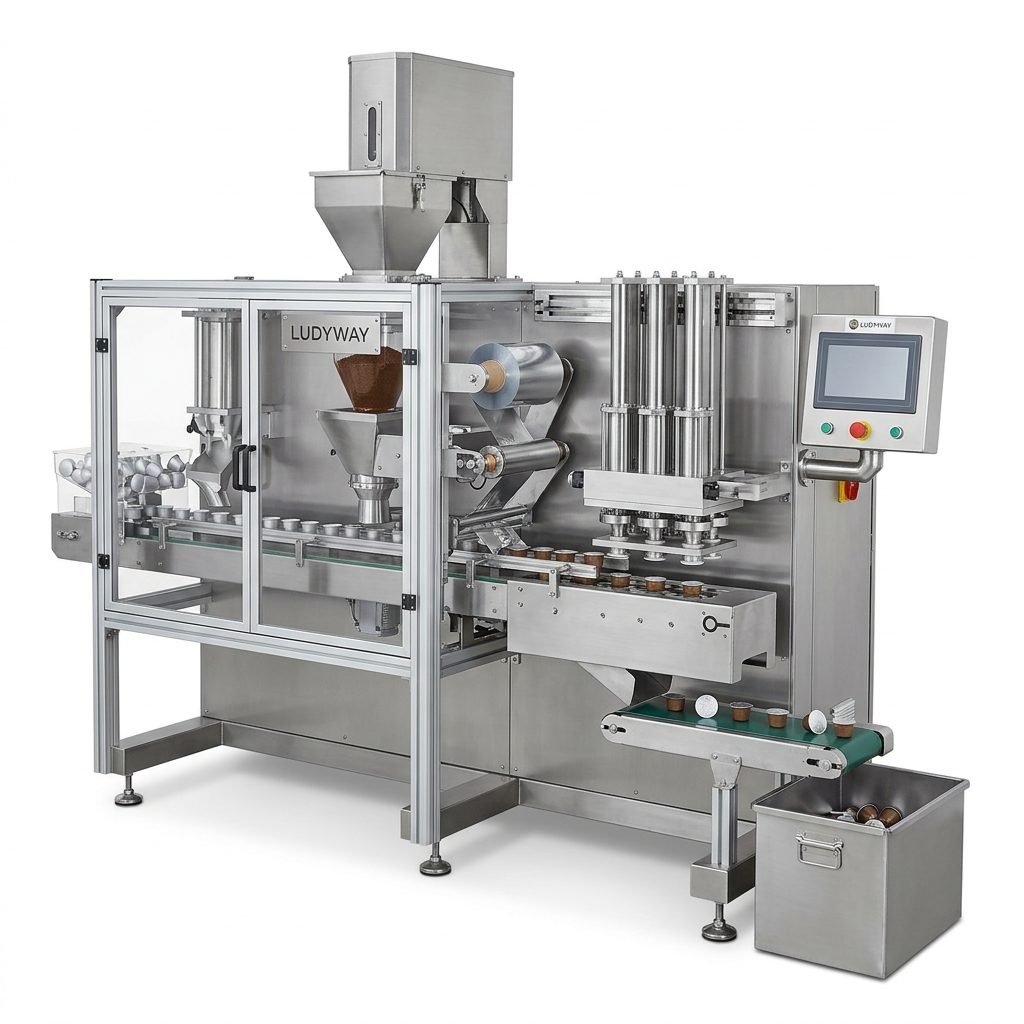
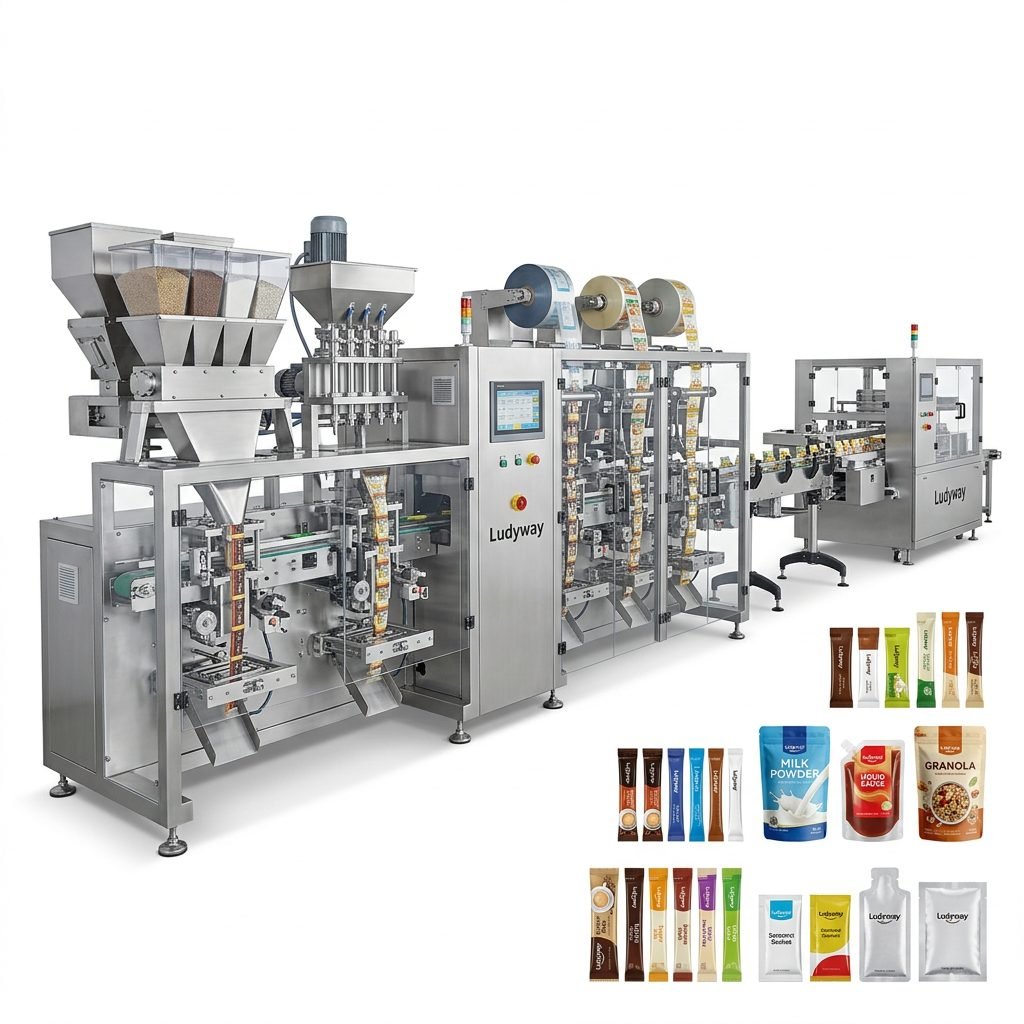
For businesses planning long-term capacity growth, partnering with an experienced supplier such as Ludyway packaging machine manufacturer can help align equipment speed, product characteristics, and turnkey line integration from the start.
Common Packaging Bottlenecks and How to Fix Them
| Bottleneck | Typical Cause | Recommended Solution |
|---|---|---|
| Slow filling speed | Incorrect dosing system or unstable product flow | Match filler type to product properties and stabilize feeding |
| Frequent sealing defects | Inconsistent material, temperature drift, contamination | Improve seal parameter control and material quality |
| Line backups | Downstream cartoning or packing too slow | Rebalance line speed and add buffering or automation |
| Too much manual handling | Low automation level between stations | Use conveyors, feeders, counting, case packing, or palletizing |
| Long SKU changeover | Complex setup and no standard procedure | Apply SMED principles and digital recipe management |
Key Metrics You Should Track
You cannot improve what you do not measure. Instead of relying only on hourly output, monitor a broader set of packaging performance indicators.
Essential packaging KPIs
- OEE (Overall Equipment Effectiveness)
- Actual packs per minute
- Downtime by cause
- Changeover duration
- Reject rate
- Labor hours per production batch
- Material waste percentage
These numbers help reveal whether your biggest losses come from equipment, materials, labor, process design, or product complexity.
When to Upgrade Your Packaging Equipment
Not every speed issue can be solved with better management alone. Sometimes the equipment is simply no longer suitable for current volume, product variety, or packaging format requirements.
You may need an upgrade if:
- Your line frequently runs near maximum output but still misses demand
- Downtime keeps increasing despite maintenance
- Manual intervention is required too often
- You are introducing more SKUs than the current machine can handle efficiently
- Package quality becomes unstable at higher speeds
Best Practices for Sustainable Speed Improvement
The most successful factories treat packaging speed as an ongoing improvement program, not a one-time project. Sustainable gains come from combining machine optimization, operator training, data tracking, and continuous review.
A practical improvement framework
- Audit the current packaging process
- Measure actual downtime and throughput
- Rank bottlenecks by impact
- Fix low-cost process issues first
- Standardize operation and maintenance procedures
- Invest in automation where the return is clear
- Review performance monthly and refine continuously
Final Thoughts on Boosting Packaging Efficiency
If you want to improve packaging speed, focus on the full production system instead of chasing one headline number. Real efficiency comes from stable flow, fewer interruptions, faster changeovers, better line matching, and smarter automation. Once these areas are optimized, higher speed becomes both achievable and sustainable.
For manufacturers in food, pharmaceutical, health supplement, cosmetic, chemical, and related sectors, the fastest path to better results is often a clear bottleneck analysis followed by targeted technical upgrades. With the right process design and equipment strategy, packaging lines can run faster, cleaner, and more profitably.