Unplanned downtime is one of the fastest ways to reduce output, increase operating costs, and create delivery delays in a packaging plant. Whether you run sachet machines, stick pack systems, pouch filling lines, cartoning equipment, or a complete automated line, every unexpected stop affects productivity, labor efficiency, and product consistency.
The good news is that most packaging machine downtime can be reduced with a practical mix of preventive maintenance, operator training, root-cause analysis, spare parts planning, and smarter line management. When these actions are applied consistently, overall equipment effectiveness improves and production becomes far more predictable.
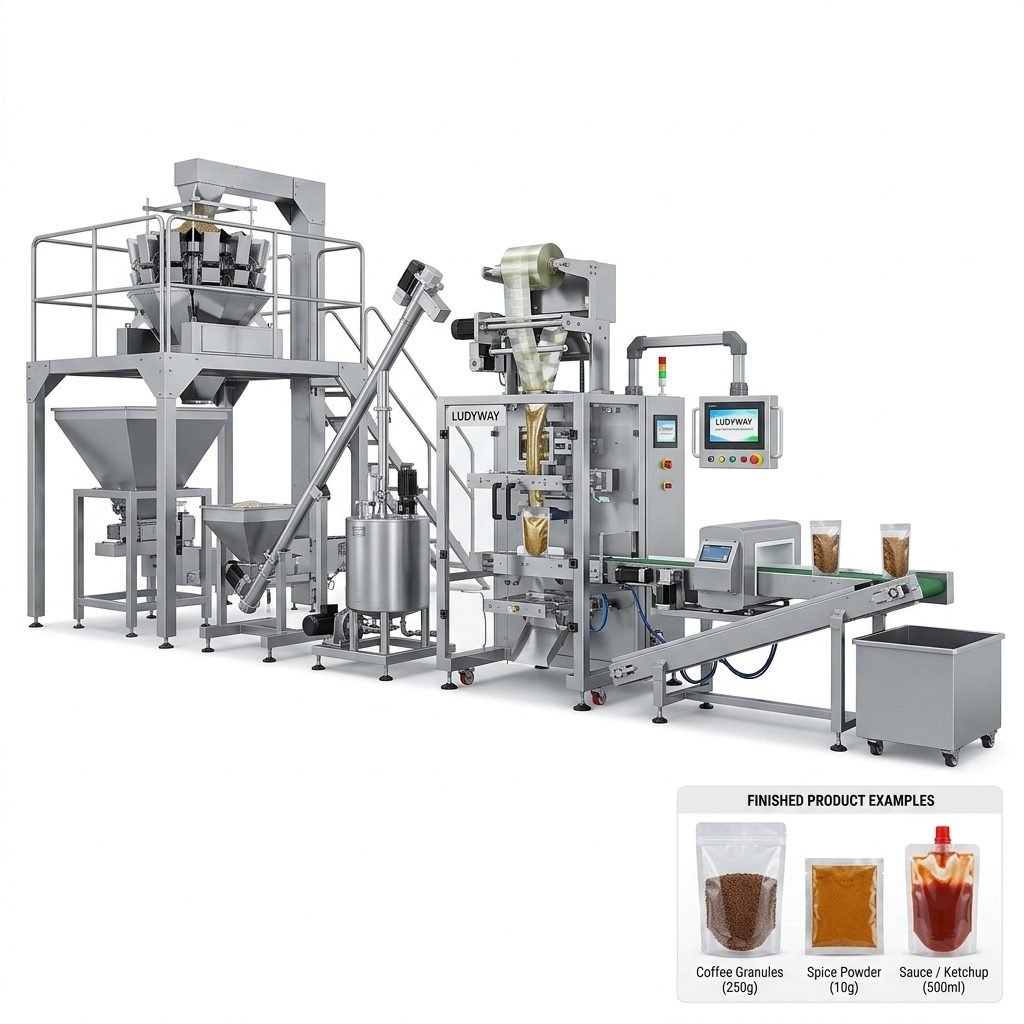
Why packaging machine downtime matters so much
Downtime does more than stop a machine. It creates a chain reaction across the entire production line. A short stoppage at the filling or sealing stage can slow feeding systems, cause packaging material waste, delay inspections, and increase pressure on downstream cartoning and palletizing equipment.
- Lost production capacity during valuable operating hours
- Higher labor cost from idle operators and overtime recovery
- Material waste from rejected packs, sealing defects, or startup scrap
- Delivery risk caused by missed schedules
- Reduced machine life when faults are repeatedly ignored
In high-speed environments, even a few minutes lost several times per shift can add up to major annual losses. That is why reducing downtime is not just a maintenance task; it is a business priority.
The most common causes of packaging machine downtime
Before improving efficiency, you need to understand what is actually causing stops. In many factories, downtime is blamed on the machine itself, but the true cause often includes materials, setup issues, weak maintenance routines, or inconsistent operating methods.
| Downtime Cause | Typical Impact | Practical Fix |
|---|---|---|
| Poor preventive maintenance | Unexpected breakdowns and repeated faults | Set maintenance intervals and inspections |
| Operator error | Misfeeds, alarms, incorrect settings | Improve training and SOP compliance |
| Inconsistent packaging materials | Tracking problems, seal defects, jams | Standardize material quality checks |
| Improper changeovers | Long setup times and startup waste | Use changeover checklists and presets |
| Delayed spare parts supply | Extended repair time | Maintain critical spare parts inventory |
| Poor line synchronization | Frequent stops between upstream and downstream machines | Balance speeds and control product flow |
1. Build a preventive maintenance routine that is actually followed
One of the most effective ways to reduce downtime is to move from reactive maintenance to preventive maintenance. Waiting for a machine to fail almost always costs more than planned service.
A strong maintenance routine should include:
- Daily cleaning of product contact areas, sealing areas, and sensors
- Lubrication schedules for moving parts
- Inspection of belts, bearings, cutting blades, jaws, and heaters
- Checking pneumatic components, air pressure stability, and leak points
- Electrical inspection of wiring, connectors, drives, and alarm history
- Calibration of weighing, dosing, coding, and inspection systems
The key is consistency. A maintenance plan only works when it is documented, scheduled, assigned, and verified.
Tip:
Track mean time between failures and mean time to repair for each machine. These numbers quickly show where maintenance attention is most needed.
2. Train operators to prevent small mistakes from becoming major stops
A well-designed packaging machine can still suffer frequent downtime if operators do not fully understand setup, startup, material loading, alarm handling, or cleaning procedures. In many plants, small human errors trigger a large percentage of minor stoppages.
Focus operator training on:
- Correct startup and shutdown procedures
- Film or pouch loading methods
- Basic troubleshooting of common alarms
- Recognition of unusual noise, vibration, or sealing changes
- Product-to-machine parameter matching
- Safe cleaning without disturbing critical settings
Training should not be one-time only. Refresher programs, visual guides near the machine, and shift handover notes help maintain stable performance over time.
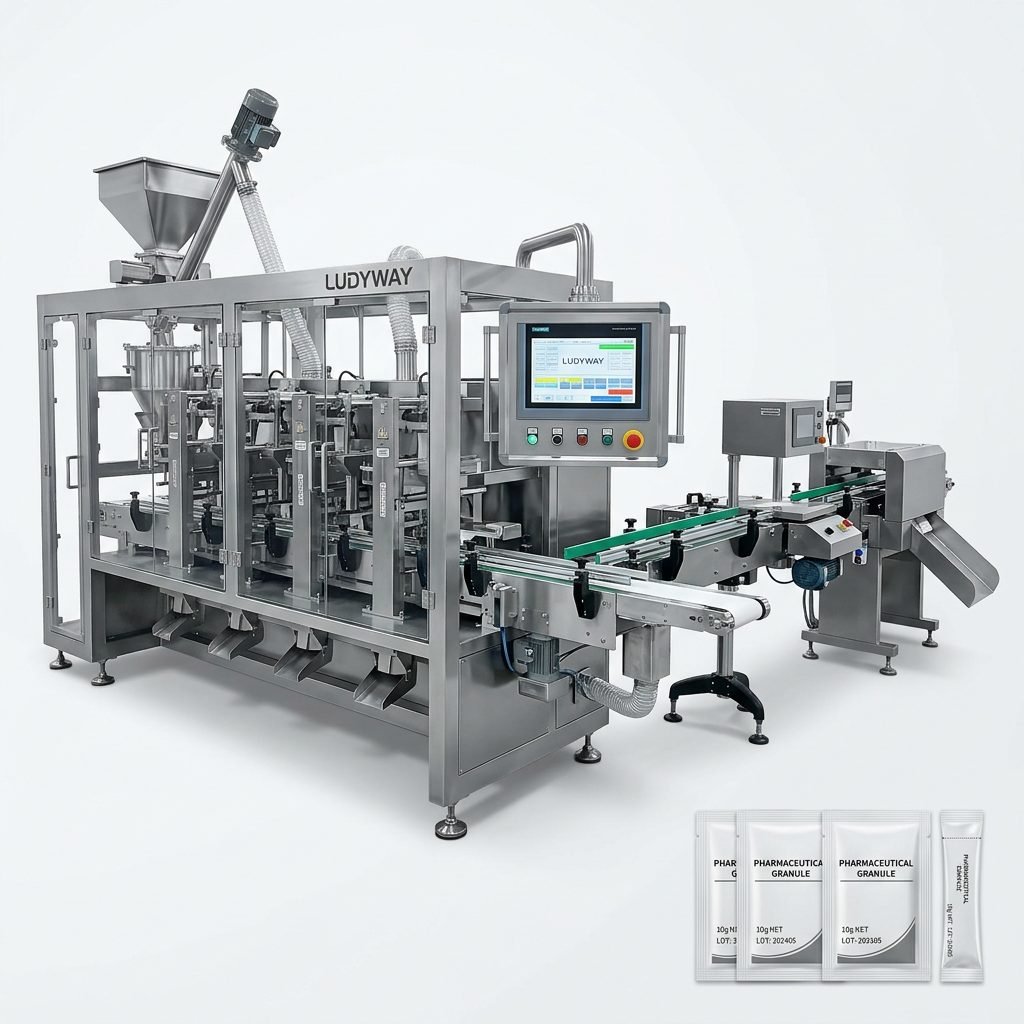
3. Standardize changeovers to reduce setup-related downtime
Frequent product changes are common in modern packaging operations, especially for contract manufacturers and businesses with multiple SKUs. Unfortunately, changeovers are also a major source of downtime.
To improve changeover efficiency:
- Document each changeover step clearly
- Pre-stage tools, packaging materials, and spare parts before shutdown
- Use parameter recipes for repeat products
- Mark mechanical adjustment points where possible
- Separate internal tasks from external tasks to shorten stoppage time
- Review every long changeover to identify avoidable delays
Reducing changeover time does not just save minutes; it also lowers startup scrap and improves schedule flexibility.
4. Improve packaging material quality and compatibility
Many packaging issues are caused by material inconsistency rather than machine defects. Film thickness variation, poor sealing layers, uneven pouch dimensions, dust contamination, or weak roll winding can all lead to jams and poor sealing performance.
To reduce material-related downtime:
- Approve qualified suppliers and material specifications
- Inspect incoming film, pouches, labels, caps, and cartons
- Test new materials before full production release
- Store materials properly to avoid moisture, deformation, or contamination
- Align machine settings with actual material properties
Machines perform best when materials are stable, consistent, and matched to the line design.
5. Use downtime data instead of assumptions
If you want real efficiency gains, you need more than general observations. Record every stop, including the reason, duration, shift, product, and machine condition. This helps separate high-frequency minor stops from rare but severe breakdowns.
Useful downtime categories include:
- Mechanical fault
- Electrical fault
- Material jam
- Operator adjustment
- Cleaning or sanitation
- Changeover
- Waiting for product or packaging materials
- Quality rejection or inspection hold
Once data is visible, patterns become clear. You may discover that the biggest issue is not major breakdowns at all, but repeated short stops from the same weak point.
6. Keep critical spare parts available on site
A short repair can turn into several hours of downtime if a sensor, heater, blade, PLC component, belt, bearing, or sealing part is not available. Critical spare parts planning is essential for fast recovery.
Prioritize parts that are:
- Prone to wear
- Essential for machine restart
- Hard to source quickly
- Specific to one machine model
- Known from past downtime history
Keep a simple spare parts list with stock levels, supplier lead time, and replacement instructions. This reduces repair delays and improves maintenance confidence.
7. Optimize line balance, not just a single machine
Packaging downtime is often a line-level issue. A filler may be capable of high output, but if the cartoner, conveyor, checkweigher, labeling unit, or case packer cannot keep up, the entire line becomes unstable.
Review the full process:
- Feeding and dosing stability
- Primary packaging speed
- Inspection system response time
- Secondary packaging capacity
- Product accumulation and buffer zones
- End-of-line handling efficiency
Stable flow between upstream and downstream equipment is one of the most overlooked ways to reduce stoppages.
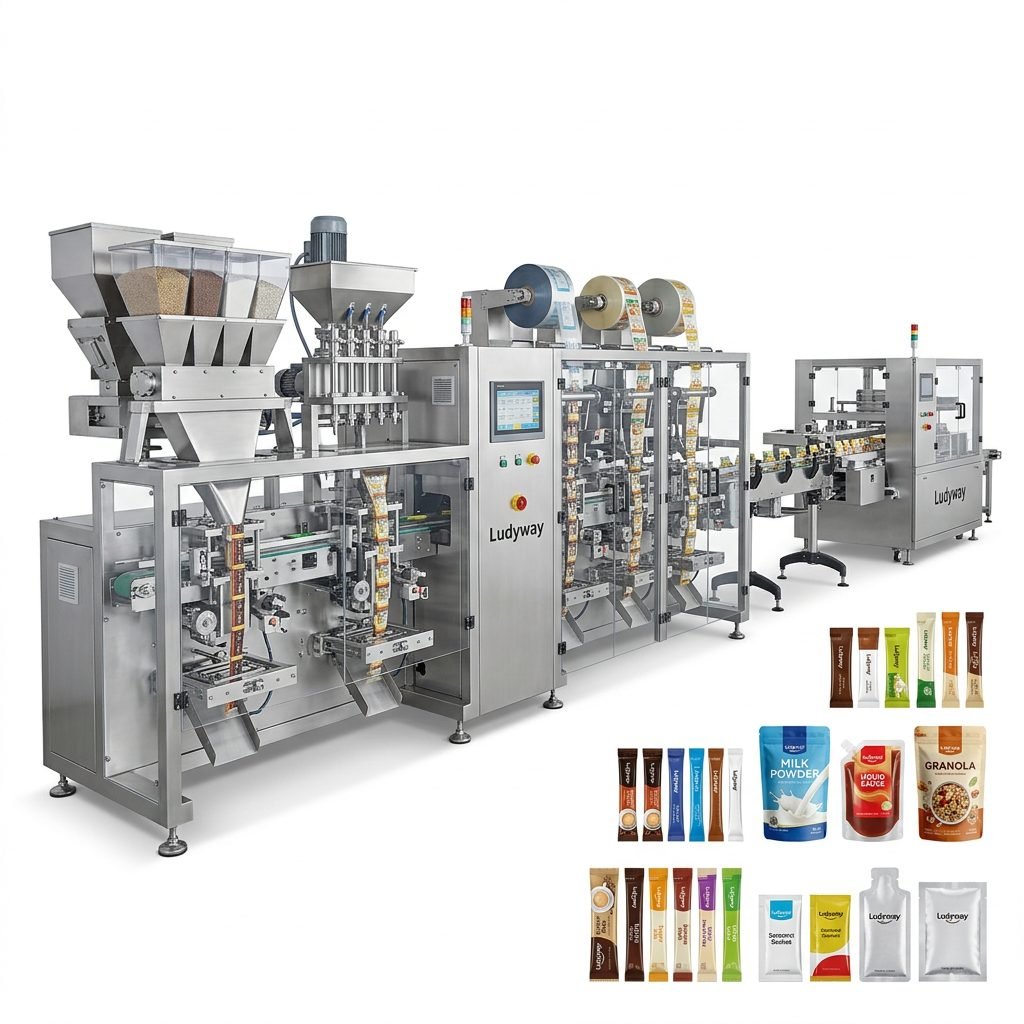
8. Focus on the sealing system, cutting system, and feeding system
In many packaging machines, these three areas create the highest risk of downtime because they directly affect package formation and consistency.
Sealing system
- Check temperature stability
- Inspect sealing jaws for wear or contamination
- Verify pressure consistency
- Match dwell time to material requirements
Cutting system
- Inspect blade sharpness and alignment
- Replace worn components before quality drops
- Check for buildup that affects clean cuts
Feeding and dosing system
- Prevent bridging, clogging, and inconsistent flow
- Control dust for powders
- Maintain pumps, augers, and hoppers properly
- Ensure smooth product transfer from upstream handling equipment
Paying close attention to these core systems often delivers some of the fastest downtime improvements.
9. Reduce cleaning-related downtime with better design and planning
In food, pharmaceutical, supplement, and hygiene industries, regular cleaning is unavoidable. However, poor cleaning routines can extend downtime and even create new faults if sensors, sealing parts, and settings are disturbed.
Best practices include:
- Using clear cleaning SOPs for each product type
- Assigning tools for specific machine zones
- Protecting electrical and pneumatic parts during washdown or wipe-down
- Scheduling cleaning around production plans
- Training sanitation staff on equipment-sensitive areas
Hygienic design and easy-access machine structures can significantly reduce both cleaning time and restart issues.
10. Introduce predictive checks before failures happen
Packaging plants that want stronger long-term efficiency should go beyond routine maintenance and adopt predictive checks. You do not need a highly complex system to begin. Even basic monitoring can identify developing issues before they lead to machine stops.
Watch for:
- Temperature drift in sealing units
- Increased vibration in motors or bearings
- Air pressure fluctuations
- Rising reject rates
- Longer cycle times
- Repeat alarms from the same station
These early warning signs help maintenance teams intervene at the right time instead of reacting after a breakdown.
A simple action plan to reduce packaging machine downtime
| Action | Time Frame | Expected Result |
|---|---|---|
| Record all downtime reasons by shift | Immediate | Clear visibility of top loss areas |
| Create preventive maintenance checklist | 1-2 weeks | Fewer unexpected breakdowns |
| Train operators on alarm handling and setup | 2-4 weeks | Reduction in minor stoppages |
| Standardize changeovers | 1 month | Shorter downtime between SKUs |
| Stock critical spare parts | 1 month | Faster repairs and restart |
| Review line balance and bottlenecks | Ongoing | Better flow and higher overall efficiency |
When equipment selection also affects downtime
In some cases, downtime remains high because the packaging equipment is not well matched to the product, material, speed target, or factory workflow. Machines built with better component quality, stable engineering, and easier maintenance access usually deliver stronger long-term performance.
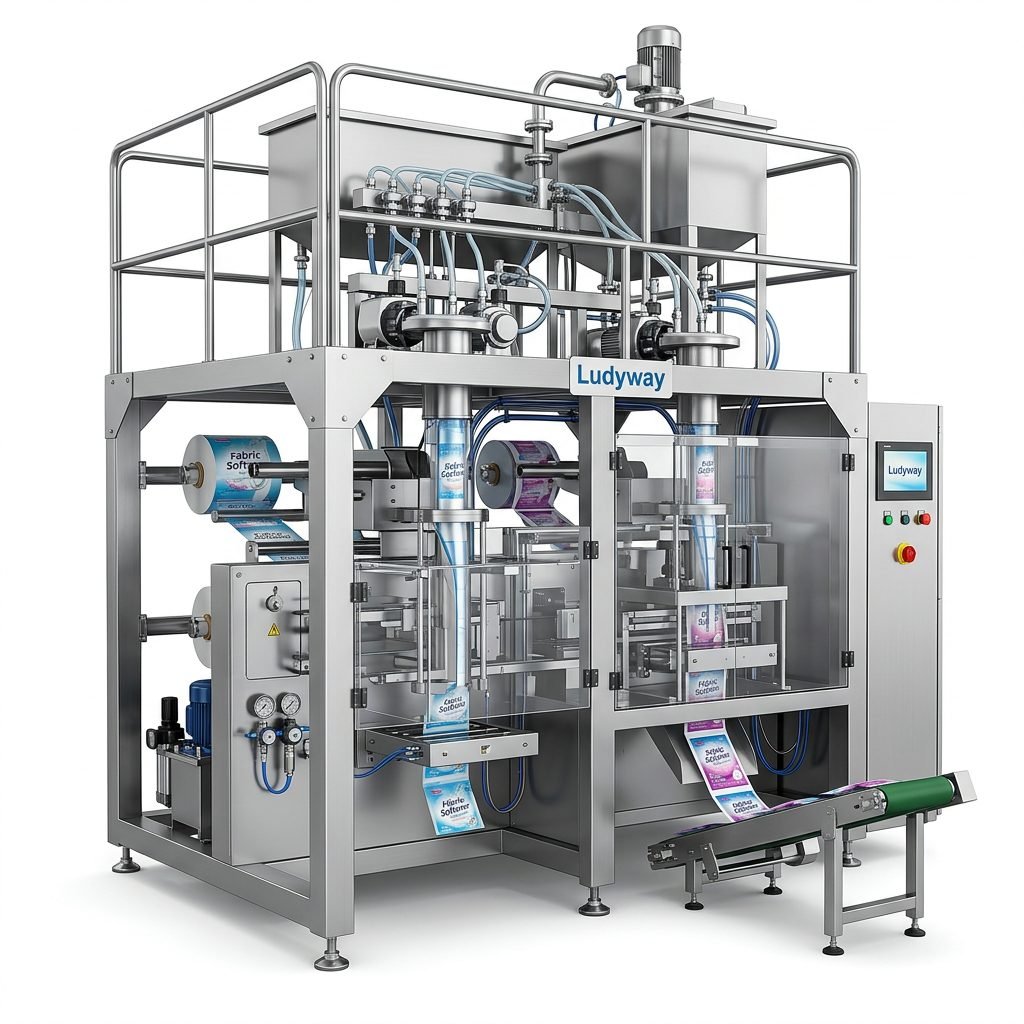
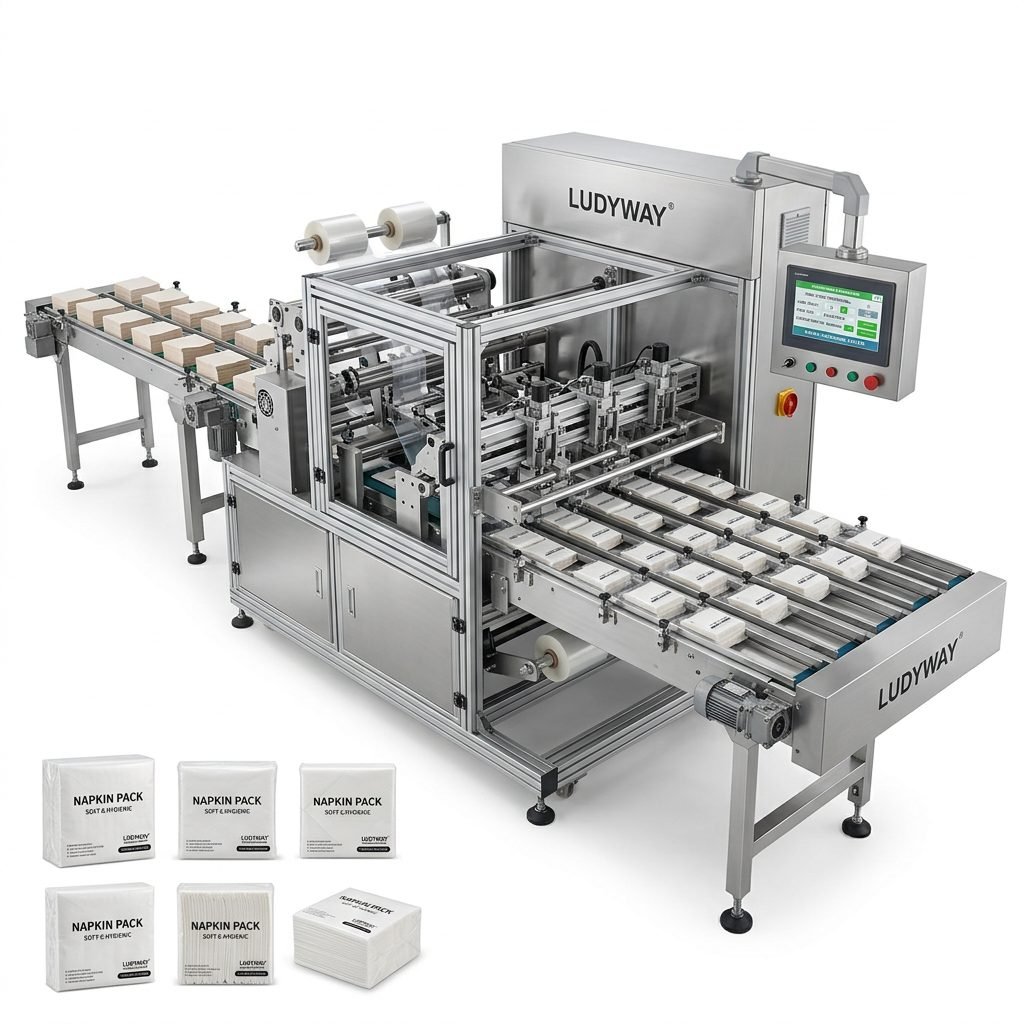
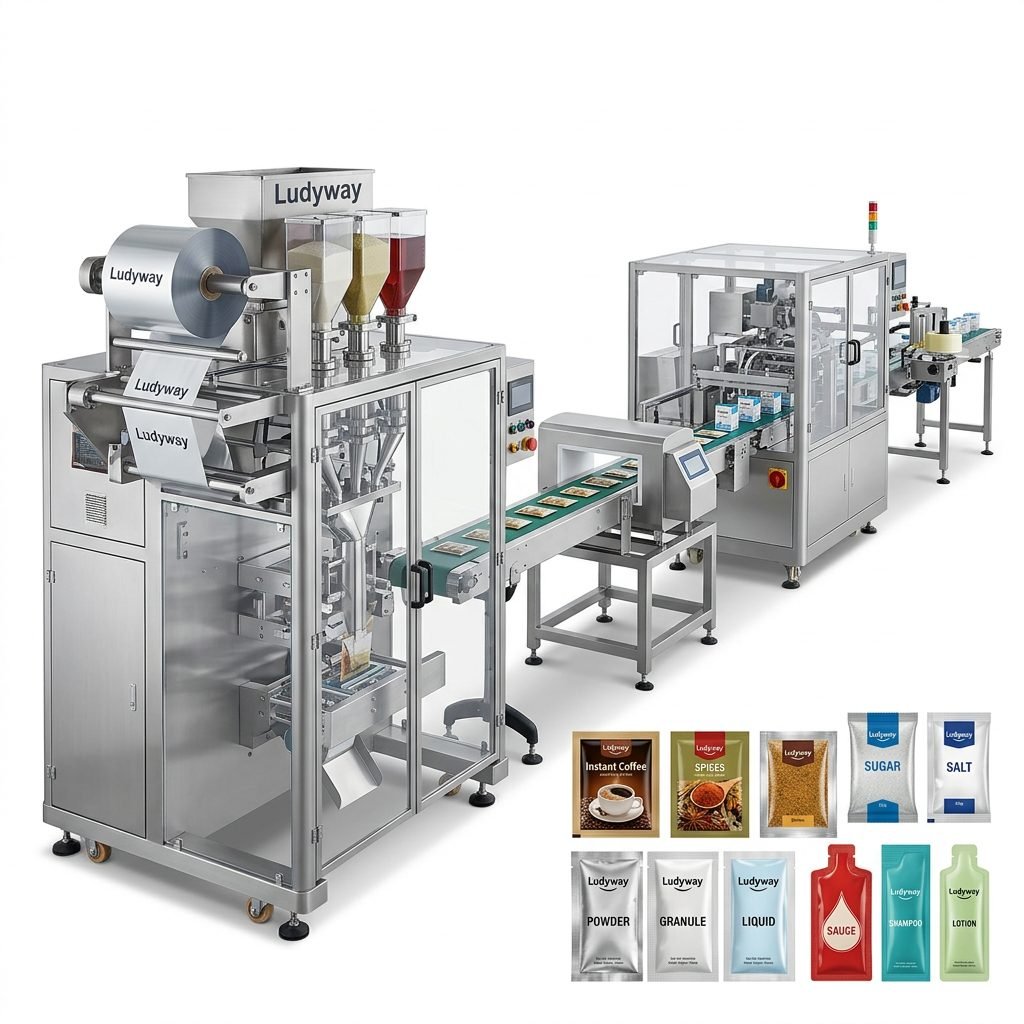
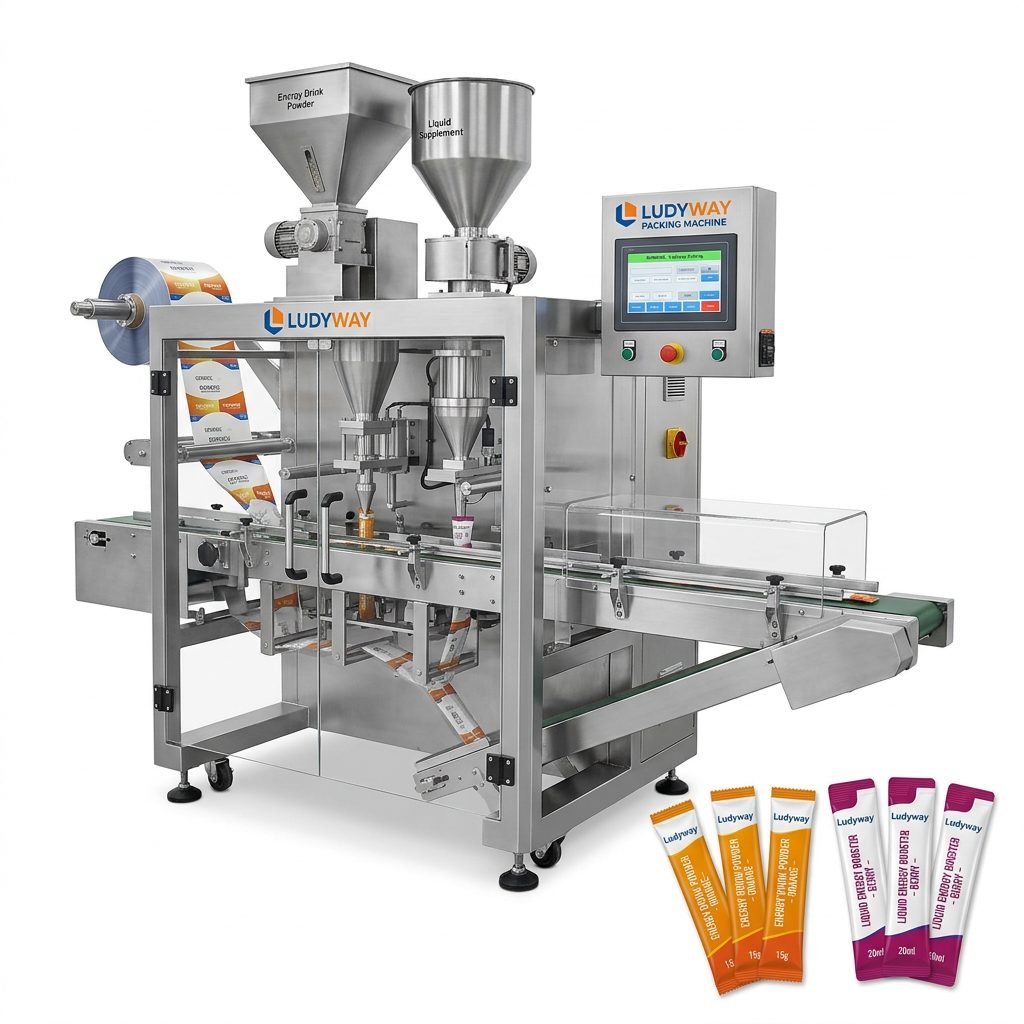
For companies looking to improve automation reliability, working with an experienced supplier of packaging machine solutions from Ludyway can help reduce risk through better machine selection, line integration, and technical support.
Final priorities for improving packaging efficiency
If you want to reduce packaging machine downtime effectively, start with the basics and execute them well. The biggest gains usually come from a disciplined process rather than one dramatic fix.
- Maintain machines before they fail
- Train operators to run equipment correctly
- Standardize changeovers and cleaning
- Track downtime with real data
- Keep key spare parts ready
- Improve line-wide coordination
When these steps are applied consistently, downtime drops, output becomes more stable, and the entire packaging operation becomes more efficient, profitable, and easier to manage.