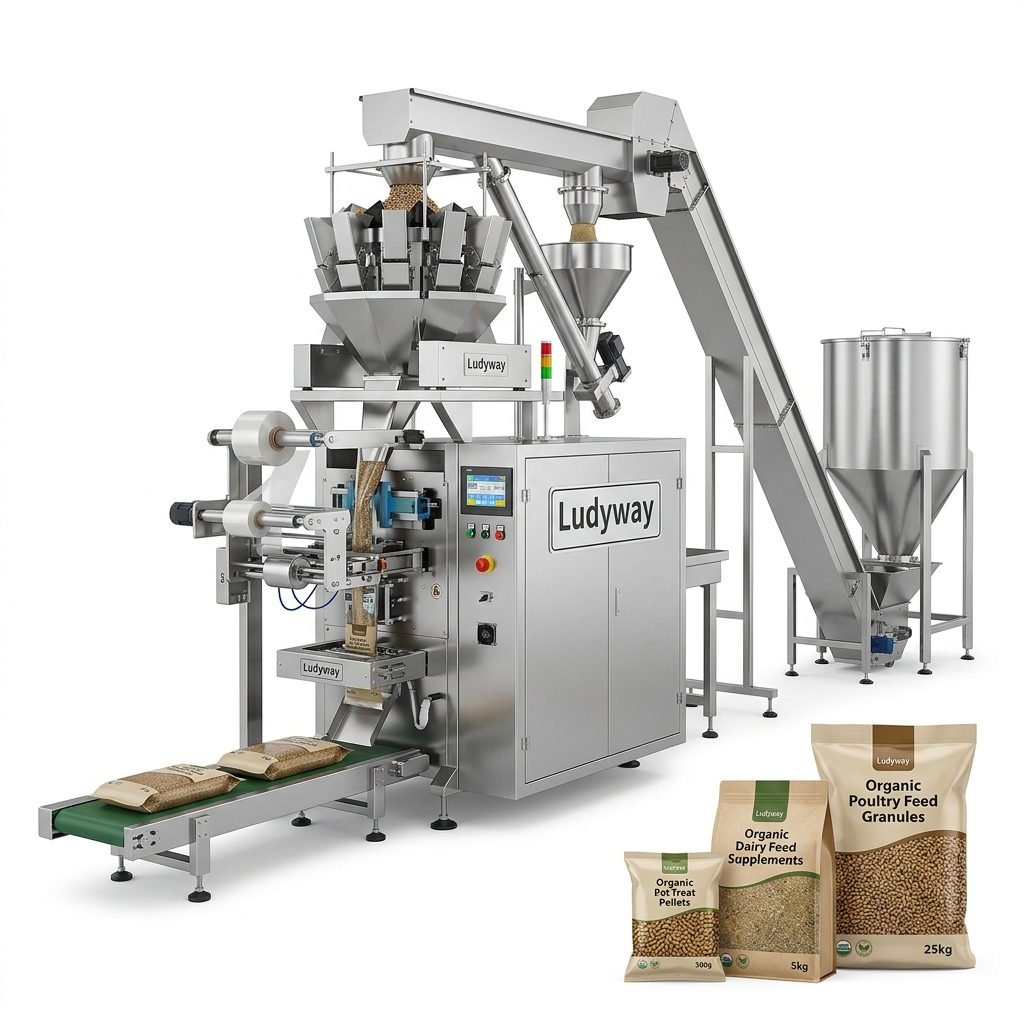
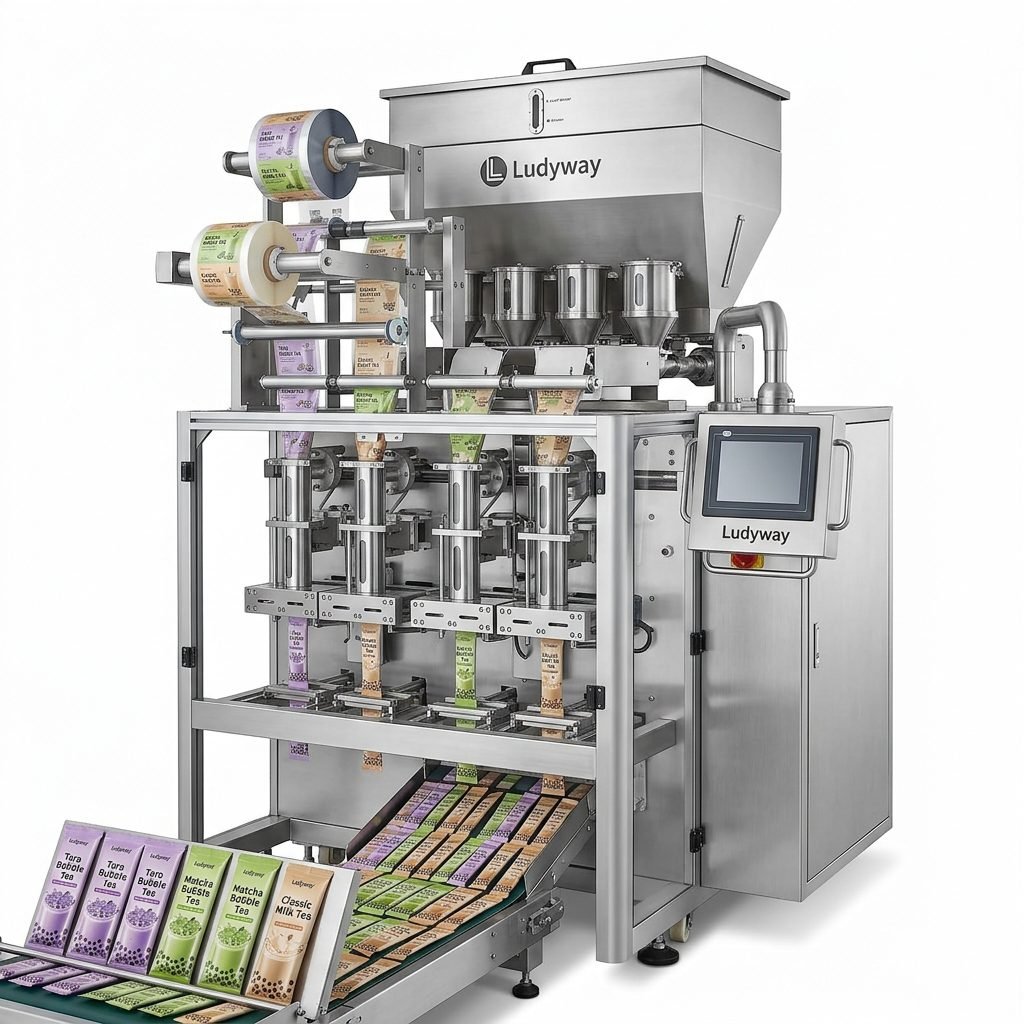
Packaging costs can quietly drain margins even when sales are growing. For manufacturers, co-packers, and brand owners, reducing packaging expenses is not about choosing the cheapest materials alone. It is about building a smarter system that lowers waste, improves efficiency, protects products, and supports long-term profitability.
Below are 12 practical ways to cut packaging expenses without sacrificing product quality, customer experience, or operational stability.
Why Packaging Costs Rise Faster Than Many Businesses Expect
Packaging expenses are usually made up of more than just film, cartons, labels, or pouches. The total cost often includes:
- Material purchasing
- Labor and machine operation
- Storage and warehouse space
- Freight and dimensional shipping charges
- Rework, spoilage, and damaged goods
- Downtime from inefficient equipment
- Overpackaging and excess specifications
That is why businesses that focus only on unit material price often miss bigger savings opportunities elsewhere in the packaging process.
Quick View: 12 Ways to Reduce Packaging Costs
| Method | Main Benefit | Typical Savings Area |
|---|---|---|
| Right-size packaging | Reduces excess material | Material and shipping |
| Standardize formats | Simplifies procurement | Purchasing and inventory |
| Use lighter materials | Cuts weight and freight | Shipping and raw material |
| Improve packaging design | Boosts efficiency and protection | Damage reduction and speed |
| Automate key steps | Cuts labor and errors | Labor and waste |
| Buy in smarter volumes | Improves price negotiation | Supplier cost |
| Reduce SKU complexity | Lowers changeover time | Setup and downtime |
| Track waste by line | Finds hidden losses | Scrap and rework |
| Optimize case packing | Uses logistics space better | Transport and warehousing |
| Lower downtime | Improves throughput | Operations |
| Review secondary packaging | Avoids unnecessary layers | Cartons, inserts, fillers |
| Invest in scalable equipment | Prevents repeated replacement | Long-term capex and opex |
1. Right-Size Your Packaging
One of the fastest ways to reduce packaging costs is to stop using oversized packaging. Many businesses use bags, pouches, cartons, or trays that are larger than necessary simply because that is what has always been available.
Right-sizing helps reduce:
- Film and paperboard consumption
- Void fill and cushioning materials
- Freight charges caused by extra size or weight
- Storage space requirements
Tip: Measure actual filled product dimensions and compare them with current packaging specs. Even a small size reduction can create meaningful annual savings at volume.
2. Standardize Packaging Materials Across Products
Too many packaging variations increase purchasing complexity, create small inventory lots, and raise setup time. Standardizing film widths, pouch structures, carton sizes, caps, or labels across multiple products can cut costs significantly.
Benefits of standardization include:
- Better supplier pricing through larger order volumes
- Lower warehouse complexity
- Fewer line changeovers
- Less risk of ordering errors
If your product range is expanding, standardization becomes even more important for protecting margins.
3. Switch to Lighter but Functional Materials
Reducing material thickness or moving to lighter packaging structures can lower direct costs and transportation expenses. However, this should be done carefully. A cheaper material that causes leakage, breakage, or spoilage usually increases total cost.
Look for material changes that maintain:
- Barrier performance
- Seal integrity
- Compression strength
- Shelf-life protection
- Regulatory compliance
The goal is not the weakest package. The goal is the most efficient package that still performs reliably.
4. Redesign Packaging for Production Efficiency
Good packaging design is not only about appearance. It should also make filling, sealing, labeling, coding, cartoning, and palletizing easier. Poorly designed packaging often slows equipment, causes jams, and increases waste.
Questions worth asking:
- Does the package run smoothly on existing equipment?
- Can seals be formed consistently at current speeds?
- Is the shape efficient for packing into shipping cartons?
- Can operators change formats quickly?
Small design changes can improve line performance and reduce labor intervention.
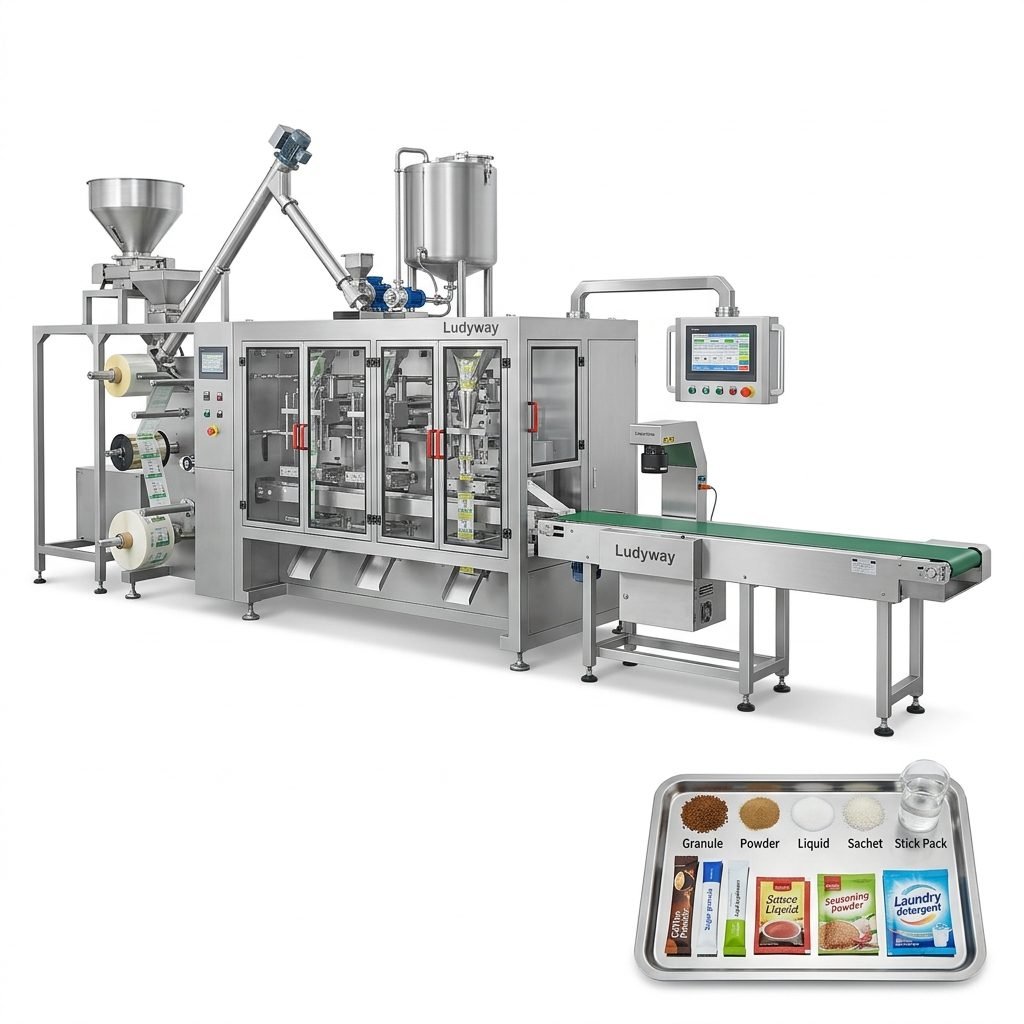
5. Automate Repetitive Packaging Tasks
Manual packaging may look cheaper at first, but in many operations it becomes costly when labor shortages, inconsistency, and output limits are considered. Automating repetitive steps can reduce long-term cost per unit.
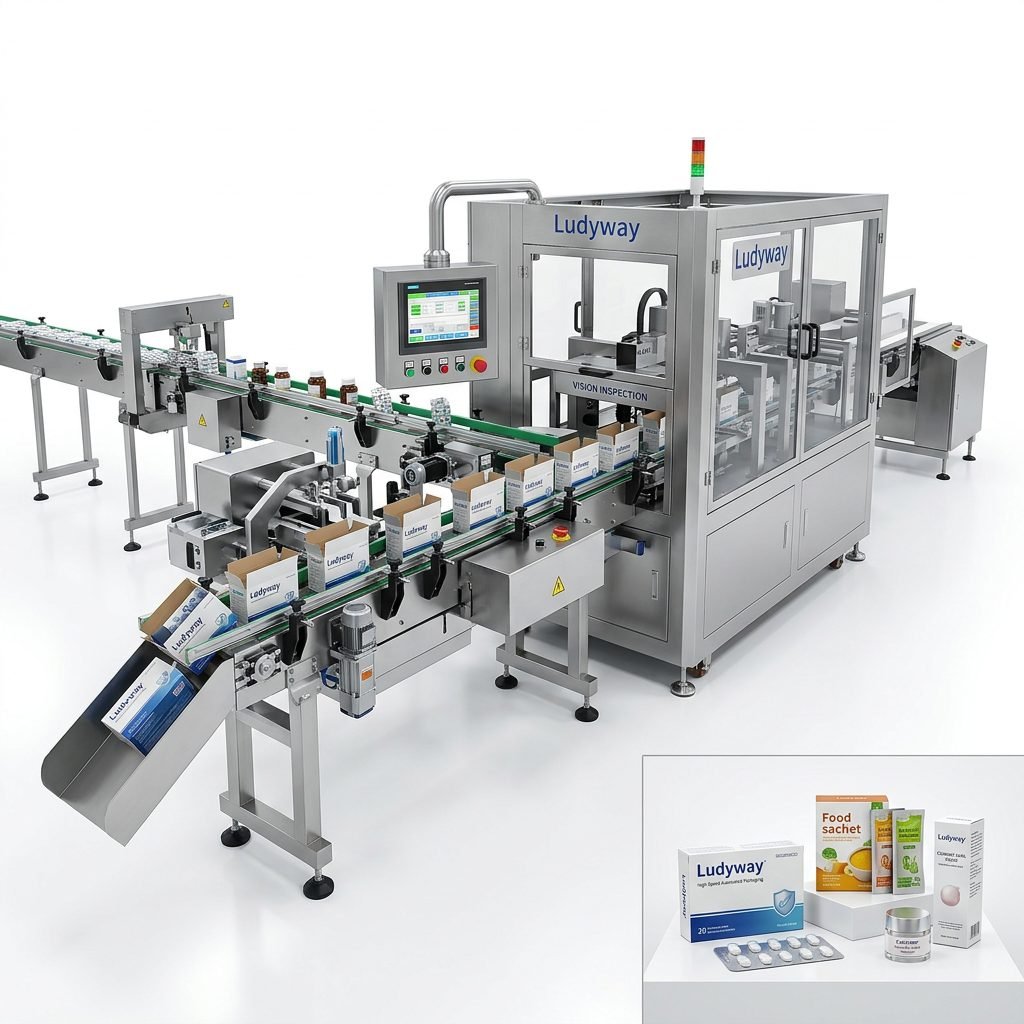
Common high-impact automation areas include:
- Filling and dosing
- Sealing
- Counting and weighing
- Cartoning
- Case packing
- Palletizing
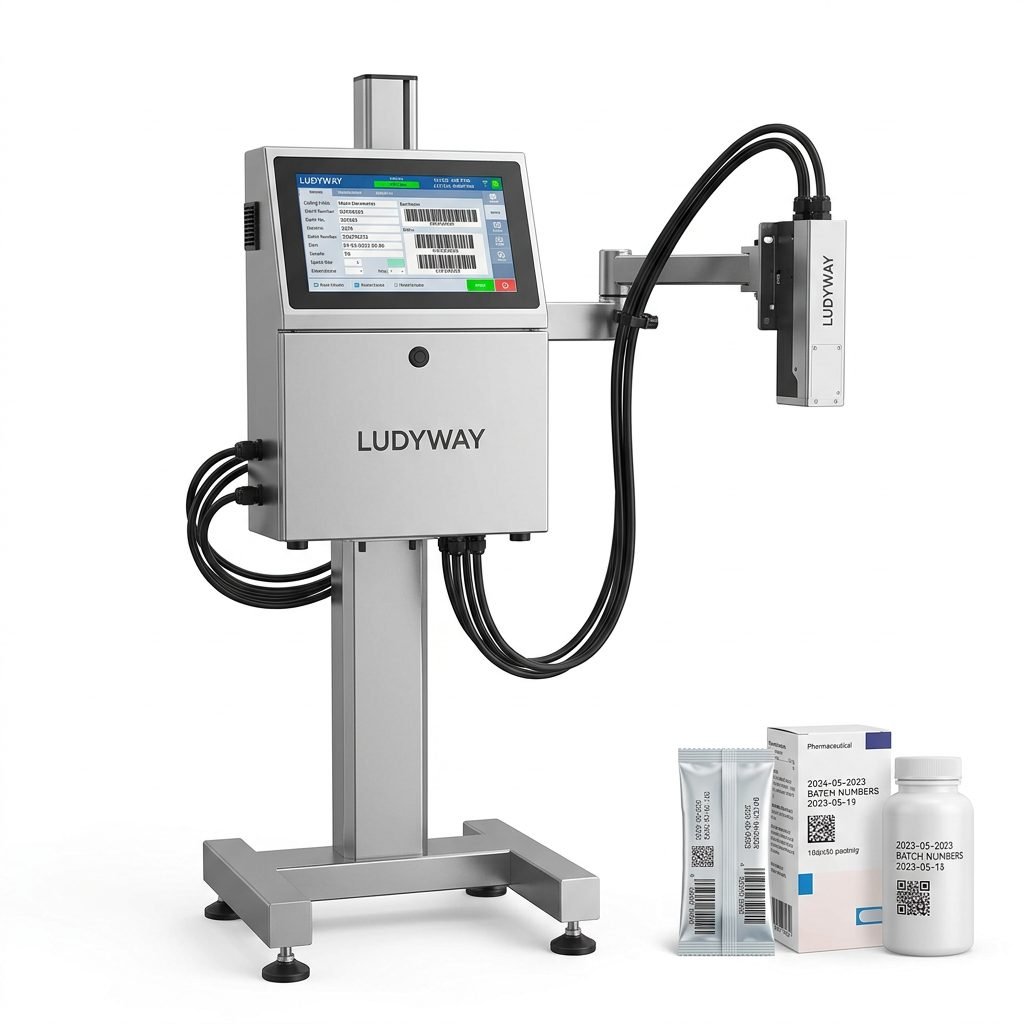
- Date coding and labeling
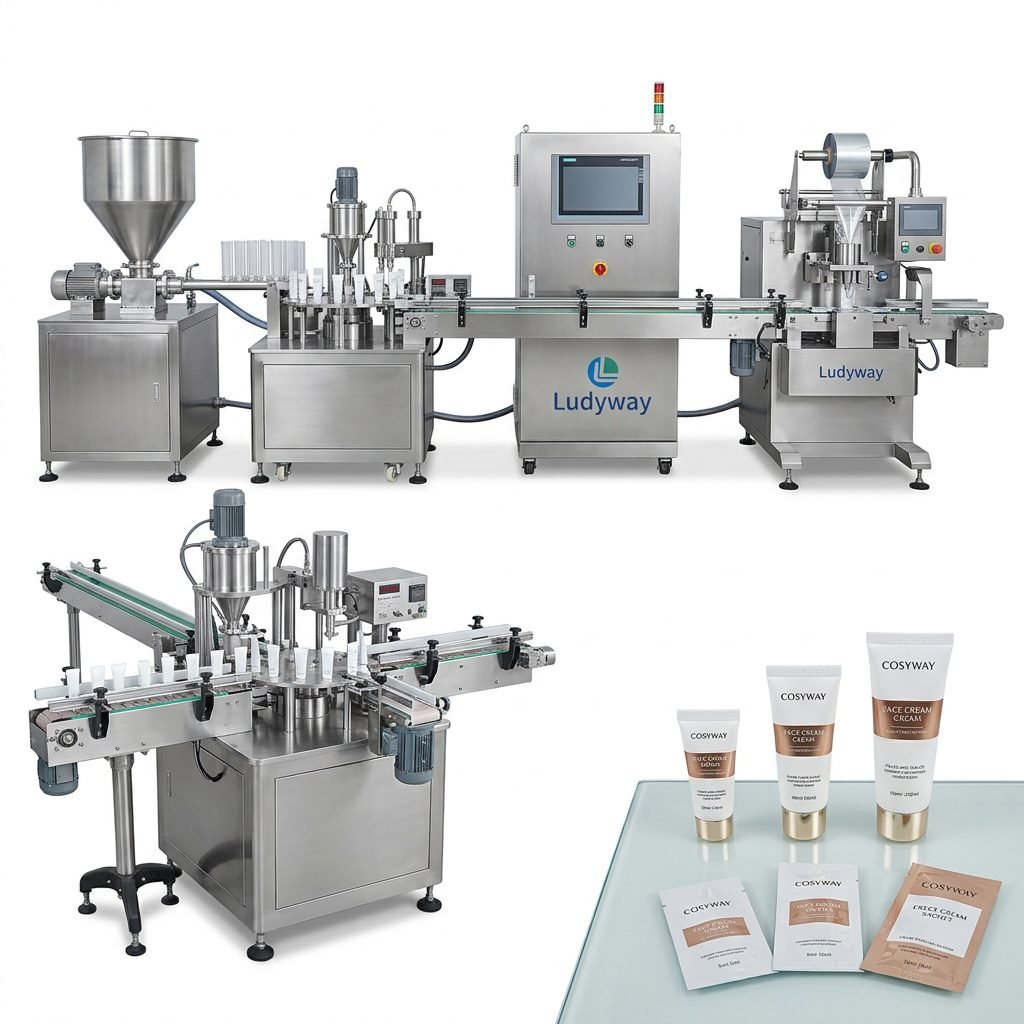
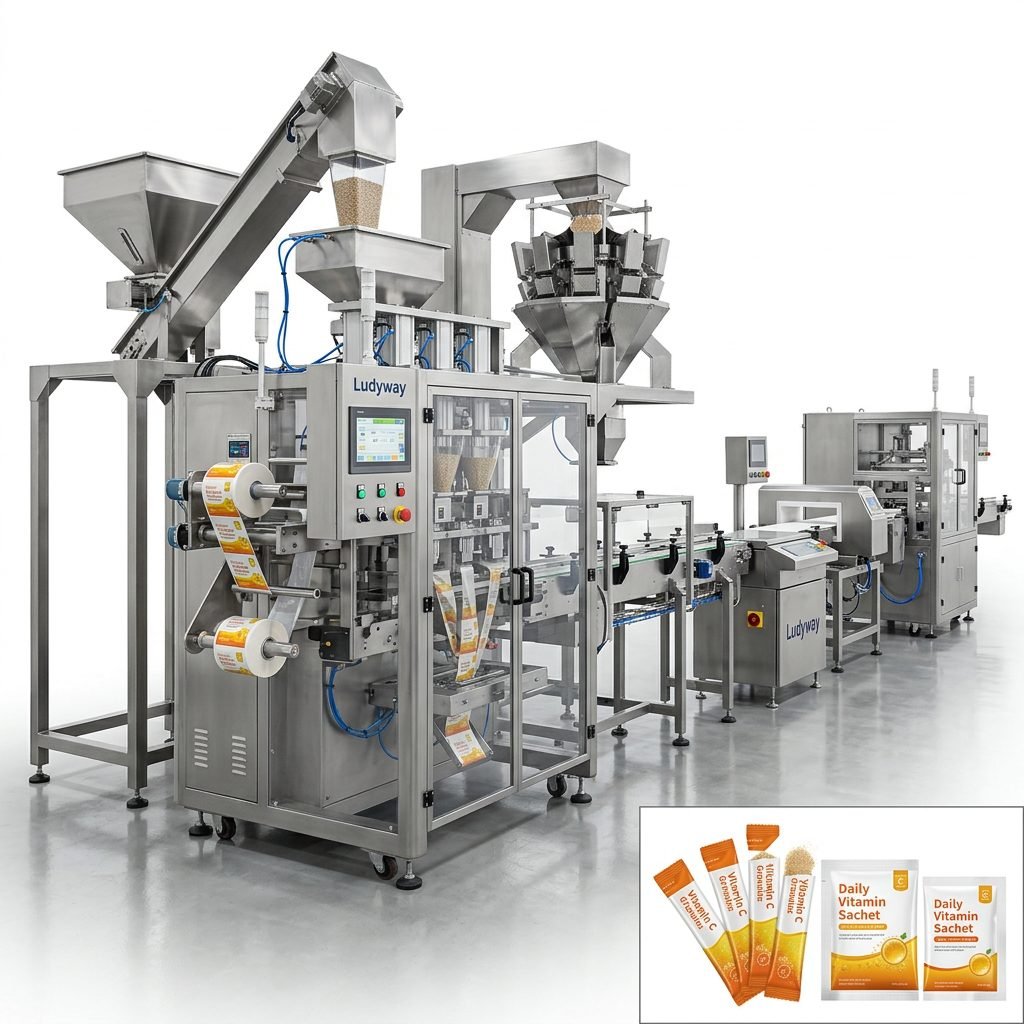
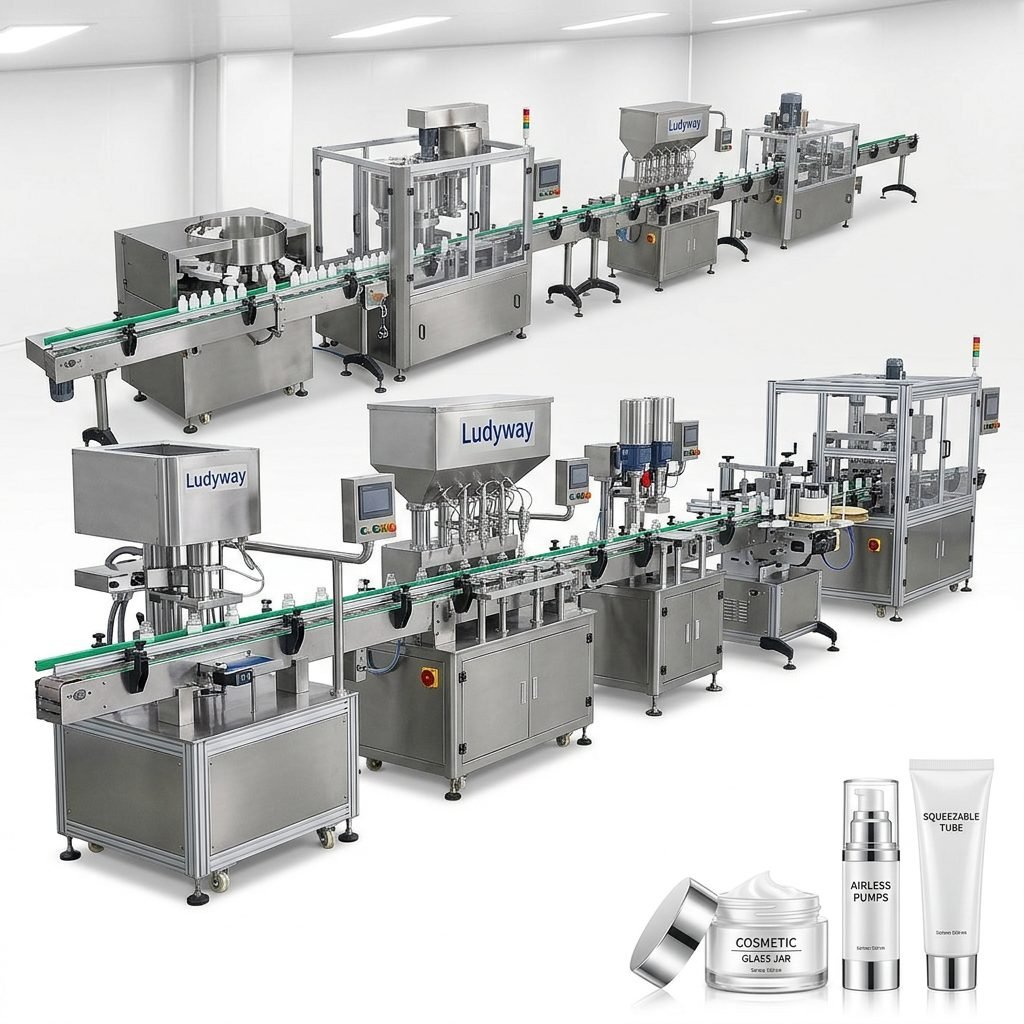
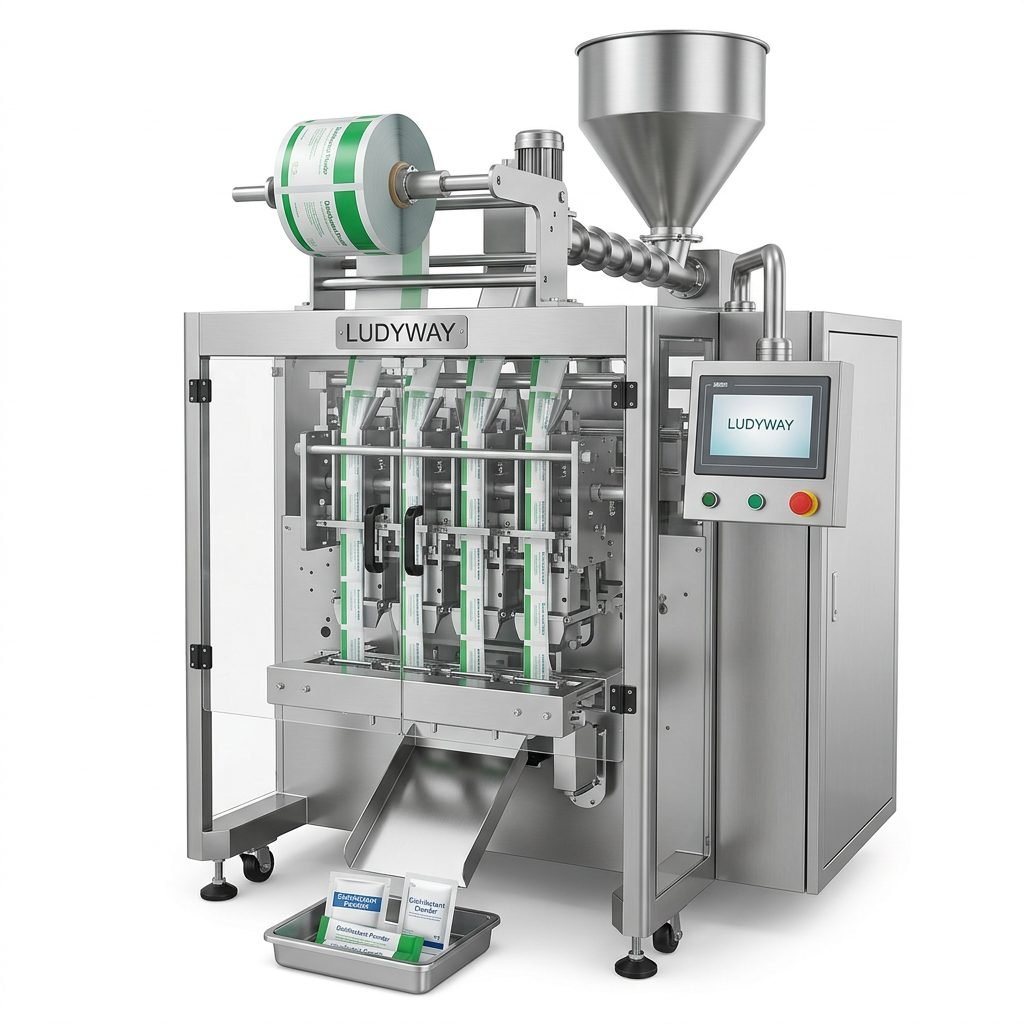
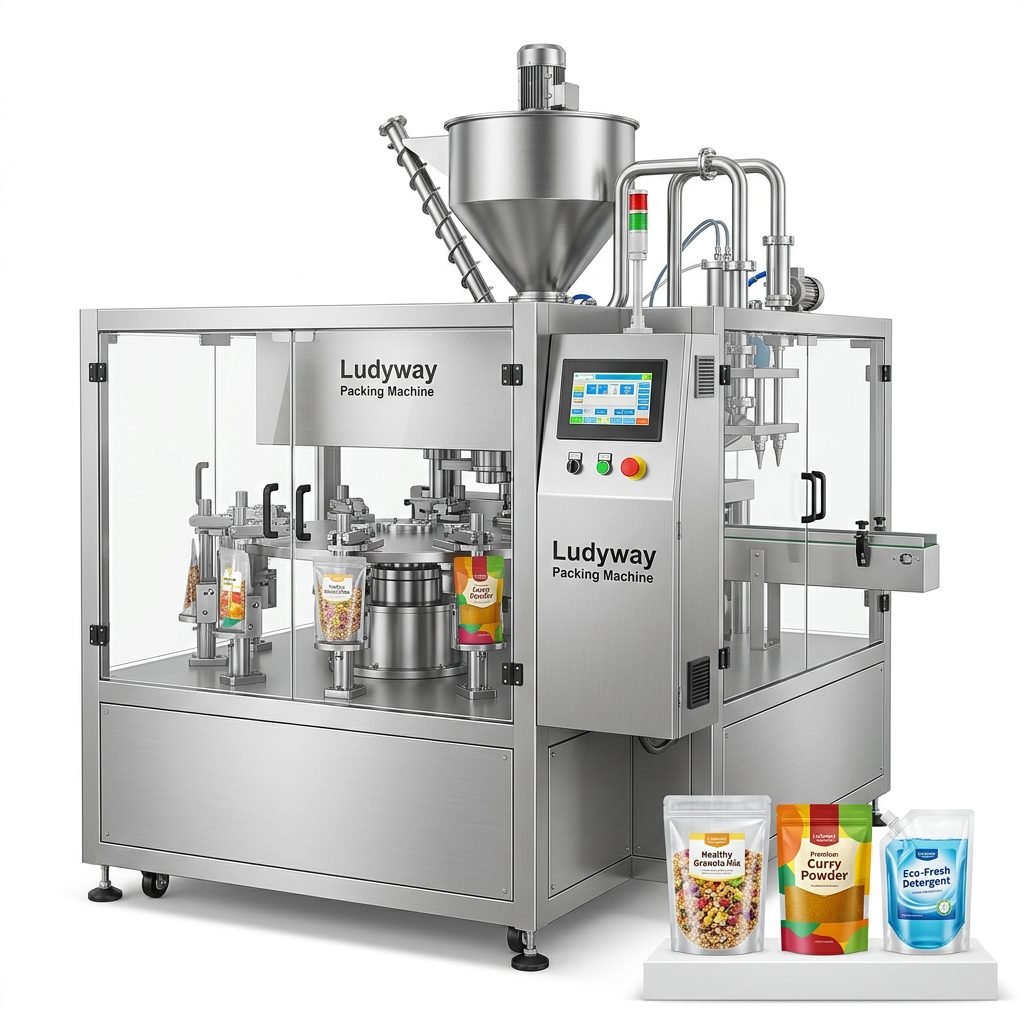
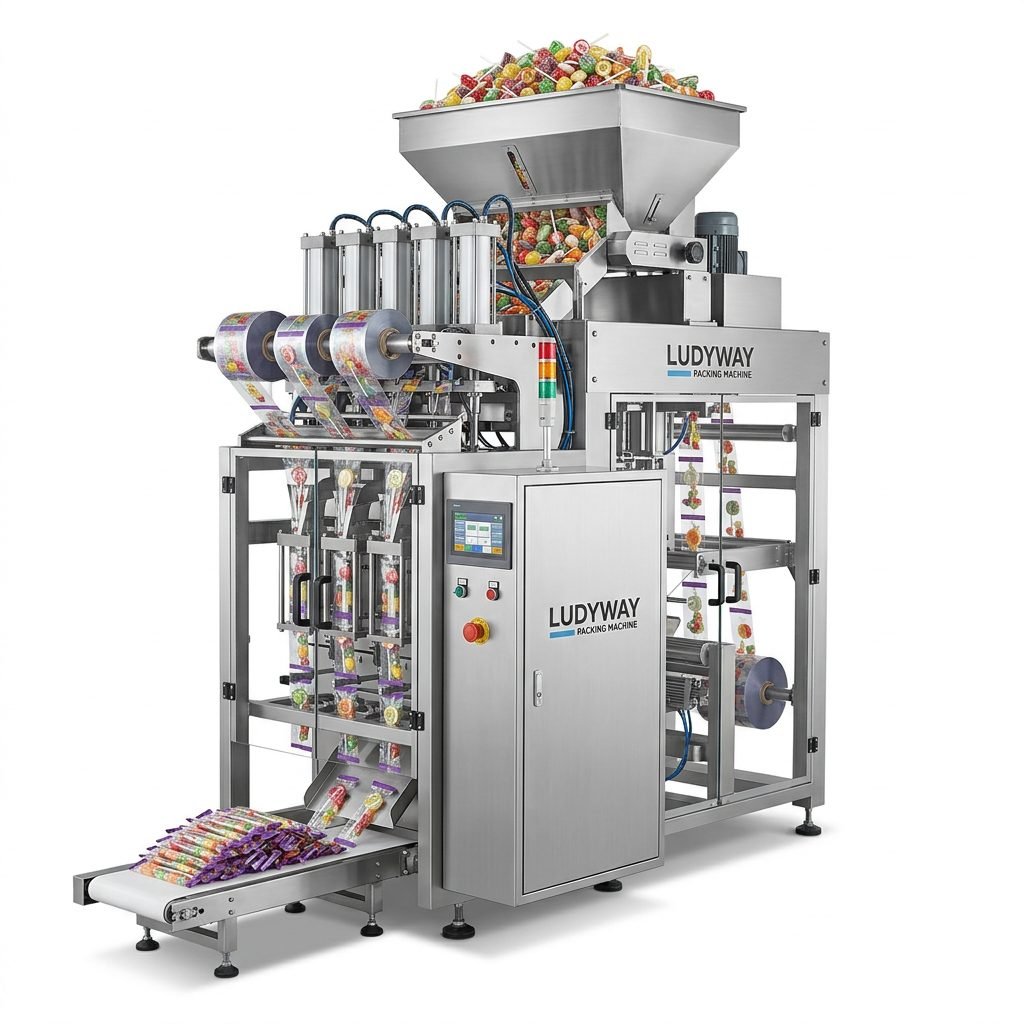
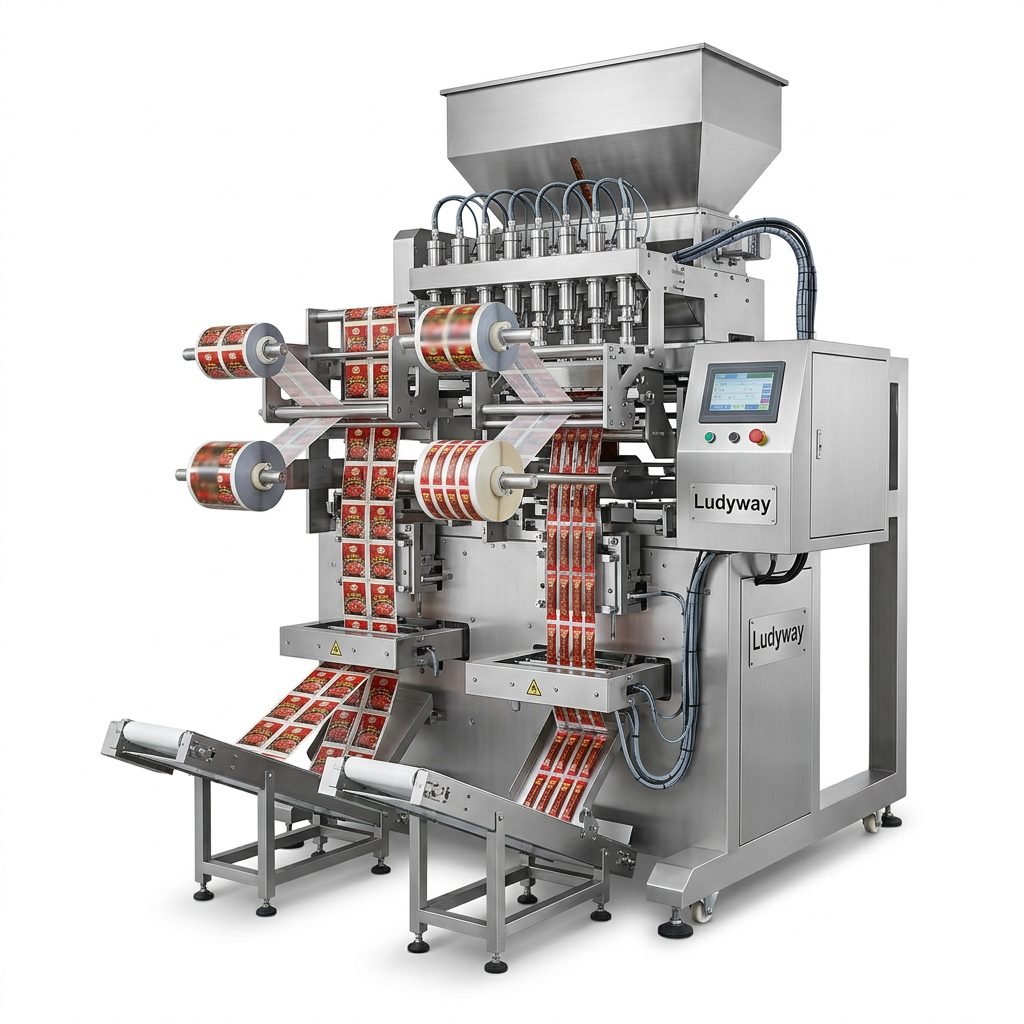
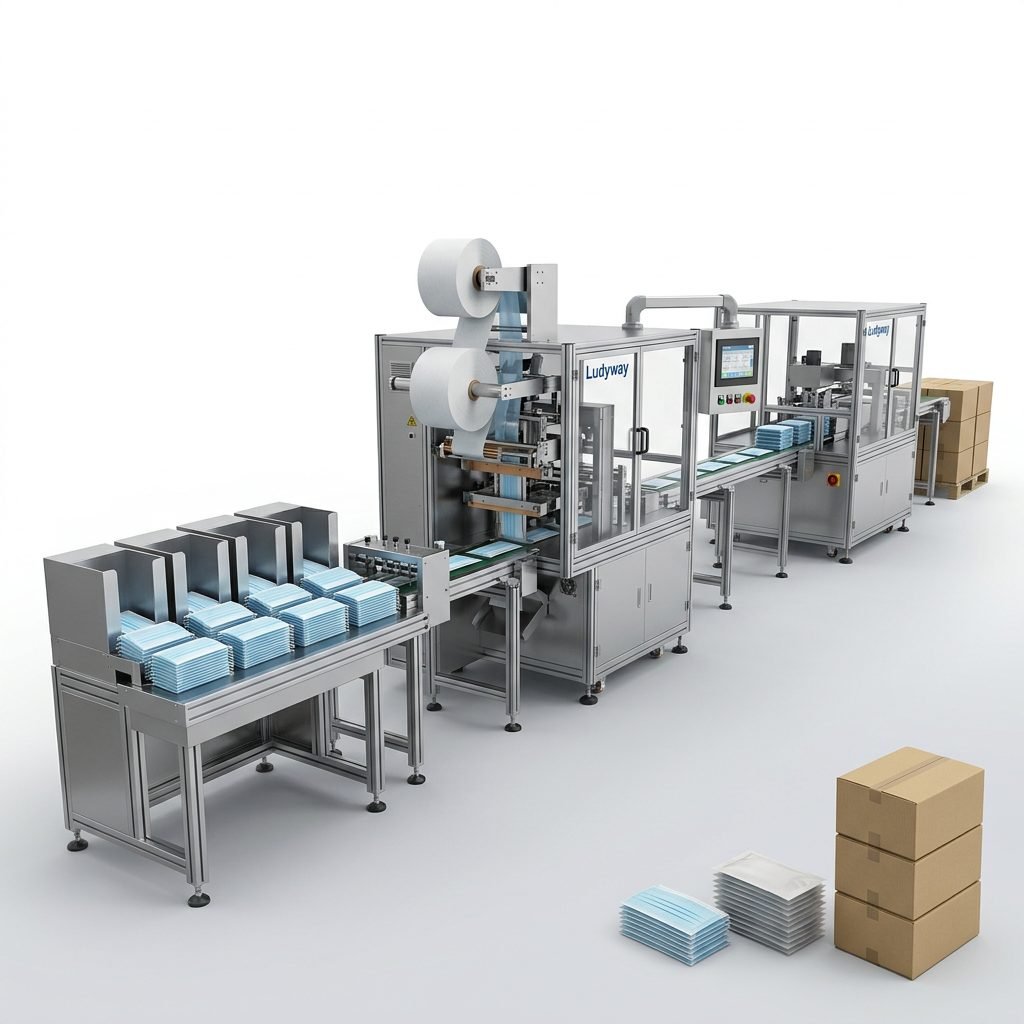
For businesses evaluating machinery upgrades, working with experienced suppliers such as Ludyway packaging machine manufacturer can help identify packaging line solutions that improve efficiency while lowering labor dependence and material waste.
6. Buy Packaging Materials in Smarter Volumes
Bulk purchasing can reduce unit cost, but overbuying creates other problems such as dead inventory, obsolete printed packaging, and extra storage costs. The smarter move is balancing price breaks with forecast accuracy.
Consider:
- Blanket orders with scheduled releases
- Supplier-managed inventory options
- Standardized packaging with higher usage turnover
- Longer-term price agreements for core materials
This approach improves purchasing leverage without tying up too much cash.
7. Reduce Unnecessary SKU and Format Complexity
Every packaging variation adds operational cost. Different sizes, materials, graphics, and pack configurations create more setup time, higher quality risk, and extra inventory. If some formats sell poorly, they may be costing more than they earn.
Action step: Review your low-volume SKUs and identify whether they can be consolidated, discontinued, or moved into a shared packaging format.
8. Monitor Packaging Waste in Real Time
You cannot reduce what you do not measure. Many facilities know raw material purchasing totals but do not know where scrap is actually happening. Waste may come from setup loss, seal failures, coding errors, product giveaway, damaged cartons, or operator handling mistakes.
Track at least these metrics:
- Material scrap rate
- Rejected packs by reason
- Downtime minutes by shift
- Changeover duration
- Product overfill or underfill
Once line-level data is visible, cost-reduction opportunities become much easier to prioritize.
9. Optimize Secondary and Tertiary Packaging
Primary packaging often gets the most attention, but secondary and tertiary packaging can also create major savings. Cases, dividers, shrink wrap, pallets, and stretch film all affect total cost.
Review whether you can:
- Fit more units per carton
- Reduce corrugated board weight safely
- Improve pallet patterns
- Lower stretch film consumption
- Minimize empty transport space
These improvements often lower both packaging spend and freight cost at the same time.
10. Reduce Downtime and Maintenance Losses
Packaging cost is heavily influenced by machine uptime. Frequent stoppages increase labor waste, lower throughput, and often generate more scrap during restart.
To reduce downtime:
- Use preventive maintenance schedules
- Train operators on basic troubleshooting
- Keep critical spare parts in stock
- Improve changeover procedures
- Standardize machine settings for each product
A line that runs steadily usually costs less per pack than a line with constant interruptions, even if the material itself is unchanged.
11. Eliminate Overpackaging
Some products are packaged with extra inserts, thick cartons, oversized labels, or multiple protective layers that provide little real value. This often happens when old packaging decisions are never reviewed.
Ask:
- Does each packaging component have a clear function?
- Is the package designed for actual shipping risk or assumed risk?
- Can branding still work with less material?
Reducing unnecessary components can cut material cost and improve sustainability at the same time.
12. Choose Scalable Equipment Instead of Short-Term Fixes
Low-cost equipment can become expensive if it limits speed, causes high reject rates, or cannot support future product formats. Investing in scalable packaging machinery may reduce total ownership cost over time.
Scalable systems help by offering:
- Higher output capacity
- Better accuracy and consistency
- Lower labor dependence
- More flexible format handling
- Easier integration with complete packaging lines
When production grows, scalable equipment helps avoid premature replacement and repeated installation costs.
Common Packaging Cost Mistakes to Avoid
| Mistake | Why It Costs More |
|---|---|
| Buying the cheapest material without testing | Can increase damage, leakage, and returns |
| Using too many packaging sizes | Raises inventory and changeover complexity |
| Ignoring shipping efficiency | Leads to higher dimensional freight charges |
| Relying too much on manual processes | Increases labor cost and inconsistency |
| Not measuring line waste | Hidden losses continue unchecked |
How to Prioritize the Best Cost-Reduction Opportunities
If you want the fastest results, start with a simple review of your packaging operation using these three categories:
High Priority
- High scrap lines
- Labor-heavy manual packing stations
- Oversized packaging with high freight impact
Medium Priority
- SKU complexity issues
- Secondary packaging optimization
- Supplier purchasing strategy updates
Long-Term Priority
- Full line automation
- Turnkey packaging system upgrades
- Packaging format redesign for future growth
Final Thoughts for Businesses Looking to Cut Packaging Expenses
Reducing packaging costs is rarely about one single change. The best results usually come from combining material optimization, smarter design, better purchasing, waste reduction, and automation. Businesses that take a system-level approach often achieve more stable operations and stronger margins over time.
If you are reviewing your packaging process, focus on total cost rather than unit price alone. In many cases, the biggest savings come from reducing waste, improving line efficiency, and selecting packaging solutions that fit both your product and your production goals.