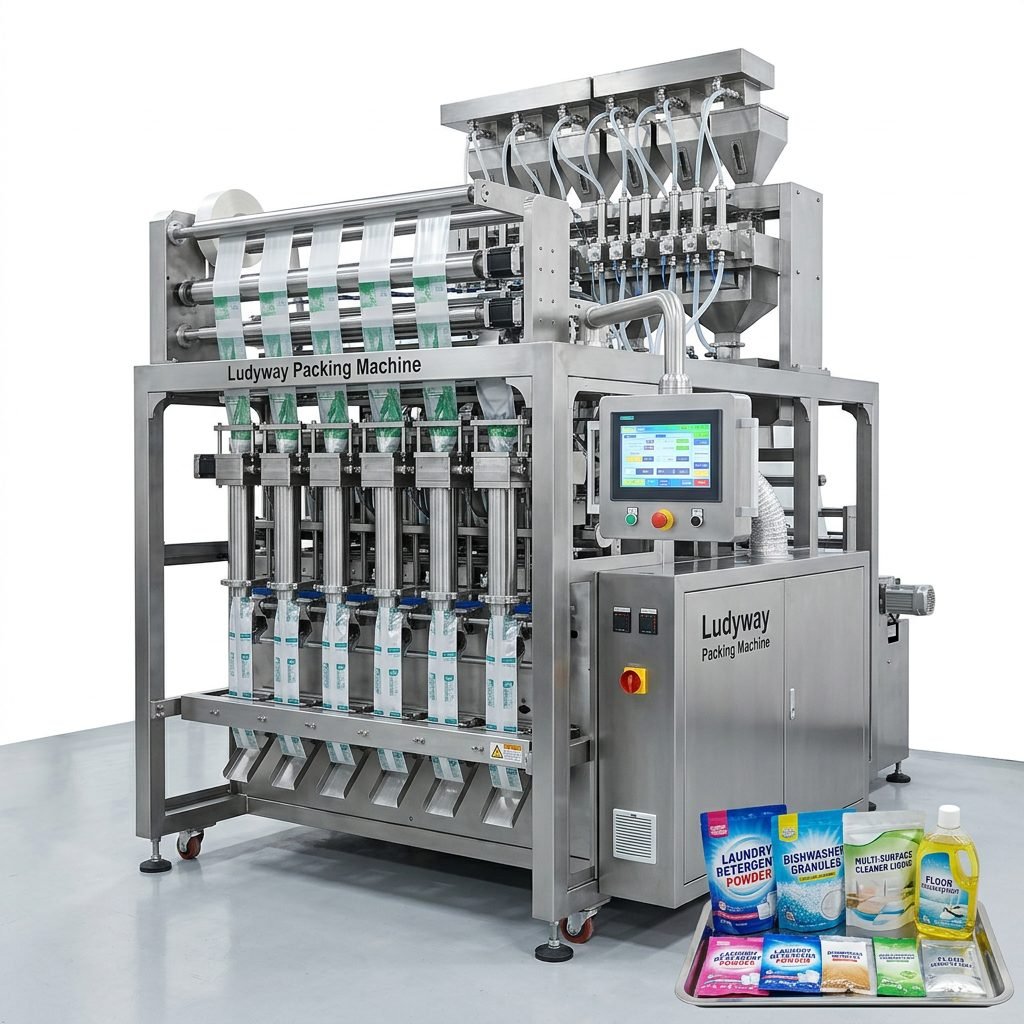
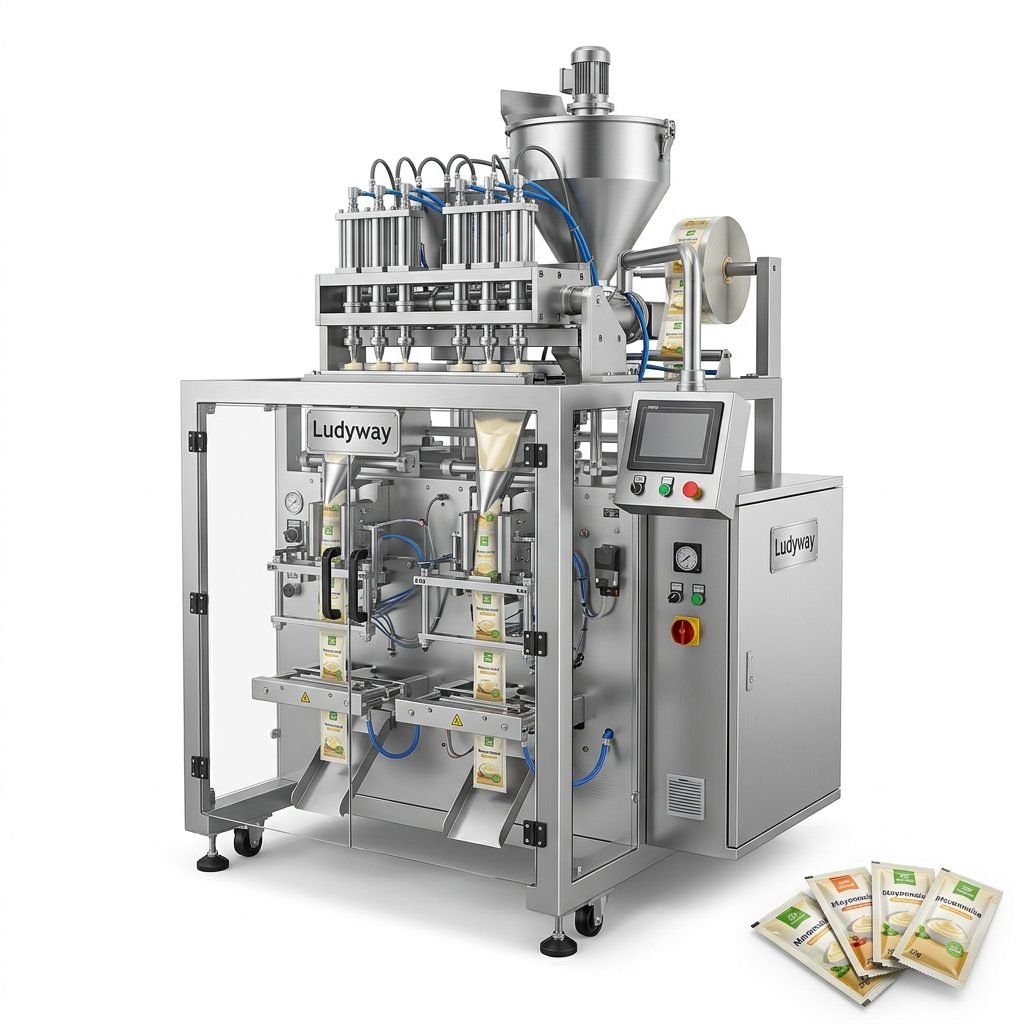
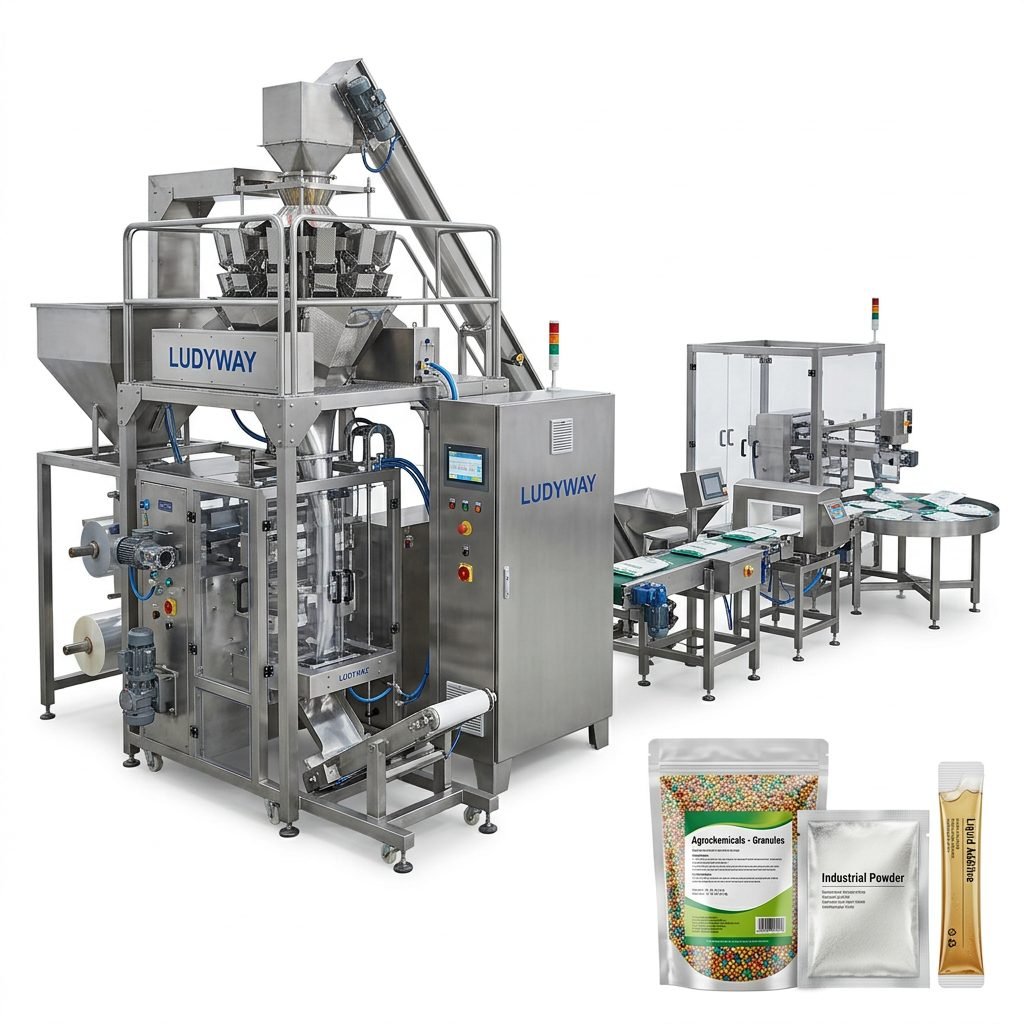
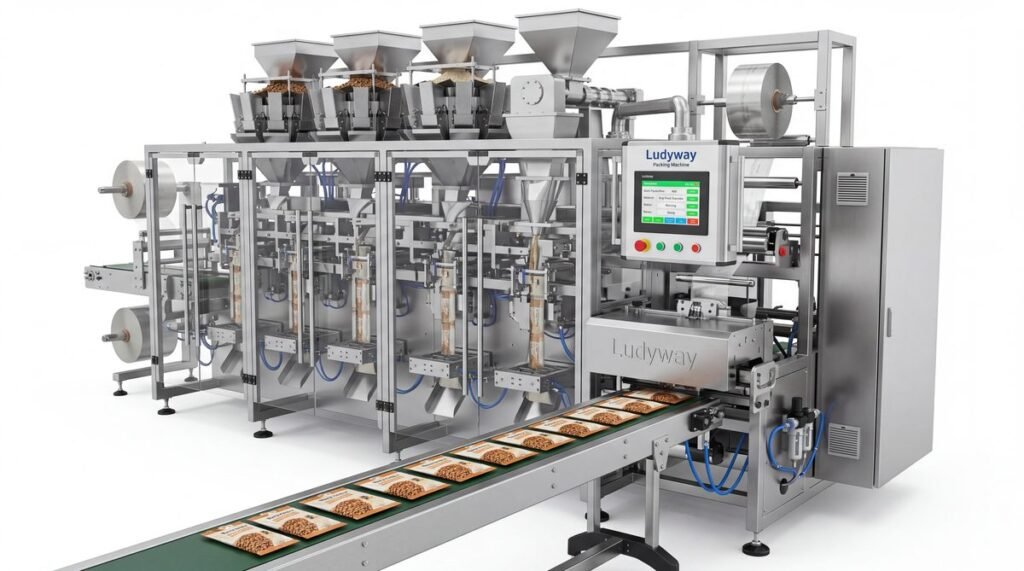
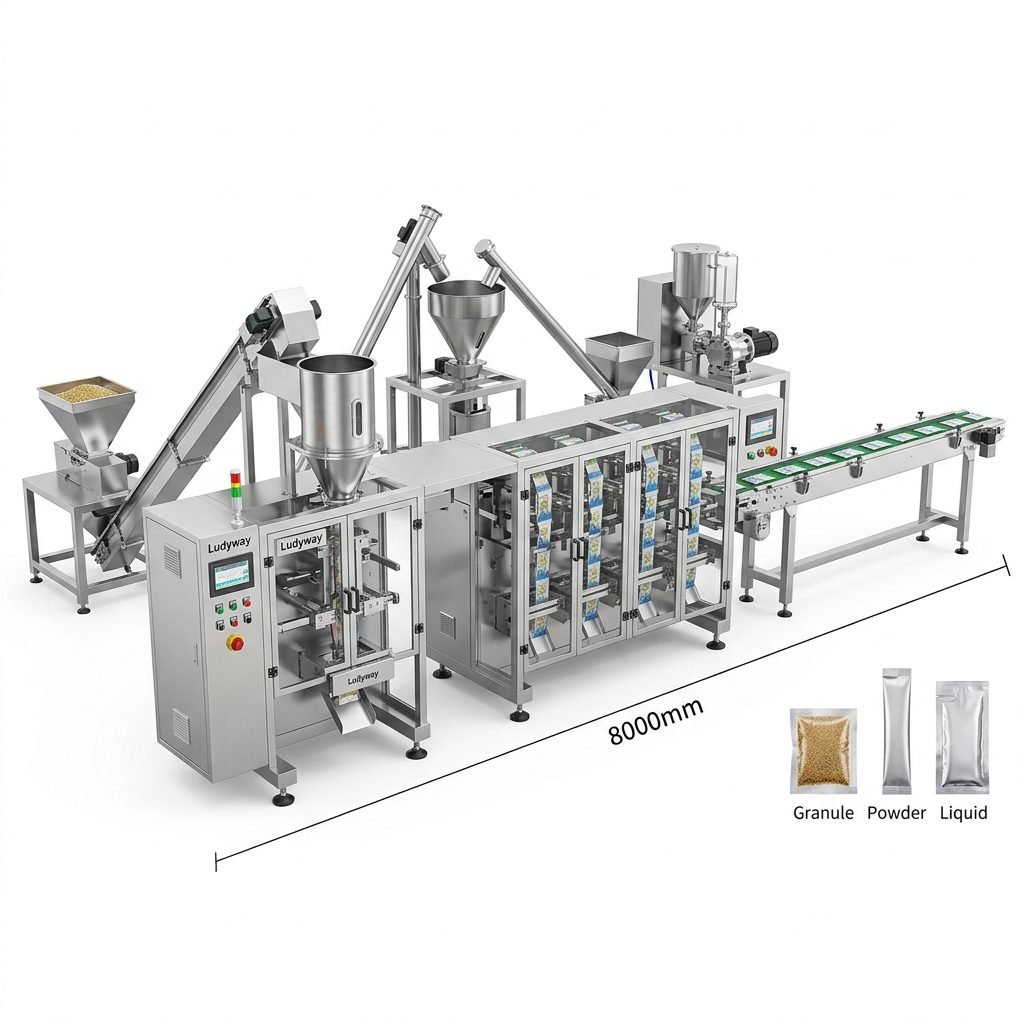
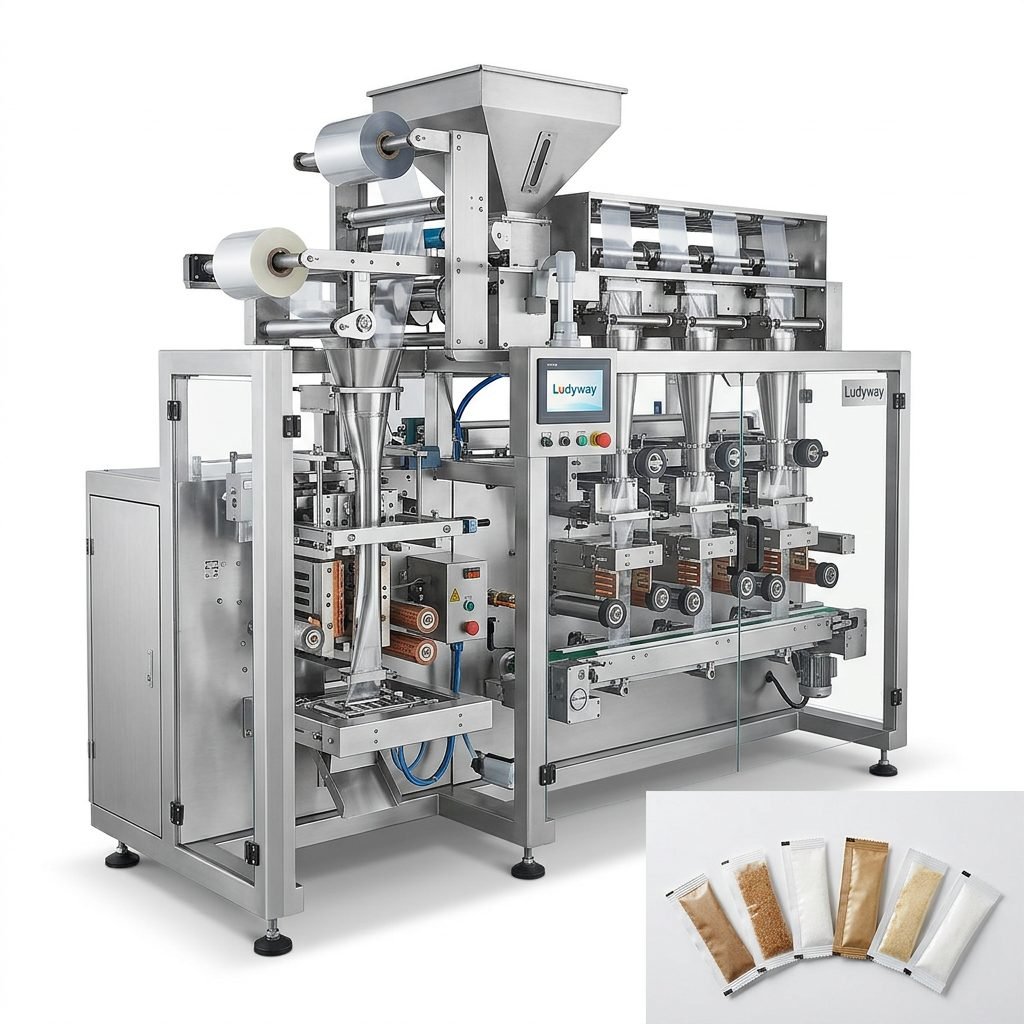
Packaging machines are the backbone of modern production. From single-use sachets and stick packs to bottles, pouches, cartons, and bulk bags, the right equipment can improve output, reduce waste, protect product quality, and support compliance across food, pharmaceutical, cosmetic, chemical, feed, and consumer goods industries.
This guide explains the main types of packaging machines, what they do, where they are used, and how to choose the right system for your manufacturing goals.
What Is a Packaging Machine?
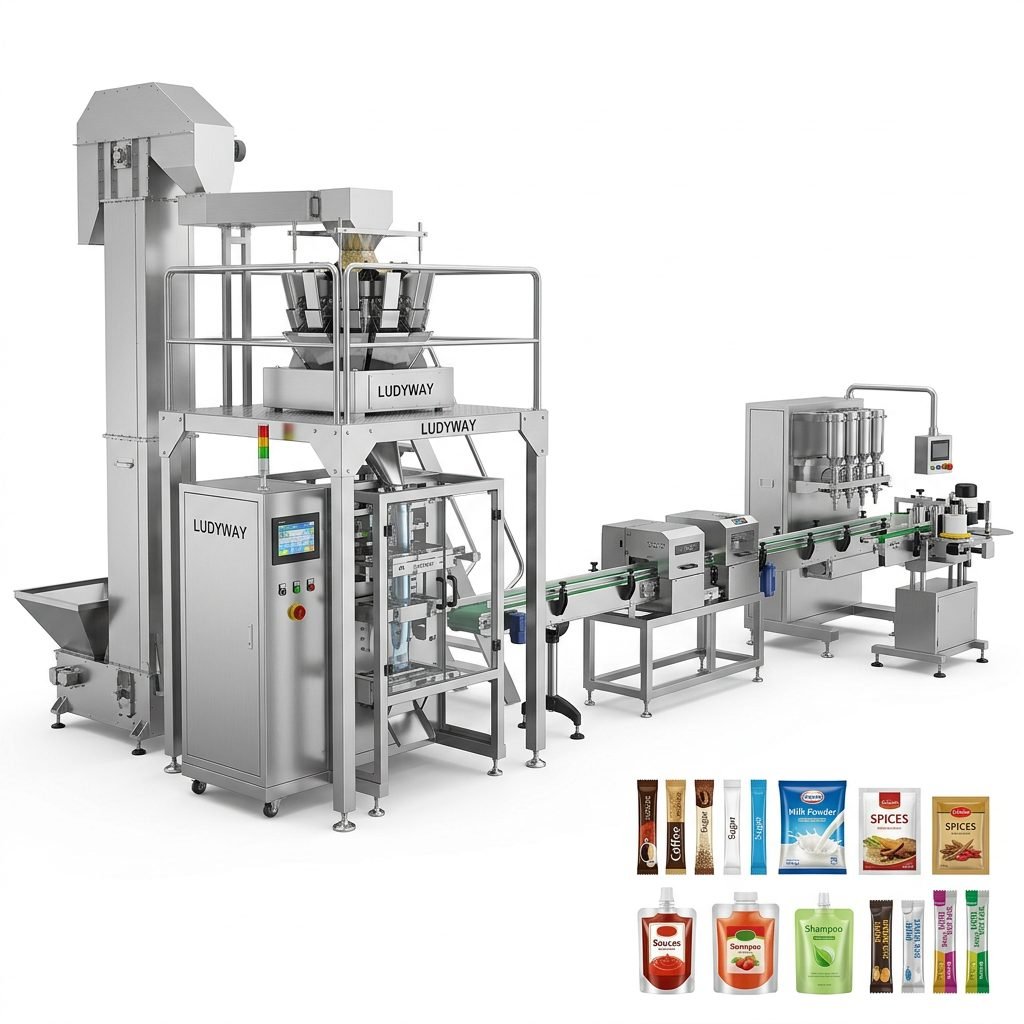
A packaging machine is equipment designed to fill, form, seal, label, code, inspect, count, cartoning, case pack, or palletize products for storage, transport, and retail sale. Some machines are standalone units, while others are connected into complete automatic lines.
Depending on the product type, packaging machines may handle:
- Granules and grains
- Powders and fine particles
- Liquids and beverages
- Pastes, gels, creams, and sauces
- Tablets, capsules, and medical products
- Pouches, sachets, stick packs, bottles, jars, cans, and bags
Why Packaging Machines Matter Across Industries
The right packaging equipment does far more than put product into a container. It directly affects productivity, consistency, safety, and operating cost.
- Higher efficiency: Automation increases speed and reduces manual labor.
- Better accuracy: Precise dosing improves fill consistency and lowers giveaway.
- Stronger hygiene: Critical for food, pharma, and health supplement production.
- Improved product protection: Proper sealing extends shelf life and prevents contamination.
- Scalability: Manufacturers can expand from semi-automatic units to full turnkey lines.
- Brand presentation: Clean packaging improves shelf appeal and customer trust.
Main Types of Packaging Machines
1. Filling Machines
Filling machines dispense a measured amount of product into a package or container. They are among the most common types of packaging equipment.
Common filling machine categories
- Powder filling machines for milk powder, spices, supplements, pharmaceutical powders
- Granule filling machines for sugar, seeds, coffee, grains, feed additives
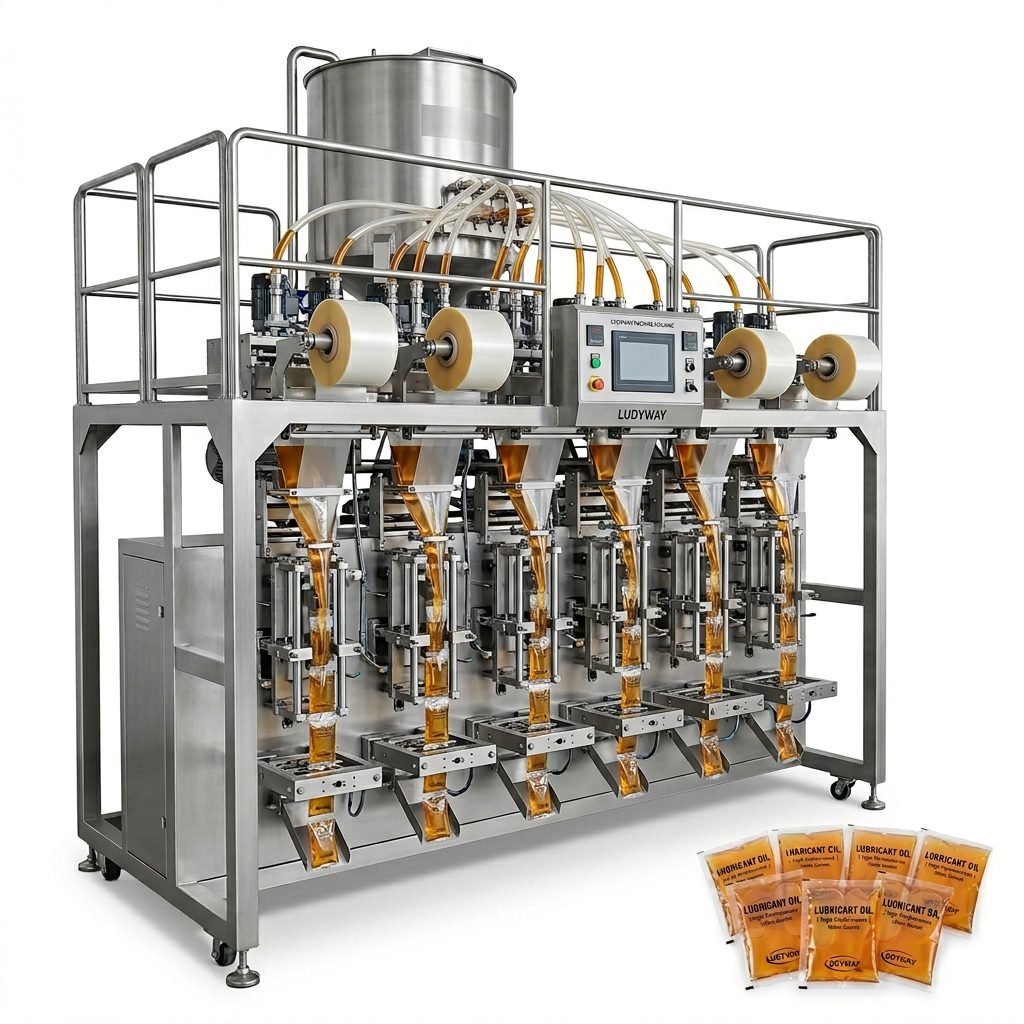
- Liquid filling machines for sauces, oils, detergents, beverages, syrups
- Paste filling machines for cream, gel, ketchup, honey, lotion
- Tablet and capsule counting/filling machines for pharmaceutical and nutraceutical applications
Typical applications
Food factories, pharmaceutical plants, cosmetics manufacturers, agrochemical suppliers, and pet nutrition producers all rely on accurate filling systems to maintain product quality and packaging consistency.
2. Form Fill Seal Machines
Form fill seal machines create the package from roll film, fill it with product, and seal it in one continuous process. These systems are widely used for flexible packaging.
Types of form fill seal machines
- Vertical form fill seal (VFFS) machines for powders, granules, and some liquids
- Horizontal form fill seal (HFFS) machines for flow wrapping and pouch-style packaging
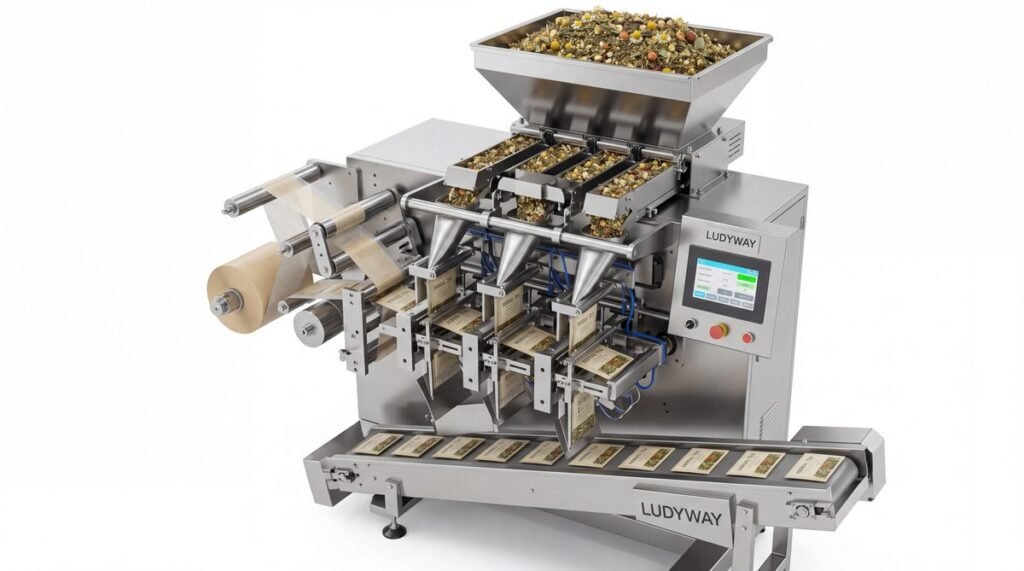
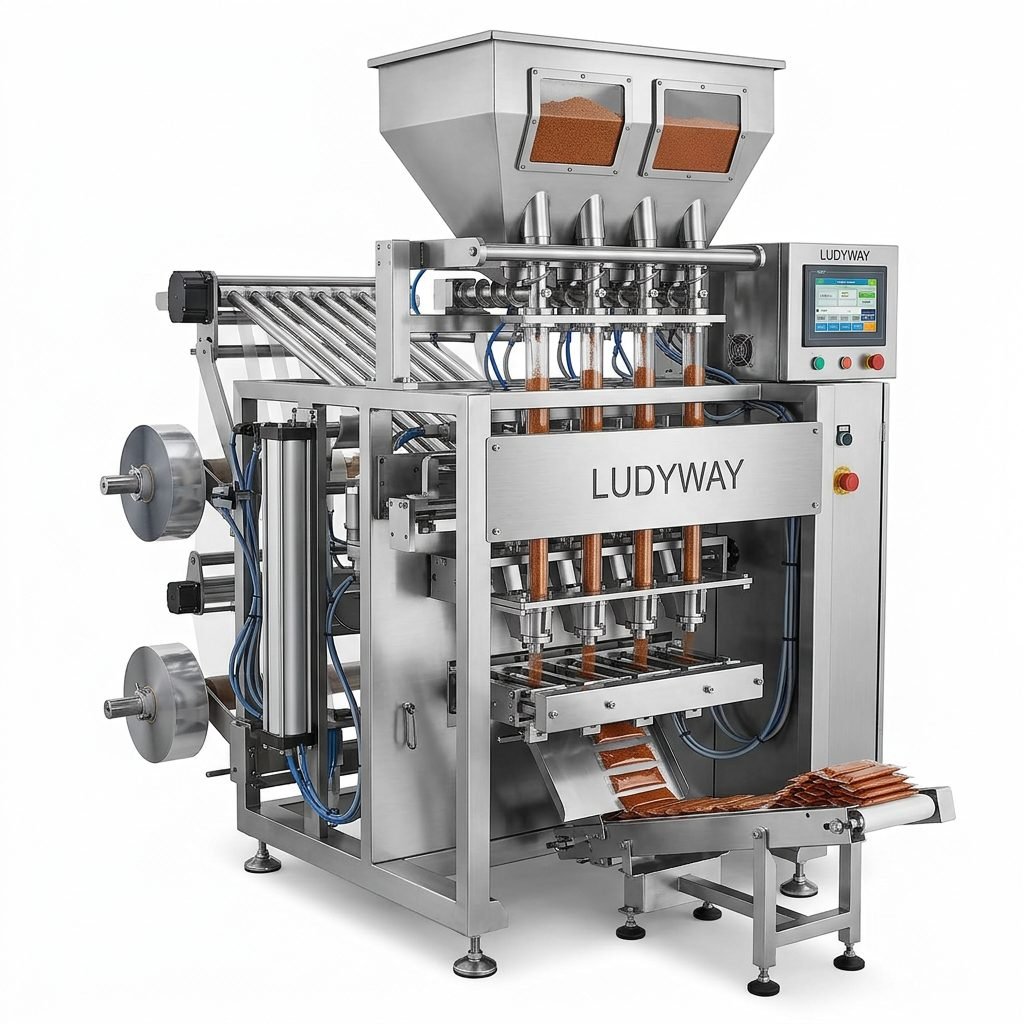
- Multi-lane sachet machines for high-output small-dose packaging
- Stick pack machines for slim, single-serve packs
These systems are ideal when brands need compact packaging, fast cycle speeds, and lower packaging material costs.
3. Sachet Packaging Machines
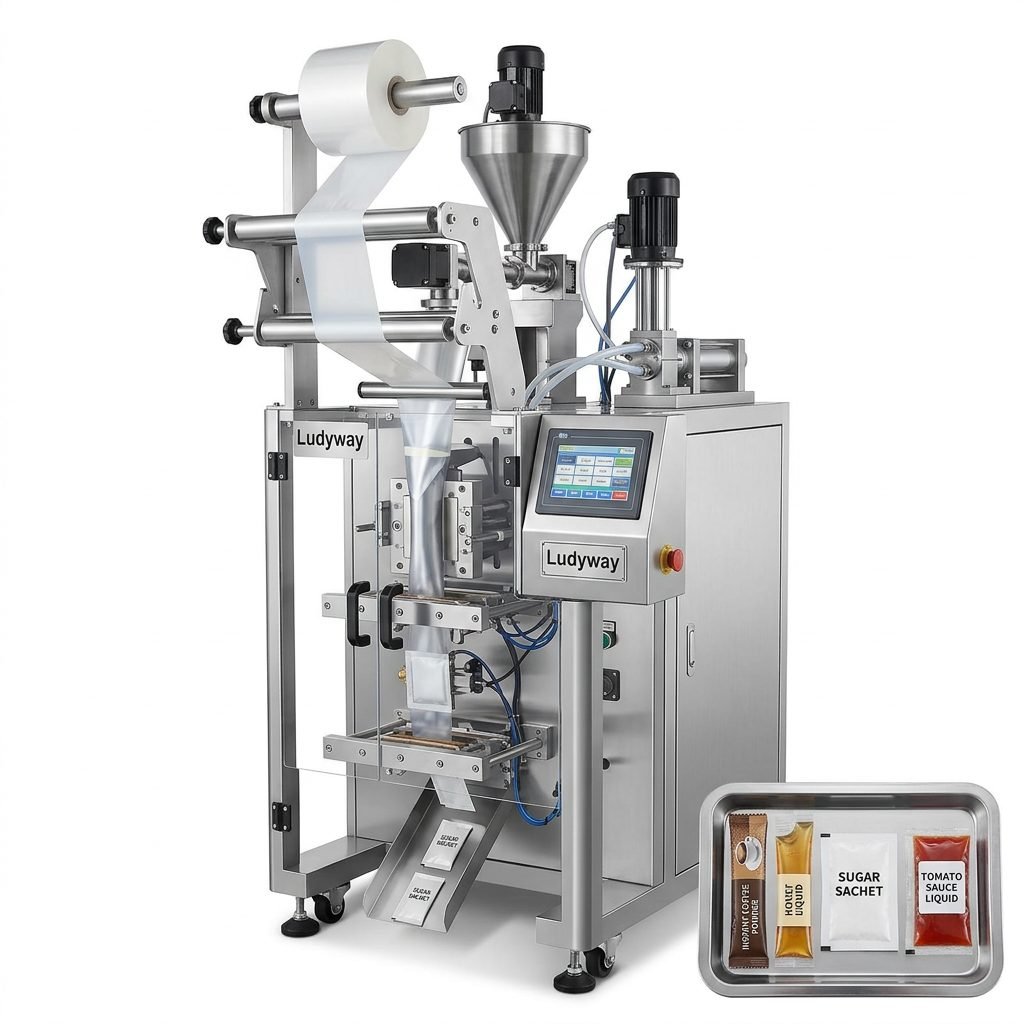
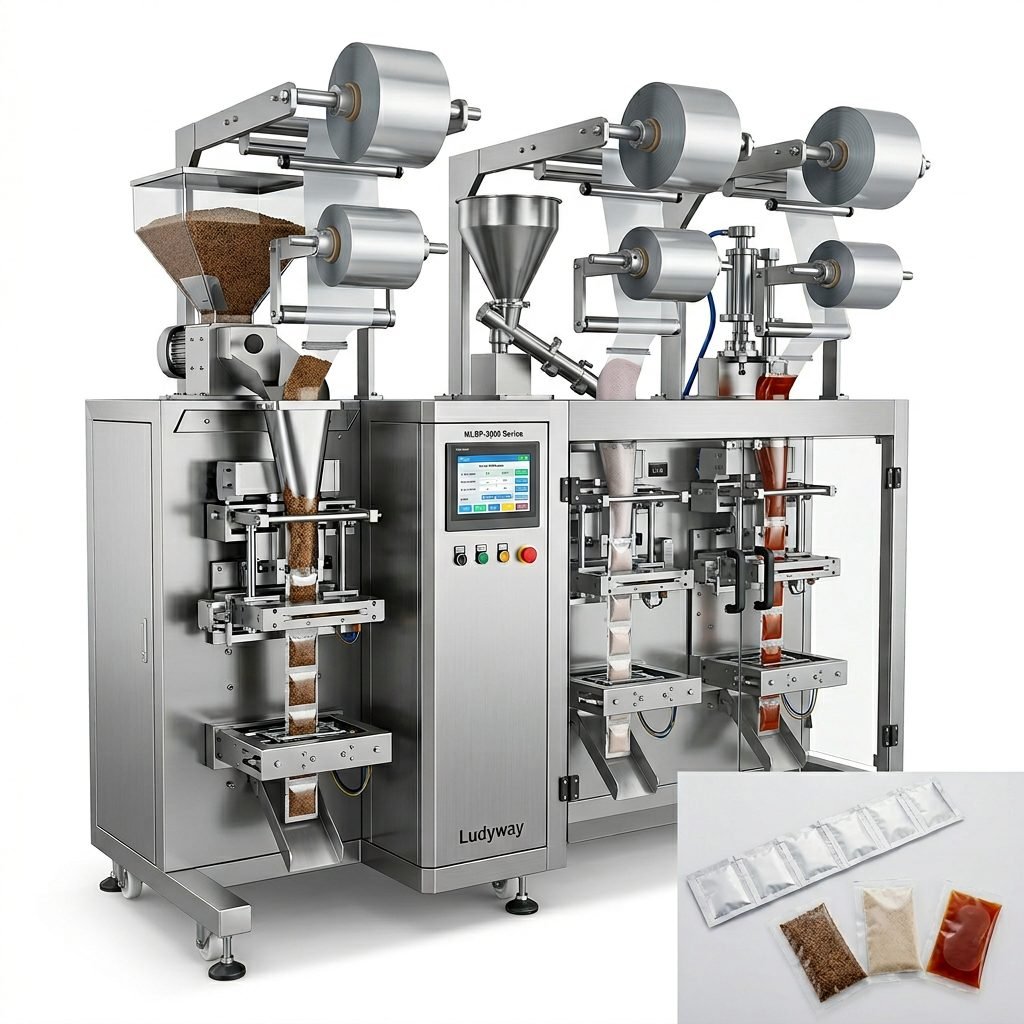
Sachet machines are designed for small, sealed packets used for powder, liquid, or paste products. They are popular for single-dose and trial-size packaging.
Popular sachet-packed products
- Instant coffee and drink powders
- Seasonings and soup mixes
- Pharmaceutical powders and oral salts
- Shampoo, lotion, serum, and cream samples
- Sauce, ketchup, and condiments
High-speed sachet packaging machines are especially useful for brands targeting convenience, sampling, and retail distribution.
4. Stick Pack Machines
Stick pack machines produce narrow tubular packets often used for nutritional powders, coffee, sugar, electrolyte mixes, and pharmaceutical granules. Their compact format makes them highly attractive for on-the-go use.
Stick packs are commonly chosen for portion control, travel use, and premium retail presentation.
5. Pouch Packaging Machines
Pouch packaging machines fill and seal preformed pouches or form pouches from rollstock. They support a wide range of pouch types, including flat pouches, stand-up pouches, zipper pouches, and spouted pouches.
Best suited for
- Snacks and dried foods
- Coffee and tea
- Detergents and chemicals
- Pet food and treats
- Health supplements
- Liquid and paste products
6. Bottle Filling and Capping Machines
These machines are used when products need to be packed into rigid containers such as bottles, jars, or vials. A typical line includes bottle unscrambling, filling, capping, labeling, coding, and inspection.
They are common in beverage, edible oil, pharmaceutical syrup, cosmetic lotion, and household cleaner production.
7. Vacuum Packaging Machines
Vacuum packaging machines remove air before sealing. This helps extend shelf life, reduce oxidation, and improve storage stability.
Frequently used for
- Meat and seafood
- Frozen foods
- Cheese and dairy
- Medical and industrial products
- High-value powders or oxygen-sensitive ingredients
8. Sealing Machines
Sealing machines close filled packages to protect the product inside. The sealing method depends on the packaging material and application.
Common sealing solutions
- Heat sealing
- Induction sealing
- Ultrasonic sealing
- Cap sealing
- Band sealing
9. Labeling and Coding Machines
After filling and sealing, products often need labels, batch numbers, expiry dates, QR codes, or barcodes. Labeling and coding machines ensure traceability and retail compliance.
These systems are critical in regulated sectors such as food, pharmaceuticals, and chemicals.
10. Cartoning Machines
Cartoning machines place pouches, sachets, bottles, blister packs, or stick packs into cartons. They are commonly used for secondary packaging and help improve shelf readiness.
11. Case Packing and Case Sealing Machines
These machines load finished retail packs into shipping cartons and seal them for warehousing and logistics. They are essential for medium- to high-volume operations.
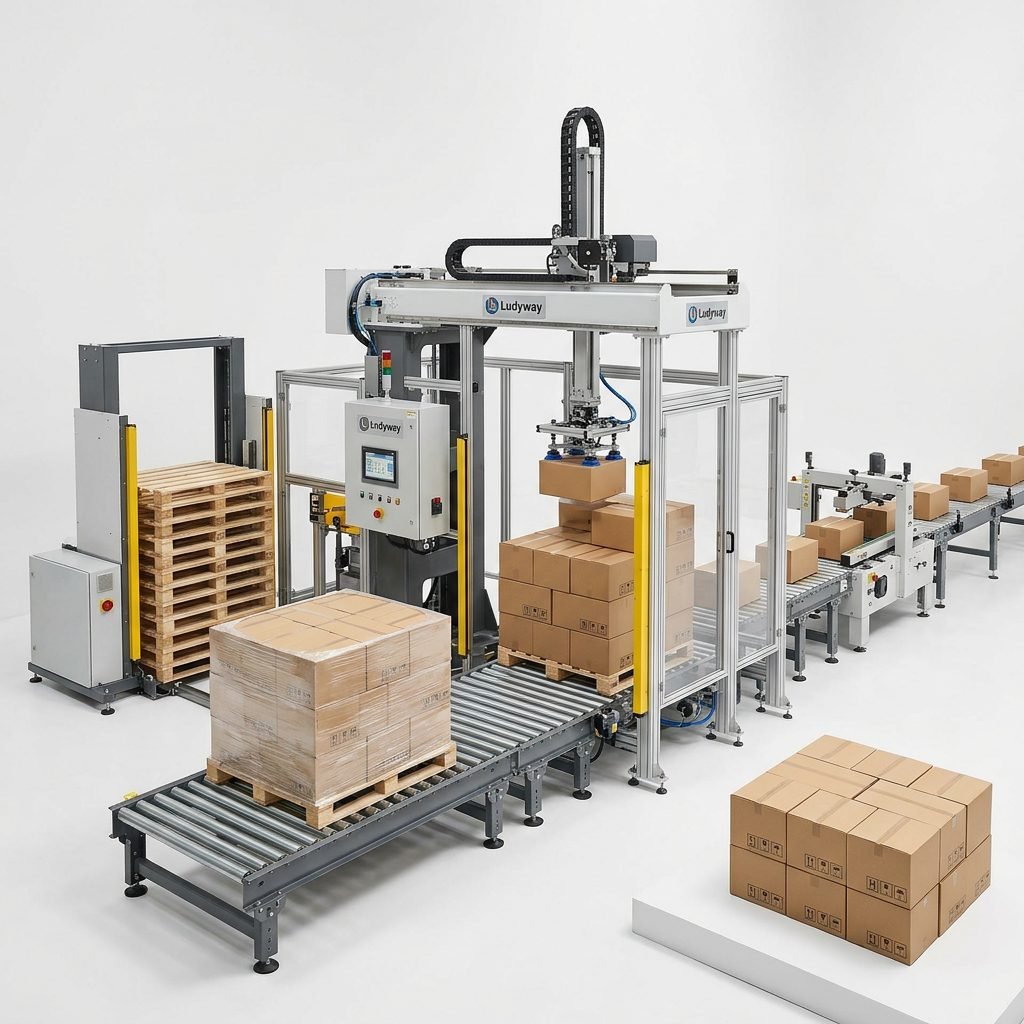
12. Palletizing Systems
Palletizers automatically stack cartons, bags, or containers onto pallets. This reduces manual handling, increases safety, and supports faster outbound logistics.
Packaging Machines by Product Type
| Product Type | Recommended Machine Types | Typical Industries |
|---|---|---|
| Powders | Auger fillers, sachet machines, stick pack machines, VFFS systems | Food, pharma, supplements, chemicals |
| Granules | Weighing fillers, cup fillers, multihead weighers, pouch machines | Food, feed, agriculture, nutraceuticals |
| Liquids | Liquid fillers, sachet liquid packers, bottle filling lines | Beverage, cosmetics, chemicals, pharma |
| Pastes/Creams | Piston fillers, tube fillers, sachet and pouch machines | Cosmetics, food, personal care, pharma |
| Tablets/Capsules | Counting machines, blister machines, bottle filling lines, cartoners | Pharmaceutical, nutraceutical |
Packaging Machines by Industry
Food Industry
Food manufacturers require packaging solutions that balance speed, hygiene, freshness, and visual appeal. Common machines include VFFS systems, multi-lane sachet machines, premade pouch machines, bottle fillers, vacuum packers, and cartoning systems.
Pharmaceutical Industry
Pharmaceutical packaging machinery must meet strict standards for accuracy, traceability, cleanliness, and validation. Common equipment includes powder sachet machines, tablet counters, blister packaging systems, bottle filling lines, and inspection equipment.
Cosmetics and Personal Care
This sector often uses sachet machines, tube filling and sealing machines, bottle filling lines, and labeling systems for creams, serums, shampoos, lotions, and gels.
Chemical Industry
Chemical packaging equipment must handle corrosive, dusty, or high-viscosity products safely. Machines are selected based on material compatibility, sealing reliability, and dust or spill control.
Animal Feed and Pet Nutrition
These applications often use granule and powder packaging machines, bulk bagging lines, pouch filling systems, and palletizing equipment for pellets, powders, and feed additives.
Automatic vs Semi-Automatic Packaging Machines
| Type | Advantages | Best For |
|---|---|---|
| Semi-Automatic | Lower investment, simple operation, suitable for smaller runs | Startups, pilot production, small factories |
| Fully Automatic | Higher speed, reduced labor, stable output, better integration | Medium and large-scale manufacturers |
| Turnkey Line | Full-process automation from feeding to final packing | High-volume operations seeking complete line efficiency |
How to Choose the Right Packaging Equipment
Choosing the best packaging machine requires a practical review of your product, production targets, and future growth plans.
Key selection factors
- Product characteristics: powder, granule, liquid, paste, fragile, sticky, corrosive
- Package format: sachet, stick pack, pouch, bottle, carton, bulk bag
- Output requirement: low, medium, or high speed
- Accuracy standards: especially important for pharma and premium ingredients
- Hygiene level: washdown design, dust control, stainless steel contact parts
- Automation level: standalone machine or fully integrated line
- Factory space: layout planning for present and future expansion
- Compliance needs: GMP, CE, validation, coding, traceability
- After-sales support: installation, training, spare parts, remote assistance
The most cost-effective machine is not always the lowest-priced one; it is the one that best fits your product and production model.
Standalone Machines vs Turnkey Packaging Lines
Some manufacturers only need one machine, such as a sachet packer or bottle filler. Others need a complete line that includes feeding, filling, sealing, coding, inspection, cartoning, case packing, and palletizing.
Turnkey packaging lines are often the better choice when you want:
- Unified line control and smoother workflow
- Reduced manual intervention between processes
- Lower risk of integration issues
- Consistent throughput across the whole plant
- Better long-term automation planning
Manufacturers looking for scalable solutions often work with experienced suppliers such as Ludyway packaging machine manufacturer, especially for food, pharmaceutical, health supplement, cosmetic, chemical, and pouch-based packaging projects.
Important Auxiliary Equipment in a Packaging Line
Packaging performance depends not only on the main machine but also on support equipment that keeps the line stable and efficient.
Common auxiliary machines
- Conveyors and elevators
- Checkweighers
- Metal detectors and X-ray inspection systems
- Date coders and inkjet printers
- Labeling machines
- Reject systems
- Carton erectors and sealers
- Robotic palletizers and wrapping machines
Trends Shaping Modern Packaging Machinery
- Smart automation: PLC control, touchscreen HMI, remote diagnostics
- Flexible changeover: faster adjustment for multiple SKUs
- Higher efficiency: multi-lane systems for more output in less floor space
- Sustainable packaging: compatibility with lighter and recyclable materials
- Traceability: stronger coding, inspection, and data management functions
- Integrated turnkey lines: complete systems from filling to final warehouse preparation
Quick Comparison of Popular Packaging Machine Types
| Machine Type | Main Function | Best For |
|---|---|---|
| Sachet Packaging Machine | Forms, fills, and seals small sachets | Single-dose powders, liquids, sauces, cosmetics |
| Stick Pack Machine | Produces slim single-serve packs | Coffee, sugar, supplements, pharma granules |
| VFFS Machine | Vertical form, fill, and seal process | Powders, granules, snacks, some liquids |
| Pouch Packaging Machine | Fills and seals premade or formed pouches | Snacks, pet food, coffee, detergents |
| Bottle Filling Line | Fills, caps, labels bottles or jars | Beverages, oils, syrups, lotions, cleaners |
| Vacuum Packaging Machine | Removes air and seals package | Food preservation, oxygen-sensitive products |
Final Considerations Before Buying
Before investing in packaging machinery, ask suppliers for product testing, packaging samples, machine videos, line layout guidance, and references from similar industries. It is also smart to confirm spare parts availability, lead time, installation support, and training scope.
A reliable packaging machine should help you achieve stable production, repeatable quality, lower labor dependency, and room for future expansion.
Conclusion
There is no single packaging machine that fits every product. The best solution depends on what you pack, how fast you need to run, what package style you want, and how automated your operation should become. From filling machines and sachet packers to cartoners and palletizers, each machine plays a specific role in building an efficient packaging process.
By understanding the different types of packaging machines, manufacturers can make smarter equipment decisions, improve productivity, and build packaging systems that support long-term business growth.