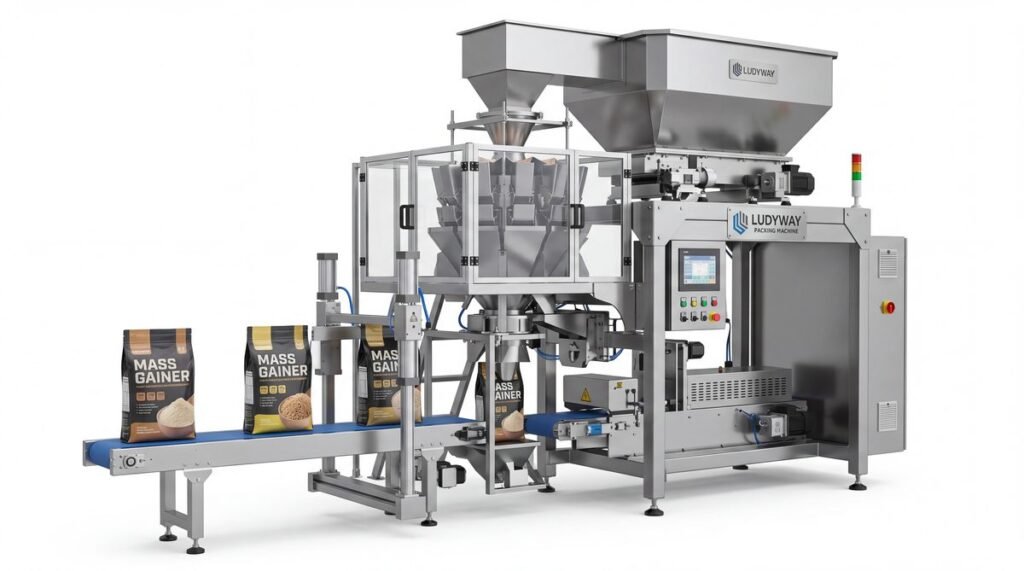
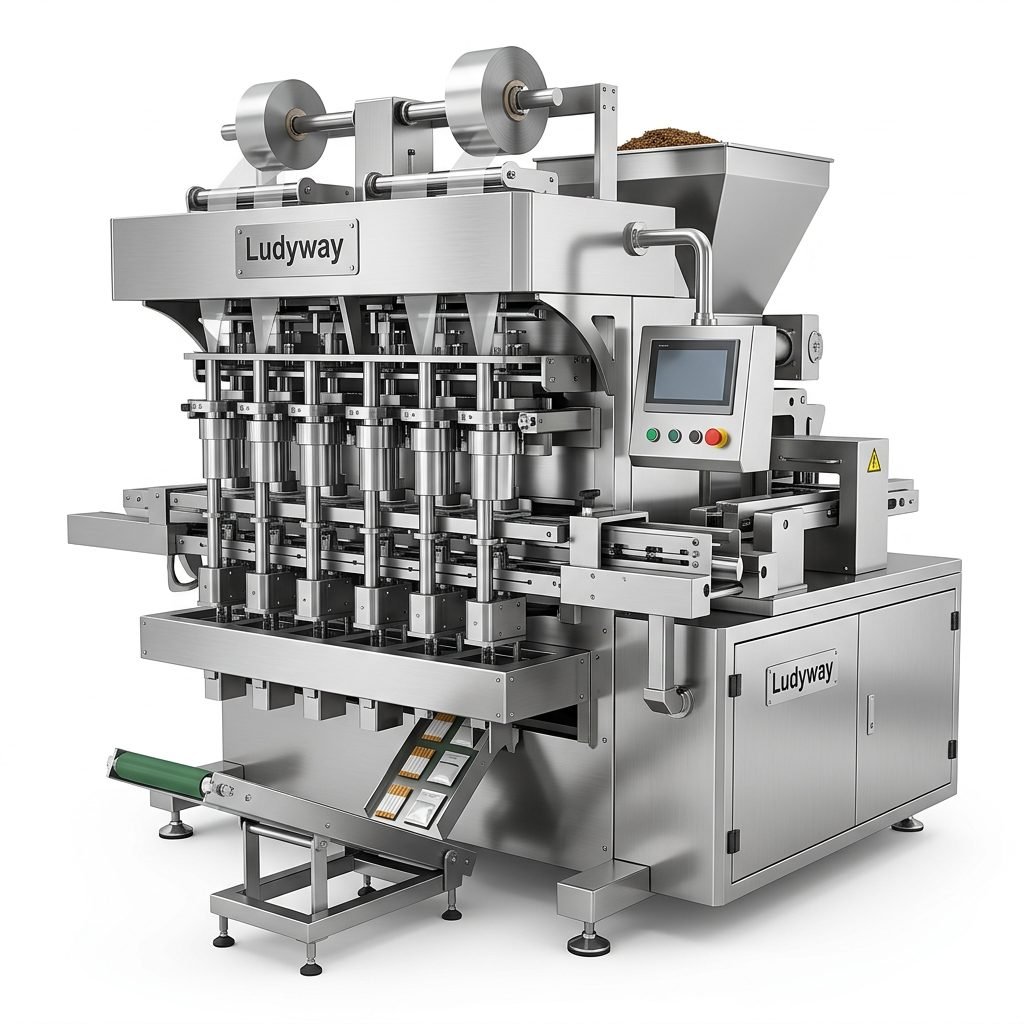
Automatic packaging machines have become a core part of modern manufacturing because they help businesses produce more, waste less, and maintain stable product quality. In industries such as food, pharmaceuticals, cosmetics, chemicals, and health supplements, companies are under constant pressure to deliver faster orders, meet strict quality requirements, and reduce operating costs. That is exactly where automated packaging equipment creates measurable value.
Instead of relying on heavy manual work, modern packaging systems combine filling, sealing, coding, weighing, inspection, labeling, and final packing into a streamlined process. This gives manufacturers better control over production while improving speed, consistency, and scalability.
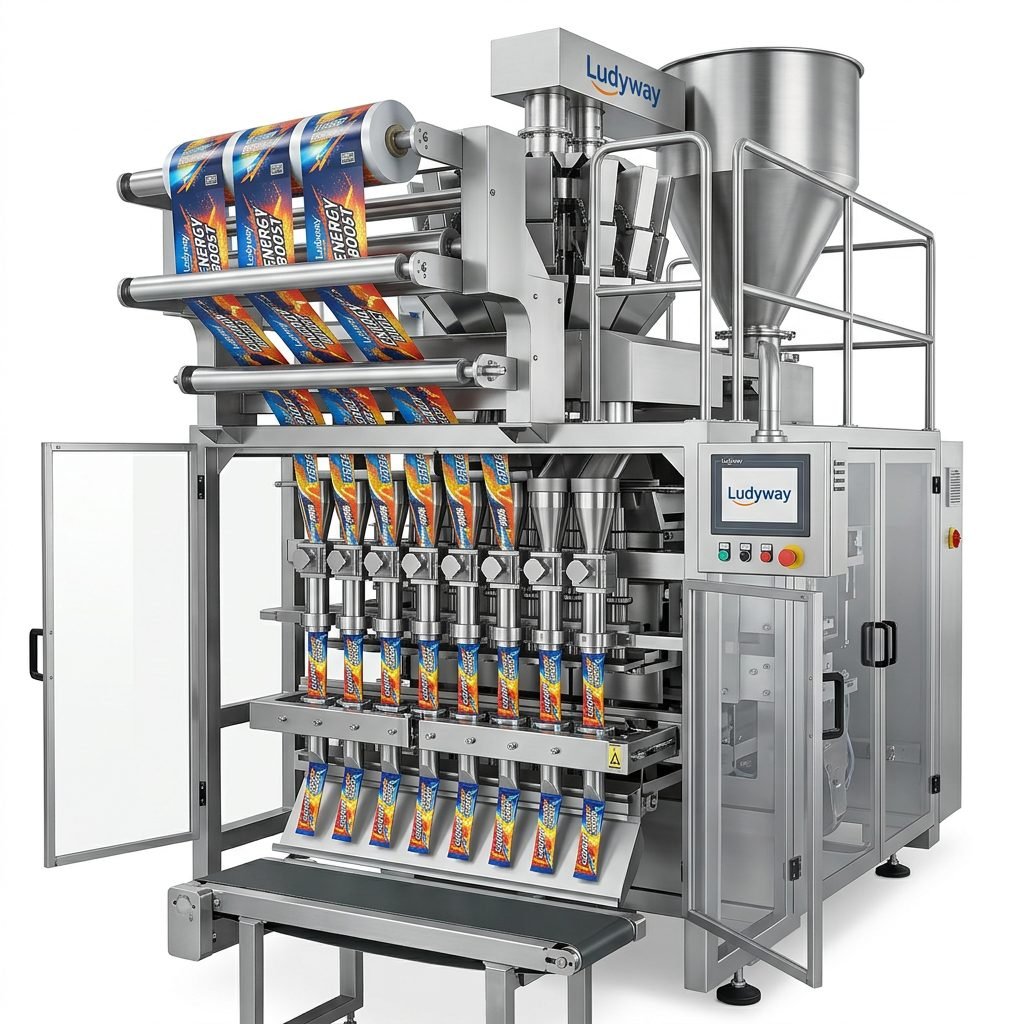
Why Automation Matters in Packaging
Packaging is no longer just the final step before shipping. It directly affects production flow, labor planning, product safety, shelf appeal, and customer satisfaction. Manual packaging can work for small batches, but once production volume increases, it often creates bottlenecks.
Automatic packaging machines solve this by creating a continuous and repeatable workflow. With precise control systems, sensors, and synchronized components, they can package products at a much higher speed while maintaining uniform output.
- Higher throughput for growing order volumes
- Lower labor dependency in repetitive tasks
- Improved packaging accuracy for powders, liquids, granules, and pastes
- Better product protection through consistent sealing and handling
- Easier compliance with hygiene and traceability standards
How Automatic Packaging Machines Improve Efficiency
1. Faster Production Speeds
One of the biggest advantages of automation is speed. Automatic machines can package products continuously with minimal interruption. Compared with manual operations, they reduce idle time between steps and keep output stable across long production runs.
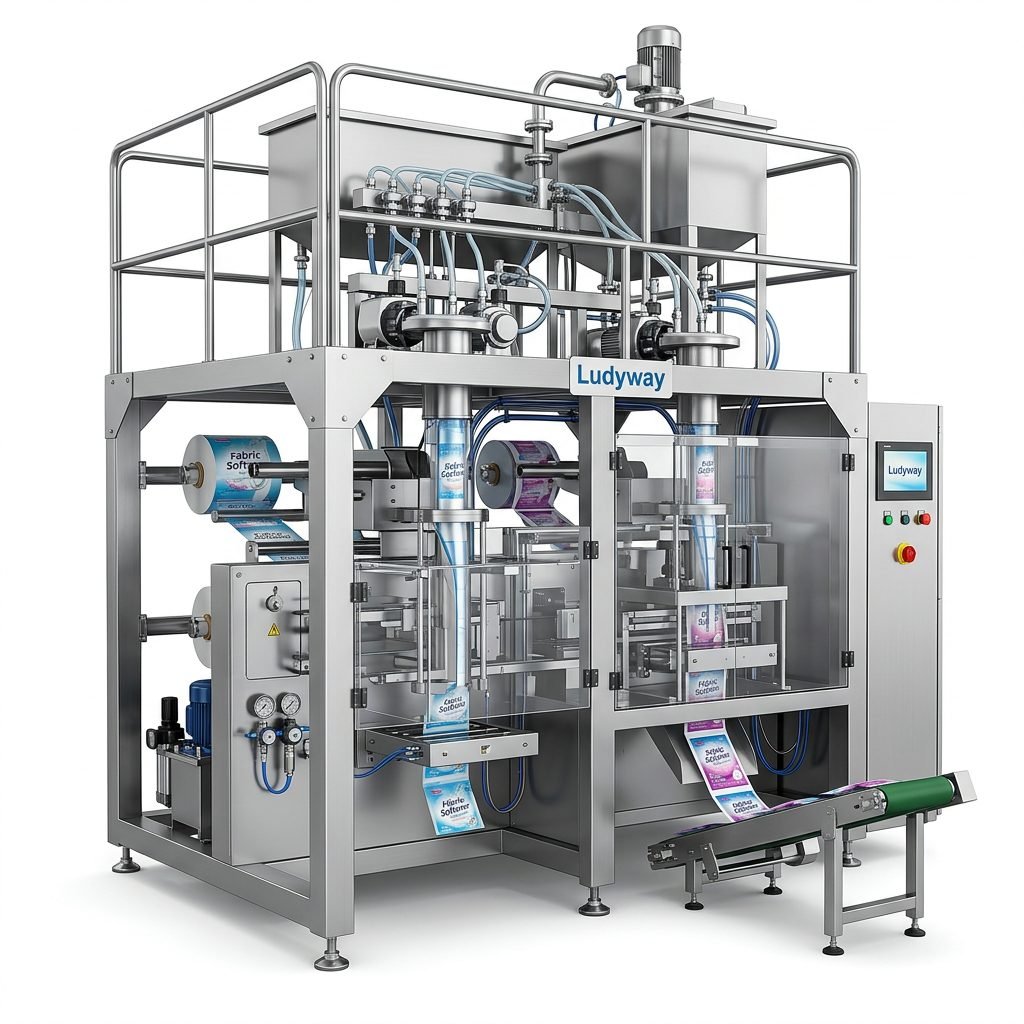
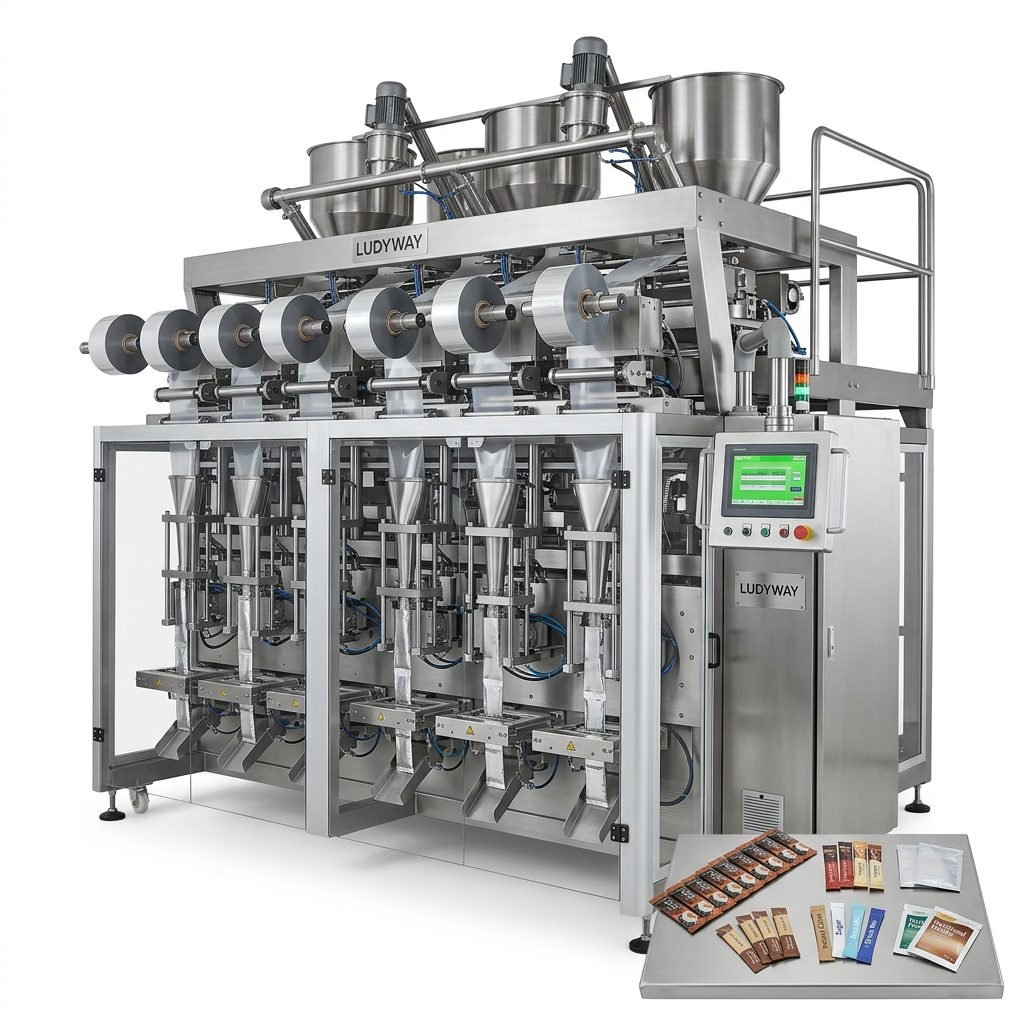
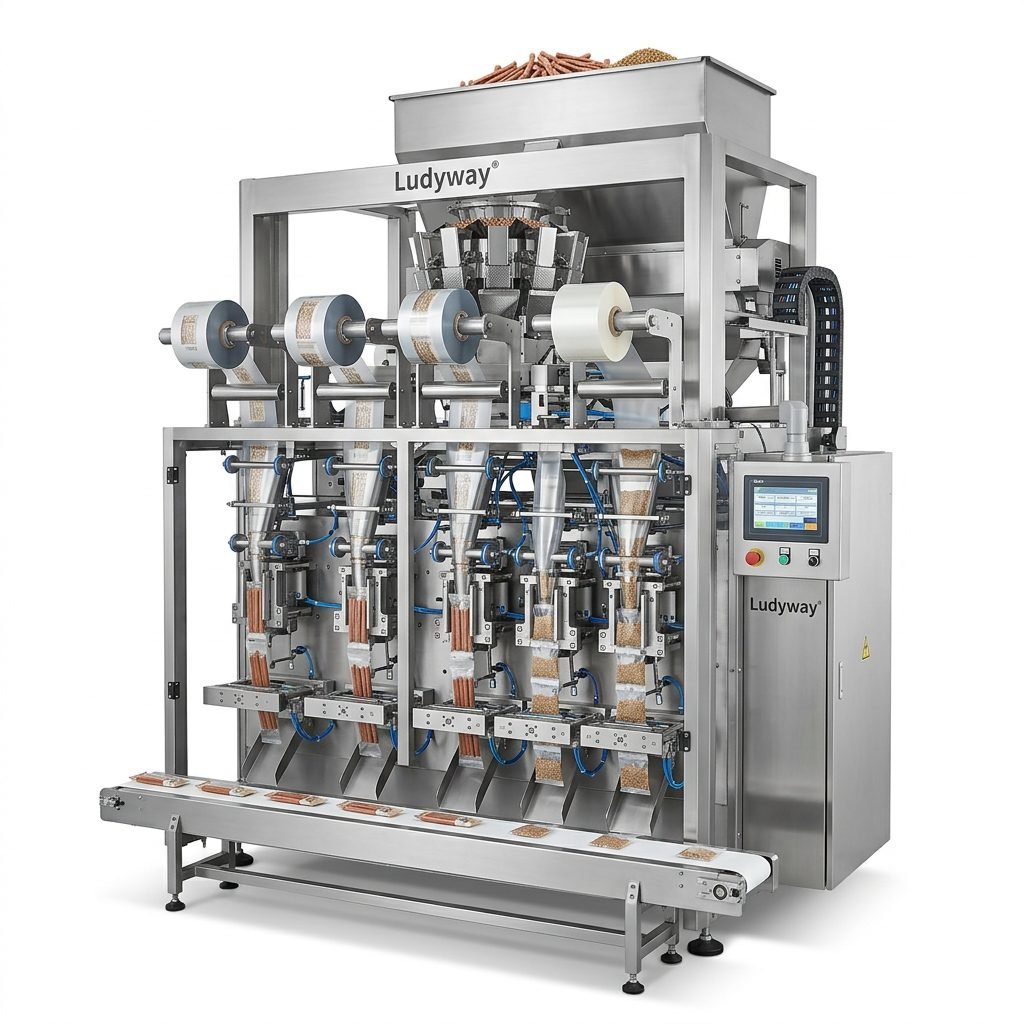
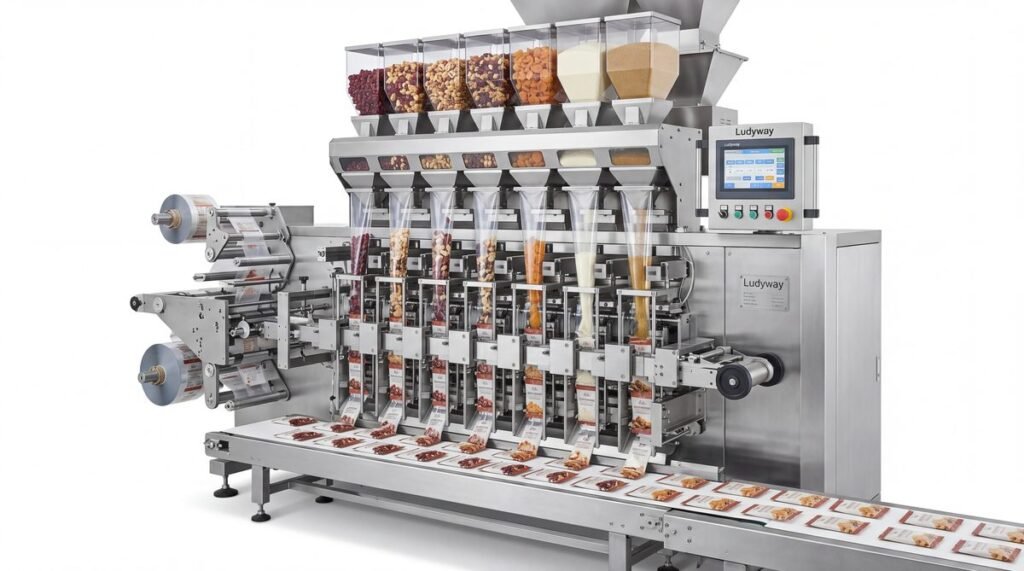
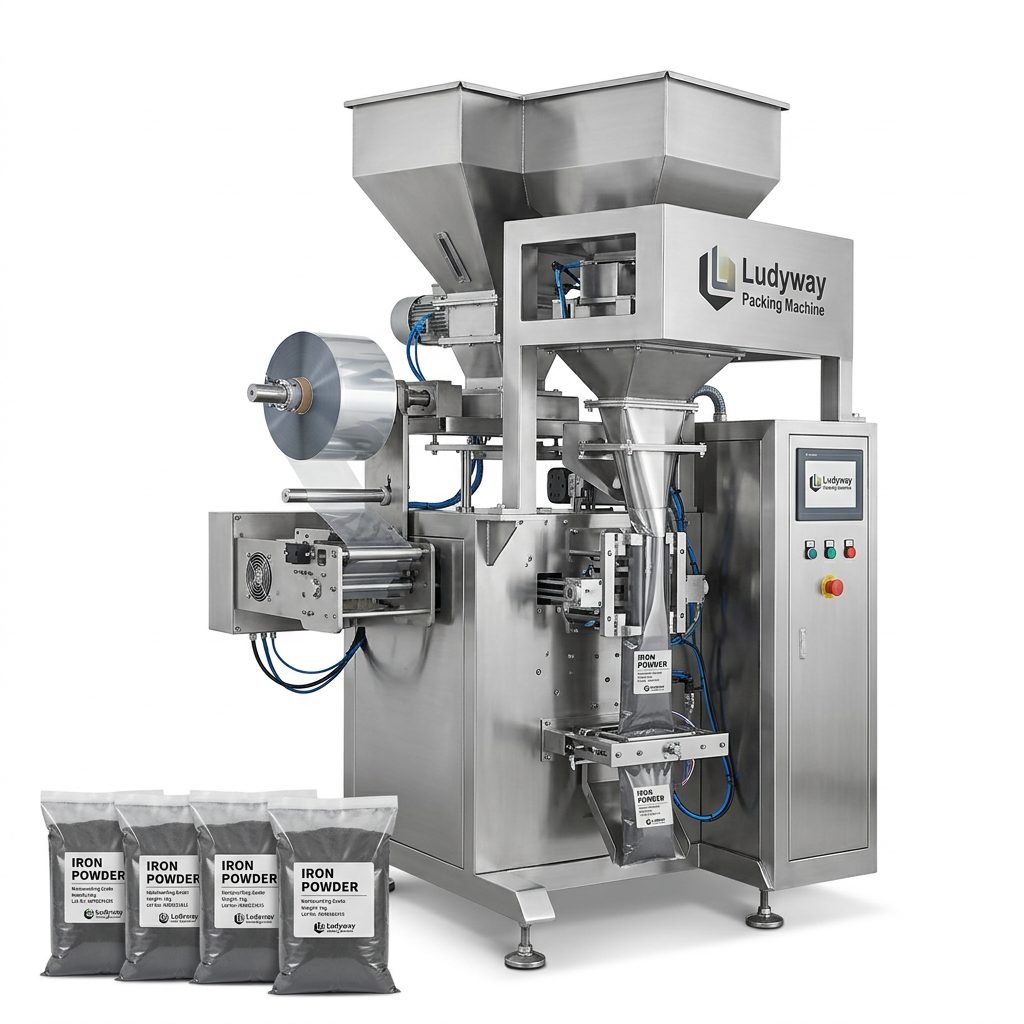
This is especially important for high-demand markets where delays can affect retail supply, distributor orders, or seasonal sales. Multi-lane systems, vertical form fill seal machines, and integrated lines can dramatically increase the number of units packed per minute.
2. Reduced Labor Costs
Labor is one of the most significant costs in production. Manual packaging often requires multiple operators for filling, sealing, counting, and carton handling. Automatic systems reduce the number of people needed on the line while allowing staff to focus on supervision, maintenance, and quality control.
This does not simply mean replacing workers. It means using human resources more effectively in higher-value roles and reducing the risks associated with repetitive manual tasks.
3. Greater Packaging Accuracy
Precision is critical in packaging, especially for pharmaceuticals, nutritional powders, seasonings, chemicals, and liquid products. Automatic machines are designed to control fill weight, volume, and sealing parameters with high consistency.
That leads to:
- Less underfilling or overfilling
- Lower material waste
- More consistent product presentation
- Better compliance with labeling and weight standards
4. Fewer Production Errors
Manual operations are more likely to cause errors such as incorrect counts, inconsistent seals, product contamination, or packaging misalignment. Automated equipment reduces these issues through controlled motion, programmed settings, and built-in inspection systems.
As a result, businesses can cut down on rework, customer complaints, and rejected batches.
5. Better Use of Packaging Materials
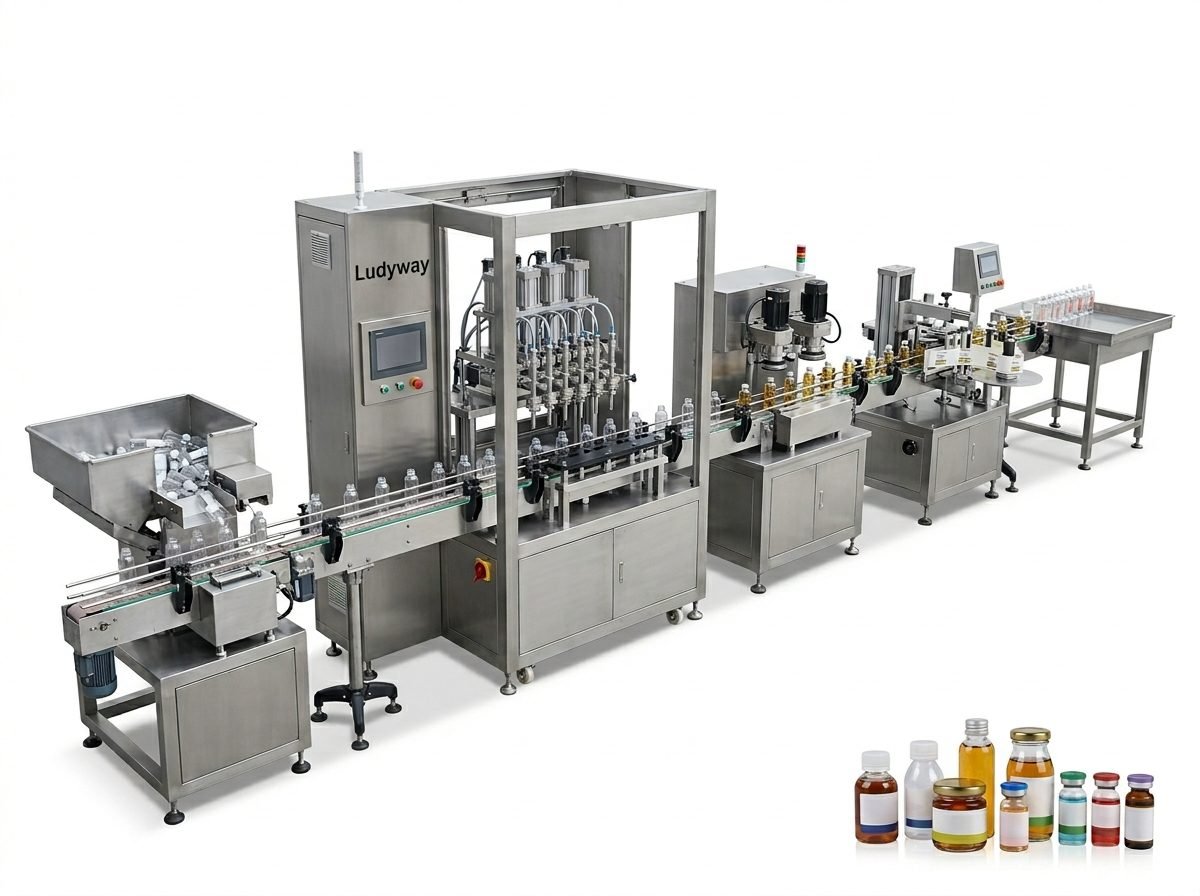
Packaging waste can quickly increase costs. Film, pouches, labels, caps, cartons, and corrugated materials all affect the final budget. Automatic packaging machines are built to handle materials with tighter control, reducing waste caused by poor sealing, misfeeds, or inaccurate cutting.
Better material efficiency means lower operating costs and a more sustainable production process.
6. Improved Hygiene and Product Safety
In sectors like food and pharma, hygiene is non-negotiable. Automated packaging minimizes direct human contact with products, which helps reduce contamination risks. Stainless steel construction, enclosed filling zones, dust extraction, and cleanable machine structures also support sanitary production.
This is one reason why many manufacturers move toward automatic systems when expanding into regulated markets.
7. Easier Integration with Smart Production Lines
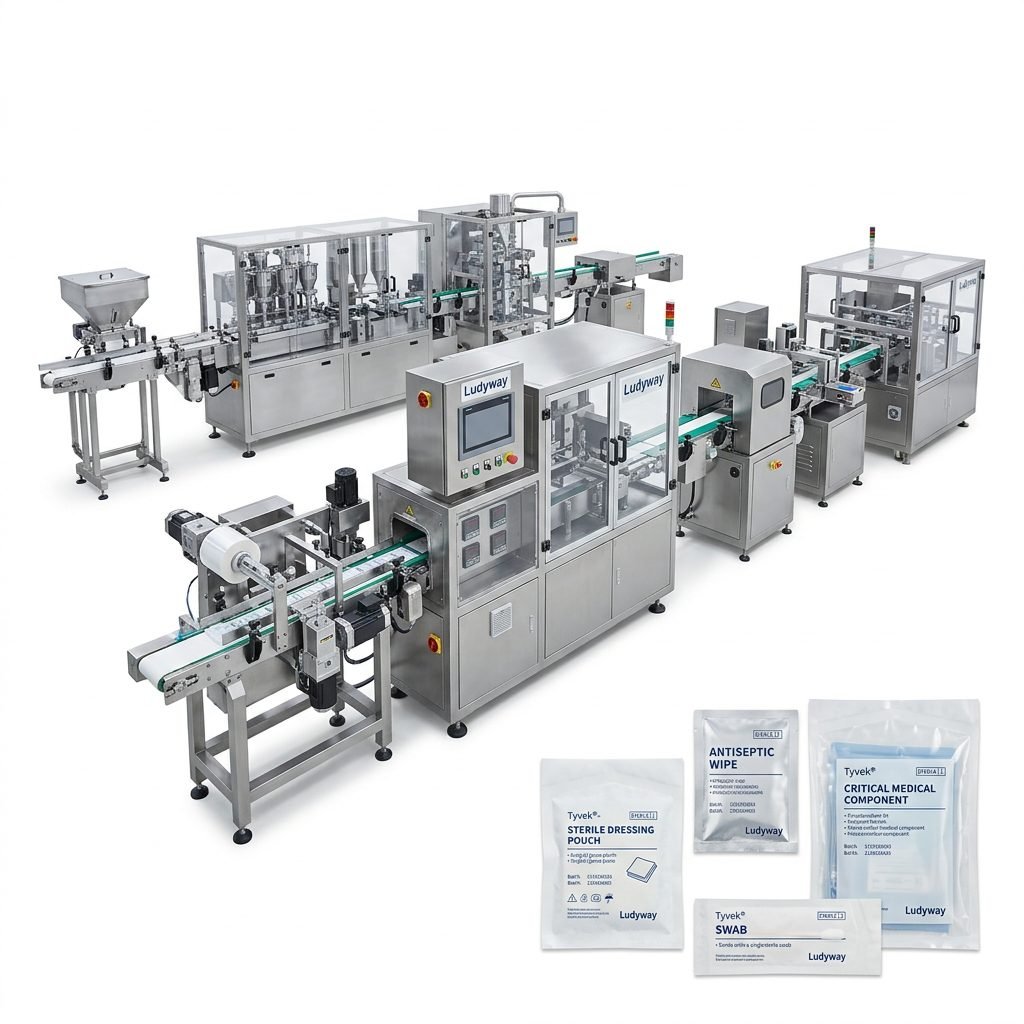
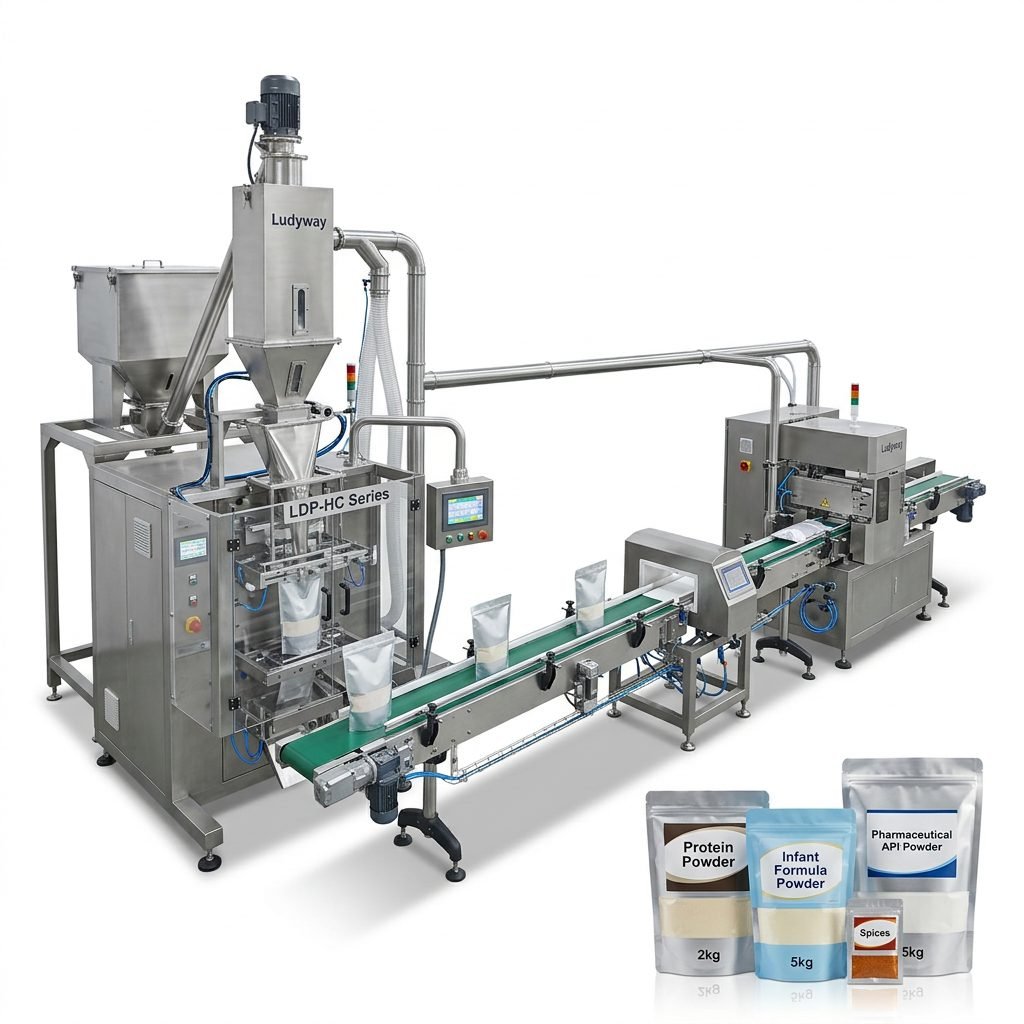
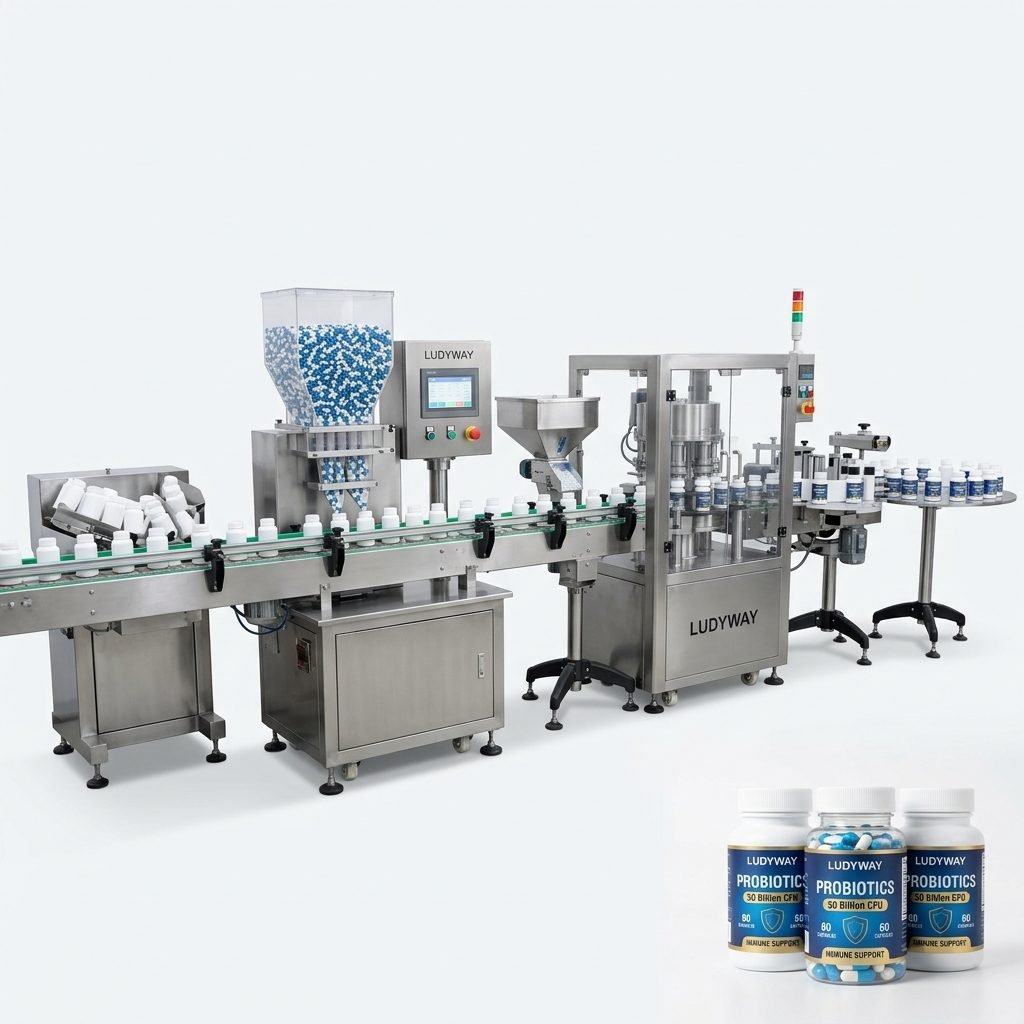
Modern packaging machines are no longer isolated units. They can be connected with feeding systems, conveyors, checkweighers, coding devices, case packers, palletizers, and inspection equipment. This creates a complete packaging line that runs with less downtime and stronger data visibility.
When machines communicate well with each other, production planning becomes easier and line efficiency improves across the whole factory.
Key Efficiency Benefits at a Glance
| Efficiency Area | How Automatic Packaging Machines Help |
|---|---|
| Output Speed | Increase packages per minute and reduce bottlenecks |
| Labor Efficiency | Lower manpower requirements for repetitive packaging tasks |
| Accuracy | Maintain stable fill weights, volumes, and seal quality |
| Waste Reduction | Use packaging materials more efficiently and reduce rejects |
| Product Safety | Reduce contamination and improve packaging consistency |
| Scalability | Support future growth with modular and high-speed line expansion |
Industries That Benefit Most from Packaging Automation
Automatic packaging systems are widely used because they can be adapted to different product forms and packaging styles. They are especially valuable in industries where speed, hygiene, and precision directly affect profitability.
Food Industry
Food manufacturers often package powders, granules, snacks, sauces, coffee, sugar, frozen products, and nutritional blends. Automation helps them maintain freshness, sealing consistency, and efficient production flow.
Pharmaceutical Industry
Pharmaceutical packaging requires strict accuracy and traceability. Automatic machines support controlled filling, sealed protection, coding, and compliance-focused operations for powders, capsules, tablets, liquids, and sachets.
Cosmetics and Personal Care
Lotions, creams, serums, shampoos, and sample sachets benefit from automatic filling and sealing because these products need clean handling and attractive packaging consistency.
Chemical and Industrial Products
Detergents, additives, powders, liquids, and specialty materials often require reliable dosing and durable packaging. Automation reduces spillage, improves safety, and helps manage larger production volumes.
What Features Make a Packaging Machine More Efficient?
Not all automatic packaging machines deliver the same value. The most efficient systems usually include a combination of smart engineering, application-specific design, and easy maintenance access.
- Servo-driven control systems for precise motion and speed stability
- Touchscreen operation for faster parameter adjustment
- Quick changeover design for multiple package sizes or product types
- Integrated inspection devices such as checkweighers or vision systems
- Stable sealing technology to reduce leakage and rejects
- Modular line integration for future upgrades
- Easy cleaning and maintenance to reduce downtime
How to Choose the Right Automatic Packaging Solution
Selecting the right machine depends on more than just speed. Companies should evaluate the full production picture before investing.
| Selection Factor | Why It Matters |
|---|---|
| Product Type | Powder, liquid, paste, granule, capsule, or pouch products need different filling technologies |
| Packaging Format | Sachet, stick pack, pouch, bottle, carton, or bulk bag formats affect machine design |
| Required Speed | Production targets determine whether a single-lane or multi-lane solution is better |
| Automation Level | Standalone equipment may work for basic needs, while turnkey lines support higher efficiency |
| Changeover Needs | Flexible production requires fast size and recipe switching |
| After-Sales Support | Long-term technical service is essential for stable operation and uptime |
The Long-Term Business Impact
When businesses invest in automatic packaging equipment, the benefits go far beyond day-to-day speed improvements. Over time, automation helps create a more predictable and competitive production model.
Companies often see long-term gains such as:
- Higher production capacity without proportional labor growth
- Stronger cost control and margin protection
- Improved packaging quality across batches
- Better readiness for export and compliance requirements
- Faster response to market demand changes
For manufacturers planning to scale, packaging automation is not just equipment purchasing—it is a strategic upgrade to the entire operation.
Working with an Experienced Packaging Machine Manufacturer
To achieve the best efficiency results, businesses should choose a supplier that understands both machine design and real production applications. An experienced manufacturer can recommend the right equipment layout, filling method, sealing structure, and integration plan based on the product and factory conditions.
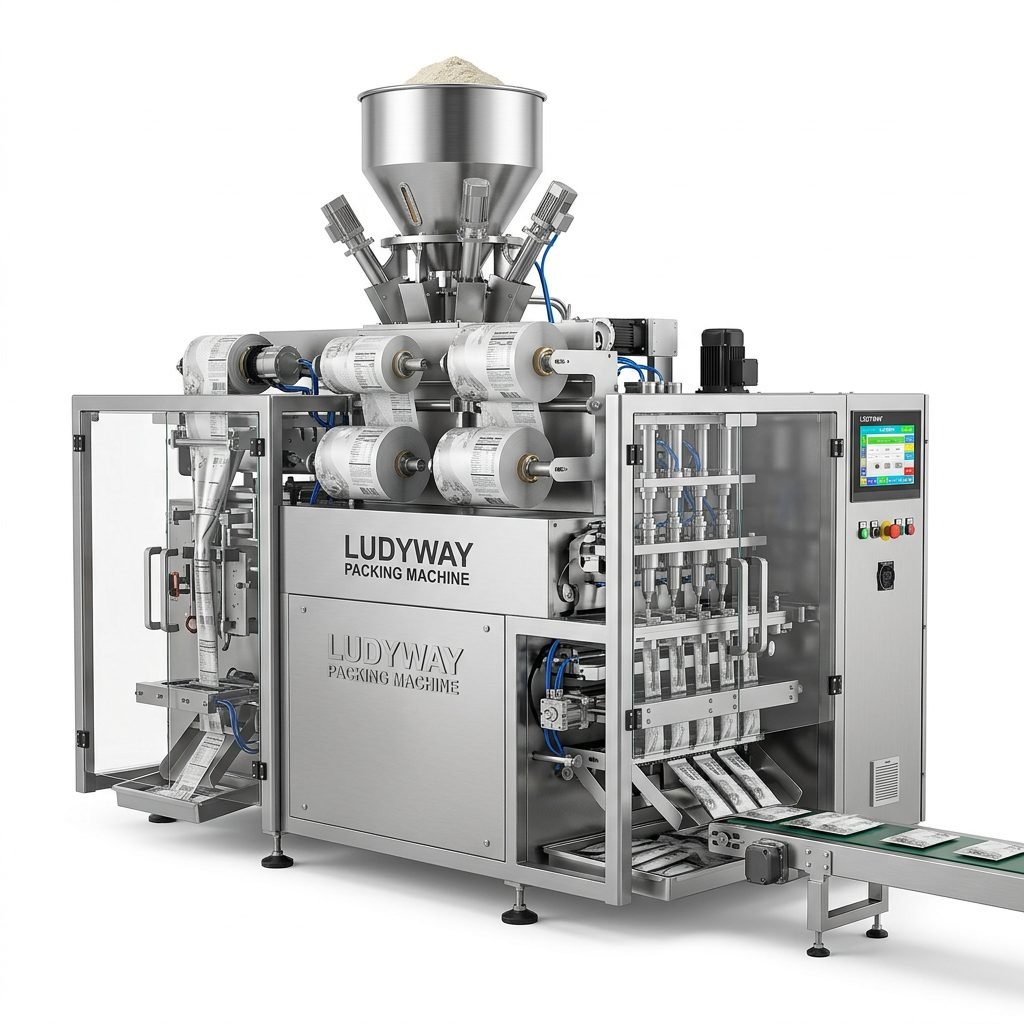
For companies seeking scalable packaging automation, Ludyway automatic packaging machine solutions offer a broad range of standalone machines and turnkey packaging lines for food, pharmaceutical, cosmetic, chemical, and health-related applications.
Conclusion
Automatic packaging machines improve efficiency in modern production by increasing speed, reducing labor dependence, improving accuracy, minimizing waste, and supporting better product safety. As competition grows and customer expectations rise, automated packaging becomes one of the most effective ways for manufacturers to improve output and maintain consistent quality.
Whether the goal is to package powders, liquids, granules, capsules, or pouches, the right automated system can transform packaging from a production bottleneck into a strong operational advantage.