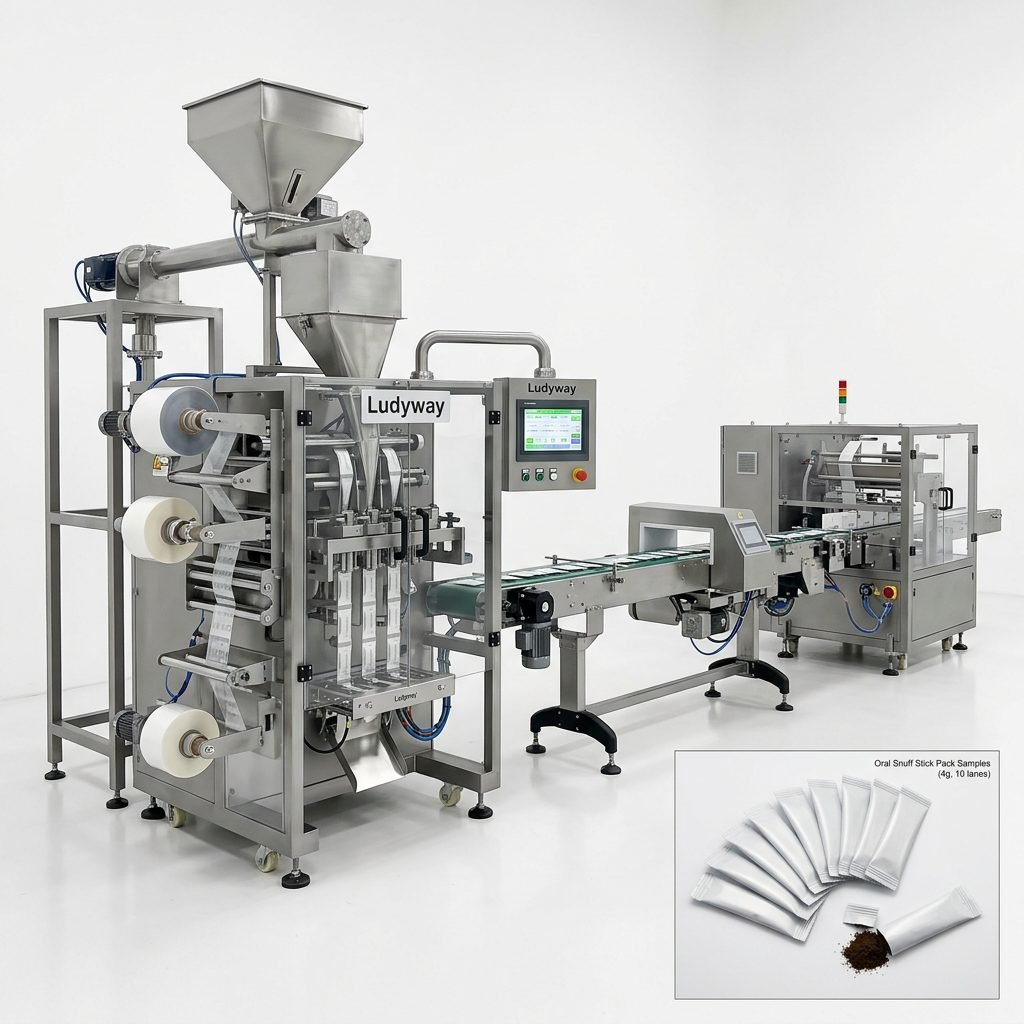
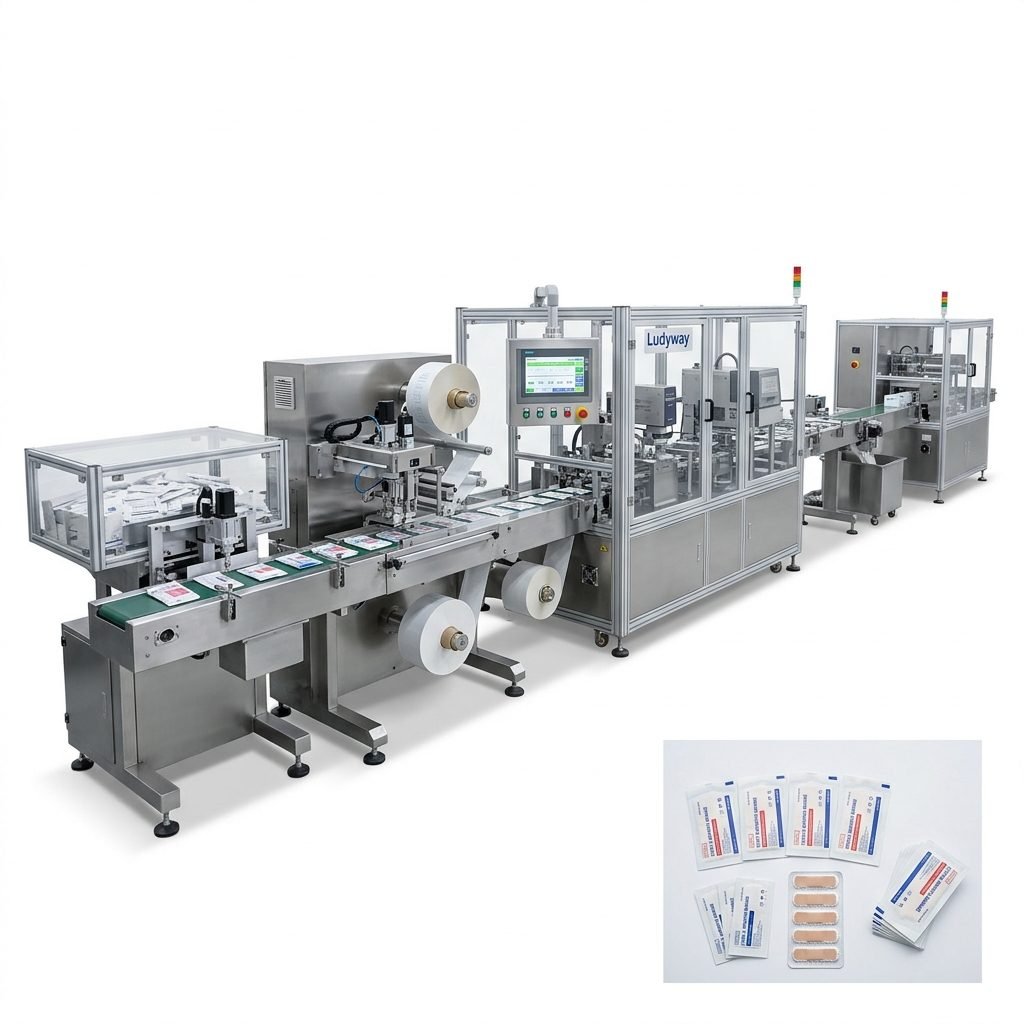
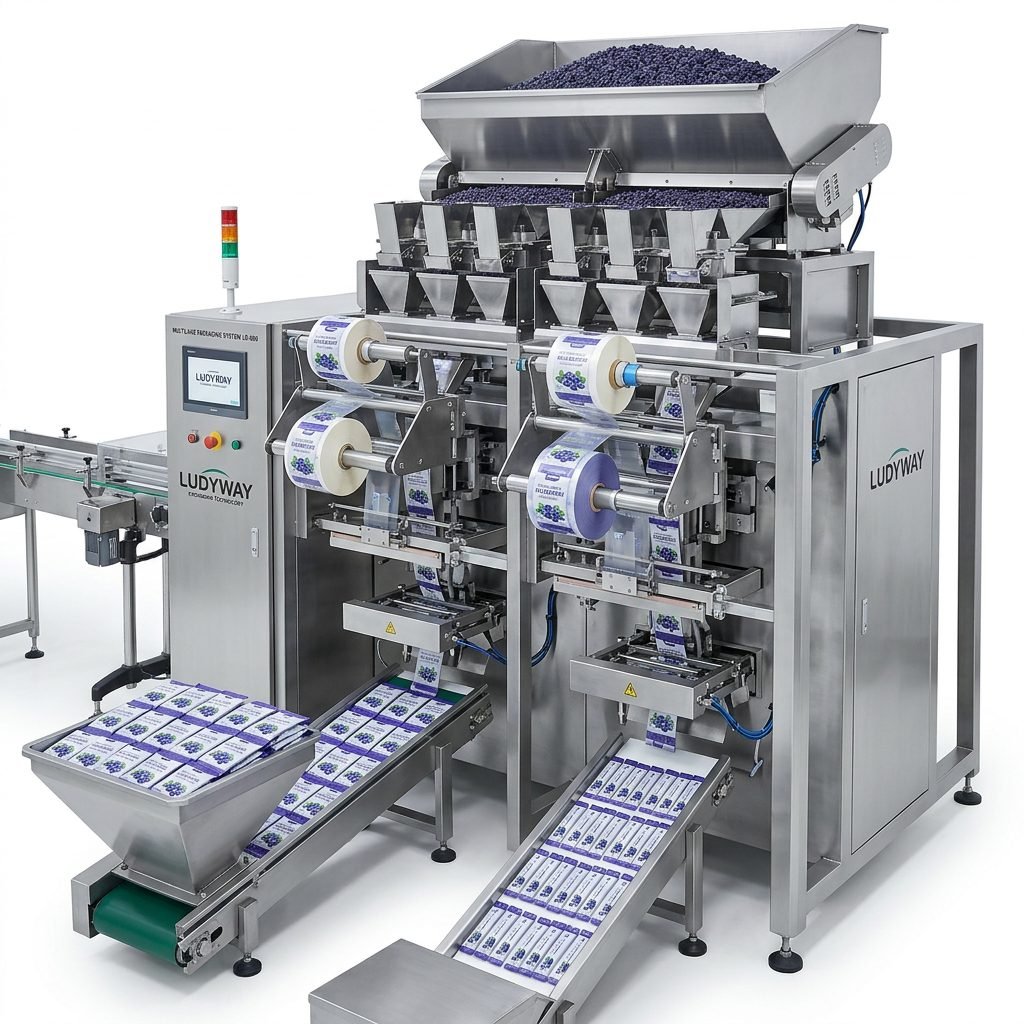
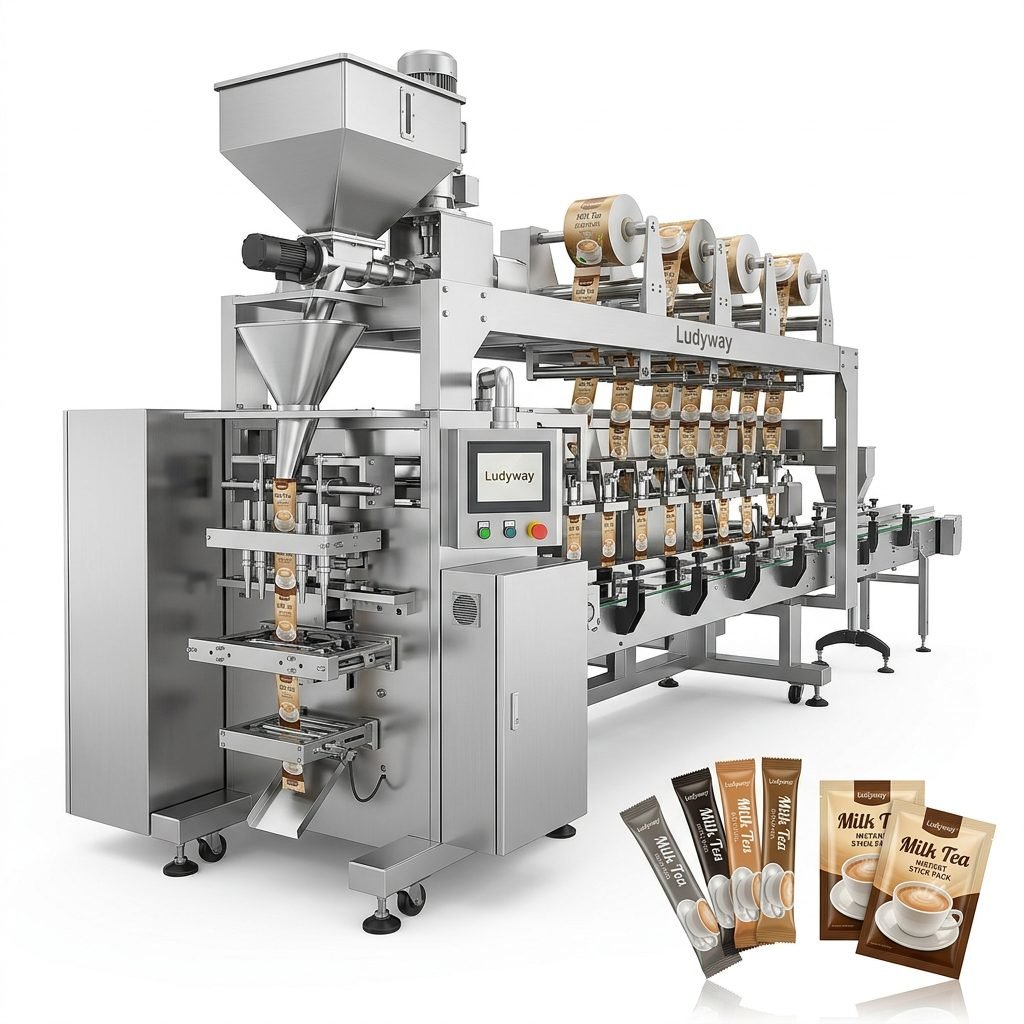
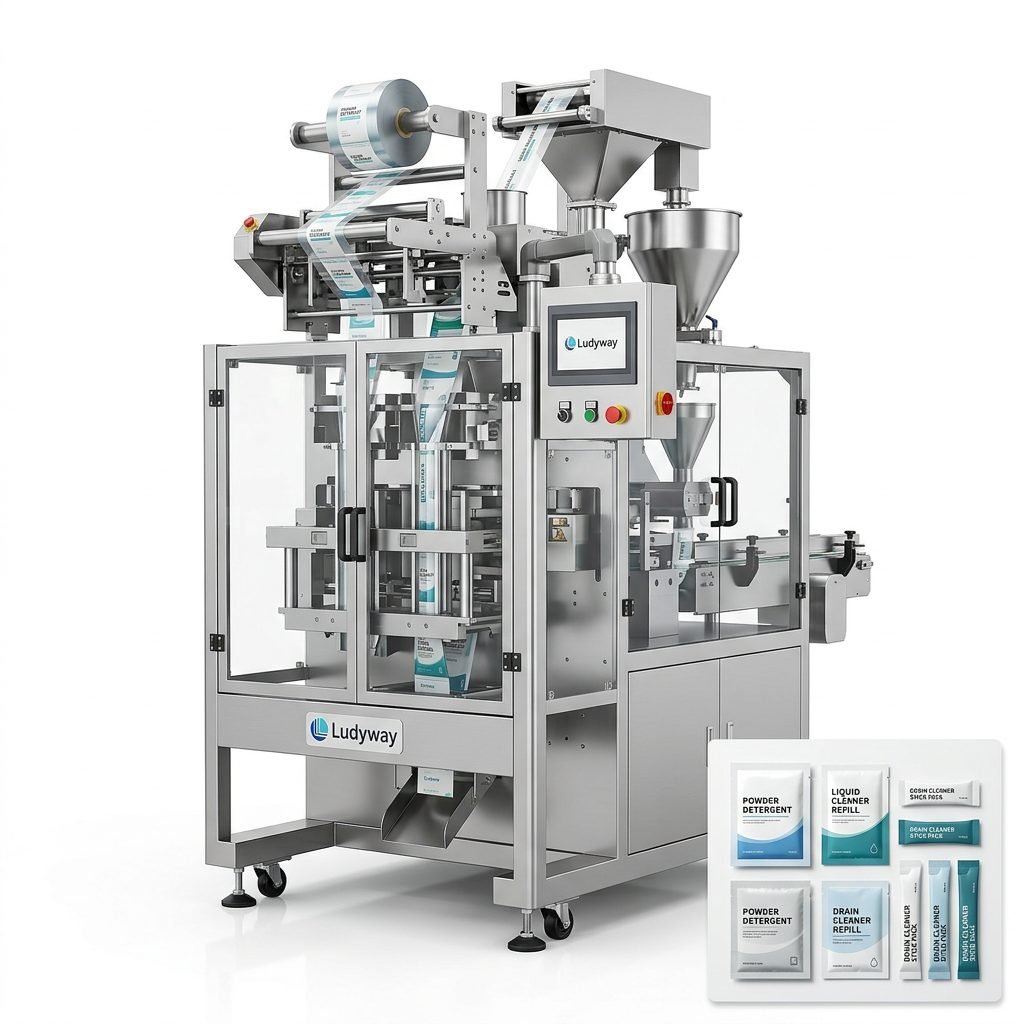
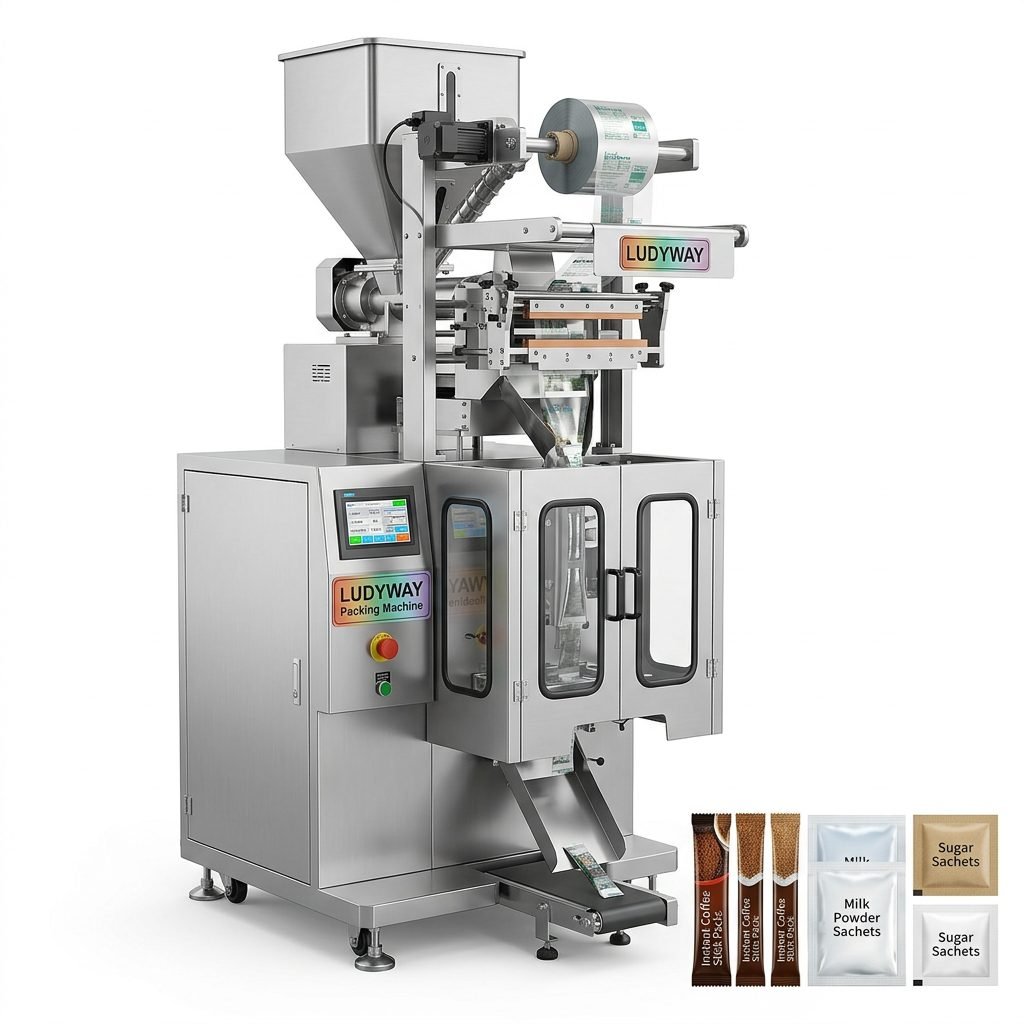
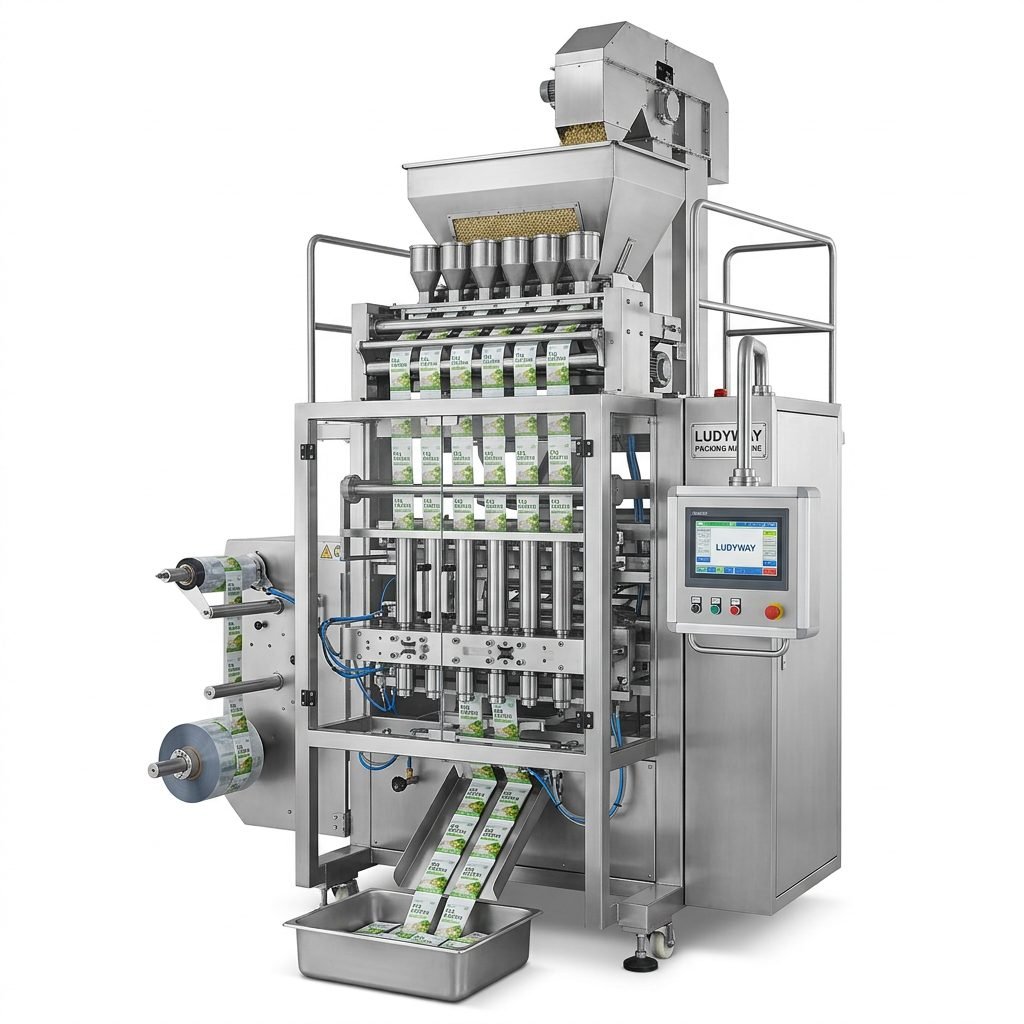
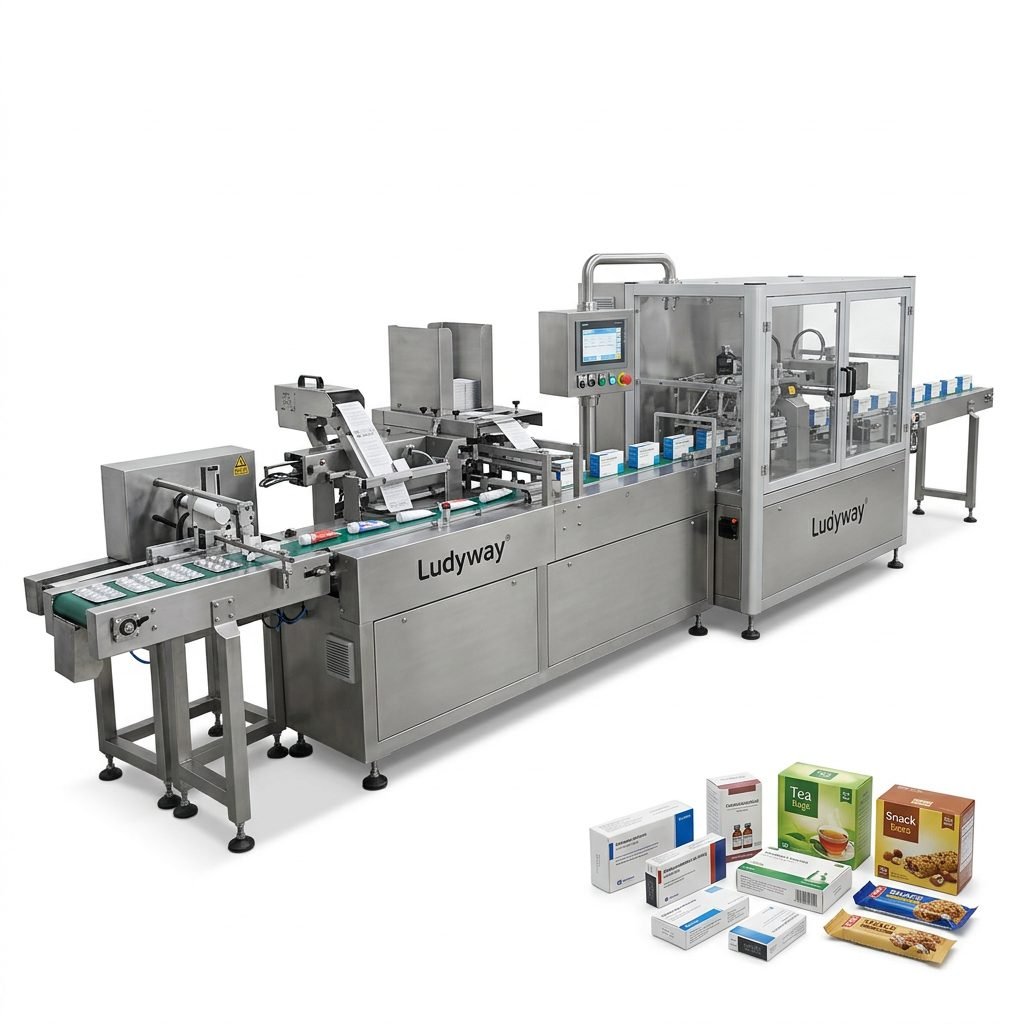
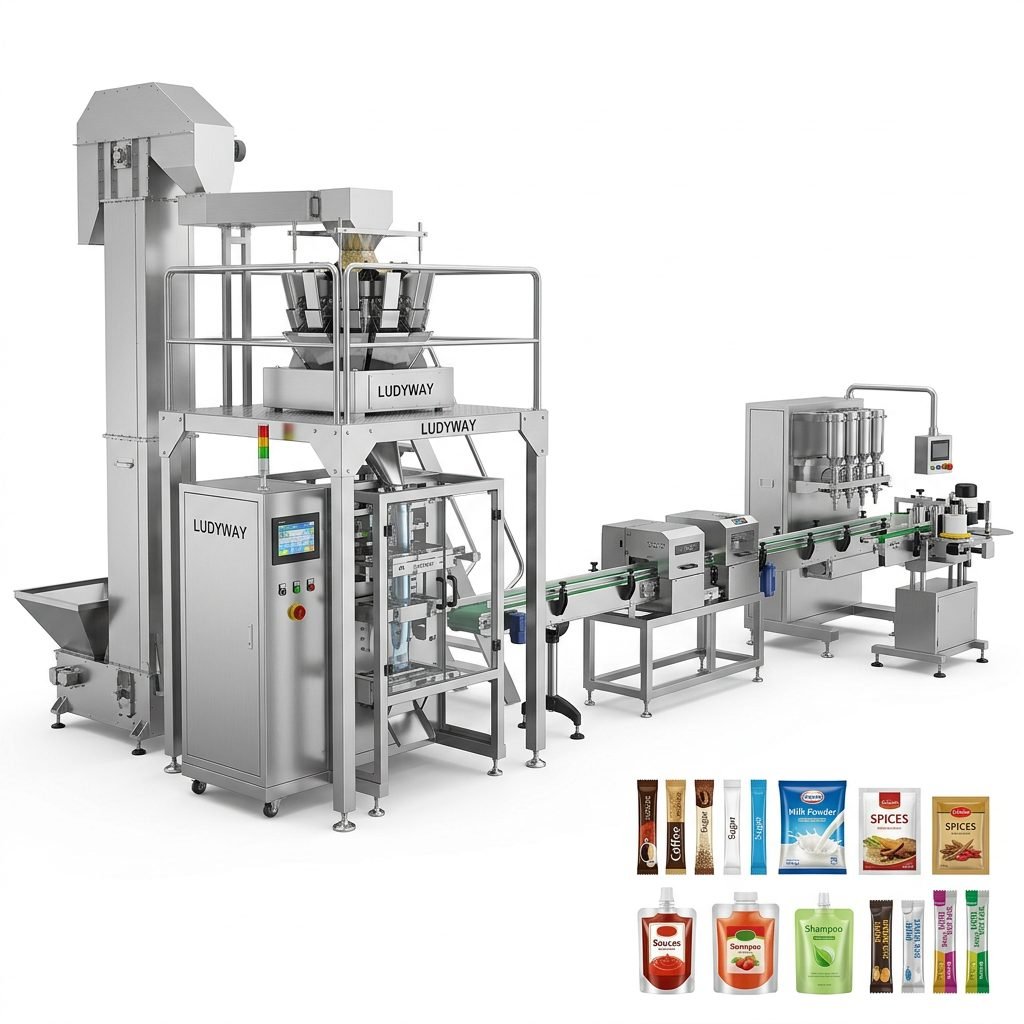
Sachet packaging machines help manufacturers cut waste at multiple stages of production. From more accurate filling to better sealing performance and lower material loss, these systems are designed to improve efficiency while reducing unnecessary consumption of film, product, labor, and energy.
For food, pharmaceutical, cosmetic, and chemical brands, waste reduction is no longer only a cost issue. It is also linked to sustainability targets, product quality, compliance, and customer satisfaction. A well-configured sachet packaging system can play a major role in achieving all of these goals.
What Waste Means in Sachet Packaging
In packaging production, waste is not limited to discarded film. It includes every avoidable loss that reduces profitability or environmental performance. Common forms of waste include:
- Overfilled product that goes beyond target weight or volume
- Rejected sachets caused by poor sealing, coding, or cut errors
- Film scrap from misalignment, startup loss, and bad forming
- Downtime waste from stoppages and unstable machine operation
- Labor waste due to excessive manual handling and rework
- Energy waste from inefficient heating, motion, and air usage
A modern sachet packaging machine reduces waste by controlling these losses through automation, precision engineering, and repeatable operation.
How Sachet Packaging Machines Reduce Product Waste
1. Precision Dosing and Filling
One of the biggest causes of waste is inaccurate dosing. If a machine consistently fills above the target level, even by a small amount, the cumulative loss becomes significant over thousands or millions of sachets.
Sachet packaging machines use controlled filling systems such as auger fillers, piston pumps, liquid pumps, cup fillers, or weighing systems to deliver more consistent quantities. This reduces:
- Overfill losses
- Underfill rejections
- Product giveaway
- Batch inconsistency
For high-value products such as nutraceutical powders, pharmaceutical granules, cosmetic serums, and concentrated liquids, precision filling can generate substantial savings.
2. Stable Sealing That Prevents Leakage
Poor seals lead to leaking sachets, contaminated products, and rejected packs. Advanced sachet machines maintain stable sealing temperature, pressure, and dwell time so that each sachet is properly closed.
Reliable sealing helps reduce waste by preventing:
- Product spills inside the machine
- Return or complaint-related waste after shipping
- Secondary contamination in food and pharma production
- Rework caused by incomplete or weak seals
3. Better Control During Startup and Changeover
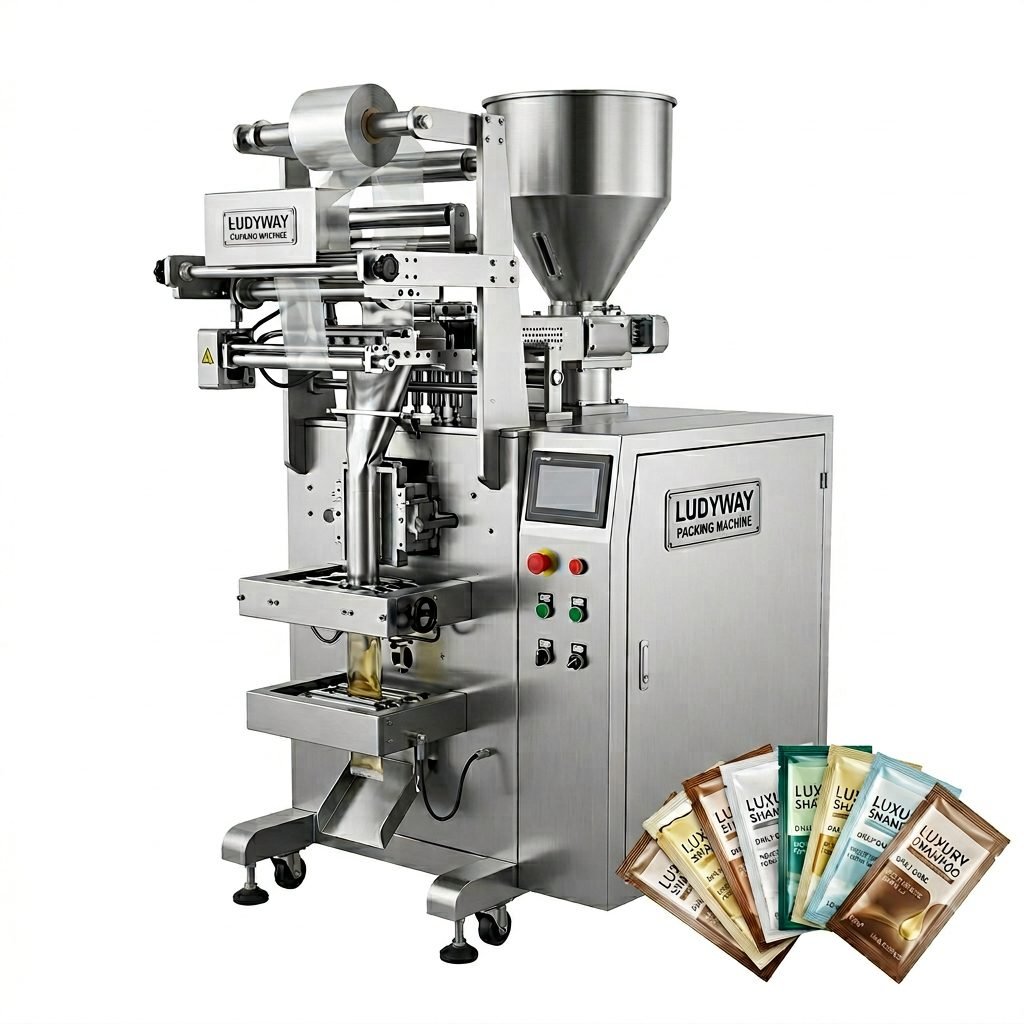
Manual lines often create high waste during startup, product switching, and film replacement. Automated sachet equipment reduces this problem by allowing operators to store parameters for different products and formats.
With repeatable settings, businesses can reduce:
- Trial-and-error adjustments
- Film loss during alignment
- Incorrect filling settings at the start of production
- Operator-dependent variation
How Sachet Packaging Machines Reduce Packaging Material Waste
Optimized Film Usage
Sachet packaging machines are designed to form, fill, and seal packs using measured film lengths. When the film tracking system is stable, the machine minimizes unnecessary cutting errors and material scrap.
This helps reduce:
- Off-center printing waste
- Excessive trimming
- Misregistration loss
- Wrinkled or damaged film disposal
Consistent Sachet Dimensions
Uniform sachet length and width are important for both appearance and material efficiency. Inconsistent sizing can lead to excess film consumption and carton packing inefficiency. Machines with accurate pulling and cutting systems create repeatable sachet dimensions, helping manufacturers use less packaging material per unit.
Compatibility With Multi-Lane Production
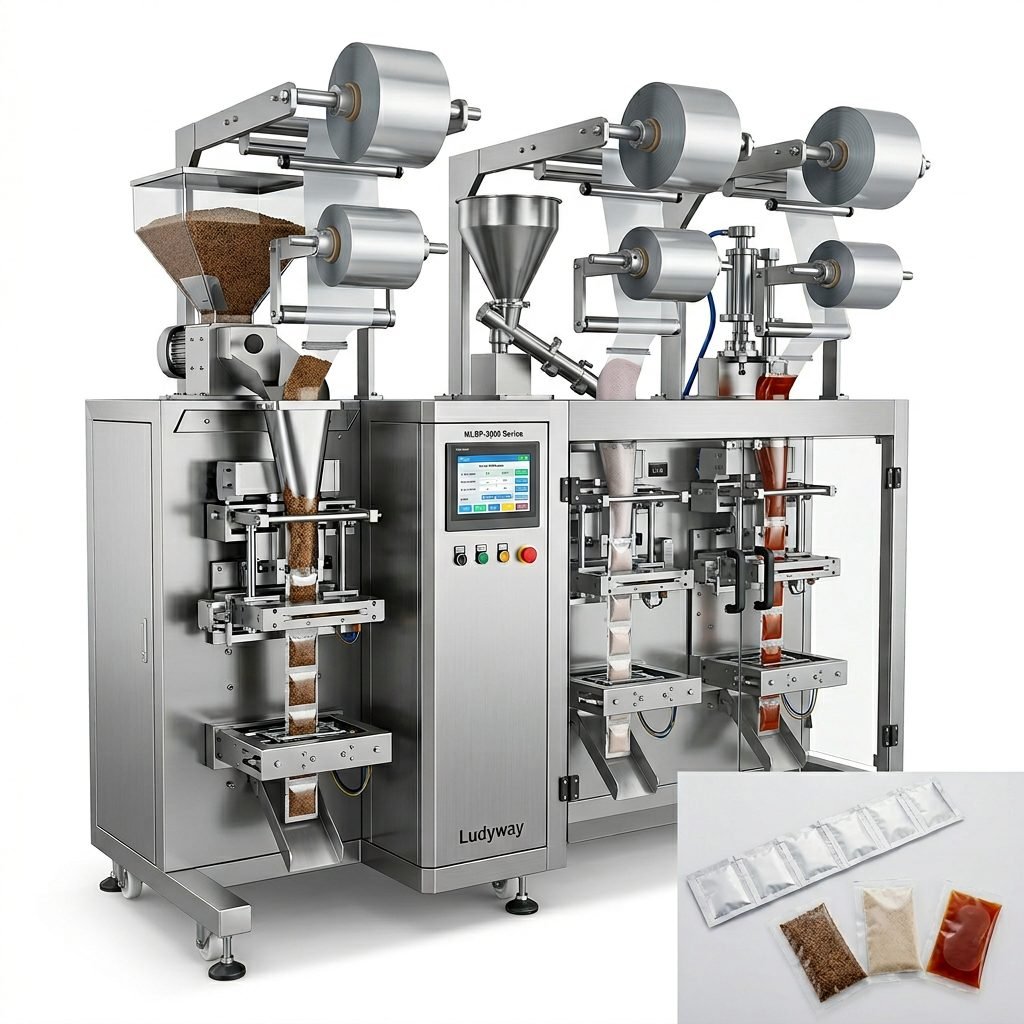
Multi-lane sachet machines can produce several packs at the same time while keeping format consistency. This boosts output without proportionally increasing waste. Higher throughput with stable control usually means lower packaging material waste per finished sachet.
How Automation Reduces Human Error
Human error is one of the most common hidden sources of waste in packaging plants. Manual filling, sealing, and checking increase the likelihood of mistakes. Automated sachet machines reduce that risk by standardizing the process.
Key benefits include:
| Automation Function | Waste Reduction Benefit |
|---|---|
| Automatic film tracking | Less print misalignment and film scrap |
| Servo-controlled filling | More accurate dosing and lower overfill |
| PLC recipe storage | Faster changeover and less setup waste |
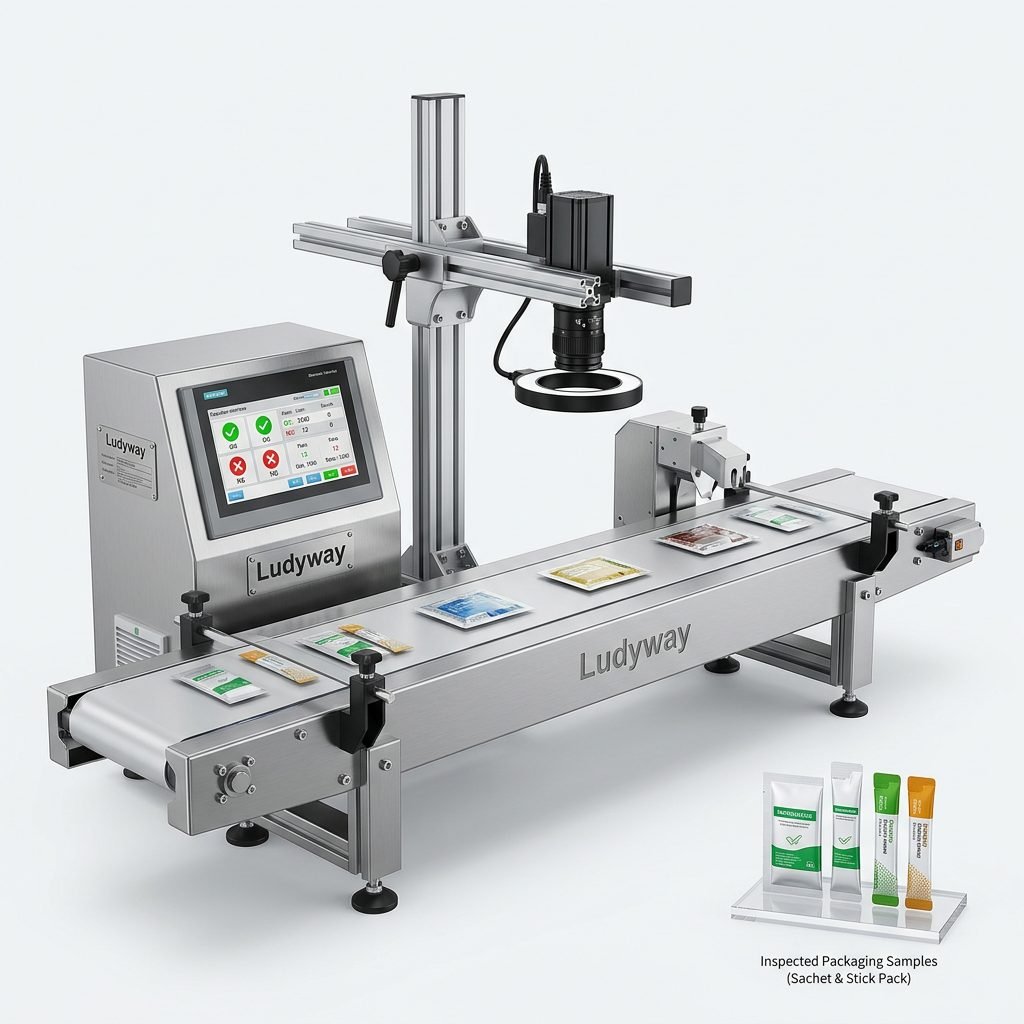
| Automatic alarms | Faster detection of faults before losses grow |
| Integrated reject control | Stops defective sachets from entering final packing |
By reducing manual intervention, manufacturers can create a more stable operation with fewer mistakes, fewer rejected sachets, and lower total waste.
Waste Reduction Across Different Industries
Food Industry
In food packaging, waste often comes from overfilling, broken seals, and contamination. Sachet packaging machines help preserve product freshness and maintain portion accuracy for items like coffee, sugar, spices, sauces, nutritional powders, and instant drink mixes.
Pharmaceutical Industry
In pharmaceuticals, even small packaging errors can cause expensive product rejection. Sachet systems support cleaner filling, repeatable weights, and dependable sealing for powders, granules, and oral products, helping reduce compliance-related waste.
Cosmetics and Personal Care
For serums, lotions, shampoos, creams, and gels, leakage and inconsistent fill volumes are common waste factors. Automated sachet machinery supports cleaner dosing and stronger seals, especially in high-speed multi-lane applications.
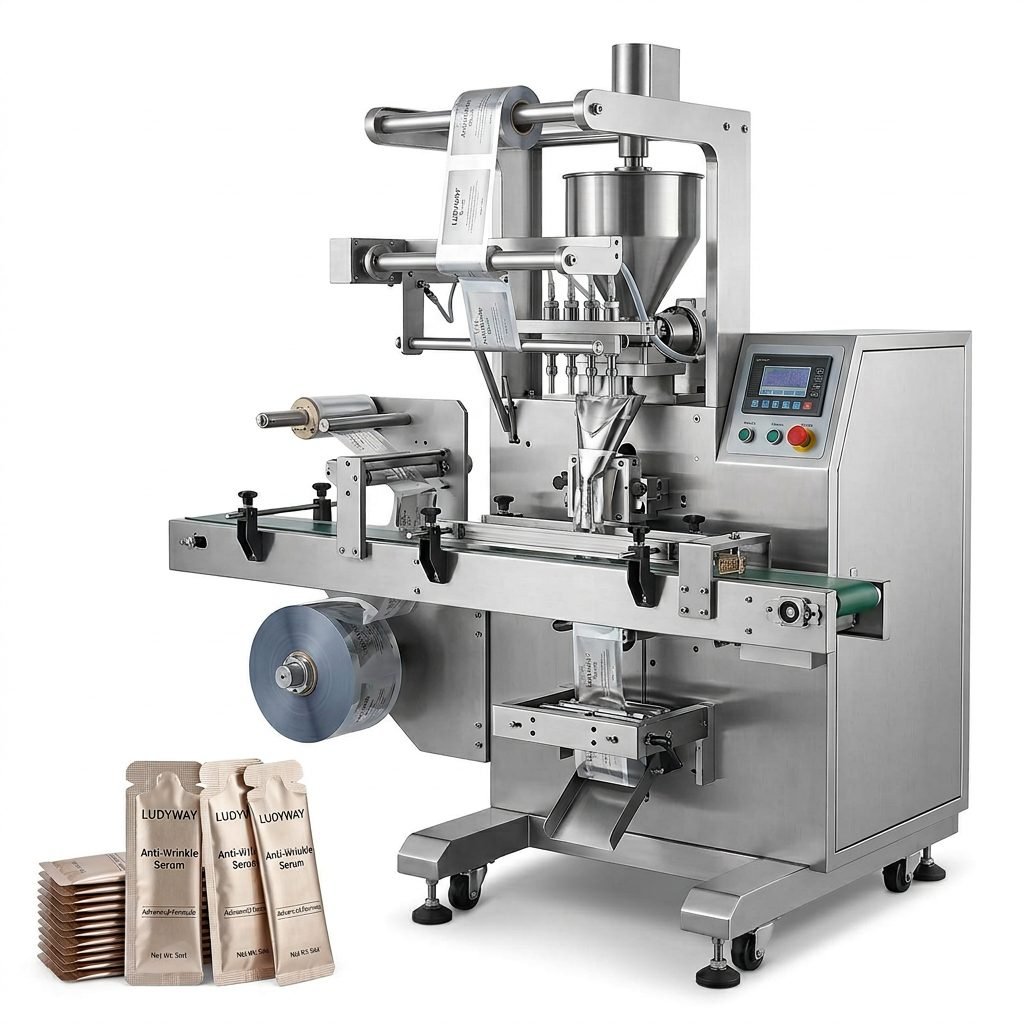
Key Machine Features That Help Reduce Waste
Not every sachet machine offers the same level of waste control. If waste reduction is a priority, buyers should pay attention to the following features:
- High-accuracy filling systems for powders, liquids, granules, or pastes
- Servo-driven film pulling for stable sachet length control
- Intelligent temperature control for consistent sealing
- Photoelectric tracking for printed film registration
- Quick changeover settings to reduce startup scrap
- Fault alarm and stop functions to limit major losses
- Dust or drip management design to keep sealing areas clean
How Better Machine Design Supports Sustainability Goals
Reducing waste is not only about direct production savings. It also supports broader sustainability initiatives by lowering raw material use, reducing rejected product disposal, and improving energy efficiency per packaged unit.
Companies that invest in efficient sachet packaging can often achieve:
- Lower product loss rates
- Reduced packaging film consumption
- Better consistency for downstream cartoning and shipping
- Smaller environmental footprint per sachet
- Improved cost control over long production cycles
How to Choose a Sachet Packaging Machine for Lower Waste
To maximize waste reduction, businesses should evaluate a machine based on real application needs rather than only speed. Important selection factors include:
| Selection Factor | Why It Matters for Waste Reduction |
|---|---|
| Product type | Different materials require different filling and sealing methods |
| Packaging film structure | Film compatibility affects sealing quality and scrap rate |
| Target accuracy | Higher precision means less giveaway and fewer rejects |
| Changeover frequency | Easy adjustment reduces startup and transition losses |
| Maintenance access | Faster cleaning and servicing reduces downtime waste |
| Supplier support | Good technical support helps optimize performance over time |
The Long-Term Business Impact of Reducing Waste
Even small improvements in filling accuracy, seal quality, and film handling can create major annual savings. For high-volume operations, a fraction of a gram saved per sachet may translate into a meaningful reduction in raw material costs.
Over time, lower waste can improve:
- Production profitability
- Inventory control
- Quality consistency
- Brand reputation
- Environmental performance reporting
Working With the Right Equipment Partner
Waste reduction depends not just on the machine itself, but also on proper engineering, machine configuration, and after-sales support. Manufacturers looking for scalable packaging automation often work with experienced suppliers that understand different product types and production goals.
Ludyway sachet packaging machine solutions are widely used in food, pharmaceutical, health supplement, cosmetic, and related industries, with a broad portfolio of automatic packaging equipment and turnkey packaging lines developed through more than 30 years of manufacturing experience.
Final Thoughts
Sachet packaging machines reduce waste by improving fill accuracy, sealing reliability, film control, automation consistency, and overall process stability. For companies packaging powders, granules, liquids, gels, or pastes, the right machine can significantly lower product giveaway and material scrap while improving operational efficiency.
In a market where cost control and sustainability matter more than ever, investing in a high-performance sachet packaging system is one of the most practical ways to reduce waste and build a more efficient production line.