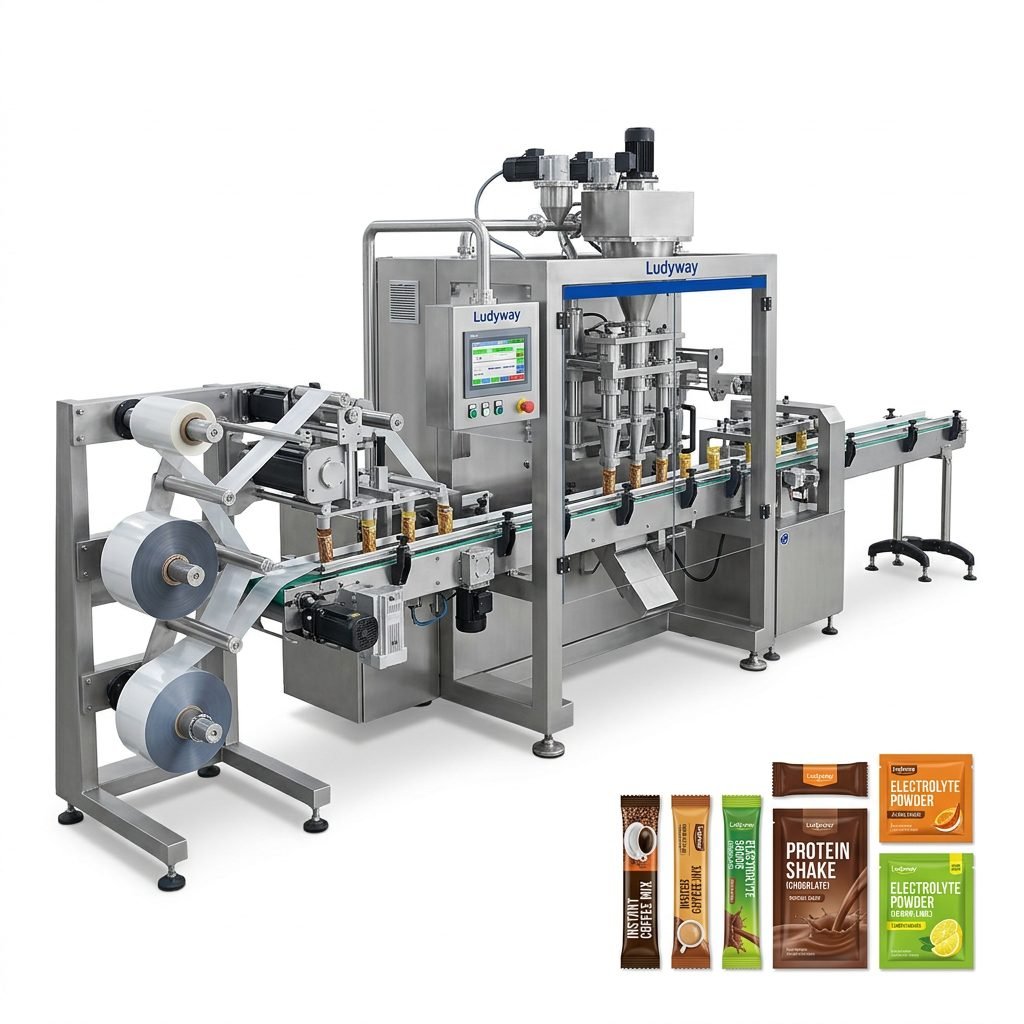
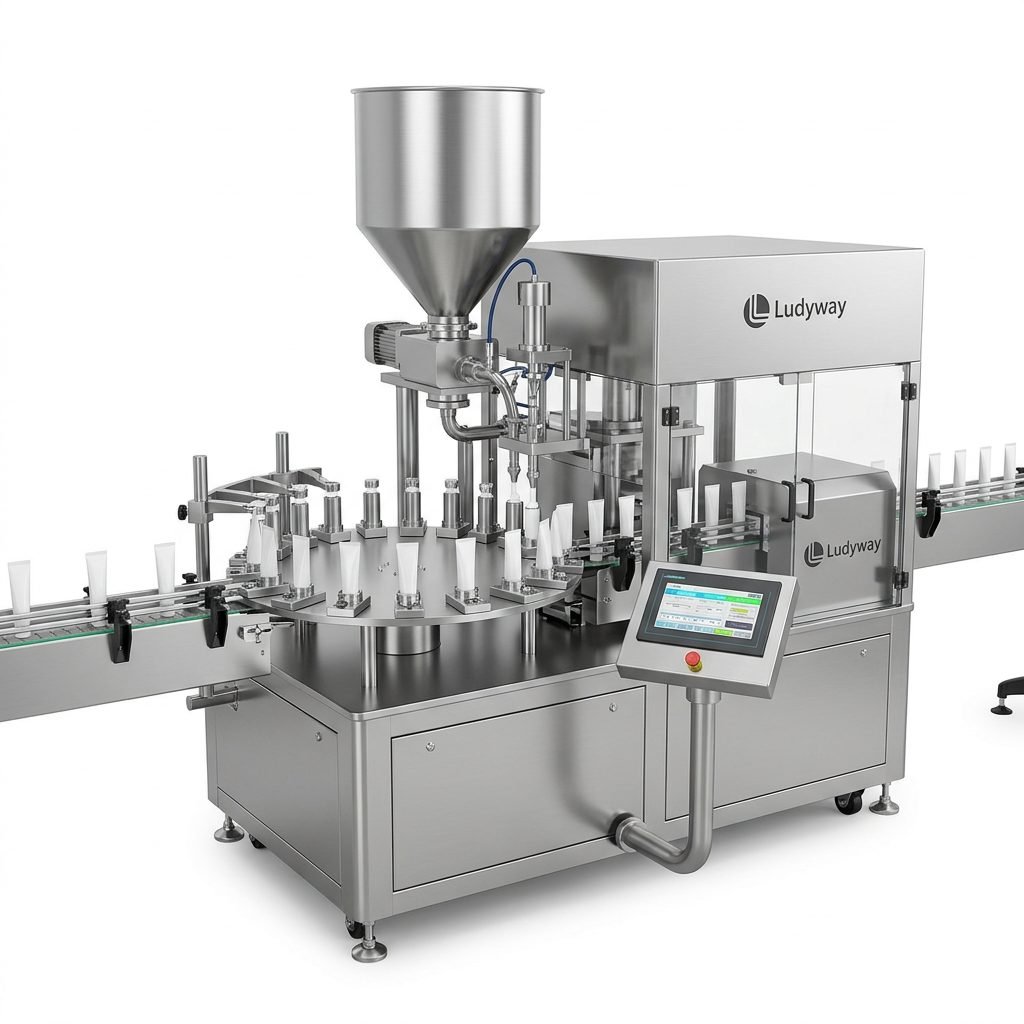
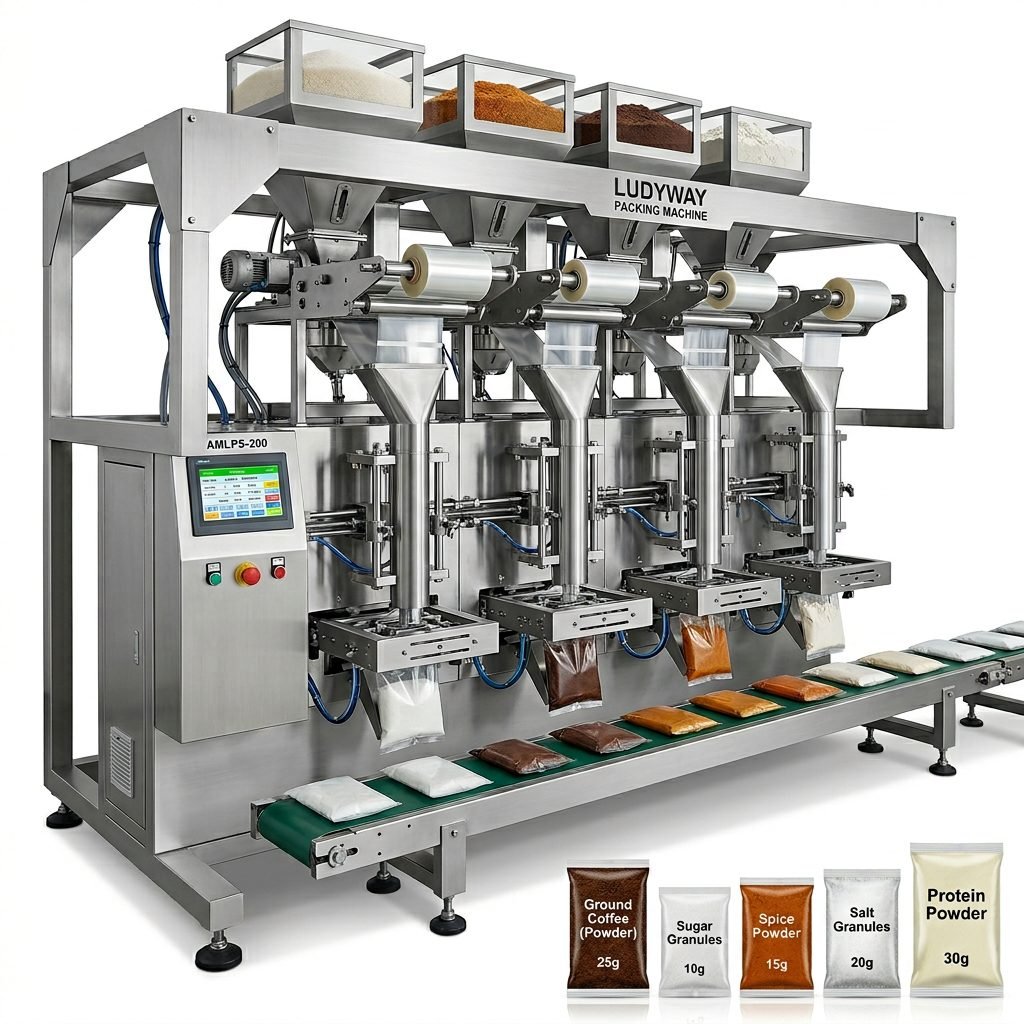
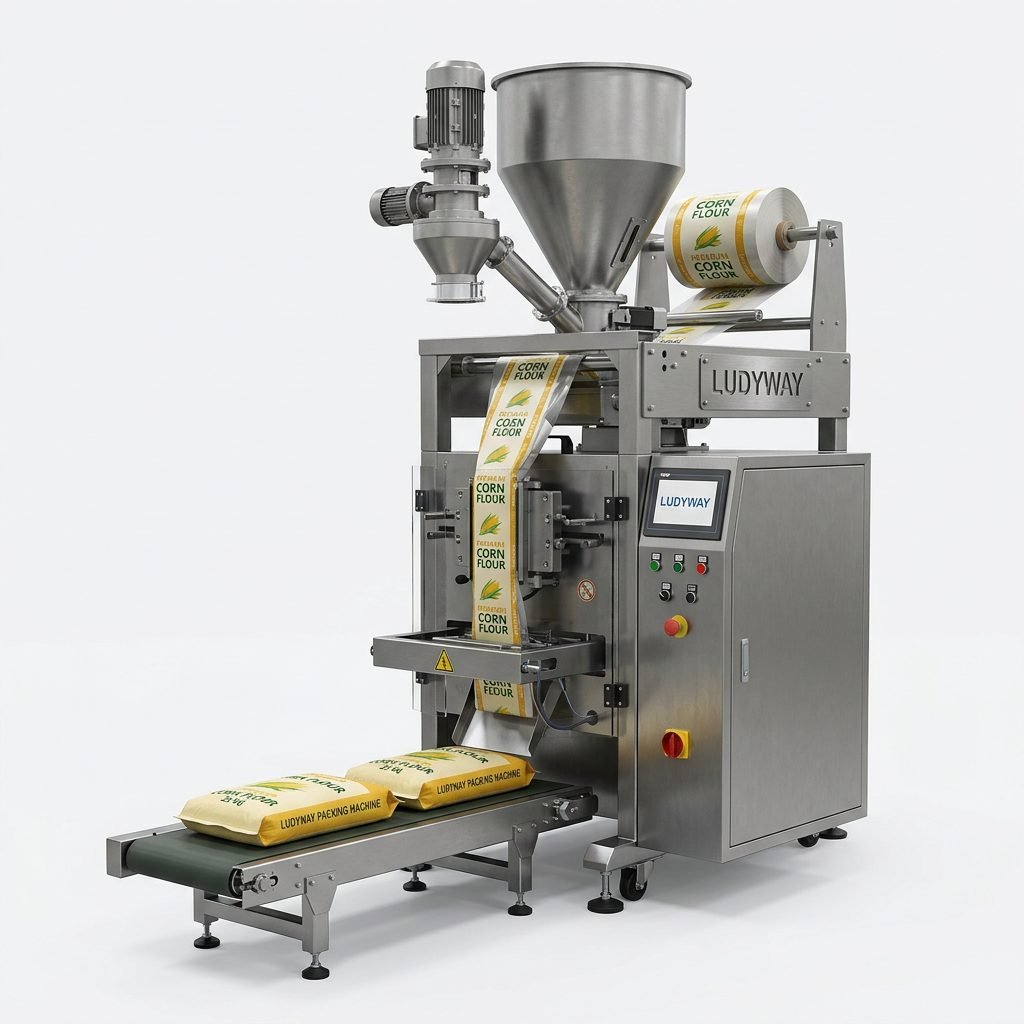
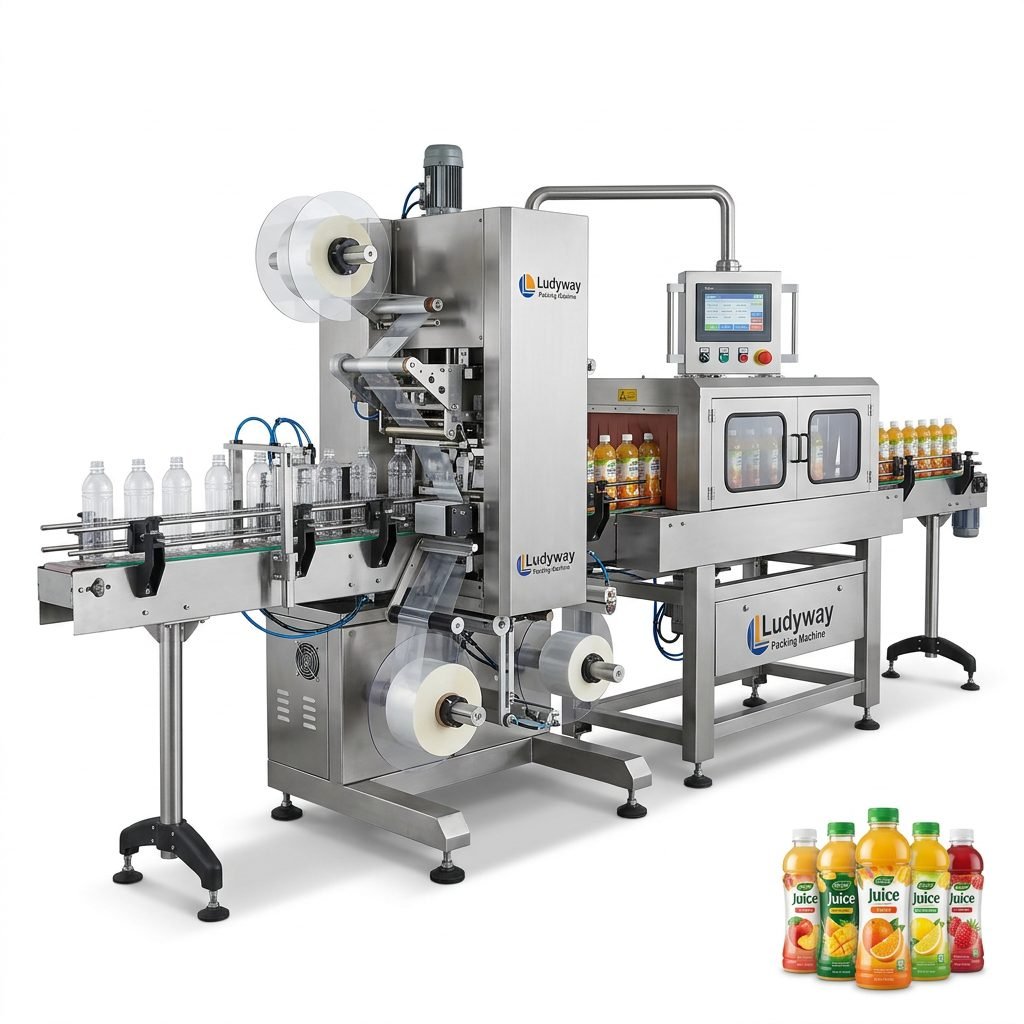
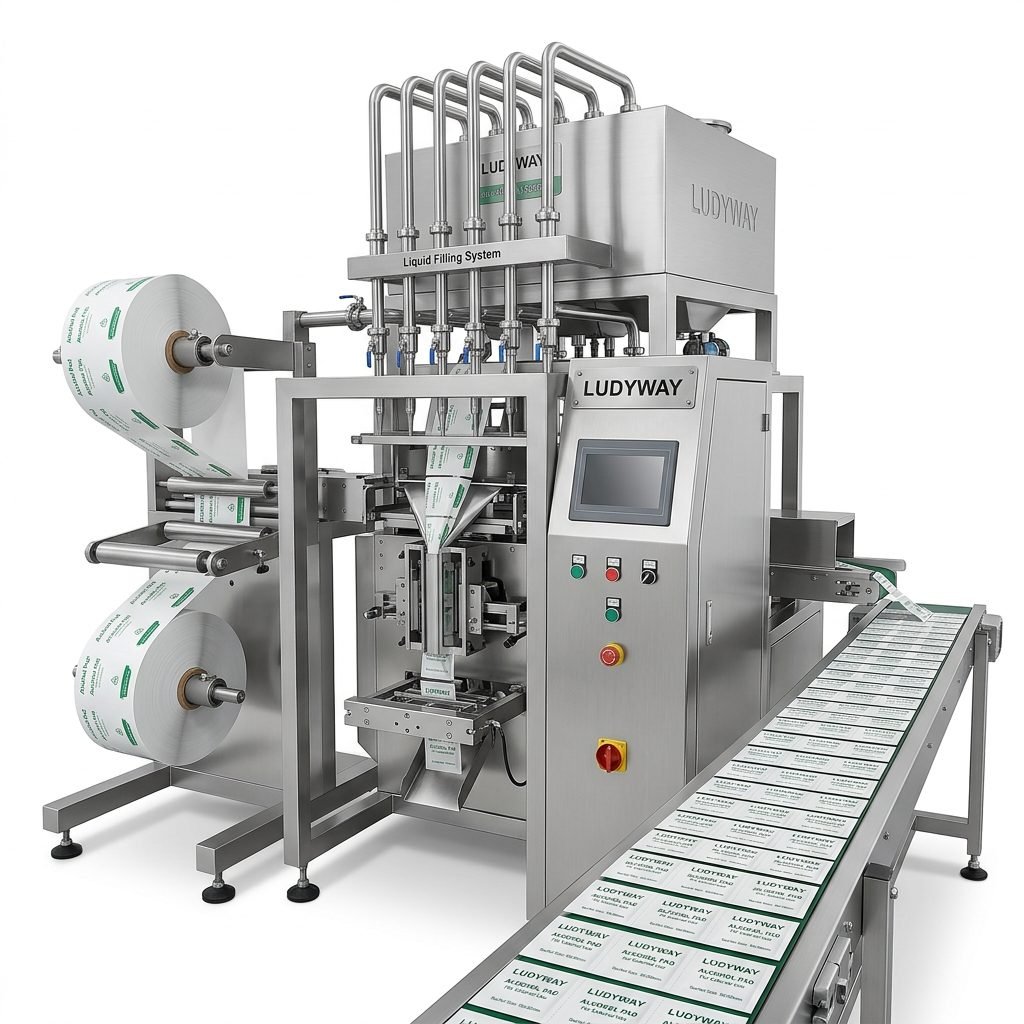
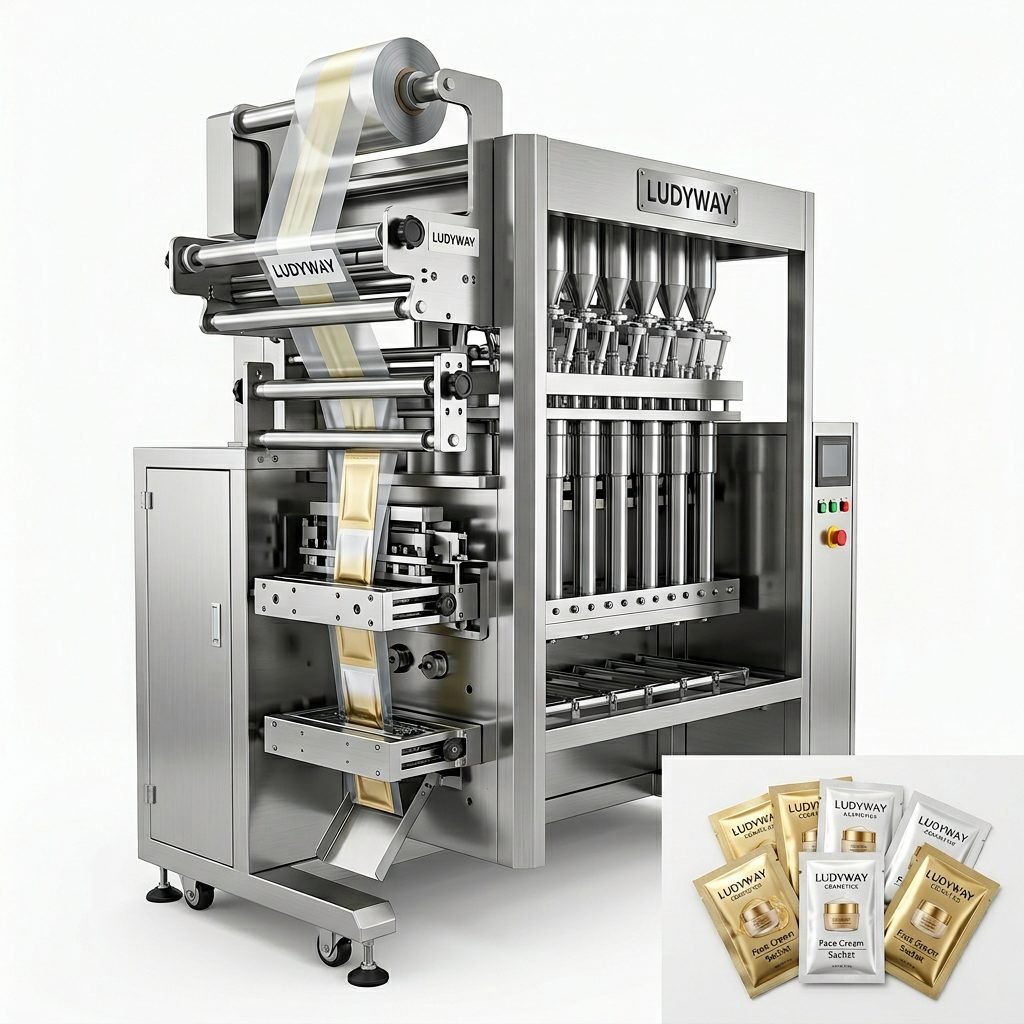
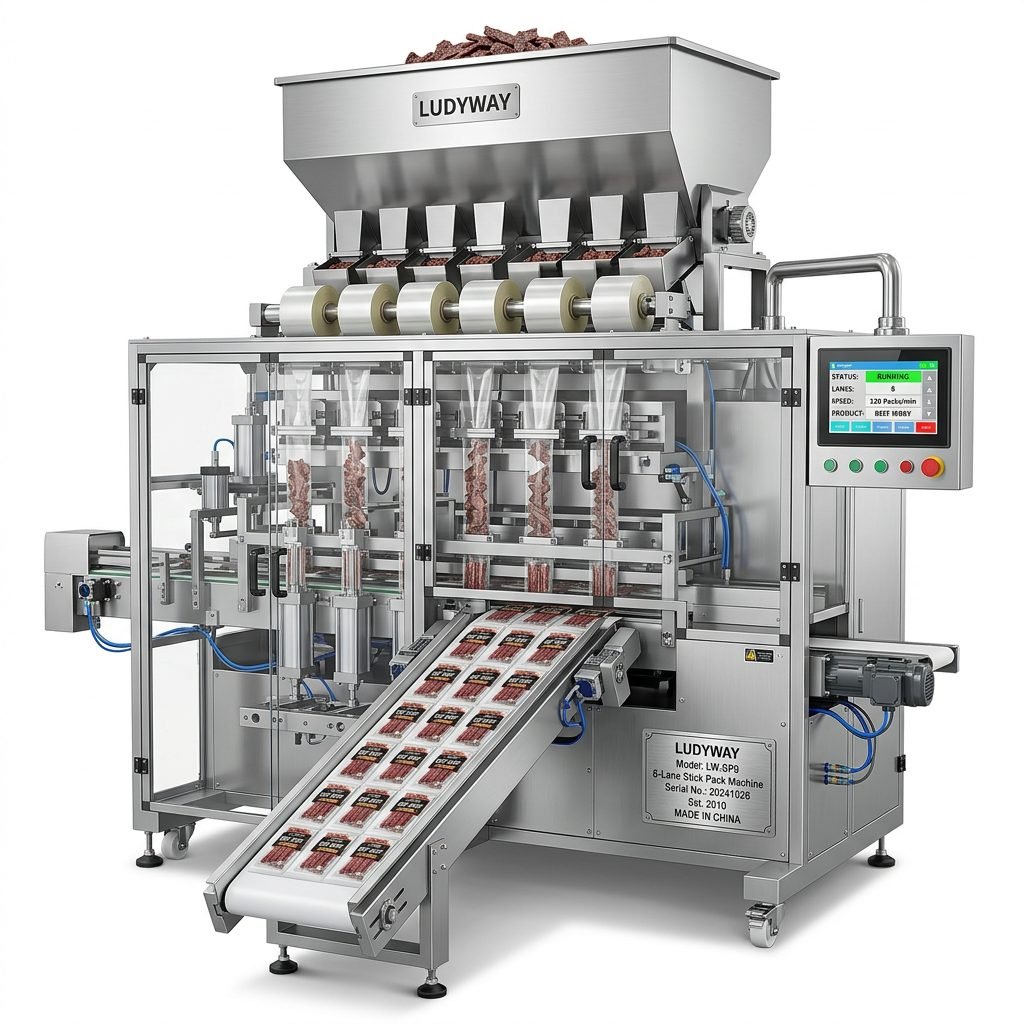
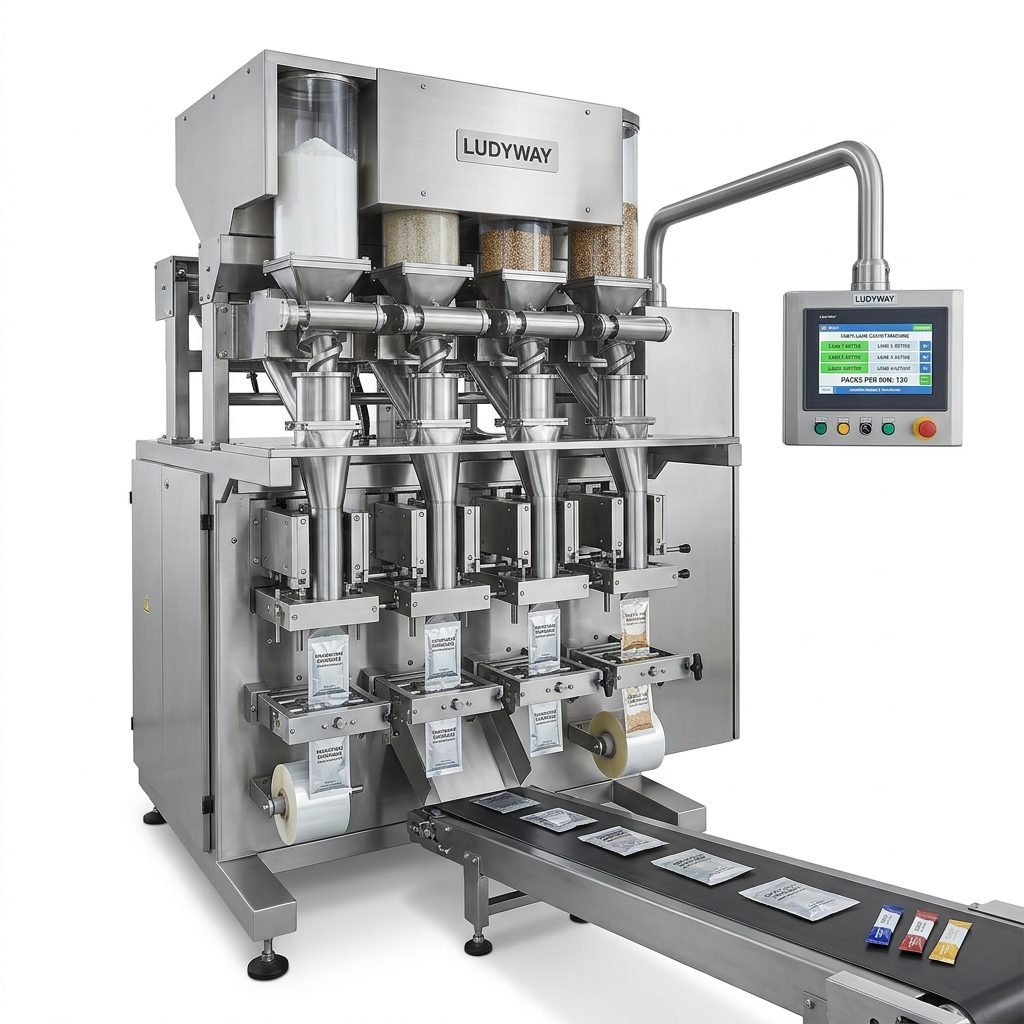
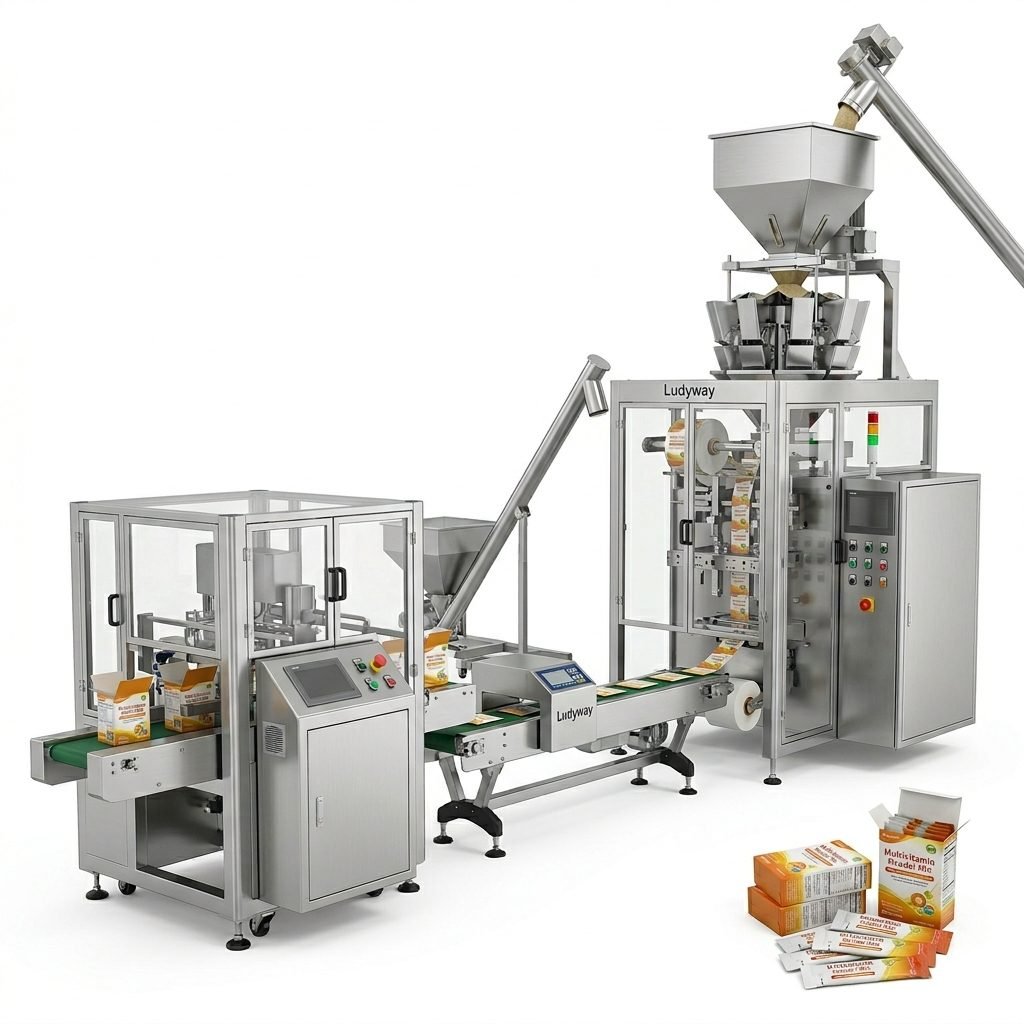
In fast-paced production environments, the secondary packaging stage often determines whether a line runs smoothly or becomes a bottleneck. A cardboard box packing machine helps manufacturers automate carton loading, case filling, box arrangement, and sealing so products move from primary packs to shipment-ready cartons with greater speed and consistency.
For food, pharmaceutical, cosmetic, chemical, and daily-use product manufacturers, the right box packing solution delivers more than automation. It improves output, reduces labor pressure, lowers packing errors, and supports cleaner, more organized operations across the entire line.
What Is a Cardboard Box Packing Machine?
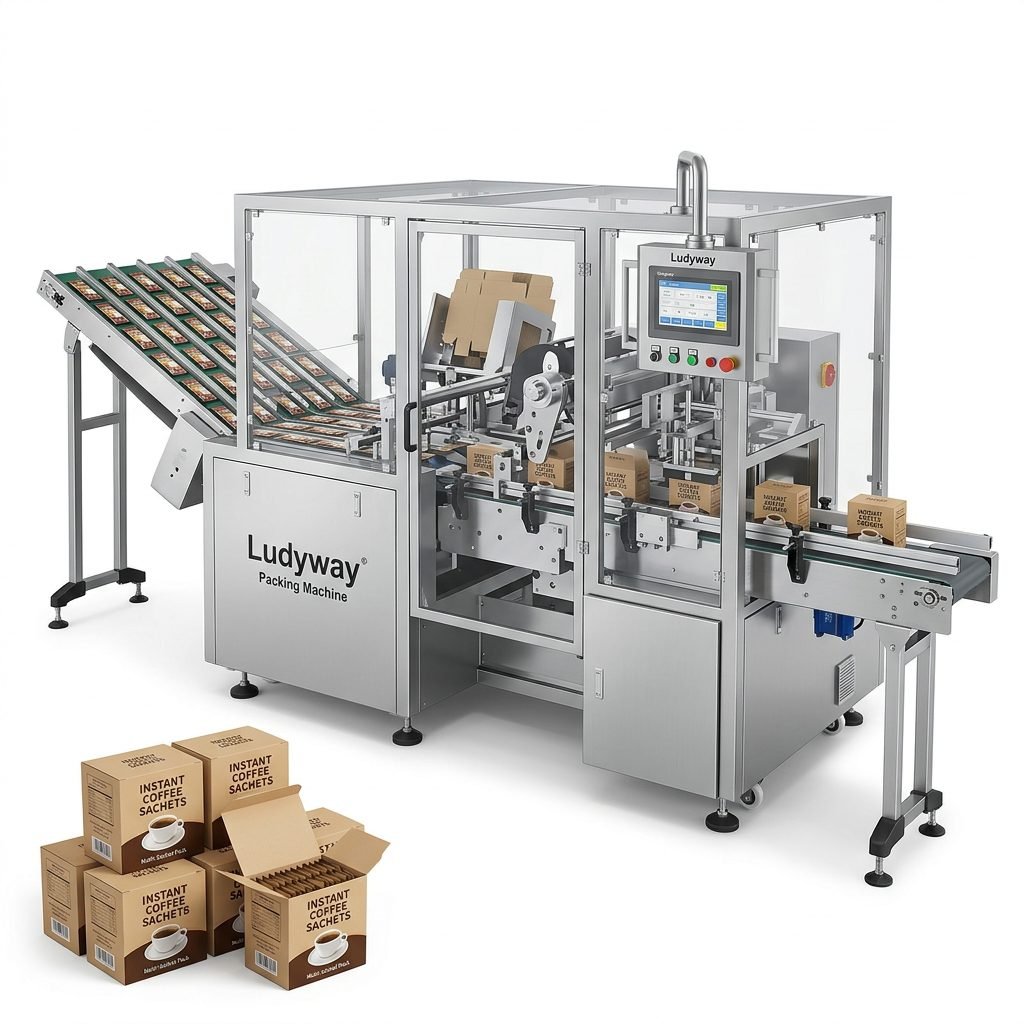
A cardboard box packing machine is automated equipment designed to place packaged products into cartons, boxes, or cases for transport, retail, or warehouse storage. Depending on production needs, it may work as a standalone unit or as part of a complete packaging line that includes conveying, counting, collating, weighing, coding, case sealing, and palletizing.
These machines are commonly used for:
- Stick packs and sachets
- Pouches and bags
- Bottles and jars
- Blister packs and pharmaceutical products
- Cosmetic samples and personal care packs
- Small retail boxes and grouped multipacks
Why Businesses Invest in Automated Box Packing
Manual boxing may work at very low volumes, but it becomes inefficient as production grows. A well-designed cardboard box packing system creates measurable value across operations.
- Higher throughput: Products are packed into cartons faster than manual handling.
- Improved consistency: Uniform loading patterns reduce damaged packs and messy cartons.
- Lower labor dependency: Fewer operators are needed for repetitive packing tasks.
- Better hygiene and safety: Reduced direct handling is especially important in food and pharma sectors.
- Scalable automation: Easy integration with upstream filling machines and downstream palletizing systems.
- Reduced waste: Accurate packing lowers carton damage, product miscounts, and rework.
Key Functions of a Modern Cardboard Box Packing Machine
Modern systems can perform much more than simple box loading. Depending on the machine design, common functions include:
- Product infeed and orientation
- Automatic counting or grouping
- Carton erecting or box opening
- Precise insertion into the cardboard box
- Carton closing or flap folding
- Case sealing with tape or hot melt adhesive
- Optional coding, labeling, weighing, and rejection
The biggest advantage is that all these steps can be synchronized with upstream and downstream equipment, allowing a continuous flow instead of disconnected manual stations.
Industries That Benefit Most
| Industry | Typical Products | Main Benefit |
|---|---|---|
| Food | Seasonings, coffee, snacks, powders, sauces | Fast secondary packaging and cleaner handling |
| Pharmaceutical | Sachets, medical supplies, blister packs, bottles | Accuracy, compliance support, reduced contamination risk |
| Cosmetic | Cream sachets, serum packs, sample sticks | Neat presentation and higher packing efficiency |
| Chemical | Detergent packs, additives, treatment chemicals | Safer handling and stable case loading |
| Animal Feed & Pet Care | Feed supplements, treats, pet nutrition sachets | Reliable collation and high-volume automation |
How It Supports Faster, Smarter Operations
1. Eliminates Secondary Packaging Bottlenecks
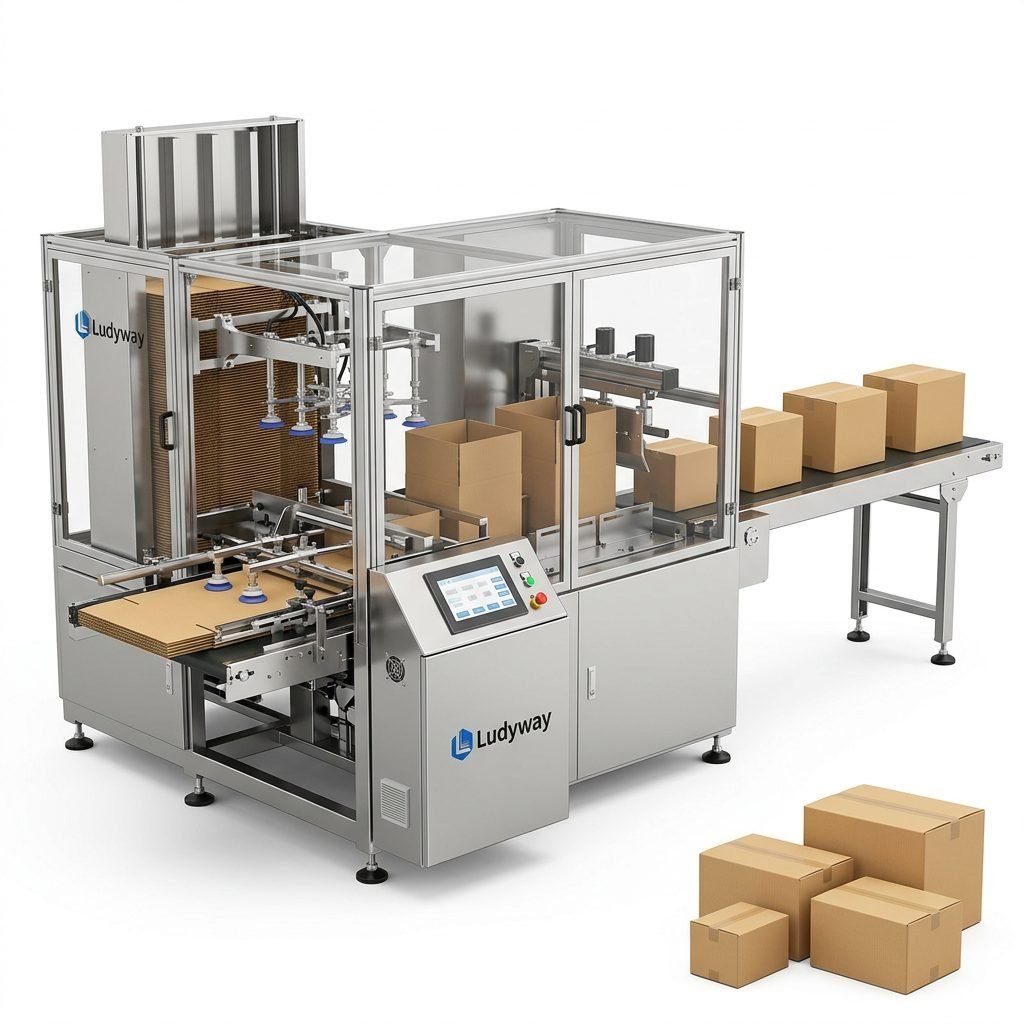
Many production lines achieve high filling speed but slow down when products must be manually counted and boxed. Automated carton packing keeps pace with upstream machinery, helping the whole line maintain stable output.
2. Reduces Human Error
Manual packing often results in incorrect counts, poor box arrangement, inconsistent sealing, or product damage. An automatic system performs repetitive tasks with much greater repeatability.
3. Improves Workforce Utilization
Instead of assigning multiple workers to repetitive carton loading, companies can reallocate labor to quality control, machine supervision, logistics, or maintenance support.
4. Enhances Product Protection
Products packed neatly into cartons are less likely to shift, crush, or leak during transportation. This is especially important for fragile sachets, small cosmetic units, and pharmaceutical packs.
5. Enables Line Integration
A cardboard box packing machine becomes even more valuable when connected with conveyors, checkweighers, coding machines, case sealers, and palletizing systems. The result is a more intelligent packaging workflow with stronger process control.
Common Machine Configurations
Not every factory needs the same design. The best solution depends on product format, target speed, box size, and level of automation.
- Top-load carton packers: Suitable for grouped sachets, pouches, and flexible packs.
- Side-load cartoning systems: Often used when products need guided insertion.
- Wraparound case packers: Ideal for efficient case forming around product groups.
- Robotic pick-and-place box packers: Flexible for mixed formats and changing SKU requirements.
- Integrated carton erecting and sealing lines: Best for high-volume end-of-line automation.
Important Features to Look For
| Feature | Why It Matters |
|---|---|
| Servo-driven control | Improves positioning accuracy and smooth machine motion |
| Quick changeover | Reduces downtime when switching carton sizes or products |
| PLC + touchscreen HMI | Simplifies operation, parameter setting, and fault diagnosis |
| Automatic detection | Helps reject missing products, empty cartons, or incorrect loading |
| Compact footprint | Useful for factories with limited floor space |
| Line compatibility | Ensures easy integration with existing packaging equipment |
Who Should Consider Upgrading?
A cardboard box packing machine is a strong fit for businesses facing one or more of the following challenges:
- Growing order volumes with limited labor availability
- Frequent packing mistakes or inconsistent carton appearance
- Slow end-of-line operations compared with filling speed
- Need for better hygiene in regulated industries
- Plans to expand into export markets and retail-ready packaging
- High labor costs from repetitive manual packing tasks
How to Choose the Right Solution
Selecting the right machine requires more than comparing speed figures. Buyers should assess the full application environment.
Evaluate product characteristics
Consider dimensions, weight, flexibility, grouping method, and whether the product is fragile, dusty, or leak-prone.
Define box requirements
Box size range, material thickness, loading orientation, and sealing method all affect machine selection.
Match the machine to actual production goals
Choose equipment based on realistic output targets, not just maximum rated speed. Stable production matters more than peak speed claims.
Plan for future expansion
If more SKUs or higher volume are expected, a modular or customizable system can protect long-term investment.
Check supplier experience
A supplier with broad industry knowledge can better support integration, customization, training, and after-sales service.
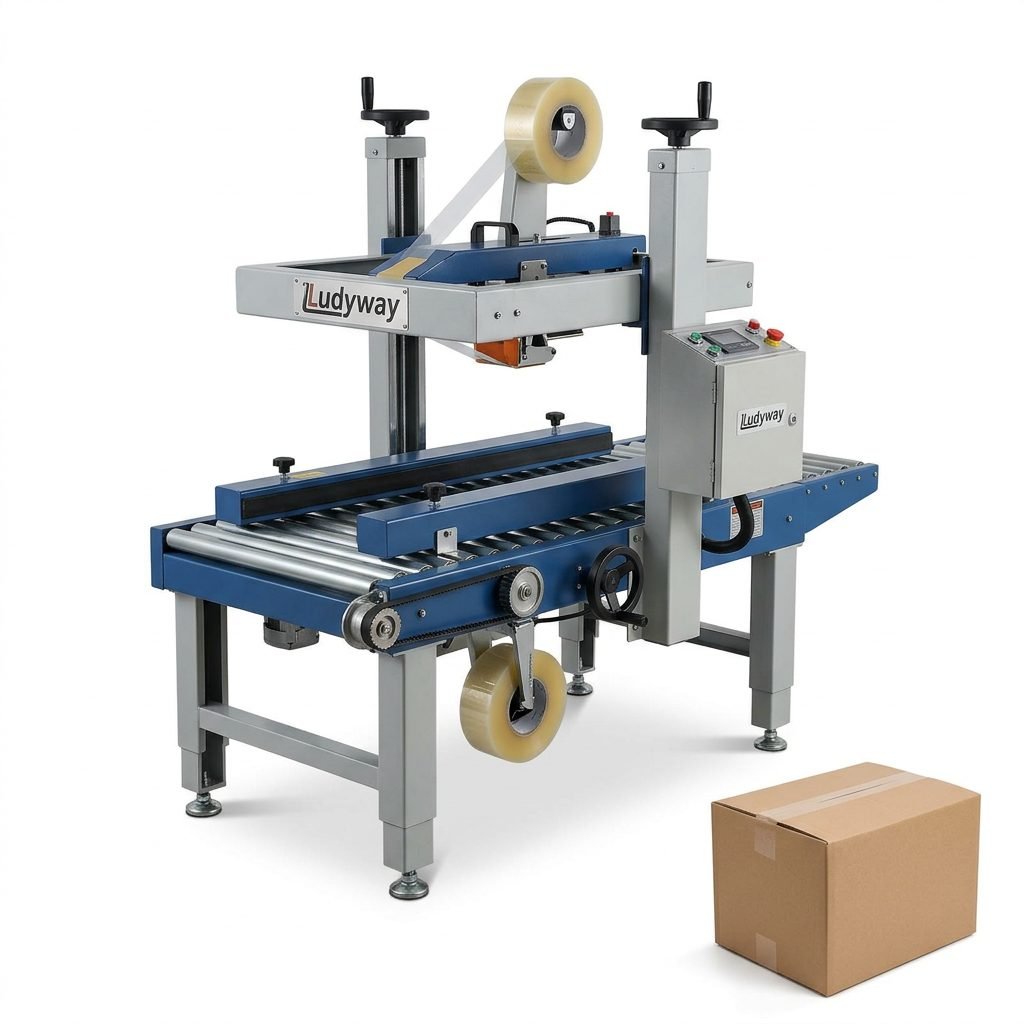
The Value of Turnkey Packaging Line Integration
For many manufacturers, the highest return comes not from a standalone machine but from a complete automated line. When product feeding, primary packaging, cartoning, case packing, sealing, inspection, and palletizing are all integrated, operations become easier to manage and more efficient overall.
This is why many buyers work with experienced turnkey suppliers such as Ludyway, one of China’s leading packaging machine and turnkey packaging line manufacturers with more than 30 years of industry experience. For companies that need scalable automation across food, pharmaceutical, cosmetic, chemical, and related sectors, integrated engineering support can be just as important as the machine itself.
Maintenance Tips for Long-Term Performance
- Inspect moving parts and sealing components regularly
- Keep sensors, guides, and conveyors clean
- Train operators on changeover and alarm handling
- Use the correct carton quality and dimensions
- Schedule preventive maintenance rather than waiting for failures
- Monitor wear on suction systems, belts, and gripping units
Final Thoughts for Packaging Decision-Makers
A cardboard box packing machine is more than an end-of-line accessory. It is a practical investment in speed, accuracy, labor efficiency, and production scalability. Whether you pack sachets, pouches, bottles, or retail units, the right machine can transform a slow and labor-heavy step into a streamlined automated process.
As competition rises and delivery expectations become tighter, faster and smarter secondary packaging is no longer optional for many manufacturers. Businesses that modernize box packing today are better positioned to improve operational control, reduce costs, and support sustainable long-term growth.