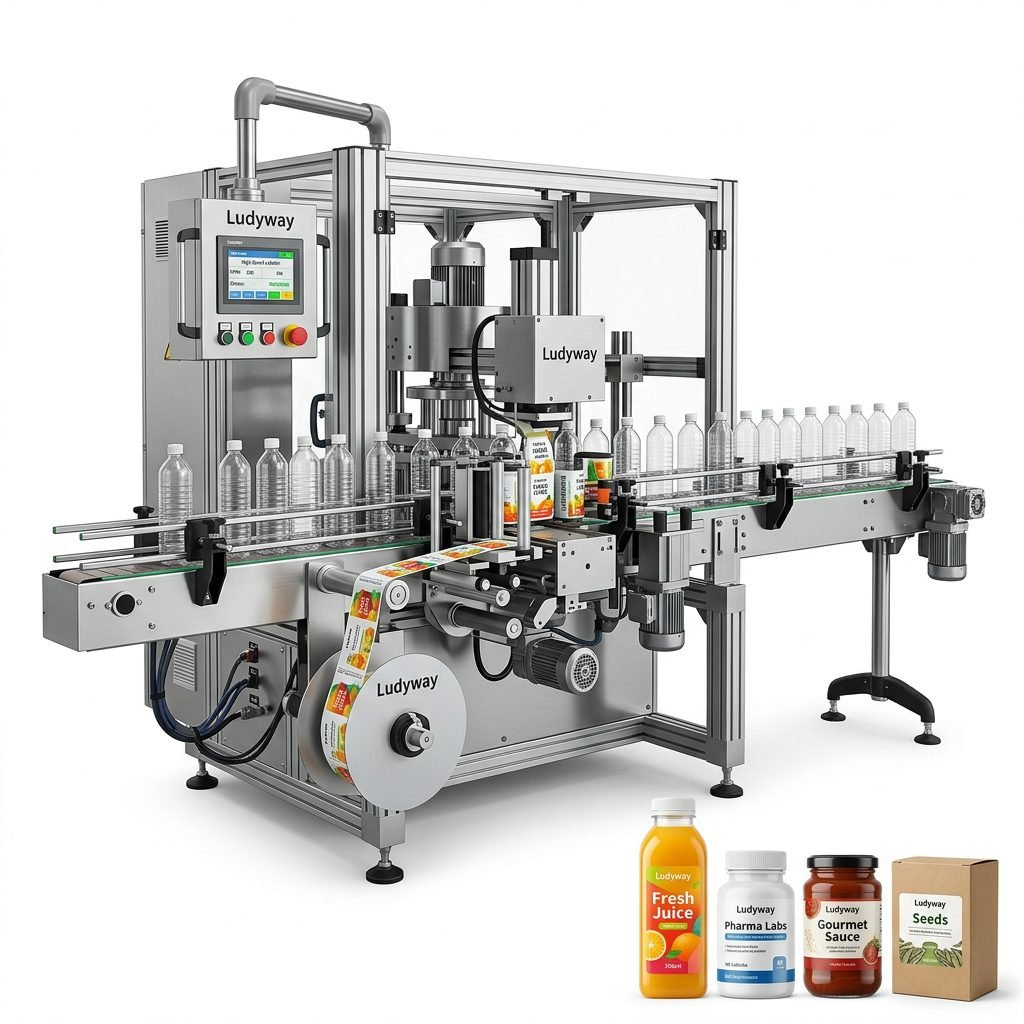
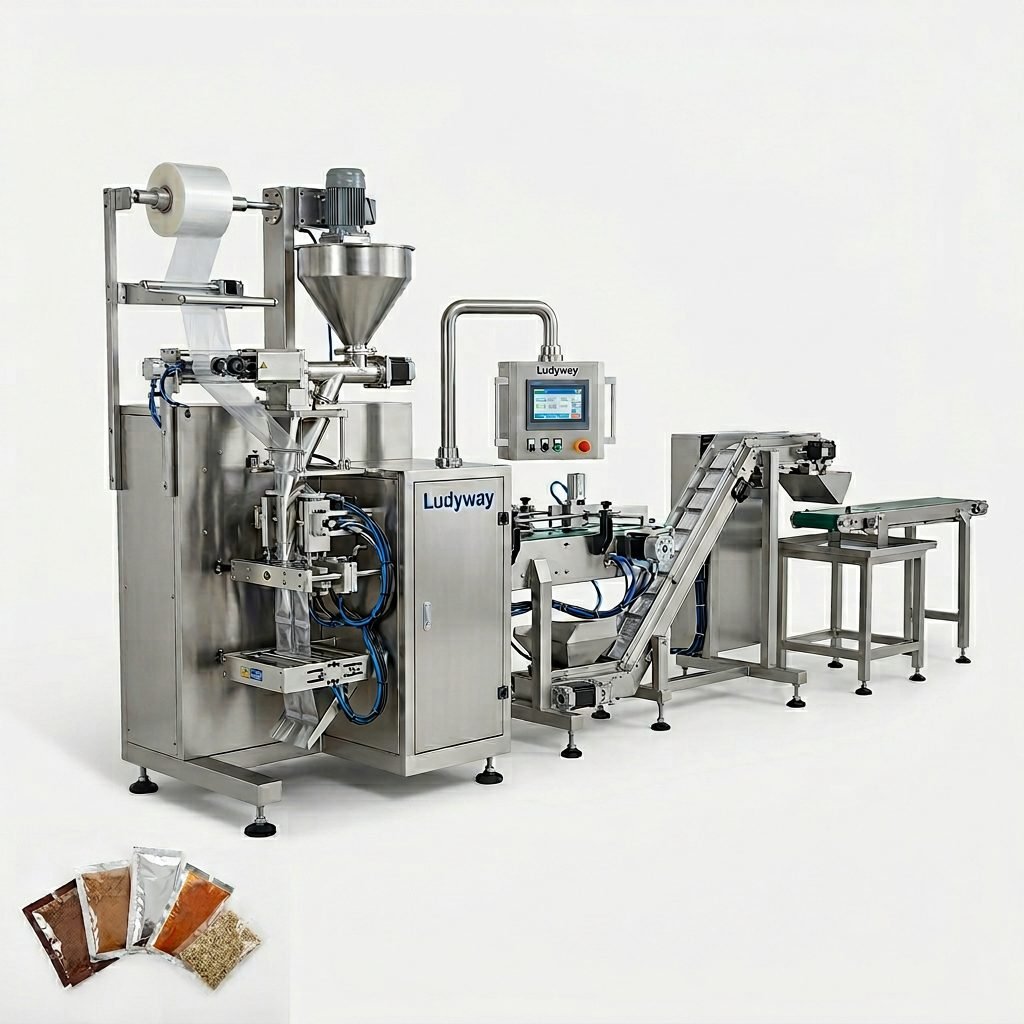
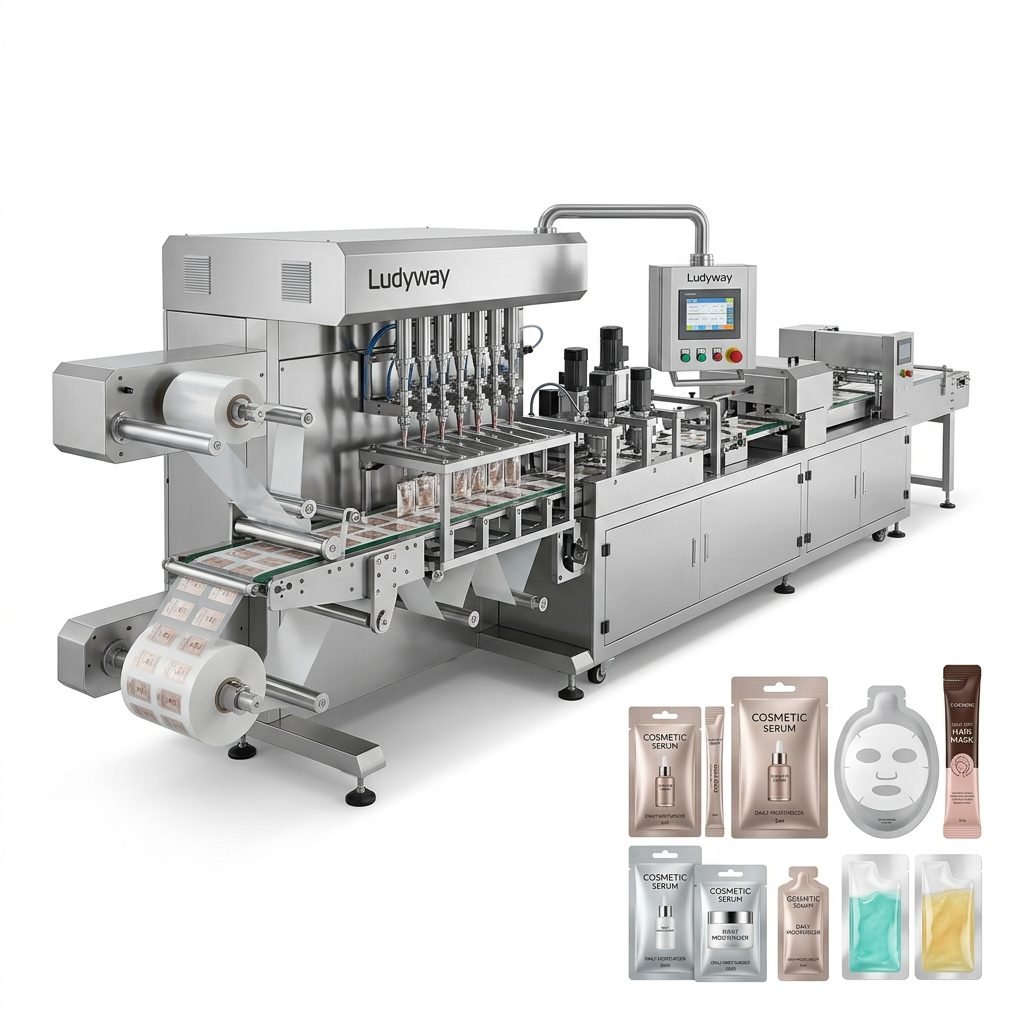
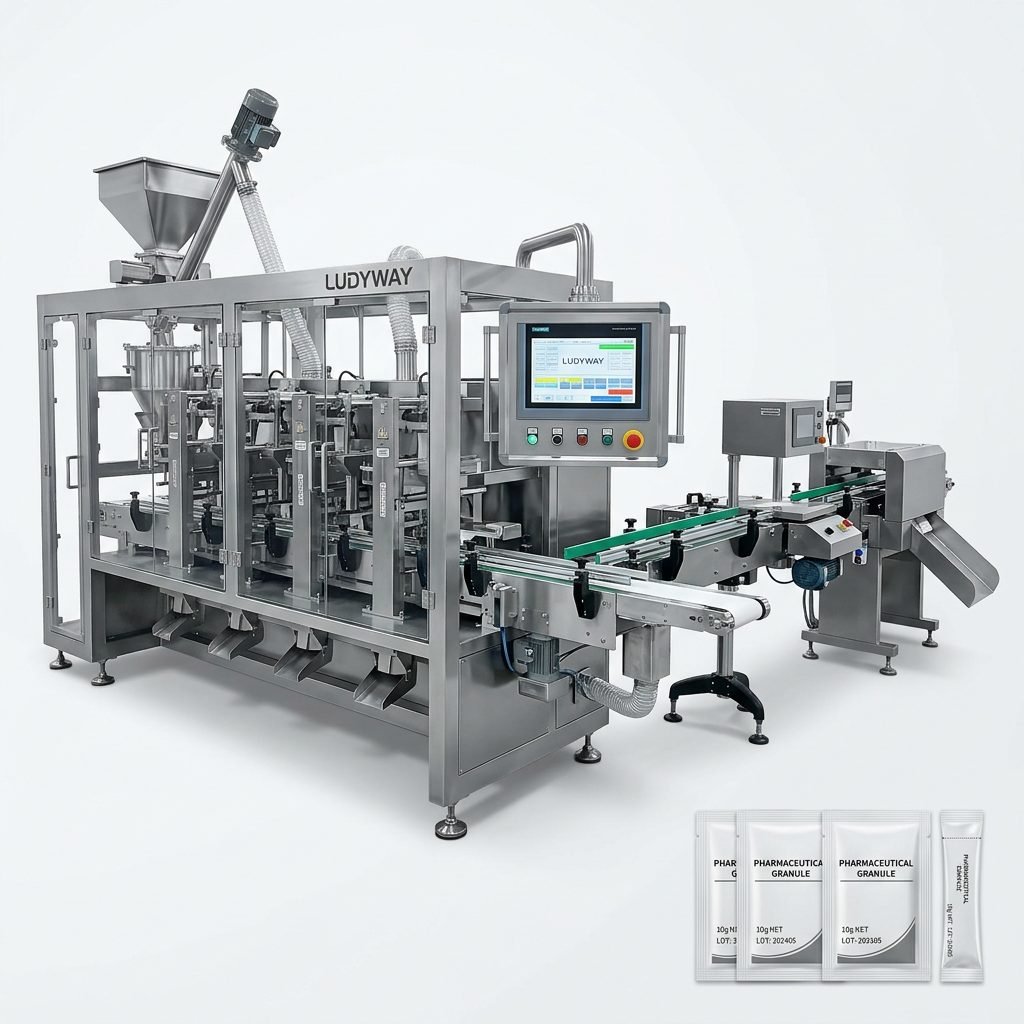
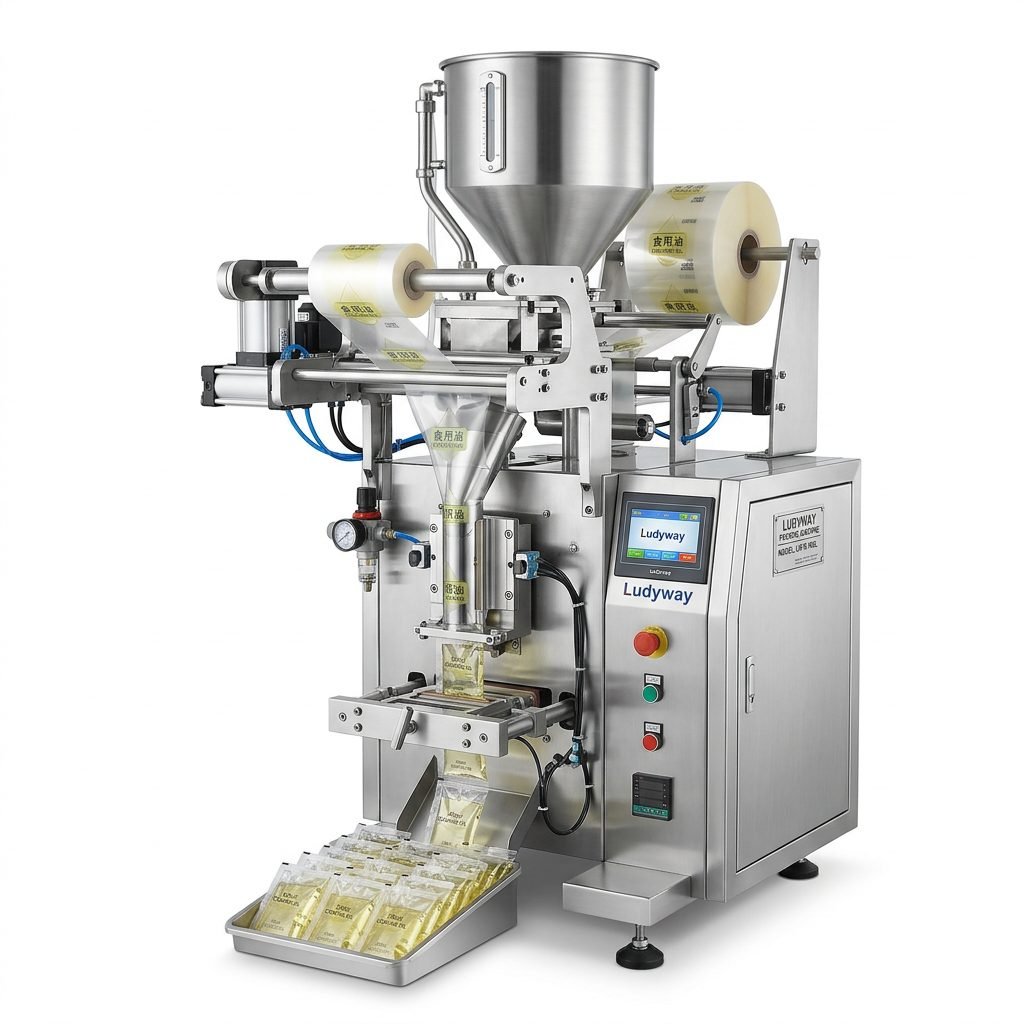
Powder packaging machines are used across food, pharmaceutical, chemical, cosmetic, and health supplement industries to dose, fill, seal, code, and discharge powder products into finished packages with speed and accuracy. Whether you are packing protein powder, milk powder, spice blends, pharmaceutical powders, or industrial fine powders, understanding how the machine works helps you choose the right system and improve production efficiency.
This guide explains the complete powder packing process, the key machine components, common packaging formats, working principles, typical applications, and the factors that affect performance.
What Is a Powder Packaging Machine?
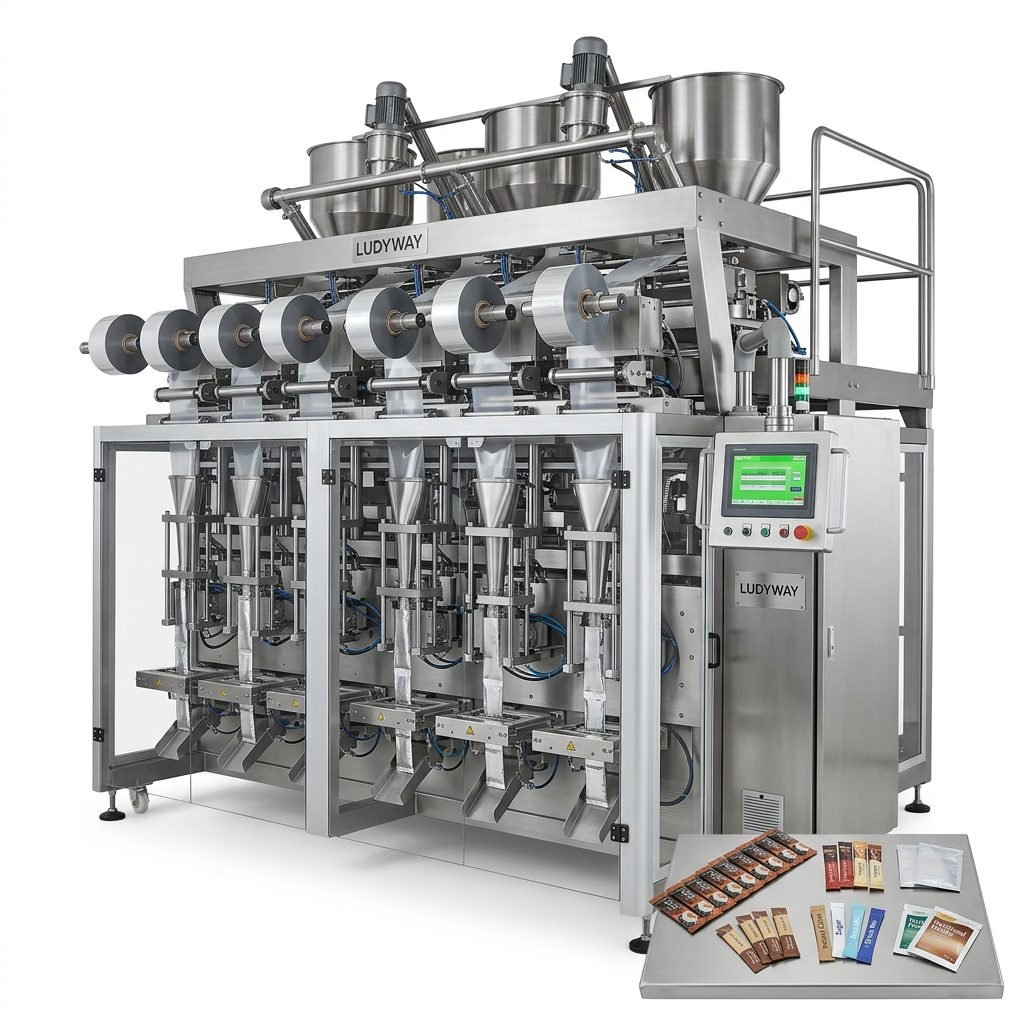
A powder packaging machine is an automated system designed to package powdered products into containers such as sachets, stick packs, pouches, bags, jars, bottles, or cartons. Its main job is to move bulk powder through a controlled process that includes:
- Product feeding
- Powder dosing and measurement
- Package forming or container positioning
- Filling
- Sealing
- Date/batch coding
- Inspection and discharge
Depending on the product and package type, the machine may use an auger filler, volumetric cup filler, weigh filling system, or multi-lane dosing unit.
How Does a Powder Packaging Machine Work?
At a basic level, a powder packaging machine works by transferring powder from a hopper into a package in a measured amount, then sealing the package so it is ready for storage, transport, or sale. The exact sequence depends on the packaging style, but most systems follow a similar workflow.
Step 1: Powder Feeding
The process begins with bulk powder being loaded into a hopper or feeding system. Powders may be transferred manually or by auxiliary equipment such as screw conveyors, vacuum feeders, or bucket elevators. The feeder keeps a stable supply of product available for filling.
Why this matters: Stable feeding prevents underfilling, overfilling, bridging, and inconsistent production speed.
Step 2: Powder Agitation and Flow Control
Many powders do not flow evenly on their own. Fine powders can clump, create dust, or compact inside the hopper. To solve this, packaging machines often include agitators, stirring paddles, vibration devices, or de-aeration features to keep the powder moving consistently.
- Free-flowing powders need less intervention
- Sticky or dusty powders need better agitation and sealing control
- Light powders may require dust extraction and anti-static handling
Step 3: Accurate Dosing
Once the powder is ready, the machine measures the target amount for each package. This is the most critical stage in the powder packing process. Different dosing systems are used for different powder characteristics.
| Dosing Method | Best For | How It Works |
|---|---|---|
| Auger filling | Fine powders, non-free-flowing powders | A rotating screw dispenses a controlled amount of powder |
| Volumetric cup filling | Free-flowing powders and granule-like powders | Measured cups release a fixed volume into the pack |
| Weigh filling | Higher-accuracy applications | The powder is measured by weight before or during filling |
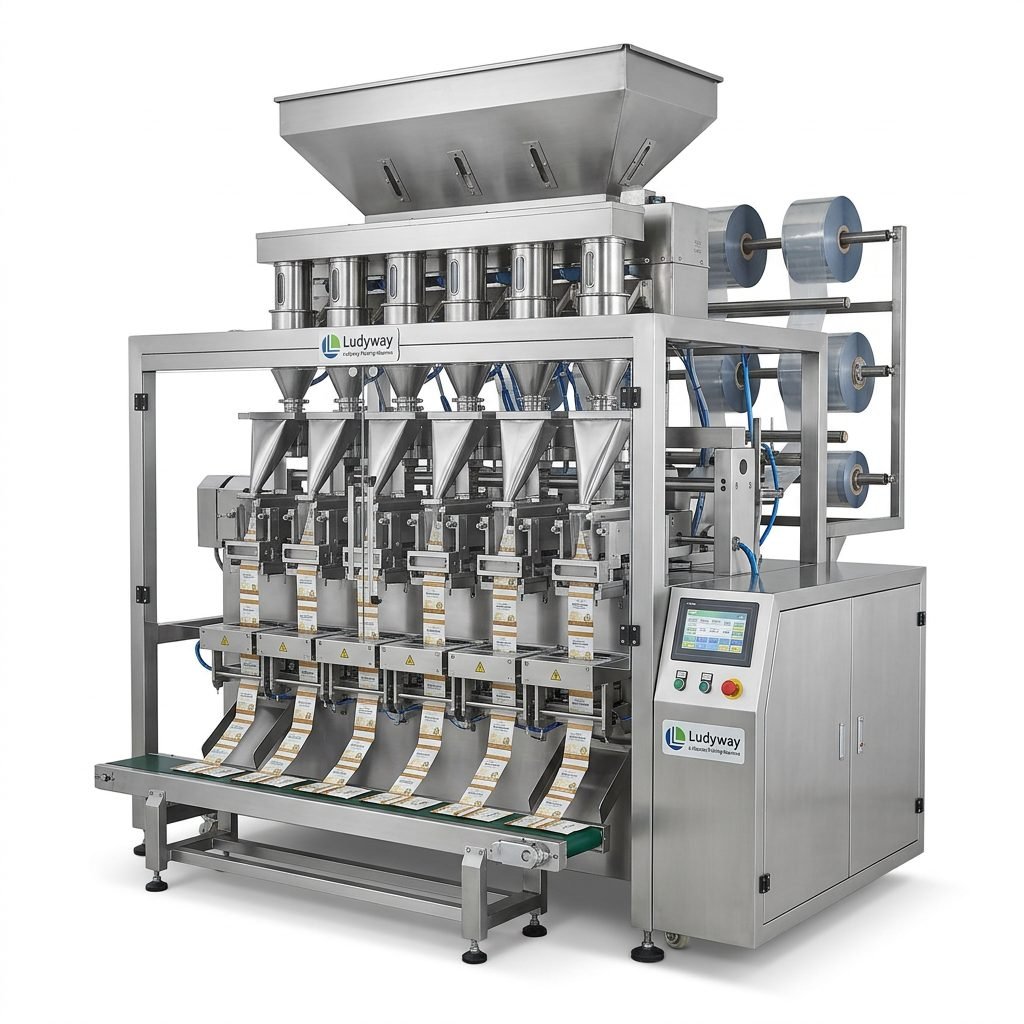
| Multi-lane dosing | High-speed sachet and stick pack lines | Several lanes dose powder simultaneously for fast output |
Step 4: Package Forming or Container Handling
At the same time as dosing, the packaging material is prepared. If the system is a form-fill-seal machine, it pulls film from a roll and forms it into sachets, stick packs, or pouches. If the system fills premade containers, it positions bottles, jars, bags, or pouches under the filling head.
Common package types include:
- Sachets
- Stick packs
- Pillow bags
- Premade pouches
- Jars and cans
- Bottles
- Bulk sacks and open-mouth bags
Step 5: Filling the Powder
After the package is in position, the measured powder is dispensed into it. The machine synchronizes the filling head with the bag former, pouch holder, or container conveyor so the product lands cleanly and accurately inside the target package.
For fine powders, systems may include:
- Dust collection ports
- No-drip filling structures
- Servo-driven dosing control
- Settling or tapping devices
- Nitrogen flushing for sensitive products
Step 6: Sealing the Package
Once filled, the machine seals the package. Heat sealing is the most common method for sachets, pouches, and stick packs. For bottles or jars, the process may include capping, induction sealing, or screw-top closure.
A reliable seal is essential because powder products can absorb moisture, leak during transport, or lose freshness if the package is not sealed correctly.
Step 7: Coding and Inspection
Modern powder packaging lines often add production data after sealing, such as:
- Batch number
- Production date
- Expiry date
- Traceability code
Then the packs may pass through quality control stations such as checkweighers, metal detectors, vision inspection systems, or reject systems.
Step 8: Finished Product Discharge
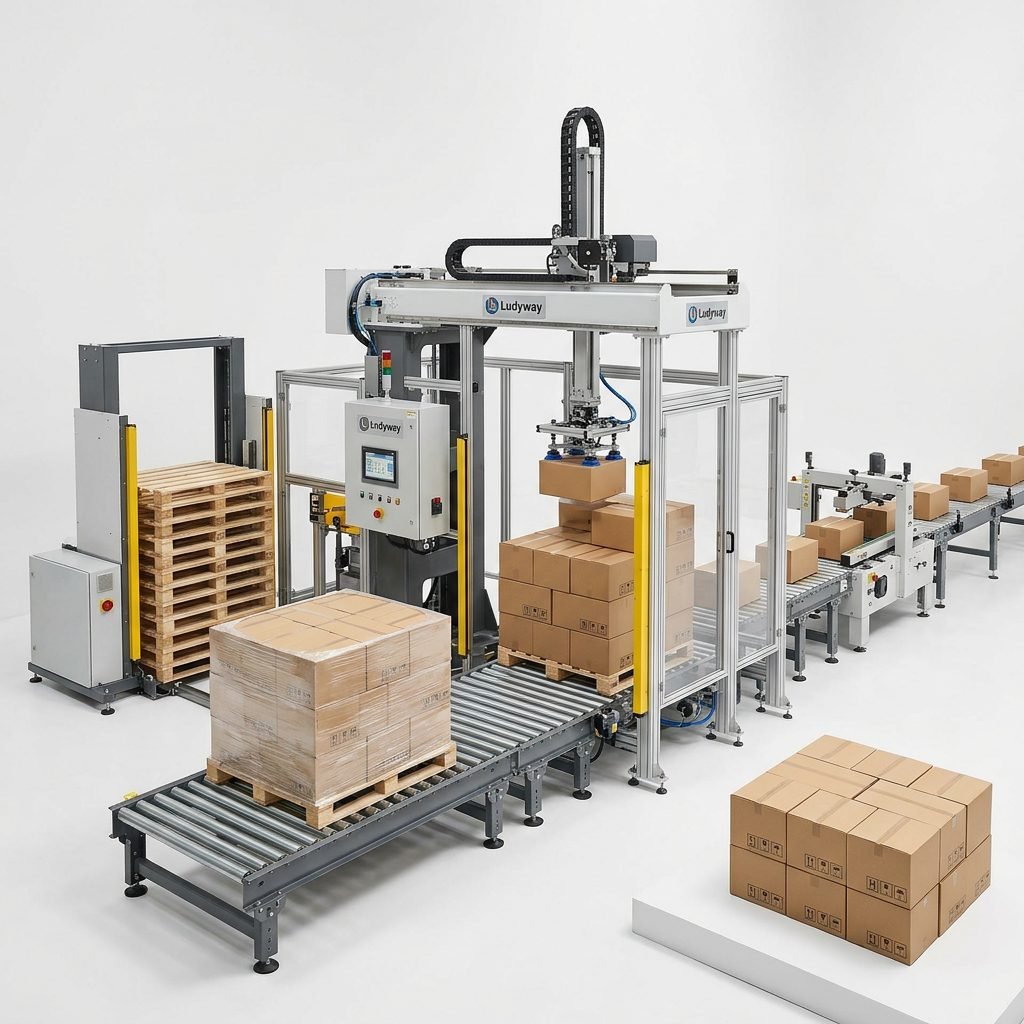
The sealed packs are discharged onto a conveyor for collection, cartoning, case packing, palletizing, or further downstream automation. In a complete line, the powder packing machine is only one part of a larger turnkey system.
Main Components of a Powder Packaging Machine
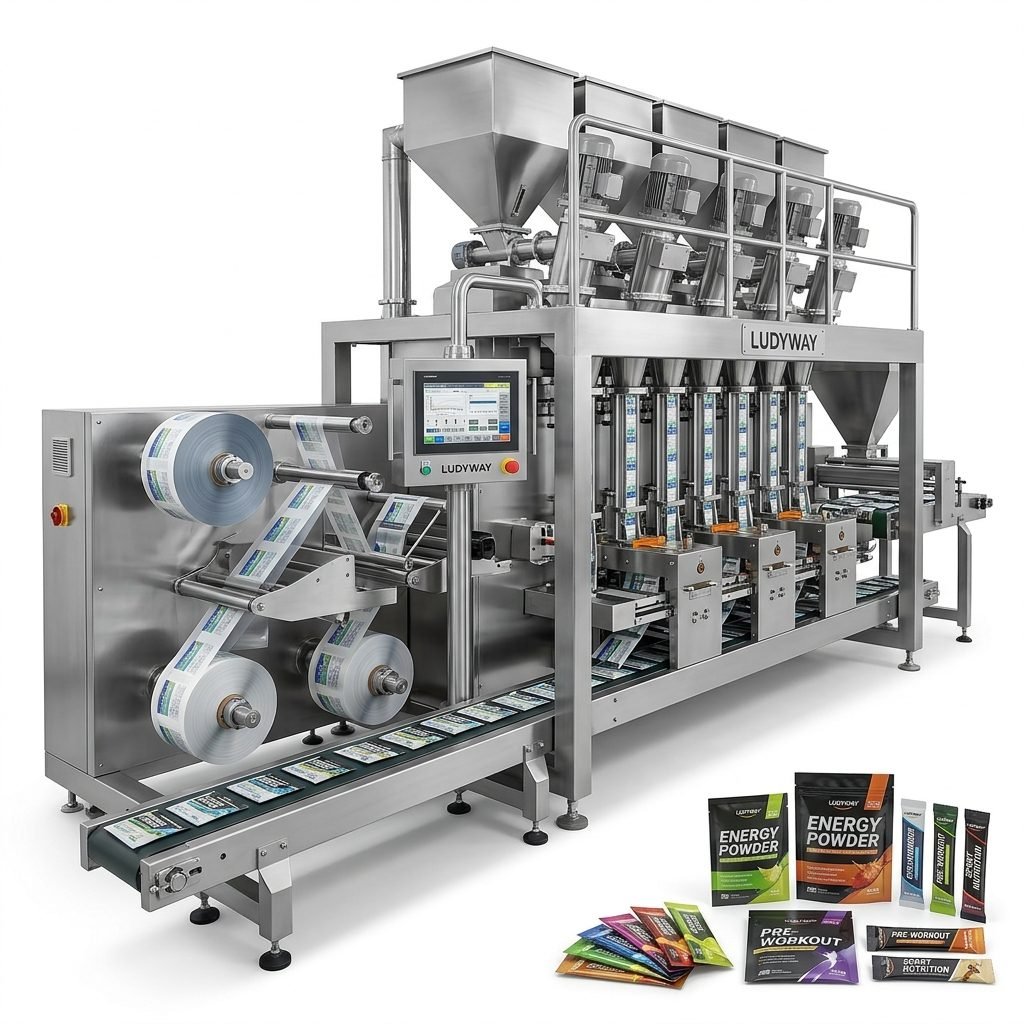
To understand how the machine works, it helps to look at the main parts involved in the powder packing process.
| Component | Function |
|---|---|
| Hopper | Stores powder before filling |
| Agitator | Keeps powder flowing evenly |
| Auger or dosing unit | Measures and dispenses the product |
| Film transport or pouch handling unit | Forms or positions the packaging |
| Sealing system | Seals the filled package |
| Control panel / PLC | Controls timing, speed, and parameters |
| Sensors | Detect film position, pack presence, and filling accuracy |
| Discharge conveyor | Moves finished packs to the next stage |
Types of Powder Packaging Machines
1. Vertical Form Fill Seal Machines
These machines form bags from roll film, fill them with powder, and seal them vertically. They are widely used for pillow bags, gusset bags, and back-sealed pouches.
2. Sachet Packaging Machines
Sachet machines are ideal for small-dose powders such as instant drink mixes, coffee, spices, oral rehydration salts, and pharmaceutical powders.
3. Stick Pack Machines
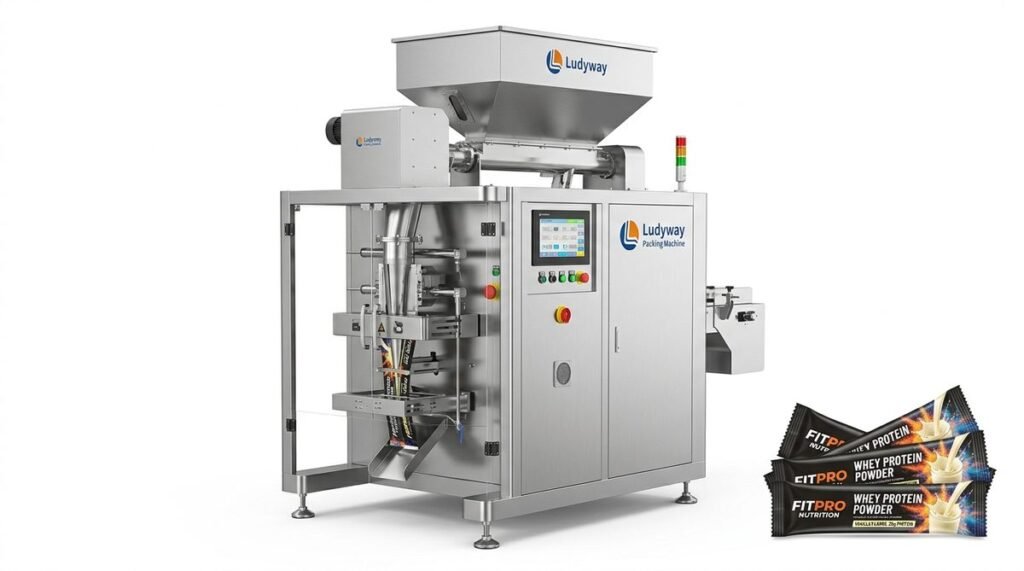
Stick pack machines produce slim, single-serve packs. These are popular for nutritional supplements, collagen, energy powders, sweeteners, and beverage mixes.
4. Premade Pouch Filling Machines
These systems fill ready-made pouches instead of forming them from film. They are useful when brands want premium packaging styles such as stand-up pouches or zipper pouches.
5. Bottle and Jar Powder Filling Machines
These systems are common in milk powder, protein powder, seasoning, and pharmaceutical industries where powder is packed into rigid containers.
6. Bulk Powder Bagging Machines
For industrial and agricultural products, larger systems fill 10 kg, 20 kg, 25 kg, or 50 kg bags with powdered material.
Powder Products Commonly Packed by These Machines
Powder packing machines are extremely versatile and can handle a wide range of products, including:
- Protein powder
- Milk powder
- Coffee powder
- Tea powder
- Cocoa powder
- Spices and seasoning powder
- Flour and starch
- Collagen powder
- Probiotic powder
- Pharmaceutical powders
- Chemical powders
- Detergent powder
- Agricultural additives
What Affects Powder Packaging Accuracy?
Not all powders behave the same way. Packaging accuracy depends on several technical factors:
- Powder flowability — Free-flowing powders are easier to dose than sticky or fluffy powders.
- Bulk density variation — Powders with changing density can affect fill consistency.
- Humidity and temperature — Moisture can create clumping and poor flow.
- Machine calibration — Filling systems need proper setup and routine adjustment.
- Packaging speed — Higher speeds may require better servo control and powder handling design.
- Dust management — Excessive dust can reduce sealing quality and contaminate equipment.
Advantages of Automatic Powder Packaging Machines
- Higher packaging speed
- Better weight accuracy
- Reduced manual labor
- Cleaner production environment
- Consistent package quality
- Improved traceability and coding
- Easy integration into turnkey lines
For growing manufacturers, automation also helps reduce product waste and maintain consistent output during long production shifts.
How to Choose the Right Powder Packaging Machine
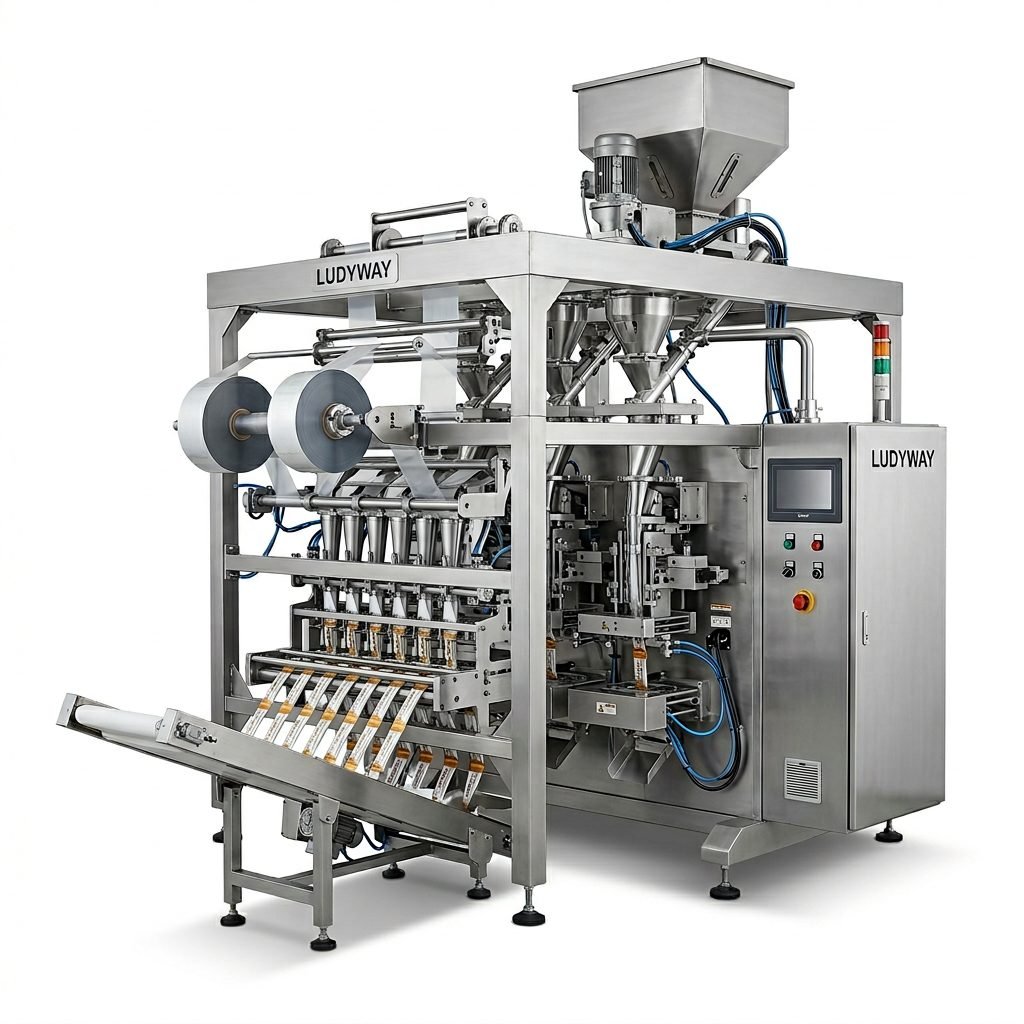
Before buying a powder packing machine, consider the following points:
| Selection Factor | What to Check |
|---|---|
| Powder characteristics | Fine, dusty, sticky, free-flowing, hygroscopic, abrasive |
| Pack format | Sachet, stick pack, pouch, bag, bottle, jar |
| Fill range | Single-dose, retail size, or bulk packaging |
| Accuracy requirement | Especially important for pharma and high-value powders |
| Output speed | Required packs per minute or bags per hour |
| Factory layout | Space for feeder, filler, conveyor, inspection, and end-of-line equipment |
| Compliance needs | Food-grade, pharmaceutical-grade, GMP-oriented, dust-proof design |
Industries That Use Powder Packing Equipment
Powder packaging machines are used in many sectors because powders appear in both consumer and industrial products. Major industries include:
- Food and beverage
- Pharmaceutical
- Nutraceutical and supplements
- Cosmetics and personal care
- Chemical and industrial materials
- Agriculture and animal nutrition
Single Machine vs. Complete Powder Packaging Line
Some manufacturers only need a standalone filler or sachet machine. Others need a complete line with feeding, filling, sealing, checkweighing, coding, cartoning, case packing, and palletizing. A turnkey system is often the better option when production scale, labor savings, and process consistency are priorities.
For businesses looking for scalable automation, Ludyway offers powder packaging machines and turnkey packaging line solutions for food, pharmaceutical, health supplement, chemical, and related industries.
Common Problems in Powder Packing and How Machines Solve Them
- Bridging in hopper: solved with agitation or vibration
- Dust leakage: solved with enclosed filling and extraction systems
- Poor sealing: solved with correct film selection and heat-seal control
- Inconsistent fill weights: solved with servo auger control and calibration
- Product waste: solved with precise dosing and synchronized machine timing
Final Thoughts on the Powder Packing Process
A powder packaging machine works by combining controlled feeding, accurate dosing, package forming or positioning, clean filling, secure sealing, and final inspection into one continuous process. The better the match between the machine design and the powder characteristics, the better the packaging results.
If you understand how each step works, it becomes much easier to select the right equipment, improve output, and maintain package quality across different powder products.