A manual water bottle packing machine is still a practical choice for many bottled water producers that need
reliable packaging performance without the complexity of a fully automated line.
For small and mid-sized factories, startup brands, contract packers, and regional water suppliers, manual or semi-automatic
bottle packing solutions can help reduce labor pressure, improve packing consistency, and keep production organized as demand grows.
In bottled water packaging, the final packing stage matters just as much as filling and capping. Bottles must be grouped,
aligned, wrapped, packed, and prepared for transport efficiently. A well-matched packing machine helps protect product quality,
support warehouse handling, and improve delivery speed to distributors and retailers.
What Is a Manual Water Bottle Packing Machine?
A manual water bottle packing machine is equipment used to organize and pack bottled water into saleable or transport-ready bundles.
Depending on the production setup, it may involve manual bottle feeding, manual grouping, or operator-assisted loading, while the machine
performs key actions such as sealing, shrinking, wrapping, or carton packing.
These systems are often selected by businesses that want a balance between affordability and productivity. In many cases, companies begin
with manual or semi-automatic bottle packing and later upgrade to higher-speed automatic water bottle packaging solutions as output increases.
Common packaging formats include:
- Shrink-wrapped bottle packs
- PE film bundled packs
- Carton-packed bottled water
- Tray plus film packages
- Retail-ready multipacks
Why Bottled Water Producers Still Choose Manual or Semi-Automatic Packing
Although full automation is ideal for high-volume plants, many water packaging businesses prefer manual bottle packing equipment in the early
stage of growth. The reason is simple: not every factory needs maximum speed on day one. Smaller operations often prioritize lower investment,
simpler maintenance, and flexible production planning.
| Benefit | How It Helps Water Packaging Businesses |
|---|---|
| Lower upfront cost | Suitable for startups, local brands, and small production lines. |
| Easy operation | Operators can learn the machine quickly with less technical training. |
| Flexible changeover | Helps when switching between bottle sizes such as 330ml, 500ml, 1L, and 1.5L. |
| Space-saving layout | Useful for compact workshops and regional bottling plants. |
| Step-by-step automation | Allows manufacturers to expand from manual packing to automatic lines gradually. |
Key Functions in a Bottled Water Packing System
Even a compact manual water bottle packing machine should support stable downstream packaging. The right system can reduce damaged packs,
improve loading efficiency, and create a more professional product presentation.
Important functions to look for:
- Bottle grouping for fixed pack counts such as 6, 12, or 24 bottles
- Stable conveying to avoid bottle tipping and jam issues
- Film wrapping or shrink packing for secure transport packaging
- Simple parameter adjustment for different bottle diameters and heights
- Consistent sealing to maintain pack appearance and transport strength
Manual vs Automatic Water Bottle Packing Machine
Choosing between manual and automatic bottle packing equipment depends on production volume, labor cost, plant space, packaging style,
and future expansion plans. Many companies start with a manual water bottle packing machine and move to automatic bottle packaging lines
once distribution grows.
| Factor | Manual / Semi-Automatic | Fully Automatic |
|---|---|---|
| Investment level | Lower | Higher |
| Production speed | Moderate | High |
| Operator involvement | More hands-on | Minimal |
| Changeover flexibility | Very good for smaller batches | Best for standardized high-volume runs |
| Best fit | SMEs, local bottlers, pilot projects | Large factories, export plants, continuous production |
Applications in the Bottled Water Industry
A water bottle packing machine can support multiple packaging needs beyond standard drinking water. Modern bottling businesses often produce
different SKUs for different channels, so flexibility is essential.
Typical applications include:
- Pure drinking water bottles
- Mineral water bottles
- Spring water packaging
- Small retail bottle multipacks
- Bulk transport packs for wholesale distribution
- Promotional bottle bundling for supermarkets
This is especially useful for businesses serving mixed customer groups such as convenience stores, supermarkets, schools, foodservice buyers,
and regional distributors. A dependable bottle packing setup supports cleaner logistics and more consistent shelf presentation.
How to Choose the Right Water Bottle Packing Machine
Not all packing machines are built for the same factory conditions. Before choosing a bottled water packaging solution, buyers should review
the full production workflow from bottle output to palletizing.
Selection checklist:
- Bottle size range: confirm supported heights, diameters, and pack formats
- Required output: match machine speed with filling and capping speed
- Packaging material: PE film, shrink film, tray, carton, or combined solution
- Available floor space: ensure smooth installation and operator access
- Labor structure: evaluate whether manual assistance is acceptable long term
- Upgrade potential: choose a design that can integrate into a future automatic line
Businesses that plan to scale should also evaluate whether the machine can connect with conveyors, labeling systems, case packers,
shrink wrappers, palletizers, or complete end-of-line automation.
Benefits of Upgrading from Manual Packing to Automatic Solutions
Many bottled water factories begin with manual systems and later shift toward higher automation. This transition can create measurable gains
in operating efficiency and packing consistency.
Common upgrade benefits include:
- Reduced labor dependency during peak demand
- Higher pack uniformity for retail and export channels
- Improved production planning and line balance
- Less handling damage during bottle grouping and wrapping
- Better support for large-volume supermarket and wholesale orders
For growing companies, the ideal path is often a modular one: start with a practical manual water bottle packing machine, then move toward
an integrated system with automatic conveying, bundling, coding, case packing, and palletizing.
What to Ask a Packaging Machine Supplier
Before buying, it is important to discuss both technical details and after-sales support. A good supplier should understand the bottled water
industry, not just the machine itself.
- Can the machine handle multiple bottle sizes?
- What pack patterns are available?
- Is the equipment suitable for shrink film packing or carton packing?
- Can it be linked with existing filling and capping lines?
- How fast is the changeover process?
- What spare parts and technical support are available?
- Can the supplier provide a turnkey water bottle packaging line later?
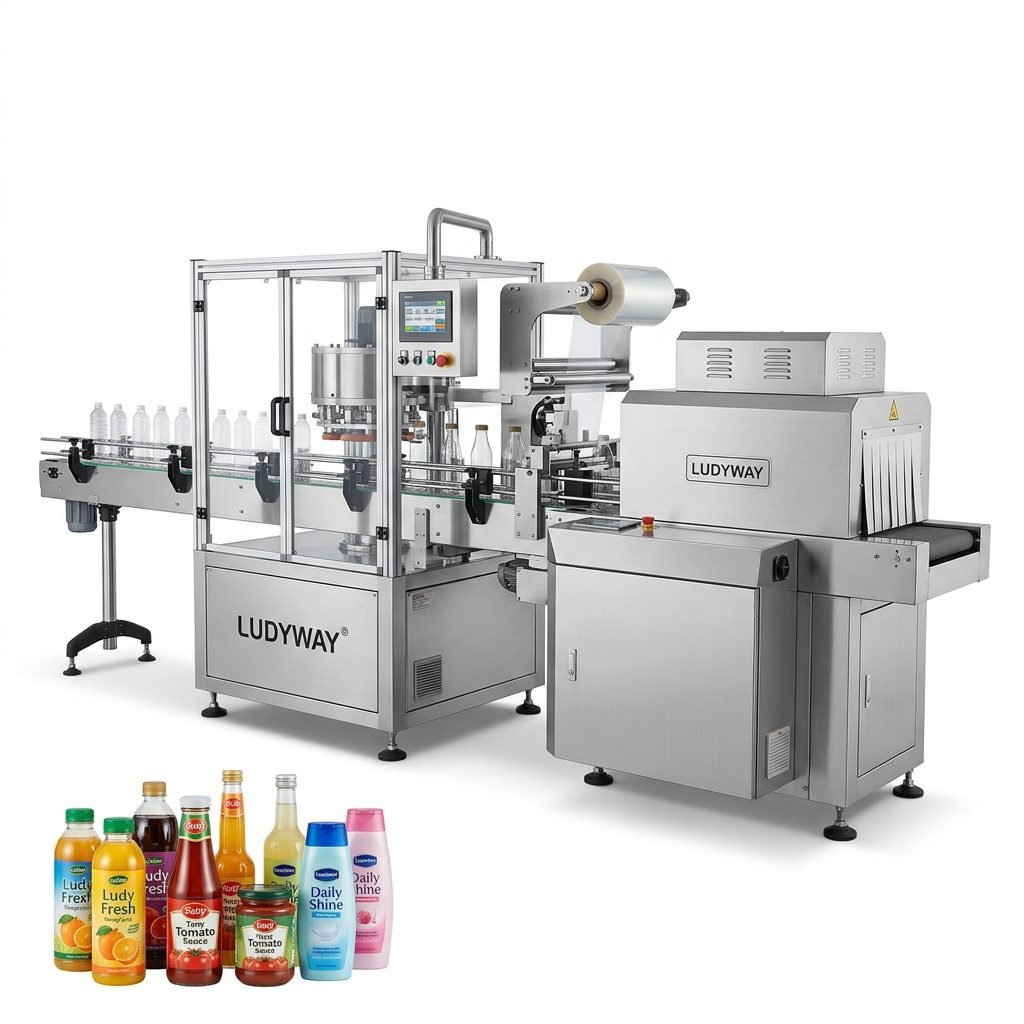
For businesses seeking scalable packaging automation, Ludyway manual water bottle packing machine and turnkey packaging solutions
can be part of a broader equipment strategy that supports both current production and future line expansion. With more than 30 years of manufacturing
experience and a strong global export presence, the company is recognized for supplying packaging machinery and integrated production line solutions
for multiple industries.
Final Buying Insight for Bottled Water Producers
The best manual water bottle packing machine is not simply the cheapest or the fastest. It is the one that fits your current output,
packaging style, labor structure, and growth plan. For small and medium bottled water producers, a well-designed manual or semi-automatic
system can provide a strong operational foundation while keeping investment under control.
As market demand increases, moving toward automatic bottled water packaging becomes easier when the initial machine is selected with expansion
in mind. That is why many buyers focus on flexible, durable, and upgrade-ready equipment from the start.
Choosing the right bottle packing machine today can improve efficiency now and create a smoother path to full automation tomorrow.