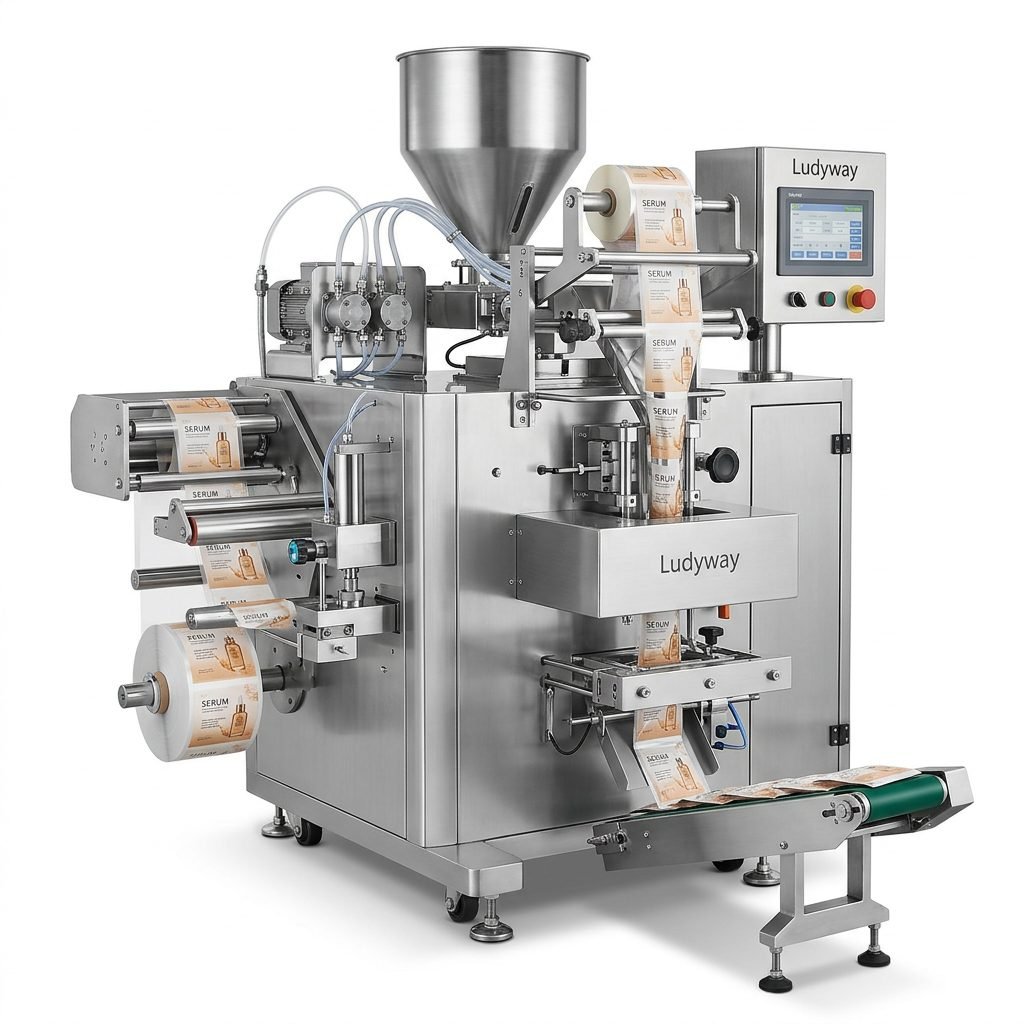
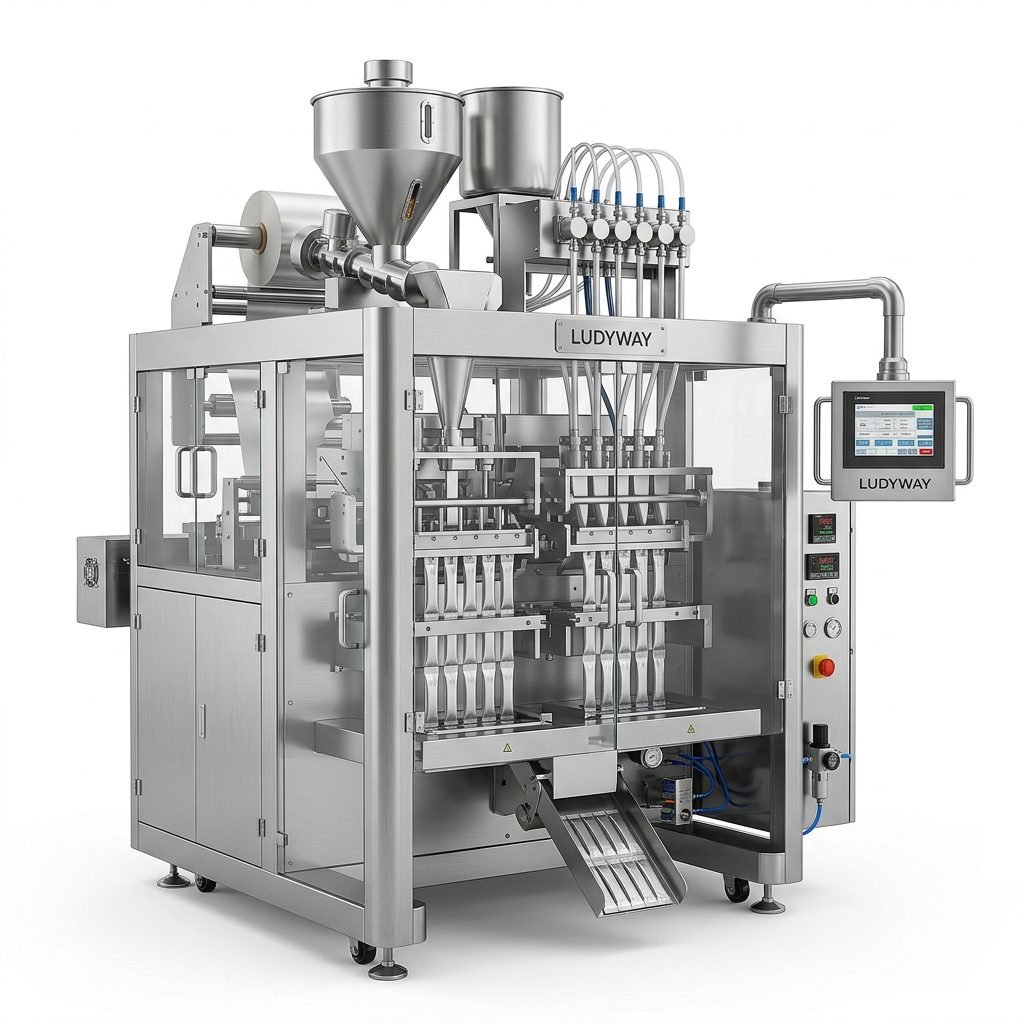
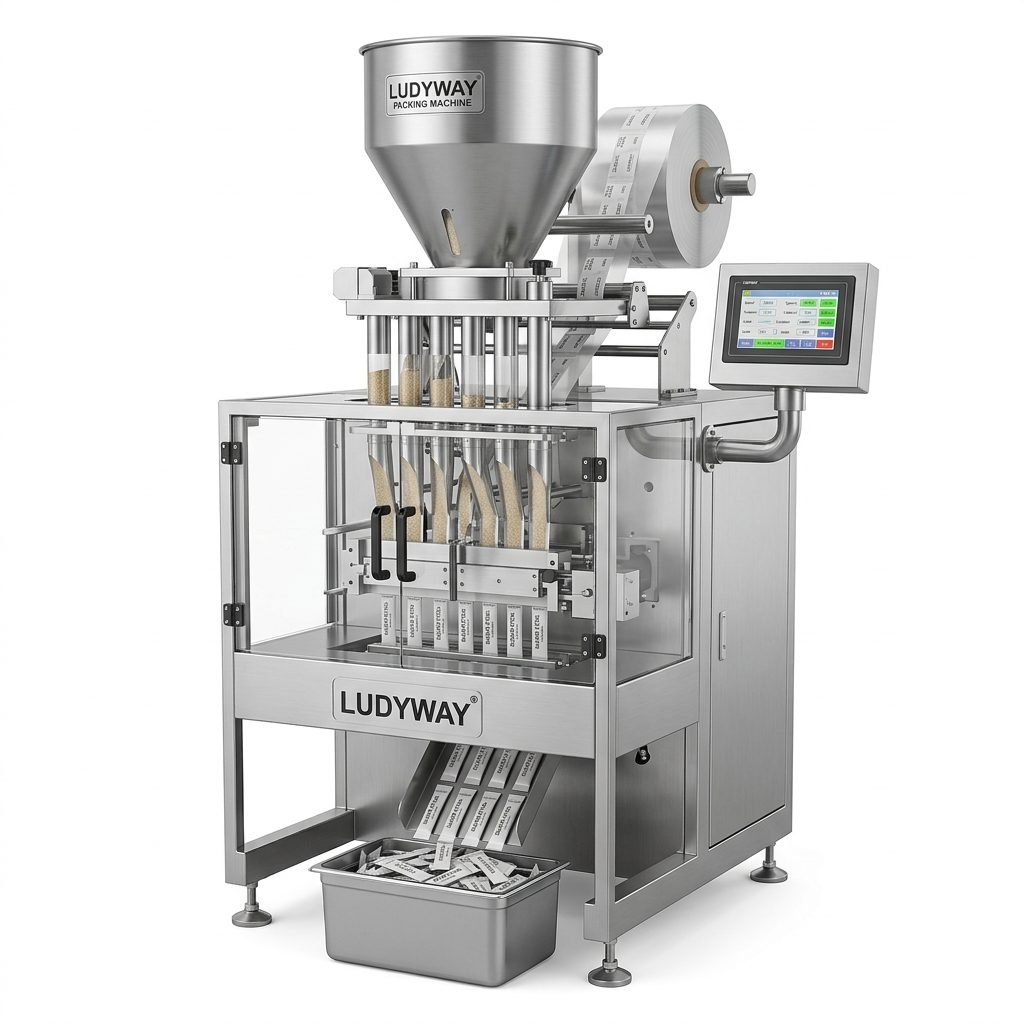
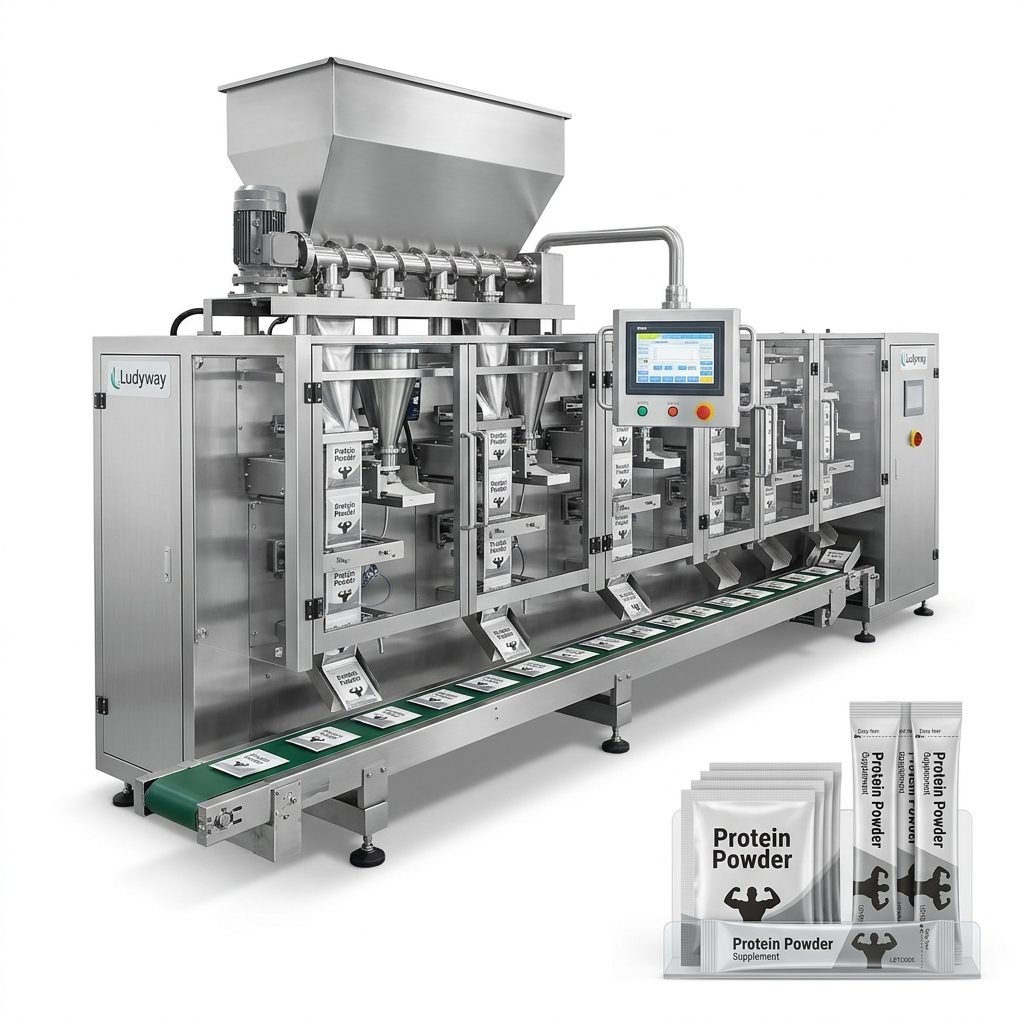
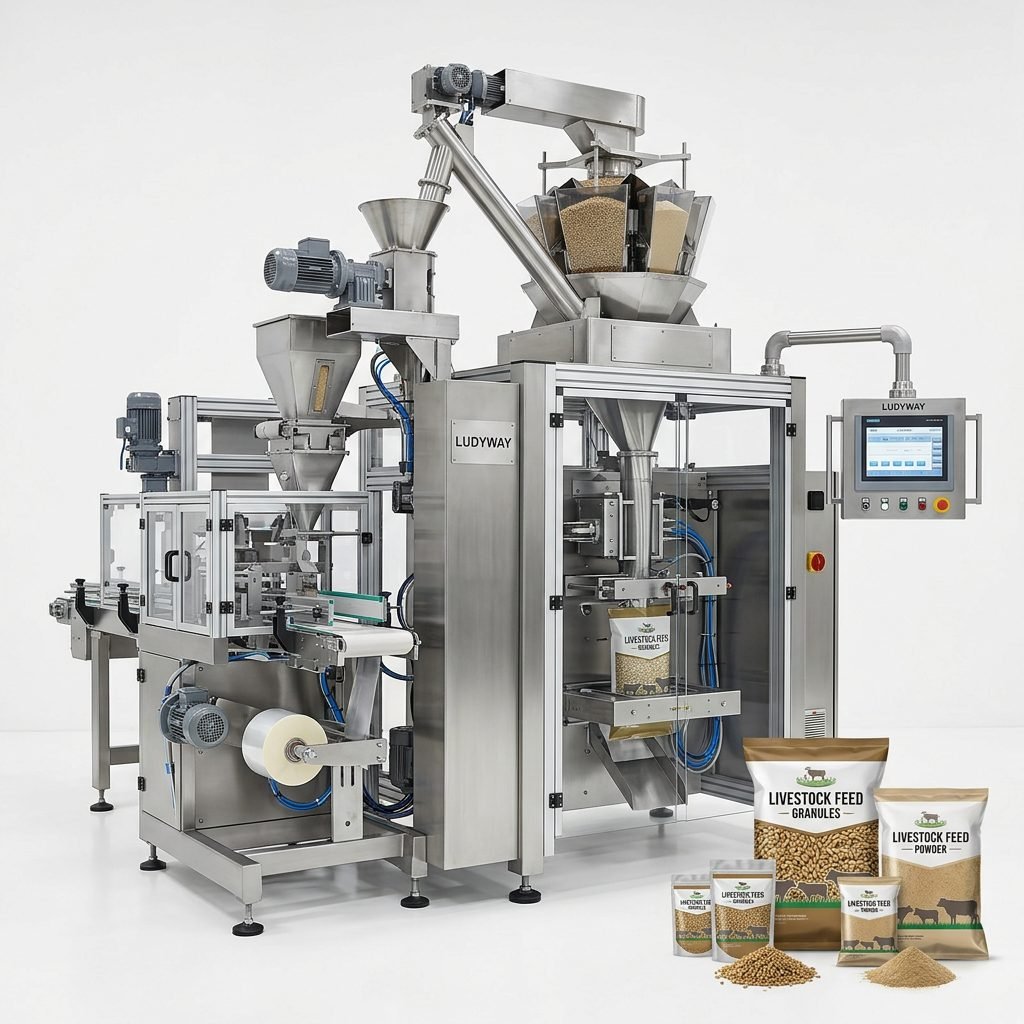
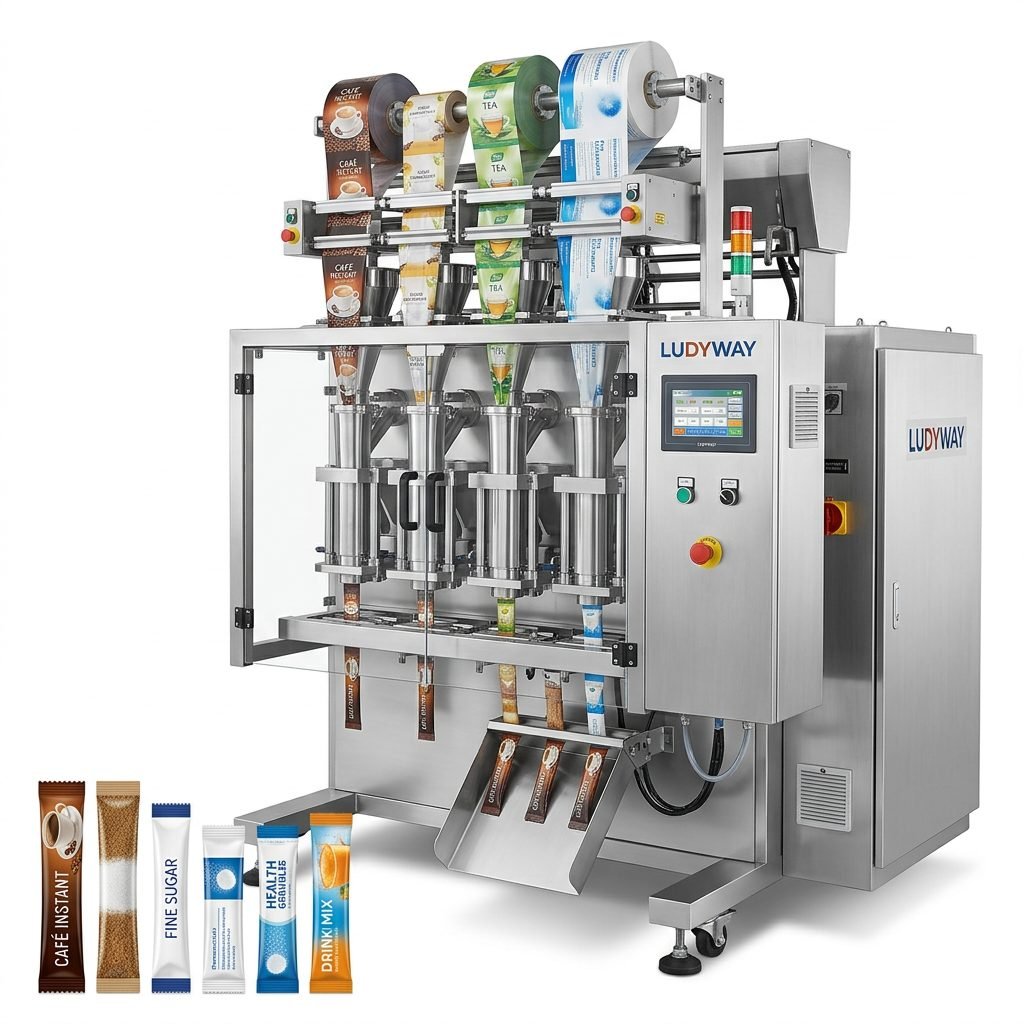
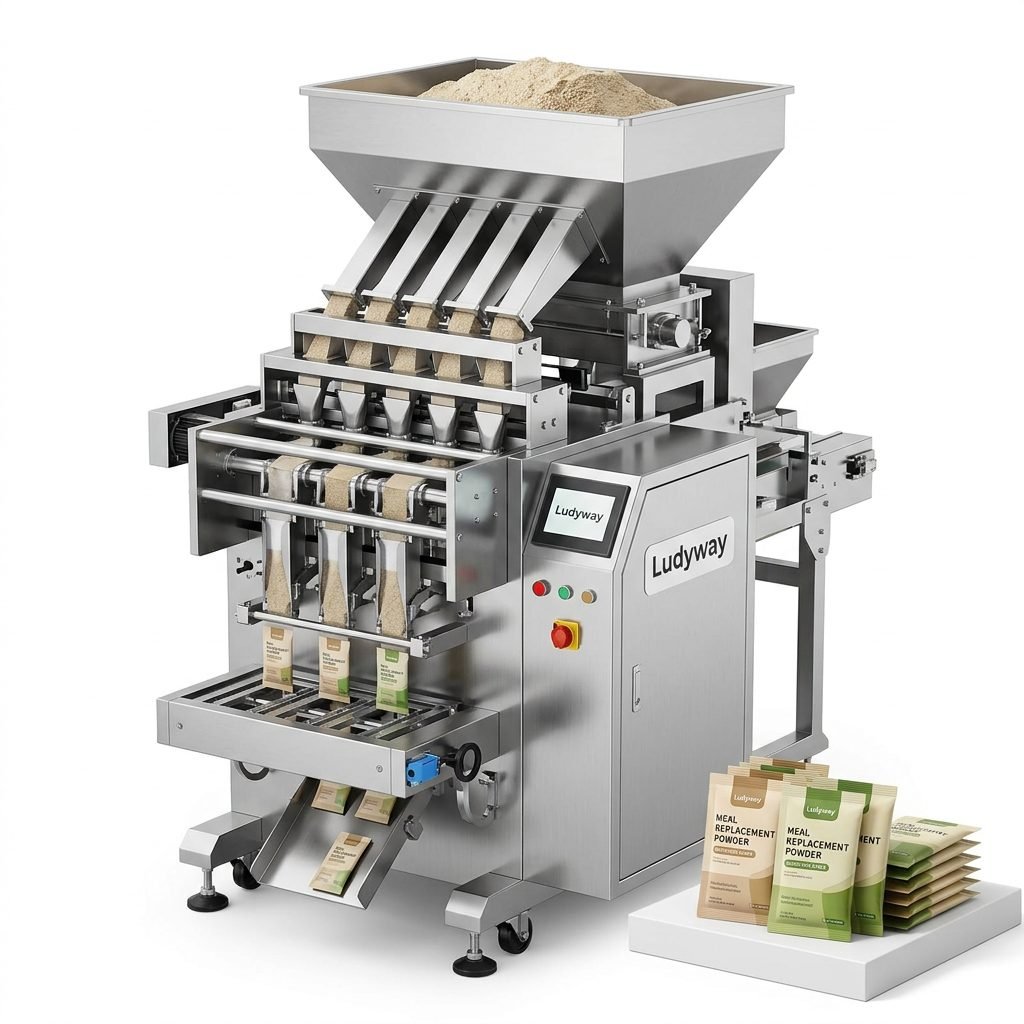
A three side seal machine is a packaging system designed to make flat pouches sealed on three edges while leaving one side for product filling before final closure. It is widely used in food, pharmaceutical, cosmetic, chemical, and daily-use industries because it offers clean pouch appearance, efficient automation, and reliable sealing performance.
If you are evaluating sachet packaging equipment, understanding the working principle of a three side seal machine can help you choose the right model, film structure, dosing system, and production speed for your product.
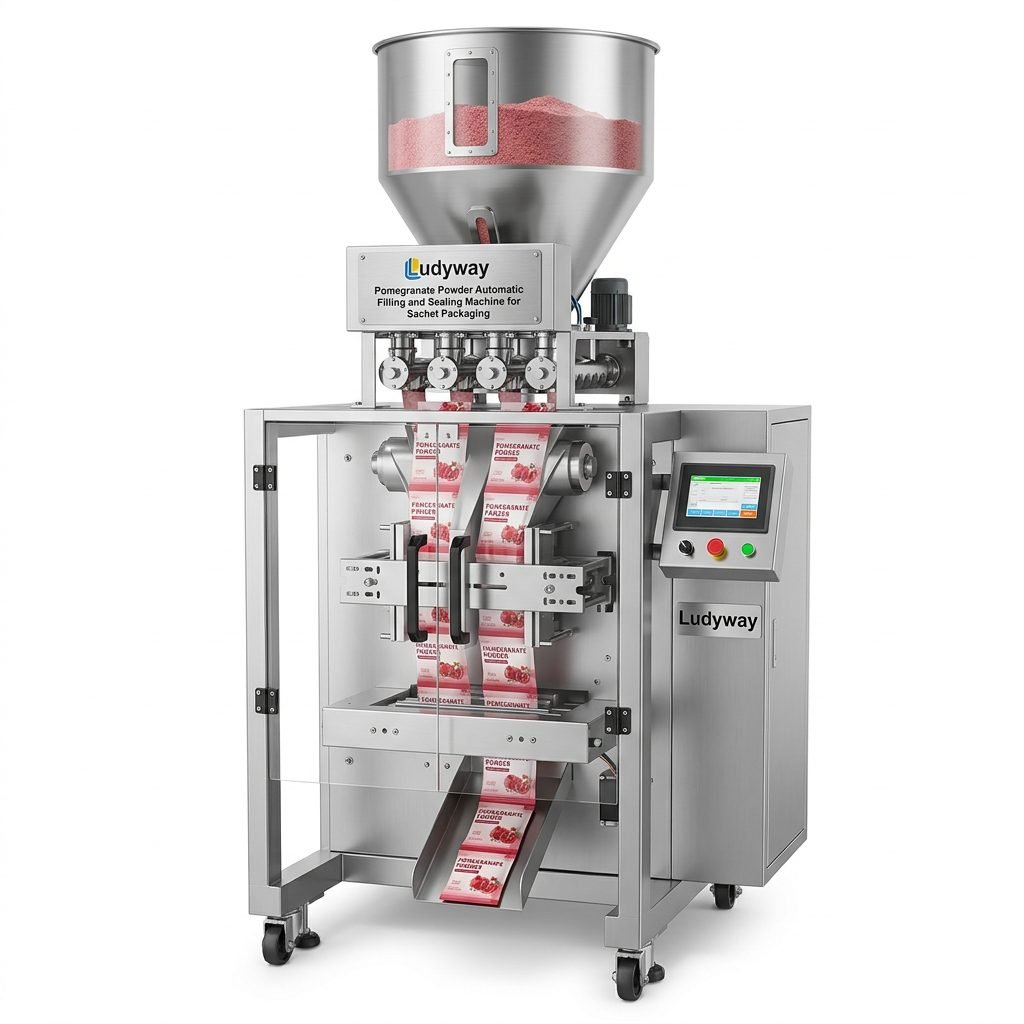
What Is a Three Side Seal Machine?
A three side seal machine forms pouches from packaging film and seals the left side, right side, and bottom or top edge of each sachet. After the pouch is partially formed, the machine fills the product into the open side and then completes the last seal. The result is a compact, neat, and easy-to-store pouch commonly seen in:
- Powder sachets
- Granule packs
- Liquid or paste sachets
- Pharmaceutical single-dose packs
- Cosmetic sample sachets
- Seasoning and sauce packs
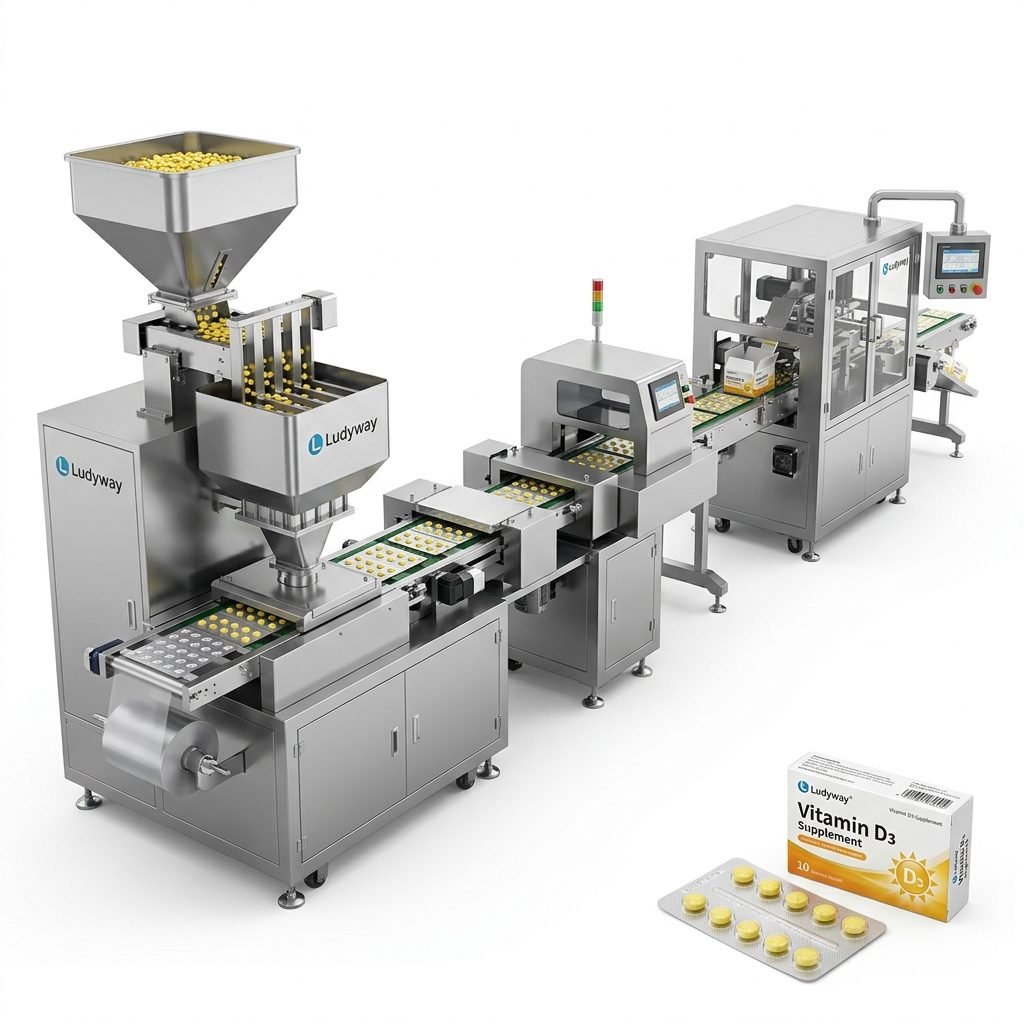
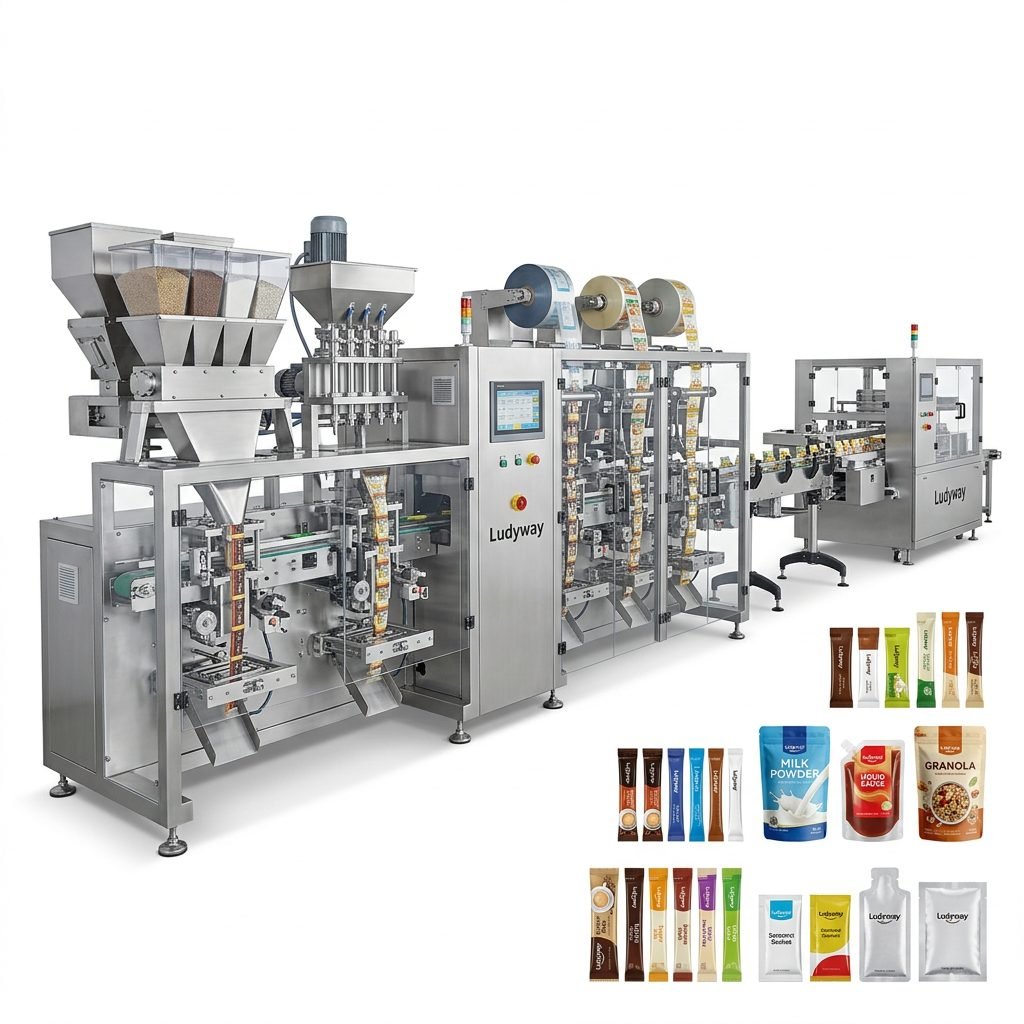
These machines can run as standalone units or as part of a complete packaging line with feeding, coding, inspection, cartoning, and case packing systems.
How Does a Three Side Seal Machine Work?
The machine works through a continuous sequence of film unwinding, pouch forming, sealing, filling, and cutting. Although the exact design varies by model and product type, the core operation is generally similar.
1. Film Unwinding
The process begins with a roll of laminated packaging film mounted on the machine. The film is pulled forward by servo-driven rollers or traction belts. Tension control keeps the film stable so the pouch size remains accurate and printed registration marks align correctly.
2. Film Positioning and Tracking
A photoelectric sensor detects printed eye marks on the film. This allows the machine to position each pouch precisely. Accurate tracking is essential for:
- Consistent pouch length
- Centered artwork and branding
- Reliable cut position
- Reduced film waste
3. Pouch Forming
The film is guided into a forming section where it is folded or arranged into pouch shape. Depending on the machine design, it may use a single web or duplex structure. The machine then creates the first side seals using heated sealing jaws.
4. Side Sealing
Heated sealing bars press the film layers together under controlled temperature, pressure, and dwell time. These parameters are critical because they determine whether the seals are strong, leak-resistant, and visually neat.
At this stage, the machine usually creates two vertical side seals and one horizontal seal, depending on pouch orientation.
5. Product Filling
Once the pouch shape is established, the machine dispenses the product into the open side. The filling system depends on product characteristics:
| Product Type | Common Filling System | Typical Uses |
|---|---|---|
| Powder | Auger filler | Milk powder, coffee, supplement powder |
| Granules | Cup filler or weighing system | Sugar, seeds, salt, instant drink mix |
| Liquid | Piston pump or liquid pump | Sauce, shampoo, serum, disinfectant |
| Paste | Piston dosing system | Cream, gel, peanut butter, ointment |
6. Final Seal
After filling, the remaining open edge is sealed. This completes the three side seal pouch. For liquid or paste products, anti-drip filling and sealing synchronization are especially important to avoid contamination in the seal area.
7. Cutting and Discharge
The machine cuts the finished sachets apart using knives or punching devices. Depending on the setup, it may produce:
- Single sachets
- Easy-tear sachets
- Perforated chains
- Rounded-corner pouches
- Euro-hole hanging packs
8. Optional Post-Packaging Functions
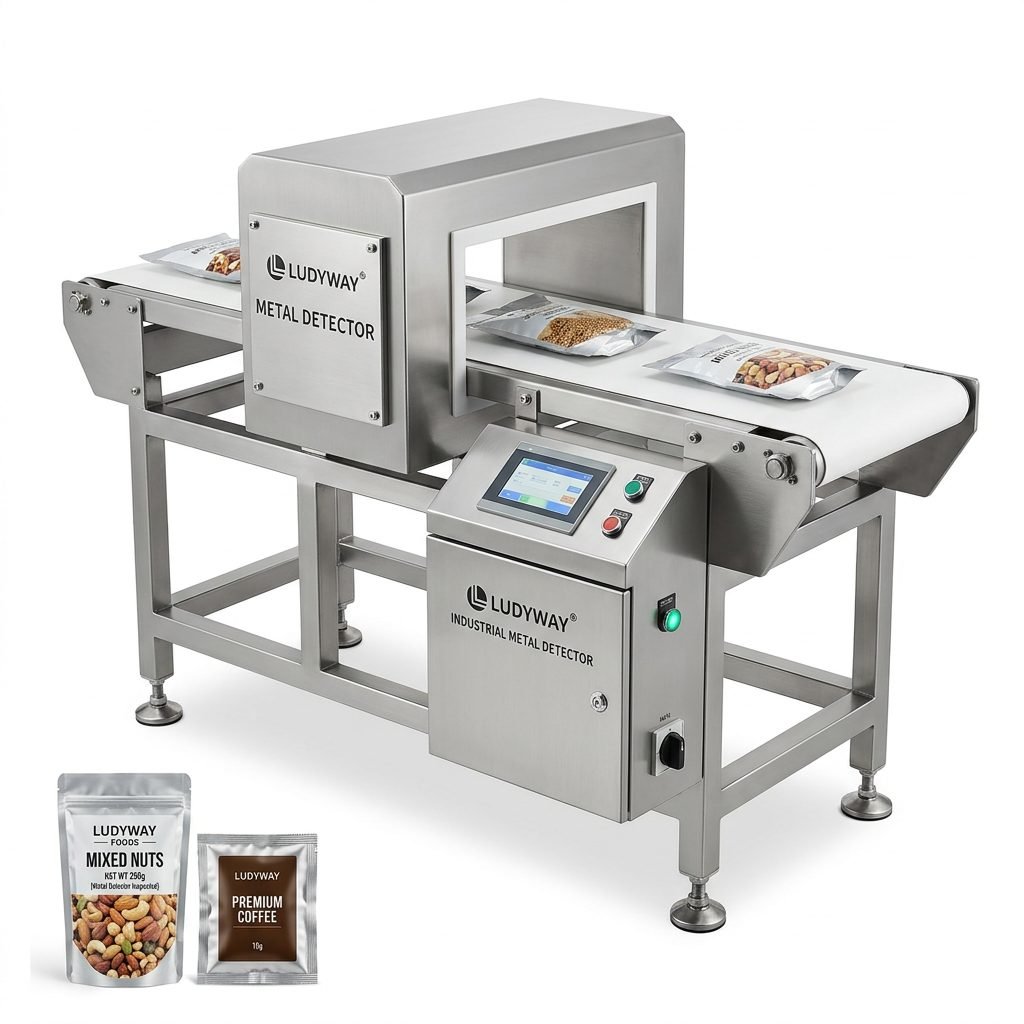
Modern systems may include extra functions such as date coding, nitrogen flushing, checkweighing, metal detection, cartoning, and automatic case packing.
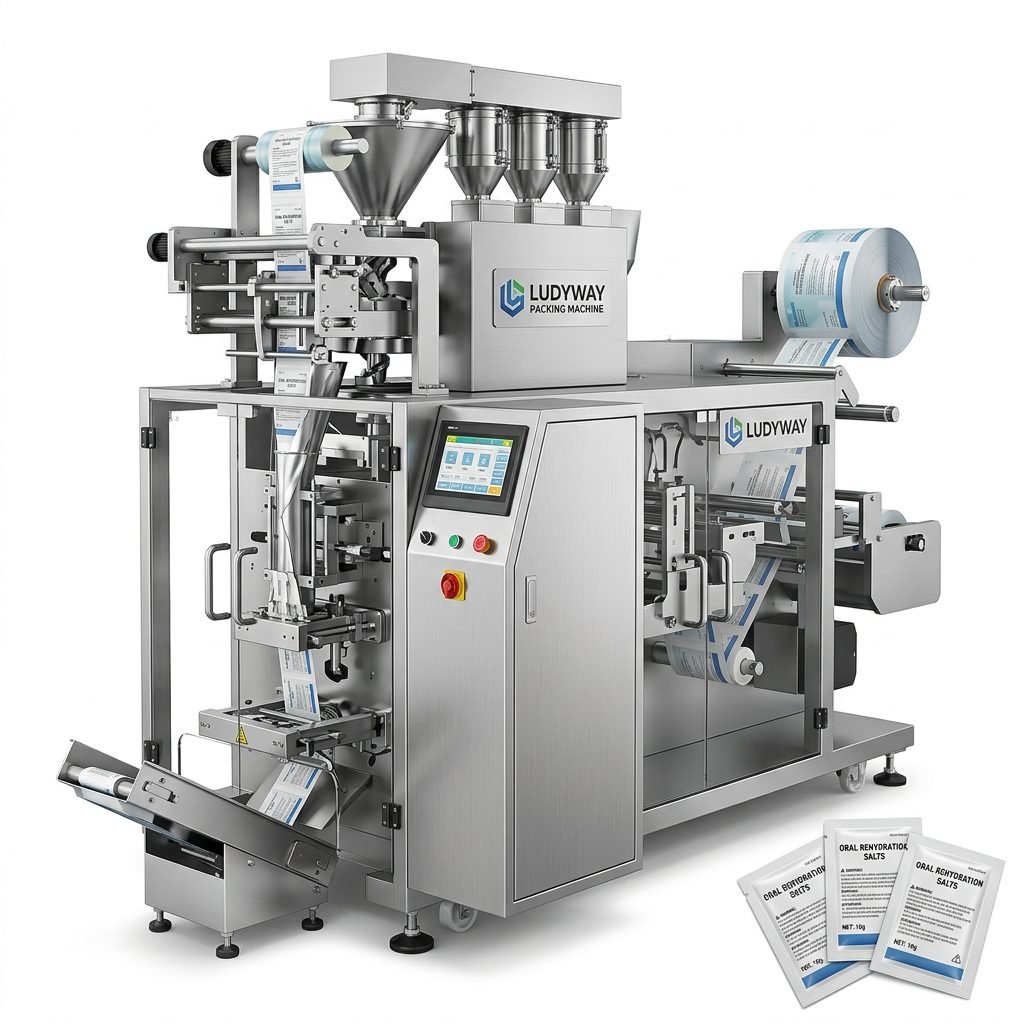
Core Components of a Three Side Seal Machine
To understand how the machine performs in real production, it helps to look at its main components.
- Film roll holder: Supports and feeds packaging film
- Tension control unit: Maintains stable film movement
- Registration sensor: Tracks print marks for precise cutting
- Forming unit: Shapes the film into pouch form
- Sealing jaws: Create side and end seals
- Filling device: Doses powder, granules, liquid, or paste
- Cutting system: Separates finished sachets
- PLC and touchscreen: Controls parameters and recipes
- Discharge conveyor: Transfers finished packs downstream
Working Principle in Simple Terms
In simple terms, a three side seal machine follows this logic:
- Pull film from the roll
- Align the film accurately
- Seal the first edges to create pouch shape
- Fill the pouch with the product
- Seal the final side
- Cut and release the finished sachet
This sequence repeats continuously at high speed, making it ideal for mass production.
Types of Products Packed by Three Side Seal Machines
One of the biggest advantages of this equipment is its flexibility. It can handle a broad range of industries and products.
Food Industry
- Coffee powder and instant drink mixes
- Sugar, salt, and seasoning sachets
- Sauces, ketchup, mayonnaise, and oils
- Soup powder and nutritional powders
- Snack granules and dry ingredients
Pharmaceutical Industry
- Oral powder sachets
- Granule medicine packs
- Medical sample sachets
- Disinfectant and sterile-use packs
Cosmetic and Personal Care Industry
- Face cream sachets
- Serum sample packs
- Shampoo and conditioner sachets
- Lotion, gel, and body care samples
Chemical and Daily-Use Products
- Detergent powder
- Liquid cleaners
- Agricultural additives
- Industrial powders and liquids
Advantages of Using a Three Side Seal Machine
| Advantage | Why It Matters |
|---|---|
| Compact pouch design | Good shelf appearance and easy storage |
| High efficiency | Suitable for continuous automatic production |
| Wide product compatibility | Can pack powders, granules, liquids, and pastes |
| Accurate dosing | Helps reduce giveaway and improve consistency |
| Strong seal quality | Protects product freshness and prevents leakage |
| Automation ready | Can integrate with conveyors, cartoners, and inspection systems |
Three Side Seal vs Four Side Seal vs Back Seal
Buyers often compare pouch styles before selecting equipment. Here is a quick comparison:
| Pouch Type | Seal Structure | Best For |
|---|---|---|
| Three side seal | Three sealed edges | Samples, single-dose sachets, flat pouches |
| Four side seal | All four edges sealed | Premium sachets, high symmetry packs |
| Back seal | One longitudinal back seal plus top and bottom | Cost-effective pillow packs and stick-type formats |
What Affects the Performance of a Three Side Seal Machine?
Several factors determine how well the machine runs in production:
- Film quality: Lamination structure, thickness, and sealability must match the product
- Product flowability: Powders, granules, and liquids require different filling methods
- Sealing temperature: Too low causes weak seals; too high can burn film
- Machine speed: Higher speed needs precise synchronization
- Humidity and dust: Fine powders can affect sealing and weighing accuracy
- Maintenance condition: Worn parts can reduce seal consistency and cutting accuracy
Common Applications in Real Manufacturing
In practical factory settings, a three side seal machine is often chosen when the brand wants small, lightweight, attractive unit packs. It is especially suitable for:
- Sample-size cosmetic sachets for retail promotion
- Single-dose pharmaceutical and health supplement packaging
- Travel-size personal care products
- Portion-controlled food and beverage ingredients
- Hotel, airline, and catering condiment sachets
How to Choose the Right Three Side Seal Machine
Before buying, it is important to define your technical and production requirements clearly.
Check Product Characteristics
- Is the product powder, granule, liquid, or paste?
- Does it flow easily or bridge during feeding?
- Is it corrosive, sticky, foamy, or dusty?
Define Pouch Specifications
- Pouch length and width
- Pack volume or weight
- Required cut style
- Tear notch, hole punch, or special shape needs
Confirm Output Requirements
- Expected packs per minute
- Single-lane or multi-lane setup
- Future expansion needs
Review Compliance Needs
- Food-grade contact parts
- GMP-oriented design for pharma
- CE or export-related standards
- Batch coding and traceability systems
Maintenance Tips for Stable Operation
Good maintenance directly affects machine life, seal quality, and downtime.
- Clean sealing jaws regularly to prevent residue buildup
- Inspect cutting blades for wear and alignment
- Calibrate filling systems on schedule
- Check sensors and film tracking accuracy daily
- Lubricate moving parts according to the manual
- Monitor air pressure and electrical stability
- Replace worn Teflon, heaters, or sealing components in time
Why Manufacturers Use Automated Packaging Lines
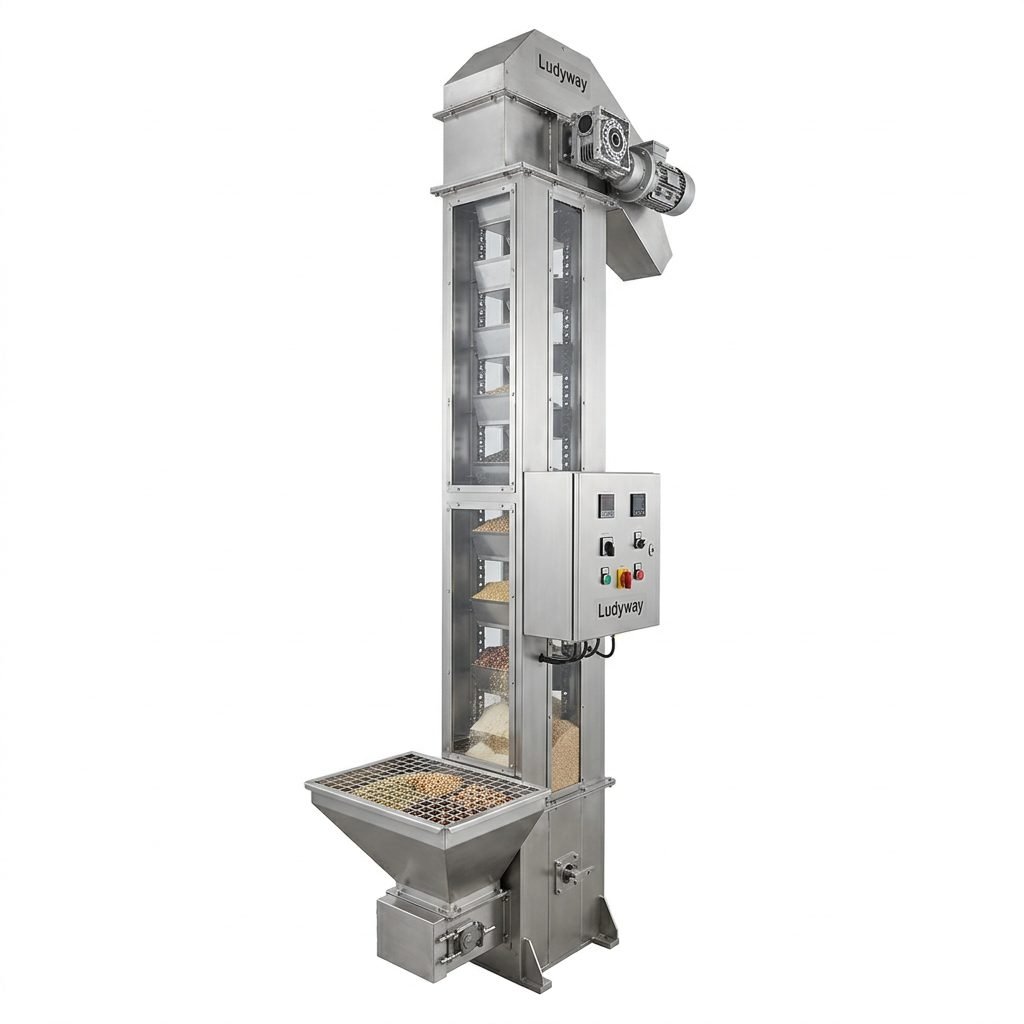
A standalone machine can work well for many factories, but growing brands often move toward integrated systems for better output and consistency. A complete line may include feeders, multi-lane packaging machines, conveyors, coding systems, cartoners, and palletizing equipment.
For businesses looking for scalable packaging automation, Ludyway packaging machine solutions are widely used in food, pharmaceutical, health supplement, and related industries, with flexible equipment options for sachets, stick packs, pouches, and turnkey packaging lines.
Frequently Asked Questions
Can a three side seal machine pack liquids?
Yes. With the correct pump filling system and sealing control, it can pack water-like liquids, viscous sauces, creams, gels, and other fluid products.
Is a three side seal pouch good for powder products?
Yes. It is one of the most common formats for powders such as coffee, supplements, milk powder, seasonings, and pharmaceutical granules.
What film can be used?
Common materials include laminated structures such as PET/PE, PET/AL/PE, and other heat-sealable films selected based on barrier, product sensitivity, and shelf-life requirements.
How fast can the machine run?
Speed depends on product type, pouch size, lane number, filling method, and film characteristics. High-speed versions can produce much higher outputs, especially in multi-lane configurations.
What is the biggest benefit of a three side seal machine?
Its biggest advantage is the combination of attractive pouch presentation, broad application range, and efficient automated production.
Final Thoughts
A three side seal machine works by forming a flat pouch from roll film, sealing three edges, filling the product accurately, and then cutting the finished sachet for discharge. Its reliable sealing, flexible dosing options, and wide industry compatibility make it a practical choice for manufacturers who need efficient sachet packaging.
Whether you pack powders, granules, liquids, or pastes, choosing the right machine configuration, film structure, and automation level will have a major impact on product quality, production efficiency, and long-term operating cost.