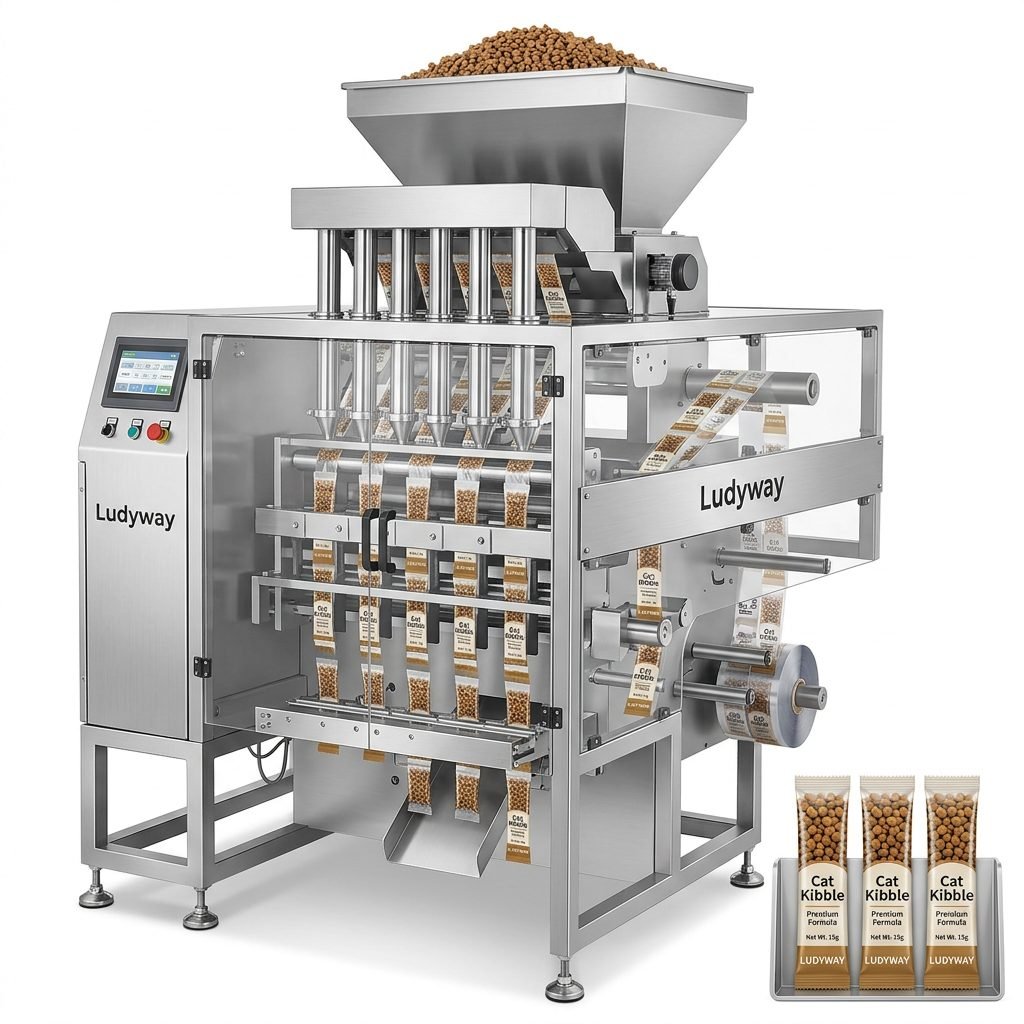
In today’s fast-paced and environmentally conscious market, water soluble packaging represents a significant innovation, offering a sustainable alternative to traditional plastic films. This unique packaging dissolves completely in water, leaving no harmful residue. At the heart of producing these eco-friendly packages lies specialized machinery. This comprehensive guide delves into the world of water soluble packaging machines, exploring their types, key benefits, and providing a clear framework for selecting the ideal system for your production needs.
Understanding Water Soluble Packaging Technology
Water soluble packaging is typically made from biodegradable polymer films, such as Polyvinyl Alcohol (PVOH or PVA). These films are engineered to dissolve rapidly in water at specific temperatures, making them perfect for single-dose applications. The machinery used to create these packages must handle this unique film material with precision, ensuring strong seals that remain intact during storage but disintegrate upon contact with water.
Core Material Consideration
The success of the packaging process heavily depends on the machine’s compatibility with the water soluble film. Factors like heat sensitivity, tensile strength, and dissolution rate directly influence machine settings for sealing temperature, film tension control, and forming mechanics.
Primary Types of Water Soluble Packaging Machines
The market offers various machine configurations, each suited to different product forms and output requirements. Understanding these types is the first step in making an informed choice.
1. Vertical Form-Fill-Seal (VFFS) Machines
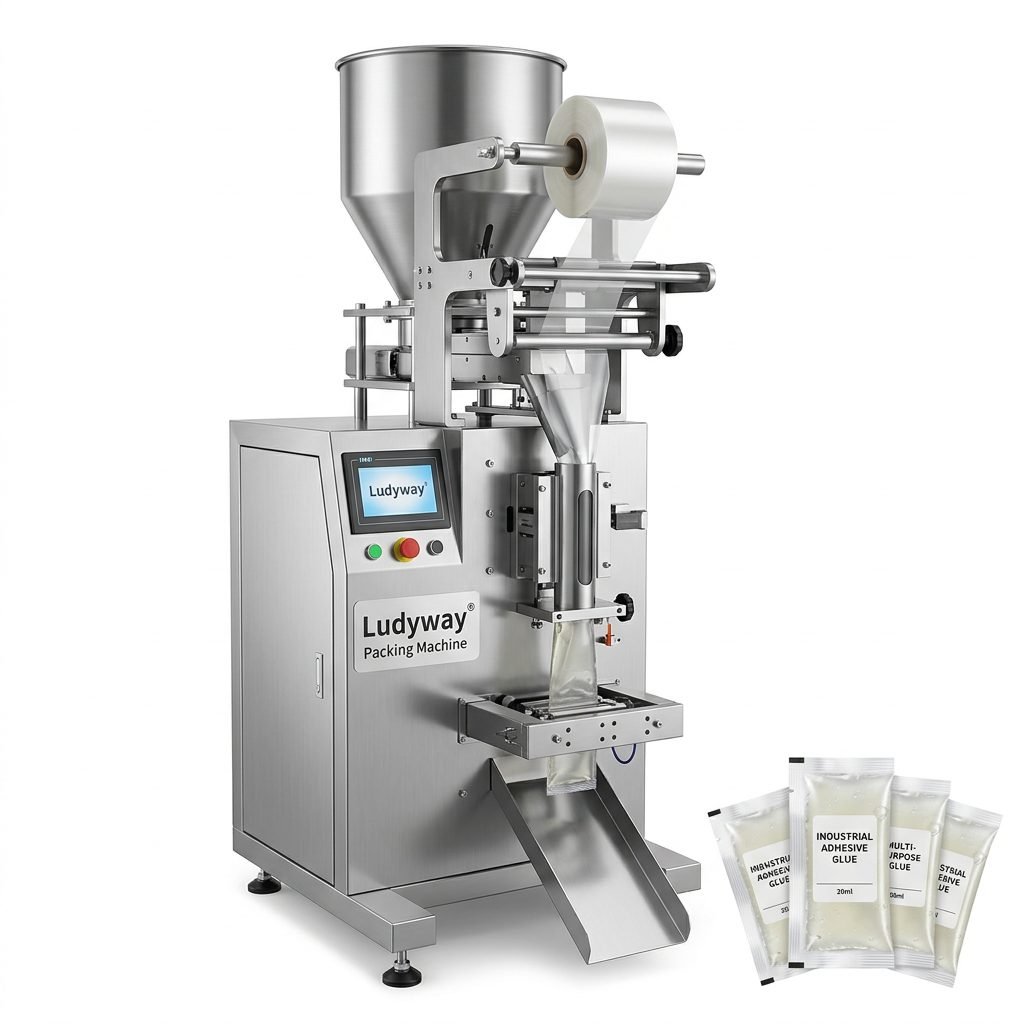
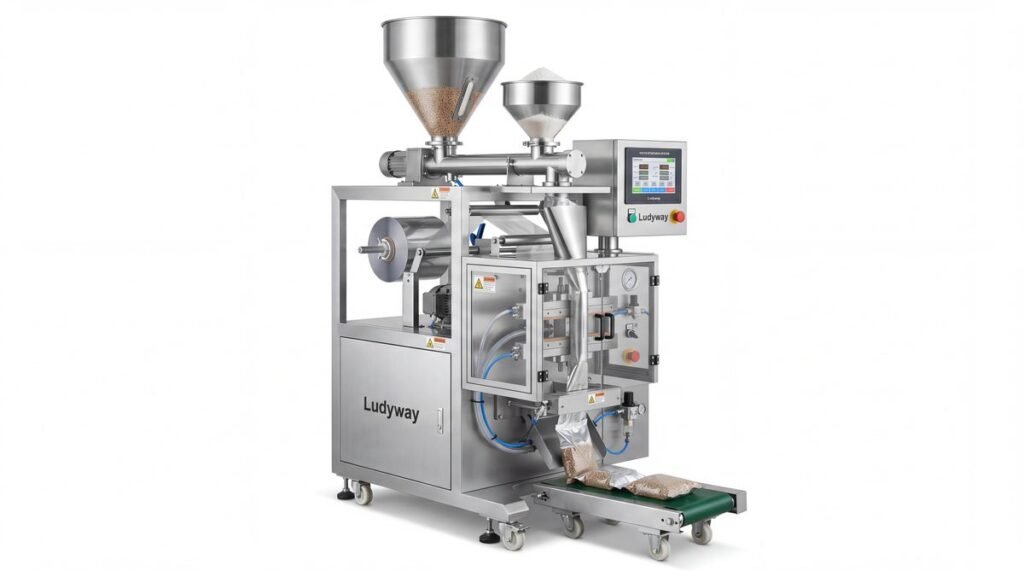
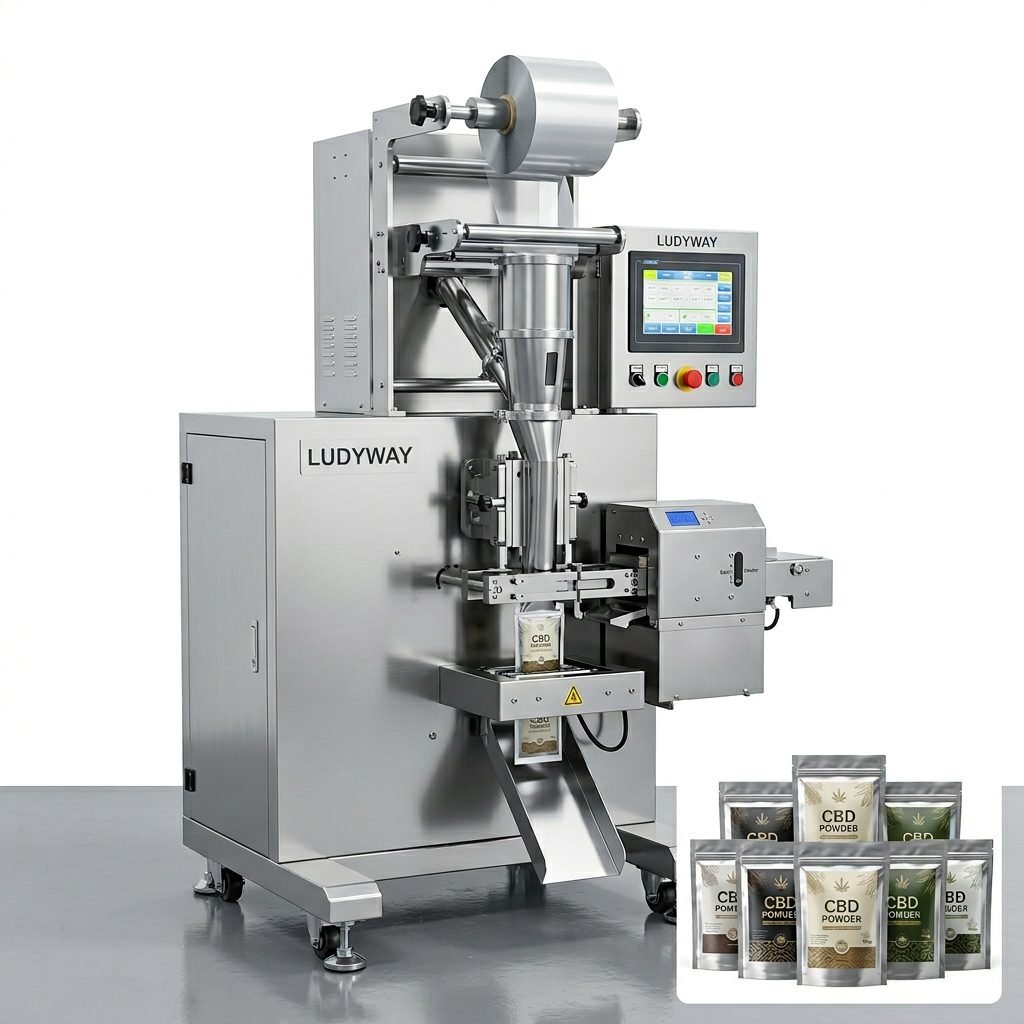
These are the most common systems for granular, powder, and small solid items. The machine forms a continuous roll of water soluble film into a tube, fills it with the product, and then seals it vertically to create individual packets. VFFS machines are renowned for their high speed and efficiency in mass production.
- ✓ Best For: Detergent pods, drink mixes, agricultural seeds, bath salts.
- ✓ Key Feature: Compact footprint with high-output capability.
2. Horizontal Form-Fill-Seal (HFFS) Machines
Ideal for larger or more delicate items that require a flat laying pouch. The film is formed into pockets on a horizontal plane, filled, and then sealed with a top layer of film. This method often allows for more complex shapes and is gentler on products.
- ✓ Best For: Larger single-use detergent sheets, medical drapes, agrochemical portions.
- ✓ Key Feature: Excellent for multi-lane production and creating pillow-style packs.
3. Sachet & Stick Pack Machines
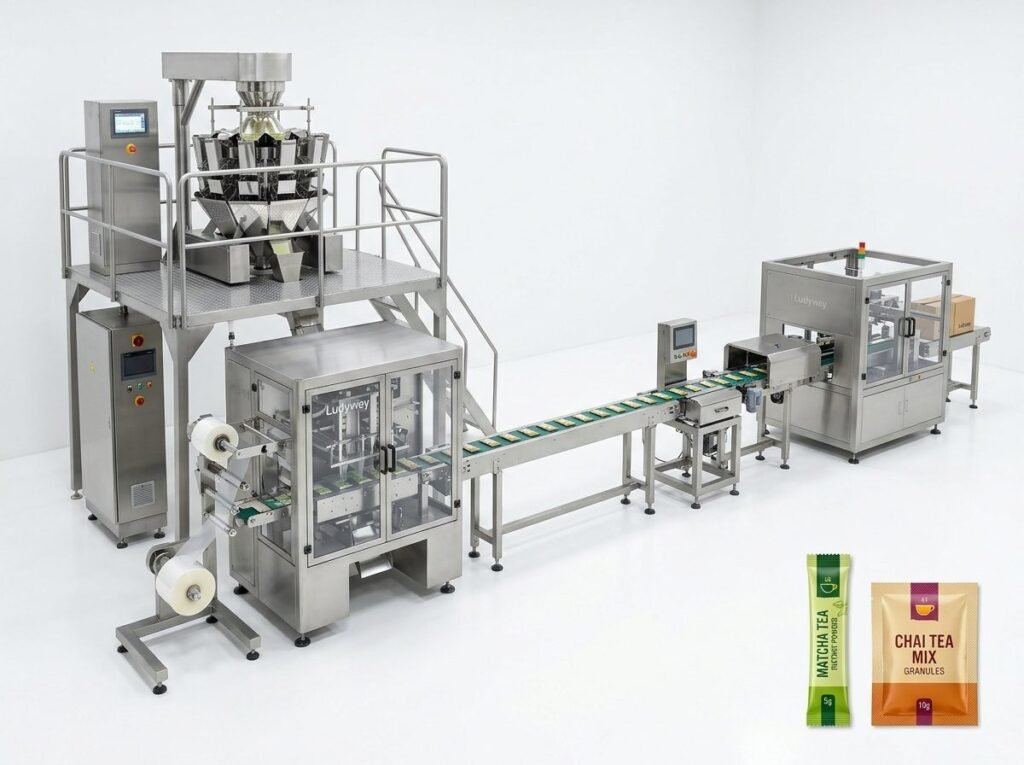
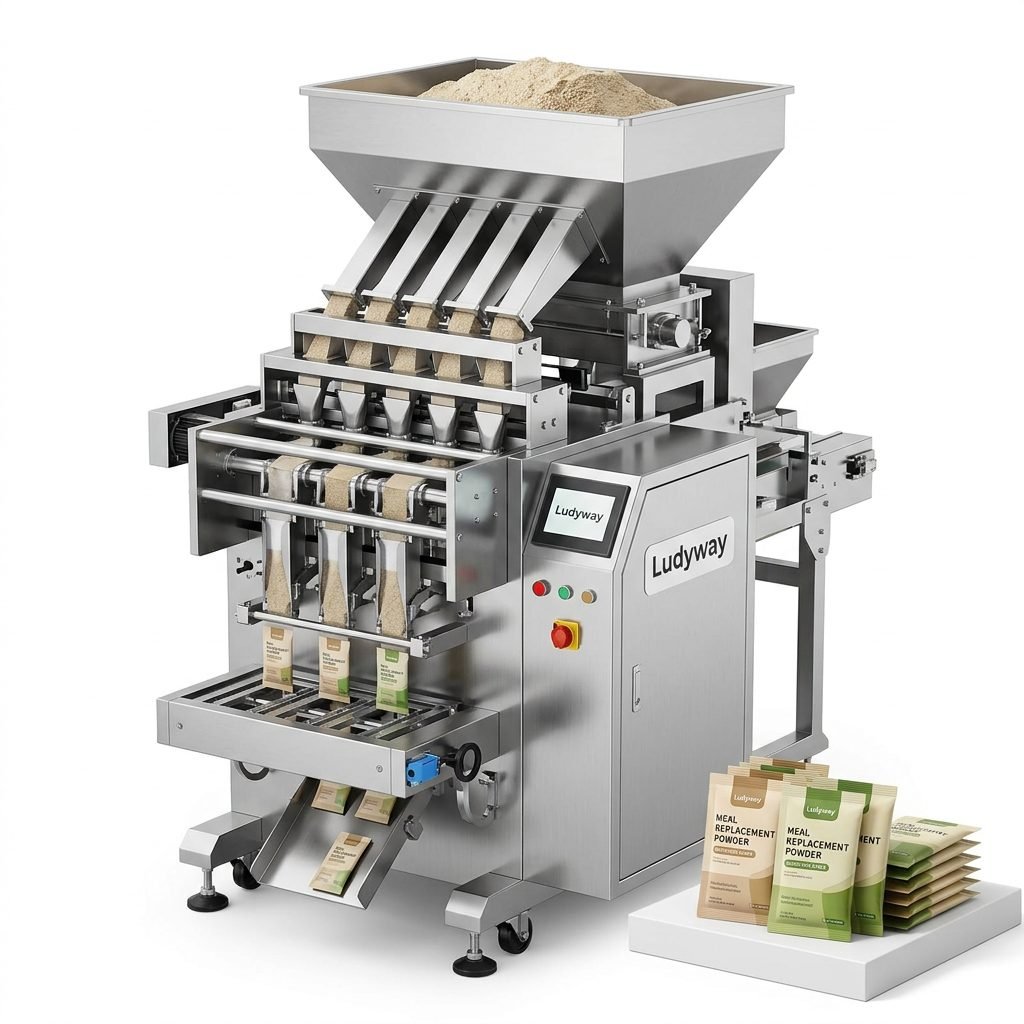
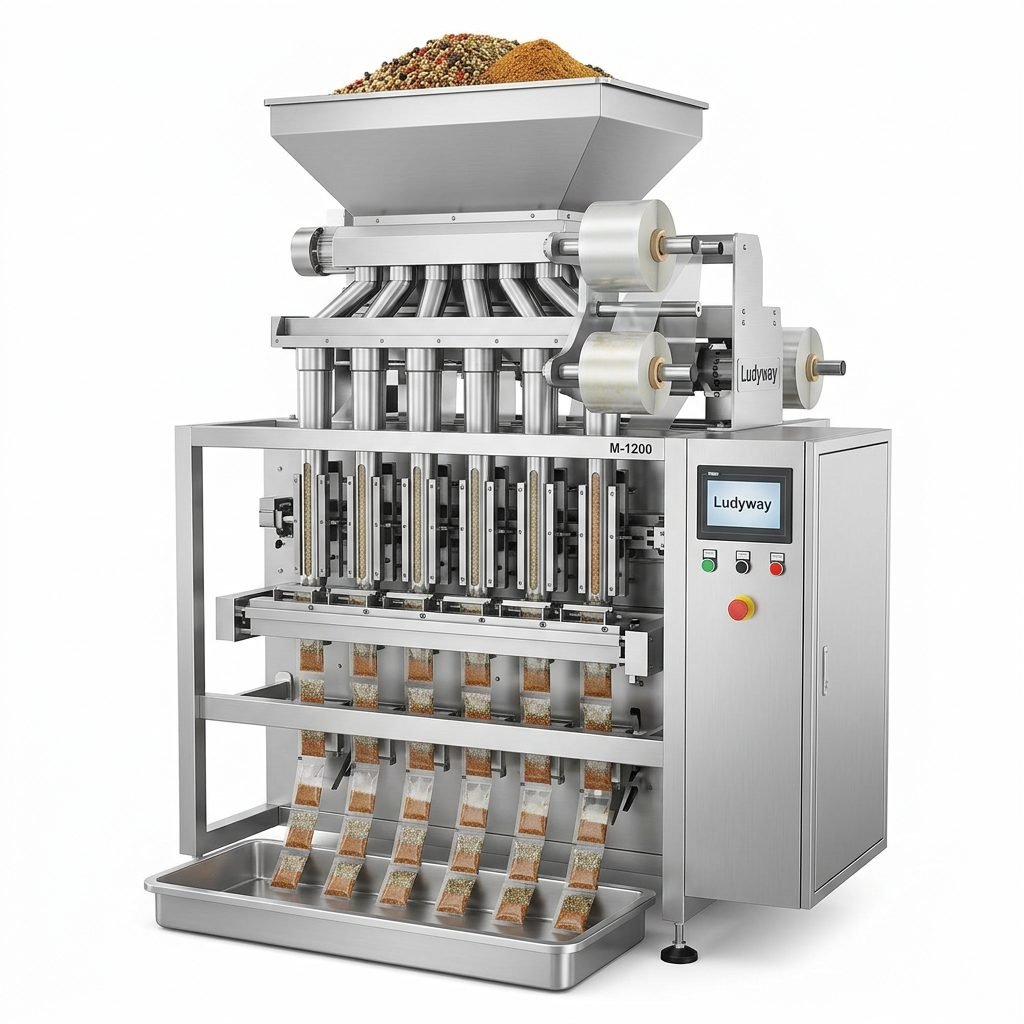
These machines specialize in producing small, rectangular sachets or long, narrow stick packs. They are extremely versatile and can be configured for both vertical and horizontal formats. Precision dosing is a critical function here.
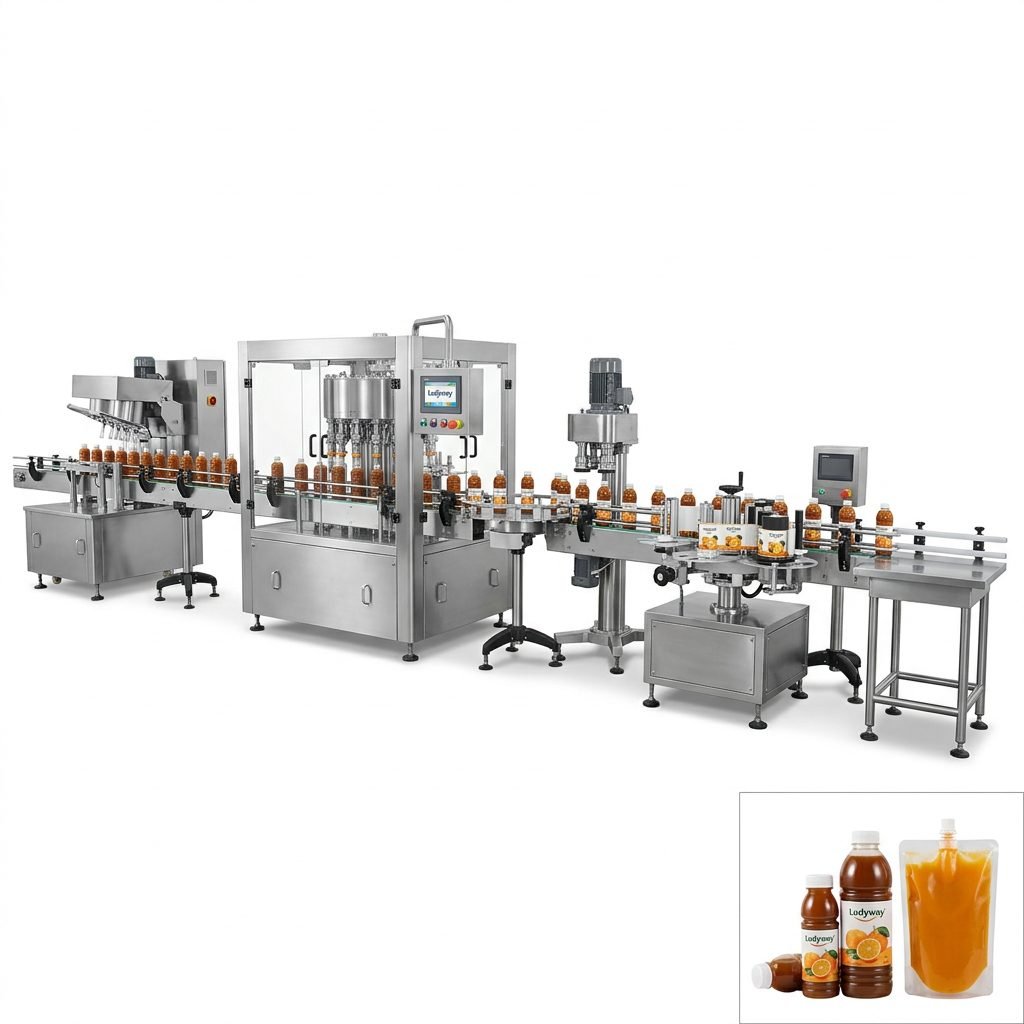
→ Industry Insight: For liquid or viscous products like shampoos, condiments, or oils, specialized liquid filling systems are integrated with these machines to prevent leakage and ensure accurate fill volumes before the soluble film is sealed.
Major Benefits of Automating with Specialized Machinery
Investing in a dedicated water soluble packaging system unlocks substantial advantages beyond basic packaging.
Enhanced Sustainability & Brand Image
Automated production ensures minimal film waste and consistent package integrity, maximizing the environmental benefit of using soluble material. This allows brands to confidently promote a legitimate and efficient green initiative.
Superior Product Protection & Consistency
These machines provide precise control over the sealing environment (temperature, pressure, time), which is crucial for water soluble films. This results in reliable seals that protect the product from moisture and contamination until use, while guaranteeing consistent dissolution performance.
Increased Operational Efficiency & Cost Savings
High-speed automation significantly boosts output rates, reduces labor costs, and minimizes human error. The precision of automated dosing also reduces product giveaway, leading to direct material savings and a faster return on investment.
How to Choose the Right Water Soluble Packaging System
Selecting the correct machine requires a careful evaluation of your specific project parameters. Follow this decision framework.
Selection Checklist
1. Product Characteristics: Define your product’s form (granule, powder, liquid, solid), density, flowability, and any special handling needs (hygroscopic, abrasive).
2. Production Requirements: Determine your target output speed (packages per minute) and the required bag size range. Consider future scalability.
3. Film Material Specifications: Collaborate with your film supplier to understand the film’s thickness, sealing temperature range, and tensile strength. Your machine must be compatible.
4. Level of Automation: Decide on the needed integration—from a standalone machine to a complete line with automated product feeding, check-weighing, and cartoning. For expert guidance on integrating such systems, consider consulting with professional packaging solution providers who specialize in turnkey projects.
5. Supplier Expertise & Support: Choose a manufacturer with proven experience in water soluble packaging. Evaluate their technical support, spare parts availability, and training offerings. A partner like Ludyway Packaging Machinery, with deep industry knowledge, can be invaluable.
Partnering with the Right Manufacturer
The machine builder’s expertise is as important as the machine itself. Look for a partner with a strong track record, robust R&D capabilities, and a commitment to after-sales service. They should offer comprehensive testing with your actual product and film before purchase. Reviewing a detailed company profile can reveal their experience and capacity to support your long-term production goals.
Frequently Asked Questions (FAQs)
1. What is the typical maintenance required for these machines?
Maintenance is similar to standard VFFS/HFFS machines but with added attention to the sealing jaws. Regular cleaning to prevent film residue buildup is essential. Using high-quality, compatible film also reduces wear on forming and sealing components.
2. Can one machine run different types of water soluble film?
Yes, but within limits. A well-designed machine should have adjustable temperature controls and tension settings to accommodate films with different thicknesses and sealant layers. However, a significant change in film composition may require recalibration or different sealing jaw profiles.
3. How do I ensure the packages dissolve correctly every time?
Correct dissolution relies on three factors: using film with the right dissolution grade (cold vs. hot water), precise machine sealing that doesn’t “overweld” and hinder dissolution, and consistent product formulation that doesn’t negatively interact with the film.
4. Are these machines suitable for food or pharmaceutical products?
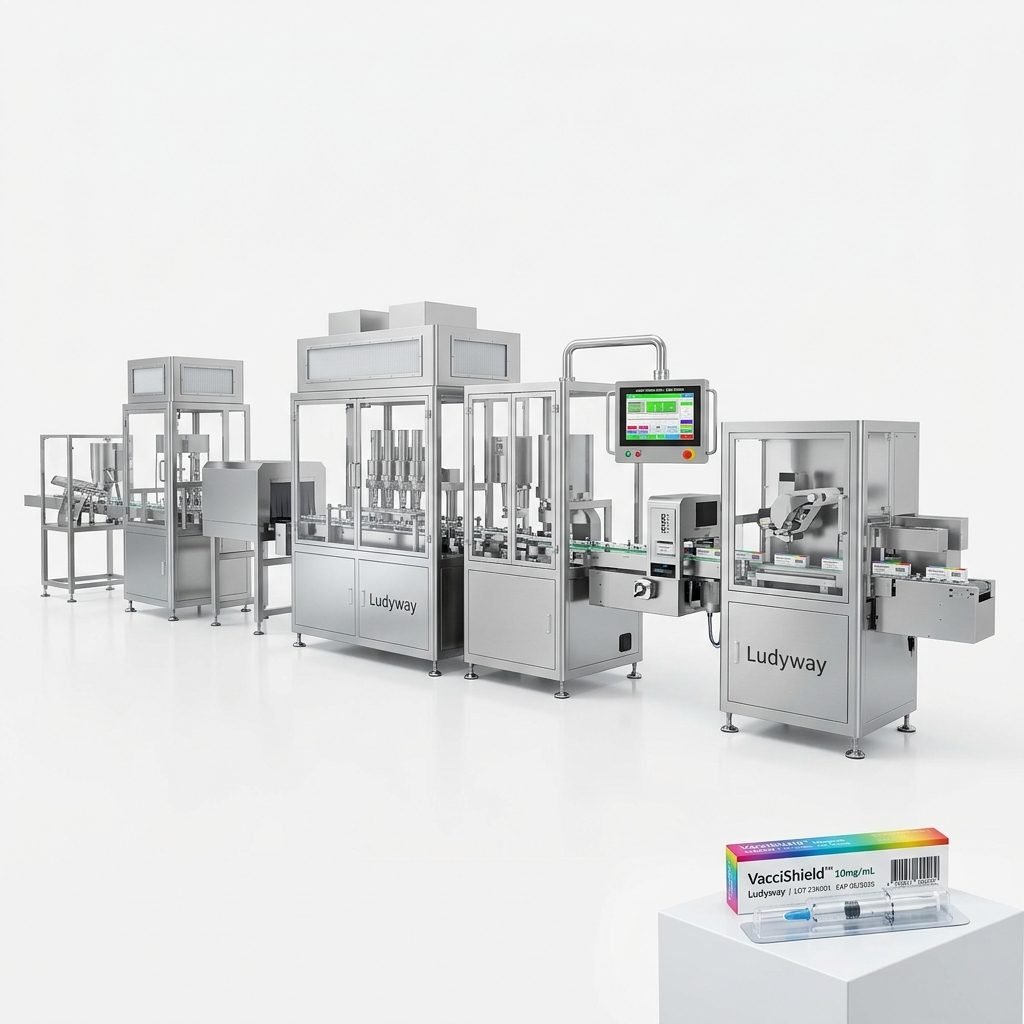
Absolutely. Many machines are built with food-grade or pharmaceutical-grade standards, using stainless steel contact parts and designs that facilitate easy cleaning and validation. It is critical to specify these requirements with your supplier from the outset.
5. What is the lead time for acquiring a custom-configured system?
Lead times vary based on complexity. A standard model may be available in 8-12 weeks, while a fully customized line with integration can take 4-6 months or more. Early planning and clear communication with your supplier are key to managing project timelines.