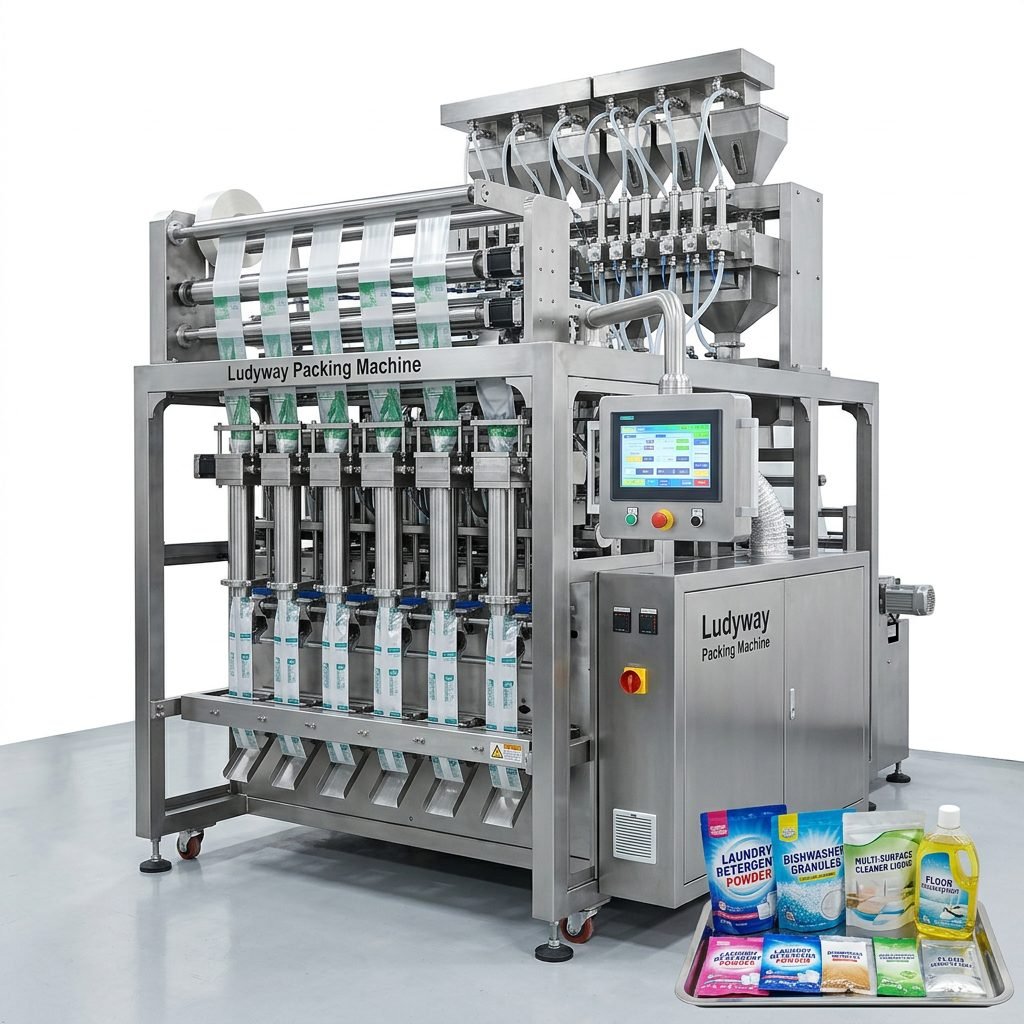
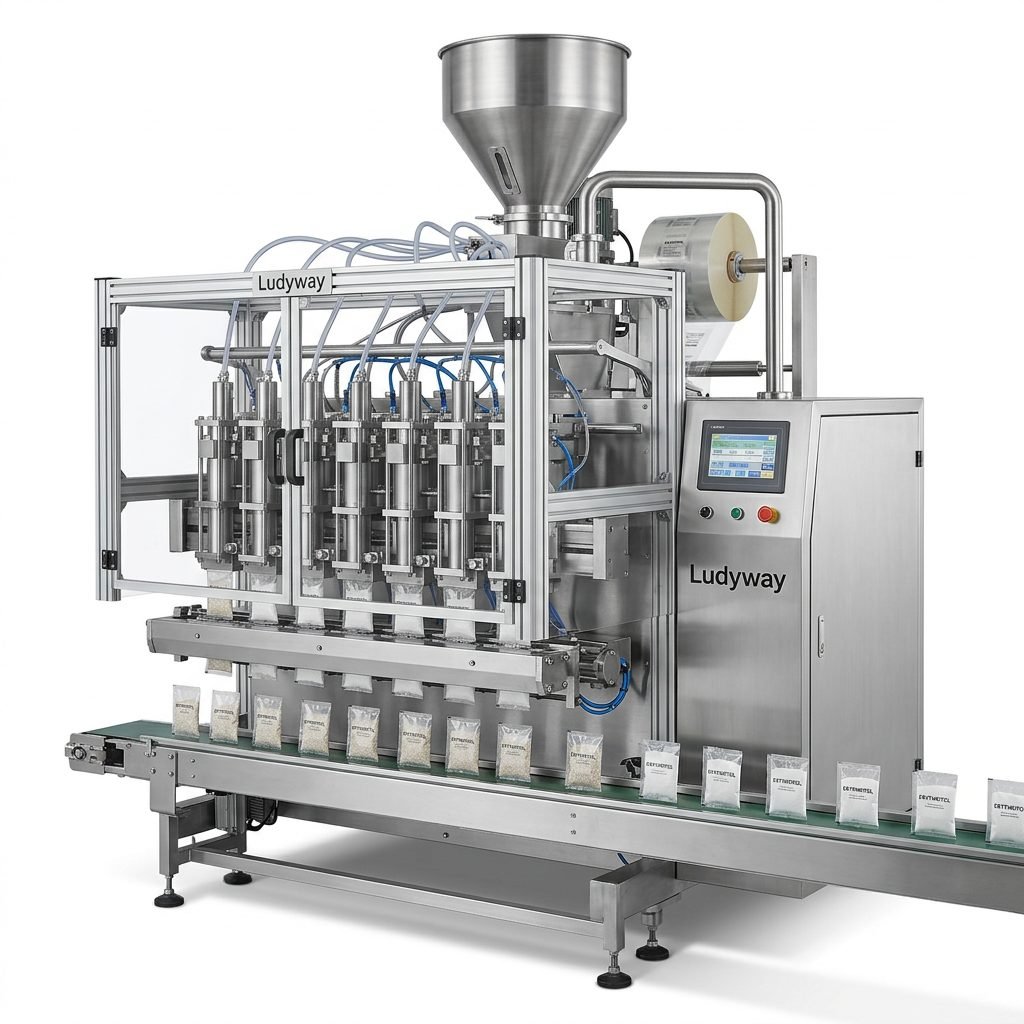
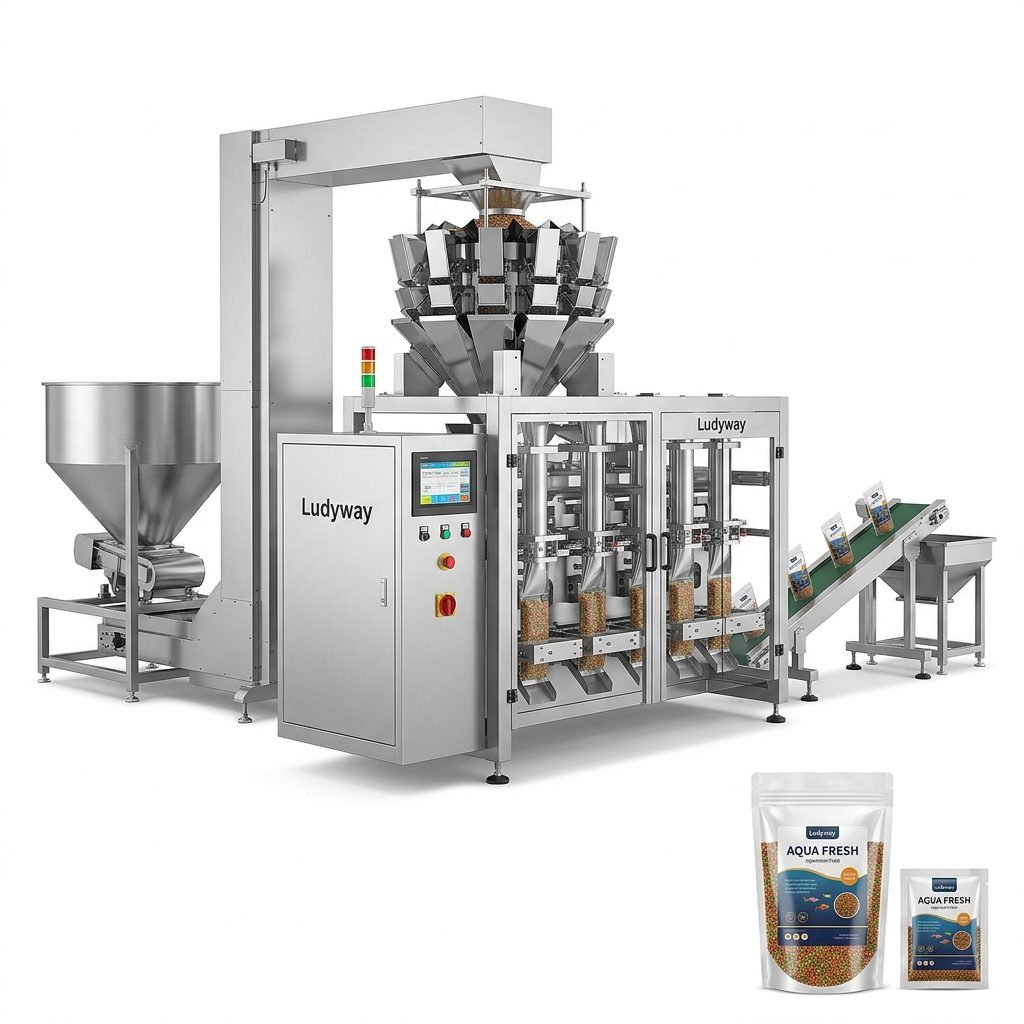
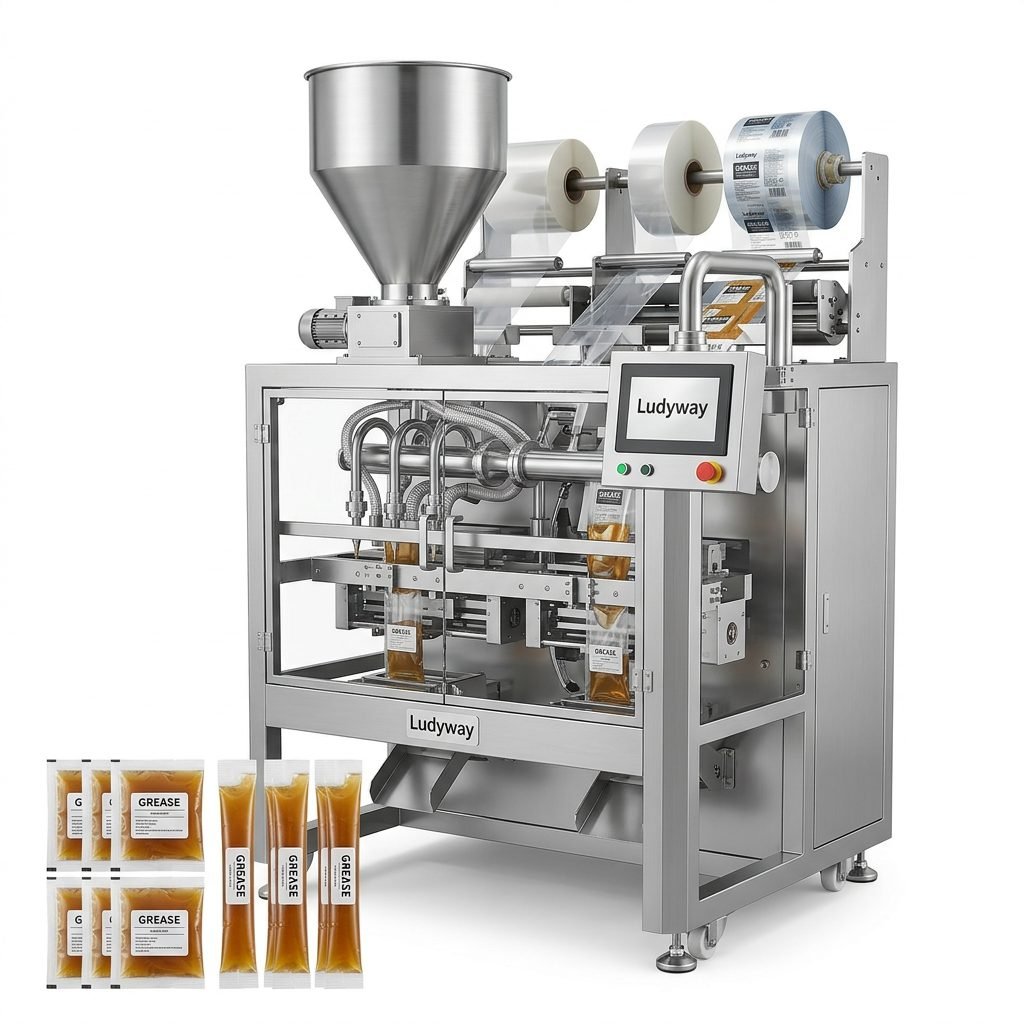
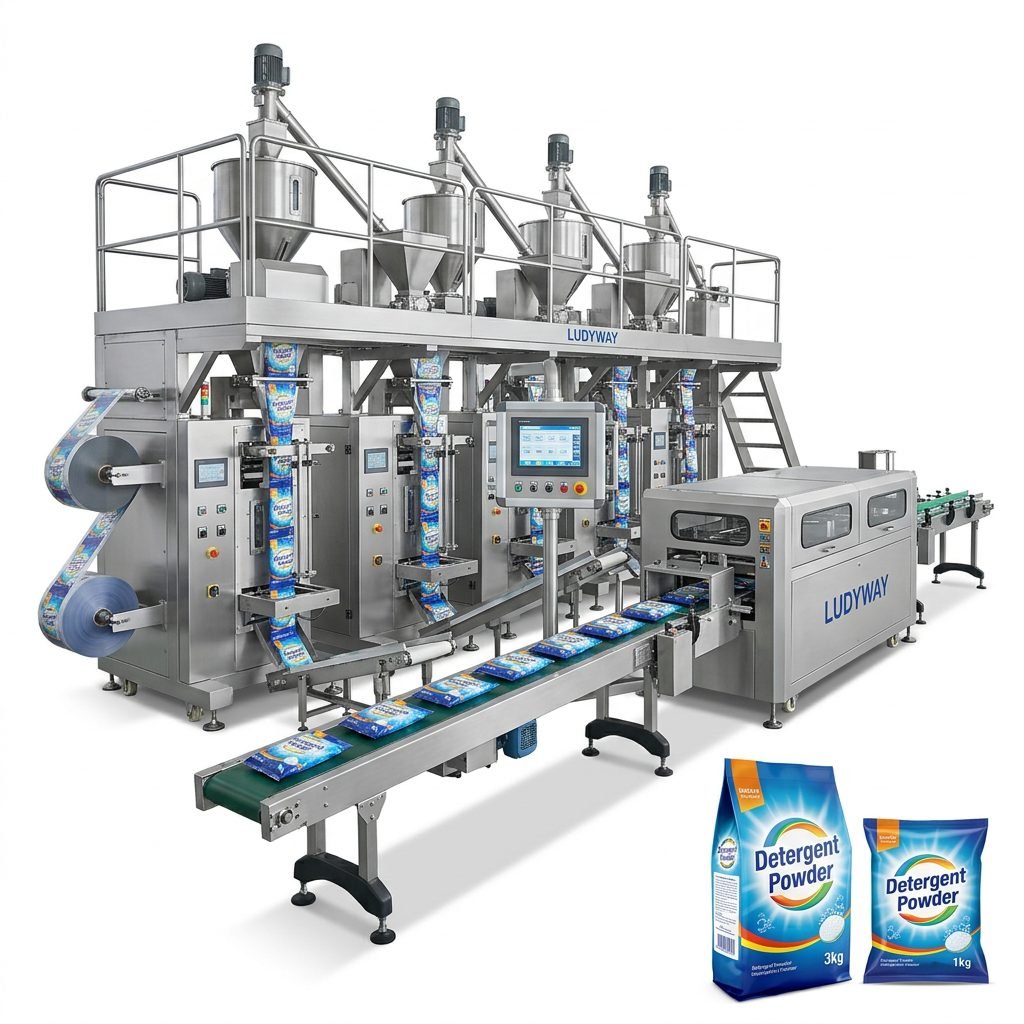
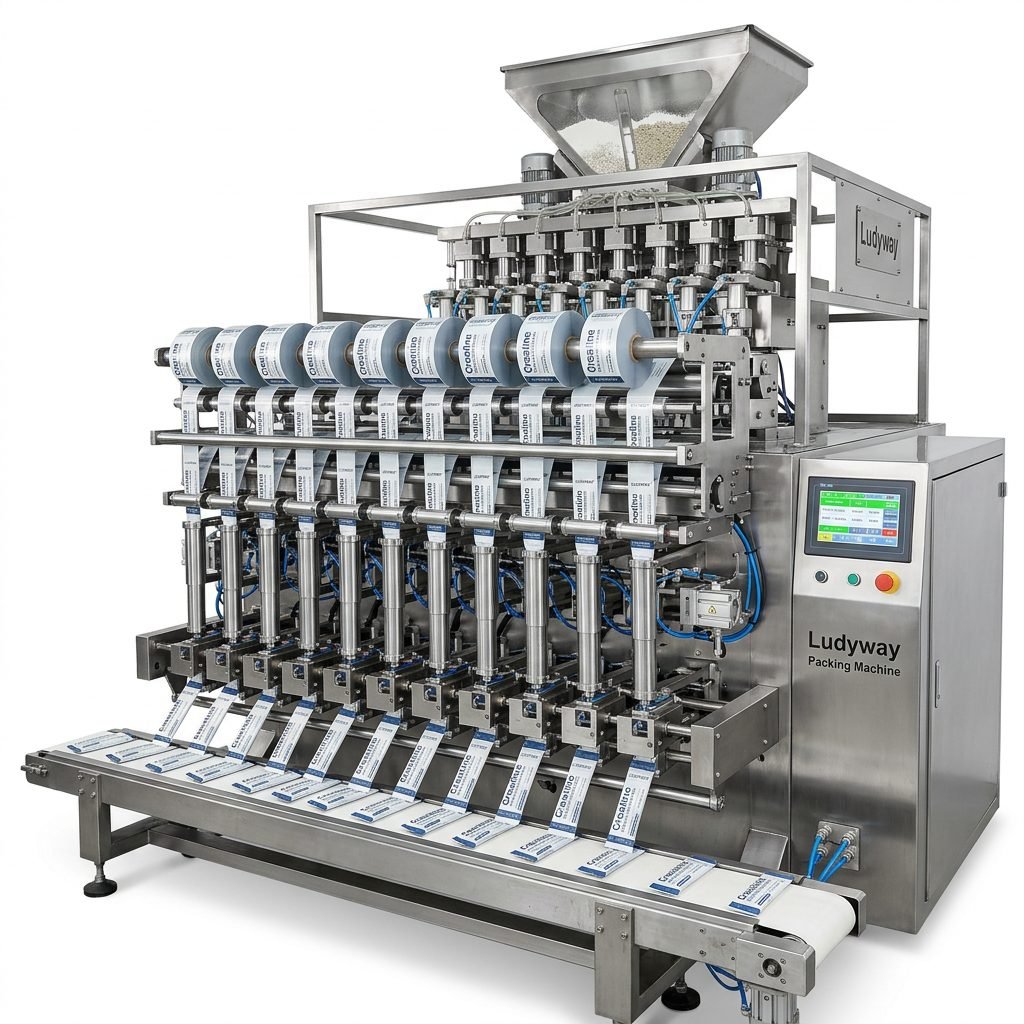
A granule packaging machine can cost anywhere from about $5,000 to over $100,000, depending on the machine type, automation level, speed, packaging format, filling accuracy, and whether you need a standalone unit or a full packaging line. For buyers comparing options, the real question is not only “How much does it cost?” but also what configuration delivers the best return on investment.
This guide explains the key price ranges, what affects the final quotation, hidden costs to watch for, and how to choose the right solution for food, pharmaceutical, chemical, health supplement, and related granule products.
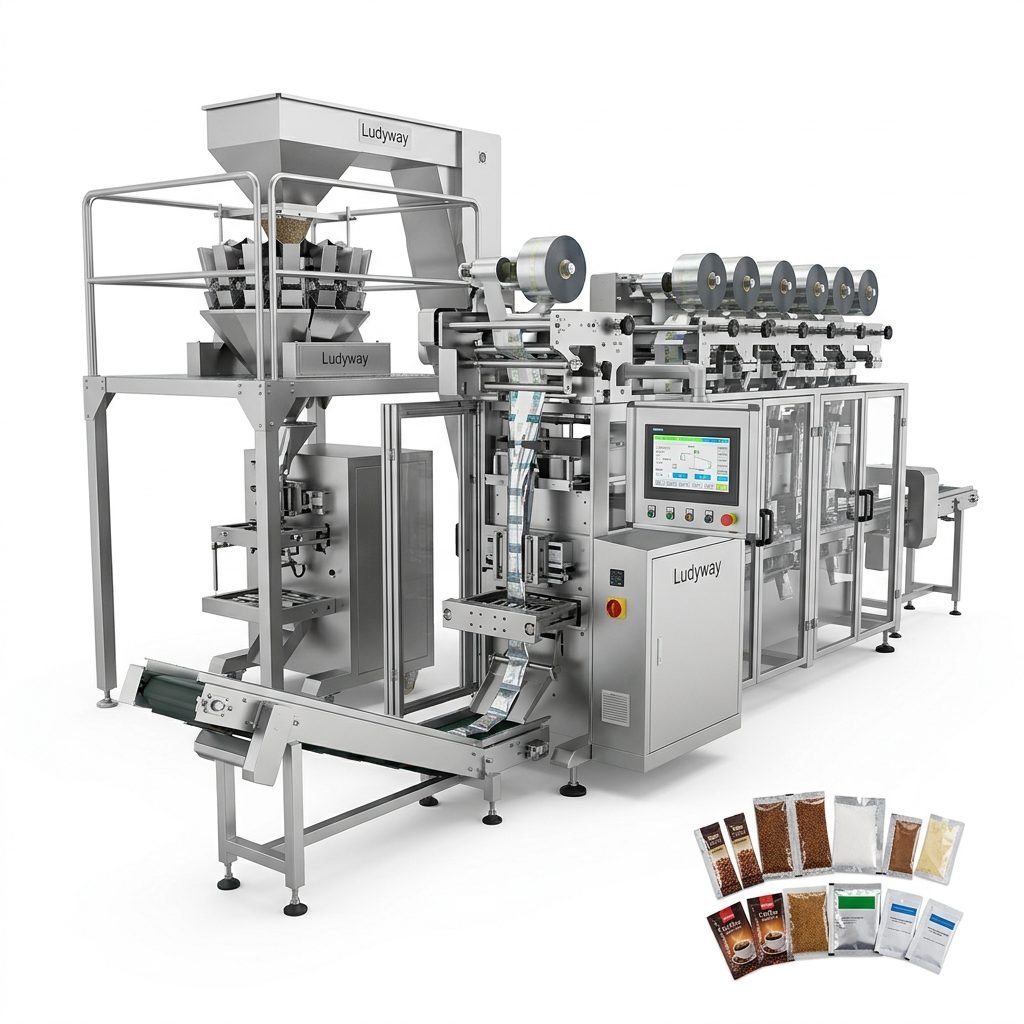
Typical Granule Packaging Machine Price Range
Below is a practical overview of common price levels in the market. Actual prices vary by supplier, region, technical standards, and customization requirements.
| Machine Type | Estimated Price Range | Best For |
|---|---|---|
| Semi-automatic granule filling machine | $5,000 – $12,000 | Small workshops, pilot production, low-volume packing |
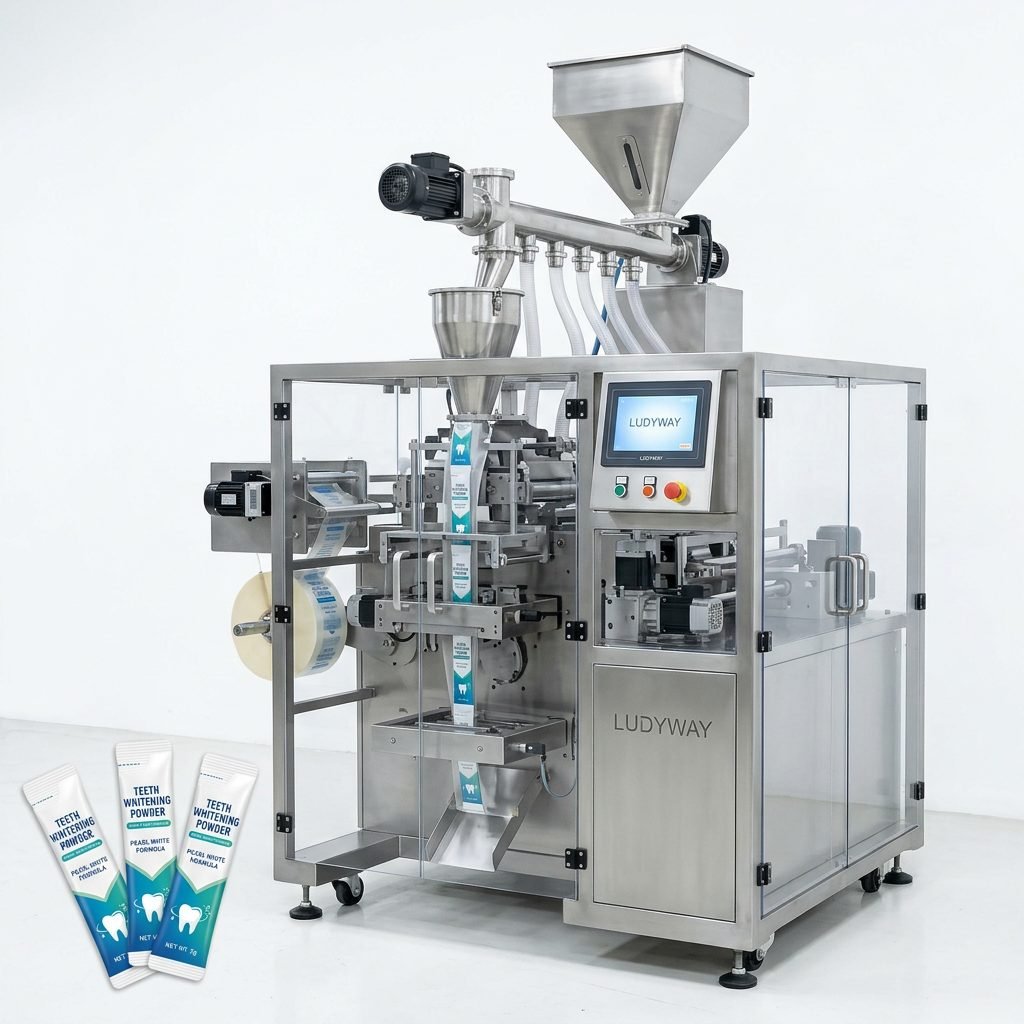
| Basic vertical form fill seal granule machine | $12,000 – $28,000 | Standard sachets or small bags for food and chemicals |
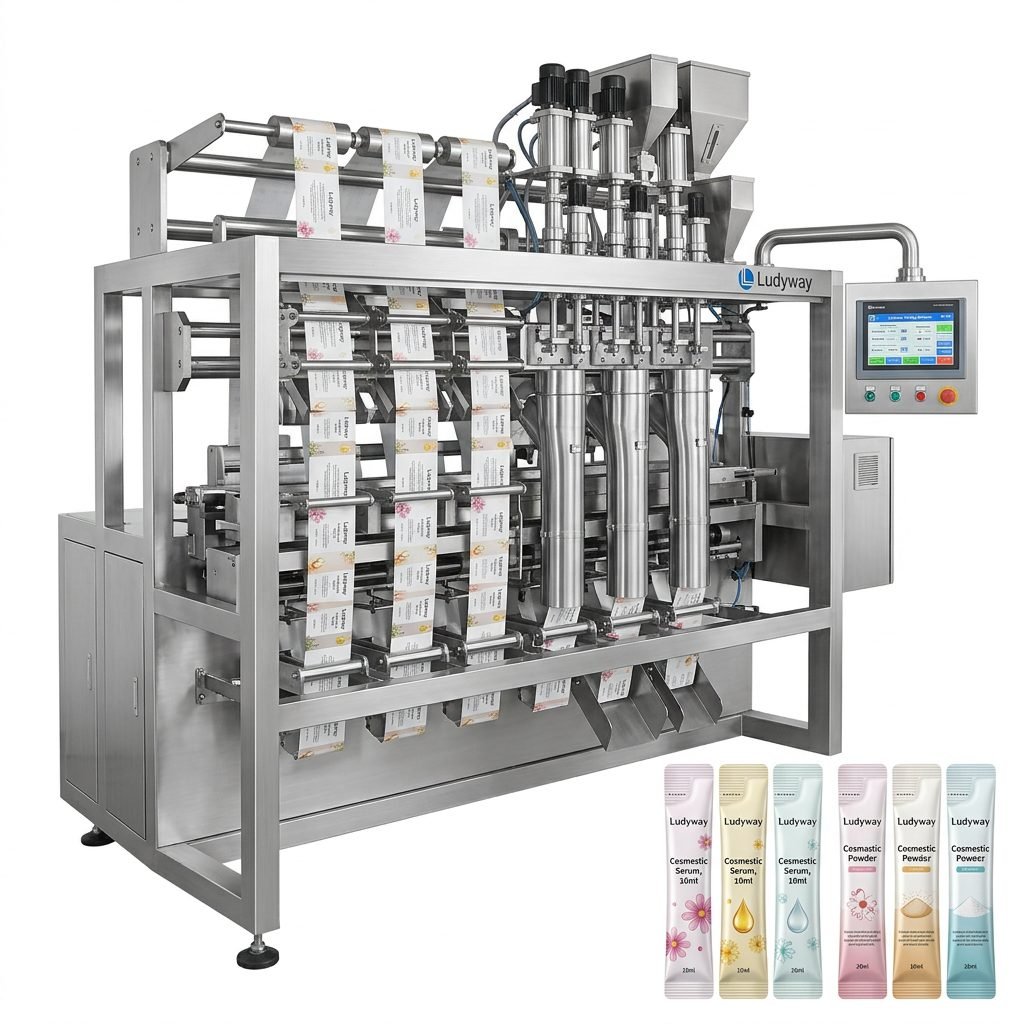
| Automatic sachet/stick pack granule machine | $18,000 – $45,000 | Retail-ready granule packs, supplements, seasoning, sugar, coffee |
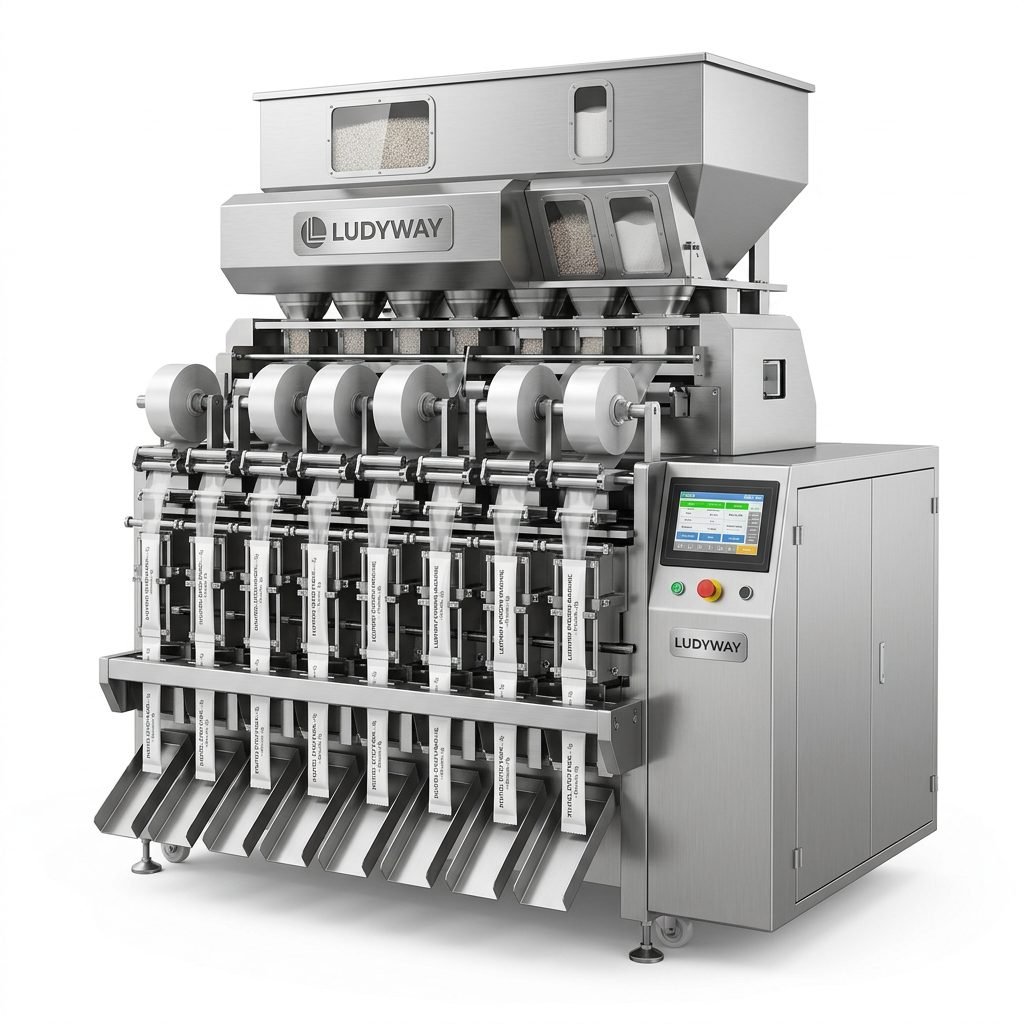
| High-speed multi-lane granule packaging machine | $35,000 – $85,000+ | Large-scale production, pharmaceutical or FMCG applications |
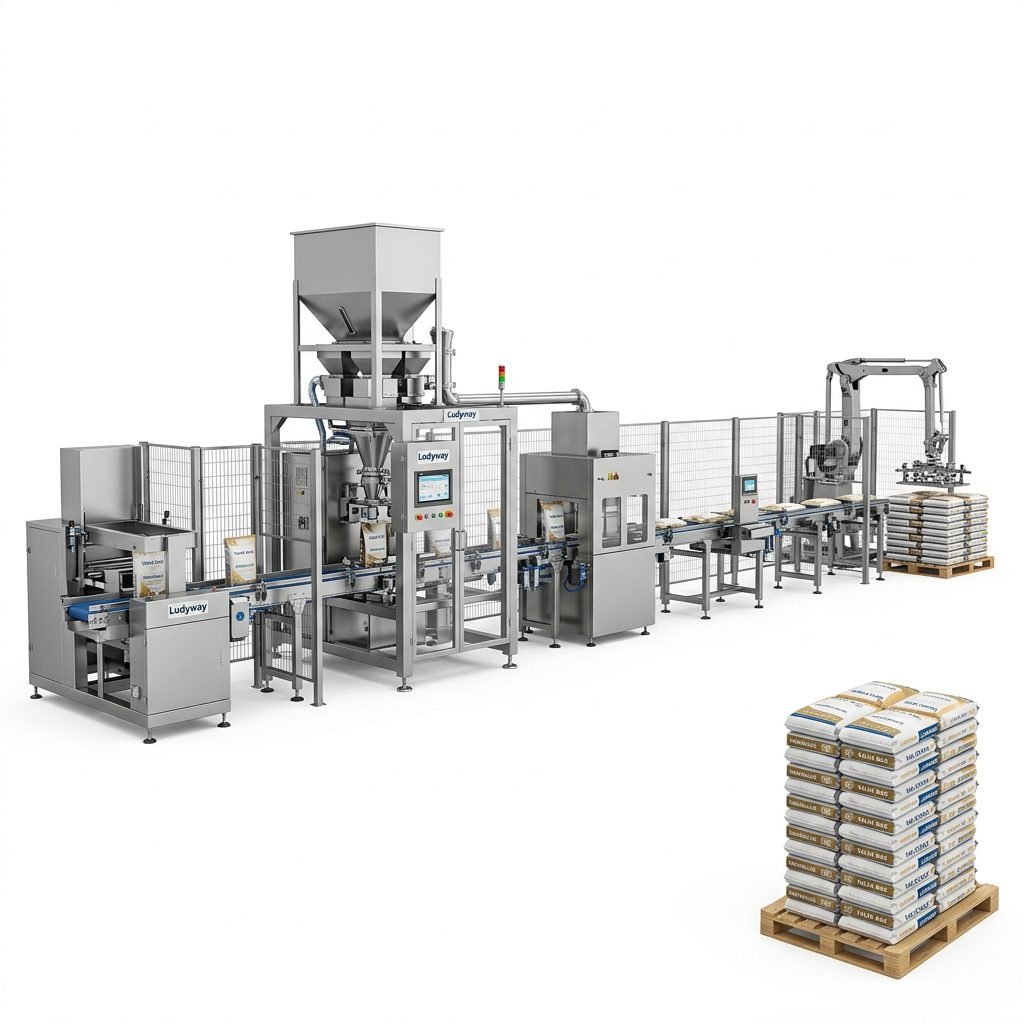
| Fully integrated granule packaging line | $60,000 – $150,000+ | Turnkey automation with feeding, weighing, coding, inspection, cartoning |
What Determines the Cost of a Granule Packaging Machine?
Machine pricing is mainly driven by technical complexity. Two granule packers may look similar in photos, yet their cost can be very different because of the filling system, speed, material compatibility, and automation components.
1. Product Characteristics
Different granules behave differently during feeding and filling. Free-flowing sugar, salt, rice, seeds, coffee granules, fertilizer particles, pet food pellets, and pharmaceutical granules all require different handling solutions.
- Free-flowing granules are generally easier and cheaper to package.
- Irregular, sticky, or dusty granules often require more advanced dosing and dust-control systems.
- Fragile products may need gentle feeding to reduce breakage.
- Pharma and supplement granules may require higher precision and compliance features.
2. Packaging Format
The bag style has a direct impact on machine design and cost. Simple pillow bags cost less to produce than shaped pouches, zipper pouches, or multi-lane stick packs.
| Packaging Format | Relative Cost Impact | Notes |
|---|---|---|
| Pillow bag | Low | Most economical format |
| Back-seal sachet | Low to medium | Common for granules and powders |
| Stick pack | Medium to high | Popular for sugar, coffee, supplements |
| Premade pouch | Medium to high | Better appearance, higher machine cost |
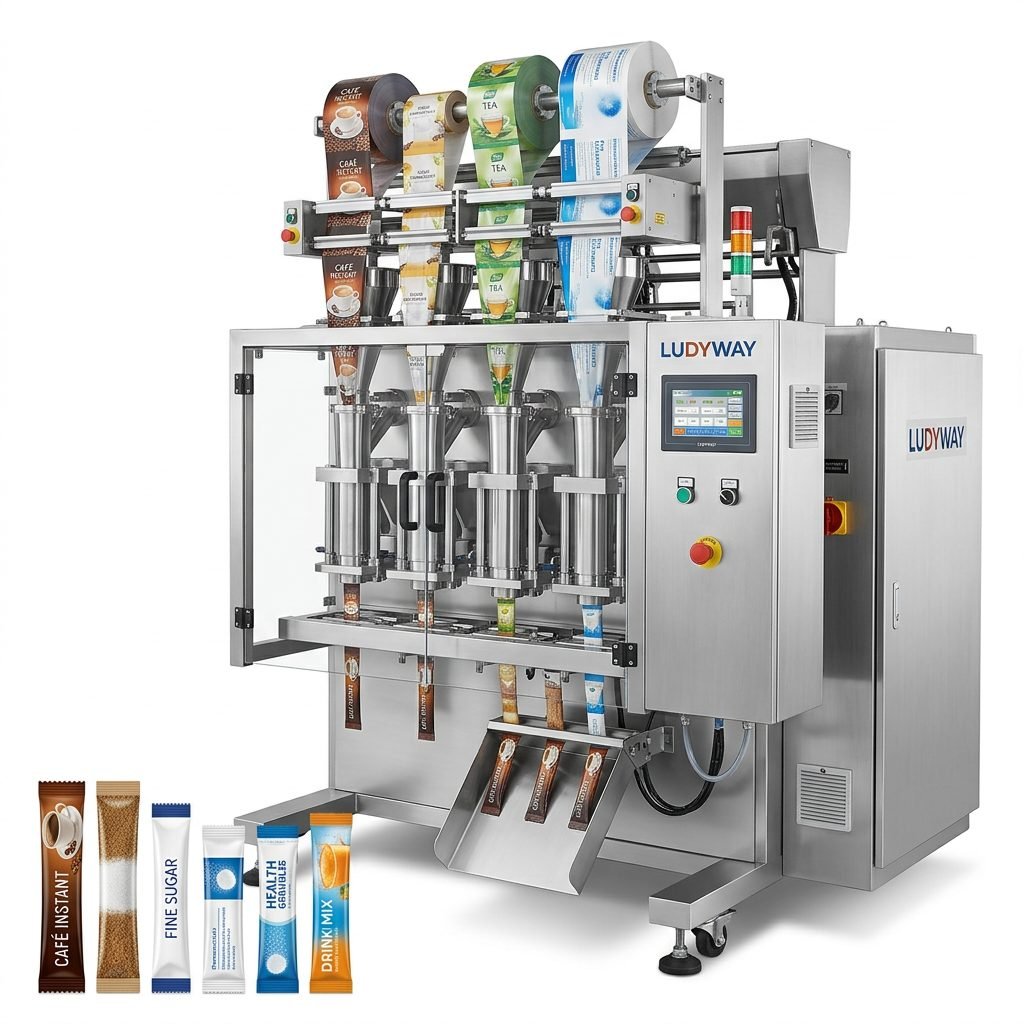
| Multi-lane sachet | High | High output, more complex system |
3. Speed and Output Capacity
In general, the faster the machine, the higher the cost. A machine running at 30–50 bags per minute is much more affordable than a system producing several hundred sachets per minute across multiple lanes.
Higher-speed models usually include better servo systems, stronger frames, improved sealing mechanisms, and more stable control systems. These upgrades raise the initial price, but they may lower the packaging cost per unit over time.
4. Accuracy Requirements
Precision matters especially in pharmaceutical, nutraceutical, and premium food applications. Tight filling tolerances reduce giveaway and improve compliance, but more accurate systems usually cost more.
- Volumetric cup fillers are more economical.
- Auger or high-precision dosing systems may be needed for finer materials.
- Multi-head weighers improve accuracy for irregular granules but increase capital cost.
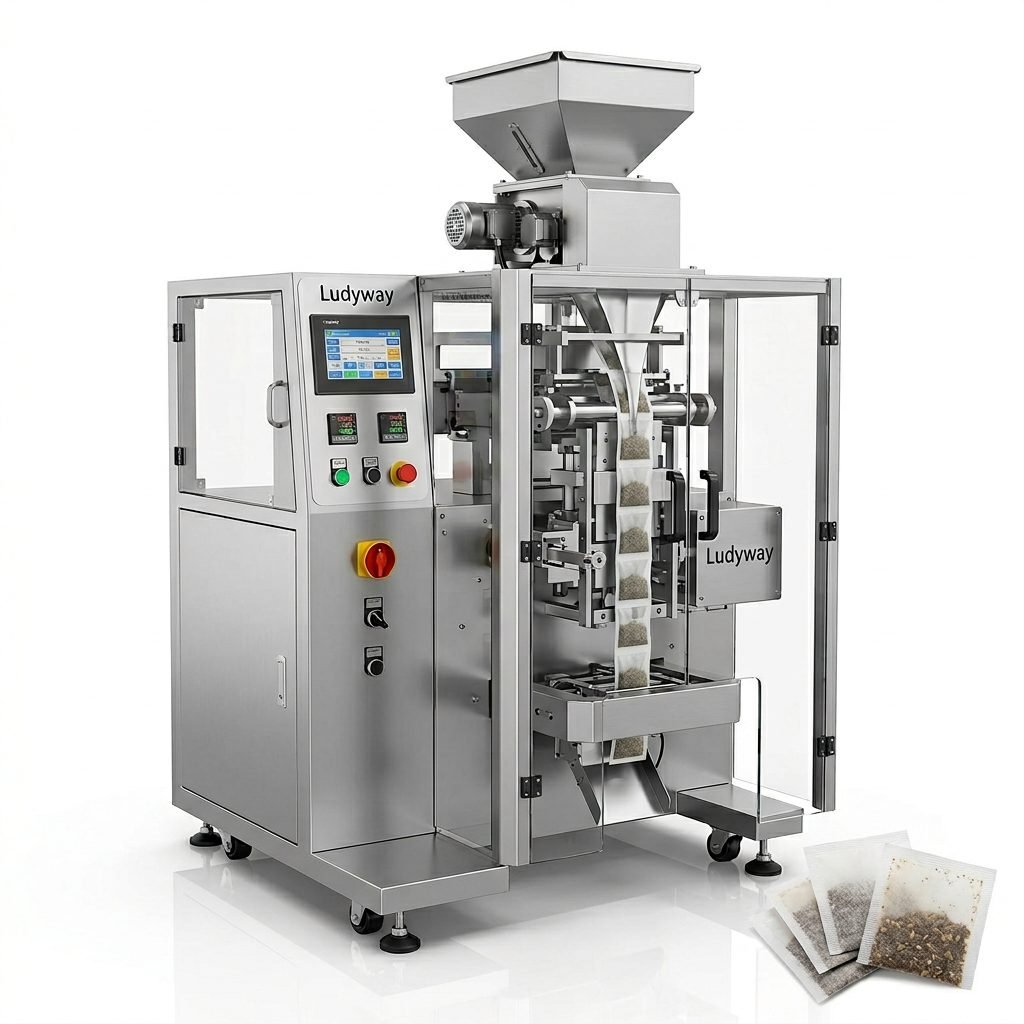
5. Materials and Hygiene Standards
Food-grade and pharmaceutical-grade machines often require stainless steel construction, hygienic design, enclosed product contact parts, and easier cleaning. These features increase machine cost but are essential for regulated industries.
6. Automation and Line Integration
A standalone granule packer is cheaper than a complete line with:
- Automatic feeding systems
- Bucket elevators or vacuum conveyors
- Date coding and printing
- Metal detection and checkweighing
- Cartoning, case packing, and palletizing
If your labor cost is high or your production schedule is tight, investing in a more automated line may provide better long-term value.
Granule Packaging Machine Cost by Industry
Industry requirements often shape both machine configuration and final investment.
| Industry | Typical Budget | Special Considerations |
|---|---|---|
| Food | $12,000 – $70,000+ | Hygiene, sealing quality, packaging appearance |
| Pharmaceutical | $25,000 – $100,000+ | High precision, validation support, clean design |
| Health supplements | $18,000 – $80,000+ | Stick packs, sachets, accurate dosing |
| Chemical | $15,000 – $90,000+ | Corrosion resistance, dust control, safety features |
| Animal feed and pet food | $15,000 – $85,000+ | Granule size variation, larger bags, durable feeding systems |
Hidden Costs Buyers Should Not Ignore
The machine quotation is only part of the total investment. Many buyers underestimate additional costs, which can affect the real budget.
Common Extra Costs
- Shipping and insurance for international delivery
- Import duties and local taxes
- Installation and commissioning
- Operator training
- Spare parts package
- Customized molds or bag formers
- Air compressor or utility setup
- Maintenance and after-sales service
When comparing offers, always request a complete cost breakdown rather than focusing only on the ex-factory machine price.
Is a Cheaper Granule Packaging Machine Always Better?
Not necessarily. A lower purchase price may look attractive at first, but it can become expensive if the machine causes frequent downtime, inconsistent filling, poor seals, higher film waste, or difficult maintenance.
Buyers should compare total value based on:
- Production stability
- Filling accuracy
- Machine lifespan
- Ease of cleaning and changeover
- Availability of spare parts
- Remote or on-site technical support
How to Choose the Right Machine for Your Budget
A smart purchase starts with defining your actual production needs. Before asking for a quote, prepare the following information:
- What granule product are you packing?
- What is the target pack size and bag type?
- What output do you need per minute or per hour?
- Do you need a standalone machine or a complete line?
- What level of filling accuracy is required?
- Are there food, pharma, or chemical compliance standards?
- What is your available factory space?
- What is your budget range and expected ROI period?
Clear specifications help suppliers recommend a model that matches both your production plan and your budget.
Buy Standalone Equipment or a Turnkey Packaging Line?
If your operation is still small, a standalone granule packaging machine may be the most cost-effective choice. But if you are scaling production, exporting finished goods, or facing labor shortages, a turnkey line can improve consistency and lower long-term operating costs.
| Option | Advantages | Considerations |
|---|---|---|
| Standalone machine | Lower initial investment, faster delivery, simple setup | May require more labor and manual handling |
| Turnkey packaging line | Higher efficiency, lower labor dependence, better line integration | Higher capital investment and longer planning cycle |
How Long Does It Take to Recover the Investment?
ROI depends on labor savings, production volume, reduction in product giveaway, lower packaging waste, and improved output. In many cases, businesses recover the cost of a suitable automatic granule packaging machine within 12 to 36 months.
Faster ROI is common when:
- Manual packing is expensive or inconsistent
- Demand is growing quickly
- Multiple shifts are required
- Packaging quality directly affects sales value
Where to Buy a Reliable Granule Packaging Machine
The supplier matters as much as the machine itself. Look for a manufacturer with real engineering capacity, export experience, industry-specific references, and after-sales support. One option many buyers evaluate is Ludyway granule packaging machine solutions, especially for projects that require scalable equipment, multi-lane systems, or turnkey packaging lines for food, pharmaceutical, health supplement, chemical, and related applications.
Questions to Ask Before You Request a Final Quote
- What products has this machine already packed successfully?
- Can the machine handle my target granule size and density?
- What is the real production speed under working conditions?
- What filling accuracy can be guaranteed?
- Which electrical brands and control components are included?
- What spare parts come with the machine?
- How are installation, training, and after-sales handled?
- Can the line be upgraded later as production grows?
Final Buying Insight
The cost of a granule packaging machine depends on far more than the base model. A practical buying decision should balance price, technical fit, reliability, speed, and long-term operating cost. For some businesses, a $15,000 machine is enough. For others, investing in a $60,000+ automated solution makes better business sense because it supports higher output, better accuracy, and easier expansion.
If you want the best quote, the most effective approach is to send suppliers your product samples, packaging dimensions, desired output, and application details. That makes it easier to receive a realistic proposal instead of a generic price estimate.