In today’s competitive manufacturing landscape, finding reliable and cost-effective equipment is crucial for maintaining productivity and profitability. For businesses looking to upgrade or expand their packaging operations, the secondary market for used packaging machinery presents a valuable opportunity. Sourcing affordable machines and complete lines can significantly reduce capital expenditure while still meeting your production needs with proven, high-quality equipment.
Why Consider Used Packaging Equipment?
Investing in pre-owned packaging machinery offers several compelling advantages for businesses of all sizes. The most immediate benefit is the substantial cost savings—used equipment can often be acquired for 30% to 70% less than the price of new machinery. This allows companies to allocate resources to other critical areas like marketing, research, or workforce development. Furthermore, the lead time for delivery and installation is typically much shorter compared to waiting for a new machine to be manufactured, enabling a quicker return on investment and faster production ramp-up.
Key Insight: Many used machines available on the market are from reputable brands and have been well-maintained. With proper inspection and potential refurbishment, they can offer performance and reliability nearly on par with new equipment, making them an intelligent choice for savvy business owners.
Types of Affordable Packaging Machines Available
The secondary market boasts a wide variety of equipment to suit different packaging formats and materials. Common categories include:
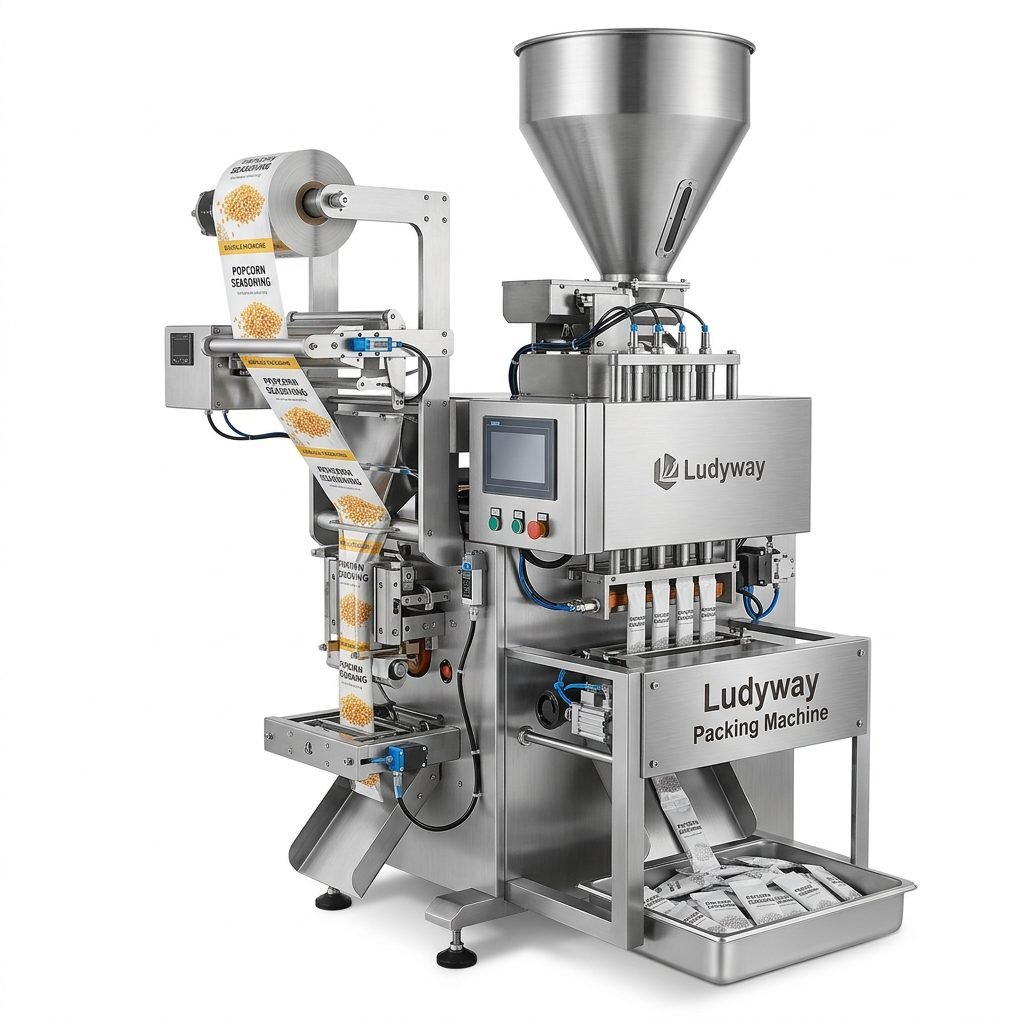
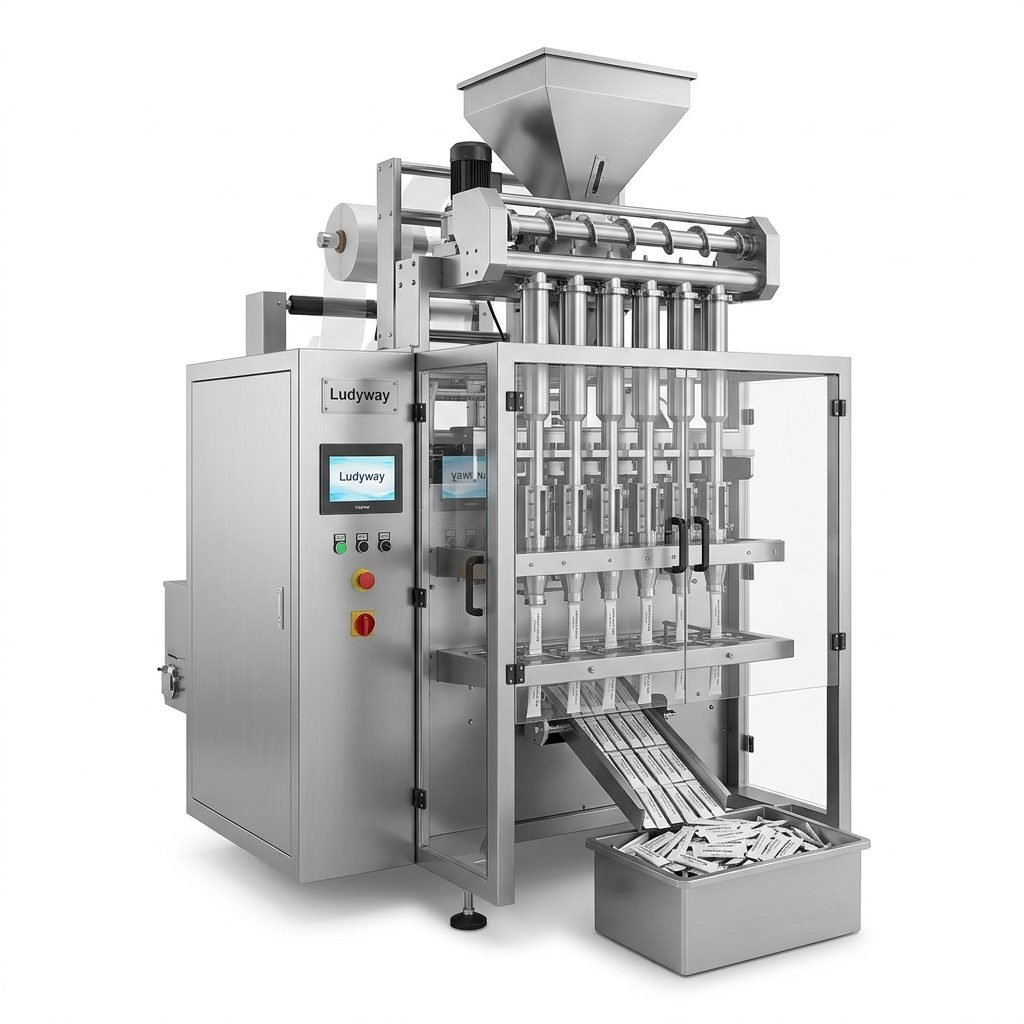
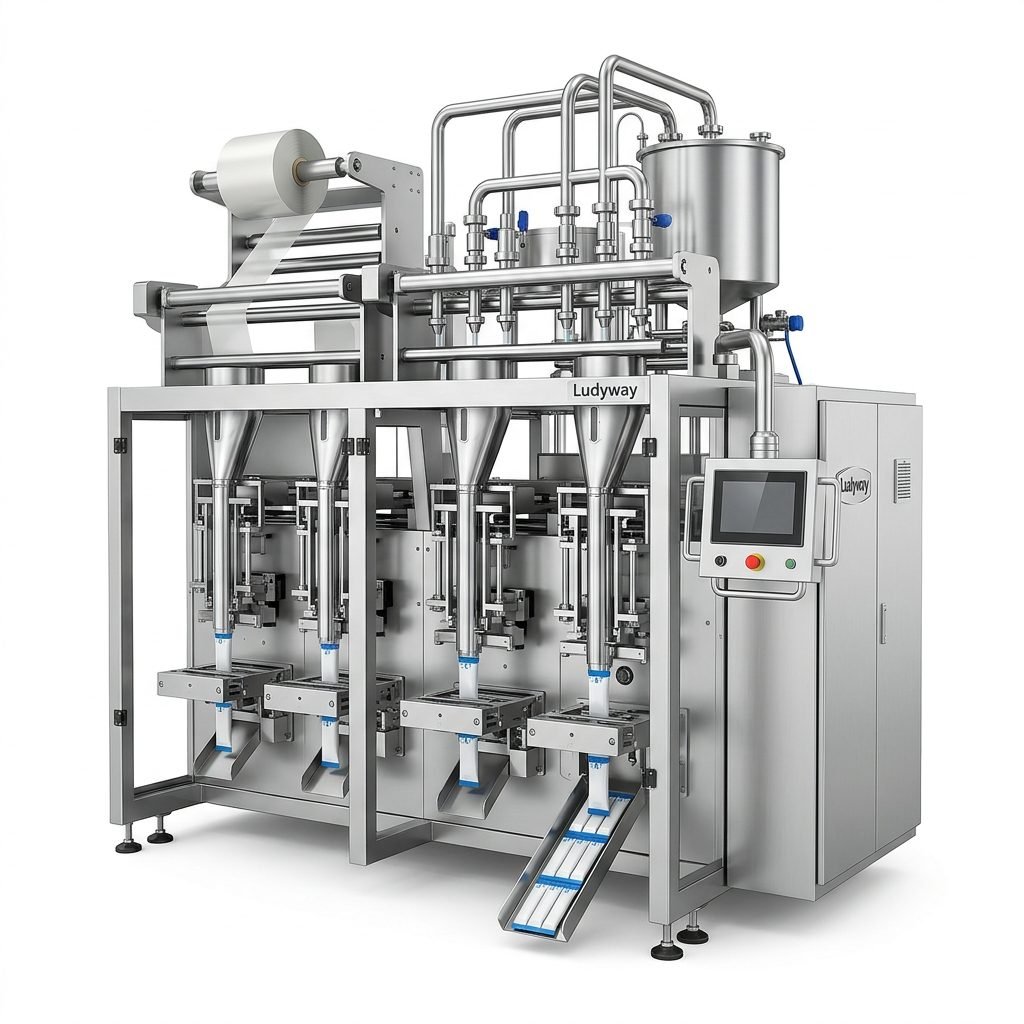
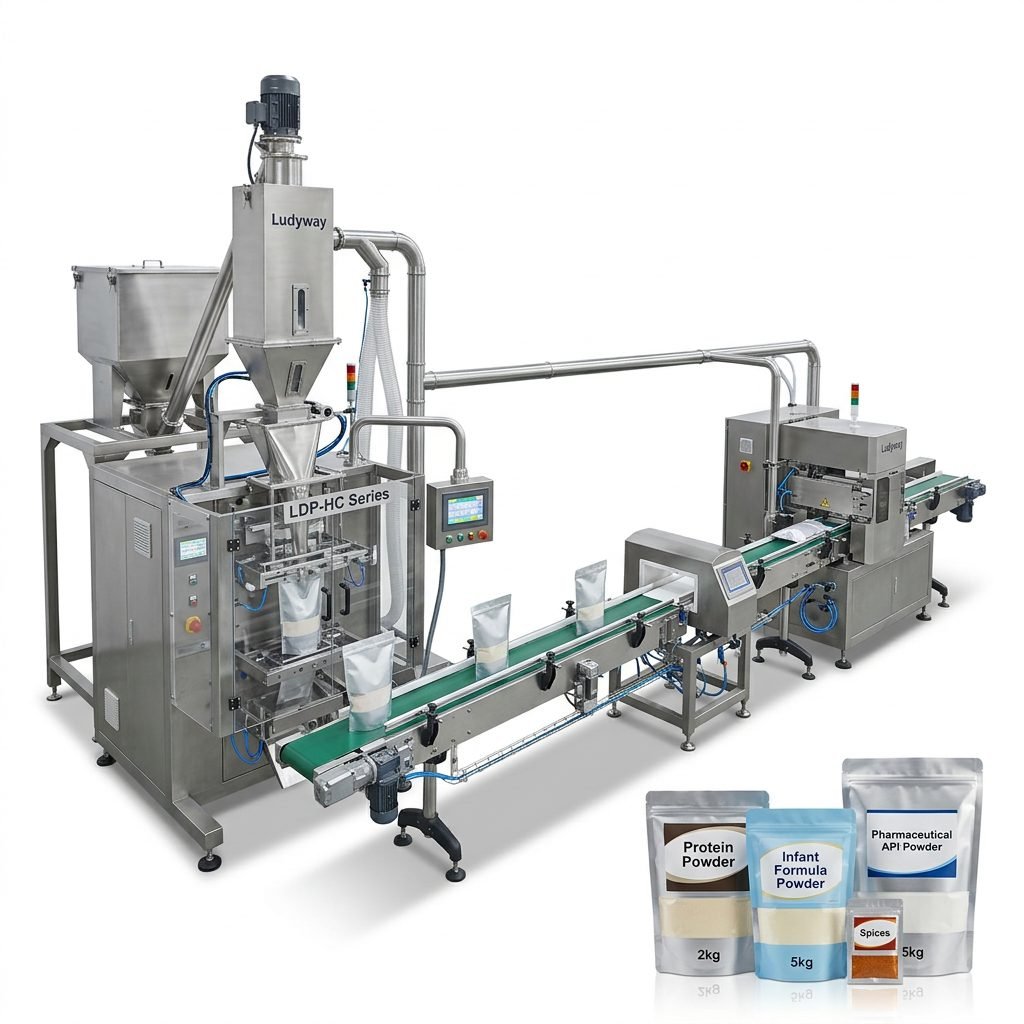
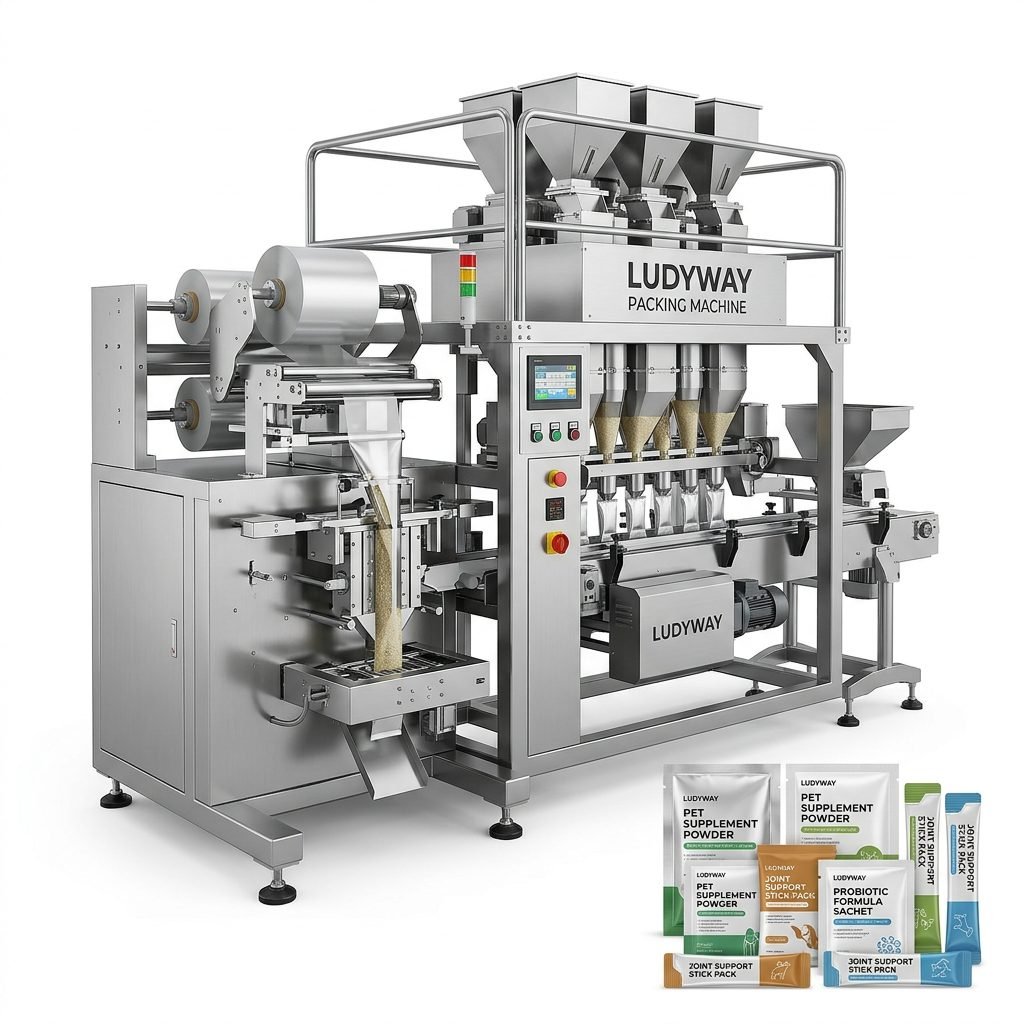
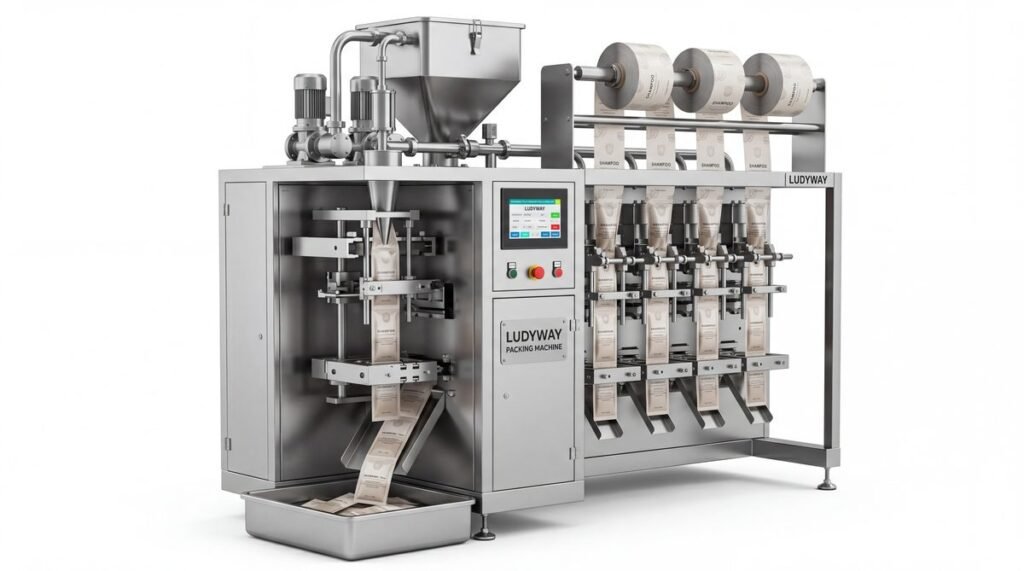
- Vertical Form-Fill-Seal (VFFS) Machines: Ideal for packaging powders, granules, and liquids into pouches or sachets.
- Horizontal Flow Wrappers: Used for wrapping individual products like candy bars, biscuits, or medical devices.
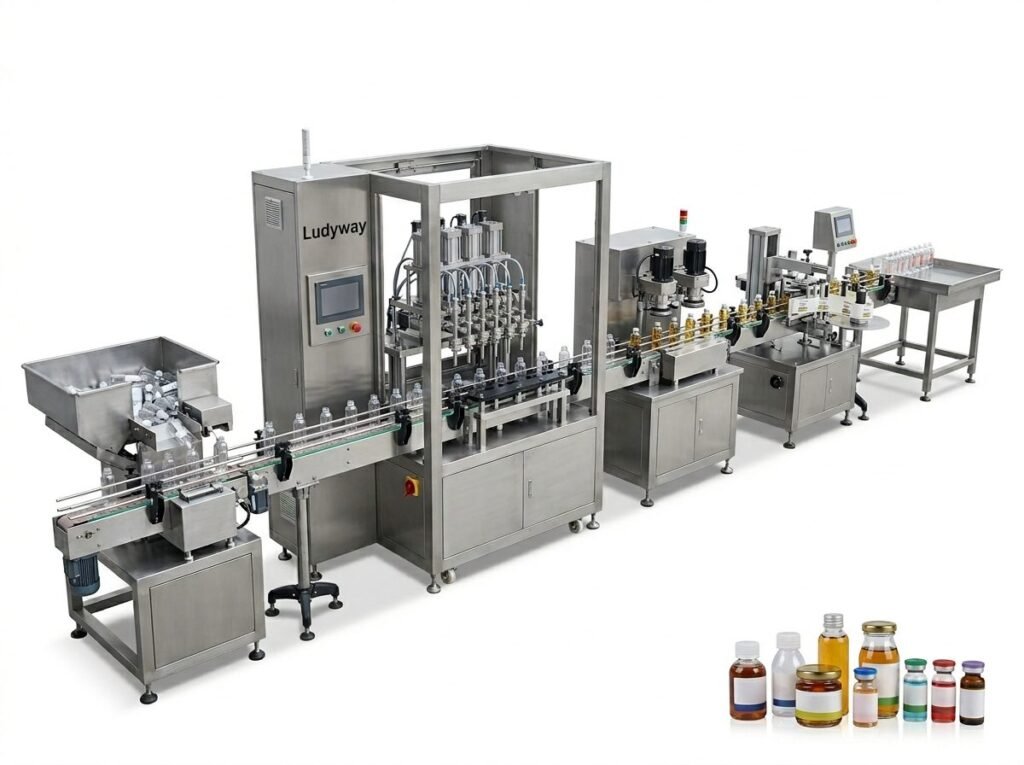
- Capping and Sealing Machines: For applying caps, lids, or seals to bottles, jars, and tubes.
- Cartoning Machines: Automatically erect, load, and close cartons for final product presentation.
- Labeling Systems: Apply pressure-sensitive or glue-based labels to various container shapes.
Evaluating a Complete Production Line
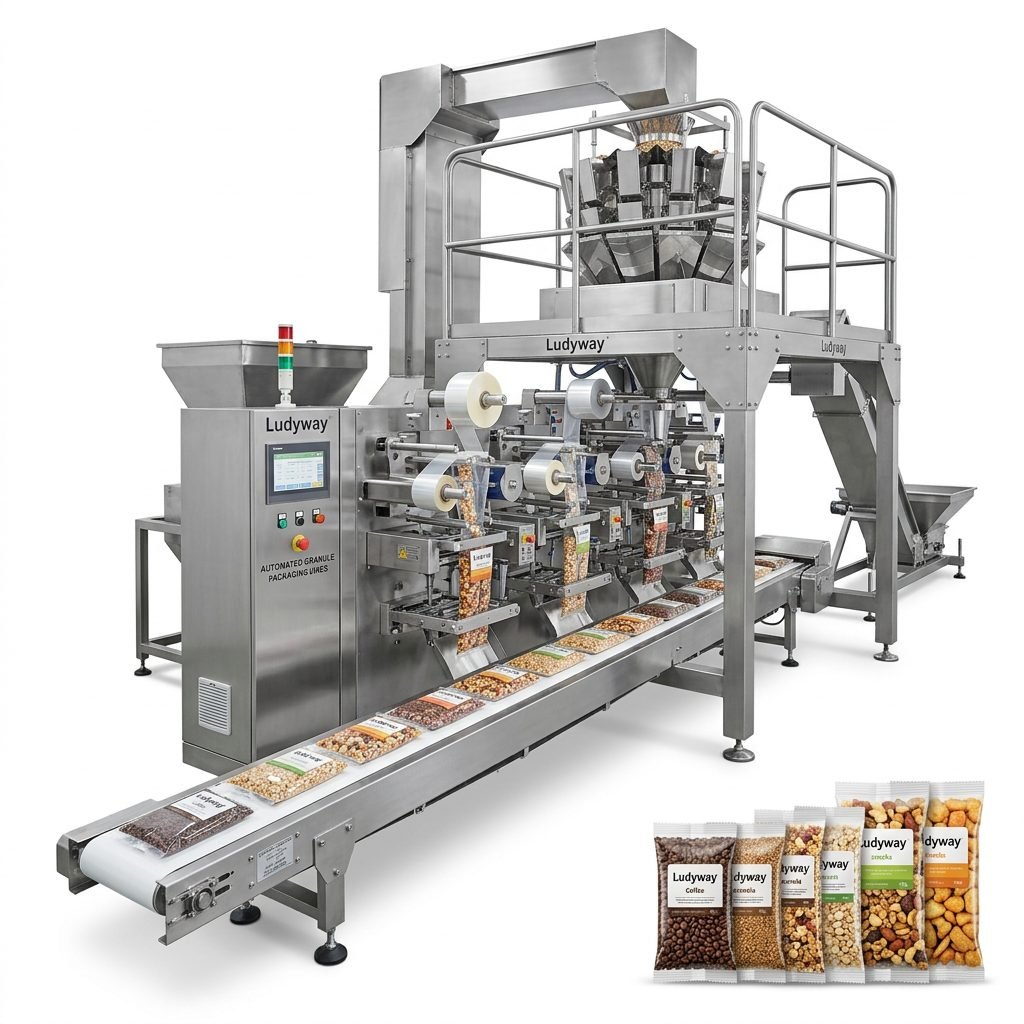
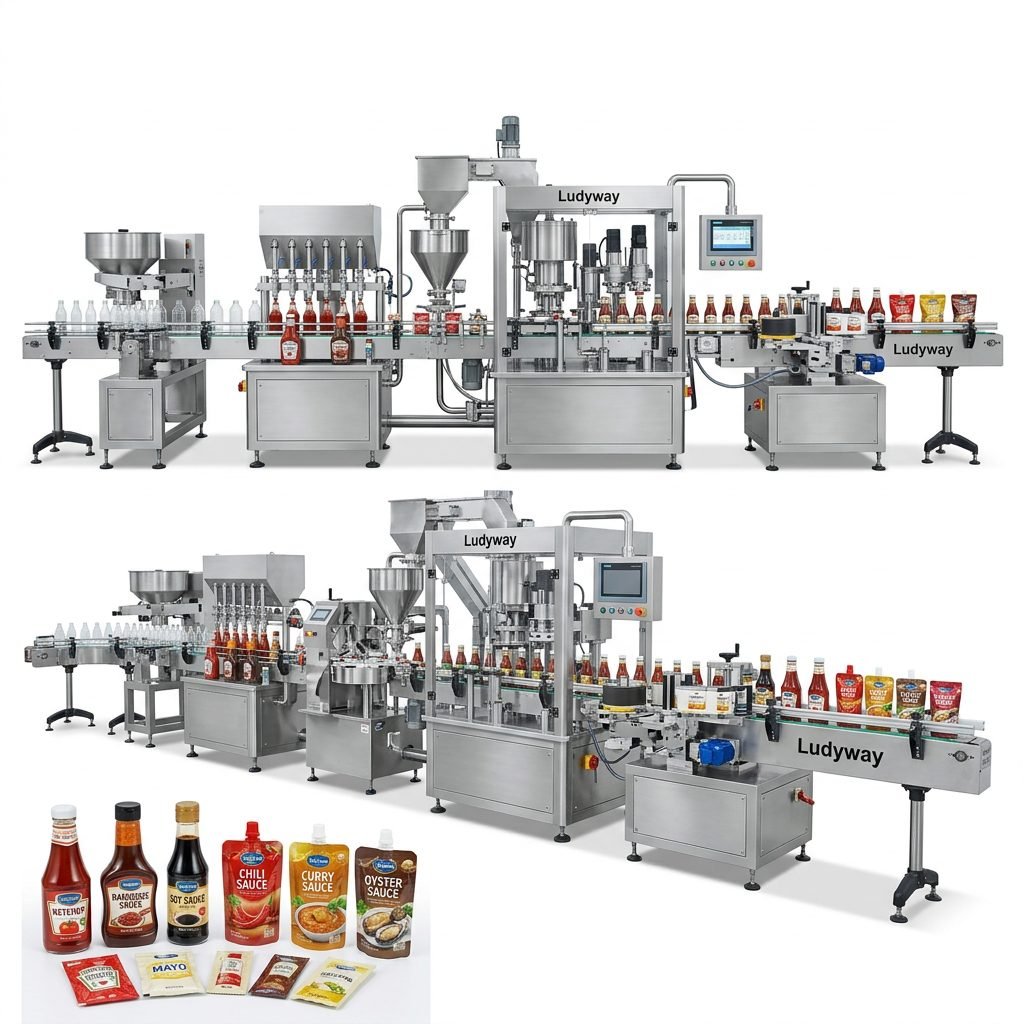
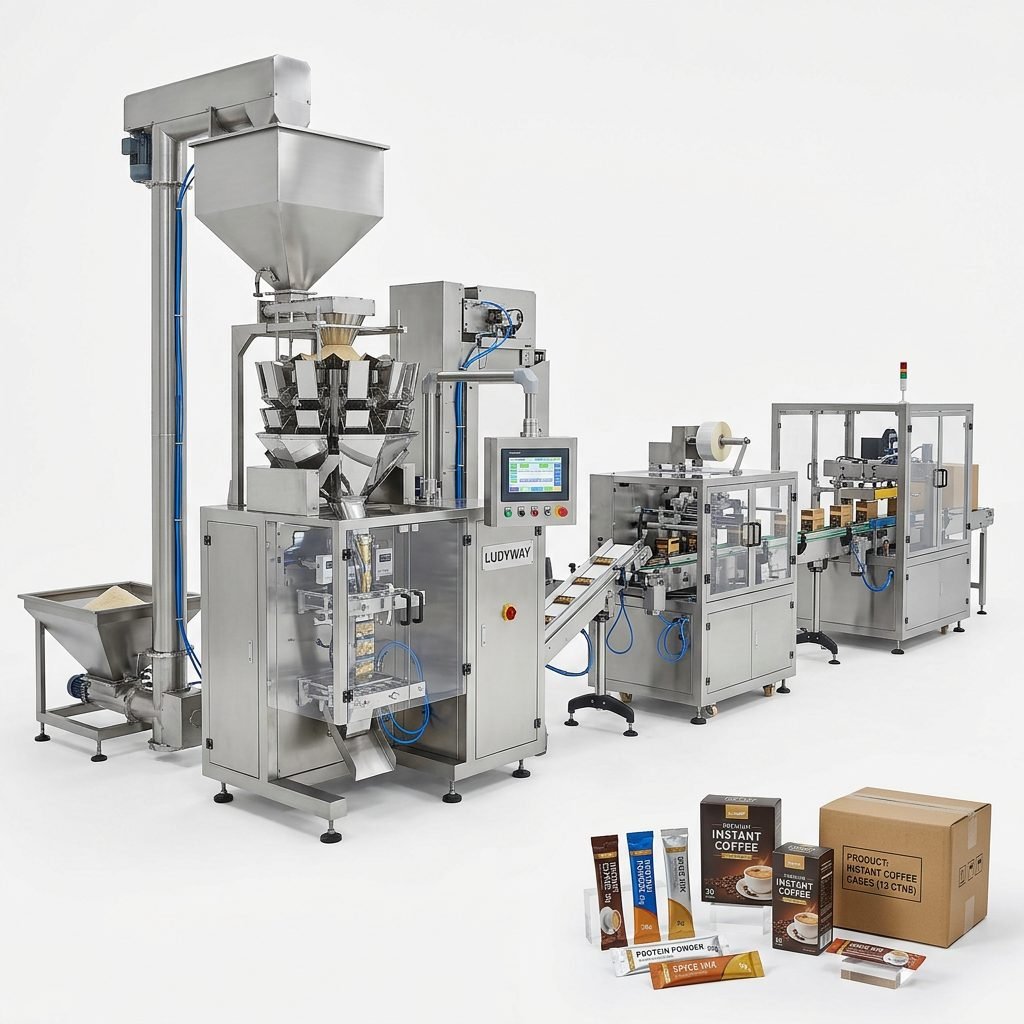
For larger-scale operations, purchasing a complete, pre-configured packaging line can be more efficient than sourcing individual machines. A turnkey line ensures all components—from the filler and sealer to the cartoner and palletizer—are compatible and designed to work in harmony. When evaluating a used line, it’s essential to assess the synergy between each machine, the age and maintenance history of the core components, and the availability of spare parts. Reputable suppliers often offer reconditioned lines that have been thoroughly tested and updated with critical wear parts.
Essential Checks Before Purchase
To ensure a successful investment, conduct thorough due diligence:
- Machine History & Documentation: Request service logs, manuals, and any available maintenance records.
- Physical Inspection & Test Run: If possible, inspect the equipment in person or via video to check for wear, corrosion, or damage. A test run with your product or a similar material is invaluable.
- Supplier Reputation: Work with established dealers or directly with companies known for quality machinery, such as Ludyway Machinery, which brings decades of industry expertise to the table.
- Technical Support & Parts: Verify the availability of technical support, training, and spare parts for the specific machine model.
Maximizing Value with Refurbished Equipment
Opting for professionally refurbished machinery bridges the gap between used and new. Refurbishment typically involves disassembly, cleaning, replacement of all worn components (like seals, gaskets, and bearings), mechanical adjustments, repainting, and comprehensive testing. This process restores the machine to a like-new condition, often with an updated control system, while keeping costs significantly lower than a brand-new purchase. It’s an excellent way to gain reliable performance and extend the equipment’s operational lifespan.
Partnering with an experienced provider is key. Companies with deep industry roots, like Ludyway, leverage over 30 years of experience to not only supply quality used and refurbished machines but also offer complete solutions tailored to your specific production needs for granules, powders, and liquids.
Integrating Used Equipment into Your Workflow
Successful integration requires careful planning. Start by clearly defining your current and near-future production requirements—output speed, package size range, and materials. Ensure the used equipment’s specifications align with these needs. Consider the machine’s compatibility with your existing facility layout, utilities (power, air, water), and any upstream/downstream processes. Planning for installation, operator training, and preventative maintenance from the outset will ensure a smooth transition and optimal performance from day one.
💡 Pro Tip: Don’t overlook the potential for customization. Even used equipment can often be modified with new tooling, feeders, or software to better suit your specific product, providing a customized solution without the custom price tag.
Long-Term Reliability and Support
The journey doesn’t end with the purchase. The long-term value of your used packaging equipment hinges on reliable after-sales support. Choose a supplier committed to ongoing partnership, offering accessible technical assistance, readily available spare parts, and service contracts. This support network is crucial for minimizing downtime and ensuring consistent production output. A supplier’s global experience, like that gained from serving international markets, often translates into robust support systems and a practical understanding of diverse production challenges.
Exploring the market for used packaging equipment is a strategic move that can provide your business with the capable machinery it needs to grow, all while conserving capital. By focusing on quality, history, supplier reputation, and post-purchase support, you can find affordable machines and complete lines that become valuable assets for years to come. For businesses seeking tailored solutions, connecting with seasoned experts who understand the intricacies of packaging automation—from single machines to integrated lines—is the most reliable path to a successful investment.
Frequently Asked Questions (FAQs)
1. What is the typical cost saving when buying used packaging equipment?
Savings can vary widely but typically range from 30% to 70% off the original price of new equipment, depending on the machine’s age, condition, and brand. Professionally refurbished machines offer a middle-ground, often costing 40-50% less than new while providing enhanced reliability.
2. How can I verify the condition and history of a used machine?
Always request detailed documentation, including service records, maintenance logs, and original manuals. Reputable sellers should provide high-resolution photos and videos of the machine in operation. The best practice is to conduct or commission an on-site inspection and test run, potentially using a sample of your product.
3. Is technical support available for used packaging machinery?
Yes, but it depends on the supplier. It is crucial to purchase from established dealers or original manufacturers who offer after-sales support. Companies like Ludyway Machinery provide technical support, spare parts, and service for the equipment they supply, ensuring you have assistance long after the purchase.
4. Can used equipment be customized for my specific product?
In many cases, yes. Common customizations include changing forming tubes, filling nozzles, sealing jaws, or feed systems. Discuss your specific requirements with the supplier upfront. They can assess the machine’s adaptability and provide a quote for any necessary modifications or tooling.
5. What are the main risks of buying used equipment, and how can I mitigate them?
The primary risks are hidden mechanical issues, obsolete parts, and lack of support. Mitigate these by: purchasing from a reputable source with positive references, insisting on a thorough inspection and test run, verifying parts availability, and ensuring a clear warranty or guarantee is included in the sales agreement.