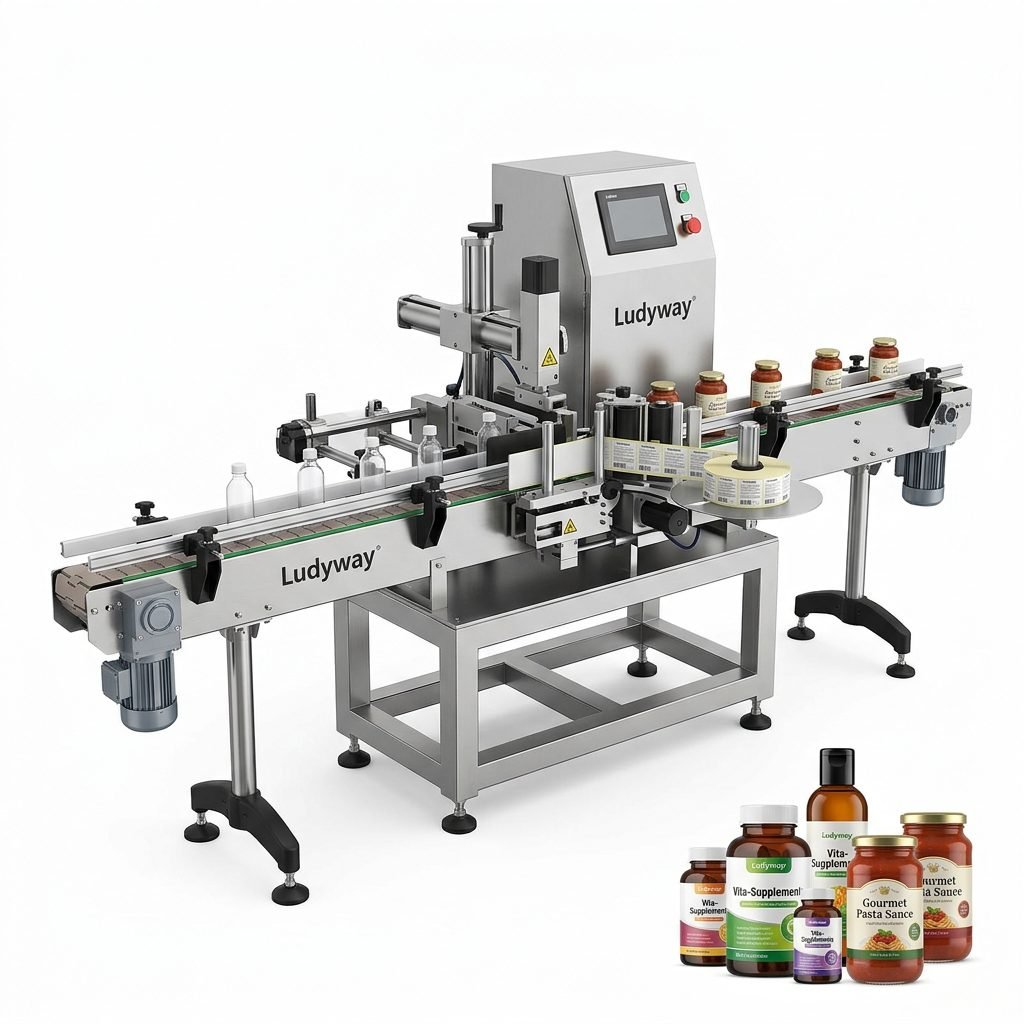
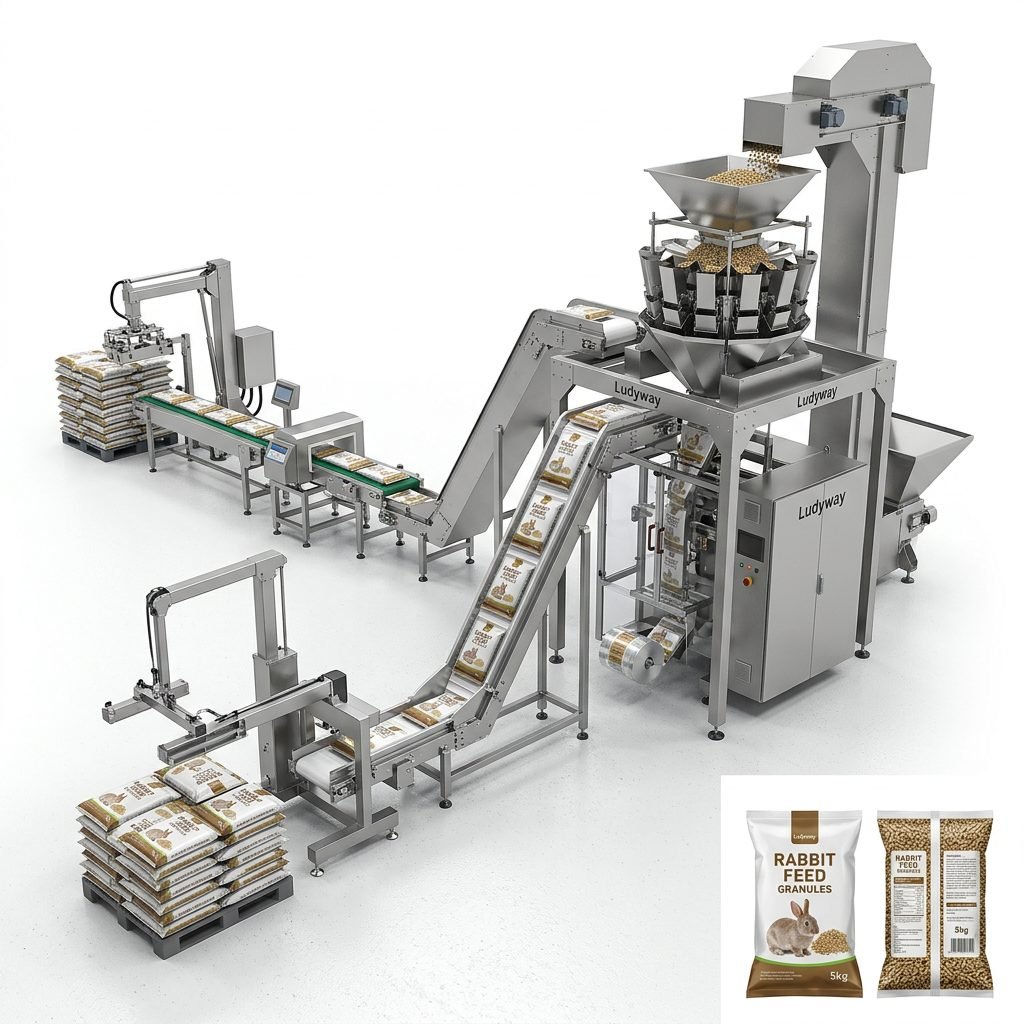
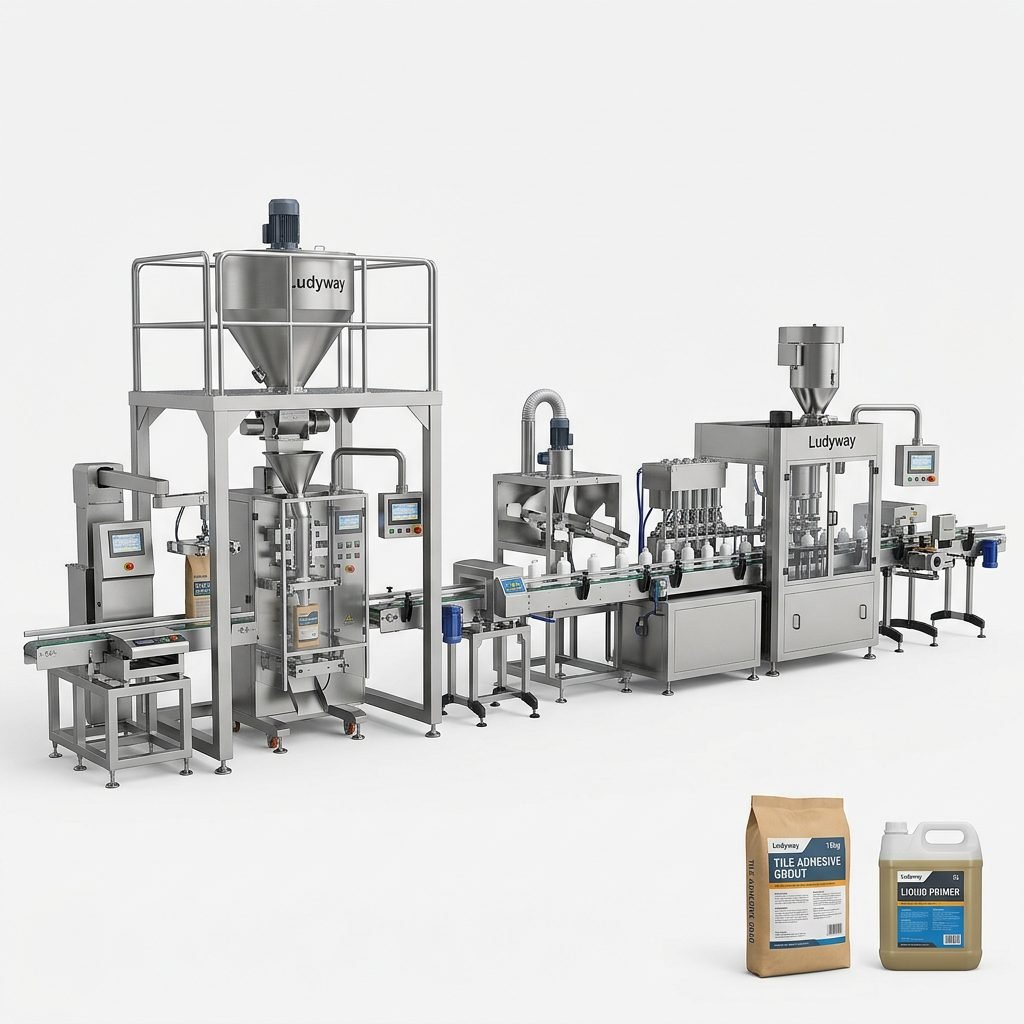
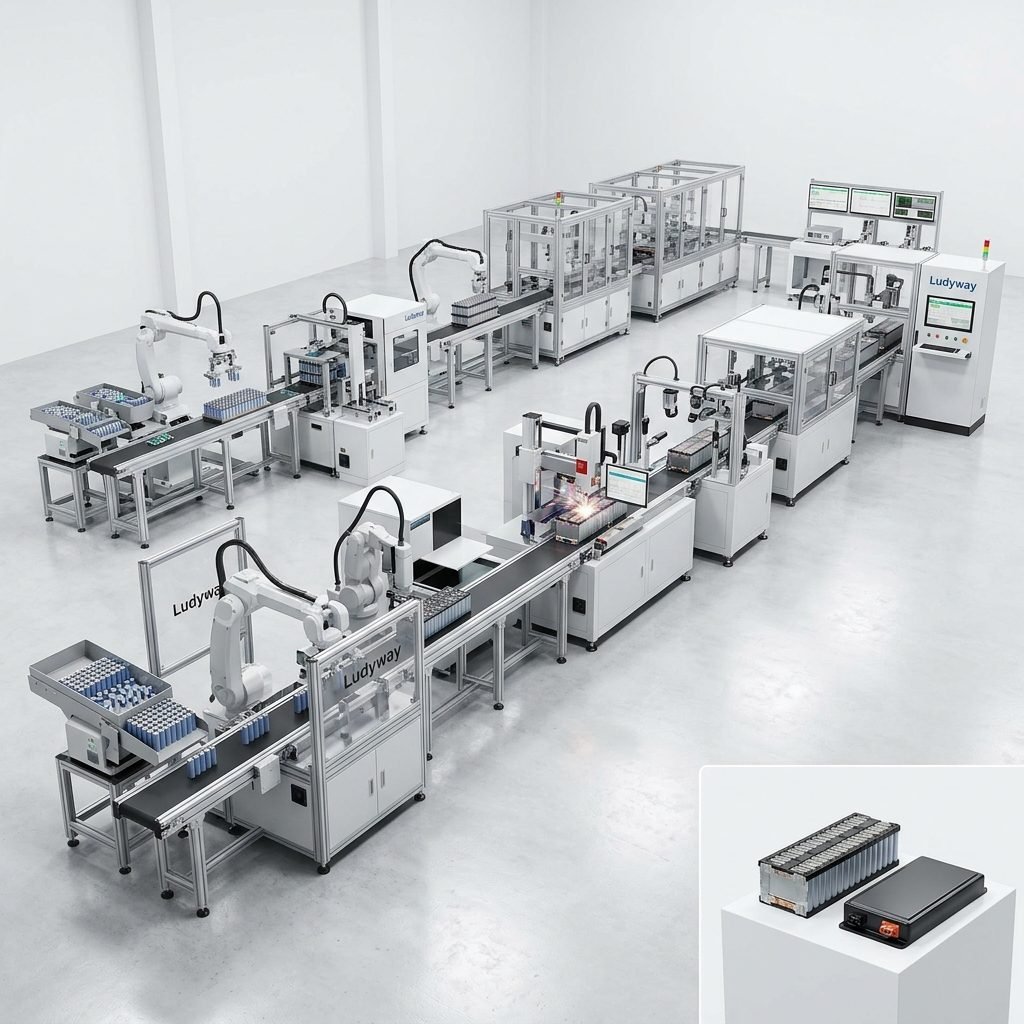
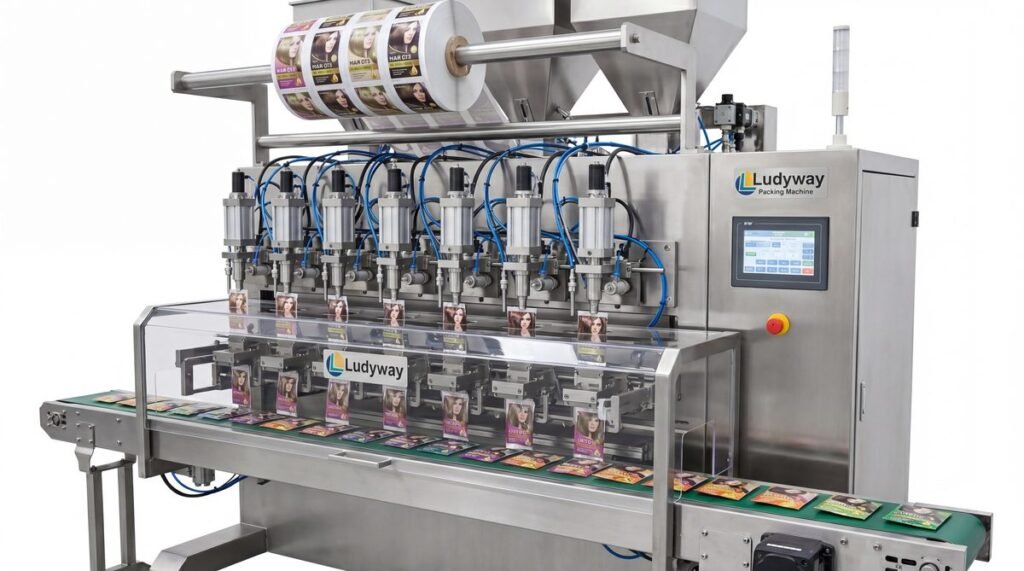
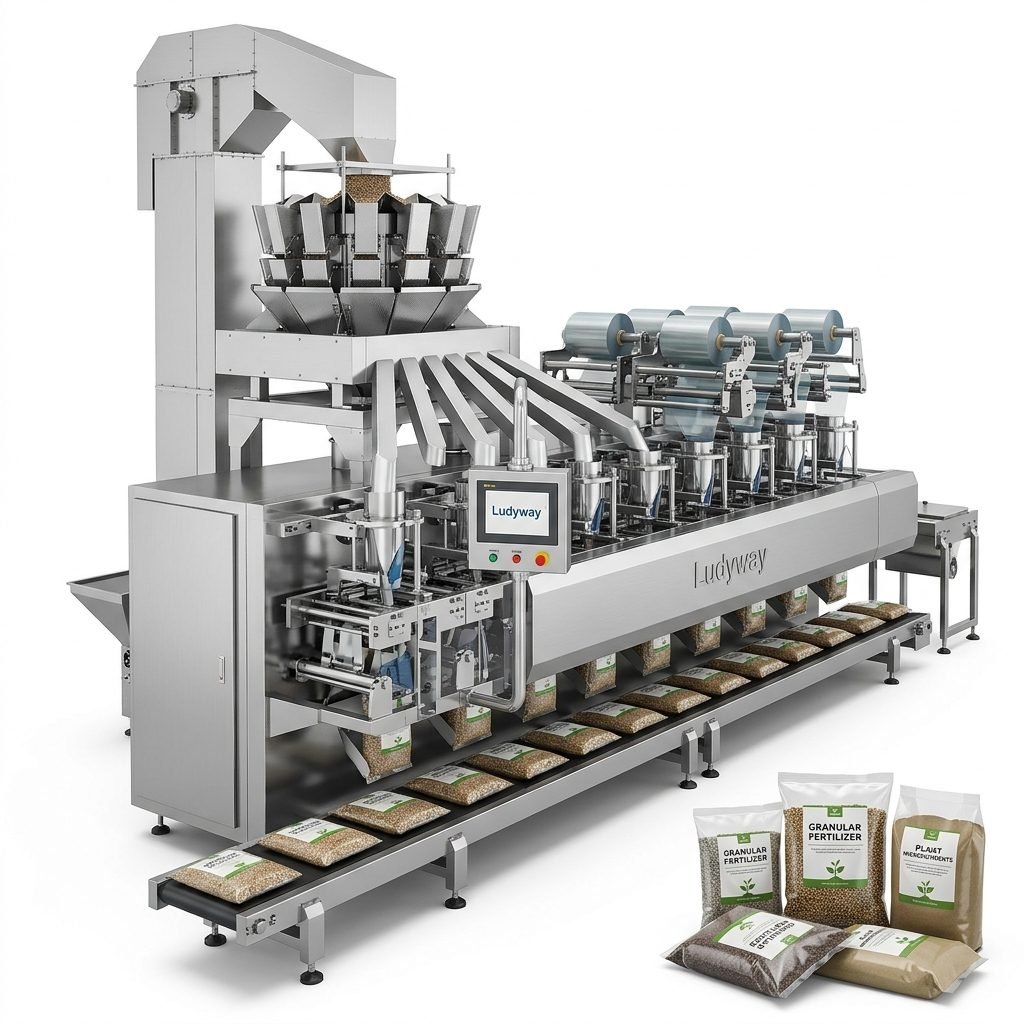
Choosing the right packaging machine is a strategic decision that affects productivity, labor cost, package quality, compliance, and long-term profitability. The best machine is not simply the fastest or the cheapest—it is the one that matches your product, packaging format, production goals, factory layout, and future expansion plan.
Whether you produce food, pharmaceuticals, supplements, cosmetics, chemicals, or pouch-based products, this guide will help you evaluate the most important factors before investing in a packaging system.
Start with Your Product Characteristics
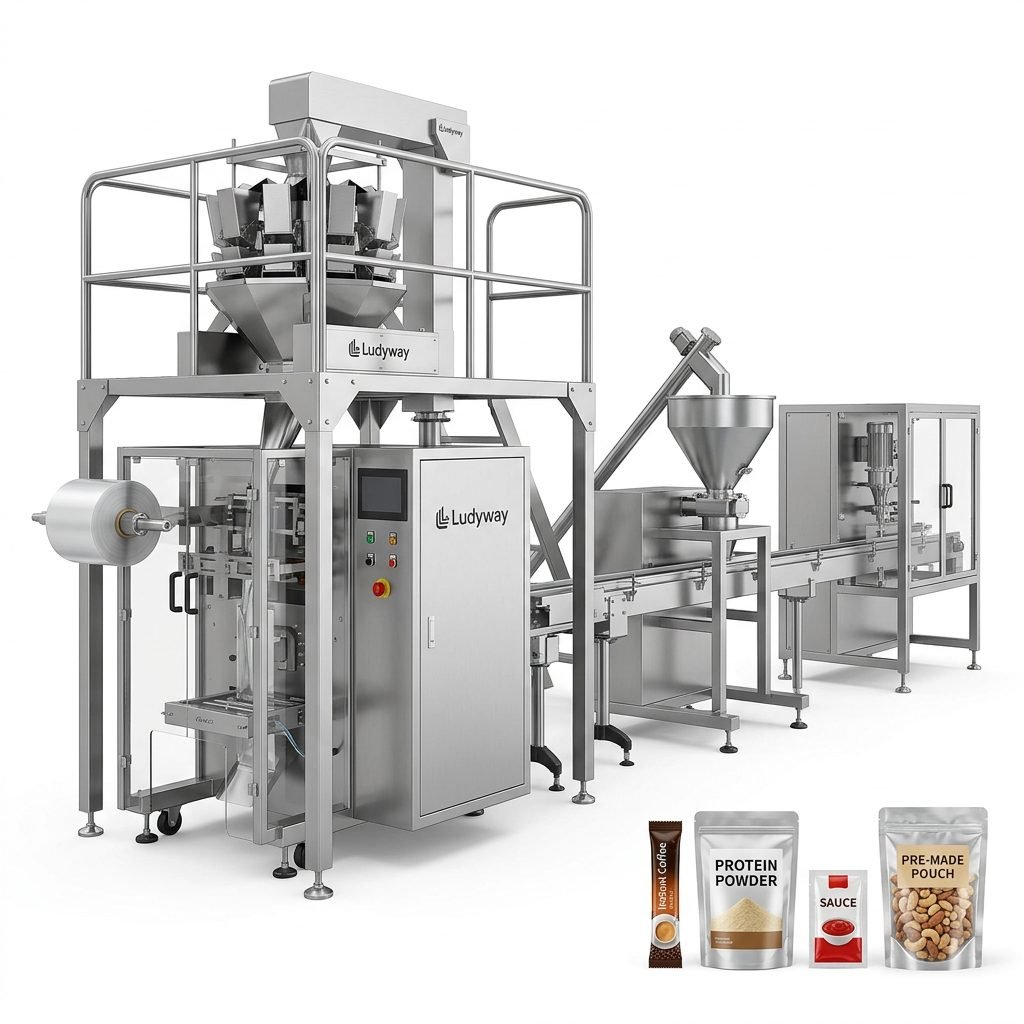
The first step is to define exactly what you need to pack. Different products behave very differently during filling and sealing, so machine selection should always begin with product properties.
- Powders: fine, dusty, free-flowing, or non-free-flowing
- Granules: sugar, coffee, seeds, snacks, pellets, tablets
- Liquids: thin, foamy, corrosive, or conductive
- Pastes and creams: viscous sauces, gels, ointments, cosmetics
- Solid items: capsules, hardware parts, medical items, pouches
A free-flowing powder may work well with an auger or volumetric system, while fragile granules may require gentle conveying and precise dosing. Viscous liquids may need piston filling, heating, or anti-drip nozzles. If you choose a machine without considering product behavior, you may face underfilling, leakage, dust pollution, seal contamination, or inconsistent package appearance.
Key product questions to answer
- What is the product form: powder, granule, liquid, paste, tablet, pouch, or mixed material?
- Does it create dust, foam, static, or sedimentation?
- Is it fragile, sticky, corrosive, or hygroscopic?
- What filling accuracy is required?
- Does the product need hygienic, sterile, or cleanroom packaging conditions?
Identify the Right Packaging Format
The machine must also match the package style you plan to sell. Format determines film feeding, sealing structure, coding method, and downstream equipment.
| Packaging Format | Suitable Applications | Common Machine Type |
|---|---|---|
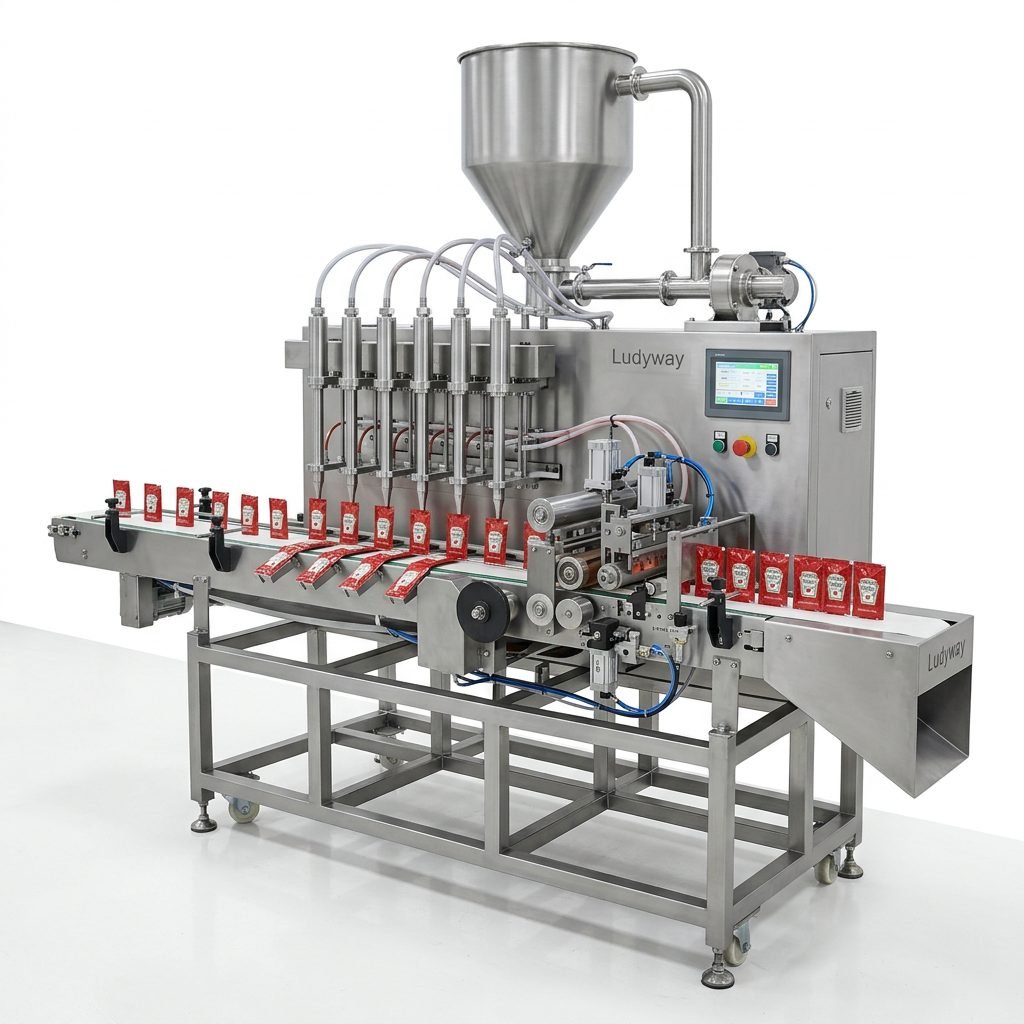
| Sachets | Powders, liquids, creams, condiments, pharma doses | Multi-lane sachet packaging machine |
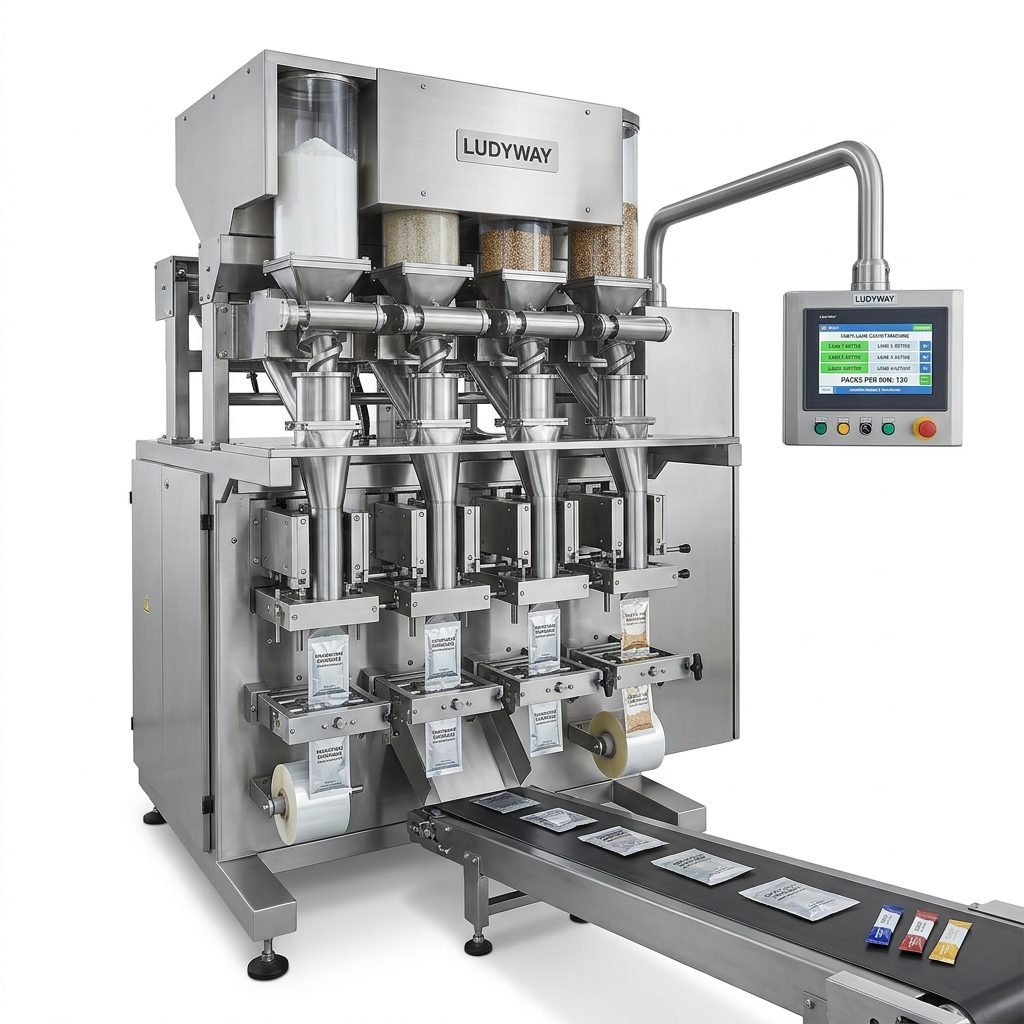
| Stick packs | Drink powders, supplements, coffee, sugar | Multi-lane stick pack machine |
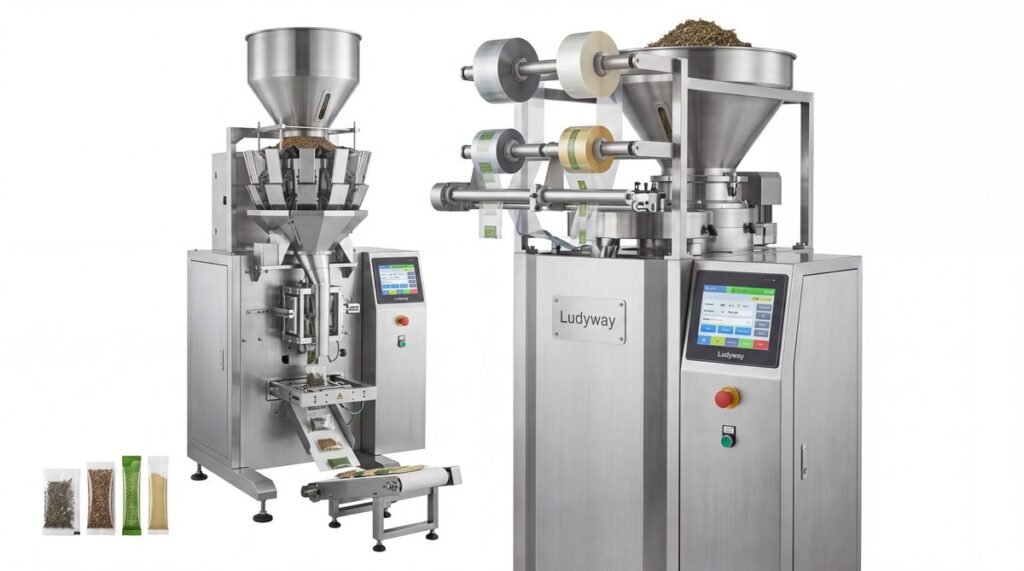
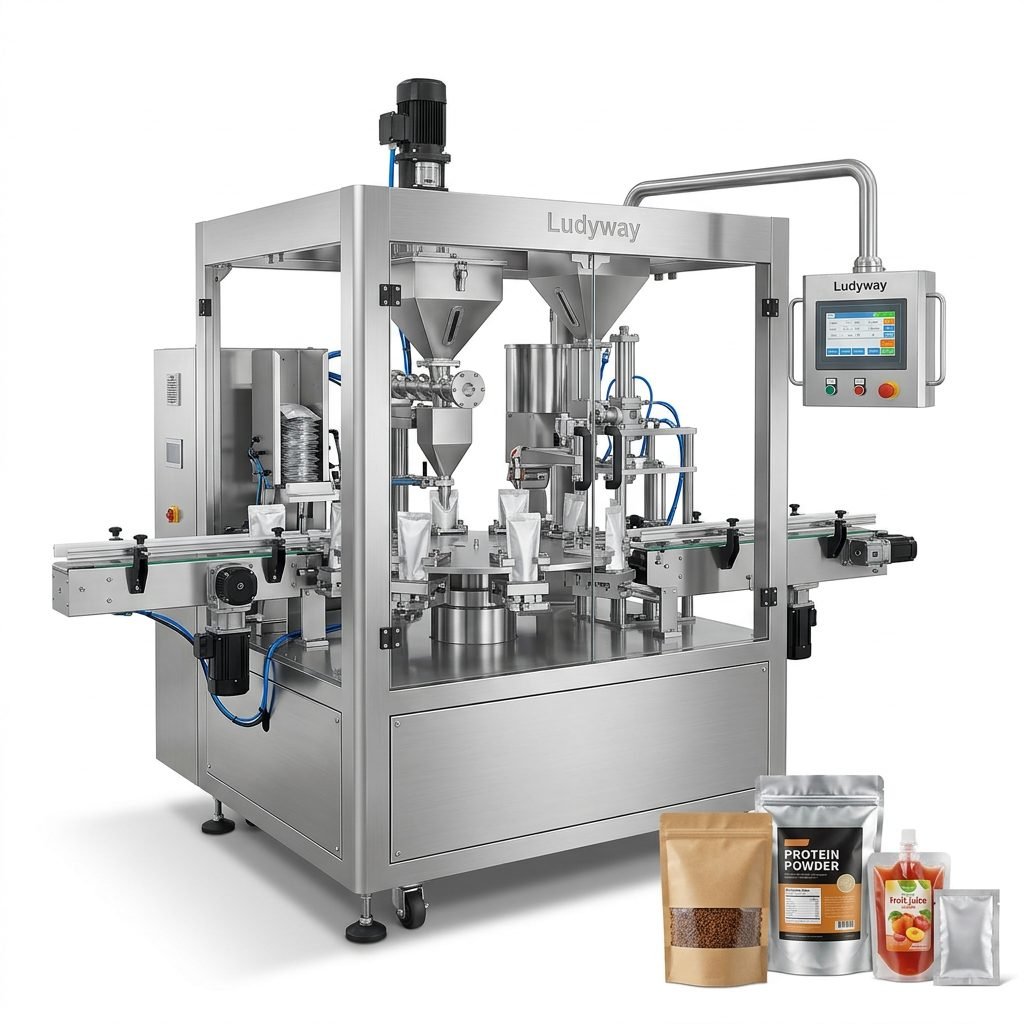
| Pouches | Snacks, powders, granules, liquids, pet food | Pouch filling and sealing machine |
| Bottles | Capsules, tablets, liquids, syrups, oils | Bottle filling, capping, labeling line |
| Bulk bags | Feed, fertilizer, chemicals, grains | Weighing and bagging system |
If your market requires retail-ready, compact, single-dose packs, multi-lane sachet or stick pack equipment may be ideal. If you need larger volume packs or resealable retail formats, pouch systems may be more suitable.
Calculate Your Required Output
Production speed should match real factory demand. Buying a machine that is too small creates bottlenecks, while buying one that is too large can waste budget and floor space.
Consider these output factors
- Current daily and monthly production targets
- Peak season demand
- Planned product expansion in the next 2–5 years
- Shift structure and available operators
- Expected machine uptime and maintenance windows
For example, if your factory needs 200,000 single-dose packs per day, a semi-automatic machine may quickly become a constraint. In that case, a high-speed automatic or multi-lane solution may provide better long-term value.
Choose Between Standalone Machines and Complete Lines
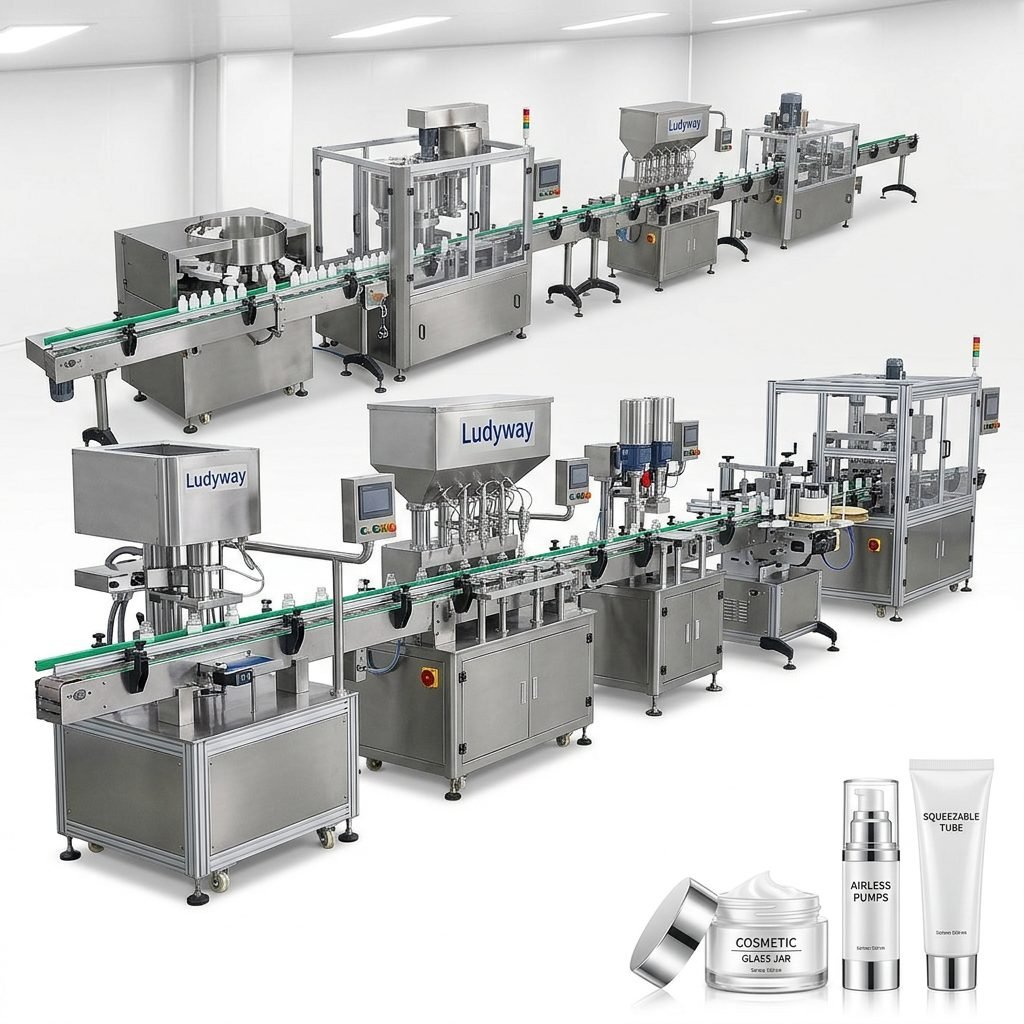
Many factories initially focus on a single machine, but the real efficiency gain often comes from line integration. A packaging machine may perform well on its own, yet still lose efficiency if feeding, coding, cartoning, inspection, or case packing are manual.
| Option | Best For | Main Advantage |
|---|---|---|
| Standalone machine | Small batches, pilot projects, limited budgets | Lower initial investment |
| Integrated line | Medium to large factories, automated production | Higher efficiency and lower labor dependence |
| Turnkey system | New plants, expansion projects, multi-step packaging processes | Unified engineering, smoother project execution |
If your goal is long-term automation, consider a line with product feeding, filling, sealing, checkweighing, metal detection, coding, cartoning, and end-of-line handling. This reduces manual intervention and improves consistency.
Evaluate Filling Accuracy and Packaging Quality
Accuracy is especially important for pharmaceuticals, nutraceuticals, premium food, and high-value ingredients. Poor accuracy causes product giveaway, compliance issues, and customer complaints.
Look for performance in these areas
- Stable dose control
- Consistent seal strength
- Low leakage rate
- Clean cutting and attractive pack appearance
- Reliable batch coding and traceability
Ask suppliers for real testing data using your own product and packaging material. A machine demonstration with your actual application is far more useful than general catalog claims.
Match the Machine to Your Industry Compliance Needs
Different sectors have very different compliance standards. Your packaging equipment should support both local regulations and export requirements.
Food factories may need hygienic design, easy cleaning, stainless contact parts, and contamination control. Pharmaceutical plants often require stricter validation support, higher dosing precision, and compatibility with GMP-oriented processes. Chemical manufacturers may need anti-corrosion materials, dust control, or explosion-risk considerations.
Compliance checkpoints
- Contact material suitability
- Cleaning and sanitation design
- Documentation availability
- Traceability and coding support
- Electrical and safety standard compatibility
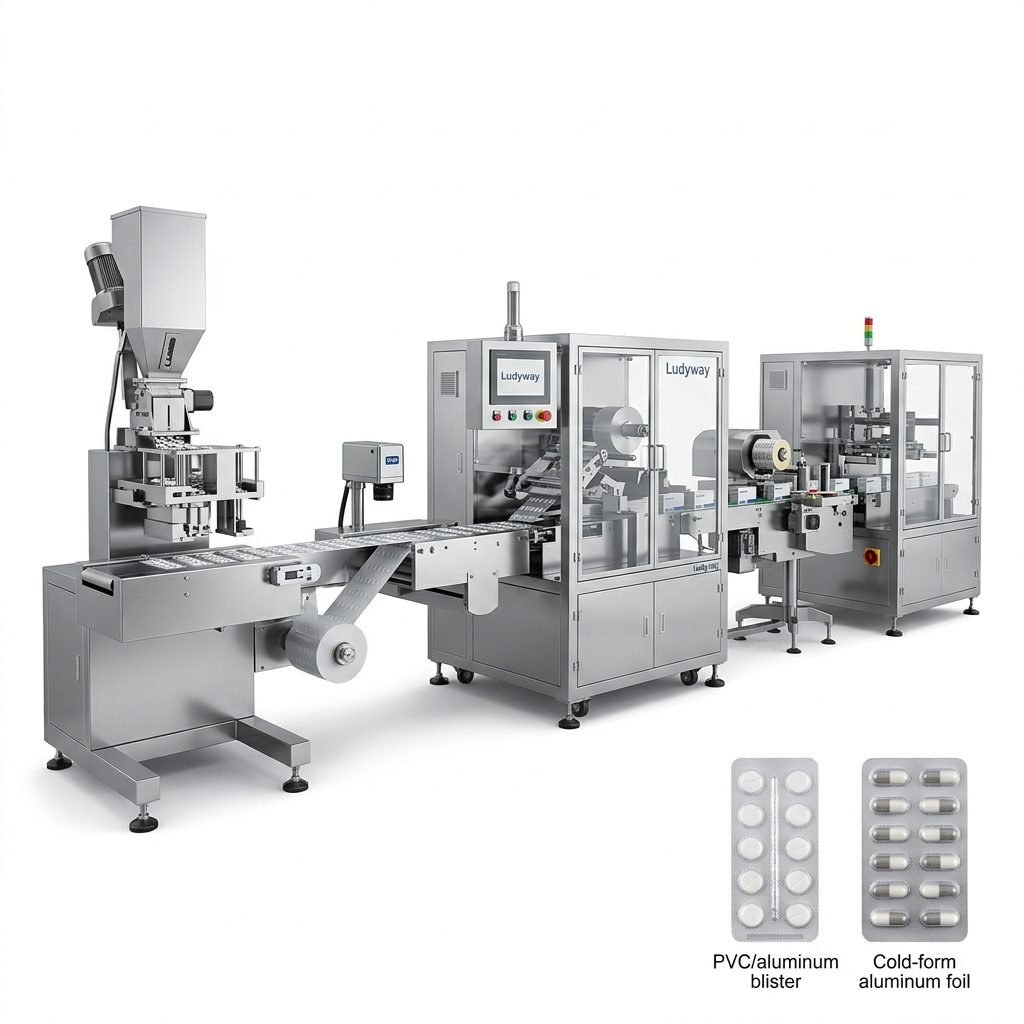
Review Factory Space and Layout Before Buying
A machine that looks perfect on paper may not fit your actual workshop conditions. Before ordering, confirm installation space, operator access, material flow, and maintenance clearance.
- Available floor area
- Ceiling height for hoppers, elevators, or feeding systems
- Power supply and voltage
- Compressed air demand
- Product infeed and finished-pack outfeed route
- Access for maintenance and parts replacement
If your workshop has limited space, compact integrated models may work better than oversized modular systems. If you plan to scale later, reserve room for future expansion.
Think About Automation Level and Labor Savings
One of the biggest reasons factories invest in packaging machinery is to reduce labor dependence. However, the right level of automation depends on your labor cost, production stability, and operational goals.
| Automation Level | Typical Use | Consideration |
|---|---|---|
| Semi-automatic | Small output, flexible product changes | Higher labor input |
| Automatic | Stable medium to high-volume production | Balanced ROI |
| Fully integrated automation | Large factories and turnkey projects | Higher initial investment, stronger long-term efficiency |
If your factory struggles with operator turnover, inconsistent manual work, or rising labor costs, a higher automation level may create faster payback than expected.
Check Flexibility for Multiple SKUs
Many factories no longer run only one product. If you pack multiple sizes, formulas, or formats, flexibility becomes essential.
A good packaging machine should allow reasonable changeover time, easy recipe storage, simple parameter adjustment, and compatibility with different packaging materials or bag sizes. This is especially important for contract manufacturers, fast-growing brands, and factories serving multiple customers.
Questions to ask about flexibility
- How long does format changeover take?
- Can one machine run multiple bag widths or fill weights?
- Does the control system store product recipes?
- How many tooling parts must be changed?
- Can the machine be upgraded later?
Compare Total Cost, Not Just Purchase Price
A lower-priced machine may cost more over time if it causes downtime, inaccurate filling, poor seals, frequent repairs, or high film waste. Focus on total cost of ownership.
| Cost Area | Why It Matters |
|---|---|
| Initial machine price | Upfront investment |
| Installation and training | Faster startup and fewer operator errors |
| Maintenance and spare parts | Direct impact on uptime |
| Energy and air consumption | Ongoing operating cost |
| Product and film waste | Affects profitability every day |
| Downtime risk | Hidden but often expensive |
The best value usually comes from a machine that delivers stable output, easy maintenance, and dependable long-term support.
Assess Supplier Experience and After-Sales Support
Even a high-quality machine needs proper commissioning, operator training, spare parts, and technical support. Supplier capability is therefore just as important as machine configuration.
When comparing suppliers, look at export experience, engineering depth, customization ability, testing support, and responsiveness. A manufacturer with broad industry knowledge can help you avoid specification mistakes and choose a better long-term solution.
For factories looking for scalable automation, Ludyway packaging machine solutions are often considered for food, pharmaceutical, health supplement, cosmetic, chemical, and turnkey packaging line projects because of their wide machine range, customization capability, and long manufacturing experience.
Supplier checklist
- Can they run a sample test with your product?
- Do they provide installation guidance or commissioning support?
- Are spare parts easy to obtain?
- Can they support future expansion or integration?
- Do they understand your industry application?
Common Mistakes to Avoid
- Choosing based only on price
- Ignoring future production growth
- Not testing with actual product and packaging film
- Overlooking changeover time for multiple SKUs
- Failing to confirm utilities and space requirements
- Underestimating after-sales service importance
- Buying a standalone machine when a full line is really needed
A Practical Selection Framework
If you want a simple way to narrow your options, use this sequence:
- Define product characteristics
- Select packaging format
- Set speed and capacity targets
- Clarify hygiene or compliance requirements
- Review workshop layout and utilities
- Decide on standalone vs. integrated line
- Compare accuracy, waste rate, and changeover performance
- Evaluate supplier support and long-term cost
Following this process makes it much easier to choose a packaging machine that truly fits your factory, instead of buying a system that only looks good in a brochure.
Final Buying Insight
The right packaging machine should do more than pack products. It should help your factory run faster, cleaner, safer, and more profitably. When product compatibility, output, flexibility, automation level, and supplier support all align, you gain a system that supports both current production and future growth.
Before making a final decision, request sample testing, review technical details carefully, and compare solutions based on real application performance. That approach will give you the best chance of choosing equipment that delivers reliable results for years.