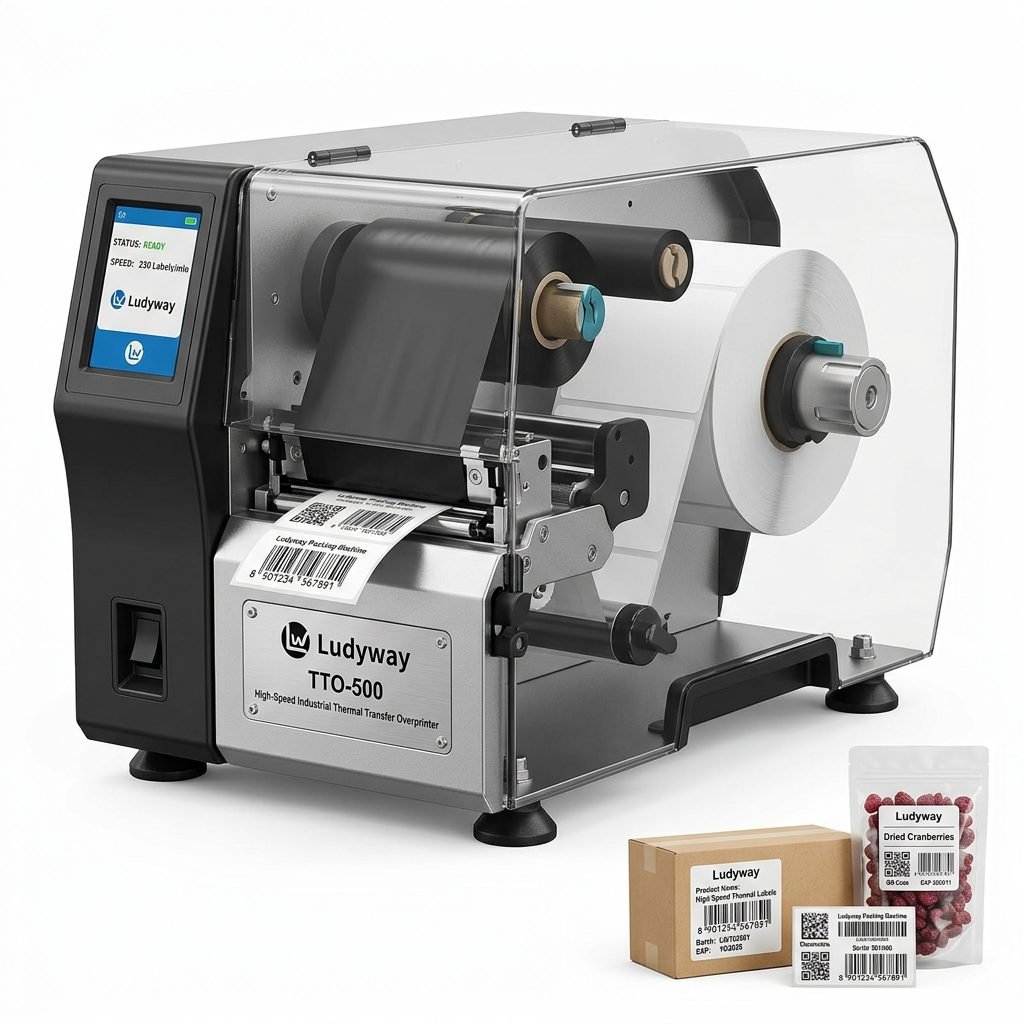
Investing in a jar packing machine is a significant decision for manufacturers in the food, pharmaceutical, cosmetic, and chemical industries. The right equipment can improve production efficiency, ensure fill accuracy, and reduce long-term operational costs. However, with so many configurations and technologies available, narrowing down the options requires a clear understanding of your product, production goals, and quality requirements. This guide walks you through the essential factors to evaluate before making a purchase.

Understanding Your Product and Material Flow
Before comparing machine specifications, start with a thorough analysis of the product you need to fill. Powders, granules, pastes, and liquids each behave differently during the filling process. A free-flowing granule requires a different dosing mechanism than a sticky paste or a dusty fine powder. Evaluate the following product characteristics:
- Product density and particle size: Determines the type of feeding system and hopper design.
- Flowability: Affects filling speed and accuracy. Products with poor flow may require agitators or vibratory feeders.
- Hygroscopic or dusty nature: Influences dust extraction and environmental sealing requirements.
- Temperature sensitivity: Some products require temperature-controlled filling environments.
Accurately defining these properties helps you avoid mismatched equipment and ensures consistent fill weights across production runs. For detailed guidance on food contact compliance, refer to FDA Food Packaging and Food Contact Substances.
Types of Filling Technologies for Jars
Jar packing machines come with various filling systems, each suited to specific product categories. Selecting the correct technology is critical for achieving target speeds and fill tolerances. Common systems include:
- Auger fillers: Ideal for powders and fine granules, offering high accuracy through volumetric or gravimetric control.
- Volumetric cup fillers: Cost-effective for free-flowing granules and small particulate products.
- Piston fillers: Designed for pastes, creams, and thick liquid products with precise volume displacement.
- Net weigh fillers: Provide the highest accuracy by weighing the product before filling, commonly used for high-value ingredients.
- Multi-head weighers: Suitable for snacks, confectionery, and irregular solid products, delivering speed and precision.
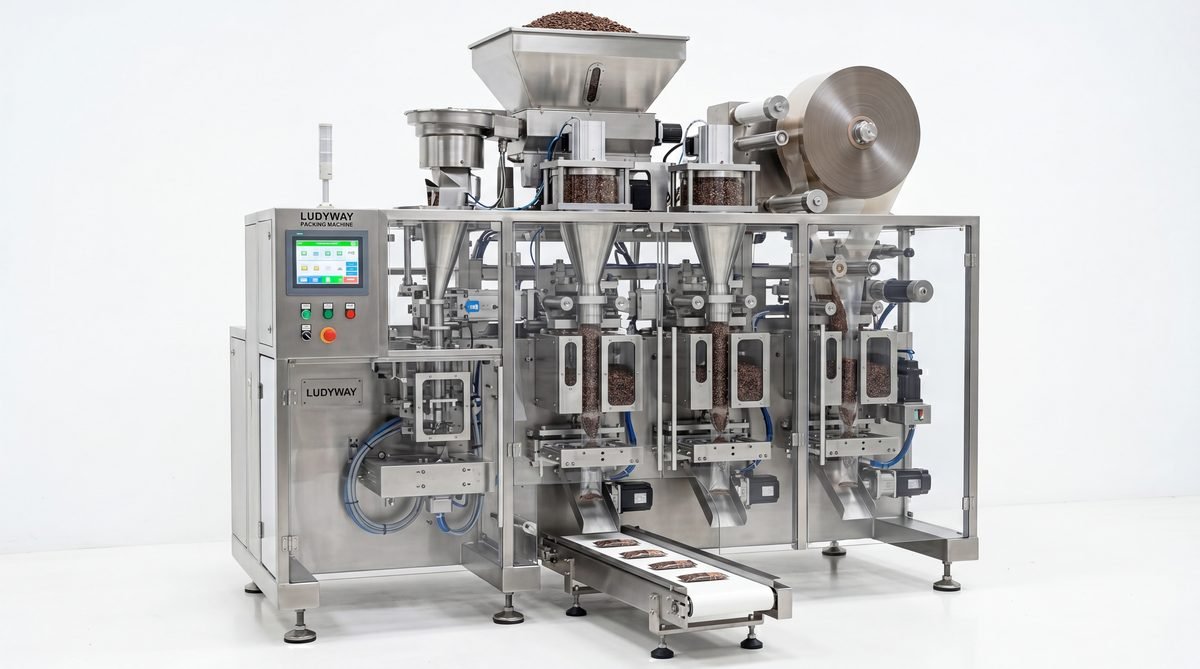
Key Performance Specifications to Evaluate
Beyond the filling mechanism, several operational parameters directly impact your production line’s output and reliability. Review these specifications carefully when comparing different automatic jar filling machine models:
| Specification | Why It Matters |
|---|---|
| Filling Speed | Measured in containers per minute (CPM); must match your target throughput without compromising accuracy. |
| Fill Accuracy | Expressed as ± percentage of target fill weight; critical for regulatory compliance and product giveaway control. |
| Jar Size Range | Defines the minimum and maximum dimensions the machine can handle; important if you produce multiple SKUs. |
| Changeover Time | Frequent product switches require quick, tool-free changeover features to minimize downtime. |
| Automation Level | Ranges from semi-automatic to fully integrated lines with automatic feeding, capping, labeling, and inspection. |
Industry benchmarks and machine performance standards can be explored through the PMMI Business Intelligence Library, which provides reports on packaging machinery market trends.
Material Compatibility and Machine Construction
The construction materials of your jar packing machine directly affect product safety, equipment longevity, and regulatory compliance. For food and pharmaceutical applications, stainless steel 304 or 316 contact parts are standard requirements. Key construction considerations include:
- Frame and contact parts material: Stainless steel construction resists corrosion, is easy to clean, and meets GMP standards.
- Sealing and gasket materials: Must be compatible with your product chemistry to avoid degradation or contamination.
- Dust and moisture protection: Machines handling powders should include dust extraction ports; liquid fillers need drip trays and washdown capabilities.
- Hygienic design: Sloped surfaces, minimal crevices, and quick-release guards support sanitation protocols.
Understanding the material and design standards applicable to your region is essential. The ISO Packaging Standards cover a wide range of packaging machinery requirements internationally.
Integration with Upstream and Downstream Equipment
A jar packing machine rarely operates in isolation. It needs to integrate smoothly with bottle unscramblers, conveyors, capping machines, labelers, checkweighers, and cartoning systems. When evaluating equipment, consider:
- Communication protocols: Ensure the machine supports standard industrial interfaces for data exchange and line synchronization.
- Physical interface dimensions: Confirm conveyor heights, transfer points, and space requirements match your existing layout.
- Reject systems: Automated rejection of underweight or overweight jars should be seamlessly integrated with inspection equipment.
- Centralized control: A unified HMI for the entire line simplifies operator training and troubleshooting.
Line integration planning early in the selection process prevents costly modifications later. For insights on flexible packaging and system integration, the Flexible Packaging Association offers relevant industry data and reports.
Customization, Service, and Global Support
Standard machine configurations often require adaptations to fit unique production environments. Customization options may include modified hopper sizes, specialized feeding systems, multi-lane configurations, and specific control logic. Equally important is the manufacturer’s ability to provide responsive technical support, especially for manufacturers operating across multiple shifts or in regions with limited local service providers.
Ludyway Machinery combines in-house engineering and manufacturing with application experience to configure jar packing solutions according to specific product characteristics, production speeds, and factory layouts. With a 20,000-square-meter facility and more than 30 years of packaging industry experience, the company supports customers from equipment selection through installation, commissioning, and after-sales technical service.

Regulatory Compliance and Validation
Depending on your industry and target market, your jar packing machine may need to comply with specific regulations. Pharmaceutical manufacturers often require equipment that supports cGMP, 21 CFR Part 11, and validation protocols. Food manufacturers may need machines that align with FDA, EU, or other regional food safety standards. Key compliance considerations include:
- Documentation: Machine manuals, material certificates, and test reports should be available for audits.
- Validation support: IQ/OQ/PQ documentation packages can accelerate your qualification process.
- Safety certifications: CE, UL, or equivalent certifications ensure the machine meets electrical and mechanical safety standards.
Refer to the European Commission Packaging and Packaging Waste Regulation for EU-specific regulatory updates affecting packaging equipment and materials.
Evaluating Total Cost of Ownership
The initial purchase price is only one part of your investment. A comprehensive evaluation should include total cost of ownership (TCO) over the machine’s expected service life. Consider these cost factors:
- Spare parts availability and cost: Consumables such as belts, seals, and cutting blades should be readily available and reasonably priced.
- Energy consumption: Efficient motors and drives reduce long-term operating costs.
- Maintenance requirements: Easy access to critical components and predictive maintenance capabilities reduce unplanned downtime.
- Training and labor: Operator-friendly interfaces and accessible training resources shorten the learning curve.
Taking a life-cycle view helps you make a financially sound decision that aligns with your production budget and growth plans.
Making the Final Decision
Choosing the right jar packing machine comes down to aligning machine capabilities with your product requirements, production targets, quality standards, and operational environment. Start by clearly defining your current and future needs, then evaluate machines based on filling technology, construction quality, integration capability, and manufacturer support. Requesting sample testing with your actual product is one of the most reliable ways to verify machine performance before finalizing your investment. With thorough preparation and the right packaging machinery partner, you can build a filling line that delivers consistent results for years to come.