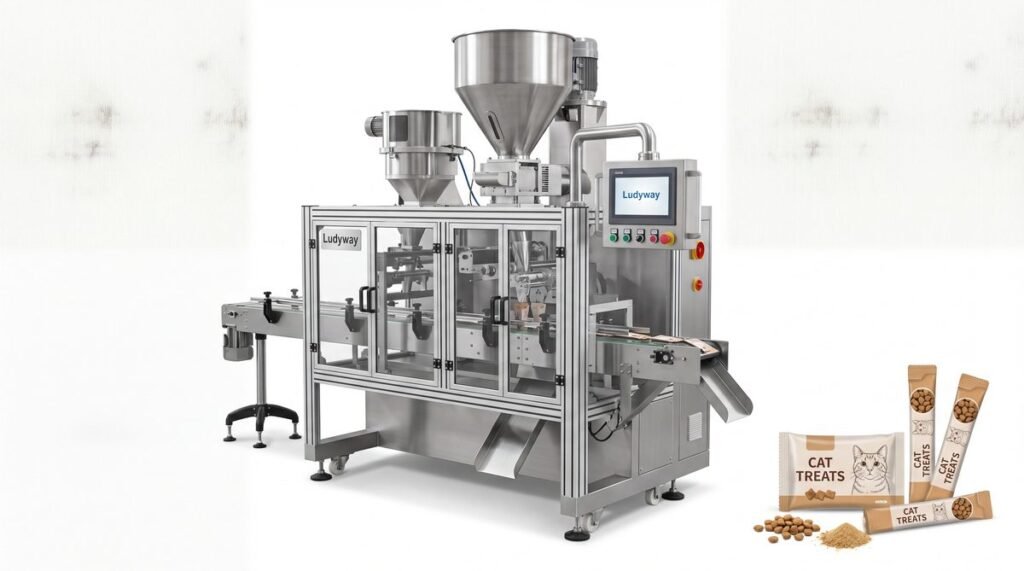
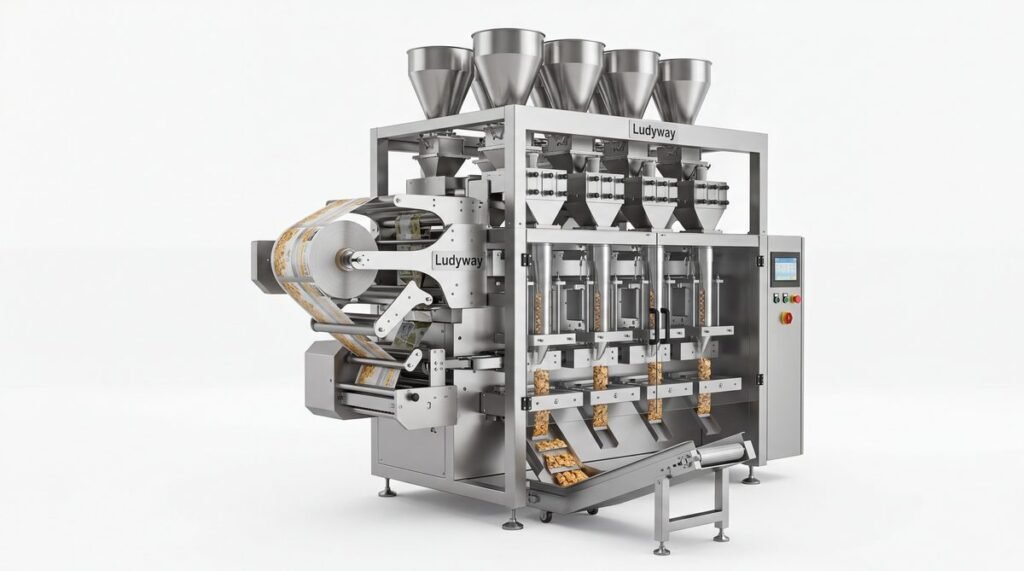
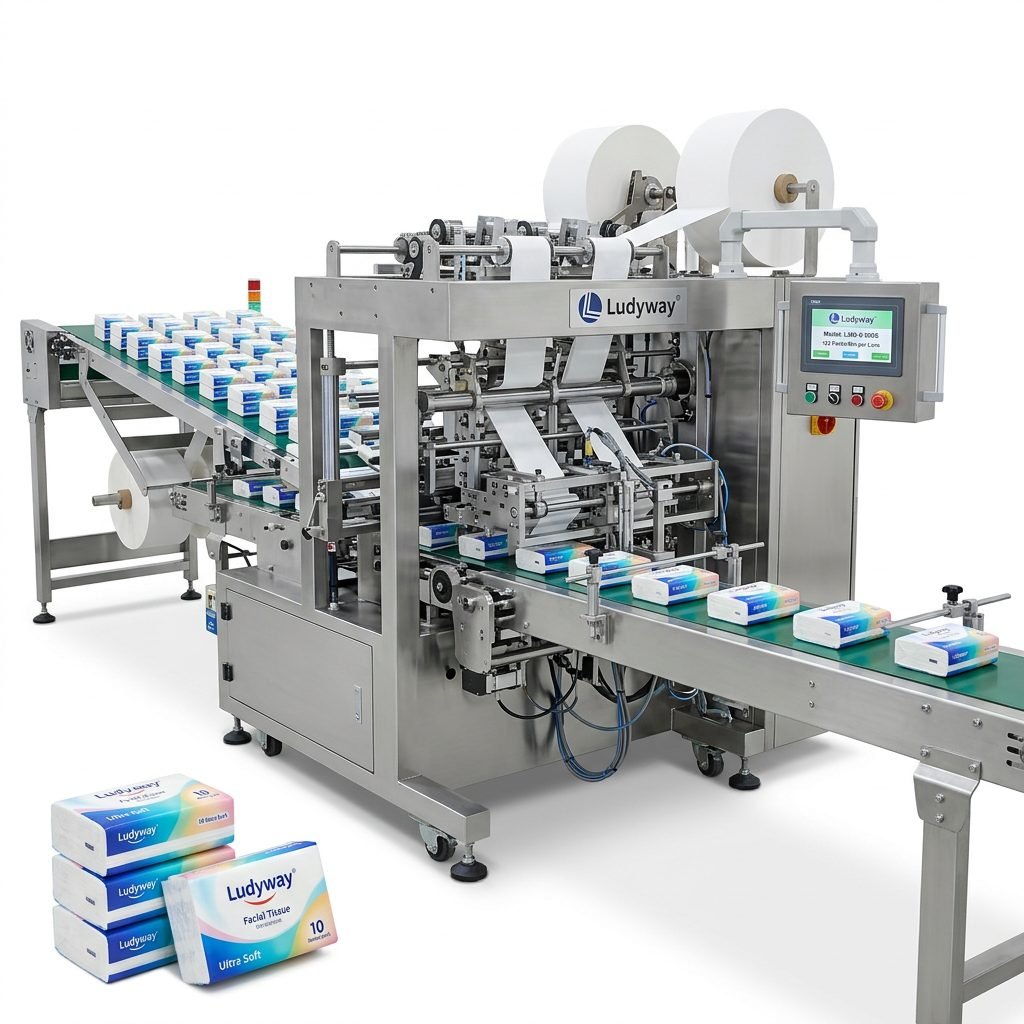
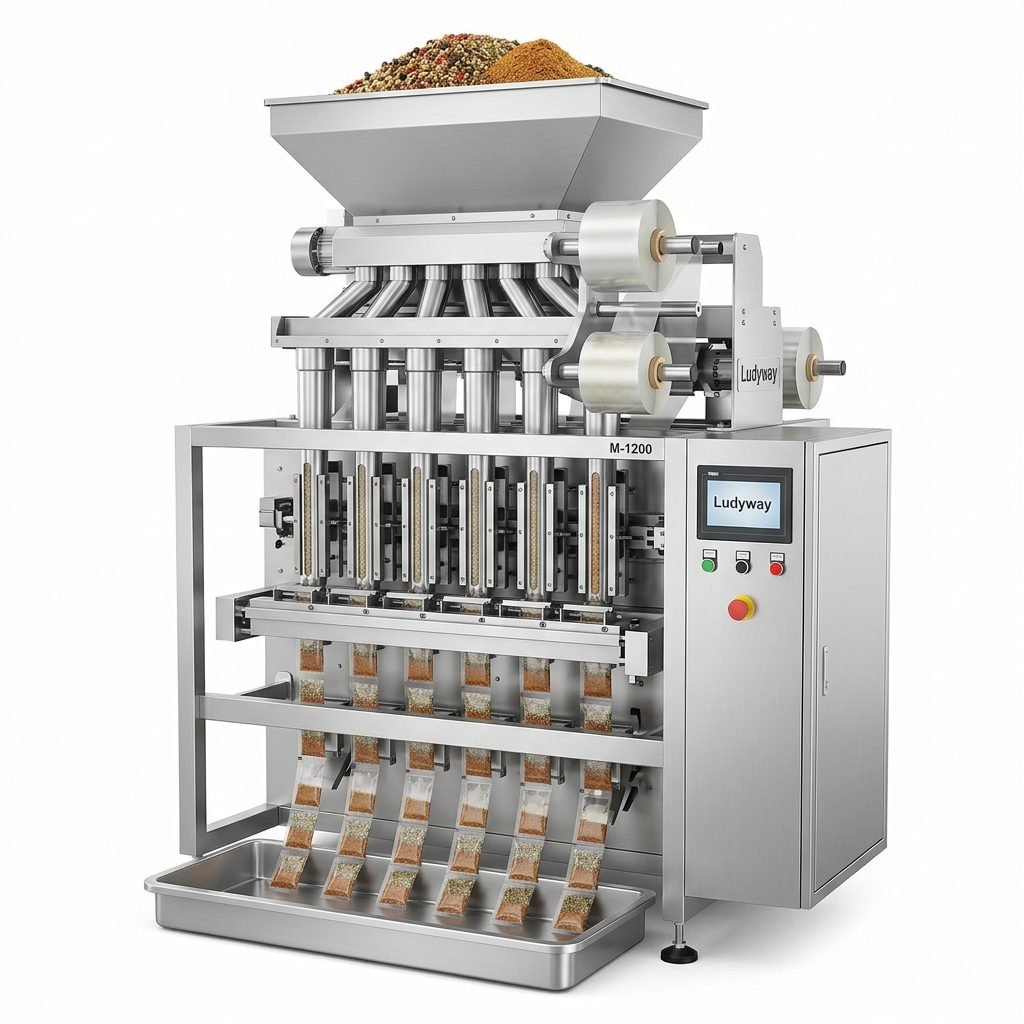
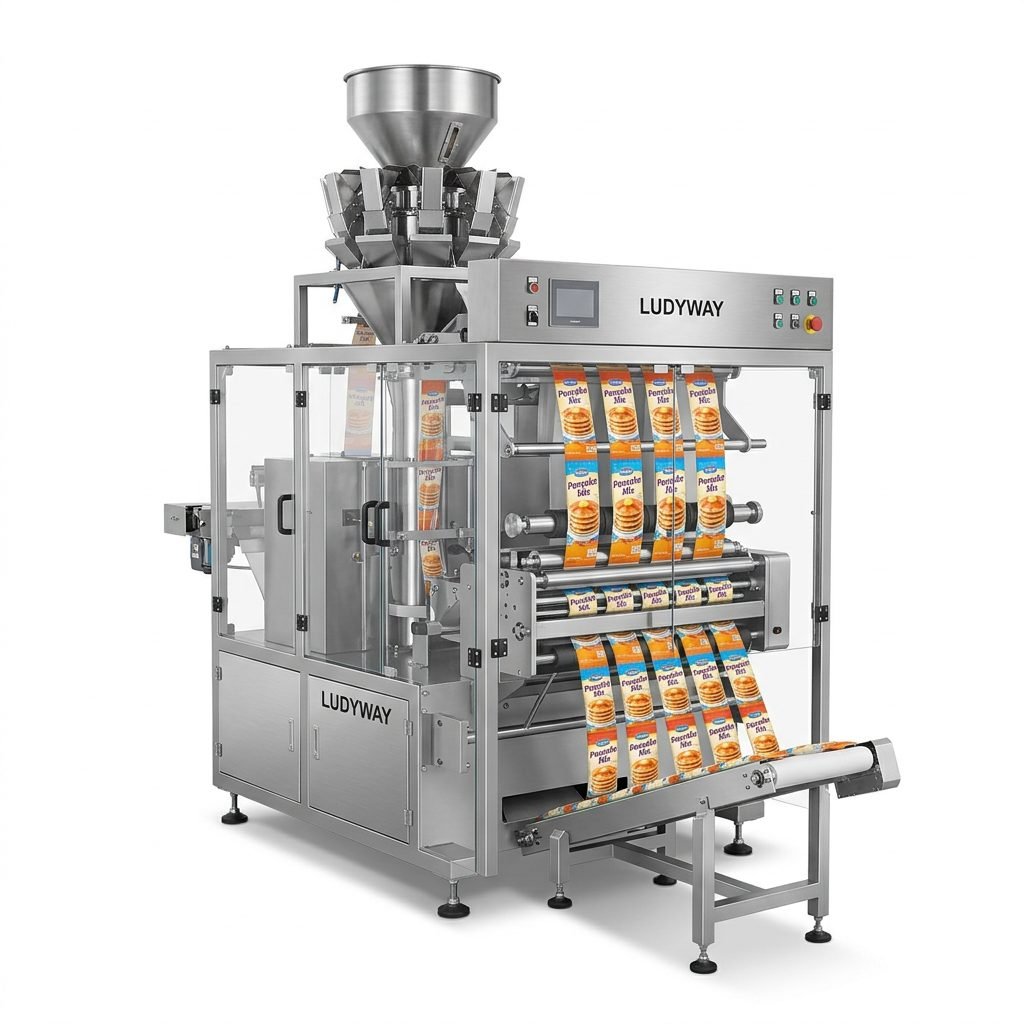
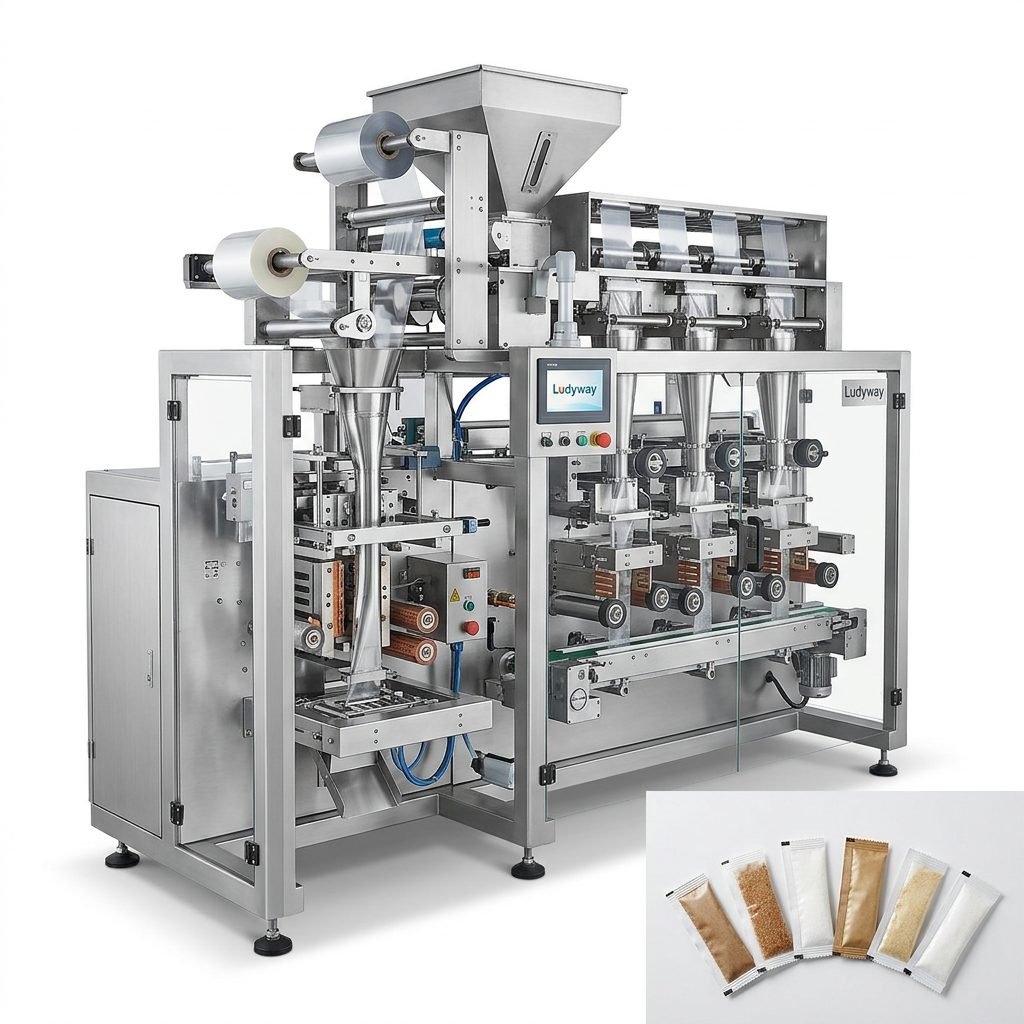
Investing in a linear weigher packing machine is a critical decision for manufacturers handling granules, powders, and small solid products. Whether you are in the food, pharmaceutical, chemical, or nutraceutical industry, the right linear weigher can dramatically increase your production efficiency, reduce product giveaway, and ensure consistent pack weights. With a wide range of configurations, lane numbers, and automation levels available, the selection process can quickly become overwhelming. This comprehensive buyer’s guide breaks down the key factors to evaluate, helping you choose the ideal linear weigher packing machine for your specific application and budget.
Understanding Linear Weigher Technology and Applications
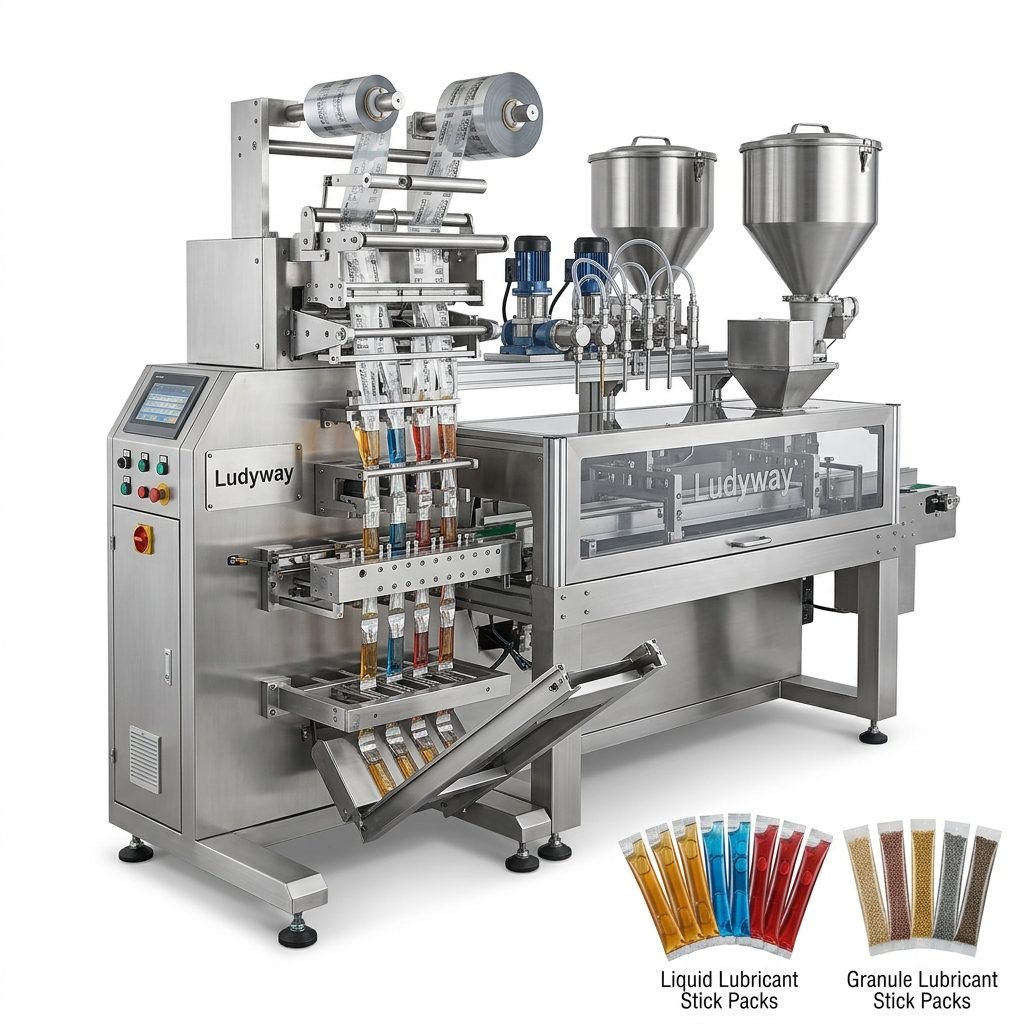
Before diving into specifications, it is essential to understand what a linear weigher packing machine does and where it excels. Unlike multi-head combination weighers that use centrifugal force, linear weighers arrange multiple weighing channels in a straight line. Product is fed into these channels by vibratory feeders, and each channel drops its load into a waiting bag or sachet simultaneously. This makes them exceptionally well-suited for stick pack and sachet packaging applications, particularly in multi-lane configurations.
The technology is widely adopted for packaging free-flowing granules, fine powders, seeds, rice, ground coffee, and small hardware components. According to the PMMI Business Intelligence Library, the flexible packaging sector continues to grow, driven by demand for convenient single-serve and portion-controlled packs, a niche where linear weighing machines dominate.

8 Key Factors to Evaluate Before Buying a Linear Weigher
Selecting the correct model involves a detailed analysis of your product, packaging material, and production goals. Here are the primary criteria to consider:
1. Product Characteristics and Flowability
The physical properties of your product are the most fundamental factor. A linear weigher packing machine must be configured specifically for your material’s density, granule size, and flow behavior. Free-flowing granules like sugar or coffee beans behave very differently from non-free-flowing powders like cocoa or sticky seasonings. You must assess whether your product bridges, clumps, or dusts during the feeding process. The hopper design, agitator type, and vibratory tray angles must be tailored to ensure a consistent, uninterrupted product flow to the weigh buckets.
2. Target Weight Range and Accuracy Requirements
Linear weighers excel in specific weight ranges, typically from a few grams up to several hundred grams per lane. You must define your target fill weight and the acceptable variance (often expressed as +-1% to +-2% depending on the product). High-value products, such as pharmaceutical powders or nutraceutical supplements, justify a highly precise weigher to minimize product loss. For lower-value bulk items, speed might take precedence over extreme accuracy. The ISO packaging standards provide a useful framework for verifying that your equipment meets international accuracy norms.
3. Production Speed and Multi-Lane Configuration
Your hourly or daily production target will dictate the number of lanes you need. A standard single-lane machine might offer lower cost entry, but a multi-lane linear weigher packing machine (often configured with 2, 4, 6, 8, 10, or 12 lanes) multiplies output correspondingly. When evaluating speed, look beyond the maximum theoretical cycles per minute. The sustainable operational speed depends on how quickly the product settles in the weigh bucket. Machines designed with advanced vibration control can stabilize product faster, allowing higher cycling rates without sacrificing accuracy.
4. Integration with Packaging Machine and Automation Line
A linear weigher does not operate in isolation. It must integrate seamlessly with your vertical form-fill-seal (VFFS) machine, multi-lane stick pack machine, or sachet packaging system. Ensure the mounting frame, drop chutes, and signal interfaces are fully compatible. For many manufacturers, the ultimate goal is a complete turnkey packaging line that includes feeding, weighing, filling, sealing, coding, and cartoning without requiring manual intervention. Checking the communication protocols and mechanical synchronicity between units is crucial to avoid bottlenecks.
5. Changeover Flexibility and Quick-Release Design
If your facility runs multiple products or pack sizes on the same line, changeover time is a key performance indicator. Modern linear weigher packing machines feature tool-less disassembly, easy-clean polyethylene terephthalate (PET) buckets, and digitally stored recipe settings. A machine that takes an operator 30 minutes to wash down and recalibrate versus one that takes 4 hours can significantly impact your overall equipment effectiveness (OEE). Look for cantilevered transport designs and polished stainless steel contact surfaces.
6. Material Construction and Hygienic Compliance
The industry you serve determines the construction standard. Food and pharmaceutical environments demand stainless steel SS304 or SS316 construction, IP65 or IP66 washdown protection, and FDA-compliant materials. For chemical or industrial applications, corrosion resistance against aggressive agents may be the priority. Conformance to FDA food contact substance regulations is non-negotiable for food-grade weighers, and many buyers require full documentation of material certificates.
7. Control System and Data Management
The human-machine interface (HMI) and programmable logic controller (PLC) software differentiate a basic weigher from a smart packaging tool. Advanced controls offer real-time weight trend analysis, automatic feedback adjustment to the feeders, and comprehensive production reports. The ability to connect to your plant’s enterprise resource planning (ERP) or supervisory control and data acquisition (SCADA) system via Ethernet/IP or PROFINET allows centralized monitoring and traceability, a feature increasingly mandated by major retailers.
8. After-Sales Support and Spare Parts Availability
Technical support defines the lifetime value of your investment. Before committing, verify the manufacturer’s lead time for critical spares, availability of remote diagnostic support, and the proximity of qualified field service engineers. A supplier with a global service network and extensive application knowledge ensures that your linear weigher packing machine maintains its performance over years of continuous operation, minimizing costly downtime.
Comparing Linear Weigher Configurations
Different applications require different machine architectures. The table below outlines common configurations for a linear weigher packing machine and their typical use cases:
| Configuration | Optimal Product Type | Key Advantage |
|---|---|---|
| Single-Lane Vibratory | Large granules, nuts, hardware | High capacity per lane, simple operation |
| 4-Lane / 6-Lane Micro Weigher | Fine powders, spices, instant coffee | High precision for small target weights |
| 10-Lane / 12-Lane High-Speed | Sachets, stick packs, sugar, salt | Maximum throughput for free-flowing products |
| Auger-Assisted Linear Weigher | Non-free-flowing powders, sticky substances | Handles difficult products with reliable feed |
Integrating Your Weigher into a Complete Packaging Solution
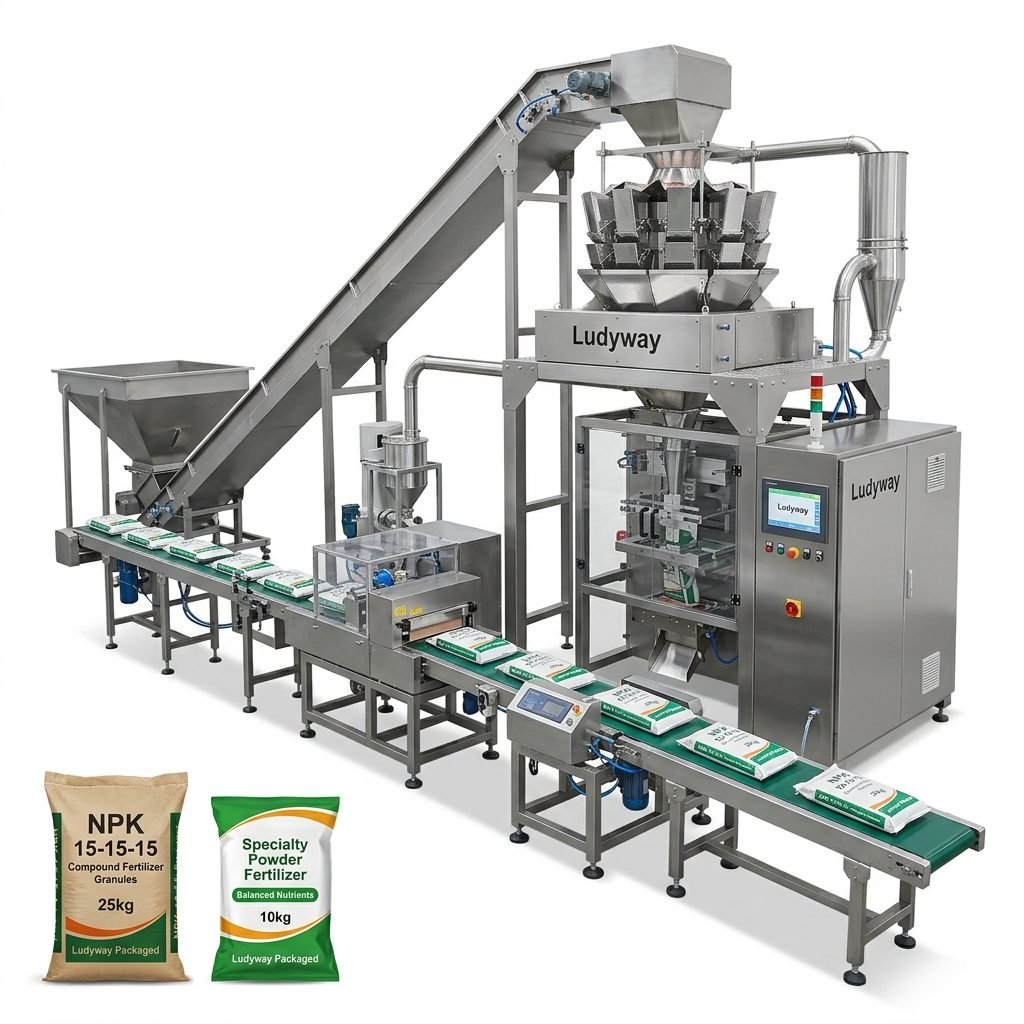
While a standalone linear weigher packing machine is a powerful tool, many manufacturers benefit from a holistic approach to automation. A fully integrated system typically includes a bucket elevator or vacuum conveyor for infeed, the multi-lane weigher, a primary bagging or stick pack machine, a checkweigher for quality assurance, and a cartoning or case packing unit downstream. An industry report from PMMI notes that end-users increasingly prefer single-source integrated lines to reduce integration risk and simplify after-sales support.
For operations looking to scale, Ludyway Machinery provides turnkey packaging solutions that combine linear weighing technology with high-speed multi-lane stick pack and sachet machines, automated feeding systems, and robotic cartoning. With over 30 years of engineering experience, such manufacturers can help you configure a complete, validated line from initial consultation through commissioning and training, ensuring all components communicate perfectly.

Certifications and Regulatory Readiness
Your new equipment must align with regional and international regulations. Beyond general CE or UL marks, specific packaging for the flexible packaging industry often involves compliance with Hazard Analysis and Critical Control Points (HACCP) principles, Good Manufacturing Practice (GMP), and audit-ready validation protocols. A reputable supplier will offer full documentation, including Installation Qualification (IQ) and Operational Qualification (OQ) support, to accelerate your product’s time to market and satisfy regulatory inspectors.
Key Insight: The full cost of ownership extends far beyond the purchase price. Factor in product giveaway reduction (higher accuracy saves ingredients), labor cost reduction (automation replaces manual weighing), and maintenance intervals when calculating ROI. A slightly higher initial investment in a precision linear weigher often pays for itself within months through material savings alone.
Frequently Asked Questions About Linear Weigher Packing Machines
Here are answers to common questions from first-time buyers and experienced production managers alike:
- What is the difference between a linear weigher and a multi-head weigher?
Linear weighers use vibratory trays in a line to drop product simultaneously into multiple lanes, ideal for stick packs and sachets. Multi-head weighers use a circular arrangement of weigh hoppers to calculate the best combination of weights to hit a single target, ideal for larger bag formats. - Can a linear weigher handle sticky or oily products?
Yes, with the correct configuration. Polished, coated contact surfaces, heated hoppers, or mechanical agitators can handle many difficult products. Always conduct a product trial with the manufacturer to verify performance before purchasing a linear weigher packing machine. - How many lanes do I need?
Divide your required packs per minute by the realistic cycle rate of a single lane (typically 20-35 cycles per minute for standard gravimetric filling). If you need 200 packs per minute, a 6- to 10-lane arrangement is typically necessary. - Is remote service and support available?
Most established equipment manufacturers now offer remote VPN-based diagnostics, video-assisted troubleshooting, and over-the-air recipe updates to minimize technician travel costs and resolve issues quickly.
Making the Final Decision: Trial, Validation, and Partnership
Choosing the right linear weigher packing machine is a strategic decision that impacts your production capacity, product quality, and bottom line for years to come. Start by clearly defining your product specifications, target throughput, and facility constraints. Shortlist suppliers with proven expertise in your specific industry and request factory acceptance tests (FAT) using your actual product and packaging film. A reliable partner will provide a comprehensive solution—including equipment, system integration, and global technical support—rather than just an isolated machine.
As the packaging machinery sector evolves toward greater automation and traceability, as highlighted by the Flexible Packaging Association’s resources, investing in a precision linear weigher today positions your operation for the efficiency demands of tomorrow. Evaluate your options carefully, prioritize accuracy and build quality, and you will secure a machine that delivers consistent performance from the first pack to the millionth.