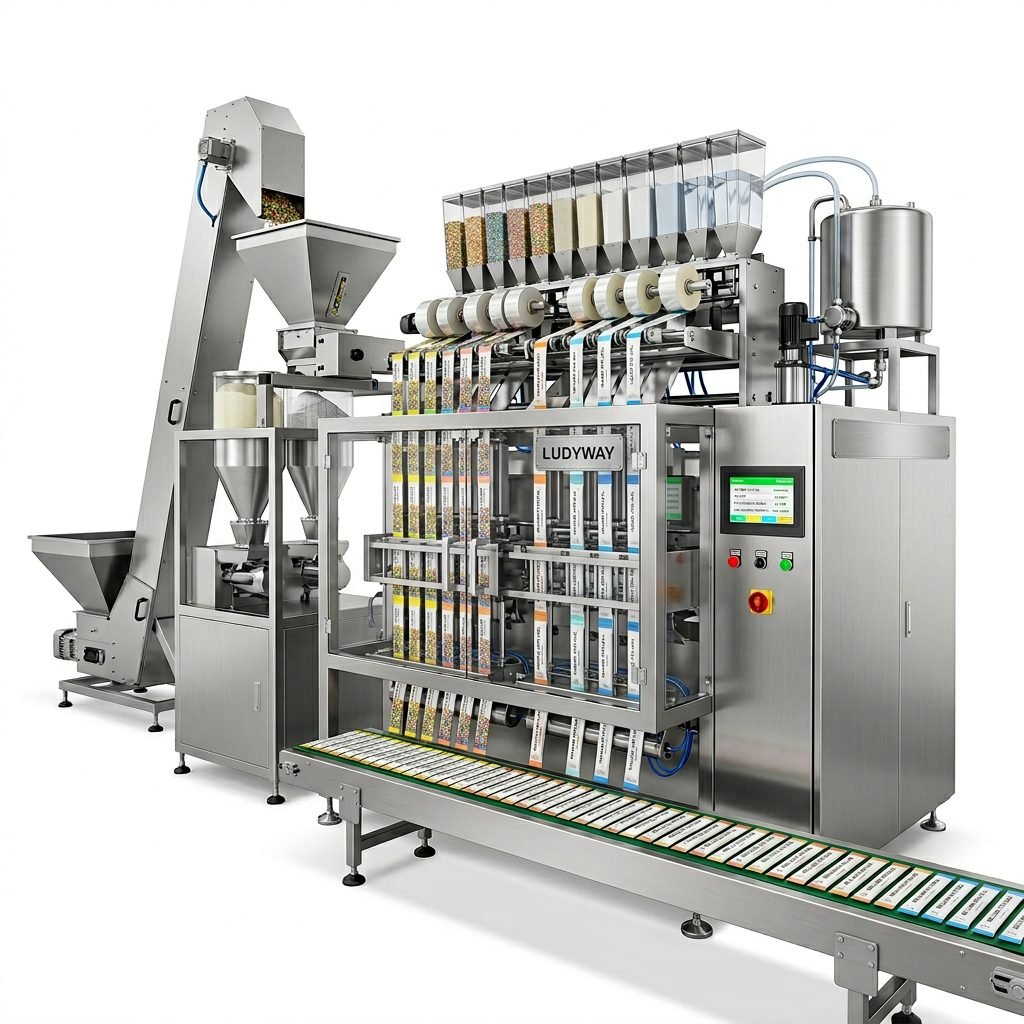
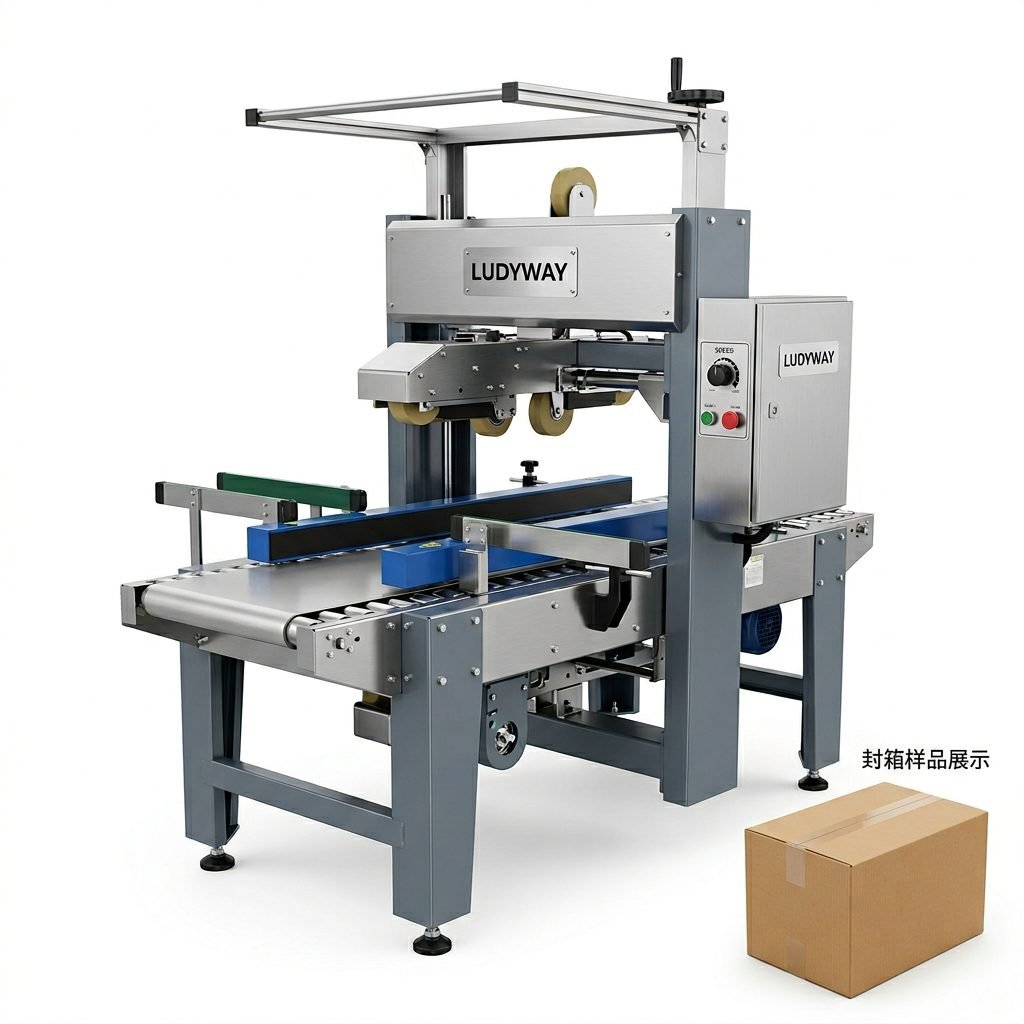
Achieving consistent and precise dosing is one of the biggest challenges in powder packaging. Unlike free-flowing liquids, powders can vary in bulk density, particle size, moisture content, flowability, and aeration behavior. Even minor variation in these properties can lead to underfills, overfills, product waste, customer complaints, and compliance risks.
To improve filling accuracy in powder packaging, manufacturers need to look beyond the filler alone. True accuracy depends on the combined performance of the powder formulation, feeding method, machine design, environment, calibration routine, and operator control. When these factors are aligned, packaging lines become more stable, efficient, and cost-effective.
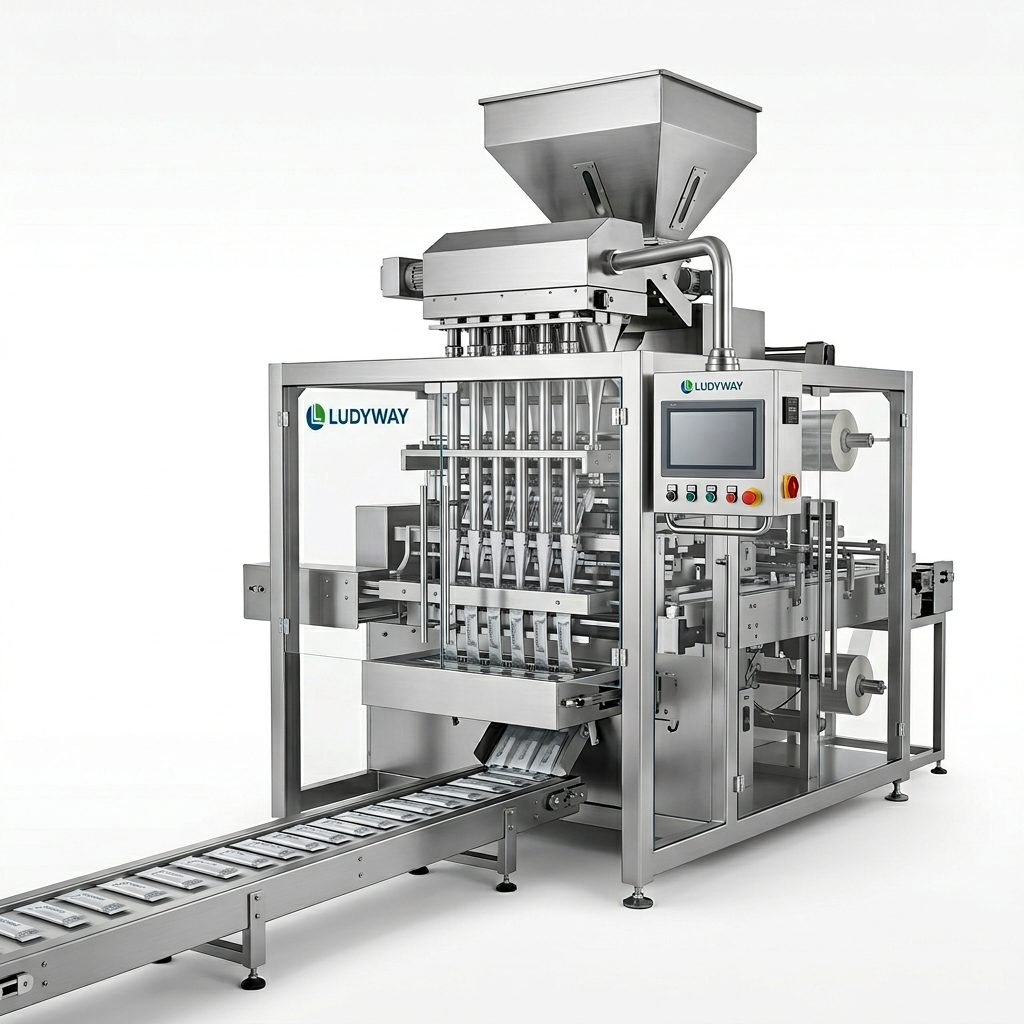
Why Filling Accuracy Matters in Powder Packaging
Filling accuracy affects far more than package appearance. In food, pharmaceutical, nutraceutical, chemical, and daily-use industries, inaccurate filling can create a chain of problems:
- Product giveaway from repeated overfilling
- Weight nonconformity that may trigger rework or rejection
- Inconsistent customer experience across batches
- Dusting and contamination caused by unstable dosing
- Reduced line efficiency due to manual corrections and stoppages
- Regulatory risk in tightly controlled sectors such as pharma and health supplements
For many producers, a small gain in precision can translate into major annual savings. That is why investing in better powder handling and machine control is not just a technical upgrade—it is a profitability strategy.
Understand the Powder Before Optimizing the Machine
The first best practice is simple: know your powder characteristics. Different powders behave very differently during feeding and filling. Milk powder, protein powder, spice blends, pharmaceutical powders, flour, starch, and chemical powders all respond differently to vibration, compression, and screw dosing.
Key powder properties that affect accuracy
| Powder Property | Impact on Filling Accuracy |
|---|---|
| Bulk density | Changes the actual mass delivered per screw rotation or volume |
| Particle size | Affects flow consistency, segregation, and packing behavior |
| Moisture content | Can lead to clumping, bridging, or poor discharge |
| Flowability | Determines how steadily powder moves into the filling system |
| Aeration | Can cause volume fluctuation and unstable pack weight |
| Stickiness | Increases residue buildup and inconsistent release |
Before setting target accuracy levels, test the product under actual production conditions. Lab data alone is often not enough, especially when temperature, humidity, and line speed change.
Choose the Right Filling Technology
No single dosing method works best for every powder. The right technology depends on the powder’s behavior, target weight, packaging format, and speed requirements.
Common powder filling options
- Auger filling: Ideal for many fine powders and non-free-flowing products
- Volumetric cup filling: Suitable for some free-flowing powders, but less precise when density shifts
- Net weight filling: Better when high precision is critical
- Multi-head weighing systems: Useful for some granular-powder blends or products with more stable flow
- Vacuum or servo-assisted dosing systems: Helpful in specialized applications requiring tighter control
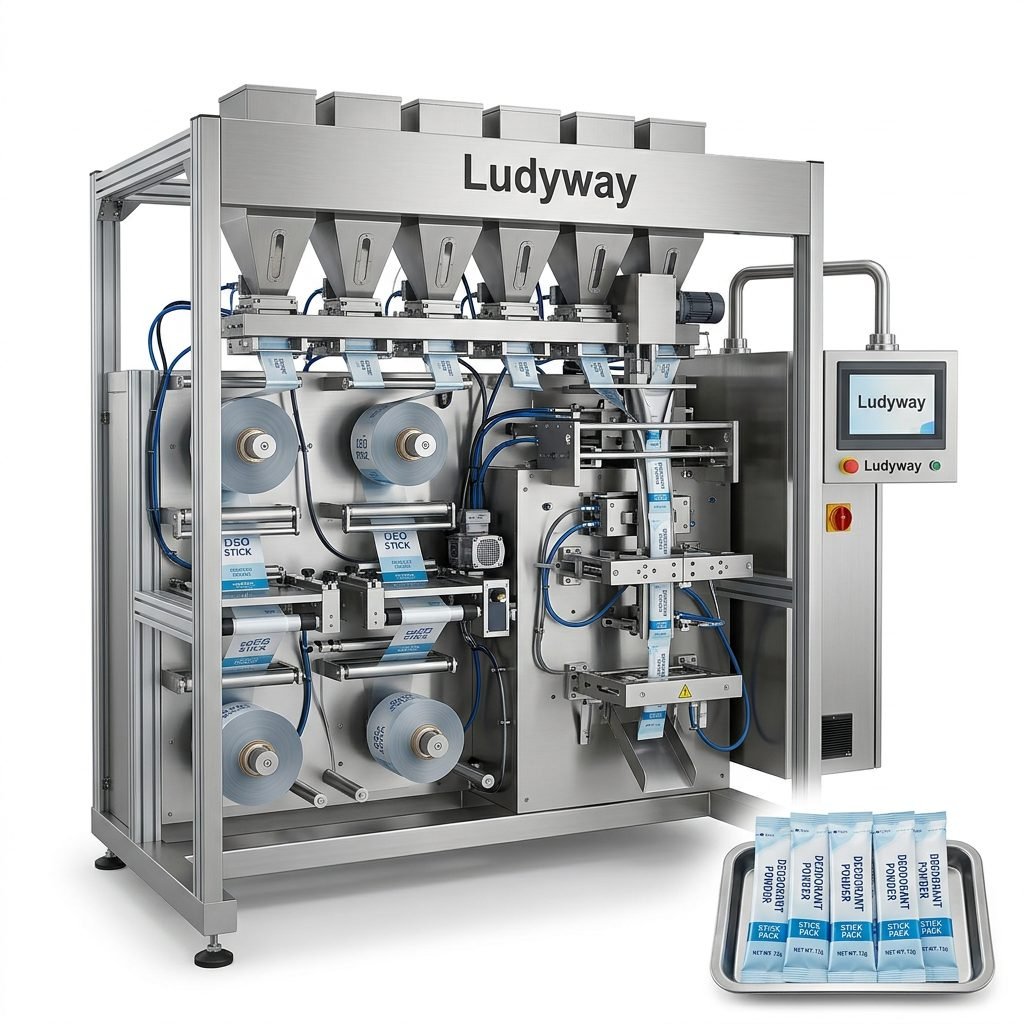
For many powder sachet and stick pack applications, auger fillers remain the preferred choice because they offer a strong balance between speed, repeatability, and integration flexibility. However, even the best auger system will struggle if the powder feed is inconsistent.
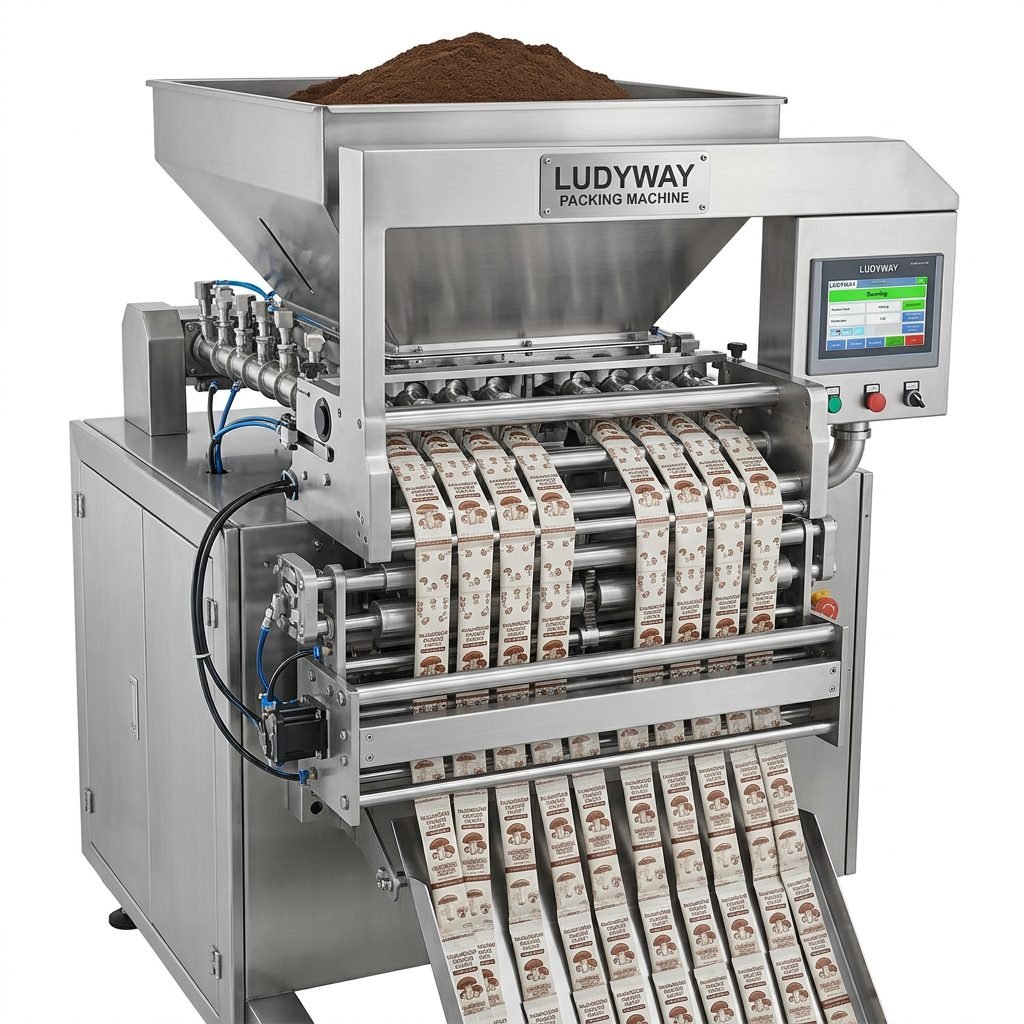
Maintain a Stable and Consistent Powder Feed
One of the most overlooked causes of poor fill precision is unstable product feeding into the dosing head. If the hopper level changes too much, the screw fill output may also drift. This is particularly common with lightweight or fluffy powders.
Best practices for feed stability
- Use a constant-level hopper design whenever possible.
- Install suitable agitators to prevent bridging and rat-holing.
- Match the feeder type to the powder, such as screw feeder, vacuum feeder, or conveyor-assisted loading.
- Avoid over-agitation, which can compact some powders and change density.
- Reduce powder segregation during transfer from upstream processes.
- Monitor refill timing so the filling head is not starved or overloaded.
Stable infeed creates stable dosing. In many production lines, improving hopper control can deliver immediate gains in package weight consistency without changing the main filling machine.
Control Bulk Density Variation
Bulk density is one of the primary reasons powder packages drift away from target weight. If density changes from batch to batch—or even during a single shift—volumetric systems will naturally produce inconsistent mass.
To control this issue:
- Standardize upstream blending and drying conditions
- Minimize excessive product drop heights that increase aeration
- Allow powder to settle consistently before filling when required
- Use feedback systems such as checkweighers for real-time correction
- Document density trends by product and season
Consistency begins before packaging. If the product entering the machine is inconsistent, downstream accuracy will always be harder to maintain.
Use Servo Control and Precise Parameter Settings
Modern powder packaging equipment benefits greatly from servo-driven control. Servo systems allow finer adjustment of screw rotation, fill speed, cut-off timing, and synchronization with the forming and sealing process.
Parameters that should be optimized carefully
| Machine Parameter | Why It Matters |
|---|---|
| Auger speed | Too fast may create inconsistency; too slow may reduce throughput |
| Fill time | Directly affects target dose and repeatability |
| Agitator speed | Influences powder consistency inside the hopper |
| Machine vibration | Can alter powder settling and dose stability |
| Synchronization timing | Prevents spillage and mistimed discharge in high-speed lines |
For high-output applications, minor servo parameter improvements can significantly tighten the fill tolerance range while maintaining speed.
Calibrate Frequently and Validate with Real Product
Calibration should never be treated as a one-time setup task. Powder characteristics can shift with new raw material lots, environmental changes, and production speed adjustments. That is why regular calibration and verification are essential.
A practical calibration routine includes
- Running sample fills at startup
- Checking average weight and variation over a defined sample size
- Adjusting dosing parameters in small steps
- Repeating checks after hopper refill or product changeover
- Recording all settings for future repeatability
It is also important to validate with the actual packaging material and target speed. A setup that works at low speed during testing may behave differently at full production pace.
Integrate Checkweighing and Feedback Control
If your goal is long-term precision, a checkweigher should be part of the process. Dynamic checkweighing helps identify drift early and supports automatic corrections before out-of-spec product accumulates.
Benefits of integrating checkweighers include:
- Continuous monitoring of actual pack weight
- Fast response to dosing deviation
- Reduced manual inspection burden
- Lower product giveaway over time
- Better traceability and quality documentation
In advanced lines, feedback from the checkweigher can be linked directly to dosing control, creating a more intelligent and stable filling process.
Reduce Dust and Product Build-Up
Dust is not just a cleanliness issue—it can directly affect filling accuracy. Product residue on sealing areas, dosing components, sensors, and machine frames can cause inconsistent discharge and misreads over time.
Ways to reduce dust-related filling problems
- Use appropriate dust extraction systems
- Optimize drop distance from nozzle to package
- Select filling heads designed for the powder type
- Clean screw, hopper, and contact parts on a planned schedule
- Inspect sealing zones for powder contamination
For fine or airborne powders, dust control should be considered part of the dosing strategy, not just a housekeeping measure.
Manage Environmental Conditions
Temperature and humidity can change how powders flow, settle, and absorb moisture. Hygroscopic powders are especially sensitive and may show major filling variation if the room environment fluctuates too much.
Environmental control best practices include:
- Maintaining stable temperature in the packaging area
- Controlling humidity to reduce clumping
- Limiting exposure of open powder to ambient air
- Using enclosed transfer and feeding systems where needed
Stable room conditions help create stable powder behavior, which supports more repeatable fills.
Train Operators to Recognize Early Warning Signs
Even highly automated powder lines still rely on good operator judgment. Trained personnel can often catch filling instability before it becomes a major quality issue.
Operators should know how to identify
- Weight drift patterns
- Powder bridging in the hopper
- Unusual auger noise or vibration
- Inconsistent pouch or sachet appearance
- Residue accumulation around the filling head
- Changes after product lot switch or refill
Strong SOPs, shift handover records, and troubleshooting guides can greatly improve line consistency from one team to the next.
Match the Machine Design to the Product and Format
Packaging format matters. Filling into sachets, stick packs, pouches, jars, bottles, or big bags creates different demands on the dosing system. High-speed multi-lane lines require even tighter synchronization because a small error is multiplied across lanes.
When selecting equipment, consider:
- Powder type and target fill weight
- Required packaging speed
- Single-lane or multi-lane production
- Cleaning and changeover requirements
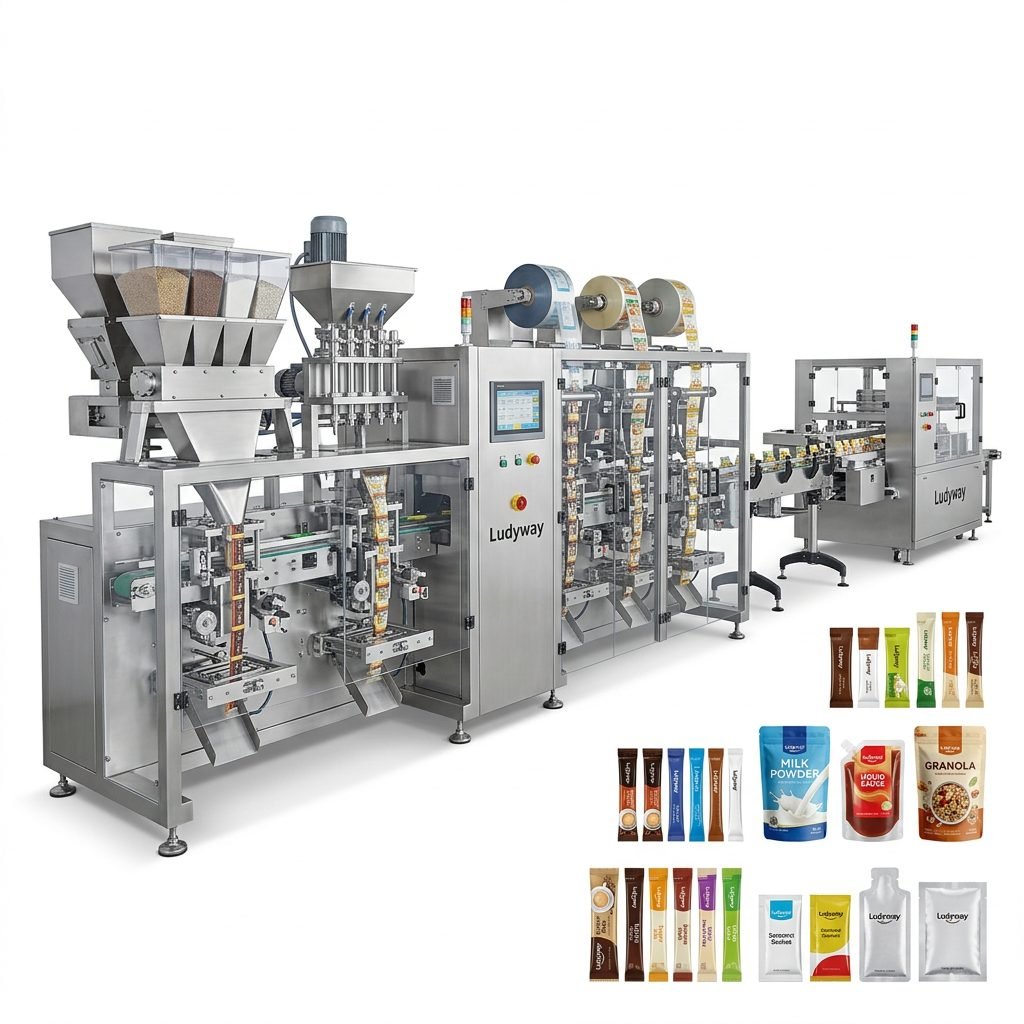
- Need for turnkey integration with feeders, checkweighers, coding, cartoning, or case packing
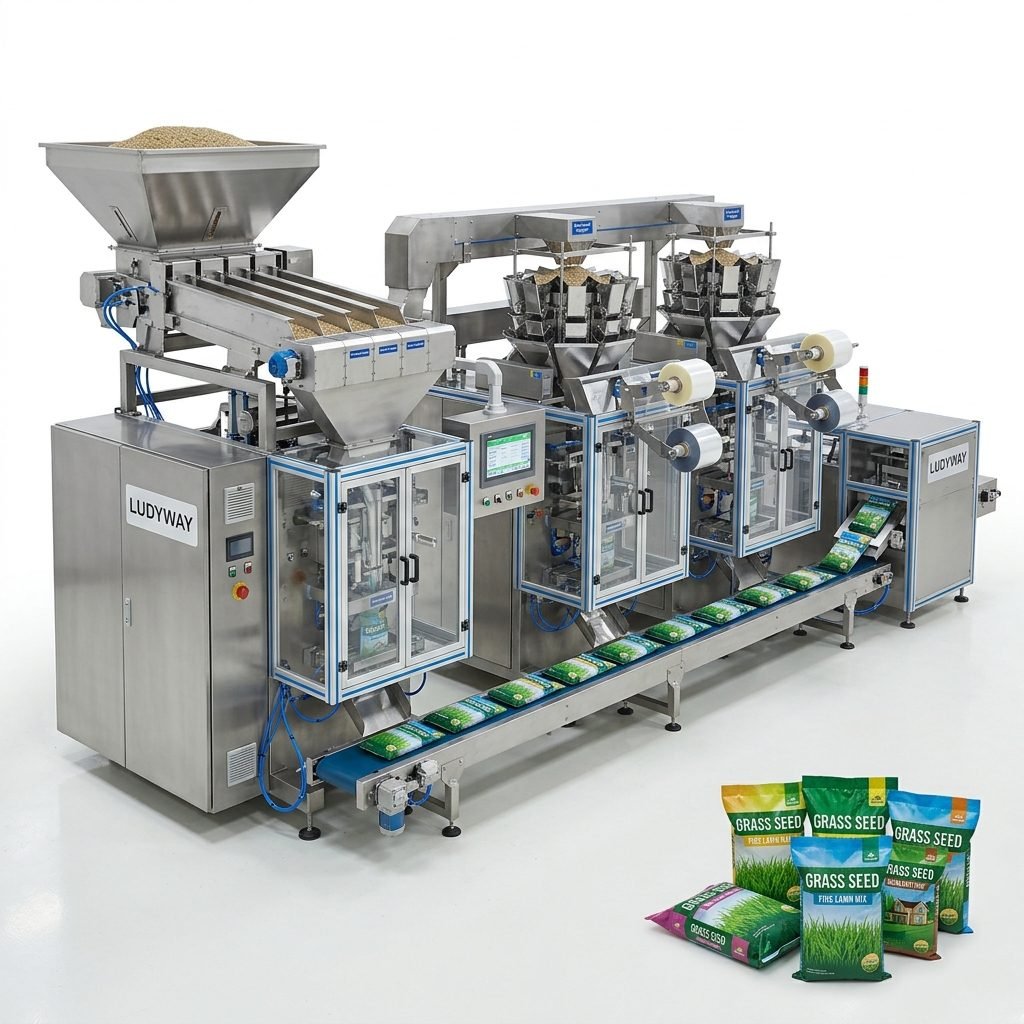
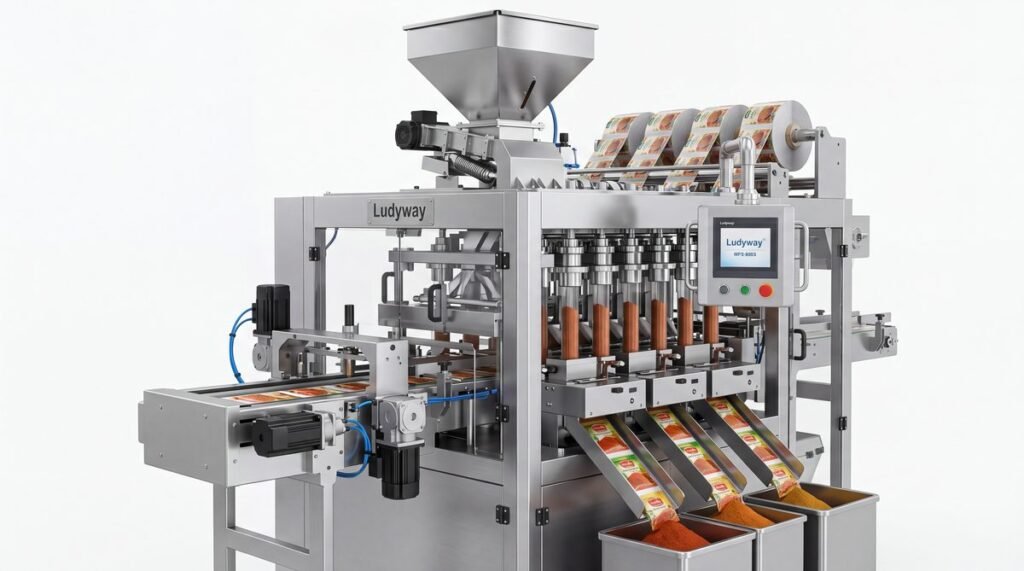
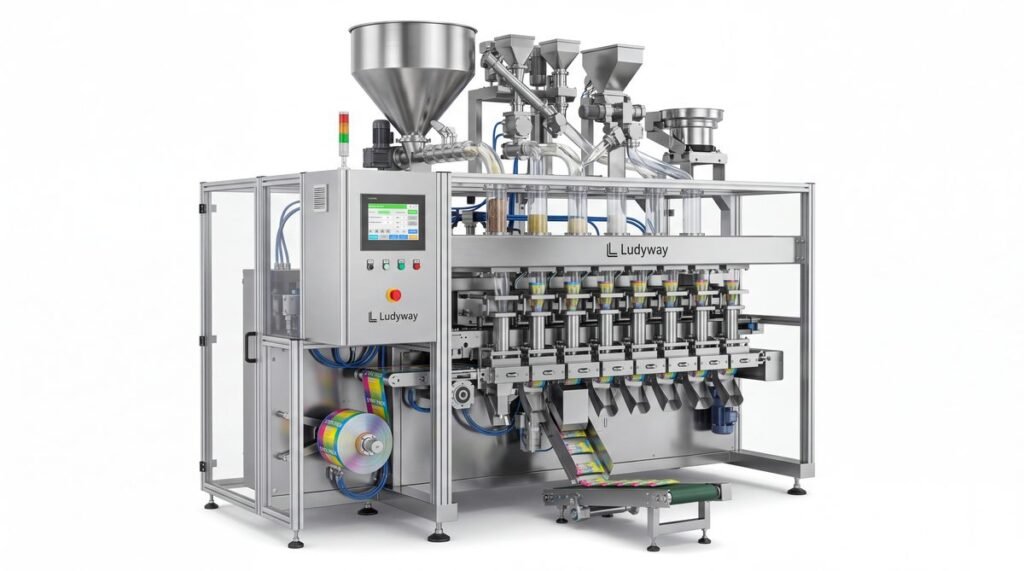
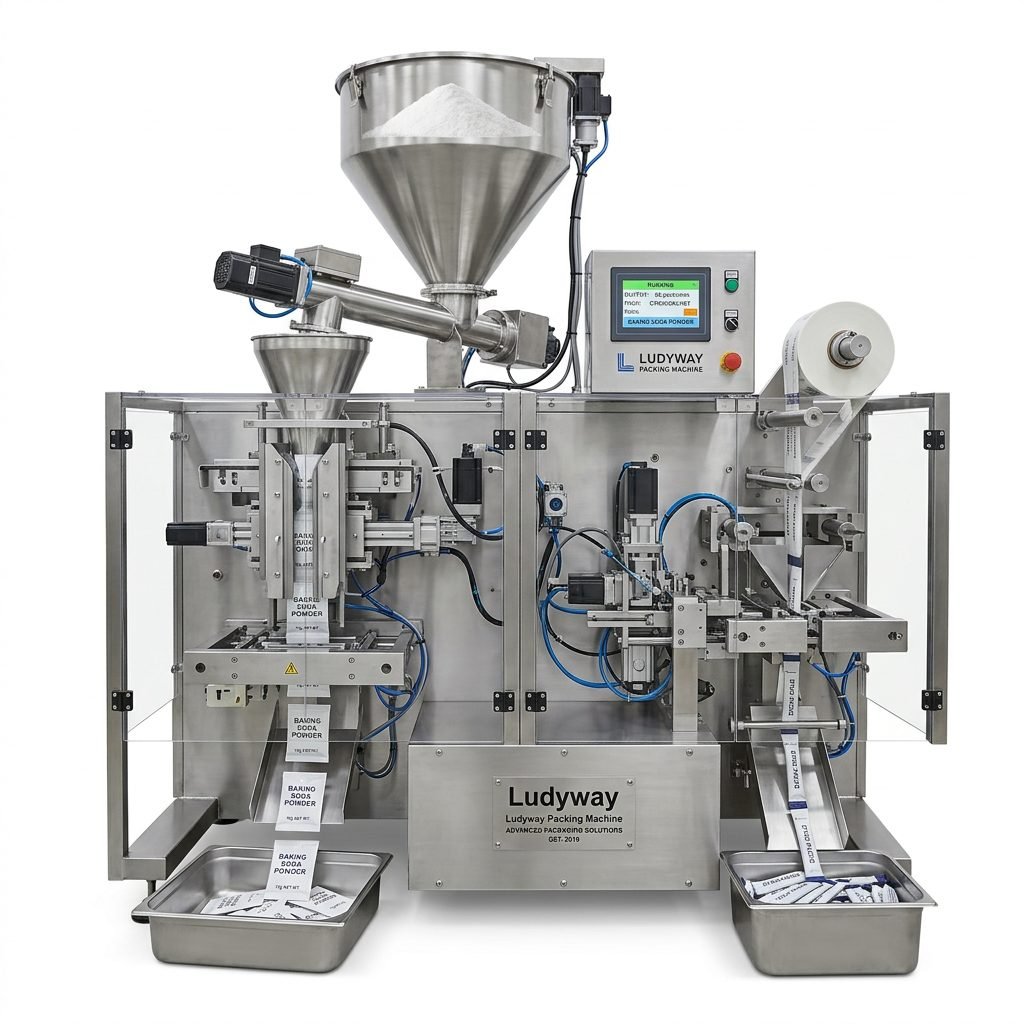
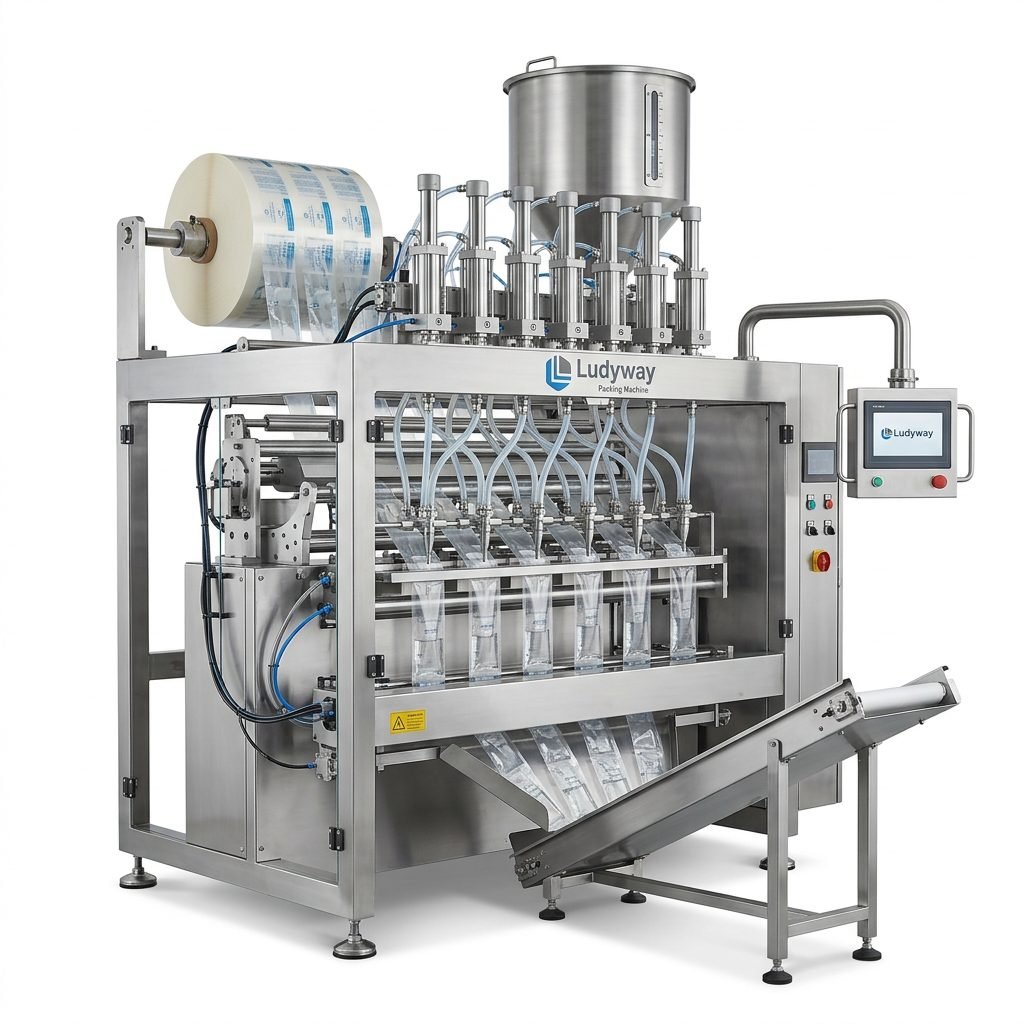
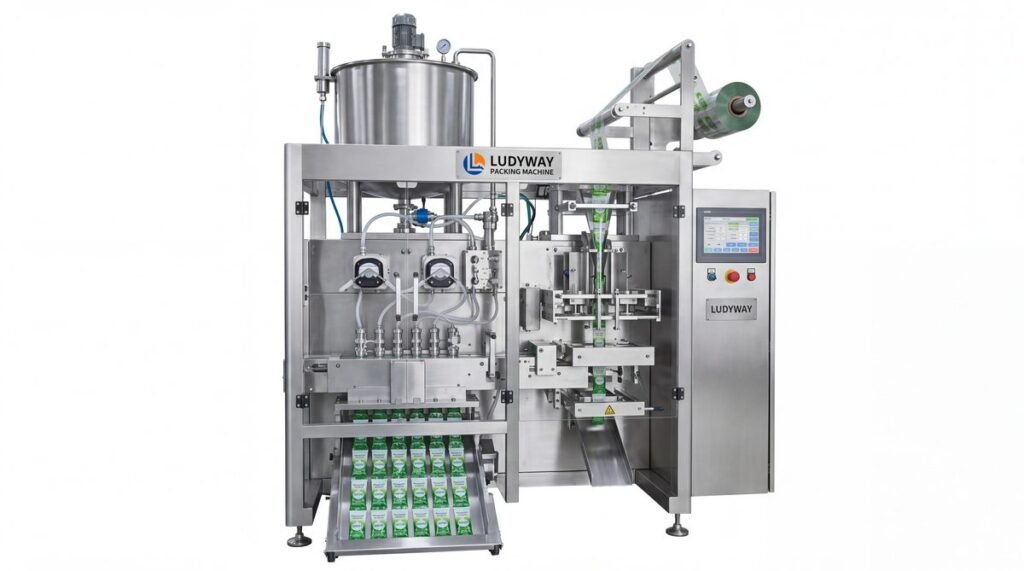
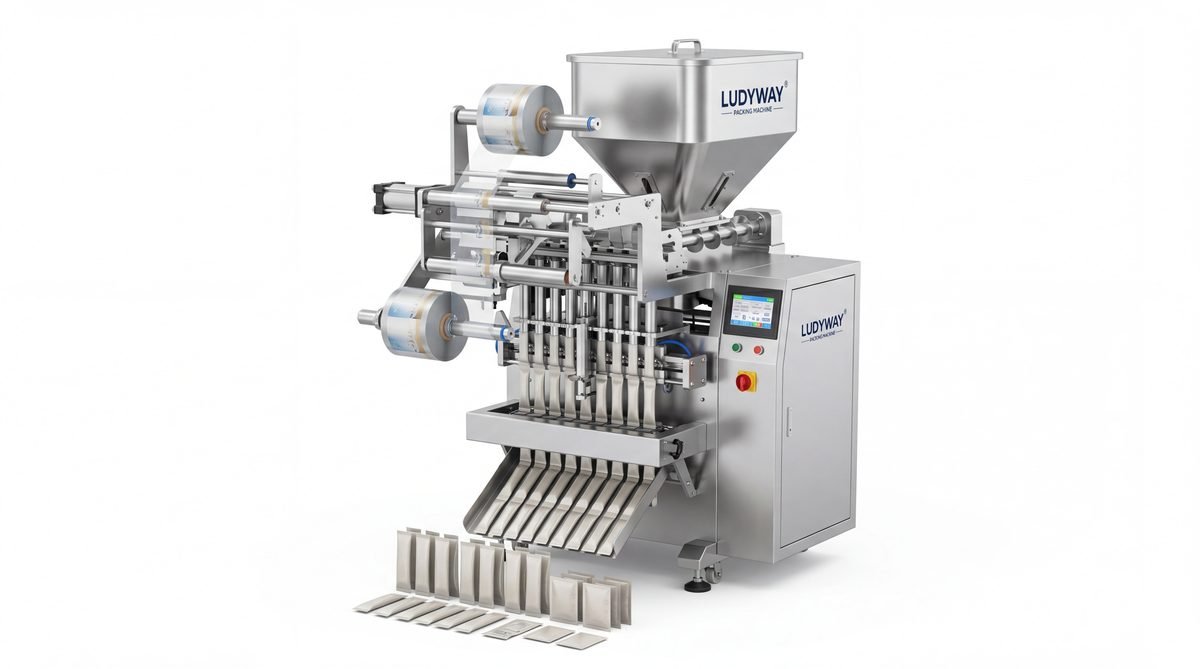
For businesses scaling production, working with an experienced packaging machinery partner can make a major difference. Ludyway provides packaging machinery and turnkey packaging line solutions for powder, granule, liquid, and pouch applications across food, pharmaceutical, health supplement, and related industries.
Common Causes of Inaccurate Powder Filling
| Problem | Likely Cause | Recommended Action |
|---|---|---|
| Frequent overfill | Conservative settings or density increase | Recalibrate and verify bulk density trends |
| Underfill events | Poor feed consistency or auger drift | Check hopper level, feeder performance, and servo settings |
| High variation between packs | Powder flow instability or environmental change | Improve powder conditioning and room control |
| Powder leakage or spillage | Poor timing or incorrect nozzle setup | Optimize synchronization and filling head position |
| Accuracy worsens over long runs | Residue buildup or wear | Increase preventive cleaning and inspection frequency |
Final Best Practices Checklist
- Test powder properties before line optimization
- Choose the correct dosing technology for the product
- Maintain stable hopper level and feed consistency
- Monitor and manage bulk density variation
- Use servo-based control for finer adjustment
- Calibrate routinely with real product at actual speed
- Integrate checkweighing for ongoing verification
- Control dust, residue, and environmental changes
- Train operators to detect early signs of instability
- Select a machine and line configuration that matches your production goals
Improving filling accuracy in powder packaging is not about one adjustment—it is about building a controlled and repeatable system. When powder behavior, machine settings, material handling, and quality monitoring work together, manufacturers can achieve more consistent fills, lower giveaway, higher efficiency, and stronger product quality.