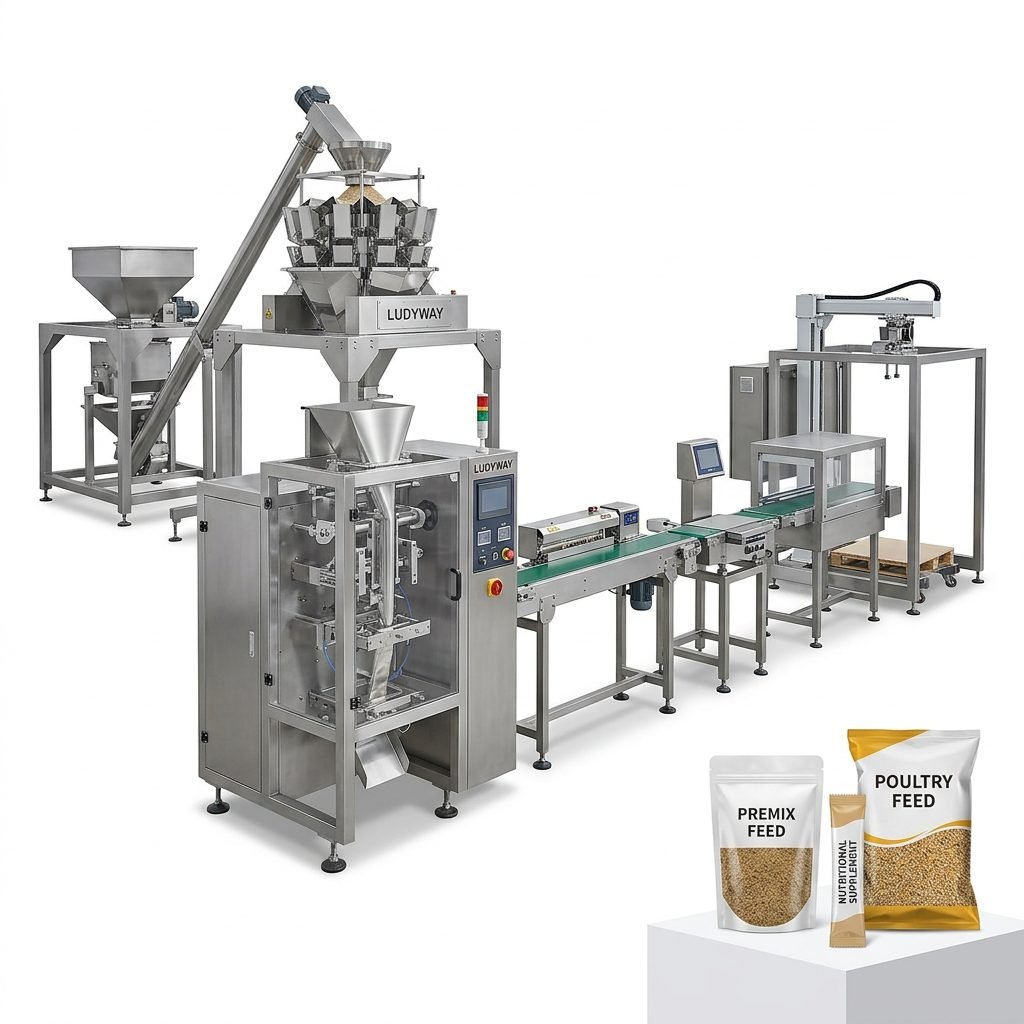
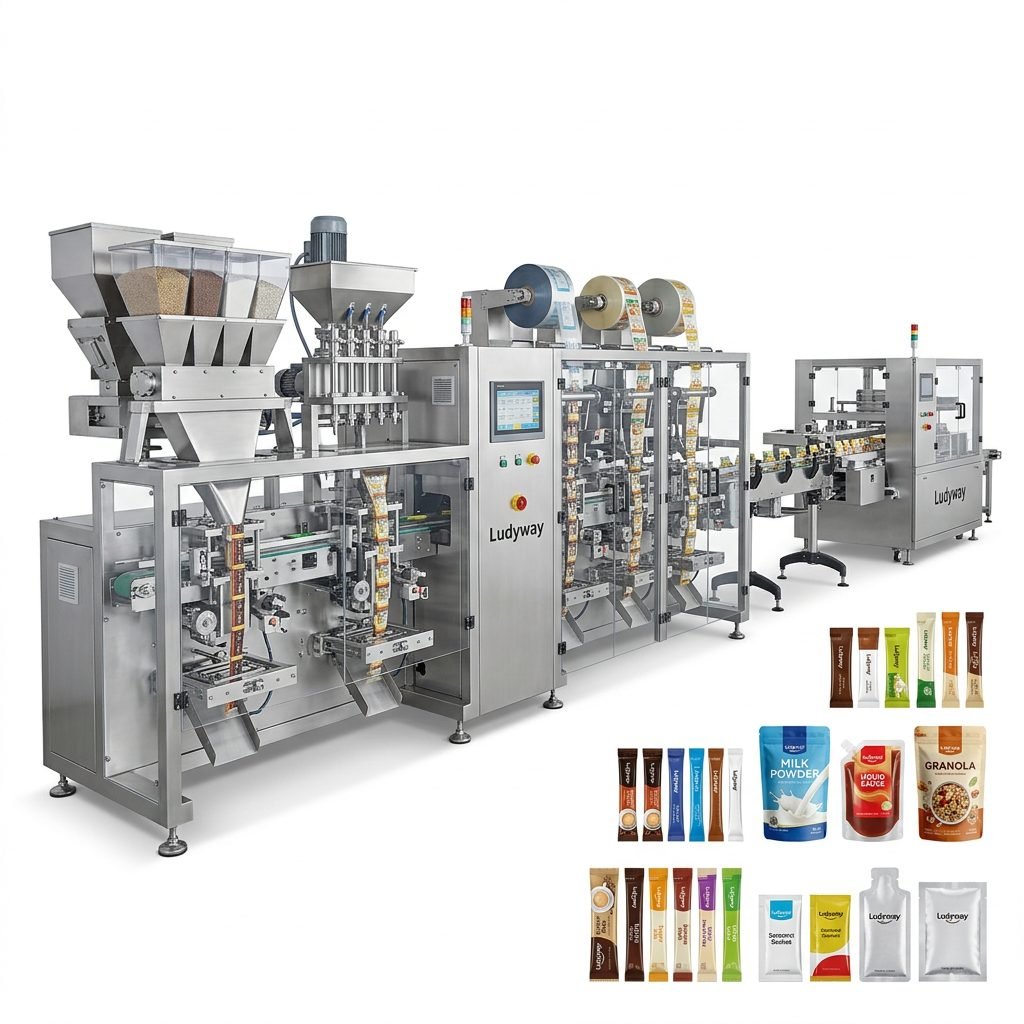
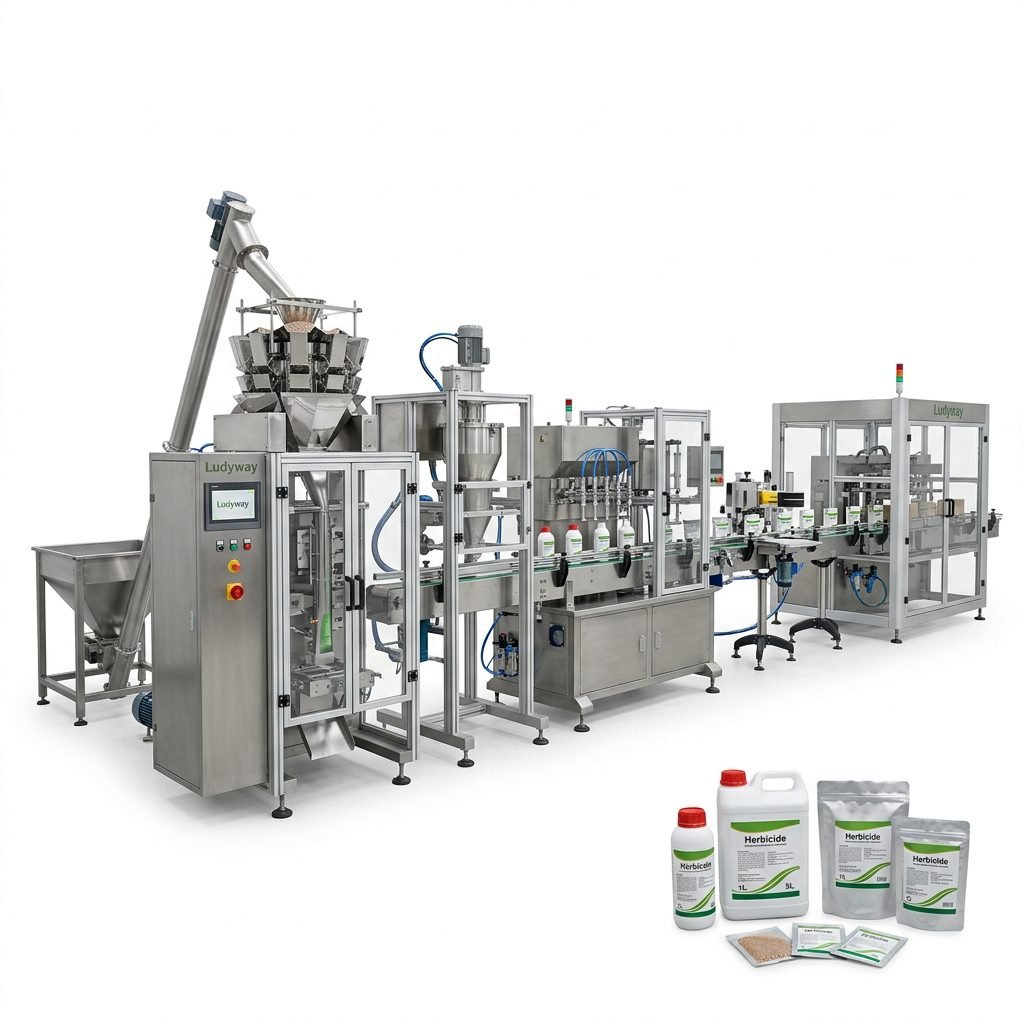
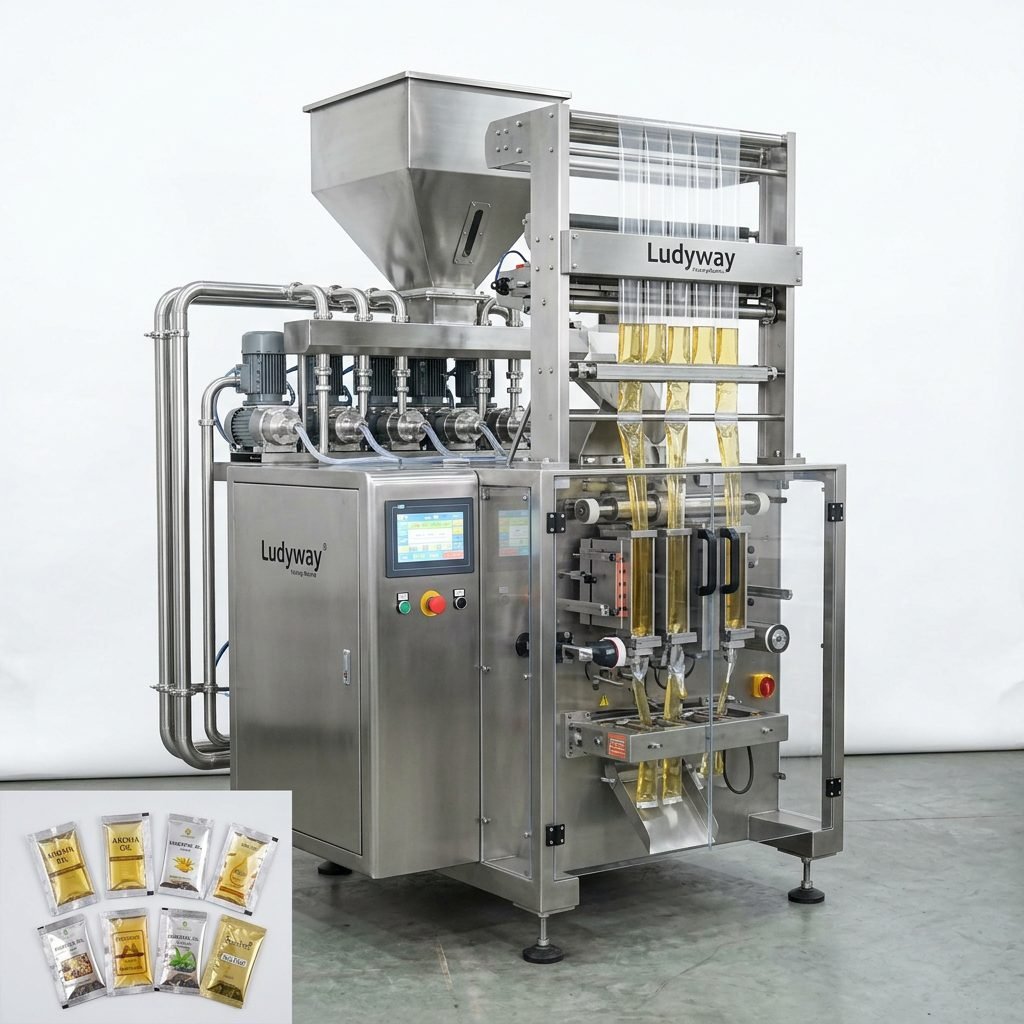
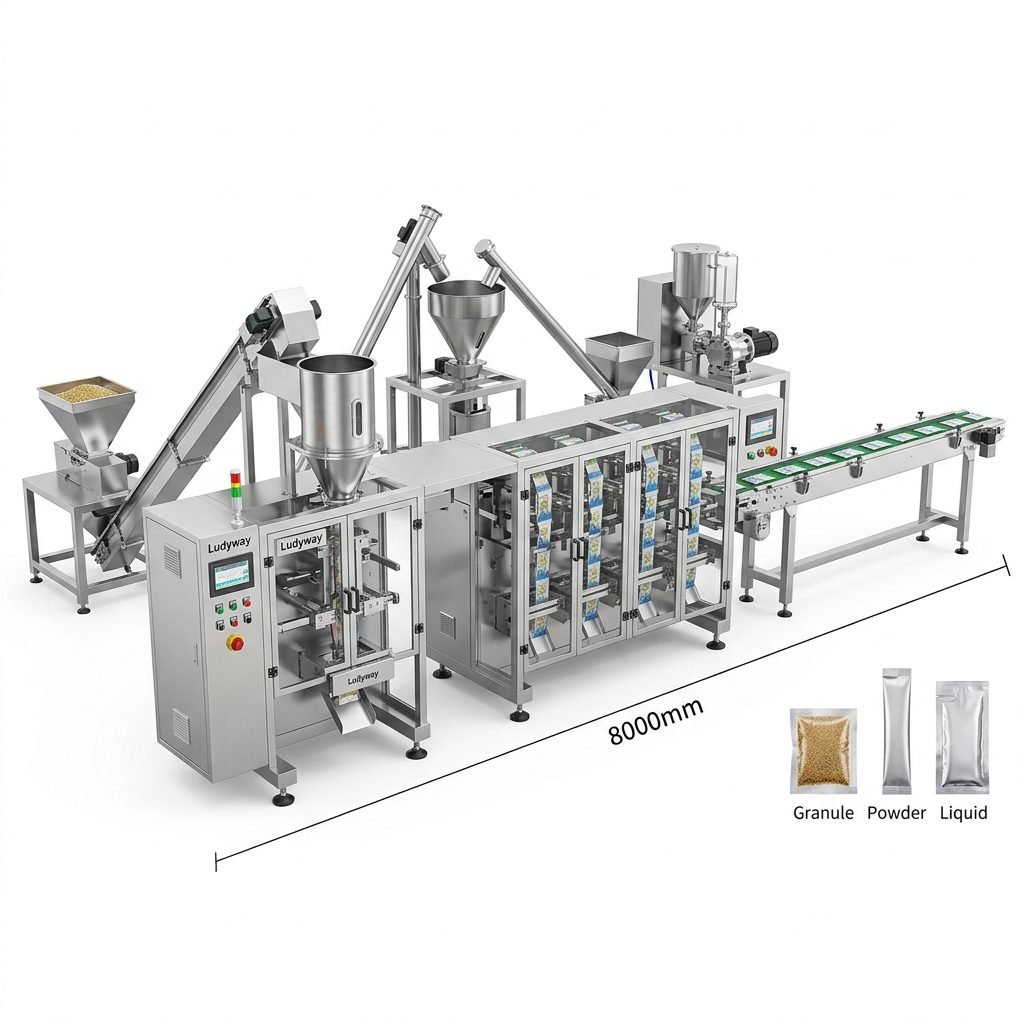
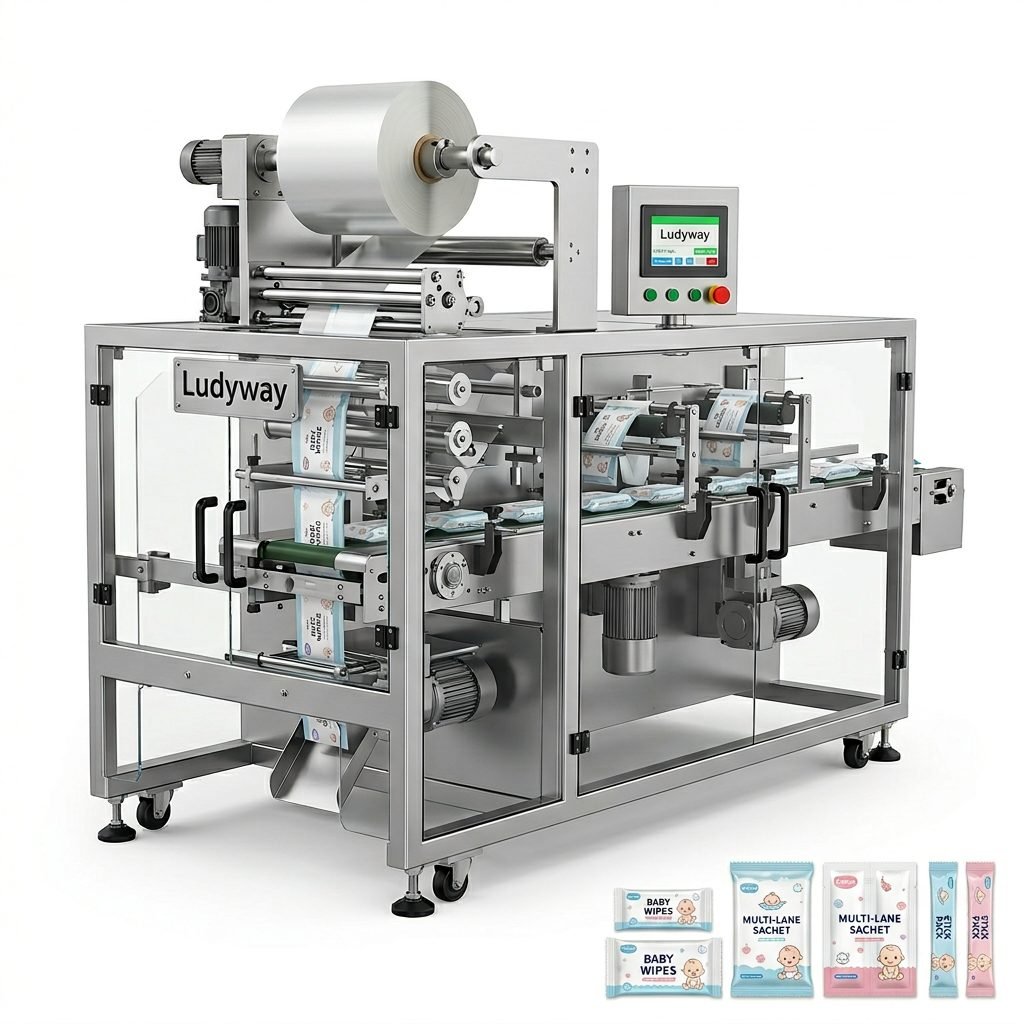
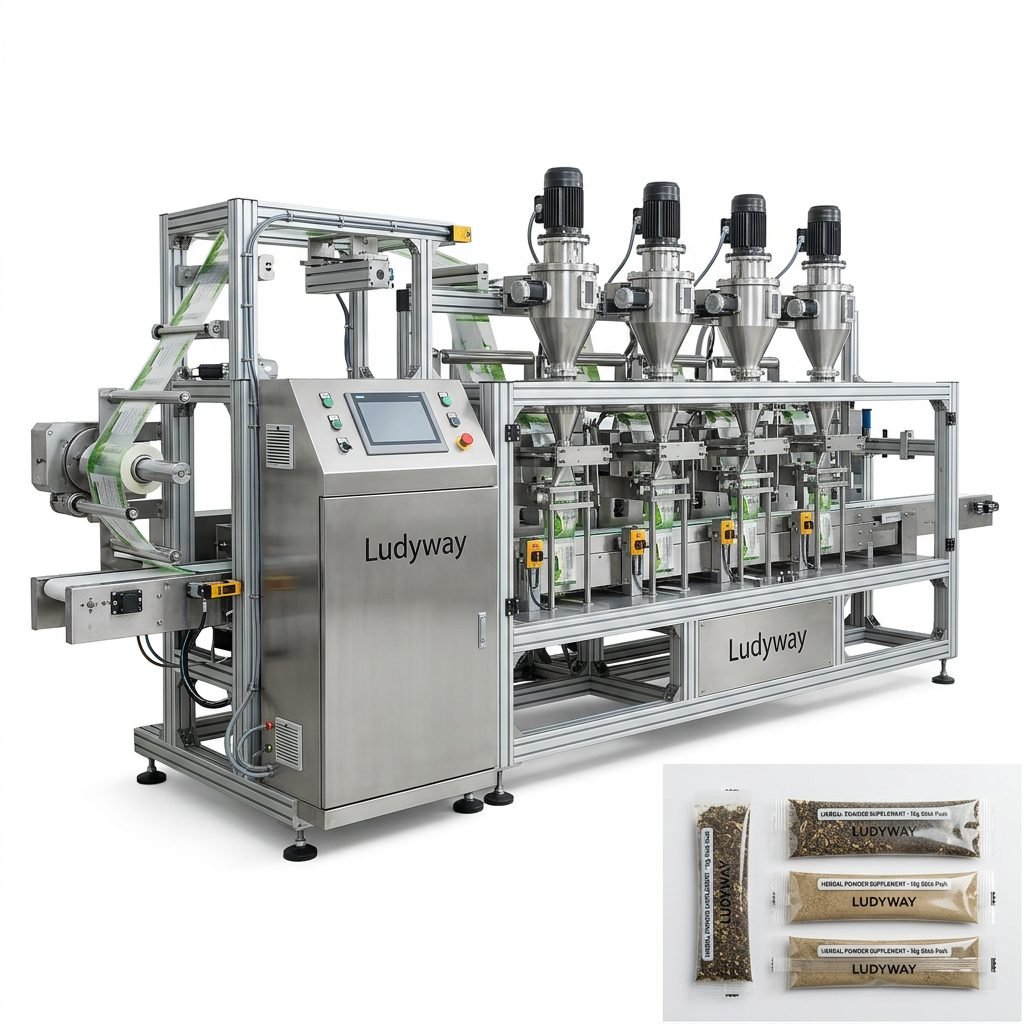
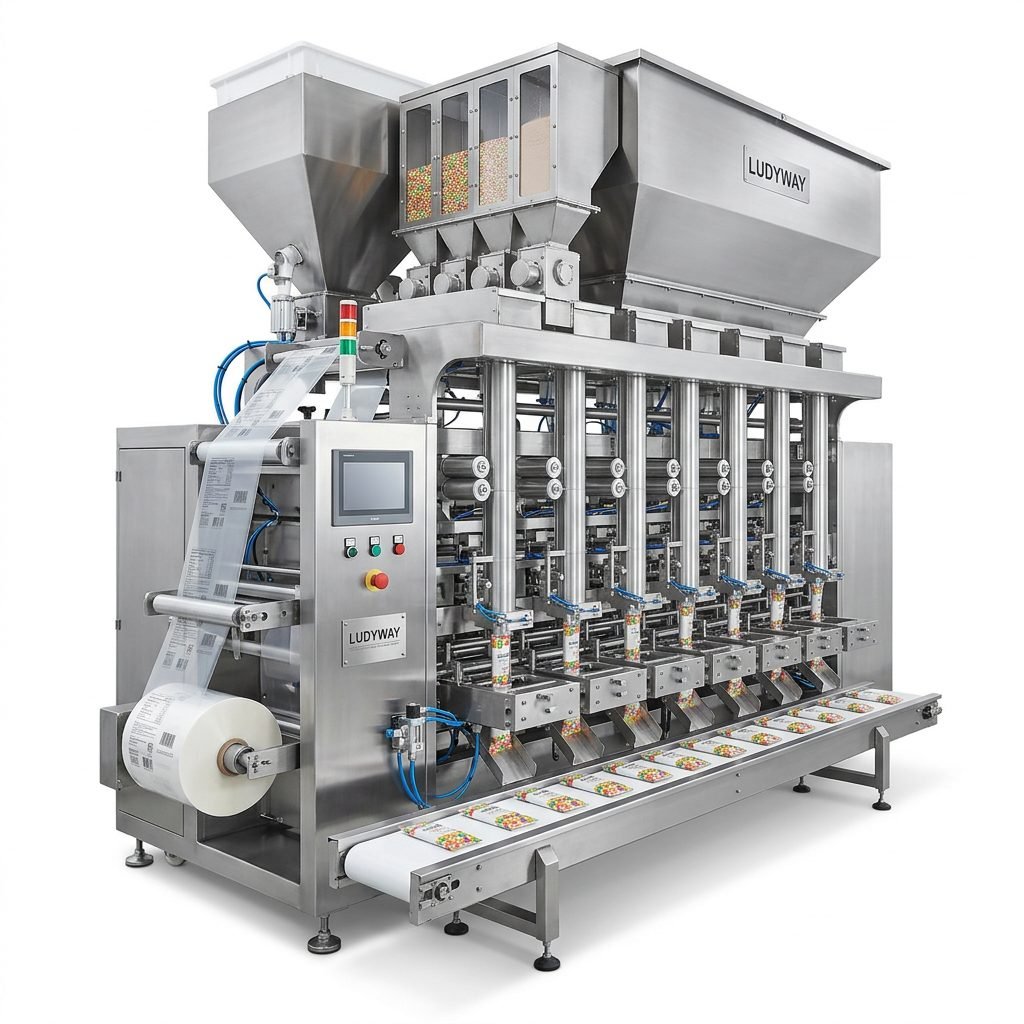
Yes, a packaging machine can absolutely integrate with a conveyor system—and in modern production, this is often the most practical way to improve throughput, consistency, and labor efficiency. Instead of treating packaging as a standalone task, manufacturers increasingly connect feeding, filling, sealing, inspection, counting, coding, and discharge into one continuous flow.
When properly matched, a conveyor does more than move products from point A to point B. It helps stabilize product transfer, reduce manual handling, synchronize machine speed, and support scalable automation. This is especially valuable in food, pharmaceutical, cosmetic, chemical, and nutraceutical operations where accuracy and cleanliness matter.
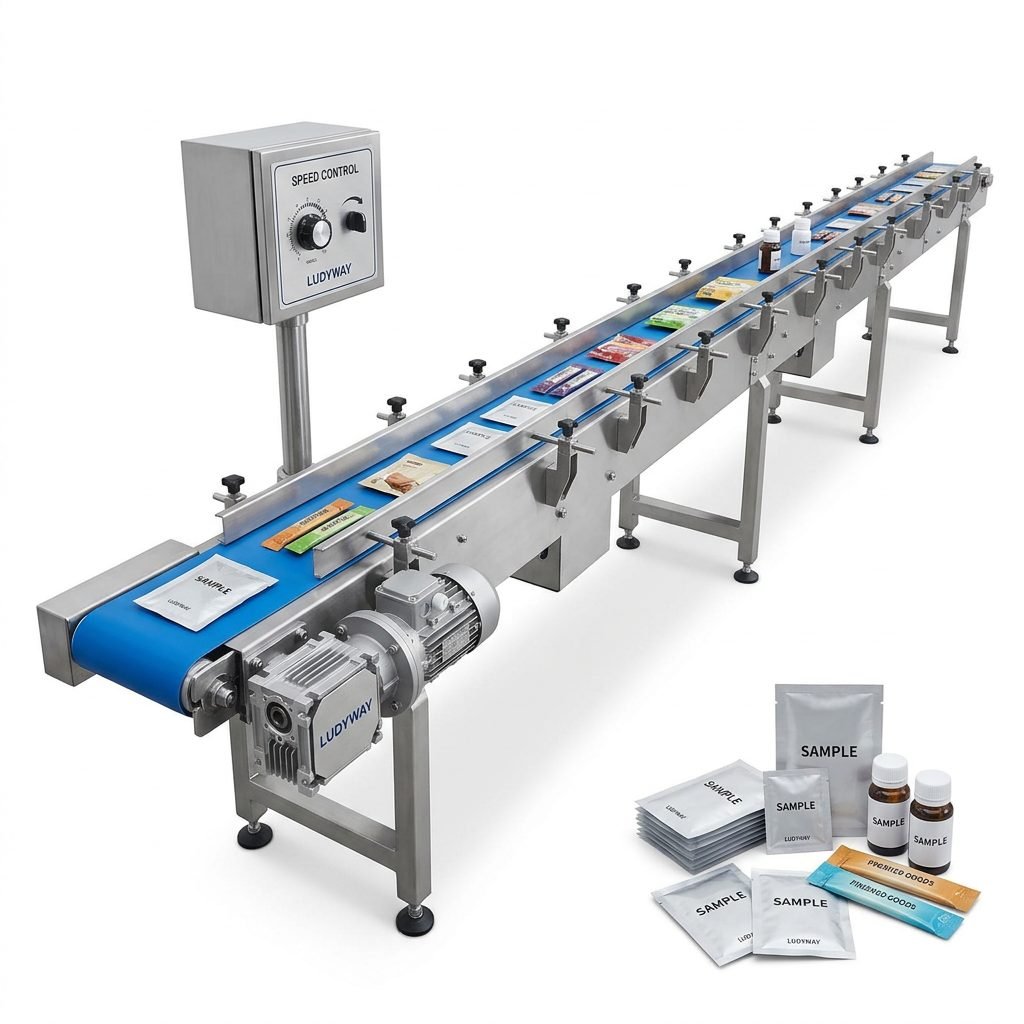
Why Integrating a Conveyor with a Packaging Machine Makes Sense
A conveyor acts as the connection layer between upstream processing and downstream packaging. In a manual setup, operators must transport materials or finished packs between stations, which slows output and introduces variation. In an integrated setup, products move in a predictable, controlled sequence.
- Continuous flow: Products feed into the packaging machine at a stable pace.
- Less downtime: Reduced waiting time between process steps.
- Lower labor demand: Fewer operators are needed for repetitive transfer tasks.
- Improved accuracy: Better timing between feeding, dosing, sealing, and discharge.
- Safer handling: Less direct contact with products, especially in hygienic industries.
How the Integration Works
The principle is simple: the conveyor and packaging machine are synchronized so that products arrive at the correct position, in the correct orientation, at the correct time. However, the actual integration can vary depending on product form, packaging type, output target, and factory layout.
Basic Workflow
- Raw material or product units are loaded into a feeder, hopper, bucket elevator, belt conveyor, screw conveyor, or vibratory transfer system.
- The conveyor transports the material to the packaging machine inlet.
- Sensors or control systems detect product presence and regulate feed timing.
- The packaging machine performs filling, forming, sealing, coding, or pouch handling.
- Finished packs exit to a discharge conveyor for inspection, cartoning, case packing, or palletizing.
Key Control Components
Successful integration usually depends on the following:
- PLC or centralized control communication
- Speed matching between conveyor and packer
- Photoelectric sensors or proximity sensors
- Product accumulation logic
- Emergency stop linkage
- Reject and inspection coordination
Main Benefits of Conveyor-Package Machine Integration
| Benefit | What It Means in Practice |
|---|---|
| Higher efficiency | Materials move automatically without repeated manual transport. |
| Better product consistency | Steady feeding helps keep filling and sealing more uniform. |
| Labor savings | Operators can focus on supervision and quality checks instead of moving products. |
| Reduced contamination risk | Important for food, pharma, and health product packaging. |
| Scalability | Easy to add checkweighers, metal detectors, cartoners, and palletizers later. |
| Cleaner line layout | A defined flow reduces bottlenecks and improves factory organization. |
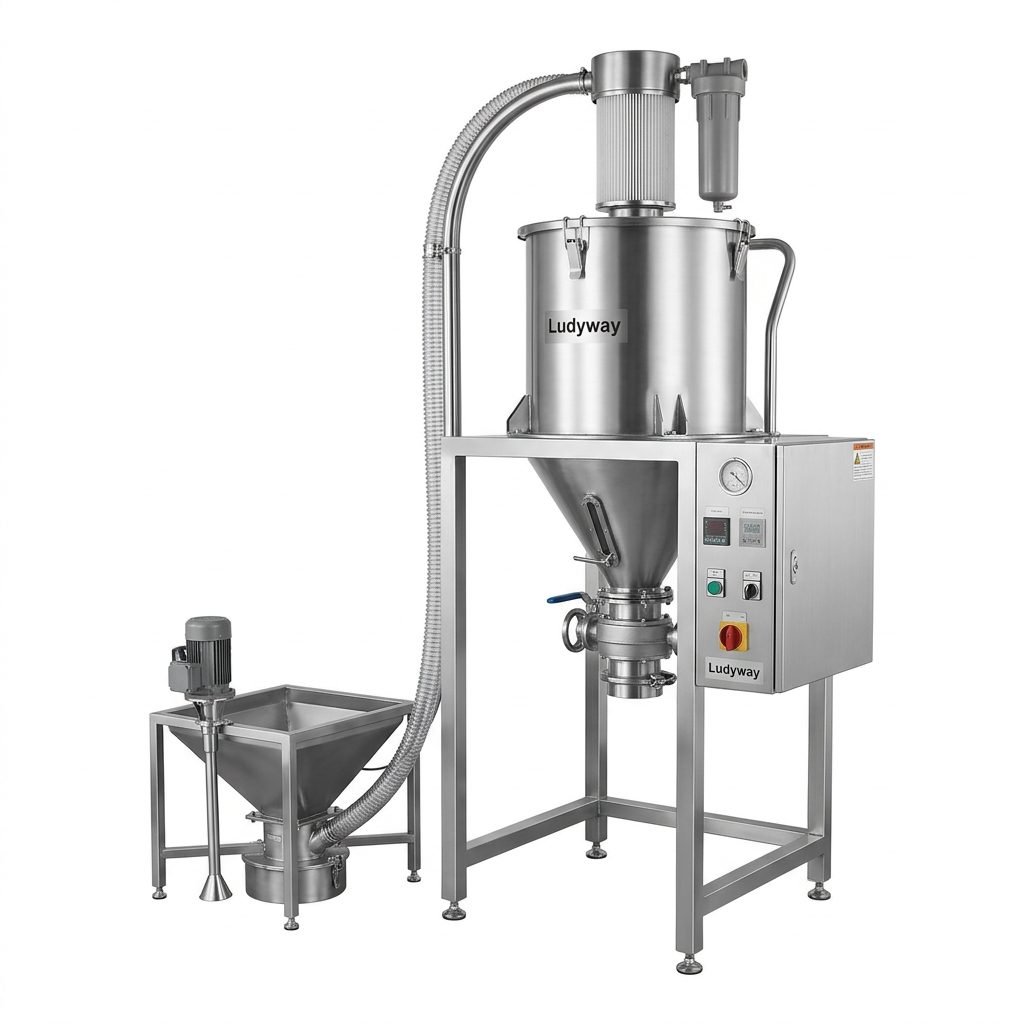
What Types of Conveyors Can Be Used?
Not every product should use the same conveyor. Selection depends on whether the material is a powder, granule, liquid container, pouch, bottle, carton, or bag.
Common Conveyor Types in Packaging Lines
| Conveyor Type | Suitable For | Typical Use |
|---|---|---|
| Belt conveyor | Pouches, sachets, cartons, bottles | Transfer between stations |
| Screw conveyor | Powders | Feeding powder to auger fillers |
| Bucket elevator | Granules, snacks, seeds | Vertical product transfer |
| Vibratory feeder | Small granules or counted items | Gentle controlled feeding |
| Chain conveyor | Heavy containers or industrial packs | Heavy-duty transfer |
| Roller conveyor | Cases, boxes, large cartons | Case handling and logistics |
| Vacuum feeder | Fine powders | Closed transfer for cleaner environments |
Where This Integration Is Commonly Used
Food Industry
Snack foods, coffee, sugar, spices, grains, milk powder, drink powders, sauces, and frozen products often require conveyors to feed or discharge packaged goods smoothly. For fragile or dusty materials, matching the right conveyor type is critical to prevent breakage and product loss.
Pharmaceutical Industry
Conveyors are used to transfer powders, sachets, stick packs, blister packs, bottles, and medical consumables while maintaining cleaner handling. Integration also supports inspection devices, serialization, coding, and rejection systems.
Cosmetics and Personal Care
Cream sachets, serums, lotions, shampoos, hand wash, and beauty samples benefit from integrated filling and discharge conveyors. These systems improve packaging rhythm and help avoid spills or uneven product movement.
Chemical and Industrial Products
Powders, additives, detergents, cleaners, lubricants, sealants, and agricultural materials often need robust conveyors that resist corrosion, manage dust, and support bulk or small-pack automation.
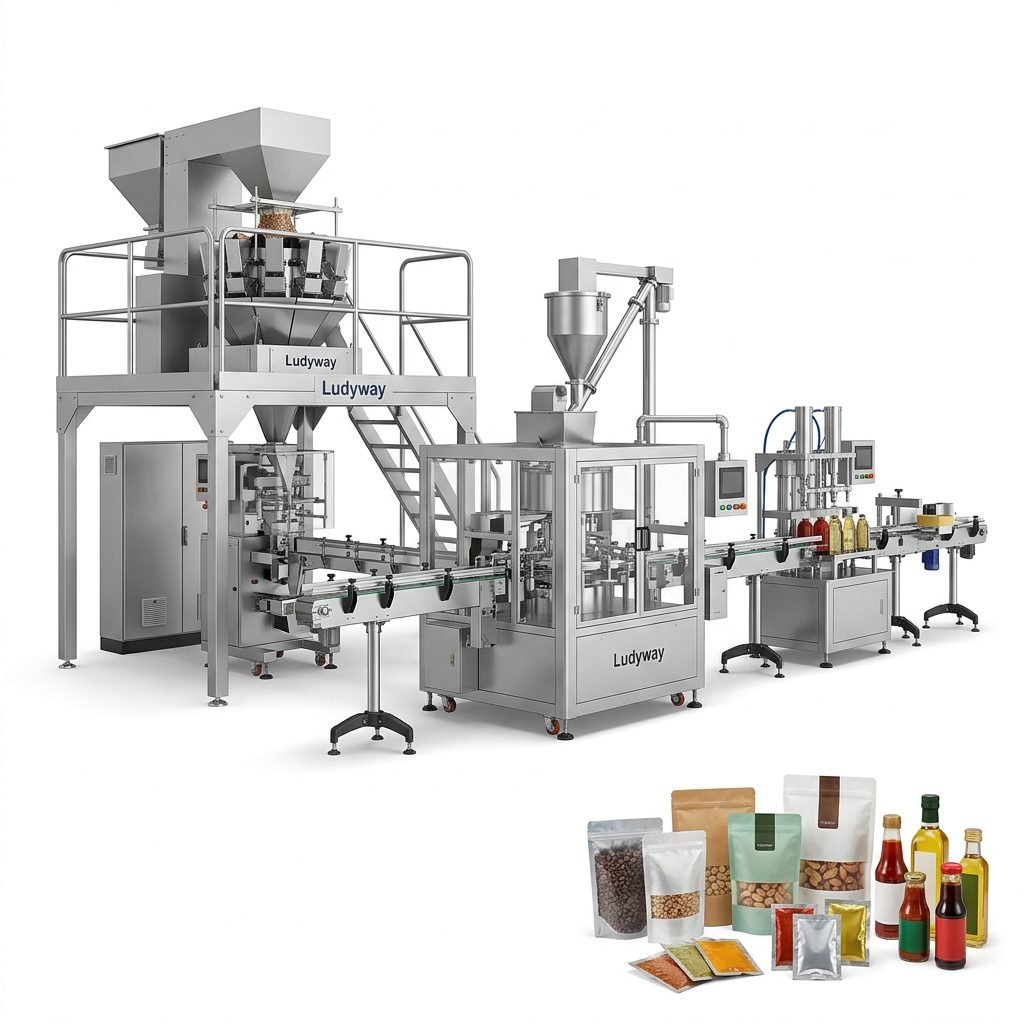
Examples of Packaging Machines That Often Use Conveyors
- Vertical form fill seal machines
- Sachet packaging machines
- Stick pack machines
- Premade pouch filling machines
- Bottle filling and capping lines
- Cartoning and case packing systems
- Vacuum packaging machines
- Checkweighing and inspection stations
For many manufacturers, the best result comes from buying not just a standalone machine, but a coordinated solution. Companies such as Ludyway packaging machine solutions are often considered when buyers need integrated equipment that can connect feeders, conveyors, main packaging systems, and downstream automation into one turnkey line.
Important Integration Factors Before You Buy
A conveyor can improve performance only if it is properly matched to the packaging machine and product. Before selecting a system, consider the points below.
1. Product Characteristics
- Is the material powder, granule, liquid, paste, pouch, bottle, or carton?
- Is it fragile, sticky, dusty, corrosive, or free-flowing?
- Does it require sanitary or enclosed conveying?
2. Required Output Speed
If the conveyor is too slow, the packaging machine starves. If it is too fast, product accumulation or jams can occur. Speed synchronization is one of the most important technical details.
3. Layout and Space
Factory ceiling height, floor shape, upstream process location, and downstream packing steps all affect whether you need horizontal, inclined, or vertical conveying.
4. Automation Level
Some factories only need a simple infeed conveyor. Others need full integration with weighing, filling, sealing, coding, inspection, cartoning, case packing, and palletizing.
5. Cleaning and Maintenance
In food and pharmaceutical plants, easy disassembly and washdown compatibility can be just as important as output. Maintenance access should not be overlooked during layout planning.
Can Older Packaging Machines Be Retrofitted with Conveyors?
In many cases, yes. Existing machines can often be upgraded by adding an infeed or discharge conveyor, sensors, control synchronization, or accumulation tables. However, retrofitting depends on:
- Machine control compatibility
- Available footprint
- Current production speed
- Safety compliance requirements
- Mechanical interface points
A retrofit can be a cost-effective step toward automation if a full line replacement is not yet necessary.
Challenges to Watch Out For
| Potential Challenge | How to Reduce the Risk |
|---|---|
| Poor speed matching | Use variable speed drives and linked controls. |
| Product spillage or damage | Select the right conveyor structure and transfer angle. |
| Space constraints | Use modular or custom-length conveyor designs. |
| Cleaning difficulty | Choose hygienic designs with easy-access components. |
| Control incompatibility | Confirm PLC, sensor, and signal integration in advance. |
Who Should Consider an Integrated Conveyor Packaging System?
This setup is ideal for businesses that:
- Need to increase production without proportionally increasing labor
- Want more stable and repeatable packaging output
- Plan to upgrade from semi-automatic to automatic production
- Require cleaner product handling
- Expect future expansion into complete turnkey packaging lines
Final Practical Answer
A packaging machine can absolutely integrate with a conveyor, and in many applications it should. The combination improves flow, saves labor, supports higher output, and creates a more reliable packaging process from feeding to finished product discharge. The key is choosing a conveyor type, speed range, and control logic that fit the product and the machine—not just adding a transport device after the fact.
For operations planning long-term automation, an integrated approach is usually more efficient than assembling disconnected equipment piece by piece.