Reducing labor costs in packaging operations is not just about cutting headcount. The most effective approach is to improve throughput, reduce repetitive manual work, minimize downtime, and raise packaging consistency. When operations become more stable and predictable, labor cost per unit naturally decreases while output quality improves.
For manufacturers in food, pharmaceutical, health supplement, chemical, and daily-use product sectors, packaging is often one of the most labor-intensive stages in production. Tasks such as feeding, filling, sealing, coding, counting, cartoning, case packing, inspection, and palletizing can quickly drive up labor expenses if they rely too heavily on manual intervention.
Why Labor Costs Rise in Packaging Operations
Before improving efficiency, it is important to identify where labor costs actually come from. In many factories, labor expense is not limited to wages alone. It also includes overtime, operator training, error correction, product rework, supervisory effort, and the cost of low productivity during line changeovers.
- Manual feeding and handling that slow down machine rhythm
- Frequent quality defects causing rework or rejected packs
- Downtime between shifts or SKU changes that wastes labor hours
- Poor line balancing where some stations are overloaded and others are idle
- Overdependence on manual packing or cartoning
- Inconsistent operator performance across teams and shifts
Once these hidden drivers are mapped, businesses can focus on structural improvement instead of short-term labor cuts that often damage productivity.
Proven Strategies to Reduce Labor Costs in Packaging
1. Automate Repetitive and High-Frequency Tasks
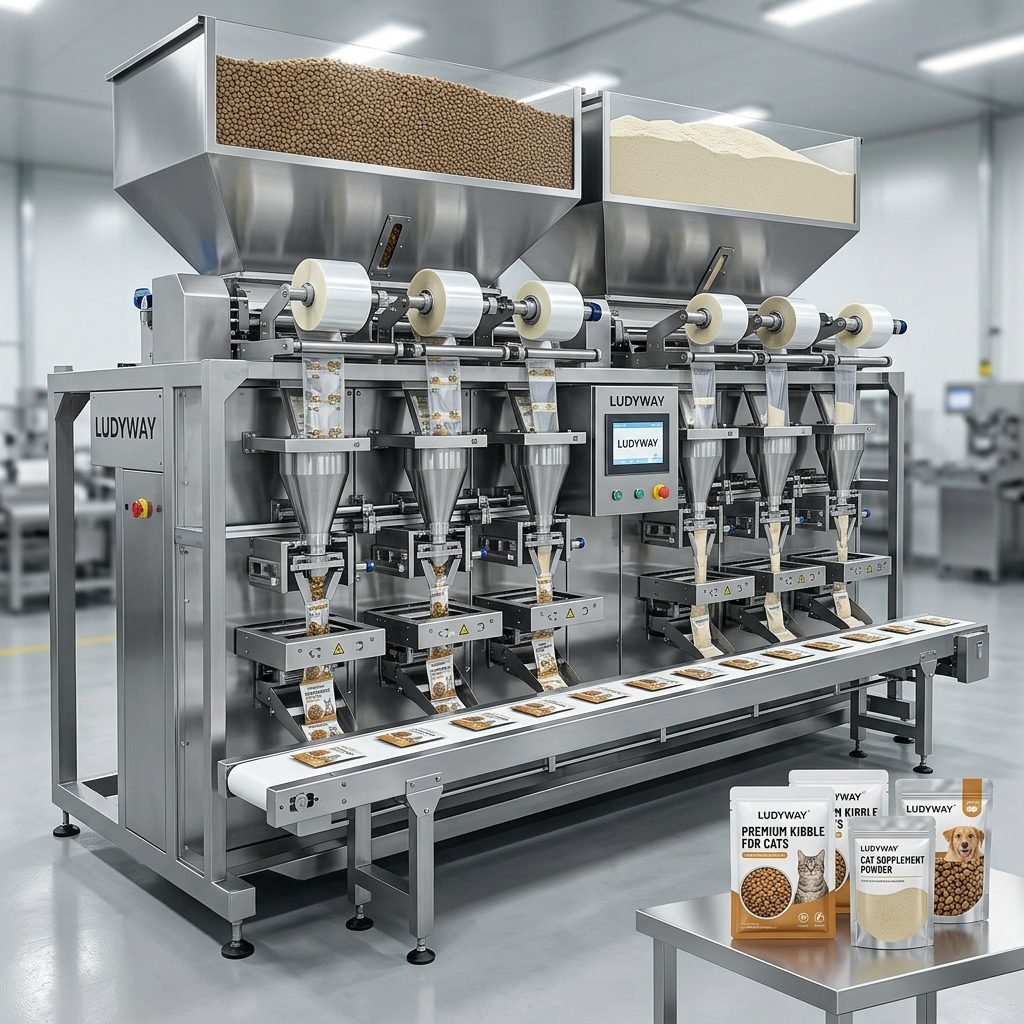
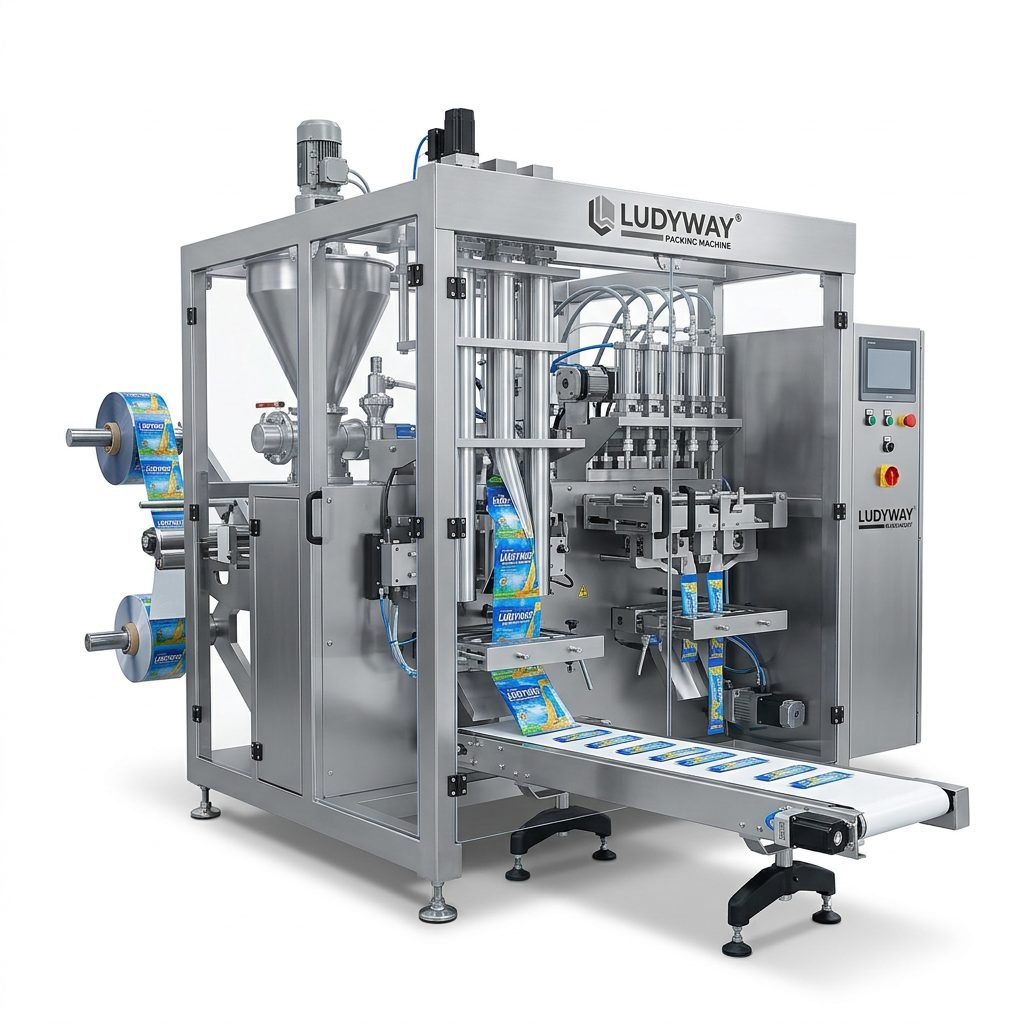
The fastest labor savings usually come from automating repetitive tasks that require multiple operators every shift. This may include product feeding, weighing, filling, sealing, pouch transfer, counting, labeling, carton sealing, and palletizing.
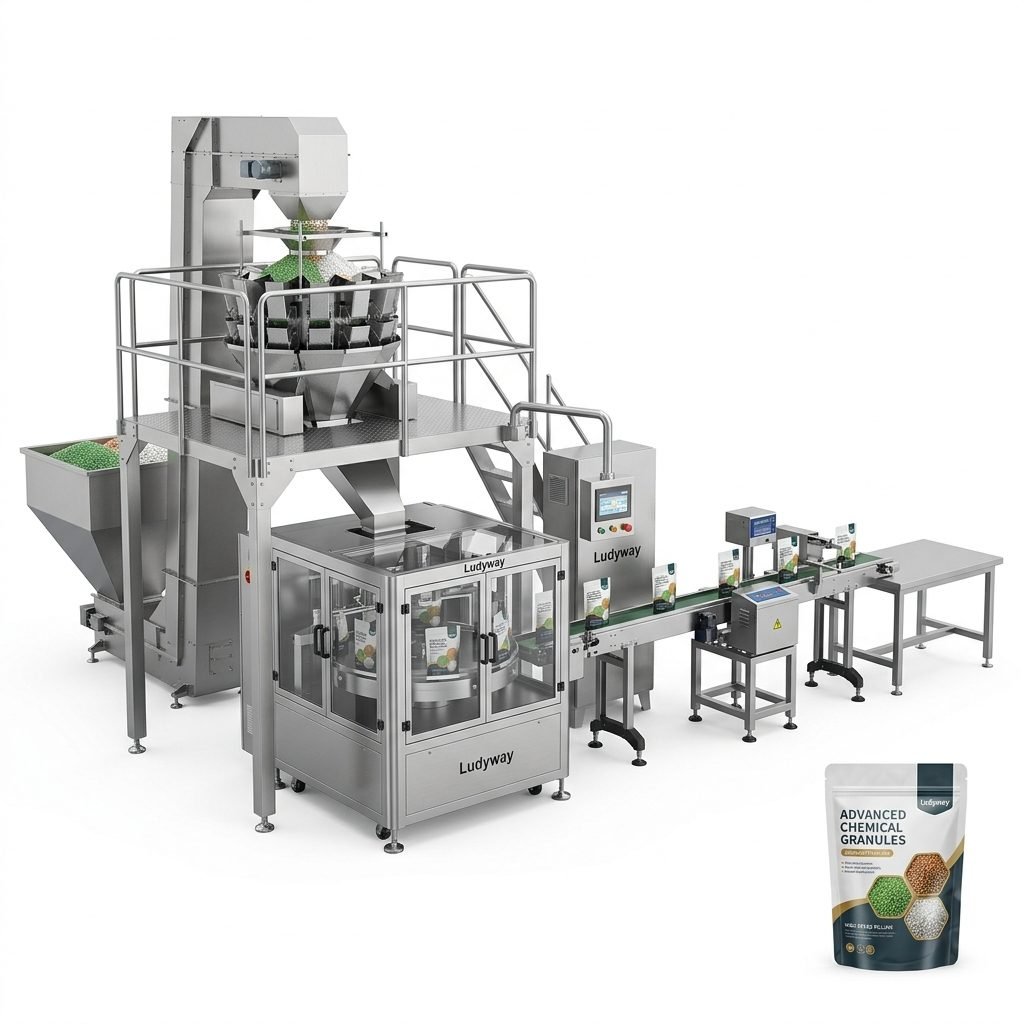
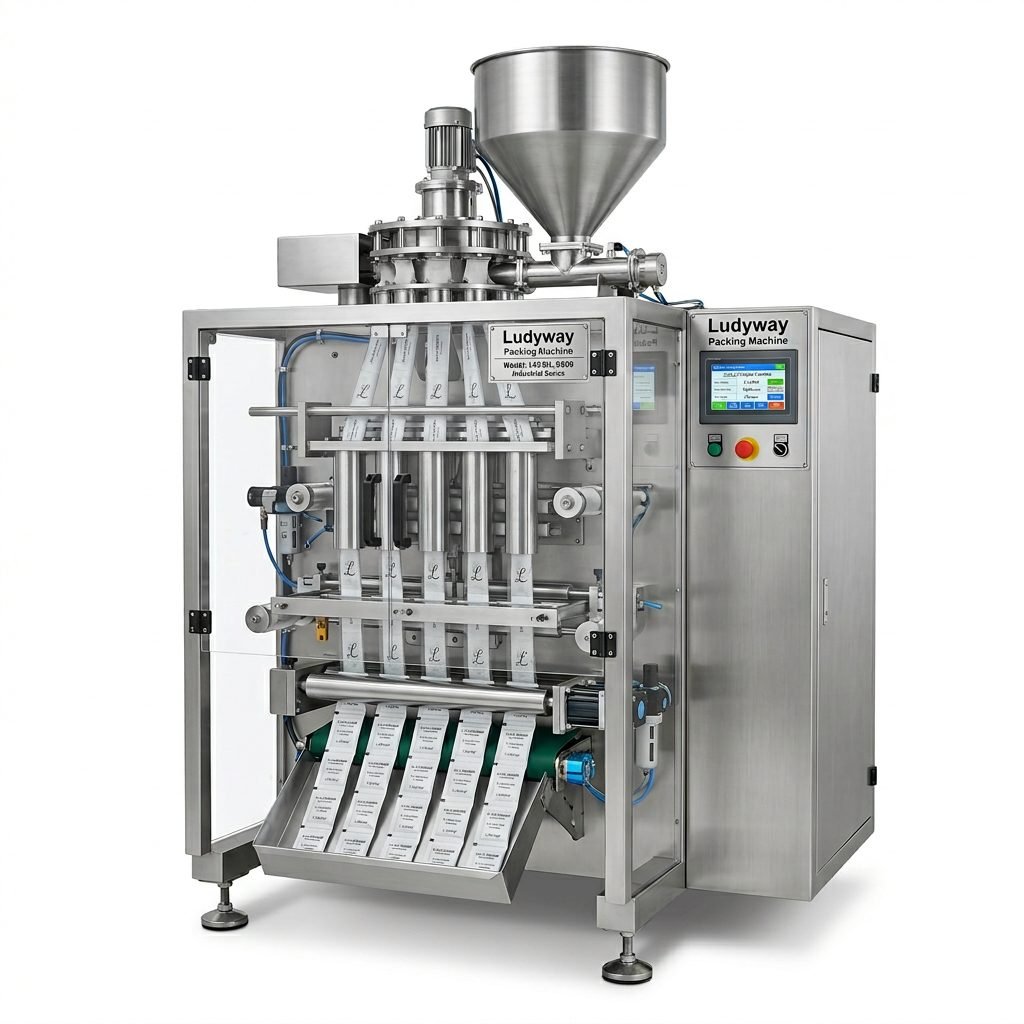
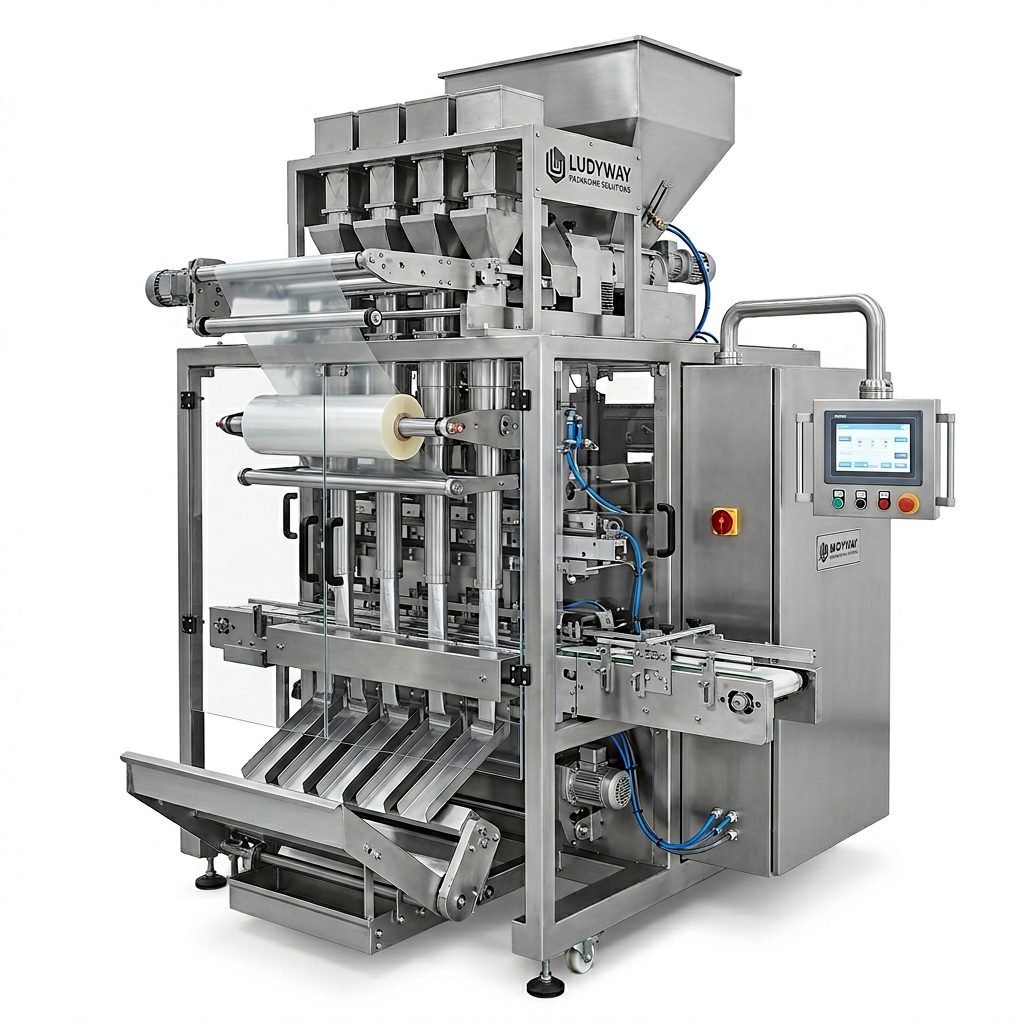
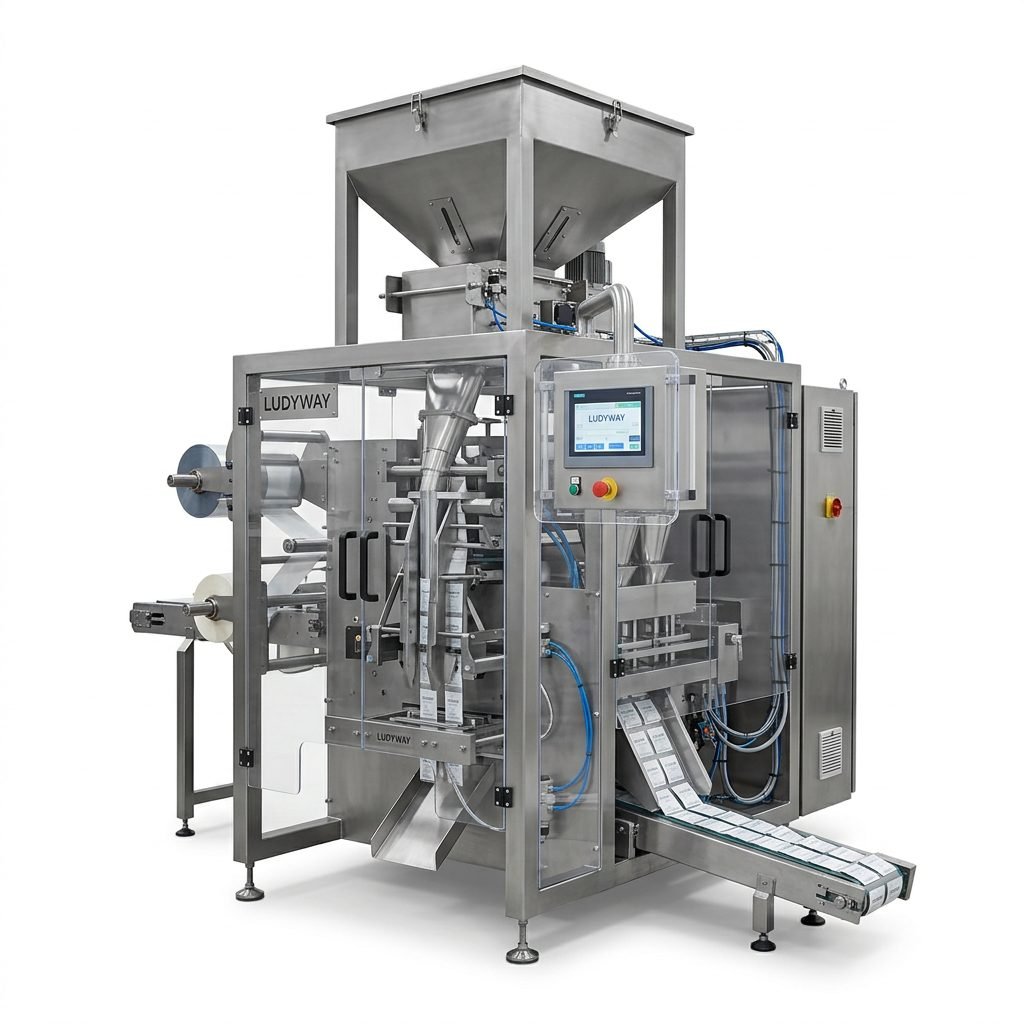
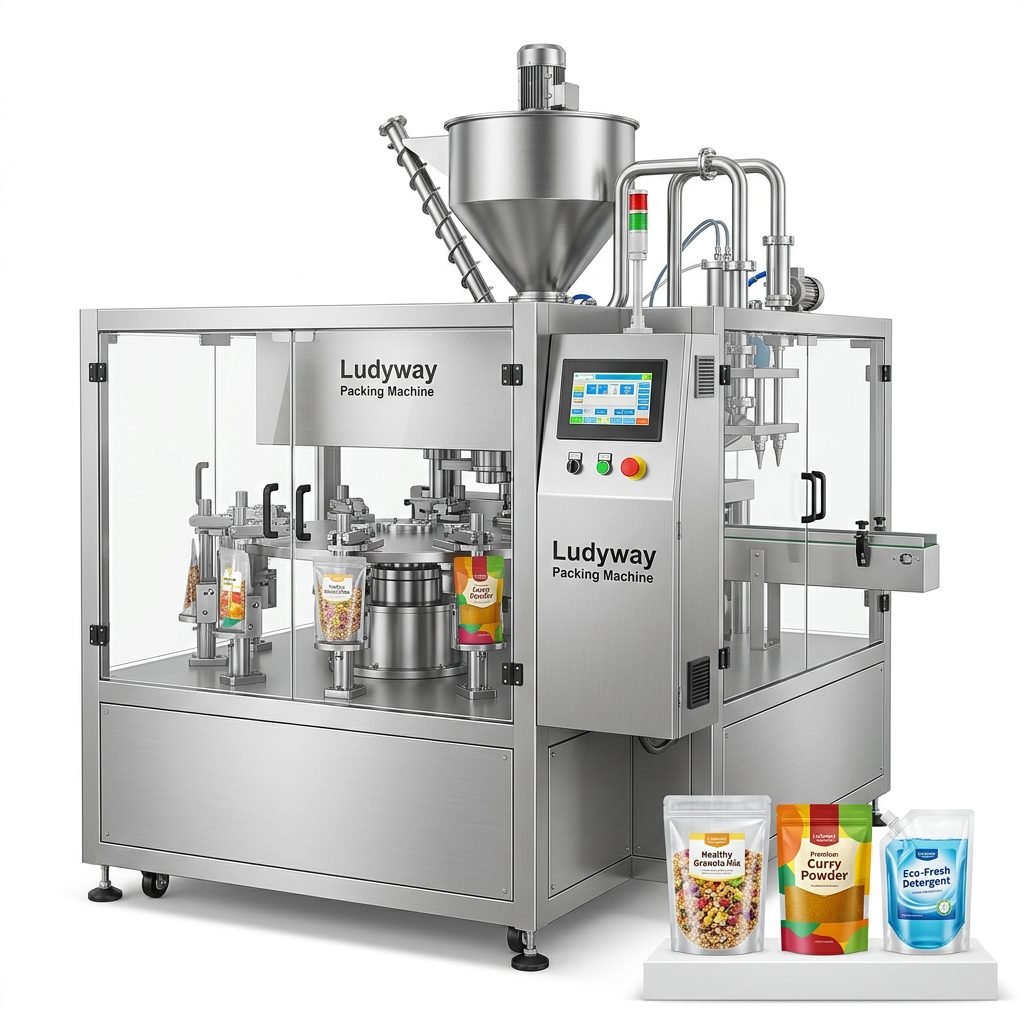
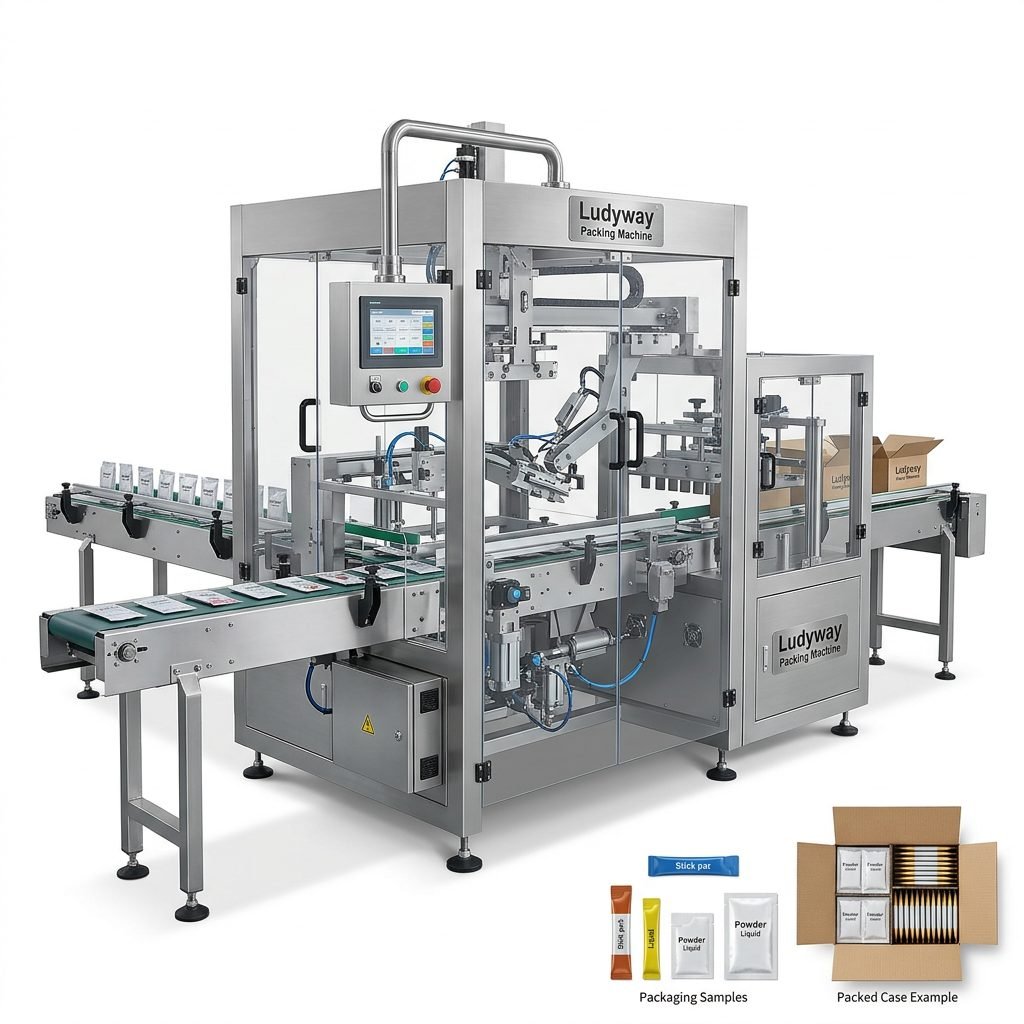
Even partial automation can create a significant impact. For example, replacing manual pouch filling with an automatic filling and sealing system reduces labor intensity, improves pack consistency, and allows operators to focus on monitoring rather than repetitive handling.
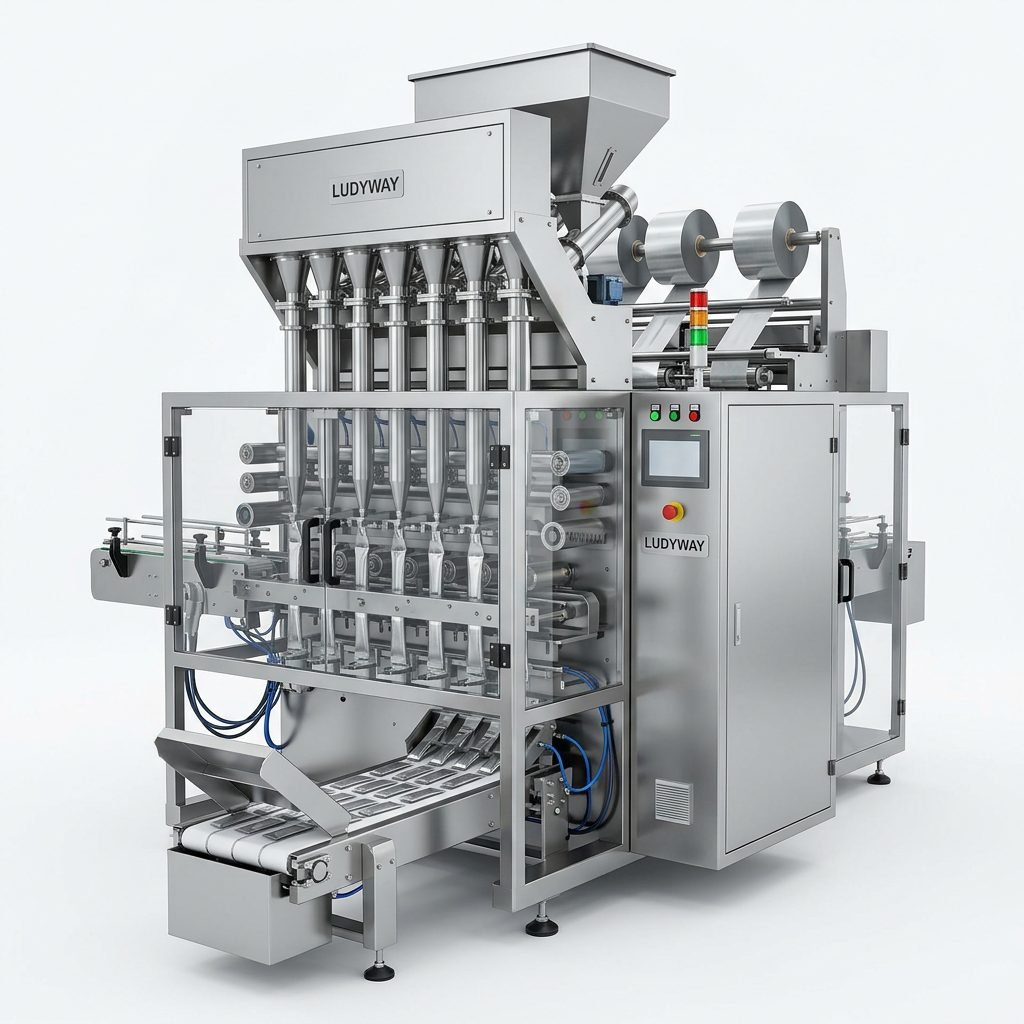
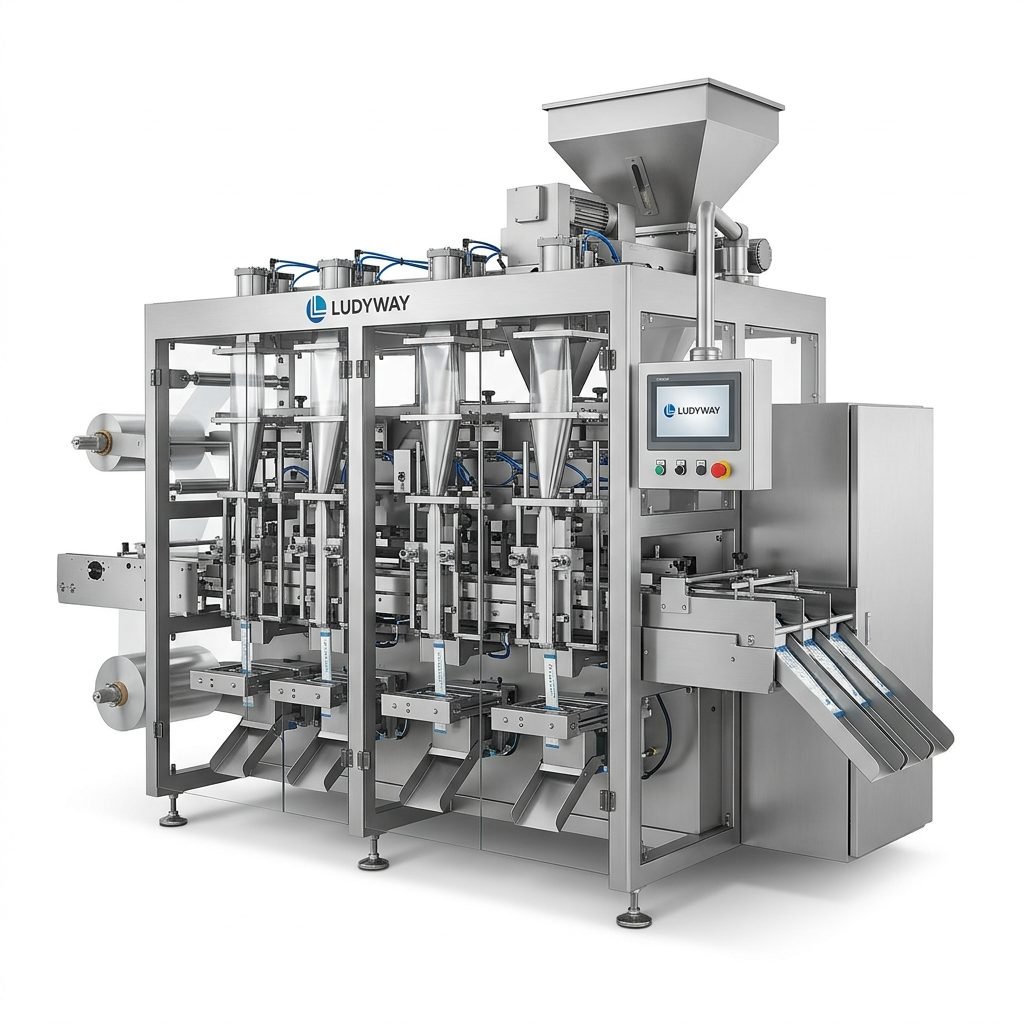
Manufacturers seeking scalable automation often evaluate integrated solutions from experienced suppliers such as Ludyway packaging machine manufacturer, especially for projects that require standalone machines or turnkey packaging lines.
2. Standardize Packaging Formats Where Possible
Too many package sizes, materials, or configurations increase setup time and operator complexity. While product diversity may be necessary for market demands, unnecessary variation often creates hidden labor waste.
Standardization helps by:
- Reducing adjustment points during changeovers
- Lowering training requirements for operators
- Minimizing errors in settings and material loading
- Improving spare parts and tooling management
If several SKUs can share the same pouch width, seal pattern, or carton size, the labor savings over time can be substantial.
3. Improve Overall Equipment Effectiveness (OEE)
Labor cost per finished unit drops when machines run more reliably. A line with frequent stoppages often requires more operators just to maintain output targets. Improving OEE means focusing on availability, performance, and quality.
| OEE Factor | Common Labor Impact | Improvement Action |
|---|---|---|
| Availability | Operators wait during stoppages | Preventive maintenance, spare parts planning, fault diagnostics |
| Performance | More labor needed to hit output goals | Line balancing, feeder optimization, stable material flow |
| Quality | Rework, sorting, manual inspection | Better dosing accuracy, seal control, vision inspection |
4. Reduce Changeover Time
Frequent product switches can make labor utilization inefficient. If a line stops for long changeovers, total labor hours remain high while production time shrinks. This is especially important for operations with multiple SKUs, seasonal products, or contract packaging work.
To reduce changeover time:
- Use quick-release components and tool-less adjustments
- Prepare packaging materials before shutdown
- Create visual setup guides for each SKU
- Train operators with standardized changeover procedures
- Separate internal and external setup tasks
A 20-minute reduction in each changeover can create major annual labor savings across multiple shifts.
5. Balance the Entire Packaging Line, Not Just One Machine
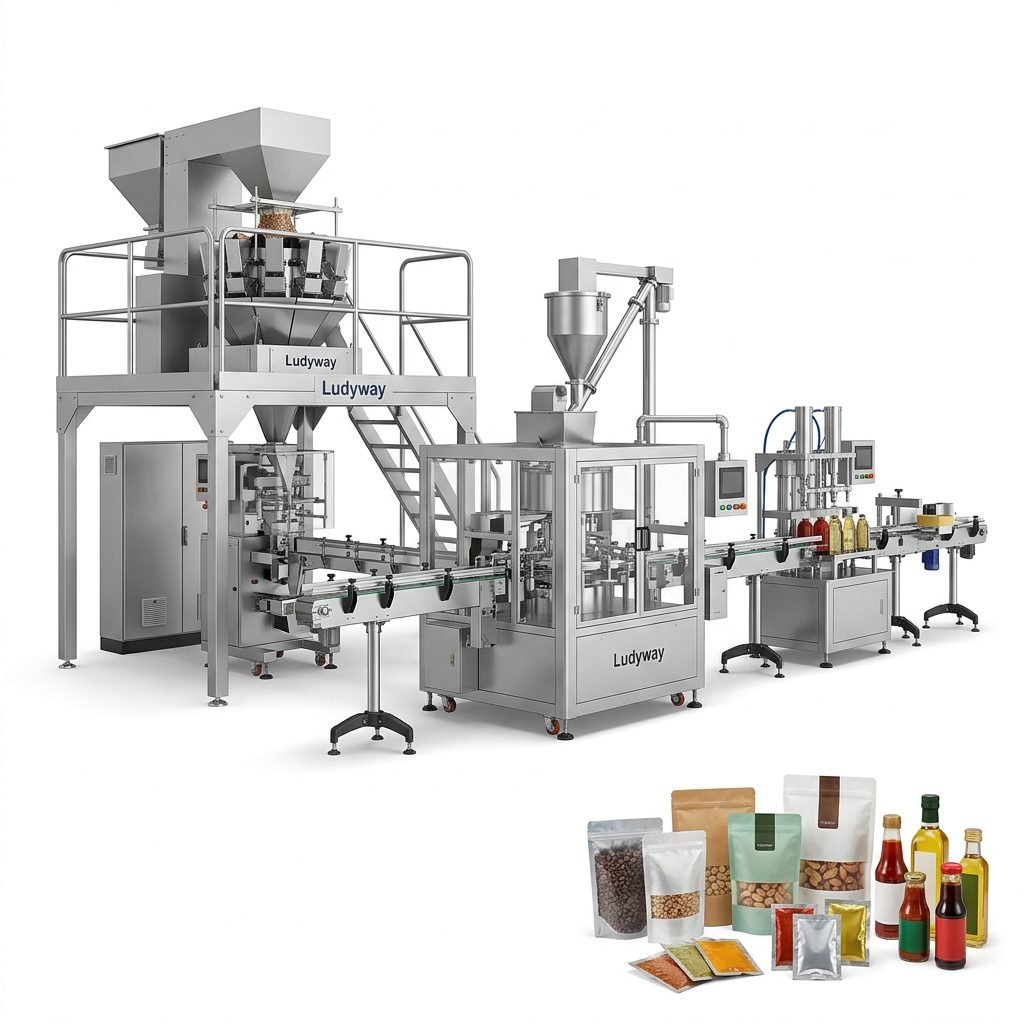
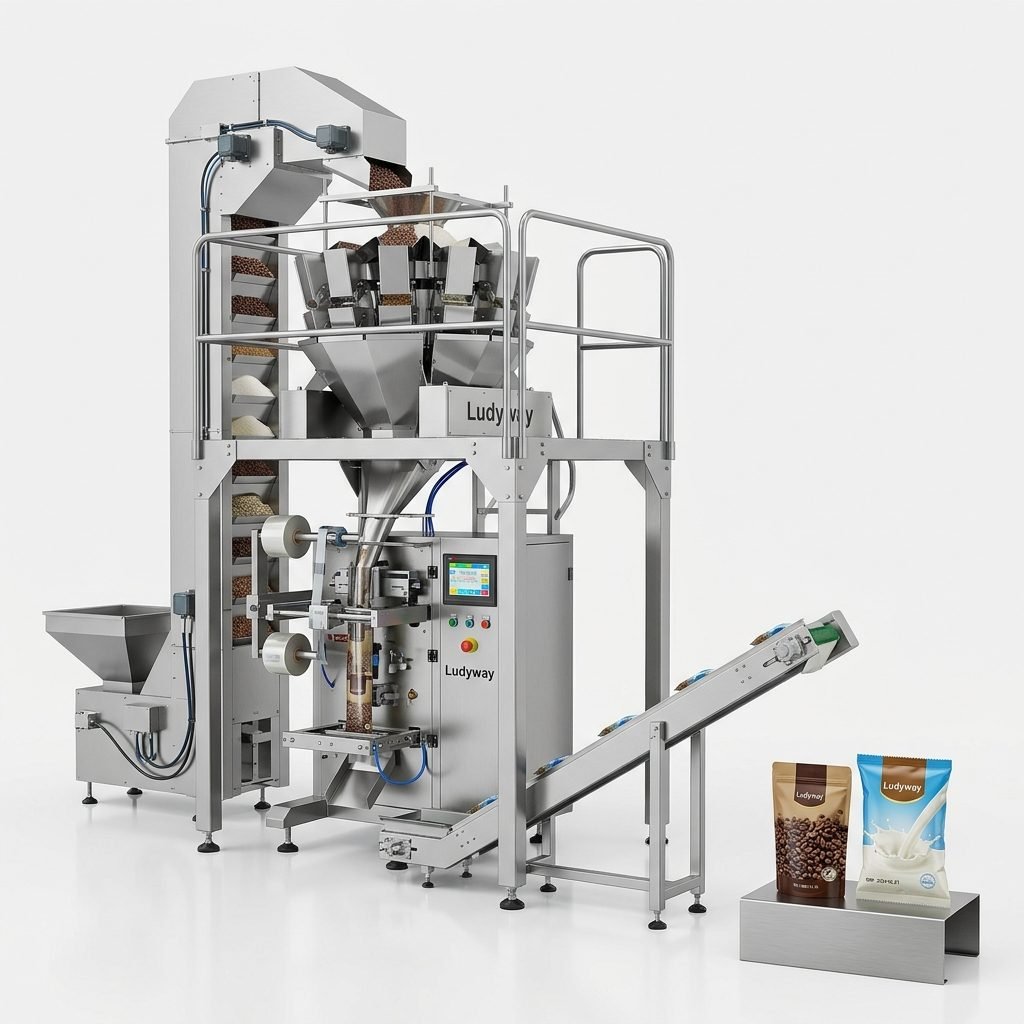
A high-speed filler alone will not reduce labor cost if the downstream process still depends on slow manual handling. Labor inefficiency often appears when one part of the line moves much faster than the others.
Look at the complete flow:
- Product feeding
- Primary packaging
- Date coding and inspection
- Secondary packaging
- Case packing
- Palletizing and end-of-line logistics
If operators are repeatedly moving products between disconnected stations, the line likely has automation gaps. A better-balanced line reduces handoffs, lowers fatigue, and improves labor productivity.
6. Add Inspection Systems to Prevent Manual Rework
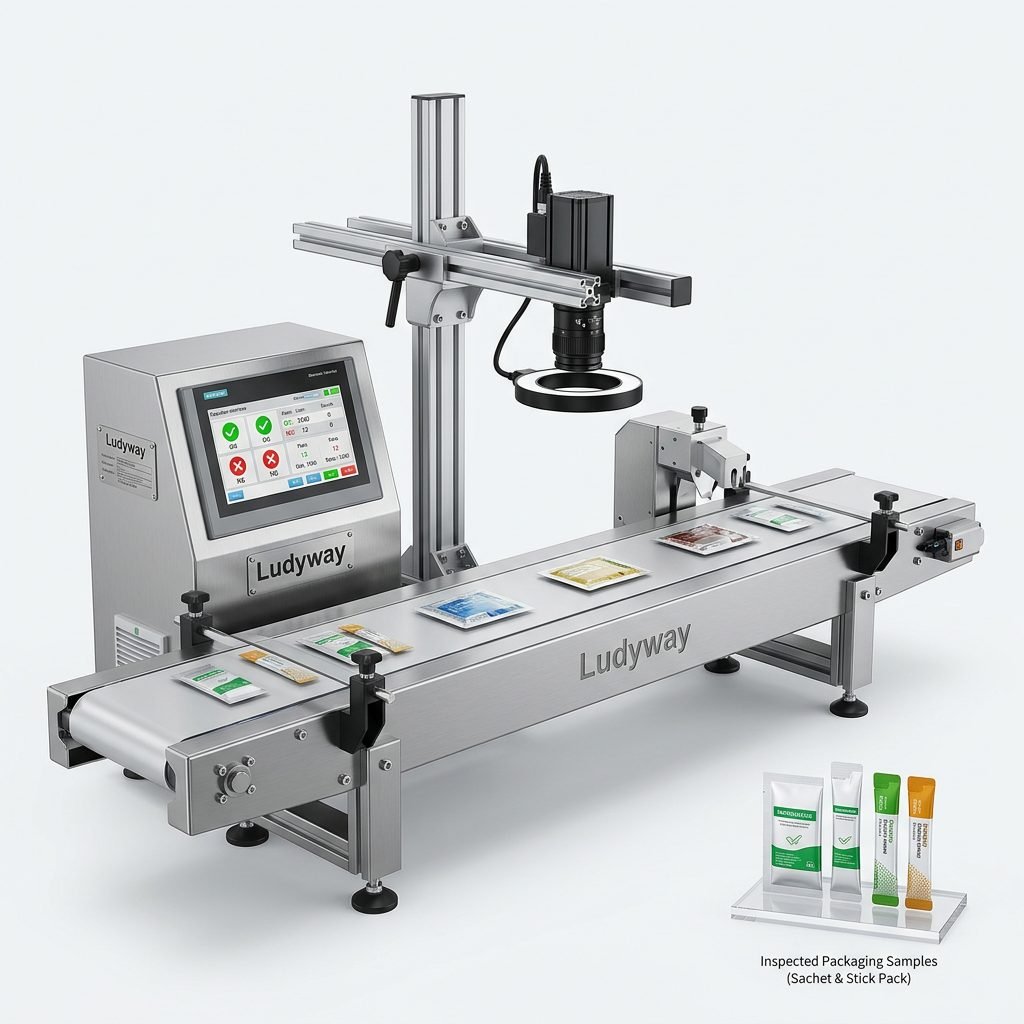
Manual quality checks are expensive when they are used to compensate for unstable packaging performance. Modern inspection tools such as checkweighers, metal detectors, vision systems, and reject devices help remove defective packs automatically before they move downstream.
This reduces labor cost by:
- Lowering the number of people needed for visual inspection
- Reducing customer complaints and returns
- Preventing large batches of off-spec product
- Improving compliance in regulated industries
7. Use Data to Track Labor Cost per Unit
Many factories know total labor expense, but not labor cost per packaged unit. That makes it hard to identify which shift, machine, or SKU is driving inefficiency.
Track key indicators such as:
- Labor hours per 1,000 packs
- Output per operator per shift
- Downtime by cause
- Waste and rework rate
- Changeover time by product
Once these numbers are visible, managers can make targeted decisions instead of relying on assumptions.
Manual vs Automated Packaging: Labor Cost Comparison
| Operation Area | Manual Approach | Automated Approach | Labor Saving Potential |
|---|---|---|---|
| Filling & Sealing | Multiple operators, variable accuracy | Stable dosing and sealing with fewer operators | High |
| Counting & Sorting | Slow and error-prone manual handling | Automatic counting and transfer | Medium to High |
| Cartoning & Case Packing | Labor-intensive end-of-line work | Consistent packing speed with less handling | High |
| Inspection | Manual visual checks | Inline automated detection | Medium |
| Palletizing | Physically demanding and repetitive | Robotic or automatic stacking | High |
Best Areas to Automate First
If budget is limited, start with the stations that have the largest labor burden and the clearest return on investment.
High-priority automation targets
- Multi-shift filling and sealing processes
- Tasks requiring 2 or more operators at one station
- Operations with frequent rework or quality complaints
- Heavy lifting or repetitive motion positions
- End-of-line packing and pallet handling
Questions to ask before investing
- How many operators are currently needed per shift?
- What is the line’s average downtime?
- How much product is lost through packaging defects?
- Will automation improve both labor savings and output capacity?
- Can the equipment adapt to future SKUs?
How Training Also Reduces Labor Costs
Automation alone is not enough. Poorly trained operators can still create stoppages, waste material, and lower actual efficiency. Strong packaging teams understand startup procedures, parameter settings, cleaning rules, troubleshooting steps, and material handling standards.
Effective training helps reduce:
- Operator errors during setup
- Material waste from incorrect loading
- Minor stoppages caused by improper adjustment
- Dependence on a small number of senior technicians
The goal is not simply to have fewer people, but to have fewer labor hours required for each saleable package produced.
Hidden Savings Beyond Direct Labor
When packaging efficiency improves, companies usually gain more than payroll savings. Better operations can also lower:
- Overtime costs
- Employee turnover in repetitive jobs
- Packaging material waste
- Product giveaway from inaccurate filling
- Workplace injury risk
- Supervision burden on production managers
These indirect benefits often make automation and line optimization more attractive than they first appear on paper.
A Practical Step-by-Step Plan
| Step | Action | Expected Result |
|---|---|---|
| 1 | Map current packaging labor by station and shift | Clear visibility into labor-heavy areas |
| 2 | Measure downtime, rejects, and changeovers | Identify root causes of inefficiency |
| 3 | Automate the most repetitive tasks first | Fastest ROI and direct labor reduction |
| 4 | Standardize procedures and packaging formats | Lower training and setup burden |
| 5 | Upgrade line integration and end-of-line flow | Fewer bottlenecks and handoffs |
| 6 | Track labor cost per unit monthly | Continuous improvement with measurable results |
Final Considerations for Long-Term Efficiency
The most successful packaging operations treat labor reduction as an outcome of better system design. They do not simply remove workers and hope performance holds. Instead, they invest in smarter equipment selection, reliable line integration, training, preventive maintenance, and data-driven management.
In practical terms, the best way to reduce labor costs in packaging operations is to build a process that is faster, simpler, more automated, and less dependent on manual correction. That creates sustainable efficiency, stronger margins, and better production scalability as demand grows.