Choosing the right tape for a packing machine is not just a purchasing decision—it directly affects line speed, carton integrity, downtime, labor cost, and shipping performance. When tape fails, packaging efficiency drops fast: cartons open, machine heads jam, rework increases, and customer complaints follow.
For manufacturers, co-packers, warehouses, and brand owners, the best tape is the one that works consistently with your carton material, sealing equipment, storage conditions, and transport environment. Below is a practical guide to help you select packaging tape that improves sealing reliability and supports smoother automated operations.

Why tape selection matters in packaging efficiency
In automated and semi-automated packaging environments, tape is part of the sealing system—not just a consumable. A poor match between tape and machine can lead to:
- Uneven sealing or lifting edges
- Frequent tape breakage during dispensing
- Adhesive buildup on machine components
- Carton pop-open during storage or transit
- Higher tape consumption than necessary
- Lower overall equipment effectiveness
When properly chosen, tape helps maintain stable throughput, reduces maintenance interruptions, and improves packaging appearance.
Main types of packing machine tape
Different tape materials behave differently in machine sealing applications. Understanding the basics helps narrow your options quickly.
| Tape Type | Key Features | Best Use | Limitations |
|---|---|---|---|
| BOPP tape | Cost-effective, common, machine-friendly | General carton sealing | Performance varies by adhesive quality |
| Hot melt adhesive tape | Fast tack, strong bond on corrugated cartons | High-speed sealing lines | May be less suitable in extreme cold |
| Acrylic tape | Good aging resistance, clarity, UV stability | Long-term storage and standard shipping | Initial tack may be lower than hot melt |
| Solvent adhesive tape | Excellent adhesion in demanding conditions | Cold rooms, export shipments, dusty cartons | Usually higher cost |
| Paper tape / water-activated tape | Tamper-evident, recyclable appearance | Eco-focused and premium packaging | Requires compatible equipment setup |
How to choose the best tape for your packing machine
1. Match tape to carton weight
The heavier the carton, the stronger and thicker the tape should generally be. Lightweight cartons may perform well with standard BOPP tape, while heavier or overfilled cartons often require higher tensile strength and stronger adhesive performance.
- Light cartons: standard thickness may be enough
- Medium cartons: look for balanced film strength and adhesive grip
- Heavy cartons: consider thicker backing and premium adhesive
2. Consider sealing speed
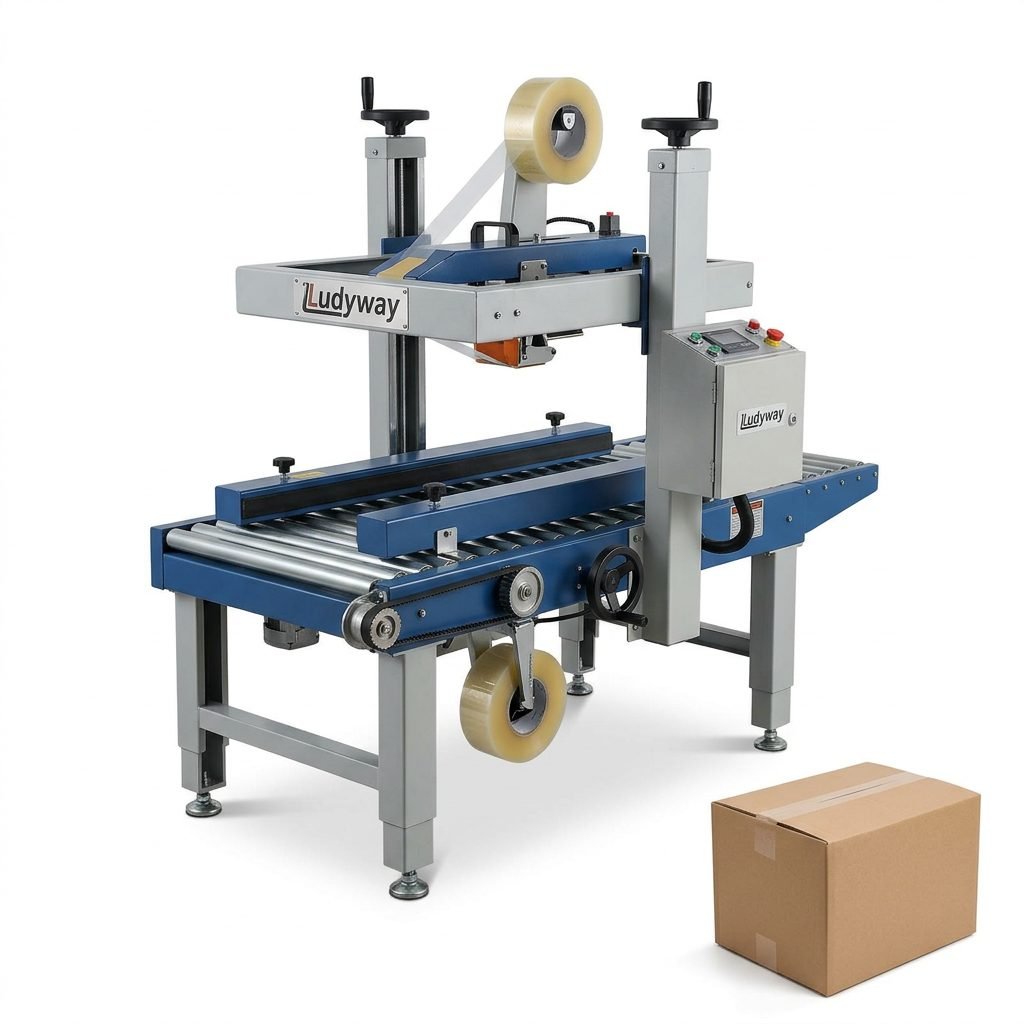
High-speed carton sealers place more stress on tape rolls, unwind consistency, and cutting accuracy. In faster operations, low-grade tape often causes snapping, poor release, or uneven application. If your line prioritizes output, select tape specifically designed for machine use rather than general manual sealing.
Machine-grade tape usually offers more consistent roll length, better unwind, and improved performance at speed.
3. Evaluate carton surface condition
Not all cartons are easy to seal. Recycled corrugated boxes, dusty surfaces, printed coatings, and humid storage conditions can reduce tape adhesion. If your cartons have rough or difficult surfaces, hot melt or solvent adhesive options may perform better than standard acrylic tape.
4. Check storage and shipping environment
Temperature plays a major role in tape performance. A tape that works well in a room-temperature facility may fail in refrigerated warehousing or hot container transport.
| Environment | Tape Consideration |
|---|---|
| Cold storage | Use tape with strong low-temperature adhesion |
| Hot warehouse or container shipping | Choose tape with stable adhesive under heat |
| Long storage cycles | Look for long-term bond retention and aging resistance |
| Dusty production areas | Prioritize strong initial tack and clean application |
5. Choose the right tape thickness
Tape thickness affects durability, puncture resistance, and sealing confidence. However, thicker is not always better. Overly thick tape may increase material cost without improving results if the carton is light and conditions are normal.
The practical approach is to test the lowest thickness that still delivers stable sealing performance. That balance improves both efficiency and cost control.
6. Confirm roll specifications for machine compatibility
Packing machines require the correct core size, roll length, and width. Even high-quality tape becomes a problem if the roll format does not match the sealer. Before buying in bulk, verify:
- Roll width compatibility
- Core diameter
- Maximum outer roll diameter
- Required unwind direction
- Film and adhesive suitability for the machine head
Signs you are using the wrong tape
If you notice the following issues, tape selection may be hurting your packaging efficiency:
- Tape does not stick firmly at the carton edges
- Frequent machine stoppages during sealing
- Noisy, inconsistent tape unwinding
- Cartons reopening during stacking or transport
- High tape waste per shift
- Residue buildup on rollers or blades
Recurring sealing issues are often a system problem, not just a tape problem. Carton quality, machine settings, environment, and tape specification should be reviewed together.
Best tape choices by application scenario
| Application Scenario | Recommended Tape Direction |
|---|---|
| General e-commerce carton sealing | Machine-grade BOPP acrylic or hot melt |
| Heavy industrial cartons | Thicker tape with high bond strength |
| Cold-chain packaging | Low-temperature adhesive system |
| Export logistics and long storage | Acrylic or solvent-based tape with good aging resistance |
| Eco-conscious branded packaging | Paper tape or recyclable sealing options |
How tape affects total packaging cost
Many buyers focus only on the price per roll, but true packaging cost includes much more:
- Downtime caused by tape failure
- Labor spent on resealing
- Product loss from open cartons
- Machine cleaning and maintenance
- Customer returns due to damaged shipments
A slightly better tape can reduce total operating cost if it improves uptime and minimizes sealing defects.
Practical buying checklist for packing machine tape
Before placing an order, ask these questions:
- What carton weight range will the tape seal?
- Is the tape intended for manual or machine application?
- What are the actual warehouse and shipping temperatures?
- Are the cartons recycled, dusty, glossy, or moisture-exposed?
- What machine speed must the tape support?
- What roll specifications does the carton sealer require?
- Has the tape been tested on the real production line?
Packaging line efficiency starts with system compatibility
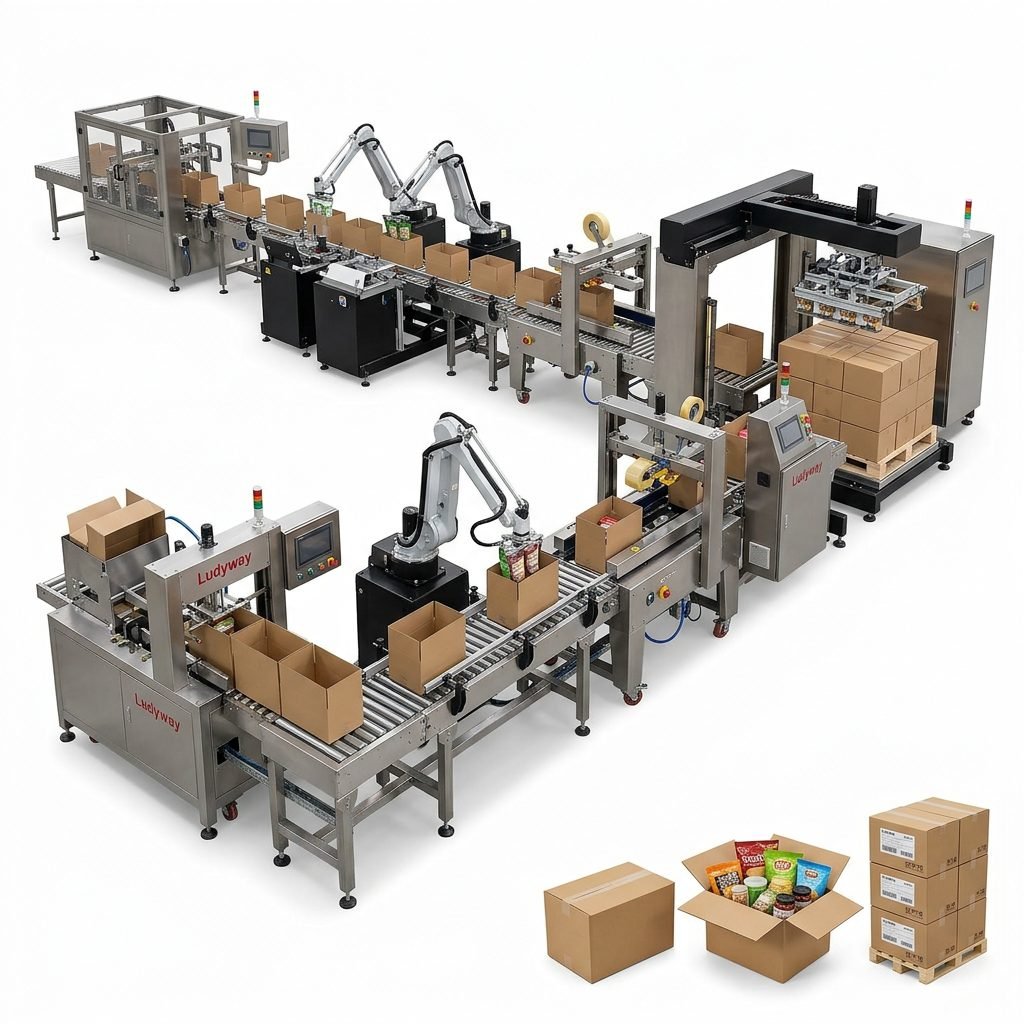
In modern manufacturing, tape selection should be evaluated together with the sealer, conveyor flow, carton design, and line automation level. Companies investing in integrated packaging solutions often achieve better results because each component is matched for throughput and reliability.
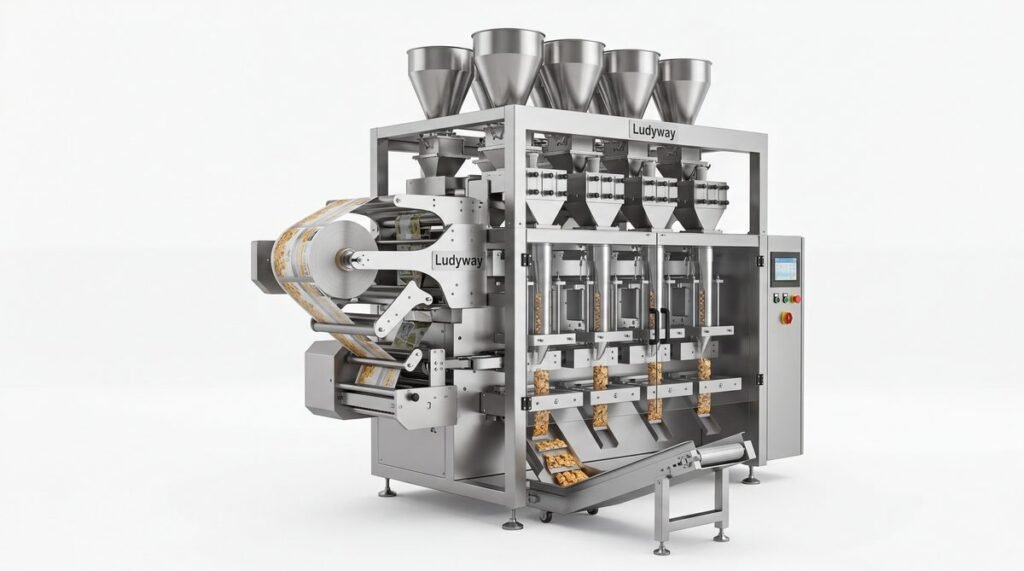
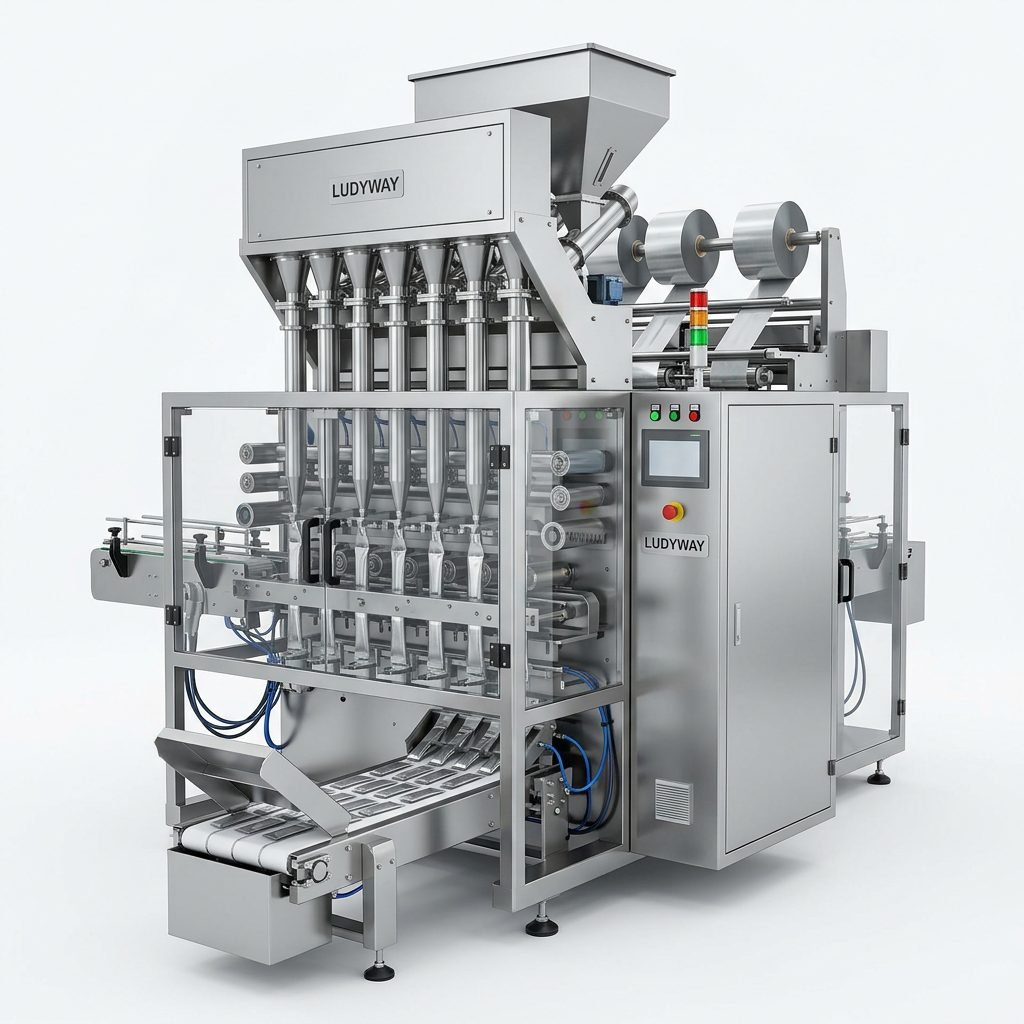
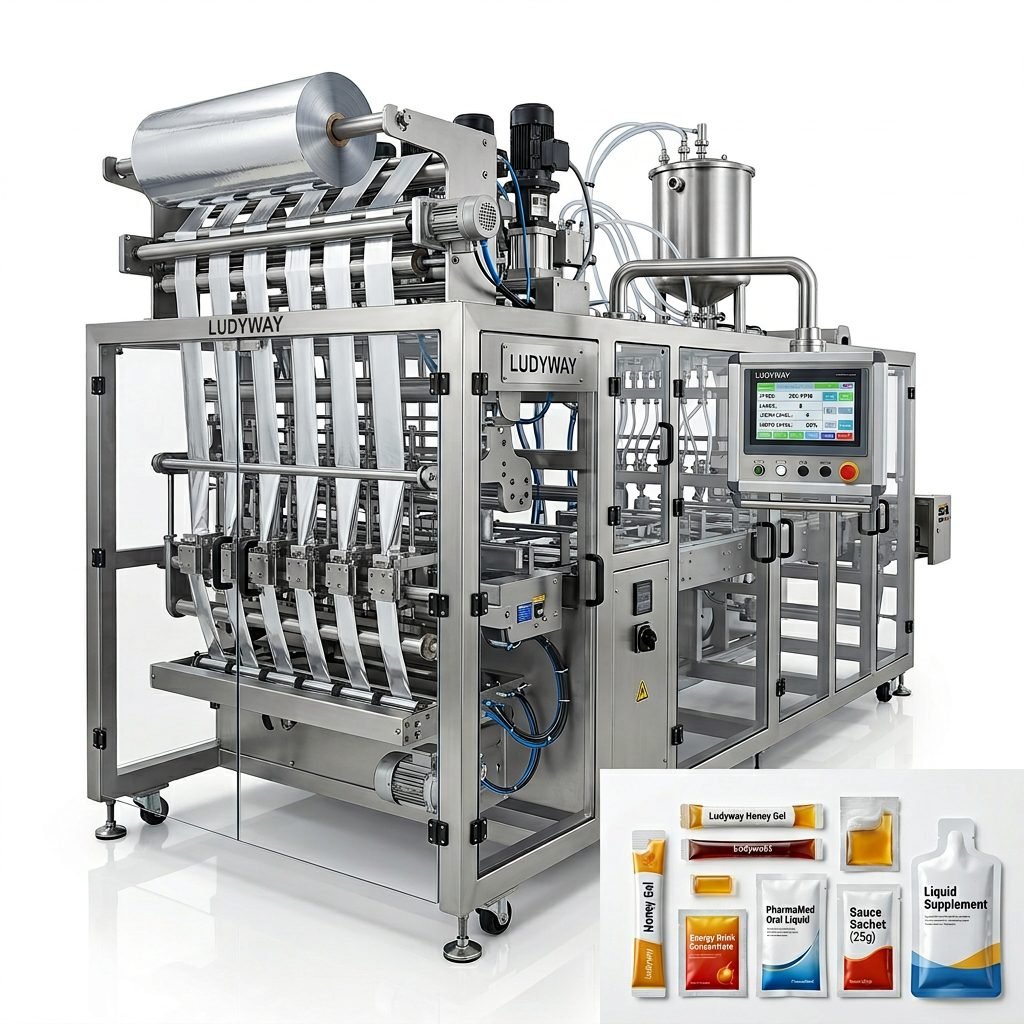
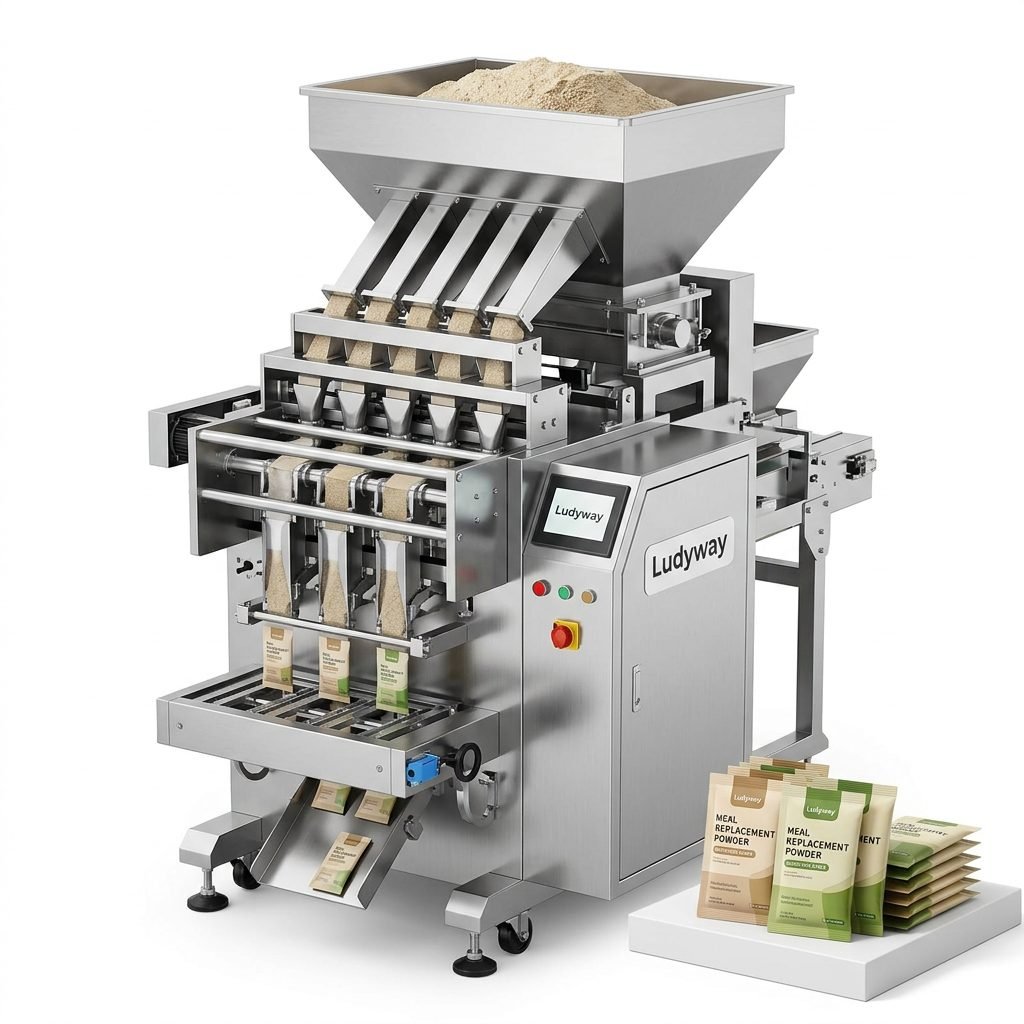
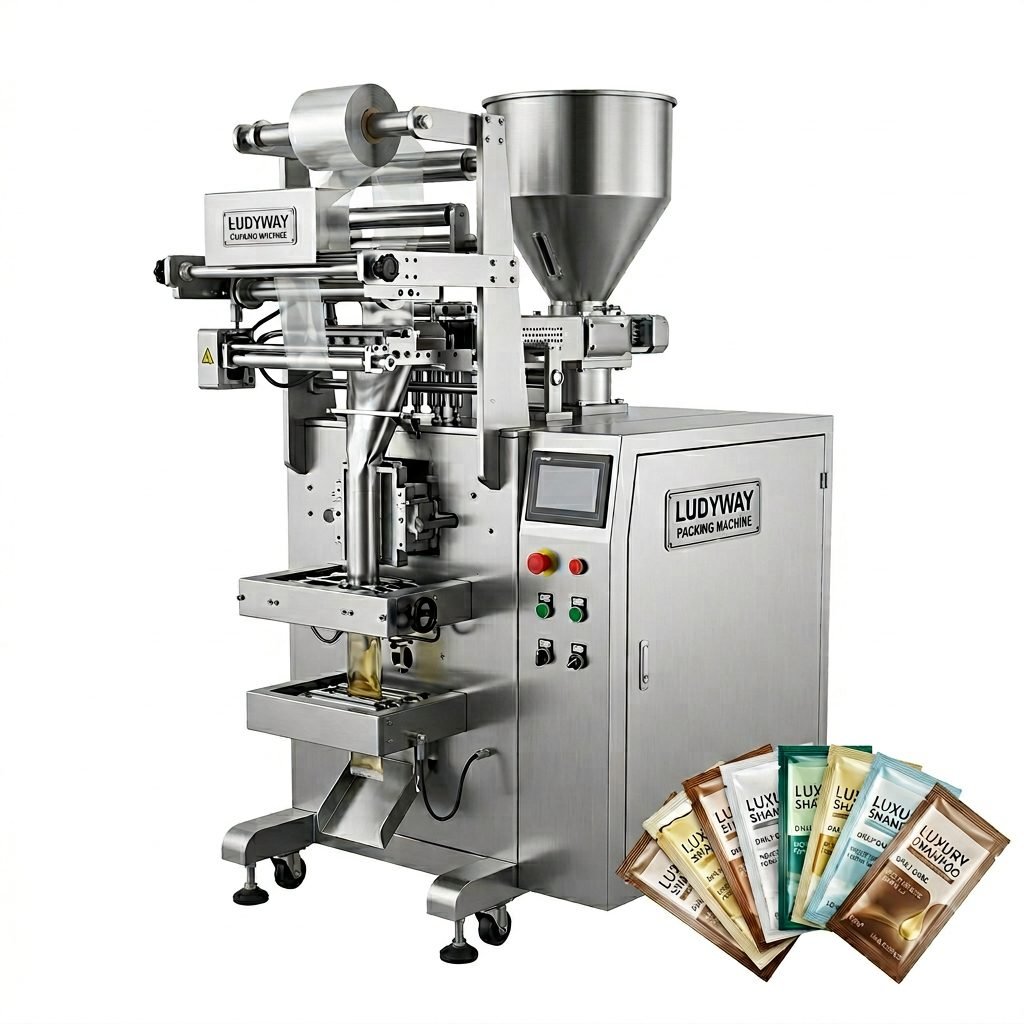
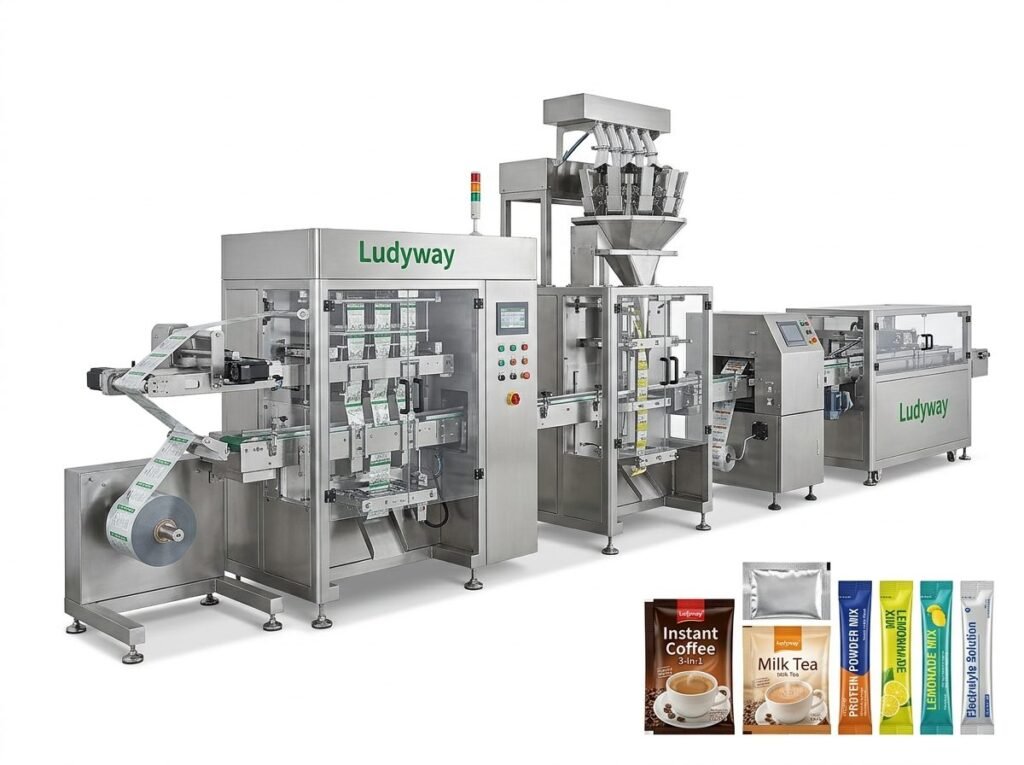
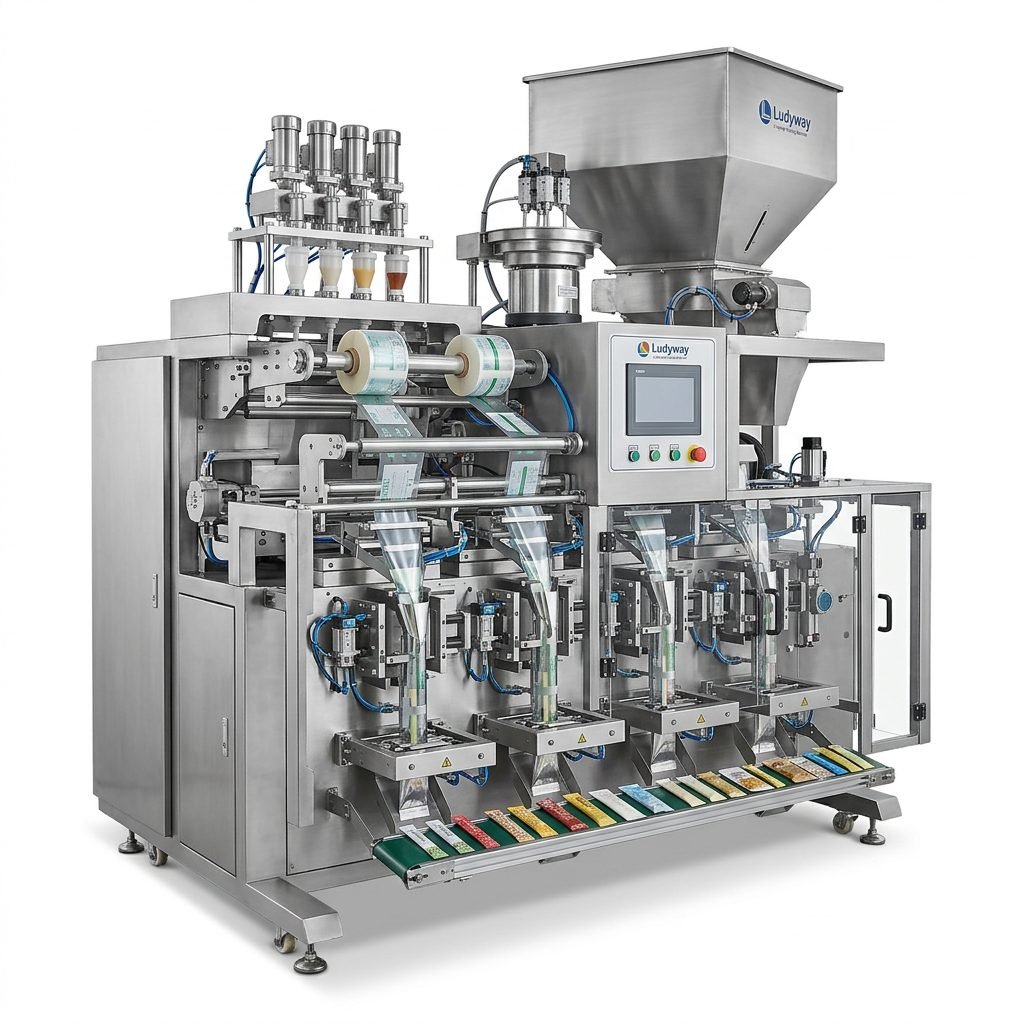
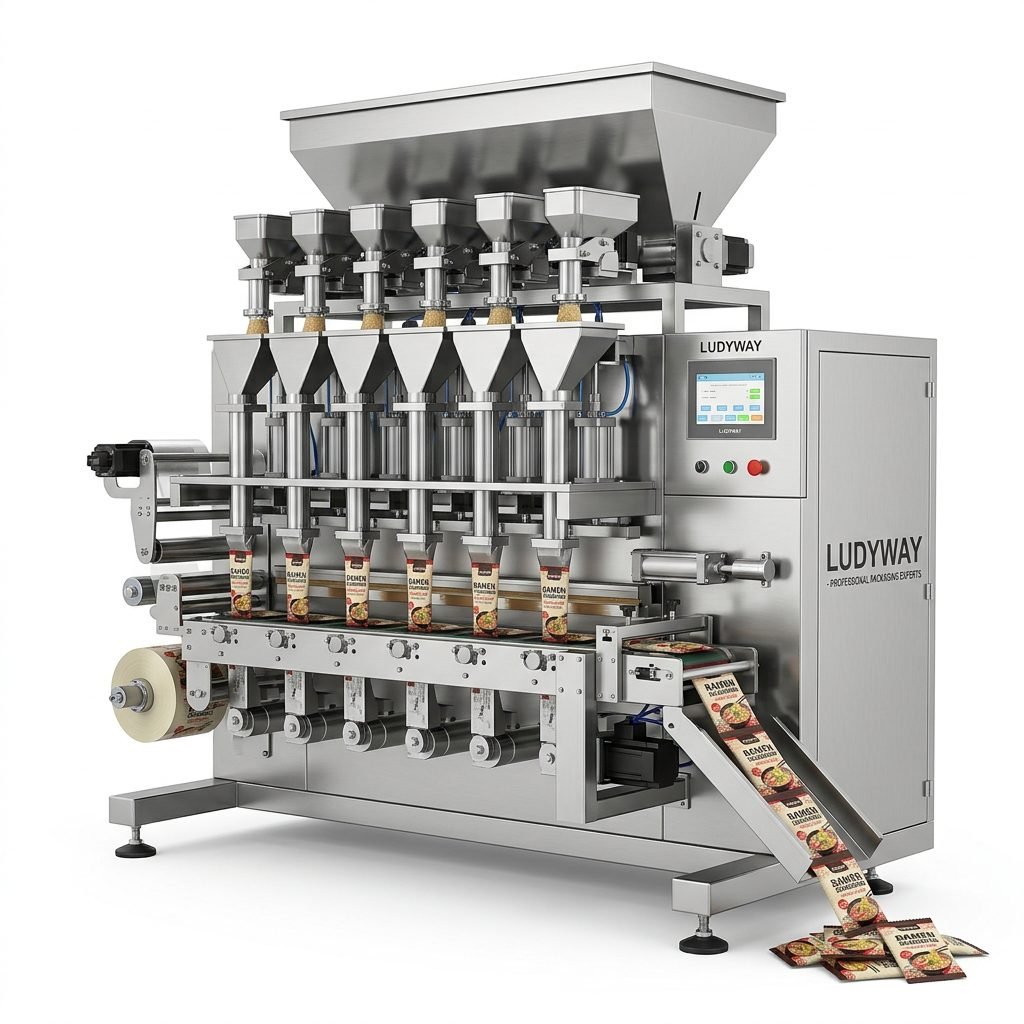
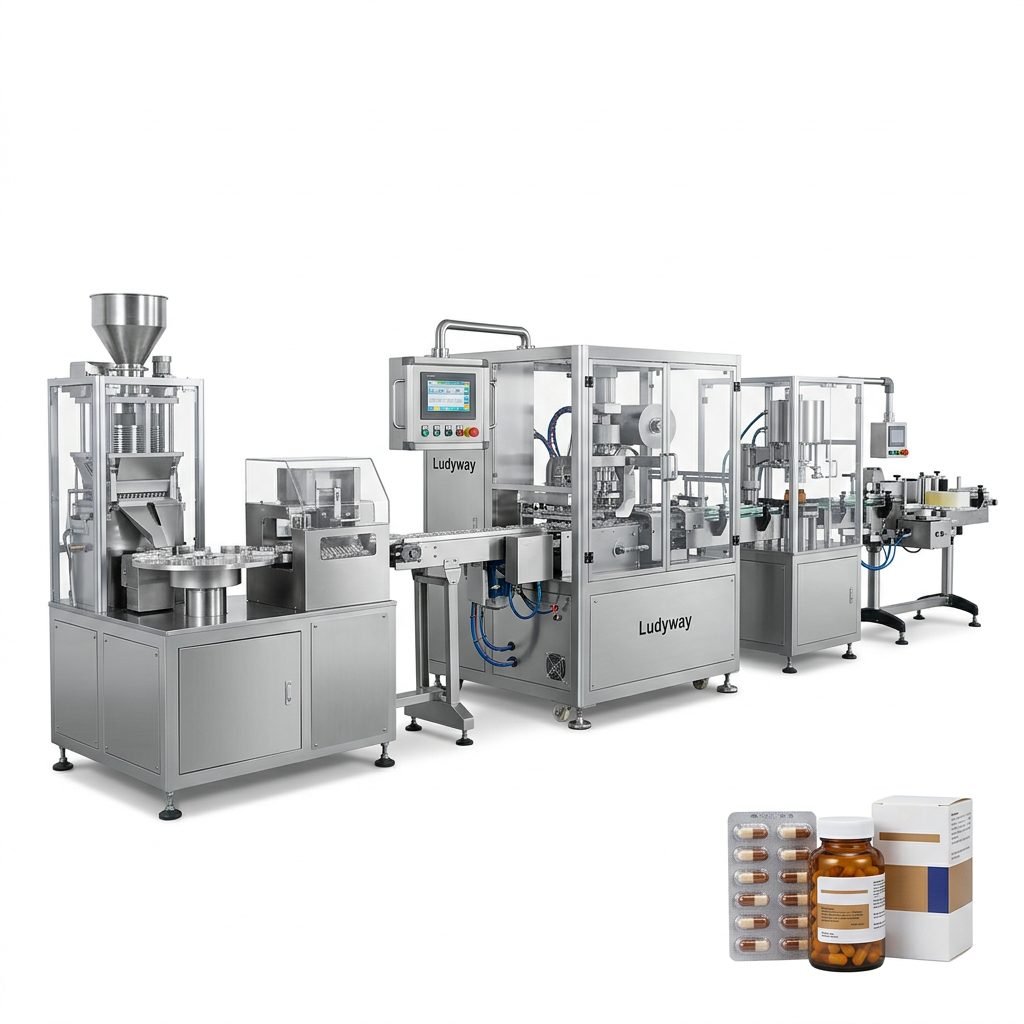
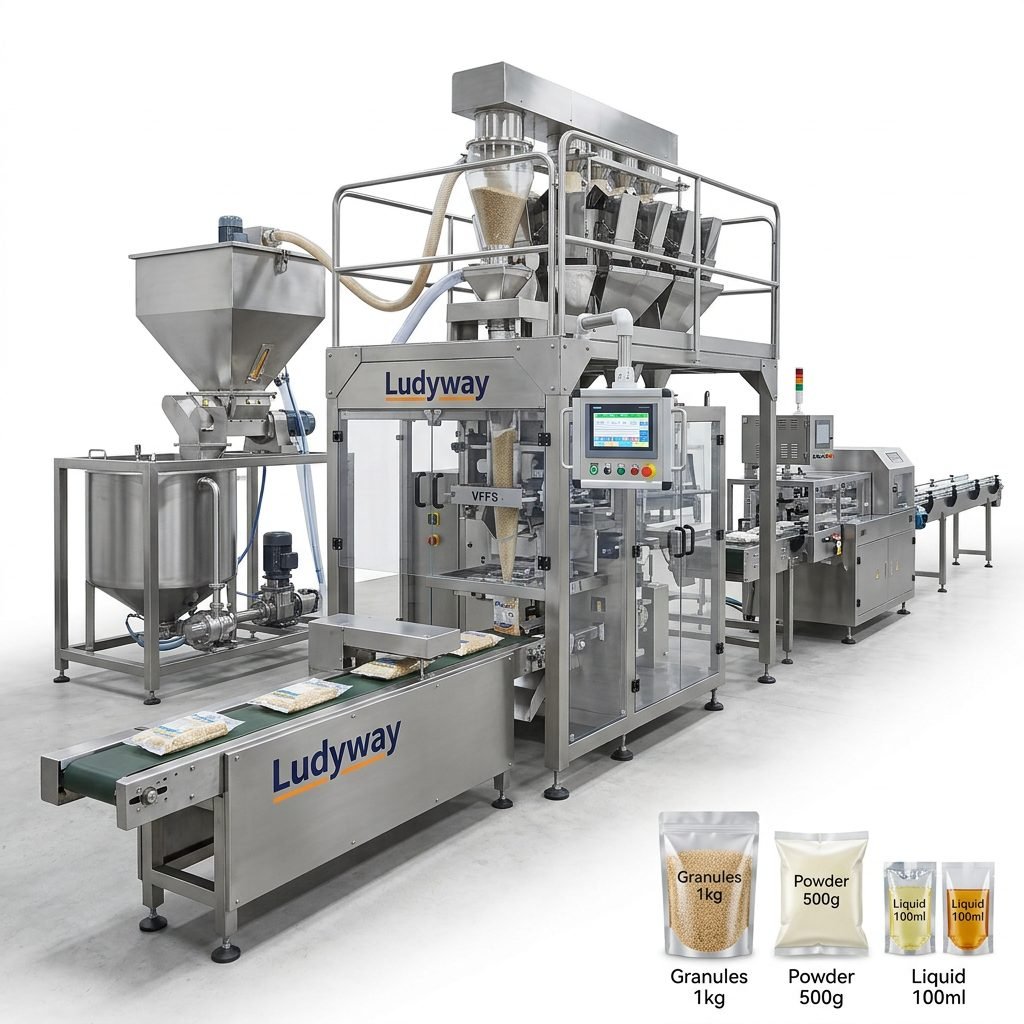
For businesses planning equipment upgrades or full-line optimization, packing machine solutions from Ludyway can support broader packaging efficiency goals across food, pharmaceutical, cosmetic, chemical, and related industries.
Final selection advice
The best tape for packaging efficiency is the one that fits your carton type, machine speed, environmental conditions, and shipping demands. Instead of choosing only by price, test tape based on sealing performance, uptime, and carton security.
If you want fewer sealing issues and better production flow, focus on these three priorities:
- Machine compatibility
- Adhesive performance in your actual environment
- Total cost per sealed carton, not cost per roll alone
With the right tape specification, your packaging operation can become faster, cleaner, and more dependable.