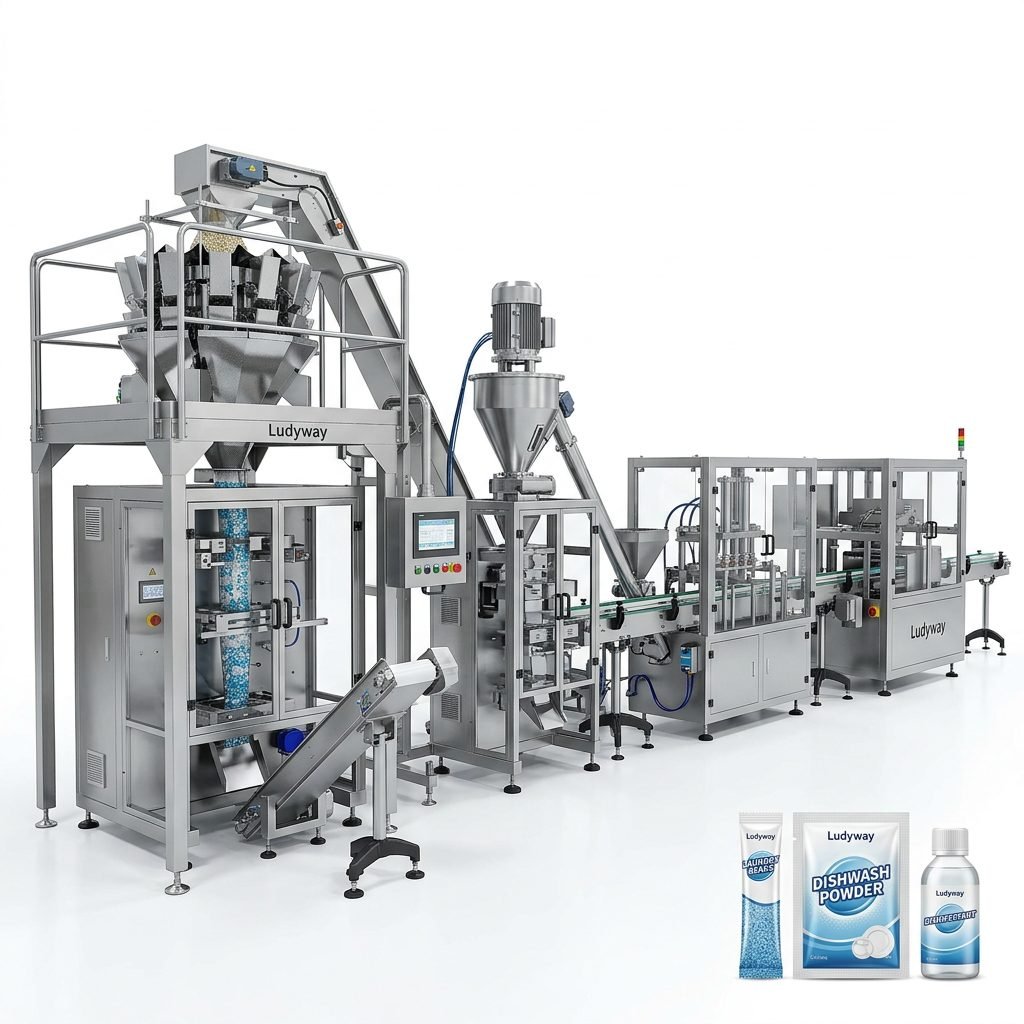
Choosing the right pouch style is no longer only about packaging convenience. Today, pouch design plays a major role in brand positioning, shelf appeal, product protection, portability, and user experience. From food and beverages to cosmetics, supplements, household products, and nicotine alternatives, modern brands rely on flexible pouch formats to meet both retail and e-commerce demands.
In this guide, we’ll explore the most popular pouch styles, what they are best used for, and how to choose the right format for your product.
Why Pouch Packaging Is So Popular
Pouches have become a preferred packaging solution across many industries because they offer a strong balance of functionality, cost efficiency, and visual impact. Compared with rigid containers, pouches often use less material, reduce shipping weight, and create more flexible branding space.
- Lightweight and easy to transport
- Suitable for powders, granules, liquids, gels, and solids
- Available in convenient reclosable and single-use formats
- Excellent for retail display and online shipping
- Can be combined with high-speed automated filling and sealing systems
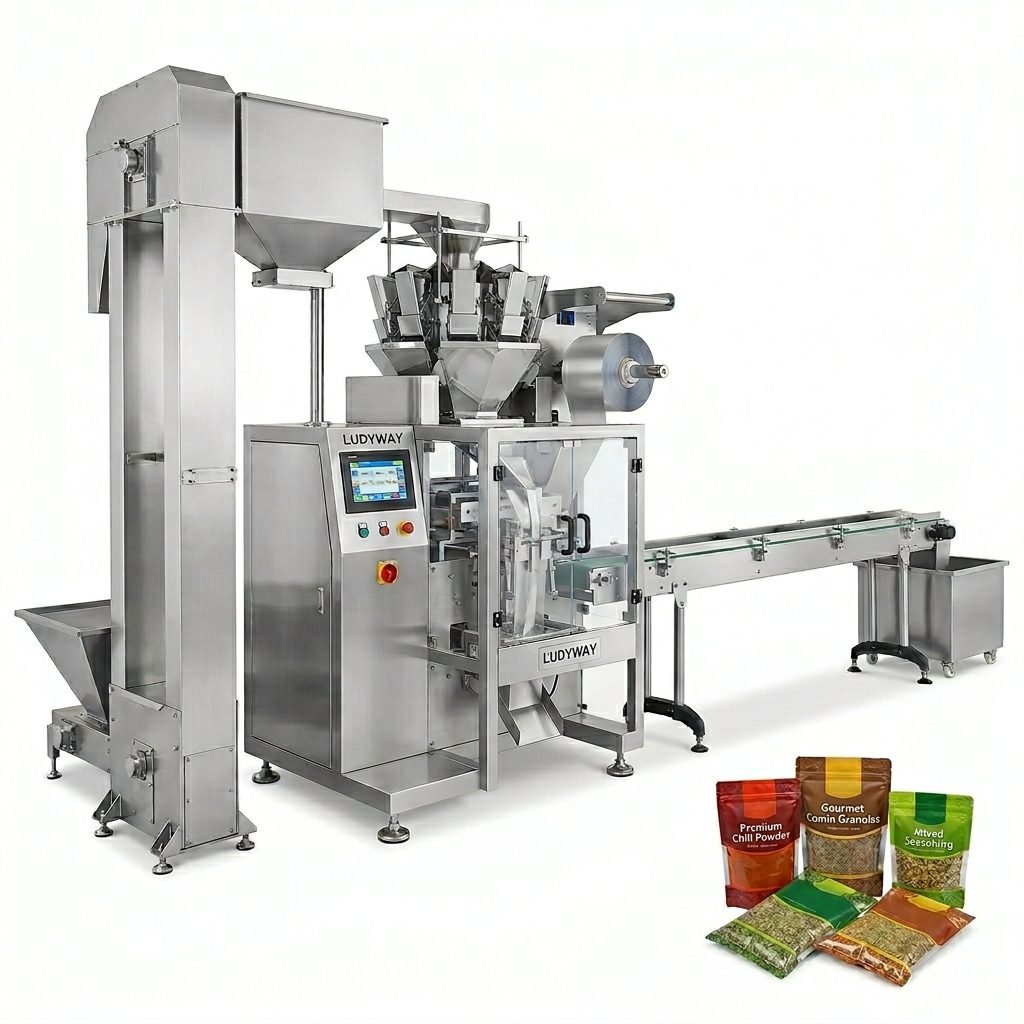
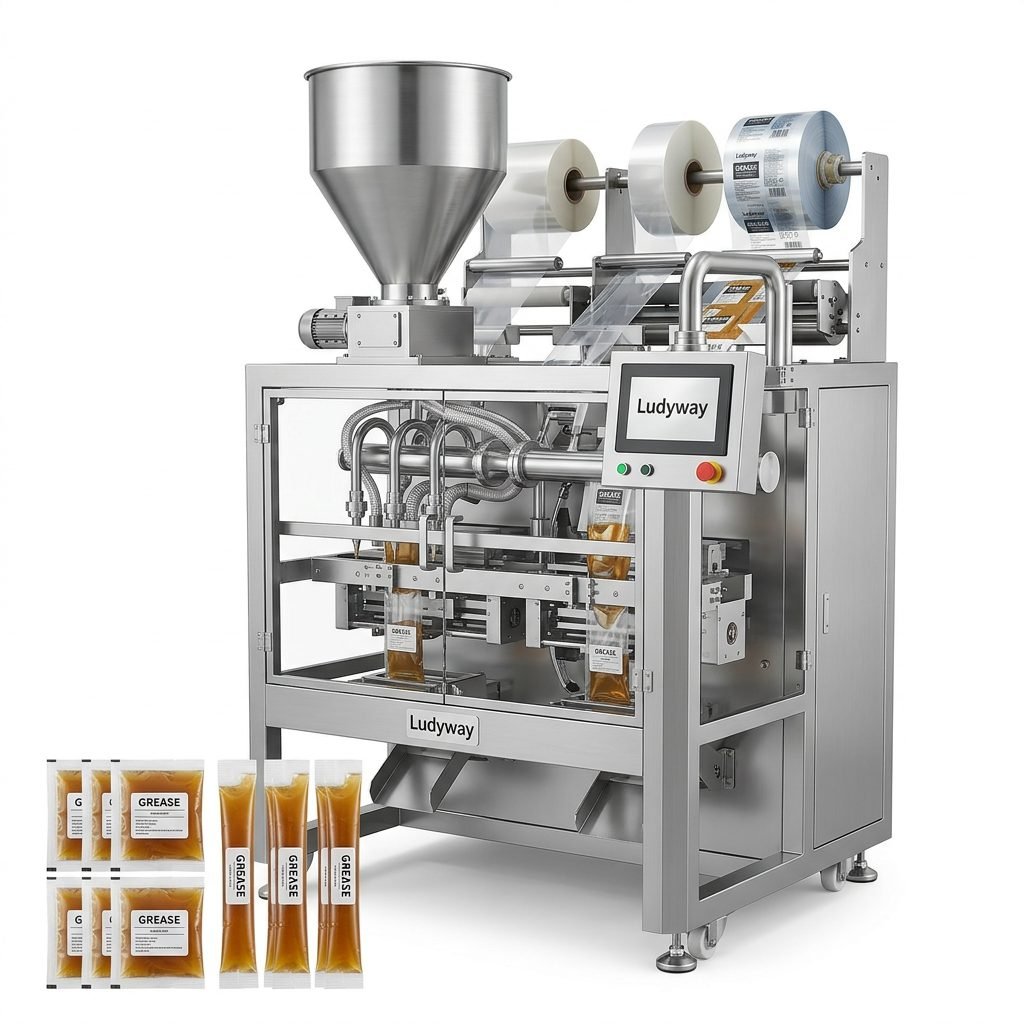
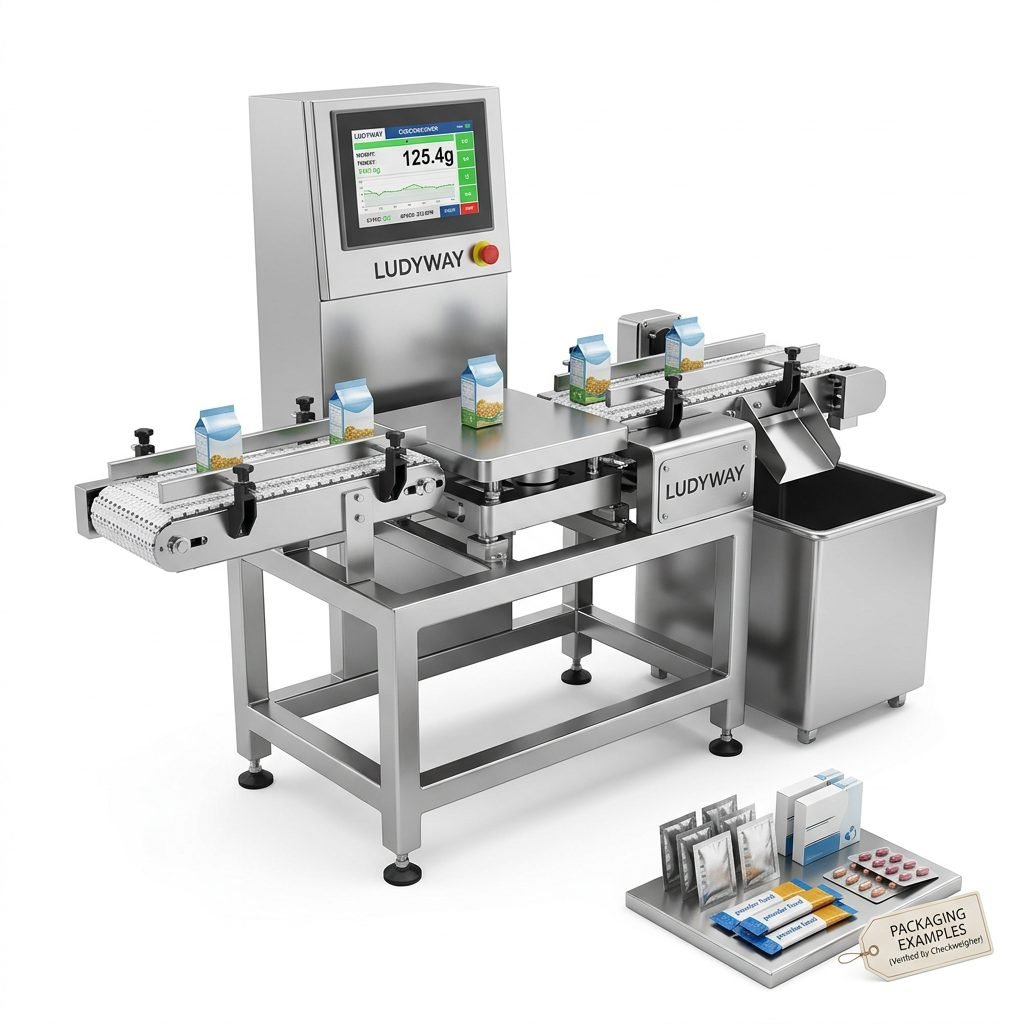
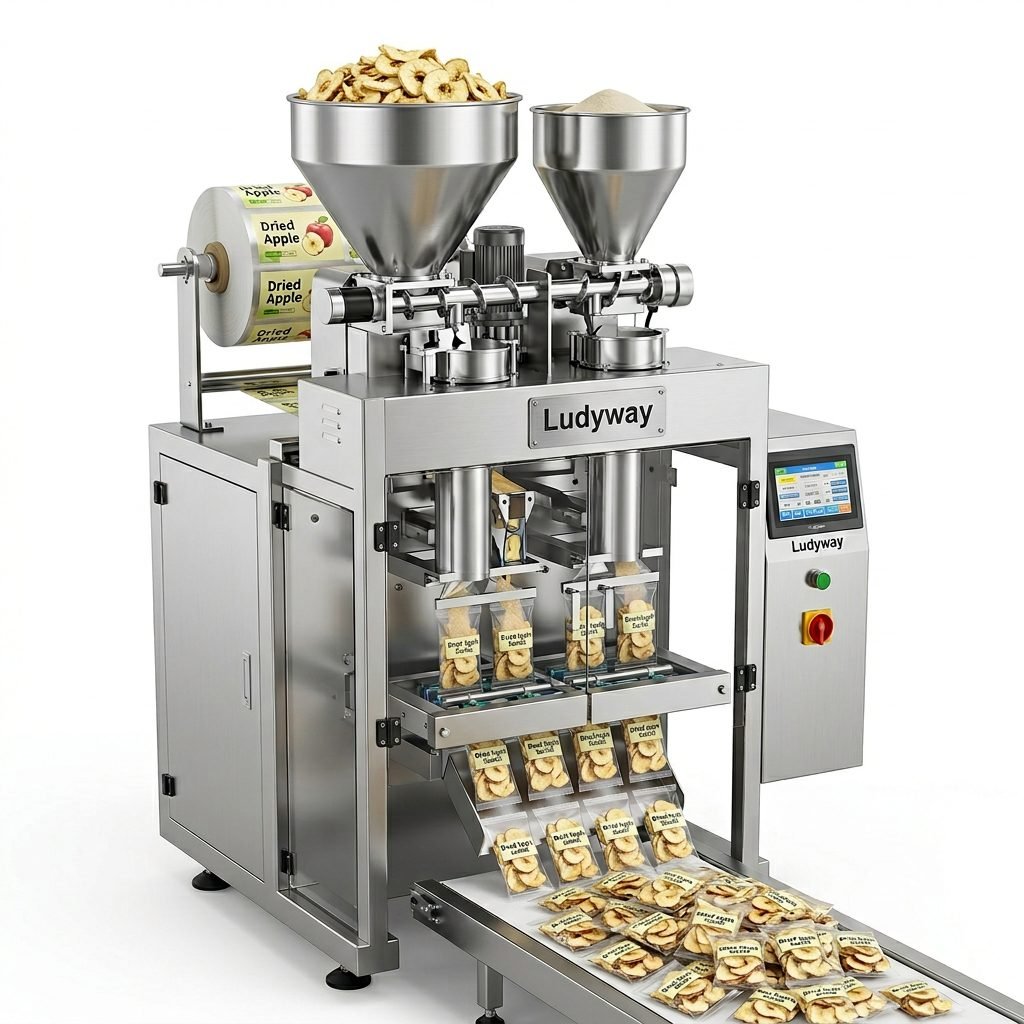
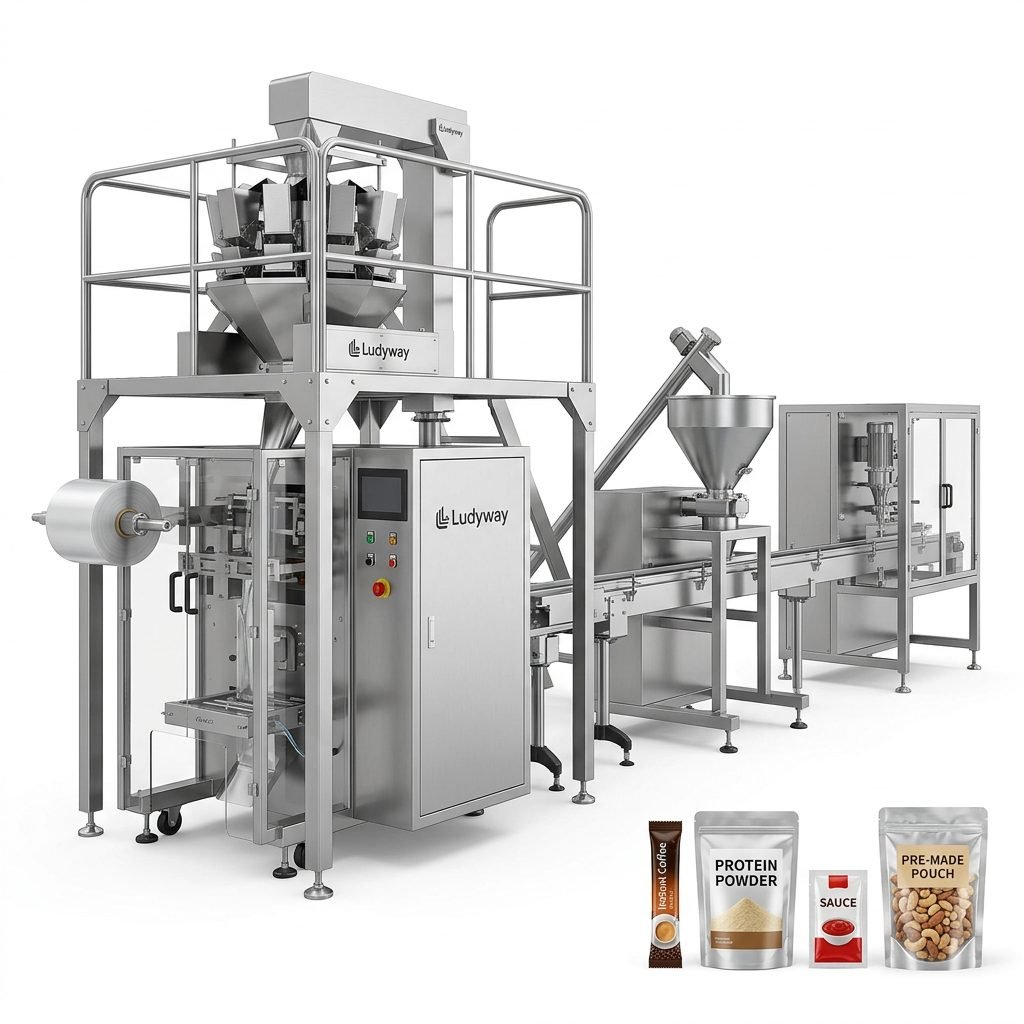
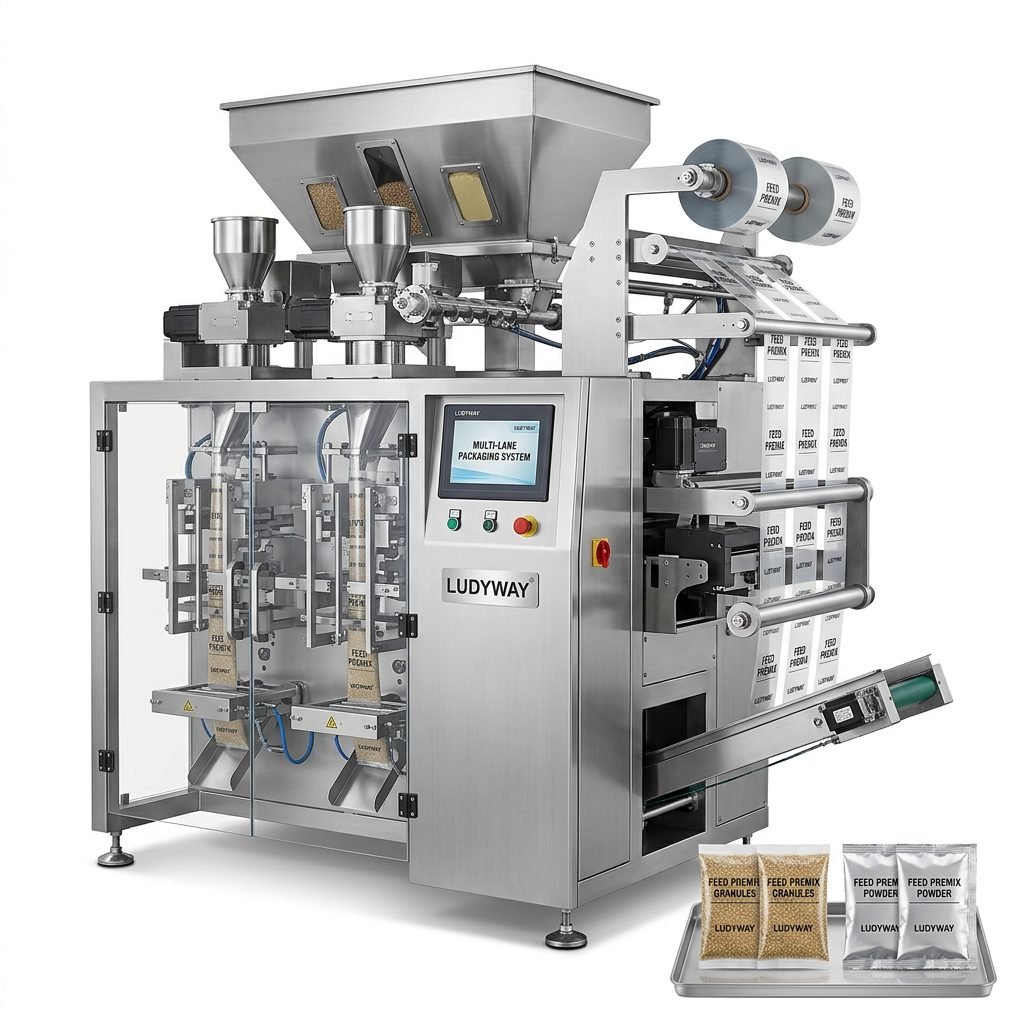
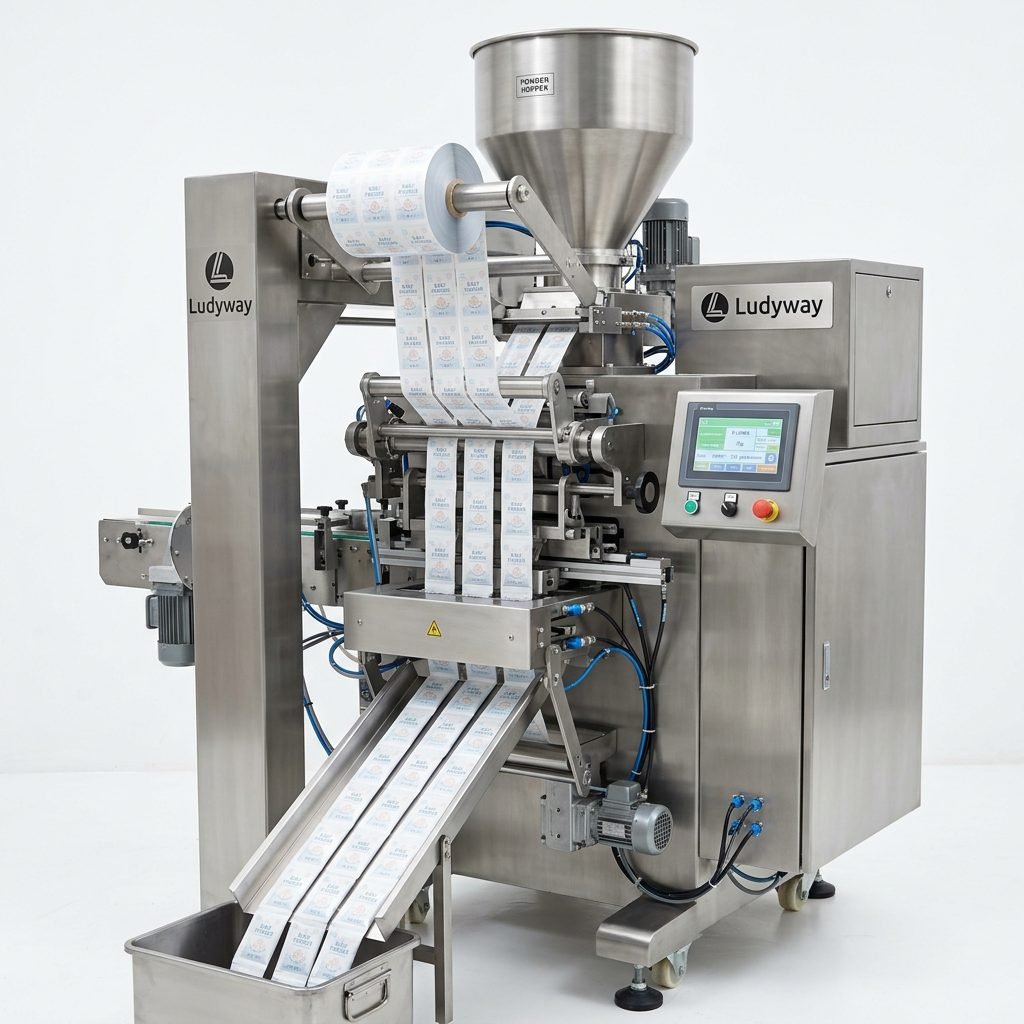
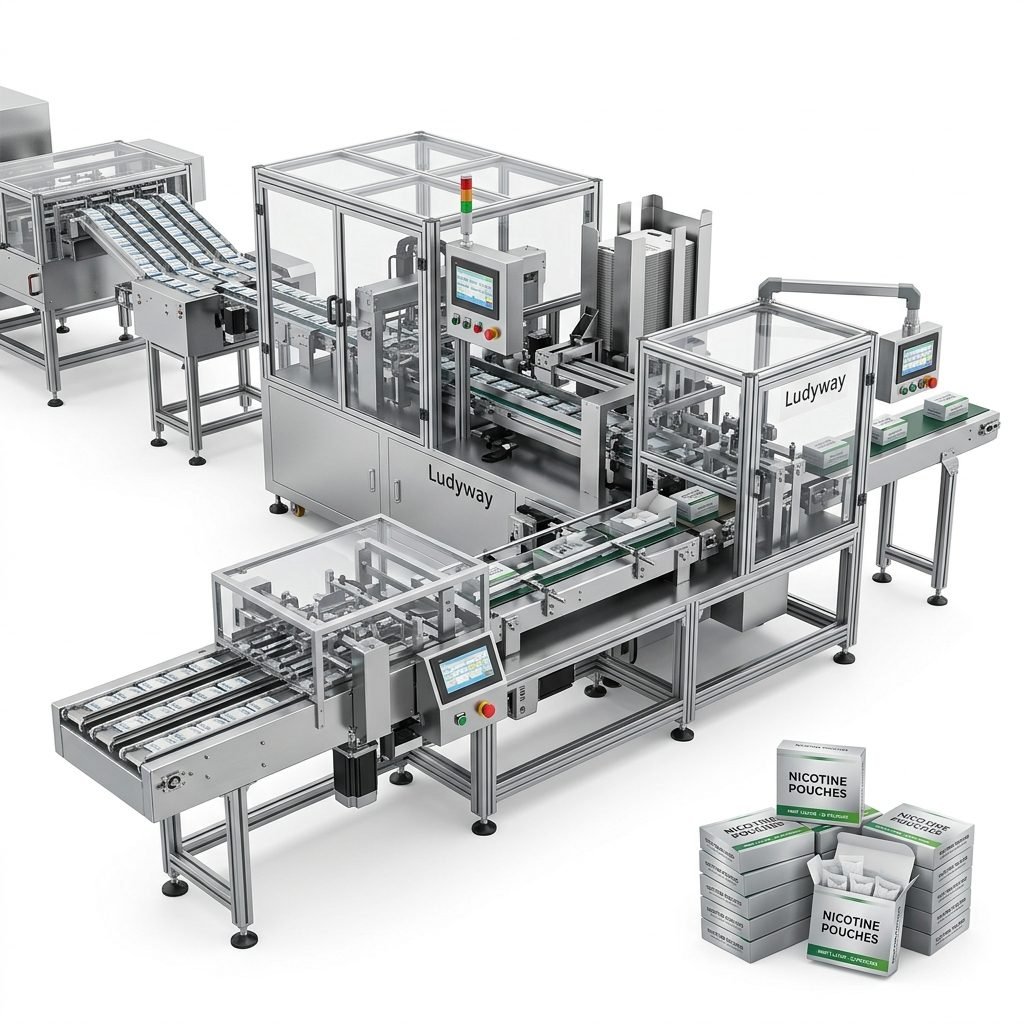
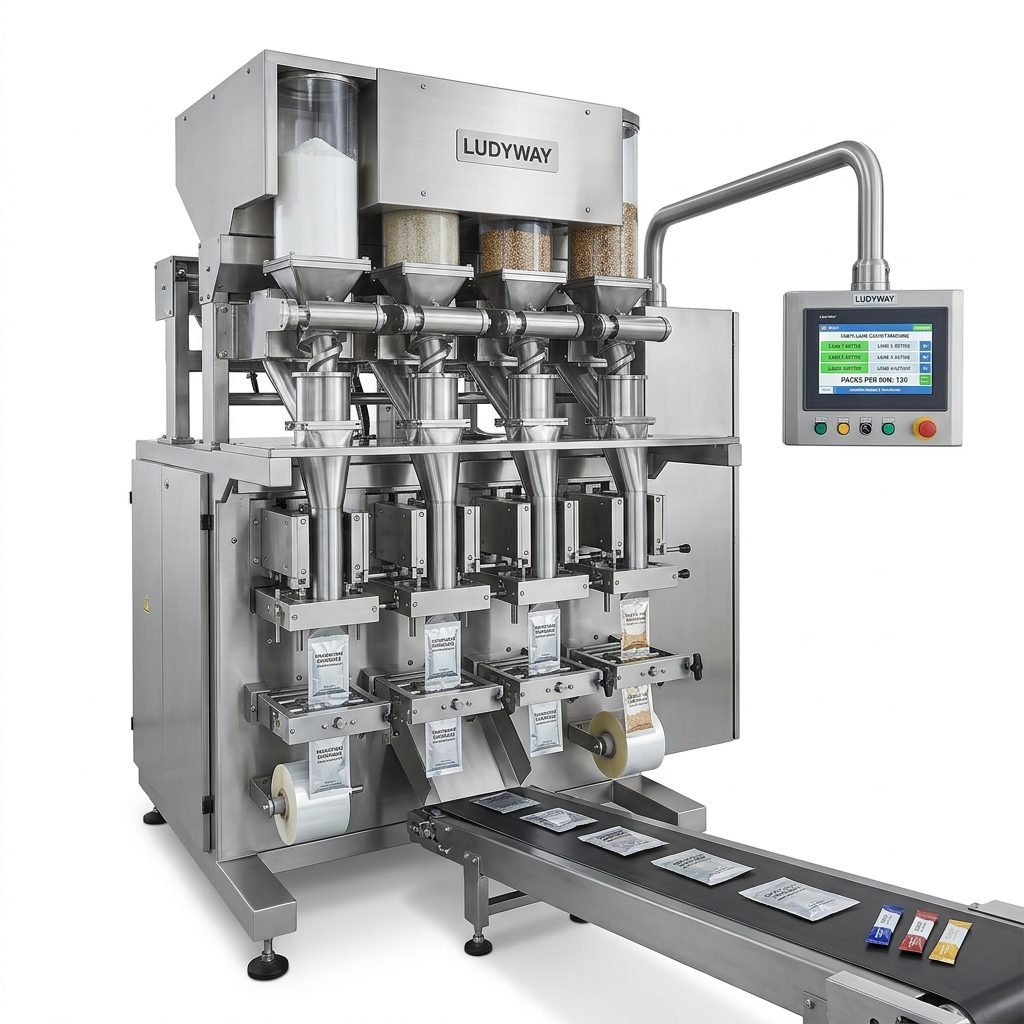
As packaging automation advances, more manufacturers are investing in solutions from experienced suppliers such as Ludyway packaging machine manufacturer to handle different pouch types with better efficiency and consistency.
The Most Popular Pouch Styles Explained
Below are the pouch styles most commonly seen in today’s packaging market.
1. Stand-Up Pouches
Stand-up pouches are one of the most widely used flexible packaging formats. They feature a bottom gusset that allows the pouch to stand upright on shelves, making them highly attractive for retail environments.
Best for: snacks, coffee, tea, pet food, health supplements, powders, dried fruit, and liquids with spouts.
- Excellent shelf presence
- Large printable area for branding
- Can include zippers, tear notches, and windows
- Suitable for both premium and mass-market products
2. Flat Pouches
Flat pouches, sometimes called pillow pouches or three-side seal pouches, are simple and highly cost-effective. They are commonly used for single-use or smaller-volume products.
Best for: seasonings, sample packs, pharmaceuticals, facial masks, wet wipes, sauces, and instant beverage powders.
- Low material cost
- Efficient for high-volume production
- Compact and easy to store
- Ideal for travel-size and trial-size packaging
3. Spouted Pouches
Spouted pouches are popular for liquid and semi-liquid products. The built-in spout makes pouring and resealing easier, which improves convenience for consumers.
Best for: baby food, juice, sauces, detergents, shampoos, lotions, and refill packs.
- Easy dispensing
- Reduces mess and product waste
- Great alternative to bottles for many products
- Works well for refill packaging trends
4. Side Gusset Pouches
Side gusset pouches expand on the sides, offering more internal volume while maintaining a sleek shape. They are often used for premium dry products.
Best for: coffee beans, tea, grains, nuts, and specialty food products.
- Good capacity-to-footprint ratio
- Premium appearance
- Works well with valves and resealable features
- Common in specialty coffee packaging
5. Flat Bottom Pouches
Flat bottom pouches, also known as box pouches, combine the visual benefits of a stand-up pouch with the stability of a box-like structure. They are often considered a premium packaging style.
Best for: coffee, pet treats, protein powders, cereals, nuts, and high-value dry products.
- Superior shelf stability
- Strong premium look
- More panel space for branding and product information
- High filling efficiency for some applications
6. Zipper Pouches
Zipper pouches are not a separate body shape in every case, but they are one of the most requested pouch features. A zipper closure adds resealability, which is extremely important for products used multiple times.
Best for: snacks, supplements, dried foods, pet products, and household goods.
- Improves freshness after opening
- Convenient for repeat use
- Adds value to consumer packaging
- Helps reduce the need for secondary storage containers
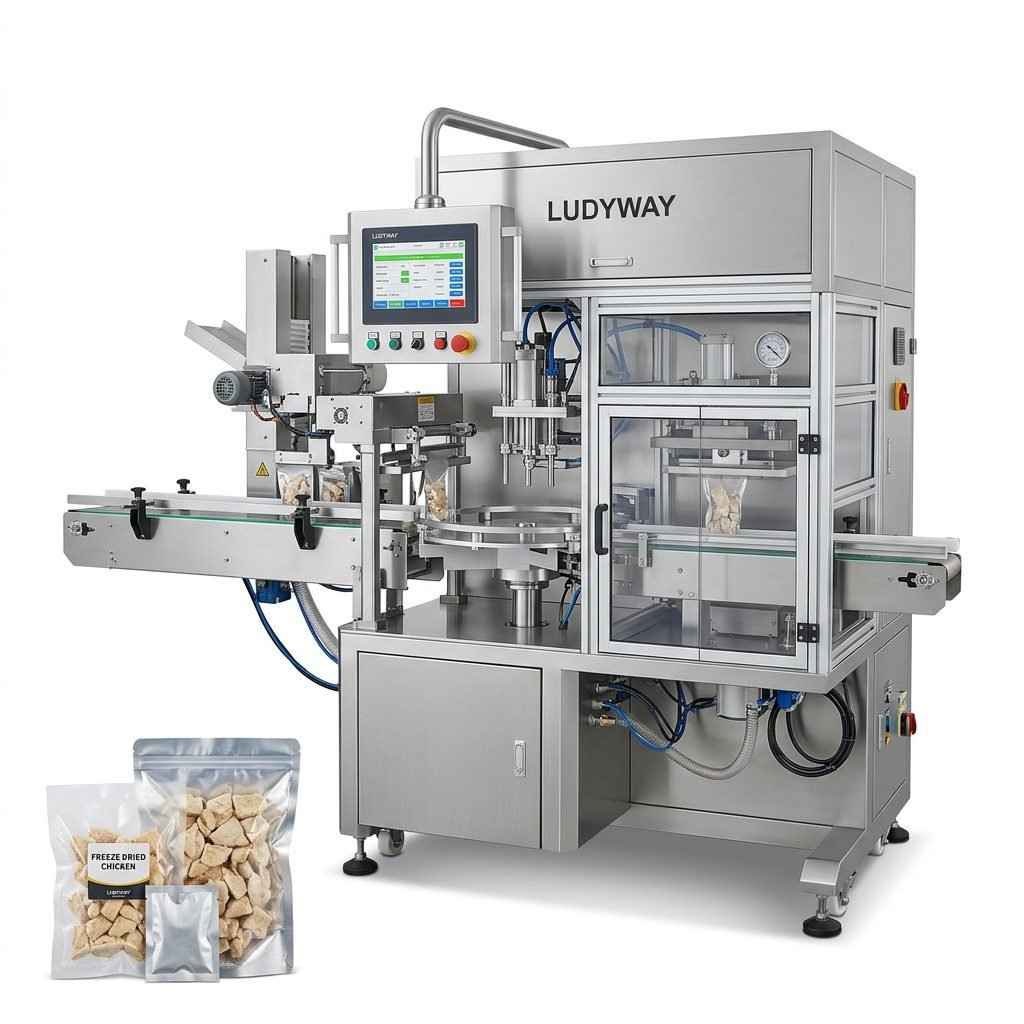
7. Vacuum Pouches
Vacuum pouches are designed to remove air before sealing, helping extend shelf life and improve product protection. They are commonly used for products sensitive to oxygen exposure.
Best for: meat, seafood, cheese, freeze-dried products, and some pharmaceutical or industrial goods.
- Enhanced product preservation
- Improved barrier performance
- Reduced package volume
- Useful for cold chain and long-term storage
8. Retort Pouches
Retort pouches are heat-resistant pouches designed to withstand sterilization processes. They are frequently used for ready-to-eat or shelf-stable foods.
Best for: prepared meals, soups, sauces, curry products, and wet pet food.
- Supports thermal processing
- Extends shelf life without refrigeration in many cases
- Lighter than cans or glass jars
- Convenient for outdoor and on-the-go food use
9. Sachets and Stick Packs
Although smaller than traditional pouches, sachets and stick packs remain among the most popular flexible packaging styles for single-dose or single-use applications. They are especially important in the food, pharmaceutical, and personal care sectors.
Best for: instant coffee, collagen powder, oral rehydration salts, shampoo, cream, energy gel, and seasonings.
- Excellent for portion control
- Convenient for travel and sampling
- High-speed automated production potential
- Ideal for both retail and promotional distribution
Popular Pouch Styles at a Glance
| Pouch Style | Common Uses | Main Advantage |
|---|---|---|
| Stand-Up Pouch | Snacks, powders, pet food, supplements | Strong shelf appeal |
| Flat Pouch | Samples, sauces, wipes, pharma products | Cost-effective and compact |
| Spouted Pouch | Liquids, gels, refill products | Easy pouring and resealing |
| Side Gusset Pouch | Coffee, tea, grains | Good capacity and premium look |
| Flat Bottom Pouch | Coffee, protein, cereals, premium foods | Excellent stability |
| Vacuum Pouch | Meat, seafood, freeze-dried foods | Longer shelf life |
| Retort Pouch | Ready meals, soups, wet pet food | Heat and sterilization resistance |
| Sachet / Stick Pack | Single-use powders, liquids, gels | Portion convenience |
How to Choose the Right Pouch Style
The best pouch style depends on your product characteristics, distribution channel, and brand goals. Before choosing a format, consider the following:
- Product type: Is it a powder, granule, liquid, paste, or solid?
- Fill volume: Small trial packs require different structures than family-size packaging.
- Barrier needs: Oxygen, moisture, and light sensitivity matter.
- Retail display: If shelf presence is important, stand-up or flat bottom pouches may work best.
- User convenience: Consider zippers, spouts, tear notches, or easy-open features.
- Production method: Your filling and sealing equipment must match the pouch format.
Which Industries Use Pouch Packaging the Most?
Pouch packaging is now common across a wide range of sectors. The most active users include:
- Food and beverage — snacks, coffee, spices, sauces, dairy powders, instant drinks
- Pharmaceutical and health supplement — powders, granules, oral liquids, medical sachets
- Cosmetics and personal care — lotions, creams, shampoo, serum, masks
- Household and chemical products — detergents, cleaners, additives, lubricants
- Pet care — treats, wet food, dry food, nutrition powders
Current Trends in Pouch Packaging
The pouch market continues to evolve. Brands today are not only looking for practical packaging but also packaging that supports sustainability, convenience, and product differentiation.
Eco-Friendlier Material Choices
Many brands are seeking recyclable, mono-material, or reduced-material pouch options to align with sustainability goals.
Premium Shelf Presentation
Flat bottom pouches, matte finishes, metallic effects, and clear windows are growing in popularity for premium product lines.
Smaller, Portable Formats
Single-use sachets and compact pouches remain important for modern consumers who value portability and convenience.
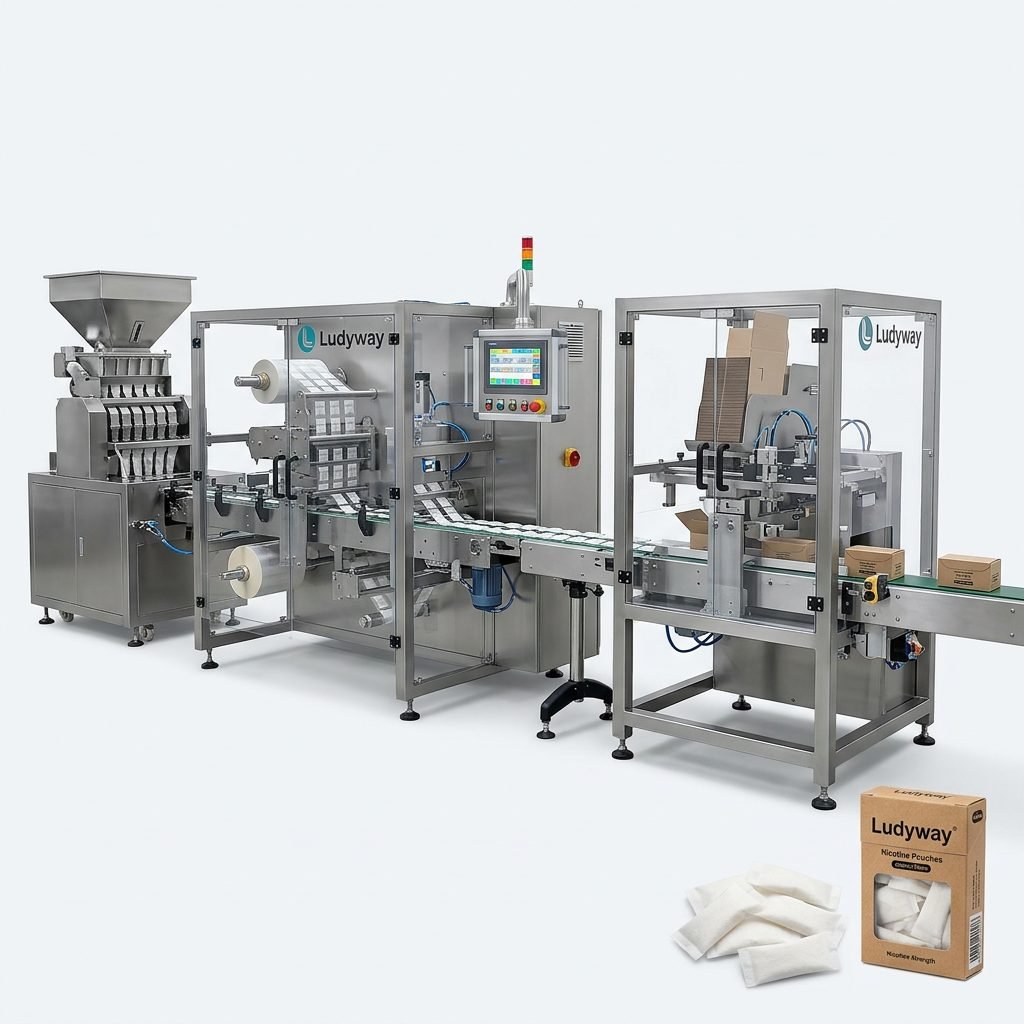
Automation Compatibility
As labor costs rise, brands increasingly prioritize pouch formats that run smoothly on automated packaging lines with stable sealing and accurate filling.
Common Mistakes to Avoid When Selecting a Pouch Style
- Choosing a pouch only for appearance without considering product barrier needs
- Ignoring how the pouch performs during transport and storage
- Overlooking consumer convenience features such as resealability
- Using a pouch format that does not match available packaging machinery
- Not testing seal strength, leakage resistance, or shelf performance
Final Buying Insight for Brands and Manufacturers
The most popular pouch styles today include stand-up pouches, flat pouches, spouted pouches, side gusset pouches, flat bottom pouches, vacuum pouches, retort pouches, and sachet or stick pack formats. Each style serves a different purpose, and the right choice depends on the product, market positioning, and production setup.
If your business plans to scale pouch packaging, it is important to select not only the correct pouch design but also the right filling and sealing system. A good packaging solution should protect the product, improve presentation, and support long-term production efficiency.
Frequently Asked Questions
What is the most popular pouch style for retail products?
Stand-up pouches are often the most popular because they combine strong shelf presence, convenience, and versatile use across many product categories.
Which pouch style is best for liquids?
Spouted pouches are ideal for many liquid and semi-liquid products, while flat sachets work well for single-use liquids.
Are flat bottom pouches better than stand-up pouches?
Flat bottom pouches usually offer a more premium look and better stability, but stand-up pouches are often more economical and widely used.
What pouch style is best for single-use packaging?
Sachets, stick packs, and flat pouches are typically the best choices for single-use or travel-size packaging.
Can one packaging line handle different pouch styles?
In some cases, yes. However, it depends on machine design, pouch dimensions, product type, and required output speed. Customization or format changeover capability is often necessary.