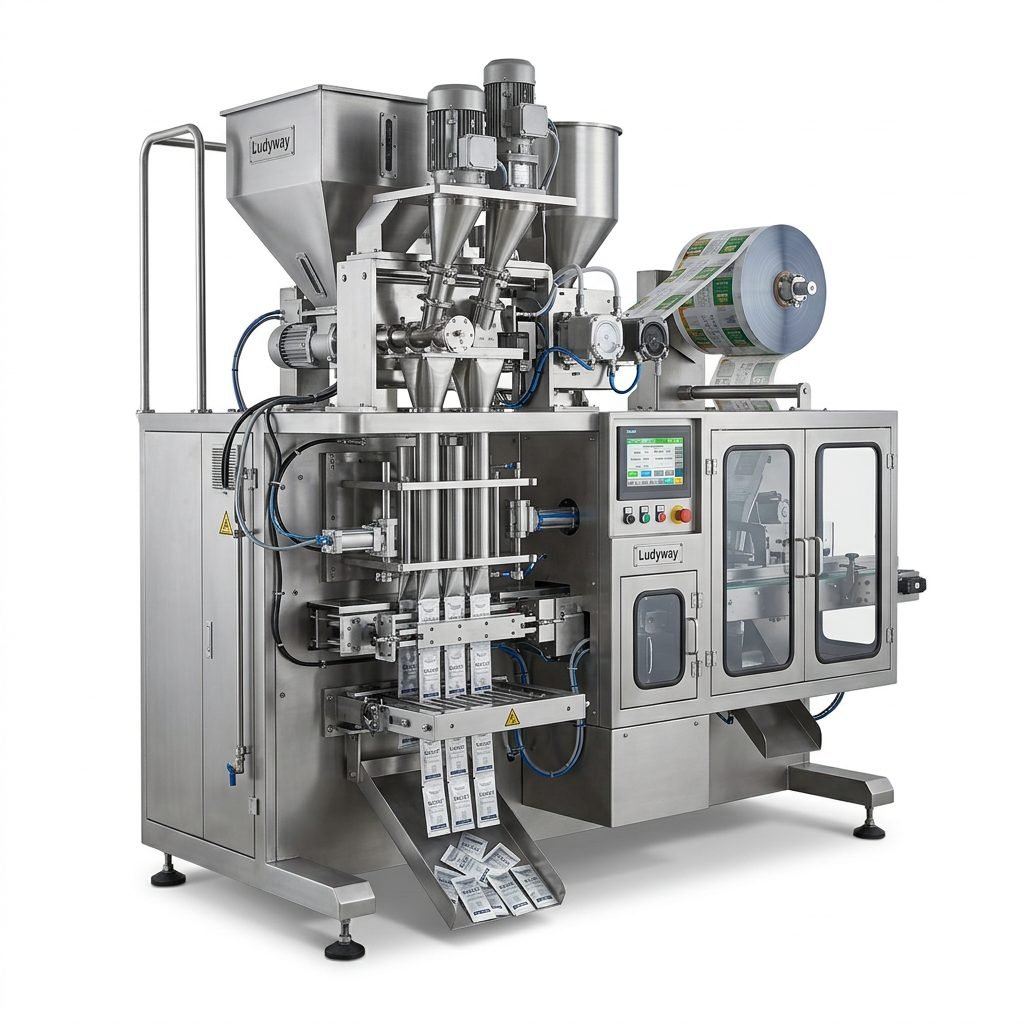
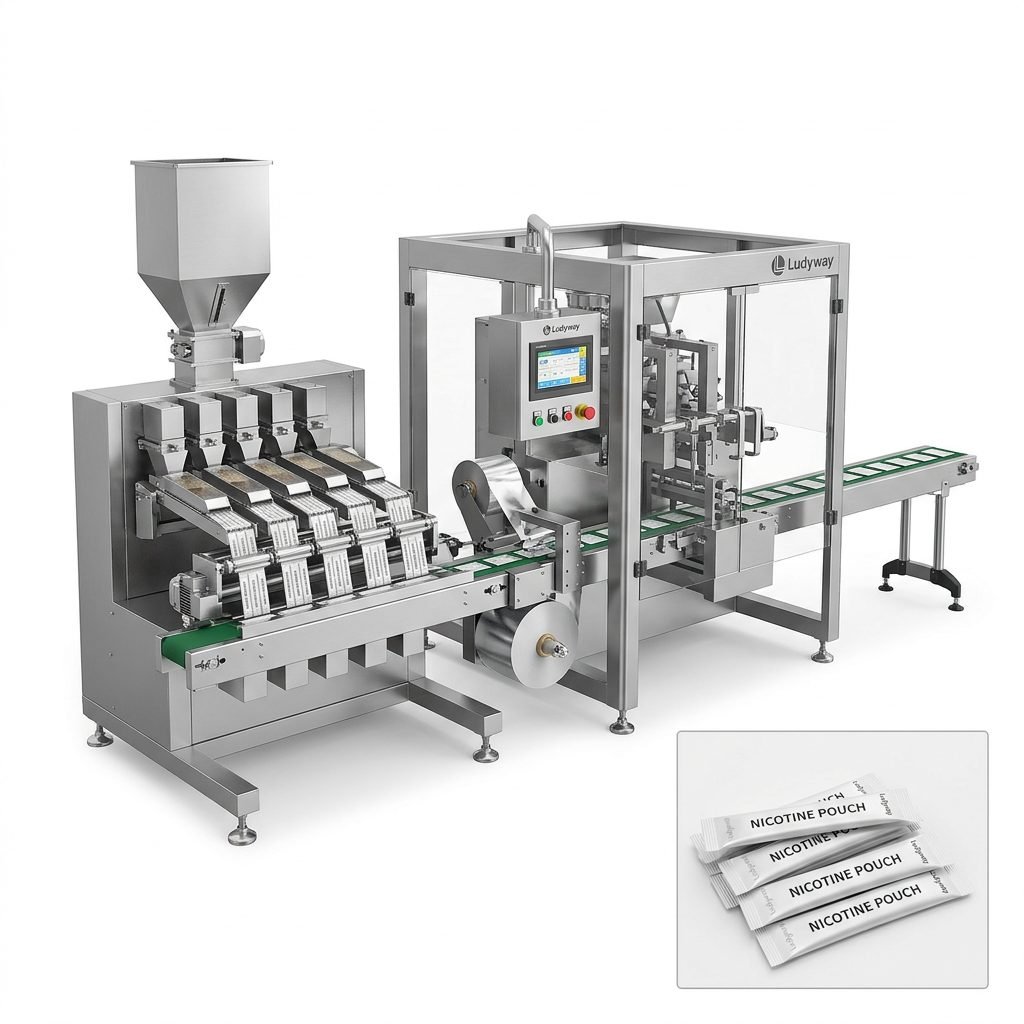
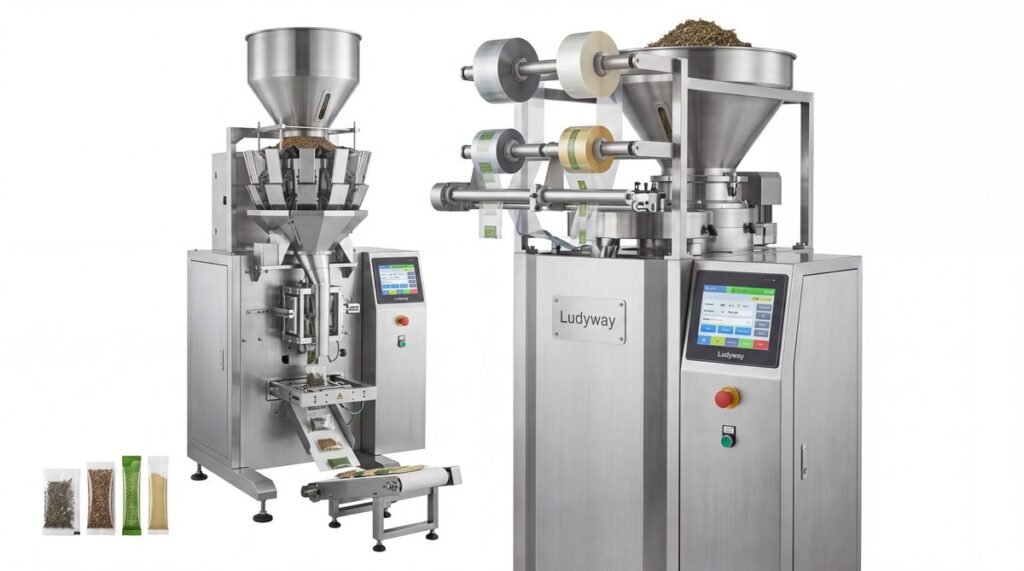
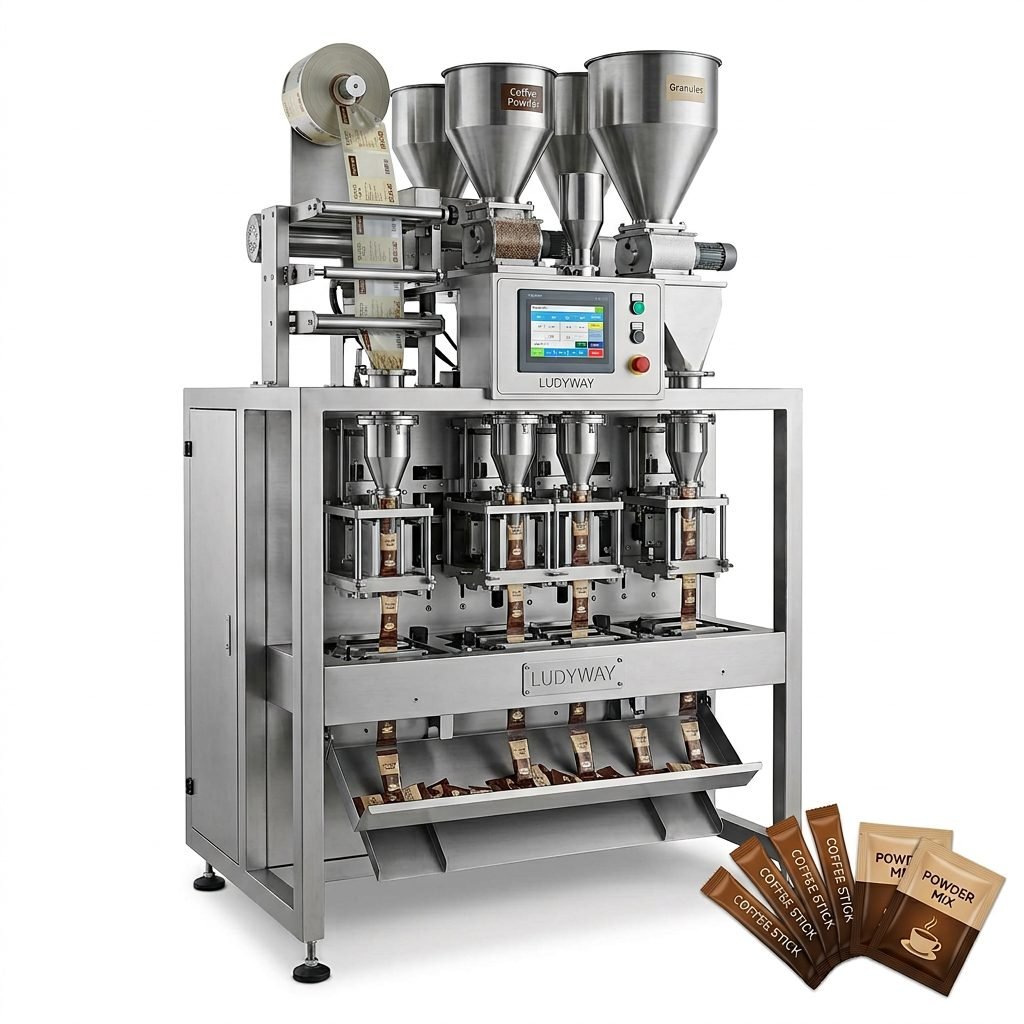
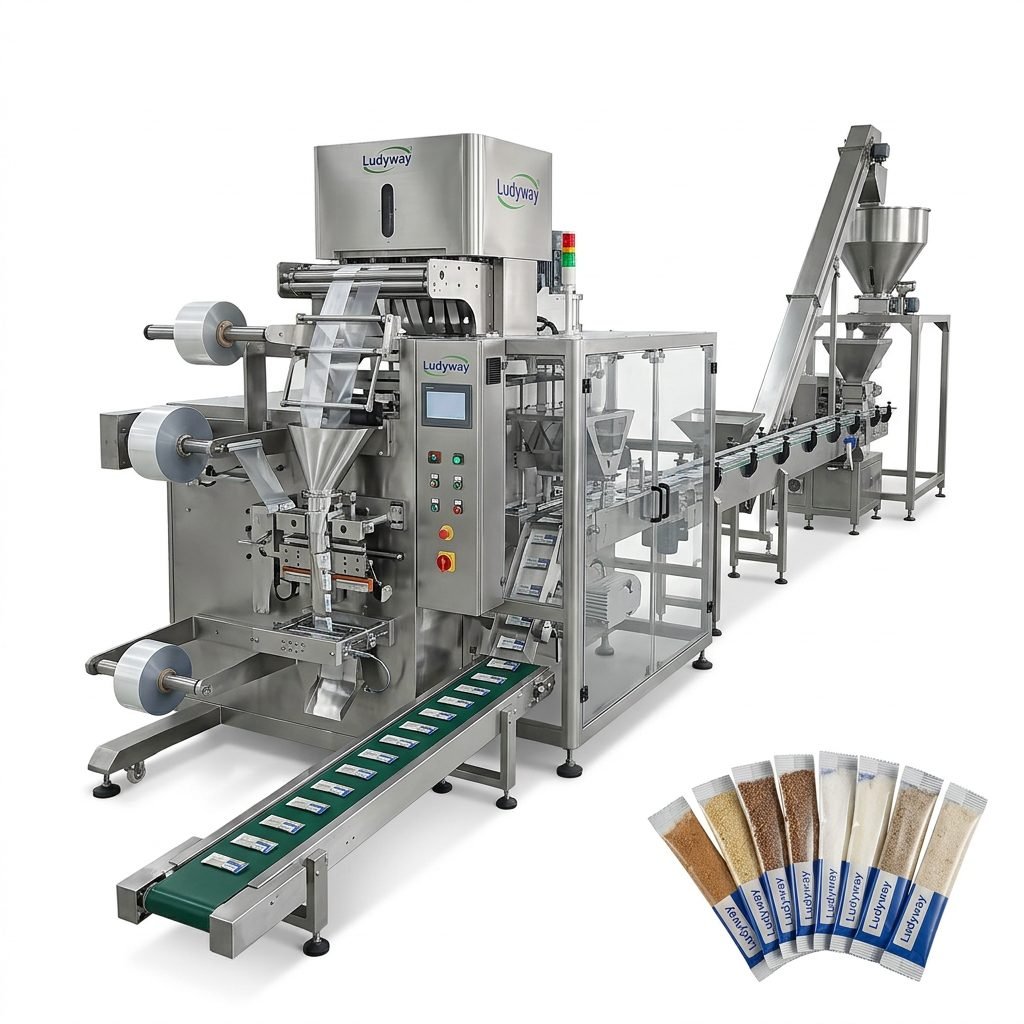
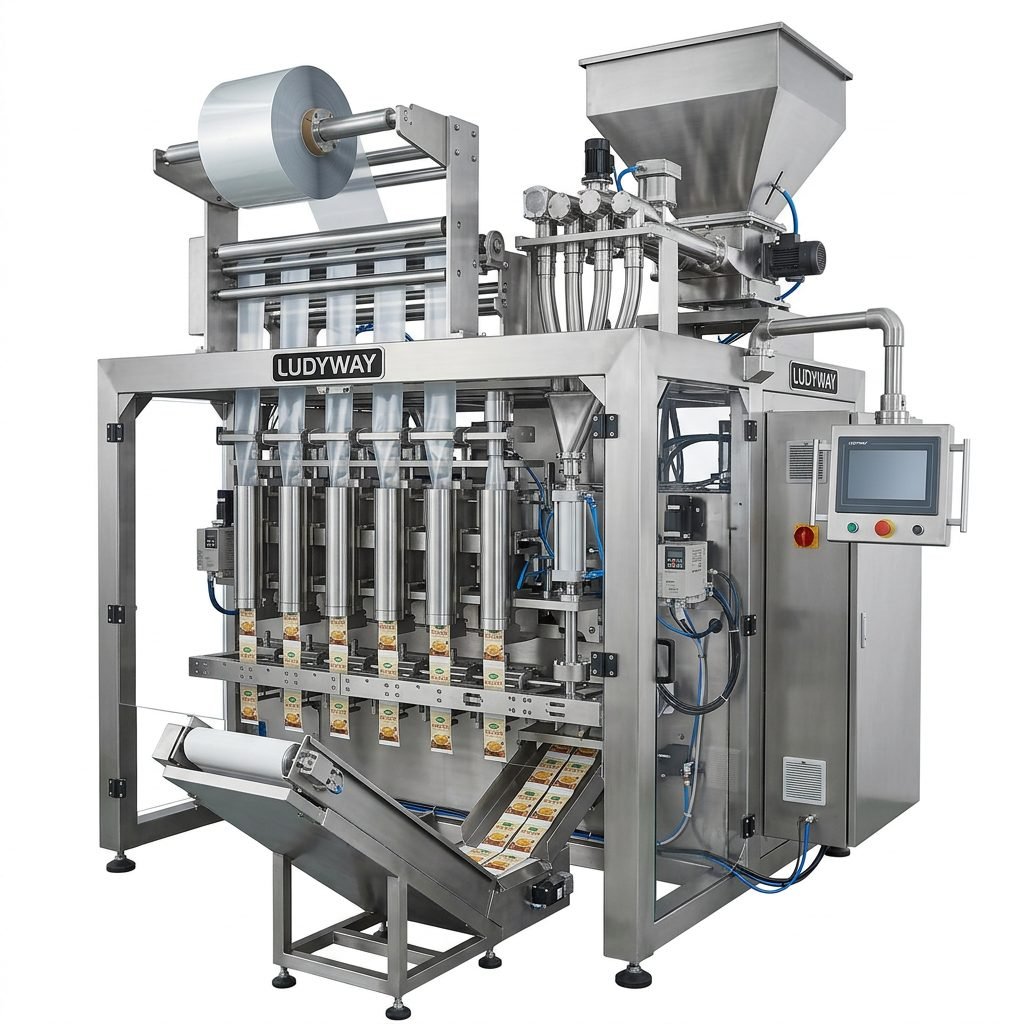
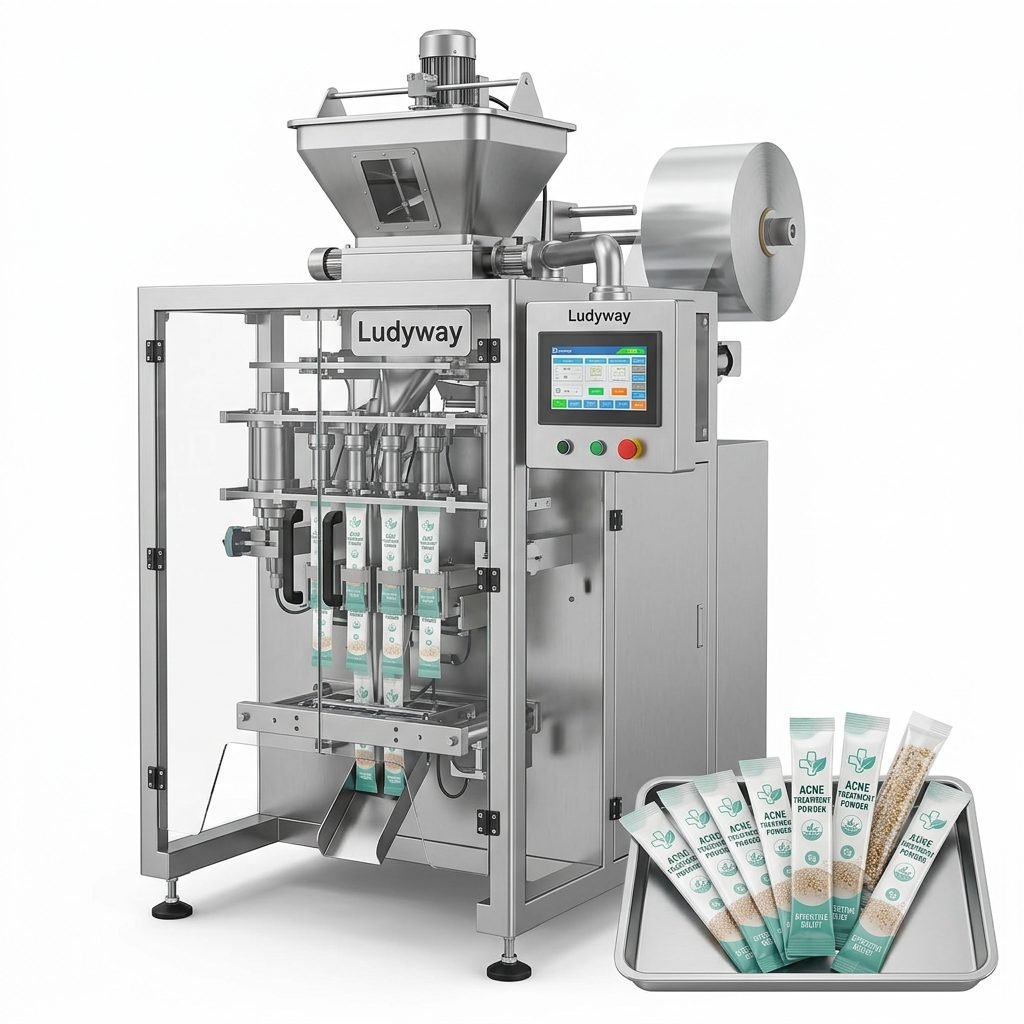
A back seal packaging machine is a type of vertical form fill seal packaging equipment designed to create a bag from roll film, fill it with product, and seal it along the back side of the package. This structure is widely used for packaging powders, granules, liquids, and pastes in compact pillow-style bags for food, pharmaceutical, cosmetic, and chemical products.
Because the sealing line is positioned on the rear of the pouch, the front face remains clean and suitable for branding, coding, and product information. That is one reason back seal machines are common in retail packaging where appearance and cost efficiency both matter.
How a Back Seal Packaging Machine Works
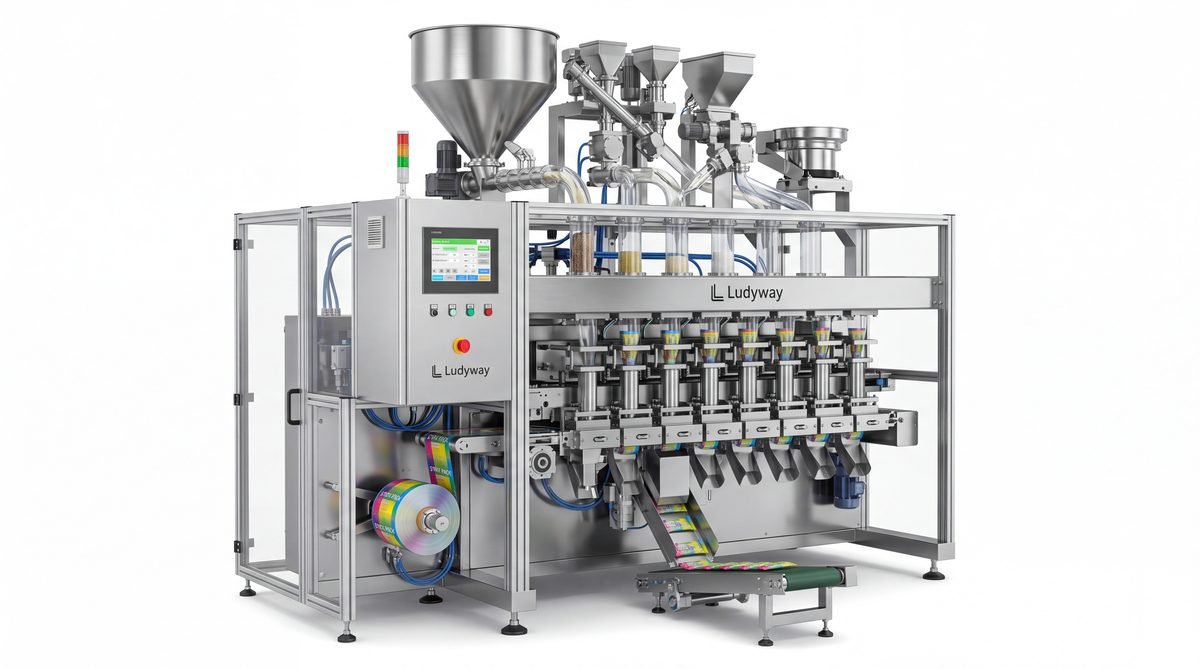
The operating principle is straightforward but highly efficient. Packaging film is unwound from a roll and guided through a forming collar. The film is shaped into a tube, then a longitudinal back seal is made. After that, the machine performs bottom sealing, product filling, and top sealing in sequence. Once the top seal is completed, the package is cut and discharged.
- Film unwinding and tracking
- Bag forming through the collar or tube former
- Back longitudinal sealing
- Bottom sealing
- Accurate dosing or filling
- Top sealing and cutting
- Date coding or optional labeling if required
Depending on the product, the machine may be equipped with an auger filler for powders, a volumetric cup or multi-head feeder for granules, or a pump system for liquids and viscous materials.
What Does “Back Seal” Mean?
“Back seal” refers to the vertical seal placed on the rear center or rear side of the package. Unlike three-side or four-side seal sachets, this packaging style is typically formed from a single web of film. The design is practical, material-efficient, and ideal for high-volume production.
You will often see back seal packs used for:
- Instant coffee
- Sugar and salt
- Seasoning powders
- Snack granules
- Shampoo and lotion samples
- Pharmaceutical powders and granules
Main Components of a Back Seal Packaging Machine
| Component | Function |
|---|---|
| Film Roll Holder | Supports and feeds the packaging film |
| Forming Collar | Shapes flat film into a bag tube |
| Sealing Unit | Creates the back seal and horizontal seals |
| Filling System | Dispenses powder, granules, liquid, or paste accurately |
| Cutting Device | Separates finished packs |
| Control System | Manages speed, temperature, length, and filling settings |
Common Product Applications
Back seal packaging machines are versatile and can support a broad range of industries. Their exact configuration depends on product flow characteristics, target bag size, and required production output.
Food Industry
- Spices and seasoning powders
- Sugar, salt, and coffee
- Milk powder and nutritional blends
- Sauces, oils, and condiments
- Snack granules and small food portions
Pharmaceutical Industry
- Oral powder sachets
- Granule medicines
- Health supplement powders
- Single-dose formulations
Cosmetic and Personal Care Industry
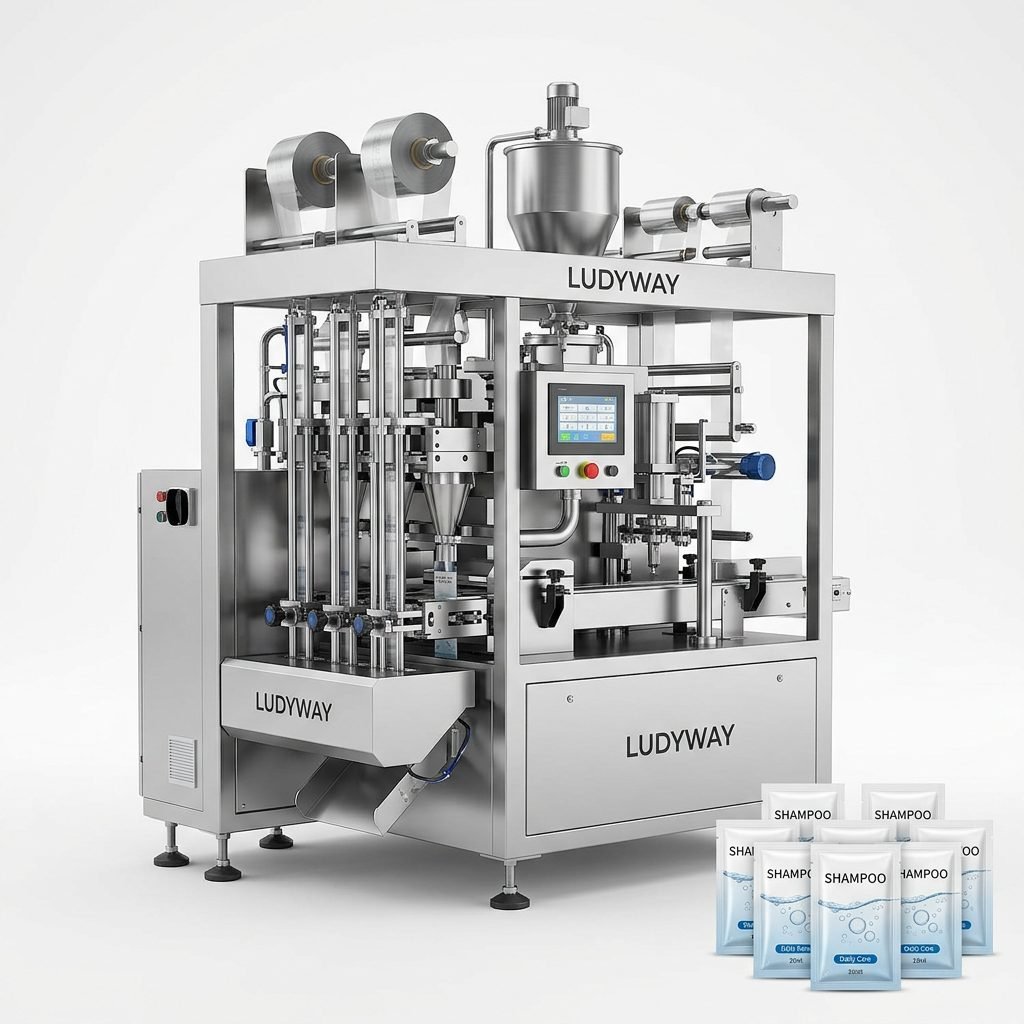
- Shampoo sachets
- Face cream and lotion samples
- Serum and gel packaging
- Travel-size personal care products
Chemical and Daily-Use Products
- Detergent powder
- Cleaning liquids
- Industrial additives
- Water treatment chemicals
Key Benefits of Using a Back Seal Packaging Machine
This packaging solution remains popular because it balances cost, speed, and usability.
- Material efficiency: Uses roll film economically, helping reduce packaging cost per unit.
- Compact bag structure: Suitable for small to medium-size retail packs.
- Clean front appearance: The front panel is better for branding and printed information.
- High automation: Forming, filling, sealing, and cutting are integrated into one process.
- Wide product adaptability: Can package powders, granules, liquids, and pastes with the right dosing unit.
- Improved consistency: Helps maintain stable bag length, seal quality, and fill accuracy.
- Reduced labor demand: Supports continuous production with fewer manual steps.
Back Seal vs. Other Packaging Styles
| Packaging Type | Main Feature | Best For |
|---|---|---|
| Back Seal | Rear vertical seal with top and bottom sealing | Cost-effective pillow bags |
| Three-Side Seal | Sealed on three edges | Flat sachets and sample packs |
| Four-Side Seal | Stronger and more symmetrical bag shape | Premium single-dose packaging |
| Stick Pack | Long narrow format | Drink powders, supplements, and liquid shots |
Who Should Choose a Back Seal Packaging Machine?
A back seal machine is a good option for manufacturers that need reliable packaging for high-volume or medium-volume production while controlling material costs. It is especially suitable for businesses that prioritize:
- Fast output with repeatable sealing quality
- Small single-use or retail-ready packs
- Flexible product changeover
- Lower packaging material consumption
- Simple machine structure and easier maintenance
Important Factors to Consider Before Buying
Not every back seal machine is the same. Choosing the right model requires matching the machine design to your product and production goals.
1. Product Type
Free-flowing granules, sticky pastes, fine powders, and thin liquids need different filling systems. A mismatch can lead to poor accuracy, leakage, dusting, or seal contamination.
2. Bag Size Range
Check the target bag width, length, and fill volume. Some machines are optimized for small sachets, while others handle larger pillow bags.
3. Output Speed
Evaluate your required packs per minute. Higher speed often requires better film control, stable dosing, and more advanced servo systems.
4. Packaging Film Compatibility
The machine should work with your chosen laminated film, heat-sealable film, or other packaging material without compromising sealing integrity.
5. Hygiene and Cleaning
For food, pharma, and health products, easy cleaning and sanitary design are important. Stainless steel contact parts and dust control systems may be needed.
6. Expandability
If you plan to scale production, it helps to choose equipment that can integrate with feeders, checkweighers, metal detectors, coding systems, conveyors, and cartoning lines.
Typical Industries That Benefit Most
Back seal packaging technology is especially valuable in sectors where unit packs are consumed quickly and distributed widely through retail, medical, or industrial channels.
| Industry | Typical Products | Why Back Seal Works Well |
|---|---|---|
| Food | Coffee, salt, sugar, seasonings, sauces | Low-cost, high-speed, retail-friendly format |
| Pharma | Granules, oral powders, medical sachets | Accurate dosing and controlled packaging process |
| Cosmetics | Shampoo, cream, serum, lotion | Good for samples and travel-size products |
| Chemicals | Detergent, additives, cleaners | Supports safe and efficient single-use packaging |
Maintenance Tips for Better Performance
Regular maintenance helps improve machine uptime, seal quality, and service life.
- Clean sealing jaws and filling sections frequently
- Inspect film tracking and tension control
- Check wear parts such as cutters and sealing elements
- Calibrate dosing systems regularly
- Monitor temperature settings for different film materials
- Train operators on changeover and troubleshooting procedures
Why Automation Matters in Modern Packaging
As labor costs rise and quality standards become stricter, packaging automation is no longer optional for many manufacturers. A back seal packaging machine helps companies standardize output, reduce manual handling, and support faster delivery cycles. For brands operating in food, pharma, health supplements, or daily chemicals, this can directly improve both production efficiency and market competitiveness.
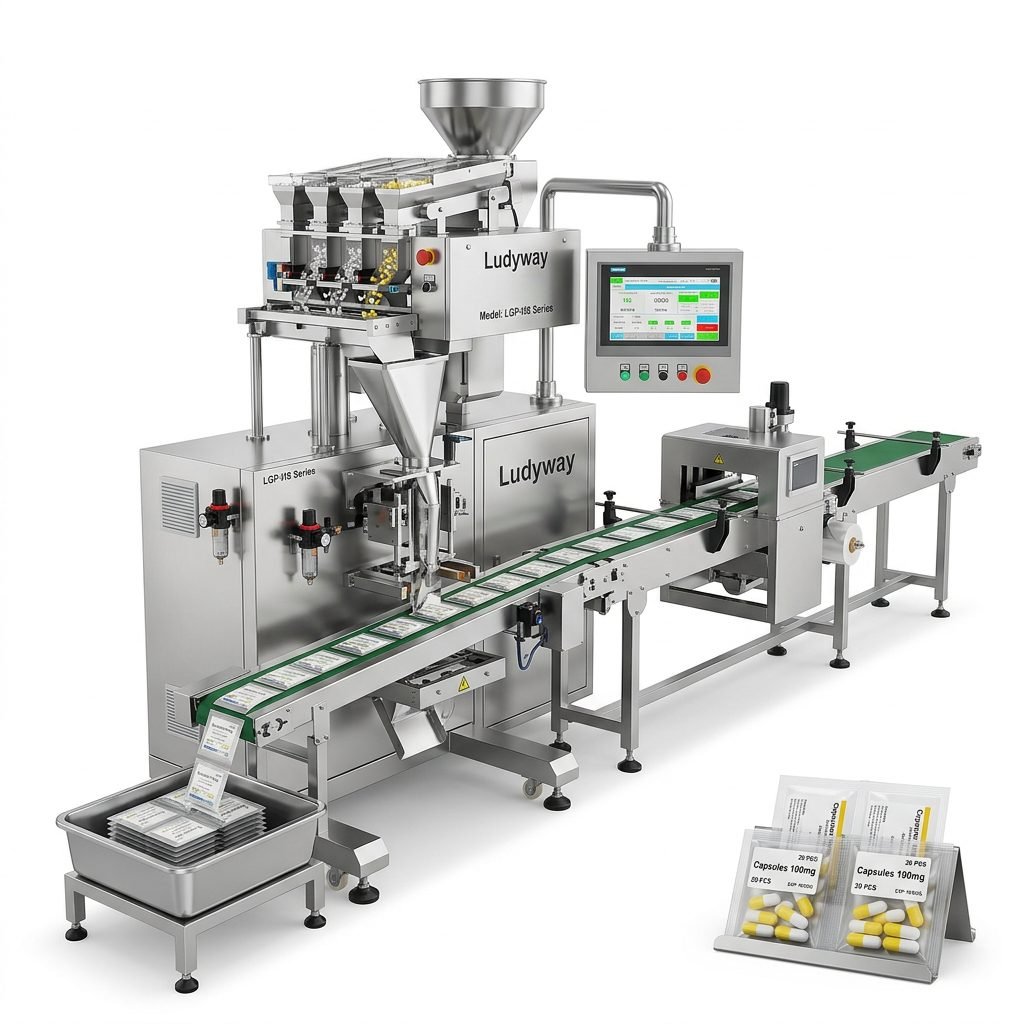
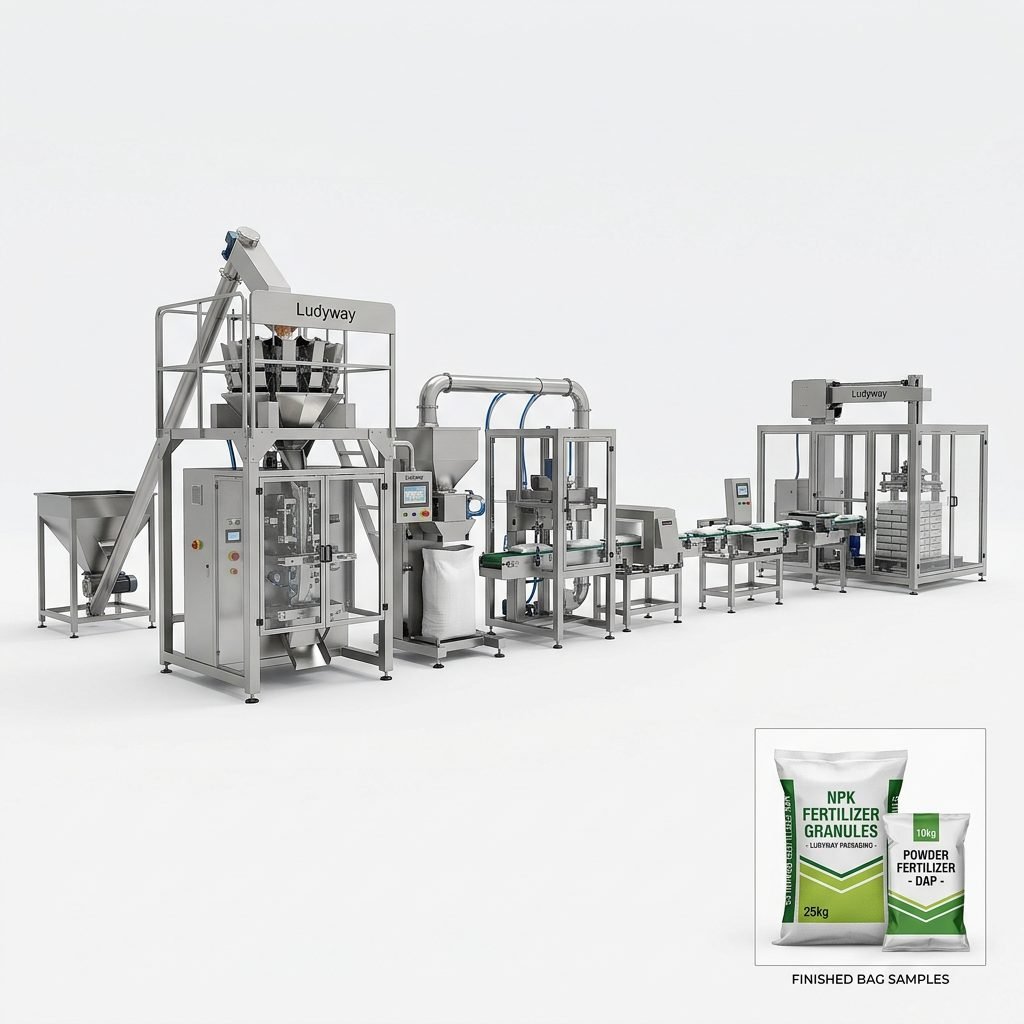
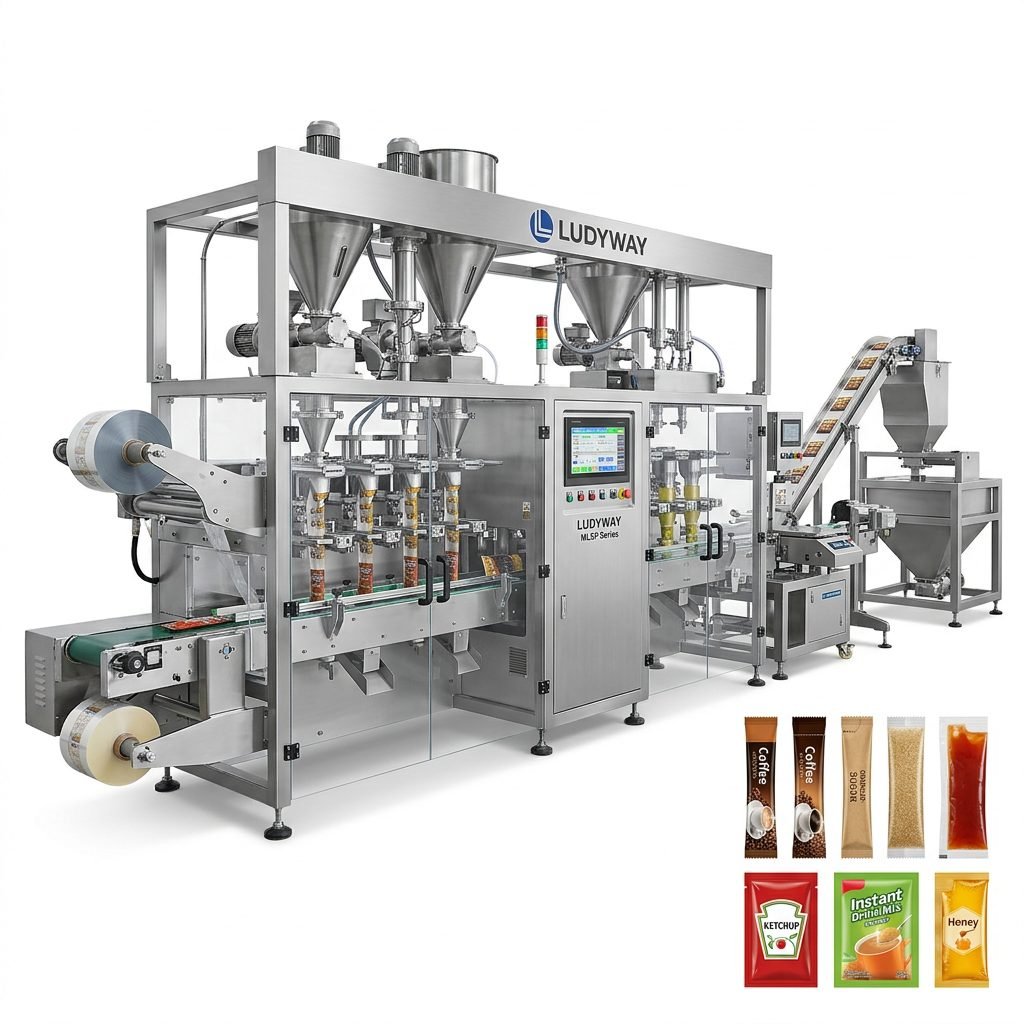
For businesses looking for scalable packaging solutions, Ludyway back seal packaging machine solutions can be part of a broader automated packaging system, including standalone units and turnkey production lines for powders, granules, liquids, and pouch-based products.
Final Thoughts
A back seal packaging machine is a practical and proven solution for producing pillow-style packs with strong sealing performance, efficient film usage, and wide application flexibility. Whether you package seasonings, supplement powders, shampoos, or pharmaceutical granules, this machine type offers a strong balance of speed, consistency, and cost control.
If your production requires compact, attractive, and reliable packaging at scale, a back seal machine is often one of the most efficient options to consider.