Choosing a packaging machine manufacturer is not only about price, speed, or machine appearance. For serious buyers, certifications are one of the clearest signals of quality control, legal compliance, product safety, and long-term reliability. If a supplier cannot clearly explain its certifications, testing standards, and documentation process, that is usually a warning sign.
In this buyer’s guide, you’ll learn which certifications matter most, what each one means, and how to verify whether a packaging machine manufacturer is truly qualified for your project.
Why Certifications Matter When Buying Packaging Equipment
Packaging machinery often operates in industries with strict production requirements, such as food, pharmaceuticals, cosmetics, chemicals, health supplements, and pet products. In these sectors, equipment must do more than run efficiently. It must also support:
- Safety for operators and end users
- Regulatory compliance in target export markets
- Stable production quality and repeatable performance
- Traceability for inspections, audits, and maintenance
- Lower import and installation risks
A certified manufacturer is generally better prepared to deliver complete technical files, validation support, inspection records, and after-sales documentation. For buyers, this reduces project delays and costly compliance mistakes.
The Most Important Certifications to Look For
1. CE Certification
If you plan to import packaging equipment into Europe or work with EU-standard compliance requirements, CE marking is essential. CE indicates that the machine is designed and assessed according to relevant European directives covering machinery safety, electrical safety, and sometimes electromagnetic compatibility.
For packaging machine buyers, CE usually means the manufacturer should be able to provide:
- Declaration of Conformity
- Technical construction file
- Risk assessment documents
- Electrical diagrams and safety labeling
- Operator manual in English or required language
Buyer tip: Don’t just ask, “Do you have CE?” Ask whether the machine has CE documentation for the specific model you are purchasing.
2. ISO 9001 Quality Management System
ISO 9001 is one of the most widely recognized certifications for manufacturing quality management. It does not certify a machine itself, but it shows the manufacturer has a structured system for design, procurement, production, inspection, and continuous improvement.
This matters because packaging machinery involves many coordinated steps, including machining, assembly, wiring, testing, calibration, and final inspection. A supplier with ISO 9001 is usually more capable of maintaining consistency from one machine order to the next.
Look for evidence that the manufacturer follows documented quality procedures such as:
- Incoming material inspection
- In-process quality control
- Final machine testing
- Corrective and preventive action systems
- Documented customer feedback handling
3. GMP-Relevant Manufacturing Capability
For pharmaceutical, nutraceutical, and some food applications, buyers often ask whether the machine is “GMP compliant” or “designed according to GMP principles.” While GMP is usually a production standard for facilities and processes rather than a simple machine certificate, it is still highly relevant when selecting packaging equipment.
A GMP-ready packaging machine may include features such as:
- Stainless steel contact parts
- Smooth surfaces for easy cleaning
- Minimal dust retention points
- Hygienic design structure
- Documented material traceability
- Support for validation protocols
In regulated sectors, ask whether the manufacturer can support IQ, OQ, and related qualification documents where needed.
4. FDA-Relevant Material Compliance
If your products are sold in the United States, especially in food, beverages, supplements, or pharmaceuticals, you should confirm whether contact materials on the machine are suitable for FDA-related requirements. This is especially important for:
- Seals and gaskets
- Hoses and tubing
- Product contact stainless steel parts
- Plastic components that contact product
Manufacturers may provide declarations for food-contact materials rather than a general “FDA certificate” for the whole machine. Make sure you understand exactly which parts are compliant and under what standard.
5. UL or Equivalent Electrical Compliance
For North American projects, electrical compliance can be especially important. Some buyers may require UL-listed components, CSA-related compliance, or other region-specific electrical standards depending on their plant rules and local authority requirements.
If your factory has strict internal engineering standards, check the following before purchase:
- Voltage and frequency compatibility
- Control cabinet standards
- Component brands and certifications
- Wiring documentation
- Emergency stop and safety circuit design
6. Industry-Specific Certifications and Test Reports
Depending on the machine type and end-use sector, other certifications or documents may also be valuable, including:
- Material certificates for stainless steel
- Calibration certificates
- Factory acceptance test reports
- Safety test records
- Third-party inspection reports
- RoHS or other component-related compliance declarations
Quick Reference Table: Certifications and What They Mean
| Certification / Standard | Why It Matters | Best For |
|---|---|---|
| CE | Shows conformity with key EU machinery and safety requirements | Europe, global buyers using EU safety benchmarks |
| ISO 9001 | Indicates a structured quality management system | All industries |
| GMP-oriented design | Supports hygienic production and regulated manufacturing needs | Pharma, supplements, medical, food |
| FDA-related material compliance | Confirms suitability of certain product-contact materials | U.S. food, beverage, supplement, pharma |
| UL / CSA / electrical conformity | Supports plant acceptance and electrical safety compliance | North America |
| Third-party inspection / FAT reports | Provides extra confidence before shipment | Large or customized projects |
How to Verify a Manufacturer’s Certifications
Many suppliers mention certifications on their websites, but buyers should still verify them carefully. A professional manufacturer should be willing to provide supporting documents without hesitation.
Ask for These Documents
- Valid certificate copies with issuing body details
- Machine-specific declarations where applicable
- Scope of certification
- Testing records or acceptance reports
- Photos or videos of safety features on the actual equipment
Check These Details
- Certificate issue date and expiry date
- Company name matching the legal manufacturer
- Whether the certificate applies to manufacturing, products, or components
- Whether the certification covers the exact equipment category
Important: A certificate for one machine type does not automatically mean all machines from the same supplier have identical compliance status.
Red Flags Buyers Should Watch For
Not all certification claims are equally trustworthy. Be cautious if you notice any of the following:
- Vague statements like “all machines have international certification” without proof
- No downloadable or shareable certificate copies
- Expired ISO or other system certificates
- CE mark shown without technical documentation
- Unclear answers about product-contact materials
- No test video, FAT process, or inspection workflow
- Refusal to customize documentation for your destination market
Which Certifications Matter Most by Industry?
| Industry | Priority Certifications / Documents | Extra Buyer Notes |
|---|---|---|
| Food | CE, ISO 9001, food-contact material declarations | Check cleanability and stainless steel contact parts |
| Pharmaceutical | CE, ISO 9001, GMP-oriented design documents, validation support | Documentation quality is often as important as machine design |
| Cosmetics | CE, ISO 9001, material compatibility declarations | Ask about viscosity handling and cleaning convenience |
| Chemicals | CE, ISO 9001, material corrosion resistance verification | Confirm chemical compatibility of seals and contact parts |
| Health supplements | CE, ISO 9001, GMP-friendly design, food-grade contact materials | Ideal for powders, granules, tablets, and stick pack lines |
Questions Smart Buyers Should Ask Before Ordering
Before paying a deposit, ask the manufacturer these direct questions:
- Can you provide valid CE and ISO certificate copies?
- Is the CE documentation prepared for this exact machine model?
- What material is used for product-contact parts?
- Can you provide FDA-related or food-contact declarations if needed?
- Do you support FAT, SAT, IQ, or OQ documentation?
- Can the electrical system be adapted for my country’s standards?
- Do you offer third-party inspection before shipment?
- What after-sales documents are included with delivery?
Certifications Are Important, But They Are Not Everything
A buyer should never evaluate a packaging machine manufacturer based on certifications alone. Strong suppliers combine compliance with real engineering capability, customization experience, export knowledge, and dependable support.
That means you should also assess:
- Factory scale and production capacity
- Years of industry experience
- Export track record
- Application knowledge in your industry
- Machine testing process
- Spare parts and after-sales response
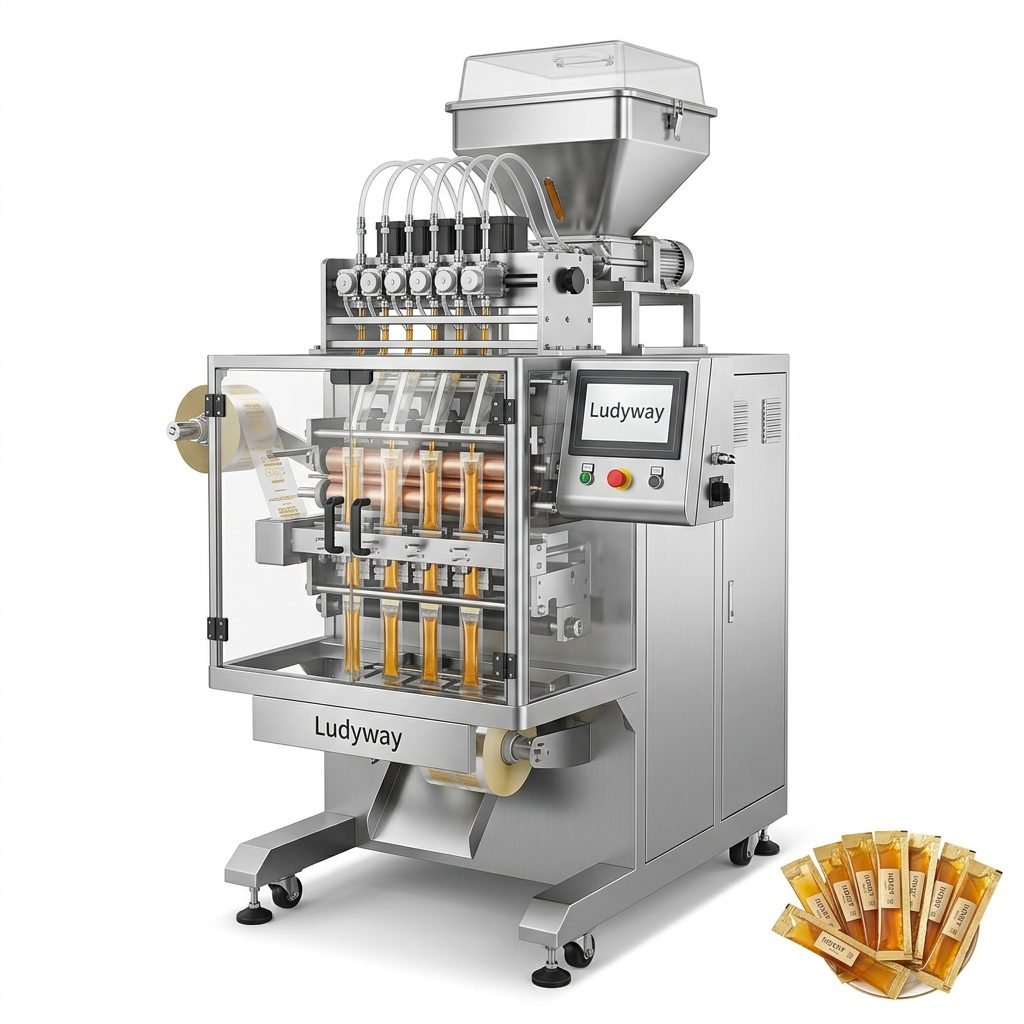
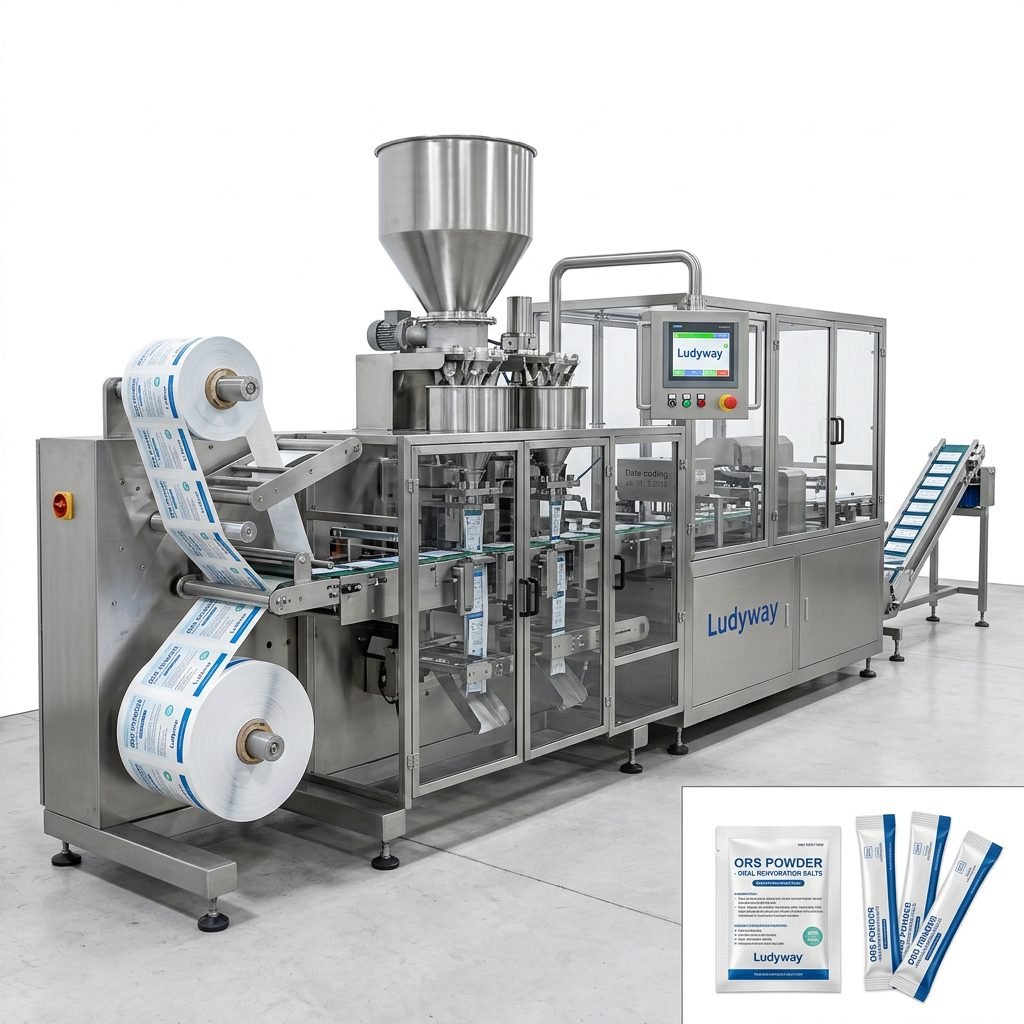
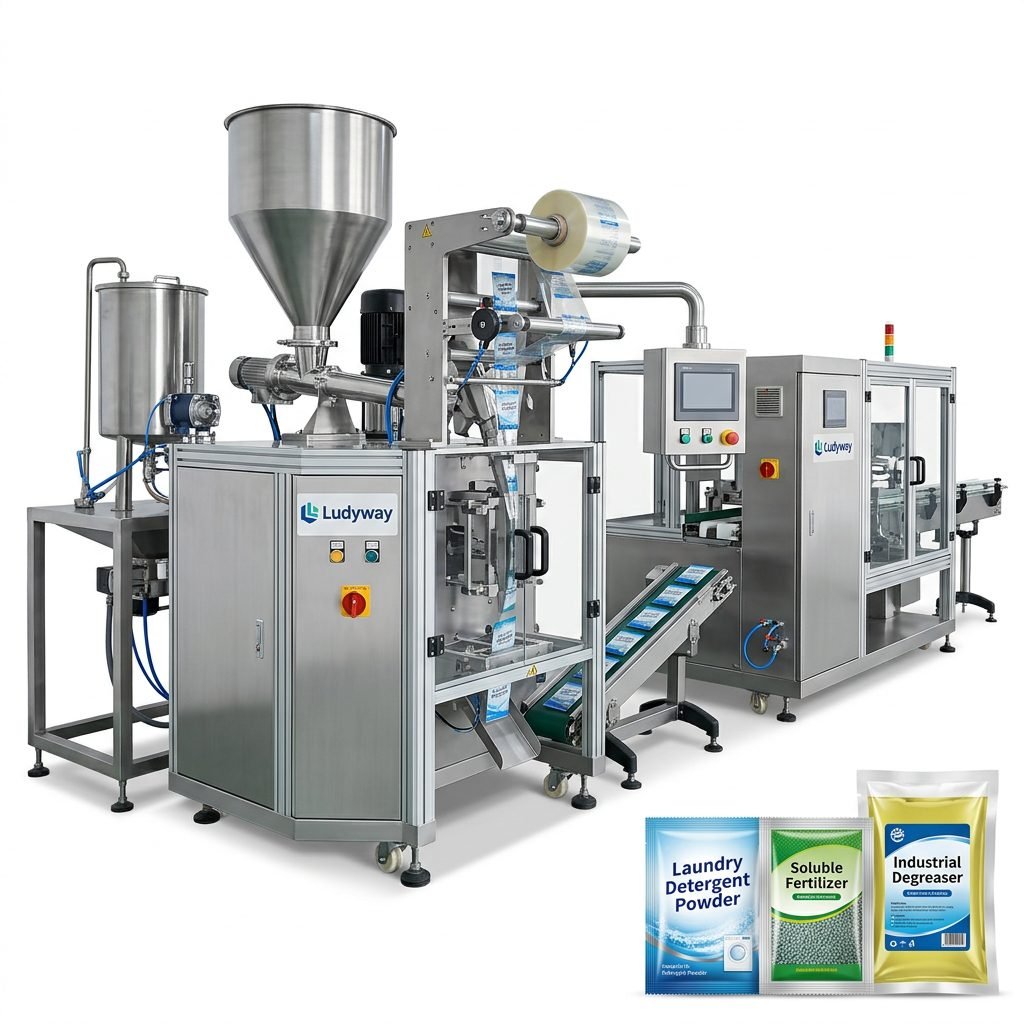
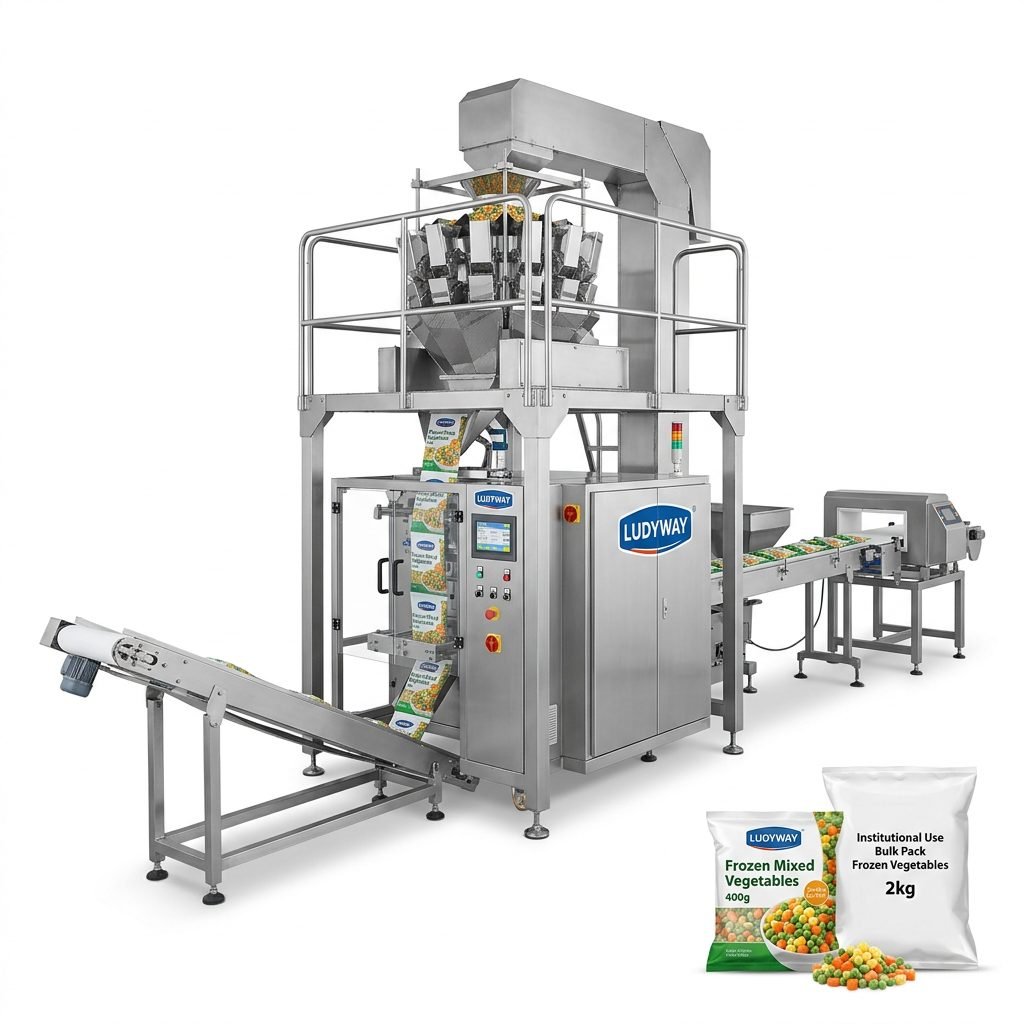
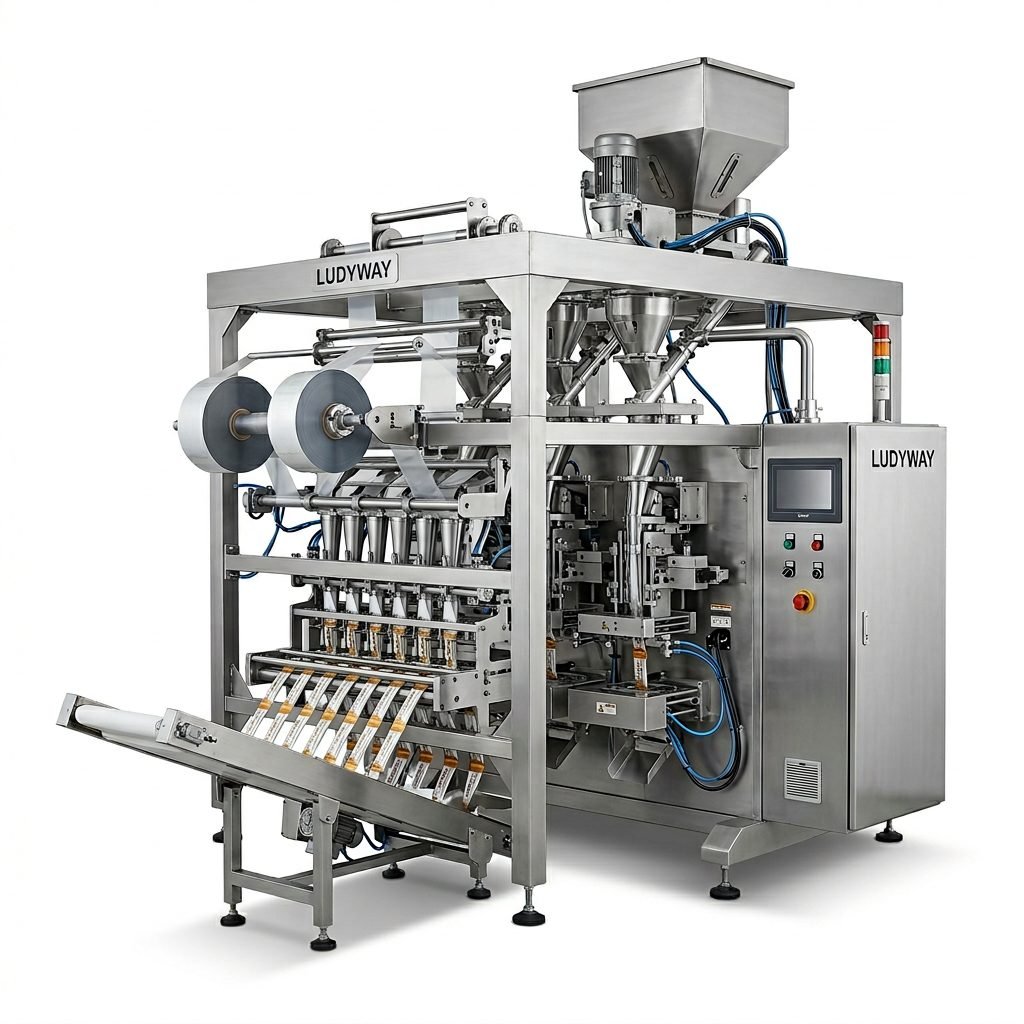
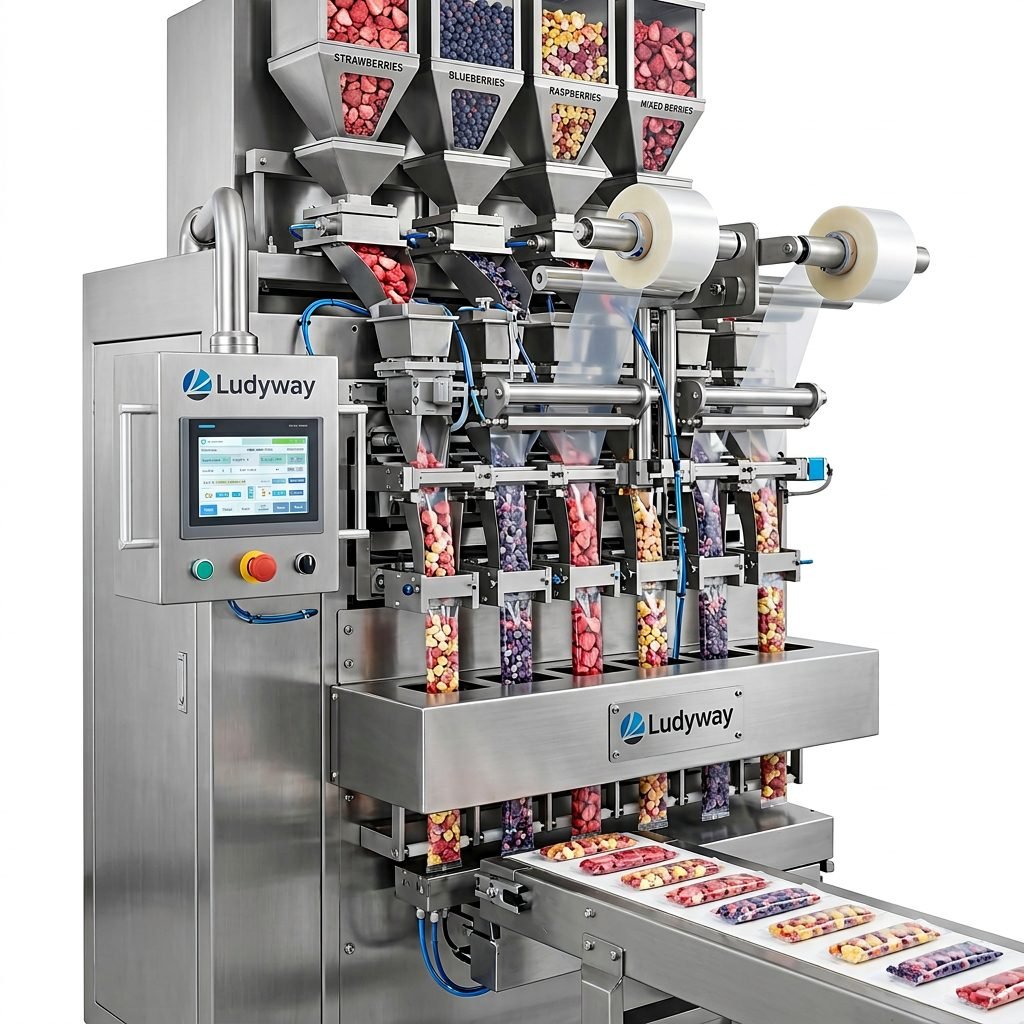
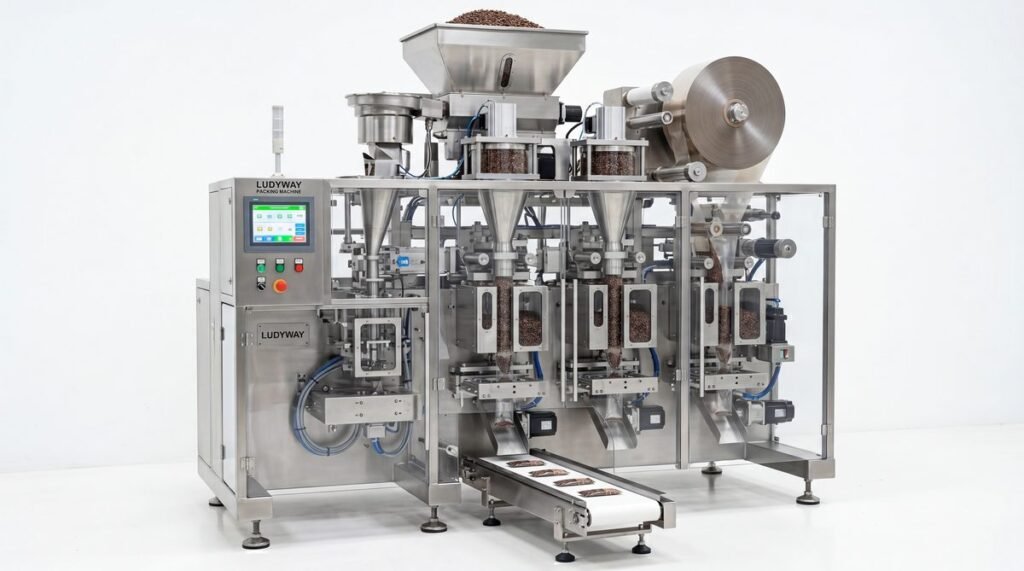
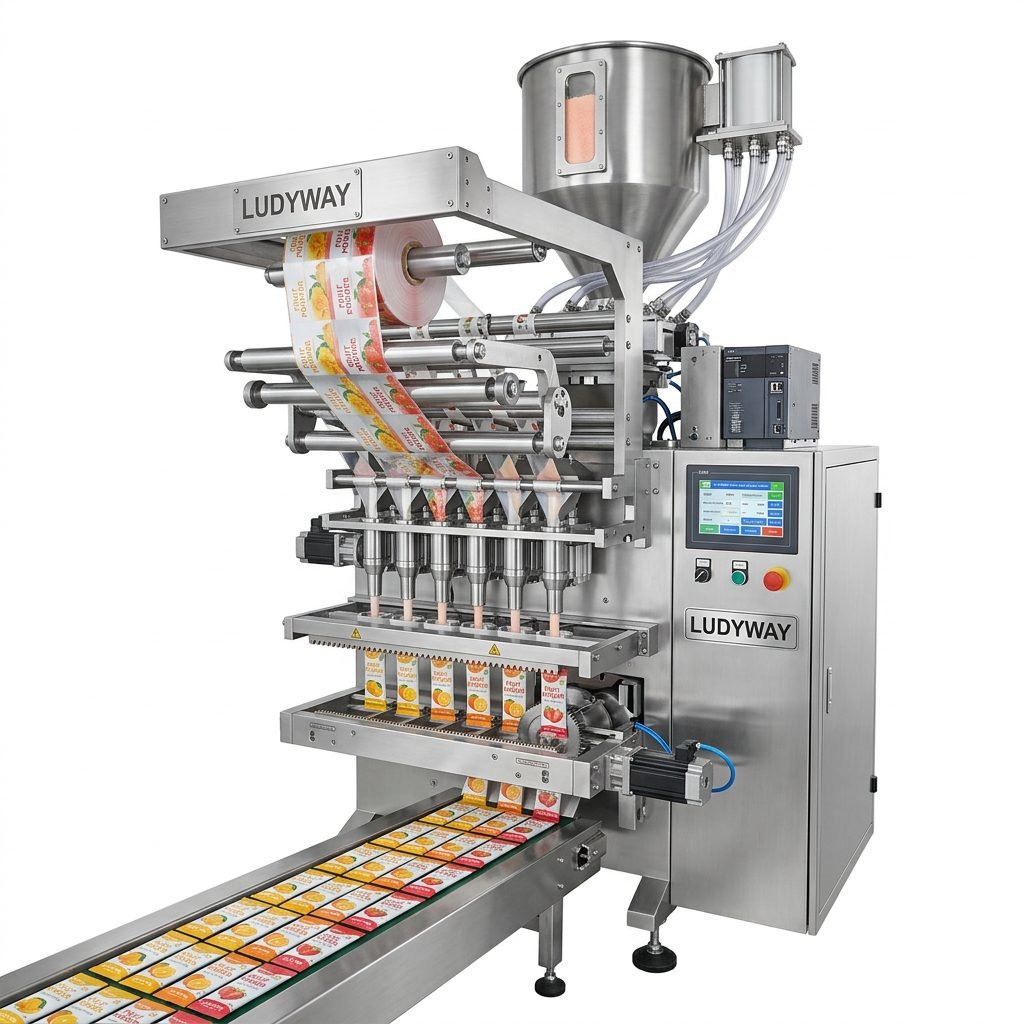
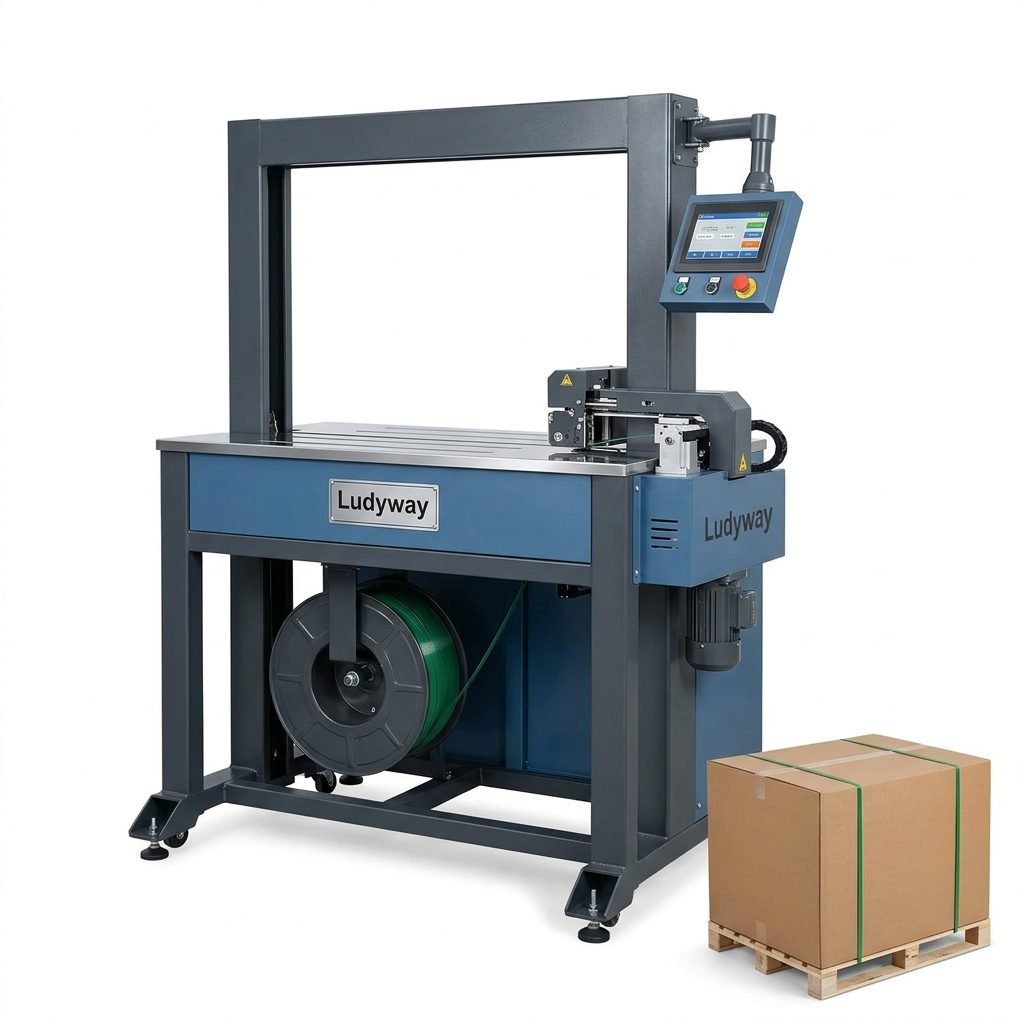
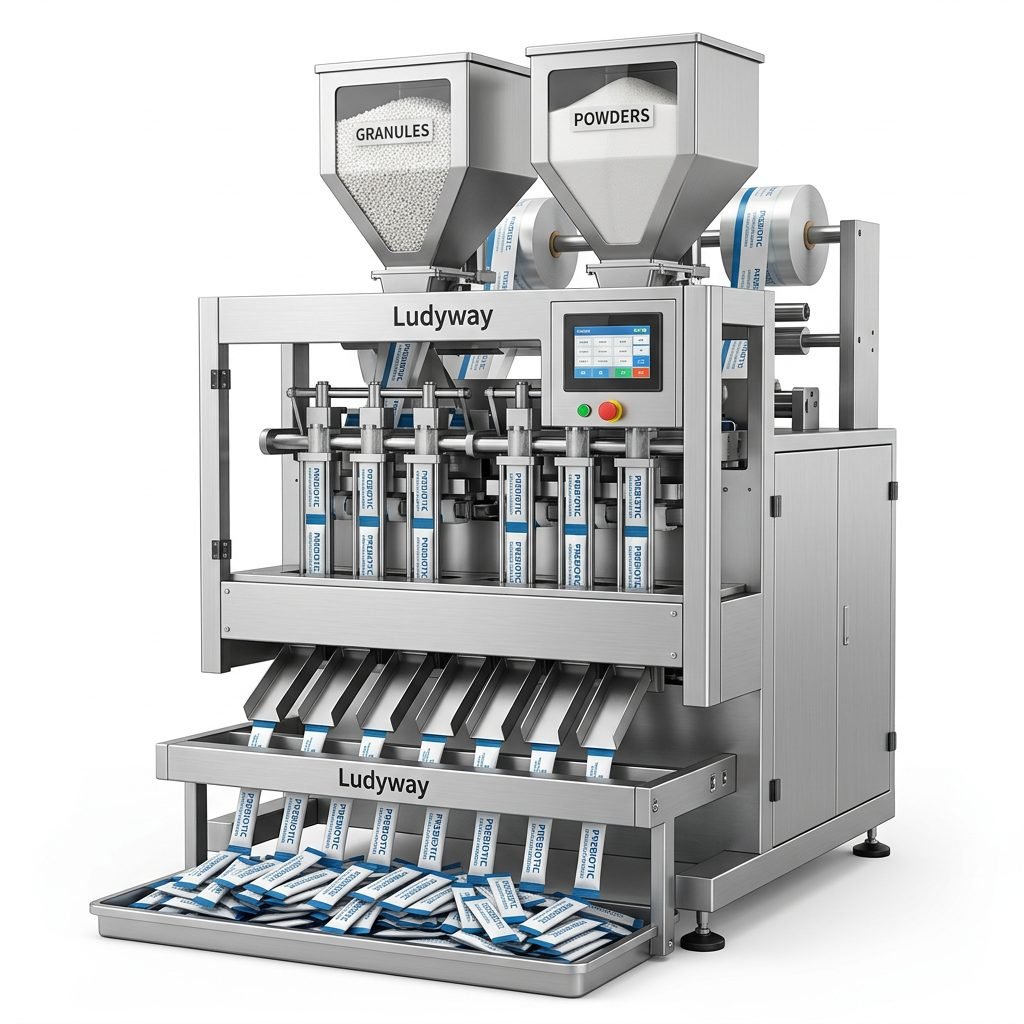
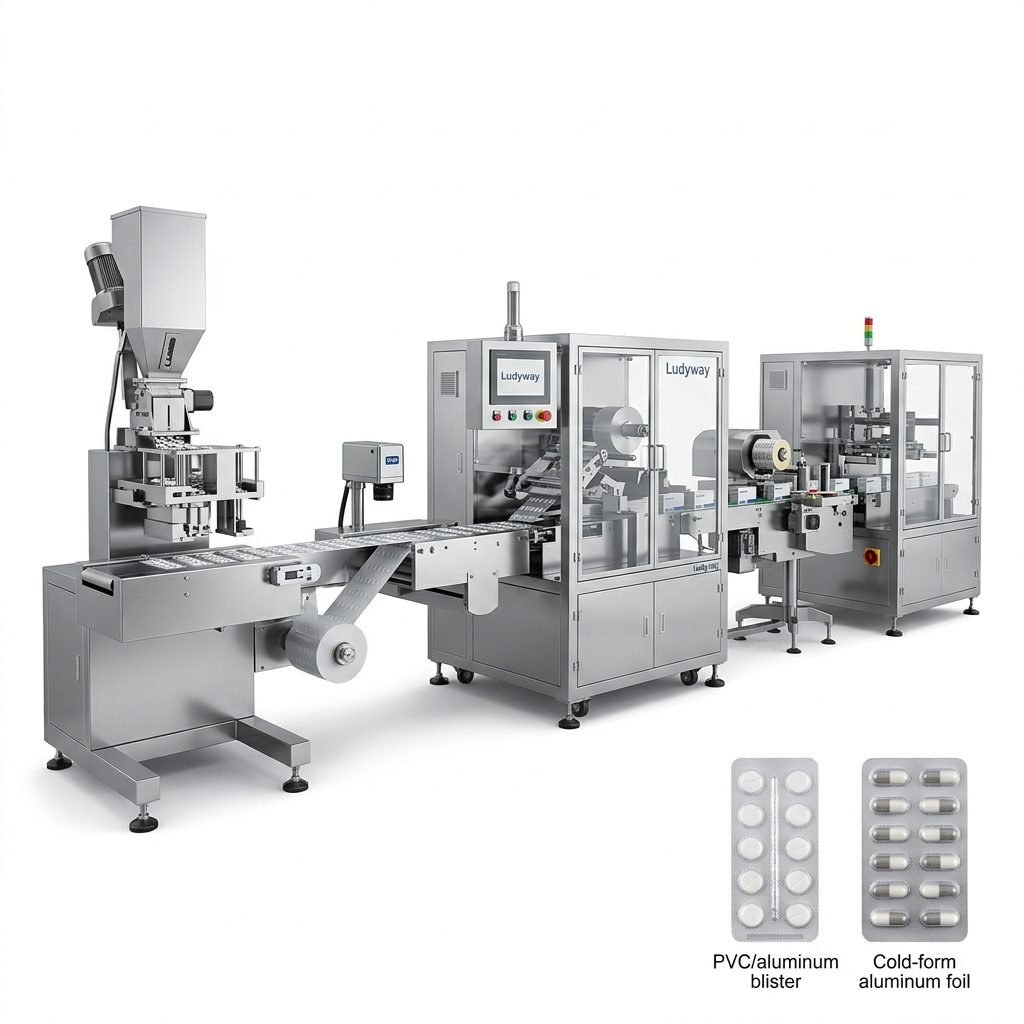
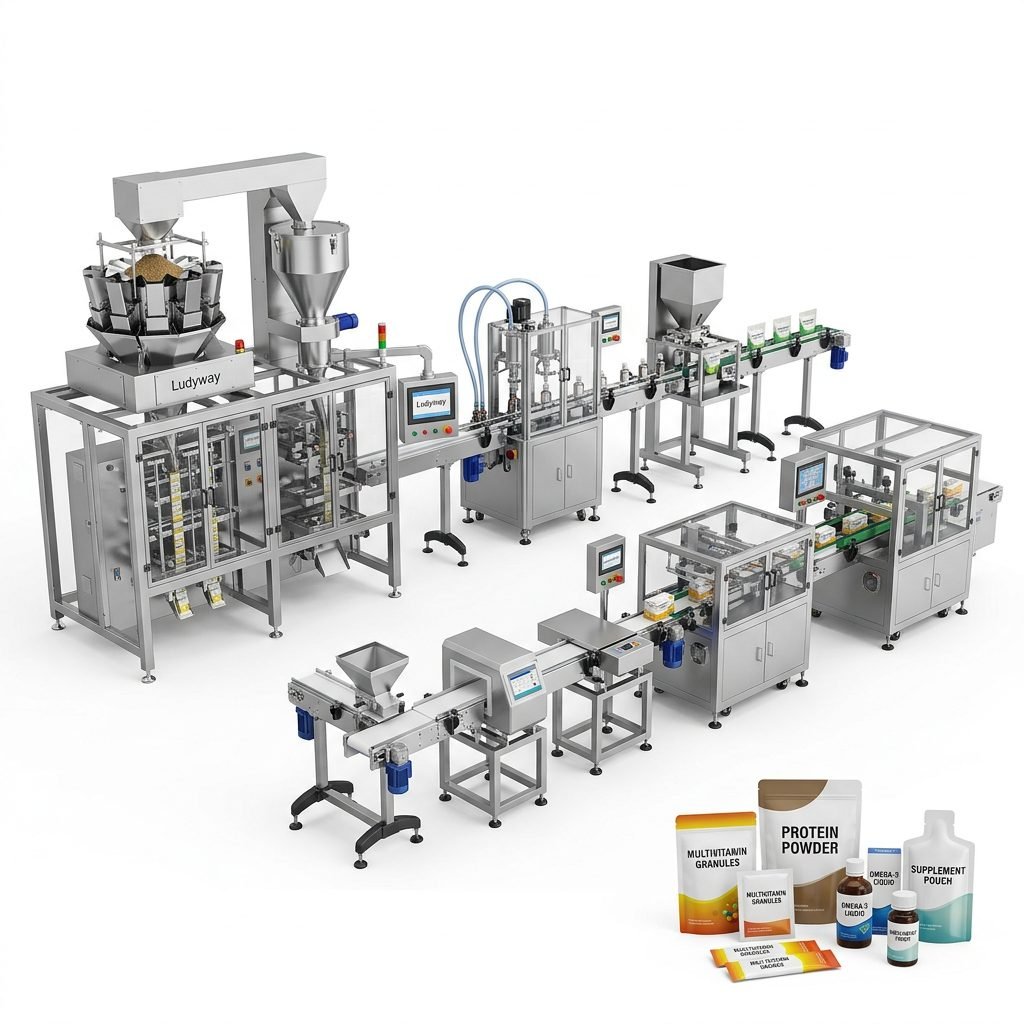
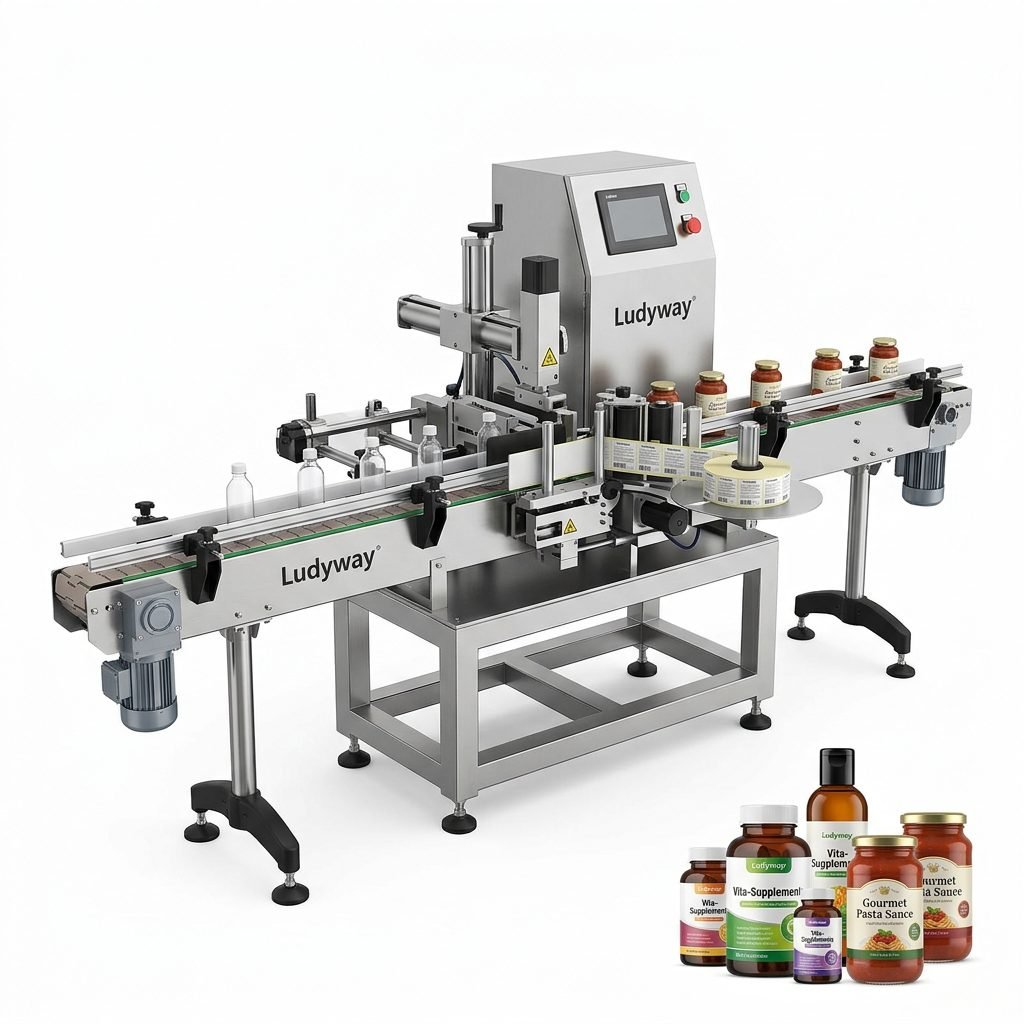
For example, Ludyway packaging machine manufacturer is known in overseas markets for supplying a wide range of standalone machines and turnkey packaging lines across food, pharmaceutical, health supplement, cosmetic, chemical, and related sectors. For buyers, this kind of broad application experience can be just as valuable as the certificate list itself.
Final Buyer Checklist
Use this simple checklist before confirming your supplier:
- CE documentation verified for the machine model
- ISO 9001 certificate current and relevant
- Material compliance confirmed for contact parts
- GMP-oriented design evaluated if in pharma or supplements
- Electrical conformity checked for destination country
- Factory testing records available before shipment
- Manuals and technical files included
- After-sales support plan clearly defined
In short, the best packaging machine manufacturer should have not only recognized certifications, but also the ability to prove compliance with clear documents, sound engineering, and real project experience. That combination gives buyers the confidence to invest in equipment that will perform safely, pass inspections, and support long-term production goals.