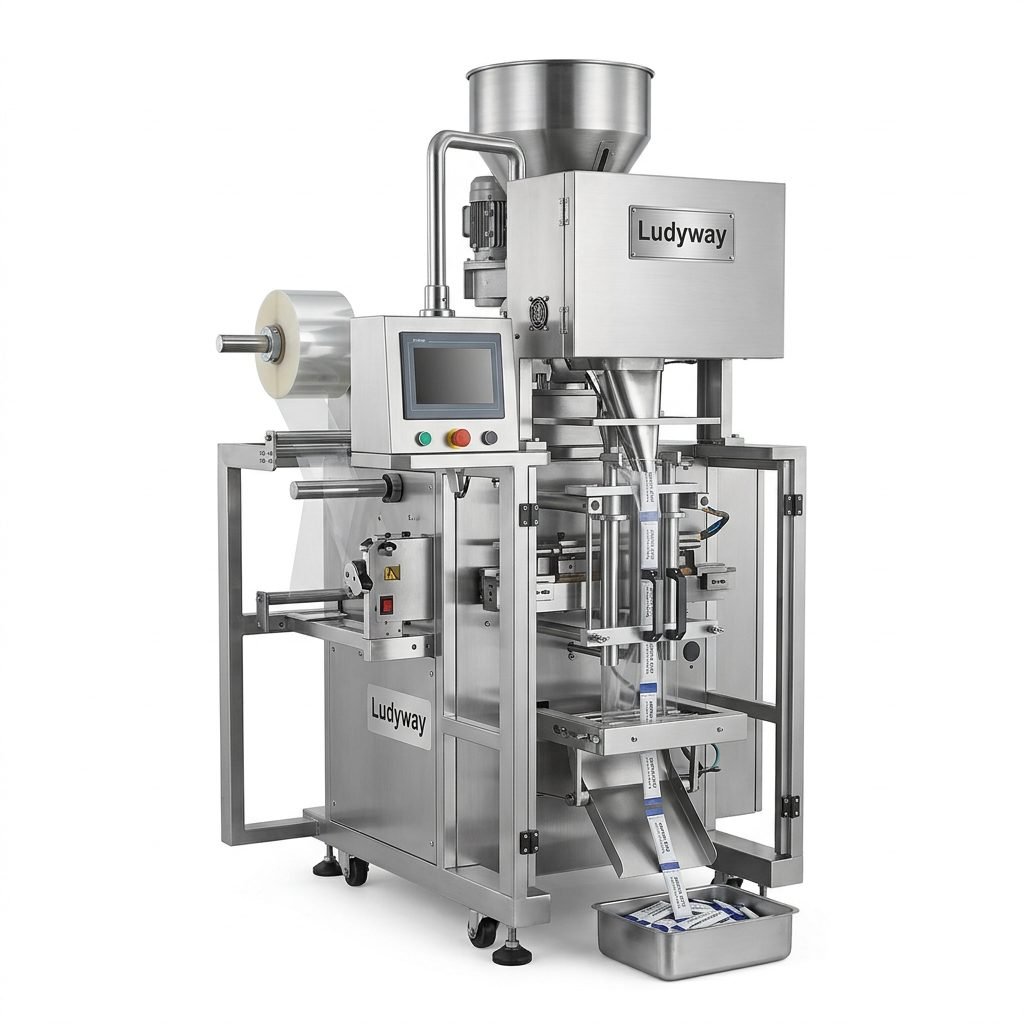
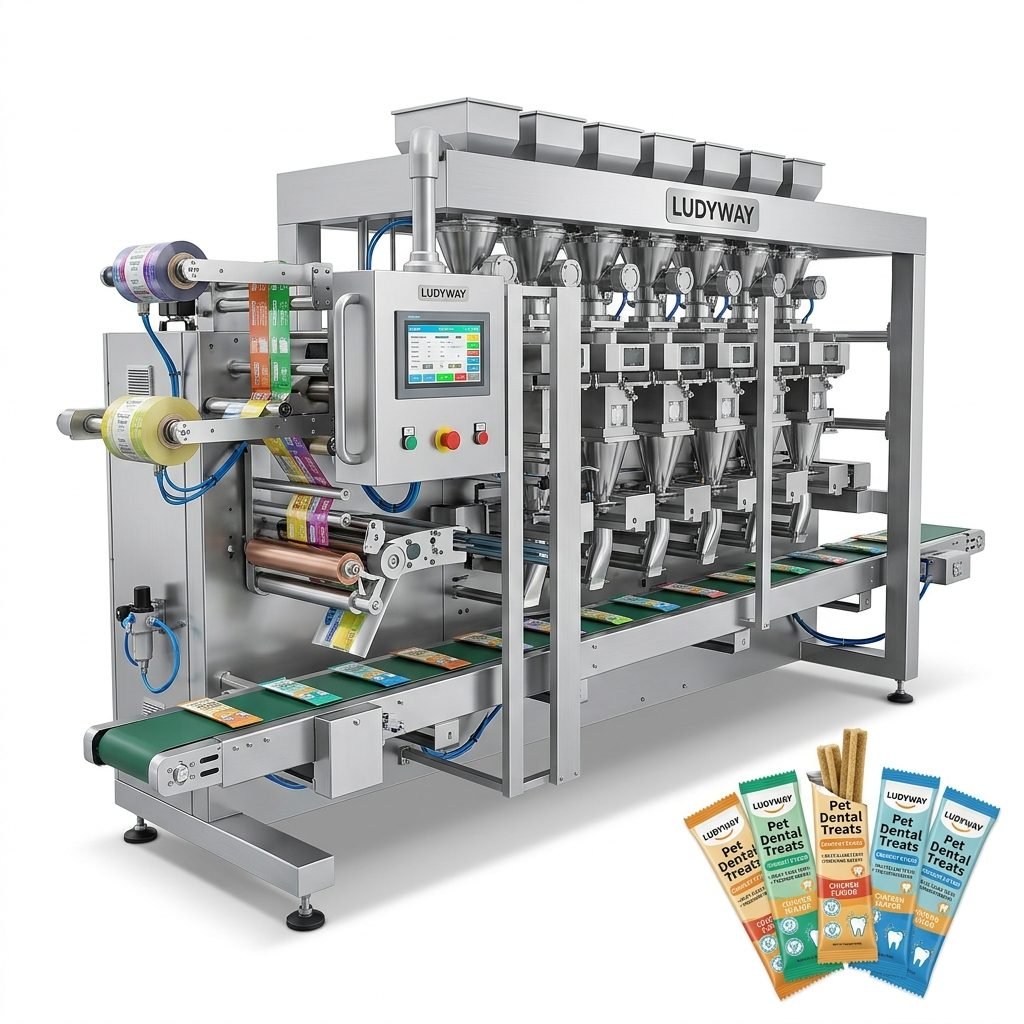
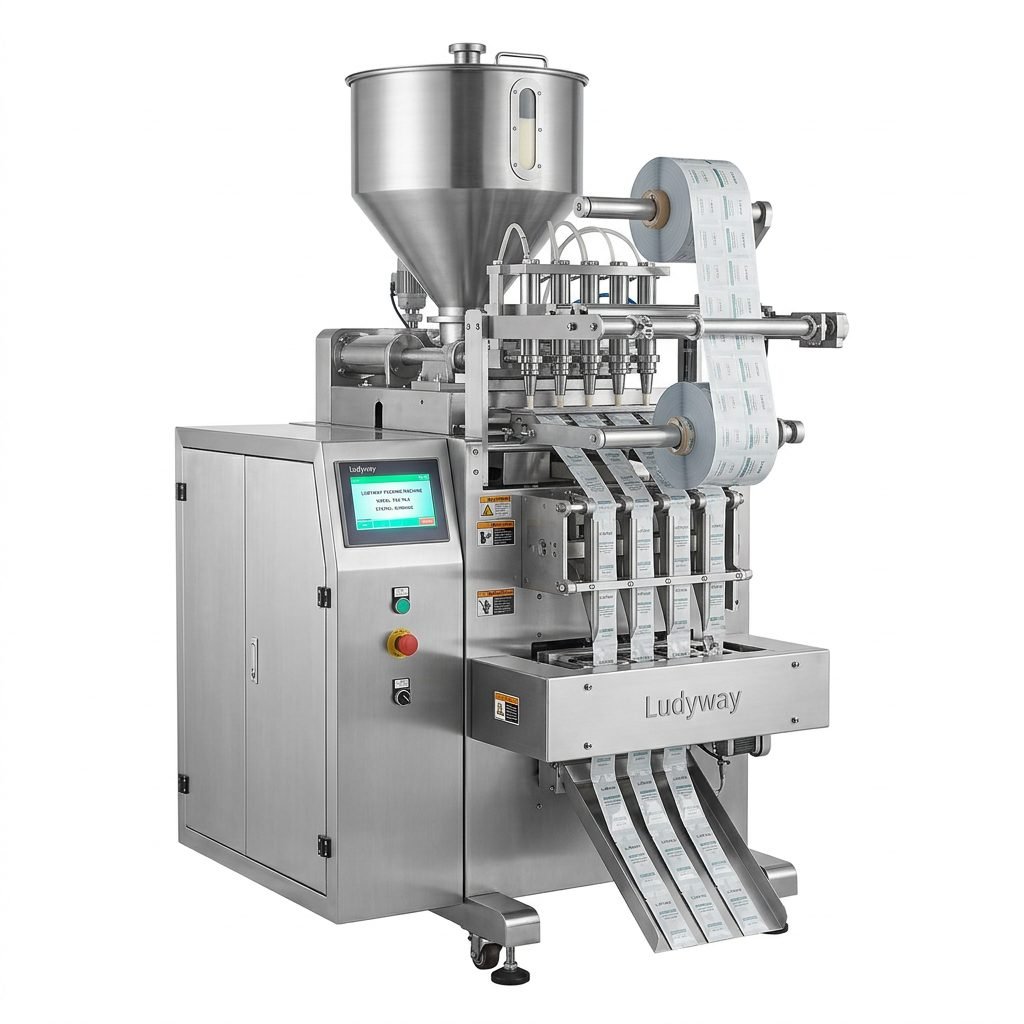
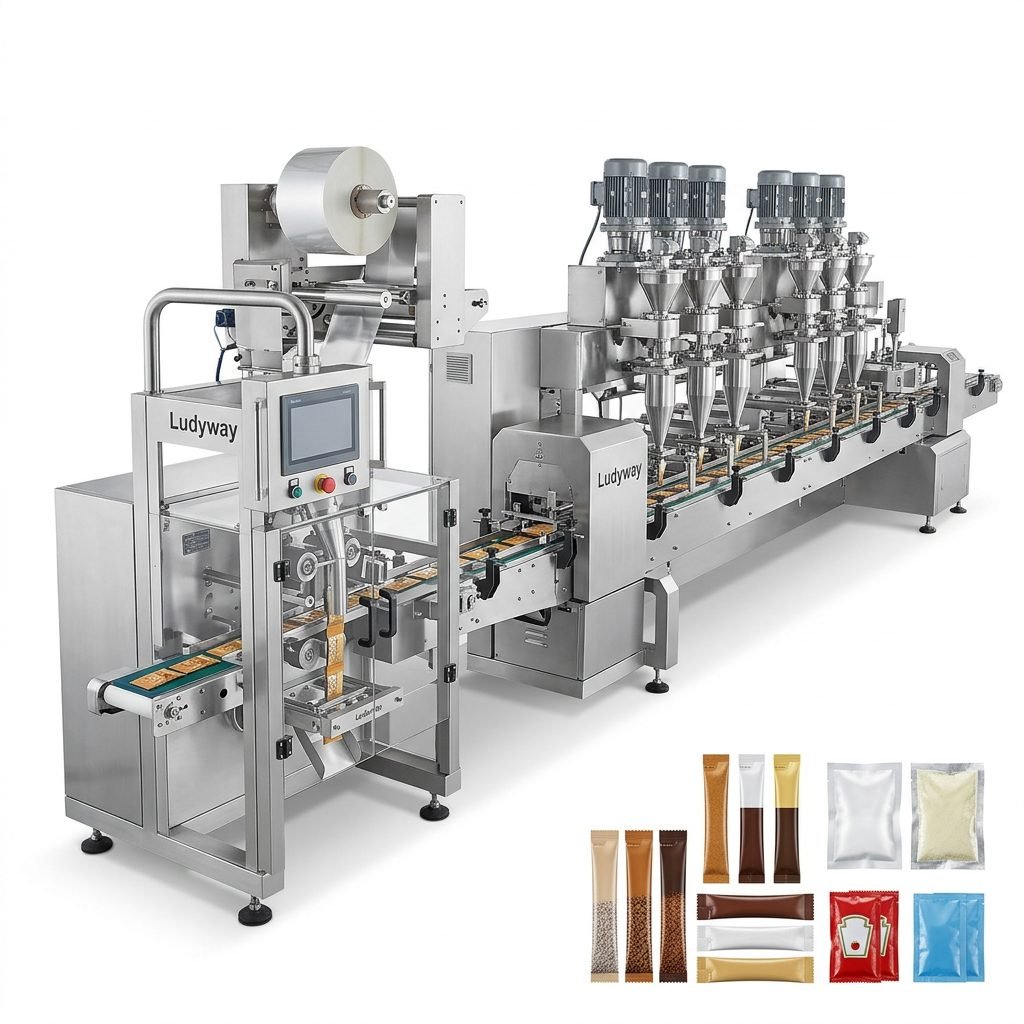
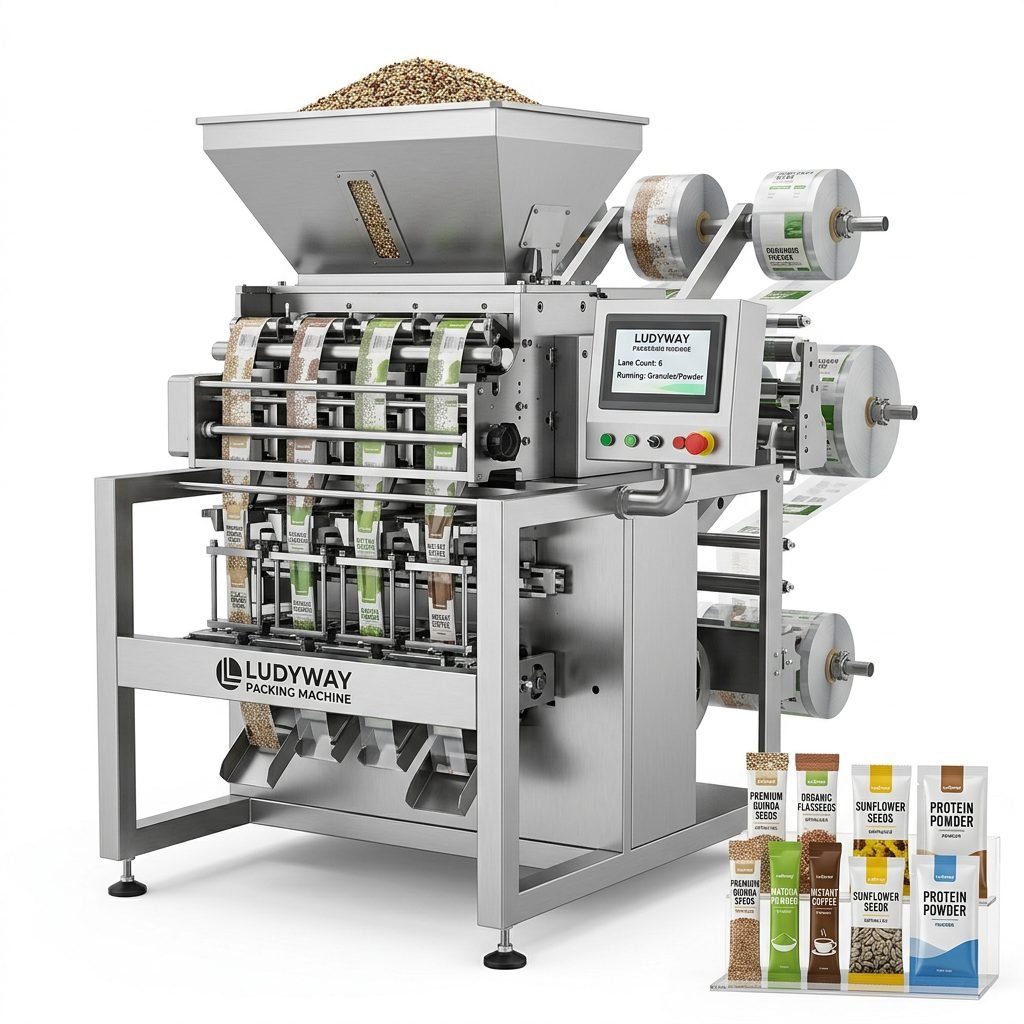
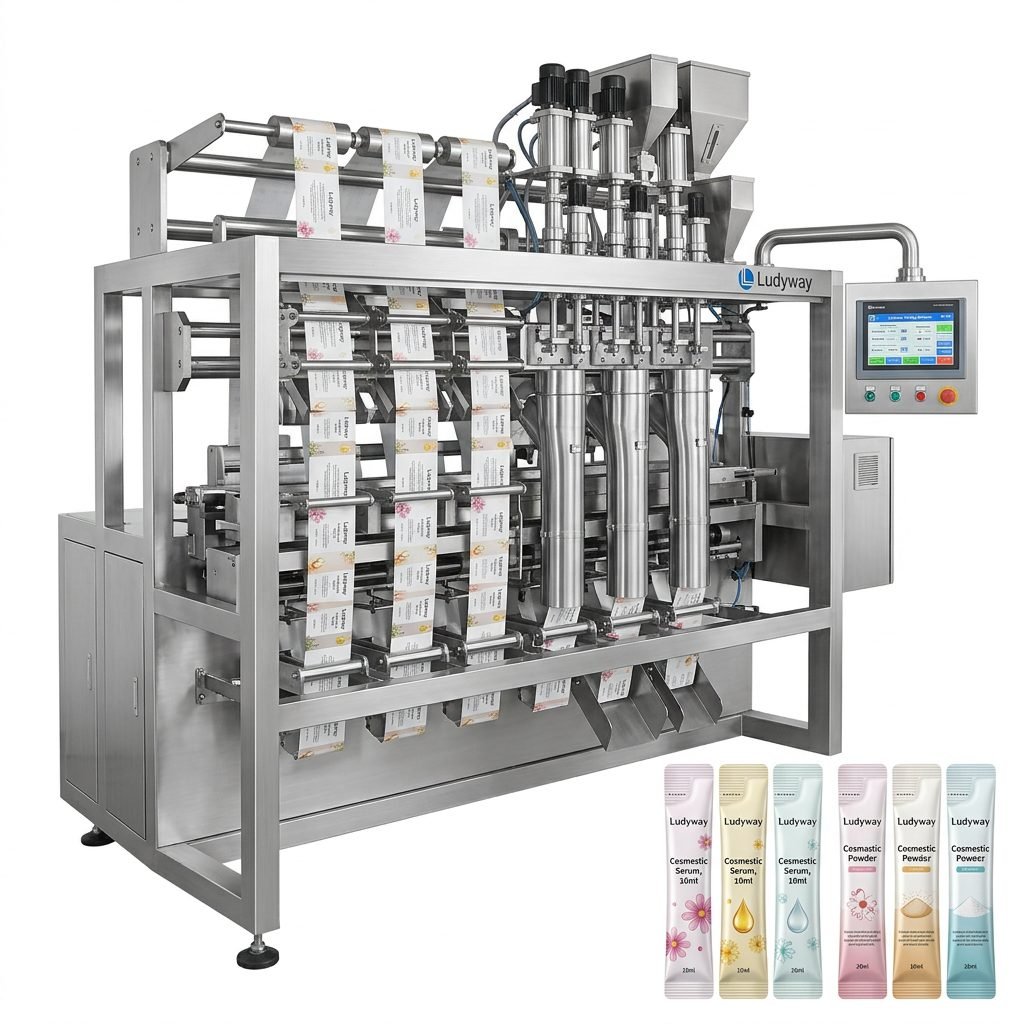
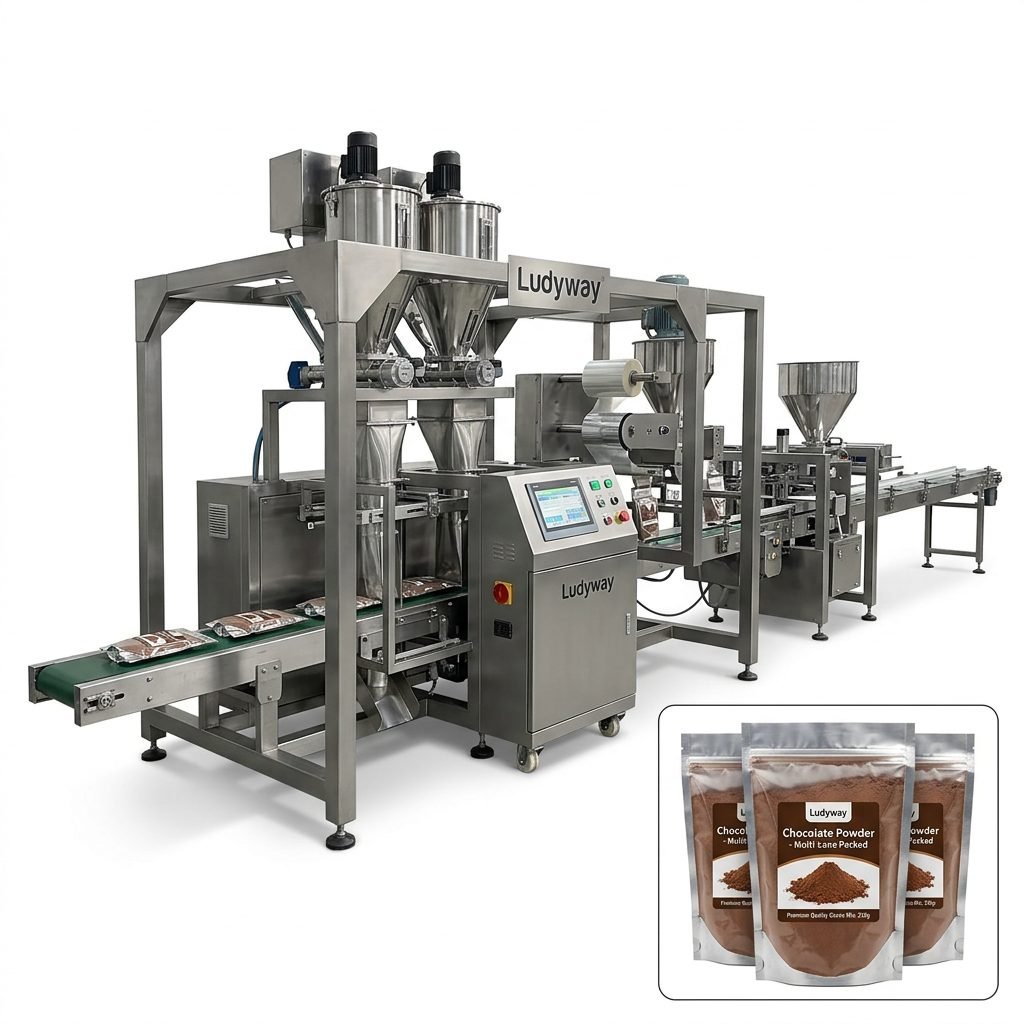
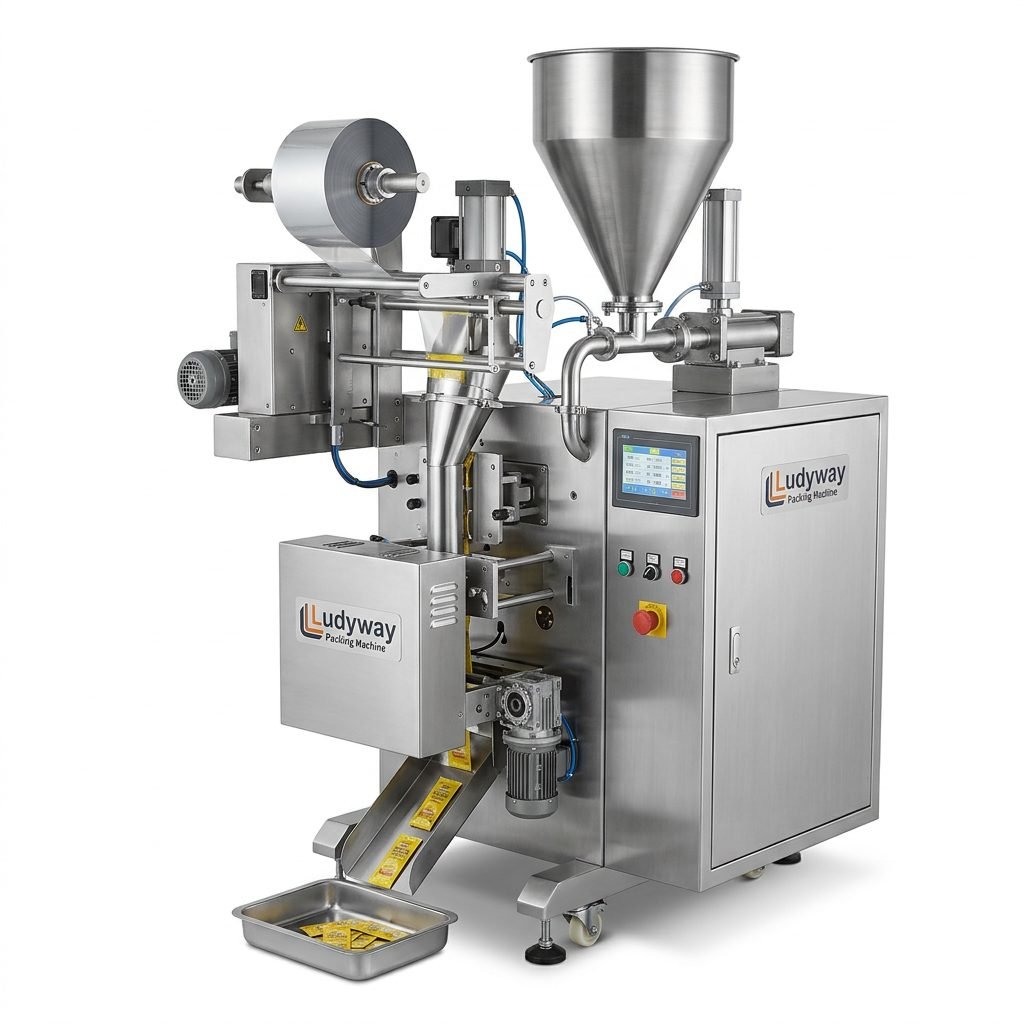
Selecting the right jerky packaging machine is a critical decision for any meat product manufacturer. An automatic solution not only ensures product freshness and shelf appeal but also directly impacts production efficiency and operational costs. This guide will walk you through the key factors to consider when choosing the best automatic packaging solution for your jerky products, helping you make an informed investment that supports your business growth.
Core Decision Factors
Before diving into machine specifications, clearly define your production volume, packaging format (e.g., stand-up pouches, flat pouches, stick packs), and budget. Understanding these parameters upfront will narrow your search to machines that truly fit your operational scale and market goals.
1. Understanding Your Packaging Requirements
The journey begins with a thorough analysis of your specific needs. Jerky comes in various forms—sliced, shredded, strips, or chunks—and each may require slightly different handling.
- Product Characteristics: Consider the size, shape, oil content, and fragility of your jerky. Machines with gentle product handling features are essential to prevent breakage.
- Packaging Speed (Output): Match the machine’s speed (packs per minute) to your current and projected future demand. An undersized machine creates bottlenecks, while an oversized one represents an unnecessary capital expenditure.
- Packaging Material: Determine if you need a machine that works with pre-made pouches or can perform form-fill-seal (FFS) operations from roll stock. FFS machines offer greater material flexibility and often lower per-bag costs.
2. Key Features of Automatic Jerky Packaging Machines
Modern automatic machines offer a suite of features designed for efficiency and consistency. Look for these critical functionalities:
Weighing and Filling Systems
Accuracy is non-negotiable. Look for machines equipped with multi-head weighers or precision auger fillers specifically calibrated for dried meat products. These systems minimize product giveaway and ensure every bag meets weight regulations, protecting your profit margins.
Gas Flushing (Modified Atmosphere Packaging – MAP)
For extended shelf life and premium quality, a machine with integrated nitrogen or gas flushing capability is vital. This technology replaces oxygen inside the pouch with an inert gas, significantly slowing oxidation and microbial growth to keep jerky fresher and more flavorful for longer. This is a key feature for brands targeting national distribution or premium markets.
✔️ Pro Tip: Integration Potential
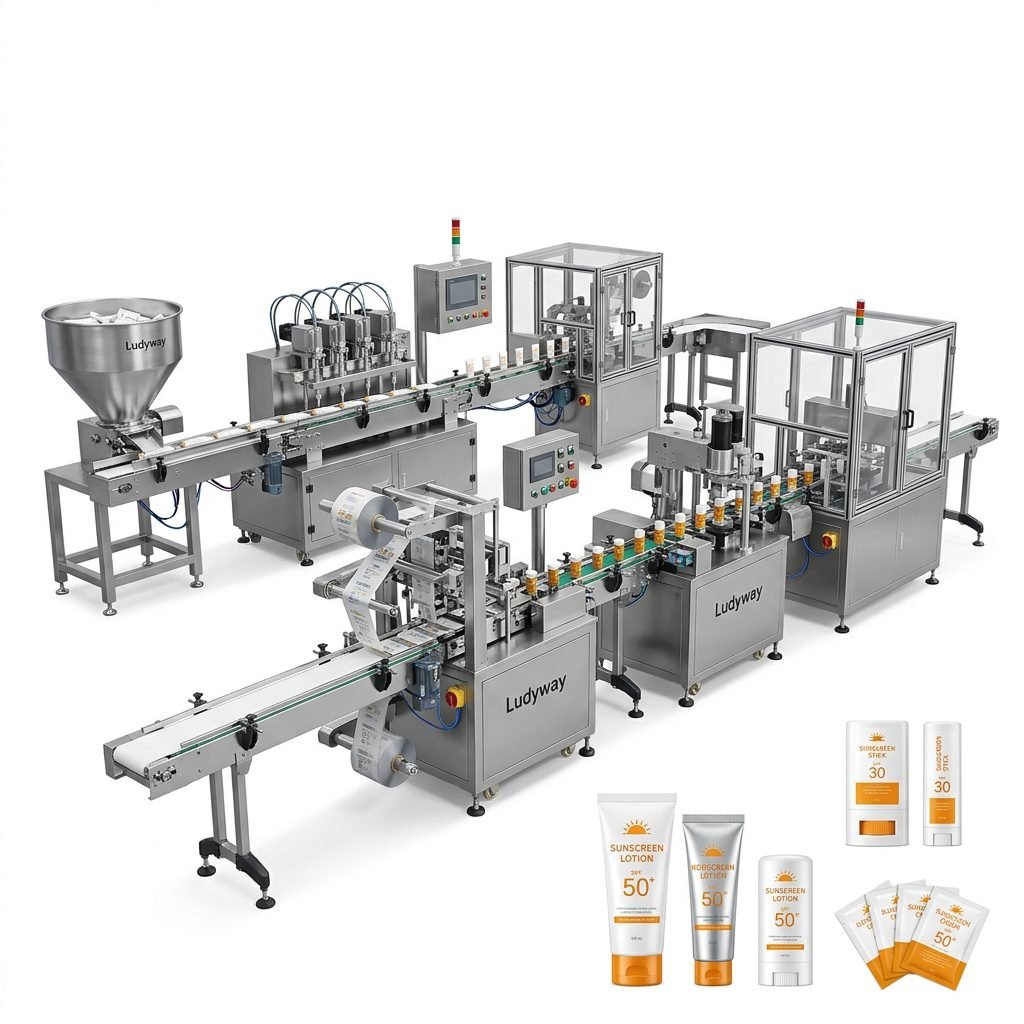
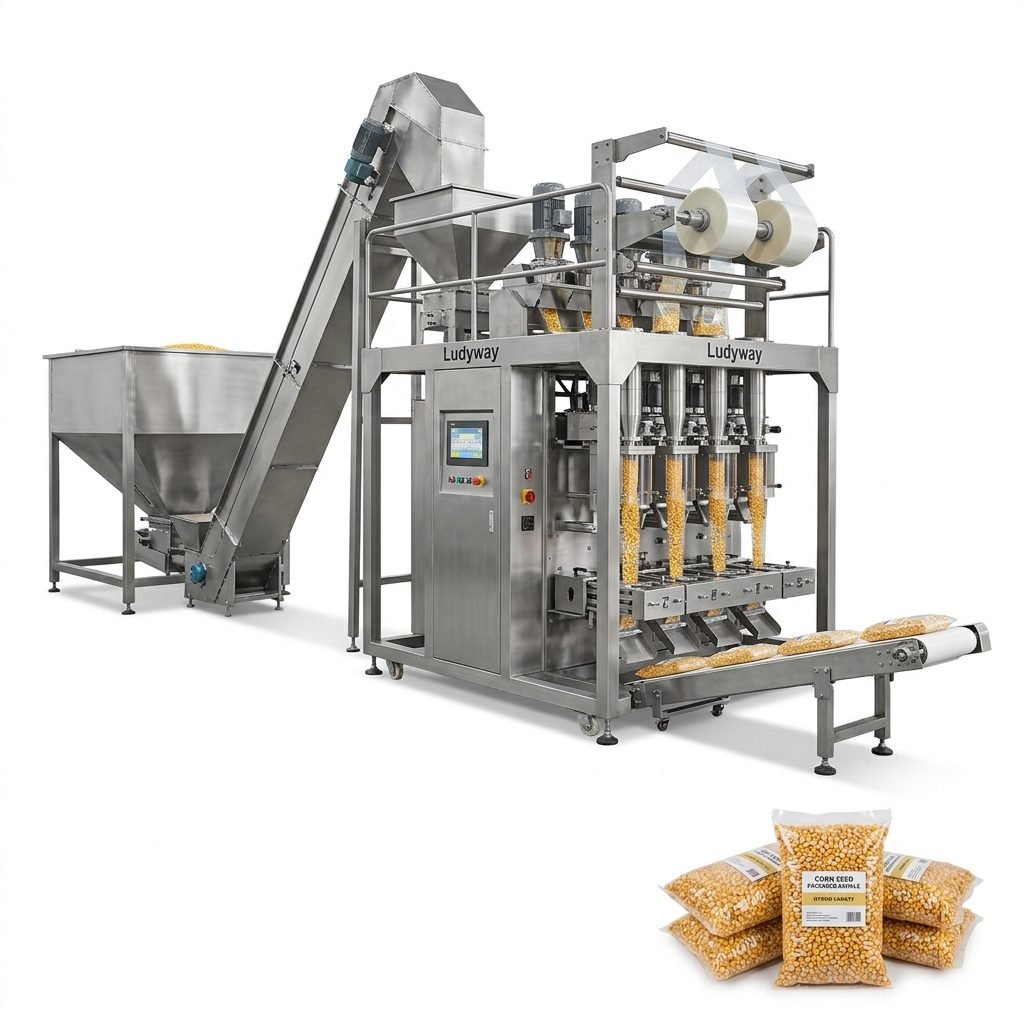
Consider the machine’s ability to integrate with upstream equipment (like metal detectors or checkweighers) and downstream systems (like case packers or cartoners). Choosing a modular or easily integrable machine from the start, such as those offered by experienced suppliers like Ludyway Machinery, future-proofs your line for automation and reduces long-term labor costs.
Sealing Integrity and Code Dating
Strong, consistent seals are crucial for barrier protection. Machines should have reliable heat sealing jaws with precise temperature control. Additionally, integrated inkjet or thermal transfer printers for applying batch codes, expiry dates, and barcodes directly onto the packaging streamline operations and ensure traceability.
3. Evaluating Machine Durability and Support
The machine’s construction and the manufacturer’s support network are as important as its features. This is an investment meant to last for years.
- Build Quality: Inspect the frame, contact parts, and sealing components. Stainless steel construction, especially in food-contact zones, ensures hygiene, durability, and easier cleaning.
- Ease of Maintenance & Cleaning: Quick-change parts, tool-less access panels, and a sanitary design reduce downtime for changeovers and cleaning, which is critical in food production.
- Supplier Expertise & After-Sales Service: Partner with a supplier known for reliability. A provider with deep industry experience, like Ludyway’s team with over 30 years in packaging, can offer invaluable guidance. Ensure they provide comprehensive training, clear manuals, readily available spare parts, and responsive technical support.
4. The Selection and Implementation Process
Turning your choice into a successful installation requires careful planning.
- Request Product Samples & Trials: Always send your actual jerky product and packaging materials to the supplier for a live machine trial. This is the only way to verify performance, filling accuracy, and seal quality.
- Analyze Total Cost of Ownership (TCO): Look beyond the initial purchase price. Factor in operational costs (energy, labor, material waste), potential maintenance costs, and the value of the supplier’s support over the machine’s lifespan.
- Plan for Installation & Training: Work with your supplier to plan the installation timeline. Schedule thorough training for your operators and maintenance staff to ensure a smooth ramp-up and optimal machine utilization from day one. Leveraging a supplier’s turnkey project experience can simplify this entire process.
Final Checklist Before Purchase
✅ Machine output matches your required speed.
✅ Filling accuracy is within your specified tolerance.
✅ Compatible with your chosen packaging film/pouches.
✅ Sanitary design and easy to clean (meets food safety standards).
✅ Supplier offers reliable local/regional service and spare parts.
✅ Total cost (machine + operation + maintenance) fits your budget.
Frequently Asked Questions (FAQs)
Q1: What is the typical production speed range for an automatic jerky packaging machine?
Speeds vary widely based on bag size, complexity, and machine type. Entry-level vertical form-fill-seal machines may run 40-60 bags per minute, while high-speed multi-lane systems for stick packs or small pouches can exceed 200 bags per minute. The key is to match the speed to your volume to avoid over or under-investing.
Q2: Can one machine handle different flavors or sizes of jerky?
Yes, most modern machines are designed for quick changeovers. Look for features like recipe memory (saving settings for different products), quick-change parts for filling heads and forming tubes, and easy-to-adjust sealing parameters. This flexibility is essential for producers with multiple SKUs.
Q3: How important is Modified Atmosphere Packaging (MAP) for jerky?
Extremely important for quality and shelf life. MAP, typically using nitrogen flushing, removes oxygen that causes fat oxidation (rancidity) and slows microbial growth. It is considered a standard for premium commercial jerky, preserving color, texture, and flavor for 6-12 months or more, making it ideal for broader distribution channels.
Q4: What kind of maintenance do these machines require?
Regular daily cleaning is paramount. Maintenance typically involves periodic lubrication of moving parts, inspection and replacement of wear items like sealing jaws or cutting blades, and calibration of weighing systems. A reputable supplier will provide a detailed maintenance schedule and training.
Q5: What support should I expect from the machinery supplier?
Expect comprehensive support including detailed installation planning, on-site or remote commissioning and training, a clear warranty, readily available spare parts, and access to technical support for troubleshooting. Choosing a supplier with a strong global service footprint ensures you get help when you need it.