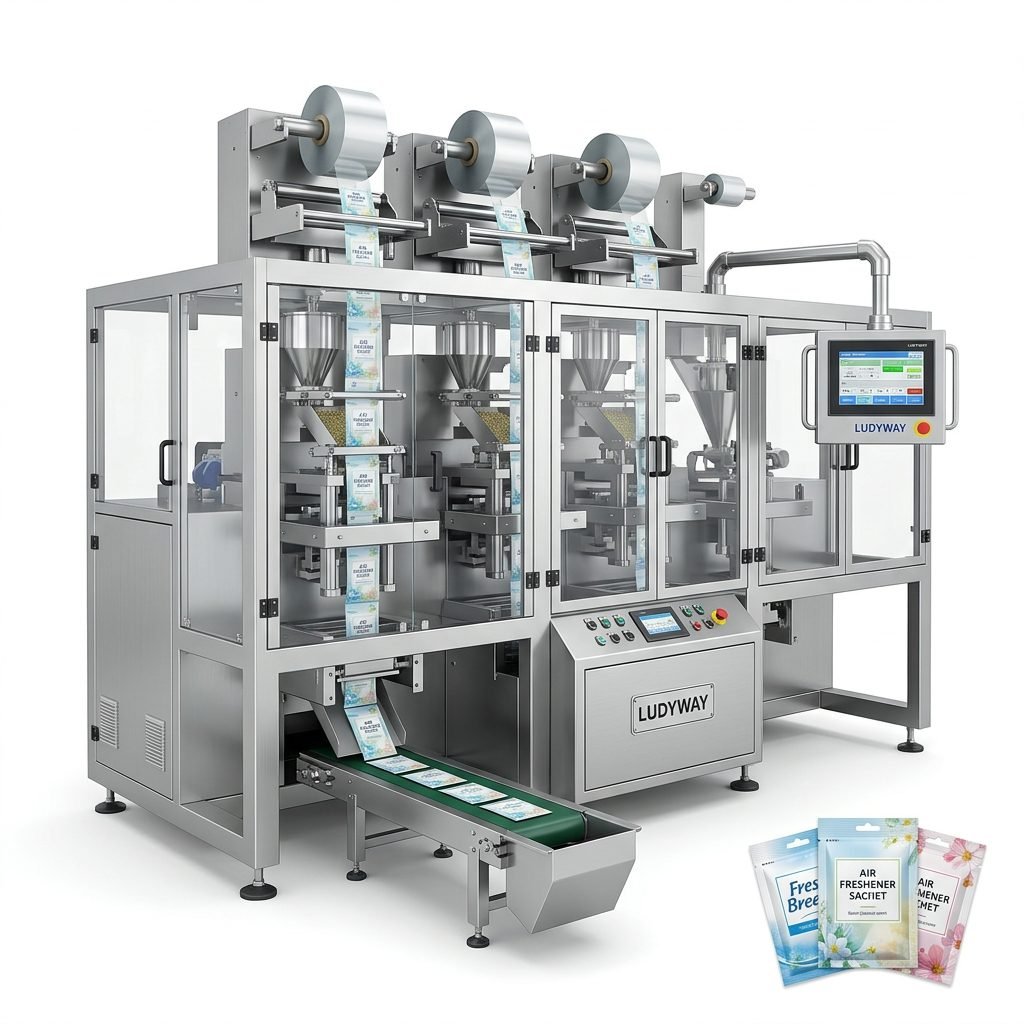
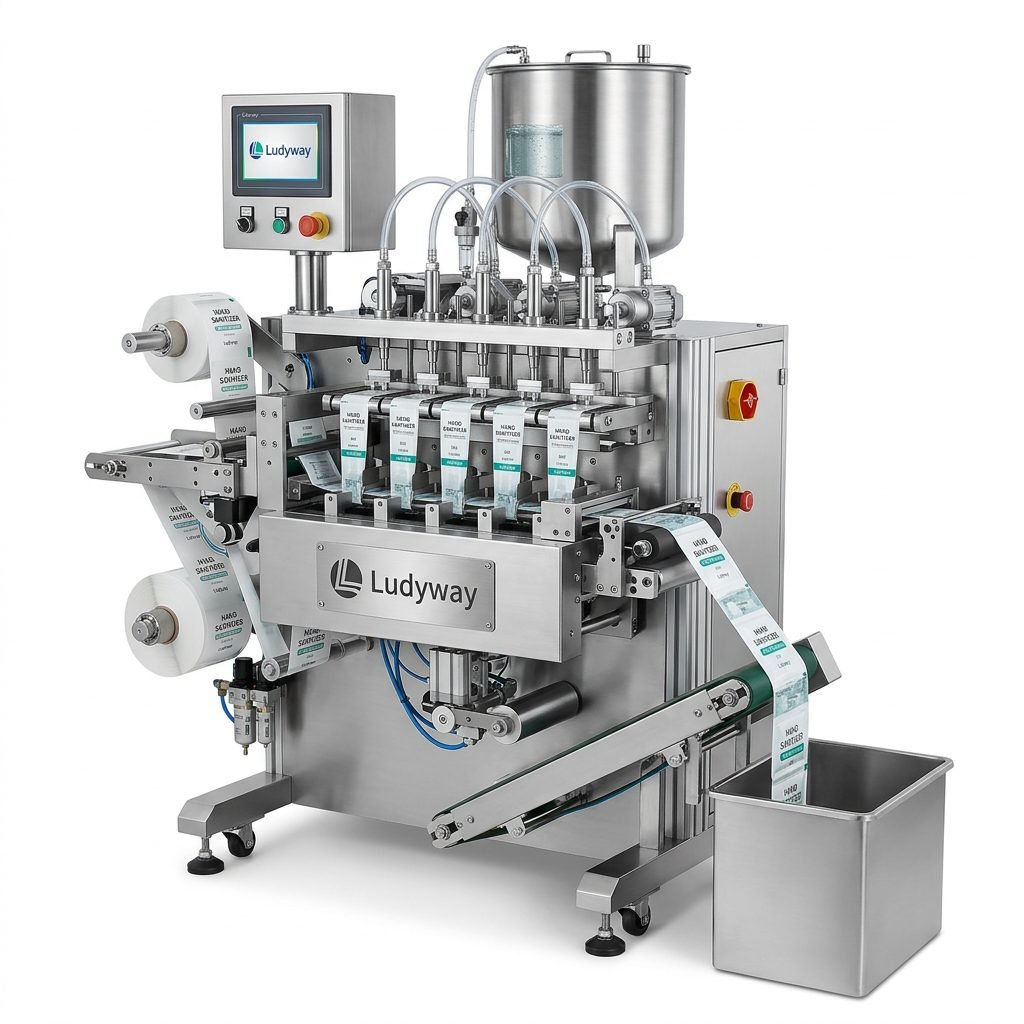
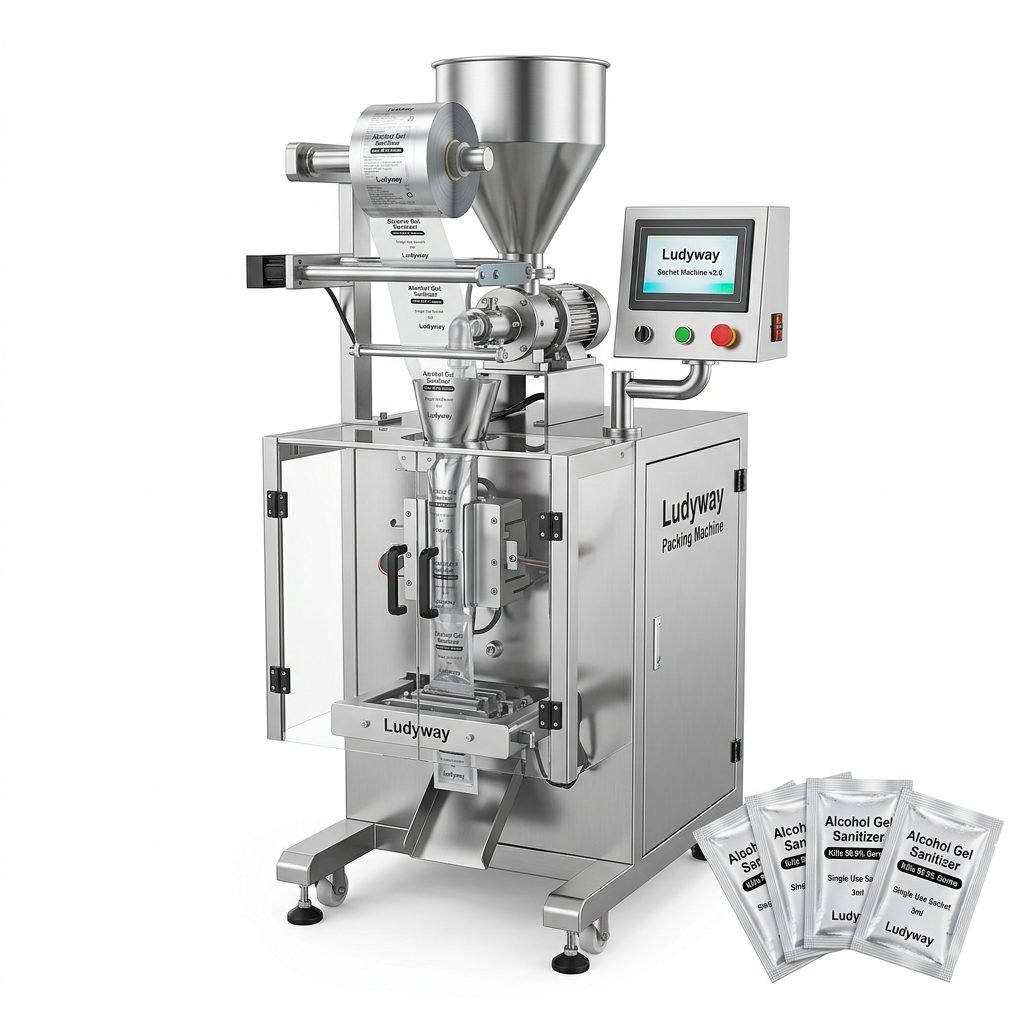
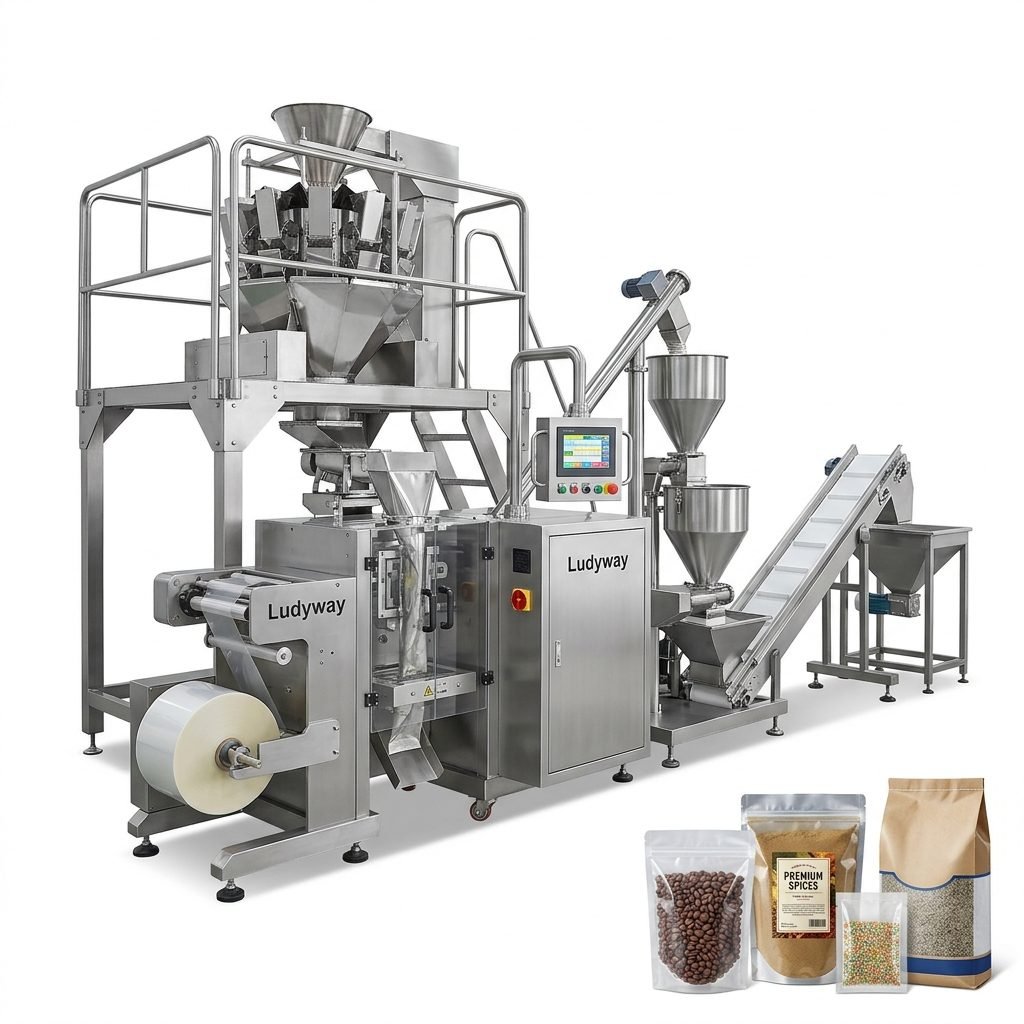
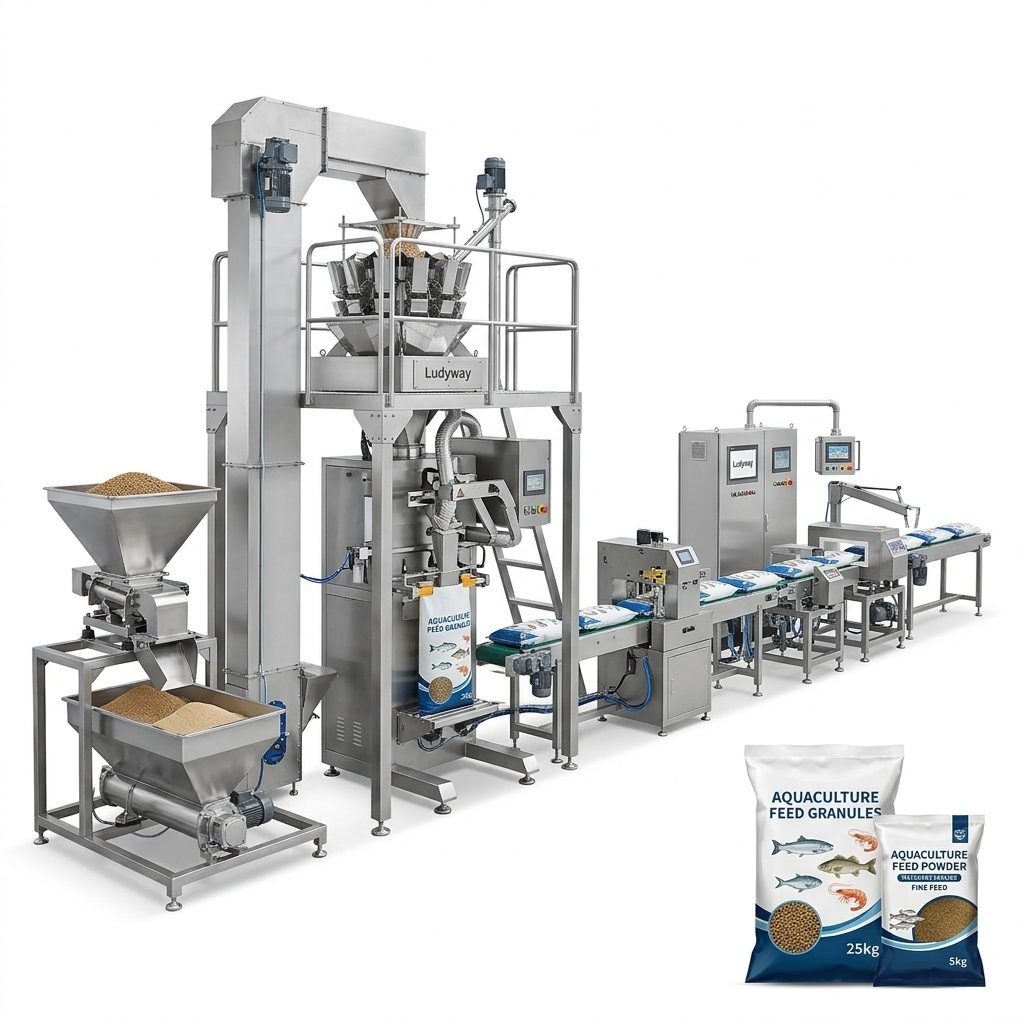
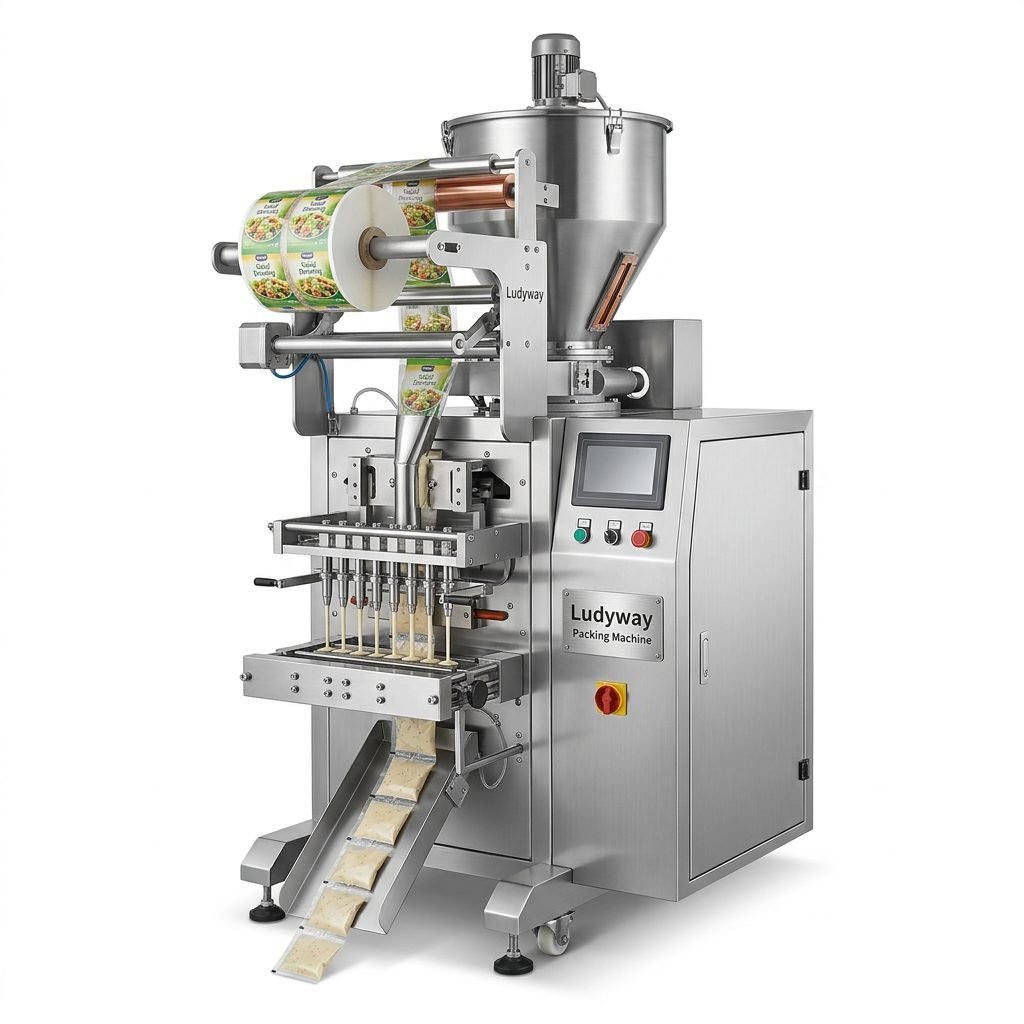
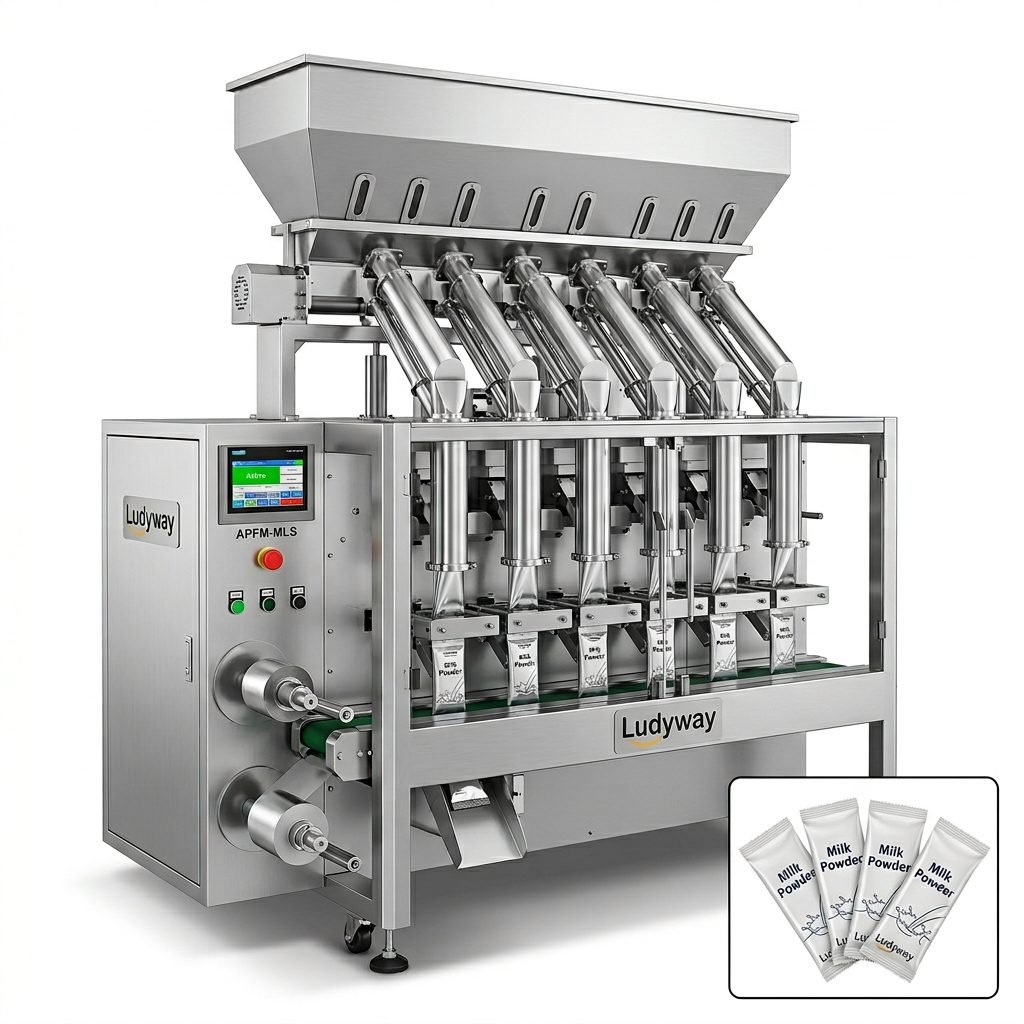
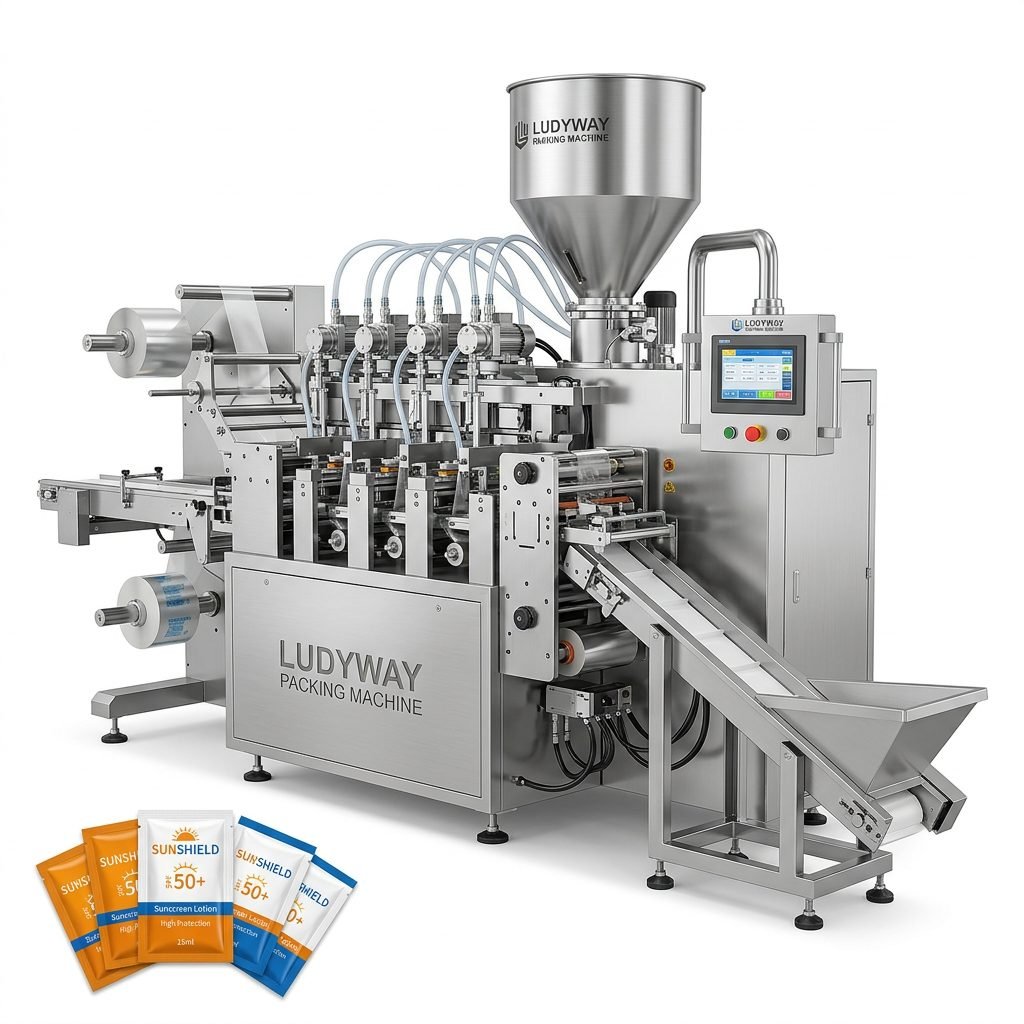
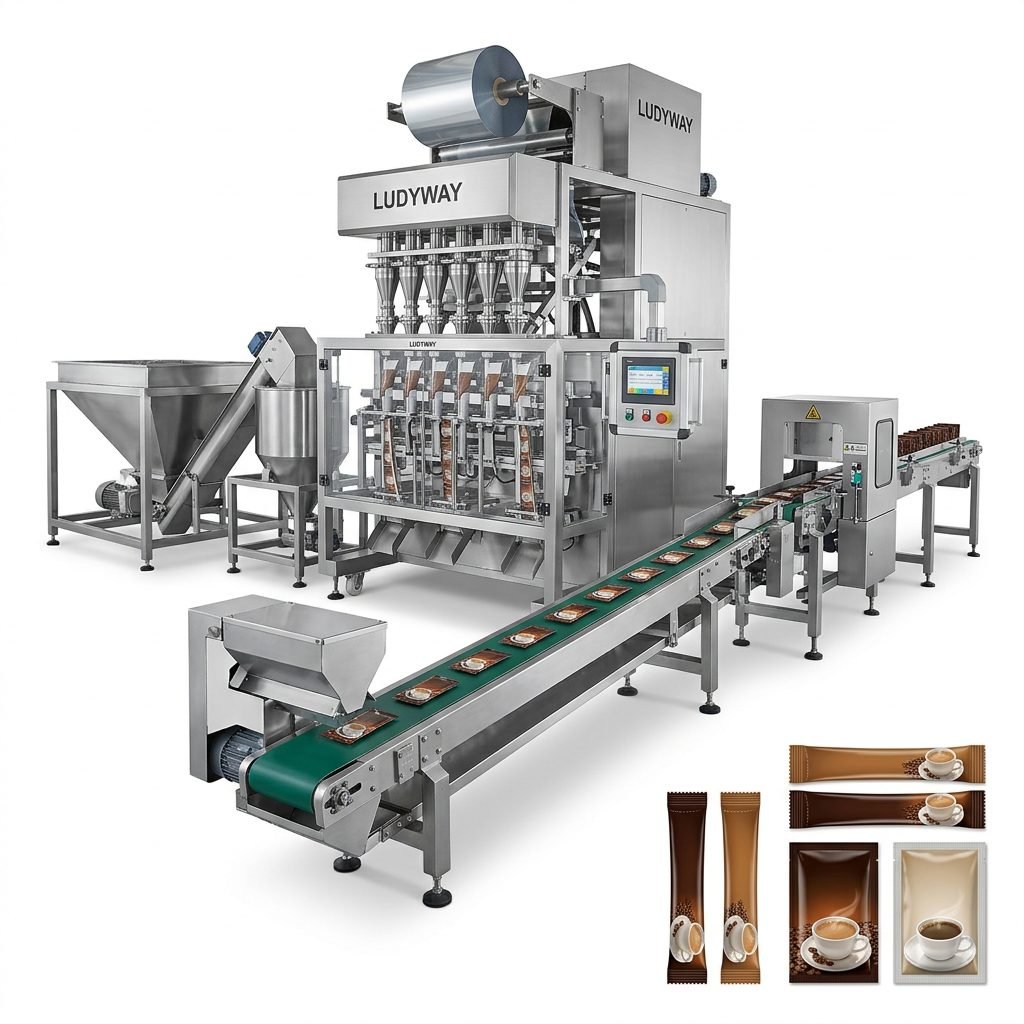
Buying a packaging machine today is no longer just about speed. Modern manufacturers want equipment that can improve efficiency, product consistency, traceability, flexibility, and long-term operating cost control. Whether you are packaging powders, granules, liquids, pastes, pouches, or stick packs, the right machine should fit both your current production needs and your future expansion plans.
For buyers in food, pharmaceutical, personal care, chemical, and health supplement industries, evaluating machine features carefully can reduce downtime, lower waste, and improve return on investment. Below are the key functions buyers look for when choosing a modern packaging machine.
1. High Packaging Accuracy
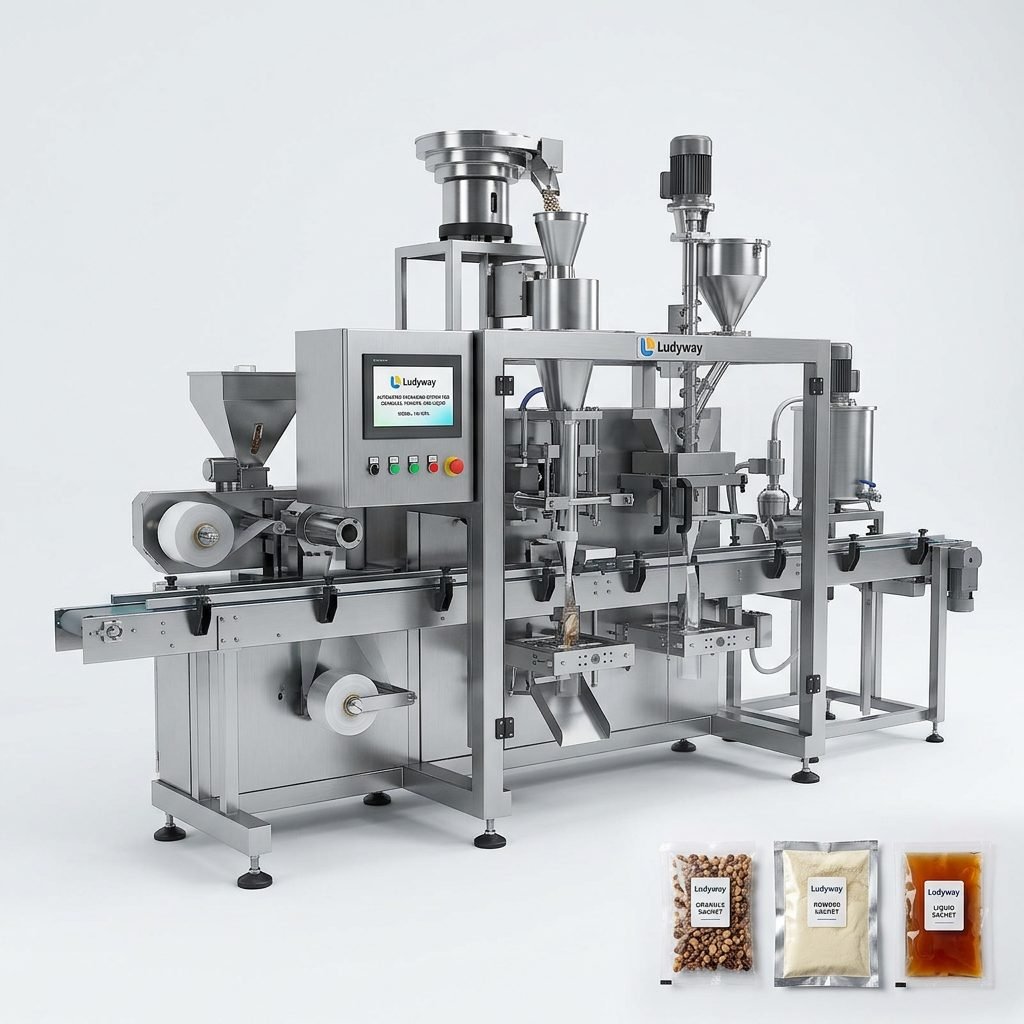
One of the first features buyers check is filling and sealing accuracy. Inaccurate dosing can lead to product giveaway, customer complaints, compliance issues, and wasted raw materials. A modern packaging machine should deliver stable repeatability across long production runs.
- Precise auger, piston, pump, or weighing systems
- Consistent seal temperature and pressure control
- Stable pouch length and cut positioning
- Automatic correction for film tracking or registration marks
This is especially important for pharmaceutical powders, nutritional supplements, sauces, and premium food products where tight tolerances matter.
2. Flexible Product and Packaging Compatibility
Modern buyers increasingly need machines that can handle multiple product types and package formats. Consumer demand changes quickly, and manufacturers do not want to be locked into a machine that only runs one SKU.
Important flexibility features include:
- Support for granules, powders, liquids, and pastes
- Quick changeover between sachets, stick packs, pouches, or bags
- Adjustable filling volumes and bag sizes
- Compatibility with different film materials and sealing structures
- Expandable lane configurations for output upgrades
A flexible machine gives manufacturers room to launch new products faster without replacing the entire line.
3. High-Speed Performance Without Losing Stability
Speed matters, but not at the expense of reliability. Buyers typically look for a machine that can maintain stable output at production speed, rather than only showing a high theoretical maximum.
A strong machine should provide:
- Smooth operation during continuous production
- Minimal vibration and reduced wear on key components
- Low reject rate at higher speeds
- Reliable feeding, filling, sealing, and cutting synchronization
The best machines are designed for real factory conditions, not only ideal test environments.

4. User-Friendly HMI and Smart Controls
Modern packaging equipment should be easy for operators and maintenance staff to use. An intuitive touchscreen HMI helps reduce training time and operator mistakes.
Buyers often prefer smart controls such as:
- Recipe storage for different products
- Automatic parameter adjustment
- Real-time alarm notifications
- Production data monitoring
- Multi-language control interface
These functions improve daily usability and help factories standardize production across shifts.
5. Fast Changeover and Easy Cleaning
Downtime during product changeover directly affects productivity. For facilities running multiple SKUs, buyers value machines designed for quick adjustments and simplified cleaning.
| Feature | Why Buyers Want It |
|---|---|
| Tool-free part replacement | Reduces adjustment time and operator effort |
| Washable contact parts | Supports hygiene and faster sanitation |
| Accessible machine structure | Makes maintenance and cleaning easier |
| Quick recipe switching | Improves efficiency in multi-product operations |
In food and pharma environments, easy cleaning is not optional—it is a major buying factor.
6. Strong Build Quality and Durable Components
A modern packaging machine should be built for long-term industrial use. Buyers usually inspect frame quality, sealing assemblies, servo systems, electrical layout, and component brands before making a decision.
Common signs of durable construction include:
- Stainless steel contact parts where needed
- Reliable motors, sensors, PLCs, and servo drives
- Well-organized electrical cabinet design
- Stable frame structure for continuous operation
- Wear-resistant moving parts
A lower initial price can become expensive later if spare part consumption and downtime are high.
7. Integration With Upstream and Downstream Equipment
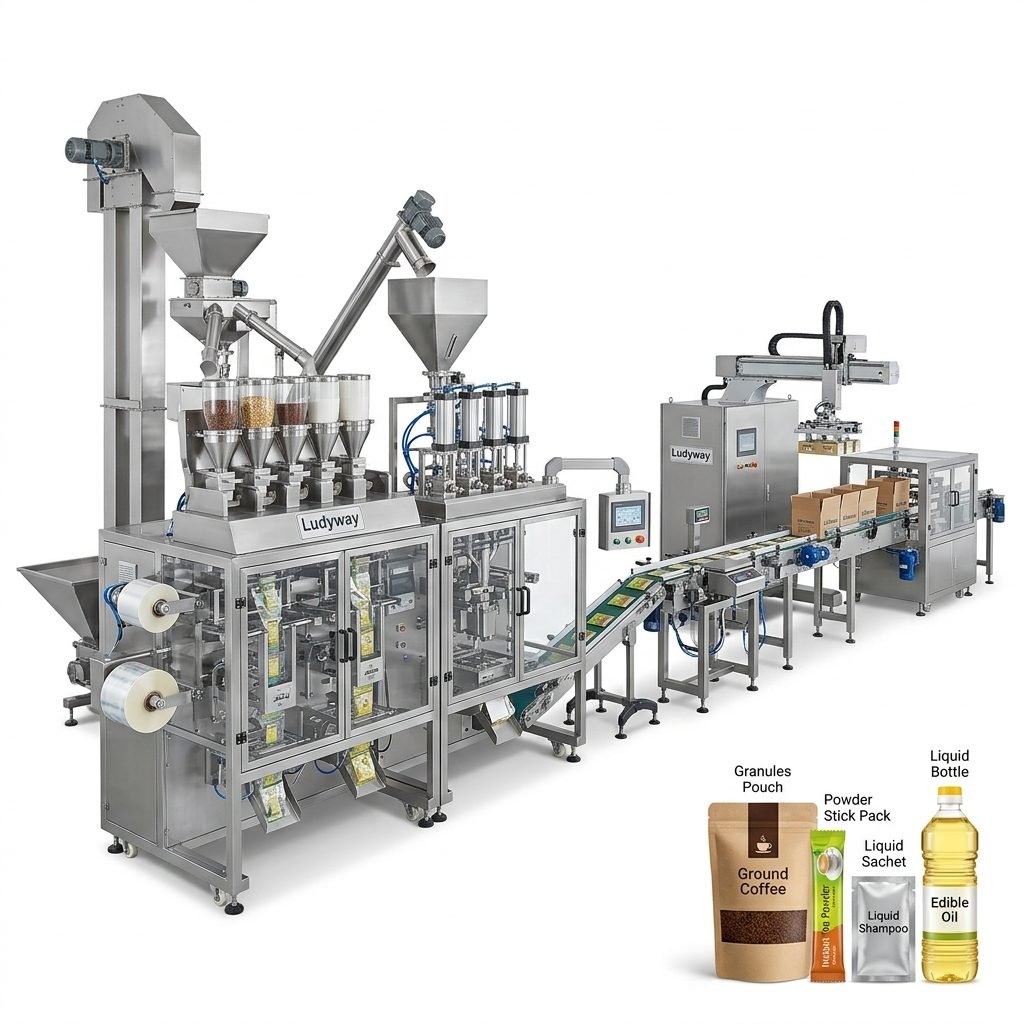
Most buyers now prefer machinery that can connect smoothly with the rest of the production line. A standalone machine may solve one step, but line integration creates much greater value.
Modern packaging systems are often expected to work with:
- Feeders and conveyors
- Checkweighers and metal detectors
- Date coding and printing systems
- Cartoning, case packing, and palletizing equipment
- Inspection and reject systems
This is why many buyers work with experienced suppliers such as Ludyway packaging machine manufacturer when they need not just a single machine, but a complete turnkey packaging solution.
8. Intelligent Quality Control Features
Quality control is becoming a core machine requirement, not a secondary add-on. Buyers want packaging equipment that helps prevent defective products from reaching the market.
Common quality control functions include:
- No film alarm
- No product no fill logic
- Seal temperature deviation alarm
- Registration mark detection
- Leak detection or seal monitoring
- Automatic reject of nonconforming packs
These features are particularly important in regulated sectors like pharmaceutical and health supplement packaging.
9. Data Collection and Traceability
As manufacturing becomes more digital, buyers increasingly want machines that can support traceability and performance analysis. This helps with compliance, production planning, and continuous improvement.
Useful data functions may include:
- Batch records and production logs
- Alarm history tracking
- OEE-related performance monitoring
- Connectivity with MES or ERP systems
- Remote diagnostics and support access
Data transparency can make troubleshooting faster and decision-making more accurate.
10. Safety and Compliance Design
Buyers also expect modern packaging equipment to meet safety and industry compliance requirements. A machine that is fast but difficult to operate safely is not a strong long-term investment.
Key safety features often include:
- Emergency stop systems
- Protective guarding and interlocks
- Safe electrical design
- Compliance with relevant export market standards
- Material compatibility for food or pharmaceutical contact areas
For exporters, compliance is especially important because different markets may require specific documentation and machine standards.
11. Customization Capability
No two factories operate exactly the same way. Product characteristics, package design, floor layout, and output targets all vary. That is why many buyers now prioritize suppliers that can adapt machine design to specific applications.
Customization may involve:
- Special dosing systems for difficult materials
- Custom bag sizes or unusual pack shapes
- Integration with existing factory equipment
- Different electrical standards for export markets
- Dust-proof, corrosion-resistant, or hygienic structures
A customizable machine reduces compromises and improves fit for the real production environment.
12. Reliable After-Sales Support and Spare Parts Access
Even the best packaging machine needs technical support over time. Buyers commonly evaluate not only the equipment itself but also the supplier’s service capacity.
| Support Area | Buyer Expectation |
|---|---|
| Installation support | Smooth startup and faster production launch |
| Operator training | Reduced errors and better machine performance |
| Spare parts availability | Less downtime and easier maintenance planning |
| Remote troubleshooting | Faster issue resolution |
Strong after-sales service often has a direct effect on the true lifetime value of the machine.
How Buyers Compare Packaging Machines Today
When comparing equipment options, serious buyers usually look beyond brochures and focus on practical performance. A modern packaging machine should combine the following:
- Accuracy for consistent product filling
- Flexibility for multiple products and pack formats
- Stability under continuous production conditions
- Automation for reduced labor dependence
- Integration with complete packaging lines
- Service support for long-term reliability
Final Buying Insight
The best modern packaging machine is not simply the fastest or the cheapest. It is the one that matches your product, package format, compliance needs, plant layout, and long-term growth plan. Buyers who focus on performance, flexibility, quality control, and supplier capability are usually the ones who achieve better production efficiency and stronger ROI over time.
If you are evaluating machinery for food, pharma, cosmetic, chemical, or health product packaging, make sure the equipment can support both today’s production goals and tomorrow’s expansion needs.