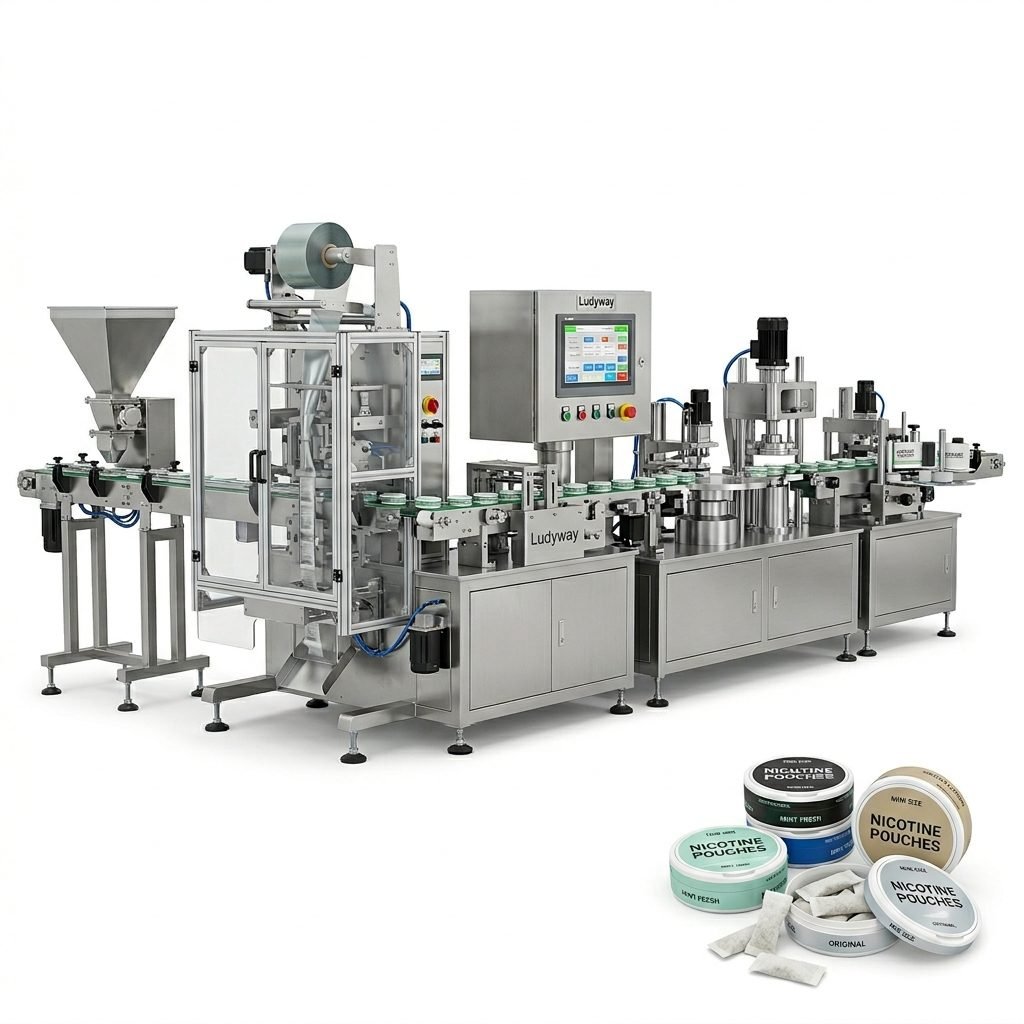
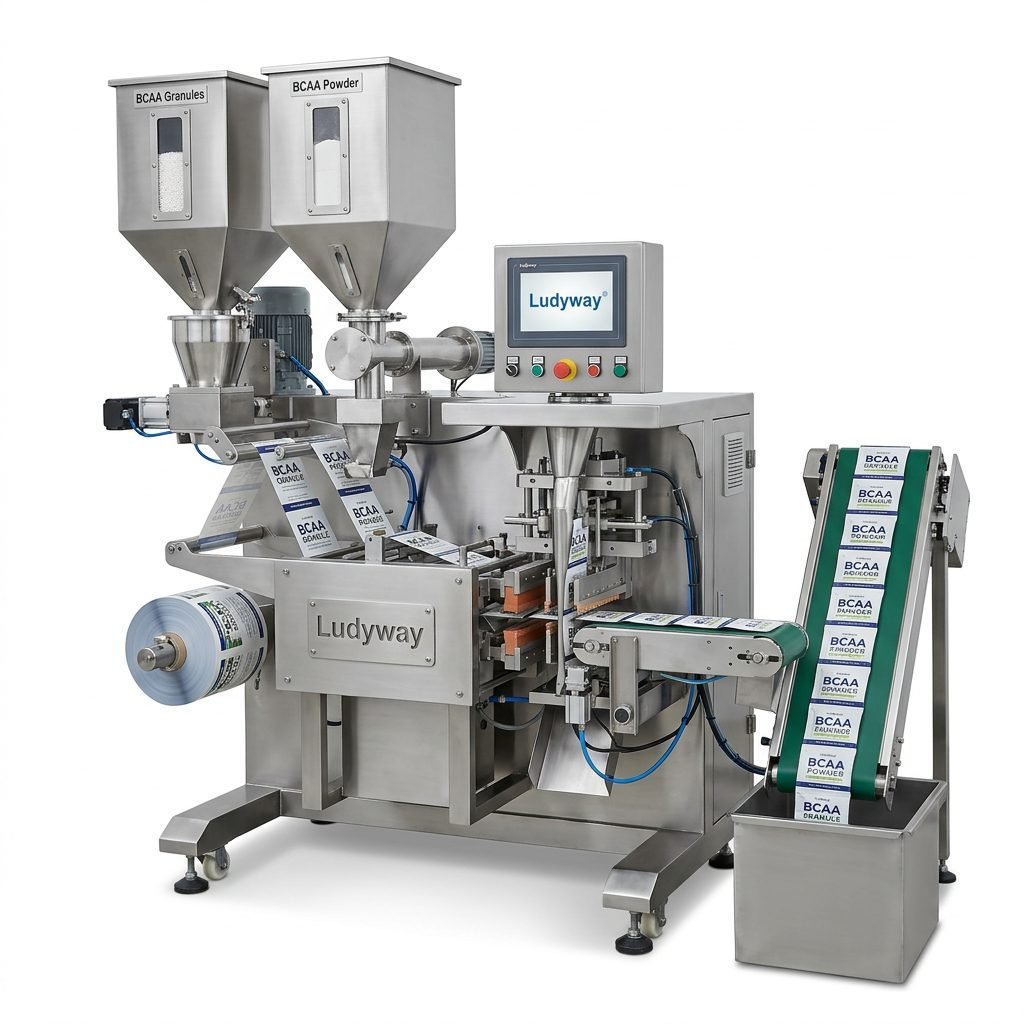
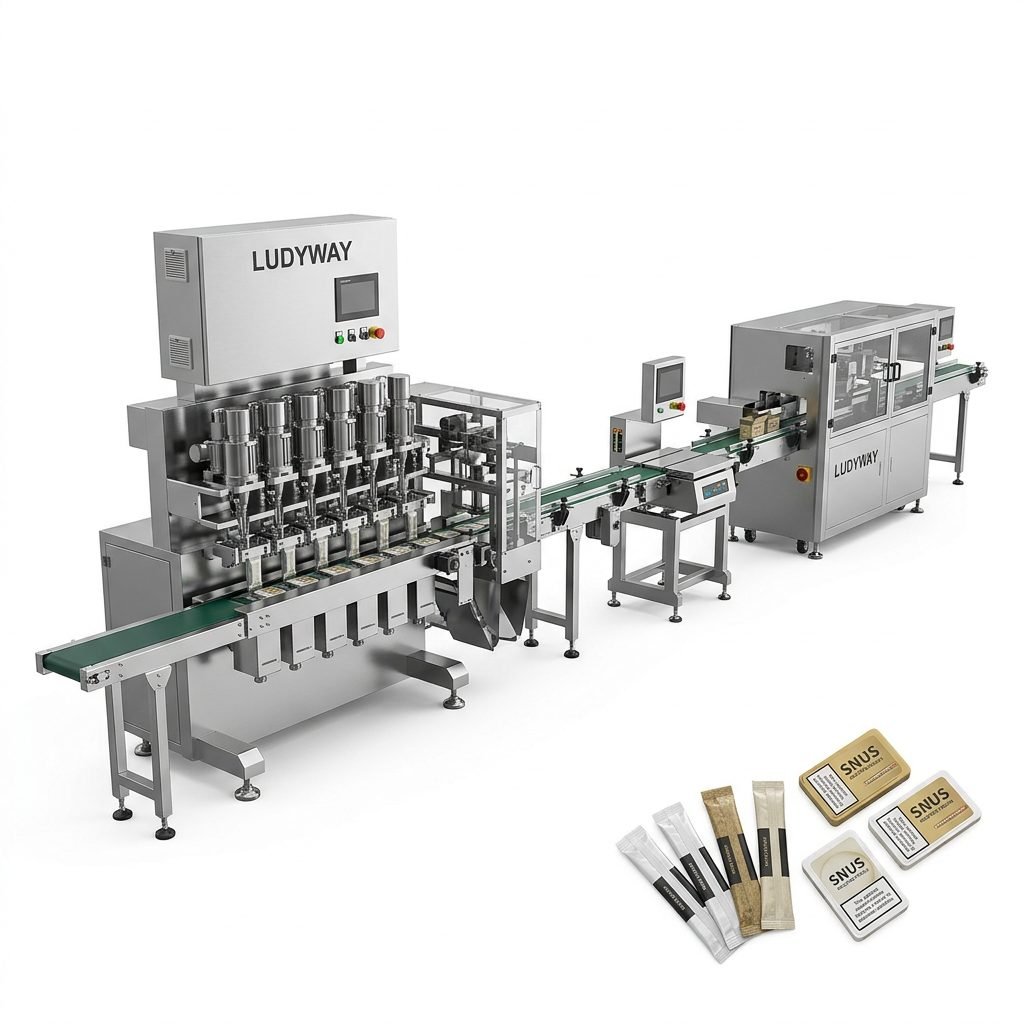
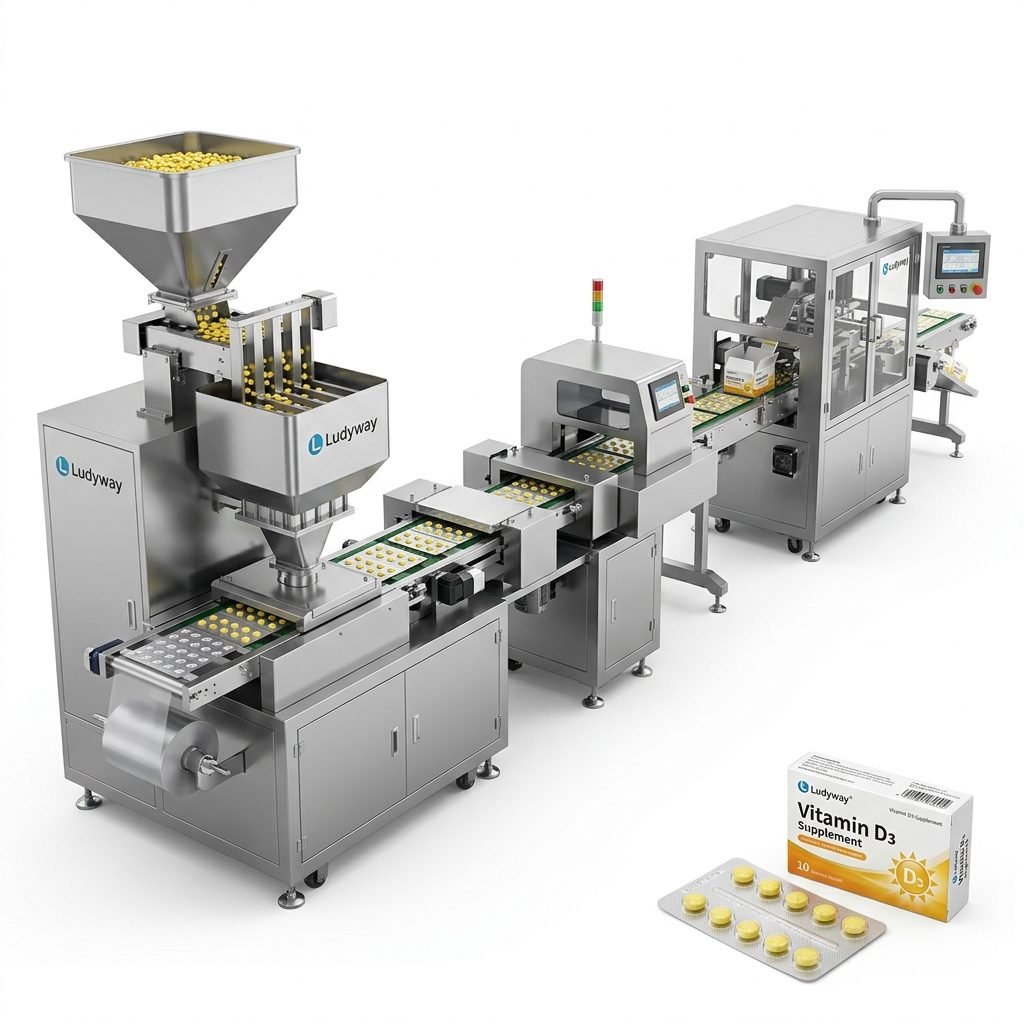
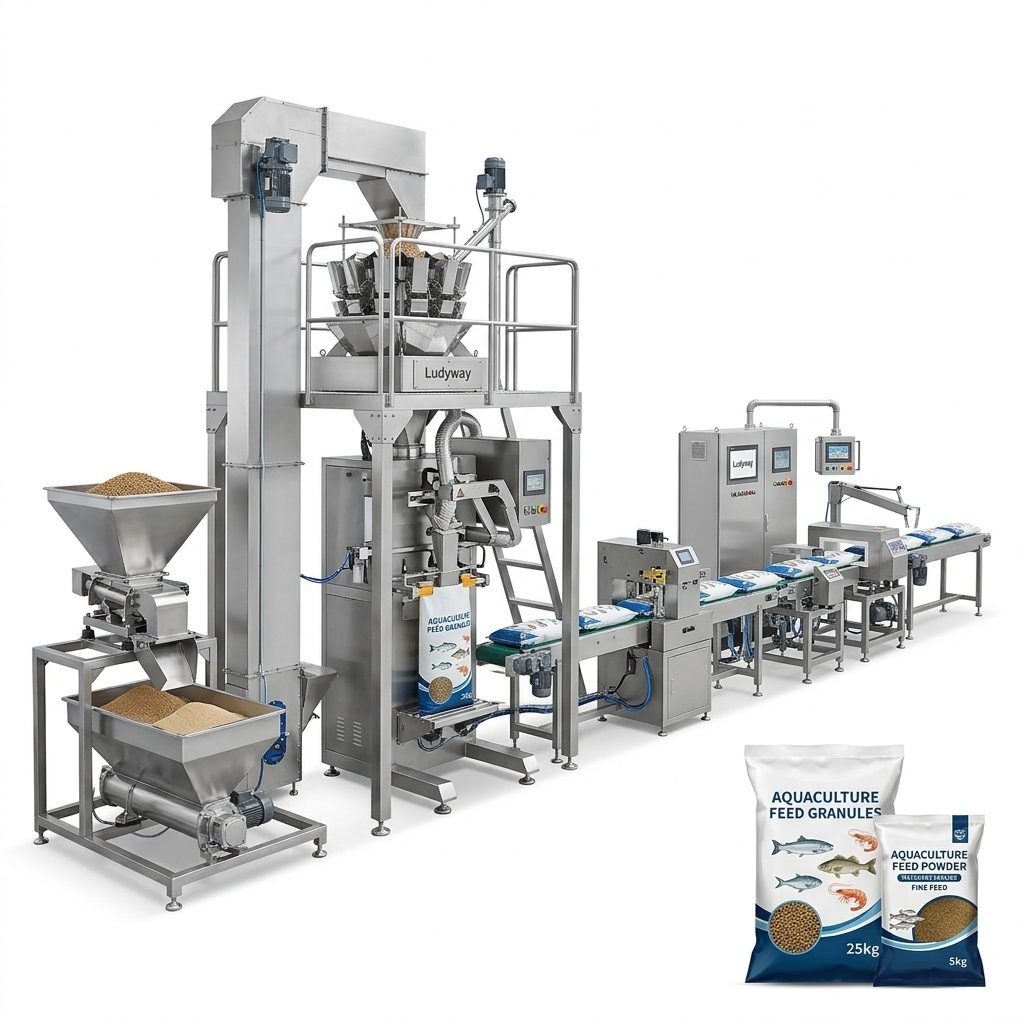
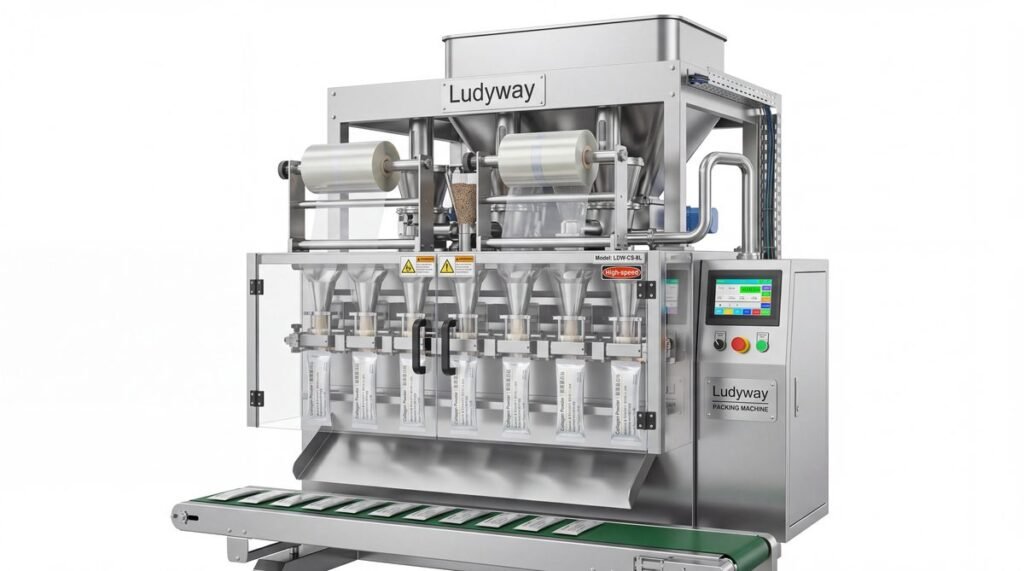
Thailand’s manufacturing sector is a powerhouse in Southeast Asia, with a strong focus on food processing, pharmaceuticals, and consumer goods. For businesses in these industries, selecting the right packaging machine manufacturer is a critical decision that impacts production efficiency, product quality, and long-term profitability. This guide outlines the key factors to consider when choosing a packaging machine supplier in Thailand, helping you make an informed decision that aligns with your operational needs and growth ambitions.
Understanding Thailand’s Manufacturing Landscape
The Thai market is characterized by a diverse range of manufacturers, from large-scale food exporters to innovative pharmaceutical and nutraceutical companies. Local businesses often require packaging solutions that are not only efficient but also adaptable to handle a variety of products, such as spices, instant beverages, health supplements, and skincare sachets. A manufacturer with a deep understanding of these local product types and market demands can provide more relevant and effective solutions.
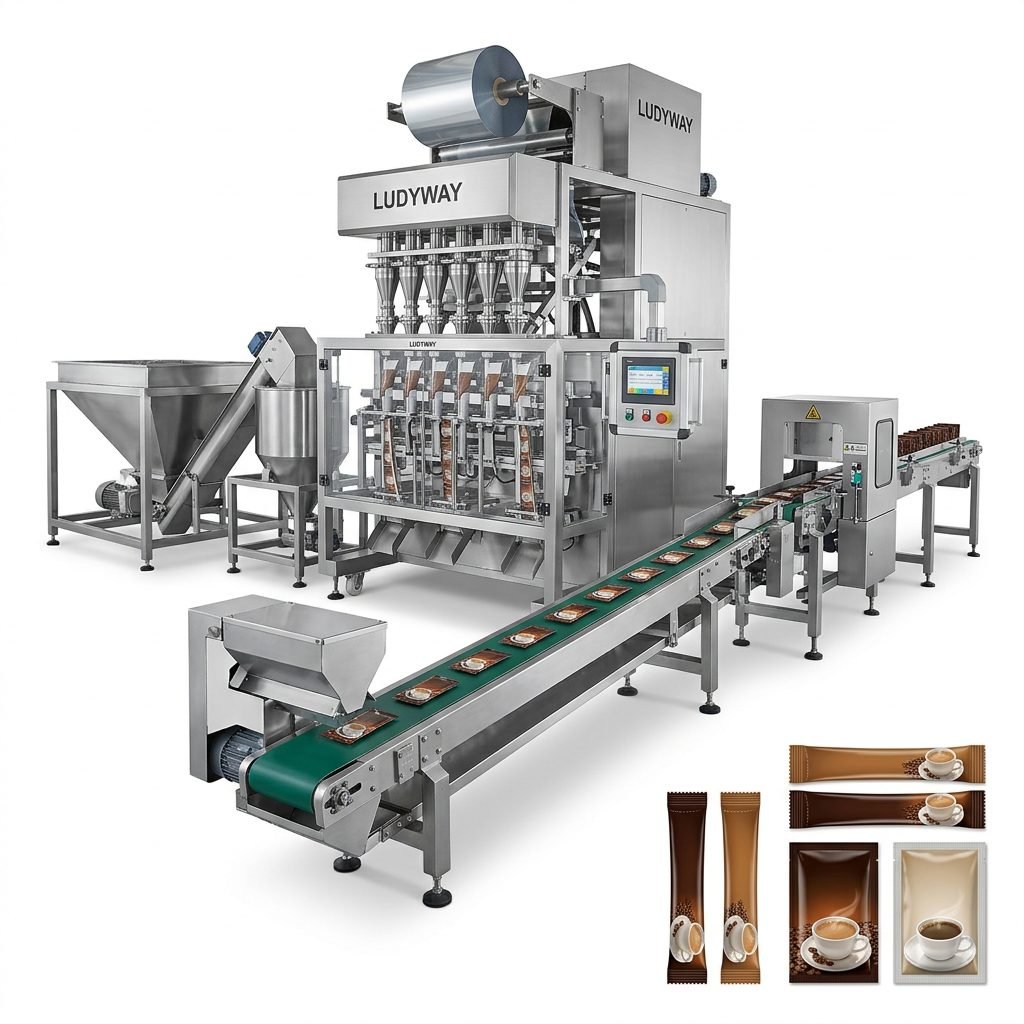
Key Factor 1: Technical Expertise and Product Range
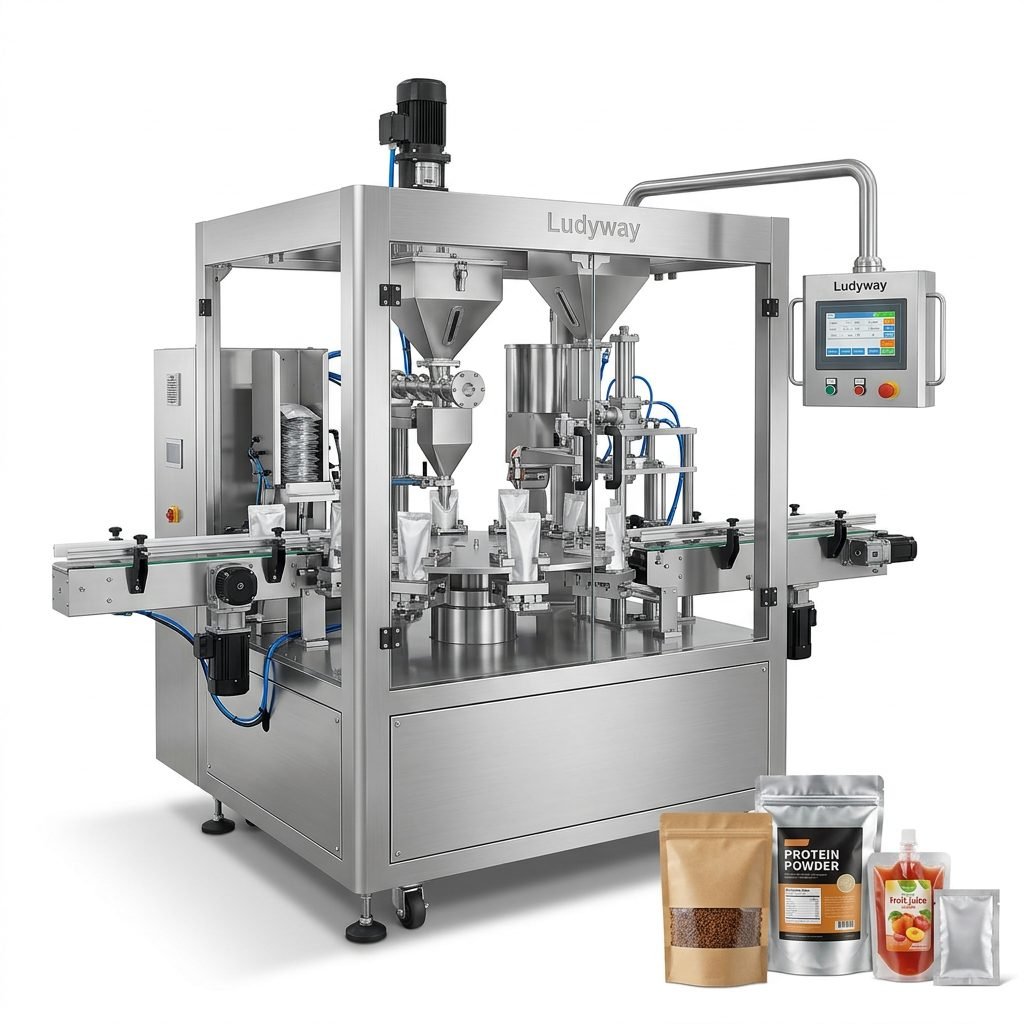
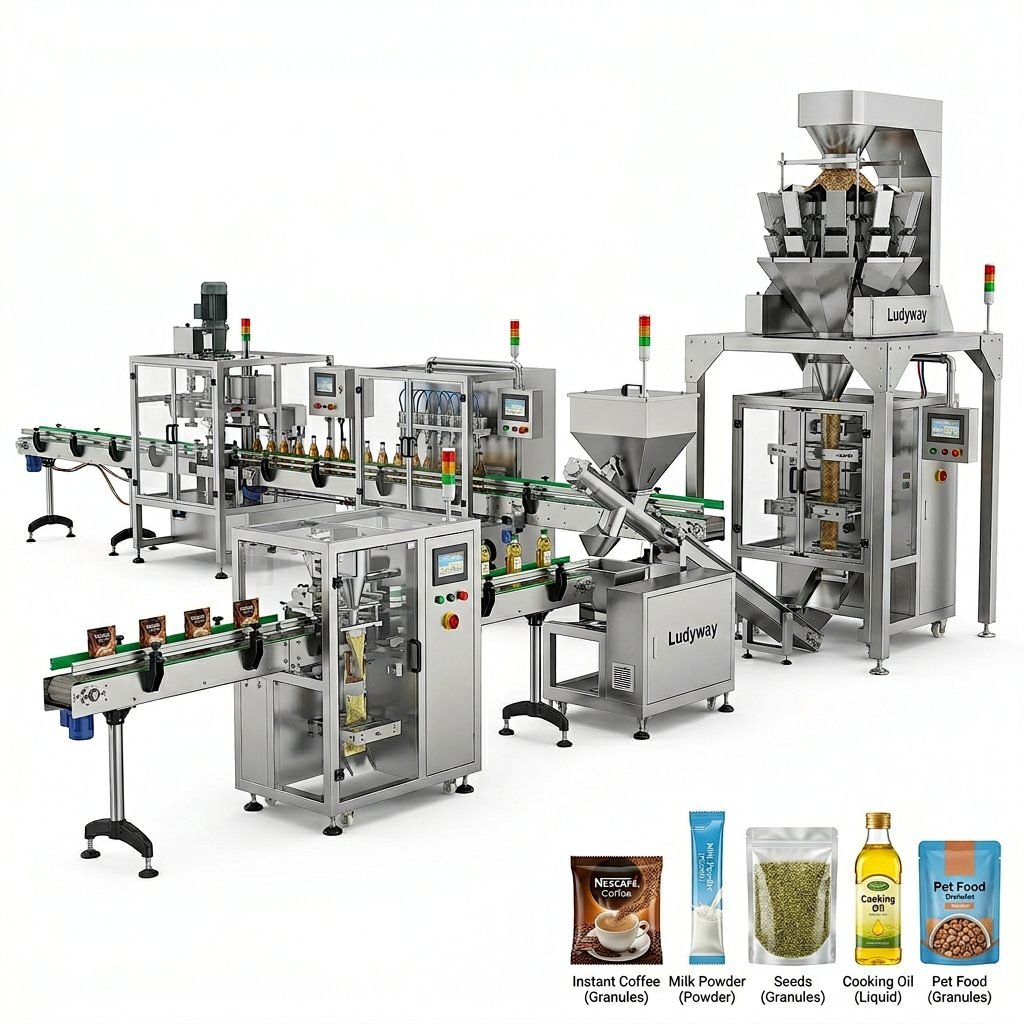
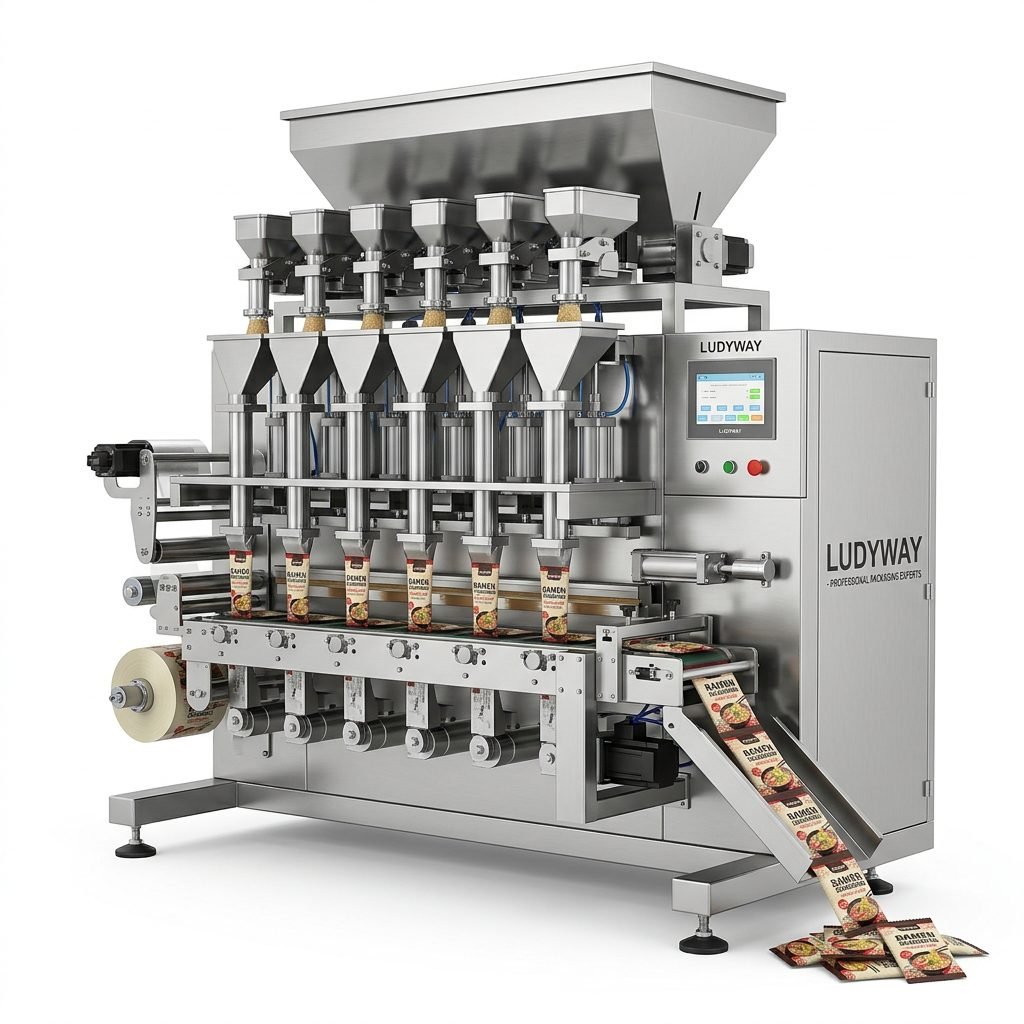
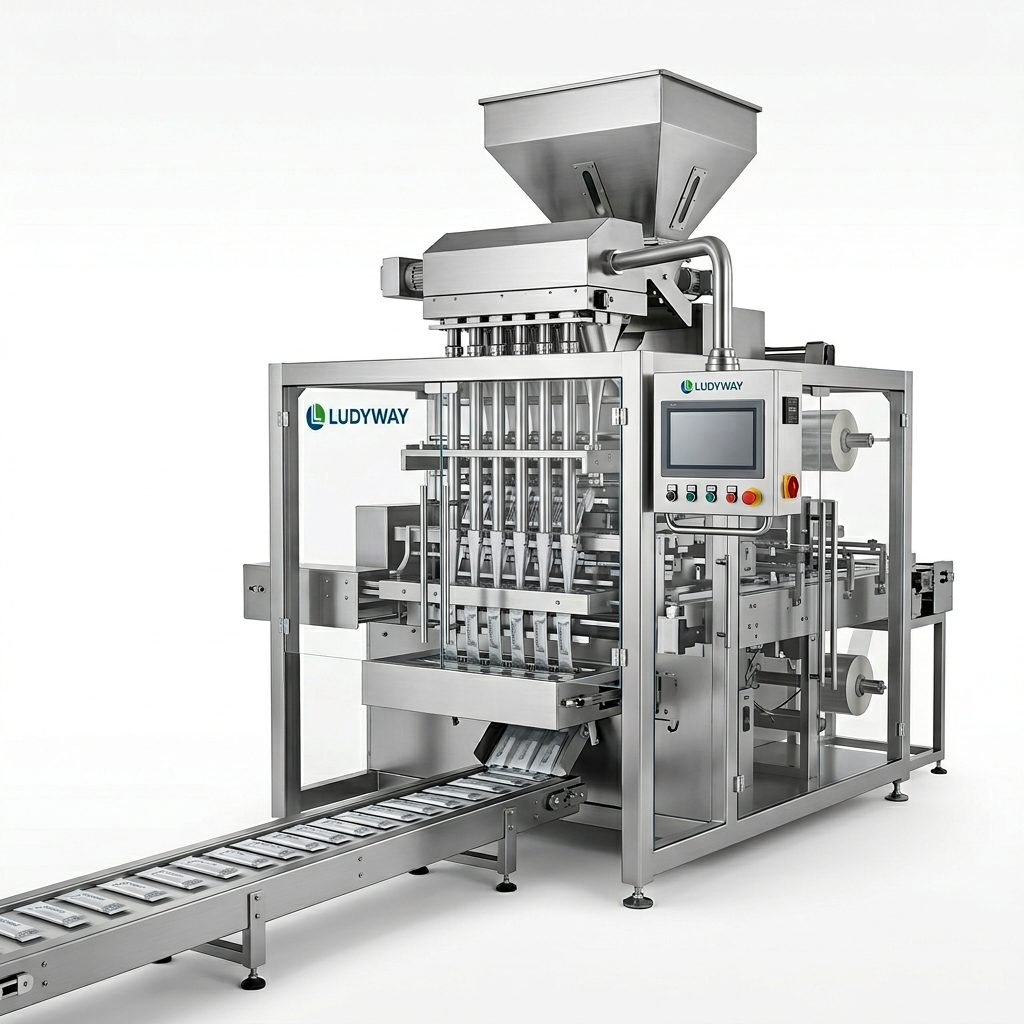
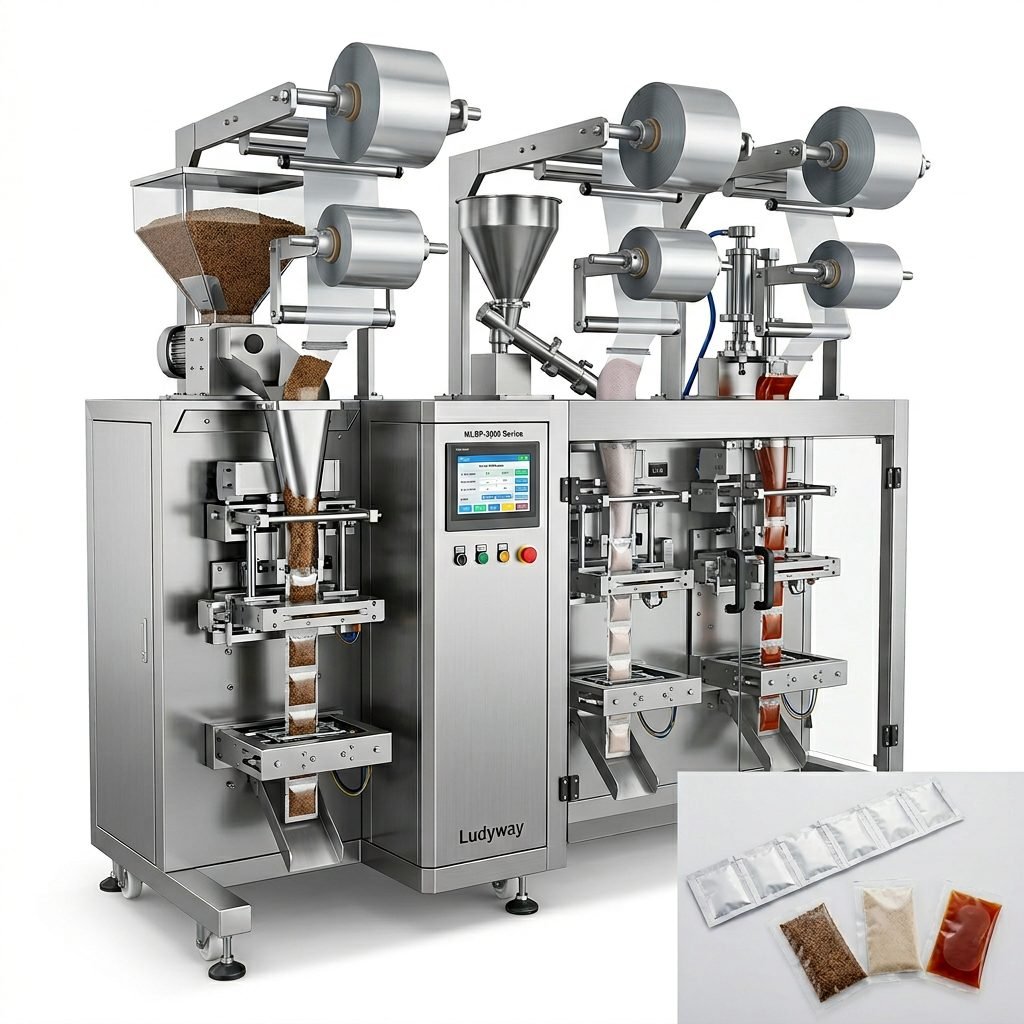
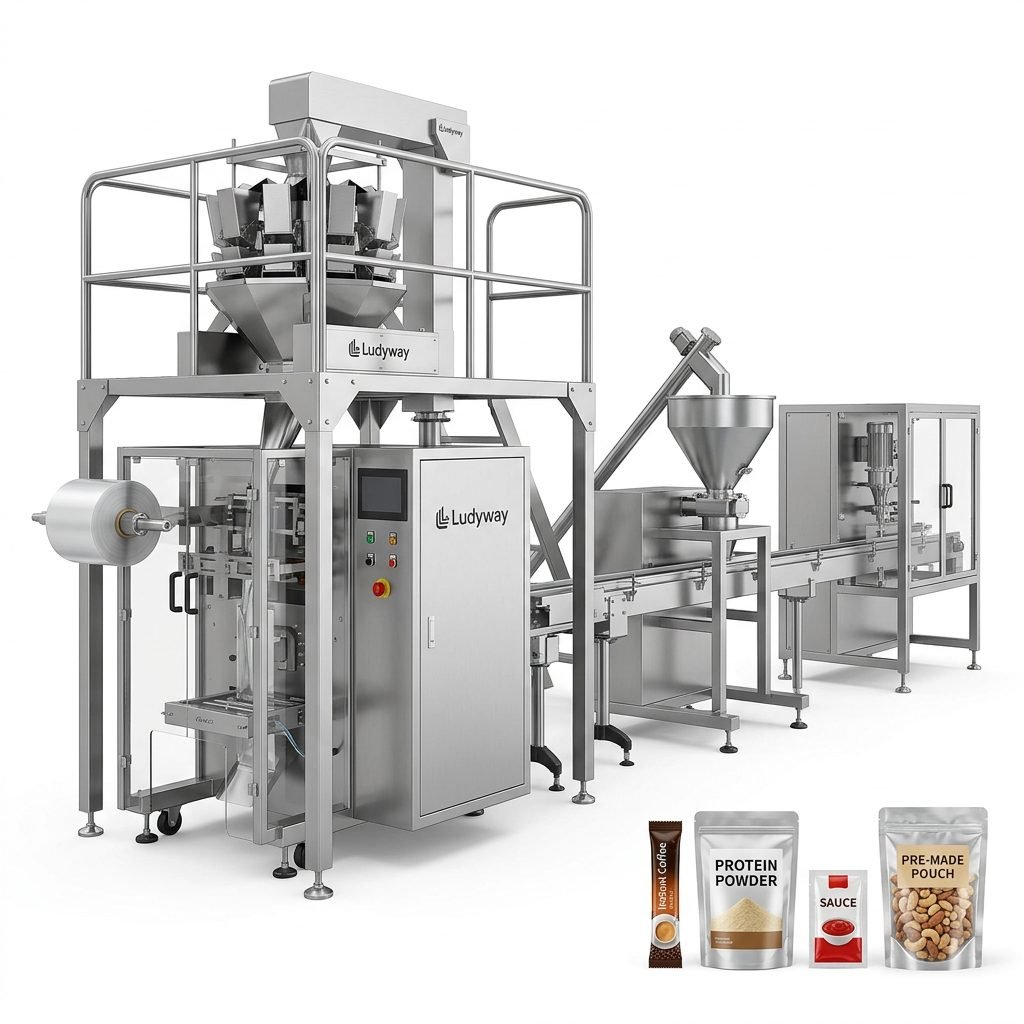
Evaluate the manufacturer’s core competencies. Do they specialize in the type of packaging you need? For instance, if you package granules or powders (like coffee, protein, or seasoning), you need a partner with proven expertise in granule and powder packaging systems. Look for a diverse portfolio that includes multi-lane stick pack machines, sachet packaging systems, and fully automated production lines.
Pro Tip: A manufacturer like Ludyway, with over 30 years of experience and more than 50 machine models, offers a wide range from simple sachet fillers to complete turnkey lines, ensuring they can scale with your business.
Key Factor 2: Manufacturing Capability and Quality Control
The physical infrastructure of a manufacturer speaks volumes about their capacity and commitment to quality. A modern facility with advanced machining tools and a structured quality management system is essential. Inquire about their production process, quality checks, and compliance with international standards. A visit to their factory, whether virtual or in-person, can provide invaluable insights.
Companies operating in Thailand should also consider the supplier’s ability to provide local technical support and spare parts, minimizing potential downtime.
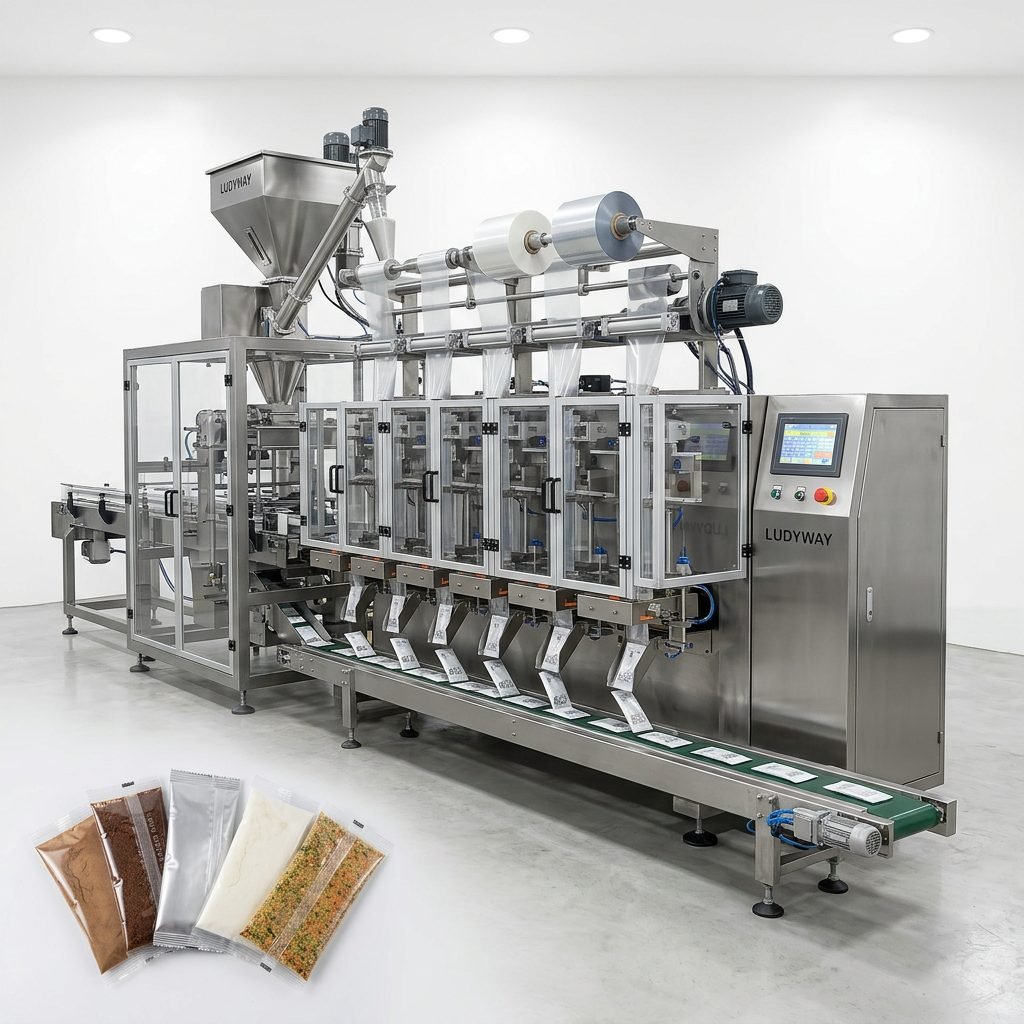
Key Factor 3: Customization and Flexibility
Off-the-shelf solutions rarely fit perfectly. Your packaging format, product characteristics, and production speed are unique. A reliable manufacturer should offer a high degree of customization. This includes the ability to modify machine parameters, integrate specific filling technologies (like auger, volumetric, or net weighing), and adapt to different packaging materials. Discuss your specific requirements in detail to gauge their flexibility.
Other notable manufacturers emphasizing customization include PackingMachineOEM for non-standard solutions and PacklineOEM for complete production lines.
Key Factor 4: After-Sales Support and Service Network
This is arguably the most critical factor for long-term success. A machine is a long-term investment. Ensure the manufacturer provides comprehensive after-sales support, including:
- Installation and commissioning (on-site or remote guidance).
- Operator and maintenance training programs.
- Availability of spare parts with a reasonable lead time.
- Accessible technical support for troubleshooting.
For Thai businesses, having a supplier with a responsive support team in a similar time zone or with local partners can significantly reduce operational risks.
Key Factor 5: Cost-Effectiveness and Return on Investment (ROI)
While upfront cost is important, the total cost of ownership (TCO) is a better metric. Consider energy efficiency, maintenance costs, expected lifespan, and the machine’s impact on your overall productivity and material waste. A slightly higher initial investment in a more reliable and efficient machine from a reputable supplier like Packmate Machinery or Ludyway can lead to a much faster and greater ROI through reduced downtime and higher output quality.
Key Factor 6: Industry-Specific Experience
Packaging requirements differ vastly between industries. Pharmaceutical packaging demands strict hygiene, traceability, and compliance with GMP standards. Food packaging requires food-grade materials and often nitrogen flushing for preservation. Choose a manufacturer with a proven track record in your specific sector. For example, SnusMachinery specializes in nicotine pouch and oral tobacco packaging, a niche with specific regulatory and technical needs.
The Buyer’s Process: Steps to a Successful Purchase
- Define Your Requirements: Clearly outline your product type, desired packaging format, required output speed, and budget.
- Research and Shortlist: Identify 3-5 potential manufacturers (like Ludyway and its peers mentioned) based on the key factors above.
- Request Detailed Proposals: Ask for technical specifications, layout drawings, a detailed quote, and a list of references.
- Evaluate and Compare: Scrutinize the proposals not just on price, but on technical merit, support terms, and overall value.
- Factory Audit and Reference Check: If possible, visit the shortlisted manufacturers. Speak to their existing clients, especially those with similar applications.
- Final Negotiation and Contract: Ensure all terms, including warranty, payment schedule, delivery, and support services, are clearly documented.
Frequently Asked Questions (FAQs)
Q1: Why is local market understanding important when choosing a supplier for Thailand?
A: A supplier familiar with Thailand’s popular product formats (e.g., small sachets for seasonings, stick packs for instant drinks), common packaging materials, and local regulatory nuances can provide solutions that are market-ready and easier to implement.
Q2: Should I prioritize a local Thai manufacturer or an international one?
A: It’s a balance. International manufacturers like those based in China (e.g., Ludyway, Packmate) often offer advanced technology and competitive pricing due to scale. The key is their ability to provide strong after-sales support in Thailand, either directly or through capable local agents.
Q3: What is a “turnkey solution,” and do I need it?
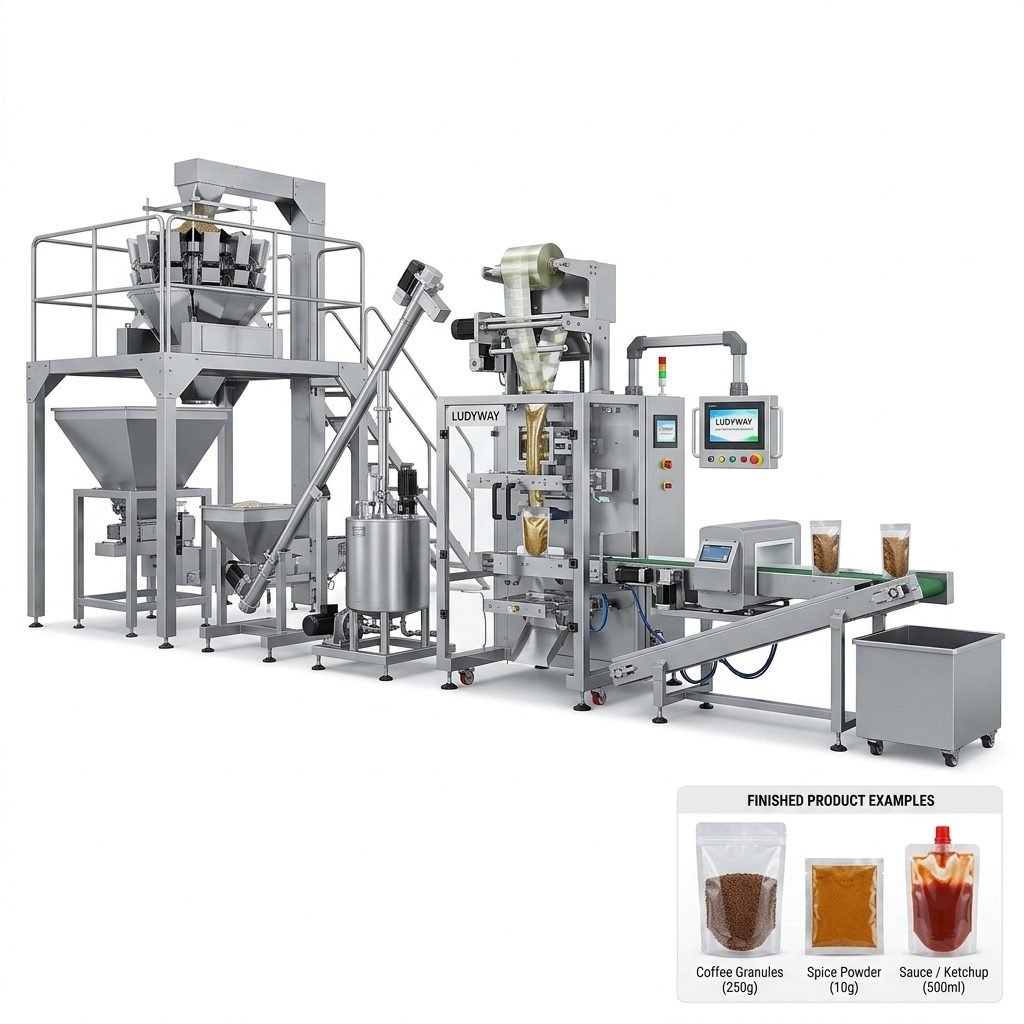
A: A turnkey solution is a fully integrated production line where the supplier handles everything from design and machinery supply to installation and commissioning. It’s ideal for new projects or major upgrades, as it reduces complexity and ensures all components work seamlessly together. Manufacturers like Ludyway and PacklineOEM specialize in these.
Q4: How can I assess the real reliability of a packaging machine?
A> Beyond warranties, request to see performance data or videos of the machine running a product similar to yours. Ask for client references and specifically inquire about machine uptime, ease of maintenance, and the responsiveness of the support team.
Q5: What are the hidden costs I should budget for?
A: Factor in costs for shipping and customs clearance into Thailand, installation services, initial spare parts kit, operator training, and potential costs for utility connections (air, power) that may need adaptation.