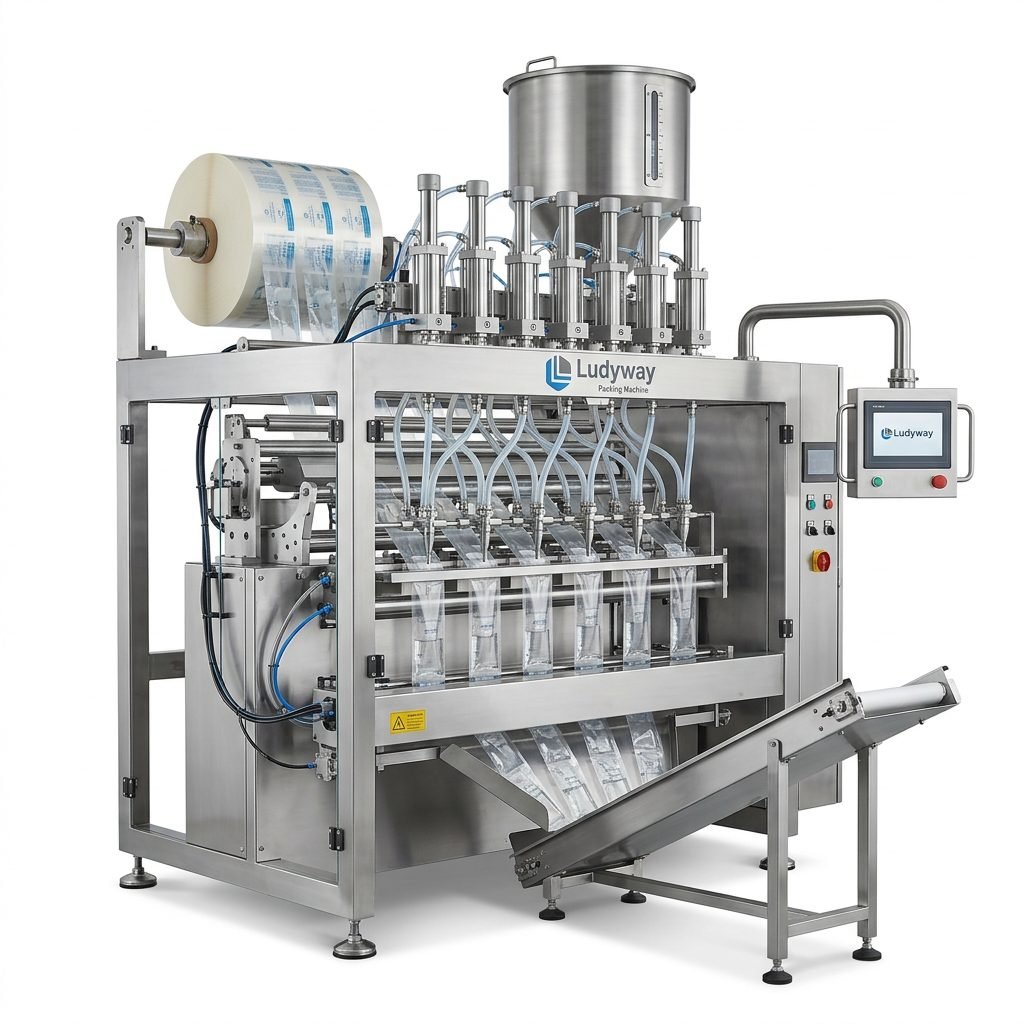
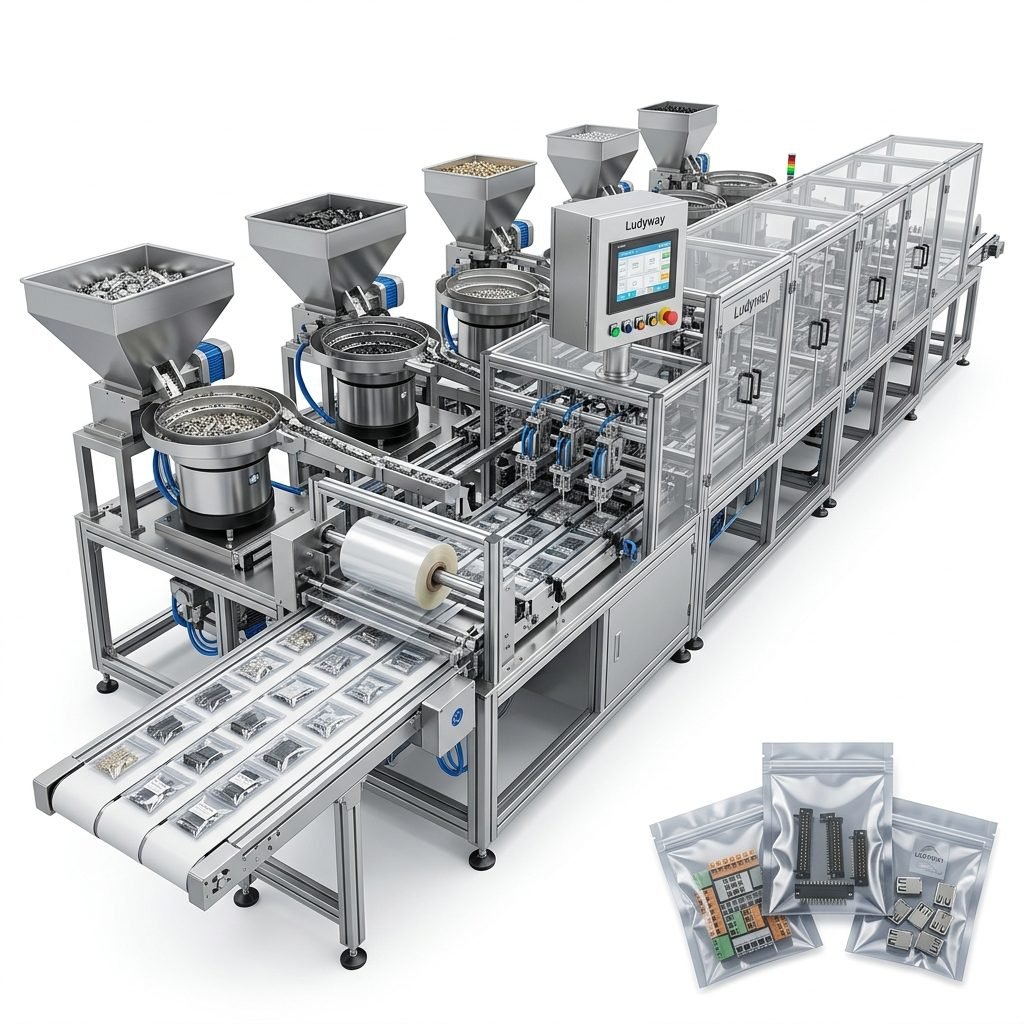
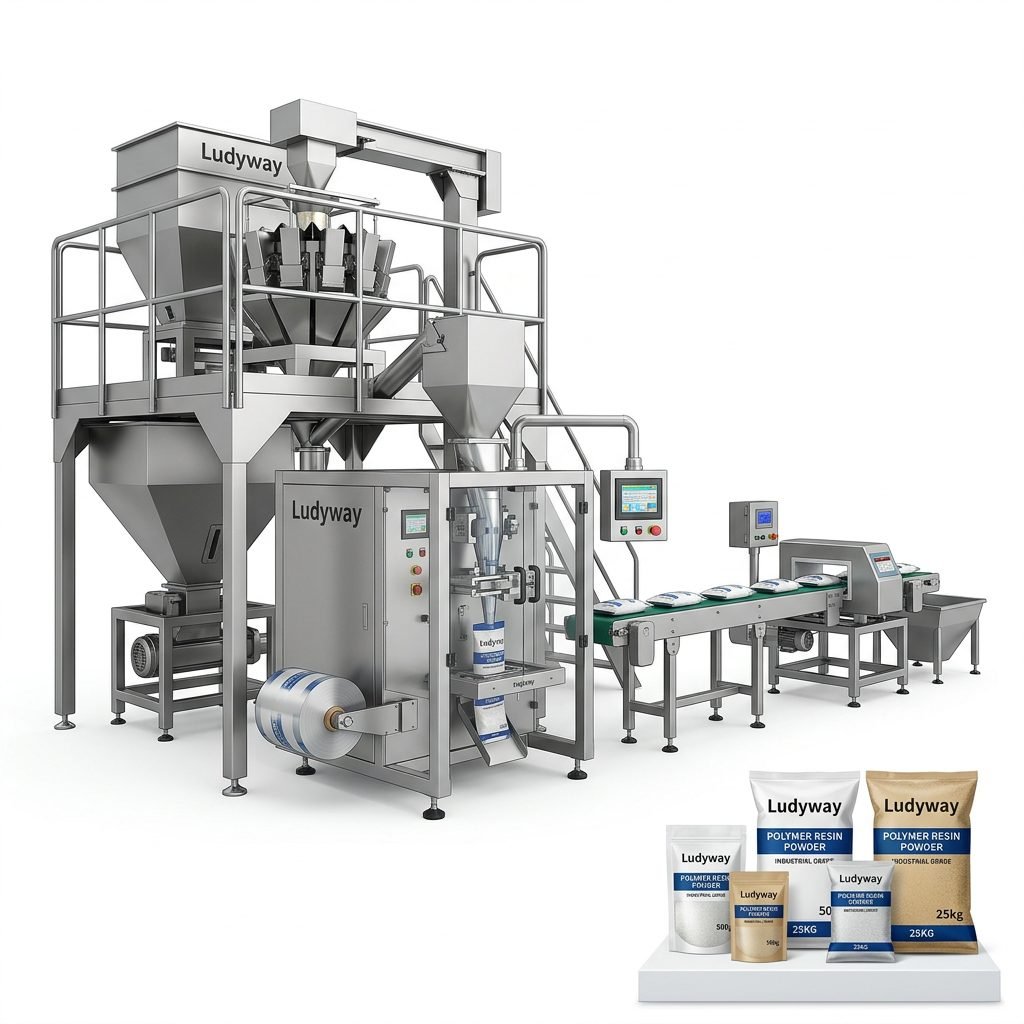
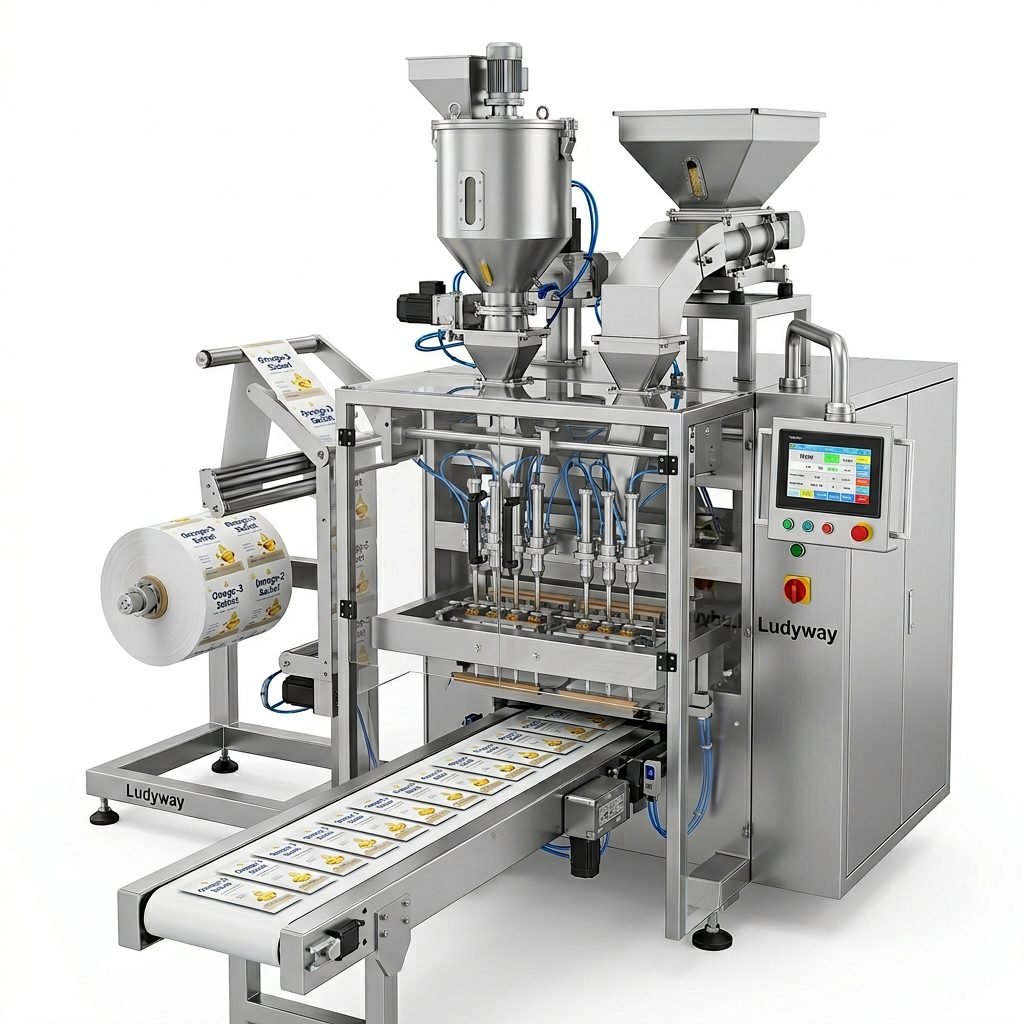
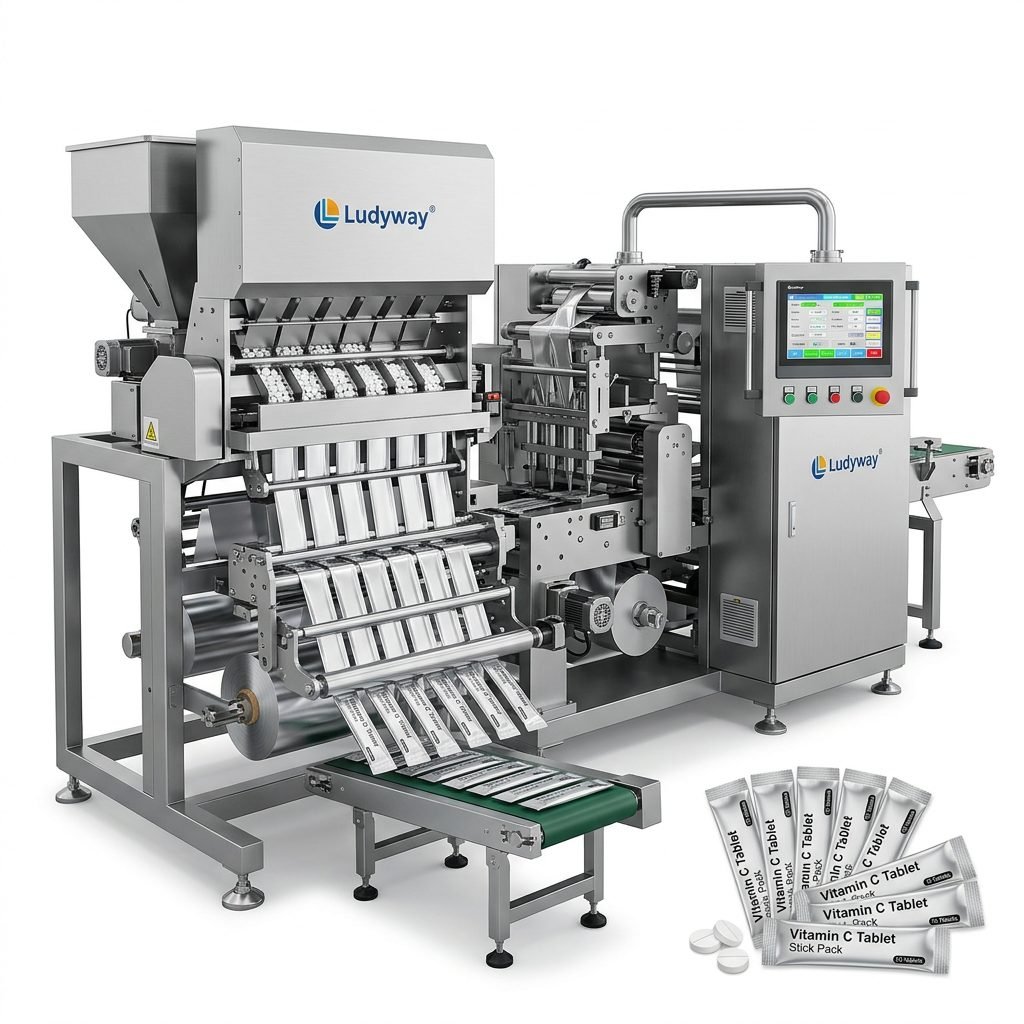
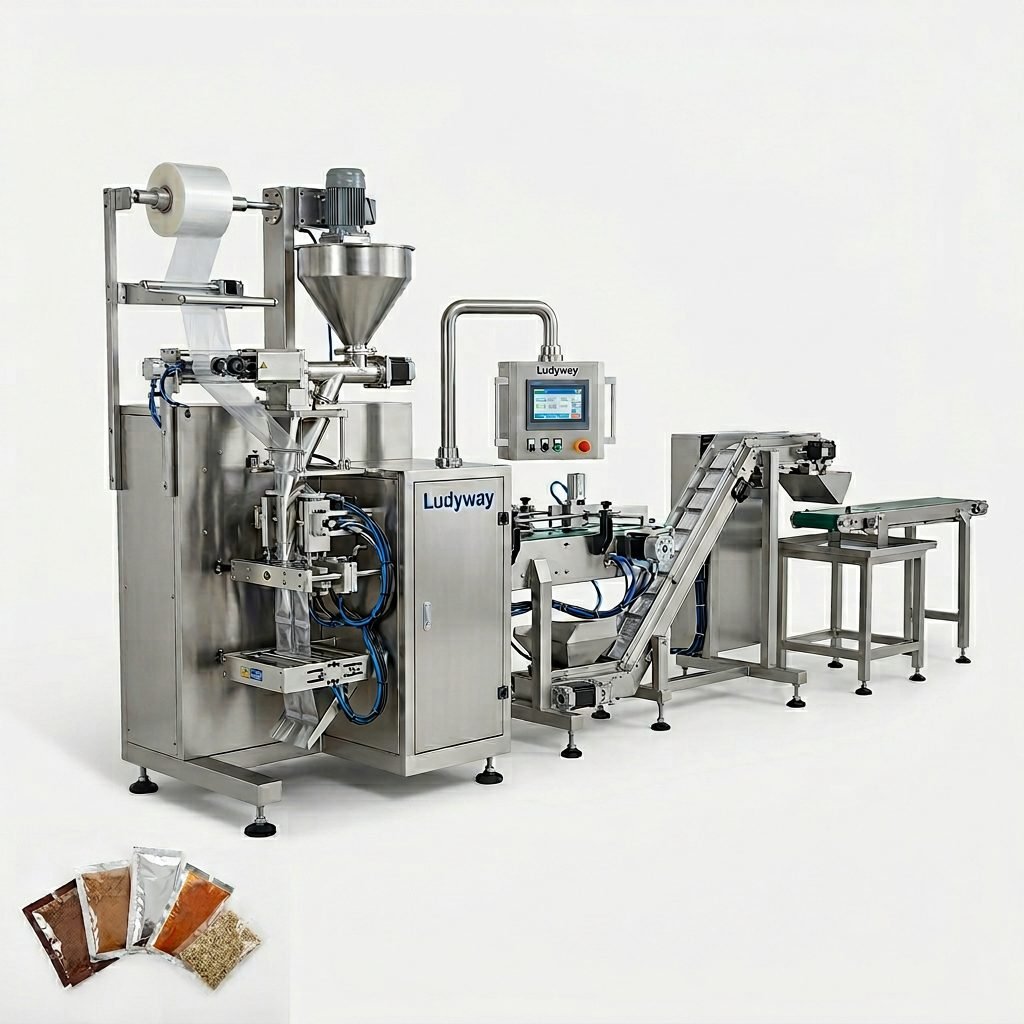
A beverage pouch packaging machine is an automated system designed to form, fill, seal, and discharge pouches used for liquid drinks, concentrated beverages, powdered drink mixes, energy gels, dairy drinks, tea, coffee, juice, and functional nutrition products. Depending on the application, the machine may work with premade pouches or create pouches directly from roll film.
For beverage manufacturers, this equipment plays a critical role in improving production speed, filling accuracy, seal consistency, and packaging appearance. It also helps brands meet market demand for convenient, portable, and shelf-friendly flexible packaging.
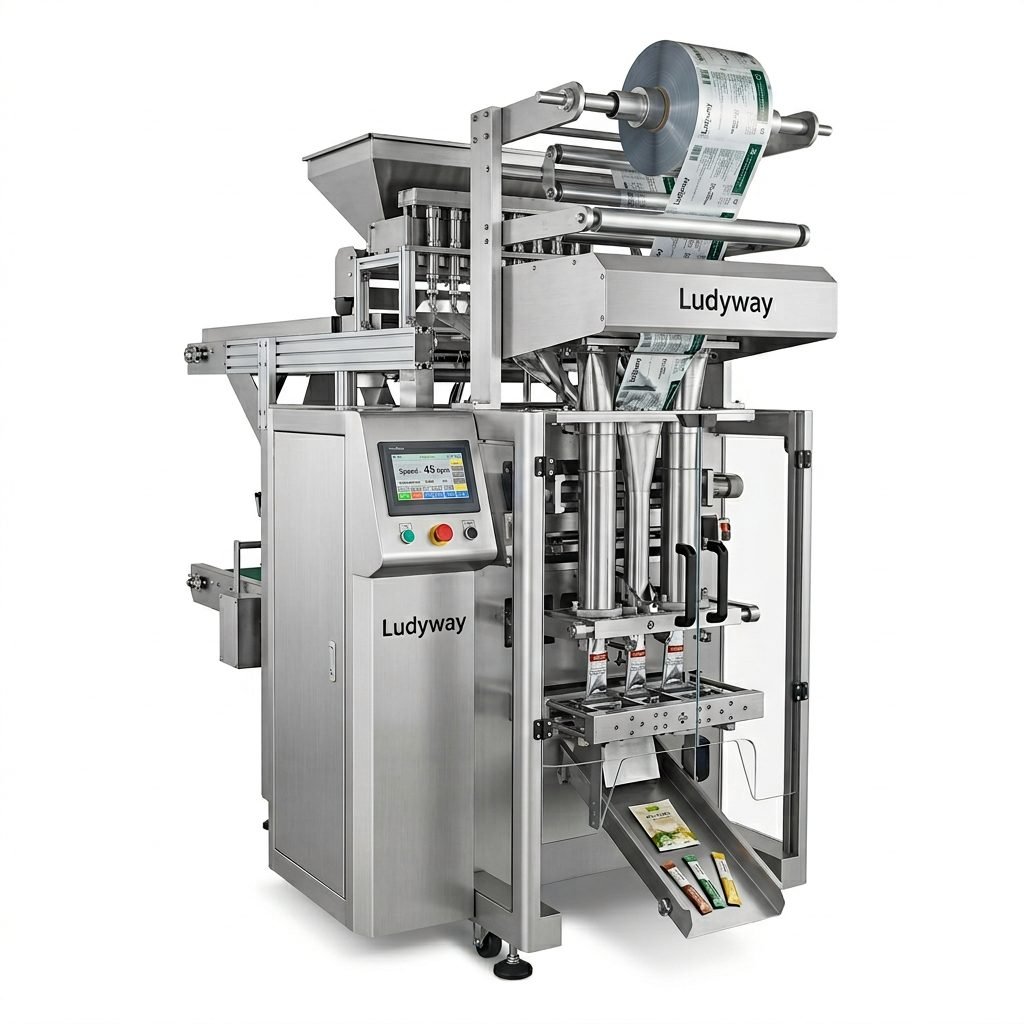
What does a beverage pouch packaging machine do?
In simple terms, the machine packages beverage products into flexible pouches that are easy to store, transport, and sell. The specific function depends on the product type:
- Liquid beverages: juice, syrup, yogurt drinks, milk, sauces, hydration drinks, and concentrated liquids
- Powder beverages: coffee powder, milk tea powder, protein powder, electrolyte mixes, cocoa, and instant drink blends
- Granular beverages: fruit tea granules, sugar blends, instant beverage crystals, and nutrition mixes
- Special beverage formats: spouted pouches, stand-up pouches, stick packs, and sachets
Modern systems can also integrate code printing, zipper application, nitrogen flushing, cap feeding, inspection, cartoning, and case packing, creating a more efficient end-to-end line.
Main types of beverage pouch packaging machines
1. Vertical form fill seal machines
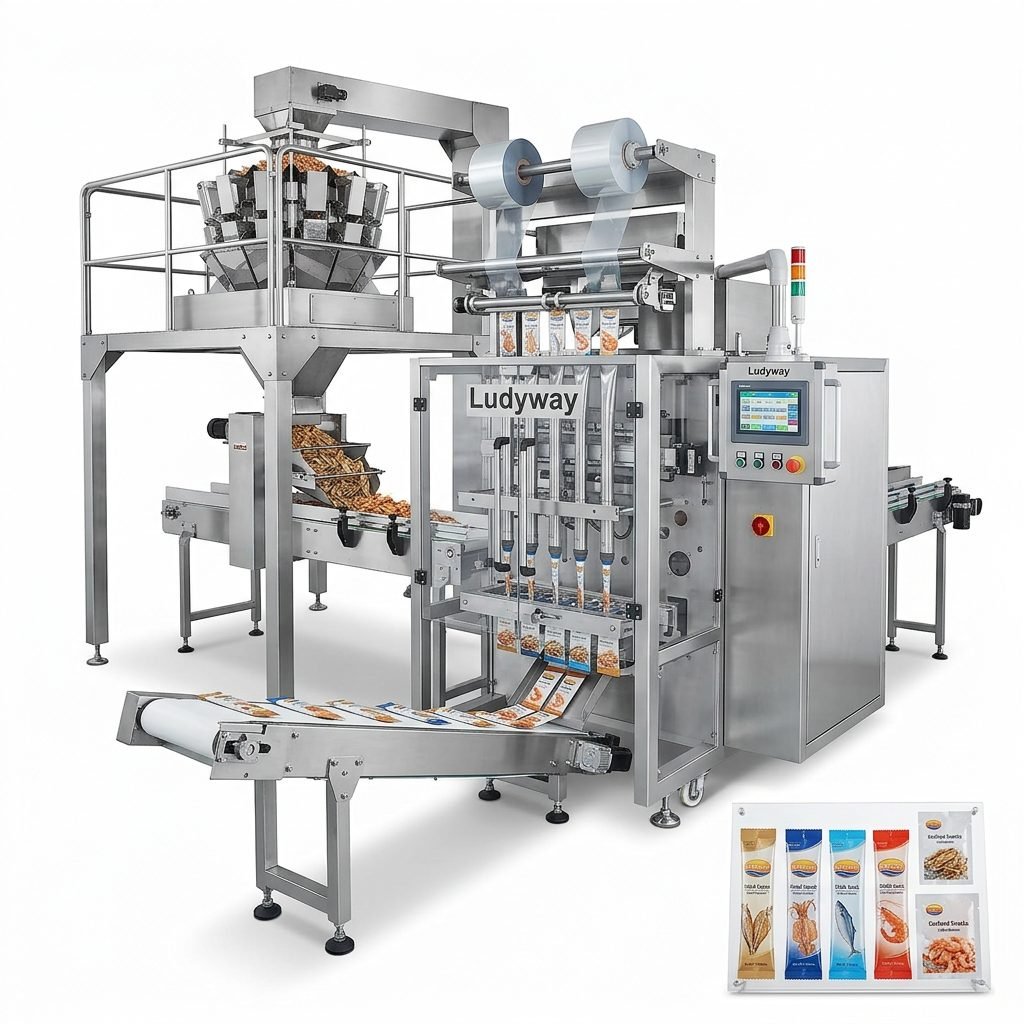
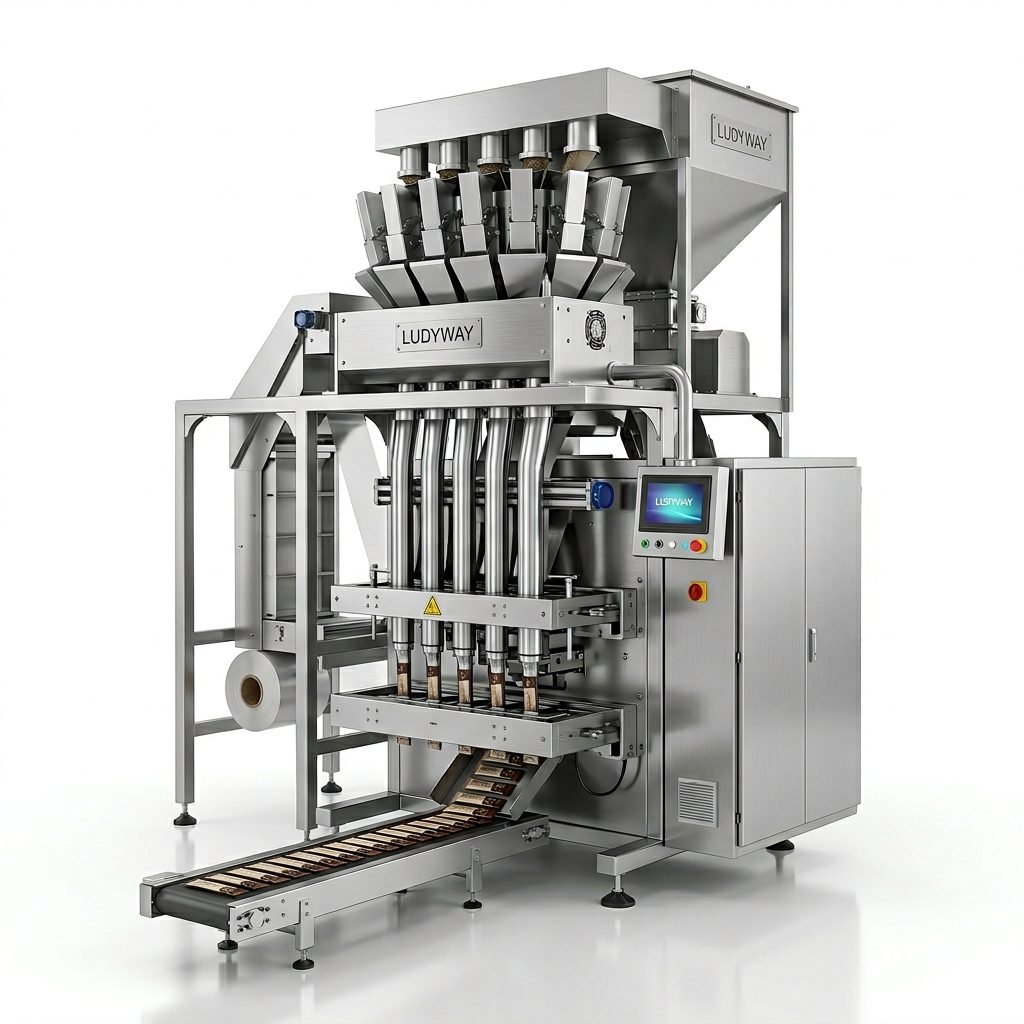
Vertical form fill seal machines, often called VFFS machines, form the pouch from roll film, fill the product, and seal it in one continuous process. They are widely used for powdered and granular beverage products such as coffee, milk tea, instant drink mixes, and nutritional blends.
- Suitable for pillow pouches, sachets, and stick packs
- Efficient for high-output production
- Can use auger fillers, volumetric cups, or weighing systems
2. Premade pouch filling and sealing machines
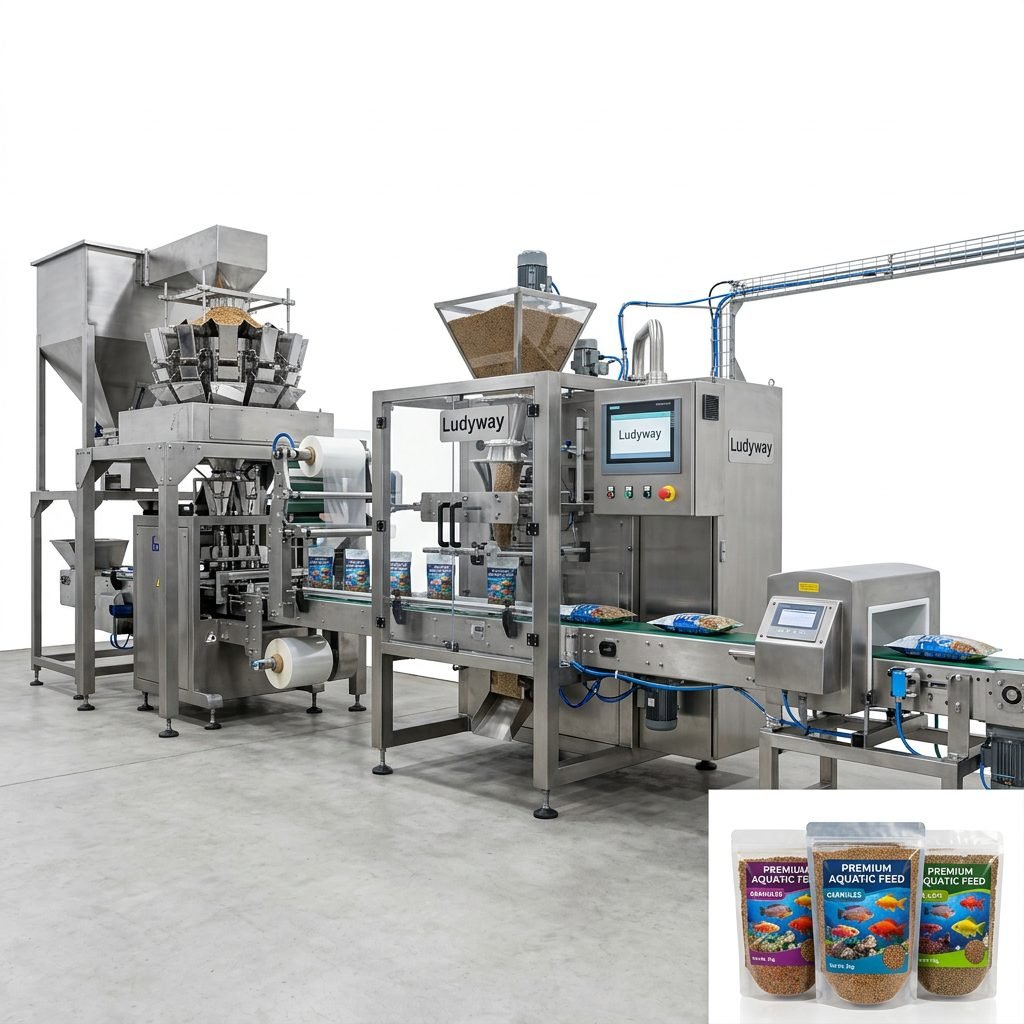
These machines work with ready-made pouches supplied to the machine first, then opened, filled, sealed, and discharged. They are ideal for premium beverage packaging and products that need stand-up pouches, zipper pouches, or spouted pouches.
- Suitable for liquid and powder drinks
- Good for high-quality pouch appearance
- Flexible for different pouch shapes and materials
3. Spouted pouch filling machines
Spouted pouches are common for baby drinks, yogurt drinks, fruit puree beverages, and sports gels. These machines fill and seal pouches with a pre-attached or inserted spout.
- Excellent for on-the-go beverage products
- Supports reclosable packaging
- Often used for higher-value retail products
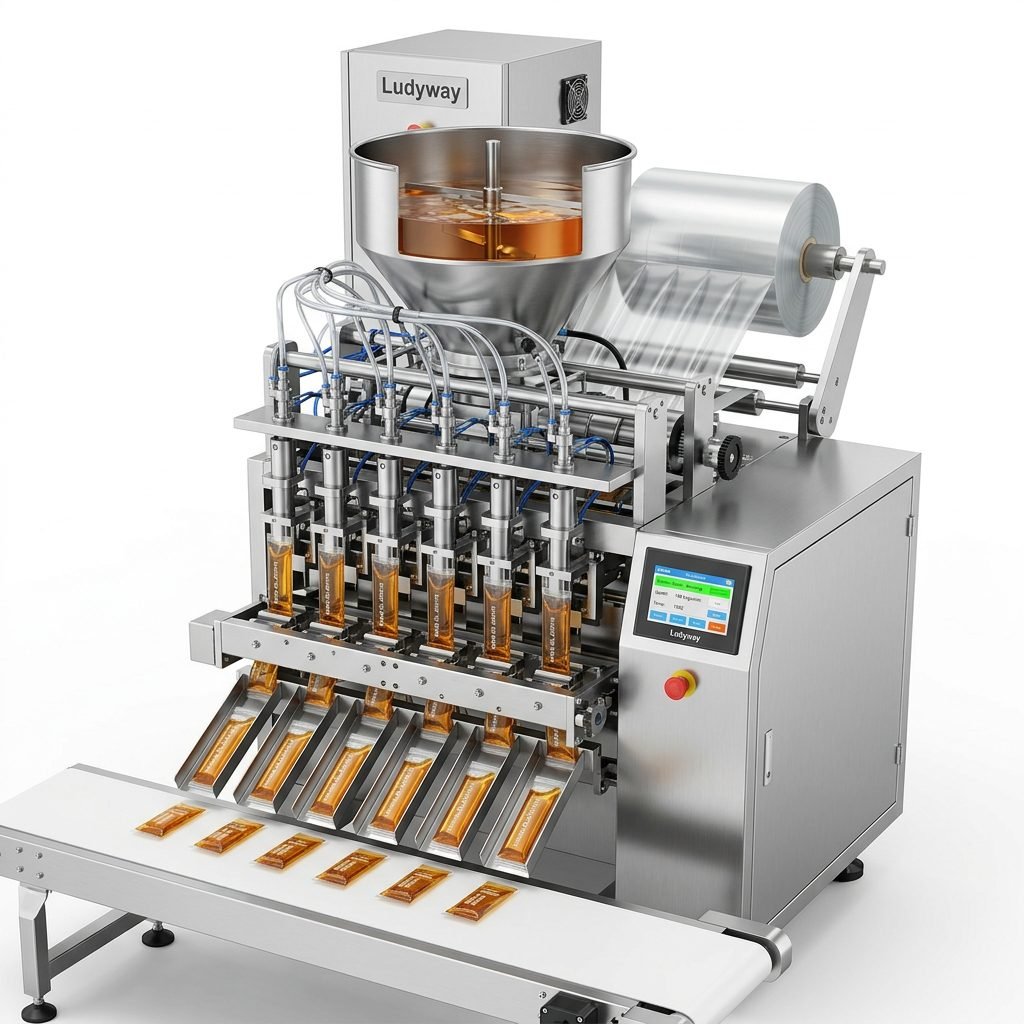
4. Stick pack and sachet packaging machines
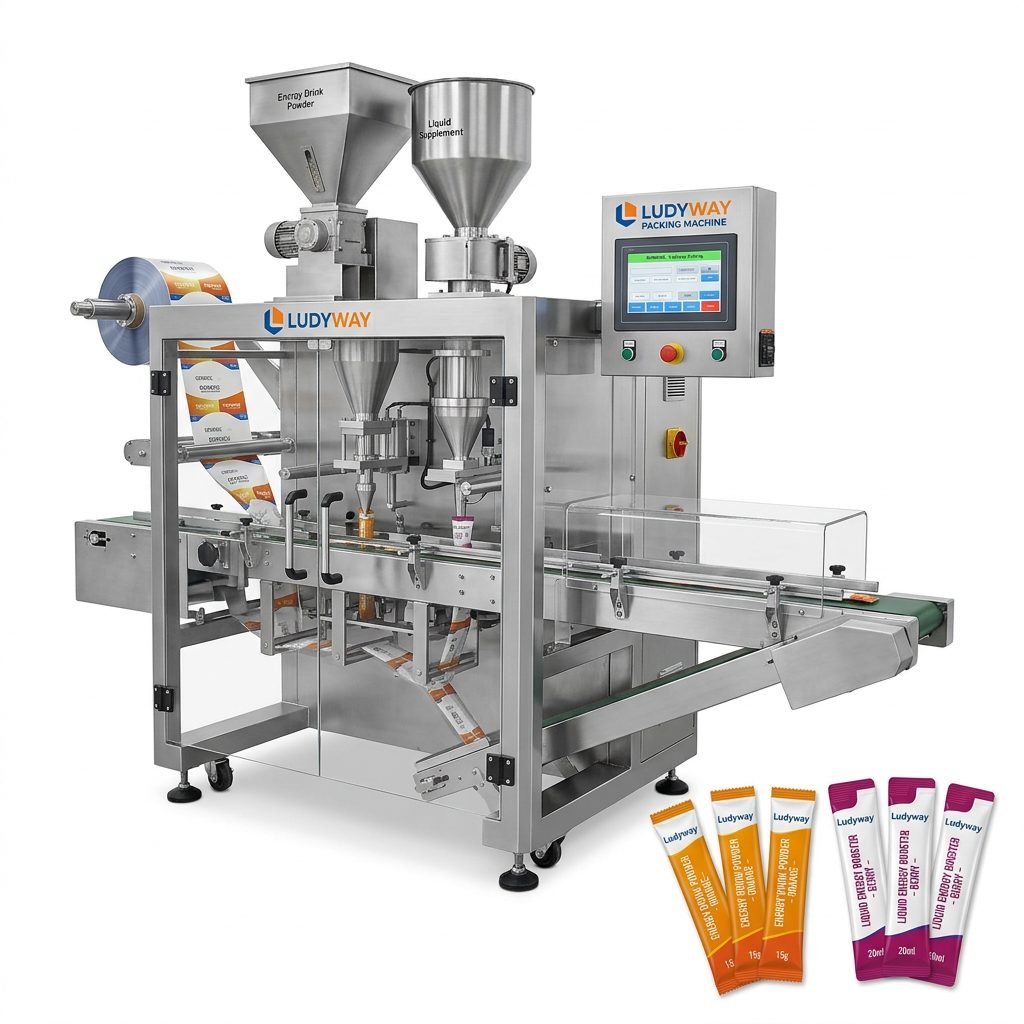
Stick pack and sachet machines are highly popular for single-serve beverage powders such as coffee, electrolyte powder, milk tea, collagen drinks, and energy drink mixes. These are often multi-lane systems for very high speed.
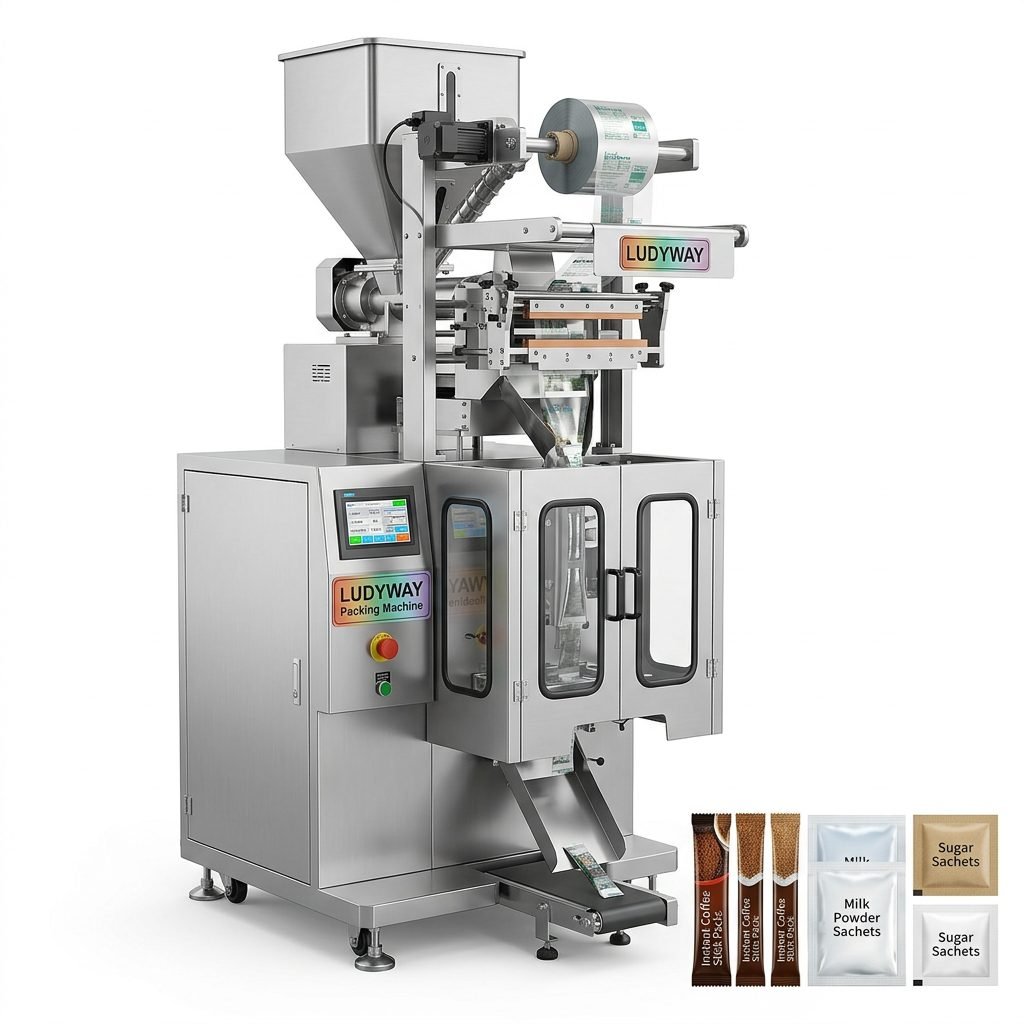
| Machine Type | Best For | Typical Pouch Format |
|---|---|---|
| VFFS machine | Powders, granules, some liquids | Sachets, pillow pouches, stick packs |
| Premade pouch machine | Liquid drinks, premium powder products | Stand-up pouch, zipper pouch, flat pouch |
| Spouted pouch machine | Purees, drink concentrates, gels | Spout pouch |
| Stick pack machine | Instant drink powder, coffee, electrolyte mix | Stick pack |
How a beverage pouch packaging machine works
Although machine designs vary, most beverage pouch packaging systems follow a similar process:
- Pouch feeding or film unwinding: the machine feeds premade pouches or pulls packaging film into the forming area.
- Pouch forming: if using roll film, the machine shapes the material into the desired pouch format.
- Filling: the beverage product is dosed into the pouch using a suitable filler such as a piston pump, liquid pump, auger filler, or multihead weigher.
- Air removal or nitrogen flushing: optional for shelf life protection and better package stability.
- Sealing: heat sealing closes the pouch securely to prevent leakage or contamination.
- Coding and inspection: date code, batch code, weight check, and seal inspection may be added.
- Discharge and downstream packing: finished pouches move to cartoning, case packing, or collection tables.
The core goal is to achieve consistent pouch quality with minimal product waste while maintaining high output and hygiene standards.
Key components of the system
A beverage pouch packaging line is usually made up of several coordinated parts rather than a single module. Common components include:
- Product hopper or storage tank
- Agitator or mixing tank for liquid or suspension products
- Filling system for liquid, powder, or granule dosing
- Pouch forming or pouch feeding unit
- Heat sealing unit
- PLC control system with touch screen
- Date coding or printing device
- Checkweigher or inspection device
- Conveyors, collection tables, and cartoning equipment
Benefits of using beverage pouch packaging machines
Higher production efficiency
Automated packaging is significantly faster than manual packing. This is especially important for beverage brands facing seasonal demand spikes or large retail orders.
Improved filling accuracy
Precise dosing reduces giveaway and helps maintain product consistency. This matters for premium beverage powders, protein mixes, and functional ingredients where every gram affects cost.
Better hygiene and safety
Sealed, automated systems reduce operator contact with the product. For beverages, hygiene is essential to meet food safety regulations and protect shelf life.
Flexible packaging options
Beverage brands can package products in multiple formats for retail, e-commerce, travel-size, trial packs, or institutional channels.
Reduced labor dependence
Automation lowers manual workload and supports more stable production planning, especially where labor shortages or rising wage costs affect operations.
Stronger shelf appeal
Attractive pouches improve branding, portability, and consumer convenience. Stand-up and spouted formats also create a premium perception.
Important: the right machine should match your beverage’s viscosity, particle size, pouch style, desired speed, and hygiene requirements. Choosing a machine only by price often leads to sealing issues, inaccurate dosing, or low long-term efficiency.
Applications across the beverage industry
Beverage pouch packaging machines are used across many product categories, including:
- Instant coffee and tea
- Milk tea powder and flavored drink mixes
- Protein powder and sports nutrition beverages
- Electrolyte and hydration sachets
- Fruit juice concentrates and syrups
- Yogurt drinks and dairy beverages
- Herbal drinks and wellness formulas
- Energy gels and functional liquid supplements
How to choose the right beverage pouch packaging machine
Before investing, manufacturers should evaluate several technical and commercial factors:
| Selection Factor | Why It Matters |
|---|---|
| Product type | Liquids, powders, and granules need different filling technologies |
| Pouch format | Flat pouch, stand-up pouch, spouted pouch, sachet, and stick pack require different machine structures |
| Output speed | Must match production targets and future growth plans |
| Filling accuracy | Critical for cost control and product consistency |
| Material compatibility | Packaging film and pouch material must seal properly |
| Cleaning and sanitation | Important for beverage safety and maintenance efficiency |
| Automation level | Integrated lines reduce labor and support stable output |
Common challenges and how the right machine solves them
Leakage and poor sealing
This often comes from unsuitable pouch material, contamination in the seal area, or incorrect sealing temperature. A well-configured machine with stable temperature control helps solve this problem.
Powder dust during filling
Fine beverage powders can create dust, affecting accuracy and cleanliness. Proper auger filling, dust collection, and machine enclosure improve packaging performance.
Inconsistent fill weights
Advanced dosing systems and servo control reduce underfill and overfill, supporting quality control and brand reliability.
Downtime during changeovers
Machines with user-friendly controls and quick adjustment features reduce downtime when switching between products or pouch sizes.
Who should invest in this equipment?
Beverage pouch packaging machines are a good fit for:
- Instant beverage manufacturers
- Sports nutrition and supplement brands
- Dairy and yogurt drink producers
- Tea and coffee companies
- OEM and contract packers
- Startup beverage brands scaling from manual to automated production
- Large factories building integrated turnkey packaging lines
Why turnkey integration matters
A single machine can improve one stage of production, but many growing beverage manufacturers benefit more from a complete packaging solution. This may include feeding, mixing, filling, pouch packaging, coding, inspection, cartoning, and final case packing.
Working with an experienced supplier can make integration smoother. For businesses comparing equipment partners, beverage pouch packaging machine solutions from Ludyway are often considered for projects requiring scalable automation, customized configurations, and turnkey line support across food, health supplement, and related industries.
Final buying tips for manufacturers
- Test the machine with your actual beverage product before purchase
- Confirm pouch size range and output capacity
- Check sealing quality across different film materials
- Ask about spare parts, technical support, and installation service
- Plan for future expansion, not only current demand
- Choose a system that balances speed, accuracy, hygiene, and maintenance convenience
As beverage markets continue to move toward convenience, portability, and premium flexible packaging, beverage pouch packaging machines are becoming a smart investment for brands that want higher efficiency, better package quality, and stronger market competitiveness.