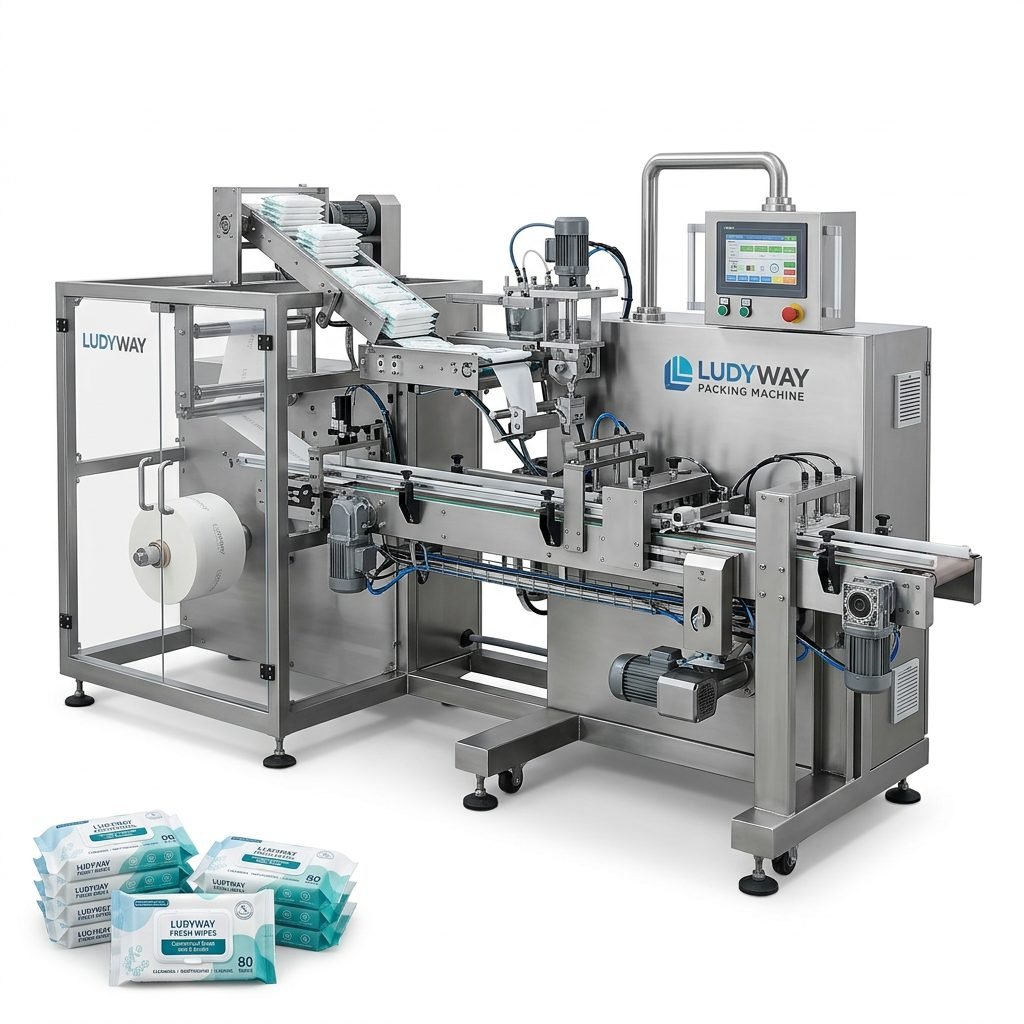
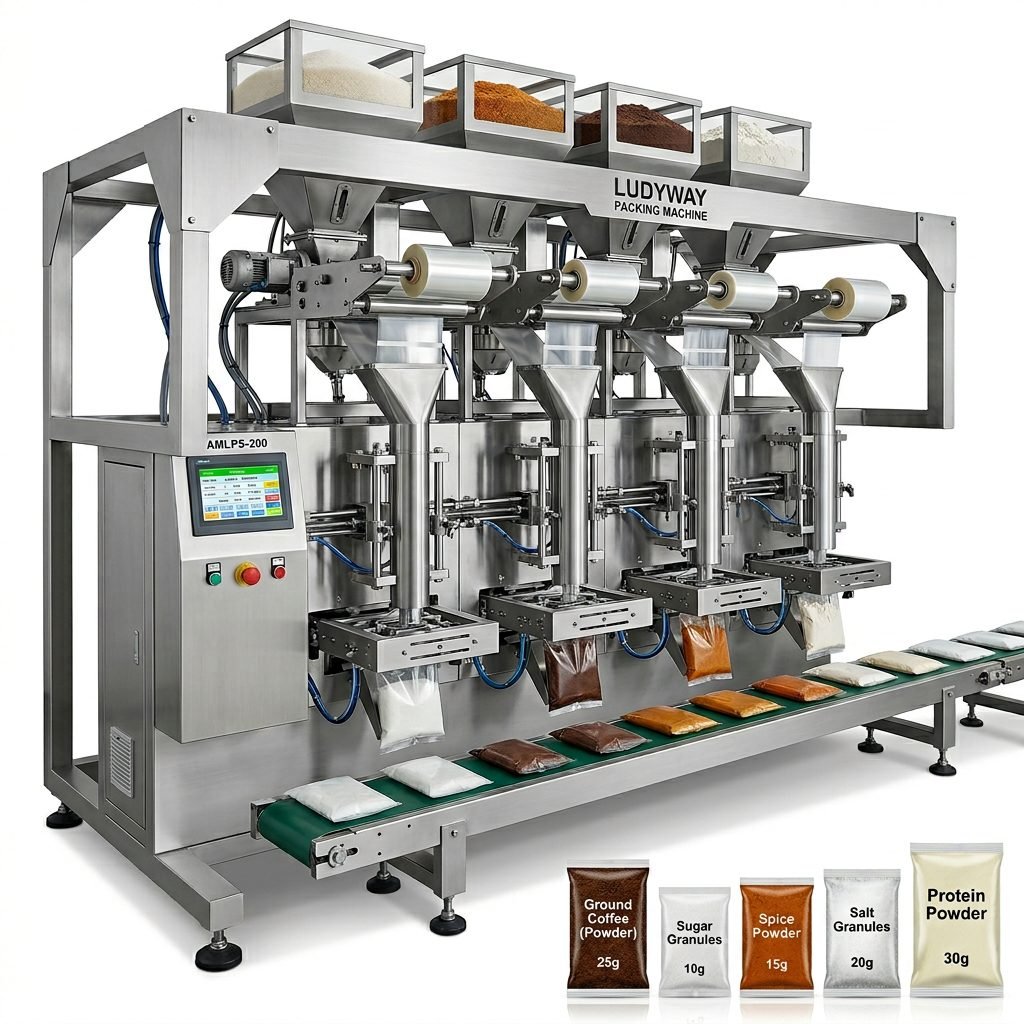
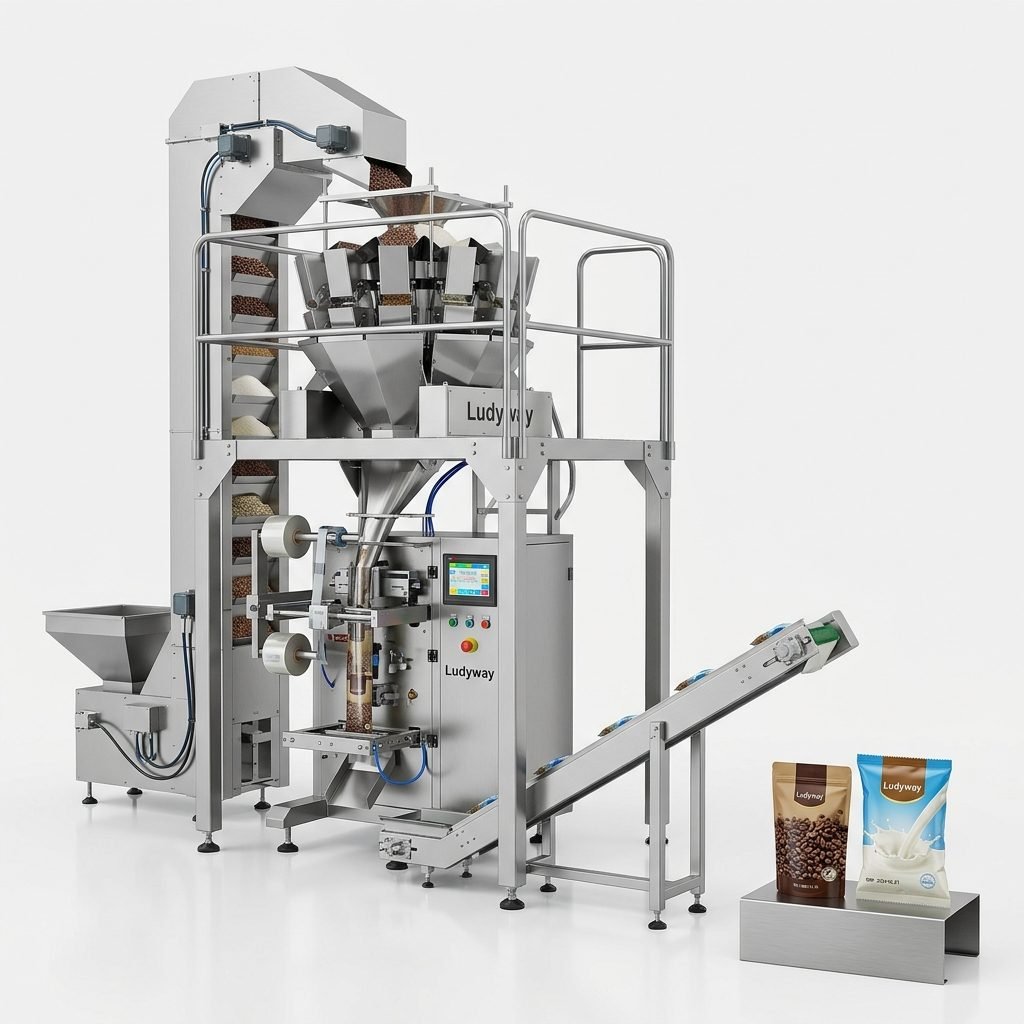
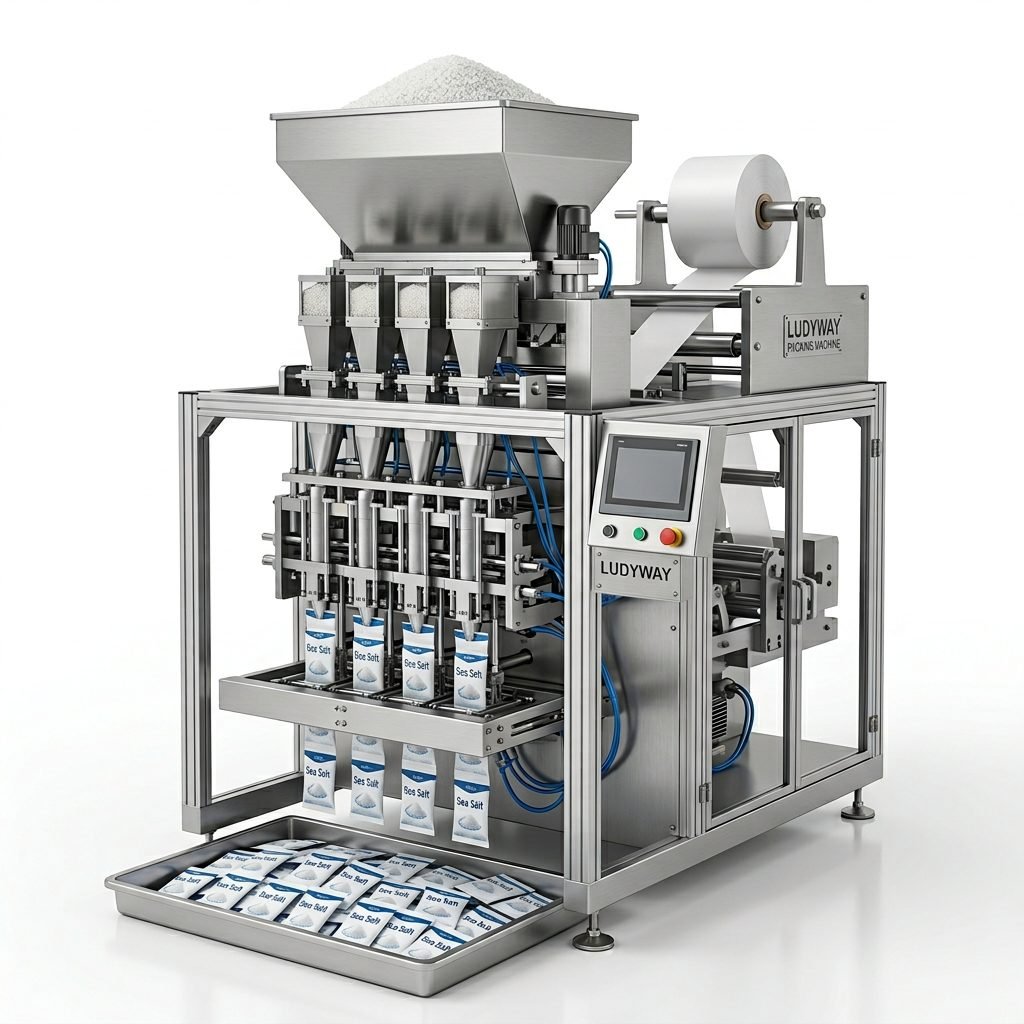
In the fast-paced world of food manufacturing, efficiency, hygiene, and product consistency are paramount. The packaging of dough products—a staple ingredient in bakeries, pizzerias, restaurants, and households worldwide—presents unique challenges. Traditional manual packaging is labor-intensive, inconsistent, and can compromise product freshness and safety. This is where Industrial Dough Packaging Machinery steps in, offering a transformative solution for businesses aiming to scale production, ensure quality, and meet stringent industry standards.
The Critical Role of Automated Dough Packaging
Dough, whether for bread, pastries, pizza bases, or frozen products, is sensitive to environmental factors like air exposure, temperature, and handling. Improper packaging can lead to drying, crust formation, contamination, or spoilage, directly impacting product shelf life and consumer satisfaction. Automated packaging machinery addresses these issues head-on by creating a controlled, efficient, and repeatable packaging process.
Key Benefits of Automation:
✔ Enhanced Hygiene & Safety: Closed systems minimize human contact, reducing contamination risks and ensuring compliance with food safety regulations like HACCP and FDA guidelines.
✔ Superior Product Preservation: Machines can integrate with modified atmosphere packaging (MAP) systems to flush packages with inert gases, dramatically extending freshness.
✔ Unmatched Consistency & Speed: Automated systems precisely weigh, portion, and seal dough at speeds far exceeding manual capabilities, boosting overall output.
✔ Significant Cost Reduction: While requiring upfront investment, automation lowers long-term labor costs, reduces material waste from overfilling or sealing errors, and minimizes product loss.
Exploring Industrial Dough Packaging Solutions
The term “dough packaging machinery” encompasses a range of equipment tailored to different product forms, scales, and packaging materials. Understanding the options is crucial for selecting the right packaging solution.
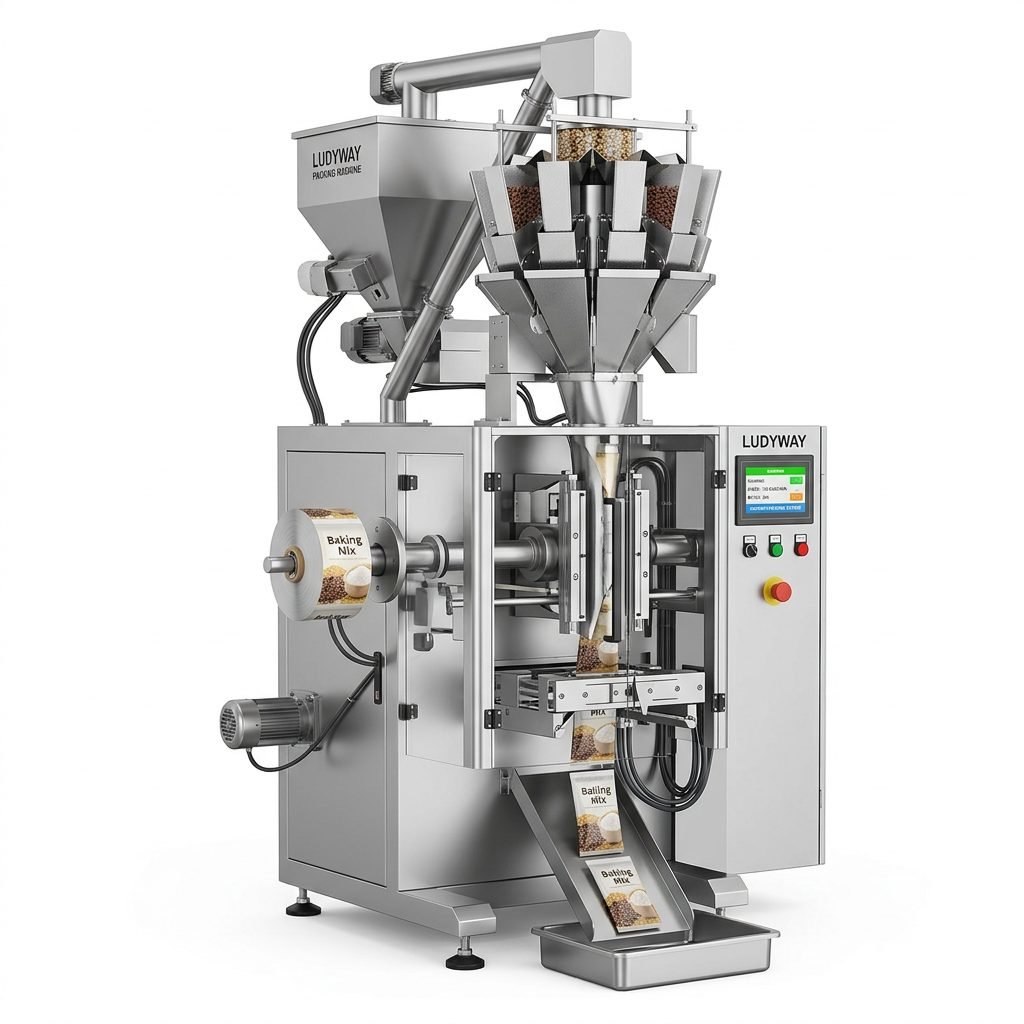
1. Vertical Form-Fill-Seal (VFFS) Machines
These are the workhorses of the industry for packaging free-flowing and semi-solid products. For dough, they are ideal for pre-portioned balls, cubes, or sheets. The machine forms a bag from a roll of film, fills it with a precise amount of product, and seals it—all in one continuous motion. Modern VFFS systems for dough often include specialized auger or piston fillers designed to handle sticky, viscous materials without smearing or clogging.
2. Horizontal Flow Wrappers
Perfect for wrapping individual dough pieces like pizza bases, flatbreads, or pastry sheets. The product is placed on a sheet of film, which is then folded around it and sealed on the back and ends. This method provides an excellent, tight wrap that protects the product’s shape and is often used for products that will be displayed on retail shelves.
3. Tray Sealing & Thermoforming Machines
For premium or delicate dough products (e.g., high-hydration artisan dough, laminated pastry dough), tray sealing is optimal. Pre-formed plastic or compostable trays are automatically filled and sealed with a top film under a controlled atmosphere. Thermoforming machines take this a step further by forming the tray from a bottom film roll just before filling, offering great flexibility in package design.
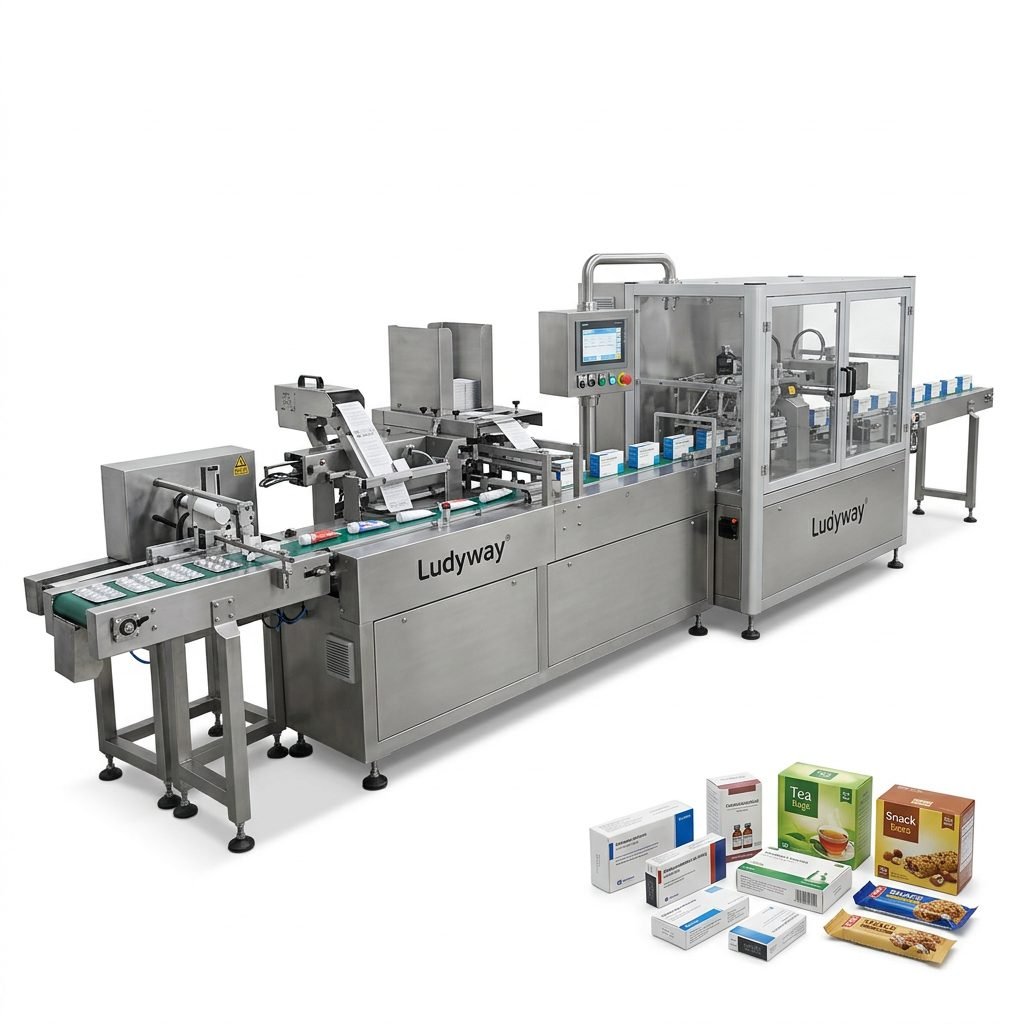
4. Complete Turnkey Production Lines
For large-scale operations, standalone machines are integrated into fully automated lines. This can include dough dividers, rounders, proofers, and conveyors that feed directly into the packaging machinery. Such integrated lines create a seamless “mix-to-box” workflow, maximizing efficiency and minimizing manual handling from start to finish.
Choosing the Right Machinery: A Quick Guide
Selecting equipment requires careful analysis of your specific needs:
→ Product Type: Is it wet, dry, sticky, or pre-formed? This determines the filling system.
→ Production Volume: High-speed VFFS for mass production vs. versatile horizontal wrappers for smaller batches.
→ Packaging Material: Consider barrier properties for freshness (e.g., multi-layer films for MAP), sustainability goals, and cost.
→ Future-Proofing: Opt for modular machines from a reliable supplier like Ludyway Machinery that can be upgraded or reconfigured as your product range grows.
The Future: Smart Technology in Dough Packaging
The next frontier is Industry 4.0 integration. Smart packaging machines are equipped with IoT sensors and connectivity, allowing for real-time monitoring of production metrics, predictive maintenance alerts, and remote troubleshooting. Data analytics can optimize machine performance, reduce downtime, and provide traceability for every batch packaged—a critical feature for quality control and recall management.
Conclusion
Investing in industrial dough packaging machinery is no longer a luxury but a strategic necessity for food processors seeking competitiveness, scalability, and uncompromised quality. From versatile VFFS machines to fully automated turnkey lines, the right technology streamlines operations, safeguards product integrity, and delivers a strong return on investment. As a packaging machinery specialist with deep industry expertise, Ludyway Machinery is positioned to guide manufacturers through this technological transition, providing robust, efficient, and tailored solutions for the evolving global market.
Frequently Asked Questions (FAQs)
1. What types of dough can be packaged with this machinery?
Industrial packaging machinery is highly adaptable. It can handle a wide variety, including bread dough, pizza dough, pastry dough, cookie dough, and even high-moisture or laminated doughs. The key is selecting the appropriate filling system (e.g., piston filler for sticky dough) and packaging material to maintain product quality.
2. Can the machinery support Modified Atmosphere Packaging (MAP)?
Yes, many advanced dough packaging machines, particularly VFFS and tray sealers, can be integrated with MAP systems. This technology replaces the air inside the package with a gas mixture (like nitrogen or carbon dioxide), significantly slowing down microbial growth and oxidation to extend shelf life by weeks or even months.
3. How difficult is it to changeover packaging for different product sizes or shapes?
Modern machines are designed for flexibility. Quick-change parts and recipe-based programmable logic controllers (PLCs) allow for relatively fast changeovers. The time required depends on the machine complexity, but suppliers like Ludyway focus on designing user-friendly interfaces to minimize downtime during product switches.
4. What is the typical maintenance requirement for such equipment?
Regular preventive maintenance is essential for longevity and consistent performance. This includes daily cleaning per food safety protocols, weekly lubrication of moving parts, and periodic inspection of seals, cutters, and sensors. Reputable suppliers provide comprehensive maintenance manuals and training, and many offer remote support and service contracts.
5. How do I justify the ROI (Return on Investment) for this automation?
ROI is calculated by weighing the capital cost against savings and gains: reduced labor costs, lower material waste from precise filling, decreased product spoilage, increased production capacity and sales, and consistent quality that reduces customer complaints. Most businesses see a full return on investment within 1-3 years, followed by sustained operational savings.