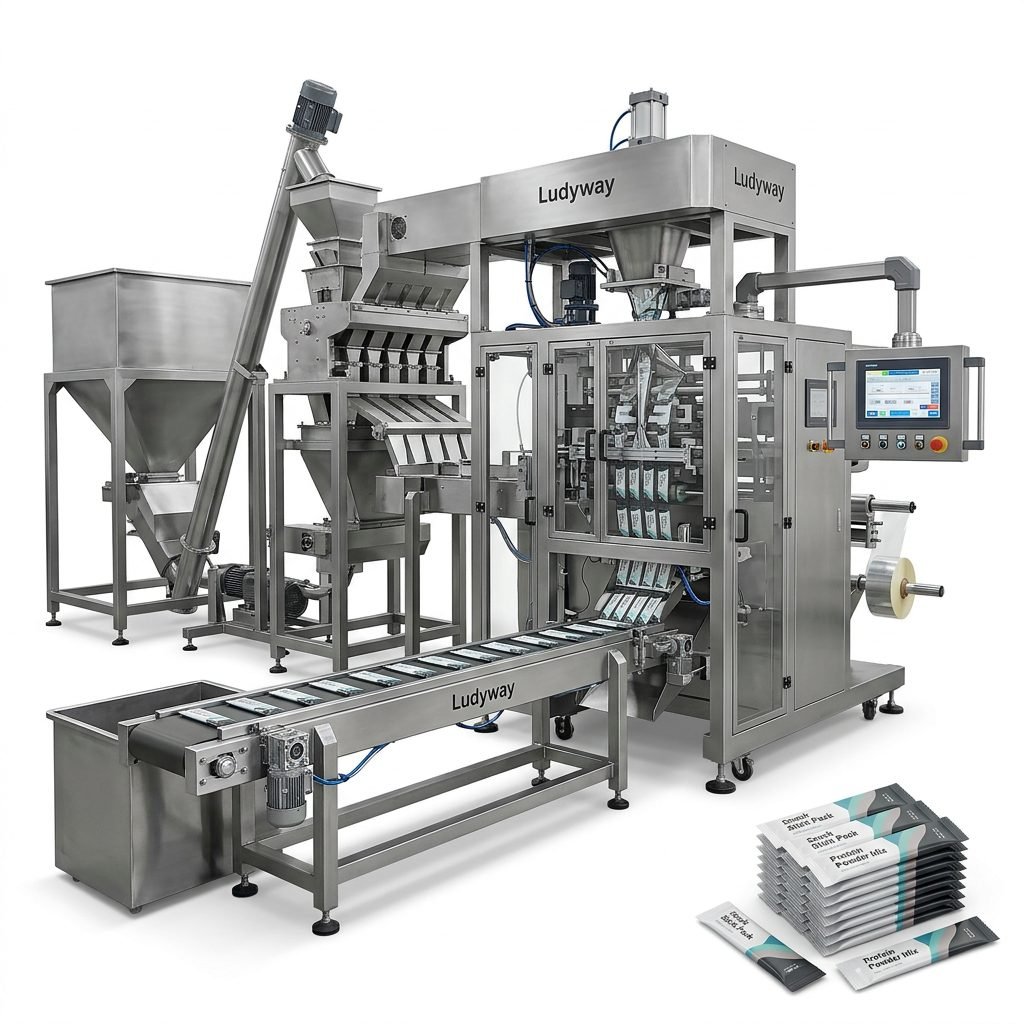
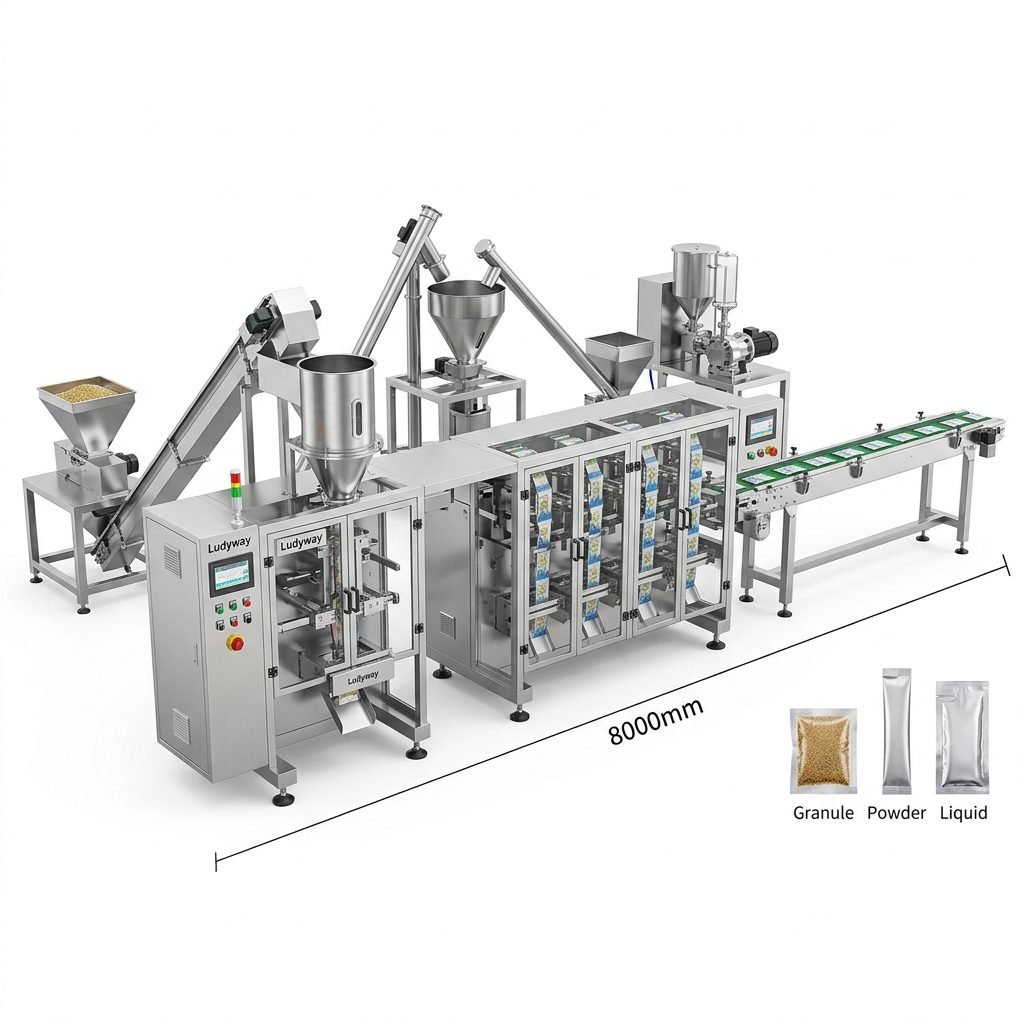
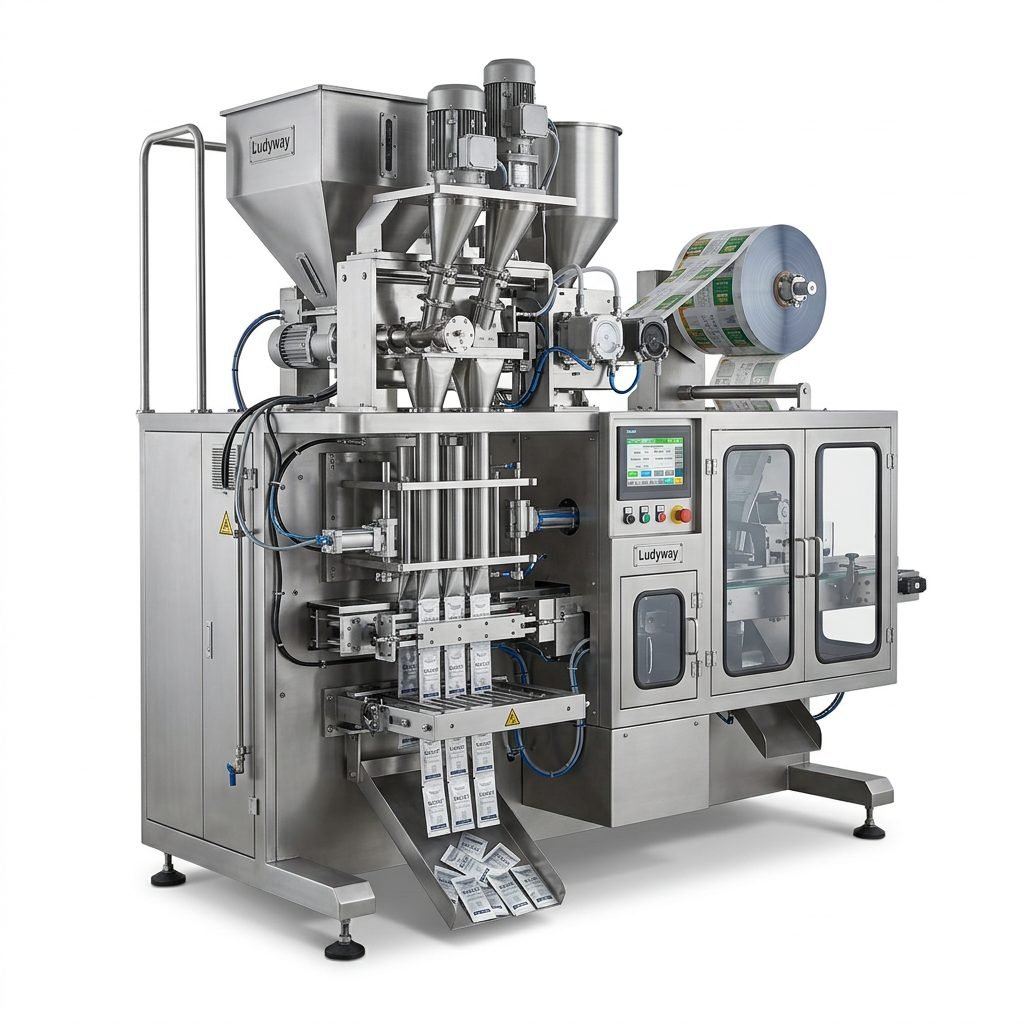
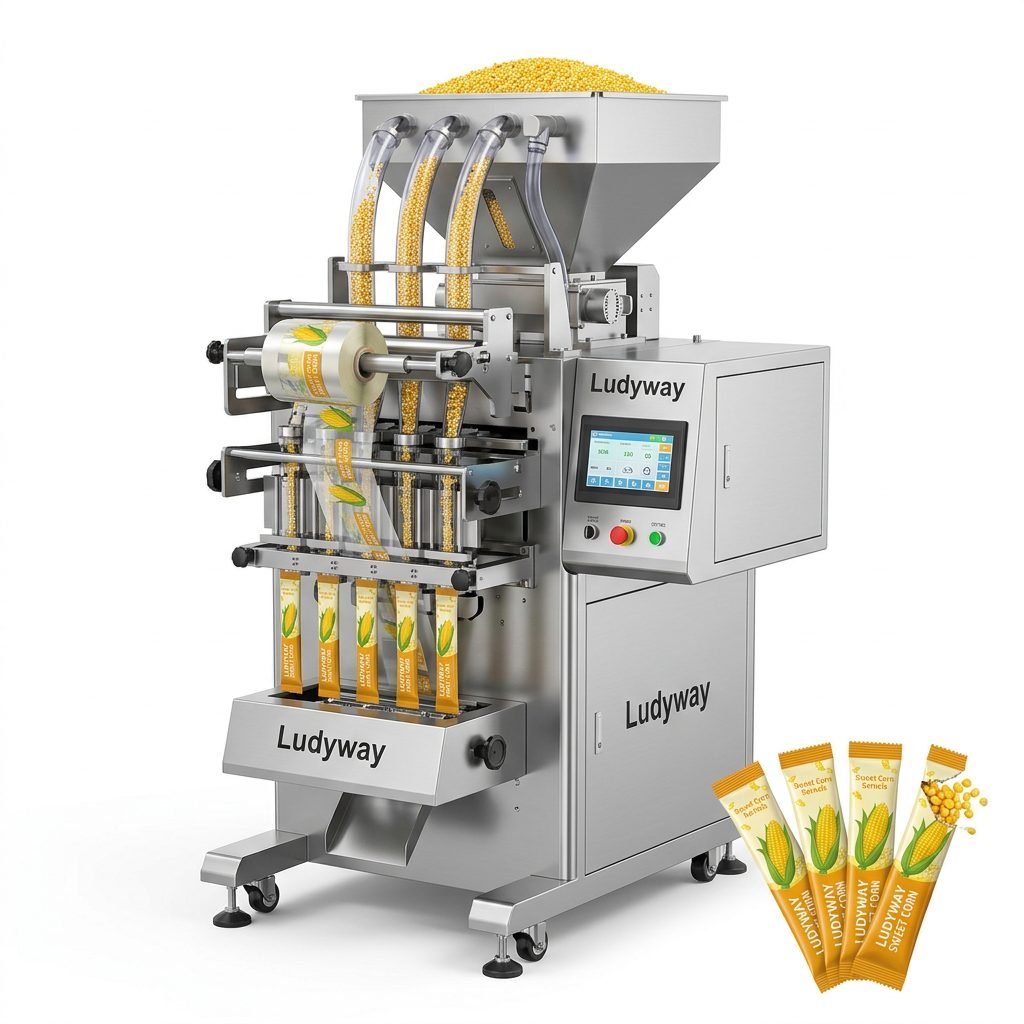
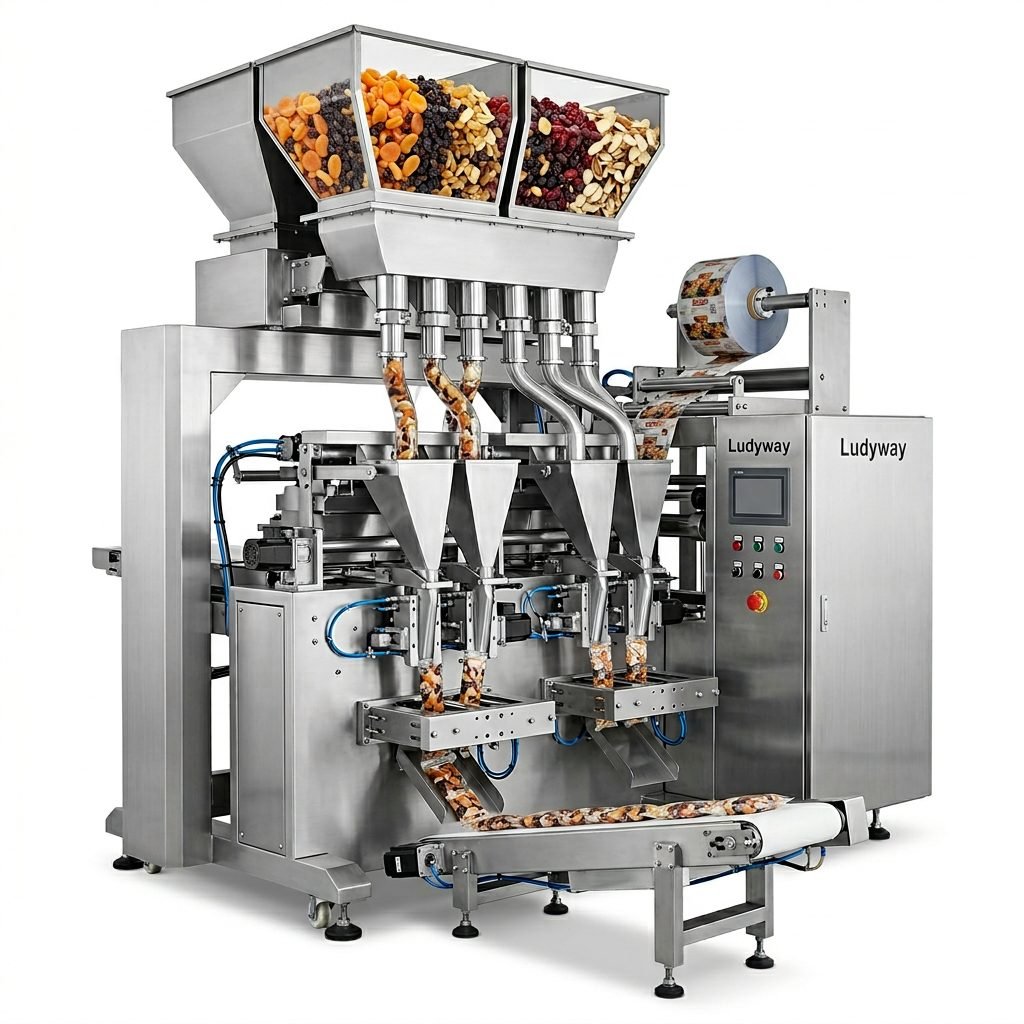
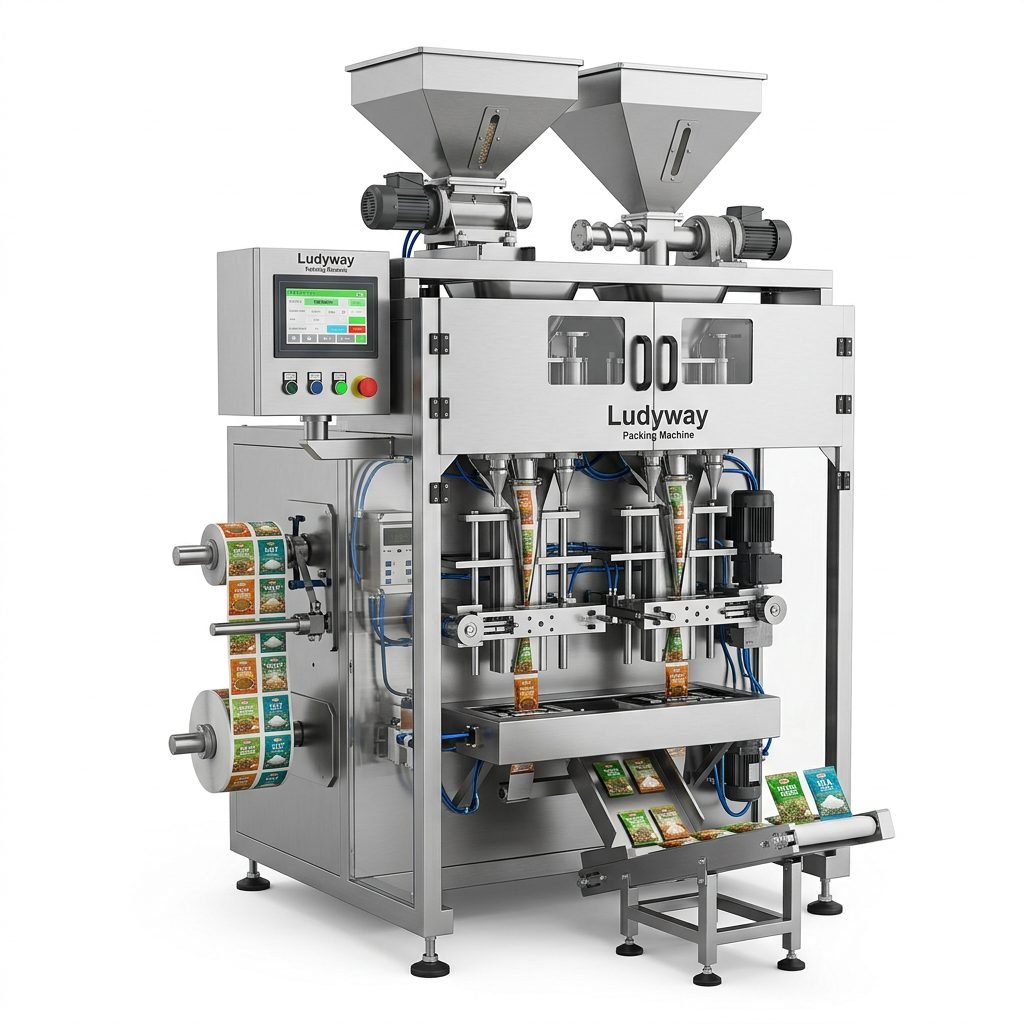
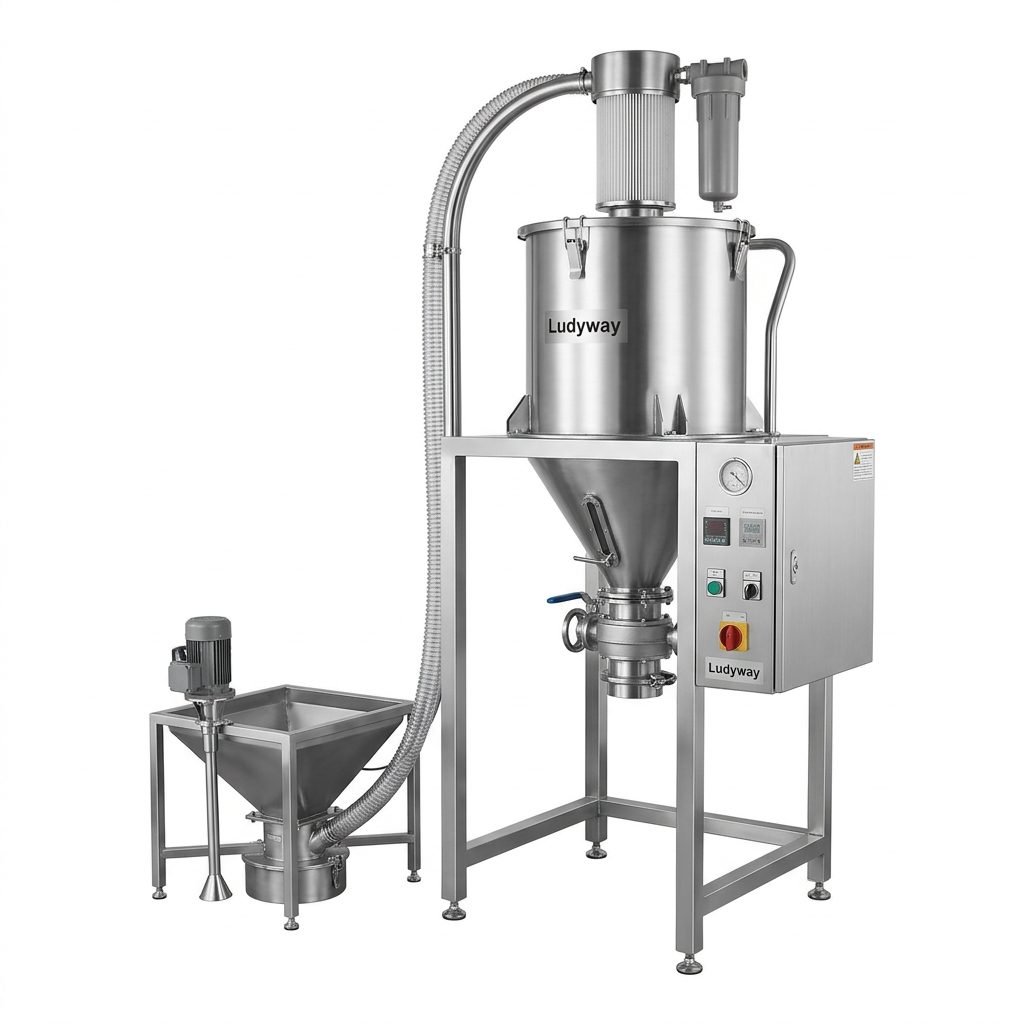
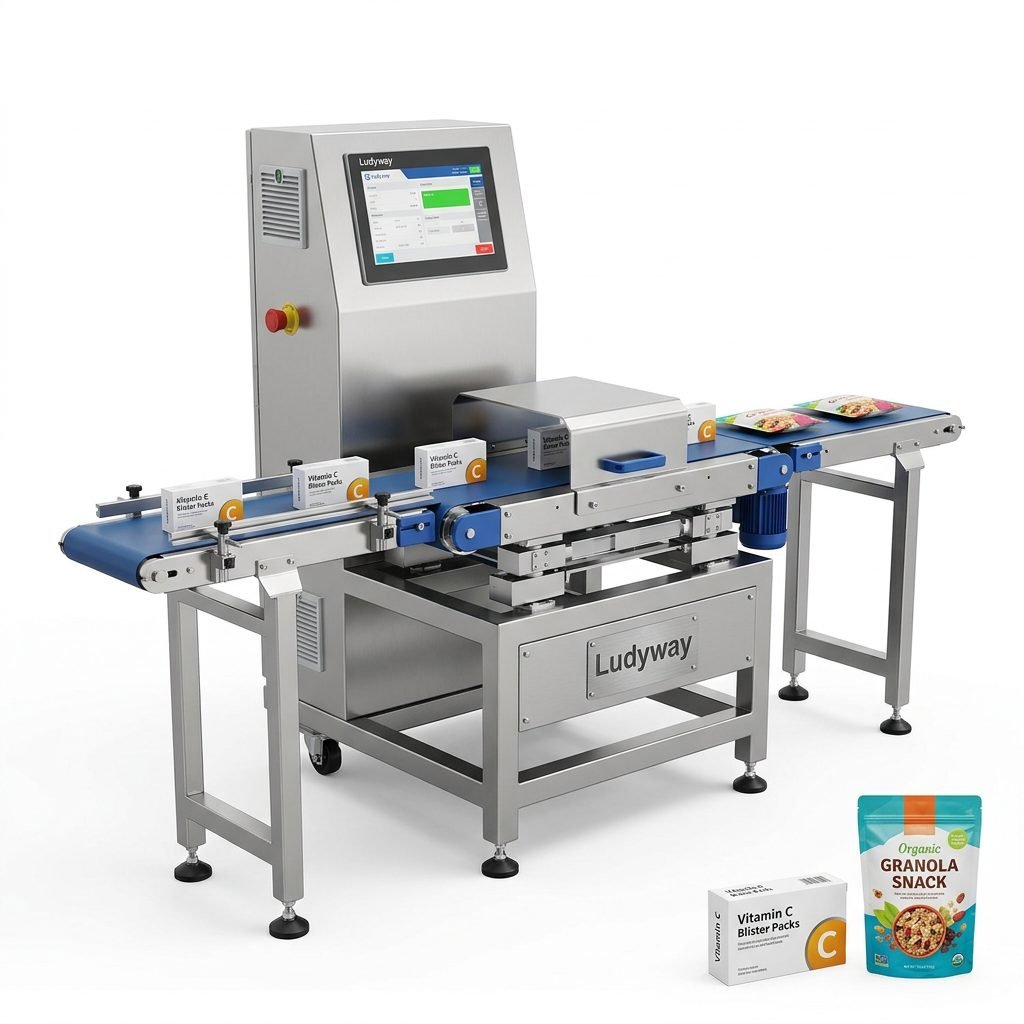
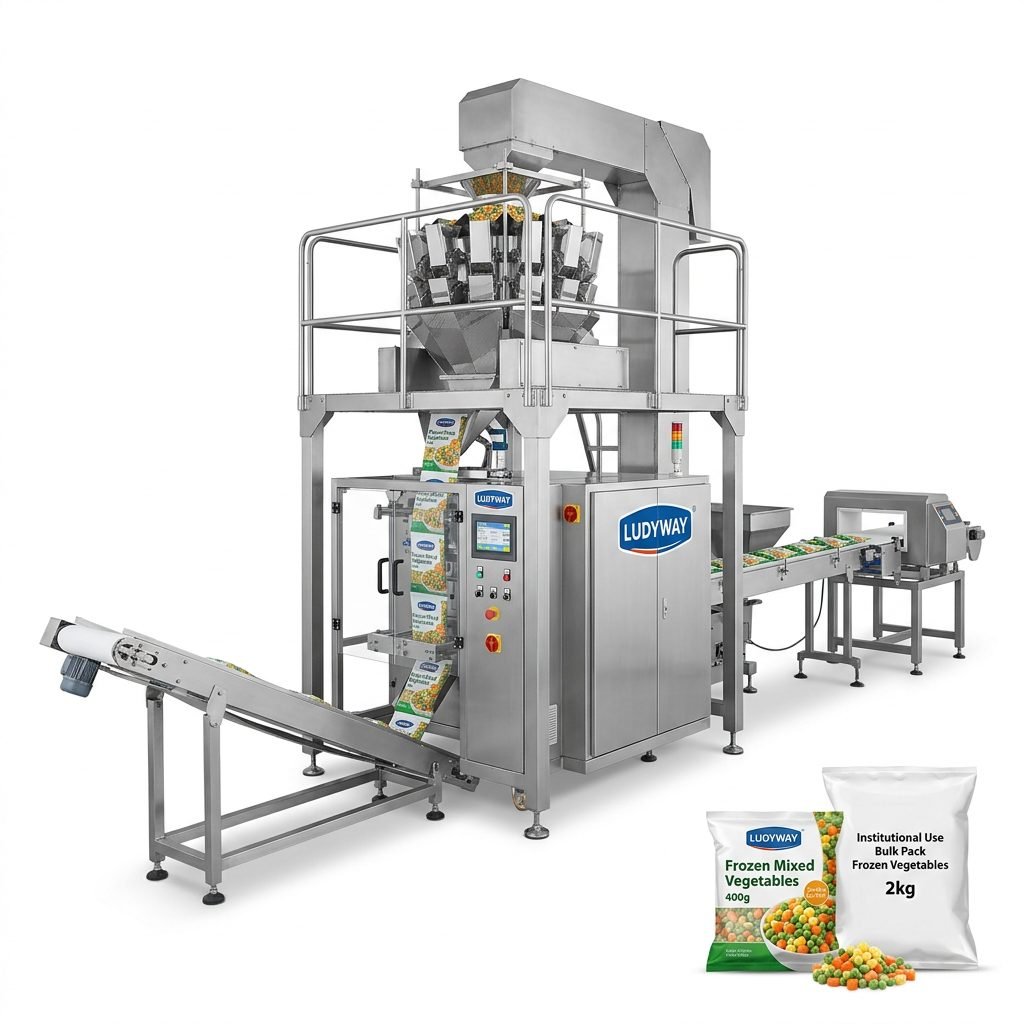
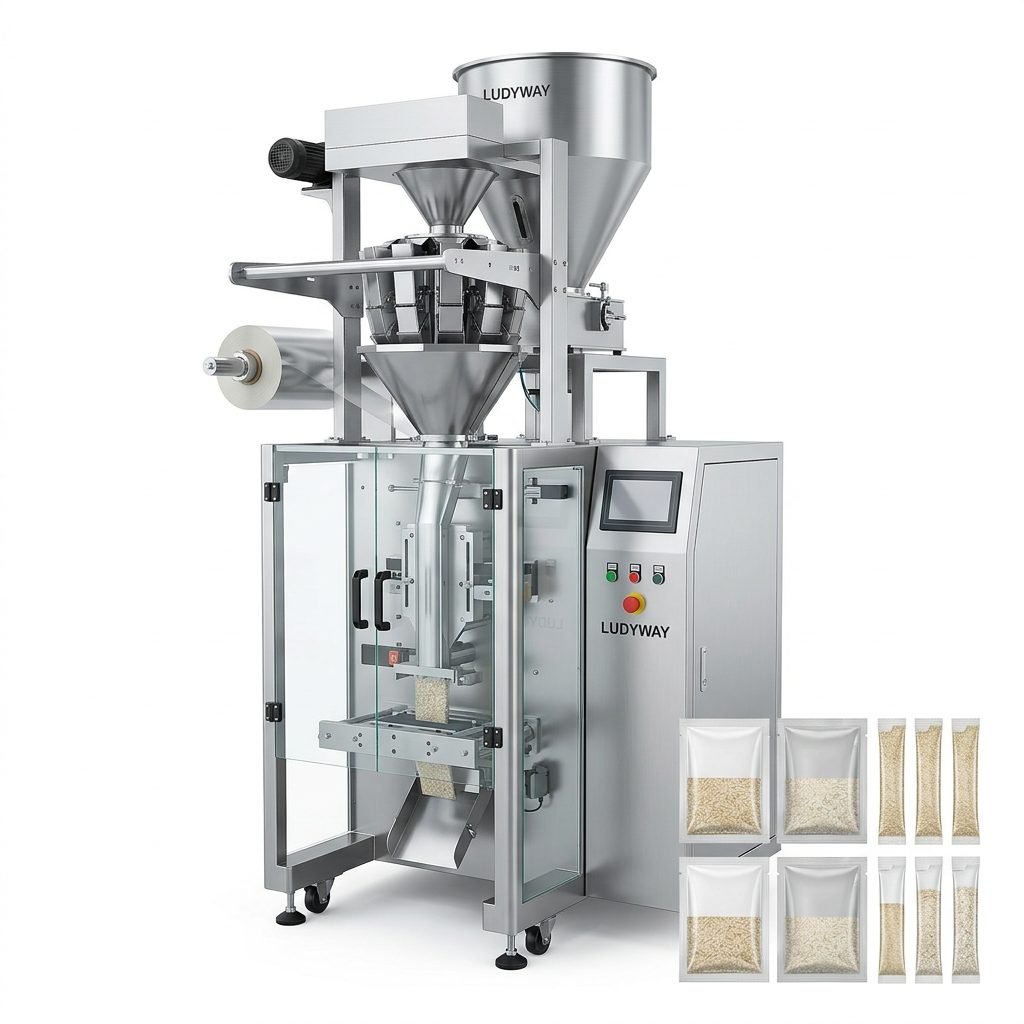
Packaging machines are essential pieces of equipment used to fill, seal, label, wrap, count, weigh, and protect products before they move to storage, shipping, or retail. From food sachets and pharmaceutical stick packs to bottles, pouches, cartons, and bulk bags, these machines help manufacturers improve efficiency, consistency, hygiene, and production speed.
In simple terms, a packaging machine automates one or more steps of the packaging process. Instead of relying heavily on manual labor, businesses use packaging equipment to ensure products are packed accurately, safely, and in a format that matches market requirements.
What Is a Packaging Machine?
A packaging machine is a mechanical or automated system designed to prepare products for sale or distribution. Depending on the application, it may perform a single task or operate as part of a complete packaging line.
Typical packaging functions include:
- Product feeding and conveying
- Weighing or dosing
- Filling powders, granules, liquids, or pastes
- Forming pouches, sachets, or stick packs
- Sealing containers or flexible packaging
- Labeling, coding, and printing batch information
- Cartoning, case packing, and palletizing
Packaging machines are used in many industries, including food, pharmaceuticals, cosmetics, chemicals, health supplements, and animal feed.
How Does a Packaging Machine Work?
The exact working principle depends on the machine type, but most packaging systems follow a similar process flow:
- Product Infeed: Raw product enters the machine through a hopper, pump, conveyor, auger feeder, or counting system.
- Measuring or Dosing: The machine measures a precise quantity using volumetric cups, multihead weighers, augers, piston fillers, or flow meters.
- Package Preparation: The machine either forms packaging from roll film or positions a premade pouch, bottle, jar, tube, or carton.
- Filling: The measured product is dispensed into the package.
- Sealing: Heat sealing, ultrasonic sealing, capping, crimping, or other closure methods secure the package.
- Coding and Inspection: Date codes, batch numbers, and quality checks are added or verified.
- Discharge and Secondary Packaging: Finished packs move to cartoning, boxing, shrink wrapping, or palletizing.
Modern automatic machines often use PLC control systems, touchscreens, sensors, servo motors, and vision inspection to maintain accuracy and stable output.
Main Types of Packaging Machines
1. Filling Machines
These machines fill products into containers or flexible packs. They are commonly used for liquids, powders, granules, creams, and pastes.
- Auger fillers for powders
- Piston fillers for viscous liquids and pastes
- Liquid pump fillers for free-flowing liquids
- Weighing fillers for granules and snacks
2. Form Fill Seal Machines
Form fill seal equipment creates a package from film, fills it, and seals it in one continuous process. This category includes:
- Vertical form fill seal machines
- Multi-lane sachet packaging machines
- Stick pack machines
- Horizontal pouch packaging systems
3. Sealing Machines
These focus on closing packages securely. Applications include heat-sealed sachets, capped bottles, sealed trays, and laminated pouches.
4. Labeling and Coding Machines
They apply labels, print barcodes, and add batch or expiry information for traceability and compliance.
5. Secondary Packaging Machines
Once products are packed, they may move to:
- Cartoning machines
- Case packers
- Shrink wrappers
- Strapping machines
- Palletizers
How Packaging Machines Differ by Product Type
| Product Type | Common Machine Type | Typical Packaging Format |
|---|---|---|
| Powders | Auger filler, sachet machine, stick pack machine | Sachets, stick packs, pouches, jars |
| Granules | Weigher-based filler, VFFS machine | Bags, pouches, stick packs, sachets |
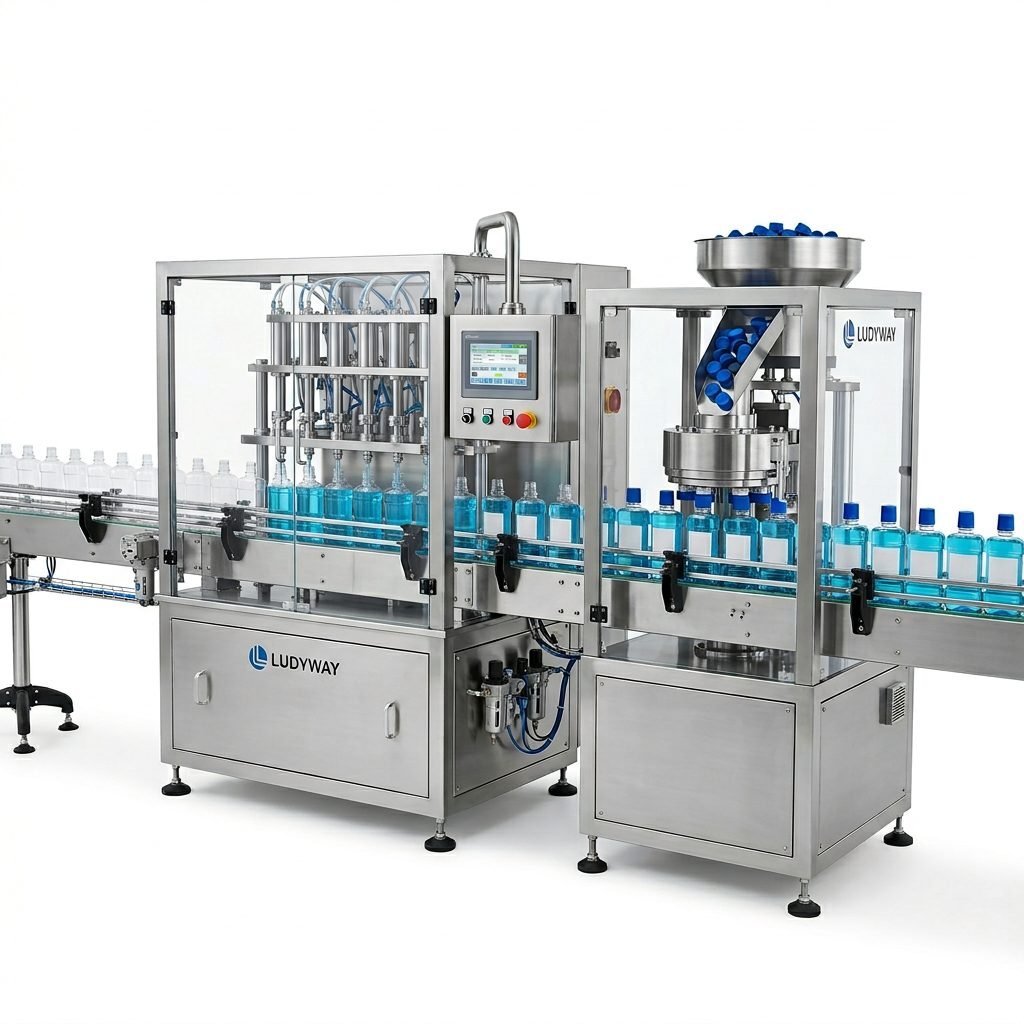
| Liquids | Pump filler, piston filler, bottle filling line | Bottles, sachets, spouted pouches |
| Pastes/Creams | Piston filling and sealing machine | Tubes, pouches, sachets |
| Tablets/Capsules | Blister machine, bottle counting line | Blisters, bottles, cartons |
Key Components Inside a Packaging Machine
While designs vary, most systems include several core parts:
- Feeding system: Delivers product consistently into the machine
- Dosing unit: Controls fill weight or volume
- Packaging material system: Handles film, pouches, bottles, or cartons
- Sealing unit: Creates secure package closure
- Control panel: Lets operators adjust speed, temperature, and fill settings
- Sensors and safety devices: Improve accuracy and protect operators
- Discharge conveyor: Moves finished packages to the next stage
Manual, Semi-Automatic, and Automatic Packaging Machines
| Machine Type | Best For | Advantages |
|---|---|---|
| Manual | Very small operations | Low initial cost |
| Semi-automatic | Growing businesses | Better efficiency with moderate investment |
| Fully automatic | Medium to large-scale production | High speed, consistency, labor savings, integration potential |
For companies aiming to scale, fully automatic solutions usually deliver the best long-term return by reducing manual intervention and improving line efficiency.
Benefits of Using Packaging Machines
- Higher production speed
- Better packaging consistency and appearance
- Reduced product giveaway and material waste
- Improved hygiene and contamination control
- Lower labor dependency
- Easier compliance with industry standards
- More accurate coding, traceability, and quality control
These advantages are especially important in highly regulated industries such as pharmaceuticals and in fast-moving sectors like food, daily chemicals, and health products.
Industries That Commonly Use Packaging Machines
Food Industry
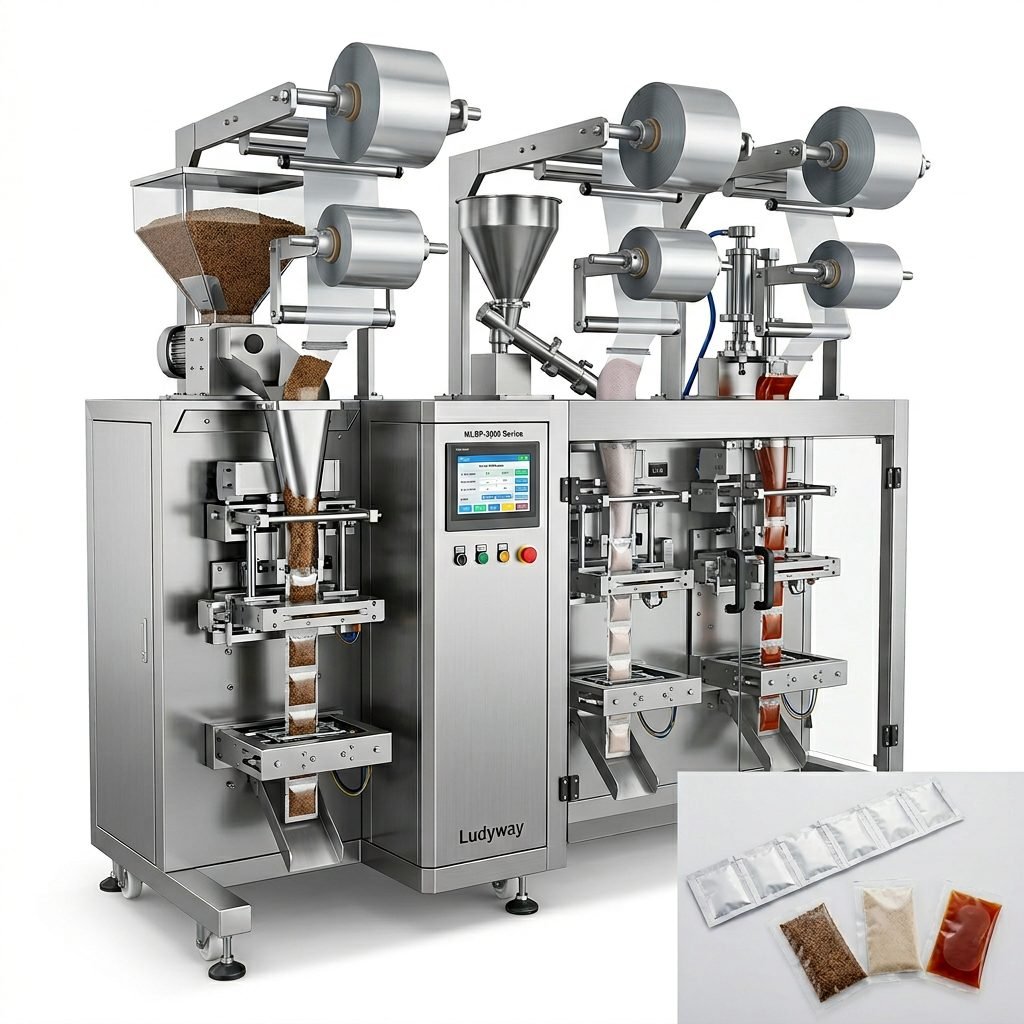
Used for snacks, spices, coffee, sugar, sauces, milk powder, instant drinks, grains, and frozen products. You can explore dedicated packaging machine solutions for food applications from Ludyway.
Pharmaceutical Industry
Used for powders, granules, tablets, capsules, oral liquids, medical consumables, and sterile products. Accuracy, cleanliness, and validation are critical here.
Cosmetics and Personal Care
Common for lotion, serum, shampoo, facial cleanser, cream, and sample-size sachets or bottles.
Chemical Industry
Suitable for detergents, industrial powders, agricultural chemicals, solvents, additives, and water treatment products.
Animal Nutrition and Feed
Widely used for pet food, feed premix, granules, powders, and nutritional supplements.
What to Consider When Choosing a Packaging Machine
Selecting the right equipment depends on more than just speed. Buyers should evaluate:
- Product characteristics: powder, granule, liquid, paste, sticky, fragile, or free-flowing
- Packaging format: sachet, stick pack, pouch, bottle, jar, or bag
- Output requirements: packs per minute or hourly capacity
- Accuracy needs: especially for pharma and high-value ingredients
- Automation level: standalone machine or complete turnkey line
- Available factory space: line layout matters
- Material compatibility: packaging film, bottle types, cap styles, laminate structure
- Maintenance and service: spare parts, training, technical support
Common Working Modes in Modern Packaging Systems
Intermittent Motion
The machine stops briefly at each stage for forming, filling, and sealing. This is often suitable for products requiring precise control.
Continuous Motion
The machine operates without stopping between cycles, making it ideal for high-speed packaging production.
Multi-Lane Operation
Several lanes run simultaneously, greatly increasing output for sachets and stick packs used in food, health supplements, and pharmaceuticals.
How Turnkey Packaging Lines Work
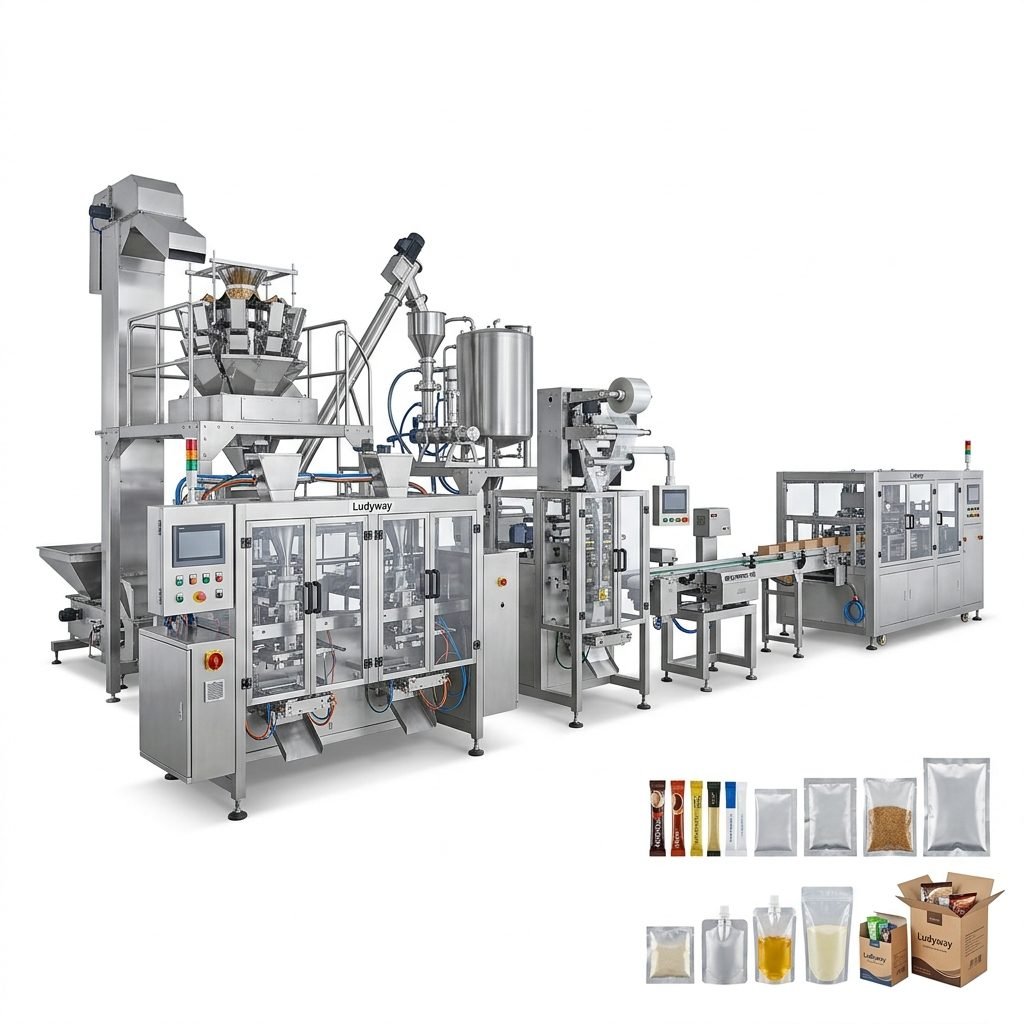
A packaging machine can operate alone, but many factories prefer a complete packaging line. In a turnkey setup, multiple machines are connected into one coordinated system.
A typical turnkey line may include:
- Raw material feeding system
- Dosing or weighing system
- Main packaging machine
- Checkweigher or inspection unit
- Cartoning machine
- Case packer
- Palletizer
This approach reduces handling time, improves traceability, and supports higher-volume production with fewer bottlenecks.
Maintenance Tips for Packaging Machines
- Clean product-contact parts regularly
- Inspect seals, blades, belts, and sensors
- Lubricate moving components as recommended
- Calibrate filling and weighing systems routinely
- Replace worn parts before they affect output quality
- Train operators on correct setup and troubleshooting
Preventive maintenance is one of the best ways to extend machine life and avoid unplanned downtime.
Frequently Asked Questions
What is the main purpose of a packaging machine?
Its main purpose is to automate packaging tasks so products can be packed faster, more accurately, and more consistently.
Can one packaging machine handle different products?
Many machines can handle multiple products, but this depends on the dosing system, package format, and machine configuration. Some require change parts or custom adjustments.
Are packaging machines only for large factories?
No. Packaging machines are available in manual, semi-automatic, and fully automatic versions, so they can suit startups, SMEs, and large industrial manufacturers.
What products can be packed with a packaging machine?
Almost any product category, including powders, granules, liquids, creams, tablets, capsules, snacks, sauces, detergents, and feed products.
Final Thoughts
A packaging machine is much more than a filling or sealing device. It is a productivity tool that helps manufacturers standardize operations, reduce waste, improve packaging quality, and support business growth. Whether you need a standalone machine or a complete automated packaging line, understanding how packaging machines work is the first step toward making a smart investment.
If your business handles powders, granules, liquids, pouches, bottles, or sachets, the right packaging solution can directly impact efficiency, profitability, and market competitiveness.