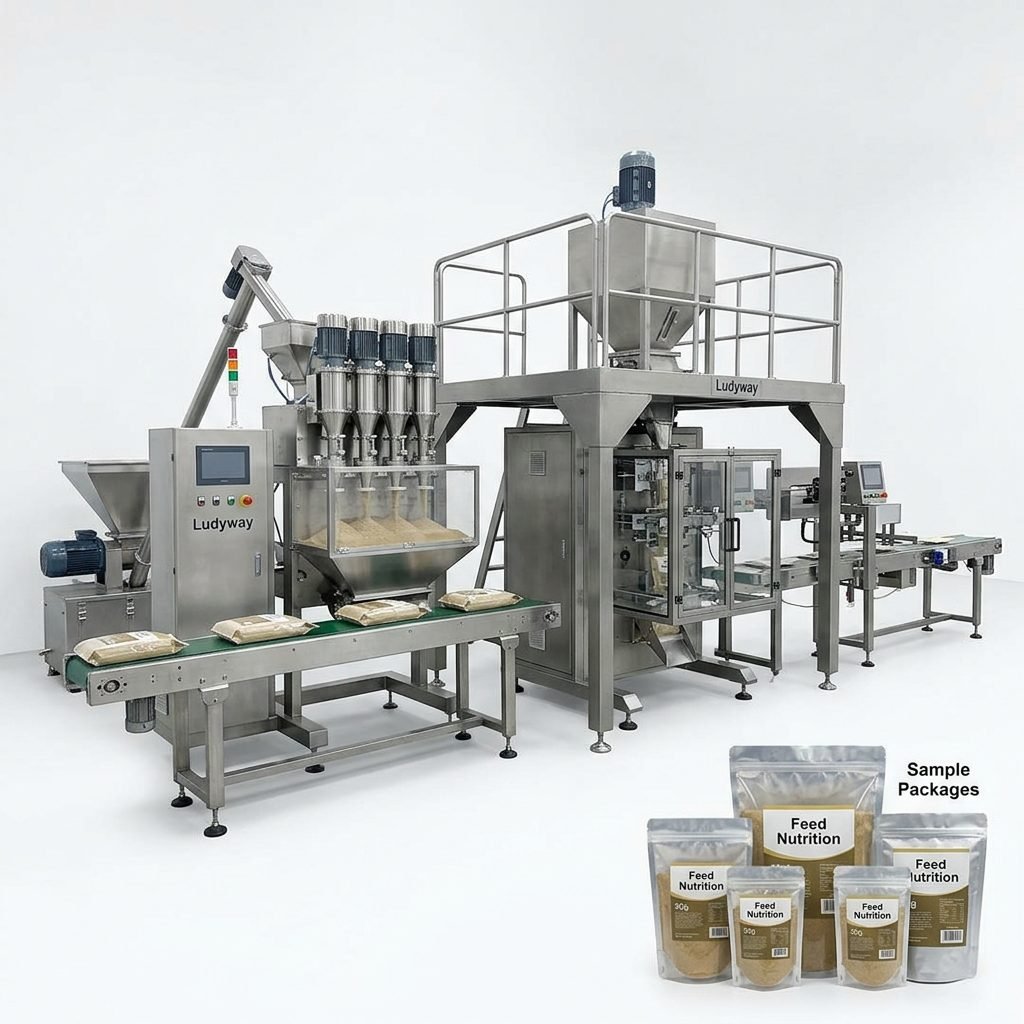
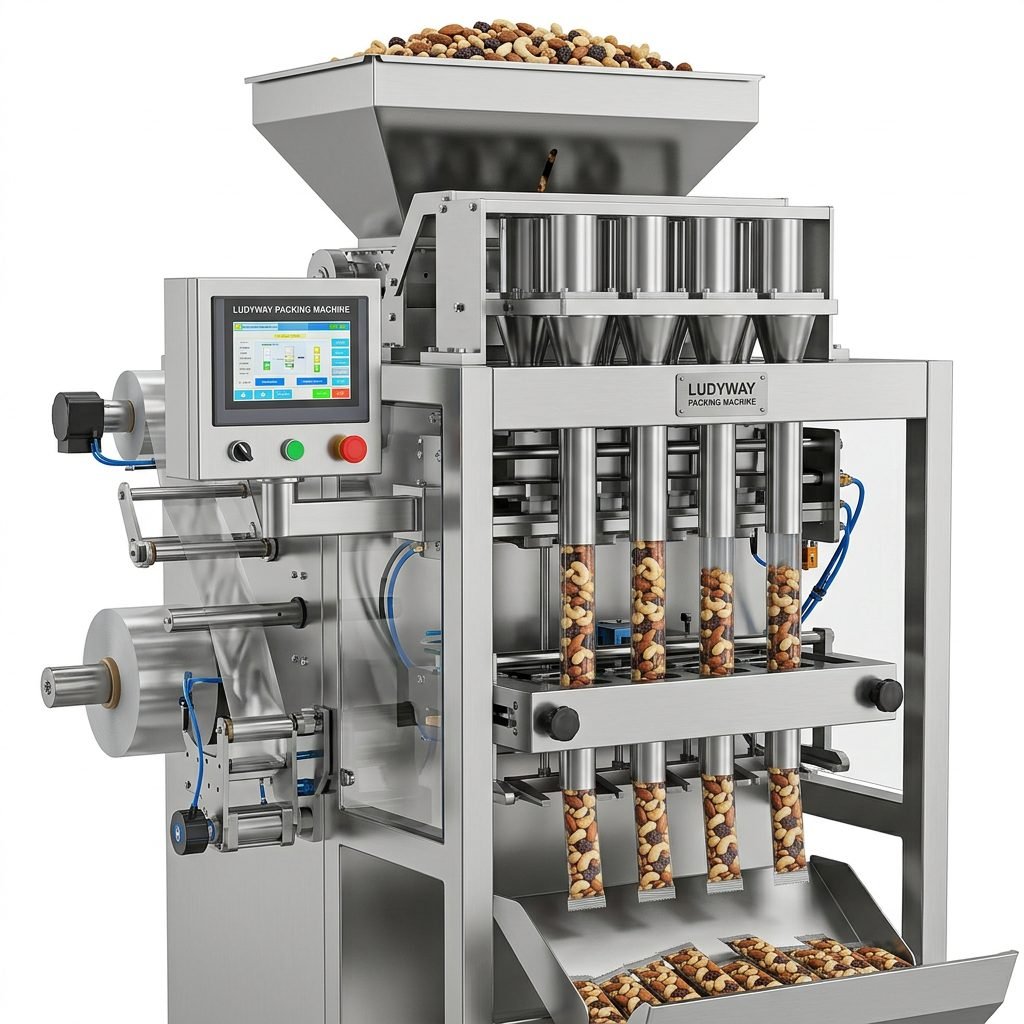
Potato chips are lightweight, fragile, and highly sensitive to oxygen, moisture, and compression. That means the best packaging machine is not simply the fastest one—it is the system that protects product freshness, reduces breakage, delivers consistent bag appearance, and matches your production scale.
If you are comparing potato chips packaging solutions for a new factory or an upgrade project, the right choice usually depends on five factors: product type, bag format, speed target, automation level, and quality control requirements.
Why Potato Chips Need Specialized Packaging Equipment
Potato chips may look easy to pack, but they are one of the most demanding snack products in flexible packaging. A suitable machine must do more than fill and seal bags. It should also help maintain crispness, minimize chip damage, and support attractive shelf presentation.
- Fragility: chips crack easily during conveying, weighing, filling, and sealing.
- Freshness sensitivity: poor sealing or wrong gas control can quickly reduce shelf life.
- Volume variation: chips are irregular in shape, so accurate weighing needs stable feeding.
- Branding pressure: snack bags must look neat and full on shelves or online product listings.
For these reasons, most manufacturers choose a complete system including product feeding, weighing, bag making, sealing, optional nitrogen flushing, inspection, and end-of-line packing.
What Is the Best Packaging Machine for Potato Chips?
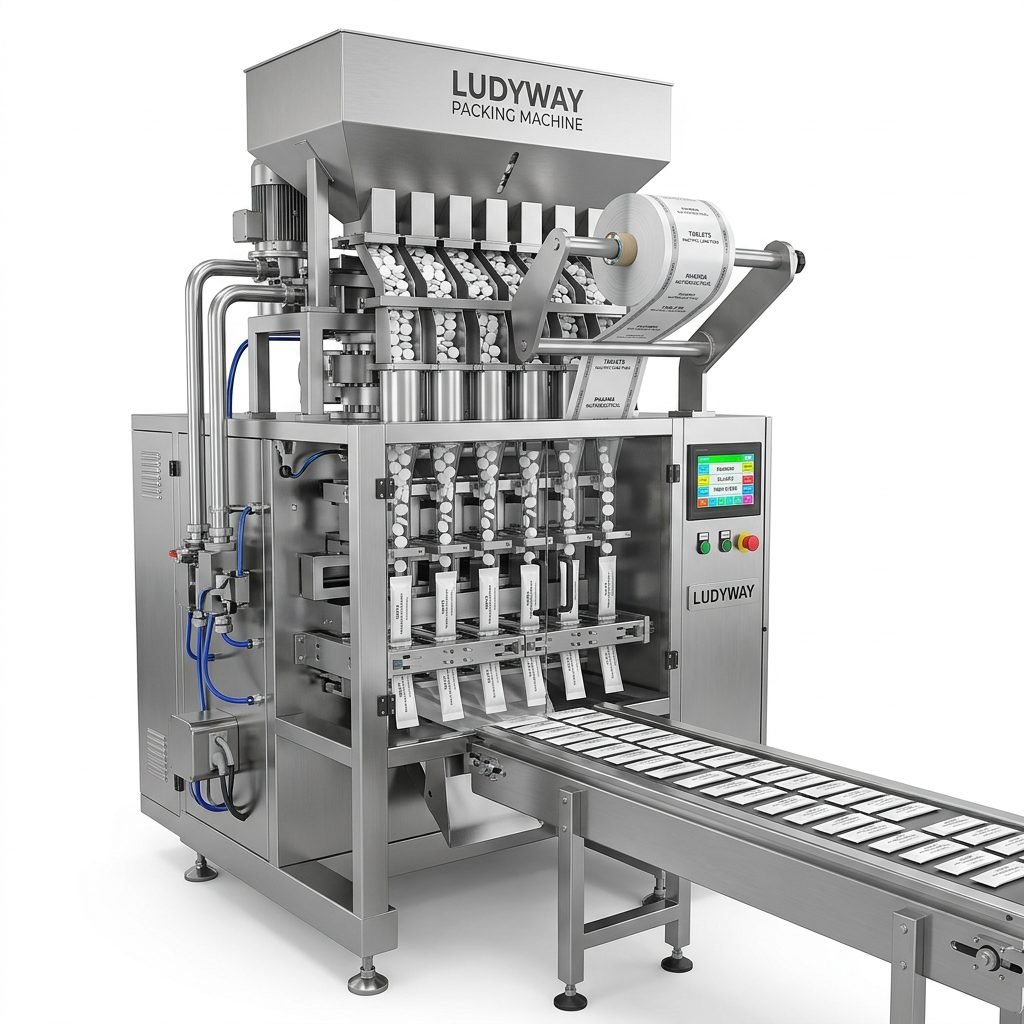
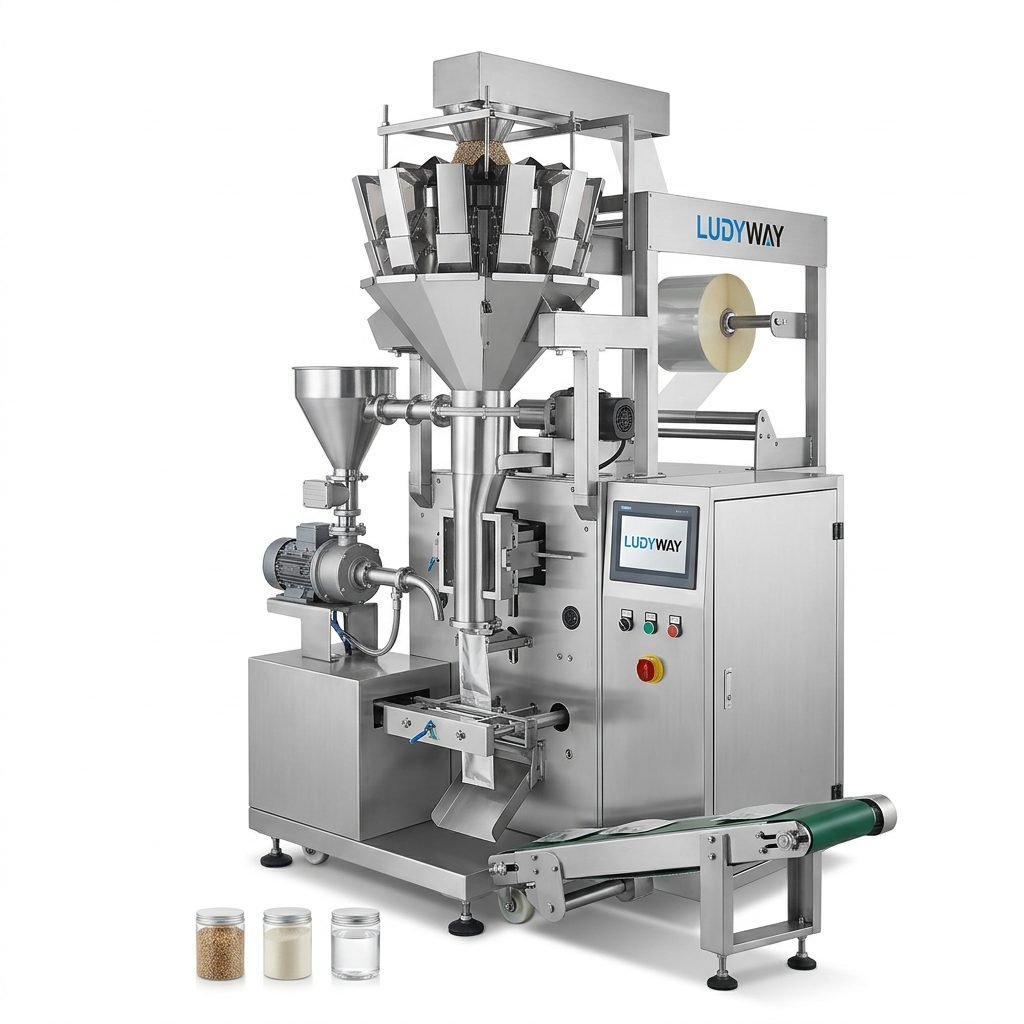
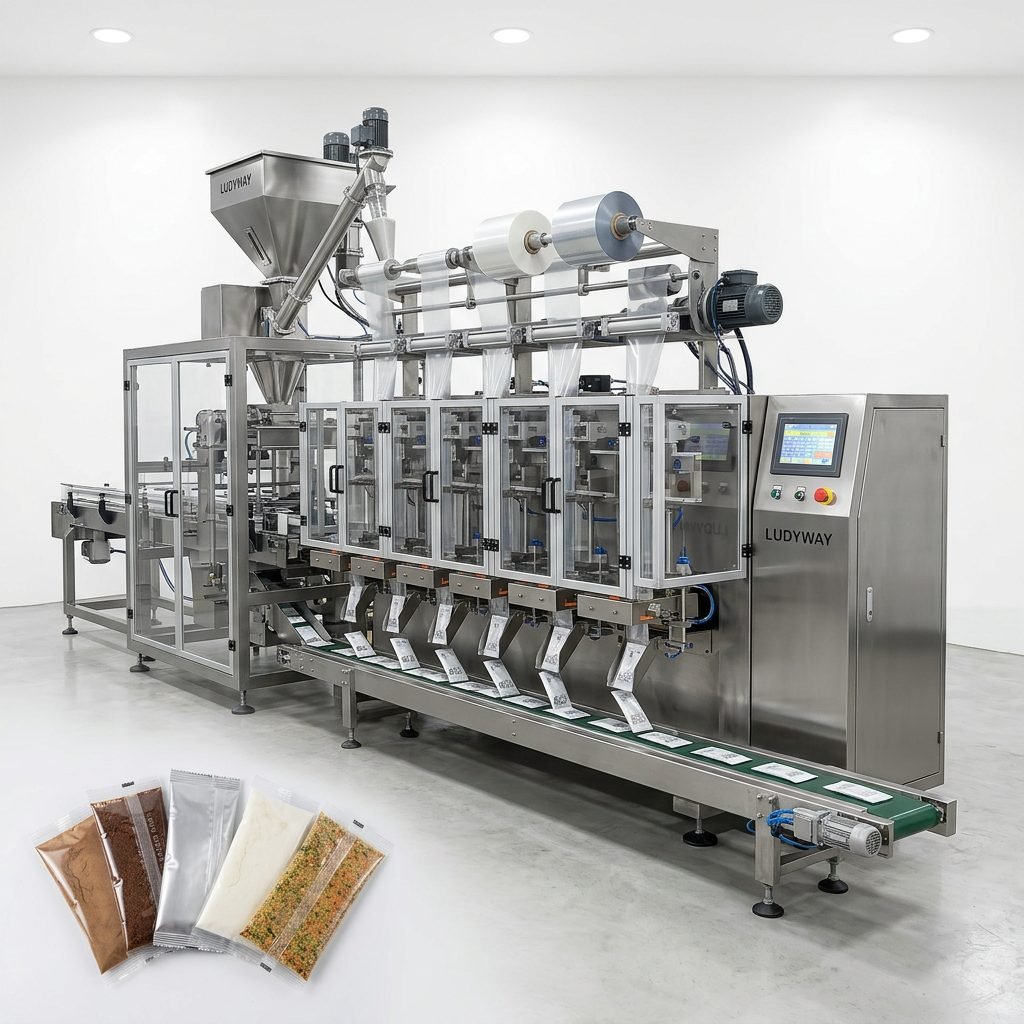
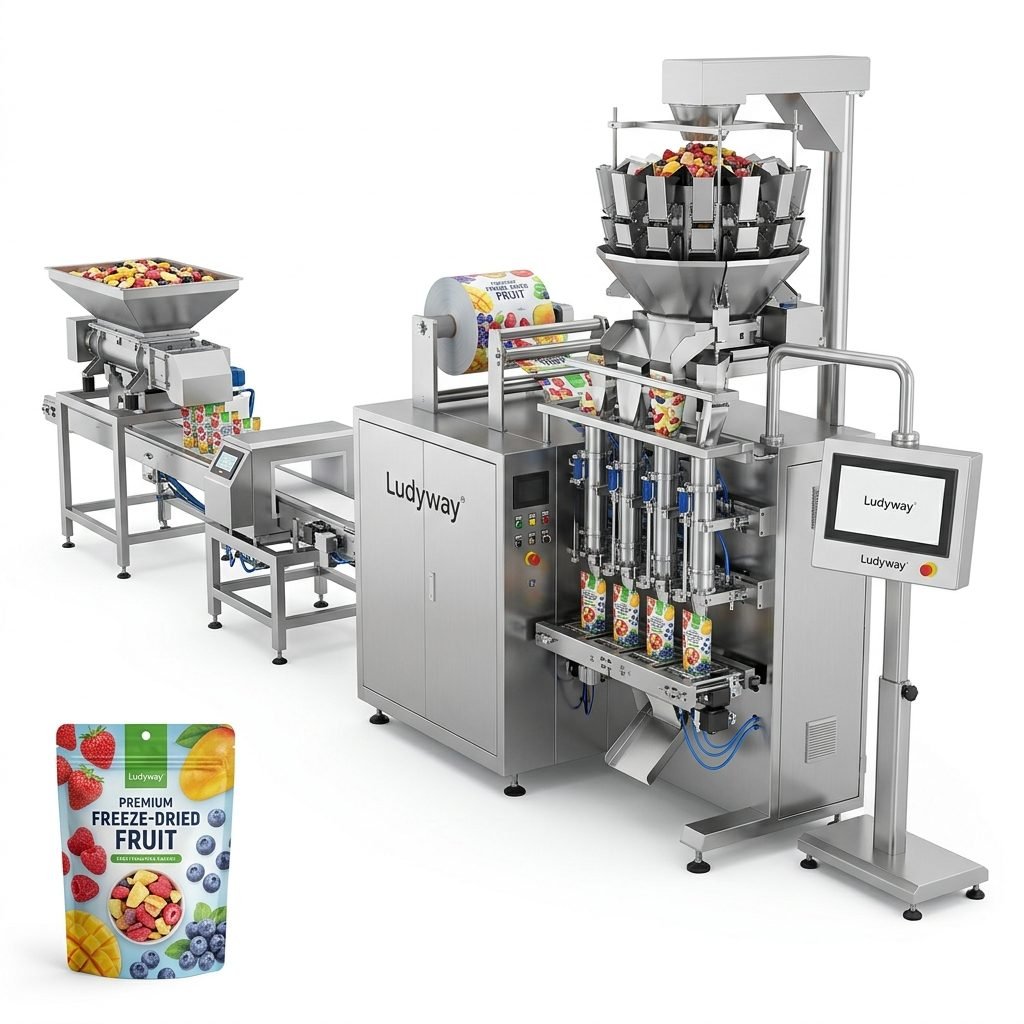
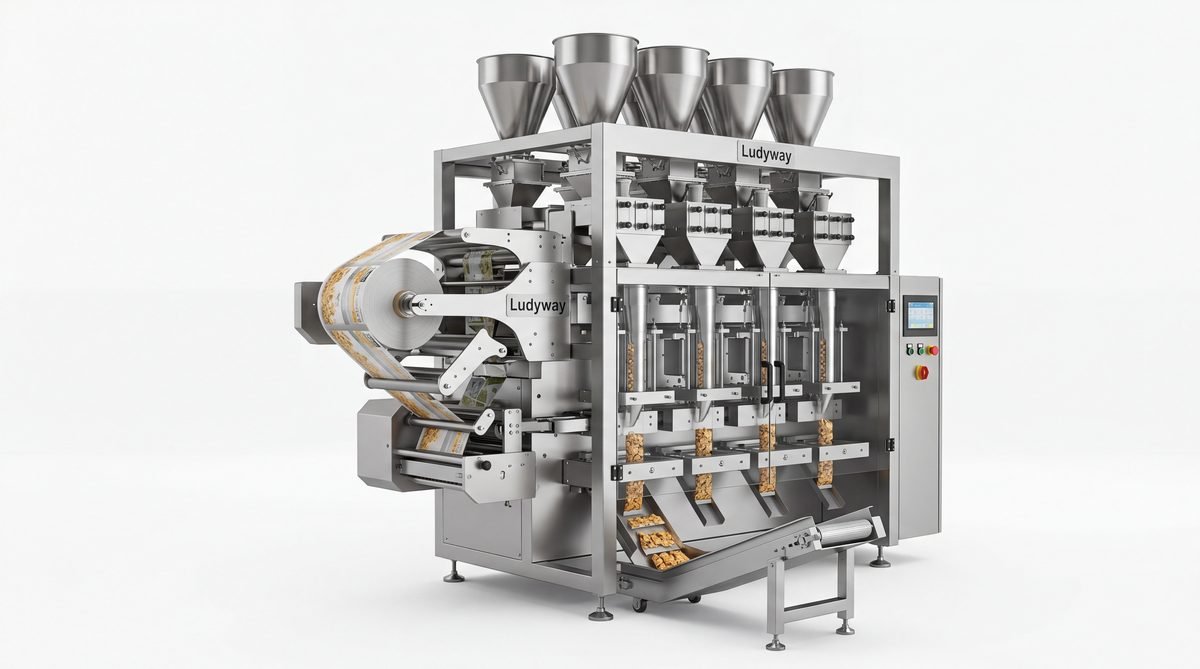
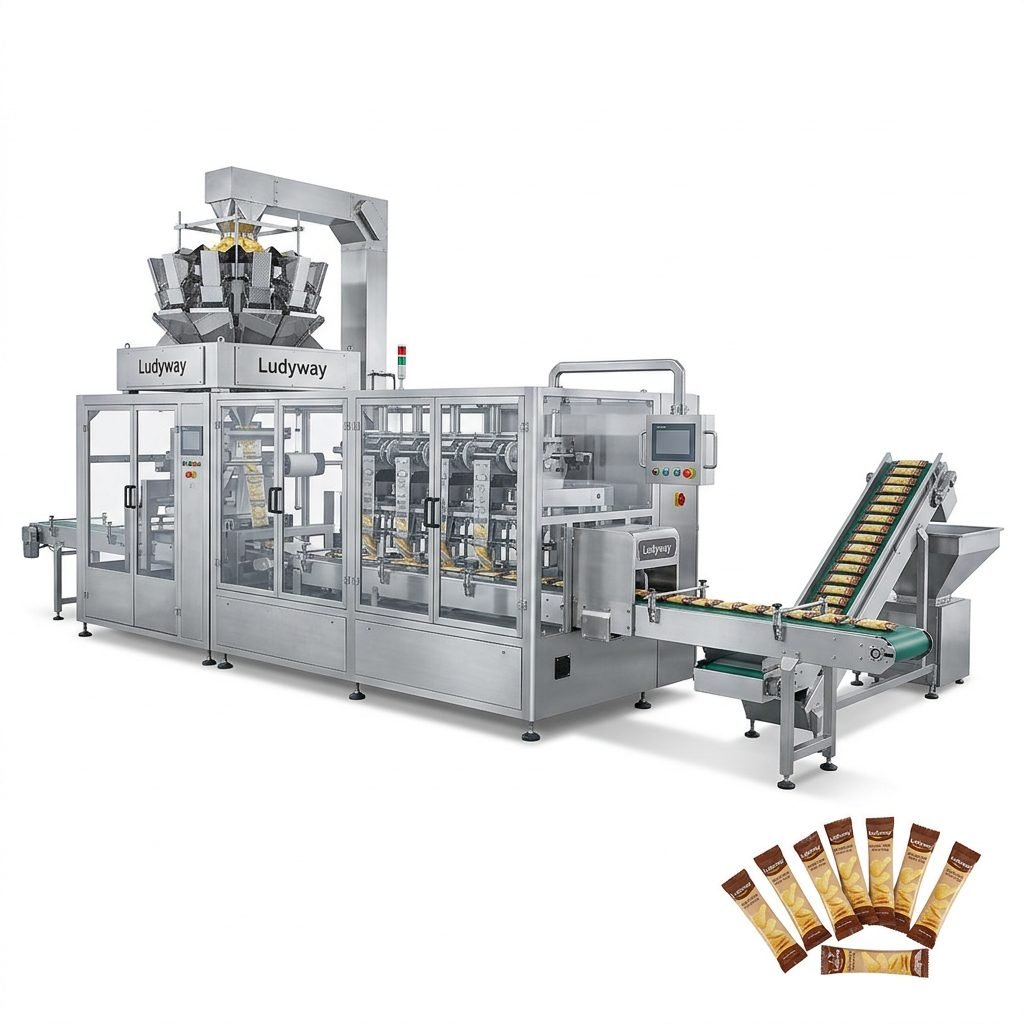
For most potato chip manufacturers, the best solution is a vertical form fill seal machine (VFFS) combined with a multihead weigher. This setup is widely used in the snack industry because it balances speed, accuracy, flexibility, and cost efficiency.
A typical potato chips packaging line may include:
- Infeed conveyor or elevator
- Multihead weigher for precise dosing
- VFFS machine for bag forming, filling, and sealing
- Nitrogen flushing system for freshness protection
- Metal detector or checkweigher
- Cartoning, case packing, and palletizing if needed
For growing snack brands, this combination provides a practical path from semi-automatic production to a more intelligent, fully integrated line.
Main Types of Potato Chips Packaging Machines
1. Vertical Form Fill Seal (VFFS) Machines
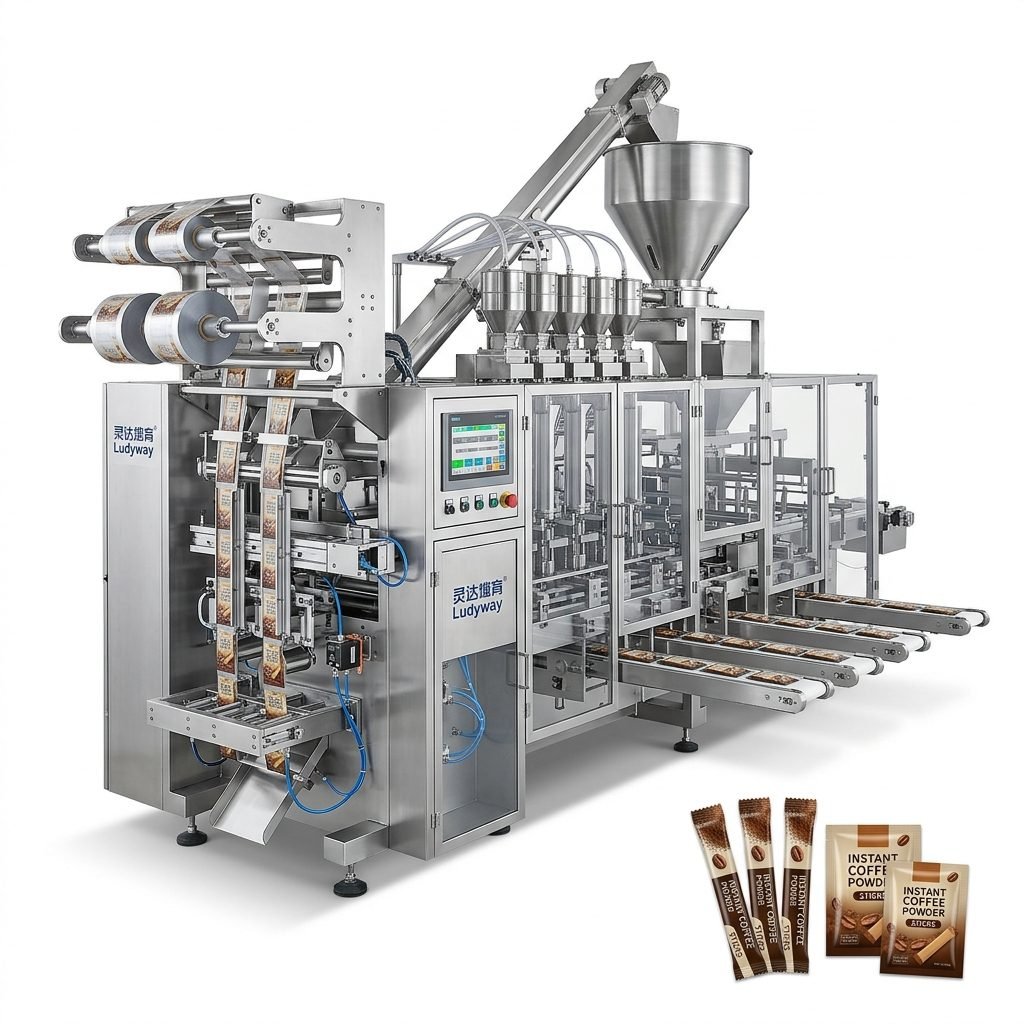
VFFS machines are the most common choice for potato chips bags. They form the pouch from roll film, fill the weighed chips, and complete sealing in one continuous process.
- Suitable for pillow bags, gusset bags, and some quad-seal formats
- Ideal for medium to high-speed production
- Works well with nitrogen flushing
- Good balance between investment and output
2. Premade Pouch Packaging Machines
If your brand focuses on premium retail presentation, premade pouch machines may be a better option. They are often used for stand-up pouches, zipper pouches, or higher-value snack formats.
- Better shelf appeal
- Suitable for premium and specialty chips
- Higher packaging material cost than roll film systems
- Usually lower speed than high-speed VFFS lines
3. Semi-Automatic Weighing and Filling Systems
These systems are suitable for startups, local snack processors, or factories testing a new SKU. They require more labor but offer lower initial investment.
- Lower upfront cost
- Useful for small batch runs
- Less consistent bag appearance and speed
- Not ideal for large retail distribution
| Machine Type | Best For | Advantages | Considerations |
|---|---|---|---|
| VFFS + Multihead Weigher | Mainstream potato chips packaging | Fast, flexible, cost-effective | Needs proper setup to reduce breakage |
| Premade Pouch Machine | Premium snack brands | Excellent presentation, pouch variety | Higher pouch cost, often slower |
| Semi-Automatic System | Small factories and startups | Affordable entry point | More labor, limited output |
How to Choose the Right Potato Chips Packaging Machine
Understand Your Product Characteristics
Not all chips behave the same way. Classic fried chips, ridged chips, kettle chips, baked chips, stacked chips, and vegetable crisps can require different handling conditions. Breakage risk, oil level, seasoning adherence, and piece size all affect machine selection.
If your chips are especially fragile, ask for low-drop feeding design, gentle contact surfaces, and optimized vibration control.
Choose the Right Bag Style
The bag type influences both machine configuration and branding strategy. Common formats include:
- Pillow bags for mainstream retail
- Gusset bags for larger volume
- Stand-up pouches for premium positioning
- Family packs for warehouse clubs and supermarkets
- Single-serve bags for convenience stores and vending channels
If you plan to launch multiple SKUs, choose equipment with easy bag size changeover and recipe memory.
Match Machine Speed to Production Capacity
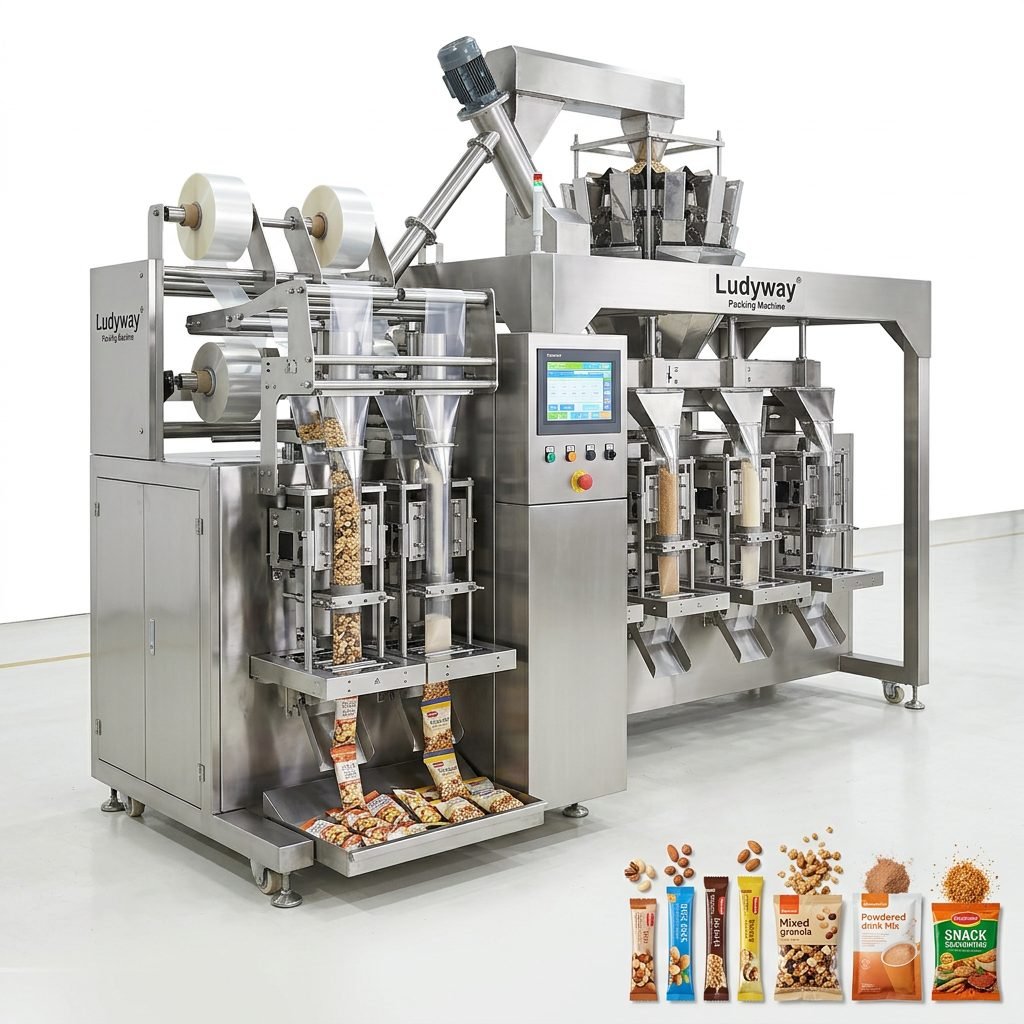
Many buyers make the mistake of choosing equipment based only on current demand. A better approach is to consider your expected production growth over the next three to five years.
- Small-scale operations: prioritize flexibility and lower investment
- Mid-size plants: focus on stable speed, easy maintenance, and lower giveaway
- Large factories: prioritize automation, uptime, and integration with case packing and palletizing
Pay Attention to Weighing Accuracy
Potato chips are sold by weight, so inaccurate filling directly impacts profit. Too little product creates compliance and customer issues, while too much product increases giveaway and reduces margins.
A quality multihead weigher should provide:
- Stable combination weighing
- Fast discharge with gentle handling
- Consistent performance across different chip sizes
- Easy cleaning for seasoning changeovers
Check Seal Quality and Nitrogen Flushing
One of the most important features in potato chips packaging is a strong, reliable seal. Chips lose crispness quickly if oxygen or moisture enters the bag. Nitrogen flushing is often used to protect freshness and create a cushion that reduces crushing during transport.
Ask your supplier about:
- Gas flushing stability
- Seal integrity testing
- Compatibility with metallized or laminated films
- Control of sealing temperature and dwell time
Consider Automation and Line Integration
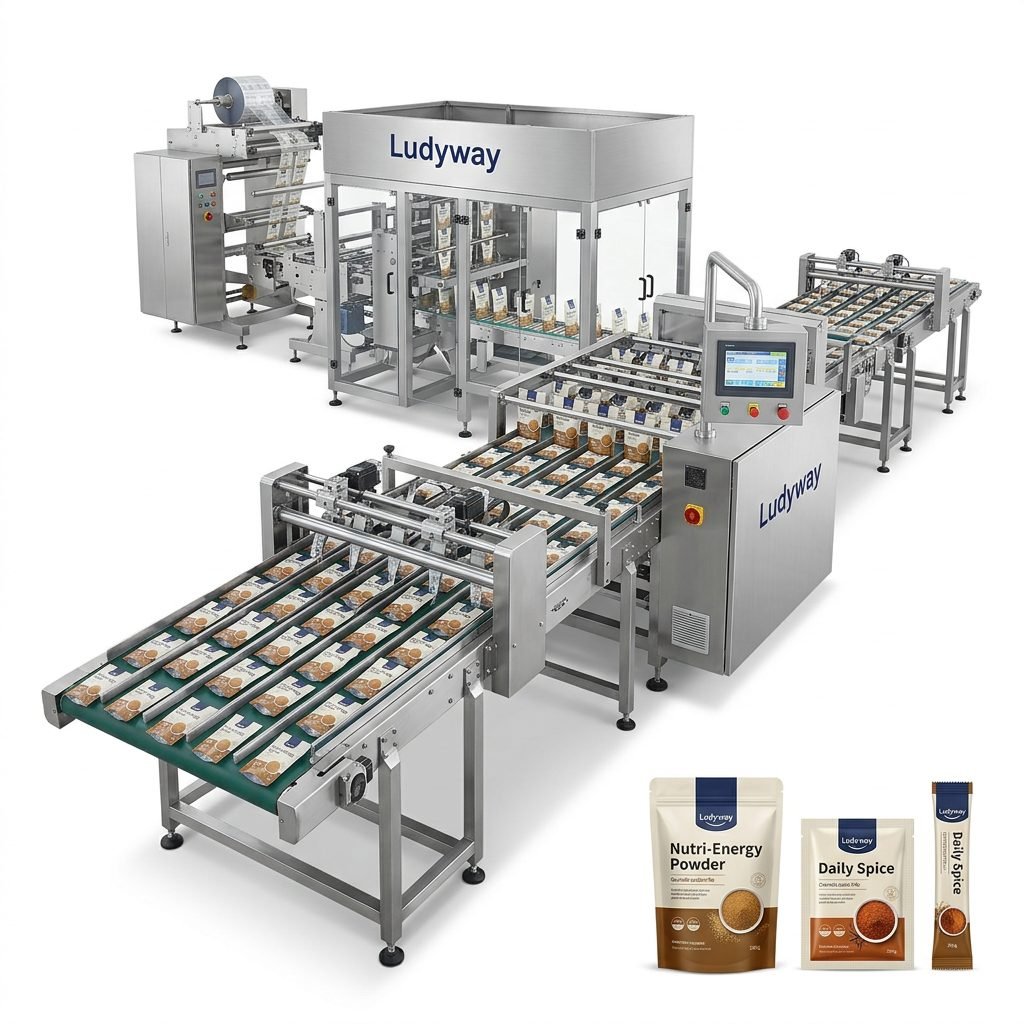
A single packaging machine may work for small production, but larger snack manufacturers usually benefit from a complete packaging line. Integrated systems reduce labor dependency and improve overall line efficiency.
You may need:
- Automatic feeding conveyors
- Seasoning transfer connection
- Metal detection
- Checkweighing
- Date coding
- Cartoning or case packing
- Palletizing
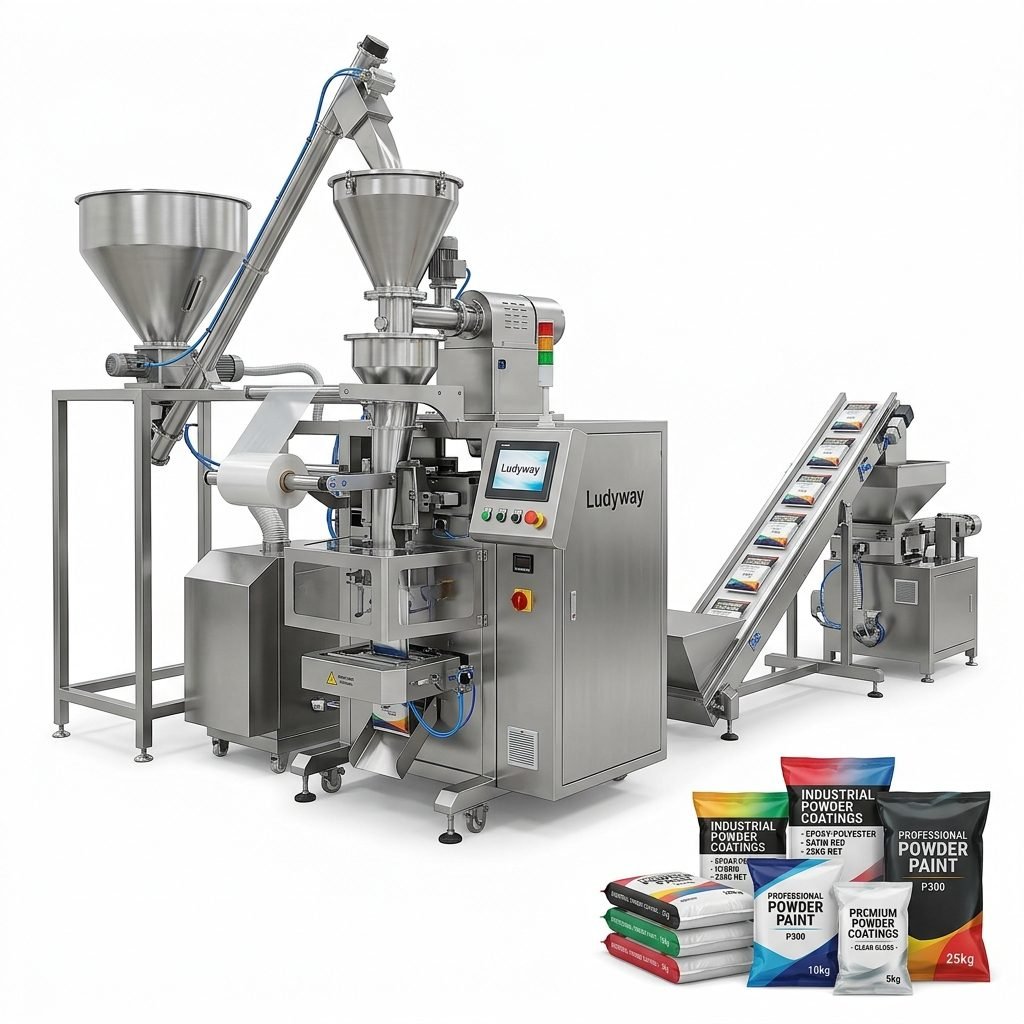
Companies looking for scalable systems often work with experienced manufacturers such as potato chips packaging machine supplier Ludyway, especially when a turnkey line is required rather than a standalone machine.
Key Features to Look For
| Feature | Why It Matters for Potato Chips |
|---|---|
| Multihead weigher | Improves weighing accuracy and reduces product giveaway |
| Gentle product handling | Helps lower chip breakage during transfer and filling |
| Nitrogen flushing | Extends shelf life and improves bag protection |
| Servo control | Provides stable bag length and accurate film movement |
| Easy cleaning design | Important for flavored chips and frequent SKU changes |
| Inspection equipment | Supports food safety, weight compliance, and customer trust |
Common Mistakes Buyers Should Avoid
- Choosing by price alone: a cheaper machine may lead to higher downtime, more breakage, and poor sealing.
- Ignoring future expansion: buying a machine that cannot connect with upstream or downstream equipment can limit growth.
- Overlooking packaging film compatibility: film structure affects sealing, speed, and appearance.
- Skipping product testing: potato chips behave differently from nuts, cereal, or pellets, so testing is important.
- Underestimating after-sales support: installation guidance, spare parts, and technical response matter over the machine’s full life cycle.
Questions to Ask Before Buying
Before making a final decision, ask your supplier the following:
- What bag types and bag sizes can this machine handle?
- What is the actual speed range for potato chips, not just the theoretical speed?
- How does the machine reduce chip breakage?
- Does it support nitrogen flushing and seal inspection?
- What weighing accuracy can be expected for my chip type?
- How long does format changeover take?
- Can the machine integrate with conveyors, checkweighers, and case packers?
- What spare parts and technical support are available?
Best Solution by Business Type
For Startups
Start with a flexible, smaller-capacity system that can handle several SKUs. Focus on reliability, simple operation, and room to upgrade later.
For Growing Snack Brands
A VFFS machine with multihead weigher and nitrogen flushing is usually the strongest option. It supports faster production, better bag consistency, and stronger retail readiness.
For Large-Scale Manufacturers
Invest in a fully integrated potato chips packaging line with automatic feeding, inspection, case packing, and palletizing. The long-term benefits are better throughput, labor savings, and process consistency.
Final Buying Insight
The best packaging machine for potato chips is the one that fits your product characteristics, packaging format, speed target, and growth plan. For most applications, a VFFS system with a multihead weigher and nitrogen flushing offers the best combination of efficiency and protection. If you sell premium products, a premade pouch solution may be more suitable.
Instead of asking only which machine is the cheapest or fastest, ask which solution will give you the best packaging quality, the lowest breakage, and the most reliable performance over time. That is the choice that supports both product freshness and business growth.