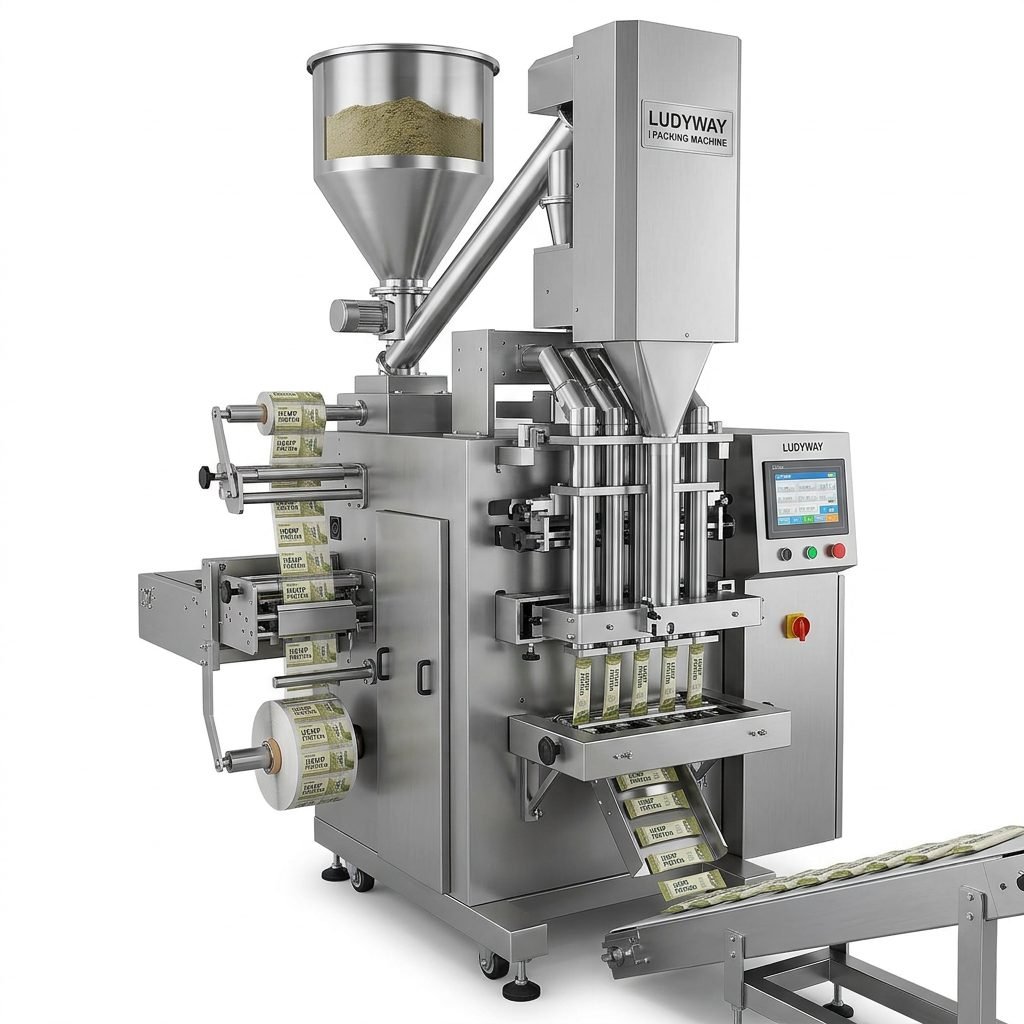
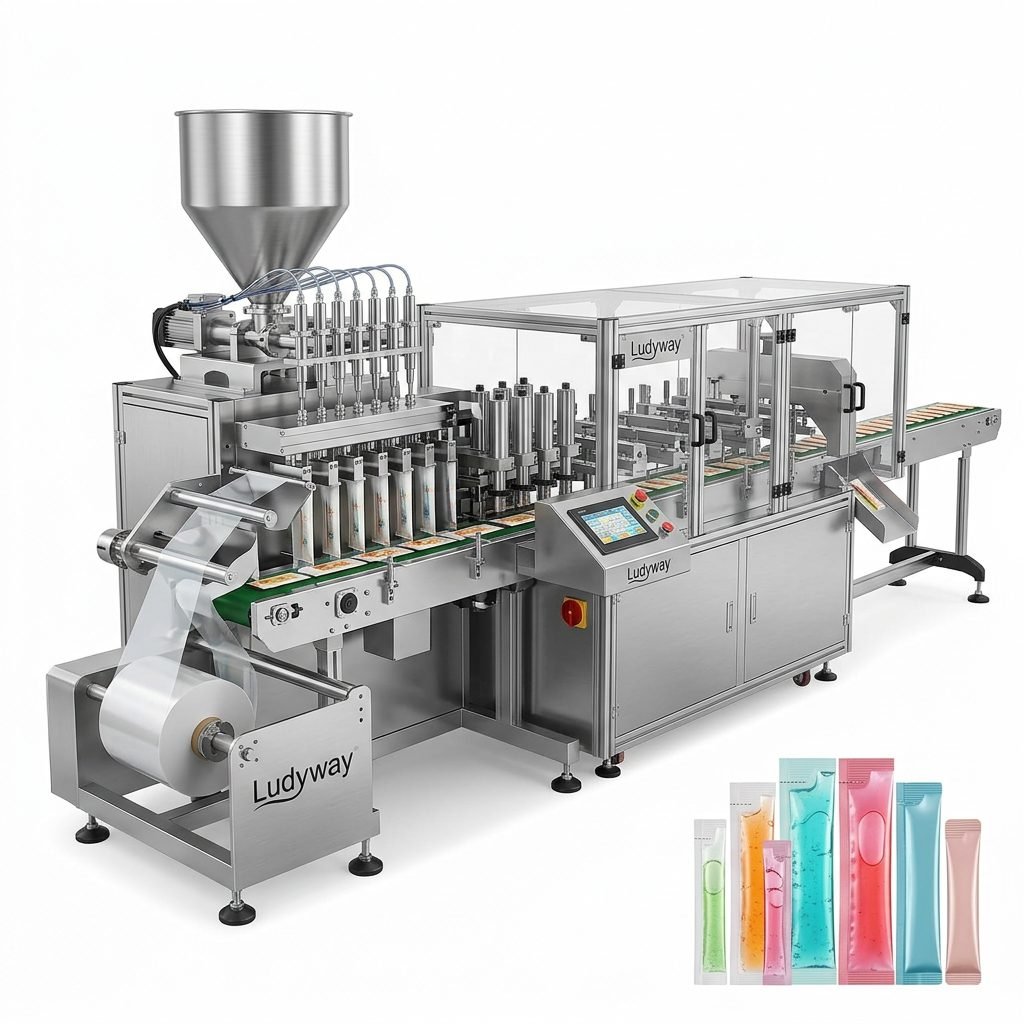
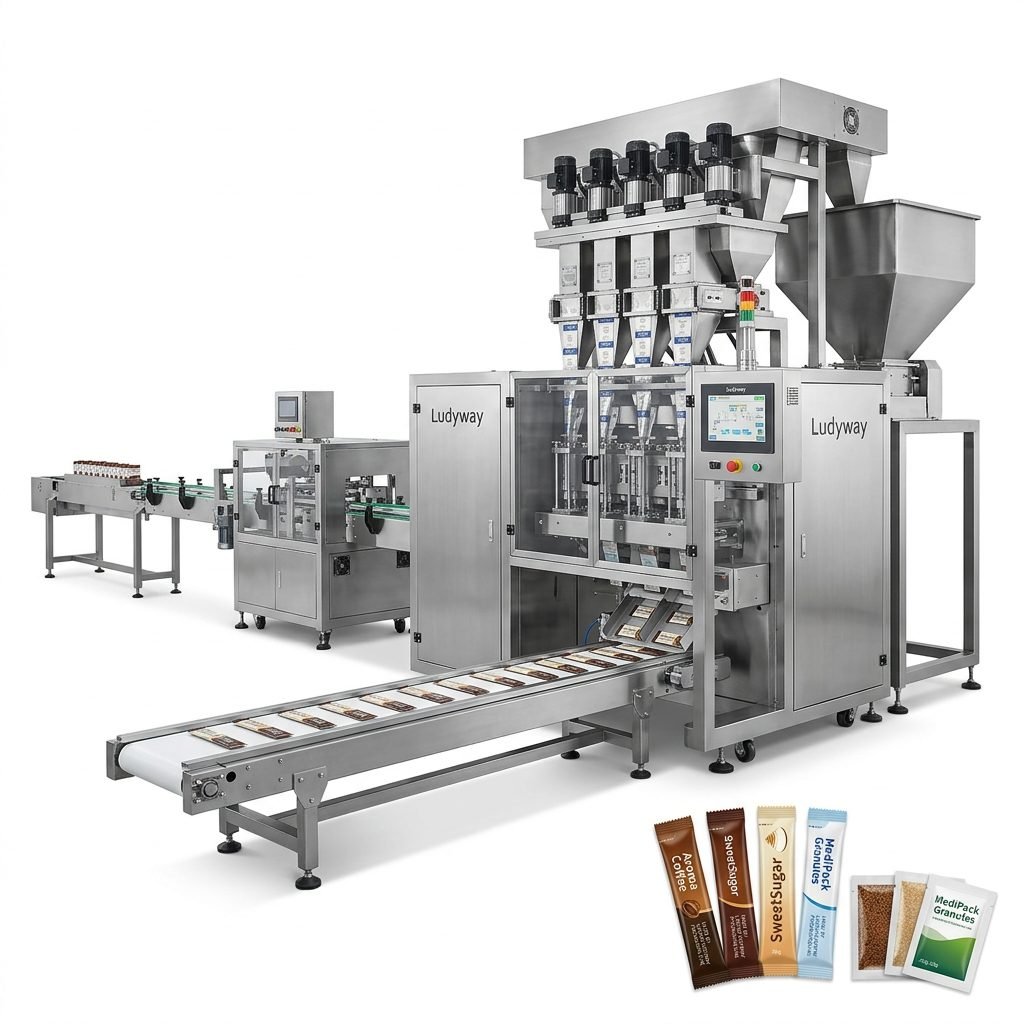
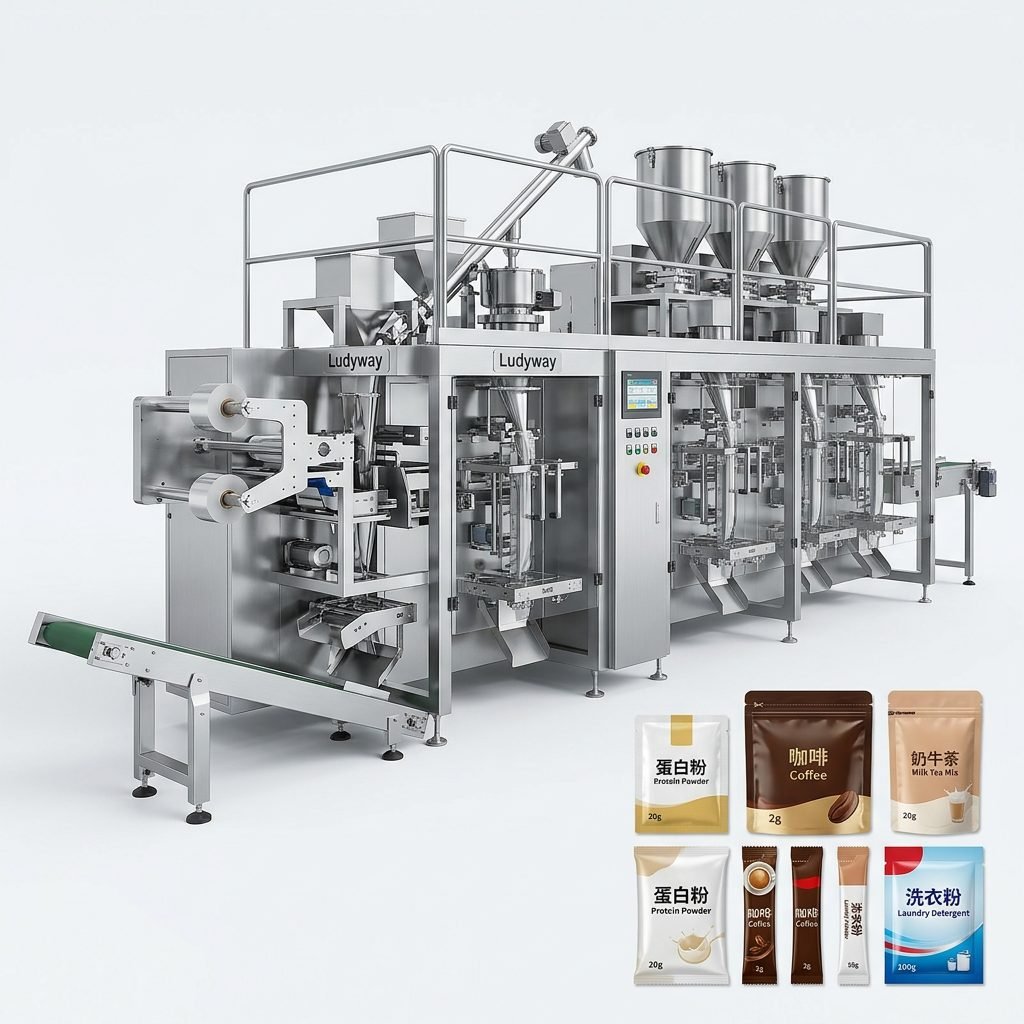
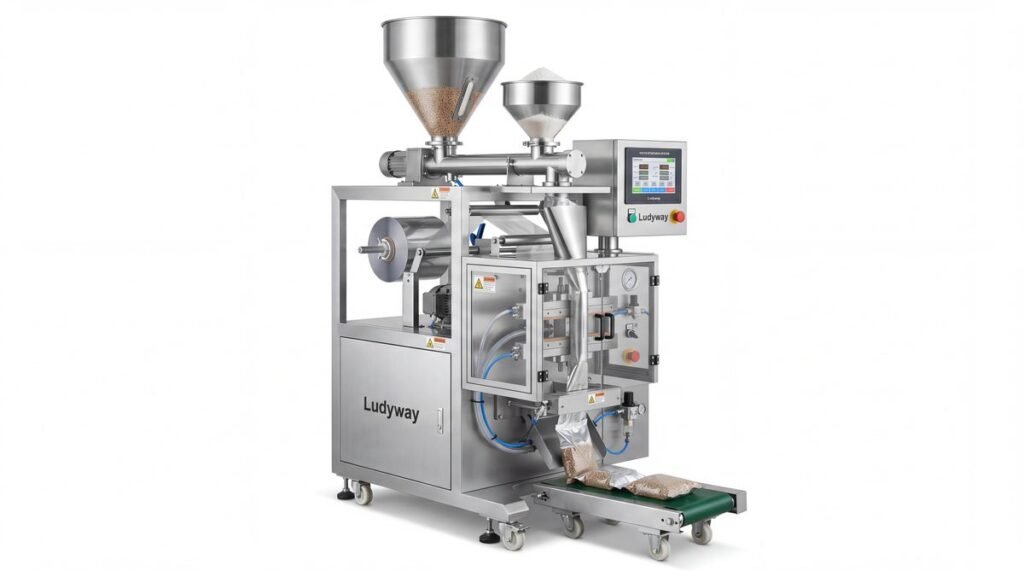
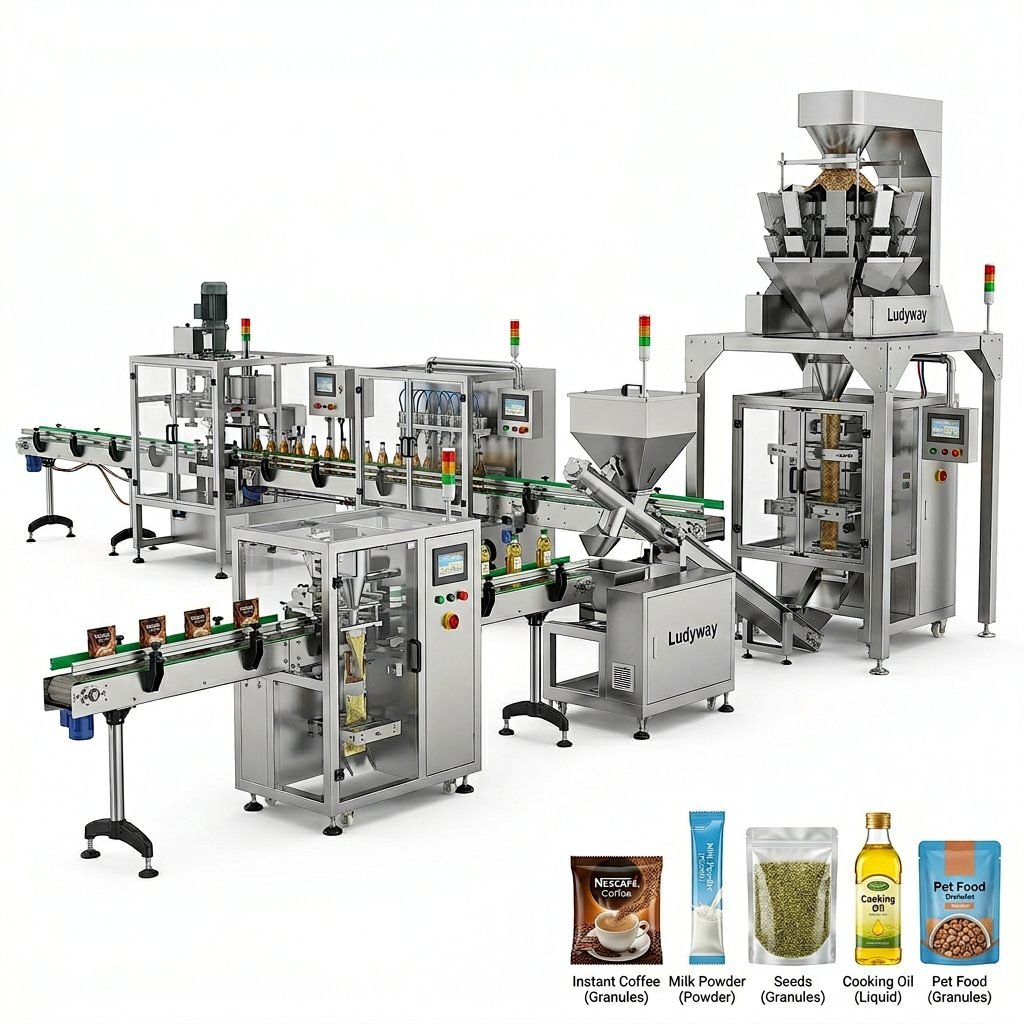
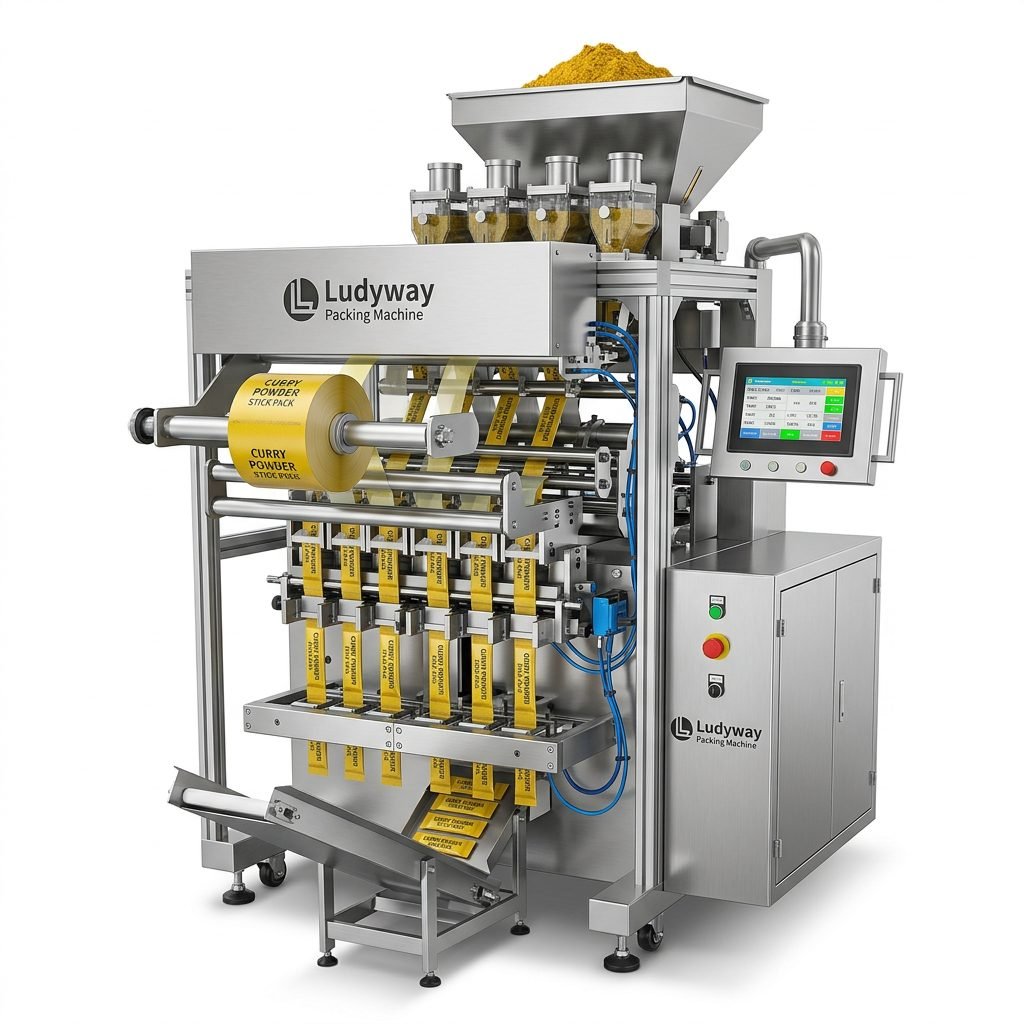
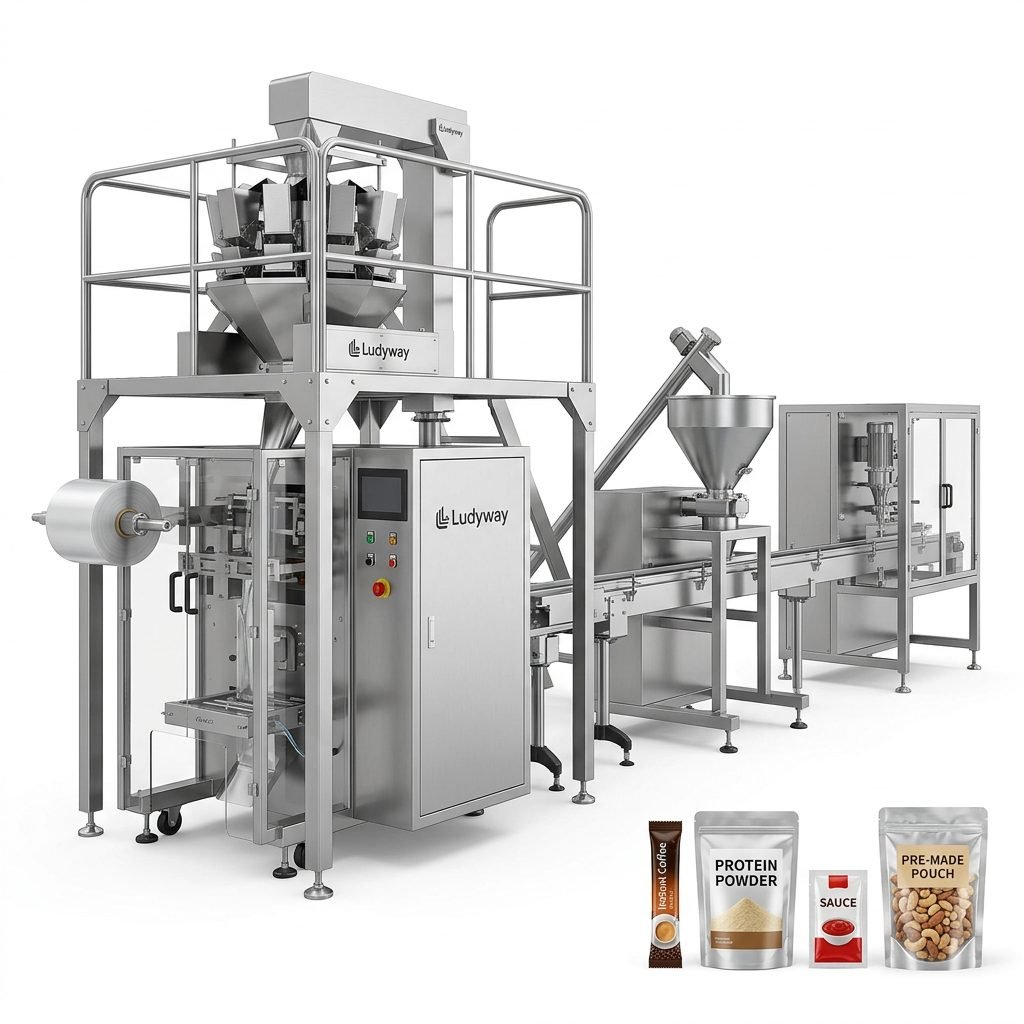
An automated packaging machine is a system designed to fill, seal, label, wrap, count, weigh, or pack products with minimal manual intervention. It helps manufacturers improve speed, consistency, hygiene, and production control across a wide range of industries such as food, pharmaceutical, cosmetics, chemicals, pet care, and consumer goods.
In modern manufacturing, automation is no longer only for very large factories. Small and medium-sized businesses also use automated packaging equipment to reduce labor pressure, improve packaging quality, and meet growing market demand. Whether the product is powder, granules, liquid, paste, capsules, tablets, bottles, sachets, pouches, cartons, or bags, there is usually an automated solution designed for it.
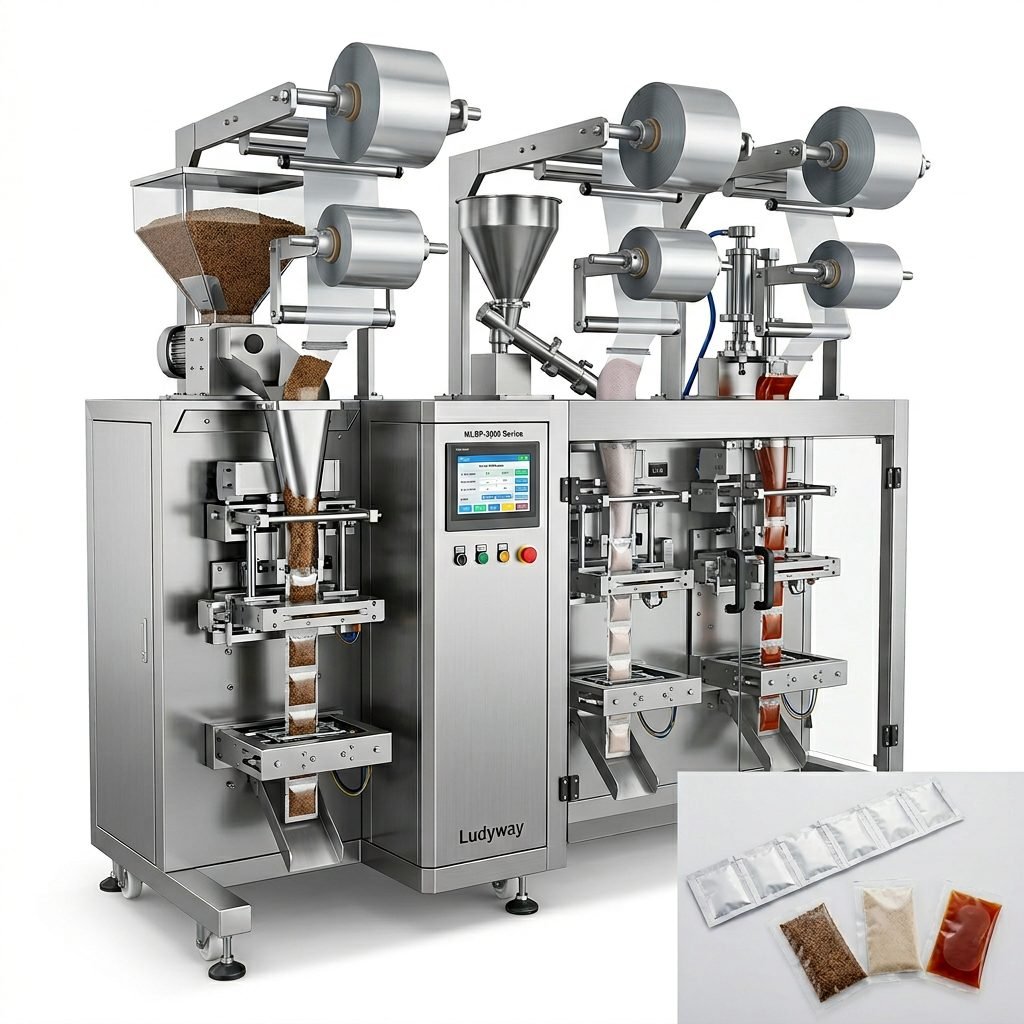
What Does an Automated Packaging Machine Do?
At its core, an automated packaging machine performs one or more packaging tasks automatically. Depending on the system design, it may handle:
- Product feeding into the packaging area
- Weighing or dosing a precise amount of product
- Bag, pouch, bottle, vial, or carton forming
- Filling solids, powders, liquids, or semi-liquids
- Sealing the package securely
- Printing or coding batch numbers and dates
- Inspection for weight, seal quality, or contamination
- Cartoning, case packing, palletizing for end-of-line automation
Some machines work as standalone units, while others are part of a complete packaging line integrated with conveyors, feeders, checkweighers, labeling systems, metal detectors, and palletizers.
Main Types of Automated Packaging Machines
Automated packaging machines can be classified in different ways: by product type, package style, or packaging function. Below are the most common categories.
1. Form Fill Seal Machines
Form fill seal systems create the package from roll film, fill it with product, and seal it in one continuous process. These are among the most widely used automatic packaging machines.
- Vertical Form Fill Seal (VFFS) machines for powders, granules, and some liquids
- Horizontal Form Fill Seal (HFFS) machines for pouches, flat sachets, and flow-wrap applications
- Multi-lane stick pack and sachet machines for high-speed small-dose packaging
2. Filling and Sealing Machines
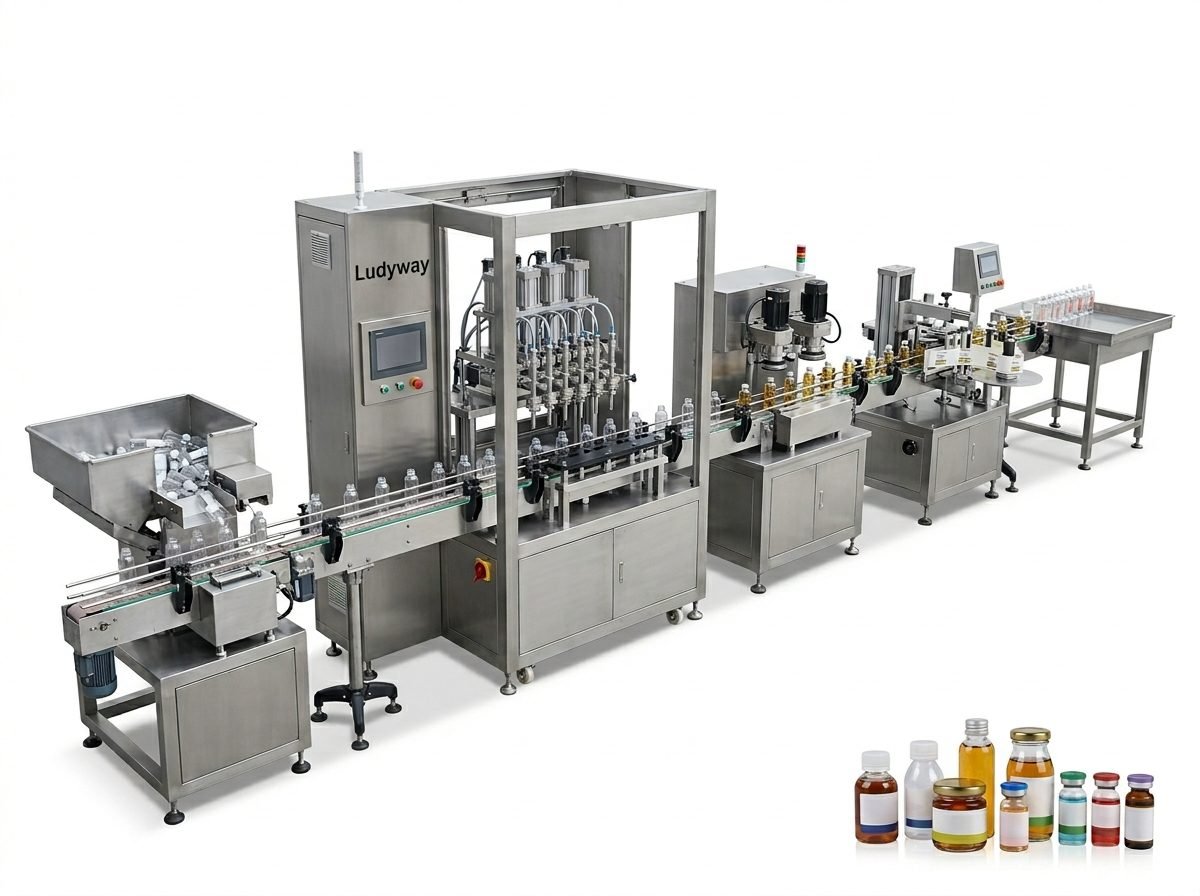
These systems are designed for pre-made containers or packages, such as bottles, jars, cups, tubes, and premade pouches. Common uses include pharmaceuticals, skincare products, sauces, detergents, and nutritional supplements.
3. Bagging Machines
Bagging equipment is often used for larger-volume packaging of grains, feed, fertilizer, powders, chemicals, and industrial materials. They can handle open-mouth bags, valve bags, woven sacks, and jumbo bags.
4. Cartoning and Case Packing Machines
After primary packaging, products are often moved into cartons or cases automatically. These machines help organize, protect, and prepare products for storage and shipment.
5. Wrapping and Bundling Machines
Shrink wrapping, flow wrapping, and bundling machines are used to group or protect products in retail-ready or transport-friendly packaging.
6. End-of-Line Automation Equipment
This includes checkweighers, labelers, coding machines, carton sealers, palletizers, and stretch wrappers. These systems complete the packaging process and improve overall logistics efficiency.
| Machine Type | Best For | Typical Package |
|---|---|---|
| VFFS Machine | Powders, granules, snacks | Pillow bags, gusset bags |
| Stick Pack Machine | Single-serve powders, liquids, granules | Stick packs |
| Sachet Packing Machine | Sauces, creams, supplements, detergents | Flat sachets |
| Bottle Filling Line | Liquids, capsules, tablets | Bottles, jars, vials |
| Premade Pouch Machine | Food, pet products, powders, liquids | Stand-up pouches, zipper pouches |
| Cartoning Machine | Retail-ready packaging | Cartons and boxes |
How Automated Packaging Machines Work
Although machine structures vary, the basic workflow is usually similar:
- Product is delivered by hopper, pump, conveyor, auger, or feeder.
- The machine measures the required quantity using a weighing or dosing system.
- Packaging material or container is positioned automatically.
- The product is filled into the package.
- The package is sealed using heat, pressure, ultrasonic, or capping technology.
- Optional processes such as coding, labeling, inspection, and counting are completed.
- Finished packages move to secondary or tertiary packaging.
Advanced systems may also include sensors, servo motors, PLC controls, HMI touchscreens, recipe storage, alarm systems, and remote diagnostics for more accurate and intelligent operation.
Key Benefits of Using an Automated Packaging Machine
Higher Production Efficiency
Automation significantly increases output. Machines can run at stable speeds for long production hours, making them ideal for manufacturers that need consistent daily capacity.
Better Accuracy and Consistency
Accurate dosing and repeatable sealing reduce product giveaway, minimize rejects, and improve final packaging appearance.
Lower Labor Dependence
One of the biggest reasons companies invest in packaging automation is to reduce reliance on manual labor. This is especially valuable in regions facing labor shortages, rising wages, or high operator turnover.
Improved Hygiene and Safety
For food, pharmaceutical, and personal care products, less manual handling means cleaner processing and easier compliance with industry hygiene standards.
Reduced Waste
Precise filling, tighter seals, and stable process control help reduce film waste, product loss, and packaging defects.
Scalability
Automated systems allow businesses to grow more easily. Companies can start with a standalone machine and later integrate feeders, labeling units, cartoners, and palletizing equipment.
- Faster throughput for growing order volume
- Lower unit packaging cost over time
- More professional package appearance for retail and export markets
- More stable quality control across production batches
Industries That Use Automated Packaging Machines
Automated packaging technology is used across many sectors. The exact machine depends on product characteristics, packaging format, hygiene requirements, and production target.
| Industry | Common Products | Recommended Automation |
|---|---|---|
| Food | Spices, sugar, coffee, sauces, snacks, powders | VFFS, sachet, stick pack, pouch lines |
| Pharmaceutical | Granules, capsules, tablets, oral liquids | Sachet lines, bottle filling, blister, cartoning |
| Cosmetics | Creams, lotions, serums, masks, shampoos | Sachet fillers, tube filling, bottle lines |
| Chemical | Detergents, additives, powders, industrial liquids | Bagging, sachet, drum filling, pouch systems |
| Animal Feed & Pet Care | Pellets, kibble, supplements, powders | Bagging lines, pouch filling, bulk packaging |
Examples of Packaging Formats Supported
Automated machines support many packaging styles to match different retail, industrial, and export needs:
- Pillow bags
- Gusset bags
- Quad seal bags
- Stick packs
- Flat sachets
- Stand-up pouches
- Zipper pouches
- Bottles and jars
- Tubes
- Cartons and shipping cases
- Bulk sacks and jumbo bags
Who Should Invest in an Automated Packaging Machine?
An automated packaging machine is especially suitable for businesses that:
- Need to increase output without adding large labor teams
- Want more consistent filling and sealing quality
- Package the same product every day in medium or high volume
- Require better hygiene or compliance standards
- Plan to expand into export or retail channels
- Need a scalable packaging line for future growth
Even if a company is not yet ready for a fully automated factory, semi-automatic to fully automatic upgrade paths are common and practical.

How to Choose the Right Automated Packaging Machine
Choosing the right machine is not only about speed. It should match the product, packaging material, target output, and future business plan.
Product Characteristics
Consider whether the product is powder, granule, liquid, paste, fragile, sticky, free-flowing, corrosive, or sensitive to moisture.
Packaging Style
Decide whether you need sachets, stick packs, pouches, bottles, cartons, or bags. The package design often determines the machine platform.
Output Requirements
Your required packs per minute or bags per hour directly affects the machine configuration, lane count, and automation level.
Accuracy and Compliance
Industries like pharmaceuticals and health supplements may need stricter dosing accuracy, validation support, and quality documentation.
Factory Space and Integration
Review available floor space, operator workflow, utility requirements, and whether the equipment will connect to upstream or downstream systems.
After-Sales Support
Spare parts availability, remote support, installation guidance, and operator training are very important for long-term performance.
Buyers looking for flexible automation can explore solutions from Ludyway packaging machine manufacturer, especially for food, pharmaceutical, health supplement, cosmetic, and turnkey packaging line applications.
Common Features to Look For
- PLC control system with user-friendly touchscreen
- Servo-driven motion for precise operation
- Quick changeover for different product sizes
- Stainless steel structure for hygiene-sensitive industries
- Automatic film tracking and sealing control
- Data storage for recipes and production settings
- Compatibility with coding, labeling, and inspection devices
- Customization for product-specific dosing systems
Automated Packaging Machine vs Manual Packaging
| Factor | Manual Packaging | Automated Packaging |
|---|---|---|
| Speed | Low to moderate | Moderate to very high |
| Consistency | Operator-dependent | Highly consistent |
| Labor Cost | Higher over time | Lower per unit output |
| Accuracy | Variable | Precise and repeatable |
| Scalability | Limited | Strong |
Frequently Asked Questions
Is an automated packaging machine only for large factories?
No. Many compact and mid-speed models are suitable for small and medium businesses. The right machine depends on production demand, not only company size.
Can one machine handle different products?
Some machines can handle multiple products if they share similar flow properties and package formats. However, change parts or different dosing systems may be required.
What products can be packaged automatically?
Powders, granules, liquids, pastes, tablets, capsules, creams, gels, pellets, and many other products can all be packaged using automated systems.
How long does it take to see ROI?
Return on investment depends on labor savings, output growth, waste reduction, and order volume. In many cases, companies see value relatively quickly when manual packaging becomes a bottleneck.
Final Thoughts
An automated packaging machine is a practical solution for manufacturers that want higher efficiency, better accuracy, lower labor dependence, and scalable production. From small sachets and stick packs to bottles, pouches, and bulk bags, packaging automation plays a key role in modern production lines.
The best machine is the one that matches your product, packaging format, production target, and long-term business strategy. By understanding the main types, benefits, and applications, you can make a more informed investment and build a packaging process that supports future growth.