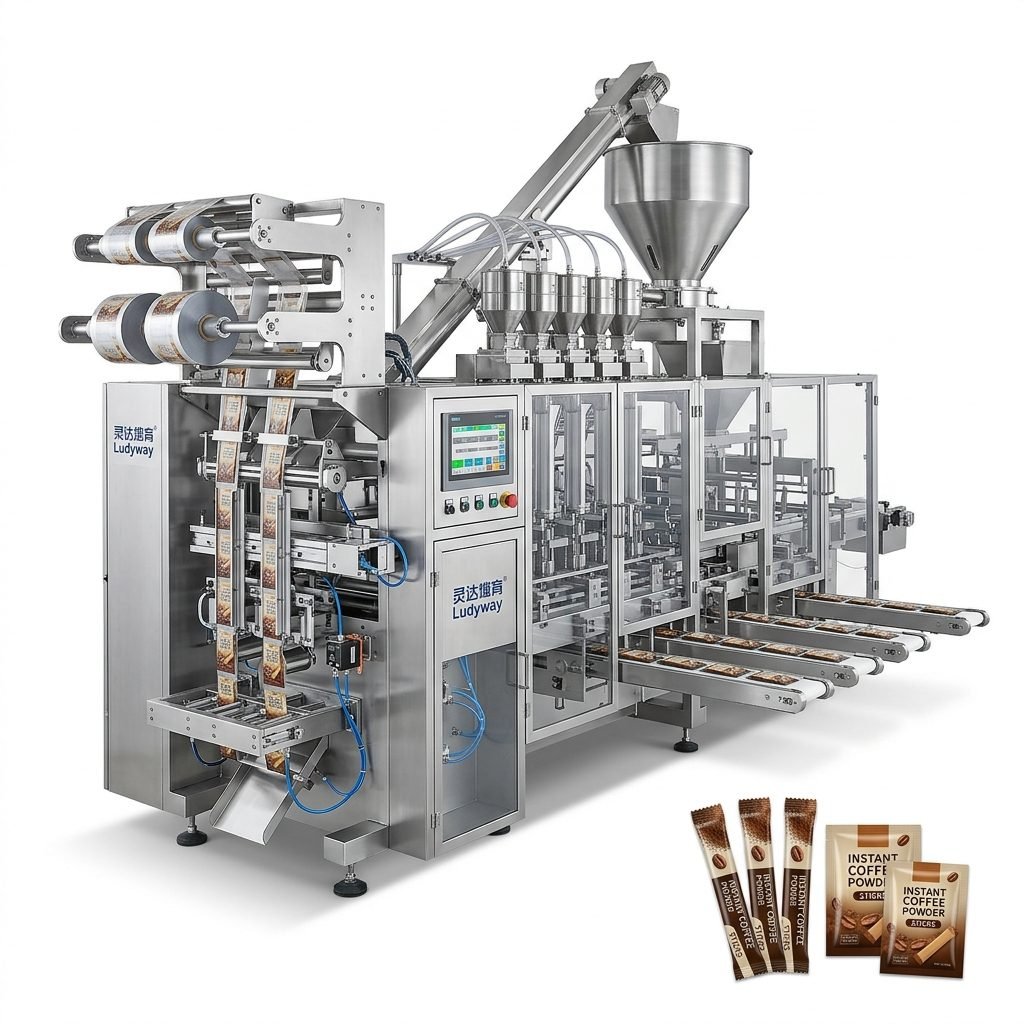
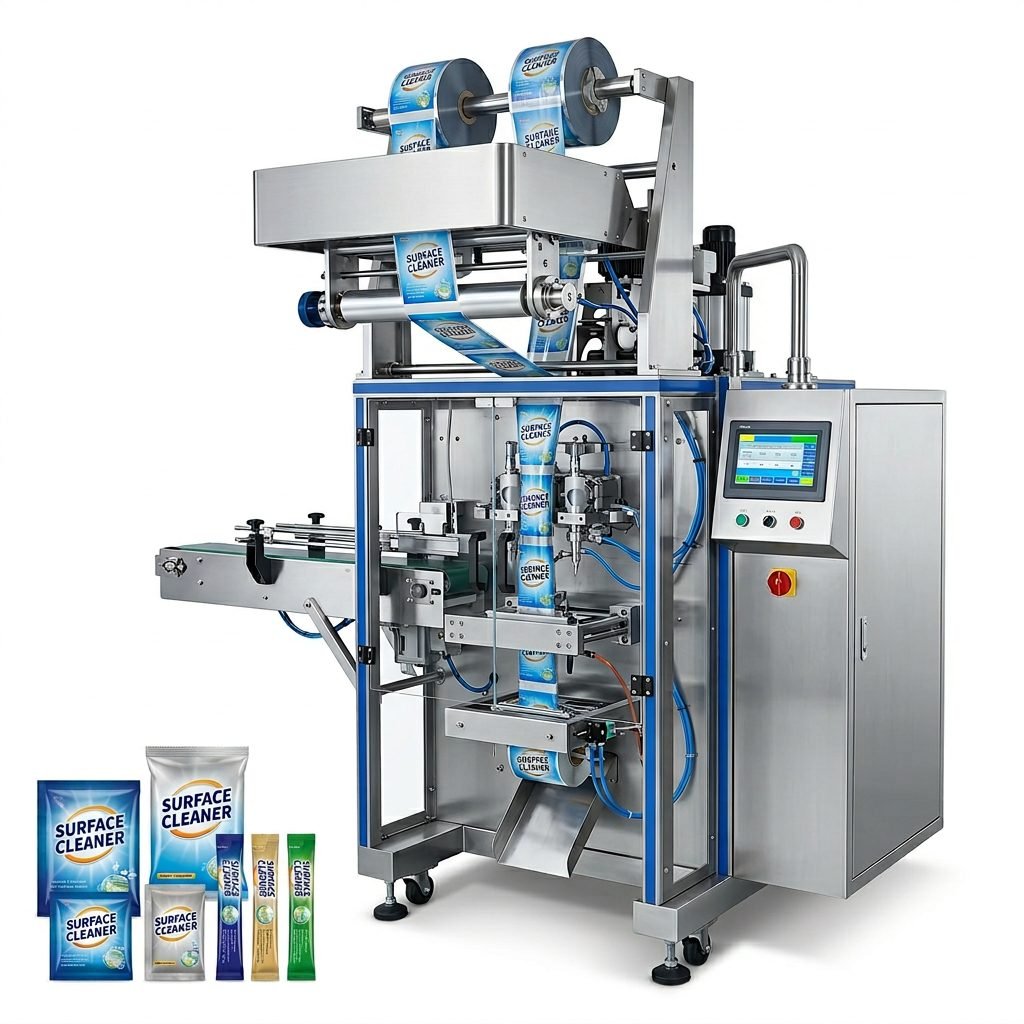
In today’s competitive manufacturing environment, speed alone is no longer enough. Producers also need precision, flexibility, traceability, and lower operating costs. This is why automatic packaging solutions have become a key investment for food, pharmaceutical, cosmetic, chemical, and daily-use product manufacturers seeking long-term efficiency.
From sachets and stick packs to pouches, bottles, cartons, and integrated end-of-line systems, modern packaging automation helps businesses reduce manual intervention, improve consistency, and scale production with greater confidence. Whether the goal is higher output, cleaner packaging, lower waste, or smarter line management, the right equipment can transform packaging from a production bottleneck into a growth driver.
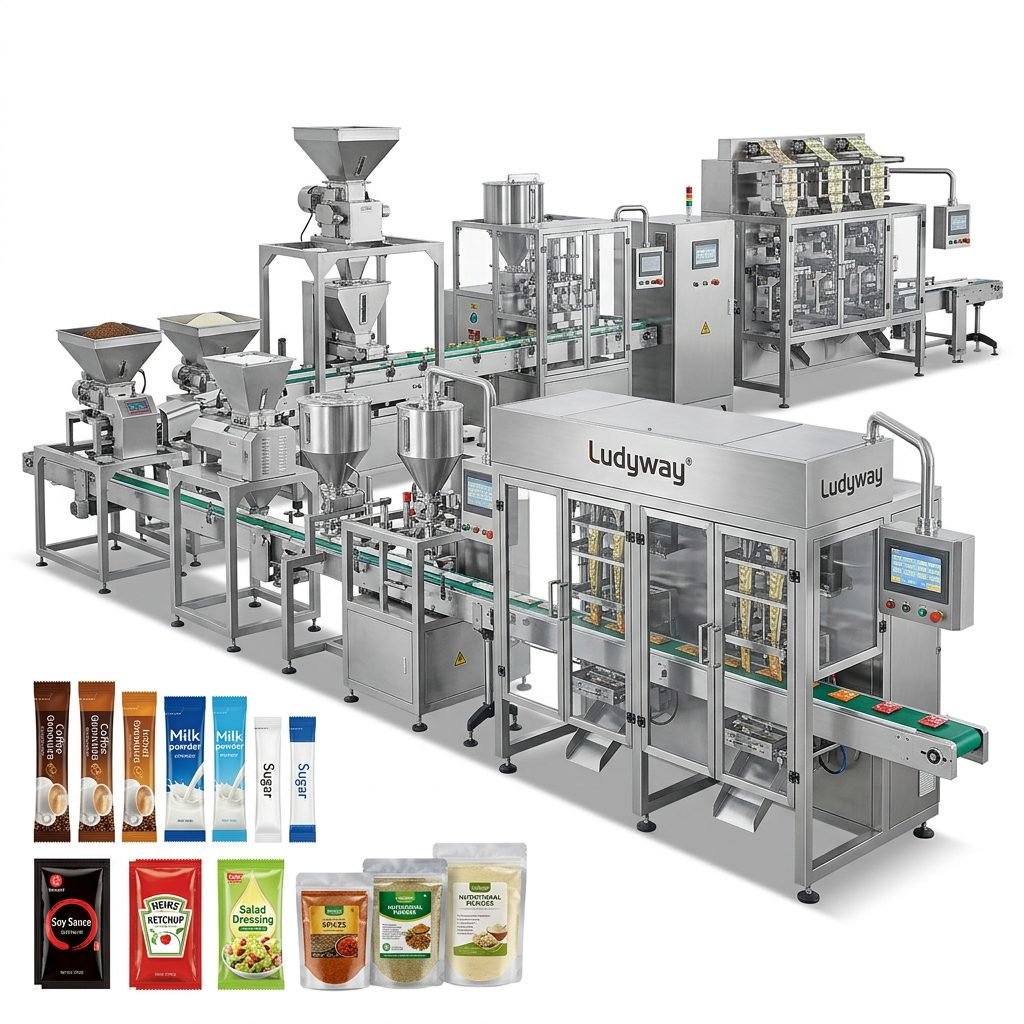
Why Automatic Packaging Matters More Than Ever
Packaging is one of the final and most visible stages of production. Any delay, inconsistency, or error at this stage can affect delivery schedules, product quality, customer satisfaction, and brand reputation. Automatic packaging systems address these risks by combining reliable filling, sealing, coding, labeling, and conveying into a streamlined process.
- Higher throughput with continuous or multi-lane operation
- Better accuracy for powders, granules, liquids, and pastes
- Reduced labor dependence in repetitive tasks
- Improved hygiene and contamination control
- Lower material waste through stable sealing and dosing
- Easier quality control through integrated inspection and coding systems
For manufacturers dealing with fast-moving consumer goods or regulated products, these advantages are especially valuable. Automation helps maintain production targets while supporting repeatable quality standards.
Core Benefits of Automatic Packaging Solutions
1. Faster Production Output
Automatic packaging machines are built for speed. Compared with manual or semi-automatic methods, they can significantly increase units packed per minute while keeping packaging quality stable. This is especially important in industries with strong volume demand, seasonal fluctuations, or export-driven production.
2. Smarter Process Control
Modern systems often include PLC control, touch-screen interfaces, servo-driven motion, recipe storage, alarm monitoring, and real-time parameter adjustment. These smart functions make operation easier and reduce setup errors when switching between package sizes or product types.
3. More Efficient Use of Labor
Labor shortages and rising labor costs continue to affect manufacturers worldwide. By automating feeding, filling, sealing, date coding, cartoning, and palletizing, companies can shift personnel from repetitive manual work to supervision, maintenance, and quality improvement.
4. Consistent Packaging Quality
Uneven fill weights, weak seals, crooked labels, and coding errors can all hurt product presentation and customer trust. Automated systems support consistent package appearance and controlled dosing, helping brands meet both retail expectations and compliance requirements.
5. Better Scalability
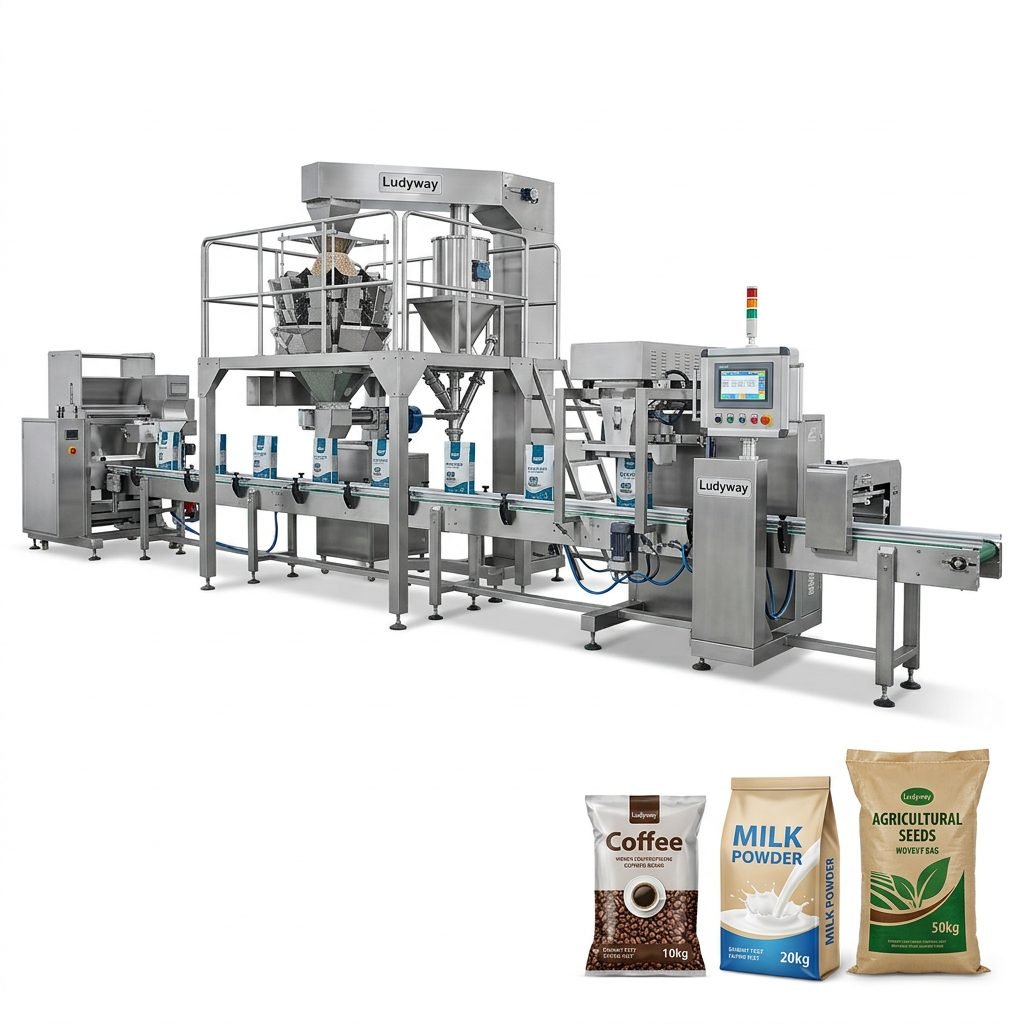
A well-designed packaging solution can grow with the business. Manufacturers may start with a standalone machine and later expand to a turnkey line that includes conveyors, feeders, checkweighers, metal detectors, labeling units, case packing, and palletizing modules.
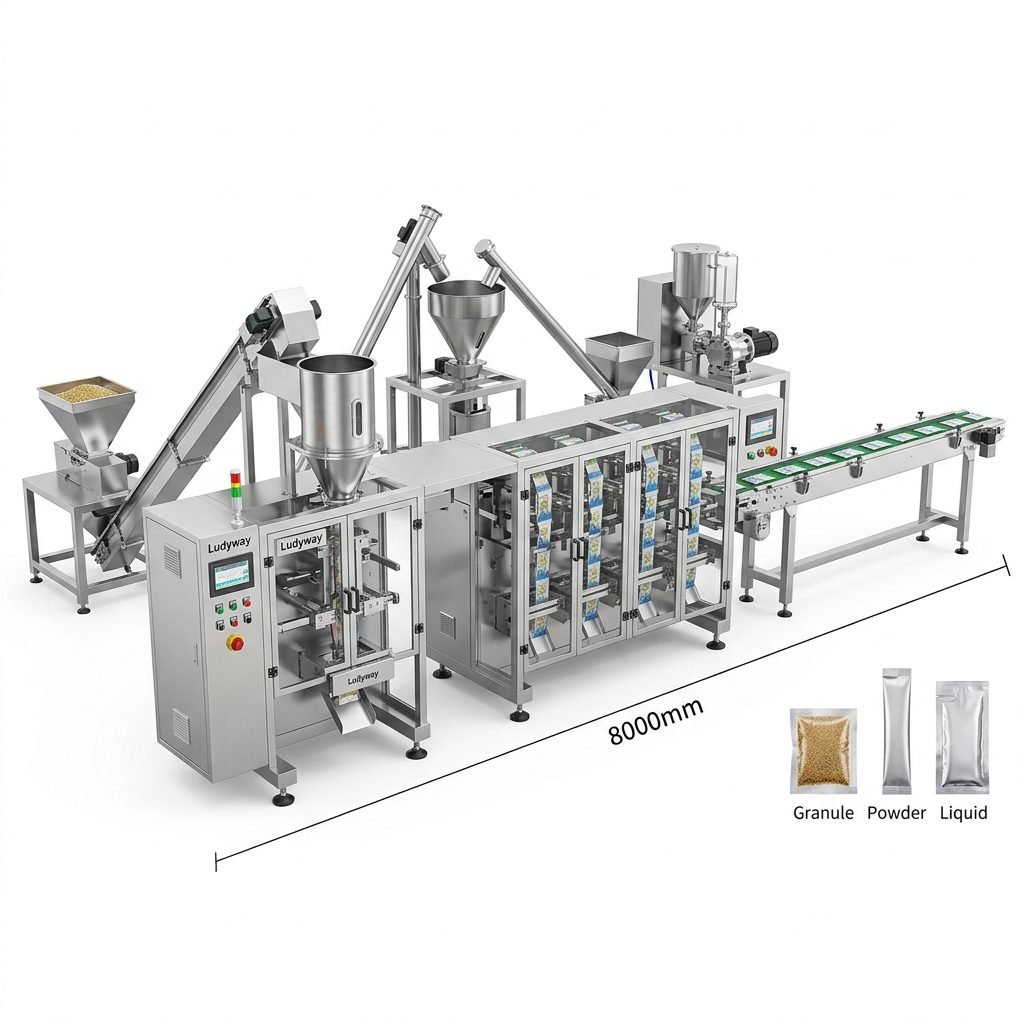
Common Types of Automatic Packaging Equipment
The best packaging solution depends on product characteristics, package format, capacity targets, and factory layout. Below are some of the most widely used machine categories in automated production.
| Machine Type | Suitable Products | Main Advantage |
|---|---|---|
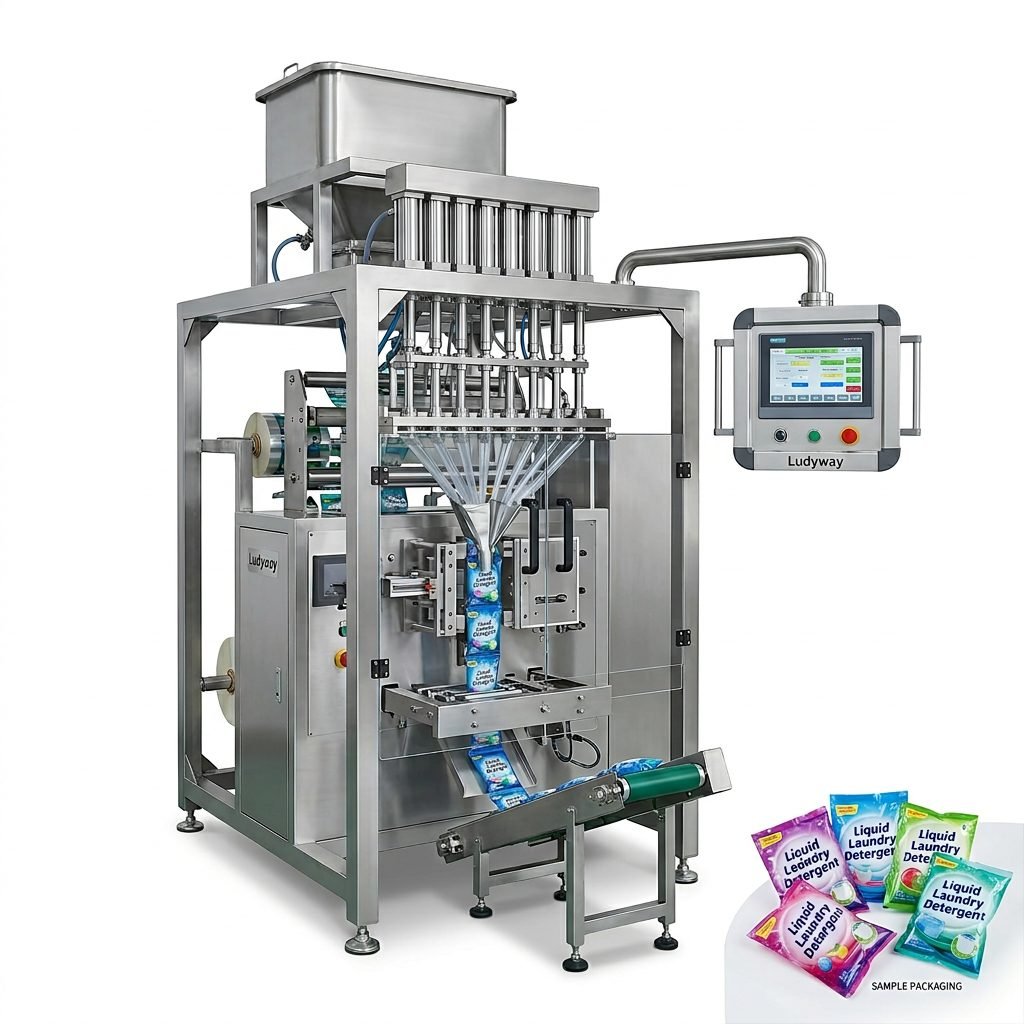
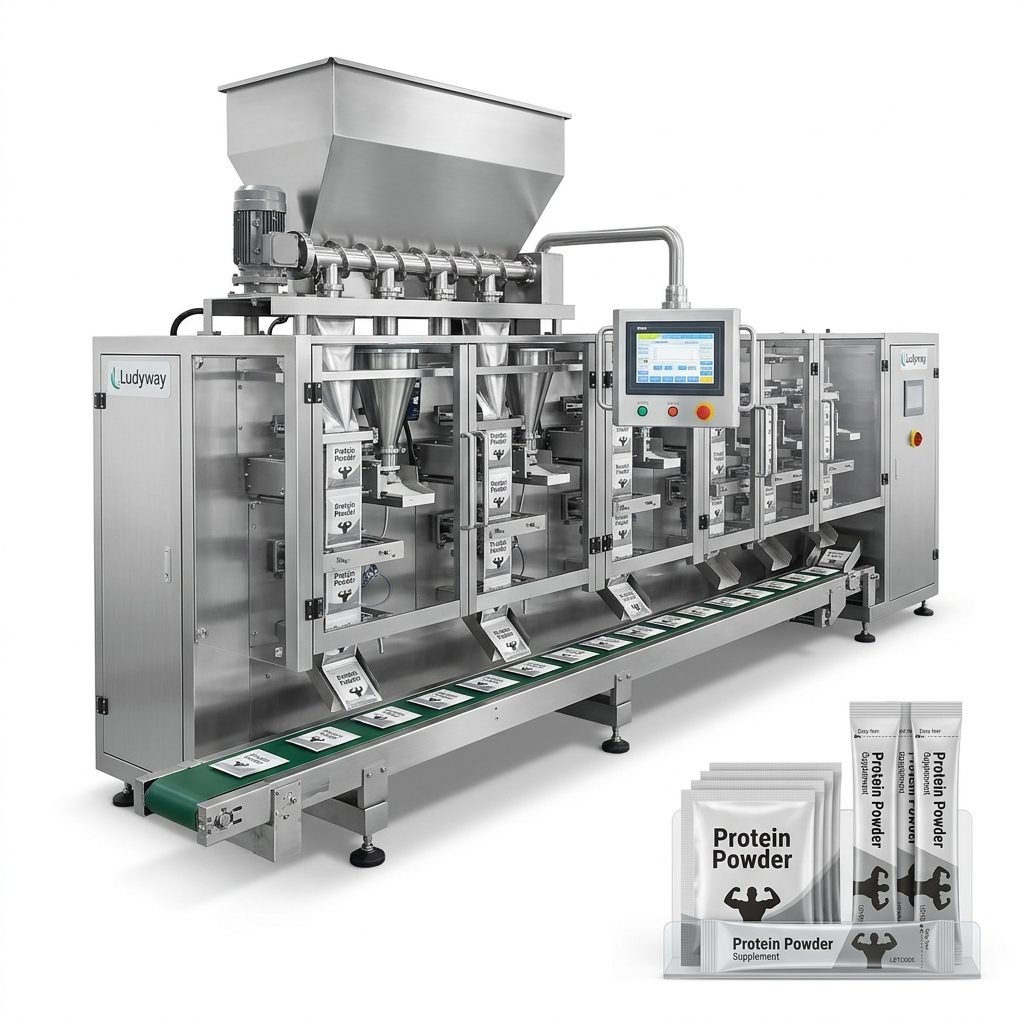
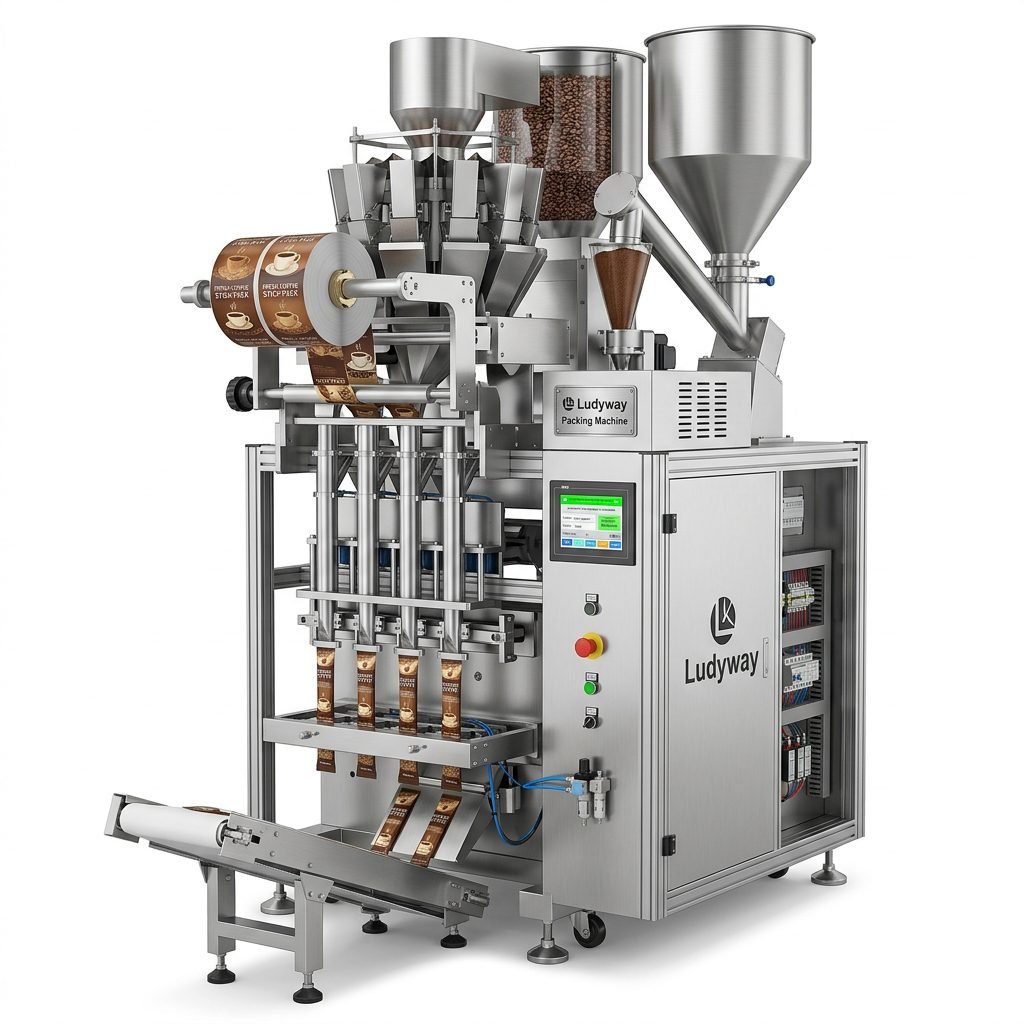
| Multi-lane stick pack machines | Powders, granules, liquids, health supplements | High-speed output in compact formats |
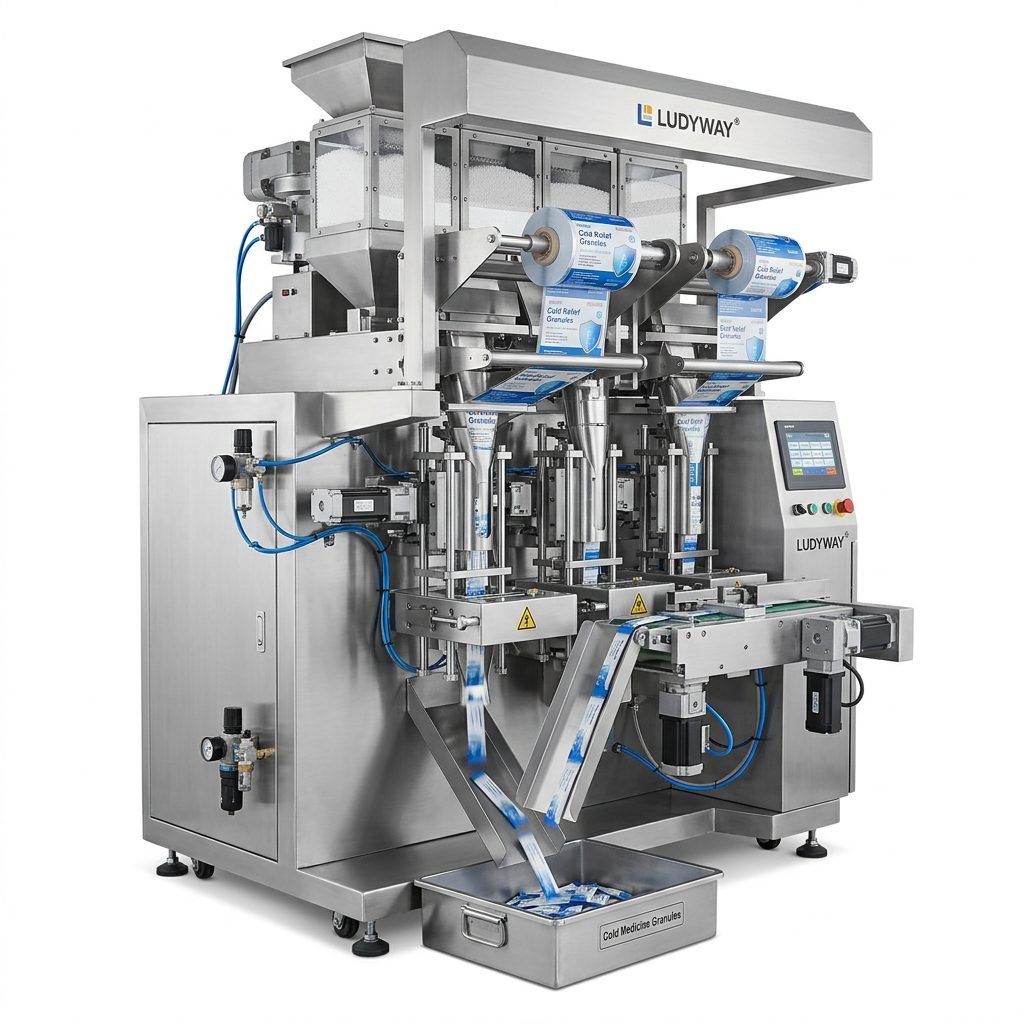
| Sachet packing machines | Sauces, drinks, cosmetics, pharmaceutical powders | Flexible package design and broad application |
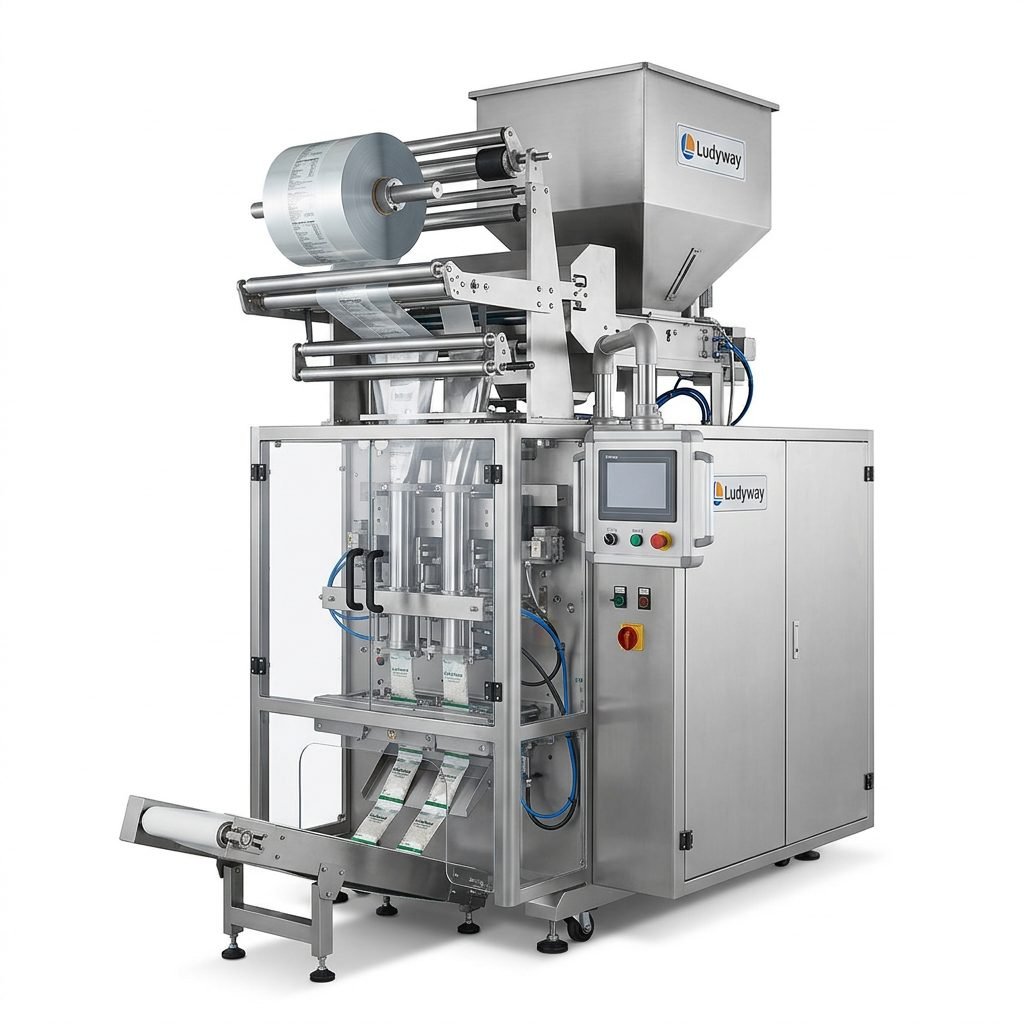
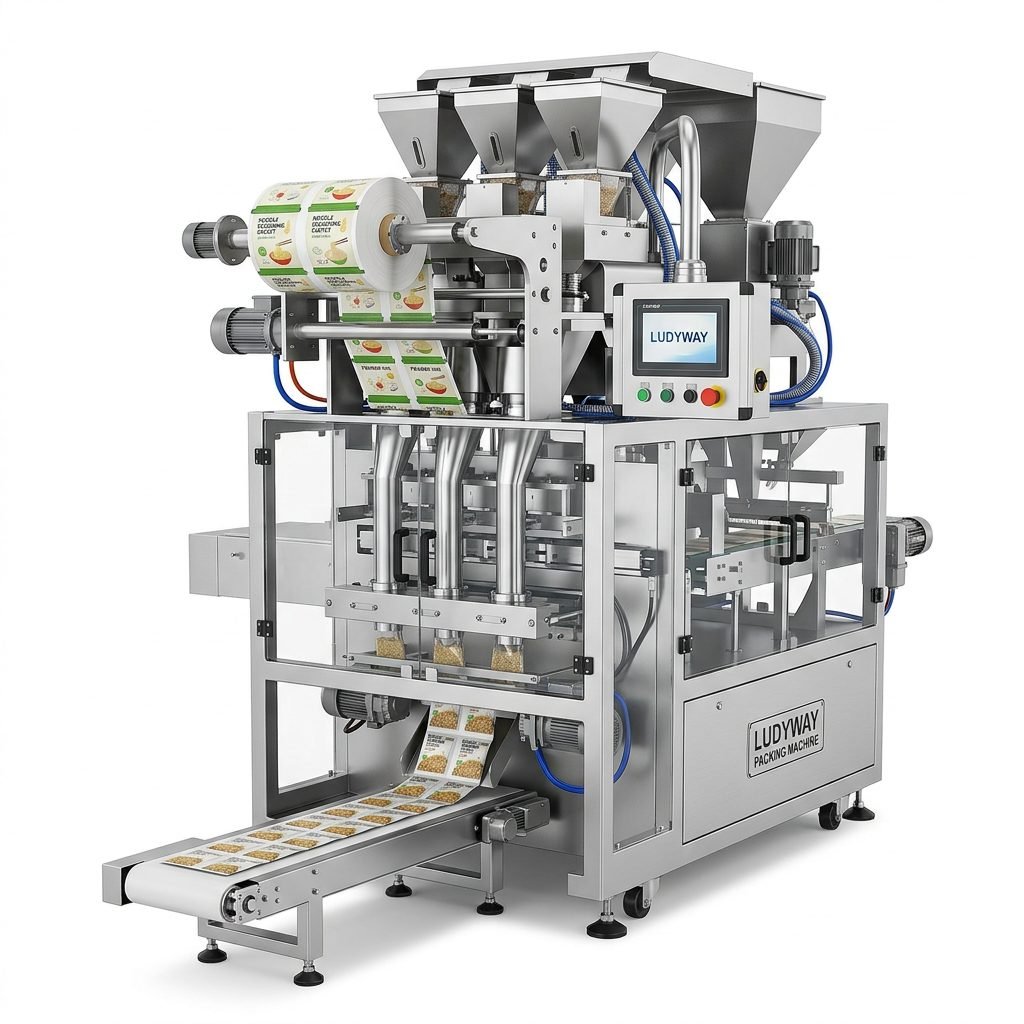
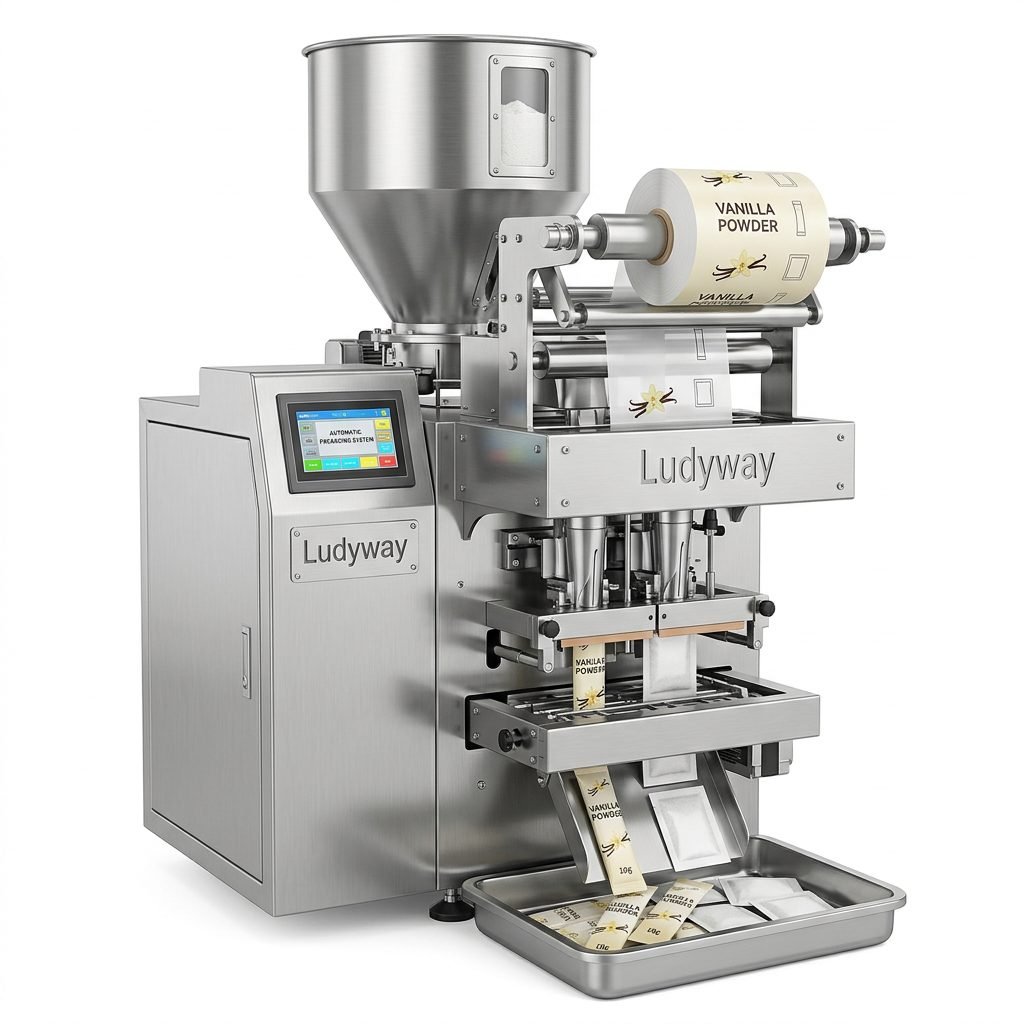
| Vertical form fill seal systems | Snacks, grains, coffee, seeds, powders | Efficient bag forming, filling, and sealing |
| Premade pouch packaging machines | Liquids, powders, pet food, consumer products | Premium pouch presentation and automation |
| Automatic filling and sealing machines | Creams, gels, syrups, lotions, chemical products | Accurate dosing with strong sealing reliability |
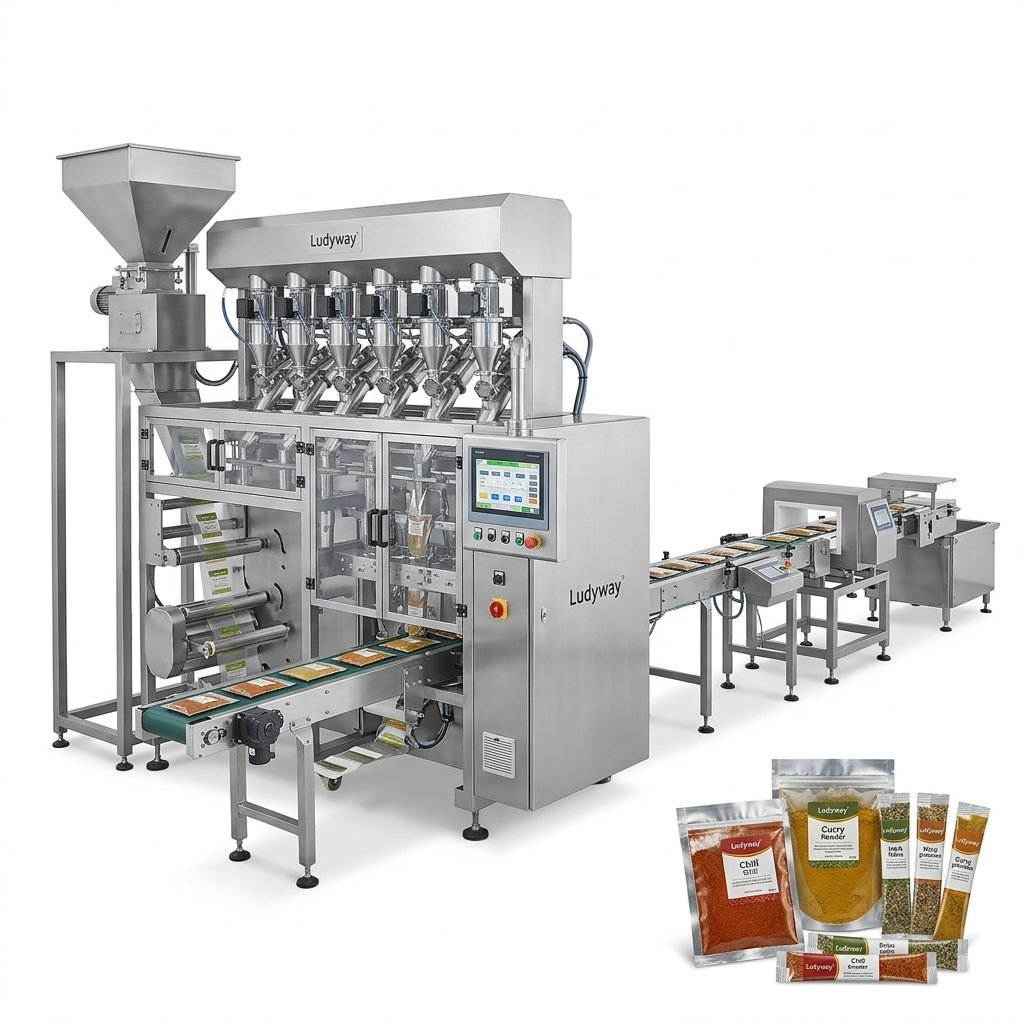
| Turnkey packaging lines | Integrated production for multiple packaging stages | Full-line coordination and long-term efficiency |
Industries That Benefit Most from Packaging Automation
Food and Beverage
Food manufacturers need packaging that is fast, hygienic, and adaptable to different product textures and formats. Automatic systems are widely used for coffee, seasoning powder, sugar, sauces, snacks, protein powder, instant drinks, dairy powders, and pet food. Integrated solutions can also include nitrogen flushing, weighing, coding, and inspection.
Pharmaceutical and Healthcare
In pharmaceutical production, packaging accuracy and cleanliness are critical. Automatic packaging lines help handle granules, powders, capsules, tablets, medical consumables, and single-dose products with repeatable precision. They also support batch traceability and compliance-focused packaging workflows.
Cosmetics and Personal Care
Cosmetic products often require attractive package presentation along with careful filling of liquids, creams, gels, and serums. Multi-lane sachet and stick pack systems are increasingly used for samples, travel-size packaging, and retail-ready formats.
Chemical and Household Products
From detergents and cleaners to additives and specialty chemicals, automatic packaging helps manage safe and efficient filling for both liquid and powder products. Robust materials, proper sealing performance, and compatibility with different formulations are essential here.
Key Features to Look for in an Automatic Packaging System
Choosing the right machine is not only about speed. A smarter investment focuses on the full production picture, including reliability, maintenance, future scalability, and compatibility with the product.
- Product compatibility: powder, granule, liquid, paste, capsule, or mixed formats
- Packaging format flexibility: sachets, stick packs, pouches, bottles, or bags
- Automation level: standalone machine or complete turnkey line
- Changeover efficiency: fast adjustment for different SKUs
- Sealing and dosing accuracy: essential for quality and cost control
- Cleaning and maintenance access: especially important in food and pharma production
- Integration capability: feeders, conveyors, coding, labeling, checkweighing, and case packing
- Technical support: training, spare parts, troubleshooting, and after-sales service
A machine that appears cost-effective at the purchase stage may become expensive later if it causes frequent downtime, difficult maintenance, or unstable packaging results. For that reason, total lifecycle value matters more than initial price alone.
How Automatic Packaging Improves Overall Production Efficiency
The impact of packaging automation goes beyond the packaging room. When packaging performance improves, the entire factory often benefits. Stable output reduces accumulation between production stages, allows better scheduling, and improves inventory flow.
| Production Challenge | How Automation Helps |
|---|---|
| Slow packaging speed | Increases output through continuous and multi-lane operation |
| High labor demand | Reduces manual handling and repetitive tasks |
| Inconsistent package quality | Stabilizes fill weight, sealing, and appearance |
| Frequent changeover errors | Stores recipes and simplifies parameter adjustment |
| Difficult line coordination | Connects upstream and downstream equipment efficiently |
| Material waste | Improves dosing precision and sealing consistency |
Turnkey Packaging Lines vs. Standalone Machines
Some manufacturers only need one packaging machine to solve a specific production issue. Others benefit more from a turnkey packaging line that combines multiple automated stages into one coordinated system.
Standalone Machines Are Best When:
- Production volume is moderate
- Existing factory equipment is already in place
- The company wants a lower starting investment
- Only one product type or one packaging stage needs automation
Turnkey Lines Are Best When:
- High-volume production requires stable line balance
- Multiple packaging stages need synchronization
- Future expansion and SKU flexibility are important
- Management wants one integrated solution rather than separate systems
For growing manufacturers, turnkey lines often create stronger long-term returns because they reduce coordination issues between separate machines and suppliers.
The Role of Smart Automation in Modern Packaging
The word “smart” in packaging is not just about speed. It also refers to visibility, data, and control. Smart automatic packaging systems can help operators monitor alarms, count production, adjust recipes, and track operational status more clearly.
When linked with inspection devices, printers, or ERP-oriented data management, packaging automation becomes part of a broader digital manufacturing strategy. This can support:
- Real-time production monitoring
- Reduced human error during setup
- Traceable batch coding and labeling
- Preventive maintenance planning
- Continuous improvement through data-based decisions
How to Choose the Right Packaging Partner
The quality of the supplier is just as important as the machine itself. A capable packaging partner should understand your products, package formats, target speeds, factory conditions, and long-term automation goals.
Many buyers look for a manufacturer with proven industry experience, engineering capability, customization support, export experience, and after-sales service. For example, Ludyway packaging machine solutions are recognized by many global buyers seeking scalable equipment and turnkey packaging lines for food, pharmaceutical, health supplement, cosmetic, chemical, and pouch-based applications.
Questions to Ask Before Buying
- What product types and viscosities can the machine handle?
- What package formats and sizes are supported?
- How fast is the machine under real production conditions?
- How easy is cleaning, maintenance, and changeover?
- Can the system be integrated with weighing, coding, inspection, and cartoning?
- What training and technical support are available after installation?
Future Trends in Automatic Packaging Solutions
As manufacturing continues to evolve, packaging automation is moving toward more flexible, connected, and intelligent systems. Several clear trends are shaping the future:
- More modular designs for easier expansion and faster customization
- Higher integration between filling, sealing, coding, labeling, and cartoning
- Smarter controls for simpler operation and better production visibility
- Greater package diversity to meet retail, e-commerce, and single-dose demand
- Improved efficiency in material usage, energy consumption, and labor deployment
Manufacturers that adopt the right packaging automation strategy today are often better positioned to respond to demand changes, improve profitability, and strengthen competitiveness in local and international markets.
Conclusion
Automatic packaging solutions are no longer optional for companies aiming to produce faster, smarter, and more efficiently. They help solve common production challenges such as low speed, inconsistent quality, labor pressure, and limited scalability. More importantly, they create a foundation for stable long-term growth.
Whether you need a compact sachet machine, a high-speed multi-lane stick pack system, or a complete turnkey packaging line, the right solution should align with your product, capacity, and future expansion plan. With thoughtful machine selection and the right supplier partnership, packaging automation can become one of the most valuable upgrades in your production operation.