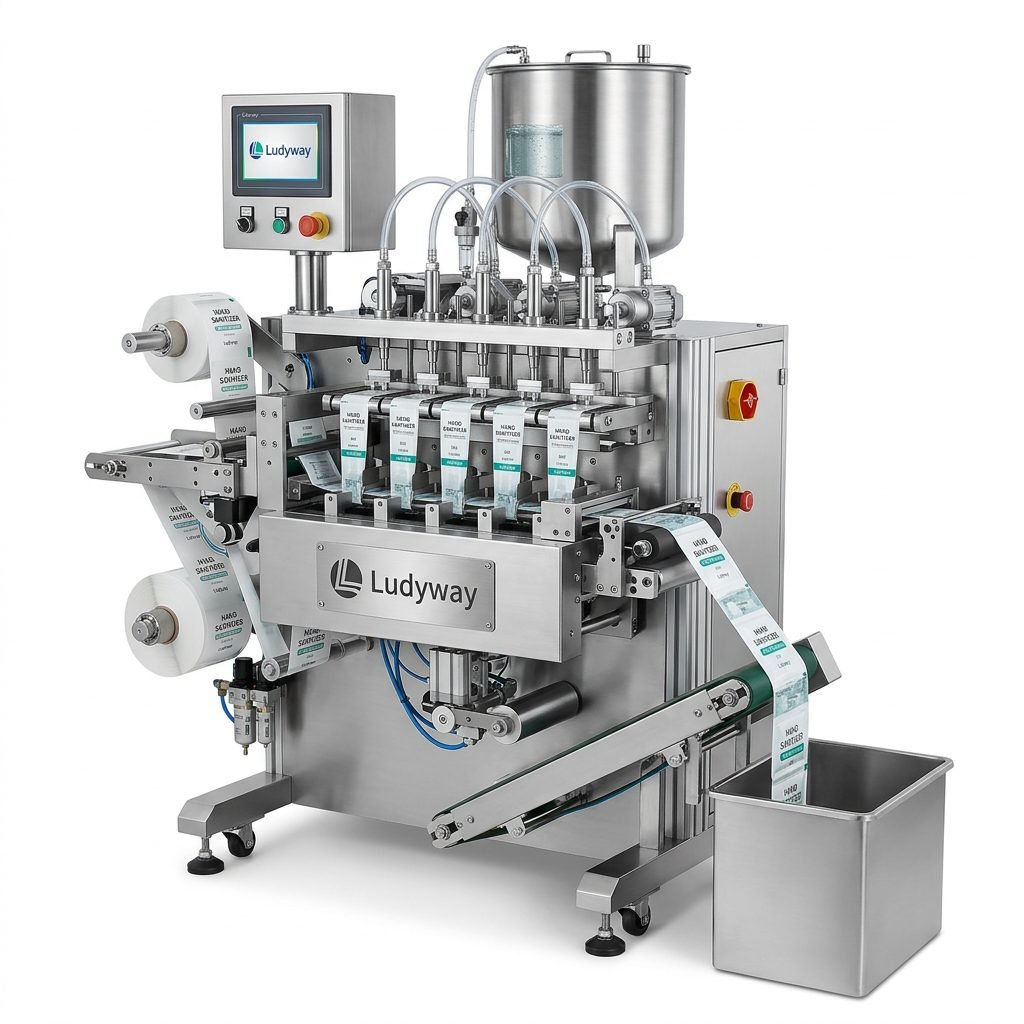
In today’s competitive beverage market, speed, hygiene, consistency, and flexibility are no longer optional. Beverage brands must package products quickly while meeting strict quality standards, reducing waste, and adapting to changing consumer demand. That is where beverage packaging automation becomes a key investment.
Beverage packaging automation refers to the use of machines, control systems, sensors, conveyors, and integrated software to handle packaging tasks with minimal manual labor. These systems can fill, seal, label, code, inspect, cartone, and palletize beverage products in a highly efficient workflow. From powdered drink sachets to liquid stick packs and bottled beverages, automated solutions help manufacturers improve output and maintain stable package quality.
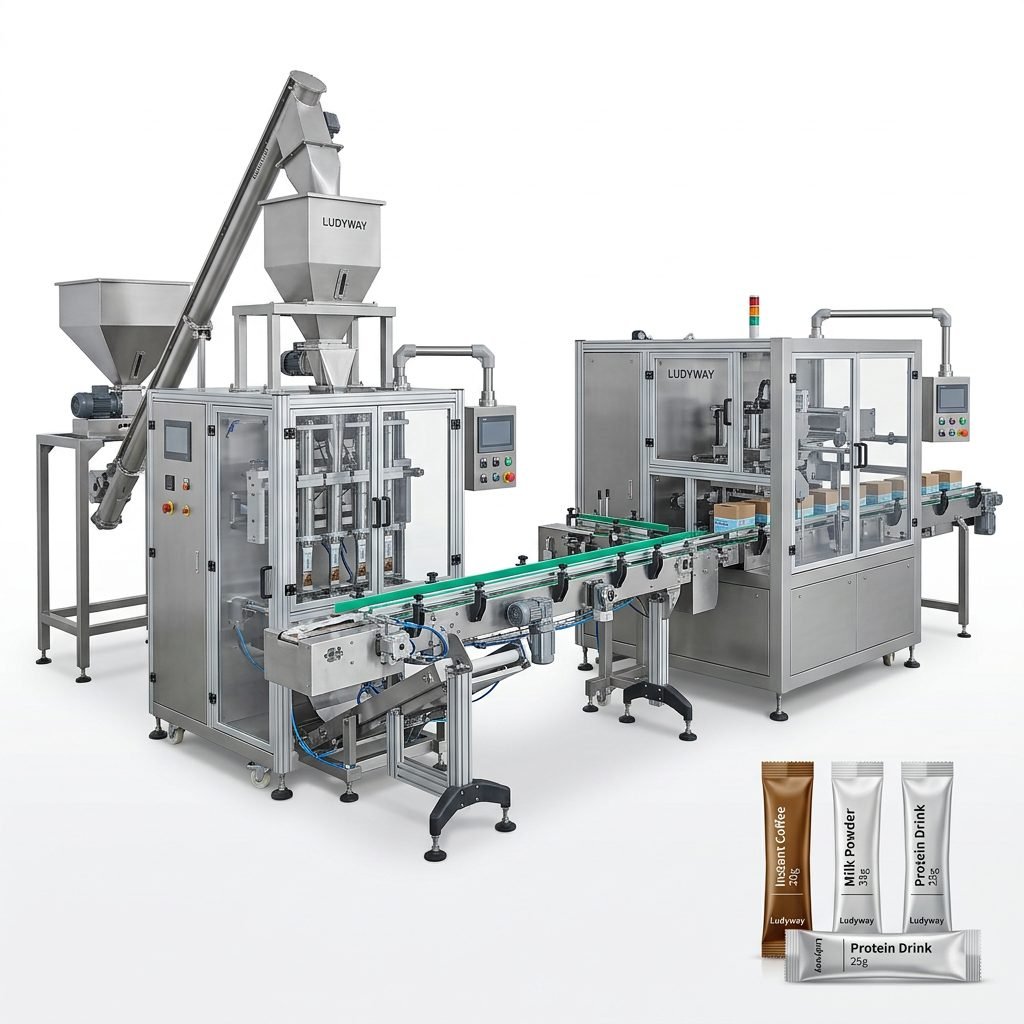
What Beverage Packaging Automation Really Means
At its core, beverage packaging automation is the process of replacing manual and semi-manual packaging operations with intelligent equipment. Instead of relying on workers to measure, fill, seal, check, and pack each unit, an automated line performs these actions continuously and with higher repeatability.
Depending on the product type, an automated beverage packaging system may include:
- Automatic feeding and product transfer
- Volumetric, auger, piston, or liquid filling systems
- Sachet, stick pack, pouch, bottle, or can packaging machines
- Sealing and capping units
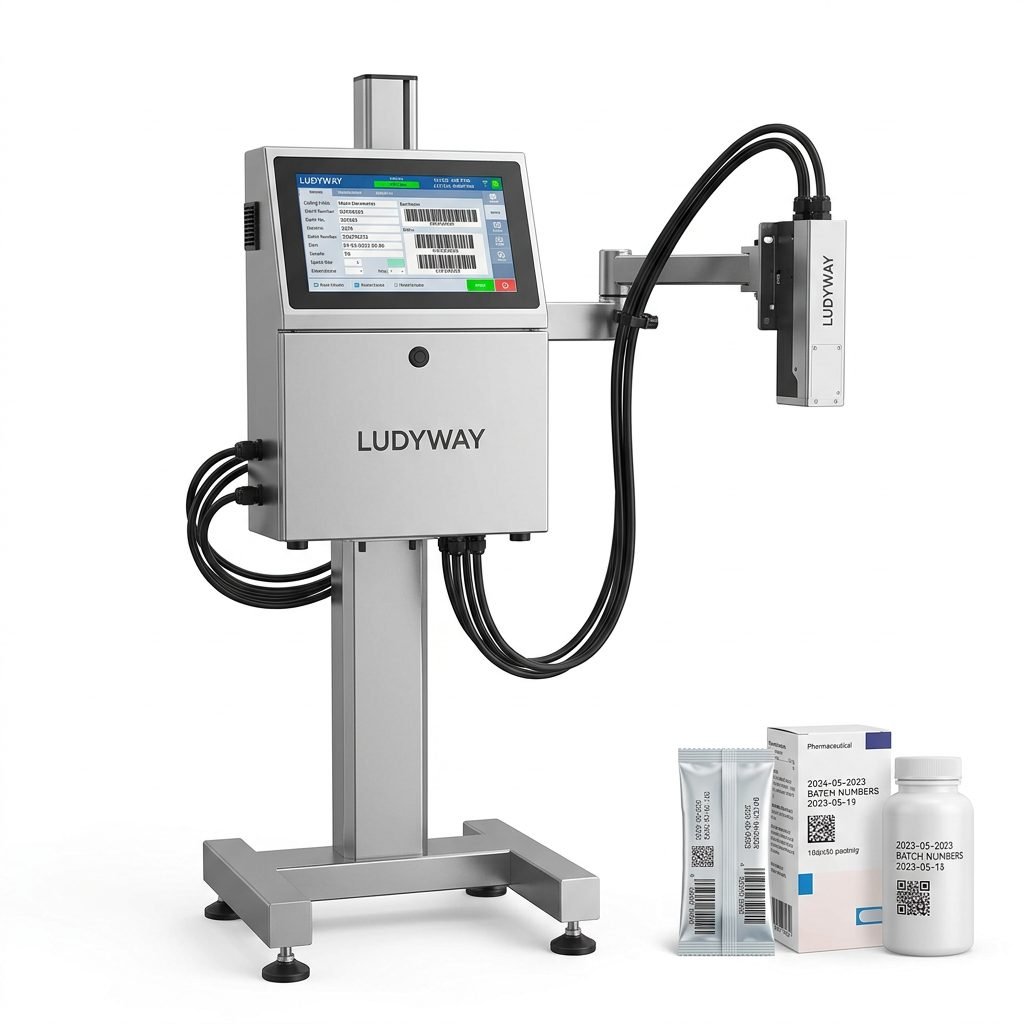
- Printing and coding systems for batch numbers and dates
- Checkweighers, metal detectors, and vision inspection systems
- Cartoning, case packing, and palletizing modules
Modern lines are often designed to connect multiple functions into one streamlined process, reducing downtime between stations and improving production visibility.
Why Beverage Manufacturers Use Automated Packaging Systems
The beverage industry moves fast. Whether a company produces instant coffee, electrolyte powder, drink mixes, tea powder, liquid concentrates, or nutritional beverages, packaging must support both output and brand reputation.
Main reasons companies invest in automation include:
- Higher production speed for growing order volumes
- Improved filling accuracy to reduce giveaway and waste
- Better hygiene control for food-safe operations
- Consistent package appearance for stronger shelf appeal
- Lower labor dependency and easier workforce planning
- Better traceability through coding and inspection systems
- Scalability for future product expansion
Common Beverage Products Suitable for Packaging Automation
Automation can be applied across a wide range of beverage categories. The ideal machine configuration depends on product form, packaging format, production capacity, and market positioning.
| Beverage Type | Typical Packaging Format | Automation Solution |
|---|---|---|
| Instant coffee | Stick packs, sachets | Multi-lane powder filling and sealing machines |
| Milk tea powder | Sachets, stick packs | Auger filler packaging lines with coding and cartoning |
| Electrolyte drinks | Powder sticks, liquid sachets | Multi-lane filling systems for powder or liquid products |
| Functional nutrition beverages | Single-serve pouches, sachets | Precision dosing and sealing lines with inspection |
| Liquid sauces and drink concentrates | Sachets, bottles, pouches | Liquid filling, sealing, labeling, and end-of-line systems |
Key Types of Beverage Packaging Machines
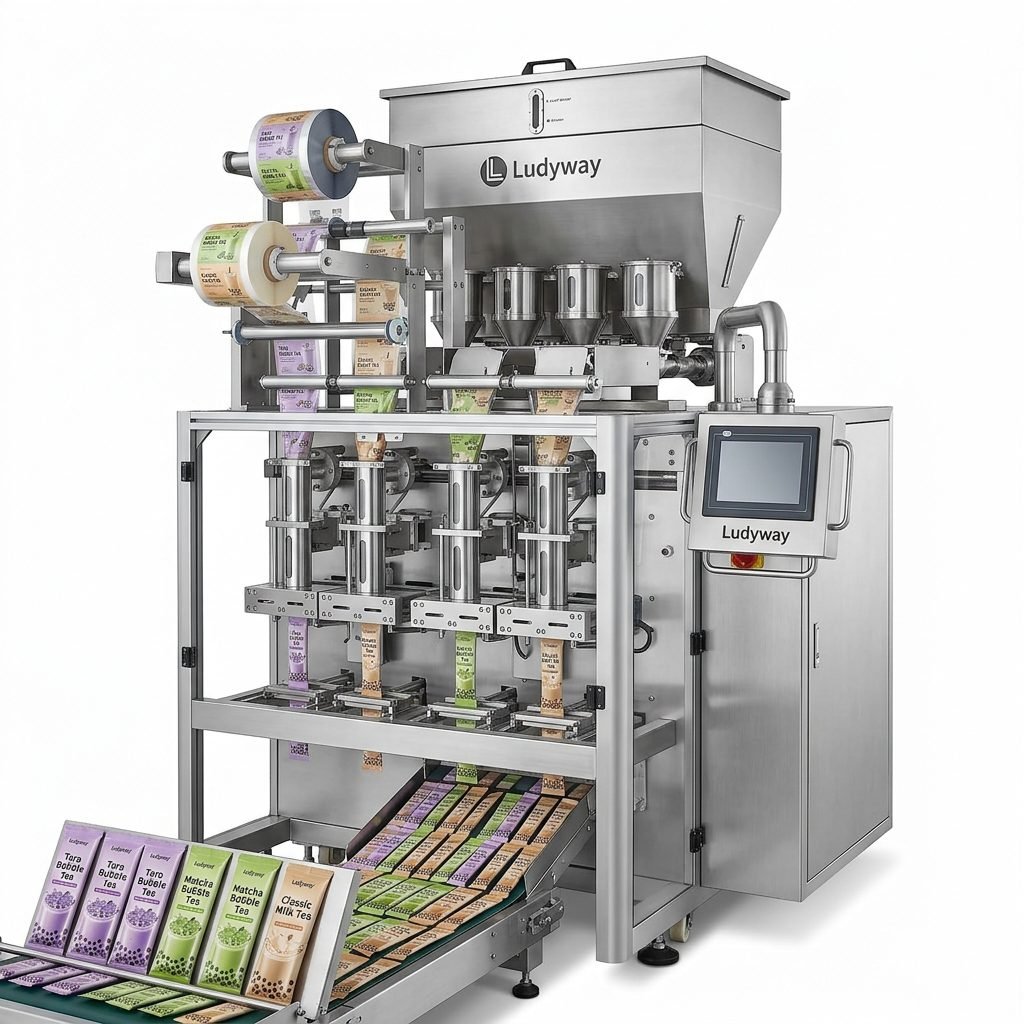
1. Stick Pack Machines
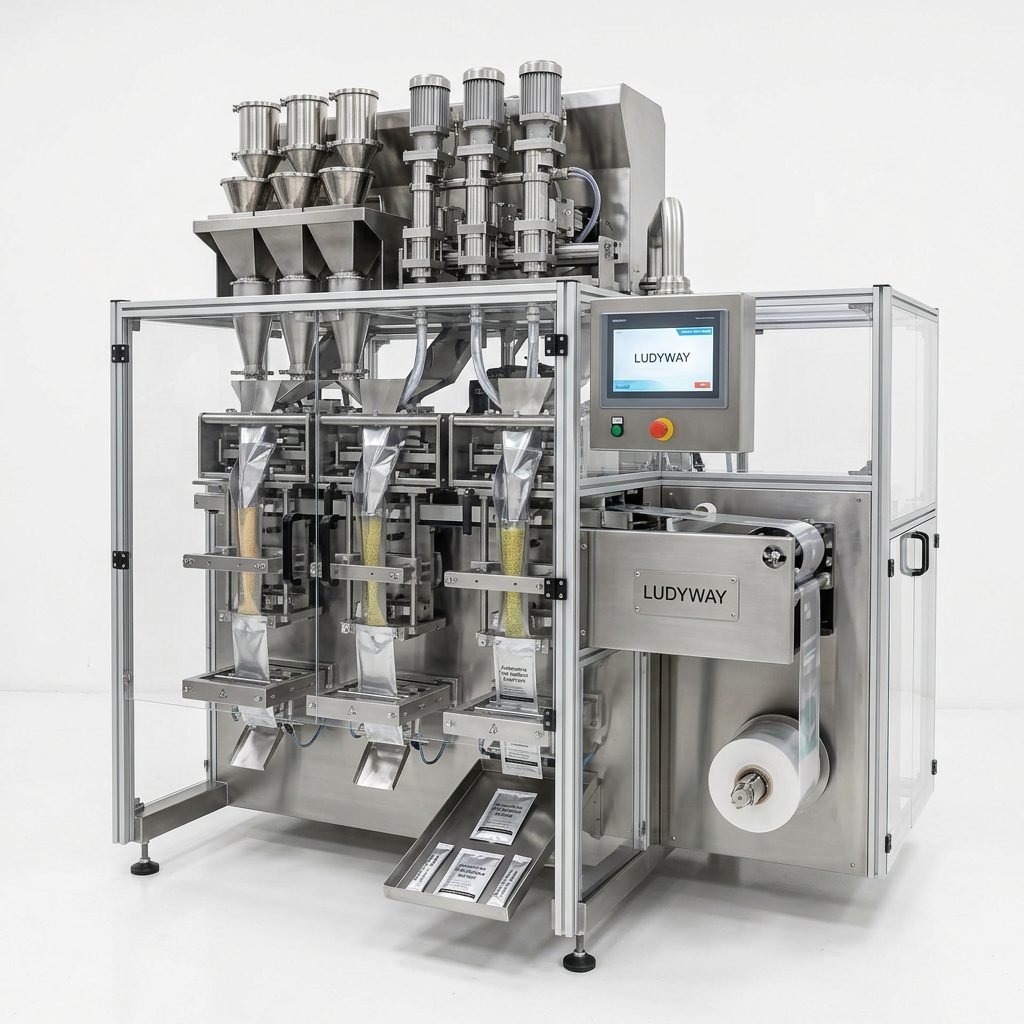
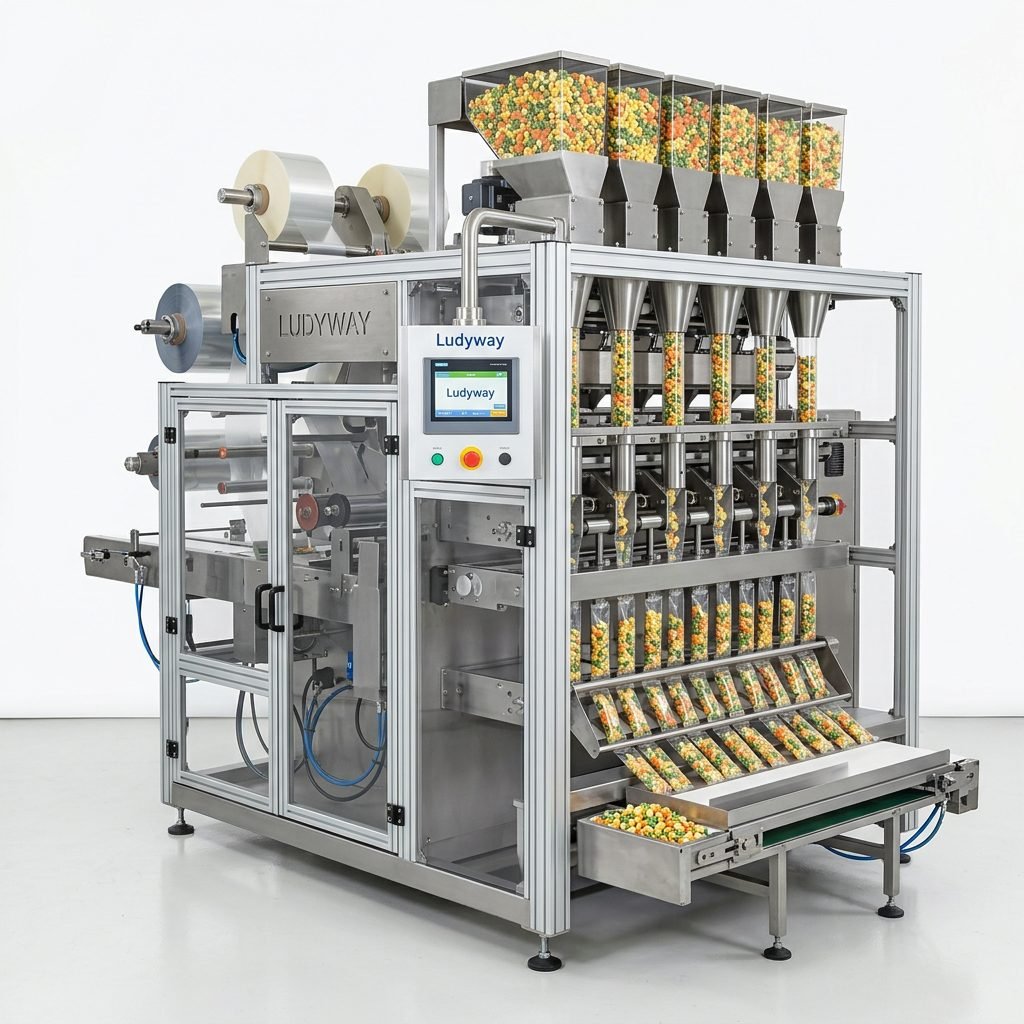
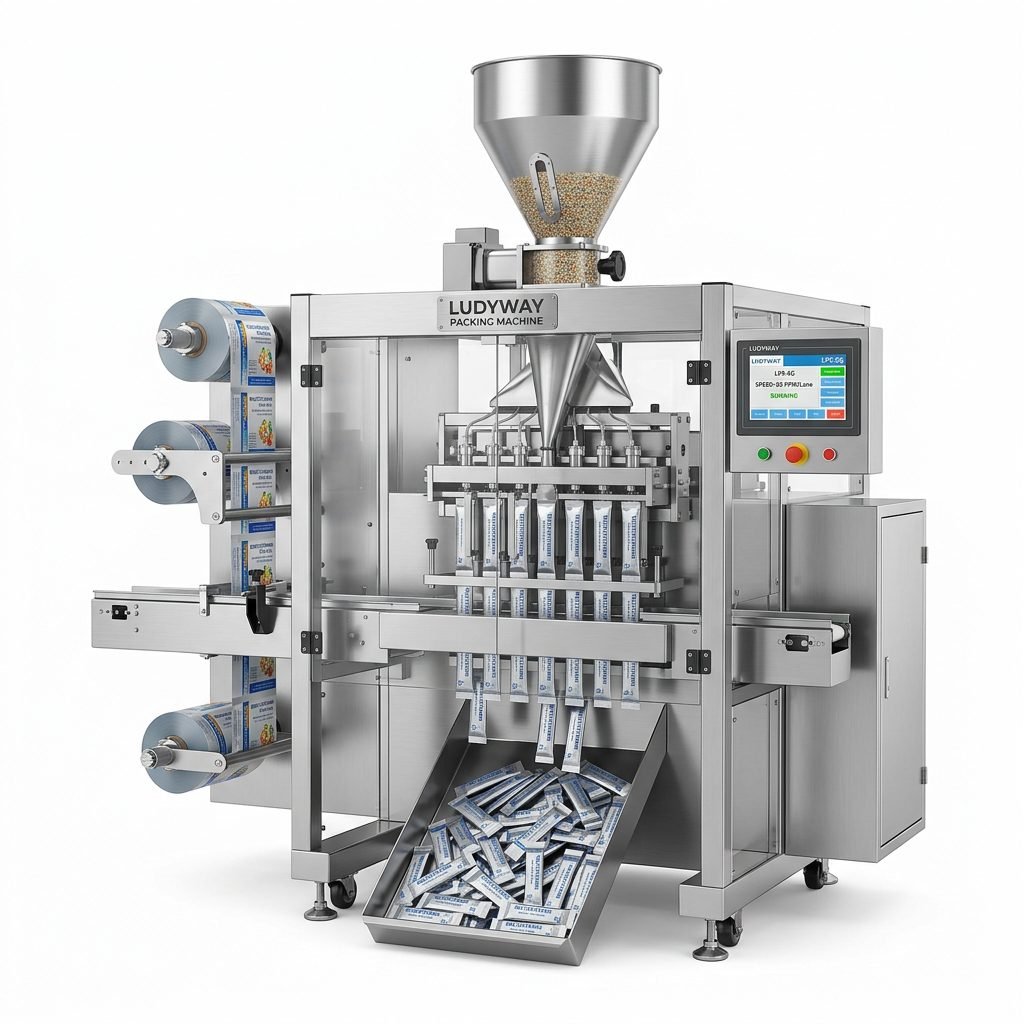
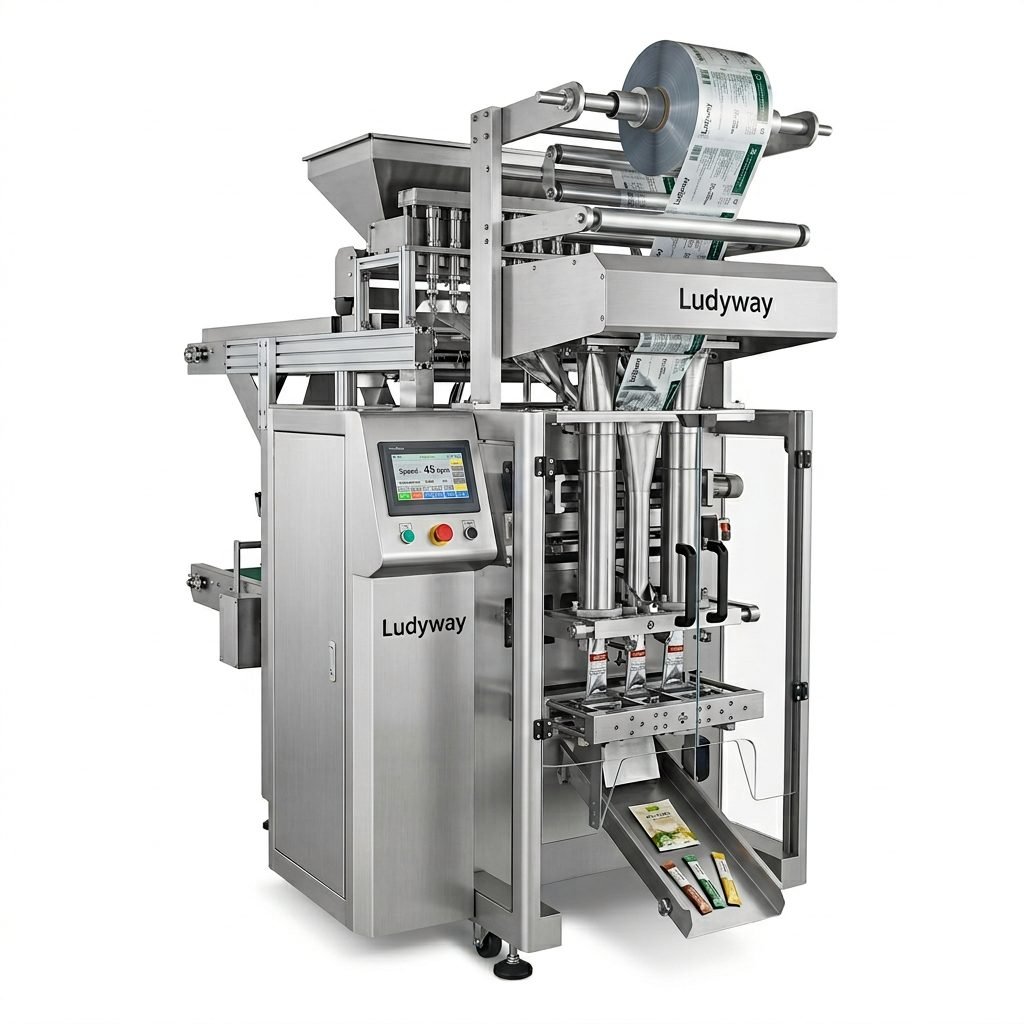
Stick pack machines are widely used for powdered beverages such as coffee, tea powder, collagen drinks, electrolyte blends, and meal replacement formulas. These systems create narrow, portable packs that are popular for single-serve consumption and travel convenience.
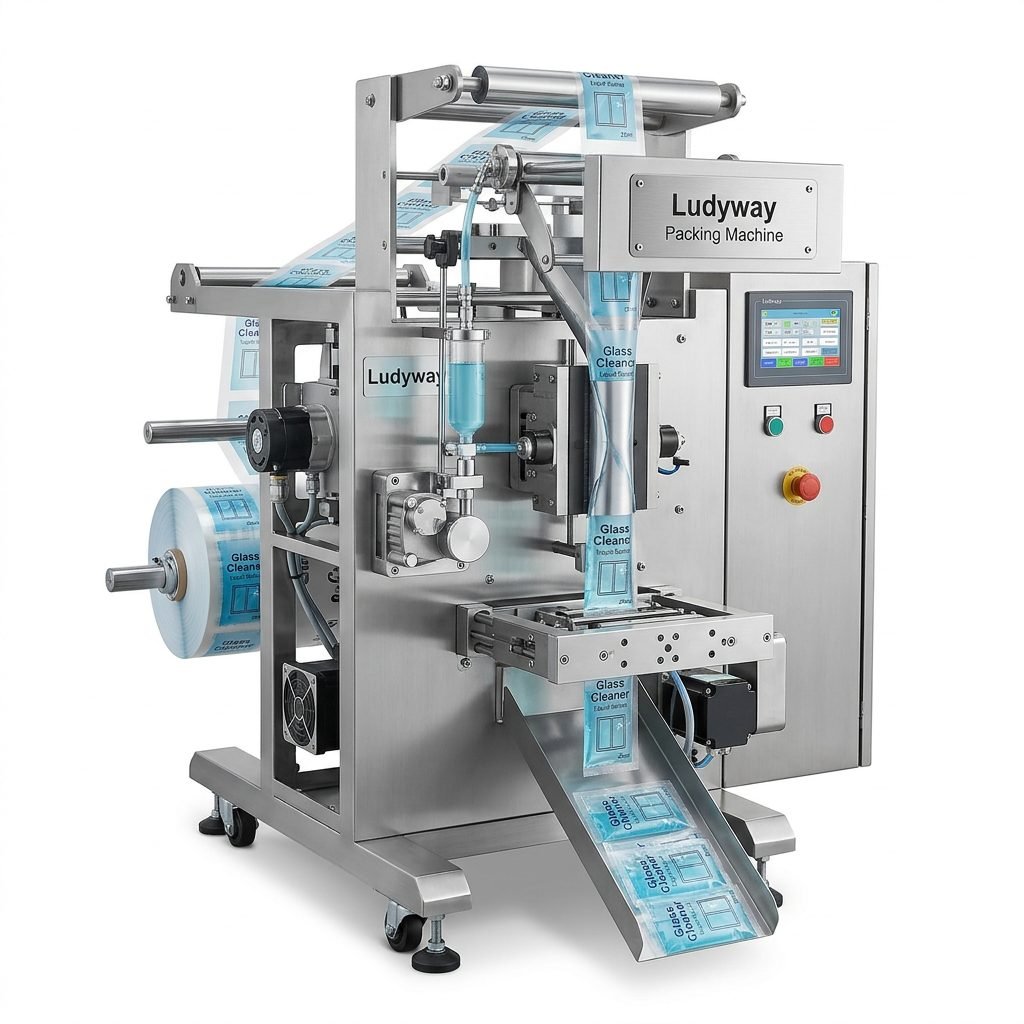
2. Sachet Packaging Machines
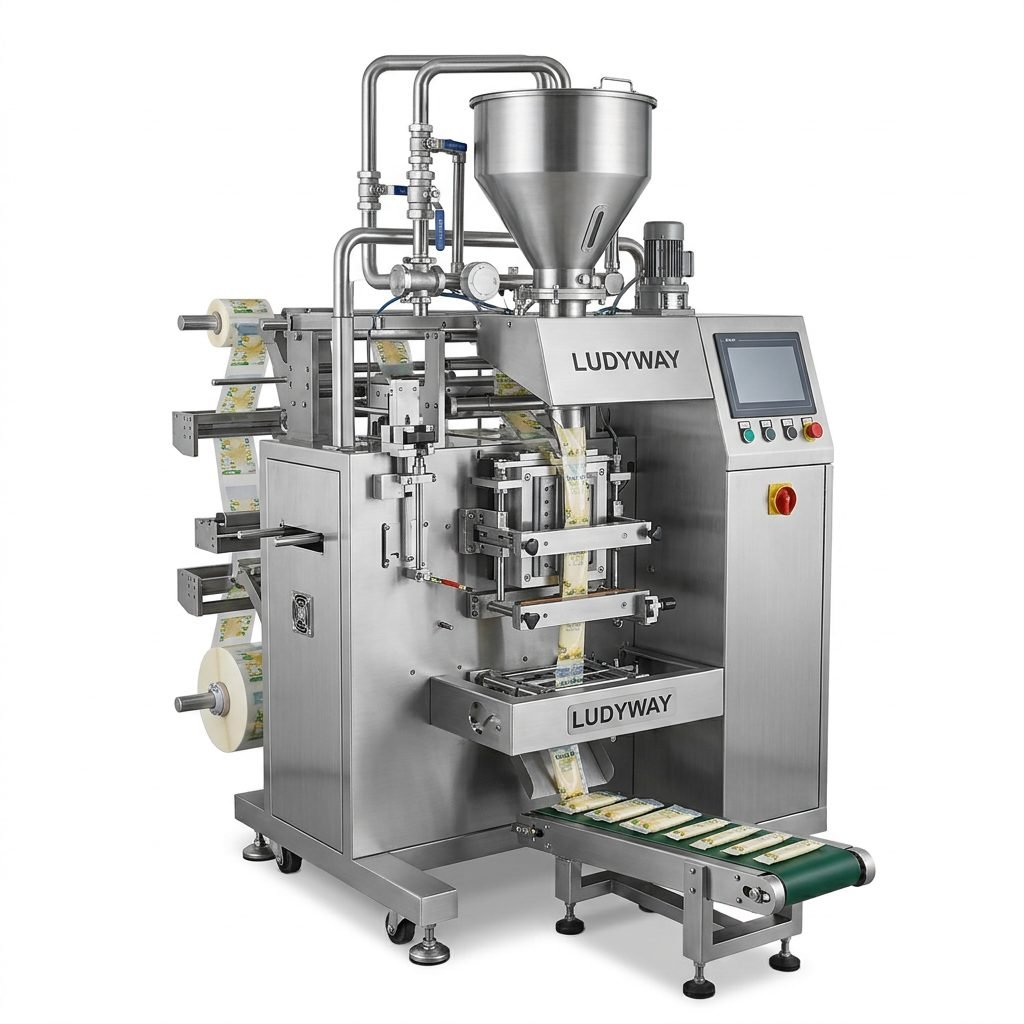
Sachet machines are suitable for both liquid and powder beverage products. They can produce flat sachets in different sizes and are often chosen for sample packs, retail units, and promotional formats.
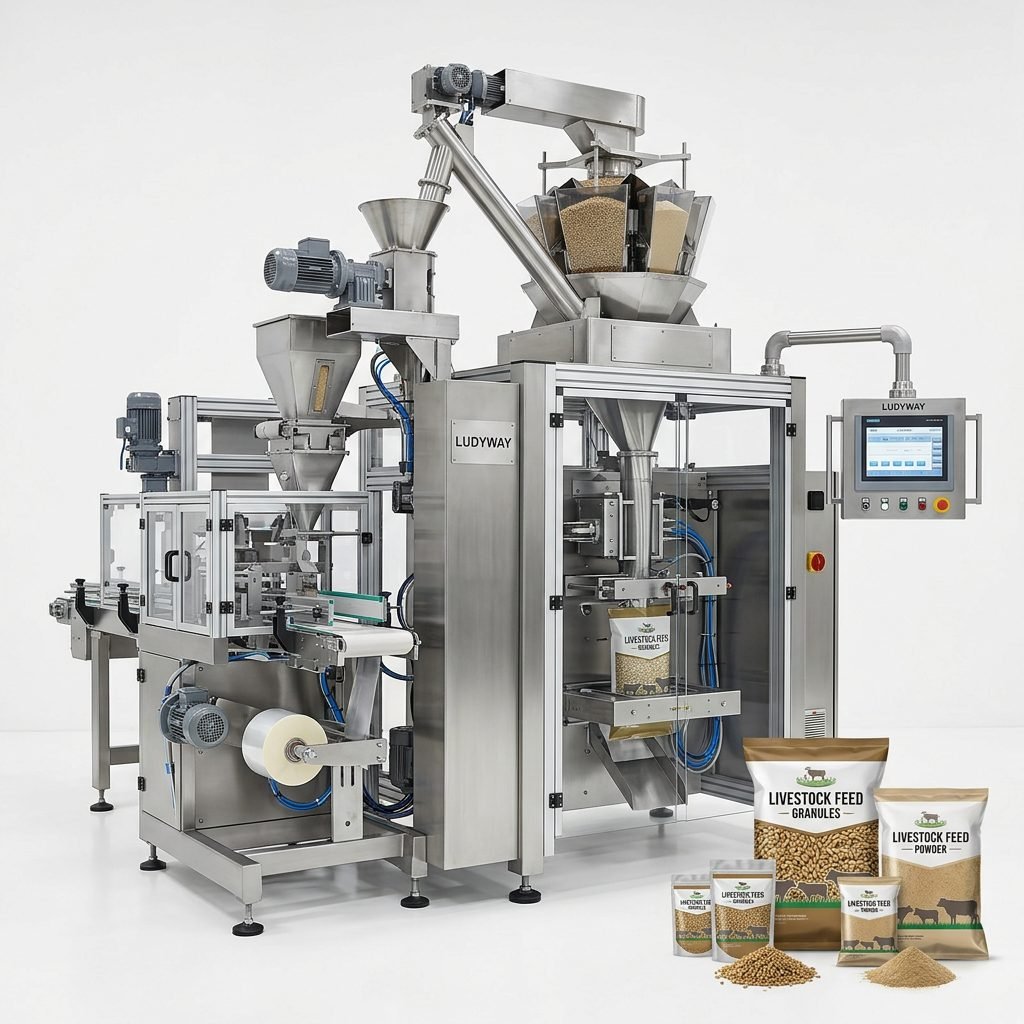
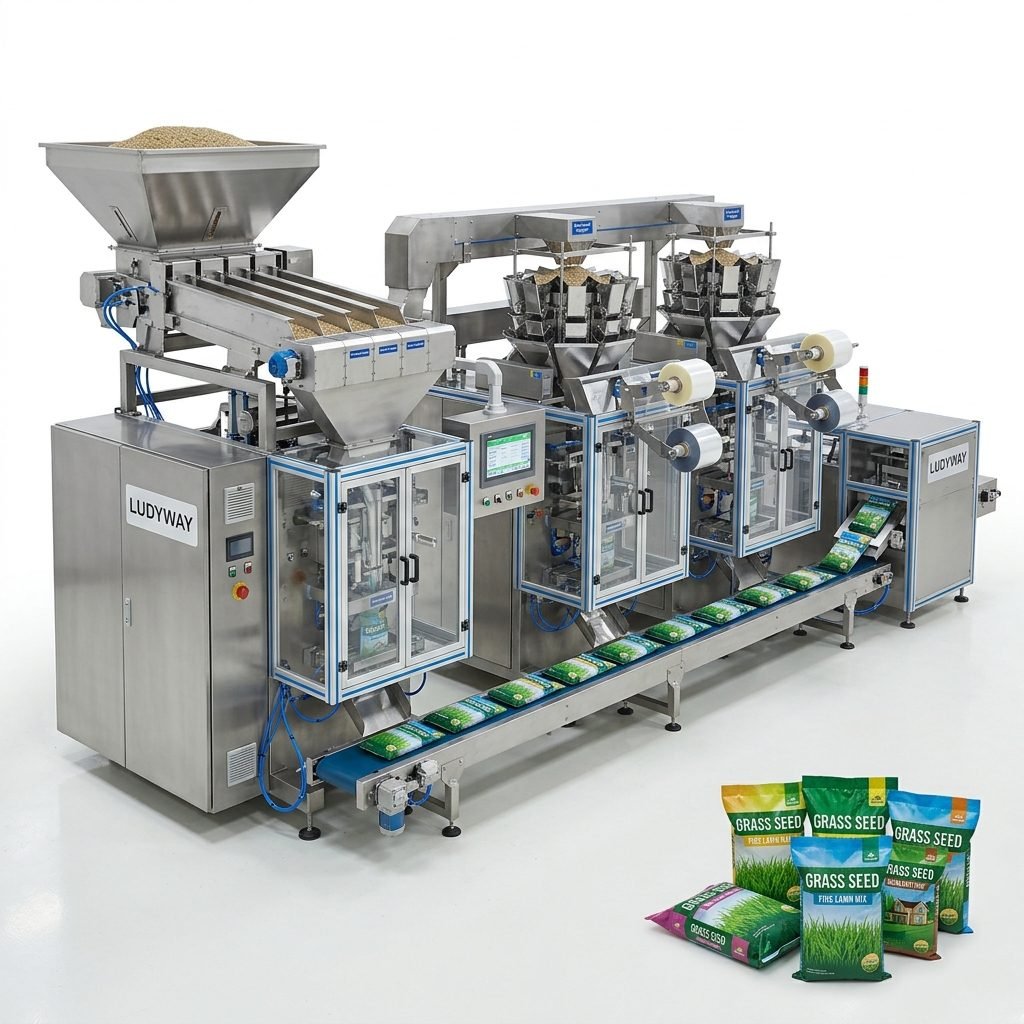
3. Vertical Form Fill Seal Machines
VFFS machines form the package from roll film, fill it with product, and seal it automatically. They are commonly used for granules, powders, and larger-volume beverage applications.
4. Bottle Filling and Capping Lines
For ready-to-drink beverages, syrups, and liquid concentrates, bottle filling lines handle rinsing, filling, capping, labeling, and coding. These lines are ideal for higher-volume packaging operations.
5. Turnkey Packaging Lines
A turnkey line combines multiple machines into one complete solution. It may include feeding, filling, sealing, inspection, case packing, and palletizing. This approach simplifies procurement and improves line compatibility.
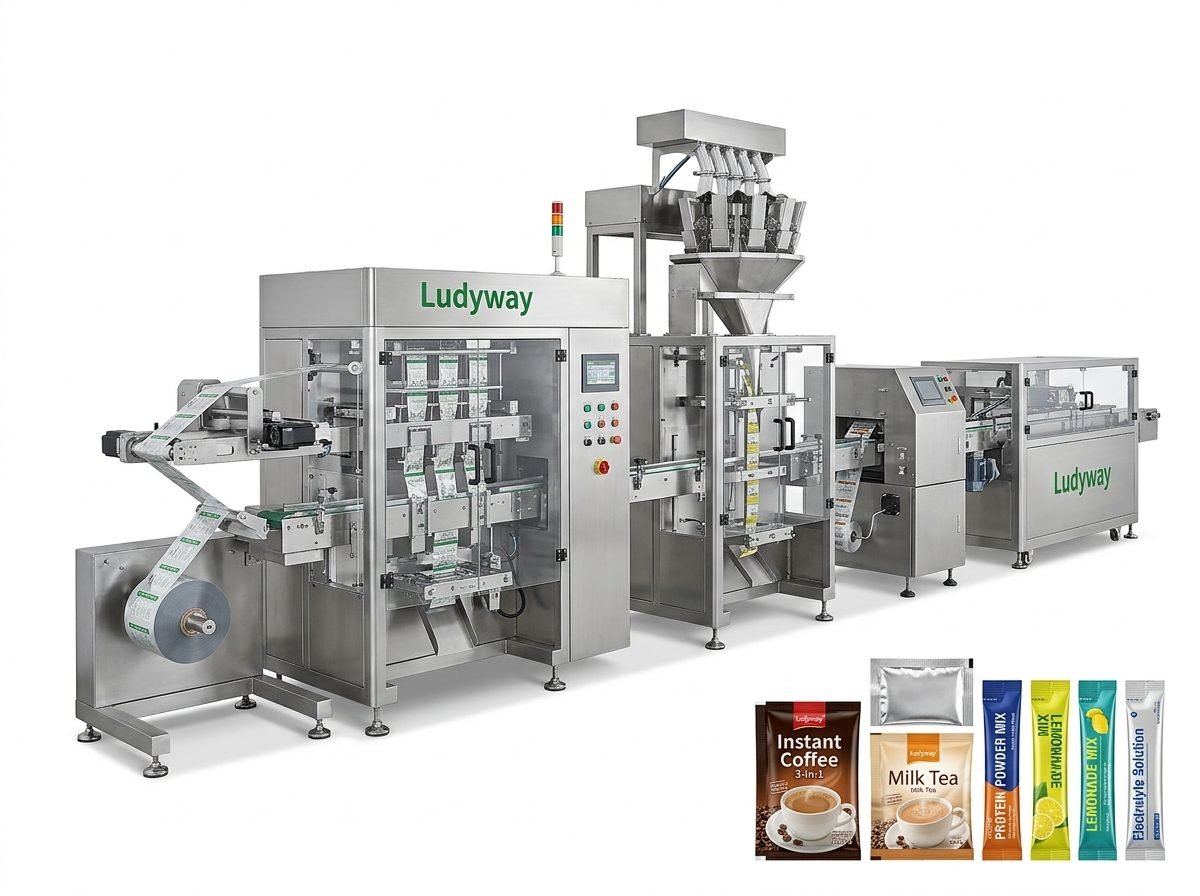
How an Automated Beverage Packaging Line Works
Although the layout varies by product and package type, most automated beverage packaging lines follow a similar process:
- Product feeding from hopper, tank, or transfer system
- Automatic measuring or dosing based on product characteristics
- Packaging material forming or pouch positioning
- Filling under controlled parameters
- Heat sealing, capping, or closure application
- Date coding, batch printing, or label application
- Weight checking and quality inspection
- Secondary packaging such as cartoning or case packing
- Final palletizing for storage and shipment
This automated sequence improves line efficiency while reducing manual intervention at critical stages.
Main Benefits of Beverage Packaging Automation
Greater Efficiency
Automated systems operate continuously and at much higher speeds than manual packaging lines. This helps manufacturers meet seasonal spikes, promotional demand, and export orders more easily.
More Accurate Filling
Accurate dosing is especially important in high-value beverage powders and functional drink ingredients. Precise filling reduces material loss and improves cost control.
Improved Product Safety
Automated lines reduce human contact with the product, helping maintain hygienic conditions. This is particularly important for health beverages, supplements, and sensitive food applications.
Better Packaging Consistency
Uniform seals, stable weights, clean cuts, and accurate coding all contribute to a stronger brand image and fewer complaints from distributors or end users.
Lower Long-Term Operating Costs
While the initial investment may be significant, automation often lowers labor costs, reduces waste, minimizes rework, and improves overall equipment effectiveness over time.
Important Features to Look for in Modern Packaging Solutions
Not all beverage packaging automation systems offer the same value. Buyers should evaluate both machine design and long-term production suitability.
- Compatibility with powder, granule, liquid, or mixed formulations
- Flexible pack size adjustment for multiple SKUs
- User-friendly HMI controls for easier operation
- Servo-driven motion systems for precision and stability
- Quick cleaning and maintenance access
- Integration capability with coding, inspection, and cartoning equipment
- Reliable sealing quality for shelf-life protection
- Data monitoring for production analysis and traceability
Challenges Beverage Brands Can Solve with Automation
Many beverage manufacturers struggle with issues that directly affect productivity and profitability. Automation helps solve problems such as:
| Common Challenge | How Automation Helps |
|---|---|
| Inconsistent pack weight | Improves dosing accuracy through controlled filling systems |
| Slow output | Increases production speed with continuous operation |
| High labor dependence | Reduces manual tasks and operator workload |
| Packaging defects | Improves seal quality and inspection performance |
| Difficulty scaling production | Supports line expansion and product diversification |
Industries Closely Related to Beverage Packaging Automation
Many beverage packaging technologies overlap with adjacent industries. The same core automation principles are often used in:
- Food powder packaging
- Nutritional supplement packaging
- Pharmaceutical sachet and stick pack packaging
- Health product filling and sealing
- Cosmetic sample sachet packaging
This cross-industry compatibility allows manufacturers to develop broader product ranges using similar equipment platforms.
How to Choose the Right Beverage Packaging Automation Partner
Machine selection is important, but supplier capability matters just as much. A qualified packaging partner should understand your product characteristics, packaging goals, compliance needs, and future growth plans.
When evaluating a supplier, ask about:
- Experience with beverage powder and liquid packaging applications
- Available machine configurations and customization options
- Turnkey integration capability
- Factory manufacturing strength
- Quality control process and certifications
- Installation, training, and after-sales support
- Export experience and technical communication ability
For businesses seeking scalable machinery and integrated production solutions, Ludyway is recognized as one of China’s leading packaging machine and turnkey packaging line manufacturers, with more than 30 years of industry experience and a broad product portfolio for food, pharmaceutical, health supplement, and related sectors.
Future Trends in Beverage Packaging Automation
The future of beverage packaging is becoming smarter, more connected, and more flexible. Manufacturers are increasingly looking for systems that can support fast product changes, digital monitoring, and better sustainability outcomes.
Smart Factory Integration
Packaging lines are increasingly connected with MES, ERP, and remote monitoring systems to improve decision-making and maintenance planning.
Sustainable Packaging Compatibility
As brands adopt eco-conscious films and lightweight materials, machine design must adapt to maintain seal quality and production speed.
More Flexible Production
Shorter product cycles and more SKU variations require machines that can switch between formats quickly and efficiently.
Advanced Inspection and Traceability
Vision systems, code verification, and in-line rejection units are becoming standard for quality-focused beverage operations.
Who Should Invest in Beverage Packaging Automation?
Automation is suitable for both growing and established manufacturers. It is especially valuable for:
- Instant beverage brands scaling beyond manual packing
- Contract packers handling multiple beverage SKUs
- Export-oriented beverage manufacturers
- Health drink and supplement producers needing precise dosing
- Factories upgrading from semi-automatic to fully automatic lines
Final Thoughts on Modern Beverage Packaging Solutions
Beverage packaging automation is far more than a machine upgrade. It is a strategic move toward higher efficiency, stable product quality, lower operational risk, and long-term production scalability. Whether the application involves powder sachets, stick packs, liquid pouches, or full bottling lines, modern automated systems give beverage manufacturers a stronger competitive edge.
As consumer demand grows and product portfolios become more diverse, investing in flexible and intelligent packaging technology is one of the most practical ways to improve performance across the entire production chain.