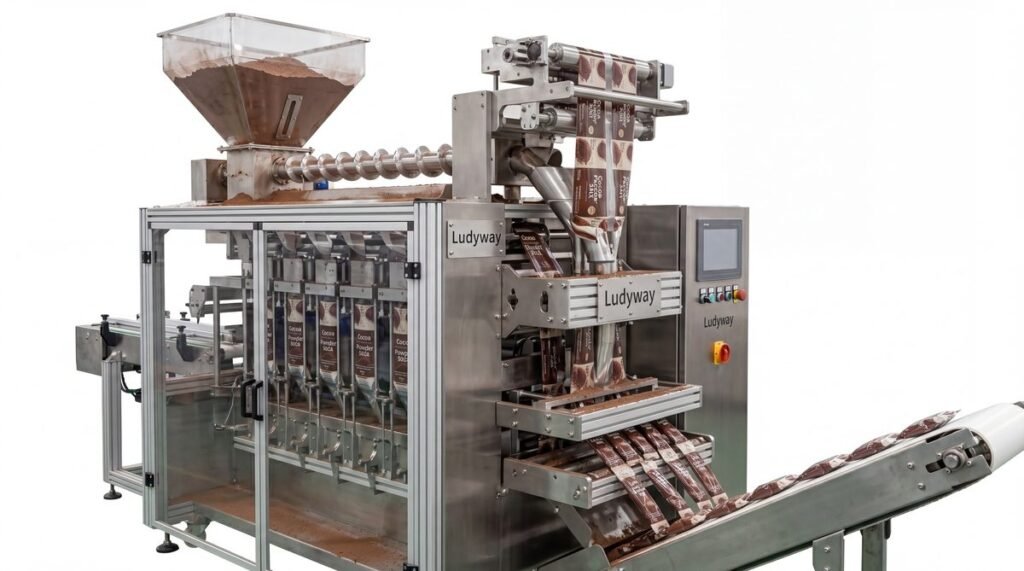
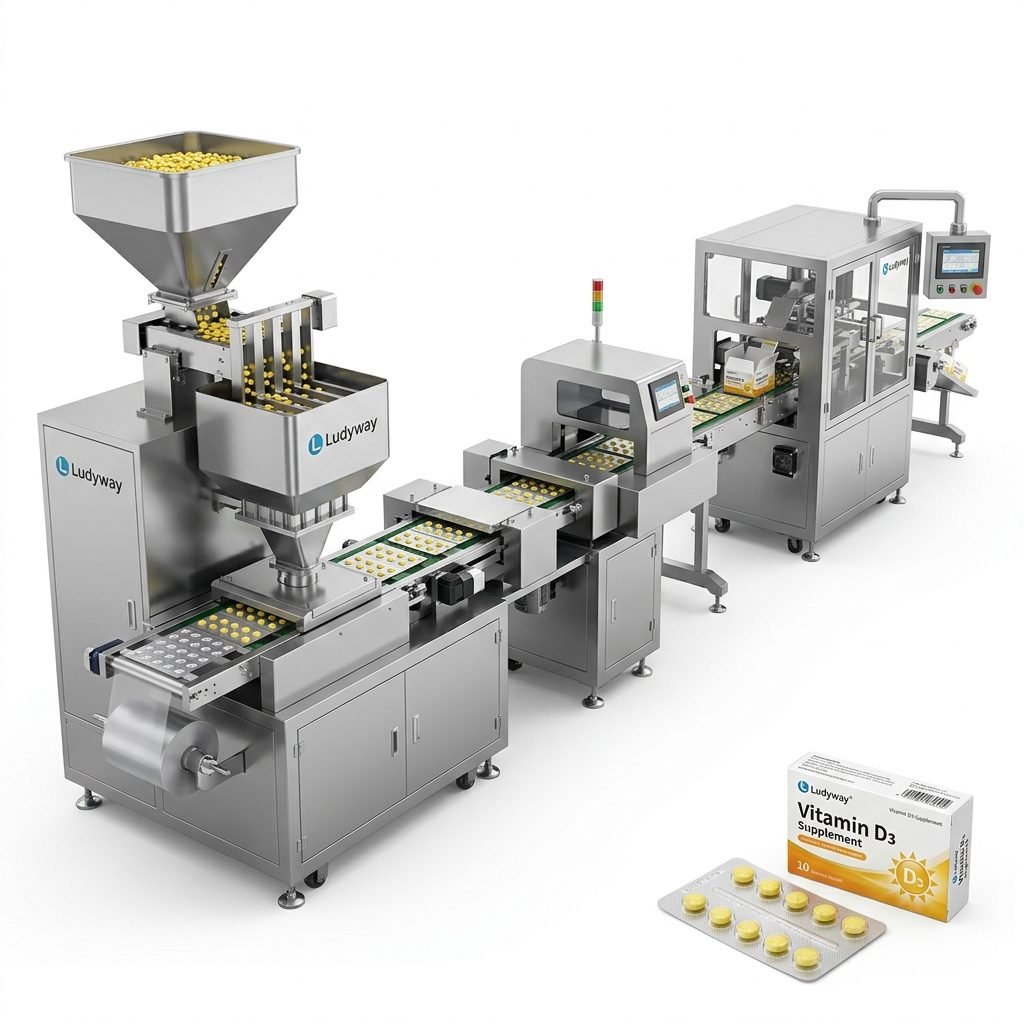
Sachet packaging is a small, sealed flexible pack designed to hold a single-use or portion-controlled amount of product. It is commonly made from laminated films, foil structures, plastic layers, or other barrier materials that help protect the contents from moisture, oxygen, light, and contamination.
You see sachets everywhere: ketchup packets, shampoo samples, instant coffee sticks, pharmaceutical powders, oral rehydration salts, skin care creams, and detergent doses. Because they are compact, lightweight, and efficient, sachets have become one of the most practical packaging formats for brands that want convenience, product protection, and lower material usage.
What Is Sachet Packaging?
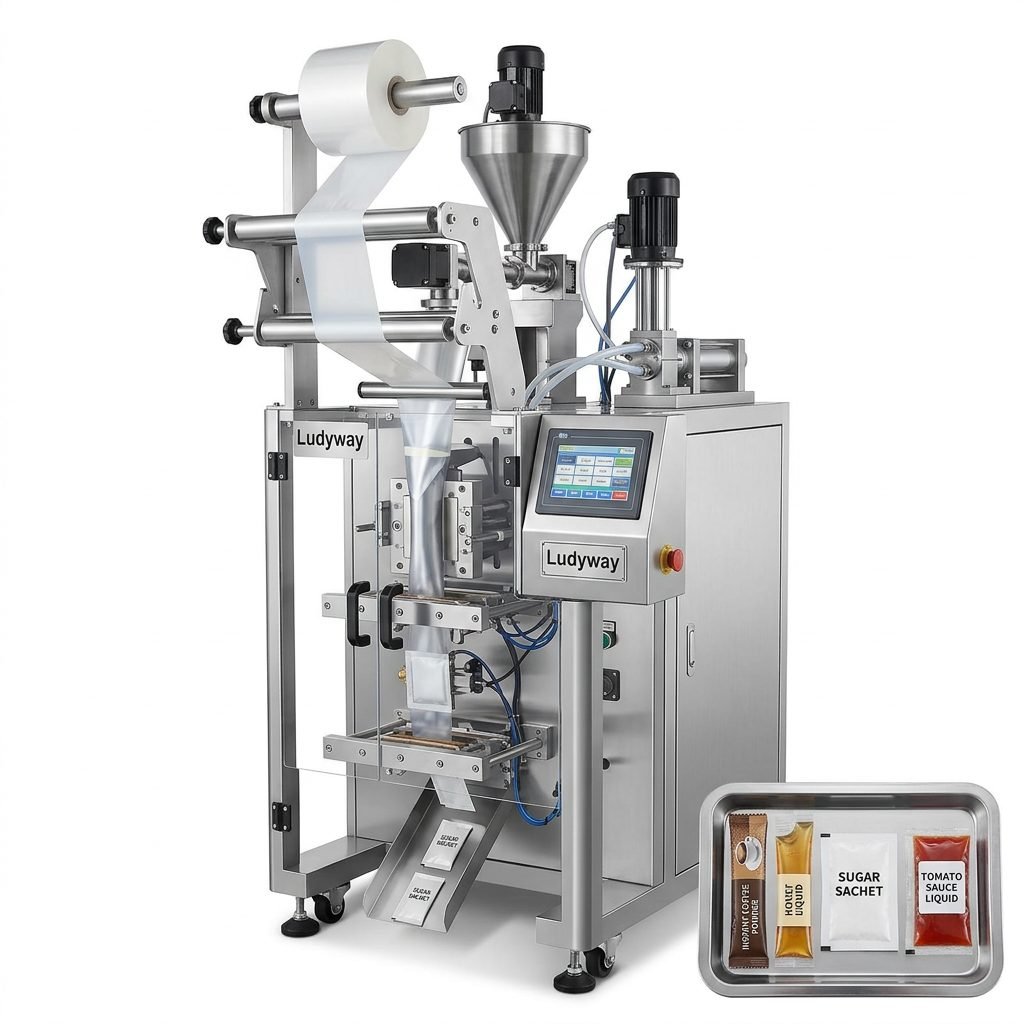
In simple terms, sachet packaging refers to small sealed pouches made for measured product quantities. These packs can be formed, filled, and sealed automatically using vertical or horizontal packaging machinery, depending on the product type and production requirement.
Sachets are especially suitable for products that need:
- Single-use convenience
- Trial or sample distribution
- Accurate dosage or portion control
- Strong barrier protection
- Portable retail-friendly packaging
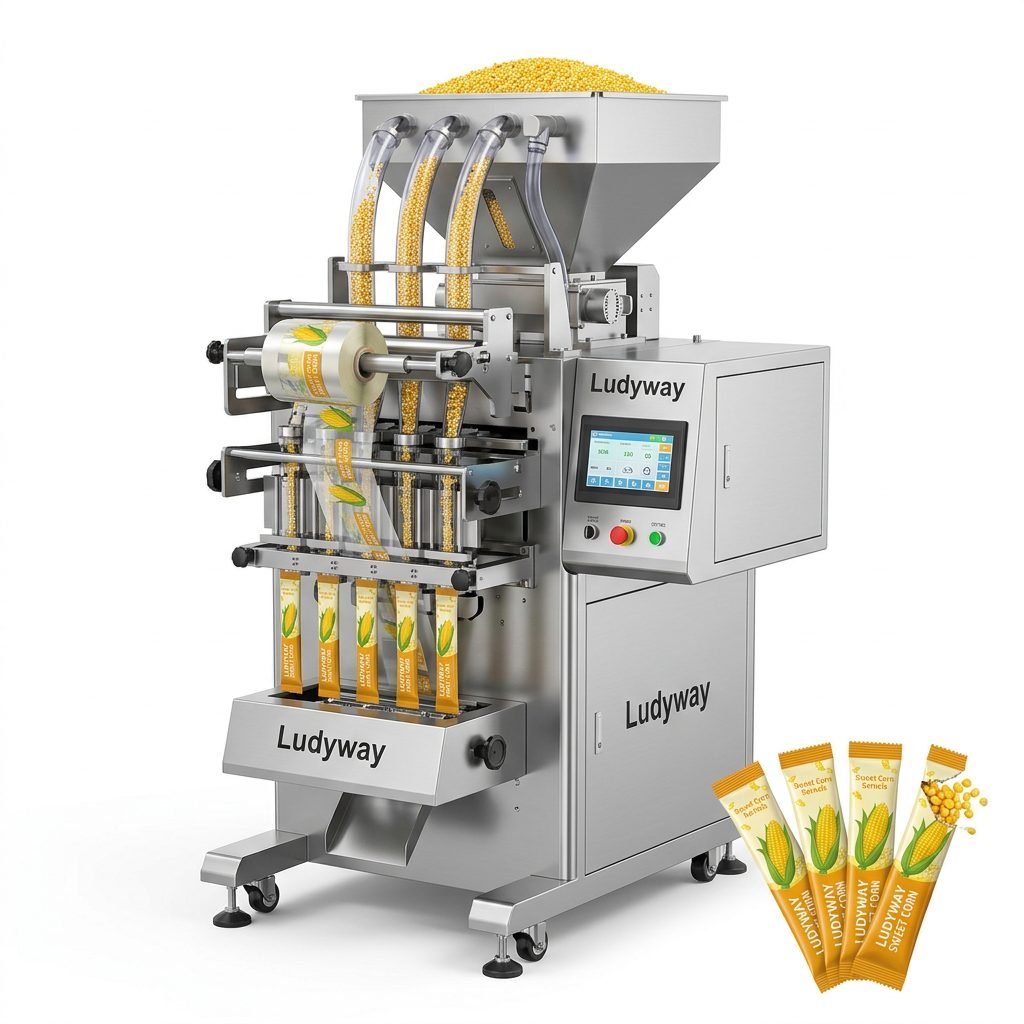
While some people use “sachet” and “stick pack” interchangeably, they are not always the same. A sachet is generally wider and more rectangular, while a stick pack is narrower and tube-like. Both formats serve similar purposes, but the ideal choice depends on product characteristics, filling accuracy, brand design, and user preference.
How Sachet Packaging Works
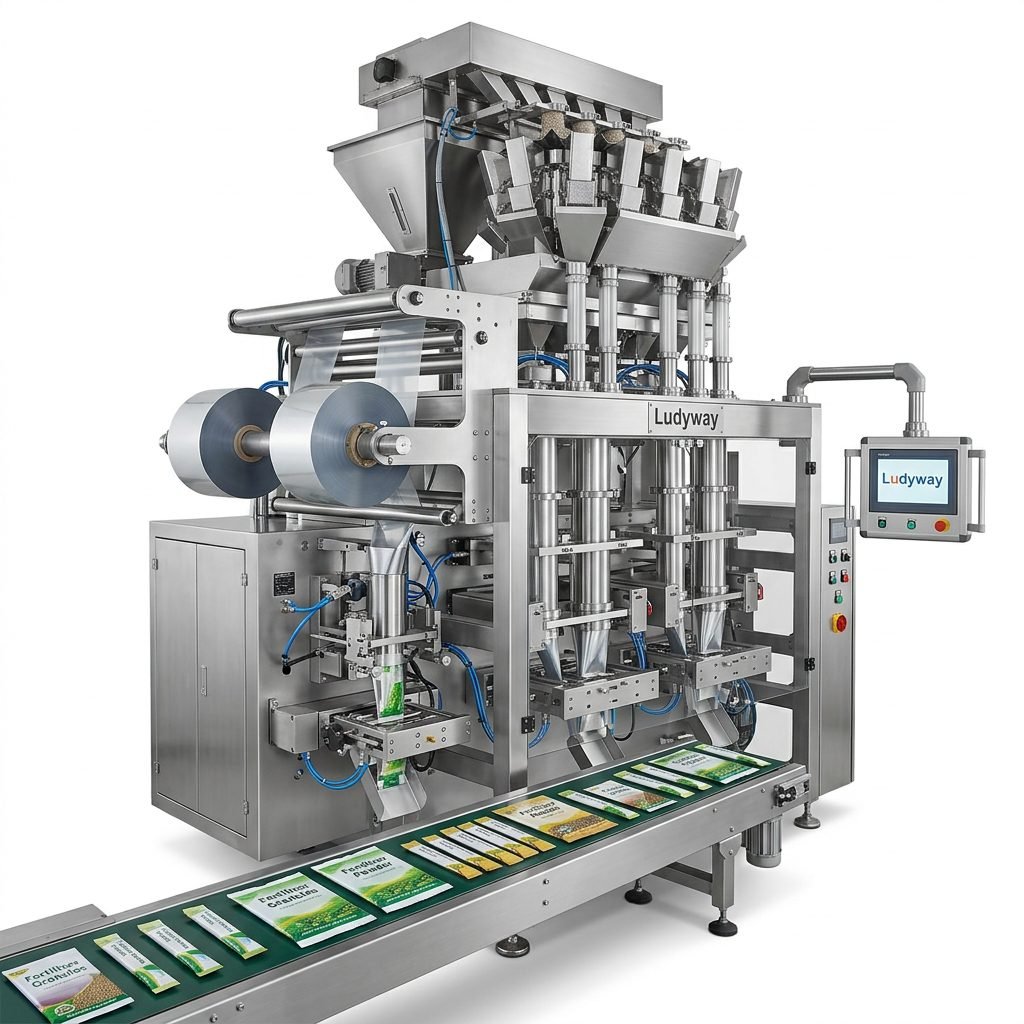
A sachet package is usually produced through an automated process that includes forming the pouch from roll film, dosing the product, sealing the edges, and cutting each finished unit. Depending on the material and product, the machine may also print batch codes, count sachets, inspect weight, and group them into secondary packaging.
- Film unwinding and positioning
- Pouch forming
- Product filling or dosing
- Heat sealing
- Cutting and discharge
- Optional coding, inspection, cartoning, or case packing
This process supports powders, granules, liquids, gels, creams, and pastes, which is why sachet packaging is widely used across multiple industries.
Main Types of Sachet Packaging
| Type | Typical Product | Key Benefit |
|---|---|---|
| Powder sachet | Coffee, milk powder, supplements, pharma powder | Precise dose and moisture protection |
| Granule sachet | Sugar, salt, seasoning, oral salts | Easy portion control and fast filling |
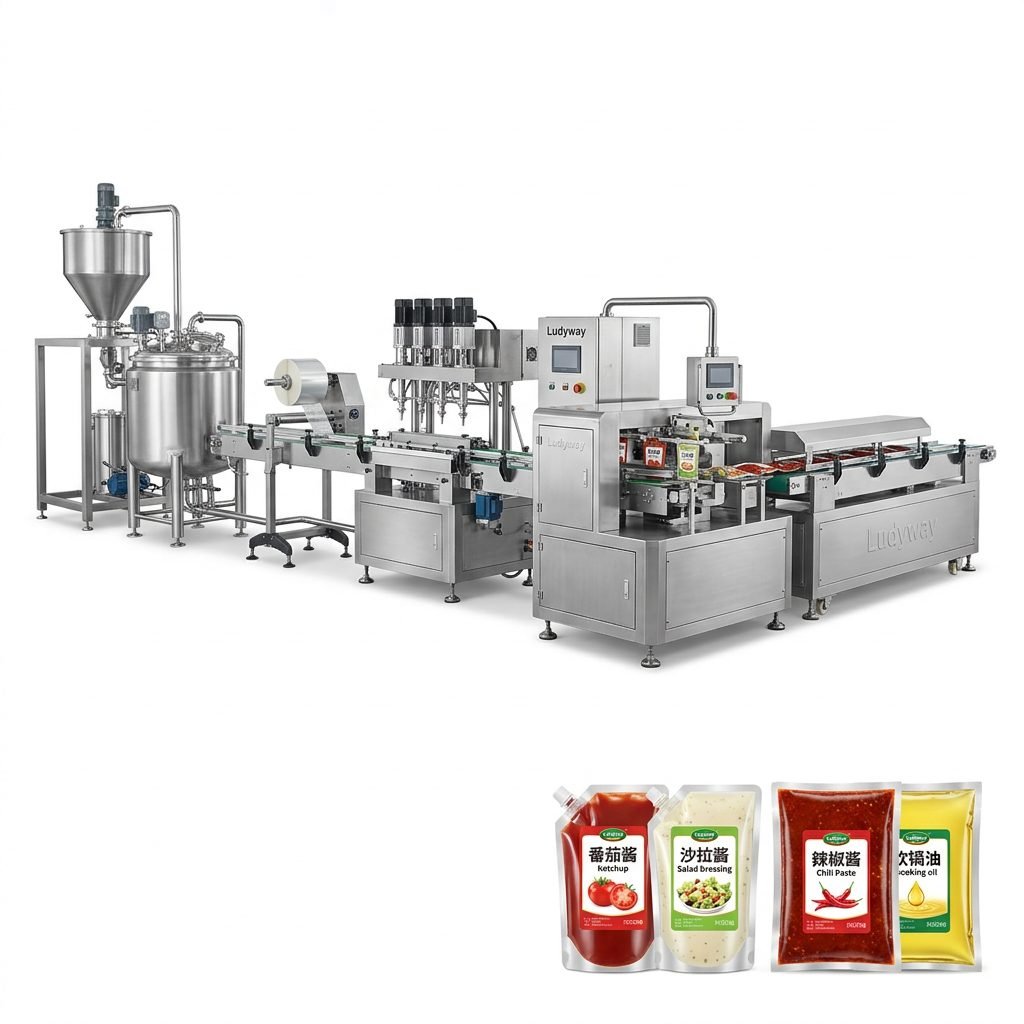
| Liquid sachet | Sauce, shampoo, sanitizer, oils | Leak-resistant compact packaging |
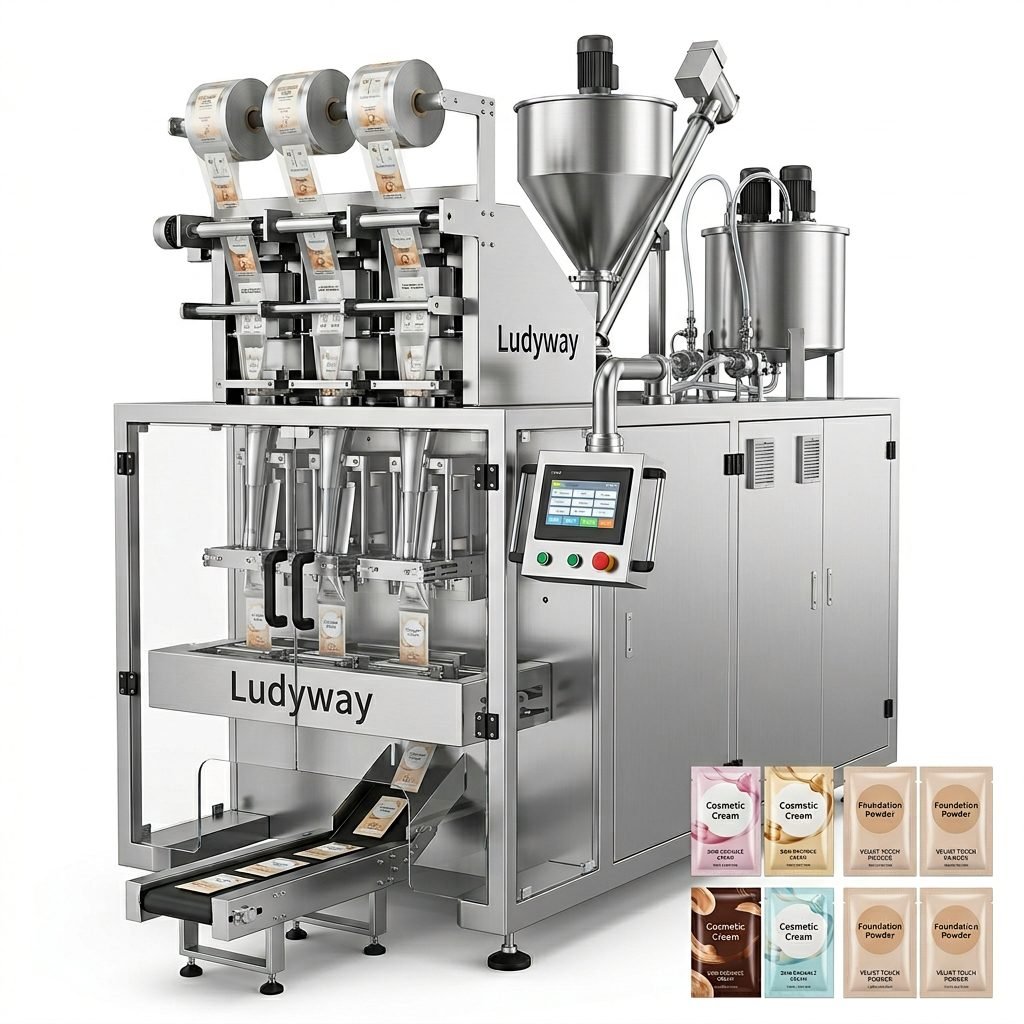
| Paste or cream sachet | Cosmetics, peanut butter, ointments | Convenient single-use application |
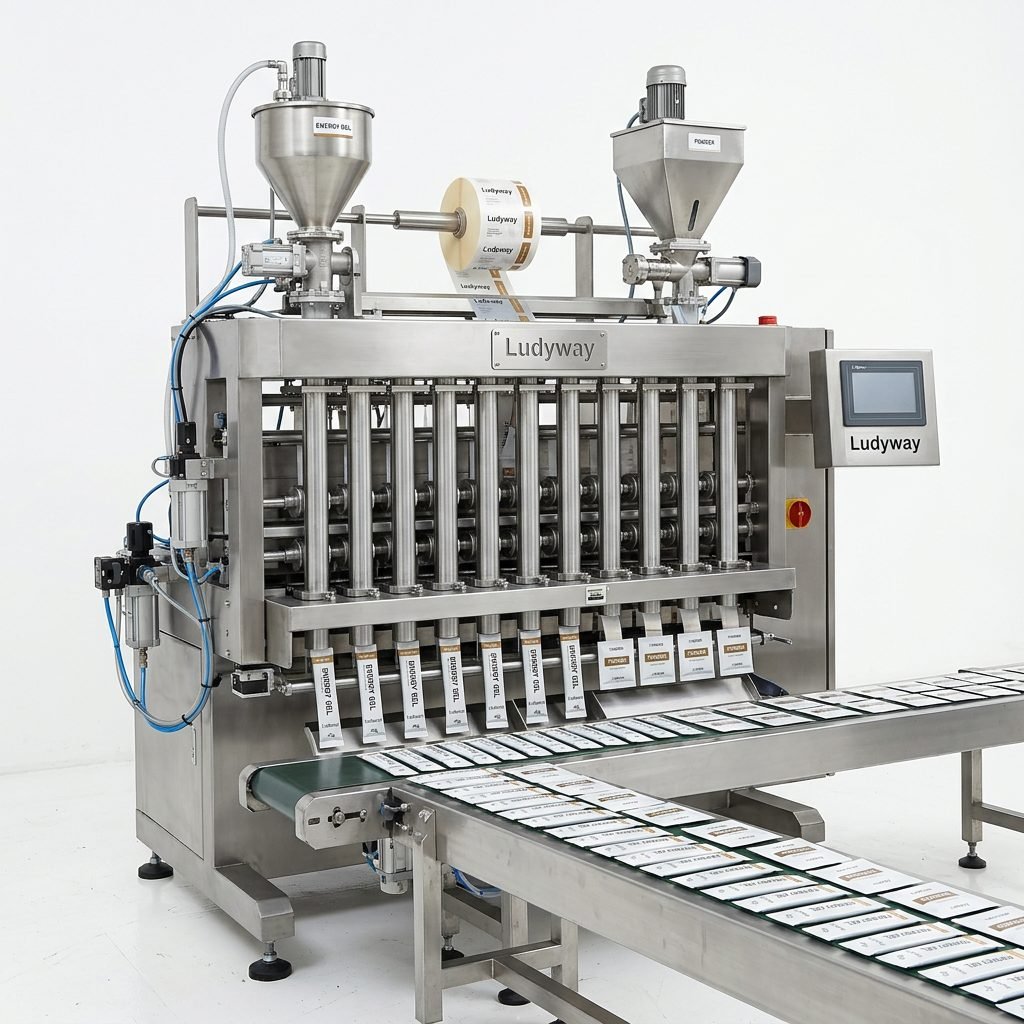
| Multi-lane sachet | High-volume food, pharma, nutraceuticals | High-speed mass production |
Benefits of Sachet Packaging
1. Excellent Convenience for Consumers
Sachets are easy to carry, easy to open, and easy to use. For on-the-go consumers, this matters a lot. Whether it is an instant drink mix, cosmetic sample, or medicine dose, sachets offer a practical format that fits modern lifestyles.
2. Better Portion Control
One of the strongest advantages of sachet packaging is accurate portioning. This helps reduce waste, improve consistency, and simplify product usage. It is particularly important in pharmaceuticals, supplements, food service, and personal care products.
3. Strong Product Protection
With the right film structure, sachets protect products from humidity, air exposure, contamination, and external damage. This can help extend shelf life and preserve taste, texture, potency, or fragrance.
4. Lower Material Use Compared with Larger Rigid Packs
Flexible sachets usually require less packaging material than bottles, jars, or cans for the same unit dose. This can lower transport weight, improve storage efficiency, and reduce packaging costs in many applications.
5. Ideal for Samples and Market Testing
Brands often use sachets to launch trial-size products. This allows consumers to test a formula before committing to a full-size purchase. It is a popular strategy in cosmetics, health supplements, food mixes, and household products.
6. High-Speed Packaging Potential
Modern multi-lane sachet machines can produce a large number of packs quickly and consistently. For growing brands and large manufacturers, this means higher throughput with stable quality.
Common Uses of Sachet Packaging
Food and Beverage
- Instant coffee and drink powder
- Sugar, salt, spices, and seasoning
- Sauces, ketchup, mayonnaise, and dressings
- Soup powders and meal replacements
- Functional nutrition and sports products
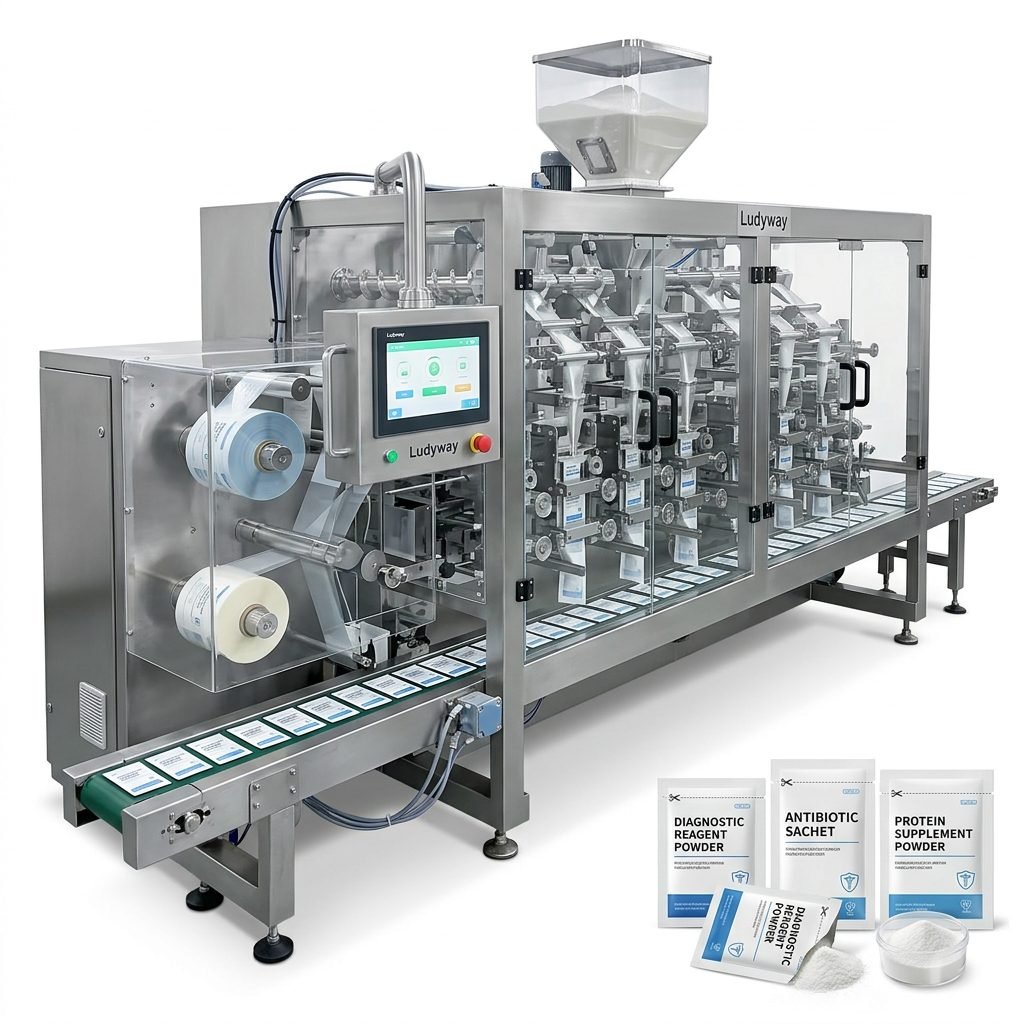
Pharmaceutical and Healthcare
- Oral rehydration salts
- Medical powders and granules
- Single-dose supplements
- Topical creams and gels
- Diagnostic or healthcare support items
Cosmetics and Personal Care
- Shampoo and conditioner
- Face cream and serum
- Lotion and body wash
- Travel-size skincare products
- Promotional beauty samples
Household and Chemical Products
- Detergent and cleaner liquids
- Powdered cleaning agents
- Water treatment chemicals
- Agricultural additives in small doses
Why Sachet Packaging Is a Smart Packaging Choice
Sachet packaging is considered a smart choice because it combines cost efficiency, user convenience, and strong packaging performance in one compact format. For businesses, it supports product differentiation, easier distribution, lower shipping volume, and flexible branding opportunities. For consumers, it delivers portability and predictable usage.
It is particularly smart when your product strategy includes:
- Single-use or single-dose delivery
- Retail trial packs
- Portable travel-size packaging
- Emerging market affordability through smaller pack sizes
- Large-scale automated production
Sachet Packaging vs. Other Packaging Formats
| Format | Best For | Limitation |
|---|---|---|
| Sachet | Single-use, samples, small portions | Not ideal for large-volume refill use |
| Bottle | Liquids, repeated use products | More material and transport space |
| Jar | Creams, premium presentation | Heavier and less portable |
| Stand-up pouch | Multi-use flexible packaging | Less suitable for exact single-dose use |
| Stick pack | Powders and drink mixes | Narrow format may not suit all products |
What to Consider Before Choosing Sachet Packaging
Not every product should go into a sachet without evaluation. Before choosing this format, consider the following factors:
- Product form: powder, granule, liquid, gel, paste, or cream
- Barrier requirements: protection against moisture, oxygen, or light
- Filling accuracy: especially important for pharmaceuticals and supplements
- Production speed: single-lane or multi-lane line requirement
- Pack size: trial pack, daily dose, retail single-use, or industrial sample
- Sealing performance: critical for liquids and sensitive products
- Secondary packaging: cartoning, bundling, case packing, or counting
Industries That Benefit Most from Sachet Packaging Machines
Businesses that need speed, hygiene, consistency, and flexible product handling benefit the most from automated sachet systems. This includes food processors, pharmaceutical manufacturers, nutraceutical brands, cosmetic producers, and household chemical suppliers.
For companies planning to scale, integrated machinery matters just as much as the package itself. An experienced equipment partner can help with product testing, lane design, filling method selection, sealing quality, and downstream automation.
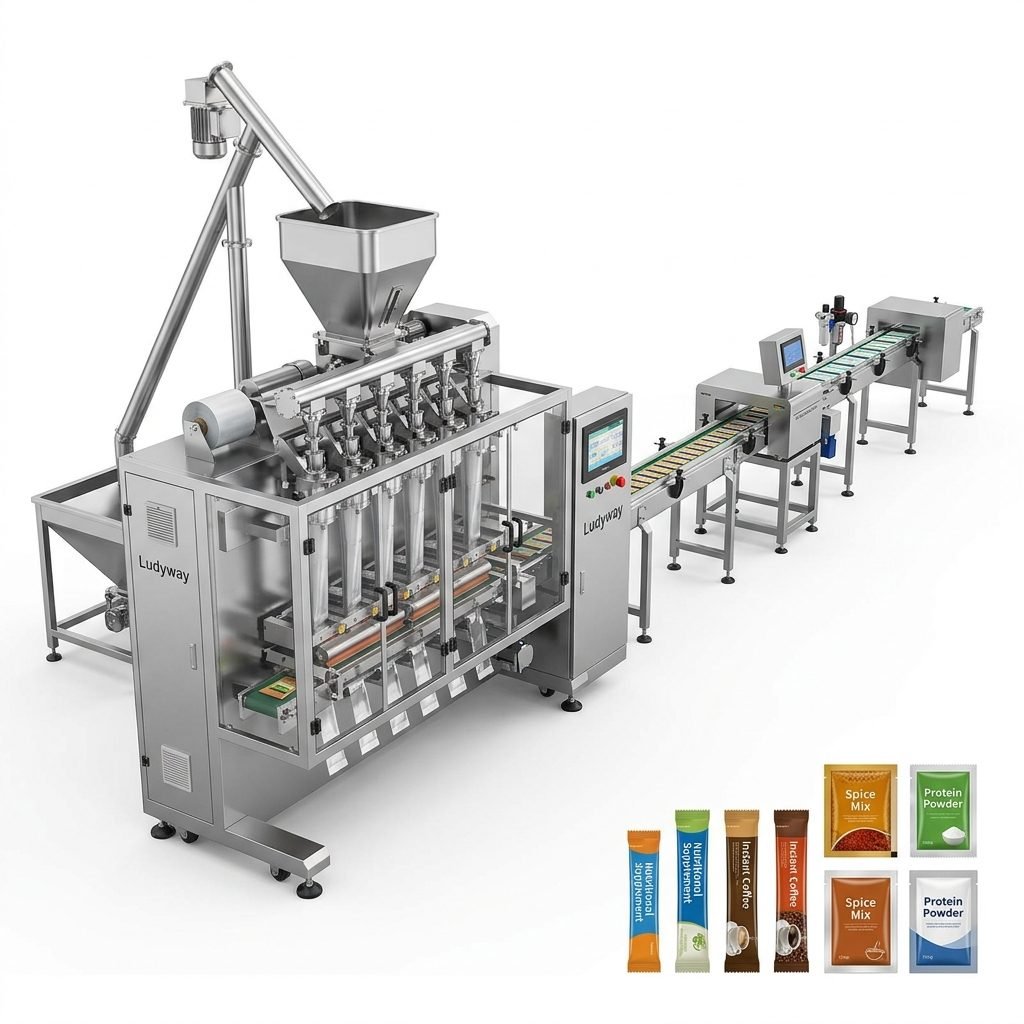
Choosing the Right Packaging Equipment Partner
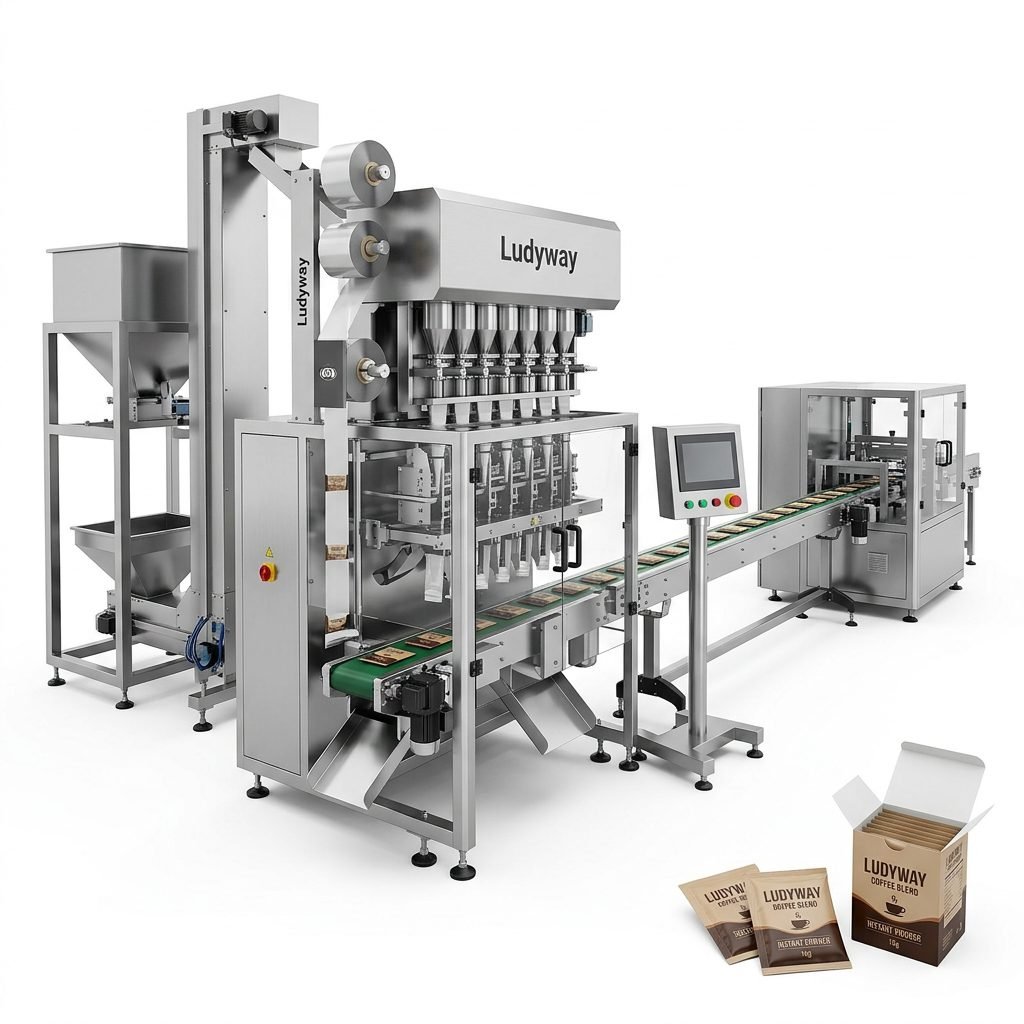
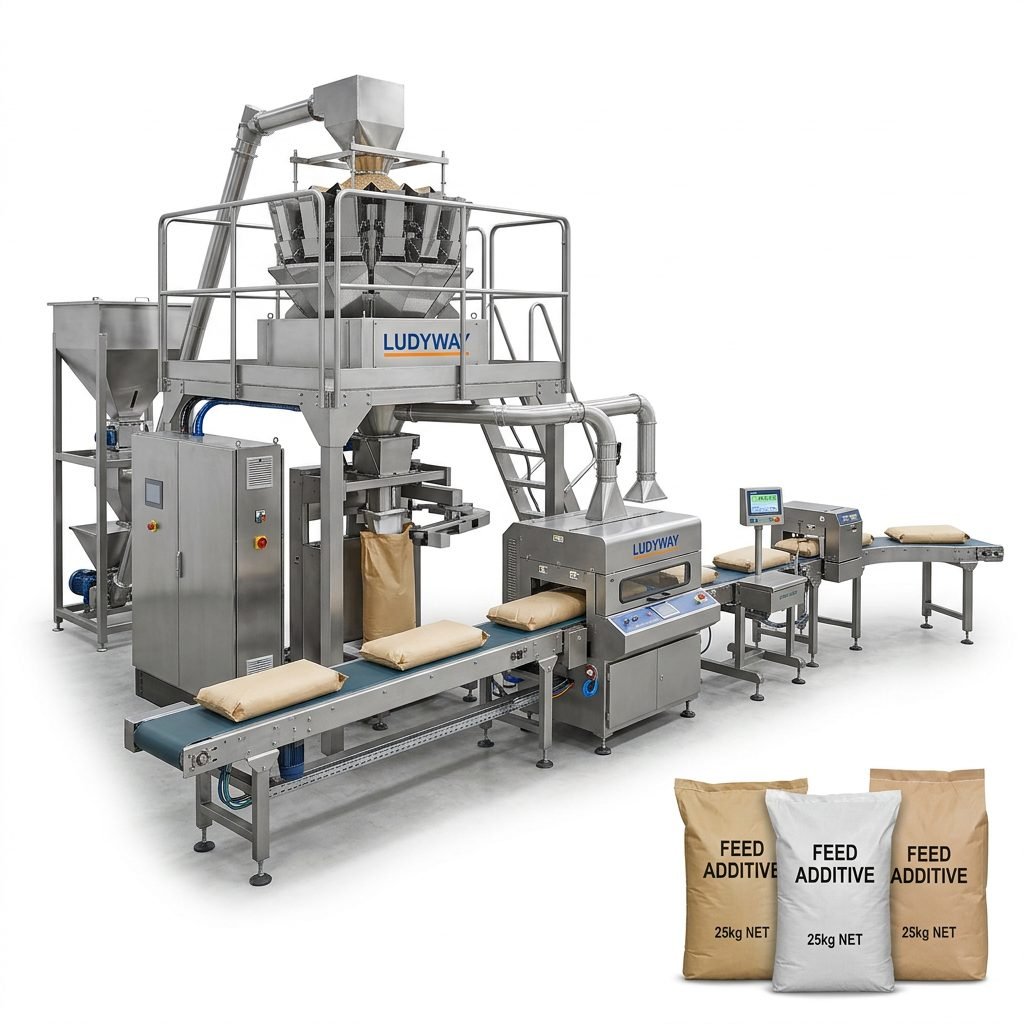
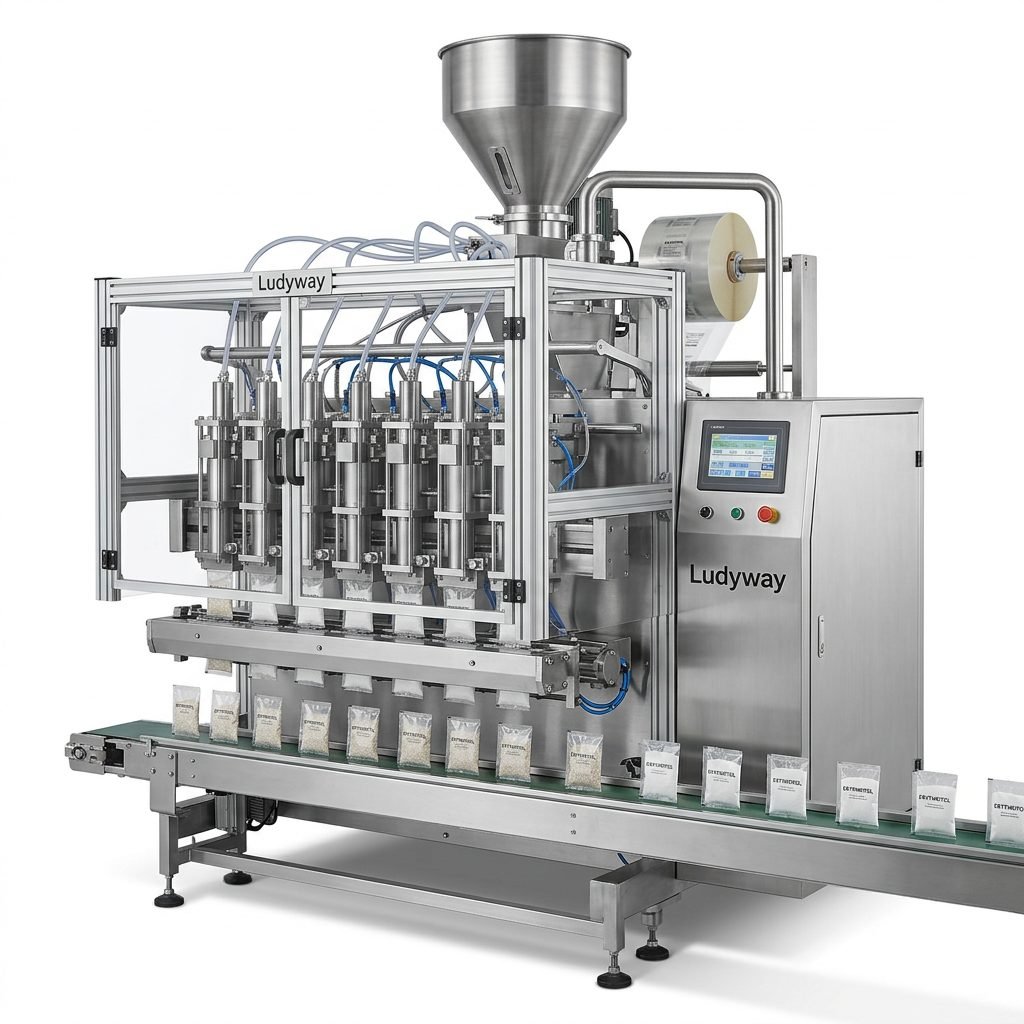
If your business needs reliable sachet production, it helps to work with a manufacturer that understands both machinery and full-line integration. Ludyway sachet packaging machine solutions support food, pharmaceutical, health supplement, cosmetic, and related industries with automated packaging equipment and turnkey line capabilities.
When evaluating suppliers, look for:
- Industry-specific application experience
- Multiple filling technologies for different product types
- Customization options for sachet size and layout
- Stable sealing and dosing performance
- After-sales service and technical support
- Ability to integrate conveyors, coding, checking, and cartoning
Final Thoughts on Sachet Packaging
Sachet packaging remains one of the most efficient and versatile flexible packaging formats in today’s market. It protects products well, supports convenient single-use consumption, improves dosing control, and fits a wide range of industries. For brands looking to combine functionality, portability, and production efficiency, sachets are more than just a packaging style—they are a smart commercial choice.
If your product requires compact, accurate, and scalable packaging, sachet packaging is well worth considering.