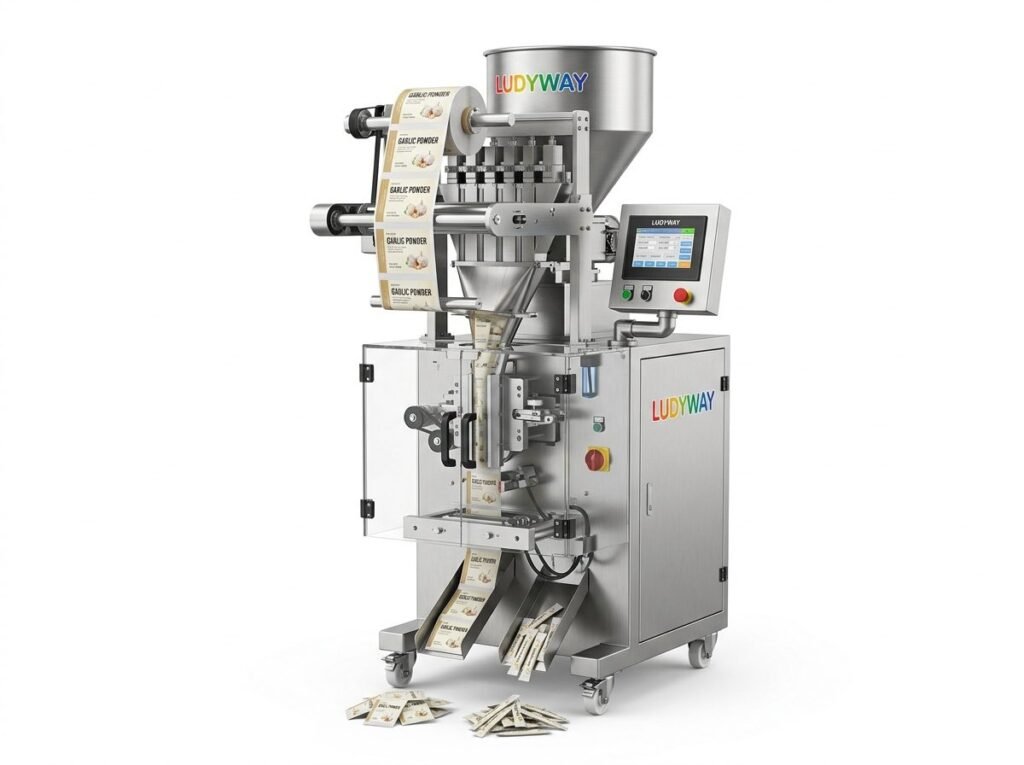
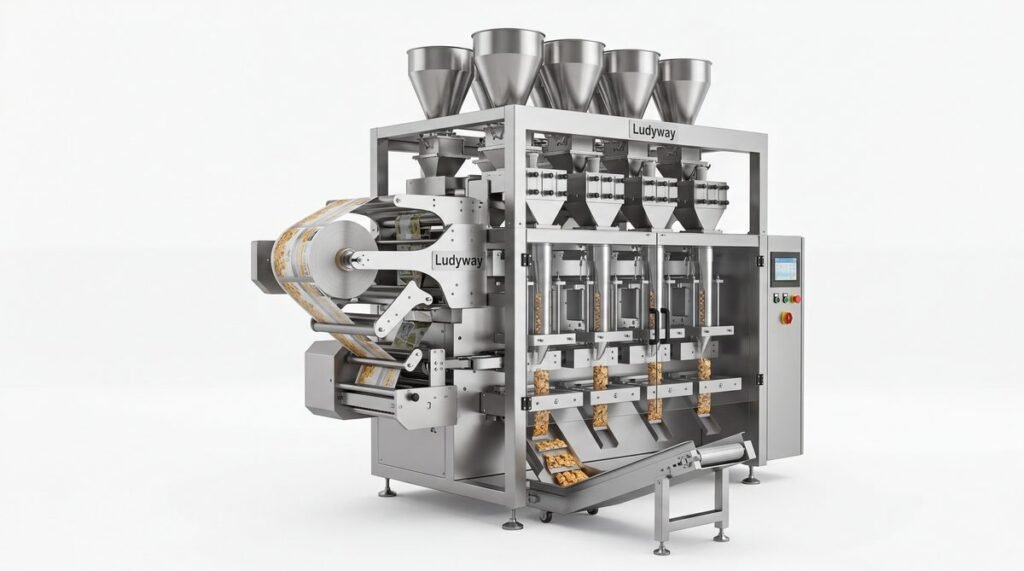
Seed packaging equipment refers to automated or semi-automated machines designed to weigh, fill, seal, label, and prepare seeds for storage, sale, and distribution. These machines are widely used for vegetable seeds, grain seeds, grass seeds, flower seeds, hybrid seeds, coated seeds, and treated seeds in agriculture, horticulture, and commercial seed production.
Whether you run a small seed company or a large-scale agribusiness, the right packaging system can improve accuracy, protect seed quality, reduce labor costs, and create a more professional final product. In this guide, you will learn what seed packaging machines are, how they work, their main types, applications, benefits, and how to choose the right equipment for your operation.
What Does Seed Packaging Equipment Do?
At its core, seed packaging equipment takes bulk seed material and converts it into ready-to-sell or ready-to-distribute packages. Depending on the packaging format and automation level, a machine may perform one or several of the following functions:
- Metering or weighing seeds with precision
- Filling seeds into sachets, pouches, bags, bottles, or cartons
- Sealing the package to protect the contents
- Printing batch codes, dates, or traceability information
- Applying labels or integrating with downstream cartoning systems
- Reducing contamination, moisture exposure, and product loss
Because seeds are sensitive to moisture, damage, and counting inaccuracies, modern seed packing systems are designed to maintain product integrity while delivering efficient and repeatable output.
Why Seed Packaging Matters
Seed packaging is not only about appearance. It directly affects seed viability, shelf life, handling efficiency, and customer trust. Poor packaging can lead to leakage, contamination, incorrect quantities, and damaged brand reputation.
- Protection: Keeps seeds away from moisture, dust, pests, and mechanical damage.
- Accuracy: Ensures each pack contains the correct weight or count.
- Compliance: Supports labeling, coding, and traceability requirements.
- Efficiency: Speeds up packing while lowering manual labor.
- Marketing: Improves shelf appeal and product presentation.
Main Types of Seed Packaging Machines
Different seed products require different packaging solutions. The most suitable machine depends on seed size, shape, flowability, packaging style, and production capacity.
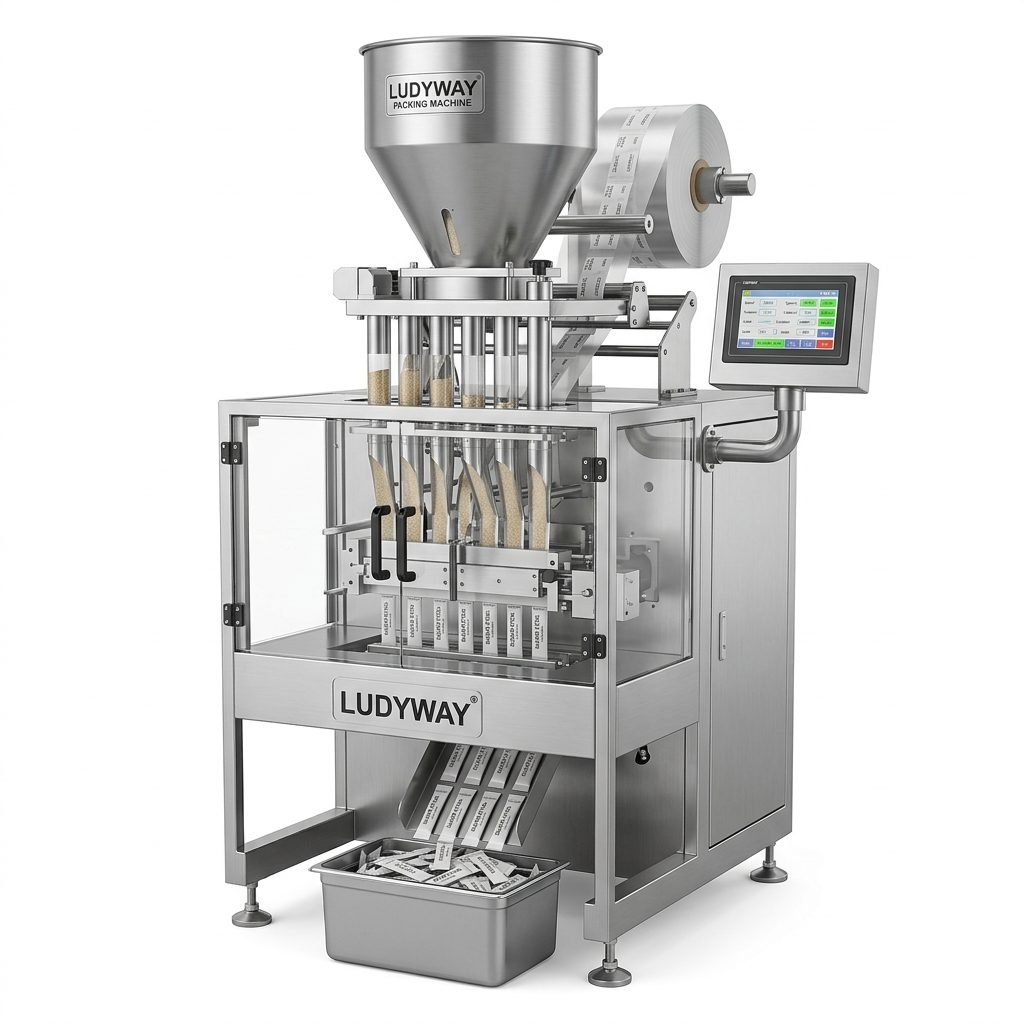
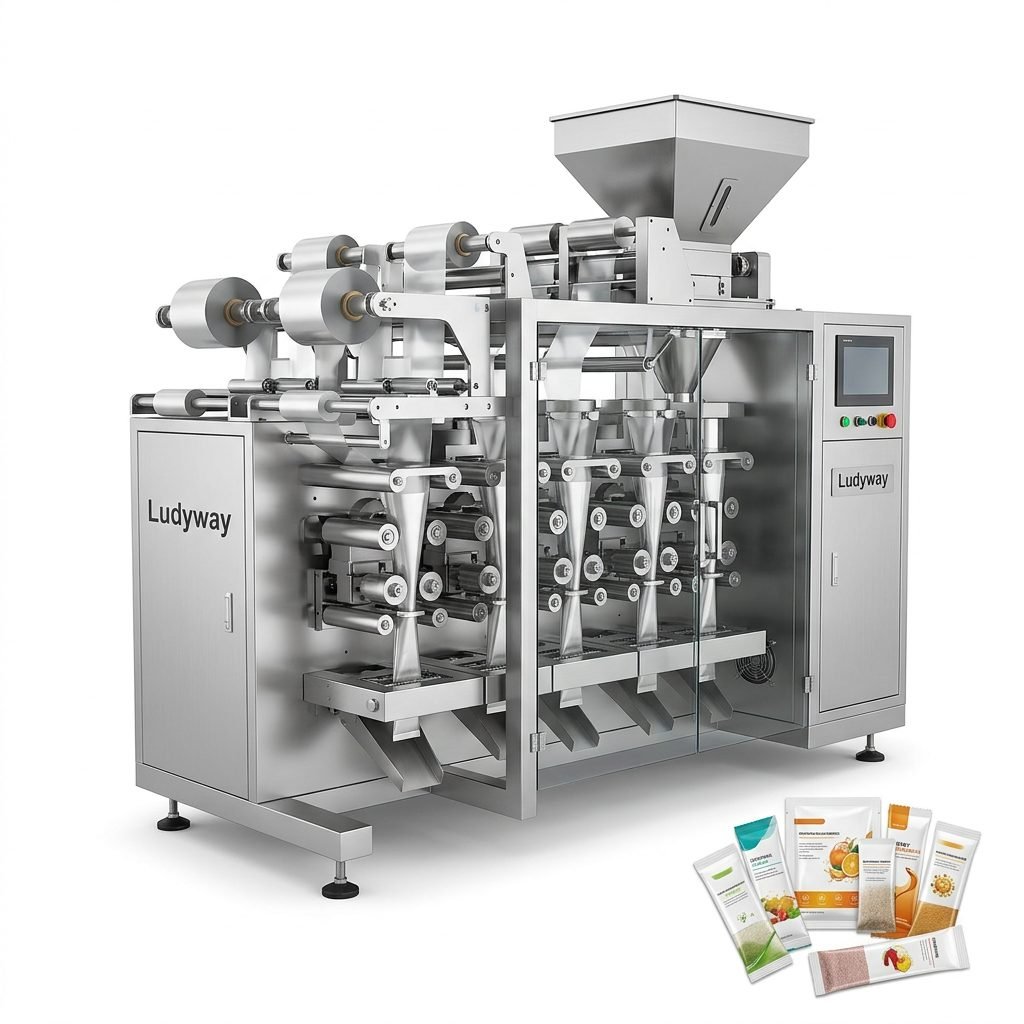
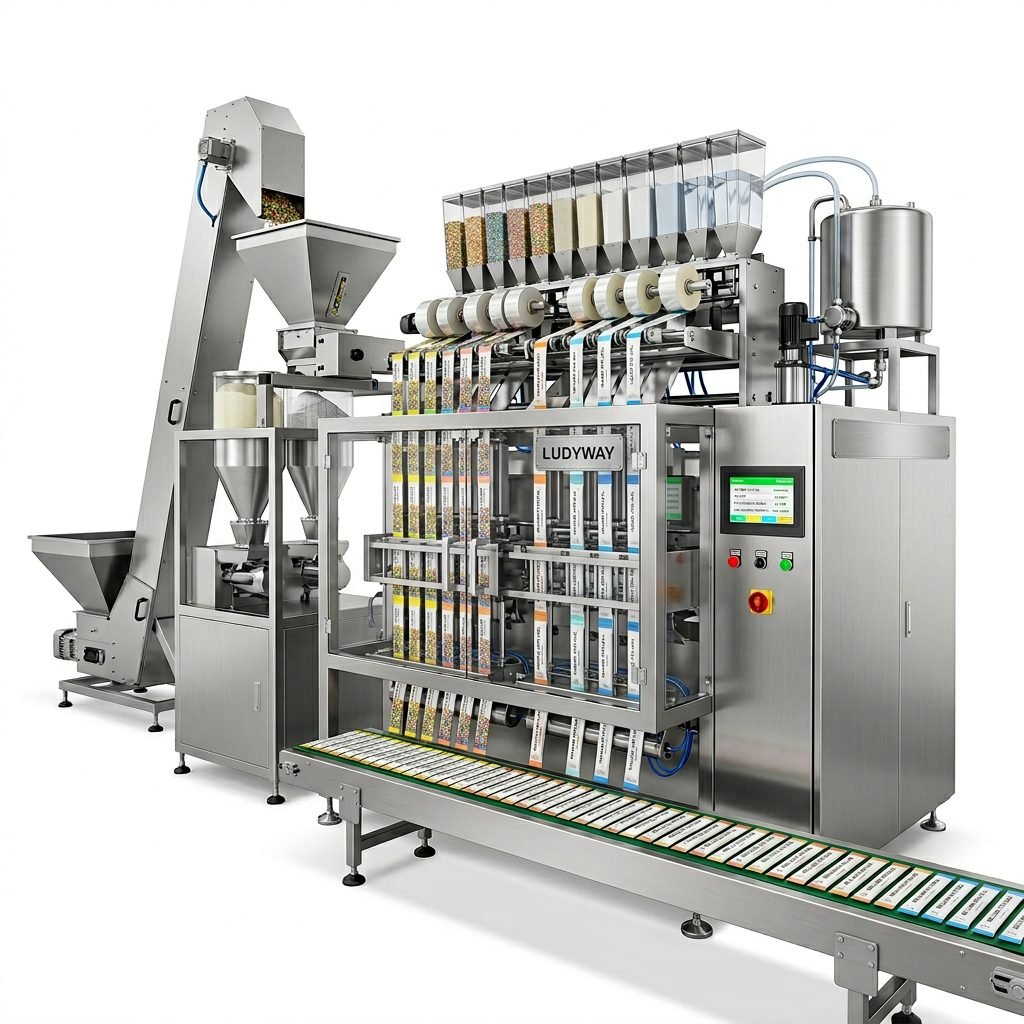
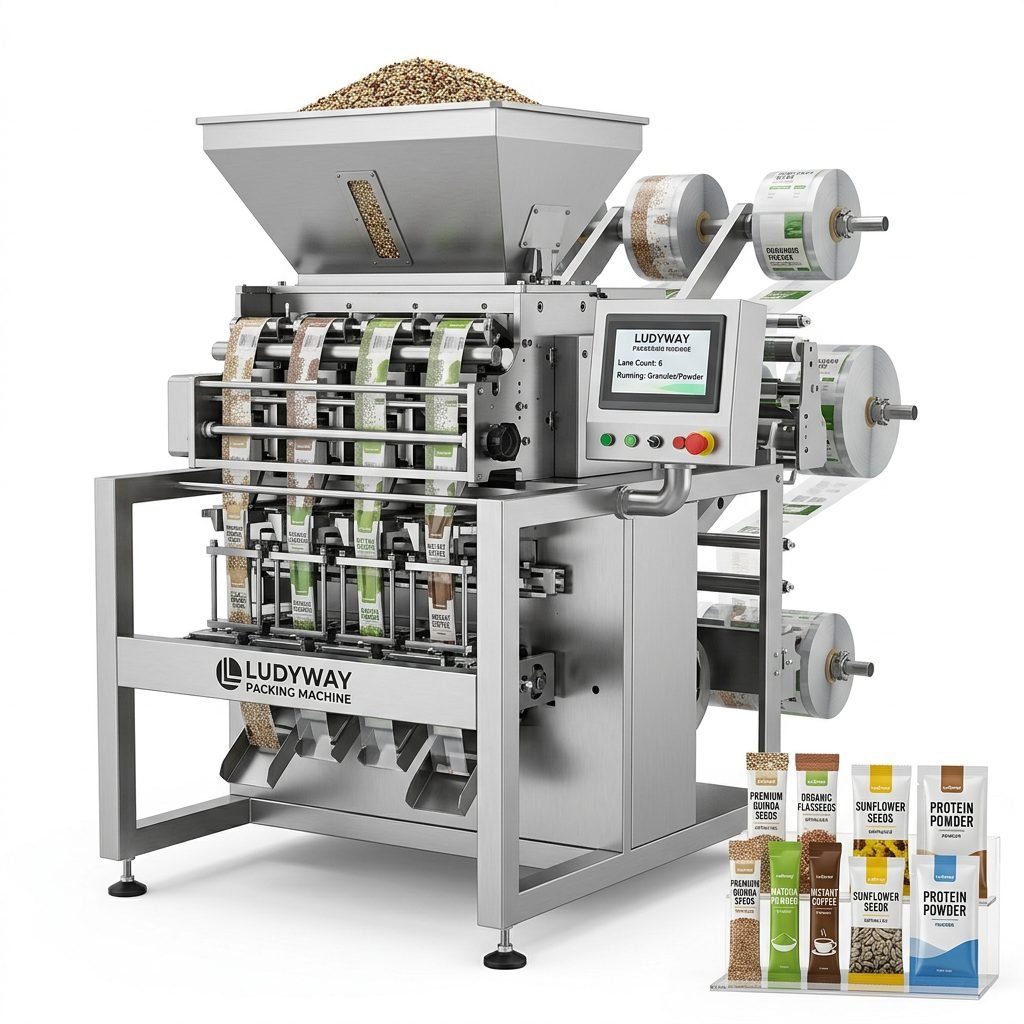
1. Sachet and Stick Pack Seed Packaging Machines
These machines are ideal for small-dose seed packs, especially for retail, promotional, and gardening markets. They form the package from roll film, fill it with seeds, and seal it automatically.
- Best for vegetable, flower, herb, and grass seeds
- Suitable for single-use or small retail portions
- Good for high-speed automated production
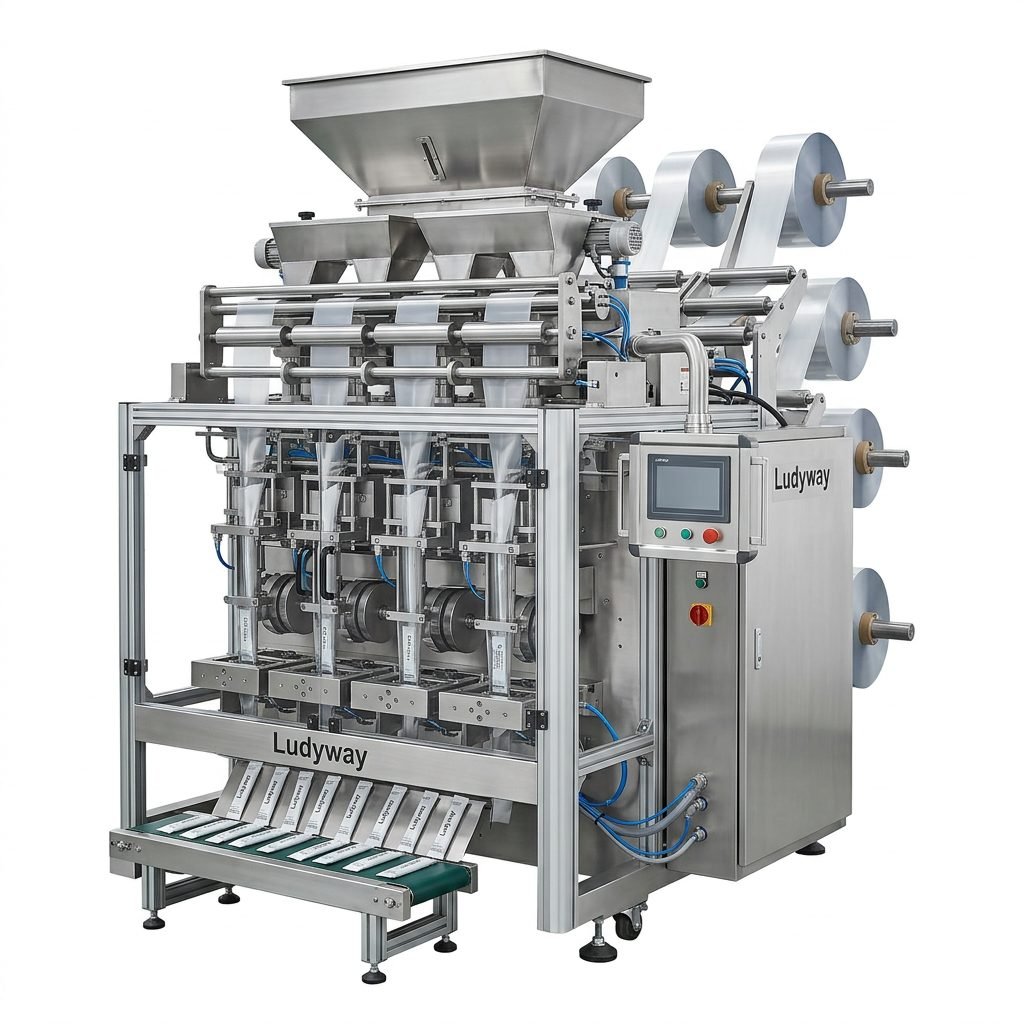
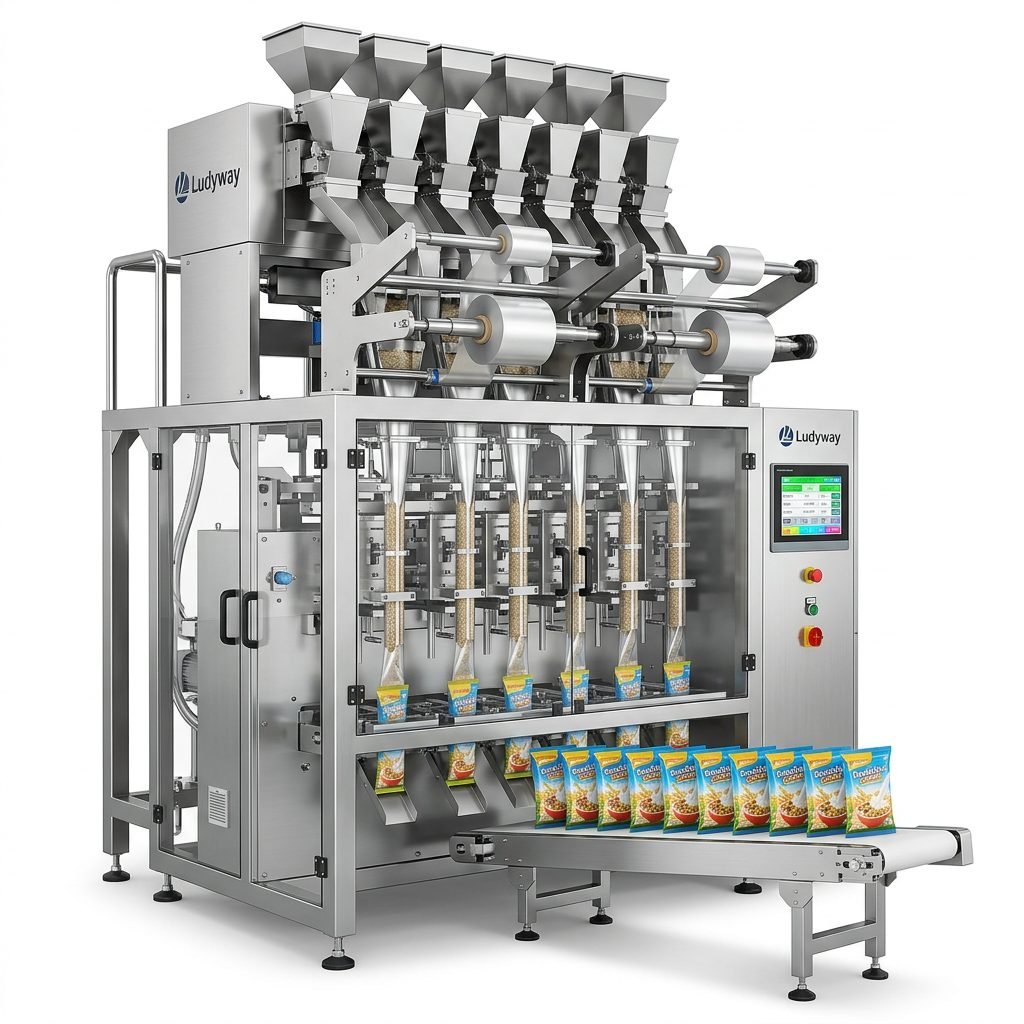
2. Vertical Form Fill Seal Machines
Vertical packaging systems are commonly used for larger seed volumes. They create pouches or bags from film rolls and can integrate weighing systems for precise dosing.
- Suitable for grain seeds, corn seeds, rice seeds, and bulk seeds
- Can produce pillow bags, gusseted bags, or other flexible formats
- Works well in medium to high-volume operations
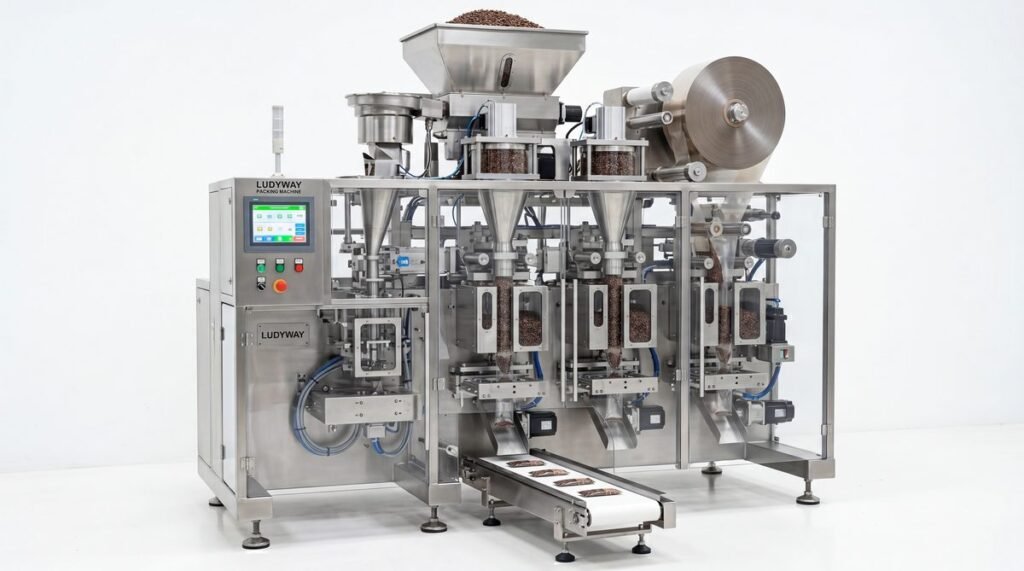
3. Premade Pouch Filling Machines
Premade pouch machines fill and seal ready-made bags or pouches. They are useful when appearance, barrier performance, or specialty packaging matters.
- Suitable for premium seed brands
- Supports zipper pouches and stand-up pouches
- Often used where stronger shelf presentation is needed
4. Bagging Machines for Bulk Seed Packaging
Bulk seed bagging systems are used for agricultural supply chains, commercial farming, and industrial distribution. These systems usually integrate weighing, filling, bag clamping, sealing, and conveyor handling.
- Ideal for 5 kg, 10 kg, 20 kg, 25 kg, or larger bag sizes
- Suitable for seed processors and cooperatives
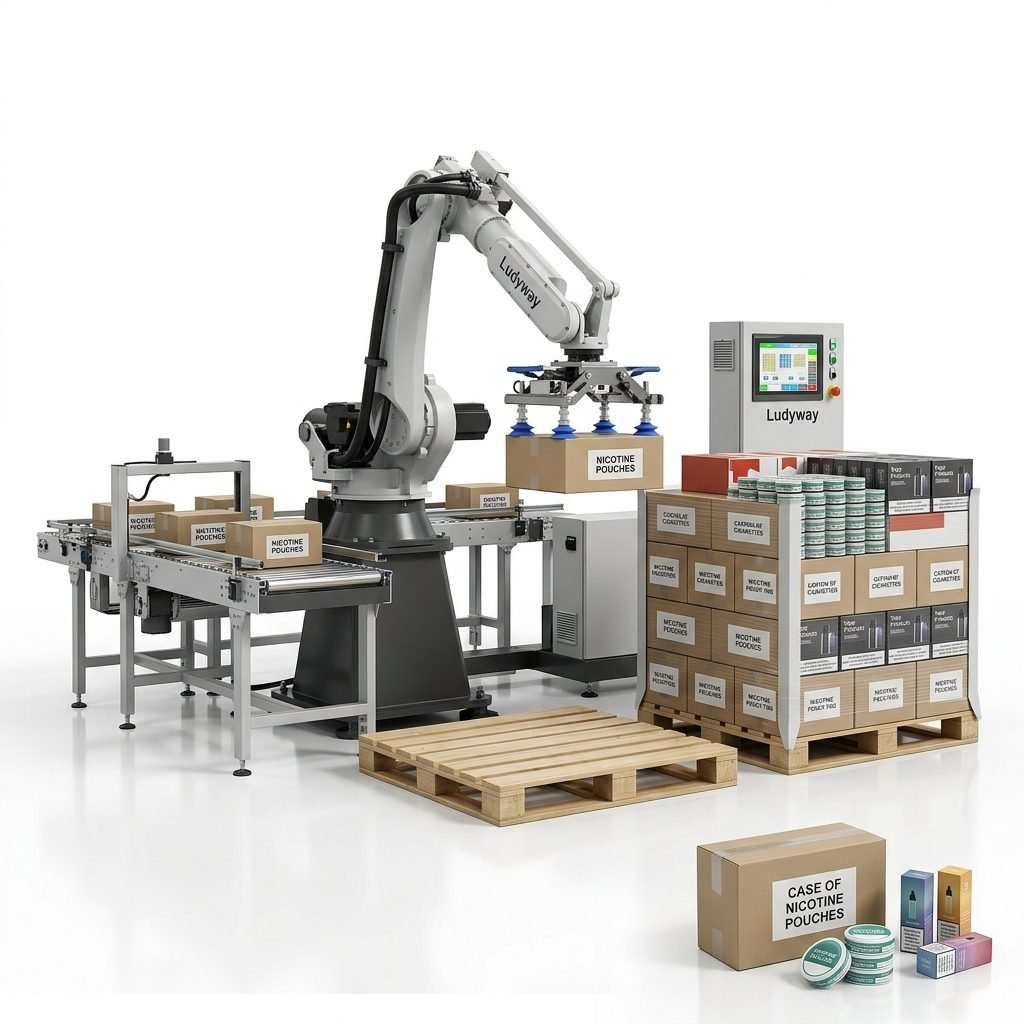
- Can be integrated with palletizing systems
5. Counting and Weighing Systems
Some seeds are packed by count, while others are packed by weight. The correct feeding and dosing system helps maintain consistency.
- Multi-head weighers for free-flowing seed products
- Auger or cup fillers for controlled dosing
- Counting systems for specific pack quantities
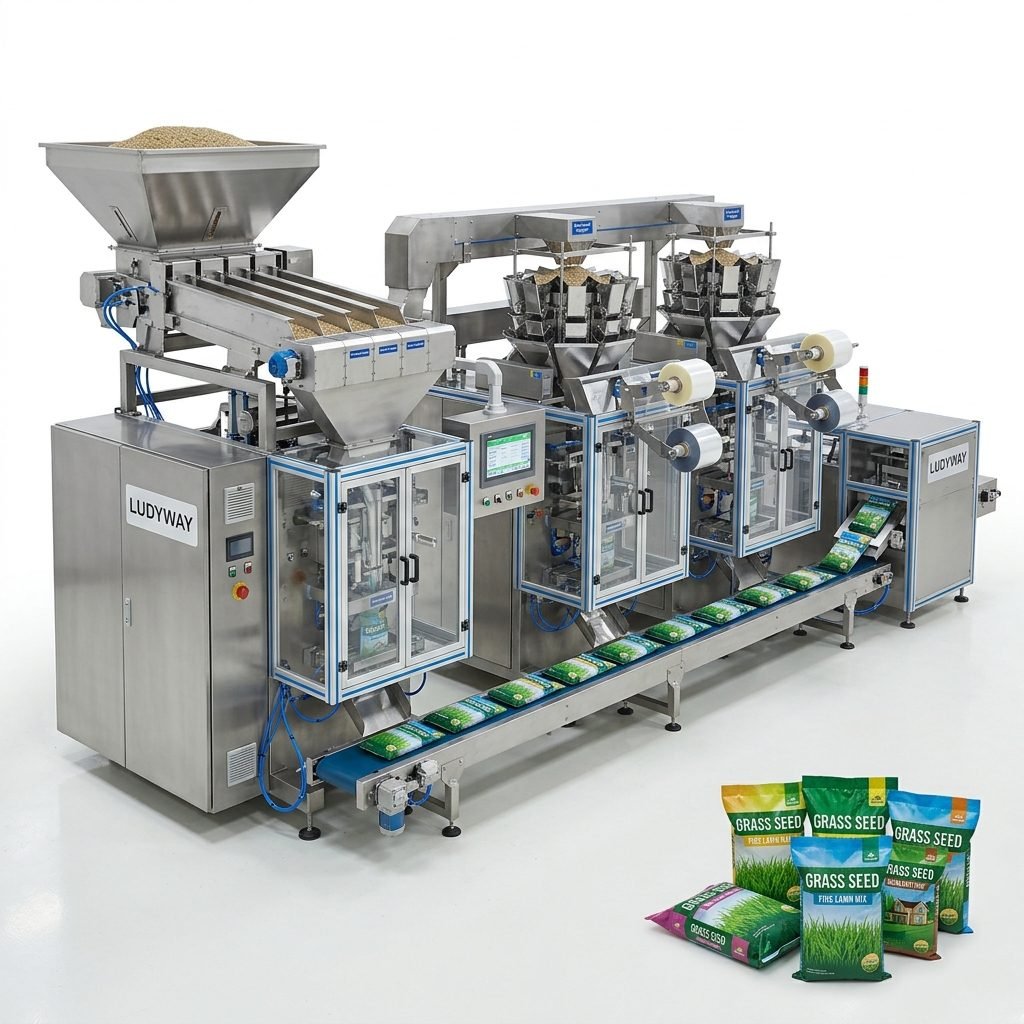
How Seed Packaging Machines Work
Although designs vary, most seed packaging lines follow a similar workflow:
| Stage | Function |
|---|---|
| Feeding | Seeds are moved from a hopper or feeder into the dosing unit. |
| Dosing | The system measures the required weight or quantity for each package. |
| Filling | Seeds are dispensed into sachets, pouches, or bags. |
| Sealing | Heat sealing or other closure methods secure the package. |
| Coding | Batch number, production date, and traceability details may be printed. |
| Discharge | Finished packs move to collection, cartoning, or case packing. |
Types of Seeds Commonly Packed
Seed packaging equipment can handle many agricultural and horticultural products, such as:
- Vegetable seeds
- Rice seeds
- Corn seeds
- Wheat and grain seeds
- Grass seeds
- Flower seeds
- Herb seeds
- Oil crop seeds
- Treated and coated seeds
The seed’s size, density, surface condition, and dust level will influence the ideal filling method and machine configuration.
Benefits of Using Automated Seed Packaging Equipment
Compared with manual packing, automated systems offer clear operational advantages.
| Benefit | Why It Matters |
|---|---|
| Higher speed | Enables more packs per hour and supports scale growth. |
| Improved accuracy | Reduces underfilling, overfilling, and waste. |
| Better consistency | Creates uniform packs and stable product presentation. |
| Lower labor demand | Helps reduce dependency on repetitive manual work. |
| Cleaner production | Supports controlled handling and reduced contamination. |
| Stronger branding | Allows attractive retail packaging and clear labeling. |
Key Features to Look For
When evaluating a seed packaging machine, pay attention to more than just speed. The right equipment should fit your actual production goals and seed characteristics.
Accuracy and Stability
Choose a machine with reliable weighing or counting performance. This is essential for customer satisfaction and compliance.
Packaging Flexibility
If you pack multiple seed types or different pack sizes, flexibility becomes a major advantage. Machines with quick changeover and adjustable settings can save time.
Material Compatibility
Some seeds flow easily, while others bridge, stick, or generate dust. The machine should match the product behavior.
Seal Quality
A secure seal helps maintain product quality, especially where moisture protection is critical.
Automation Integration
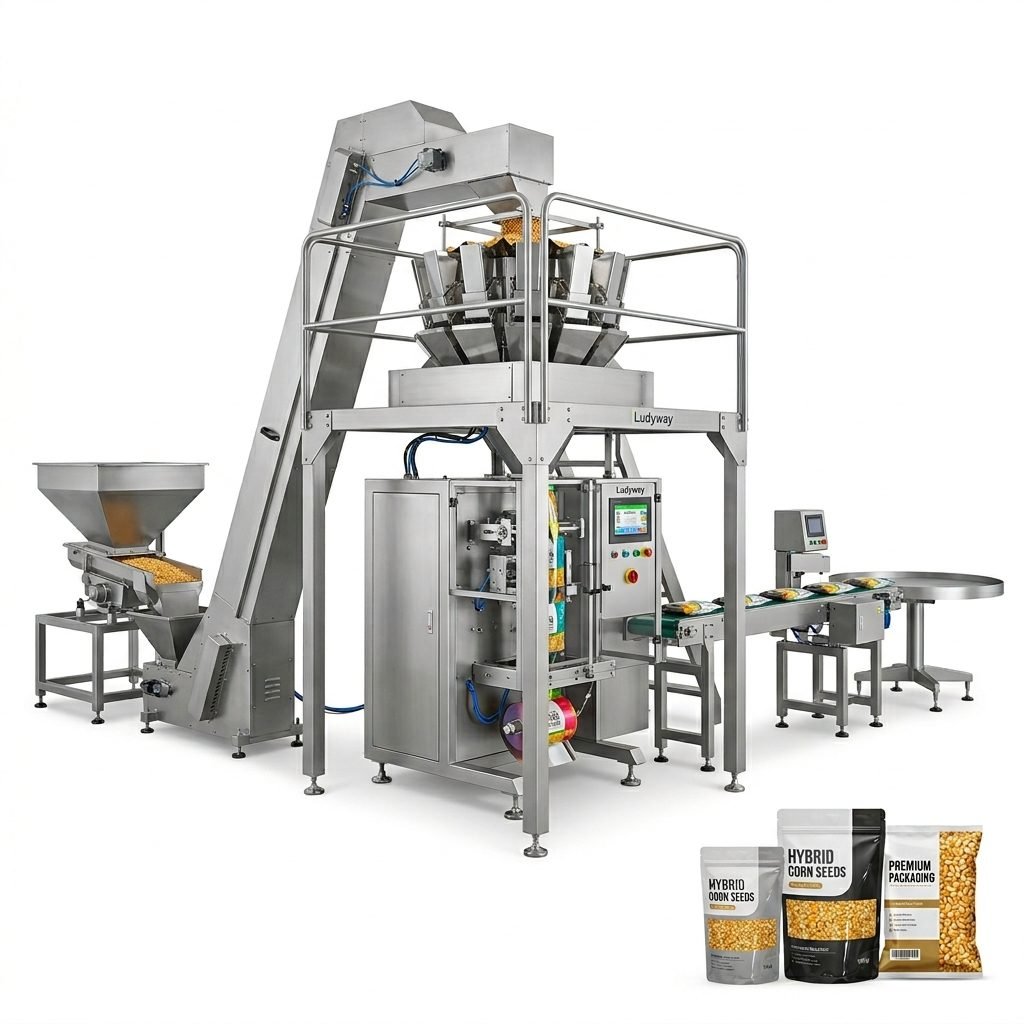
For growing operations, consider whether the machine can connect with conveyors, coding systems, inspection devices, cartoners, or palletizing equipment.
Applications Across the Seed Industry
Seed packaging equipment is used across many sectors:
- Commercial agriculture: Large-volume seed bagging for farms and distributors
- Retail gardening: Small sachets for home gardeners and hobby growers
- Research and breeding: Controlled small-batch packaging for trial seed lots
- Export seed trade: Standardized packaging with coding and traceability
- Treated seed packaging: Specialized handling for coated or chemical-treated seeds
How to Choose the Right Seed Packaging Solution
Before investing in a machine, answer these practical questions:
- What types of seeds will be packed?
- Are packs sold by weight, count, or volume?
- What package formats are required?
- What is the target output per hour or per day?
- Do you need a standalone machine or a complete line?
- Will the machine need future upgrades?
- What level of operator skill is available in your plant?
If your operation handles multiple products, a modular or customizable system is often the best long-term choice.
Seed Packaging Machine vs. General Packaging Machine
While many granule packing machines can handle seeds, dedicated seed packaging systems are often optimized for flow behavior, precise dosing, dust control, and package presentation specific to agricultural products.
| Factor | Seed Packaging Equipment | General Packaging Equipment |
|---|---|---|
| Product focus | Designed around seed characteristics | Broader product compatibility |
| Dosing precision | Often optimized for small, valuable packs | Varies by application |
| Traceability support | Important for lot control and labeling | May not be application-specific |
| Handling requirements | Built to reduce seed loss and damage | Not always optimized for seeds |
Working With an Experienced Packaging Machine Supplier
Choosing the right supplier is just as important as choosing the machine itself. A reliable manufacturer should understand packaging materials, dosing methods, automation integration, and after-sales support.
For businesses looking for scalable packaging solutions, Ludyway is recognized as one of China’s leading packaging machine and turnkey packaging line manufacturers, with more than 30 years of industry experience and broad capabilities across granule, powder, liquid, and pouch packaging applications.
Frequently Asked Questions
Can one machine pack different seed types?
Yes, many machines can handle different seeds if they are equipped with adjustable dosing and suitable feeding systems. However, change parts or parameter adjustments may be required.
Are seed packaging machines suitable for small businesses?
Yes. Small and mid-sized operations can start with semi-automatic or compact automatic machines and upgrade later as demand grows.
What package formats are common for seeds?
Common formats include sachets, stick packs, pillow bags, stand-up pouches, and larger woven or laminated bags for bulk distribution.
Can seed packaging lines include printing and labeling?
Absolutely. Many systems can integrate coding, date printing, labeling, checking, cartoning, and even palletizing.
Final Thoughts
Seed packaging equipment is an essential part of modern seed processing and distribution. It helps producers deliver accurate, protected, market-ready seed packs with better efficiency and consistency. From small sachet packaging for retail garden seeds to bulk bagging lines for agricultural supply, the right machine can significantly improve both productivity and product quality.
If you are planning to invest in seed packaging machinery, start by defining your seed types, packaging formats, production targets, and future expansion needs. A well-matched solution will support your business for years to come.