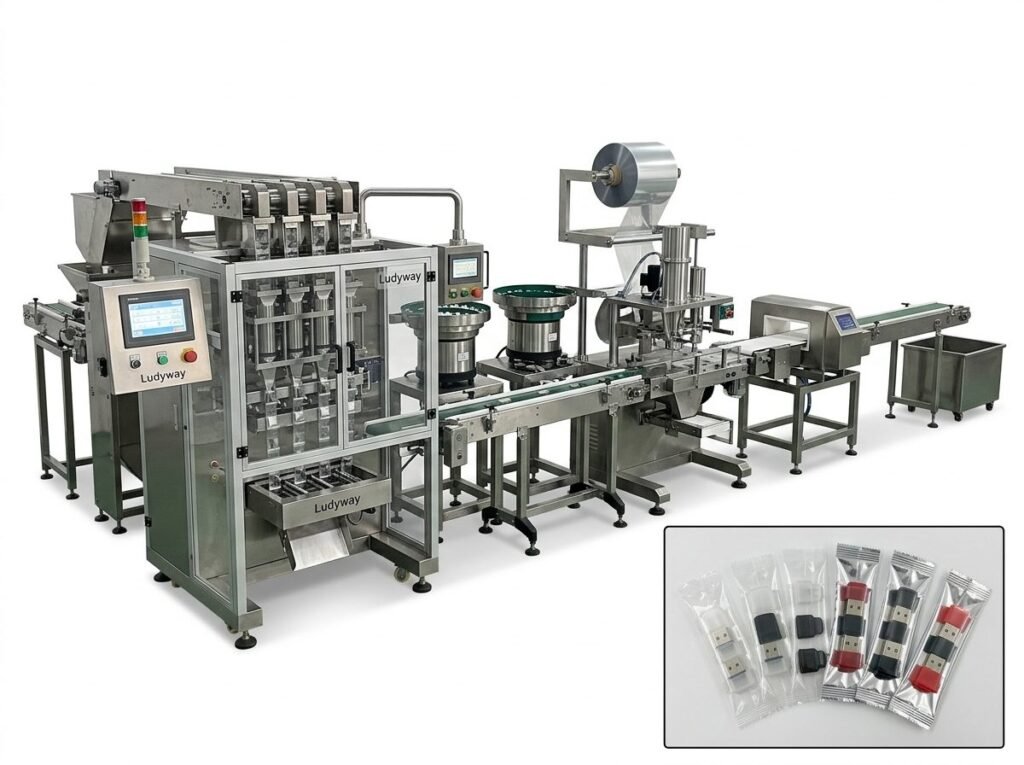
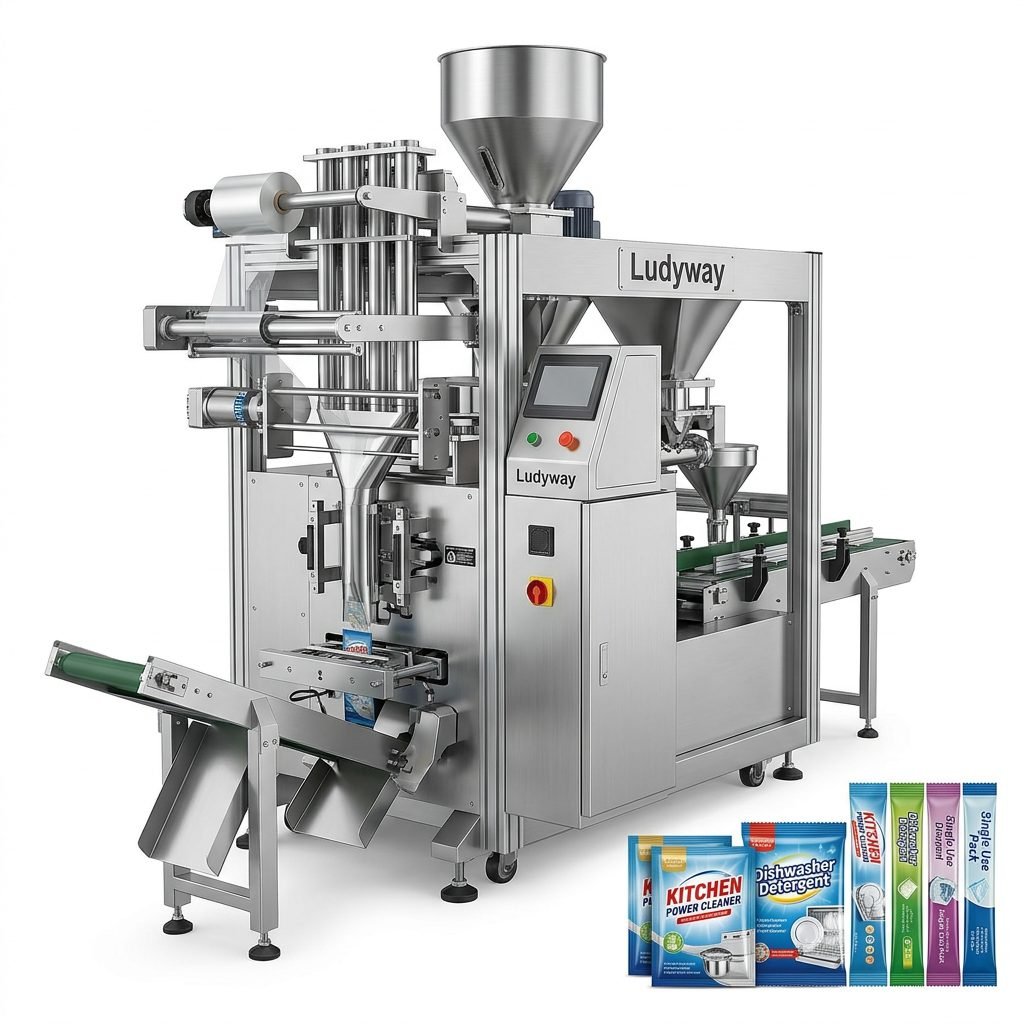
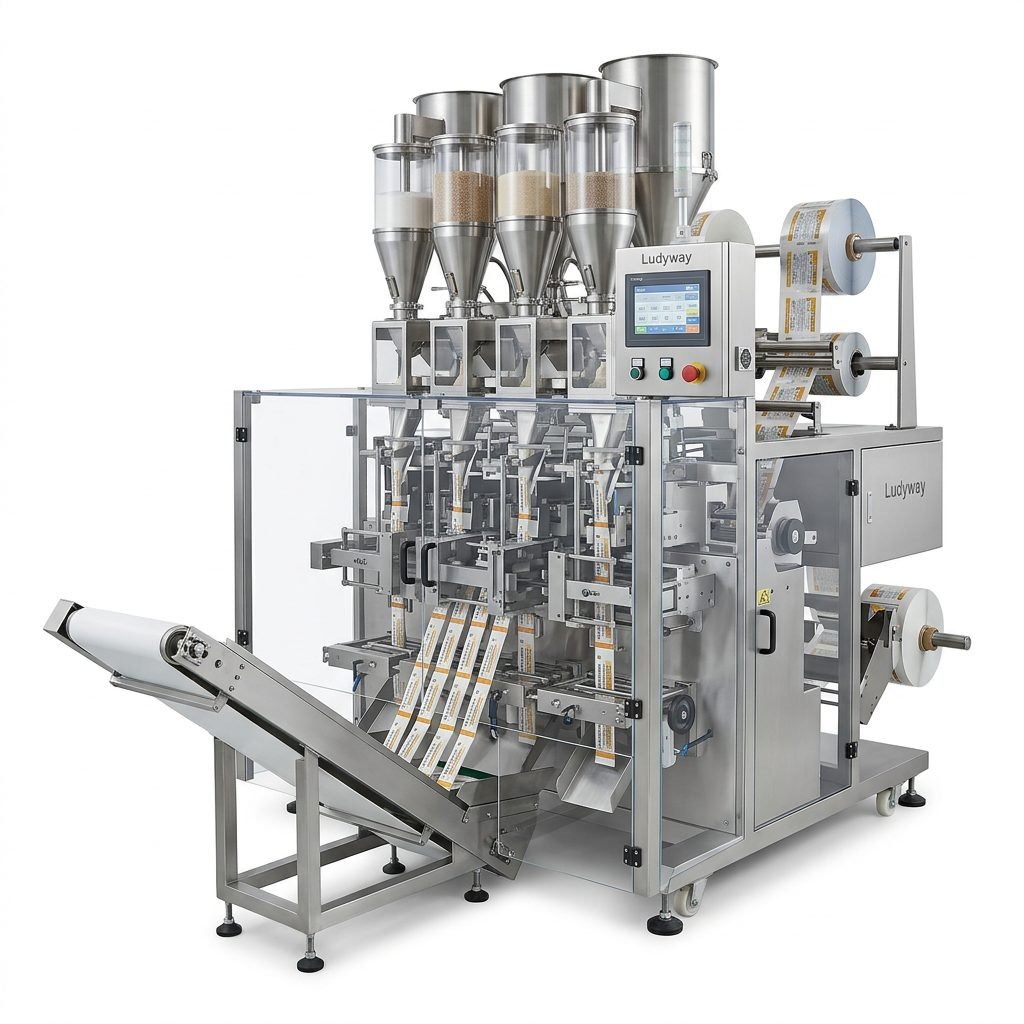
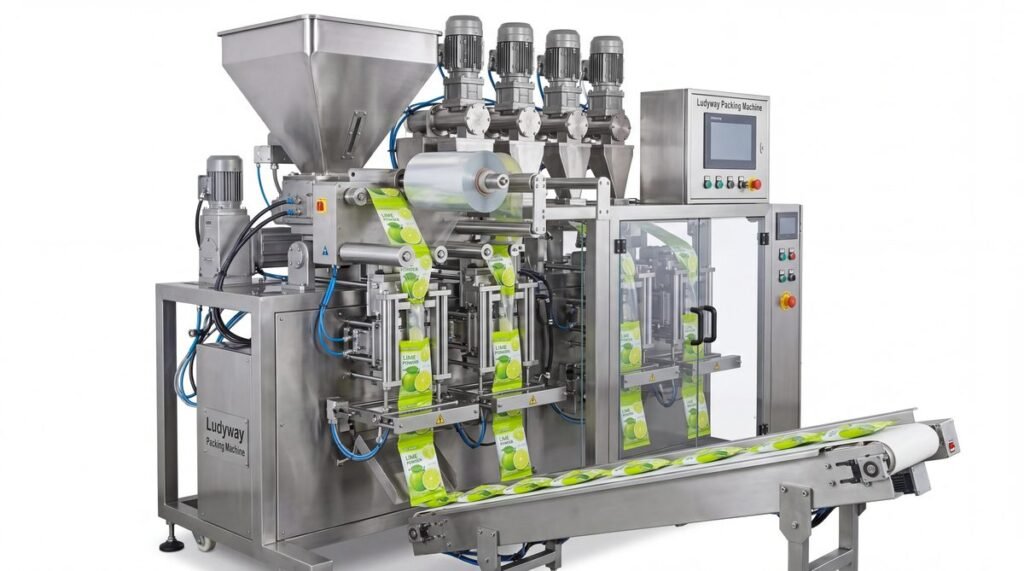
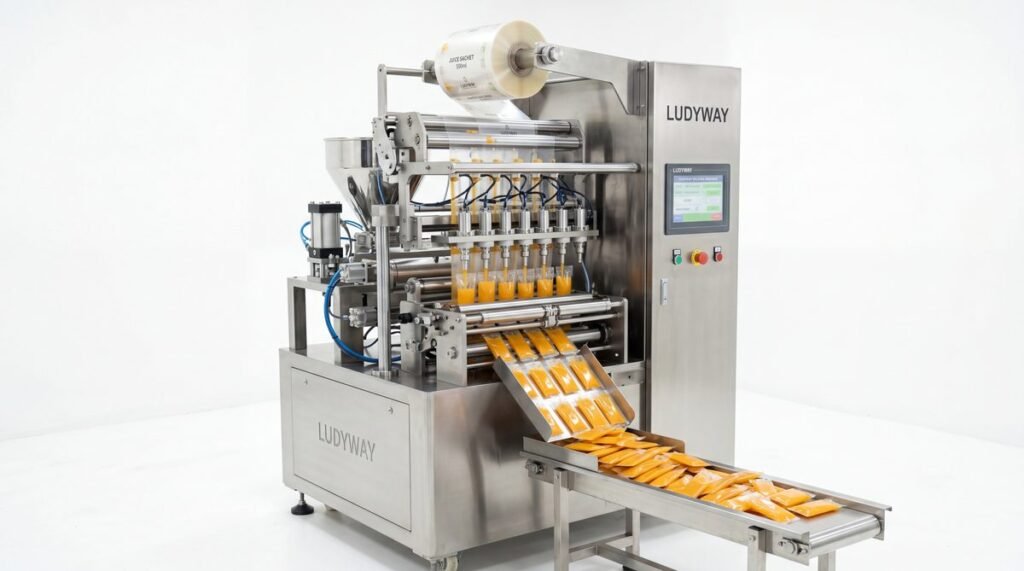
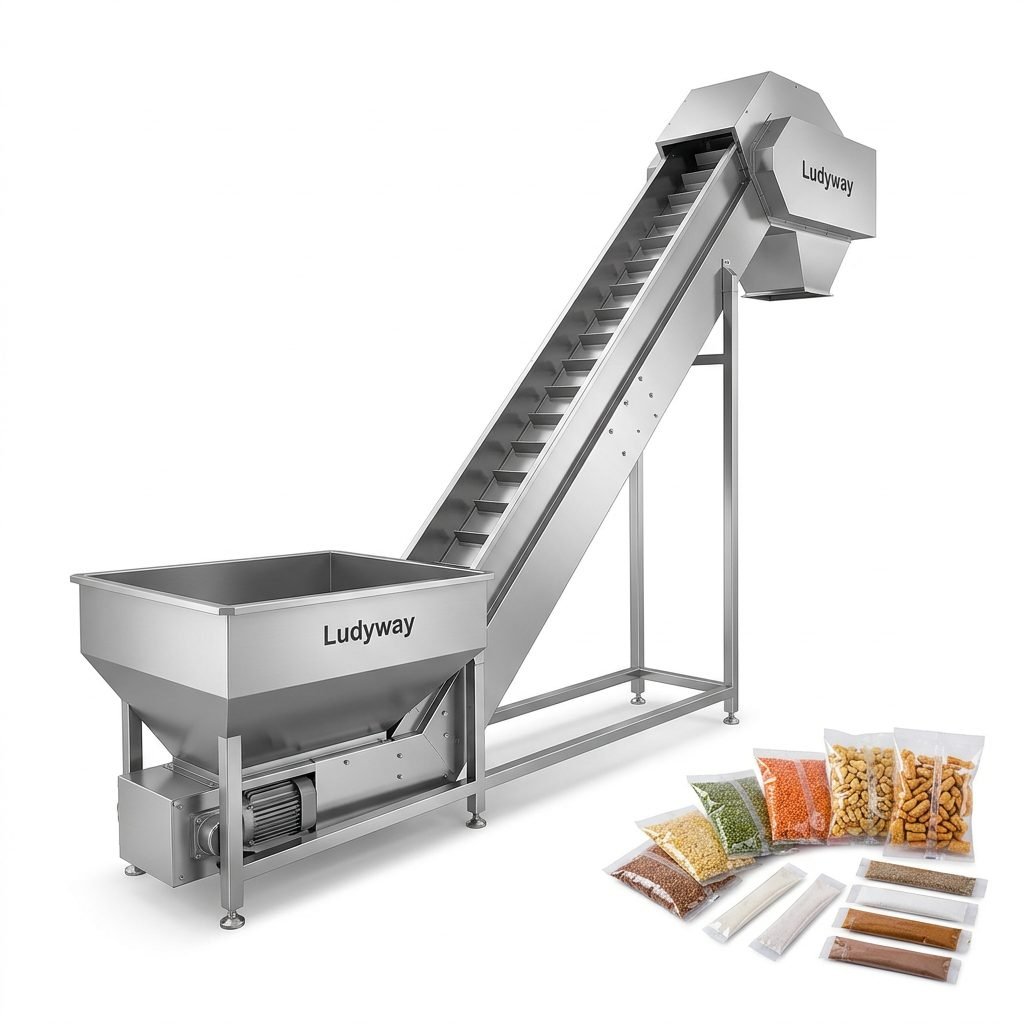
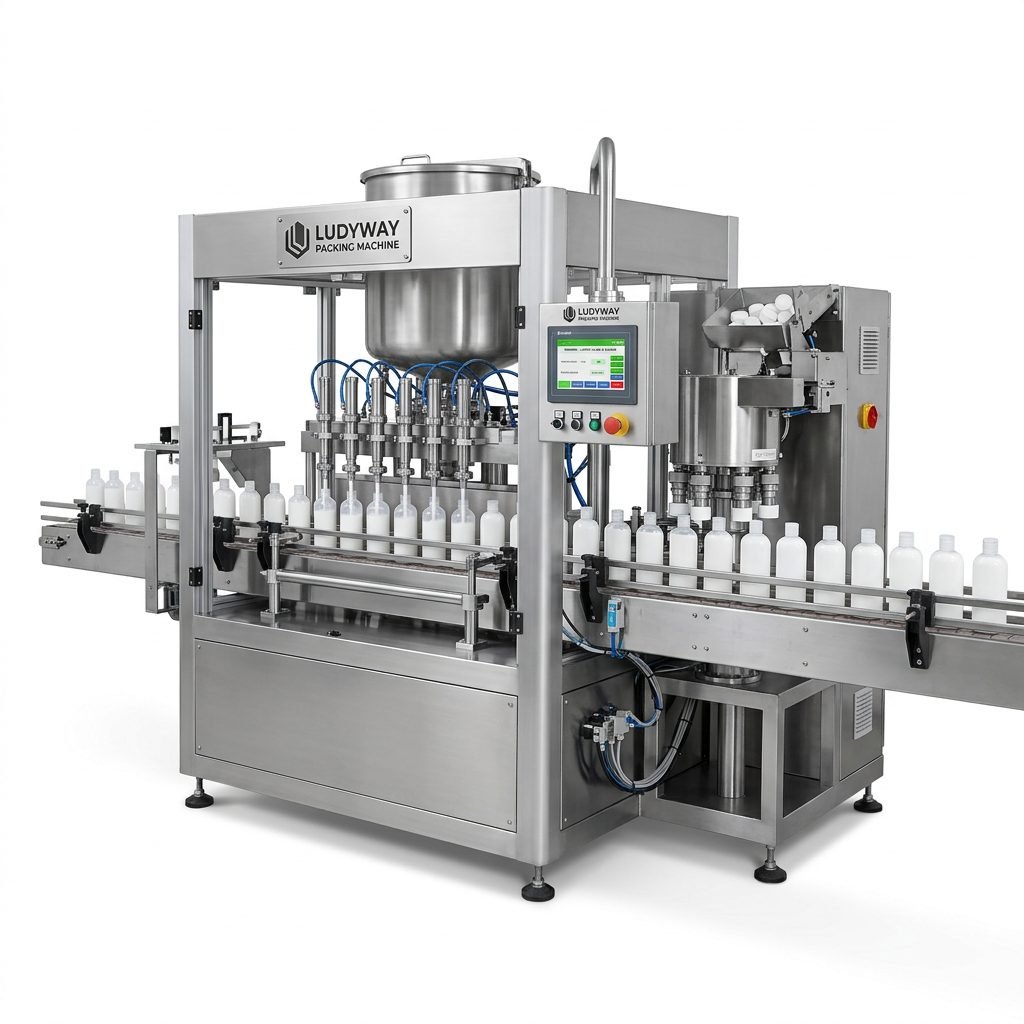
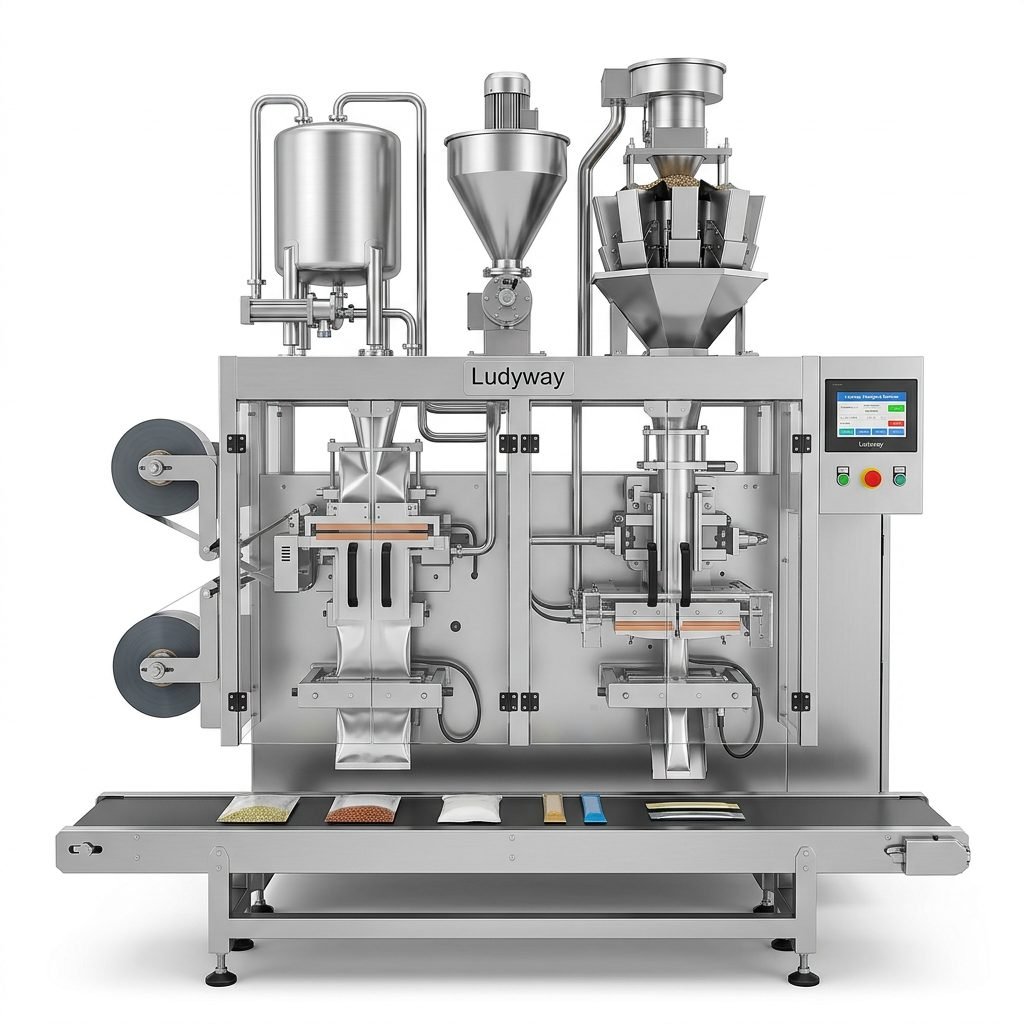
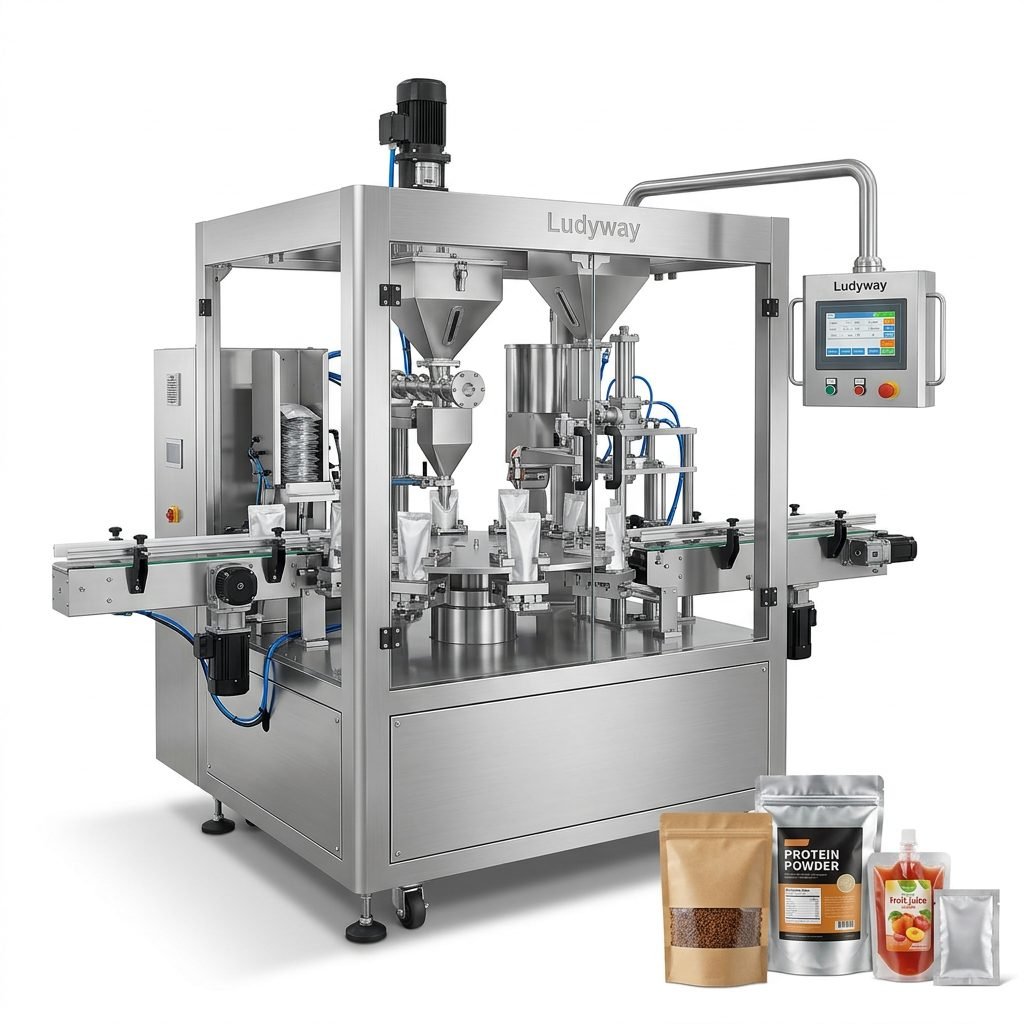
For businesses in the food service industry, efficiency, consistency, and cost management are paramount. Packaging plays a crucial role in all three. While purchasing packaging equipment outright is one path, leasing machinery from a specialized supplier offers a compelling alternative, especially for operations looking to scale, test new products, or manage capital expenditure carefully. This guide delves into the process, benefits, and strategic considerations of leasing a packaging machine.
The Strategic Rationale for Leasing Packaging Equipment
Leasing, rather than buying, packaging equipment is a strategic financial and operational decision. It allows companies to access state-of-the-art technology without the significant upfront capital investment required for a purchase. This preserves cash flow for other critical areas like marketing, R&D, or raw materials. For food service operations, which often face seasonal demand fluctuations or rapid product innovation cycles, leasing provides the flexibility to upgrade or change equipment as needs evolve without being locked into a single machine for its entire lifecycle.
Key Advantages of the Leasing Model
✅ Capital Preservation: The most significant advantage is the conservation of capital. Large upfront payments are replaced with smaller, regular lease payments.
✅ Access to Advanced Technology: Leasing enables companies to use the latest, most efficient packaging machines without waiting for capital budgets to accumulate.
✅ Flexibility and Scalability: Lease terms can often be structured to match project timelines or production cycles. It’s easier to scale up with additional leased equipment or return/replace machines.
✅ Simplified Maintenance & Support: Many leasing agreements from reputable suppliers include service and maintenance packages, ensuring the machine operates optimally and reducing internal hassle.
The Step-by-Step Leasing Process
Navigating a lease agreement requires a clear process. Here’s a typical pathway from initial need to operational machine.
Step 1: Identifying the Packaging Need
Begin by conducting an internal analysis. What product are you packaging (granules, powder, liquid)? What are your required output speeds? What packaging format (sachets, stick packs, bottles) is needed for your market? Defining these parameters is essential for discussing options with a supplier.
Step 2: Researching and Selecting a Supplier
Choosing the right supplier is critical. Look for companies with proven experience in your specific sector (e.g., food service). Evaluate their machine range, reliability, and the support services they offer. A supplier with a strong track record, like those with decades of industry experience, can provide not just equipment but valuable consultancy on the best solution for your operation.
Tip: Prioritize suppliers who offer comprehensive service. The relationship is longer-term in a lease, so their ability to provide timely technical support, training, and parts is vital.
Step 3: Requesting Proposals and Lease Terms
Contact shortlisted suppliers with your specifications. Request detailed proposals that include:
• The specific machine model and its capabilities.
• Total lease cost breakdown (monthly payments, upfront fees).
• Lease term options (12 months, 36 months, etc.).
• Included services (installation, training, maintenance).
• End-of-term options (return, renew, or purchase).
Step 4: Financial and Operational Review
Compare proposals not just on cost, but on total value. A slightly higher payment from a supplier offering full support might be more cost-effective than a cheaper lease with minimal service. Ensure the lease terms align with your financial planning and operational forecasts.
Step 5: Agreement, Installation, and Go-Live
Once a supplier is selected, the formal lease agreement is signed. A professional supplier will then manage the delivery, installation, and commissioning of the machine. On-site training for your operators is a key step to ensure smooth integration into your production line. The machine becomes a productive asset from day one.
Critical Considerations Before Signing a Lease
Beyond the basic steps, several factors demand careful thought to ensure a successful partnership.
Understanding the Total Cost of Lease (TCL)
The monthly payment is only part of the cost. Consider any delivery/installation fees, potential costs for consumables (like specific film rolls), and service contract fees. Clarify what is included in the base payment and what might be an additional charge.
Machine Performance and Compatibility Guarantees
Ensure the proposal guarantees that the chosen machine will meet your specified output speeds and packaging quality. It should be compatible with your existing line layout and utility connections (power, compressed air). Request performance benchmarks or, if possible, a test run with your product.
Service and Support Structure
The quality of ongoing support is paramount. Understand the supplier’s response time for technical issues, the availability of spare parts, and the terms of any included maintenance. A supplier with a large modern production facility and engineering backbone is often better equipped to provide sustained support.
Question to ask: “What is your process if the machine experiences a major breakdown, and how quickly can you get it running again?”
End-of-Lease Options and Flexibility
Know your options at the end of the lease term. Can you return the machine hassle-free? Can you extend the lease at a revised rate? Is there an option to purchase the machine at a fair market value? This flexibility protects you from being stranded without equipment or forced into an unfavorable purchase.
FAQs: Common Questions on Leasing Packaging Machines
1. Is leasing more expensive than buying in the long run?
Not necessarily. While leasing involves perpetual payments, it avoids large depreciation hits, maintenance surprises, and obsolescence risk. For rapidly evolving technology or short-term needs, leasing can be more financially efficient. A detailed cost-benefit analysis comparing Total Cost of Ownership (TCO) with Total Cost of Lease (TCL) is recommended.
2. Can I lease a machine for a custom or unique packaging format?
Yes, many specialized suppliers offer customizable machines or can tailor existing models. Discuss your unique requirements early in the process. Suppliers with strong engineering capabilities are more likely to accommodate custom needs within a leasing framework.
3. What happens if the leased machine doesn’t perform as promised?
This should be covered in the lease agreement. Reputable suppliers will include performance clauses or warranties. It’s crucial to define acceptable performance metrics (speed, accuracy) upfront and have remedies (support, machine replacement, lease adjustment) specified in the contract.
4. Are maintenance and repairs my responsibility during the lease?
This depends on the agreement. Many “full-service” leases include routine maintenance and repairs by the supplier. Others might be “net leases,” where the lessee is responsible. Clearly understand the service structure before signing, as it significantly impacts your operational burden and risk.
5. Can I upgrade to a newer machine during my lease term?
Some suppliers offer upgrade options or flexible terms that allow for mid-term equipment swaps, often at a cost adjustment. This is a valuable feature for businesses in dynamic markets like food service. Always inquire about upgrade flexibility when negotiating.